Silent Sunday
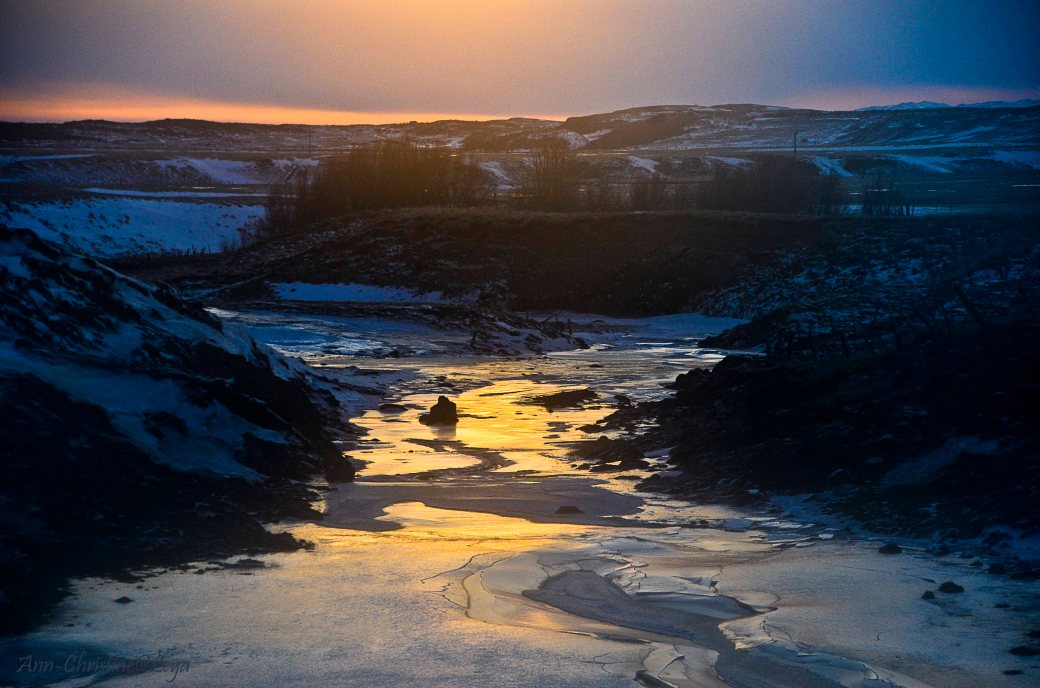
Heading for the Geysir area in the cold of the morning. There is not much traffic in Iceland, and they do not sand or salt their roads.
This is post number six on Iceland, and there is one or two more to come. If you have missed out on the other ones, here are the links.
A Taste of Reykjavik, Heading for South Iceland, More South Iceland Magic, Land of Ice and Fire, Landscapes of Iceland, Thingvellir.
As usual- click the pictures to enlarge.
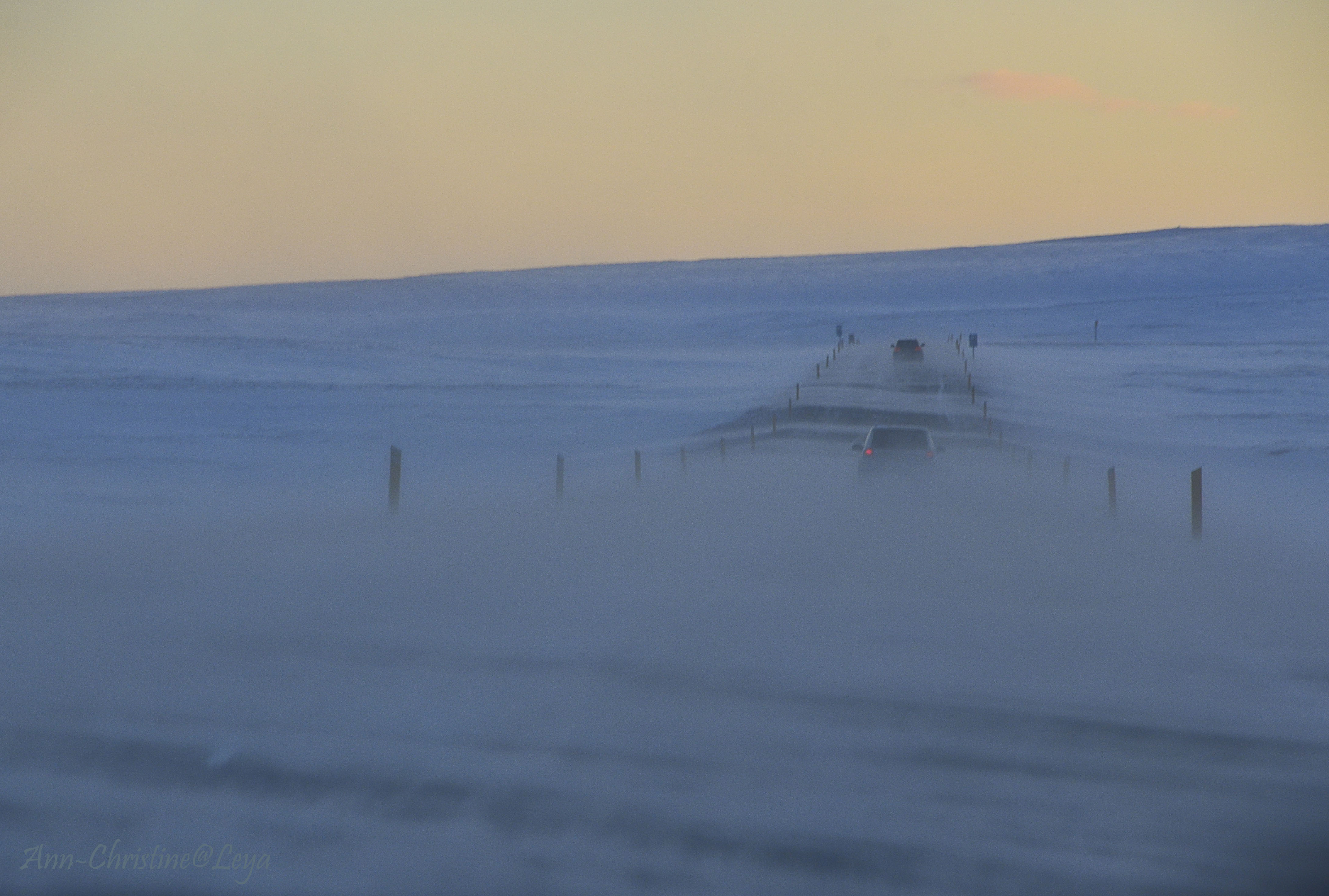
Open sky, and the coldest day so far…my hands were quite stiff from the start. Strong wind and we were told not to open more than one door at a time …
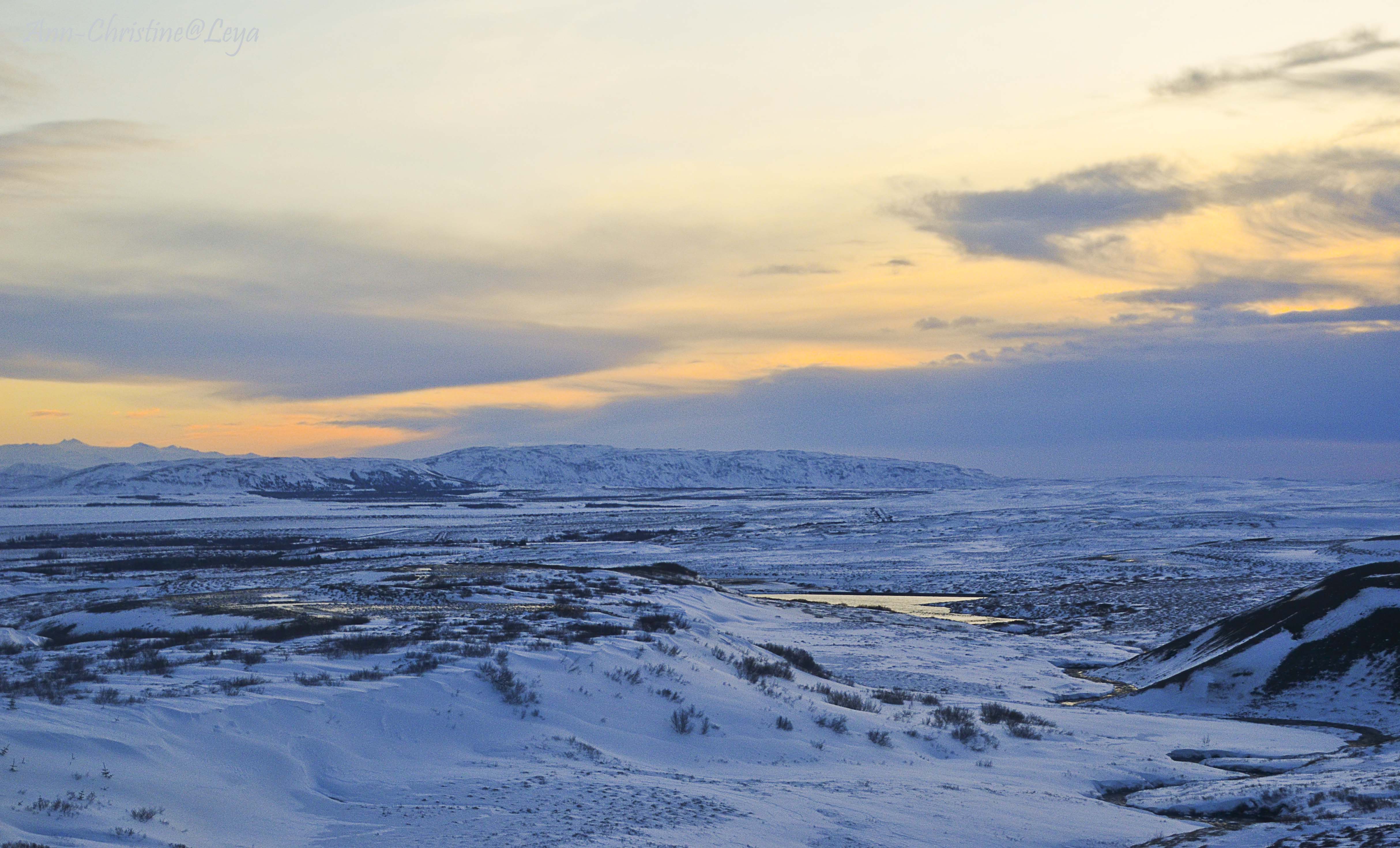
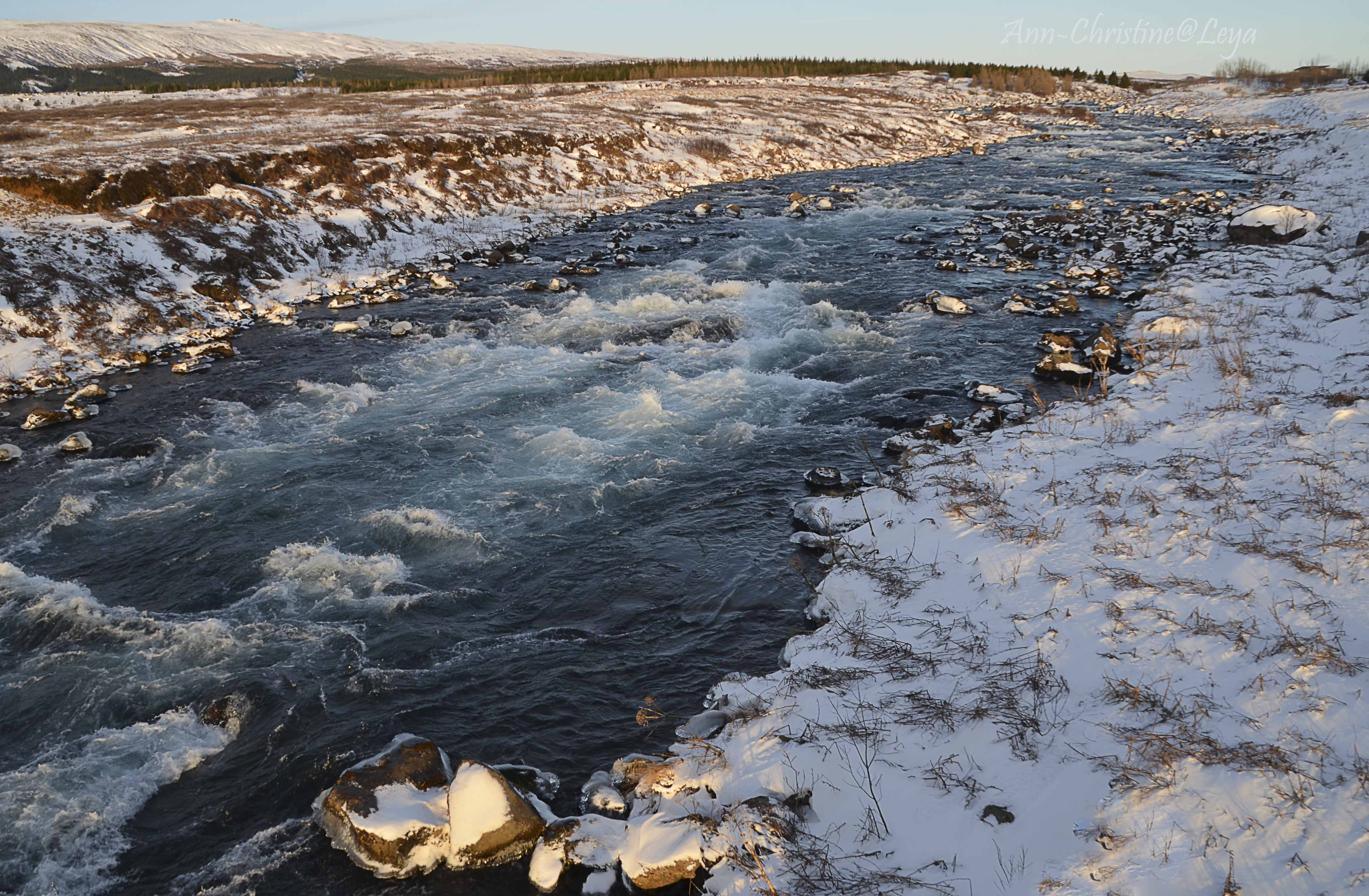
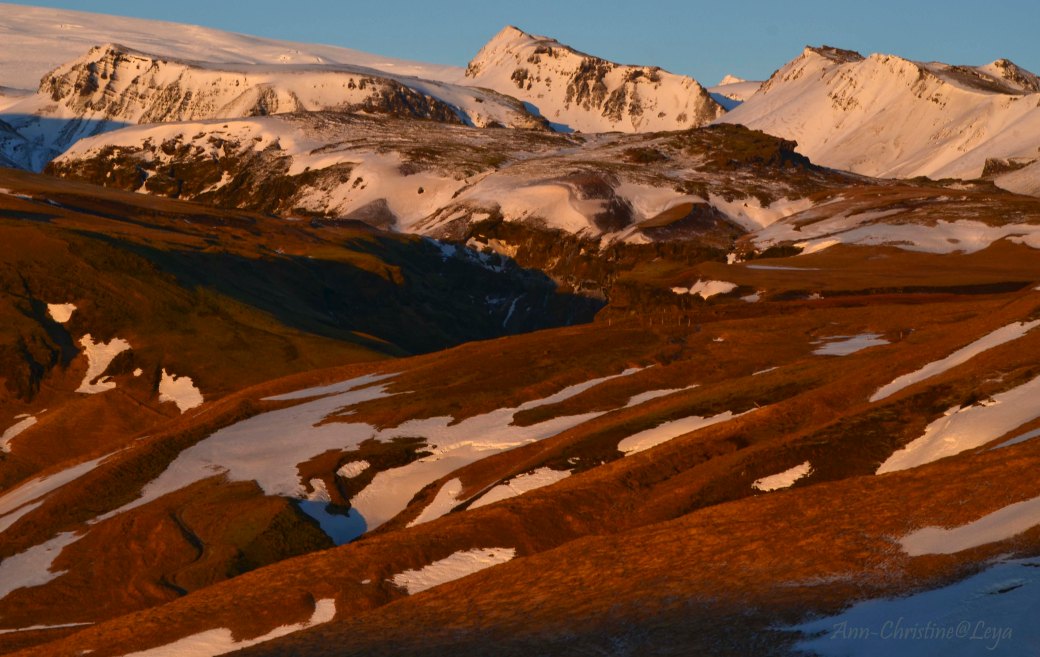
Slowly the sun opened up the landscape. – 12 degrees and no possibility to leave the car because of the icy road, the wind and the cold.
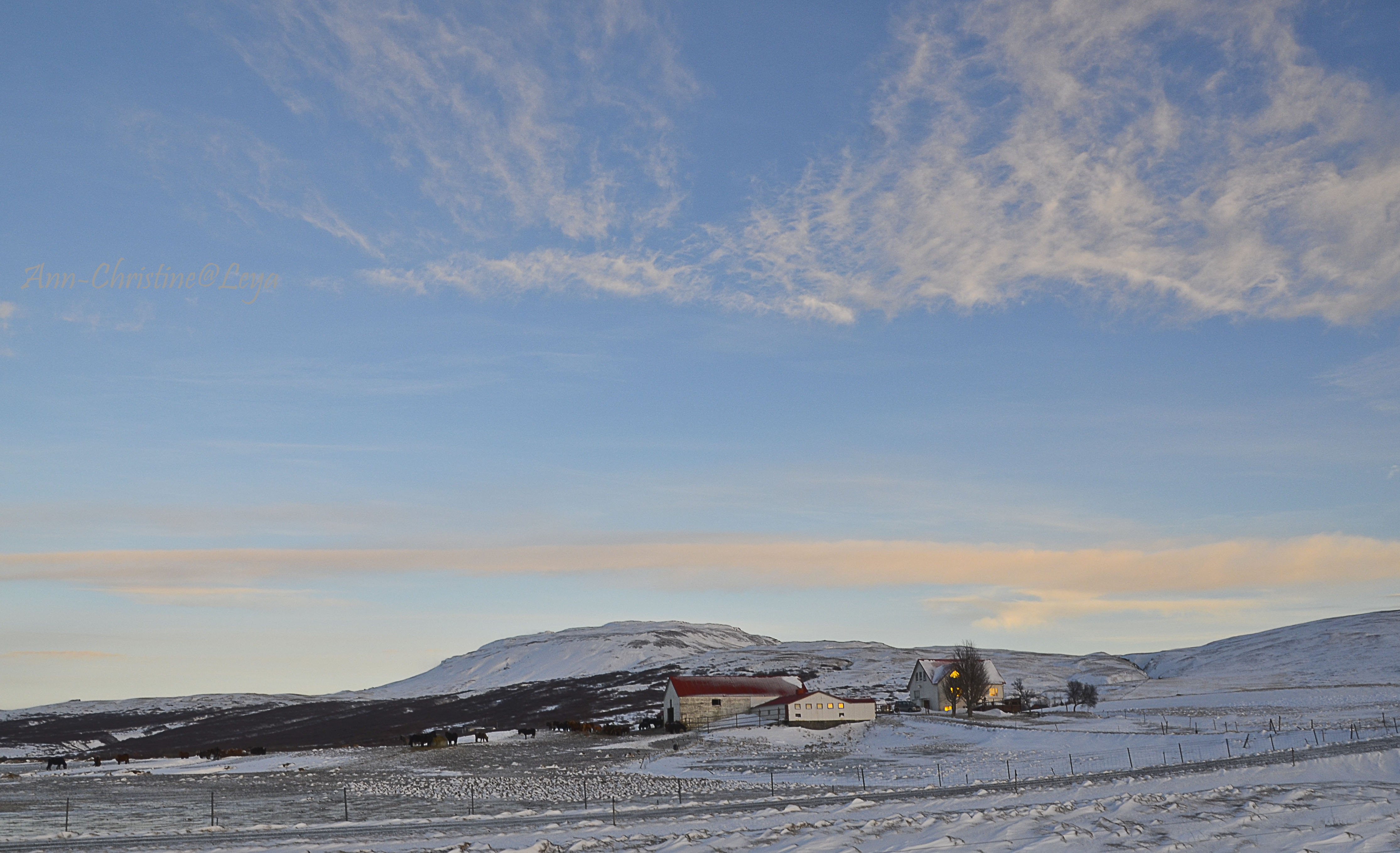
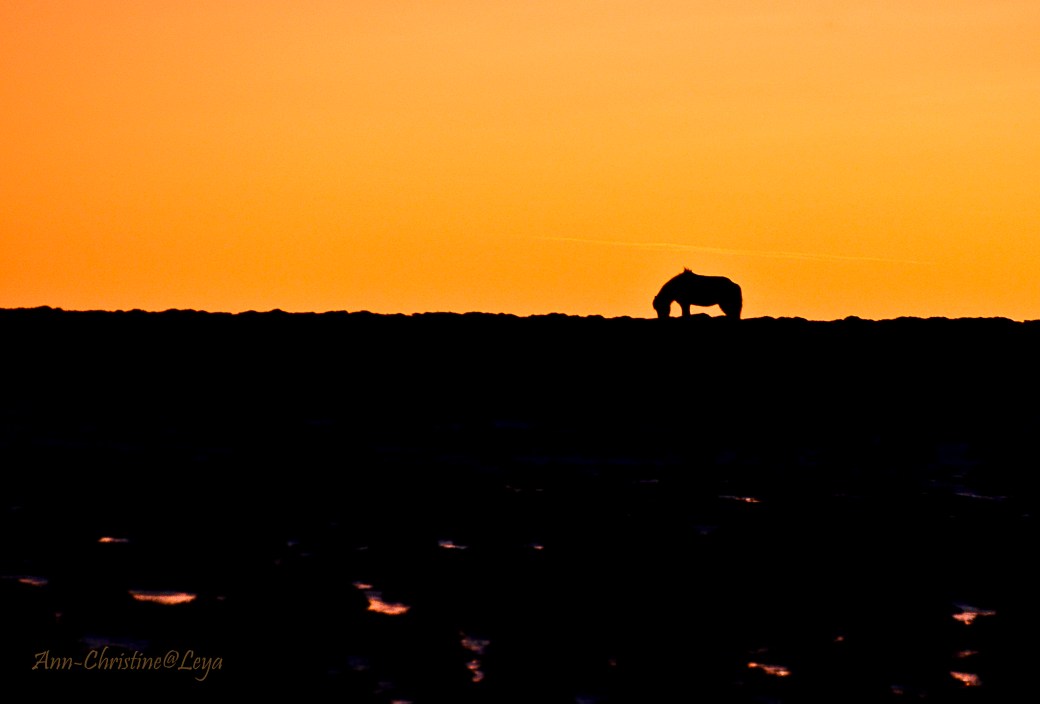
The small farmsteads all awake – the horses too.
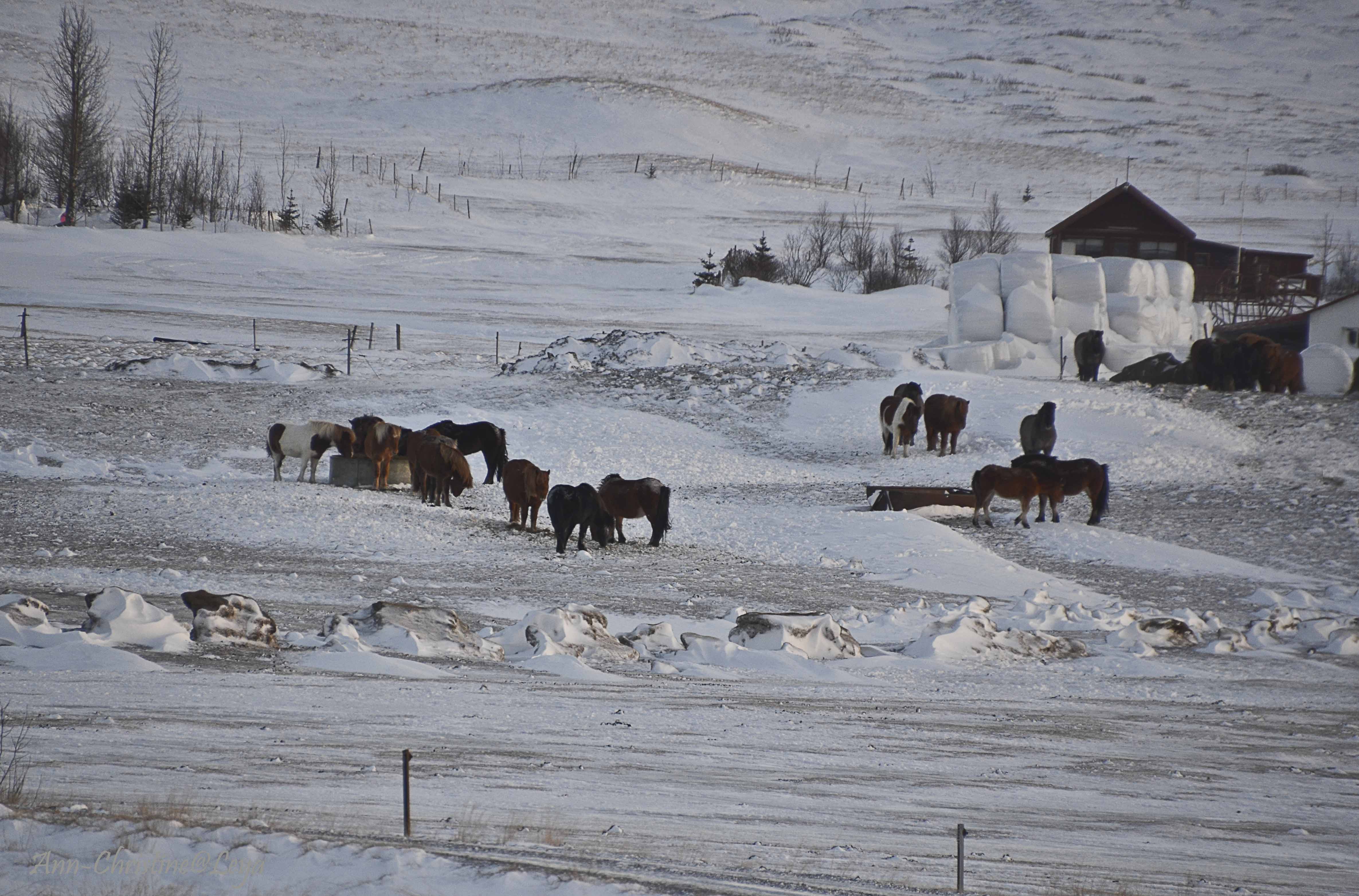
All of them a bit far from the road –
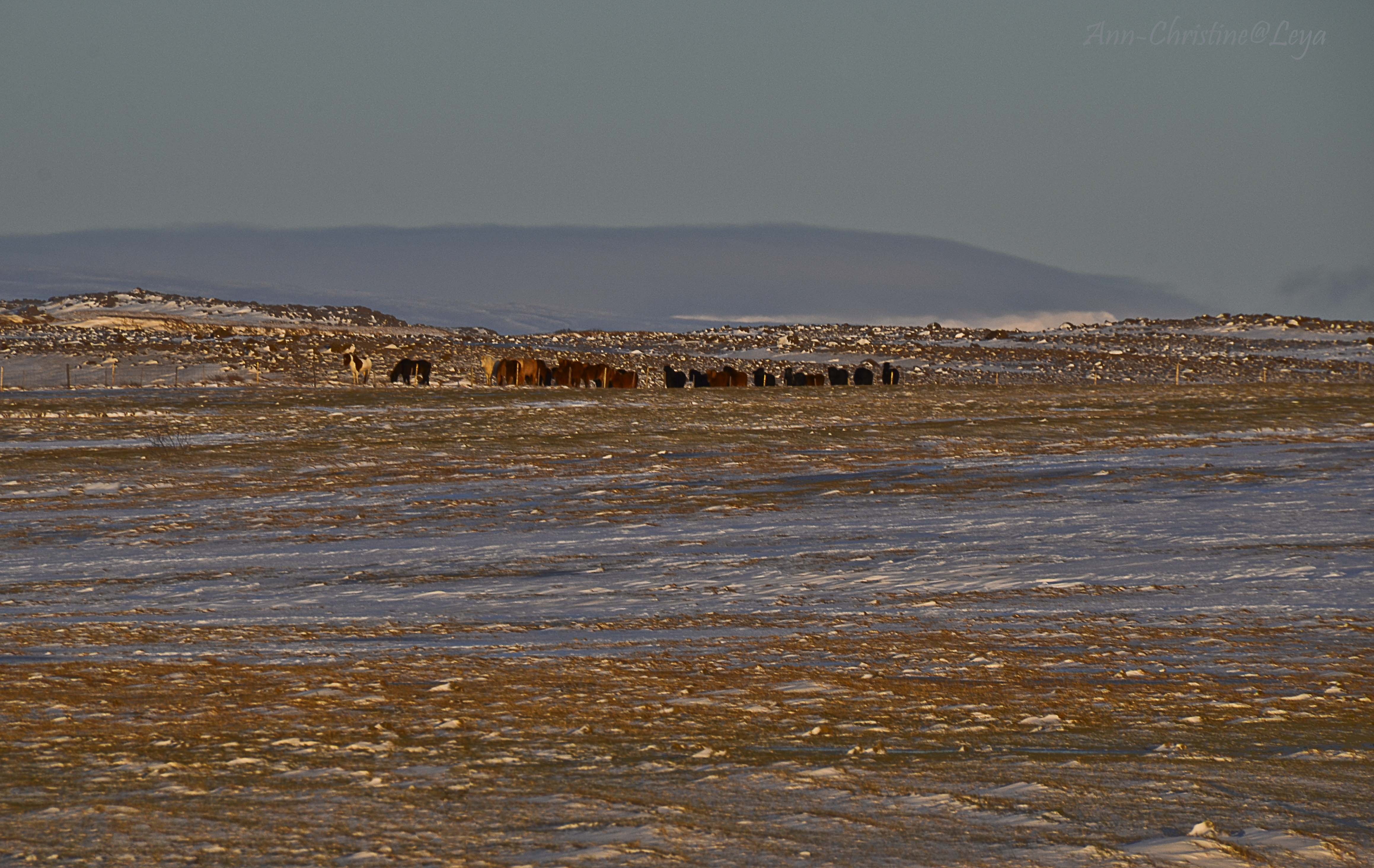
– but we waited patiently…
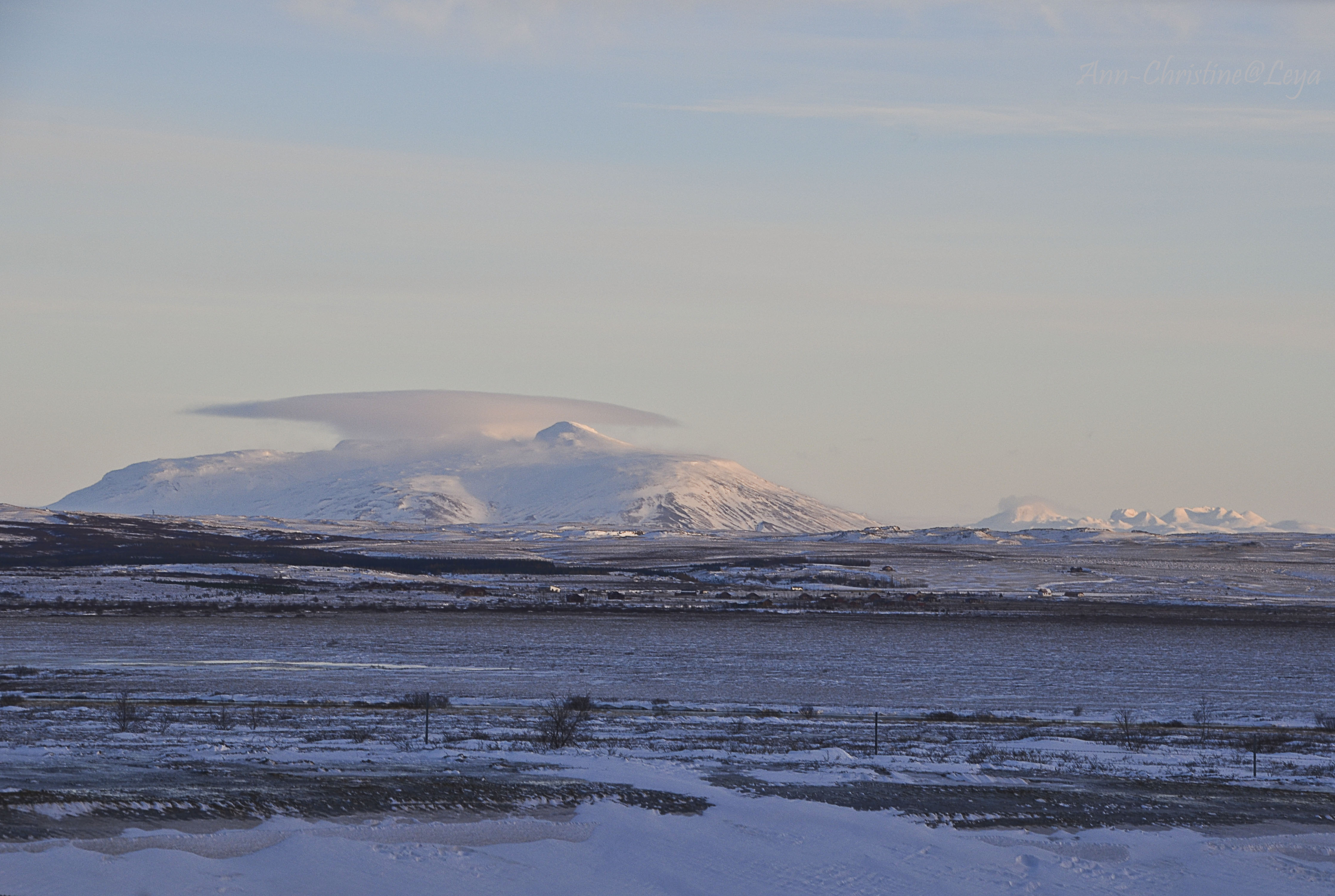 The Geysir area was not crowded with people today, so we gathered around Strokkur – that spouts every 8-10 minutes, 20-30 metres, sometimes with a double puff.
After warming up our hands and faces inside the restaurant, we talked about Geysir being the first Geysir in the world – and giving name to all existing Geysirs. He is no longer active, even if he came back to life for some months after the last volcano eruption.
Sadly enough it was impossible to walk up to Geysir this time – As you can see in the header, the ice made it nearly impossible without risking your life…
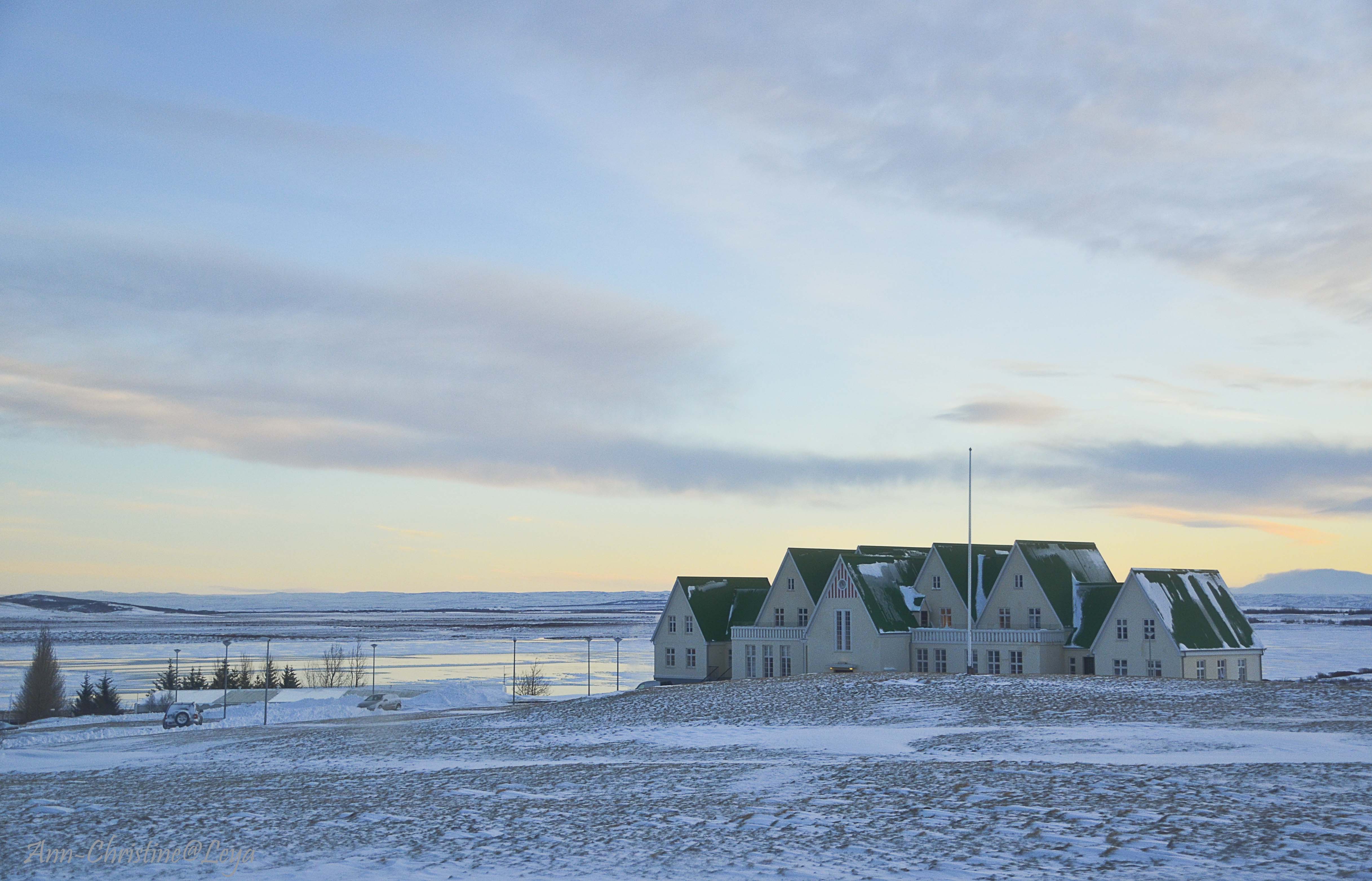
In the heated car, we headed for Gullfoss and the river Hvitá – White, in English. Many glacier rivers are named Hvitá because of their colour.
On the road we finally met Icelandic horses close-up. They were standing quite still with the tough wind coming from behind.
These horses came to Iceland with the Norse Vikings, in the 9th-10th century, and there has been no cross breeding for 1000 years. This means that there is no purer breed anywhere in the world. The Icelandic horses are small, long-lived and hardy. In their native country they have few diseases. In fact, Icelandic law prevents horses from being imported into the country and exported animals are not allowed to return.
I think you agree with me that they are also extremely beautiful!


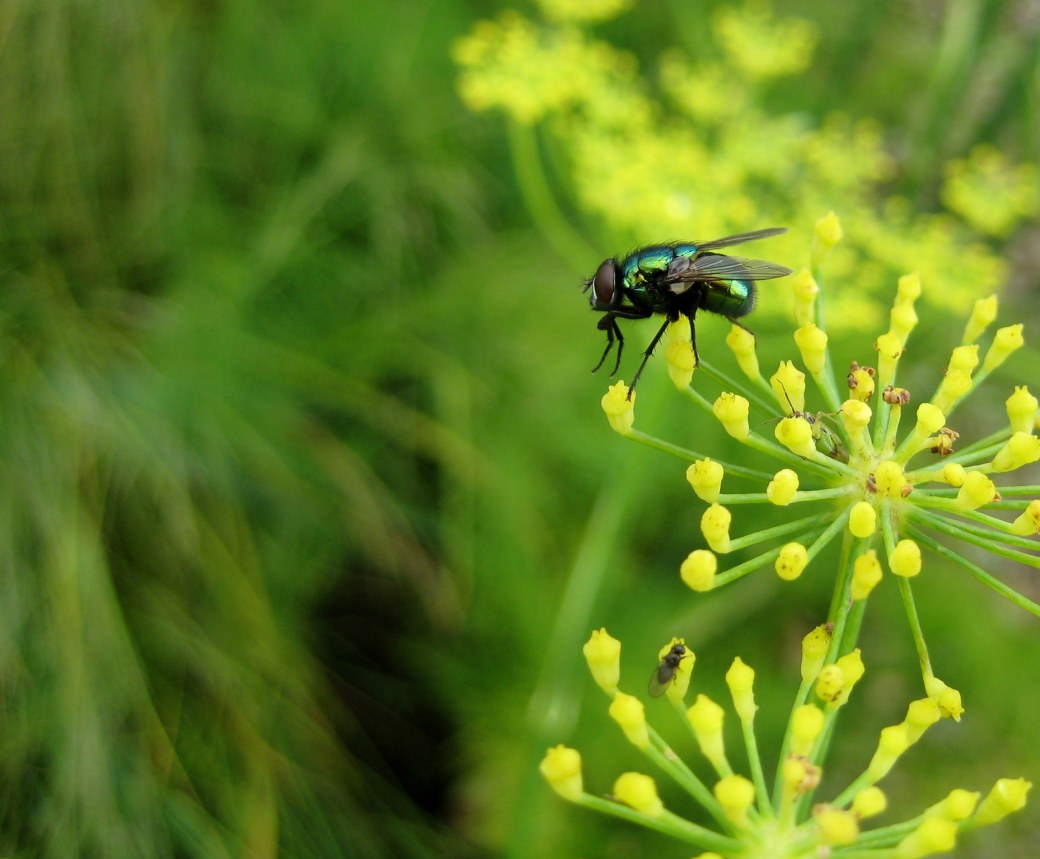
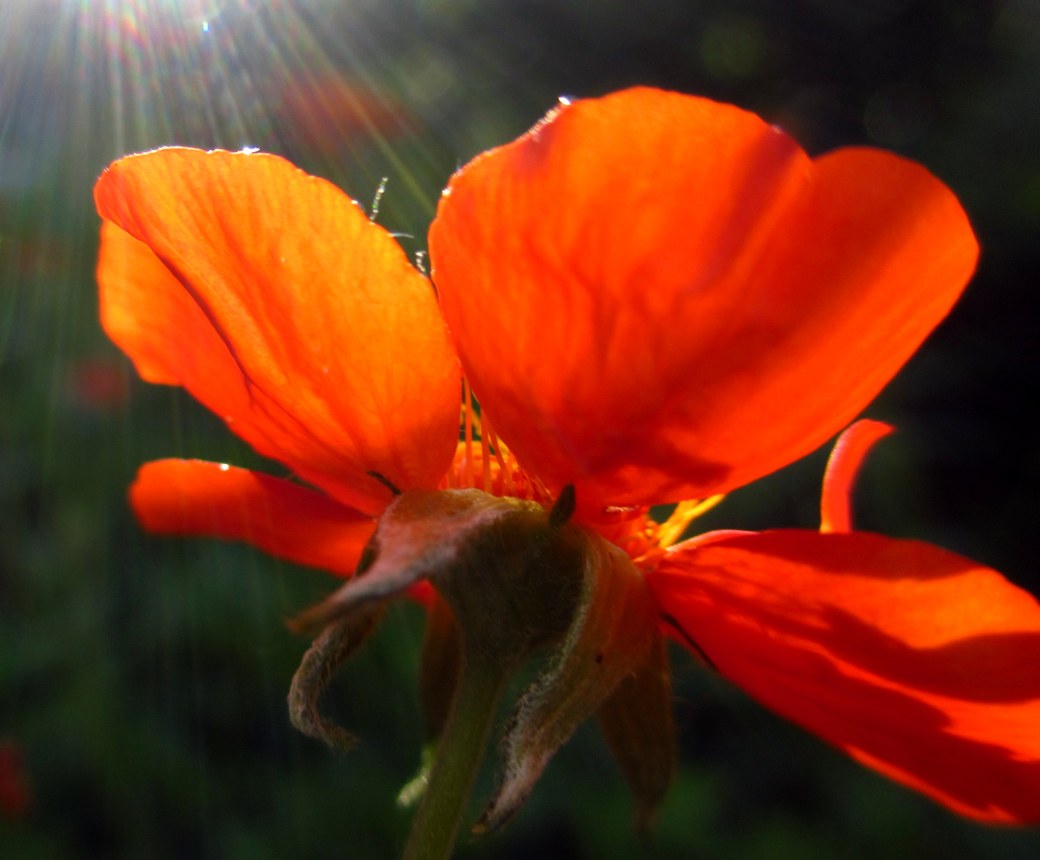
”This week, share a photo of something vibrant. Vivid colors, a lively portrait, or perhaps a delightfully colorful landscape, if you’re in a warmer climate. Let’s wash the web with a rainbow of colors to keep the winter gloom at bay.”
Naturally from the natural world – vibrant!
Empty nest
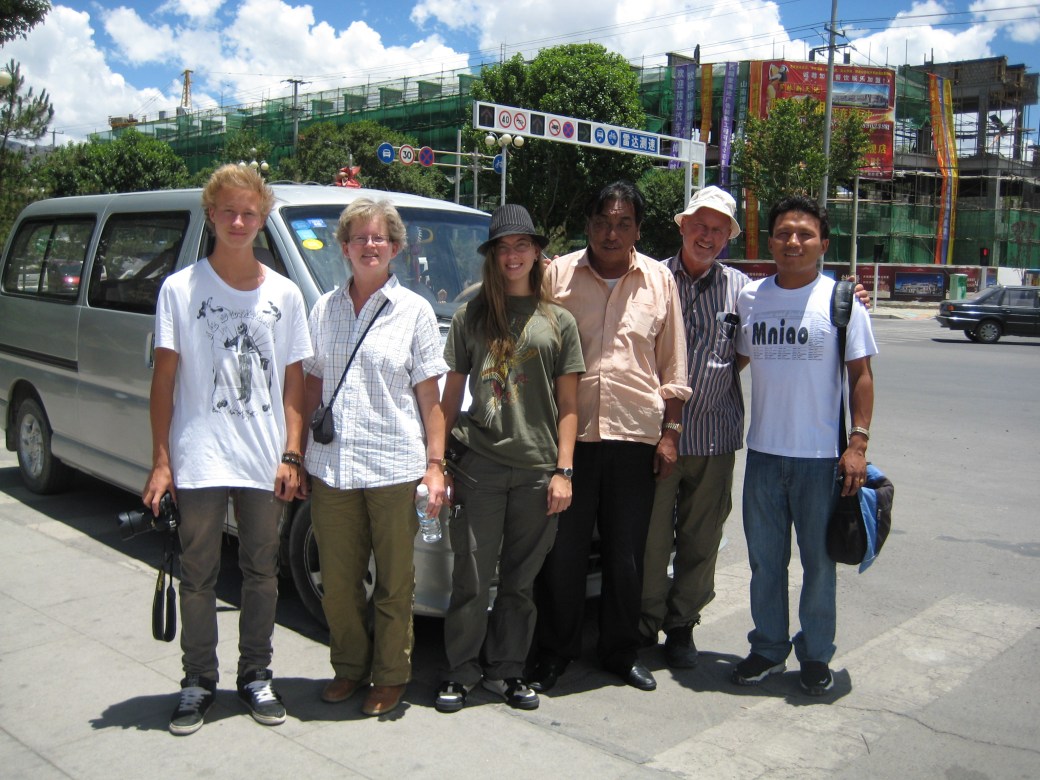
Tonight I feel a bit …empty too. Home alone and missing my youngsters terribly. This is the way life is, of course. Children are only borrowed… for a short time…but in reality 20 years or more. And that is a long time…Still, they will always be my children.
I look at this photo, and I see a happy family travelling Tibet with guides and a van. Excited, overwhelmed, happy, intrigued, mezmerised, sad, overjoyed, tired, headached, worried, thankful, grateful…
Of course everything in life is not always happy and easy – but luckily those things are the ones we remember first and most. Unless we think about our younger days in school…Many of us can never forget the occational wrongs from teachers – when you got unfair grades or worse.
I hope I have been fair. At least I tried hard to be.
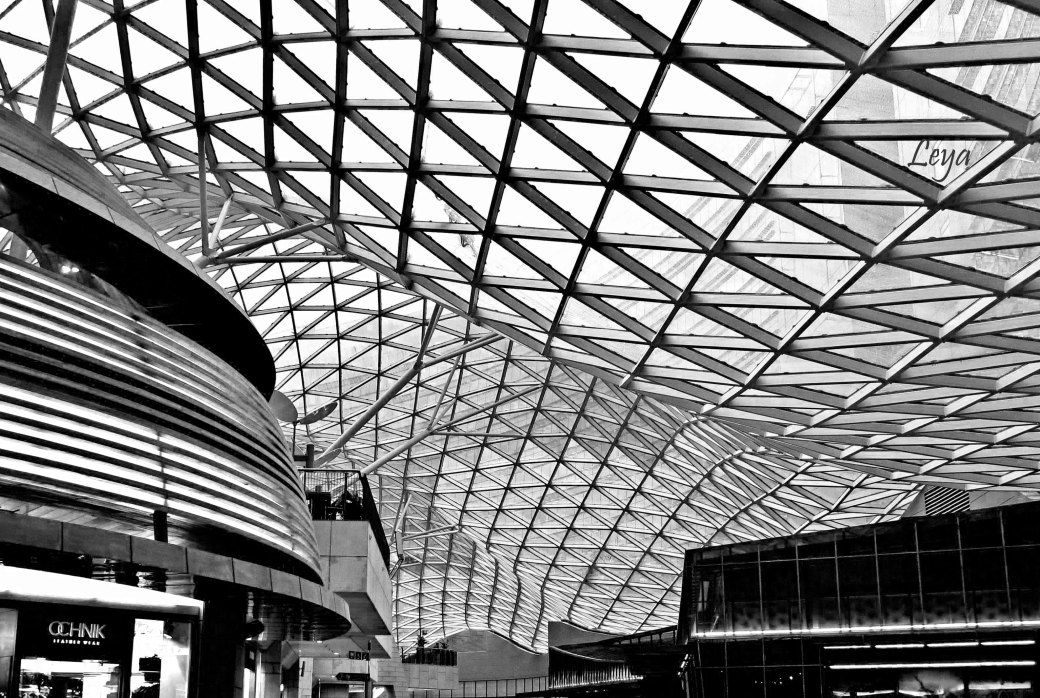
Shopping complex in Warsaw – Lines and Angles!
Peonies – soon they will be here – only 5 months to go…Join in and cheer us all up! Meanwhile, indoor flowers, like the Medinilla, are wonderful substitutes. Click here for more inspiration.

Thank you for being featured last week – An honour!


On our way to Thingvellir this cold and beautiful morning.
Þingvellir is a site of historical, cultural, and geological importance. It lies in a rift valley that marks the crest of the Mid-Atlantic Ridge, at the northern end of Þingvallavatn, the largest natural lake in Iceland.
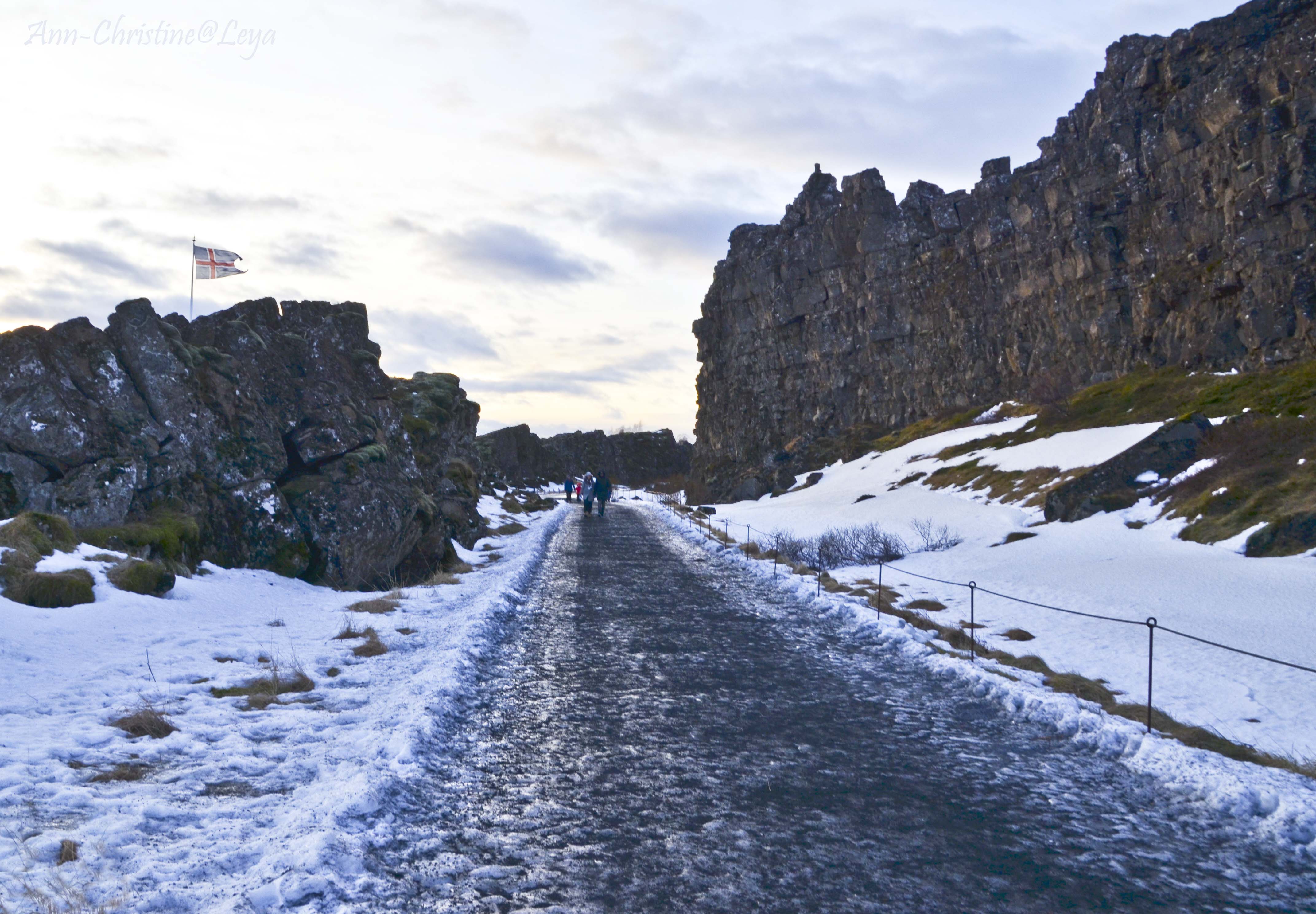
AlÞingi, the Icelandic Parliament, was established at Þingvellir in 930, and remained there until 1798. The National Park was founded in 1930, marking the 1.000th anniversary of the Althing, and became a UNESCO World Heritage Site in 2004.
The continental drift between the North American and Eurasian Plates can be clearly seen in the cracks faults which traverse the region, the largest one, Almannagjá, being a veritable canyon. This also often causes the earthquakes in the area.

According to the Book of Settlements, the settlement of Iceland began in AD 874 when the Norwegian chieftain Ingólfur Arnarson became the first permanent settler on the island. Over the next centuries, people of Norse and Celtic origin settled in Iceland, and as the population grew there was a need for a general assembly.

The foundation of the Icelandic parliament is said to be the founding of the nation of Iceland, and the first parliamentary proceedings in the summer of 930 laid the ground for a common cultural heritage and national identity. Þingvellir plays a central role in the history of the country.

Þingvellir was the centre of Icelandic culture. Every year during the Commonwealth period, people would flock to Þingvellir from all over the country, sometimes numbering in the thousands. They set up dwellings with walls of turf and rock and temporary roofing and stayed in them for the two weeks of the assembly.
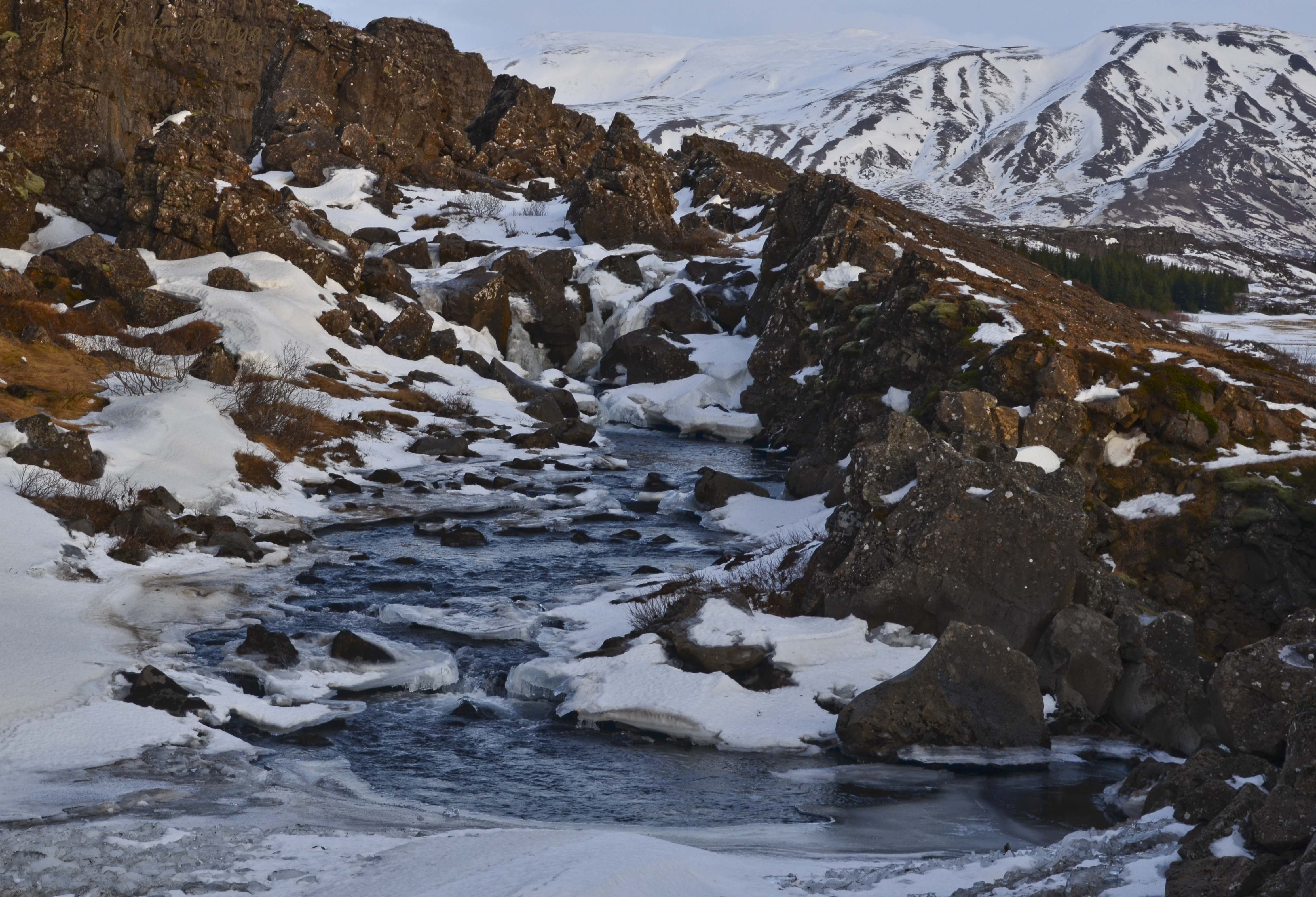
The Drowning Pool for potential witches
Although the duties of the assembly were the main reason for going there, ordinary people gathered at Þingvellir for a wide variety of reasons. There were merchants, sword-sharpeners, tanners and entertainers – and ale-makers brewed ale to them all. News was told from distant parts; games and feasts were held. Itinerant farmhands looked for work and vagrants begged.
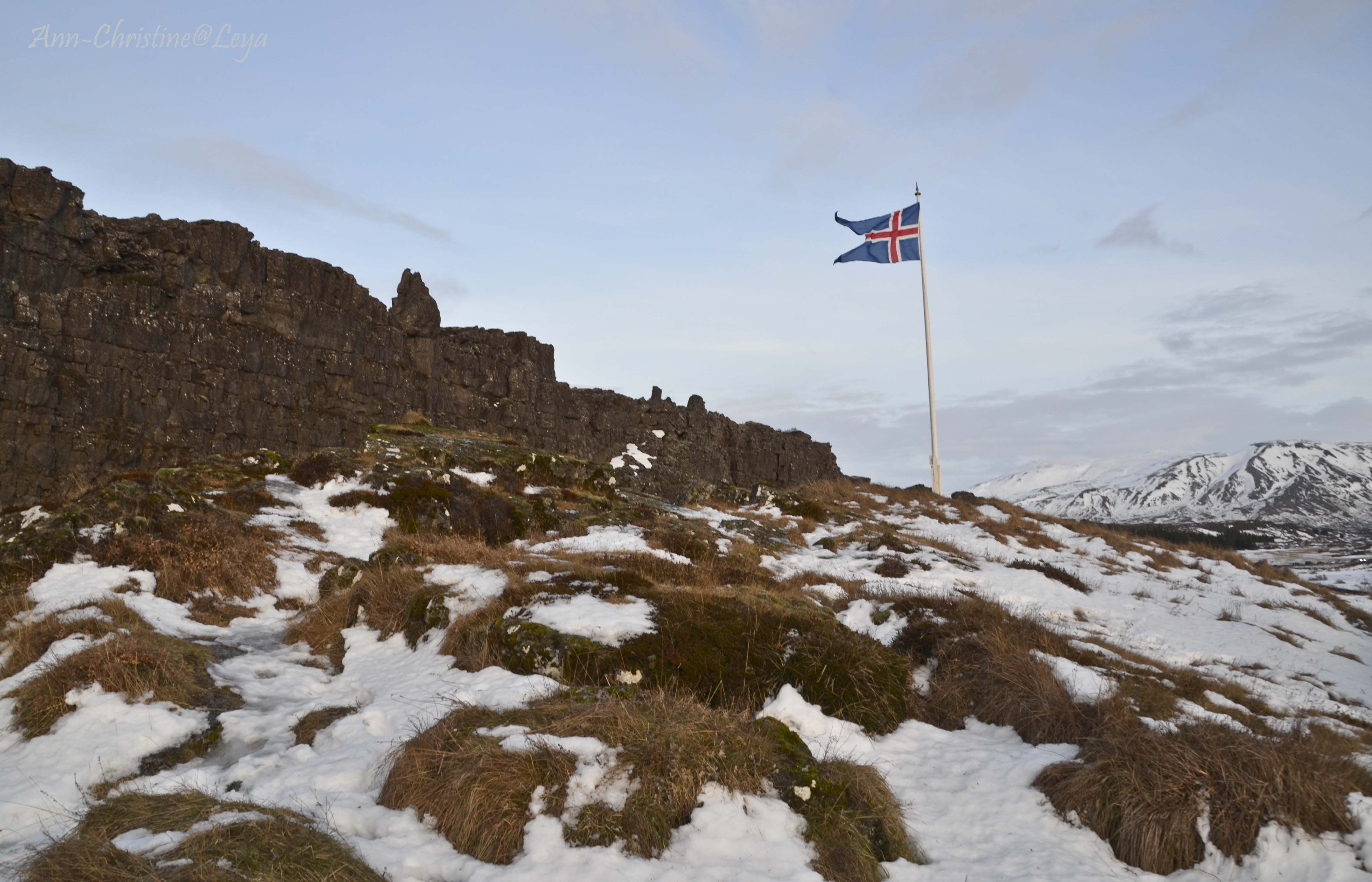
A flagpole on Law Rock marks the place where the law was recited from.
Þingvellir was a meeting place for everyone in Iceland, laying the foundation for the language and the famous literature – the Eddas and the Sagas.

A Law Rock of ones own?
In fact, still today, young people can read the old texts from the 12th century – not many languages have lasted that much unchanged. This is possible due to the conservative – and innovative and creative – use of the old words, combined with less borrowed words than any other language. As an example: vegabréf is a combination of veg (road) and bréf (letter) = passport!
The landscape around Thingvellir – magnificAent.
For Sylvain Landry – Orange night in Iceland.
 Leya
Leya 
Du måste vara inloggad för att kunna skicka en kommentar.