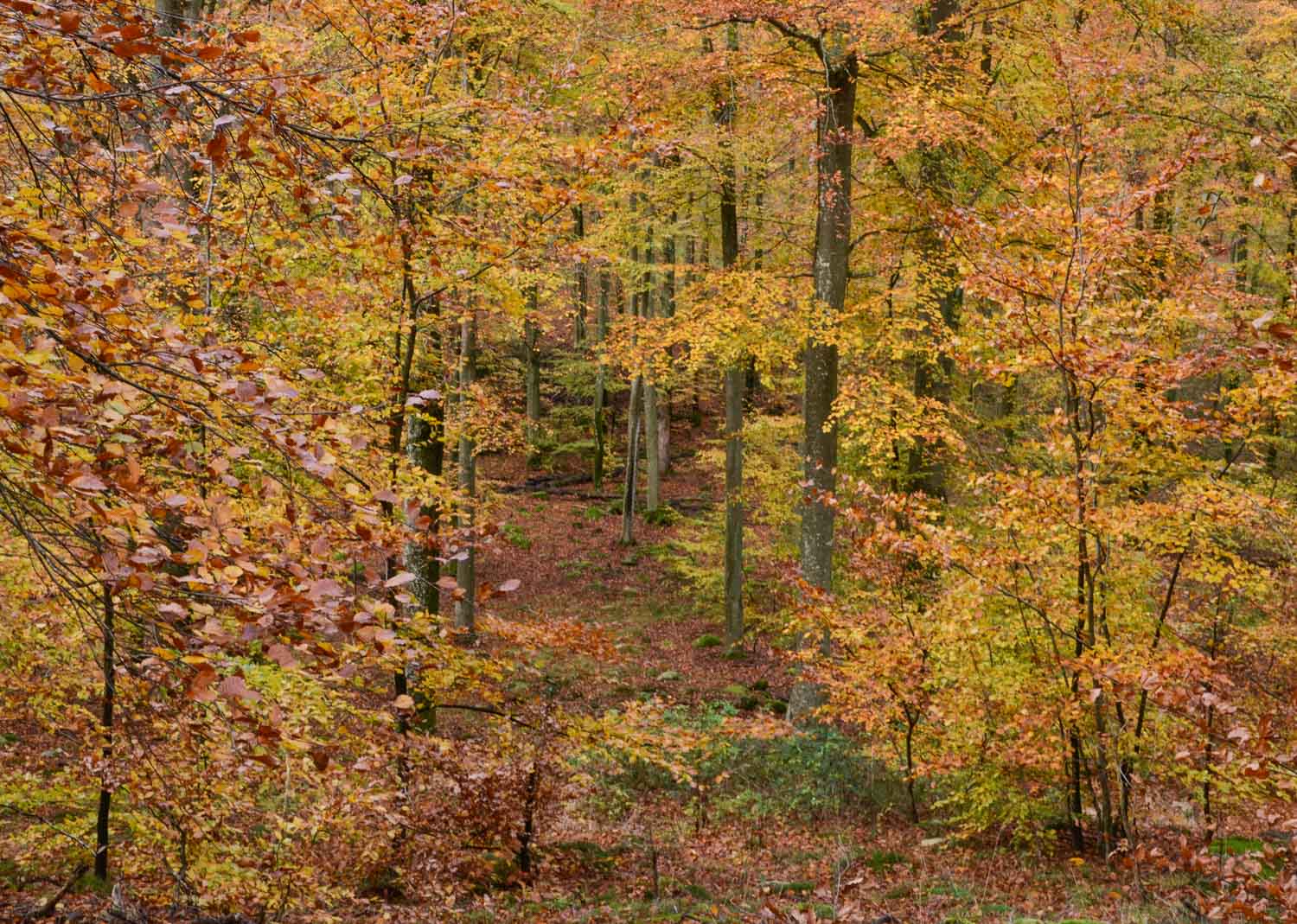
Silent Sunday
…just want to say – have a great weekend! Wish you long walks, nice smells, lovely company and good food!
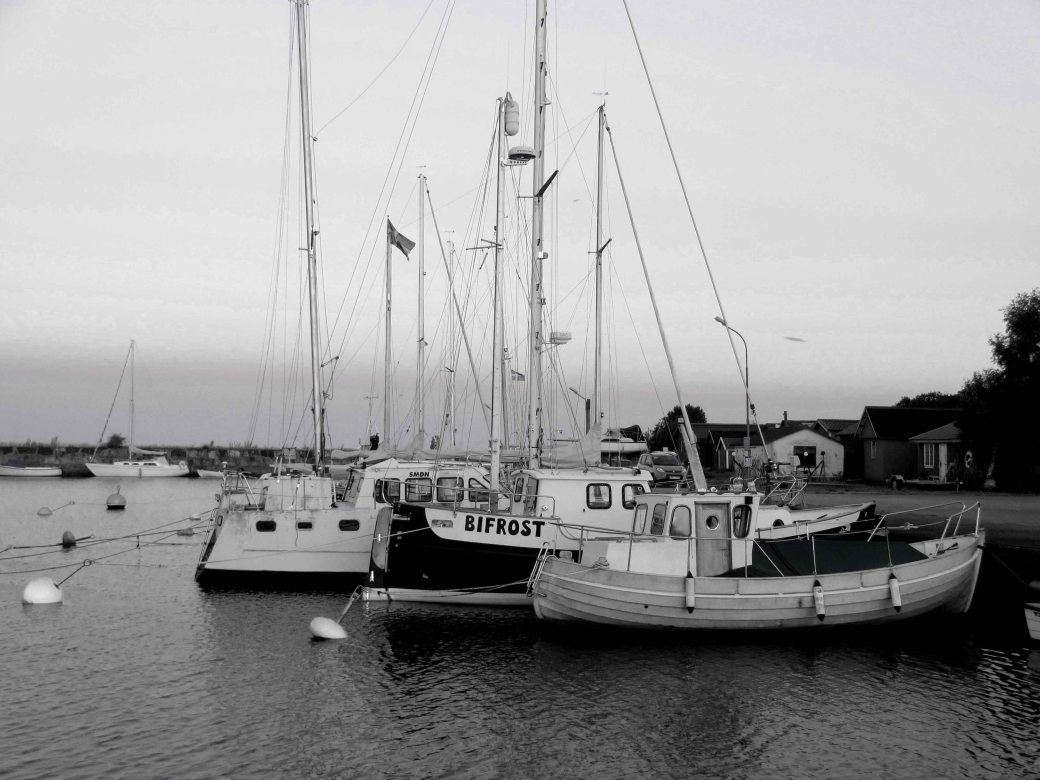
Weather – very much talked about in Sweden… Maybe our favorite subject!
Still summer night
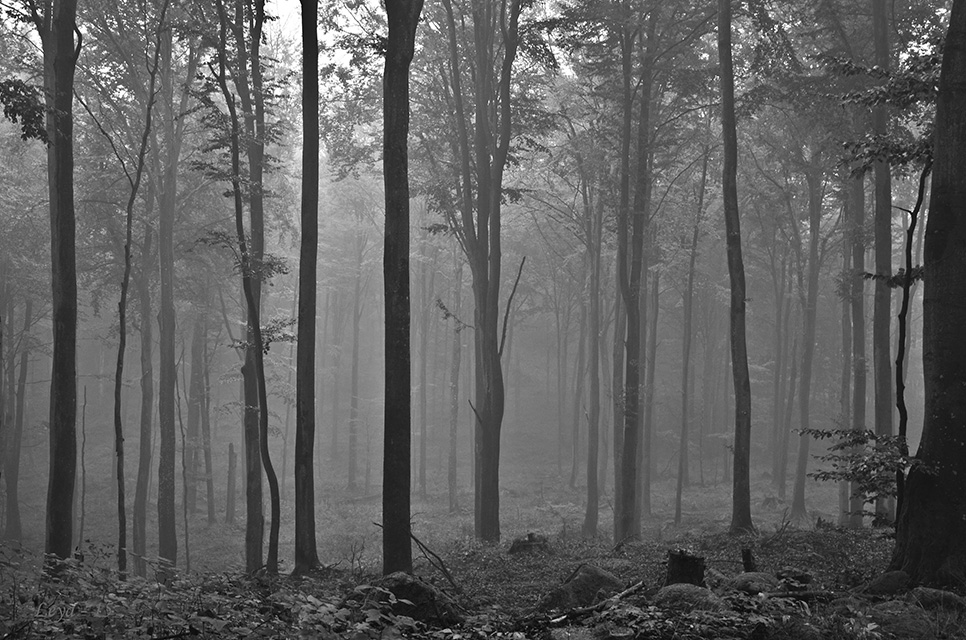
Forest – drizzle
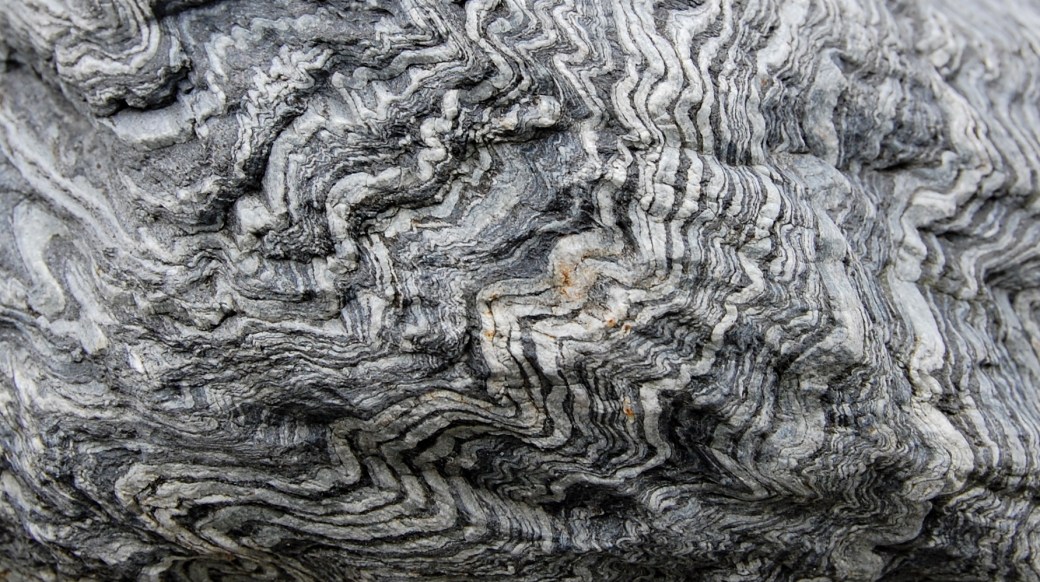
For Paula and Traces of the Past. Layers from long ago – photographed in the glacier area in New Zealand.
Rilski Manastir – or Rila Monastery – I let you have a peek some days ago…now, let us go inside – hopefully you will love it as much as I did!

An old friend of mine left us a hint about it… and so we went for a day to the Rila mountains and the monastery. This turned out to be the most fantastic experience we had during our four days in Bulgaria.
The Rila Monastery is the largest and most famous Eastern Orthodox monastery in Bulgaria. 1,147 m (3,763 ft) above sea level, hidden inside Rila Monastery Nature Park. The monastery is named after its founder, the hermit Ivan Rilski, or Ivan of Rila, (876 – 946 AD), but today houses 8 monks only.
According to Wikipedia, and our guide, the Rila Monastery is regarded as one of Bulgaria’s most important cultural, historical and architectural monuments and is a key tourist attraction for both Bulgaria and Southern Europe.
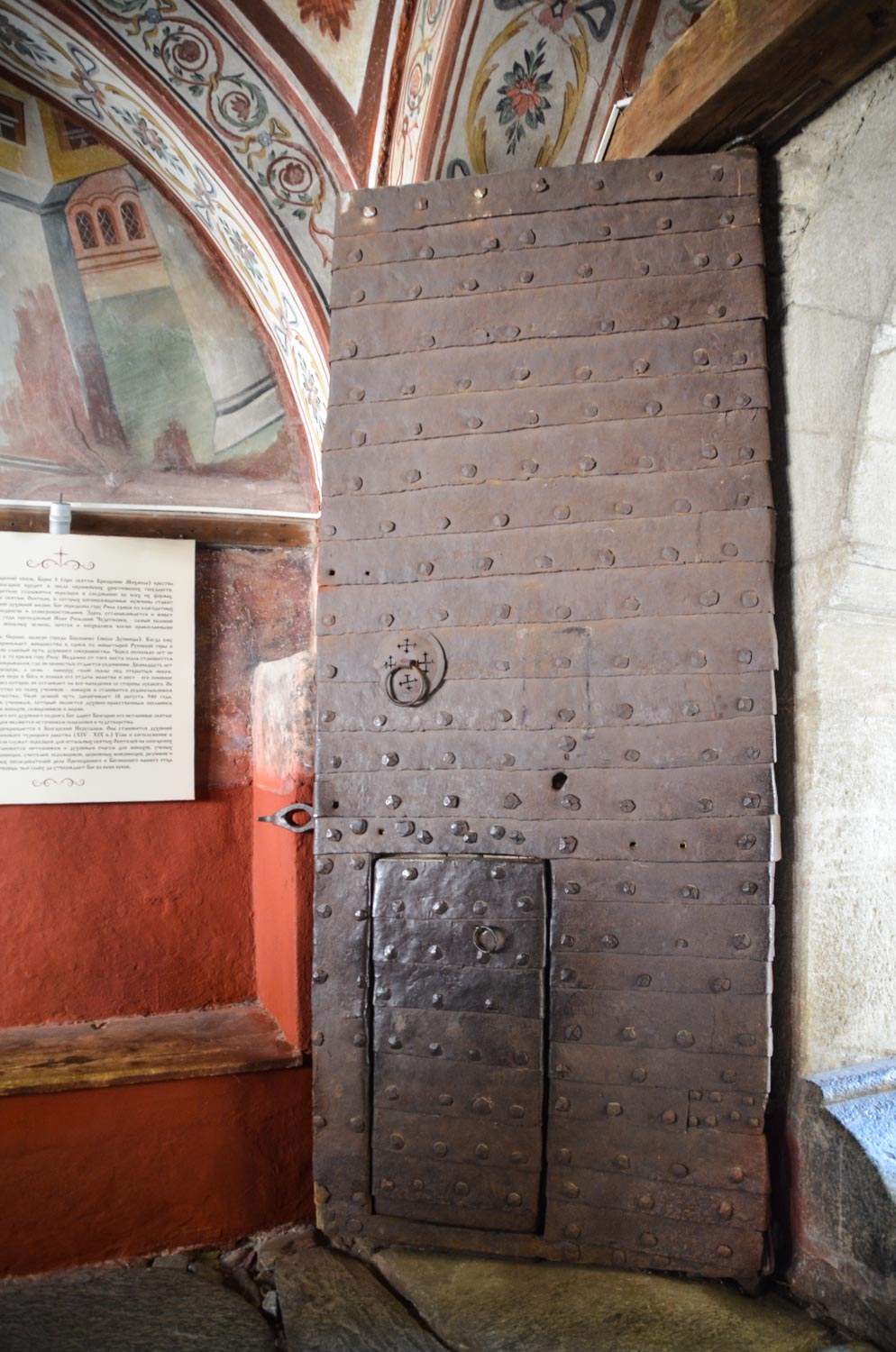
The old doors of the monastery were huge, to protect them from intruders. No weapons or armor were tolerated inside, so visitors had to enter through a tiny door, unarmed.

This is what you will find when you enter through the door. Burnt down and ravaged through the centuries, the buildings have been rebuilt several times to its former glory.
The main church of the monastery was erected in the middle of the 19th century. Its architect is Pavel Ioanov. The church has five domes, three altars and two side chapels, while one of the most precious items inside is the gold-plated iconostasis, famous for its wood-carving. No photos allowed, of course… The beautiful frescoes, finished in 1846, are the work of many, for me unknown, masters from Bansko, Samokov and Razlog, including the famous brothers Zahari Zograf and Dimitar Zograf. The church is also home to many valuable icons, dating from the 14th to the 19th century. Porticos in the courtyard have Mamluk influence with the striped painting and the domes, which became more popular in the Ottoman Empire after the conquest of Egypt.
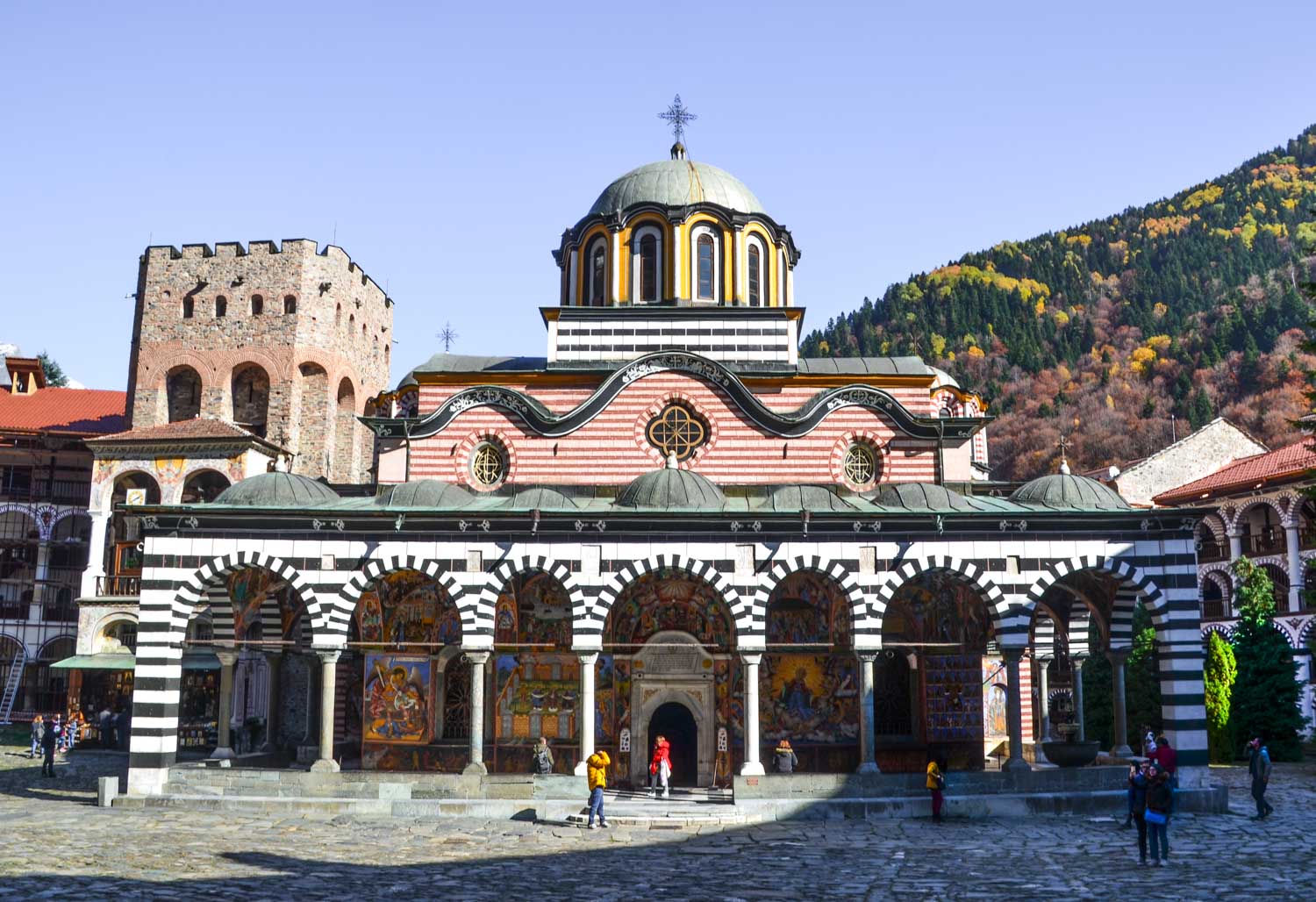
The Rila Monastery was re erected at its present place by Hrelyu, a feudal lord, during the first half of the 14th century. The oldest buildings in the complex date from this period -— the Tower of Hrelja (1334–1335) and a small church just next to it. The bishop’s throne and the rich-engraved gates of the monastery also belong to the time. However, the arrival of the Ottomans in the end of the 14th century was followed by numerous raids and a destruction of the monastery in the middle of the 15th century.


The museum of the Rila Monastery is particularly famous for housing Rafail’s Cross, a wooden cross made from a single piece of wood (81×43 cm). Magnificent – but No photos allowed of course. The cross was whittled down by a monk named Rafail using fine burins and magnifying lenses to recreate 104 religious scenes and 650 miniature figures. He worked for 12 years to finish the cross, and it was completed in 1802, when the monk lost his sight. Stock photos.


The monastery complex, regarded as one of the foremost masterpieces of Bulgarian National Revival architecture, was declared a national historical monument in 1976 and became a UNESCO World Heritage Site in 1983.
On 25 May 2002, Pope John Paul II visited Rila Monastery during his pilgrimage to Bulgaria.

Seldom have I taken so many photos of one single building complex, but I also waited a long time…to finally catch one of the 8 monks on a photo!

My favorite fountain – and I would return to it at the end of the day…
Not to be forgotten is that this monastery is ”alive” and working. You can rent a room for the night – simple or luxury – and we saw the laundry coming out and the gardener pruning his pot plants.


I had seen a golden bird sitting somewhere, in a broschure? – I was sure… The whole day I was on the lookout for this bird, but could not find it. Just before the car was taking us back to Sofia, I saw him. He was just a little one, perched on top of the fountain.

Saying my goodbyes…I almost think I heard him answer –

Everything in life is temporary. I know. But sometimes, we would just give anything to keep that precious moment alive… and we know that we cannot… make it stay. No photos, no written words…nothing is in our power to hold on to it. In our hearts we can keep this moment, maybe, but soon time will change our memories of it… until we do not know what truly happened or what we truly felt.
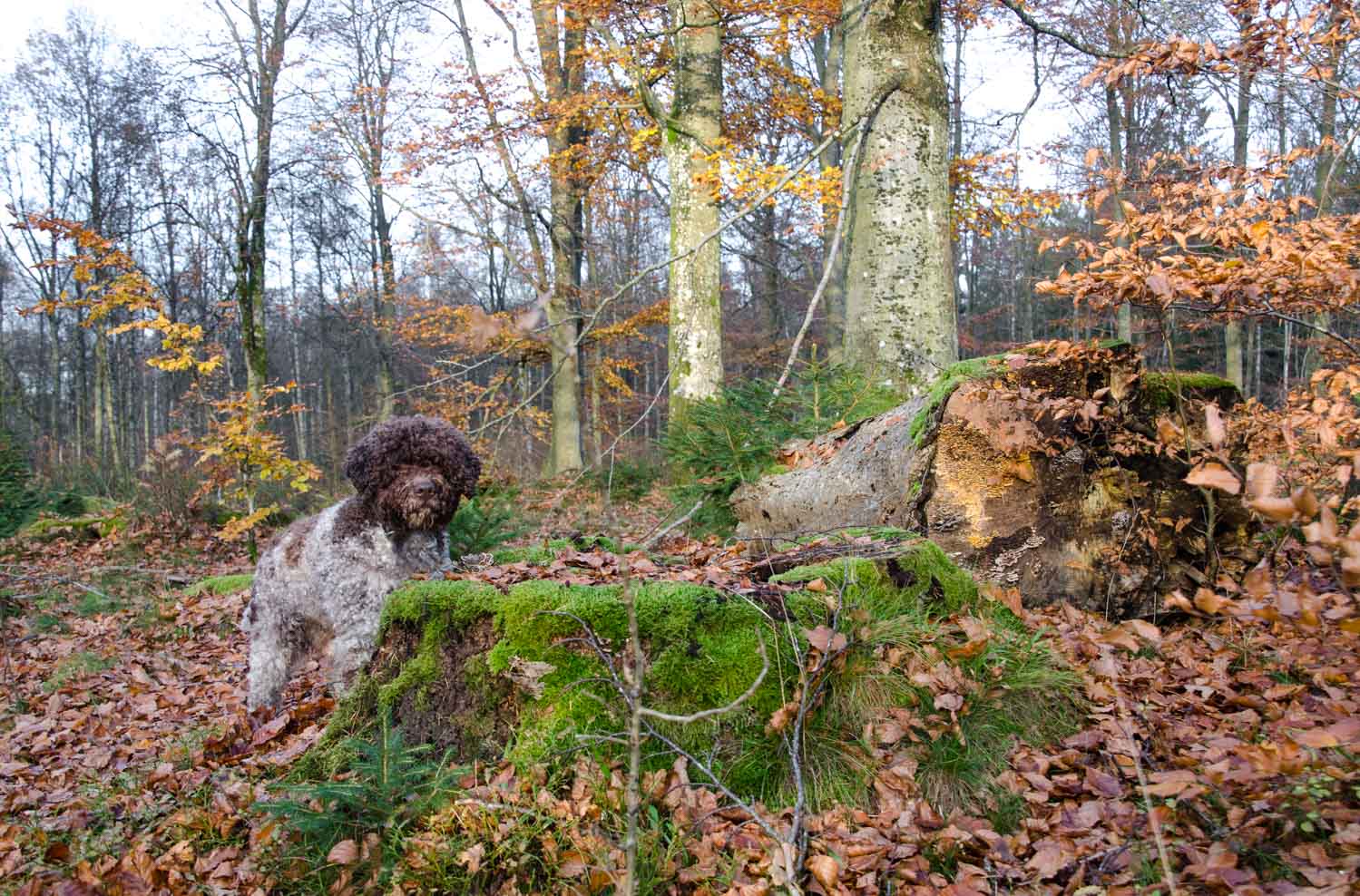
Ben asks us for a photo that says temporary. Of course our children are the ones who make us feel this ”temporary” the hardest way. But also the seasons do. I go to the forest to make the best of my days, and yesterday, I went just before sunset. A beautiful autumn day had come to an end, and the leaves will all soon fall to the ground, adorning the forest floor. All the beauty made a sadness come over me, and I lay down beneath the thin canopy to think, and to take a photo – this photo. A futile try to make the moment stay, but I believe we both felt the same, my best friend, Totti, and I. Everything is temporary – enjoy every day if you can.

The history of Plovdiv spans more than eight millennia. The numerous nations that lived here have left their traces on the twelve-metre-thick (39 feet) cultural layers of the city. The earliest signs of habitation on the territory of Plovdiv date as far back as the 6th millennium BC…
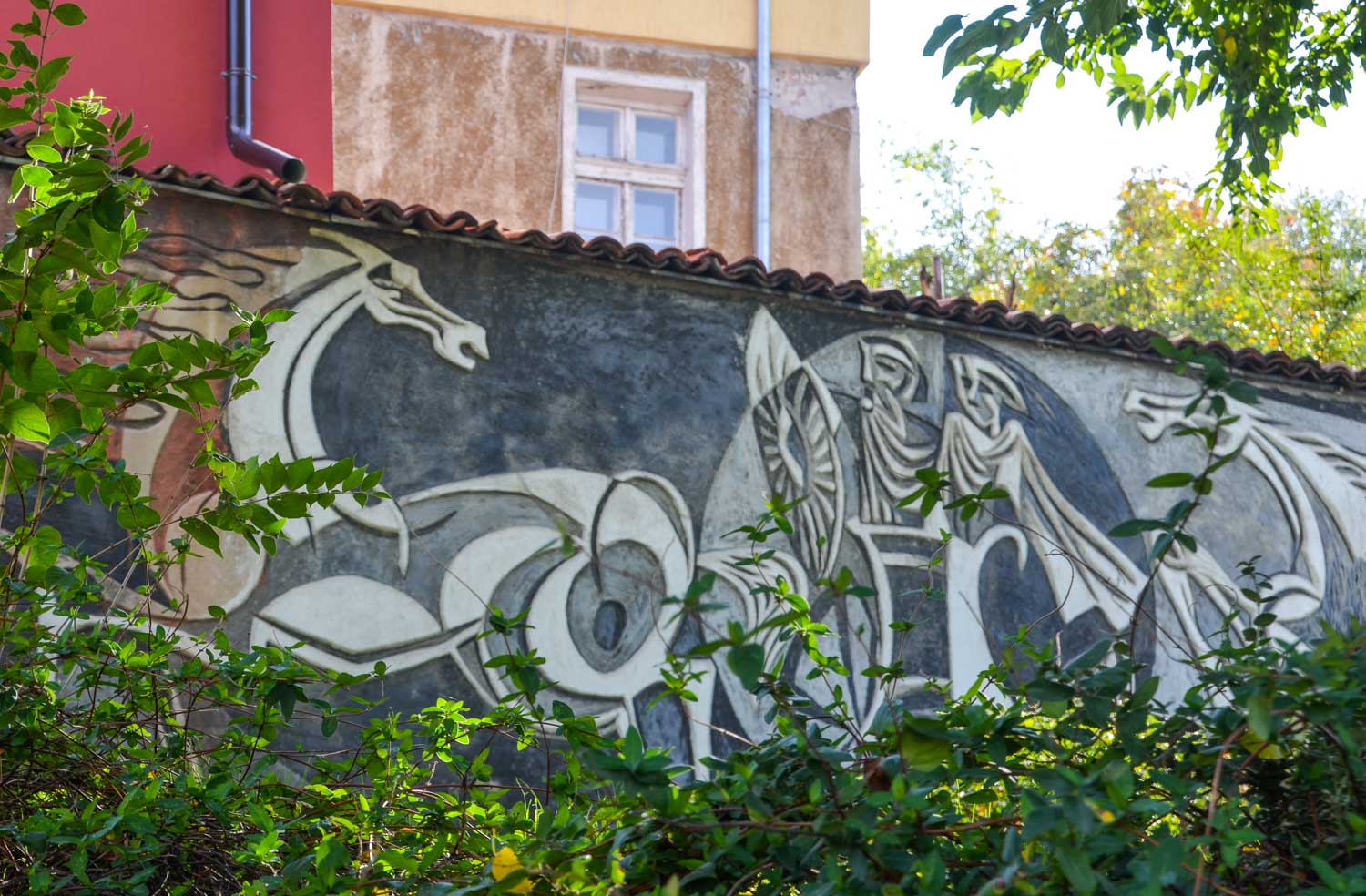
As we left the Old Town and entered the New…we realized that the whole city is a gem. Walking down the main street, a warm and sunny afternoon, the surprises unfolded – one after the other.
The Ancient Roman Stadium of Plovdiv was built in the 2nd century, during the reign of Emperor Hadrian, and lies beneath the main street from Dzhumaya Square to Kamenitsa Square. It was modeled after the stadium in Delphi. The Plovdiv stadium was approximately 240 metres (790 feet) long and 50 metres (160 feet) wide, and could seat up to 30 000 spectators. Below is the entrance to the stadium.
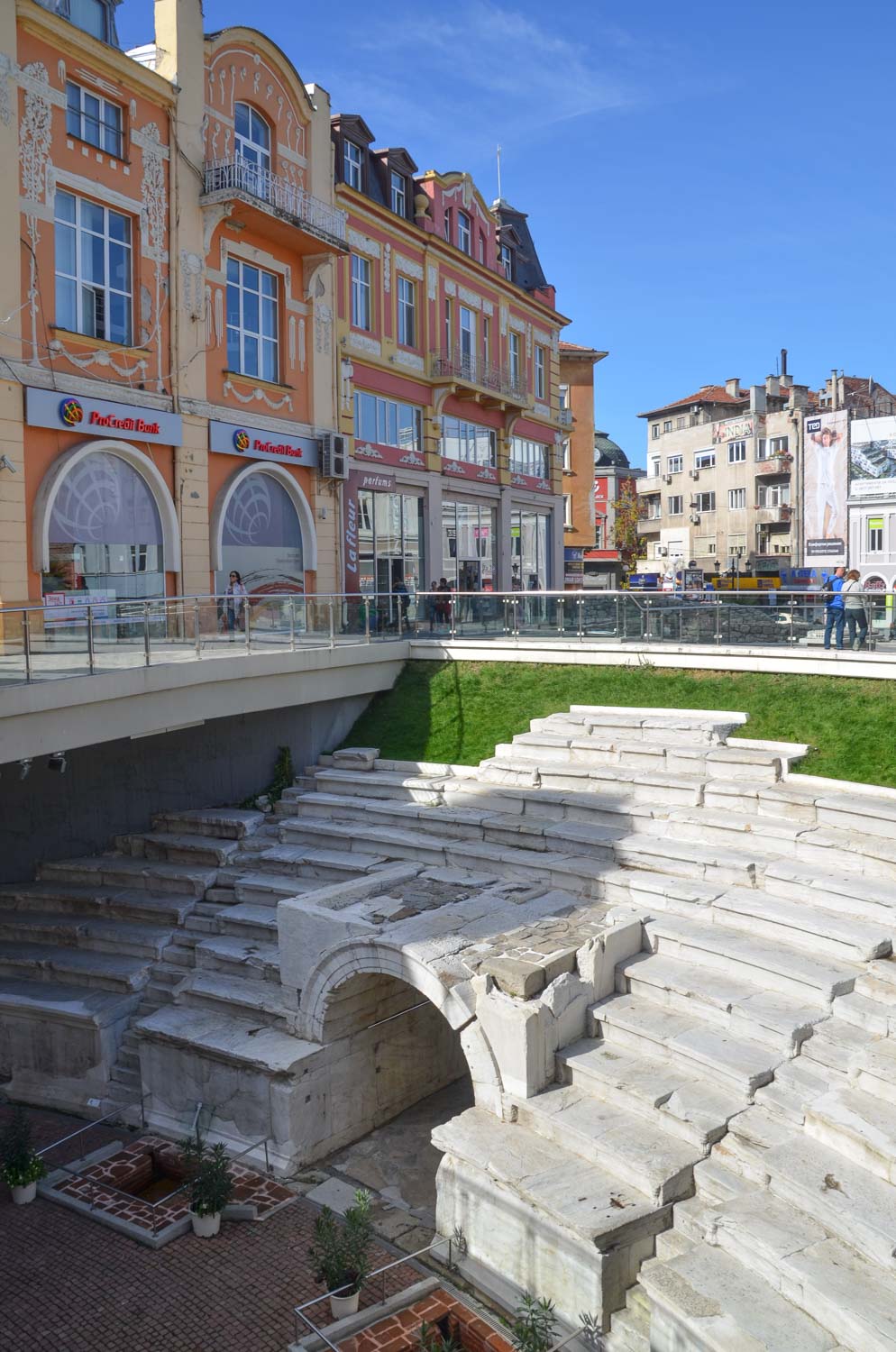
The athletic games at the stadium were organised by the General Assembly of the province of Thrace. In their honour the royal mint of Philippopolis coined money featuring the face of the ruling emperor as well as the types of athletic events held in the stadium.
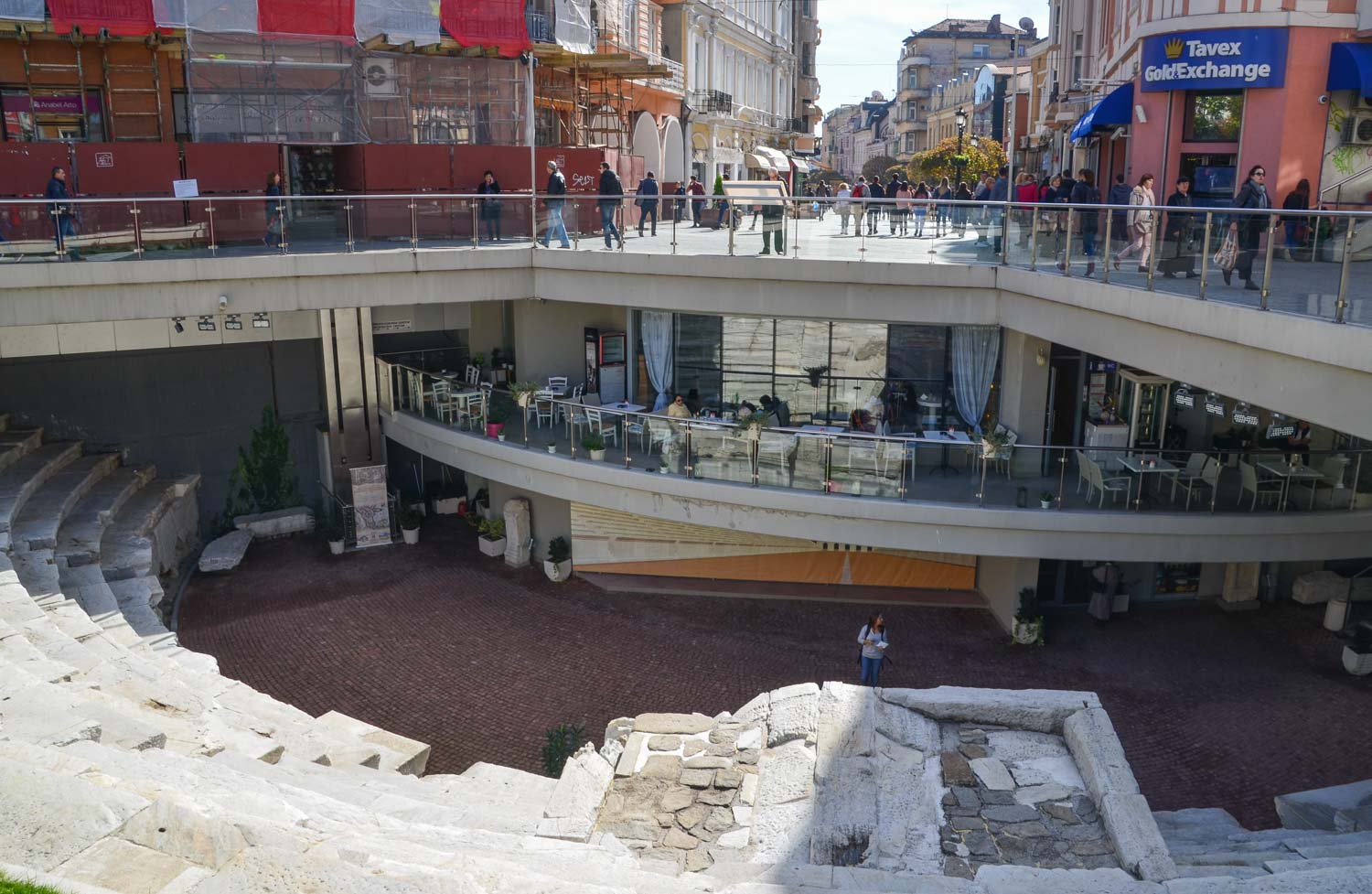
Only a small part of the northern section with 14 seat rows can be seen today; the larger part lies under the main street and a number of buildings.

But, you can step down through the layers and meet the combination old/new in a very fascinating setting, with café’s, shops and …steps and stairs from different times.

Atlas? Keeping us safe. Holding the World.
I do not think I have ever visited a city that manages to combine the Old with the New as gracefully and innovatively as Plovdiv. I more than understand the choice of this city for European Capital of Culture in 2019. I might return then… there is much more to discover here! Maybe I will see you there – 2019?
In the header, Madeira, branches from fallen trees.

Winter is coming…

Artificial branches – but still…And lastly, Tibast, the first one to bring flowers in spring.
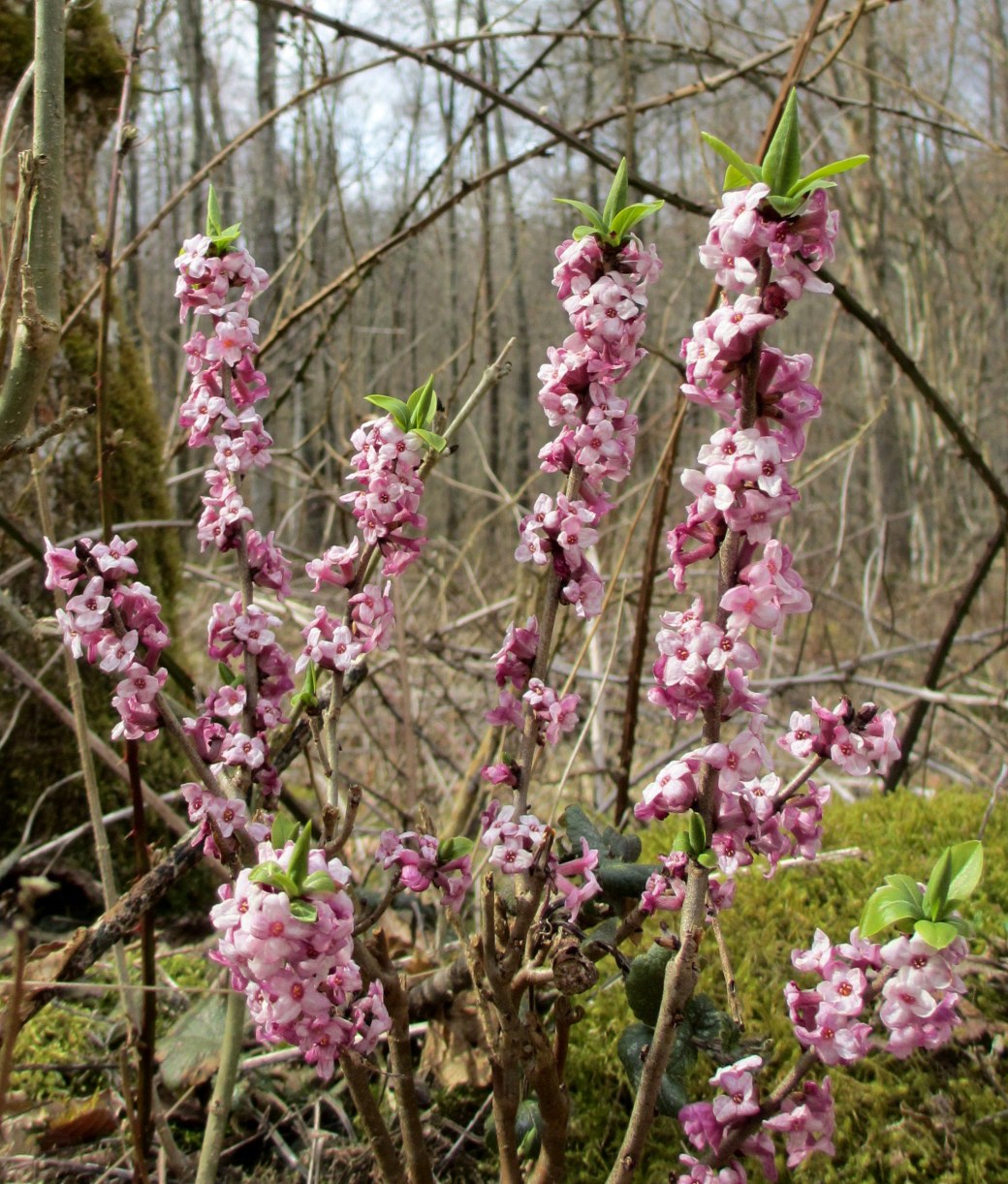
Cee’s Fun Foto Challenge: Letter L – Needs to have at least two syllables
Well – it had to be a lagotto of course…and a Lego Lady (or two).

 Leya
Leya 
Du måste vara inloggad för att kunna skicka en kommentar.