
Wordless Wednesday – It’s Me!
Sofia leads a challenge this week, that is right up my alley – Floral. Again it is Japan that inspires me – and I urge you to visit Sofia’s beautiful site for more inspiration. Let’s have a celebration of flowers! Different angles, close-ups or from further away.
My visit to the Wisteria gardens in Japan is, without exaggerating, the most magical experience I have ever had. I cannot choose what to show from them, so the pictures are many. My words will be few instead – to make up for this multitude… I hope you will forgive me.
The Kawachi Fujien Wisteria Garden in Kitakyushu is unforgettable.

The garden is situated up in the mountains, and is difficult to reach – there are no trains or buses, you have to take a taxi.

I came for the Wisteria Tunnels. They have one 80 meter tunnel and one 100 meter tunnel, both with multicoloured effects.
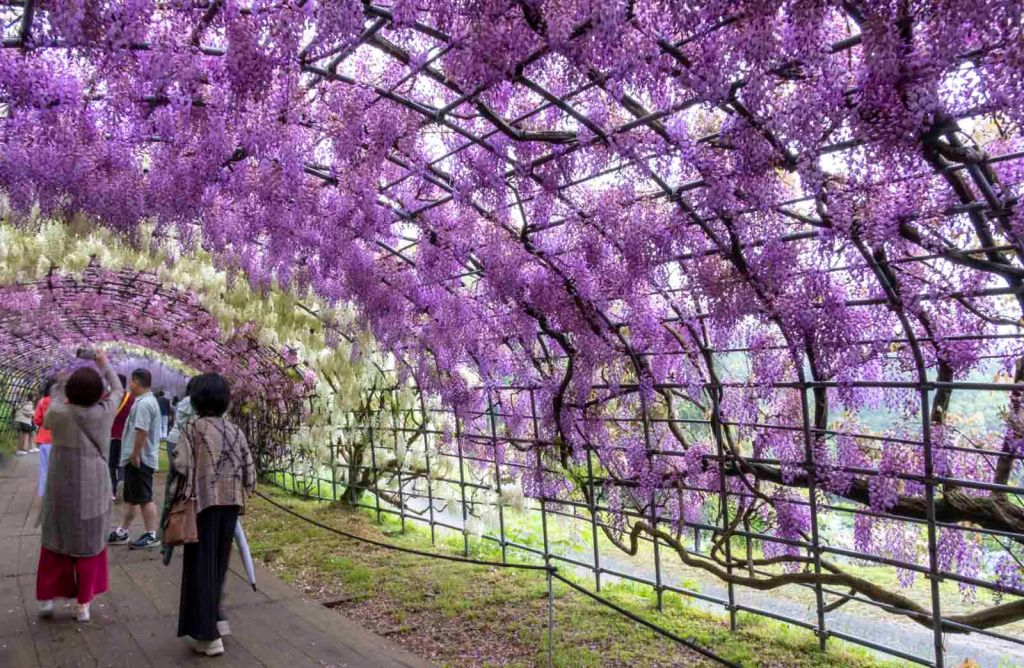
The Golden Week with many vacation days make the Japanese esthetics go watching the flowers glow. And they were many, both men and women. And flowers. We did not see any other tourists there, except Japanese people. And us two from Sweden.

I was not disappointed – we had calculated the time rather well, and was lucky too – some of the flowers were over and some had just started.
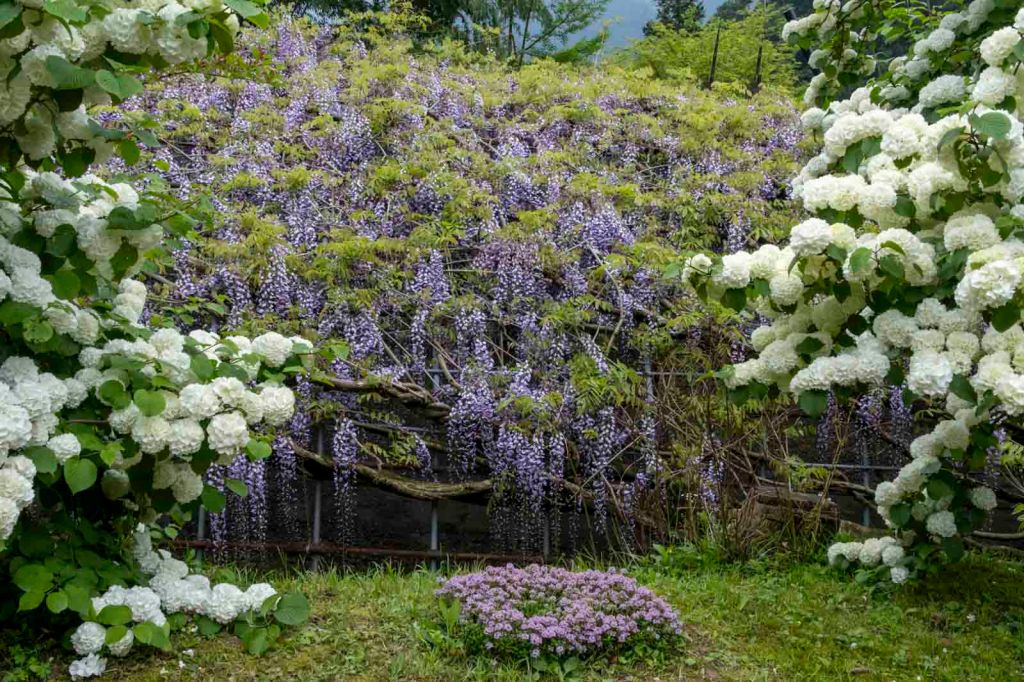
From the outside the tunnels looked compact, and less ”alive”. ”It is the inside that counts”… as with us humans.

A little ICM and the tree is still alive and visible from the inside.

Some species were big and heavy, hanging in long threads of almost a meter’s length,

while others were shorter, or long and delicate ones.

In one of the tunnels there were double flowers – I didn’t know they existed until now.

With this B&W, I wanted to show you the feeling I had while walking up on the mountain to the flat area on top. It felt like snow at home, a calm winter’s day, with softly falling snowflakes in my face. You will see what I mean…
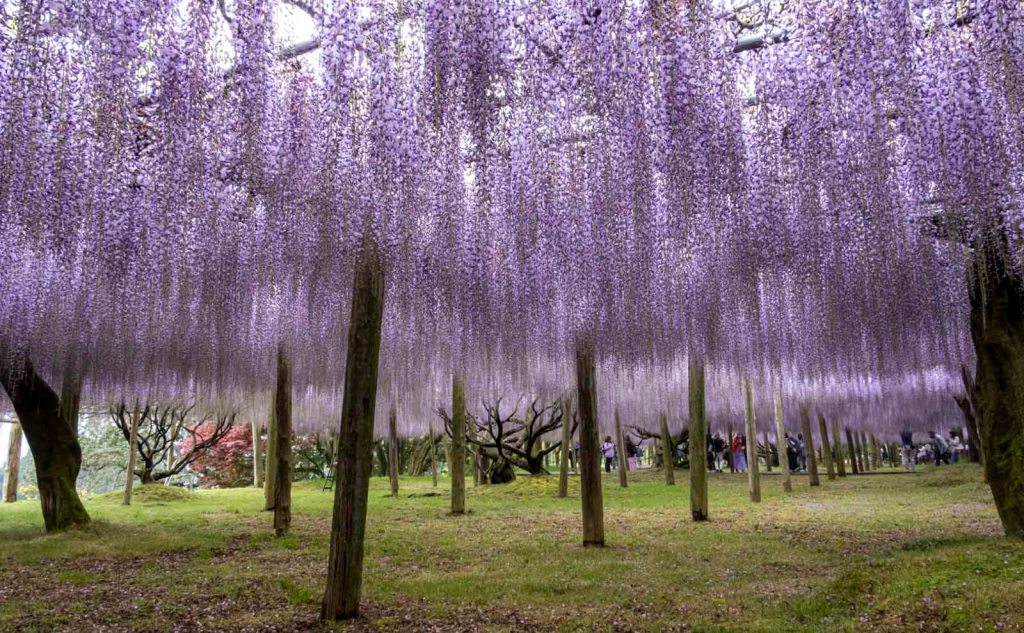
Time did not exist – walking, standing, sitting, contemplating – trying to take it all in and to keep it forever. Stay in the moment. And what a moment!

The old Wisteria trees were otherworldly, and I am still trying to understand I have really been there. Seen them. I would be happy if you stayed with me throughout, but I won’t blame you if you think this is just too much.
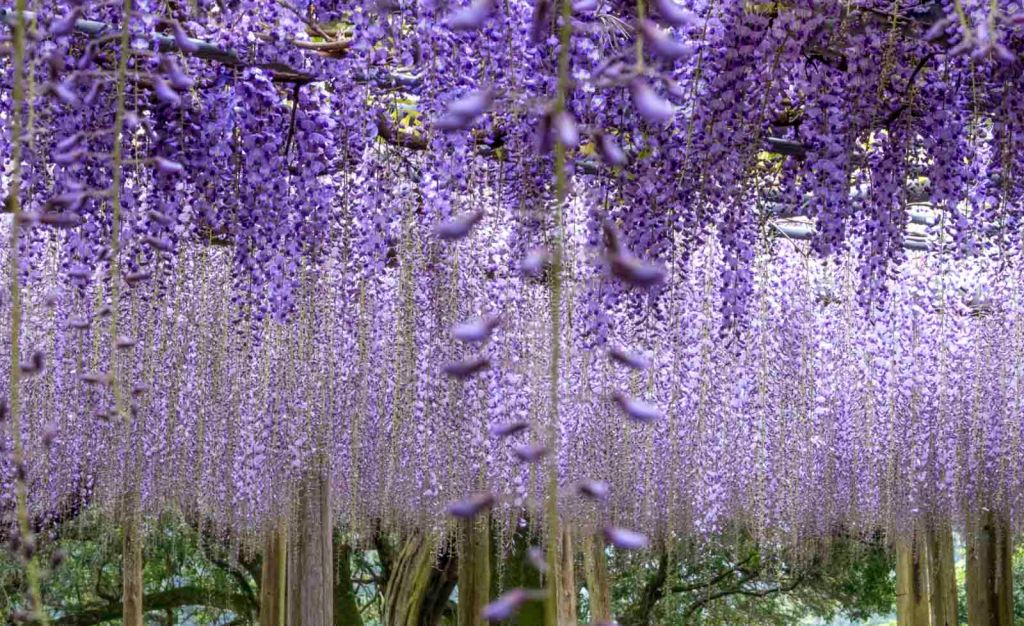
A Wisteria tree can grow very old – 150 years for the oldest ones here. If you look at their trunks, you will not doubt it.
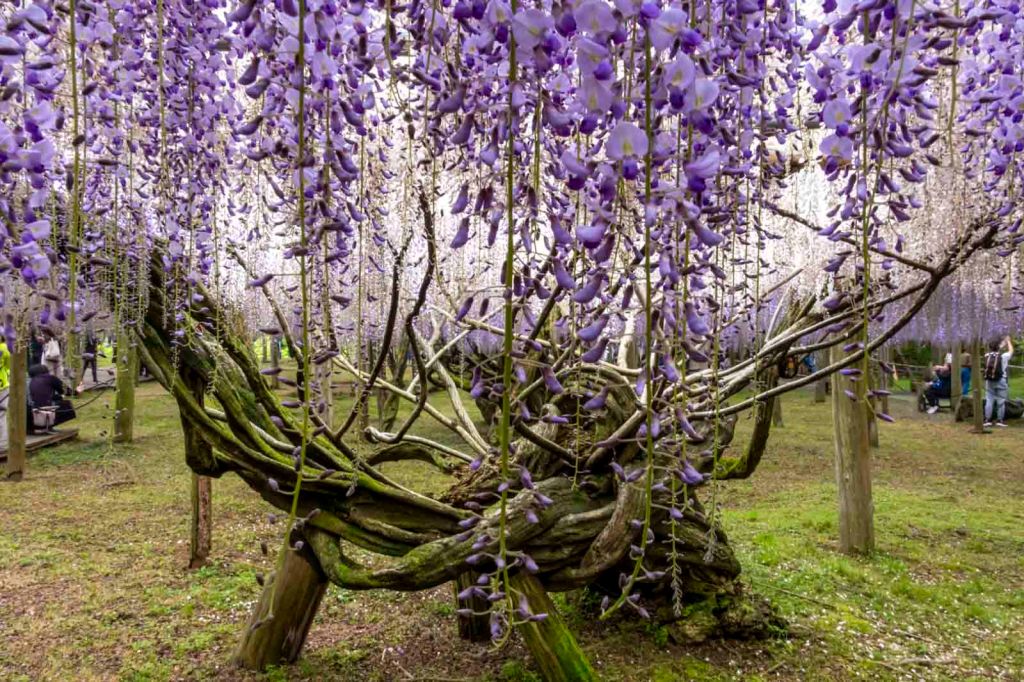
People were oblivious of where or how they walked. Some visitors were very old, and some came in wheelchairs. We heard about people who came every year, even if it was so difficult a place to reach.
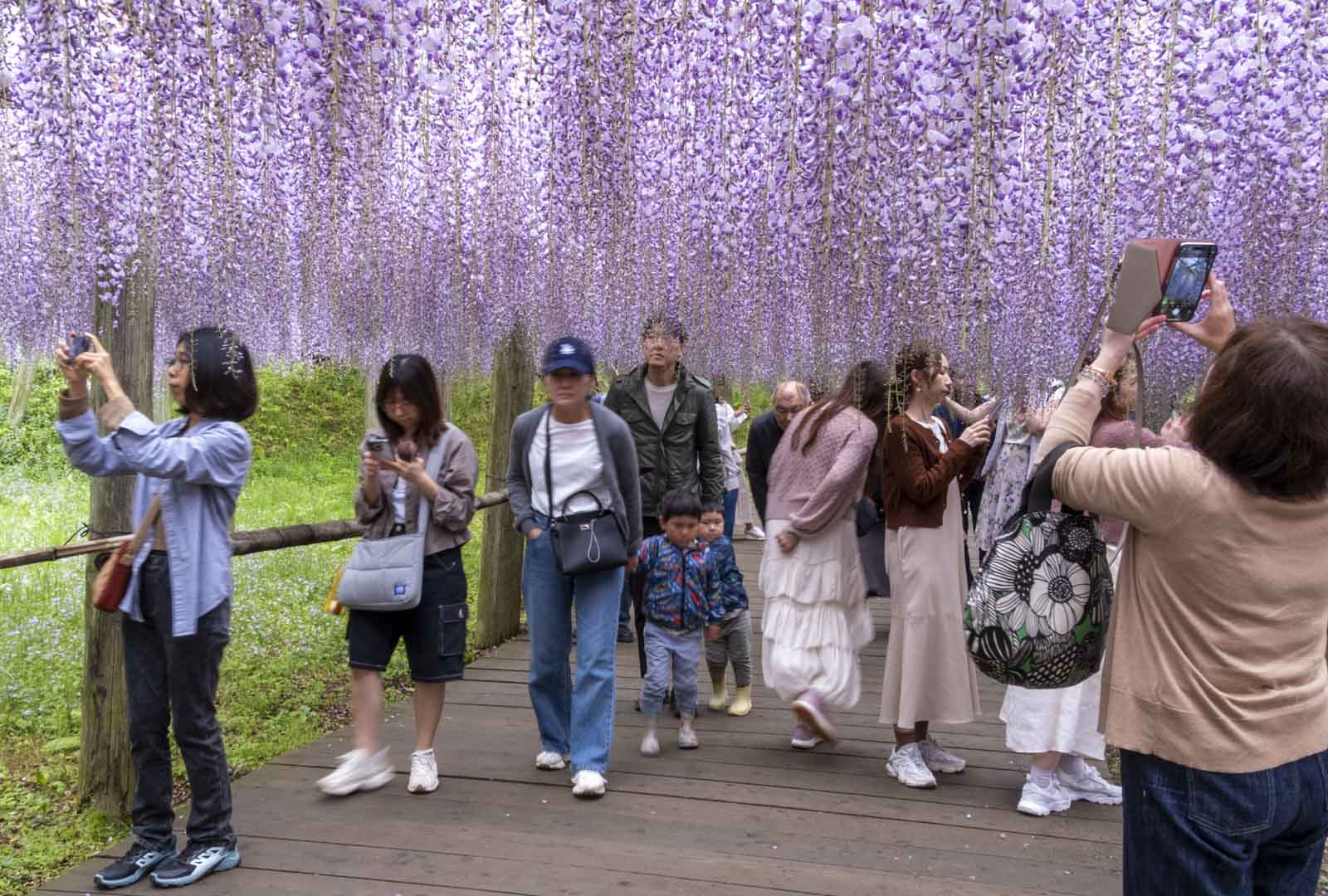
Beautiful people, beautiful minds – esthetics.

Snow or purple rain? Otherworldly.

Pink Wisteria was not that common in the park, but this giant was mindblowing.

Thank you so much if you have followed this far. These are but a few of all my photos from Kawachi. I will spare you the rest, but hope you have been inspired to some day visit Japan.
Thank you for last week’s many delicate answers to my challenge – I really enjoyed the variety and how useful this word it is! Next week it’s John’s turn to lead, so please visit his unique site for more inspiration.
Until then – celebrate!

Nara was the capital of Japan from year 710, then the capital was moved to Kyoto, and in 1868 it moved to Tokyo. Today we are visiting Nara, a very popular city for tourists from all over the world. Because of its history of course, but also for… other things.
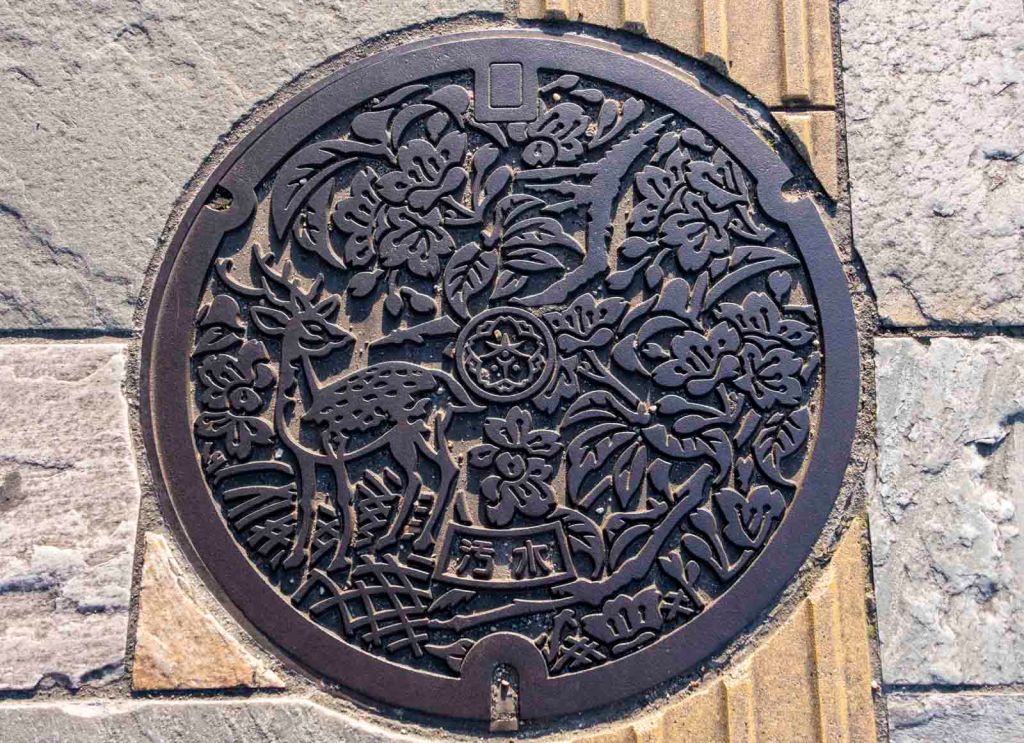
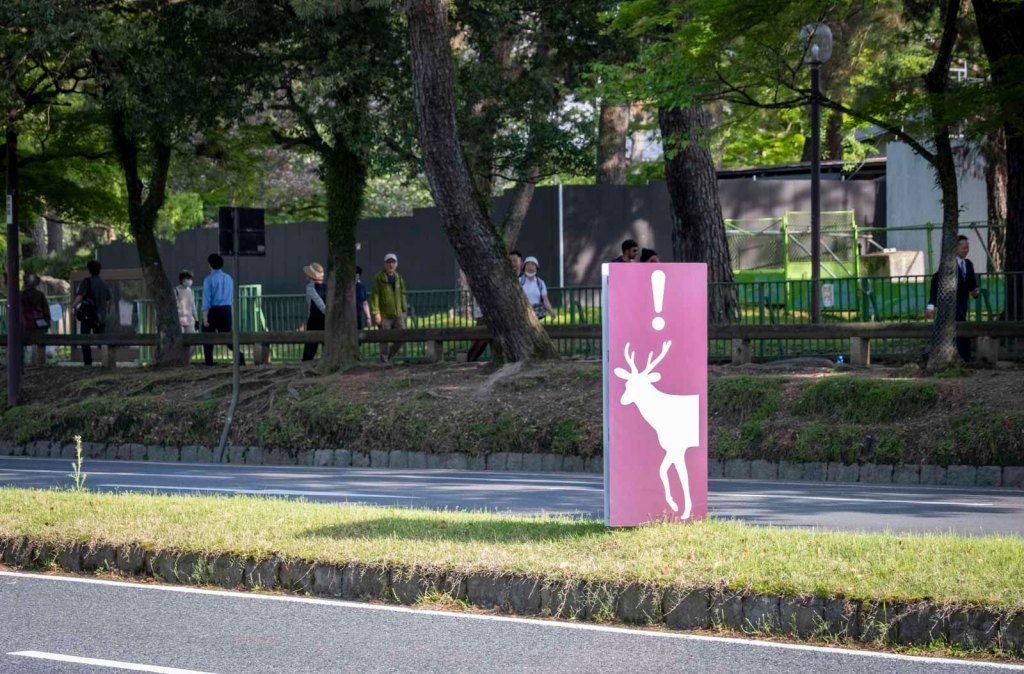
There are many temples in the Nara Park, and many deer (about 1400) roaming the grounds. The deer are very friendly, and used to eat the crackers sold for tourists that want to feed them.
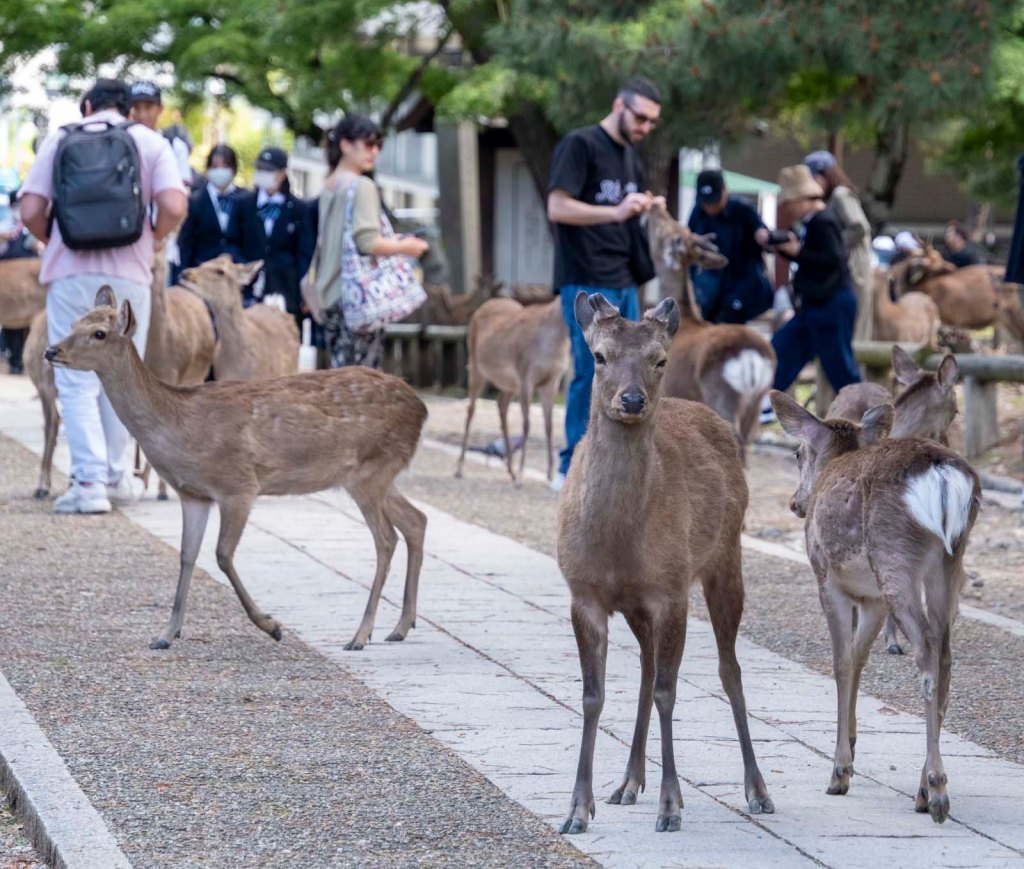
The deer are wild, but live close to man – and it is believed that a God came riding to Nara on a white deer, that’s why they are considered sacred and are to be treated thereafter.
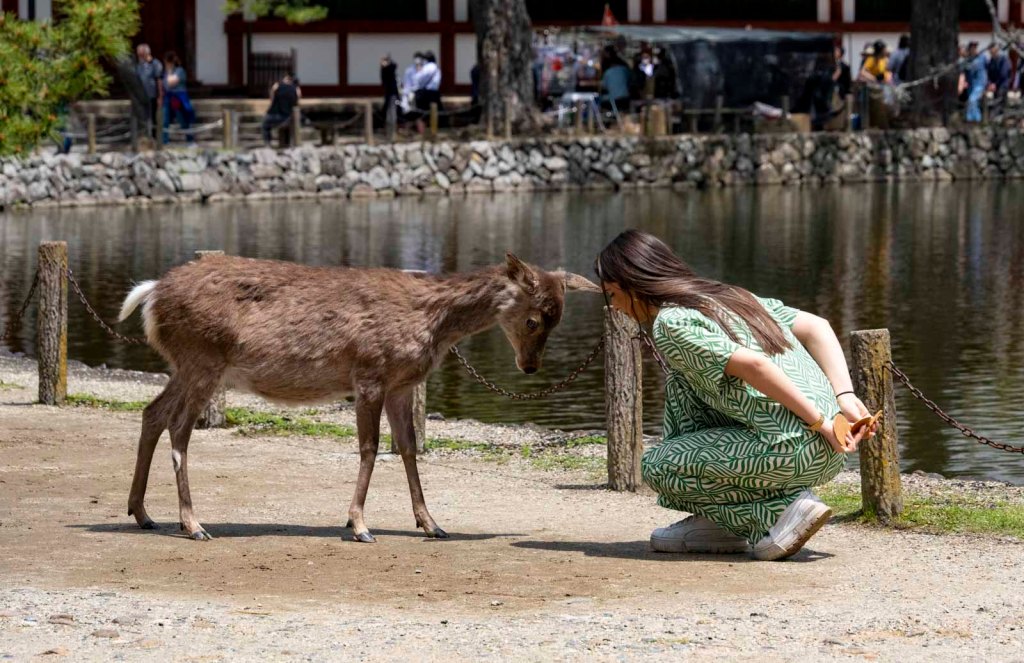
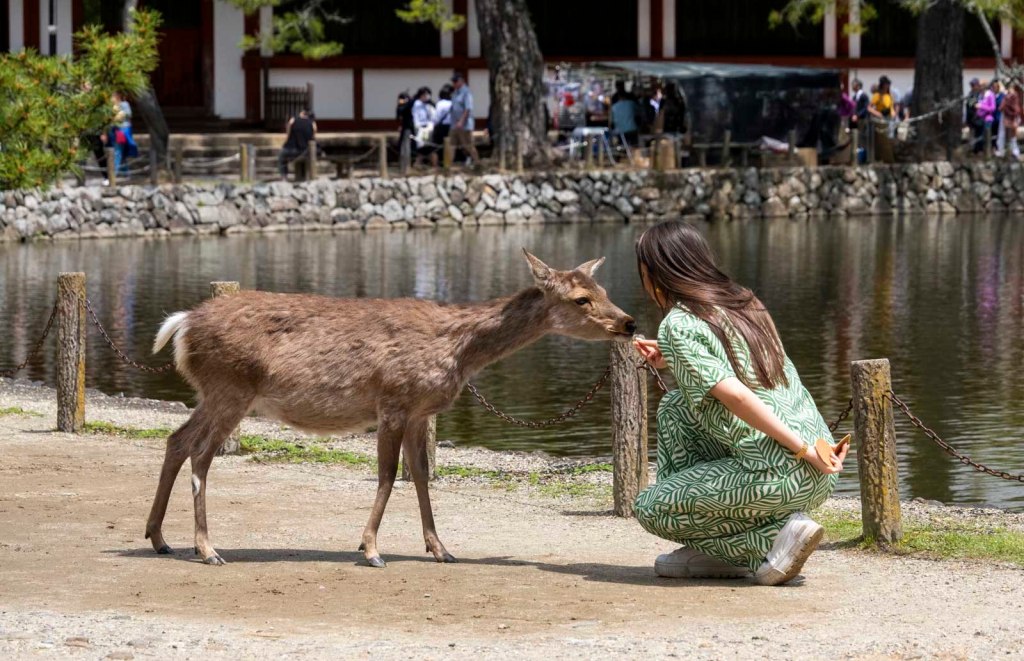
Some deer also have learned to bow for you to get a cracker. I didn’t quite like that, but it was popular with the tourists.
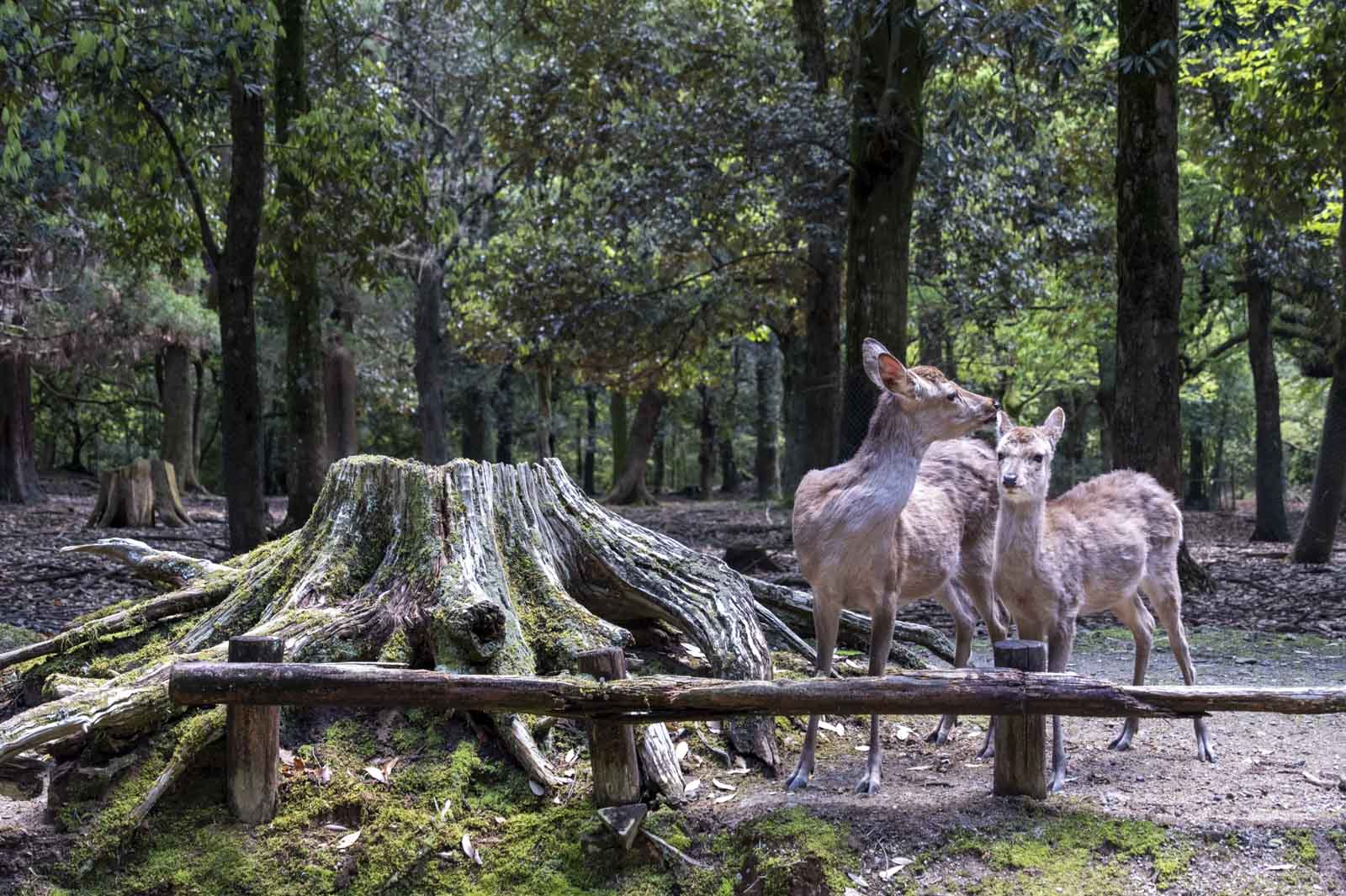
They are Sika deer, and I prefer to see them ”free” and in their own families.
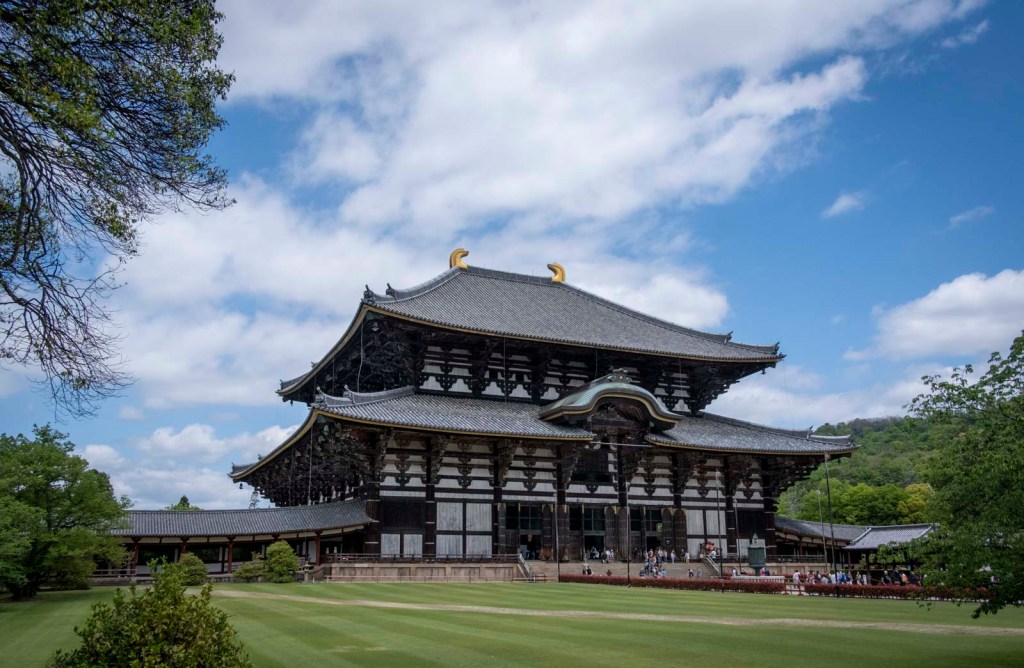
The Todaiji temple (738), where the Buddha Hall houses the world’s largest bronze statue of the Buddha. It’s been rebuilt twice after fires, and until 1998, it was the world’s largest wooden building. Impressive. And beautifully made.
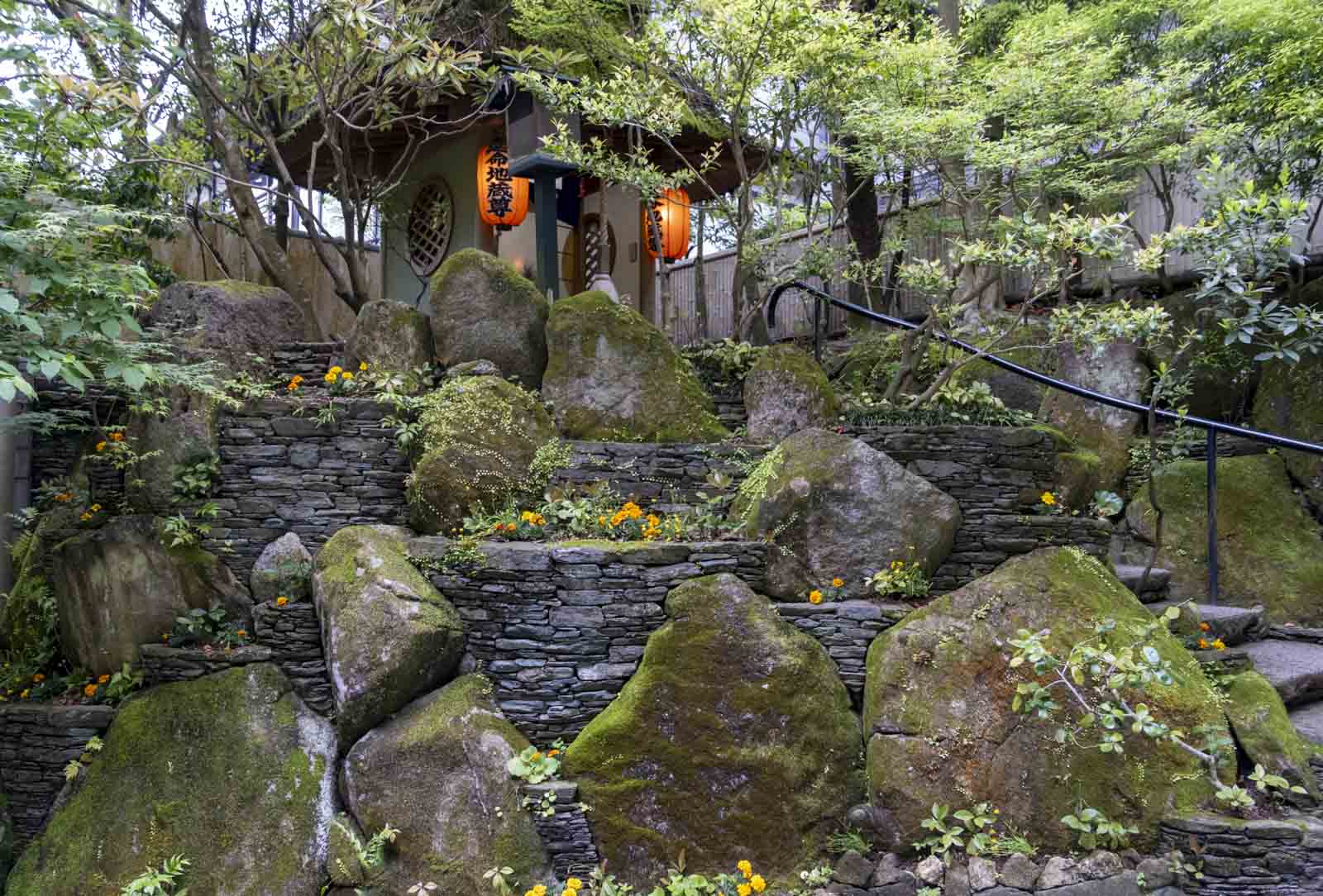
We will take a closer look at it next time, and the park with its gardens too. I enjoyed meeting so many deer – they were clearly wild, but had to tolerate humans.

Last week Patti hosted a beautiful challenge – Hopeful. A timely theme, and thank you for so much to contemplate and to learn on the meaning and importance of hope!
Coming back from a beautiful journey – I was so inspired by Japan, that Delicate seemed a natural choice. Most of my examples will be from my art experiences there. And, now we want to know: What is delicate to you? Feel free to use it in any meaning: exquisite, fragile, subtle, elegant…etc. We are looking forward to seeing your posts!
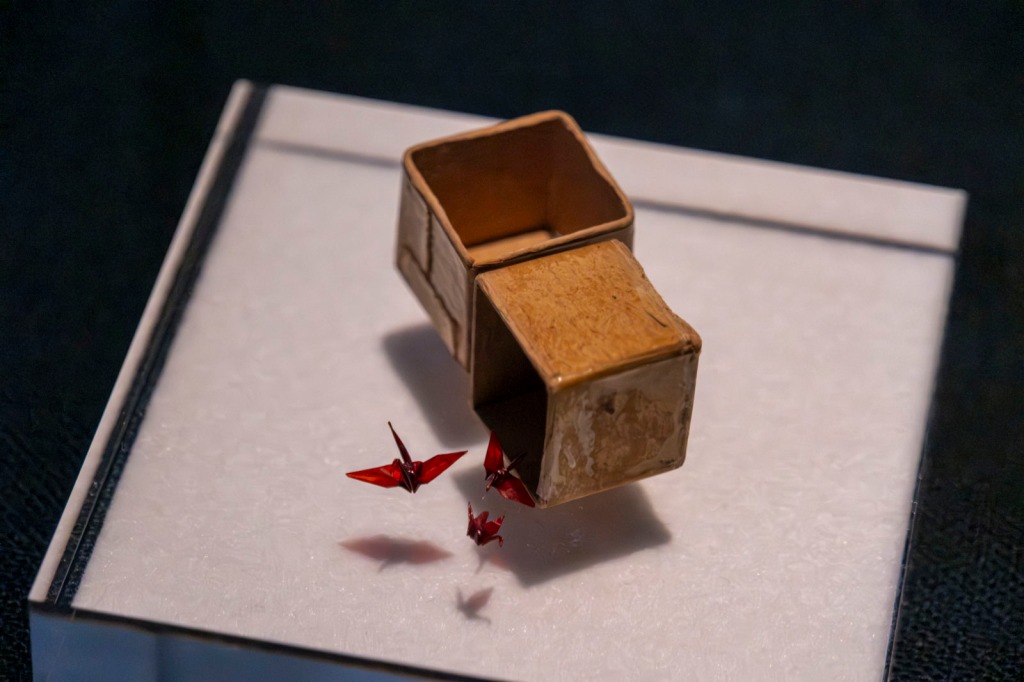
Let’s start with man made art! These are some of Sadako’s delicate cranes made with needles. Sadako was a Japanese girl who died from being exposed to radiation from the A-bomb. She believed she would get well and live if she managed to fold 1000 cranes.
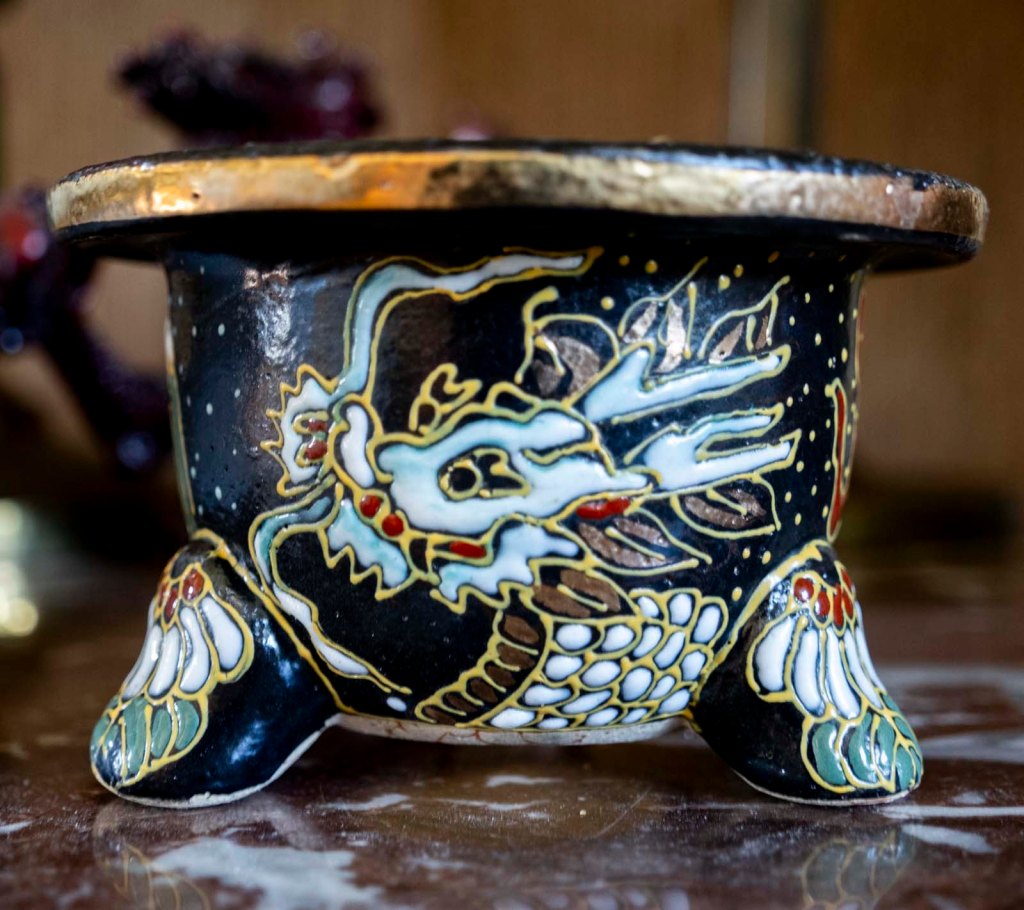
This is a Japanese pot (raku) for growing Fuukiran orchids. I found the pot (diameter about 9cm) in the botanical garden in Nara, and I do plan to try growing a Fuukiran myself.
At one of the many temples I stumbled upon a gorgeously delicate waterpipe decoration – one cannot but admire Japanese art, delicate into the finest detail!

Natural art is important in Japan, but the Japanese tweak it according to tradition and their personal preference. Especially trees.

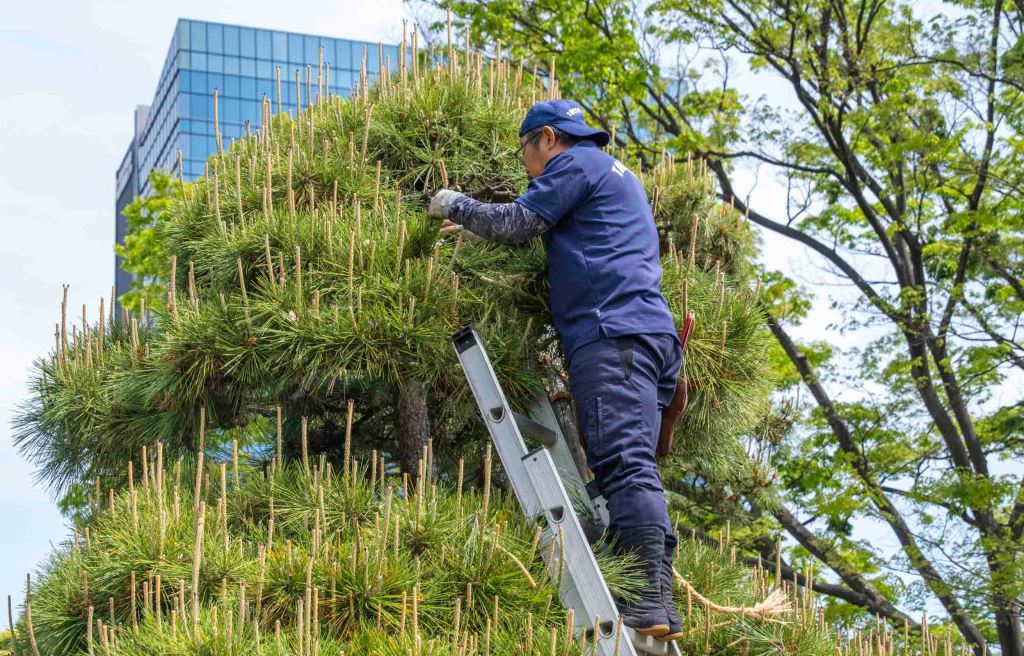
So, pruning gardens is a truly delicate work. Gardeners work meticulously to keep their trees perfect. The goal is a simple, minimalist natural setting design to inspire reflection and meditation. And this garden, in the middle of Tokyo, was no exception. In all the gardens we visited, people were quietly walking the paths. The only sounds were natural ones, wind and bird song, streaming waterfalls.
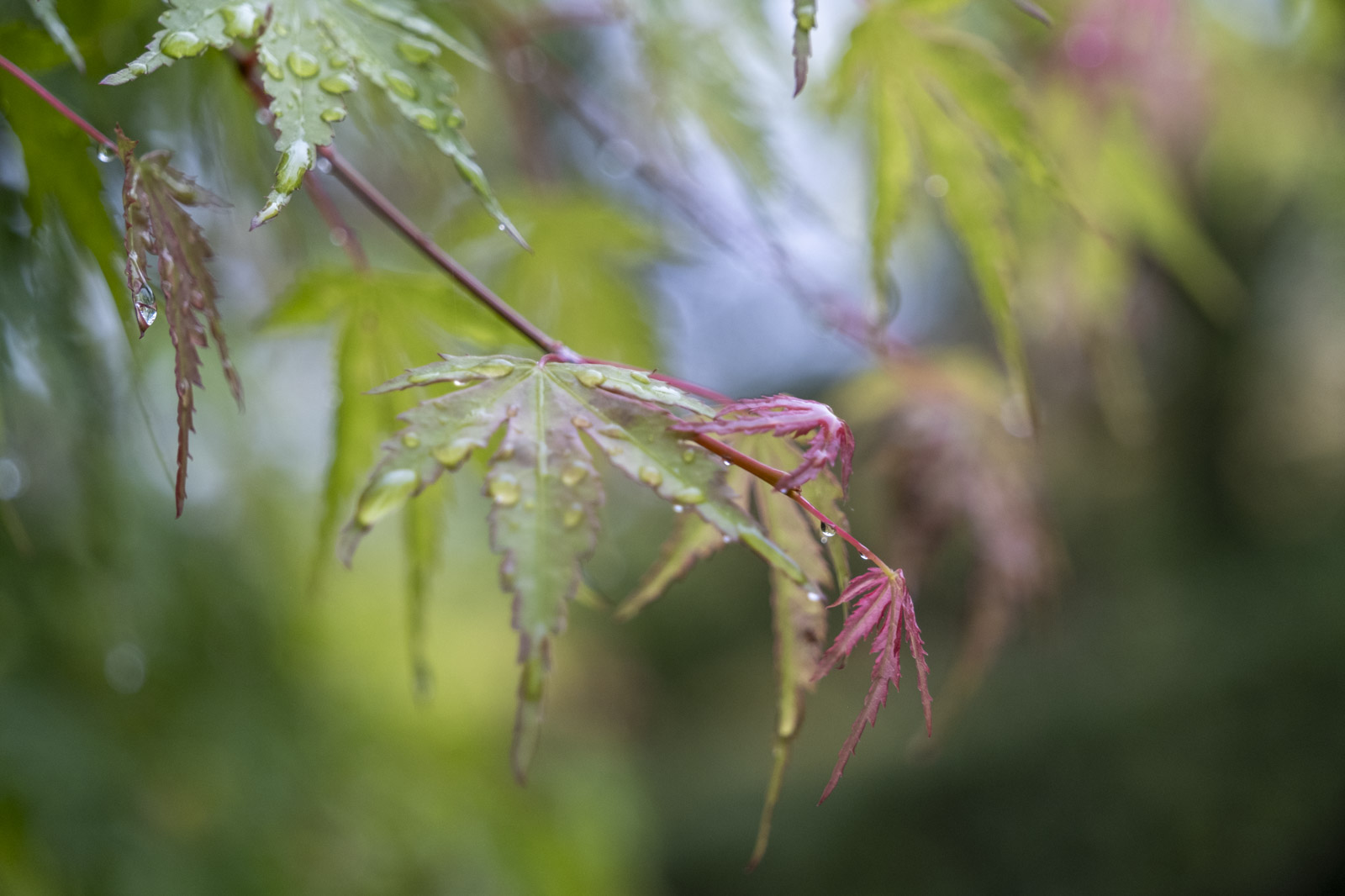
A Japanese maple in one of the many beautiful temple gardens we visited. The trees themselves are works of art and they are highly treasured for their delicate and colourful leaves.
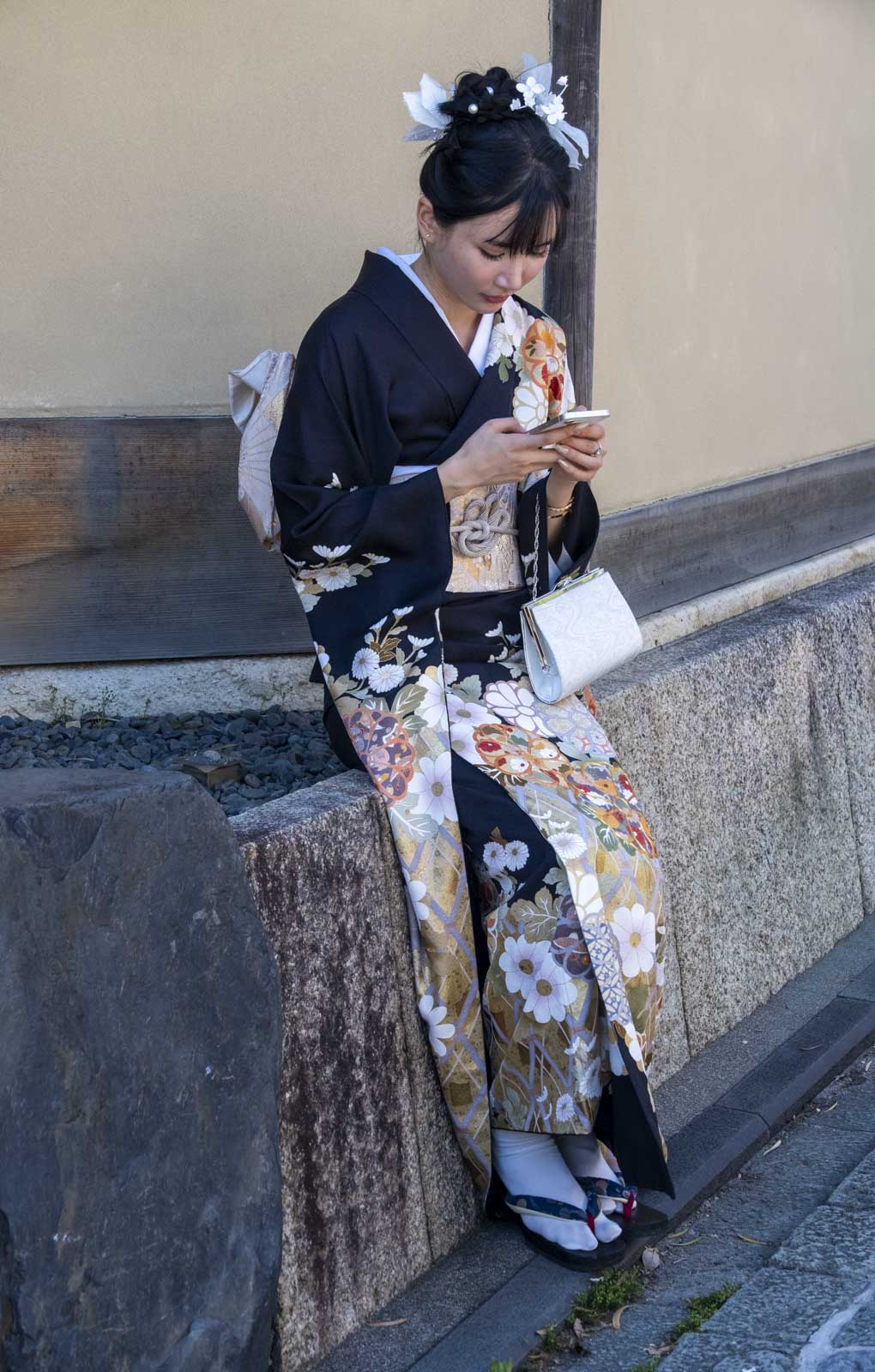
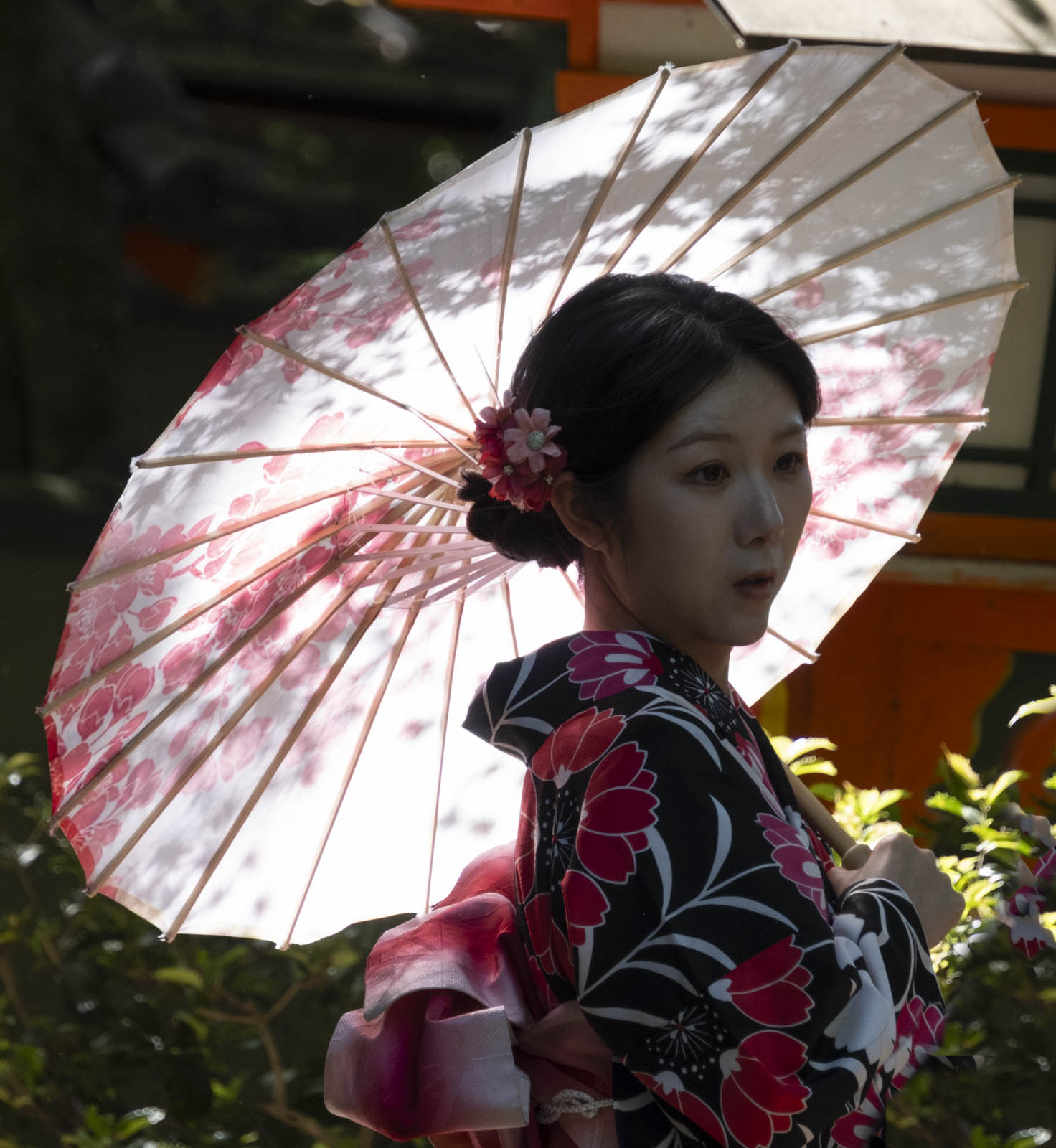
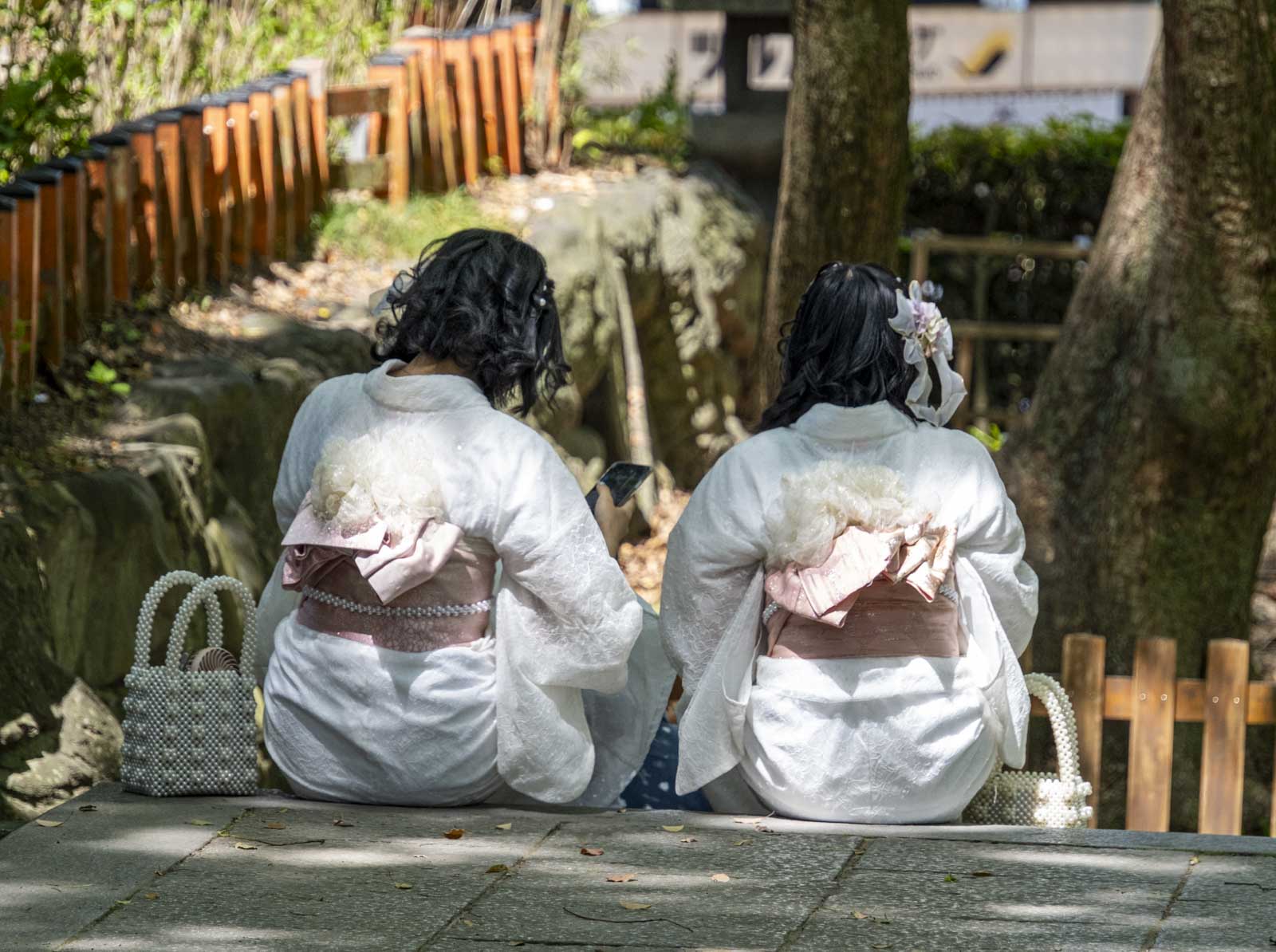
Ordinary People, and Geishas too, sometimes need a break… As we went to Japan during the Golden Week, the long holiday and flowering time in Japan, we saw many Geishas – or at least people dressed up for the festivities. Especially in Kyoto. And I was happy to see it was not only elderly people! The most common thing among youngsters was to dress up (there were endless offers of kimonos for hire) and take selfies at famous temples and gardens. Notice their hairdos and the delicate handbags – and shoes. Phones are there too, of course…
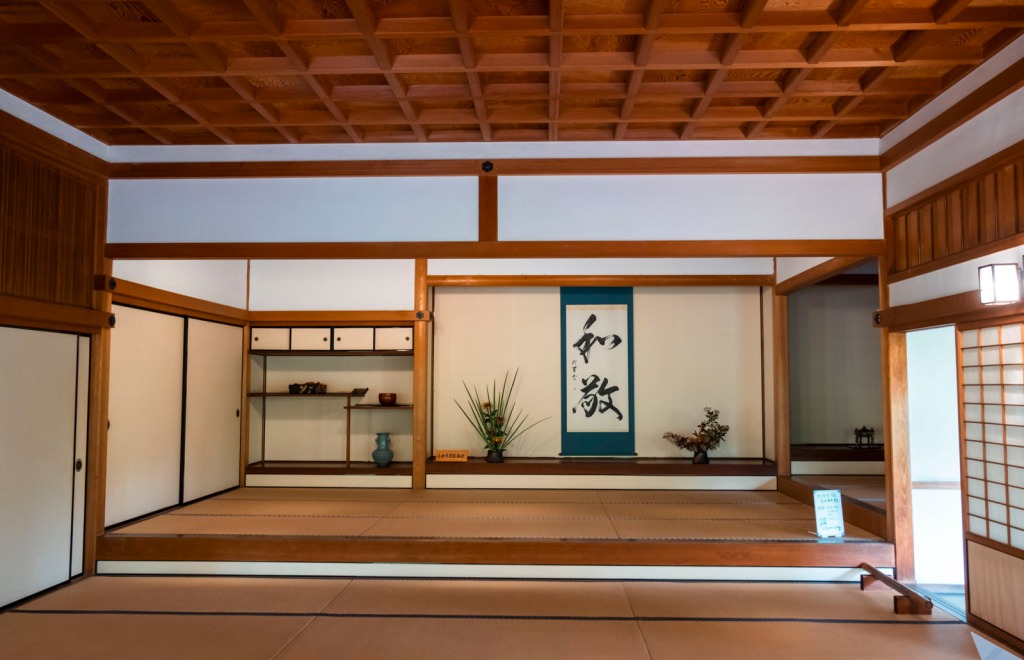
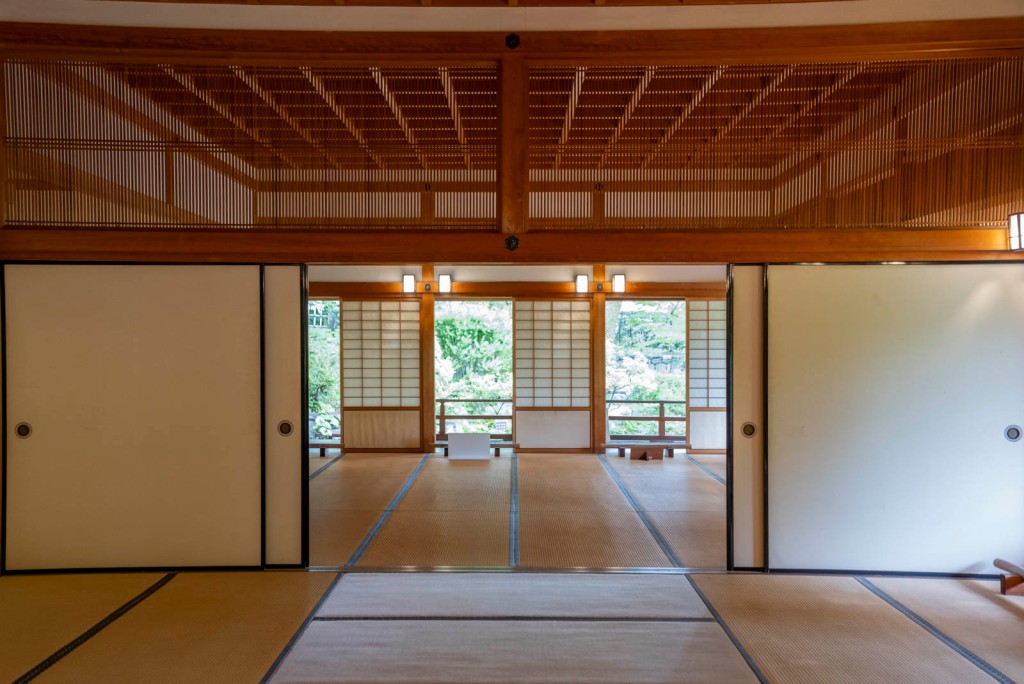
And finally, a Samuraj house in Kokura. Clean lines and rice paper windows. Minimalist.
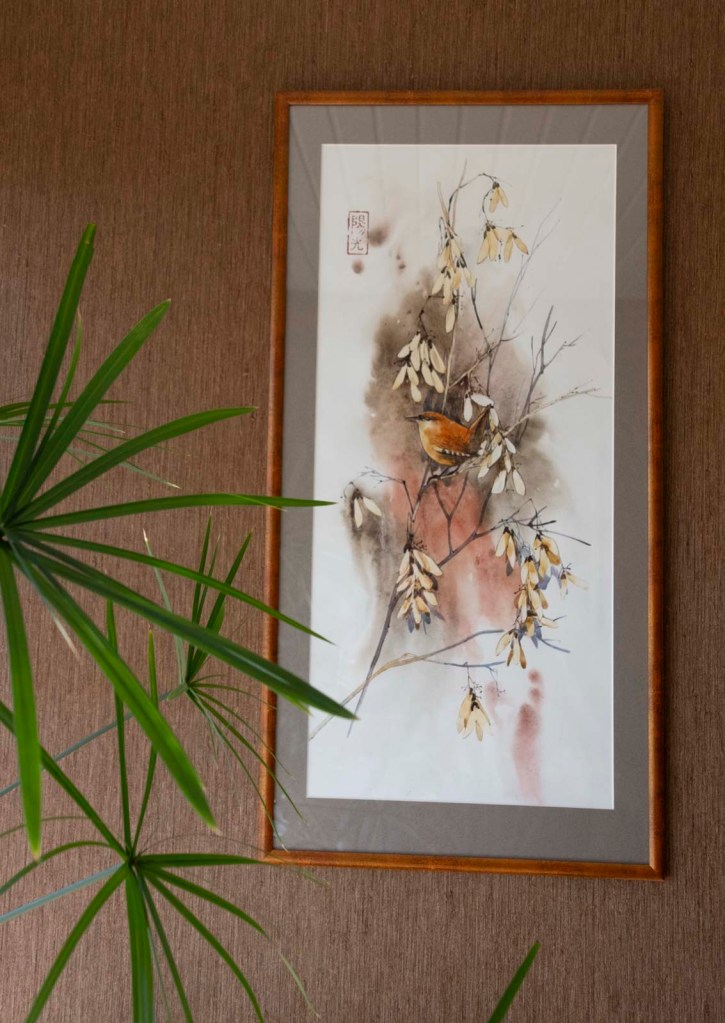
I also want to include a Ukrainian wren, a watercolour by my friend, zen artist Tanya Samsonova. Many artists are inspired by the delicate Japanese style, and surely this painting would fit in any Japanese home.
Starting with the little things and moving up to a whole house – delicate is a useful word. I guess you noticed I haven’t used any flowers for this challenge? If you participate for this challenge (I hope you will!), you might be careful of using them too… because I know that next week Sofia will go Floral. Please visit her beautiful site for more inspiration. Warm hugs and thank you, Sofia, for inspiring me to finally visit Japan – it was just as amazing as you said it would be! (And I am not yet fully recovered from that long flight…)
Well, reading through my post, I just realised that this week is a bit of a milestone – post number 300 since LACP started! That is more than we could have hoped for. Thank you everyone for staying with us!
Lastly, please remember to use the Lens-Artist tag if you are participating, and to link to my original post. Until next time, stay well and enjoy every day!
To live without Hope is to Cease to live. – Fyodor Dostoevsky
Patti, coming back from Japan, this theme could not have come at a better time for me. Because, when I was 7 years old, I read a book titled: Sadako vill leva. The great impression has lasted throughout the years, and coming to Hiroshima to see her, her family and the story unfold in real photographs was overwhelming. Strong feelings and many tears.

The Day of the Bomb – in Swedish Sadako vill leva (Sadako will Live) .
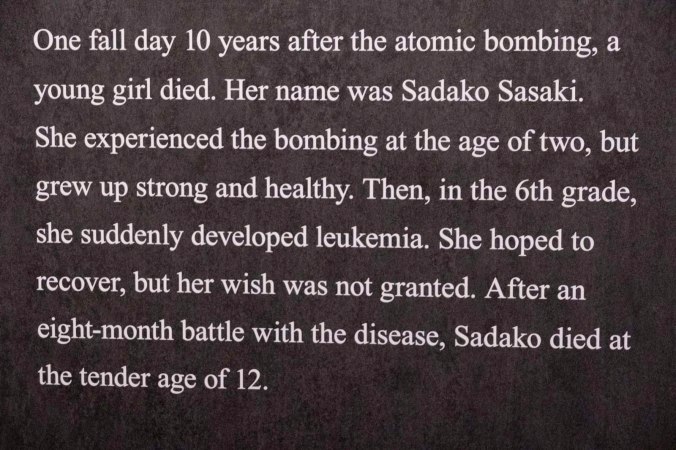

Seeing her own folded cranes set my tears run free…so much hope and effort put into each and every one of those beautiful cranes.
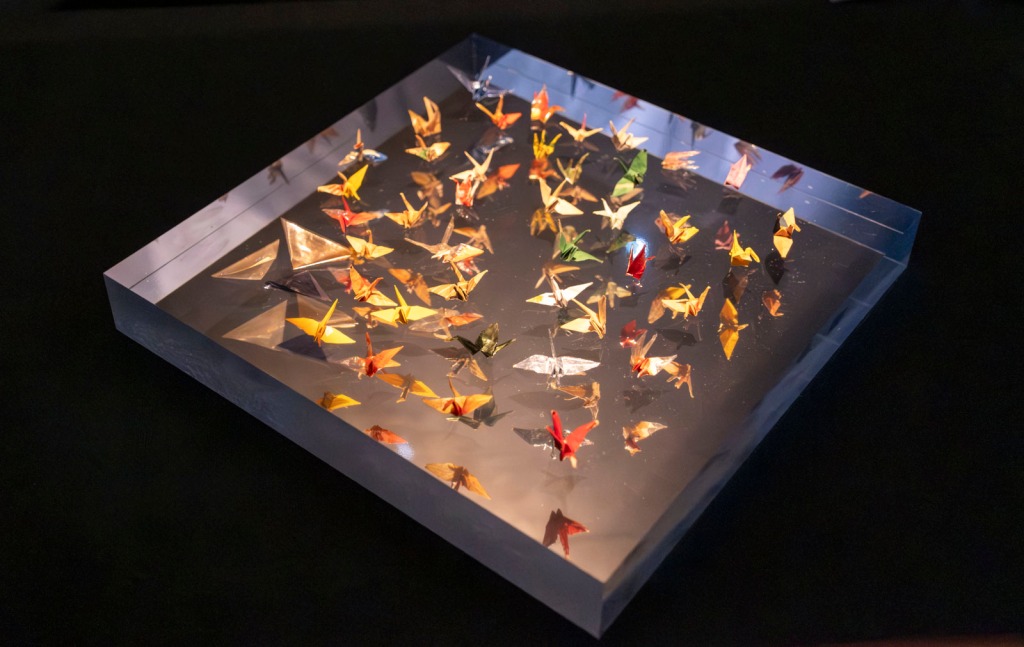
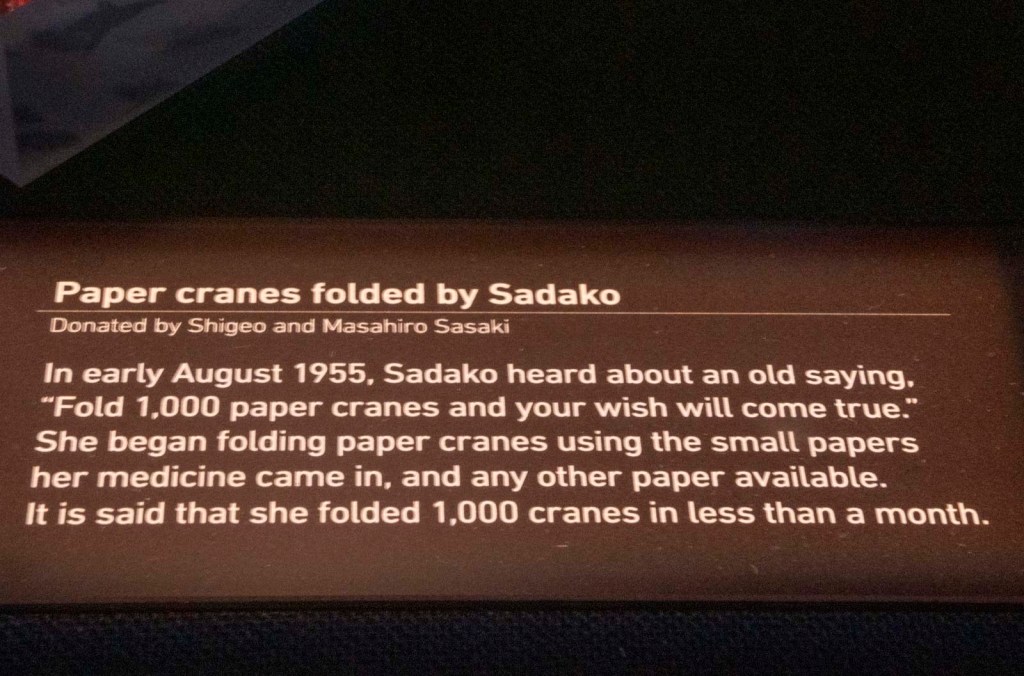
In the Peace Park, Sadako meets us with thousands and thousands of cranes, folded by children from all over the world. In Sweden we still send cranes from school children when they have read her story. They all want to help her reach her goal – and LIVE.

They say Sadako was hopeful every day and believed she would complete her 1000 cranes – and Live. When her strength was weakened, she folded the cranes with needles instead of her hands, and they were so tiny that you could barely hold them.

Here she is, standing on the monument, holding up a crane to touch the sky. And there is a bell inside the monument that every child wants to let chime.

Her story is only one of tens of thousands from that day, but it tells us something about being hopeful and never giving up – having something to work for and to focus on, and something to believe in too. They say hope is the last thing that leaves you…

I will finish with the Phoenix Trees that stood in the courtyard of the Hiroshima Post and Telecommunications Bureau. The courtyard was about 1.3 kilometers from the hypocenter. Because no intervening object stood in the direction of the hypocenter, they took the full force of the heat ray and blast, losing all of their branches and leaves. The sides of the trunks toward the hypocenter was burned and hollowed out.
Although the trees appeared to be dead, their branches put out buds the following spring. Seeing this new life, people took courage and hope. I think we do too.
So now, it’s your turn. What makes you hopeful? Is it a place, a person, or a beautiful creation? Is it art, music, poetry? We’re looking forward to seeing your creative and inspiring posts. Be sure to link to Patti’s post and include the “lens-artists” tag.
Last week Tina’s challenge inspired you to share wonderful posts of children and young animals– even some of your own. A special thanks to Tina! And what’s up for next week? I, Ann-Christine, will lead, so be sure to stop by Leya next Saturday at noon EDT.
Wishing you a week of sunshine, hope, and inspiration.
Looking for more information on joining our challenge? Click here.
 Leya
Leya 
Du måste vara inloggad för att kunna skicka en kommentar.