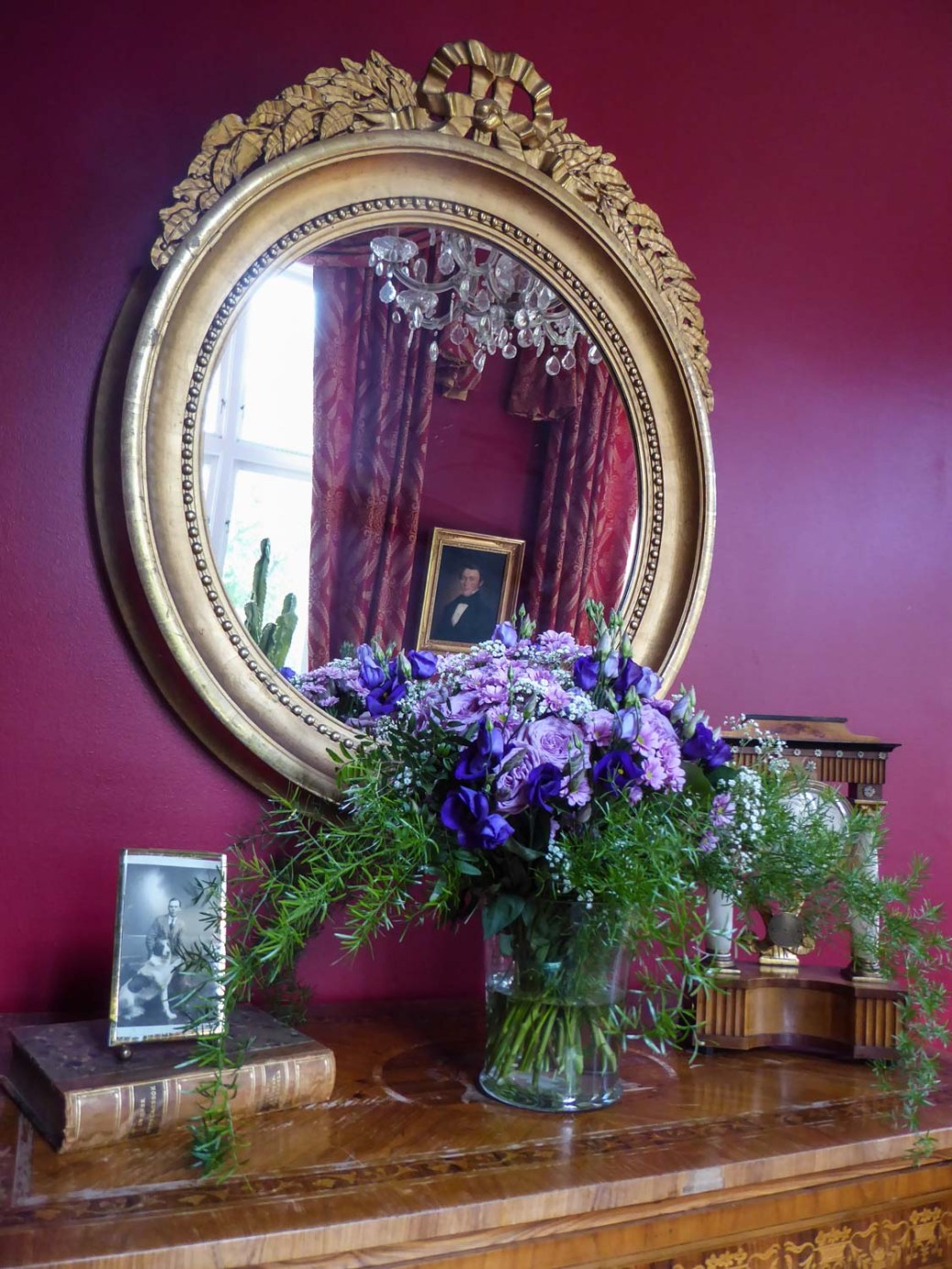
Wordless Wednesday
Cee’s Fun Foto Challenge: Books or Paper


Paula of “Lost in Translation” has posted a great set of words for her Pick a Word challenge this month. I love this challenge, not only because I find it interesting how people interpret words, but also because I learn new words and build my language at the same time.


The rules :
Please join in if you love challenges and think you will have fun with it!
A thing of beauty is a joy for ever.
John Keats
Its Early mornings…


Mid days…
 Afternoons…


…and Evenings

And my heart dreams of returning some day
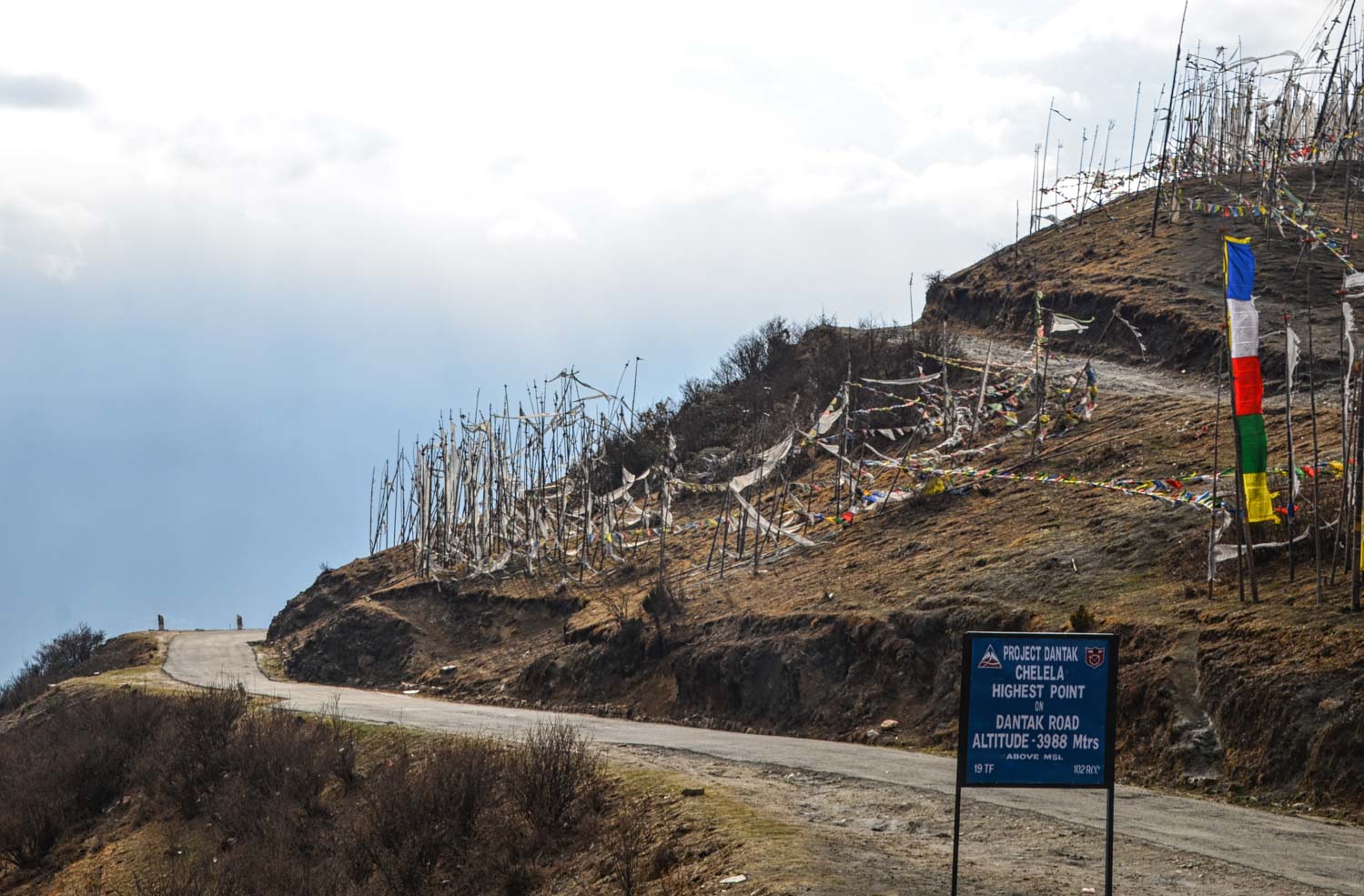
Feel the air
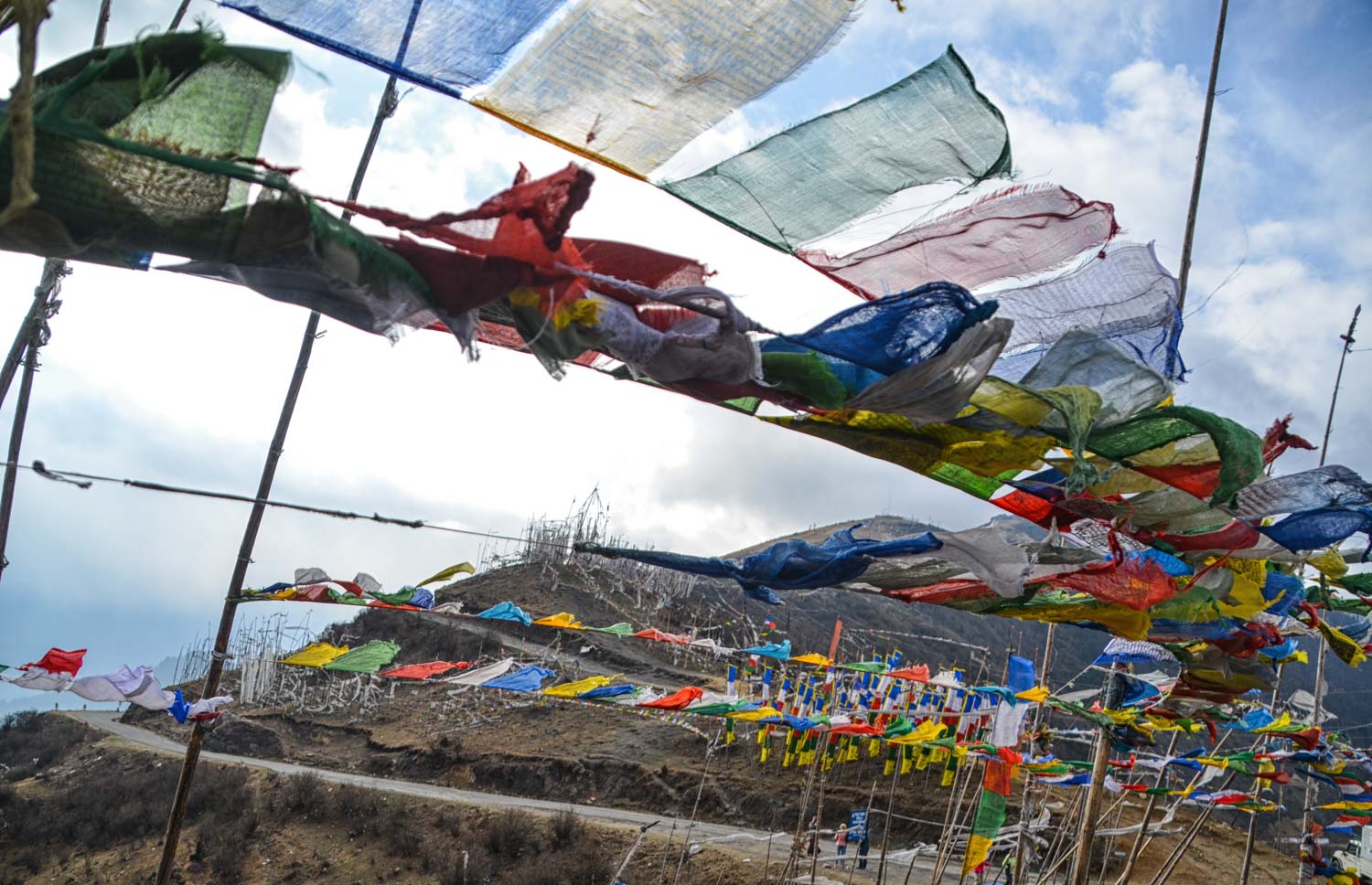
Feel the wind

Feel the soundless flags

Feel
In the fertile Punakha Valley, where the Mo Chhu (Mother river) and the Pho Chhu (Father river) meet, lies Punakha Dzong – Pungthang Dechen Phodrang (Palace of Great Happiness). It was constructed in 1637 and maybe the most impressive building in Bhutan – also considered the most beautiful dzong in the country.
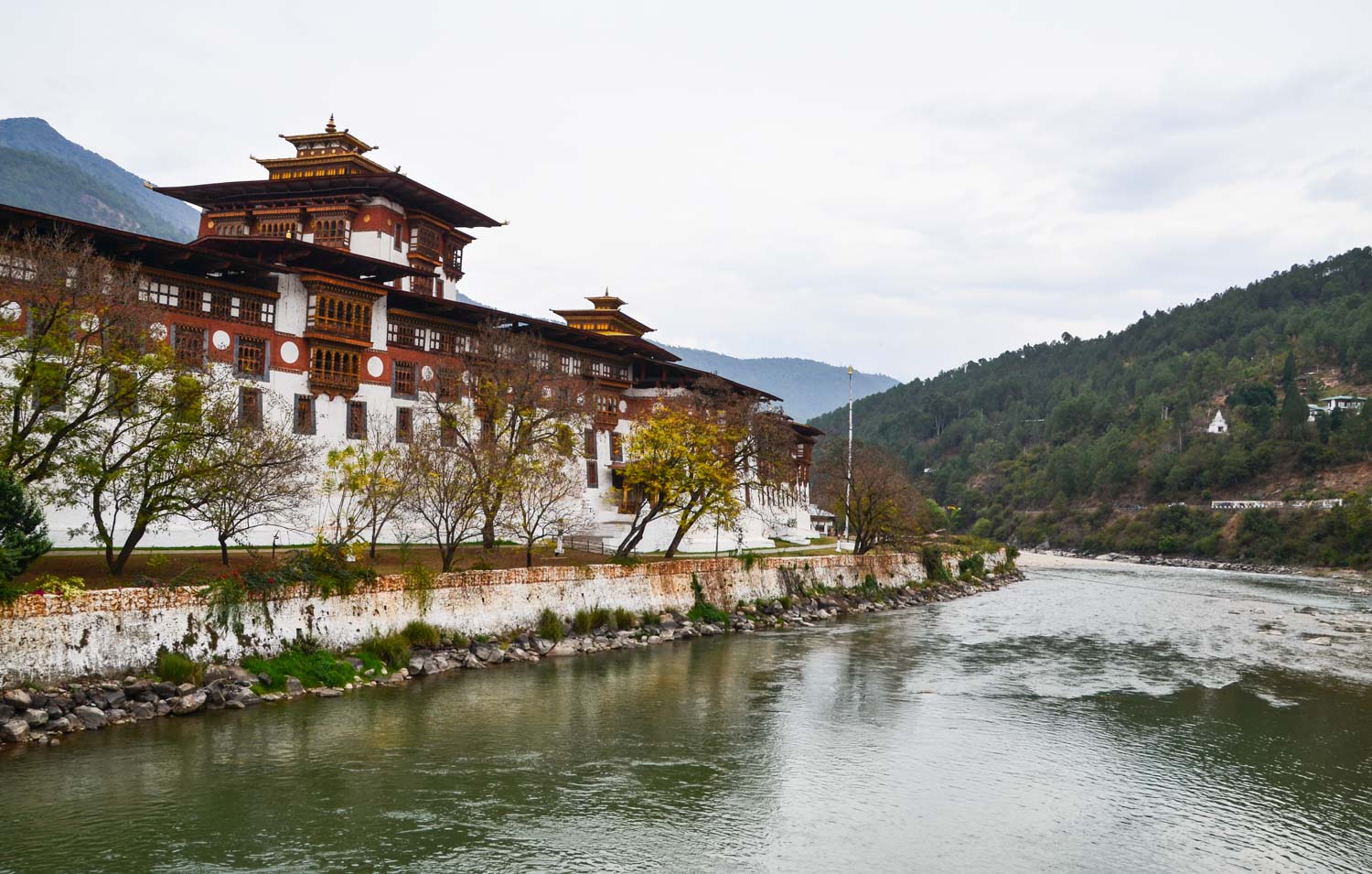
The very size of Punakha Dzong is impressive, 180m long and 72m wide, but the elaborately painted gold, red and black carved woods, the brass roof and the location adds to the light perfection.


Punakha served as Bhutan’s capital for over 300 years and the first king was crowned here in 1907. Since the mid 1950’s, Thimpu is the capital, but Punakha is still the center for official meetings, the kings’ weddings and other important ceremonies.


The dzong, like all the other dzongs in Bhutan, has suffered fires several times, but is always restored. Due to its location by the two rivers, it is also vulnerable to the floods following climate change. In 1994 a glacial lake burst and destroyed parts of the building, and before that, in 1897, there was also a severe earthquake.

The temple is grand and holds thrones for the King as well as for the high Lama.
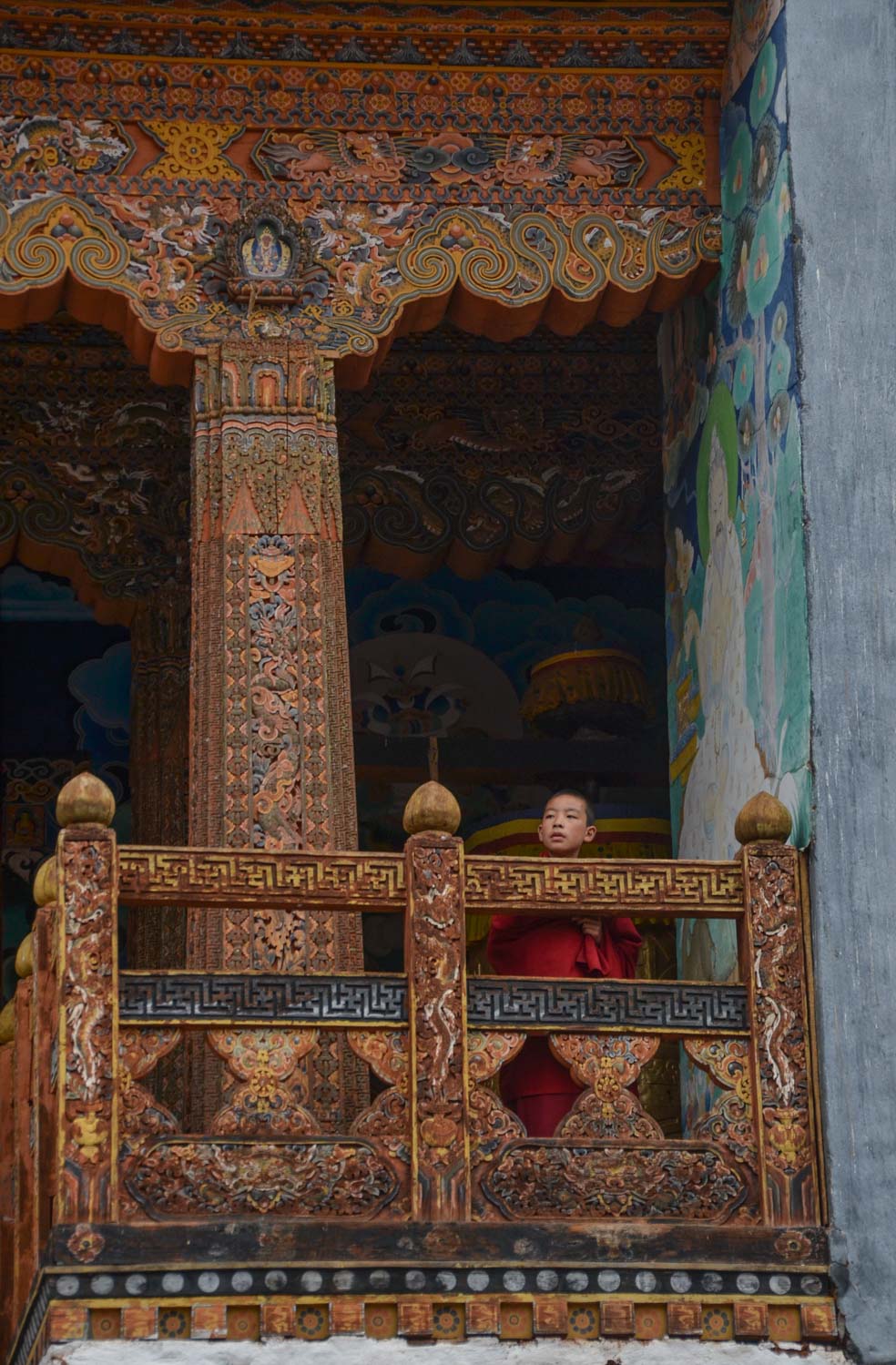
There are 300 monks in the dzong, and our guide told us that today the monastery schools are almost like ordinary schools – you take different subjects like science and mathematics along with languages and the scriptures.


The young monks are very curious and good at English.
The junction of the two rivers, seen from inside the dzong.

And so we left this magnificent fortress – without using the middle, golden steps, made for the King only. A breathtaking visit – only there was so much more we wanted to see, hear and learn – but maybe next time…

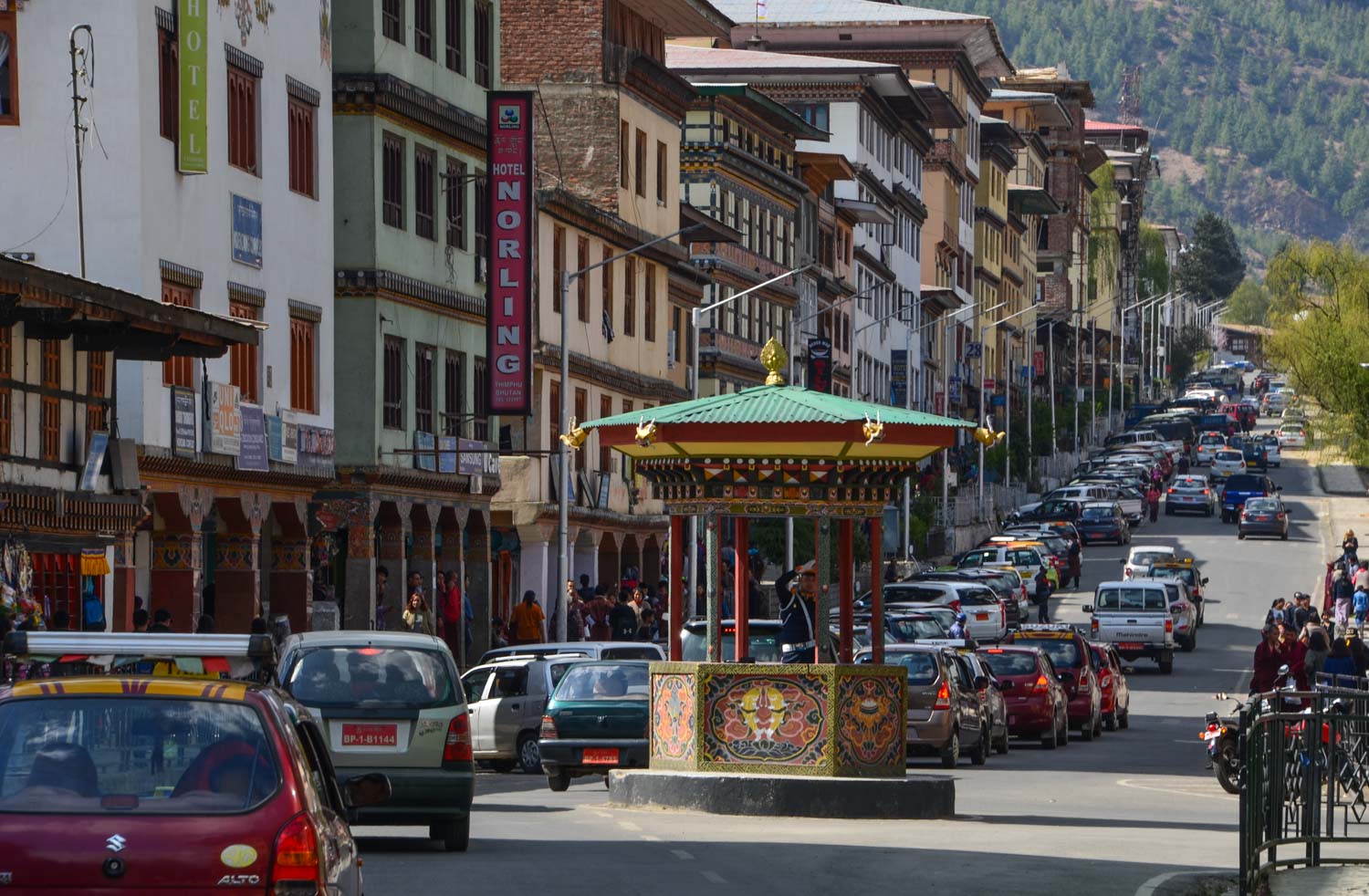
I remember watching a YouTube clip long ago, with Bhutan’s only traffic light. This traffic light is still there, in Thimpu, the Capital.

In the city center, we found it – and it was just about to be exchanged.
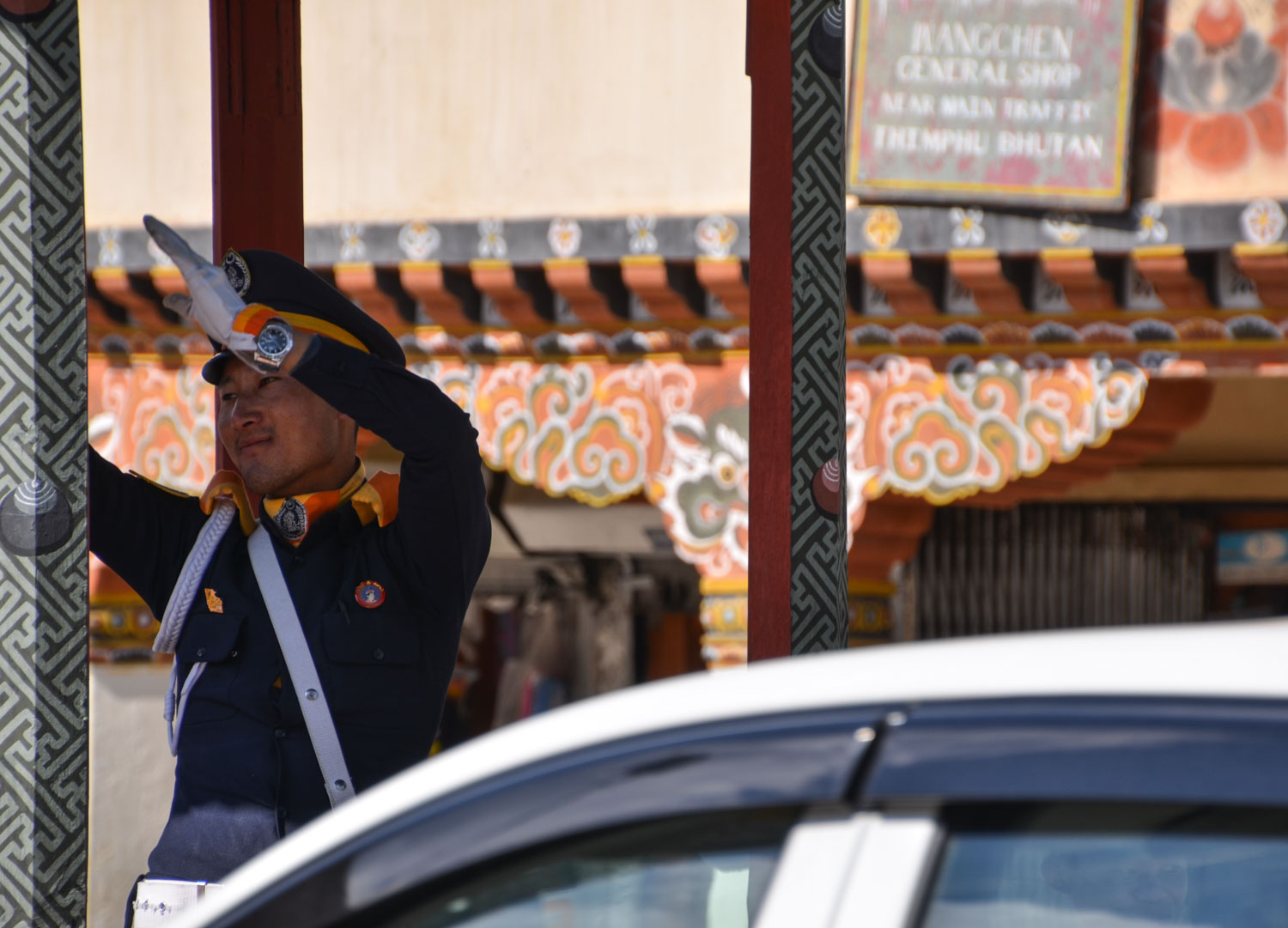
Here he is – the smiling, human traffic light – a complete joy to watch him at work! In fact, the Bhutanese got an ordinary traffic light in Thimpu some years ago, but they did not like it. After three days they wanted their human light back. And he danced, this young man – a pity I did not film him.
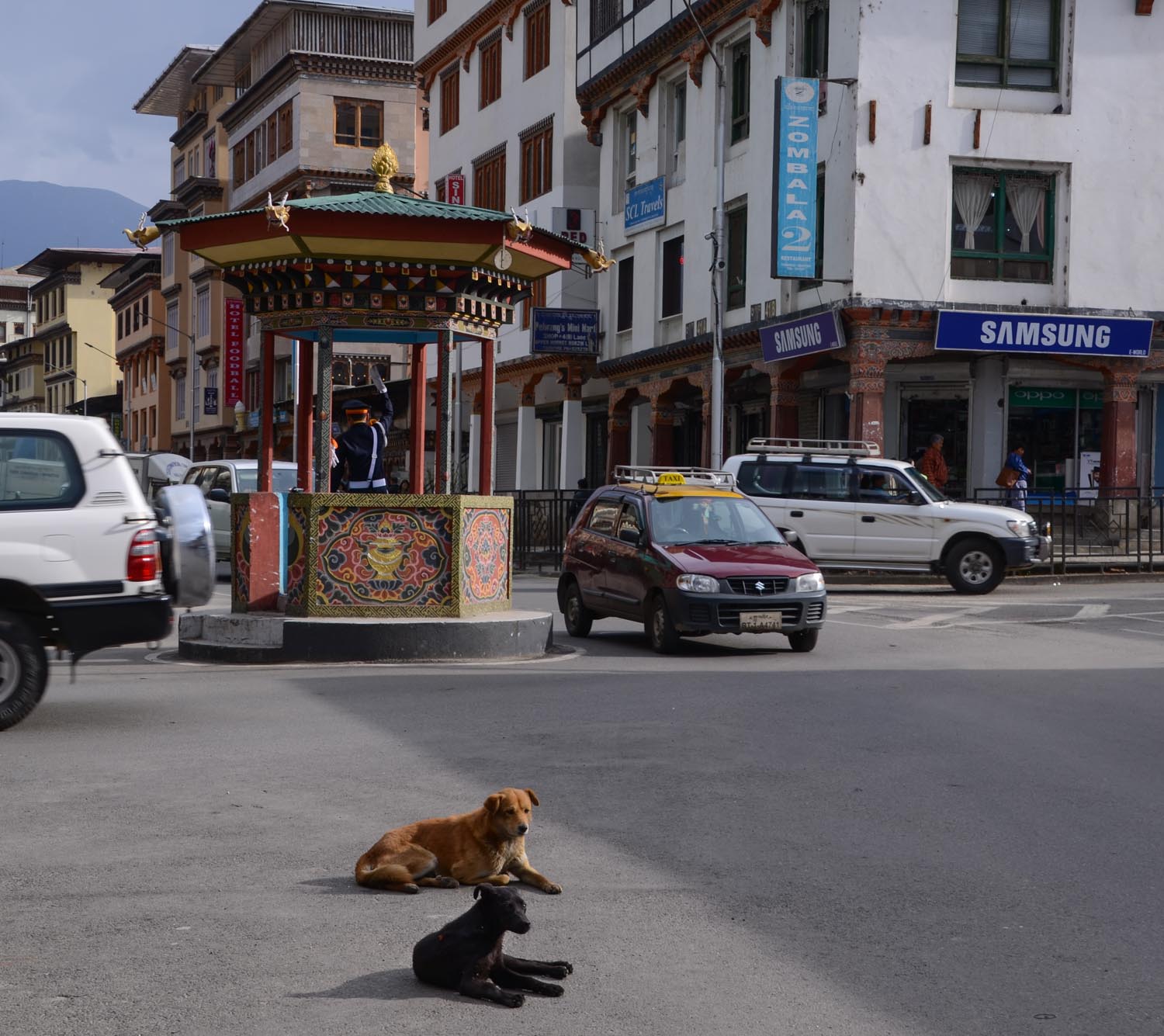
For a people that value family and human contact the highest, and also treasure nature, nature’s gifts and everything living – I can easily understand their decision. It works. He works perfectly. Everybody feels safe in his hands – even the dogs.
There are 80 000 citizens in Thimpu – and they love their traffic light! Take a look at these two clips. In the second one, notice the traffic sign for pedestrians behind him – the person on it is wearing a Gho. (The male national dress)
The Divine Madman is of great importance to the Bhutanese. On almost every house you will find his imprint – a phallus symbol – painted on the wall or hanging from the roof as a wooden giant. The phallus symbol is important to ward off evil and to bring luck.

Chimi Lhakang is situated on a hill in this beautiful rural area – the small white building to the left close to the mountain.
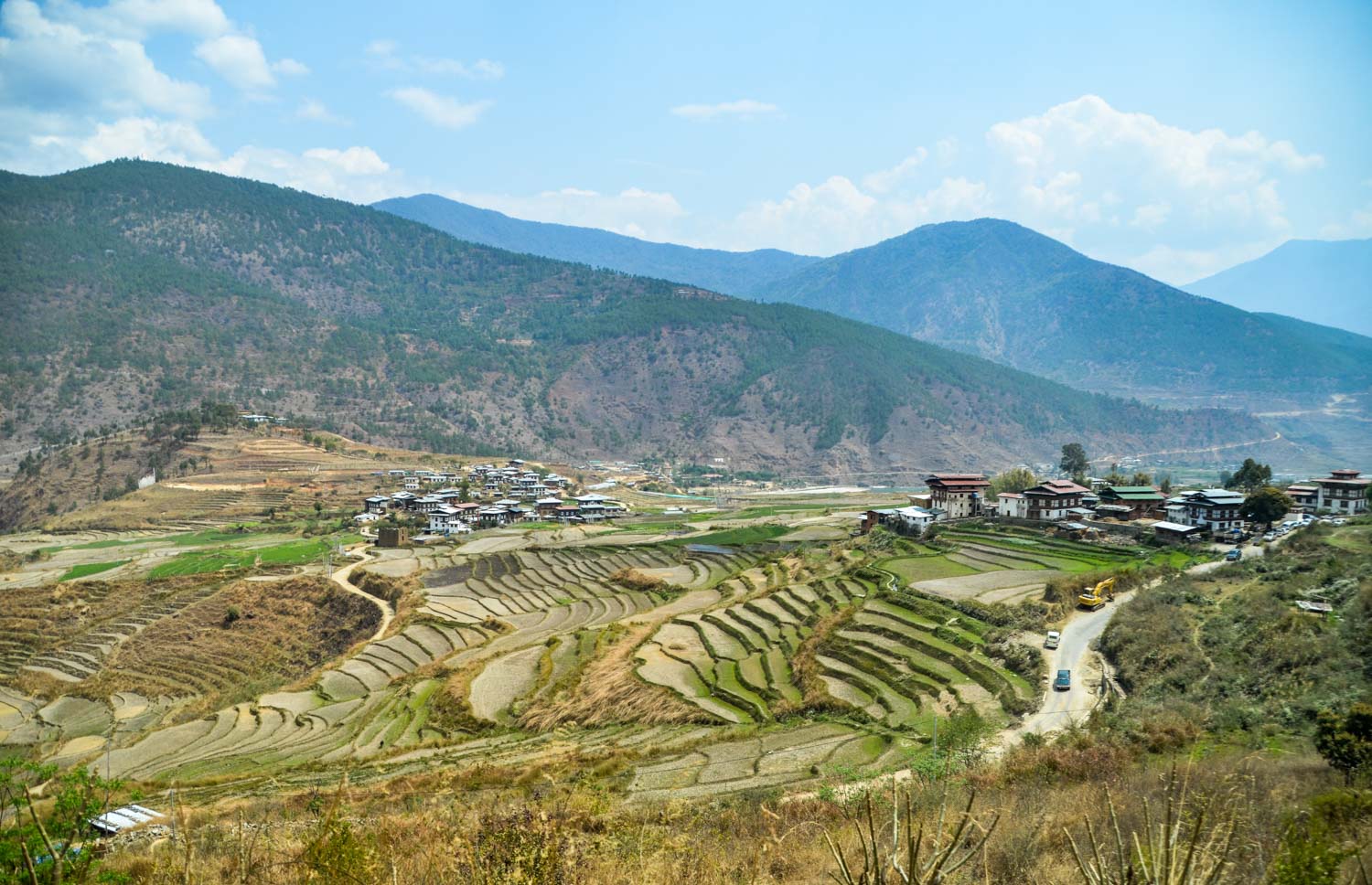
This day, we had some slow raindrops contributing to the green fields.
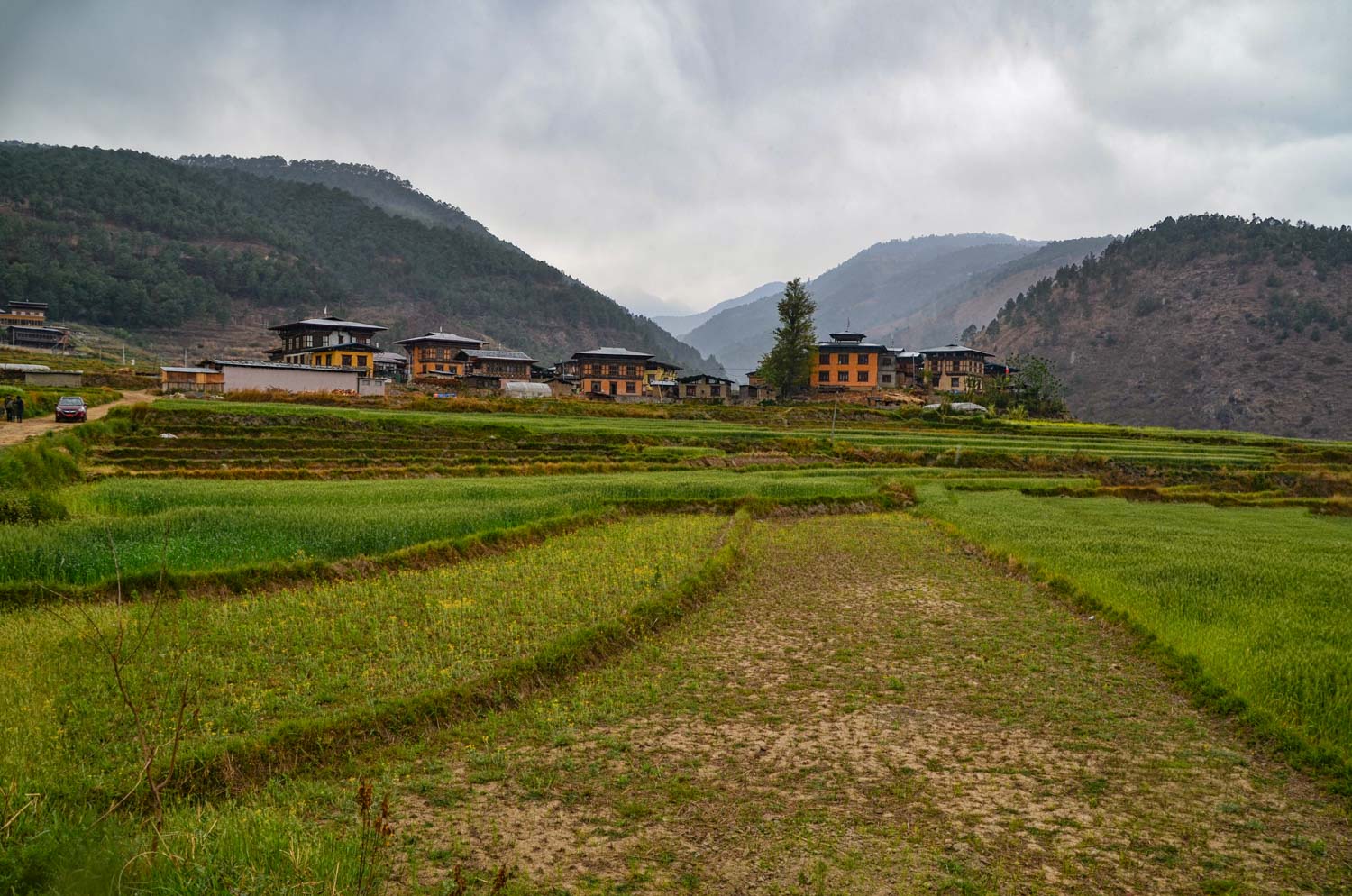
Clouds hanging low, but not a wind.
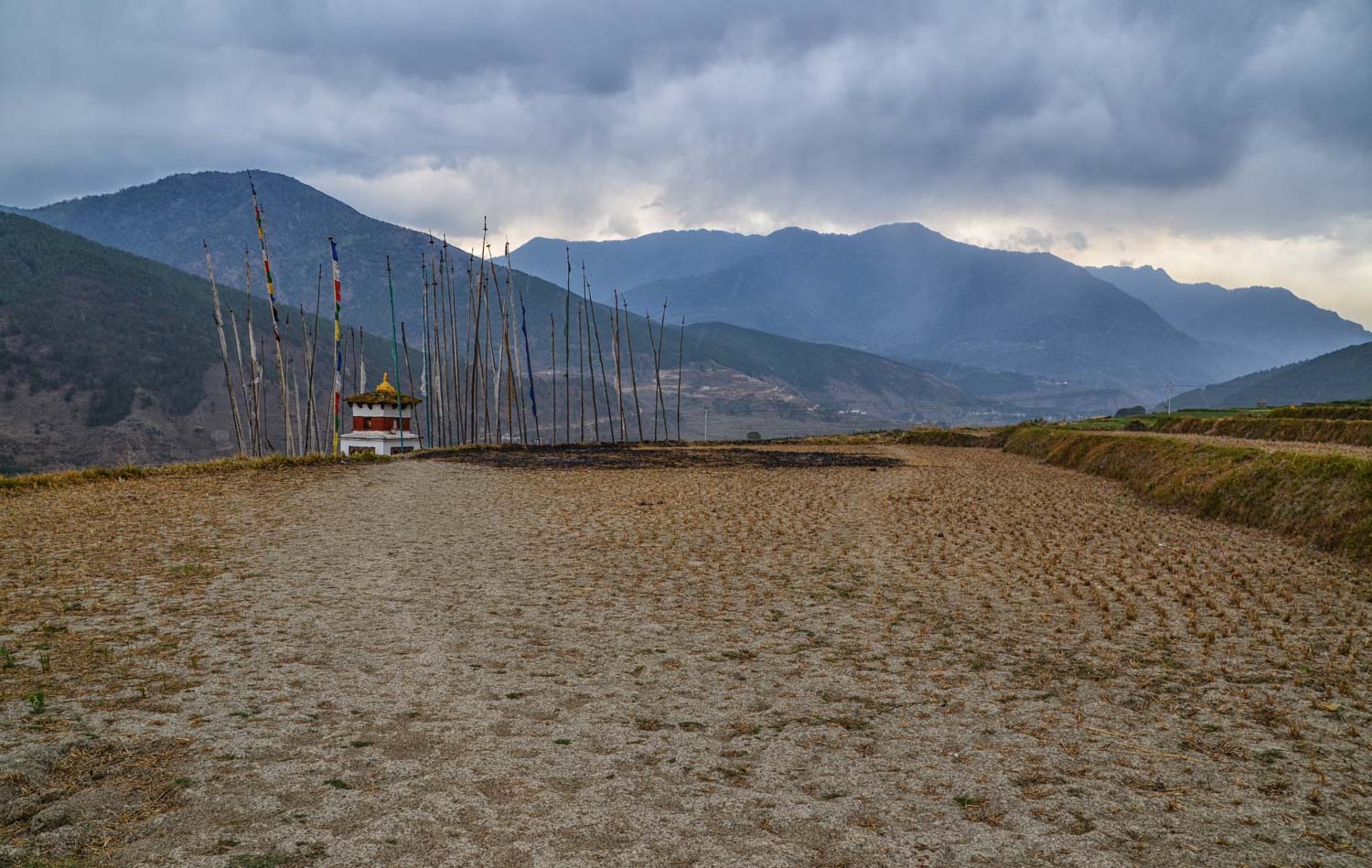
Blessings are important – even to the fields that should feed the people.
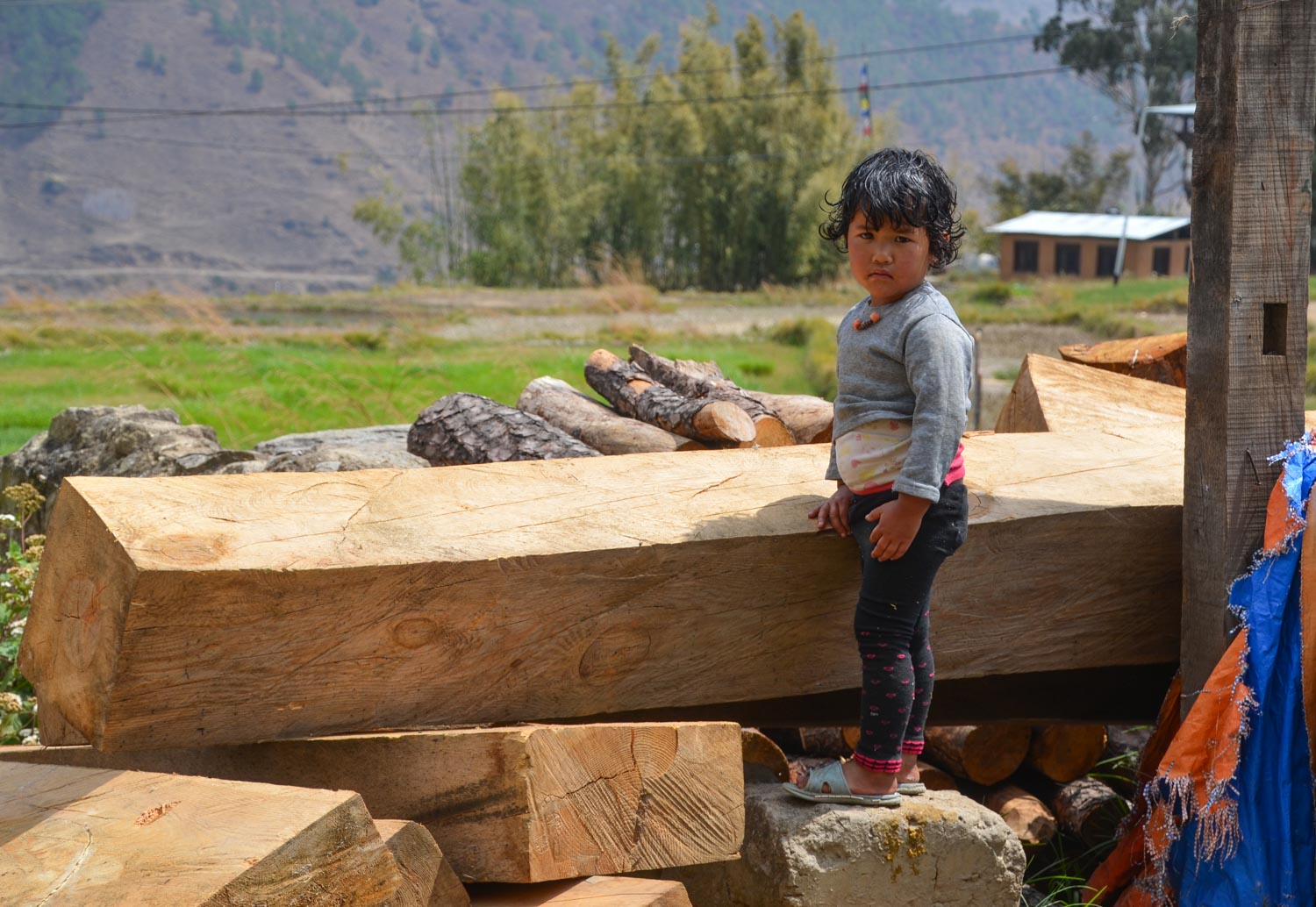
On our way up to Lobesa and the Lhakang, we had lunch and stopped by several shops selling masks and phalluses. The red mask is worn at the dances and the phallus on top is to swing out and bless people in the audience.


On reaching the temple, the rain had stopped, and young men and women were spinning the prayer wheels while circumambulating. Both men and women come to Chimi Lhakhang, and not only for fertility wishes. Often, when their child is born, they come back here to give him or her a name. Inside the temple there are bamboo sticks with names on them, if you prefer to let chance decide.
Equality is essential in Bhutan, and often it is the woman who inherits her parents. Marriage is no longer a business matter – people marry out of love. It is also no big deal with a divorce – should the couple not be happy in their marriage. And, I think I said it before – I have never seen so many men taking good care of and playing openly with their children.


After Paro Tsechu, we decided to walk home to our hotel, Nak-Sel, in the lovely evening light. Some kilometers that would take about an hour on the narrow, dusty road.
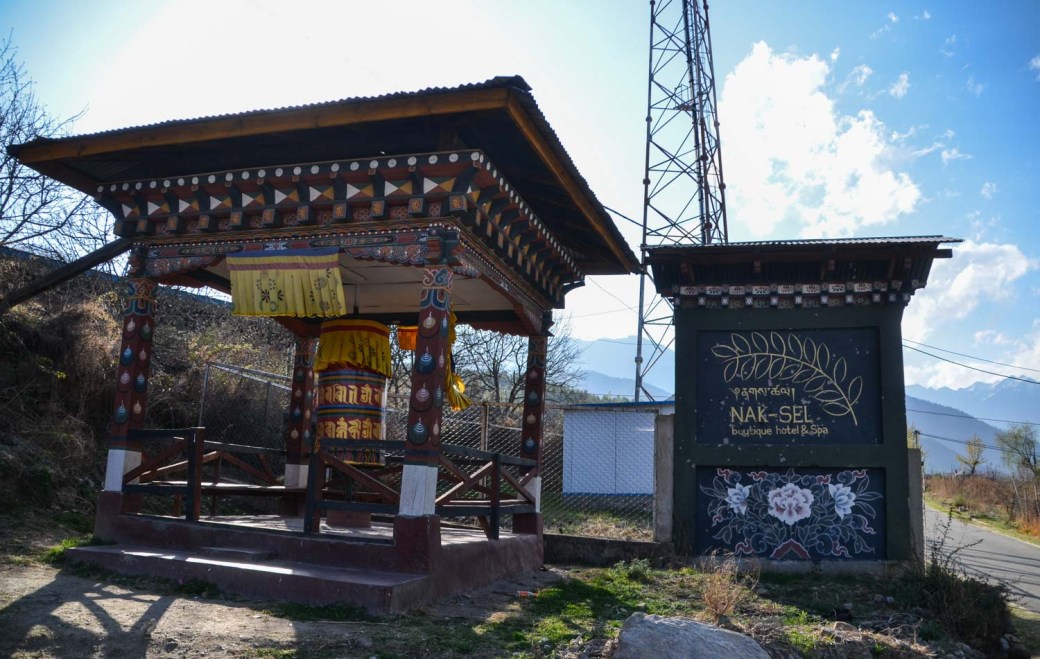
A walk well worth the effort in the thin air – giving us the chance to take in the beautiful countryside and to talk to some of its harmonious inhabitants.

The Bhutanese houses are built to dry the hay on the open upper floor. Even if you don’t have any hay, you build this way – many washed clothes were hanging in this space, and old furniture leaning on the structures.


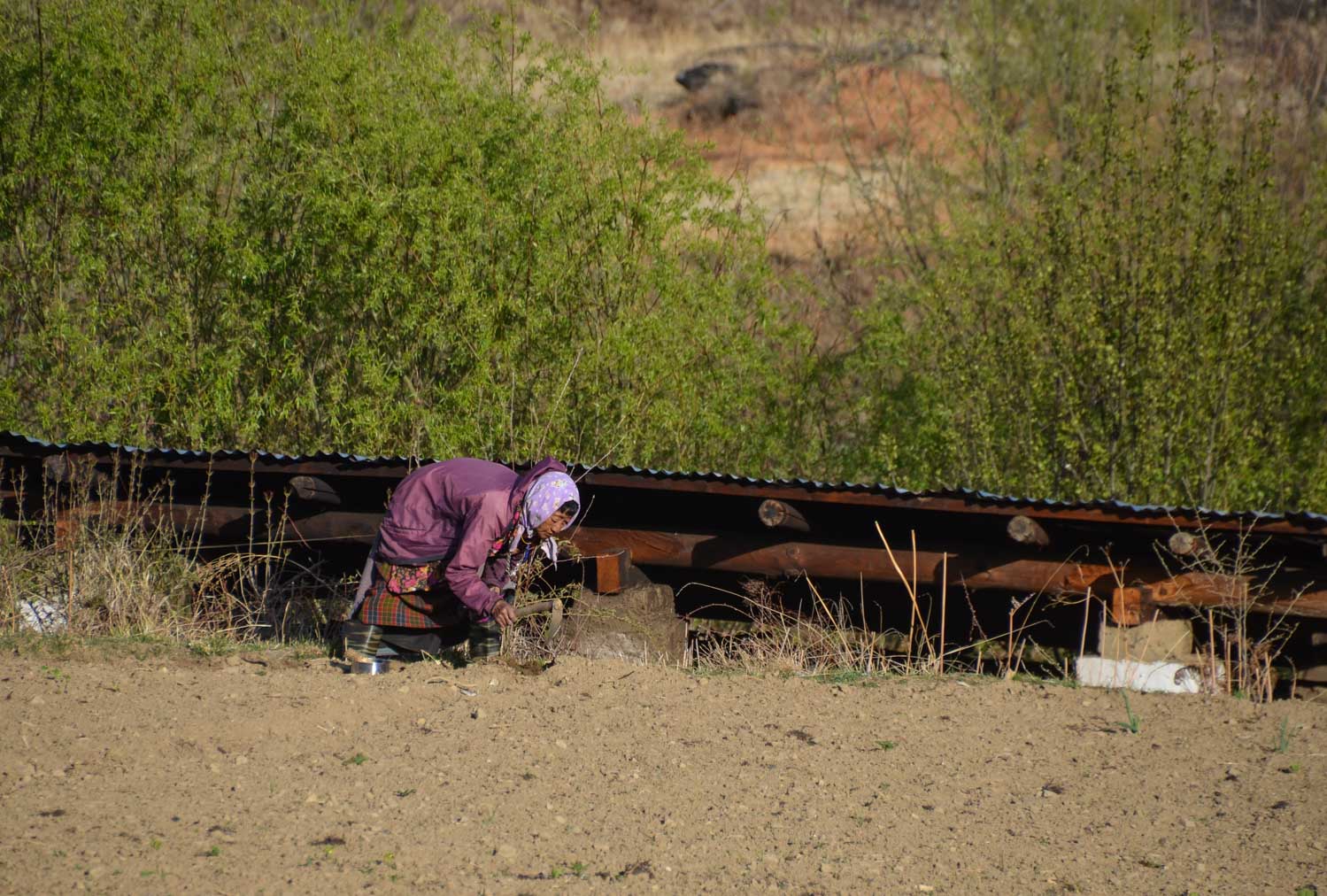
The last hours of light for hard working farmers.
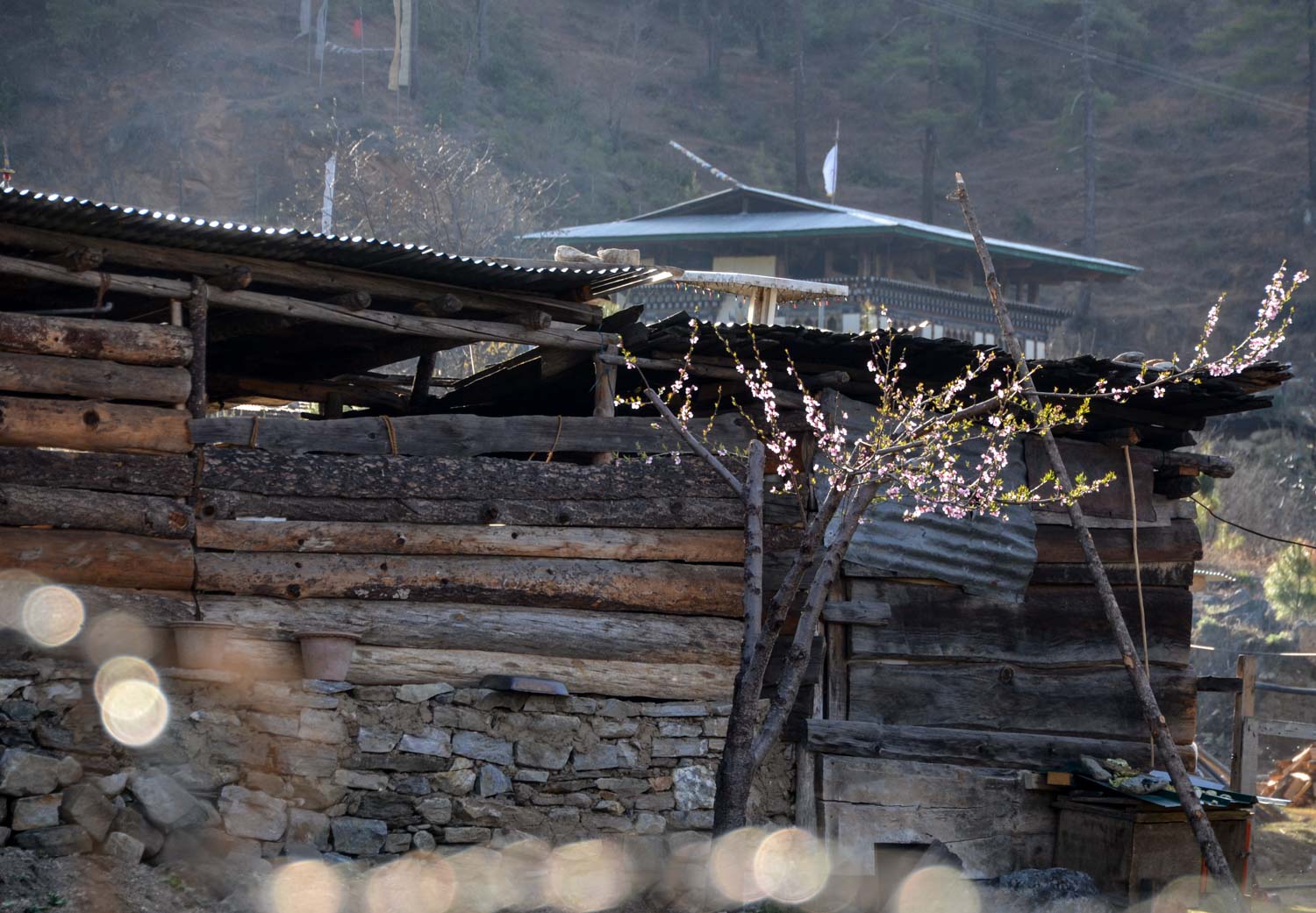
 The old farmsteads lay mostly quiet in the setting sun – and the first cherry blossoms enchantingly aglow.
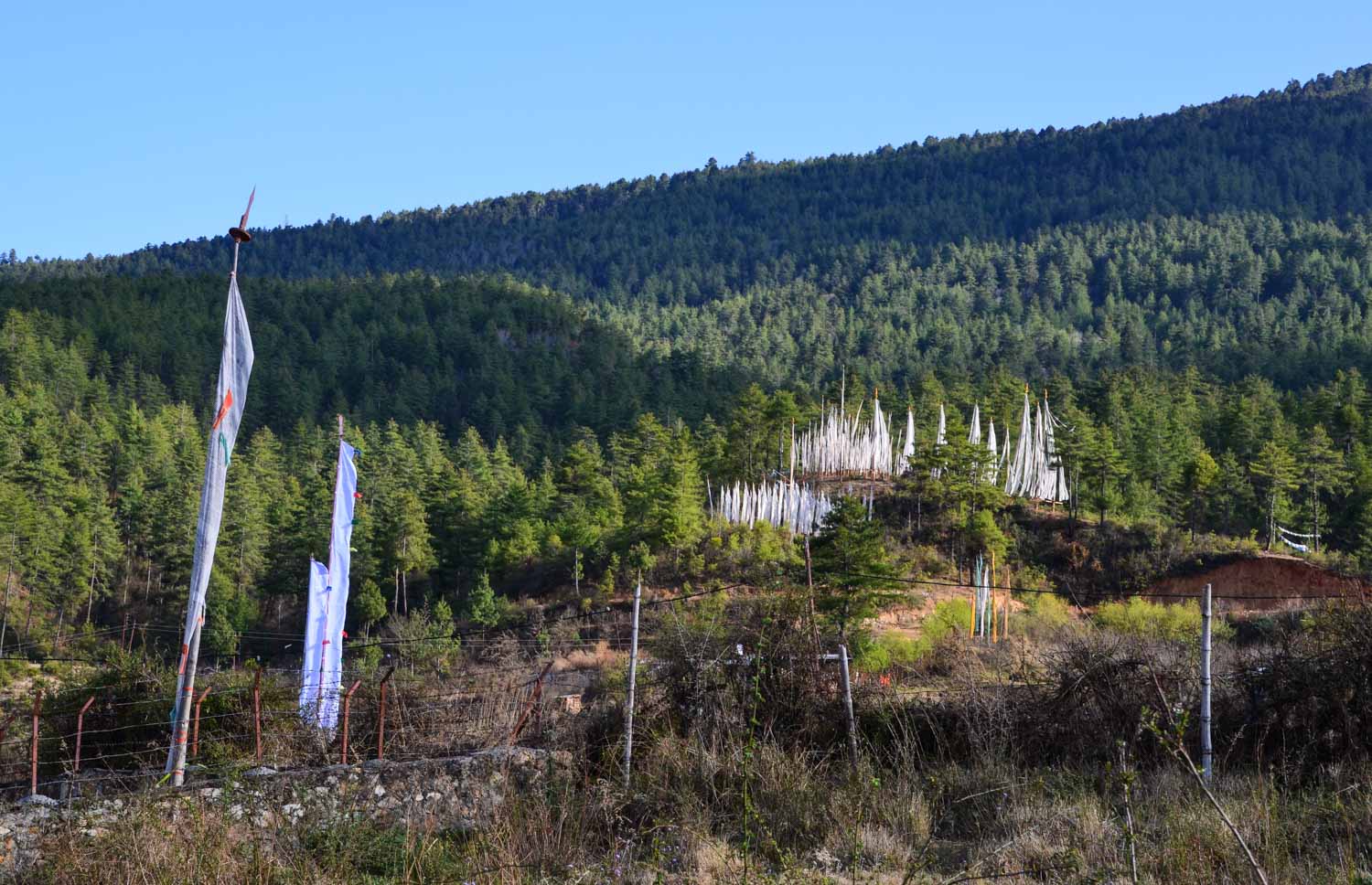
Always 108 flags for the dead. Everywhere on the hills, where the wind is blowing. Naturally there is a religious meaning, but according to our guide, the exact reason to just 108 is lost in history.
An overwhelmingly interesting day had come to an end. And with the stunning views of Jomolhari, 7326 meters, we reached Nak-Sel and went to enjoy a lovely dinner.
 Leya
Leya 
Du måste vara inloggad för att kunna skicka en kommentar.