A Moroccan Piece of Paradise


Back in 2004, Alain Ribet -a friend from Bordeaux- told me « My brother Bernard has gone quite mad: he’s bought a farm in an oasis in deepest Morocco”.

These are the words of Catherine Quenisset, the charming French lady who now, together with her husband Philippe, runs the ecolodge Sawadi in the palm grove of Skoura, Morocco. Read their story and about their sustainable concept by clicking the links above!
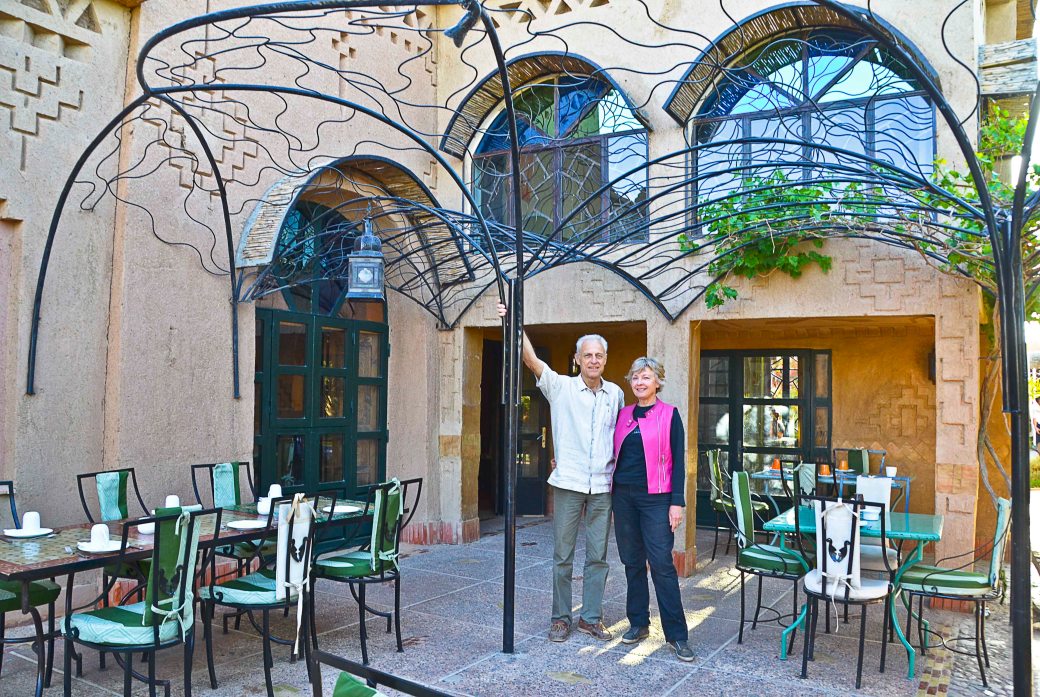
The Sawadi farm has the comfort of a riad and is implanted in a 4 hectare domain, This means a huge garden, and here they grow almost everything they need for themselves and their guests. For example roses for making rose water, flowers for the calendula oil, and all vegetables for the kitchen.

The hotel part of Sawadi includes only seven living houses, and is consciously restricted to that. In fact, Sawadi is the only establishment in Skoura to receive the “green key” a sign of their commitment to tourism and sustainable development.
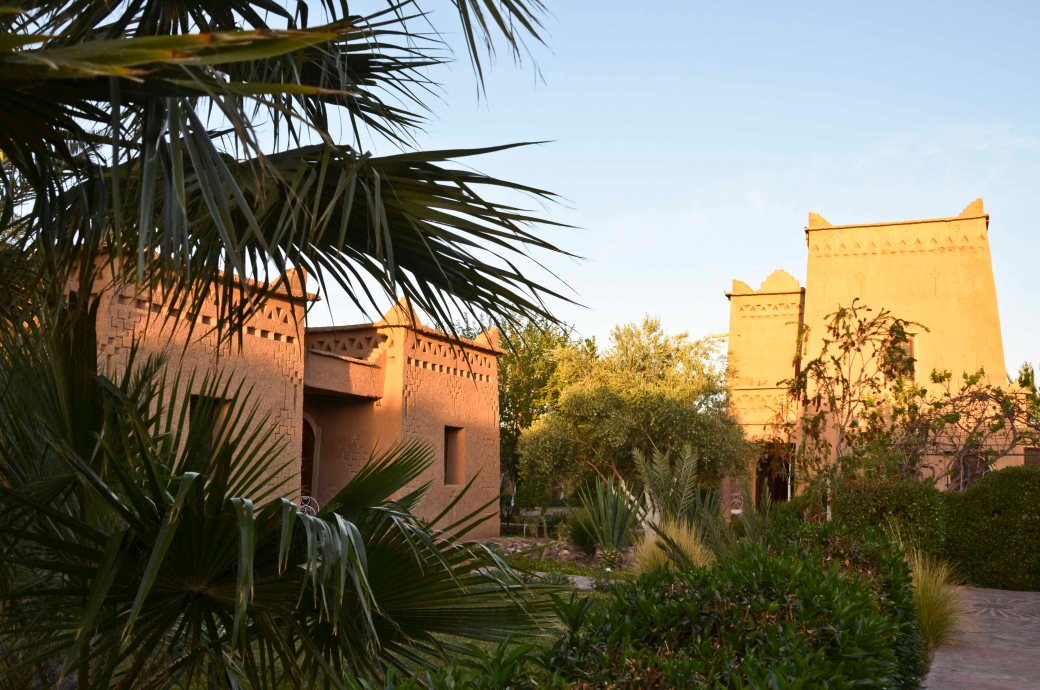
All the buildings at Sawadi have been designed and built respecting the traditional local Berber architecture. The ancestral technique means that the houses are daubed with a coating of mud and straw and they all have narrow window frames. This to make the  interior of the house remain cool in summer and warm in winter. The area has a constant dry heat which also means you can visit any time of the year.


Detta bildspel kräver JavaScript.

Sawadi is a place for both body and soul. Mindfulness. After leaving the luggage and changing clothes, we sat on the porch for a long time this evening. Just listening to the silence, only interrupted by the birds and the occational sound from the farm animals.

There is a beautiful pool and the kind of traditional hammam (a steam room for 3, maximum 4 people simultaneously ) you can find in the wealthy families of southern Morocco. Here they offer you a scrub and massage with the famous Argan oil.

Callistemon – in abundance

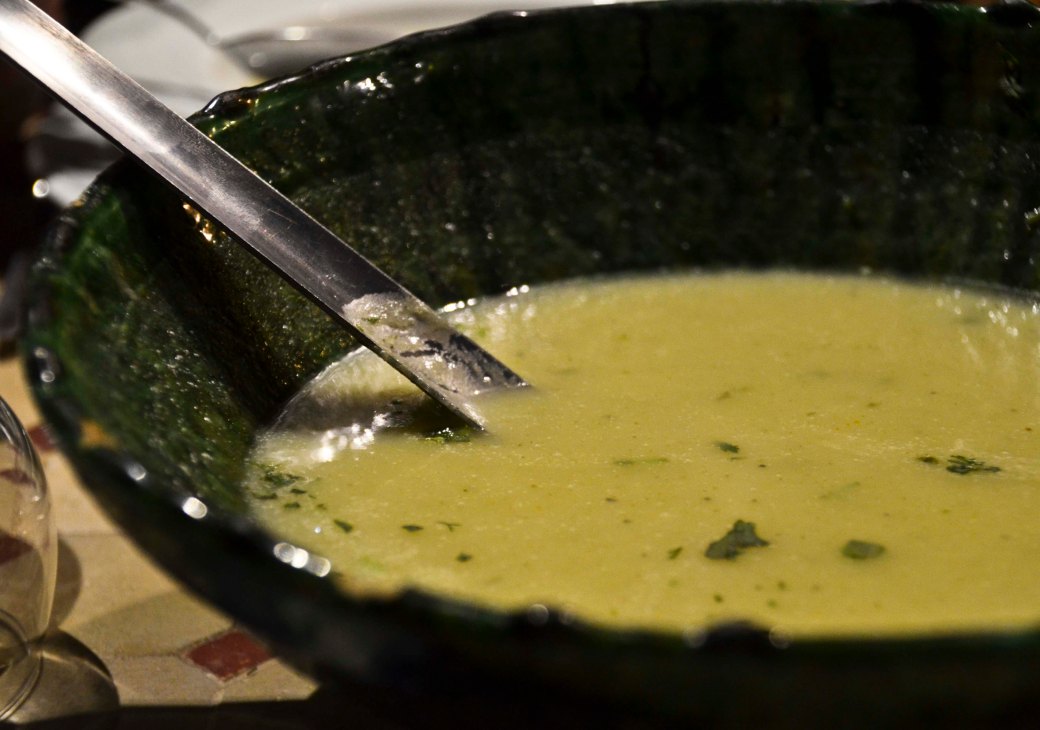
Food preparation is consistent with Sawadi’s  ”natural” ideal. In Sawadi they do not use any chemical fertilizers or pesticides. This is one of the reasons to why there are so many birds on the premises – and no mosquitos.
Sawadi is situated close to several places of interest. For example Aït Ben Haddou, the Todra and Dades Gorge, the valley of the roses, the valley of Draa, Telouet, Ouarzazate, Zagora, the road of 1000 Kasbahs.

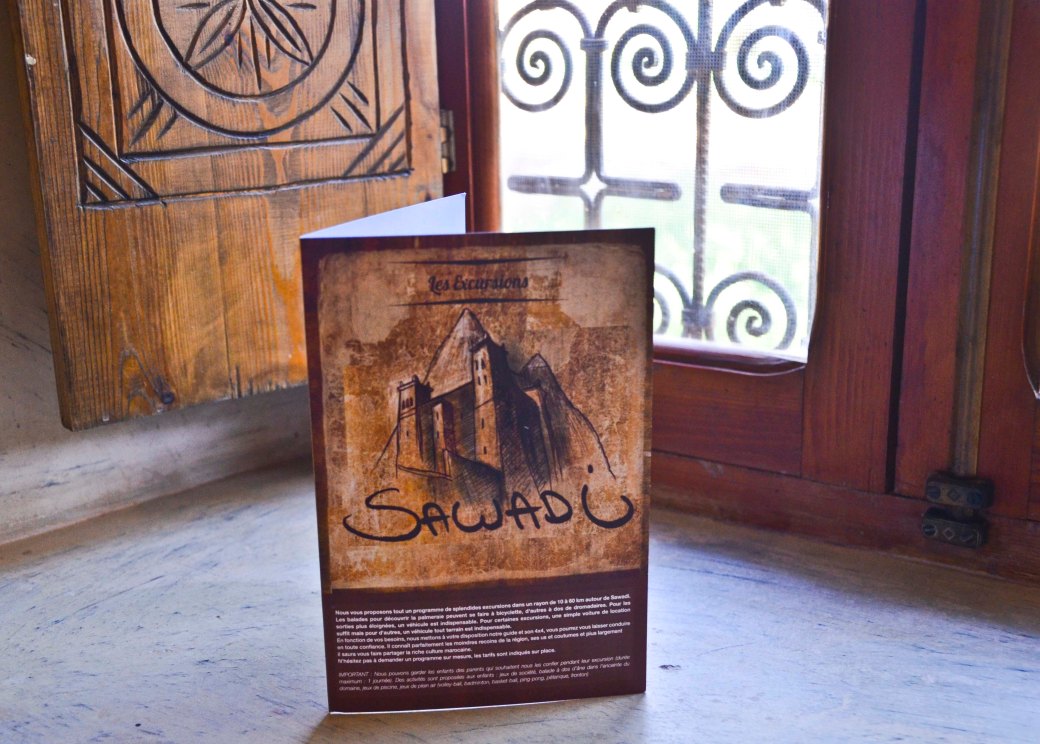
Much thought has been given to children and their families. The playground for volleyball for example, and the offer to take care of the children for a whole day, should their parents want to go hiking or visiting some of the tourist spots nearby.


After an interesting walk through the gardens, kindly guided by the gentle gardener, we returned for a delicious dinner by the pool.

Unfortunately we only had a few hours in Sawadi – late evening and early morning…So, if I ever go back to Morocco, I certainly know where to stay. Thank you again , Catherine and Philippe!
SL-WEEK 38: Yellow

Yellow is a very special colour. It symbolizes a variety of things; for example the sun, being false (in the language of flowers) and power – only for the emperor of China.

I love yellow, but cannot wear it. Others can with elegance – like houses, vehicles and flowers.

Sylvain Landry


A Danish house

 2012 044

Cars are quite OK…

Spring crops before the storm

SL-WEEK 37: Electricity


Sylvain Landry this week – something essential in our high – tech society – electricity.

The Three Gorges Dam is a hydroelectric dam on the Yangtze River in China. The Three Gorges Dam is the world’s largest power station with a total electric generating capacity of 22.500MW.

The dam project was started in 1993 and completed in 2012, 

As well as producing electricity, the dam is intended to increase the Yangtze River’s shipping capacity and reduce the potential for floods downstream. The Chinese government regards the project as a total success, However, the dam flooded archeological and cultural sites and displaced some 1.4 million people, (See the post on Shibaozhai earlier.) It is also causing significant ecological changes, The Chinese river dolphin became extinguished and there is an increased risk of landslides. The dam was built in an area of potential earthquakes, and the consequences if – this would happen,  would be disastrous.

There are two series of ship locks installed – each of them is made up of five stages, with transit time at around four hours. We passed during the night. Looking out from the balcony, this is what we saw.

Architecture and Giant Amazons

Den Blå Planet (The Blue Planet) opened in 2013 in Kastrup, a suburb of Copenhagen. It resembles a whirlpool when seen from above, and was designed by Danish architects  It covers a total of 12,000 m2 (130,000 sq ft), including the 10,000 m2 (110,000 sq ft) building and 2,000 m2 (22,000 sq ft) outdoors.

Den Blå Planet 015_copy

The Blue Planet contains about 7,000,000 litres (1,500,000 imp gal; 1,800,000 US gal) of water divided into 53 exhibits. In the first year of existence, the aquarium received approximately 1.3 million visitors – twice as many as expected.

Den Blå Planet 387_copyJust as the architecture is special and artistic, so are the giant freshwater fish from the Amazon. Look at those metal scales…and the intricate patterns on its head. Arowanas.

Surely  man can never compete  with nature in architecture.


CFFC: Things That Are Wet


Things that are wet…great possibilities again from Cee. I came across an old picture …how wet is this?

For more things wet, click here.

Barcelona och Pyrenéerna 2011 281


WPC: Time

Time – we are all moving in it – and through it. And looking back…through what we think is a clear window frame, we realize the blur and the shadows. Time changes everything, and we can never know or be certain about the way everything looked or worked…

Not in Ostia Antica, Rome, and not even yesterday, at home. In our minds we can imagine or remember – but the moment in time is gone.


Rom I 444_copy

A Taste of Reykjavik

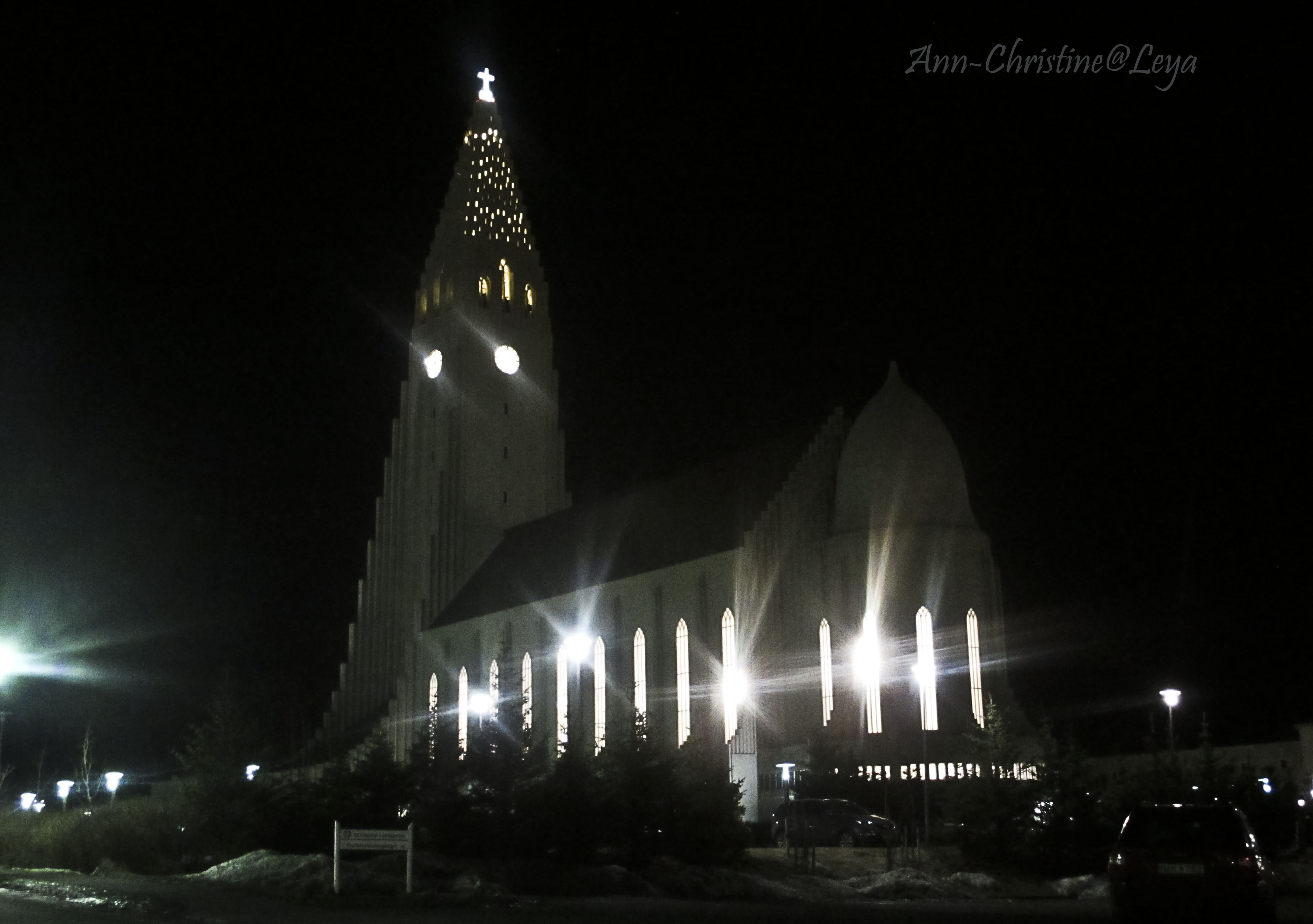
My greatest love in this beautiful city is of course the symbol of Reykjavik, Hallgrimskirkja (1937, 74,5 metres, and named after the Icelandic priest and writer Hallgrímur Pétursson.) by architect Guðjón Samúelsson. The church is spectacular in many ways – not only from the outside, but also the inside is serene and breathtakingly beautiful.

Island lilla kameran 012_copy1

We arrived late in the evening this time, and walked slowly up to her in the freezing cold, Icelandic darkness.

Island lilla kameran 017_copy

In front of the church  stands the Leif Eriksson statue. A gift from the US 1930 when the Icelandic Parliament, AllÞingi, celebrated its 1000 year jubilée. The Viking Leif Eriksson was the son of Erik Röde, who settled in Greenland. Leif himself was the first white man to discover America.

Let us go inside. My greatest love here is the magnificent organ.

Detta bildspel kräver JavaScript.

Houses in Reykjavik have to be strongly built for the rough climate. Some old wooden houses are being restored to show the old architecture – on which of course the new one is built. But I doubt any new house here has a wooden structure.

What is difficult to see in these snowy pictures, is the typical Icelandic colourful houses. In my summer memories, Reykjavik looks like this:

Island 2016 454_copy1

Tjörnin is the lake in the middle of the city. There are always people here, playing, feeding the birds, or just walking and chatting.

Island 2016 488_copy

Island 2016 477_copy

The main shopping street ends with Hallgrimskirkja. And that is where we too end our snowy, first walk in Iceland and Reykjavik.

Cee’s B&W Challenge: Buildings


Buildings for Cee this week. Buildings do get a bit more character in B&W. Sometimes much more. These from Latvia, the outdoor museum in Riga.

For more inspiration, click here.

Riga med omnejd 2015 683_copy