This beauty was hanging in the Botanical Gardens of Madrid.
I regret not buying it…

This beauty was hanging in the Botanical Gardens of Madrid.
I regret not buying it…
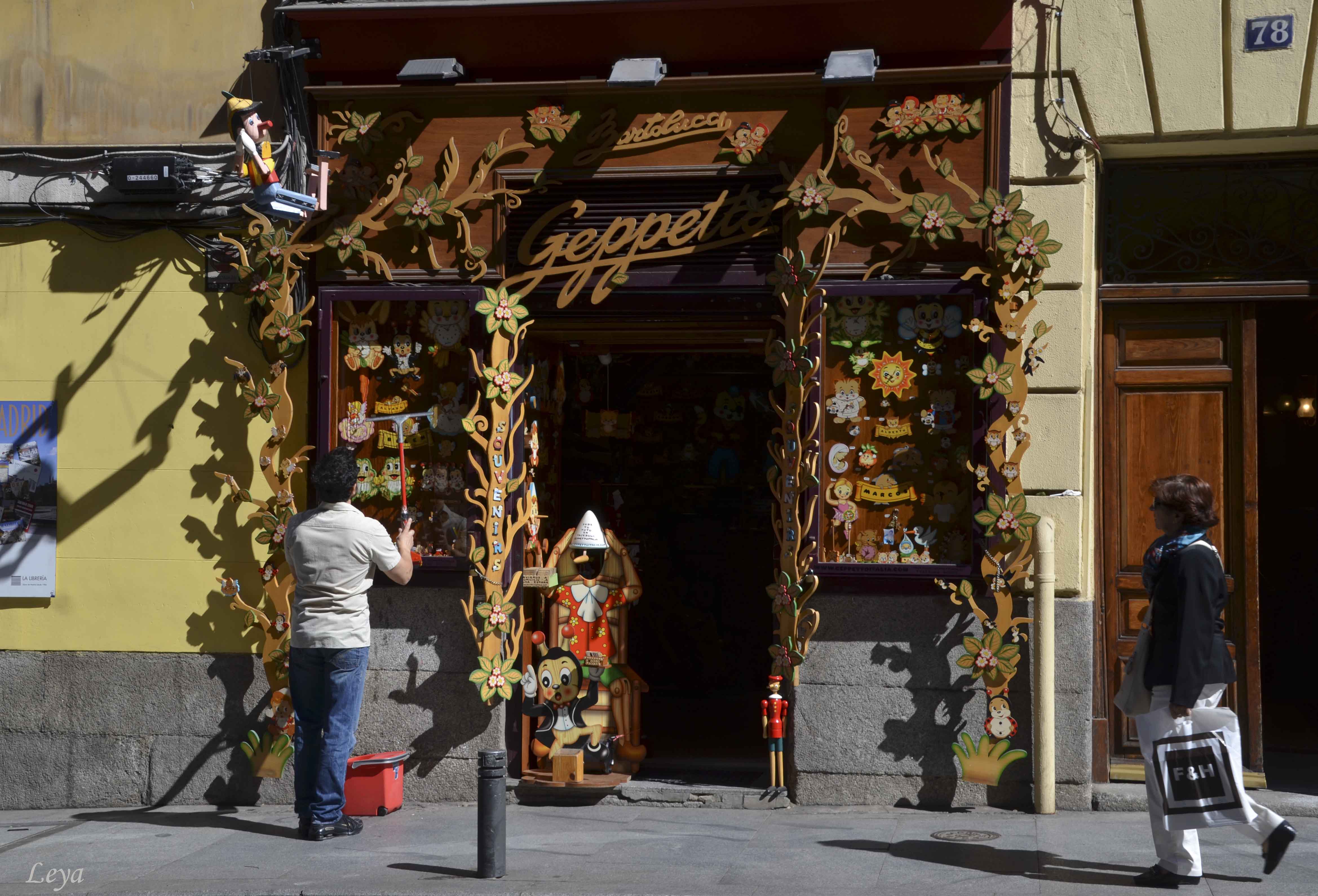
For Ailsa – Hats!


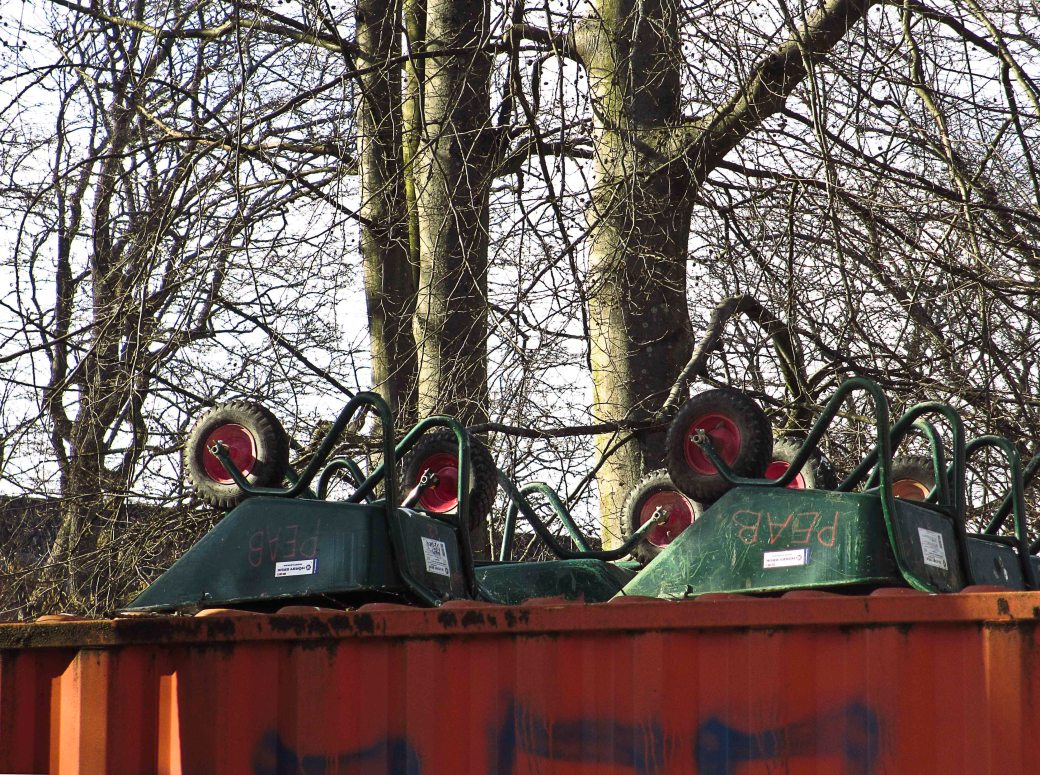
Always inspirational – Cee – this time we are to show our inspiration from her photo! I guess we all are inspired by each other, but such a fun idea to really show it in a challenge.
My pick is in the red, grey, green, container and industrial area. For more fun, click here
Time for a final stroll in Warsaw – a city of surprises. Much glass, interesting architecture. i fell in love with the University Library and its gardens. And also the pride of the city – The Copernikus Centre on the river Wisla.
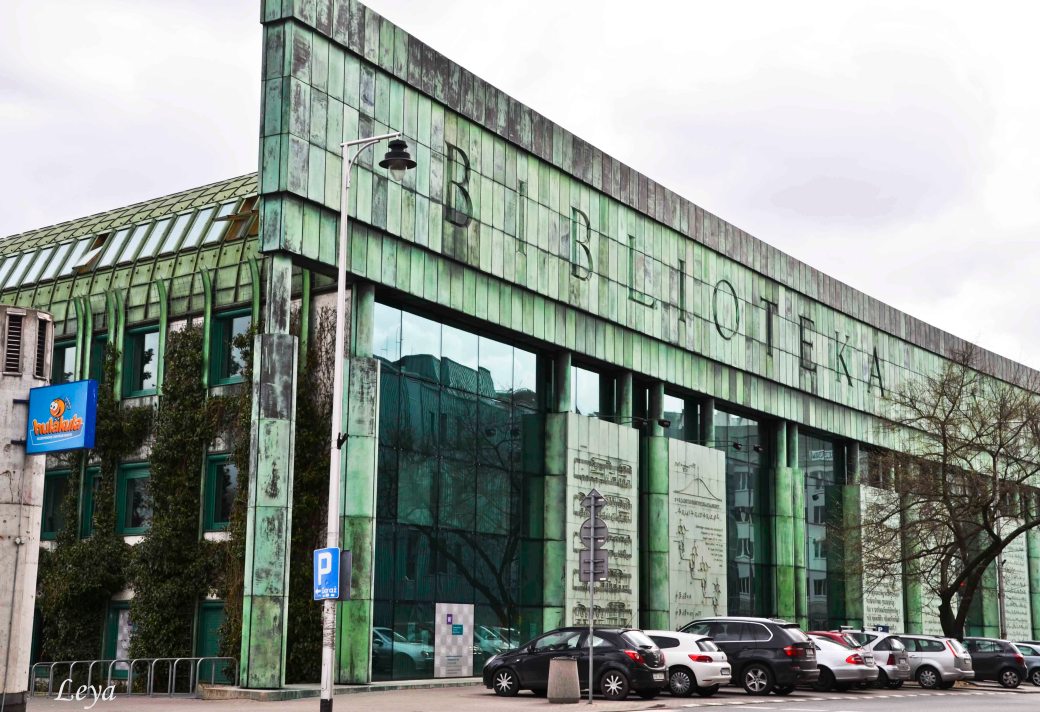
The library, finished 1999, was invitingly modern and I knew it was to have a gigantic glassed garden terrace overviewing the river and surroundings.

The impressive entrance – a dream in green and lilac.

Indoors, much air and glass – again. We tried several assistants and guards to get to the glassed gardens on the roof…but…no, we were not allowed there. They didn’t open until…the next day!

Instead we went out in the lower garden to see them from the outside. Art work everywhere and interesting architectural ideas.

The glassed gardens are on the right and left side here, and the closed gates are on either side of the solar cells.

The huge middle ”half moon” would have been great to see from the inside as well – maybe a couple of weeks later with a green canopy.
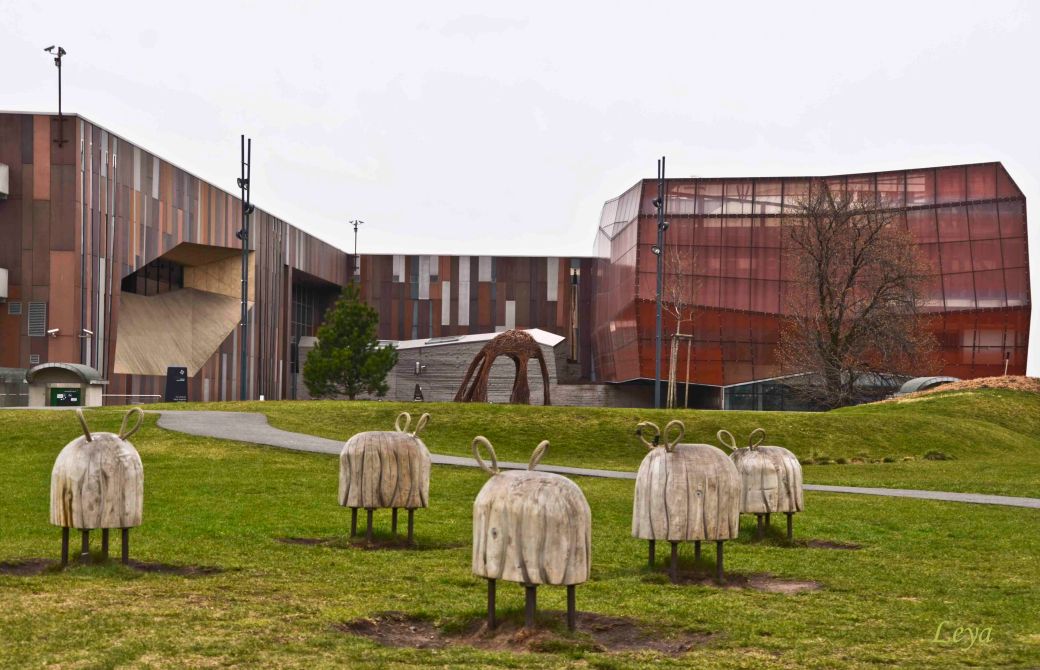
Further down the road, on the banks of the river Wisla, is situated the pride of Warsaw, The Copernicus Center, ”Heaven of Copernicus”. In Copenhagen we have a centre built on comparatively the same ideas: Experiments and journeys in time and space; but we stayed on the outside this time.
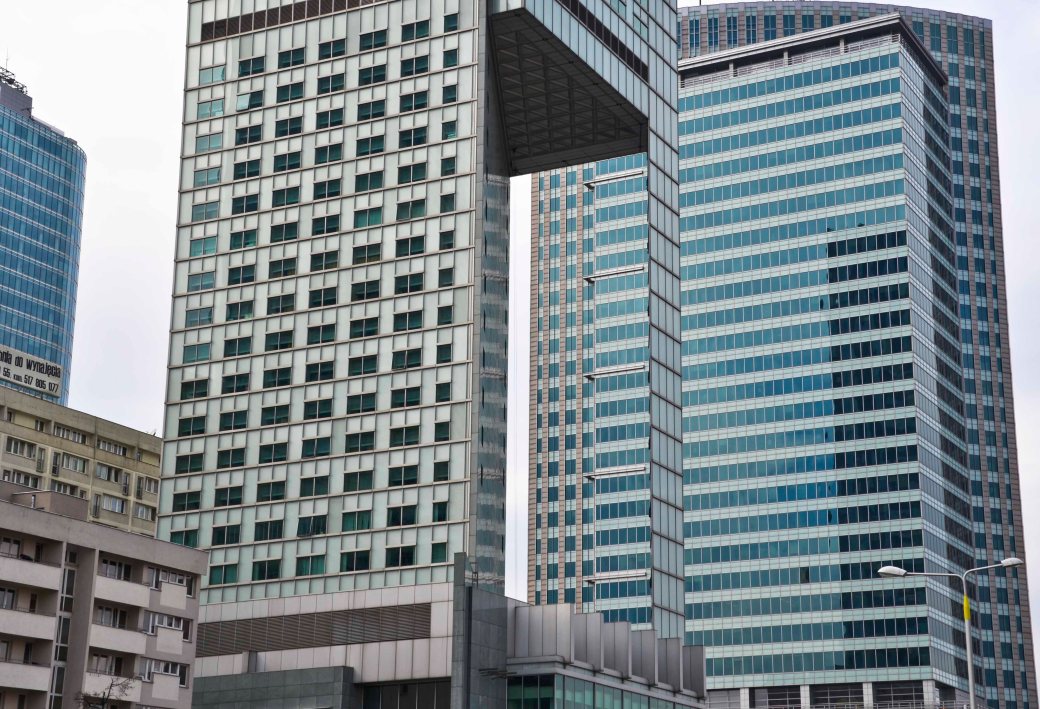
Back in the city centre again. Of course I have to finish with Zlote Tarasy – ”The Golden Terraces”, in rain. For me, this shopping centre is a symbol of the new Warsaw.
När du står på ”bryggan” som student för att utbilda dig till kapten, har du en medhjälpare också när du tränar i simulatorn.
When you study to be captain of a ship, you have an assistant on the ”bridge”.

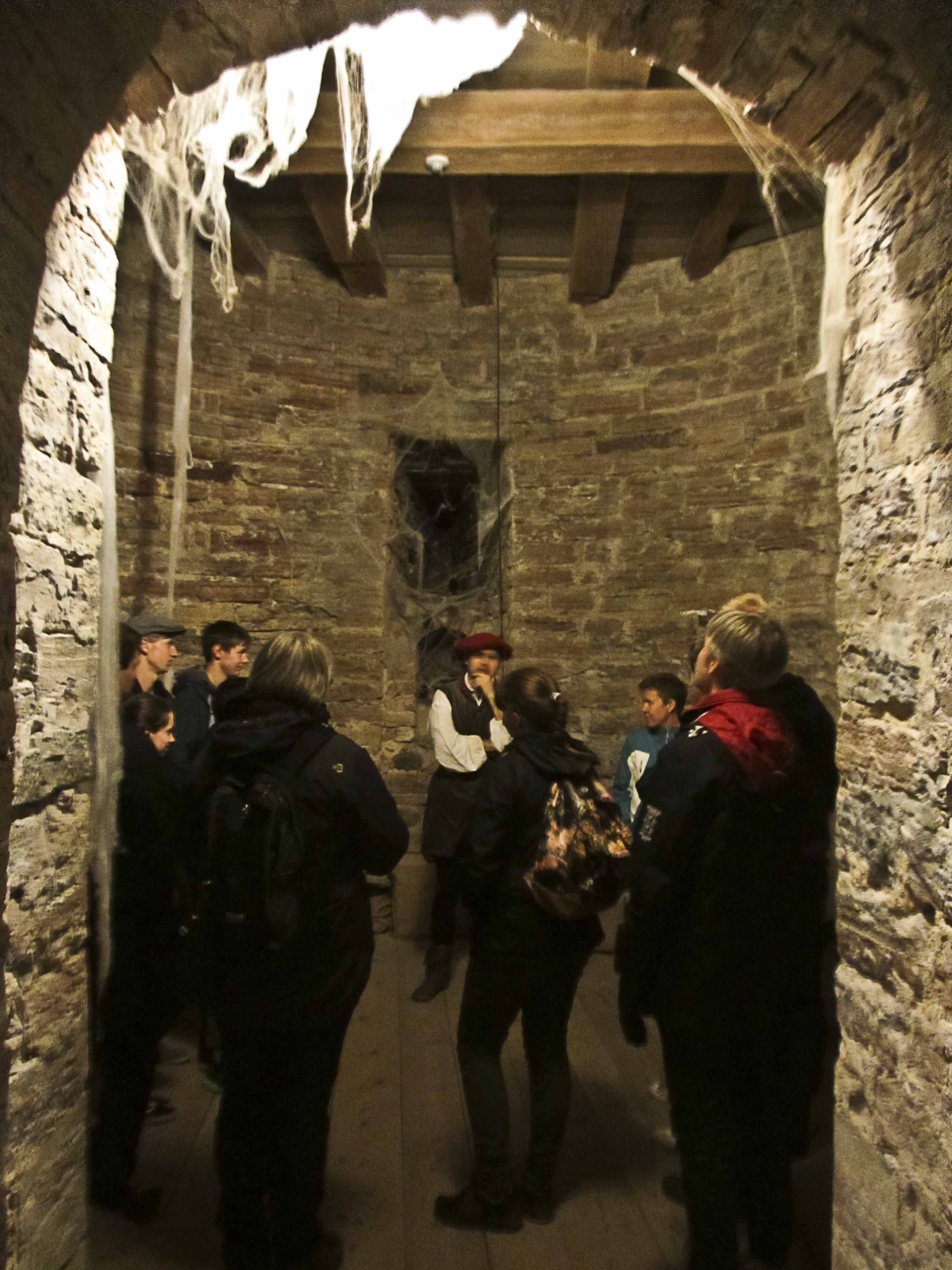
I den mörka källaren på Kalmar slott…In the dark cellar, Kalmar Castle.
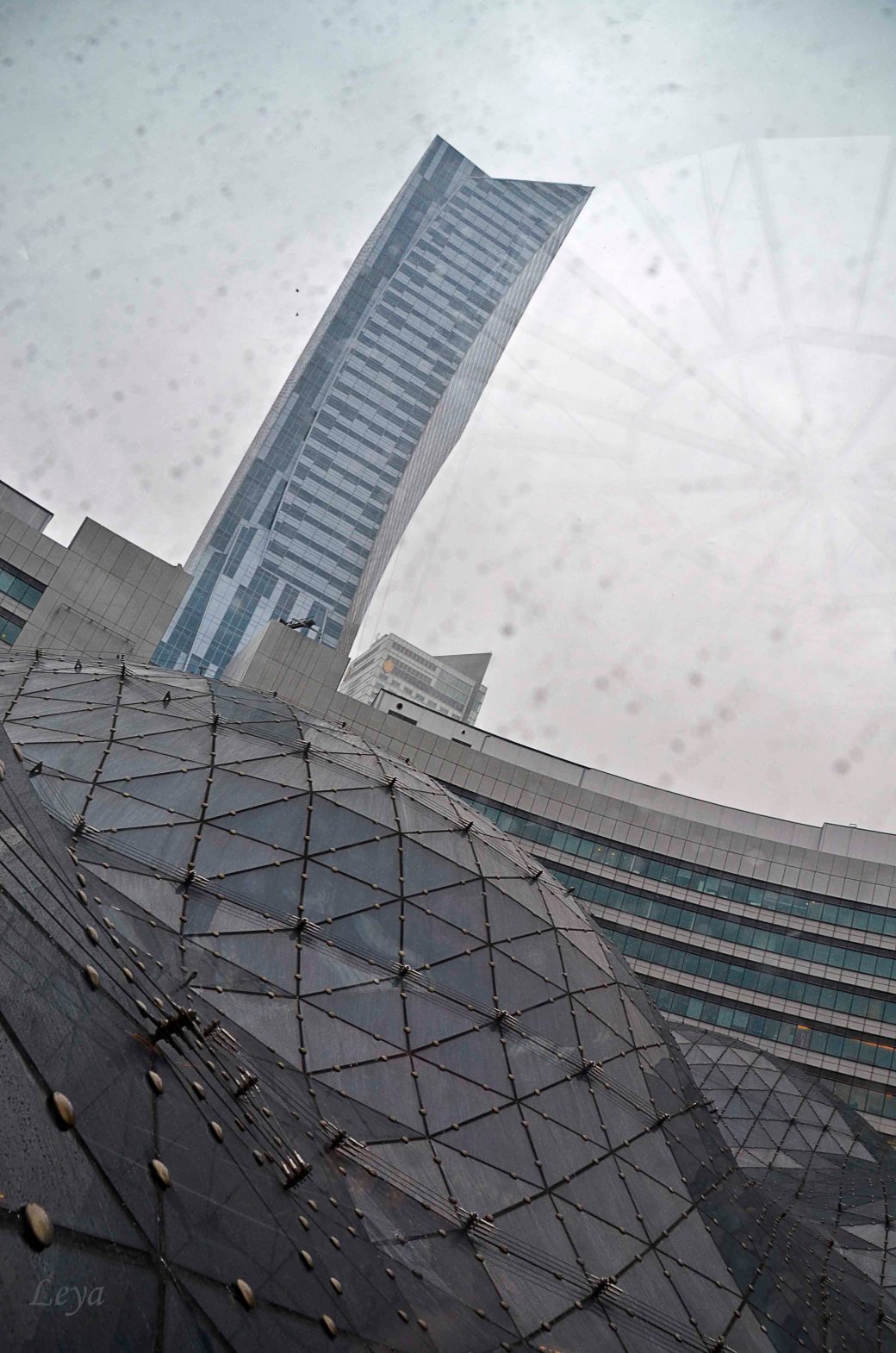
Det regnade på kameran – och blev till en fantasi.
Raindrops on the camera – a fantasy was born.

Den första kvinnan att få Nobelpriset var Maria Skodlowska – Marie Curie. Hon föddes här i Warszawa och vi gick förbi hennes födelsehus.
Marie Curie fick priset tillsammans med sin man och Henri Becquerel för sin forskning på radioaktivitet. Senare vann Marie priset också i kemi sedan hon upptäckt två nya grundämnen – radium och polonium (namn efter hemlandet Polen). Hon fick även ett grundämne döpt efter sig själv, curium.
Curie dog av aplastisk anemi efter att ha utsatts för radioaktivitet under många år. Hennes anteckningar måste förvaras i blyboxar, på grund av radioaktiv smitta.
Marie Curie är Polens mest framstående vetenskapskvinna och ligger begravd i Pantheon i Paris.
From Warsaw came the first woman ever to win the Nobel Prize – Maria Sklodlowska or Marie Curie. She recieved it together with her husband, Pierre Curie, and Henri Becquerel for their research on radioactivity. Later she also won the Nobel Prize for chemistry. She discovered radium and polonium (named after her home country, Poland).
Marie Curie even gave her own name to an element – curium. She died from aplastic anaemia after being exposed to radiation for many years. They say that even today you should not touch her notes, and they are now stored in leaden boxes.
Poland´s greatest scientist is buried in the Pantheon in Paris. This picture shows the house where she was born.

Praga heter den del av Warszawa som hyste arbetarkvarteren. Vi letade upp den gamla vodkafabriken, Koneser, som en gång var Polens mest moderna och producerade 1/4 miljon flaskor per dag och hade 400 arbetare.
Praga is the part of Warsaw where the working class used to live. Here we visited the old Vodka factory – Koneser. Not in use anymore, but the buildings are still standing as a monument of days gone by. New Gothic style and still beautiful in their own way.

Fabriken är nu nerlagd, men är under restaurering och ska användas till konst, kultur och underhållning.
Once this was the most modern factory in Poland, and produced 1/4 miljon bottles a day and had 400 workers.
Today the buildings are being restored and used for art, culture and entertainment.

Praga Koneser Center is its new name.

The entrance in Zabrowska Street.

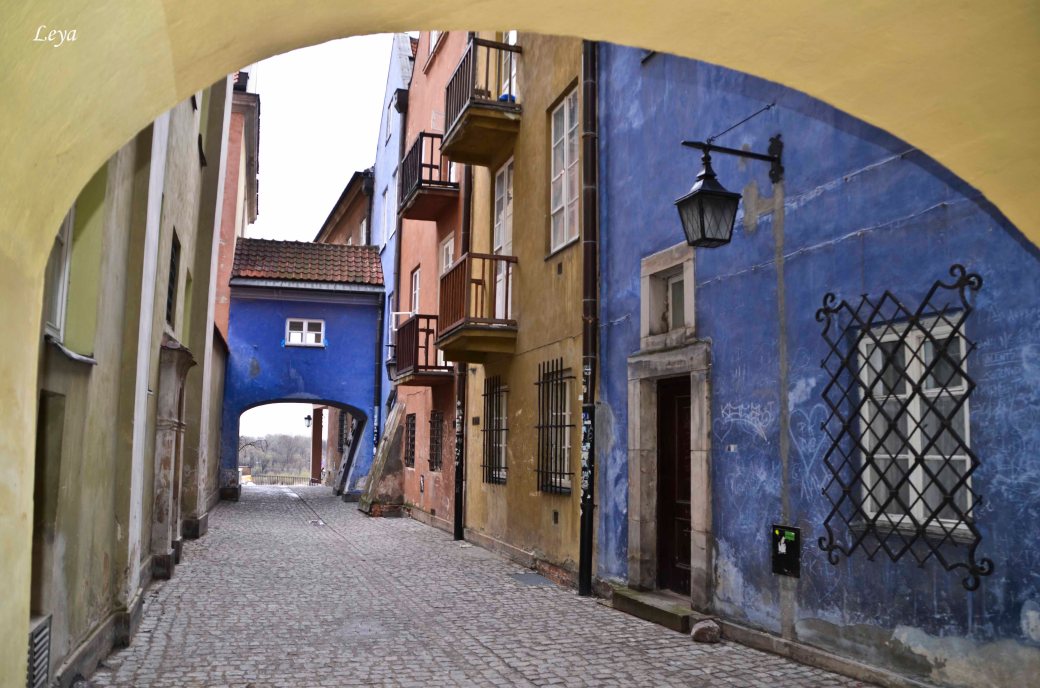
Tillbaka i Gamla Staden igen, gick vi genom vackert målade gränder ner till Gnojna Góra, som kan översättas ungefär ”Dynghögen”. Här kastades allt avfall, och man trodde även sig kunna bota syfilis genom att gräva ner den smittade upp till hakan i dynga. Historien förtäljer inte hur väl detta slog ut…
Back in the Old City again, we went down to Gnojna Góra, which should be translated as ”Dung Heap”. Through very picturesque and colourful arcs and rows of houses, we reached the place where people were supposed to get healed from syfilis. The method meant being buried up to their necks in the dung…No records of the effects though…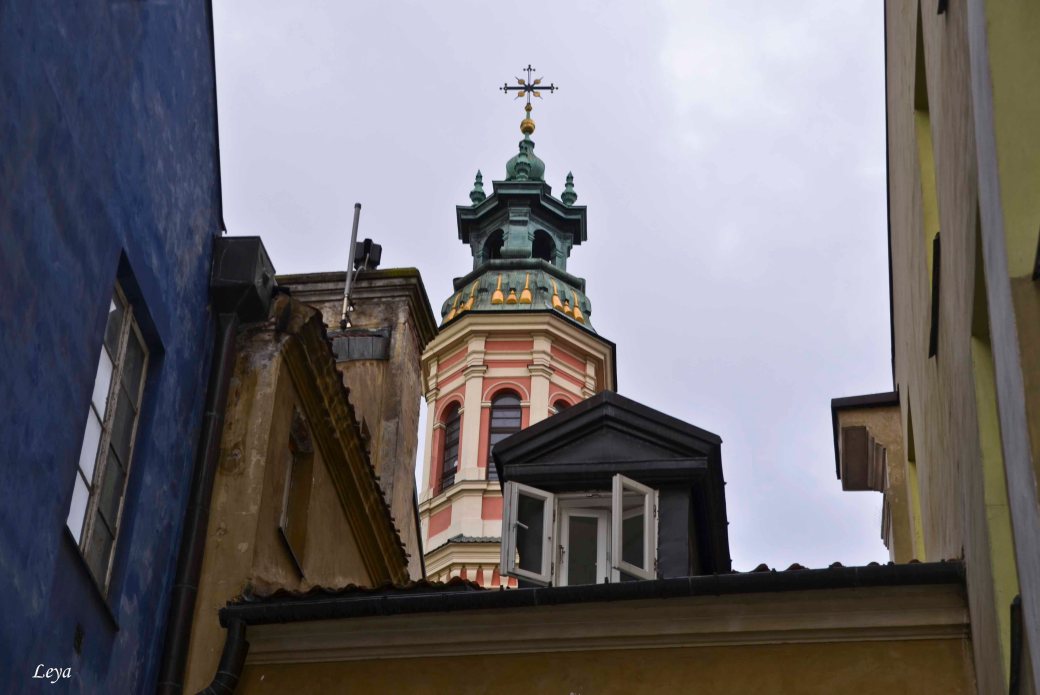

Från tidningsförsäljare ute på gatan till glitter och glamour inomhus.
From outdoor newspaper salesmen to indoor glory.
Eftersom Finlands president var på besök denna dag hade vi bråttom för att se Den Okände soldatens Grav.
As the president of Finland was visiting this day, we had to hurry to see the Unknown Soldier´s grave.


Frederic Chopin föddes strax utanför Warszawa, men flyttade utomlands som 19-åring och kom aldrig tillbaka. För att betyga fosterlandet sin kärlek lät han begrava sitt hjärta i Warszawa.
Frederic Chopin was born just outside the city of Warsaw, but left as a 19-year old and was never to return to his home country.
Tillbaka på hotellet innebar en resa från det gamla till det nya igen. Det här är utsikten från vår balkong.
Back to our hotel again meant back from the old to the new. This is our view from the balcony.

 Leya
Leya 
Du måste vara inloggad för att kunna skicka en kommentar.