This week Ritva invites us to a very interesting challenge – Shoot from Above. Not my ordinary way of shooting, but certainly outside the box!
My first thought for a fitting image was a photo taken in a restaurant in Amsterdam, where the restrooms were in the cellar. On my way down I could not avoid noticing the unusual tiling. Rather spectacular… to my eyes at least!
Then a gallery from my garden and glass house. The shells are from New Zealand, then you find what is left of my favourite flower pot, one of last summer’s flower bowls, and one rusty, decorative ball. Lastly a collection of my daughter’s tinfoil balls ( I get one now and then…) in a glass box.
I love these flowers – or their foliage. The swirling shapes look their best from above. And in the header/opener is a collection of Legotechnic figures put in a box by my granddaughter.
Resilience was last week’s theme and your posts to Anne’s wonderful challenge really showed its importance in our lives. A massive thank you to you all. This week, Ritva presents us with this incredibly interesting theme, and I enjoyed seeing things from above again, although that is not an ordinary winter game. Ritva’s post is beautiful, and it will inspire you to join in. Remember to link back to her original post and to tag Lens-Artists.
Next week it is Egídio’s turn to lead so please make sure to visit his colourful site Saturday 25th January to find out more. Until then, be good and take care.
Anne‘s theme this week is Resilience. And that is what we all have to show to survive. Resilience is the ability to maintain psychological well-being in the face of adversity. It’s the ability to “bounce back” from difficult experiences.
There is so much trouble in the world today, so we have no other choice. The most obvious example here in Europe is the Ukrainian people. When everything seems hopeless and impossible, they rise again and fight back. The fires now in the US, the war in Gaza – somehow most of us manage to go on – Life works that way. Be resilient – or break.
I guess you all know my love for Iceland, its landscapes and its strong inhabitants – people, animals, plants. Living in constant danger of disaster molds you to be resilient. And it is not only people and homes, but their whole livelihood – cattle, horses, sheep. They must be resilient in a volcanic area that often ”comes alive” We have visited Iceland several times, and sometimes soon after eruptions too.
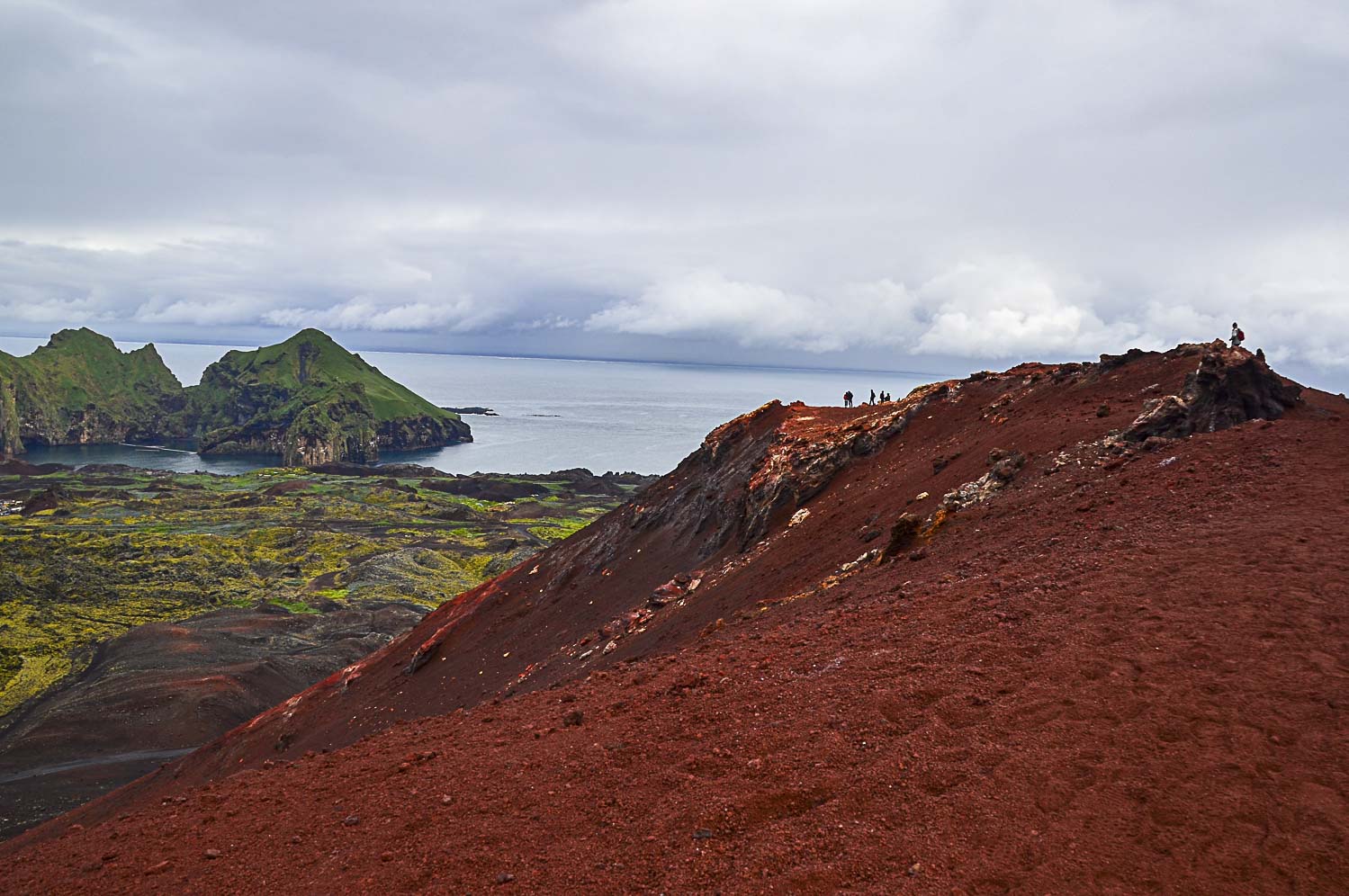
This is Eldfell volcano after the big eruption on Vestmannaeyar, 1973. We went there in 1979, when the surface had cooled down and it was allowed to walk everywhere. Then we returned in the summer of 2019, from when these photos are.
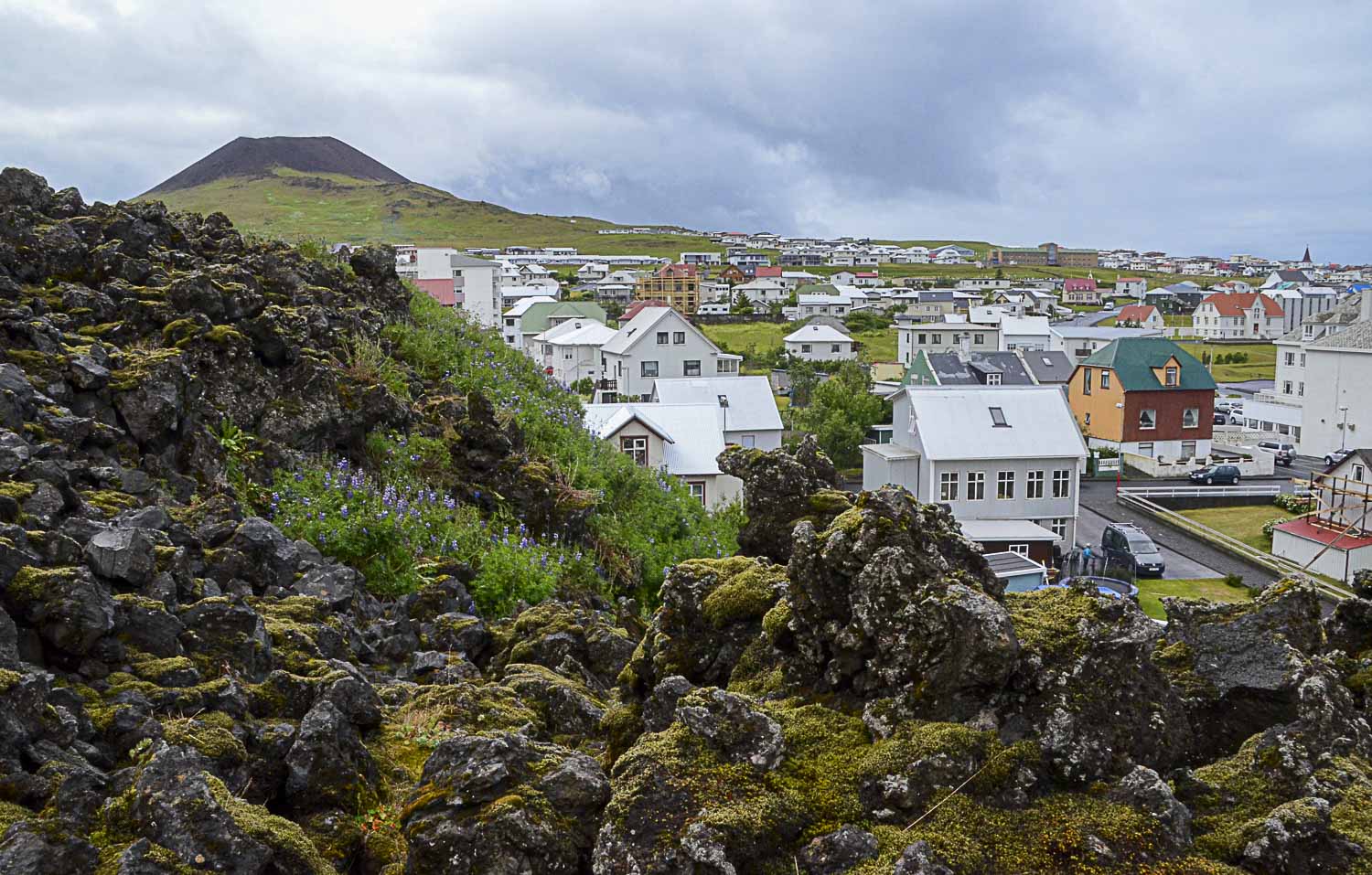
Some of the half buried houses were left as a reminder of the disaster. This is Heimaey, the main town on the islands.
Luckily their whole fishing fleet was in the harbour those days because of a storm – so within 6 hours 5300 people were safely evacuated. Only one life was lost – a man who walked into a house to get medicin, but was poisoned by the gas.
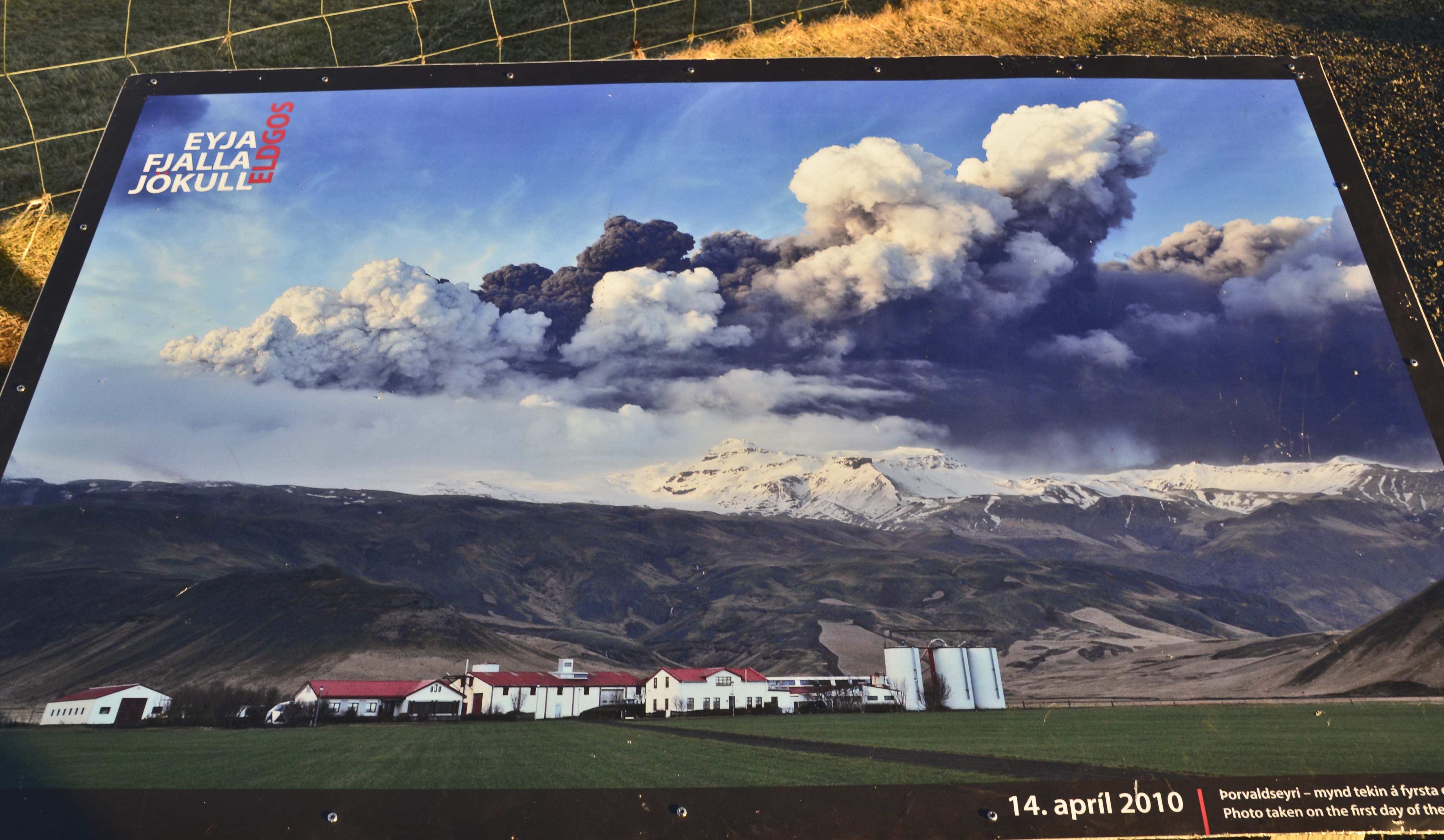
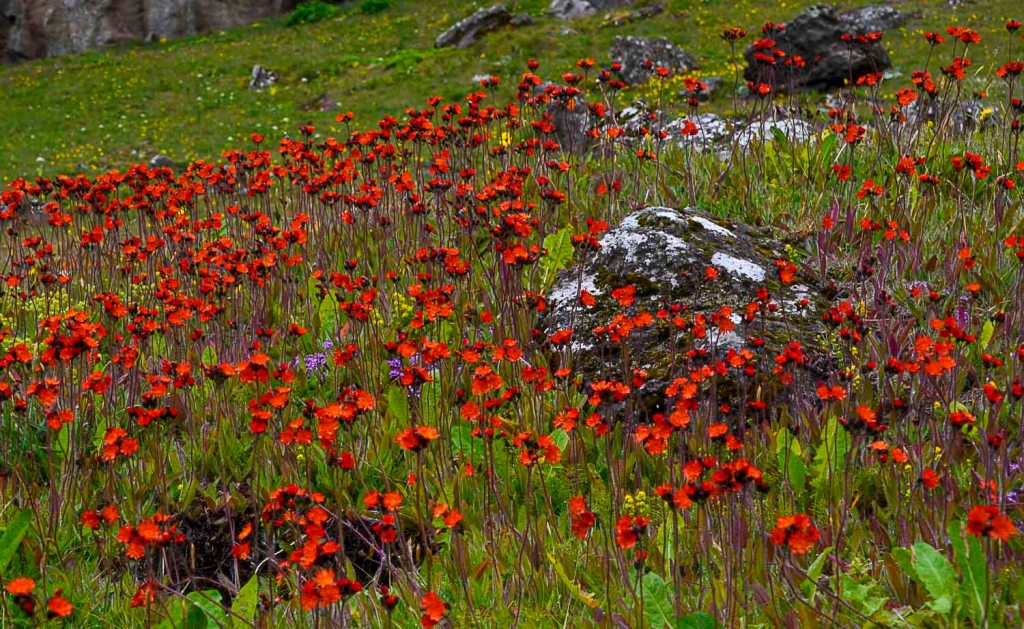
Krafla erupted in 1984, and Hekla’s last one was in 2000. Hekla is a well known volcano that always displays a trail of smoke – erution or not. The picture shows Eyafjallajökull during the first day of eruption in 2010. This eruption caused a stop in the air traffic in the whole of Europe. The planes could not safely fly because the ashes could destroy the engines. One of the gigantic lava fields in Iceland. You should not risk walking out there – holes deeper than 200 meters hide under the moss. Here resilience from nature is shown in flowers, grasses and mosses that came back rather fast.
The newest volcanic island, Surtsey, was created from an eruption in the ocean in 1963, south of Vestmannaeyar. Now it is a World Heritage site, but only scientists are allowed to visit. In 1965 the first living plants were discovered there and today birds are living on the island too.
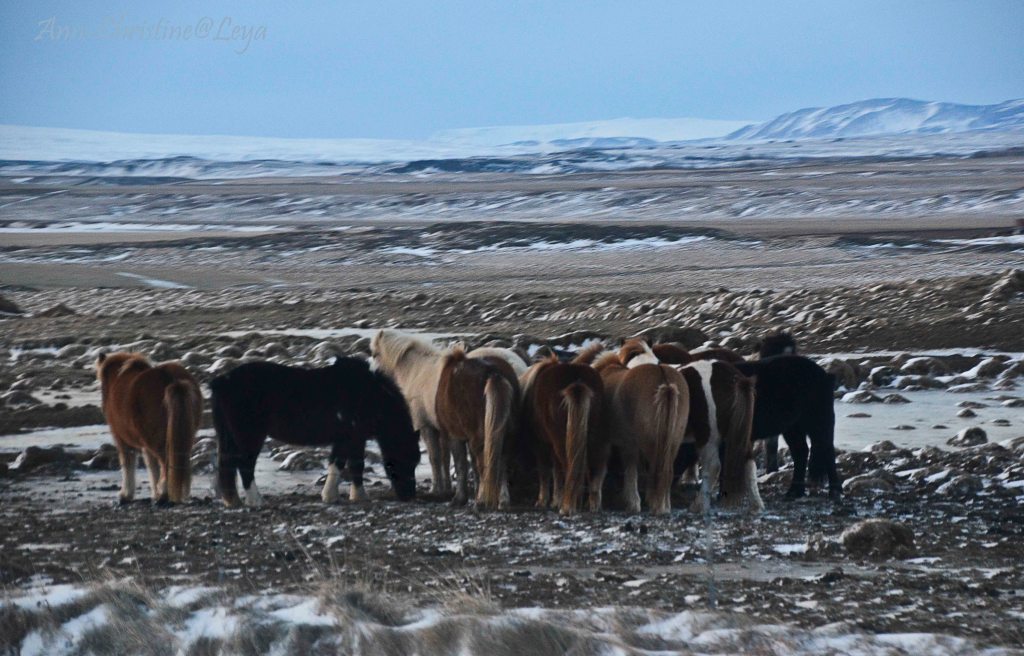
Horses, I have to mention the Icelandic horses, they are among the toughest and sturdiest – and most resilient breeds on Earth. They stand close together in the winds on the open plains, often with their backs to the wind, and don’t seem to suffer at all. For this Viking people, they are priceless treasures.
This week the hosted Lens-Artists Challenges are resumed, after the fantastic Favourite Images of 2024 last week. Anne is leading us with this timely theme and her post is truly inspirational. Please visit her beautiful site and when you join us, please tag Lens-Artists and link back to Anne’s original post.
Next week it’s Ritva’s turn to host so make sure to visit her magnificent site Saturday 18th January. Until then, take care and stay curious.
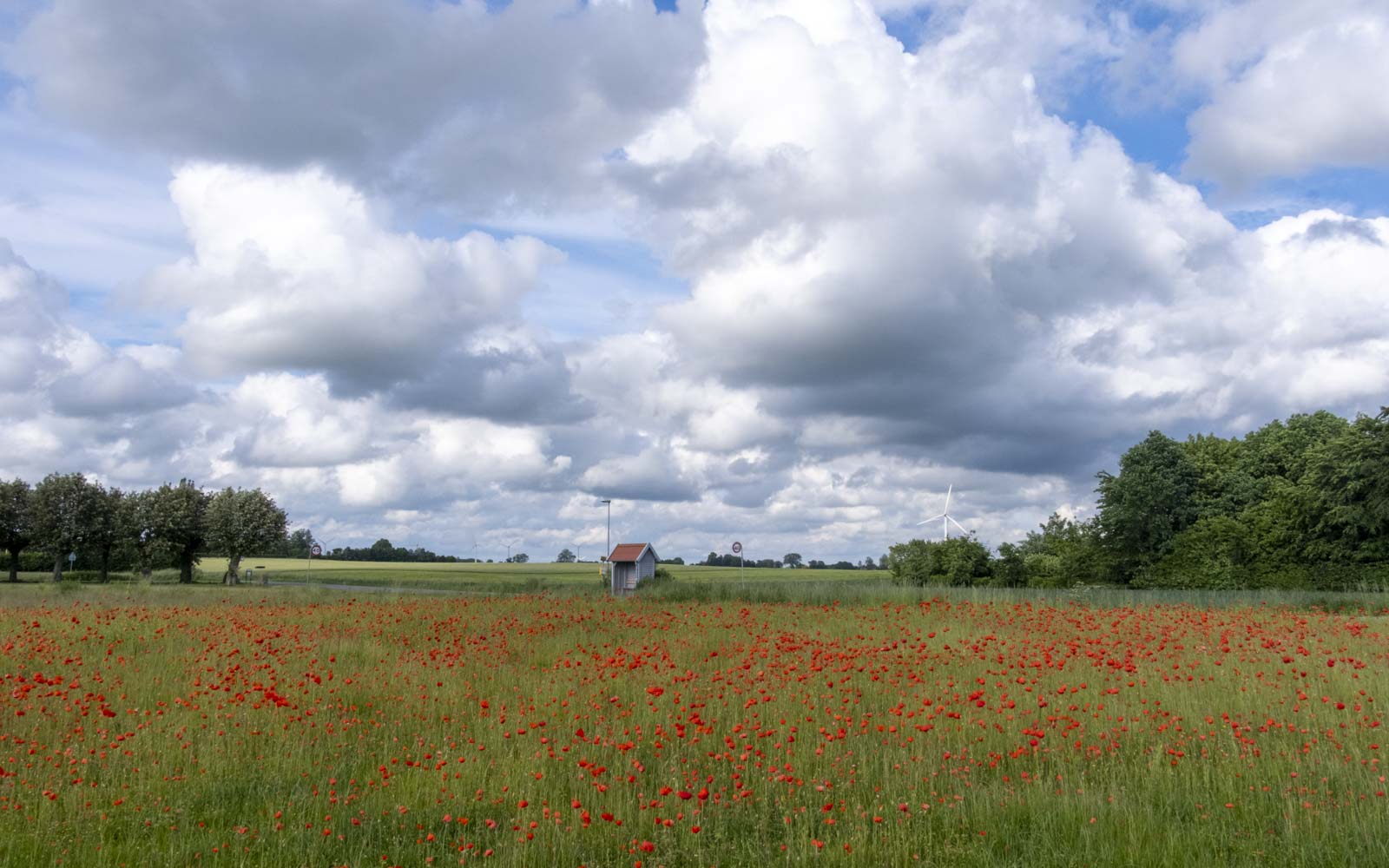
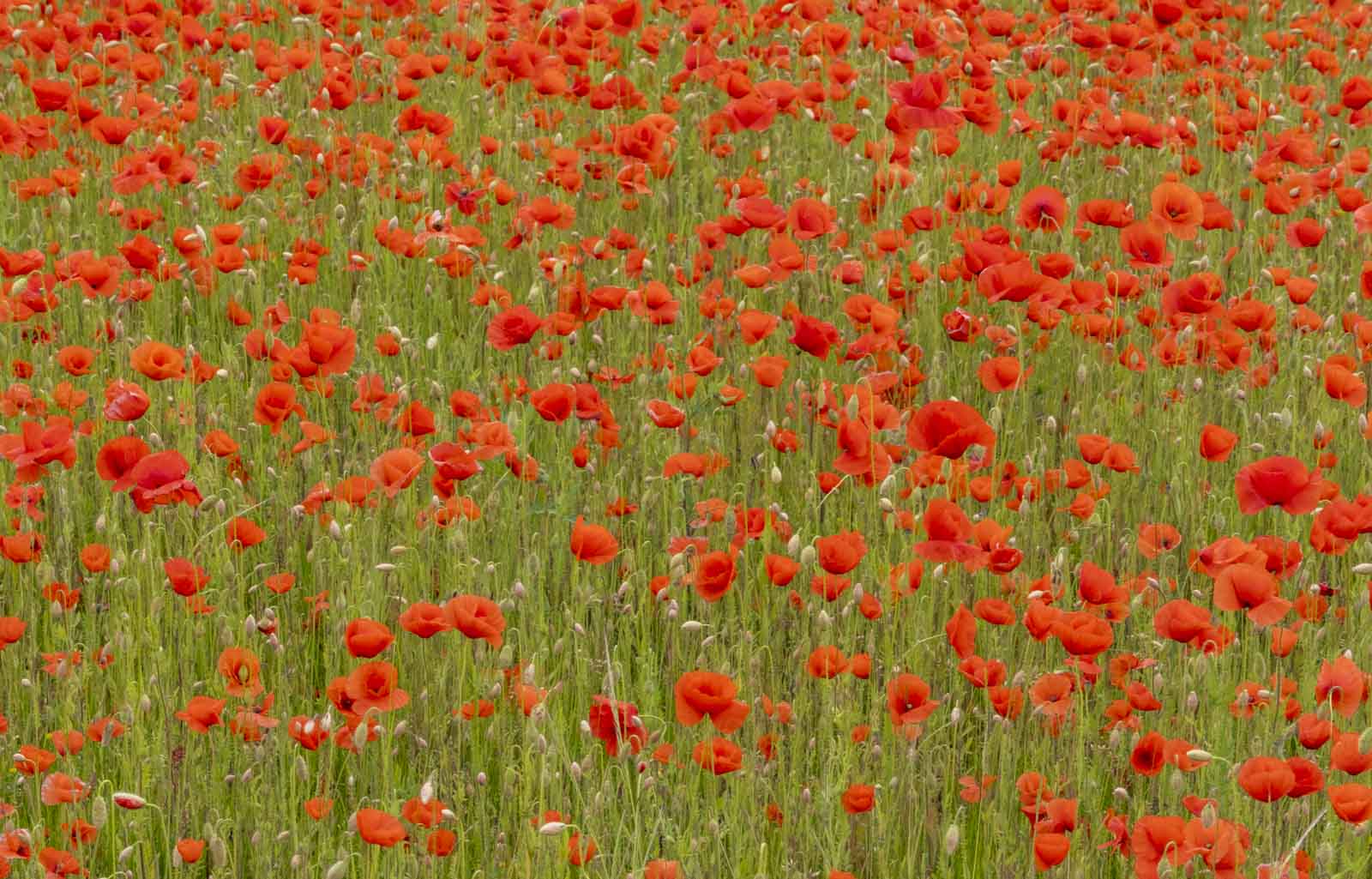
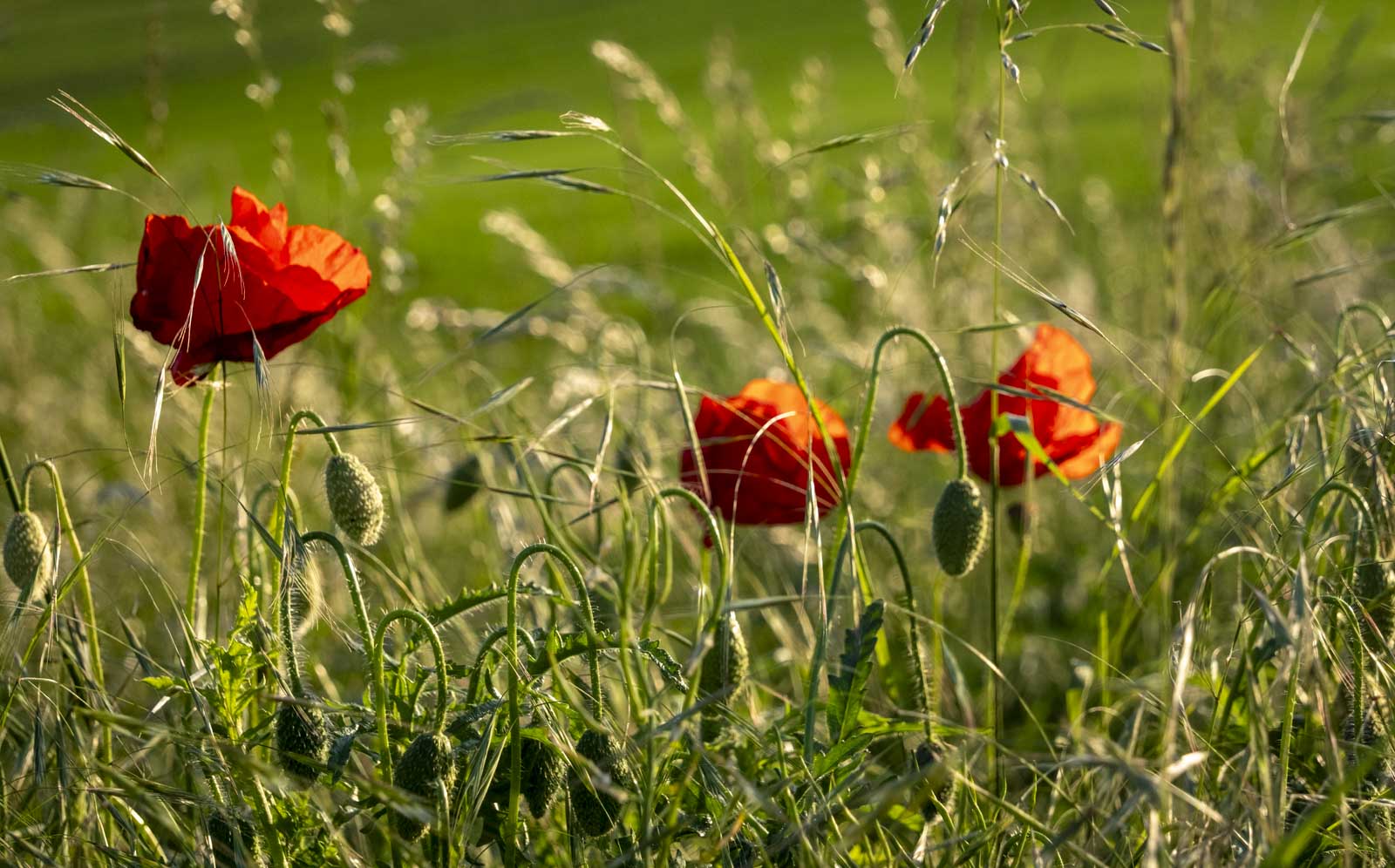
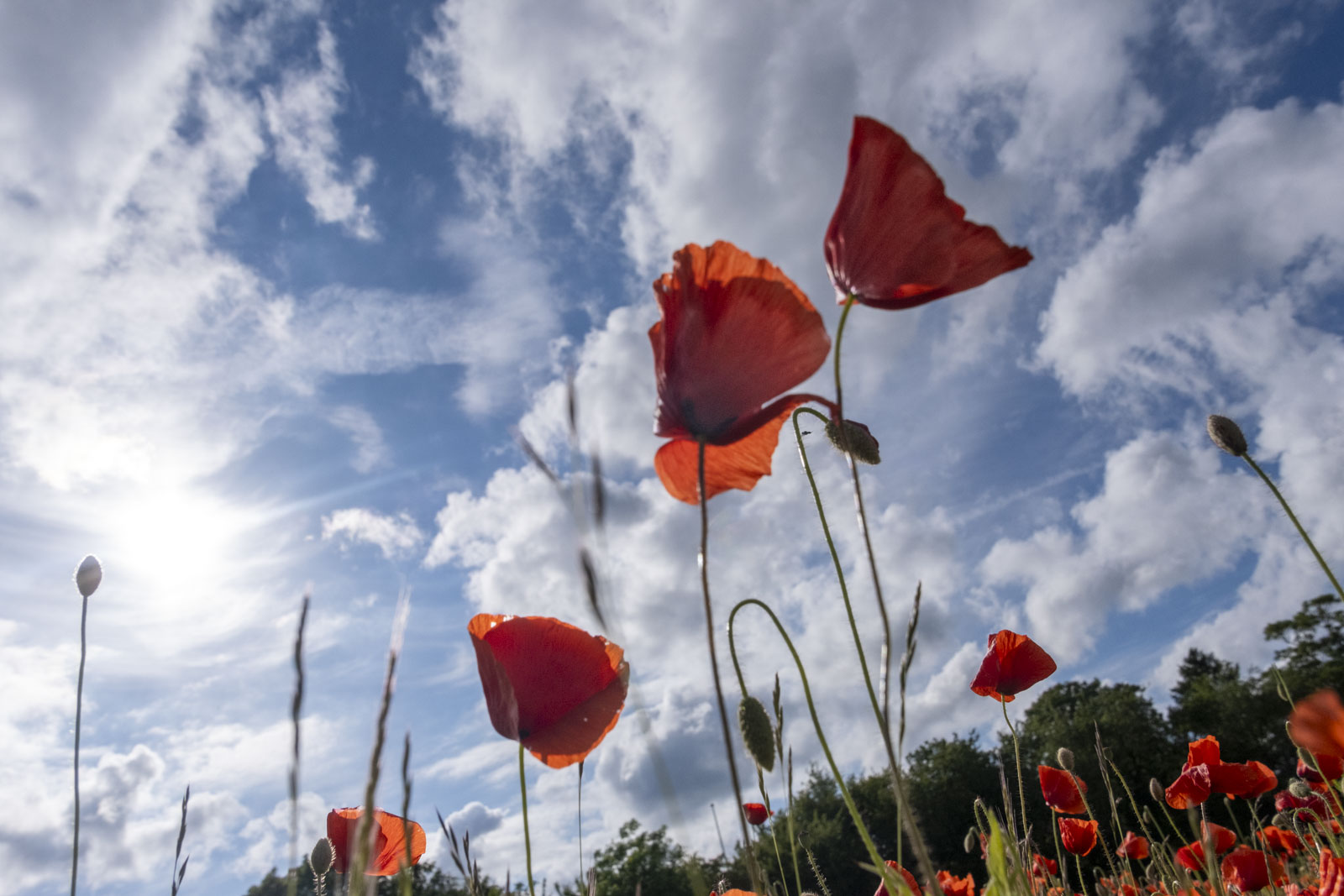
Luckily we all have a last chance for forgotten pictures or those that just did not fit in. My chosen pictures are from a glorious poppy field in Denmark this summer. I already posted one or two from that day, but there were so many more that I loved. I had a delightful hour in their company. Lying down was the favourite position, even if it is a bit harder to get up again these days.
While driving down a small gravel road, I caught sight of this wonderful field and urged my husband to make a photo stop. And he did – he too loves poppies and their irresistible colour. There is something special with this flower…it only thrives where it stands. Pick it up and it will die in a few minutes. Its slender and fragile beauty is otherworldly.
Treading slowly into that field was one of those dreams come true that I always have at this time of the year.
The red poppy is a symbol of remembrance of those who died or suffered in wars, conflicts and peacekeeping operations. And aside from the connection to war, the red poppy symbolizes resilience and hope. These flowers are known for their ability to grow in not-so-good conditions. In this sense, the red poppy points to the resilience of the human spirit, even in the face of adversity and tragedy. Maybe that is why I wanted to lie down among them –
A big thank you to John, for last week’s Challenge – Winter. That challenge brought me more lovely Winter than I have had looking out of my windows these last weeks…
As we approach the close of 2024, the Lens-Artists team will be on hiatus, returning on Saturday, January 4. As is our tradition, we will open the New Year with our Favorite Photos of 2024.
Thank you all for a great year of photography, creativity, support, empathy, thoughts and discussions – I am so happy we can meet here and stay in contact! This world is not always a comfortable place, but You make it warmer, friendlier and a better place to live in.
Wishing all who celebrate a Happy and Joyful Christmas, and everyone Happy Holidays! One last wish I have – that of a better New Year for us all on this planet, Earth. Imagine…
Tina leads this week, on Gratitude. And I would have loved us here in Scandinavia to also have a Thanksgiving holiday. We all have things to be grateful for, even if we sometimes cannot see them for all the troubles in our world. Thank you, Tina, for reminding us with this theme – we cannot be grateful enough for what we have been given.
Remember that what you now have was once among the things you only hoped for.
– Epicurus
Those who follow me know that my gratefulness always include Mother Nature and her wonderful gifts, and the opportunities to travel and learn about the world and our fellow inhabitants. Here are some things that come to mind almost every day – big or small:
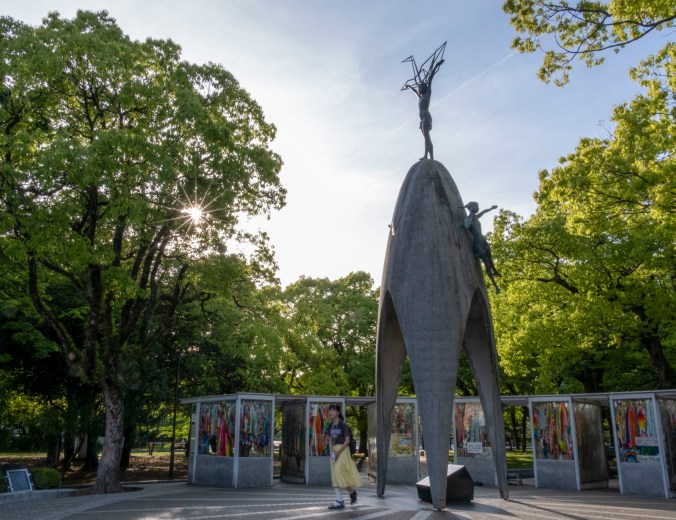
My country lives in peace since more than 200 years – and no nuclear war has touched us. May it never happen to anyone, anywhere in the world.
I’m grateful for the trees and forests that grow close to me – the fresh air and the freedom to walk everywhere I want in nature – ”The Right of Public Access” (Allemansrätten) – in Sweden.
I have my wonderful family and a lovely grandchild who is my sunshine.
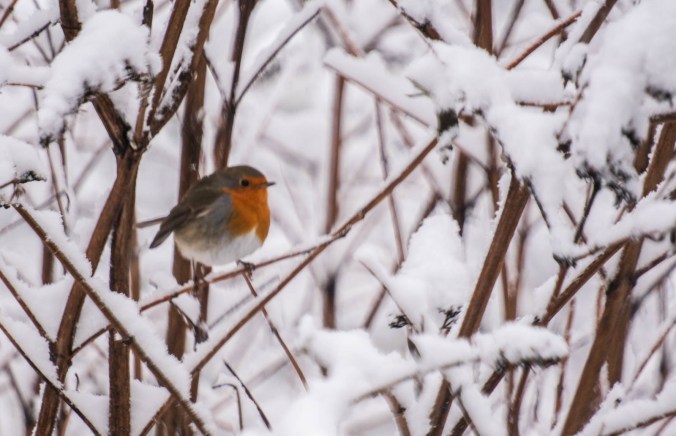
And, I am grateful there is still snow in the world – and Robins…
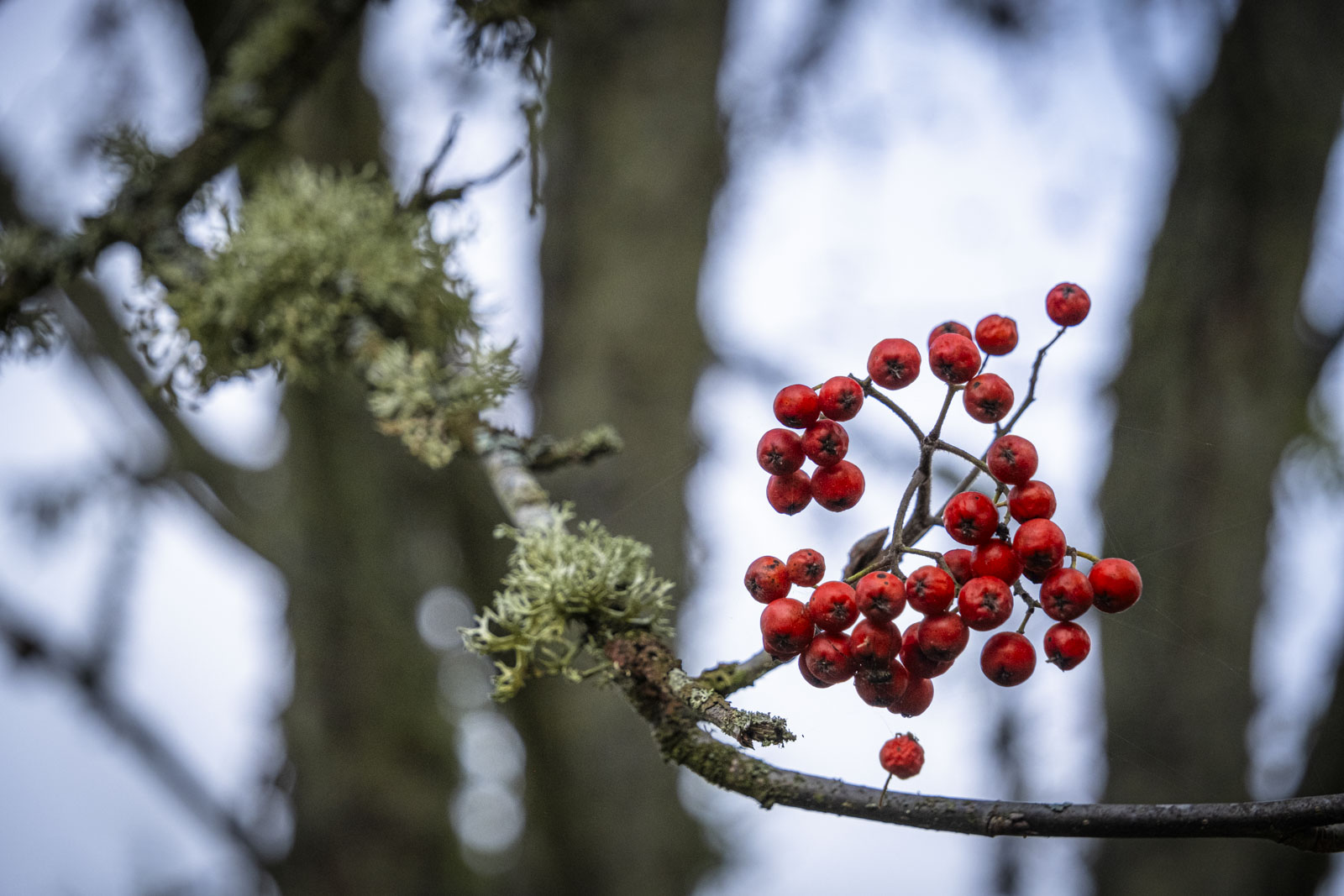
Hopefully, our seasons will continue to bring us joy. Another Spring will arrive with fragrant flowers and trees reaching for the sun, making our spirit shine.
Friends – I am grateful for having many good friends – in the blogosphere as well. I also have some old and very longlasting friends. This photo is from Holland in September where I met up with my mathematics professor, Wim, whom I first met on a hike in Lapland more than 35 years ago. To honor Sweden, he wore a Swedish t-shirt with Dala Horses!
In these dark days, I think maybe Light is our greatest gift – let there always be Light.
– Light in all its intrinsic meanings.
Thank you, Patti, for all the Details we could enjoy and be amazed at in last week’s challenge! Now we hope you’ll join us in this week’s Gratitude and please link your post to Tina’s original using the Lens-Artists tag. Next week it is my turn, Ann-Christine/Leya, to host the challenge – until then, keep your light shining!
Sofia makes us look back. It can be both good and bad – but we always learn something in the end. I wish the world leaders would learn from looking back too.
Sofia has shared some very special experiences from her looks back in time – please visit her lovely site for more inspiration!
I did not know where to go with this challenge at first, but as I have been scanning old slides and right now Nepal and Peru, I have tried to find some of those overwhelming experiences I had as a young woman never been outside of Europe before.
In my home we had many grand picture books from travels near and far, and during winter time my nose was deeply buried in them. I read and savoured everything about interesting places, and two of my major dreams were to see the Himalayas and the Andes. All the treasures hidden, Machu Pichu, Annapurna, Mount Everest…Shang-ri-La from the old novel by James Hilton…
In 1986 we flew to Kathmandu in Nepal. Here are some important ”looking back moments” from that journey. Moments of beauty and moments of pain and sadness. I certainly grew up some and learned much from these experiences.
After some days in Katmandhu and biking in the Kathmandu Valley, we decided to go to Dakshinkali. D is an important Hindu temple in Nepal where they sacrifice animals to the fierce goddess Kali. Not a place for the weak hearted – like me. But I went. This was a place that truly made me understand the difference between reading facts and seeing them in real life.
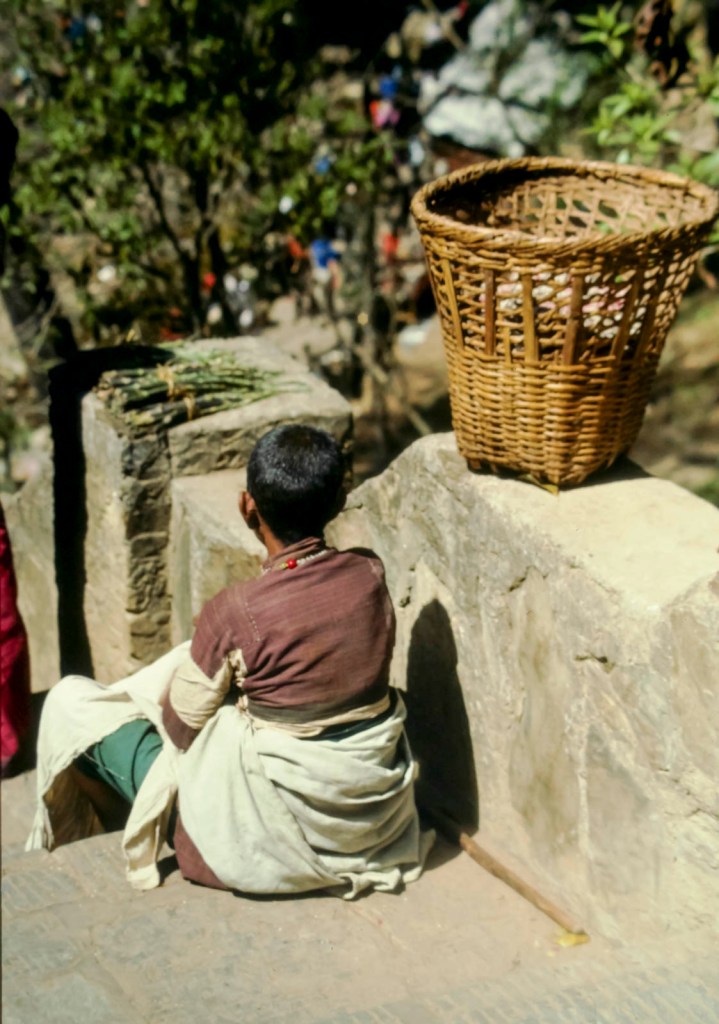
There were endless queues with people holding flowers or leading goats to their last minutes. The stairs down to the temple was crowded with holy men and disabled people.
This woman suffered from leprosy and hade neither fingers nor toes. I could not bear to look at her closely. This day was a day of tears only.
Today I do not regret I went, but that very day, and for some weeks after, I really did. Leprosy was in my mind something fearsome from the Bible, and I automatically kept the distance to this poor woman.
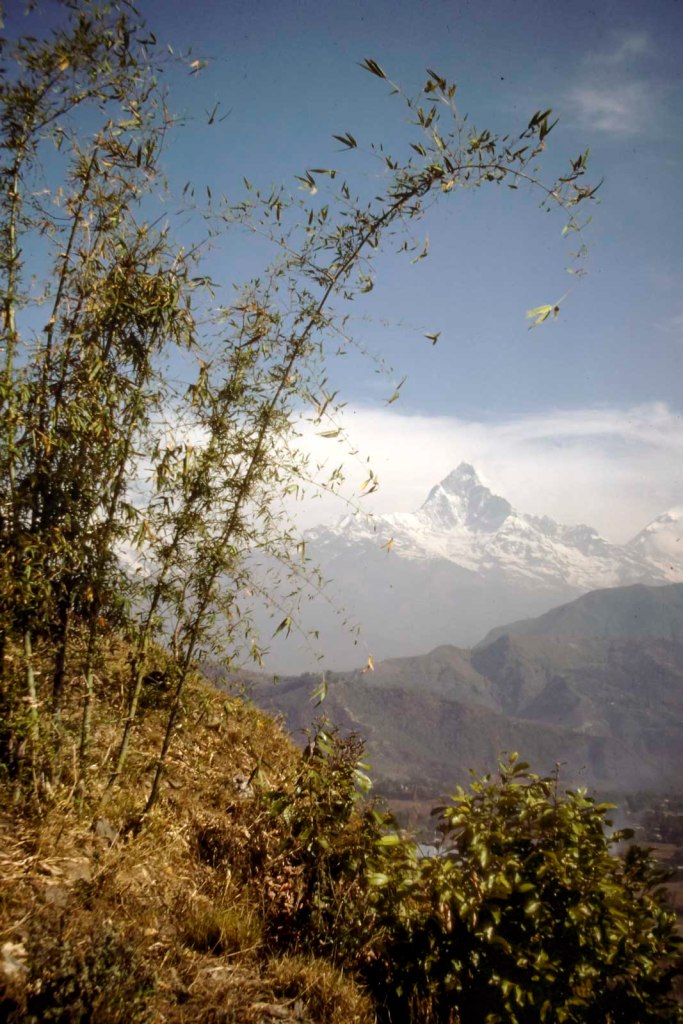
Fishtail Mountain – or Machapuchare (6993 m) – is the majestic mountain close to Pokhara, where we stayed for some days at a Ghurka lodge. I knew about the British Brigade of Ghurkas, they were considered among the bravest and most feared soldiers in the world.
We had a lovely stay, and planned an Annapurna hike some day in the future. (But this never came true.) Our last day here, a big monitor lizard walked by our breakfast table, something I very clearly remember as I was home alone…
Back in Kathmandu again, we went to Nagarkot in the early morning to walk towards the best point for the sunrise over Mount Everest – Sagarmāthā (himmelens huvud). A sensation never forgotten. Was I really here?
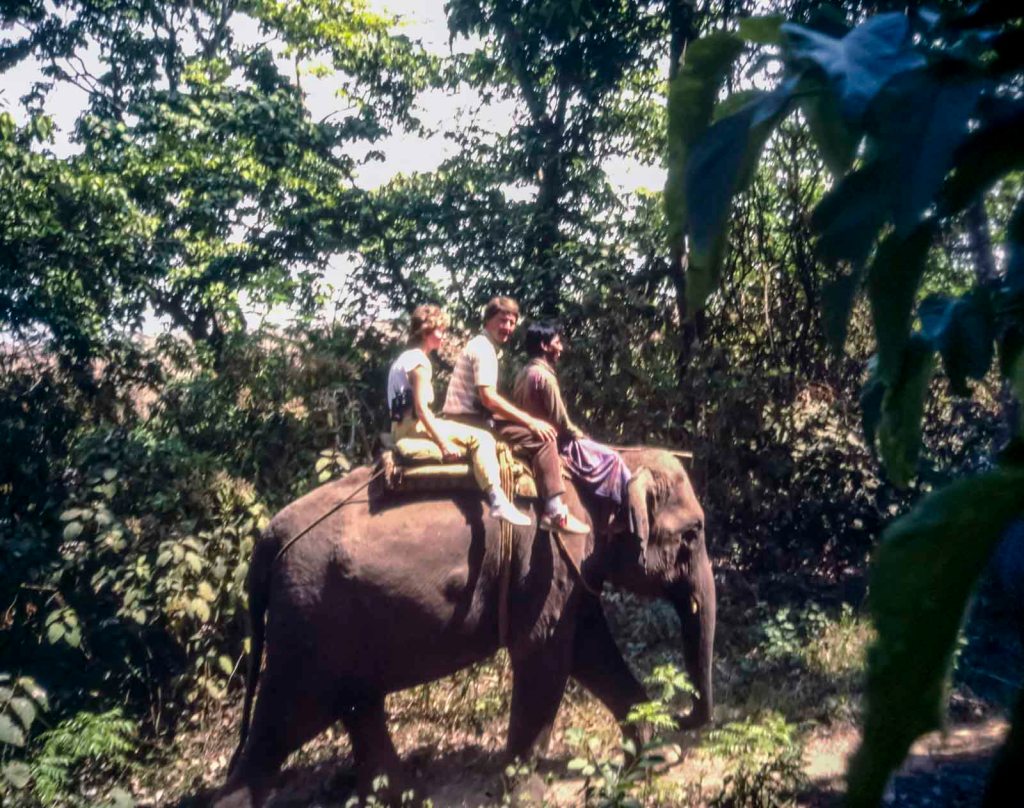
We also wanted to go to Chitwan to see wildlife from a bit closer up. (It’s us two in the photo, taken by someone I no longer remember.) While we passed through the river in an oxcart, the owner asked us if we came from Sweden – we said we did. ”I’m sorry about Olof Palme”, the man said. That was both surprising and heartwarming – so overwhelming to sit in an oxcart in the middle of nowhere and people knew that our prime minister had been shot less than a week ago.
The next long journey was in 1987, and went to Peru and the Andes.
Machu Pichu needs no introduction. This photo was taken when we first arrived at the top and could see the old city. The moment I went through the opening in the stone wall, is one of my best moments ever. And certainly when it comes to travel. No picture in the world can show the feelings I had there and then.
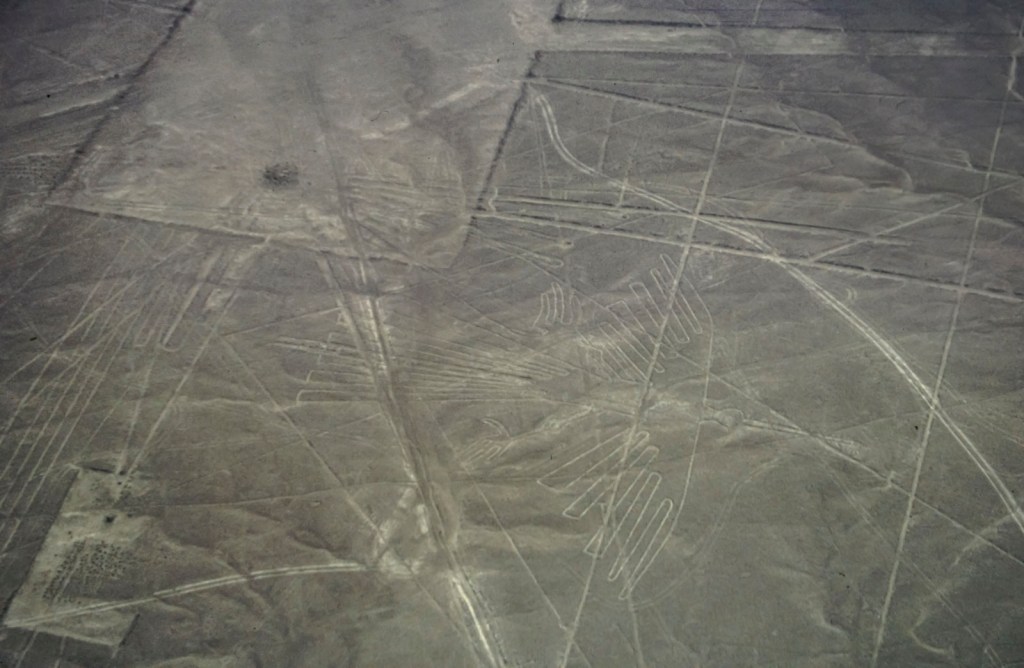
I had read a great deal about the Nazca lines too. They cover an area of 500m2 in southern Peru. They were made 500BC -500 AC, and there is still no answer to why or what for. Only theories.
We soon realised that our plane was very small and only took 6 passengers. OK, smaller planes are said to be safer… but when I looked out of the window and saw them pumping up the tires by hand…I had my doubts.
We survived of course, and had a great flight seeing signs that Von Däniken had proposed coming from outer space.
This is one of the animals in the Nazca lines – The Condor
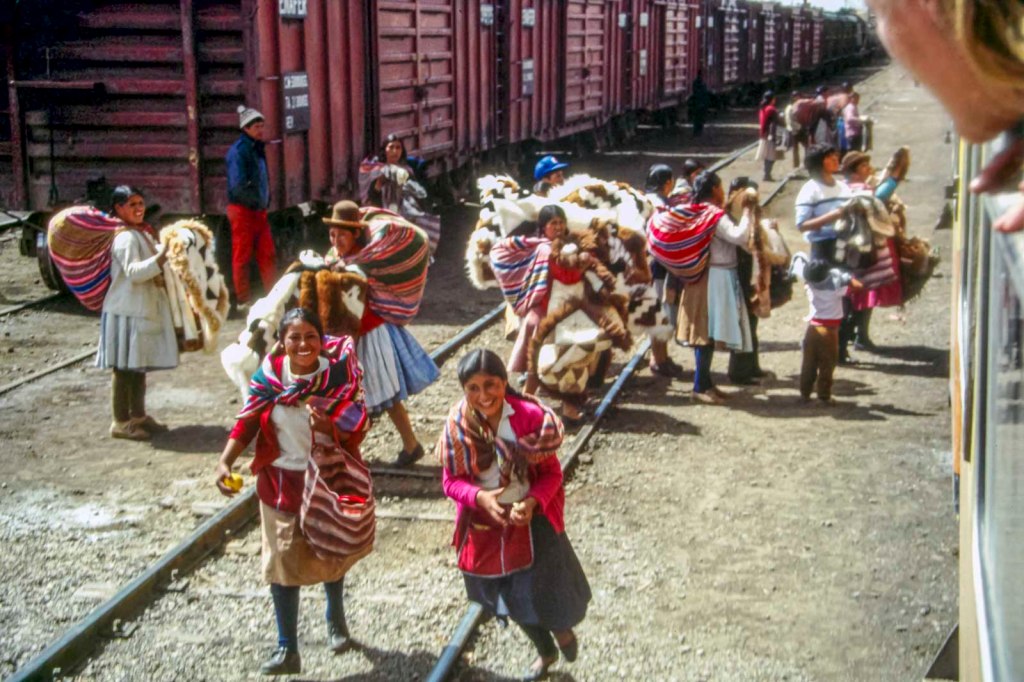
We went by train over the great plain to Cuzco. A wonderful tour with llamas, vicunjas and the majestic mountains. The trust and confidence these happy women showed! They threw up their handmade carpets to us in the train and expected them to either be bought or to come back again! And it never failed.
The Uros are an indigenous people of Bolivia and Peru. They live on floating islands in lake Titicaca near Puno. I guess they still are – and I had seen them in my books. They used Totora reeds to make reed boats and the islands they live on. On the islands they grew different vegetables and potatoes and they had pigs too. An island lasts for about 25 years.
I hope you could follow my thoughts, and maybe understand something of how much I learned during those two journeys. Travel is one of the best teachers.
Before finishing off with the volcano Misti at Arequipa, I want to thank you so much for Setting a Mood in every post last week! Incredible variety on how we can create moods and how we can feel differently about them too.
Next week Anne’s challenge will be on Intentional Camera Movement, ICM. You can learn all about it by checking out the various online tutorials or wait for instructions from Anne. She says it’s all about having fun and there’s no wrong way to do it! Hope to see you then – and before that, stay nice and curious.
By definition atmosphere is always what the individual objects that occupy places are not. Light, air, materials and sound.
– Stefan Vujić
Atmospheric is the character, feeling, or mood of a place or situation. It might be the mood of the mist, the collusion of clouds, or just a stunning structure. Ambience is another word for the mood a place or setting has.
The kind of music I like depends very much on my mood. – Frida Lyngstad
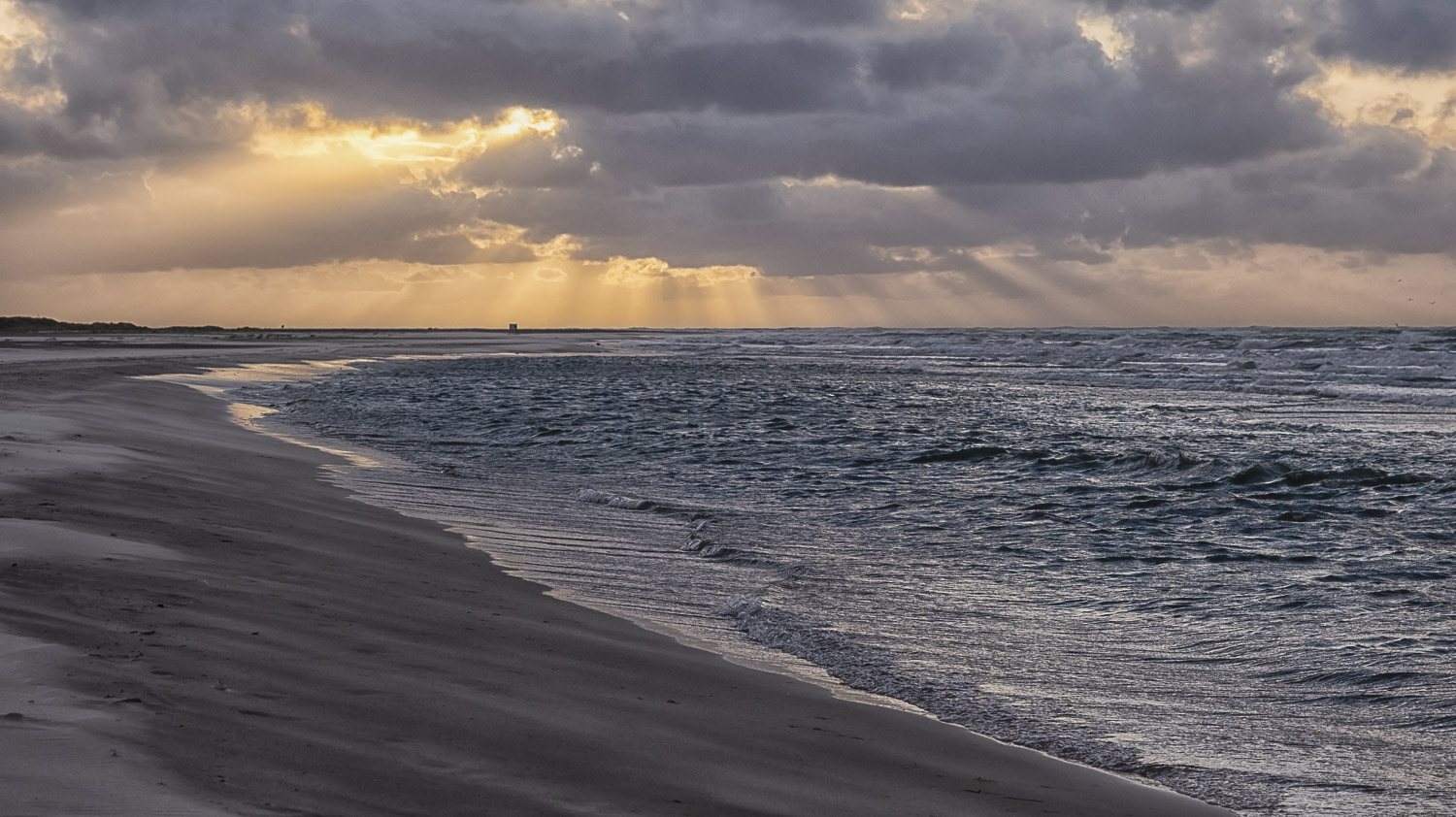
Let’s start with the ”natural” mood settings. A summer sunset by the sea settles your mind. It doesn’t have to be blue colours – grey is perfect too. And the sound of the waves plays an important part. Somehow I believe we search for the surroundings that lifts or matches our own mood.
Love is the flower you’ve got to let grow. – John Lennon
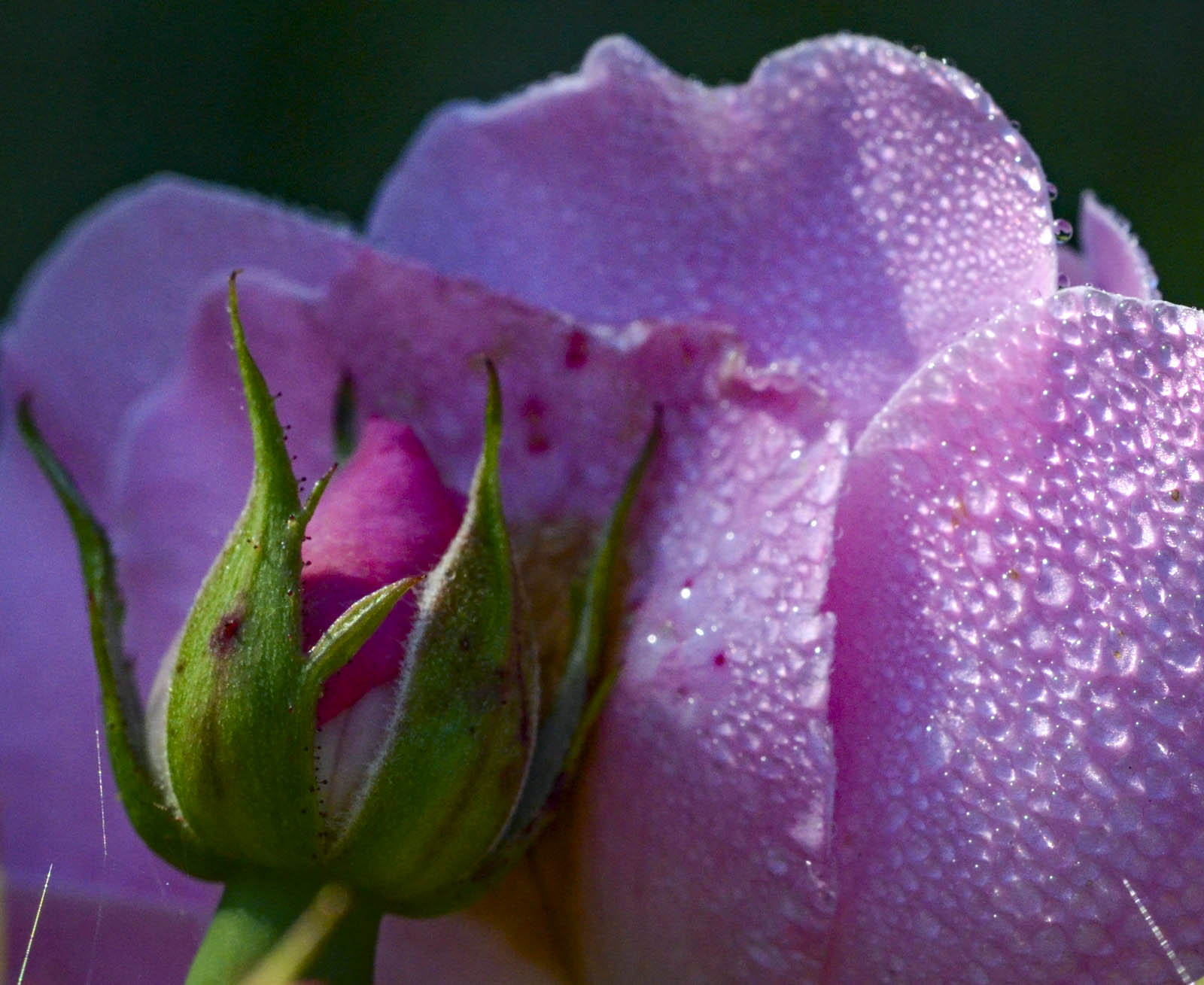
Love is in the air. Maybe your man or your lady brings you flowers, sets the table and lights the candles to welcome you… Although I believe atmosphere is not as pragmatic as it is poetic.
In all things of nature there is something of the marvelous. – Aristotle
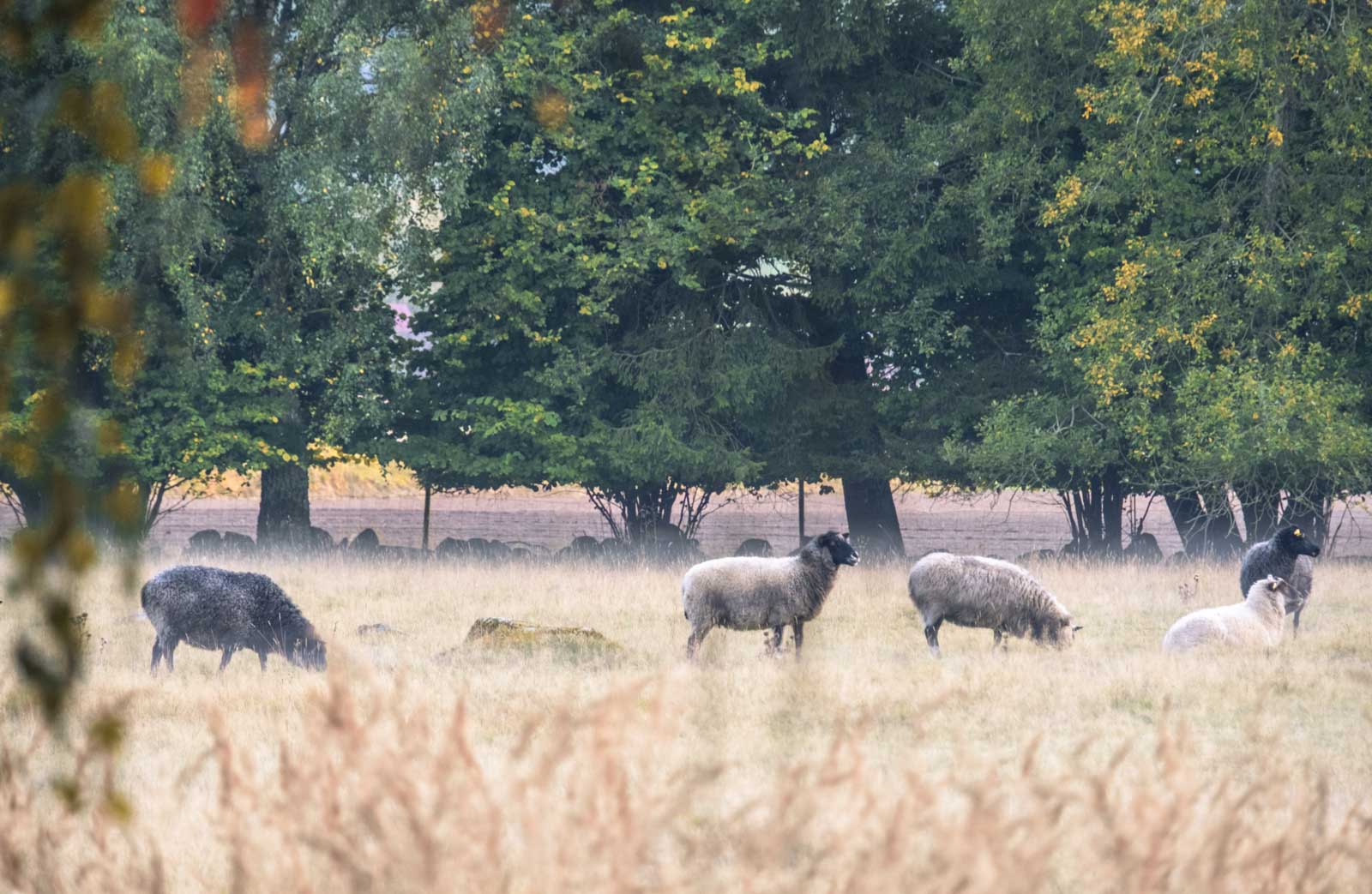
Yesterday’s late Autumn walk with silent friends. Mist is mostly an autumnal fenomenon, created by the warmth of the day and the chill of the night. But, we’ll stick to the poetic mood. The soft light and the quietly munching sheep set my mood right for the end of the day.
I like the muted sounds, the shroud of grey, and the silence that comes with fog. – Om Malik
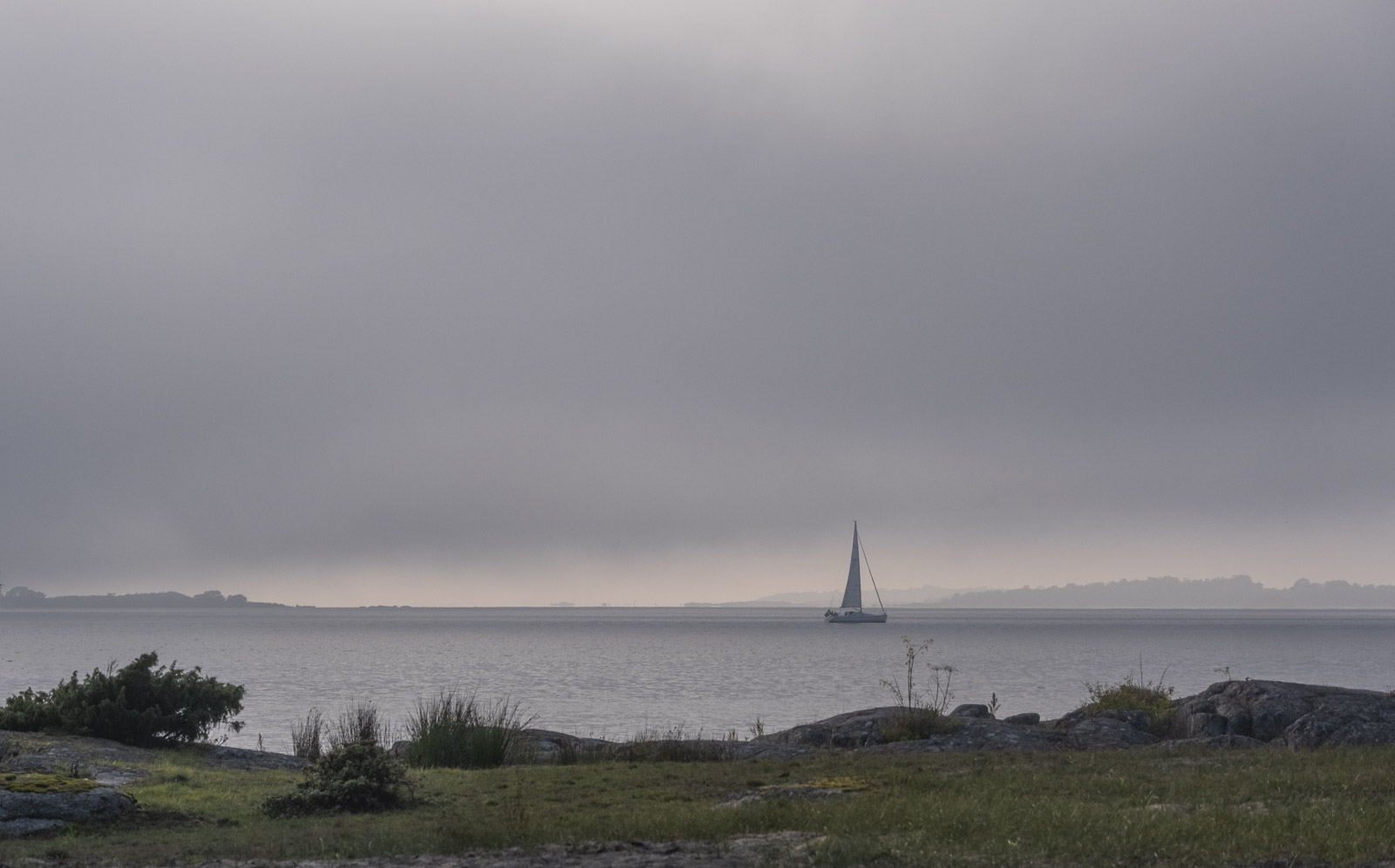
By the sea, Autumn brings many days of fog rolling in. In me it creates both a tension and a feeling of being hidden from the outside, troubled world. It is an inward looking mood.
Don’t tell me how good you make it; tell me how good it makes me when I use it. – Leo Burnett
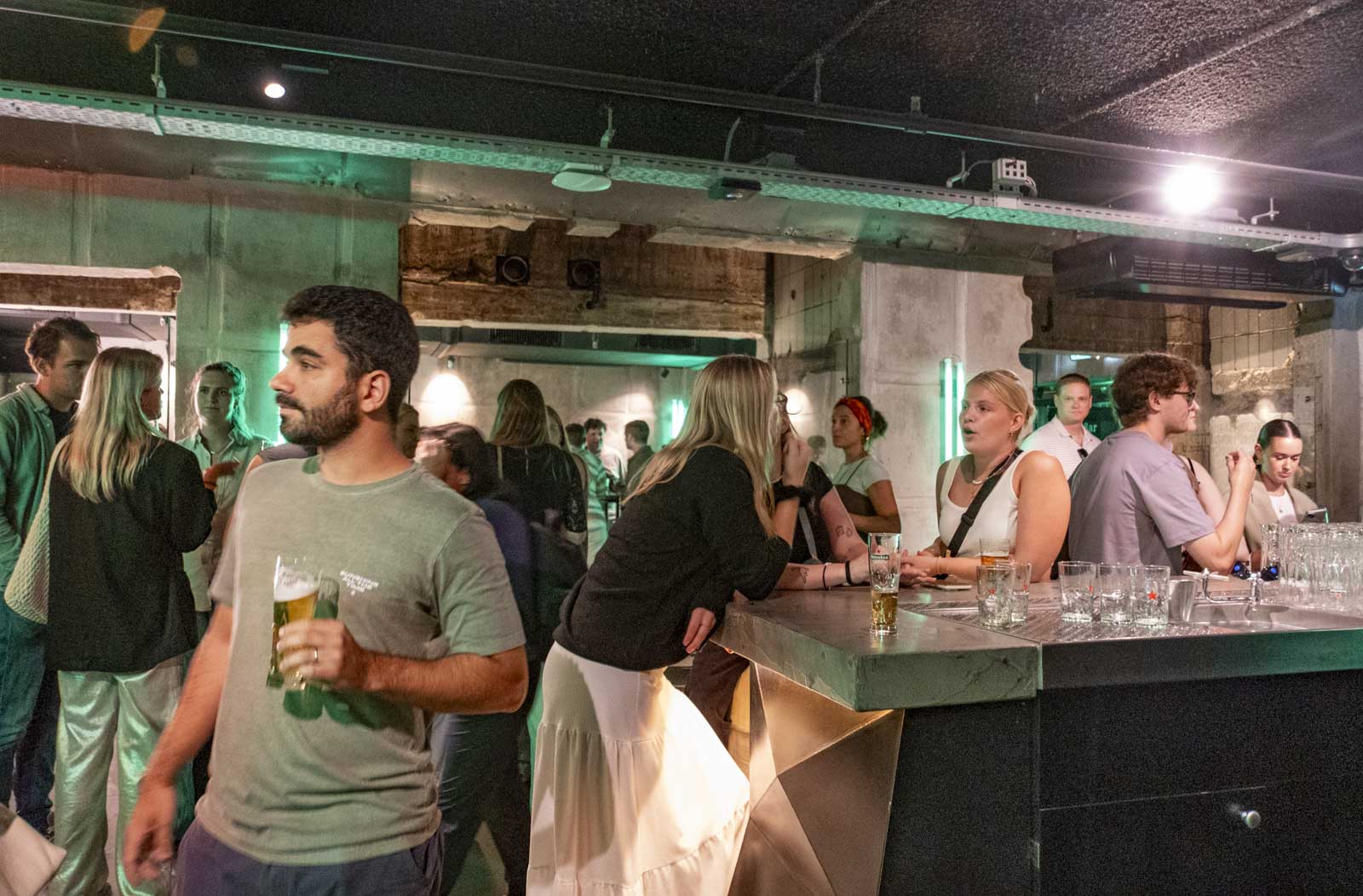
Advertising is good at creating perfect atmospheres for us to take the bait…We visited a big beer company in Amsterdam – I don’t have to say which one… Instead of showing the process (which we got a professional presentation of in Ireland with another company), we were presented with a full show with party light and music. And beer. I guess it was all for engaging the younger generation.
While we still are in the mood for a party – let’s add a carnival mood too!
Like sunshine, music is a powerful force that can instantly and almost chemically change your entire mood. – Michael Franti
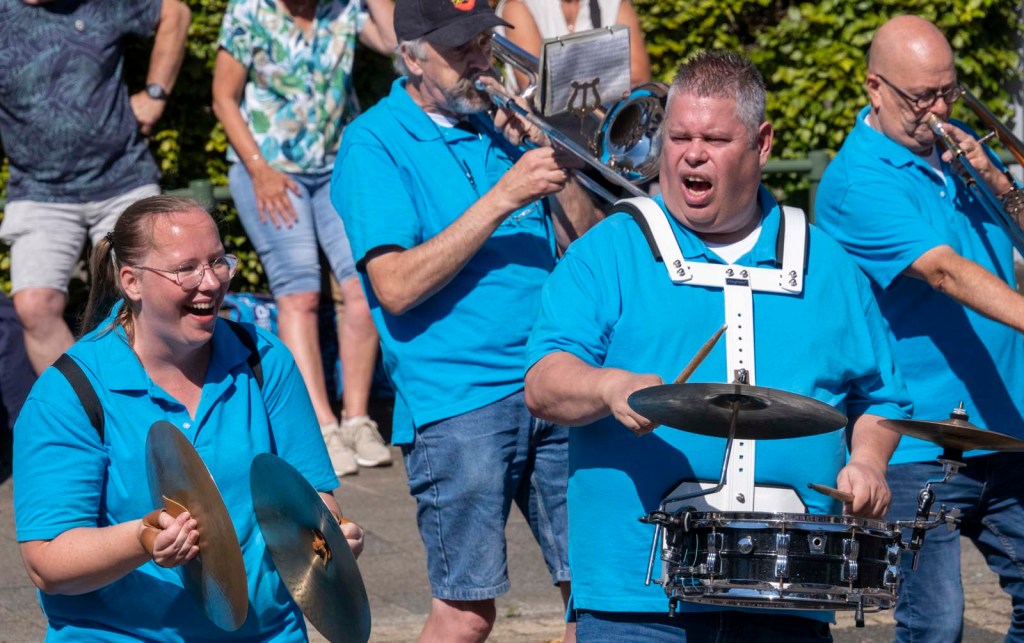
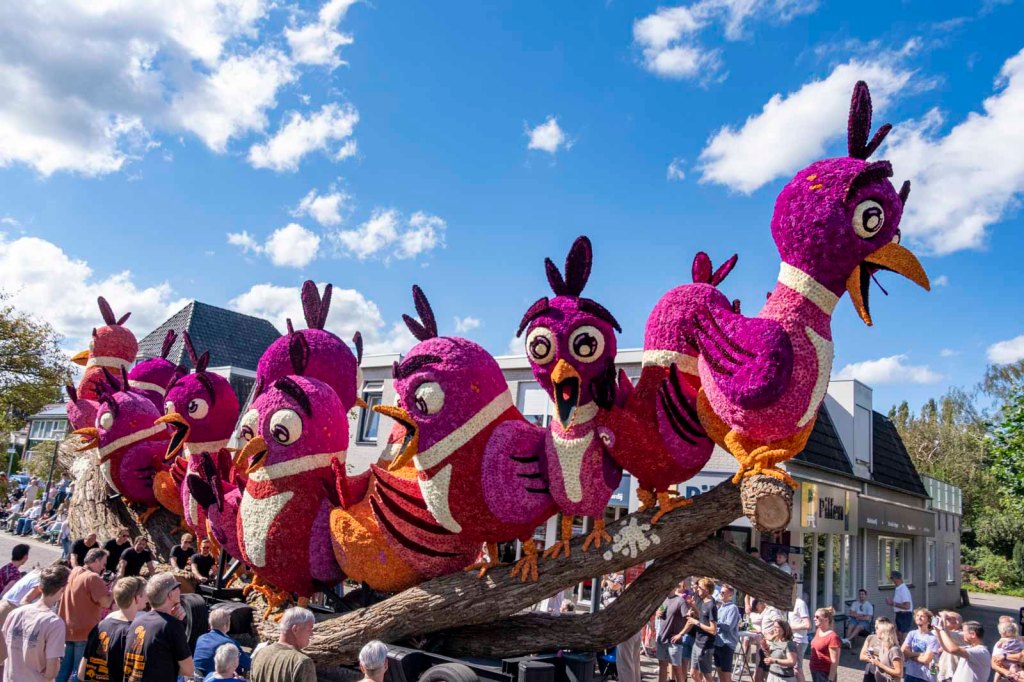
In September we went to Amstedam for the Dahlia Festival, where every piece of the pageant was made of dahlias (except the carriages). A fiest for both eyes and ears. Happy people makes happy spectators! (Find some mischievous happiness in the header/opener, where some boys enjoyed shooting water at us from a bridge.)
I have lived with several Zen masters—all of them cats. – Eckhart Tolle
For atmosphere and mood – this was a perfect setting at the Cat museum in Amsterdam. A combination of light, art, furniture and details. And if you know some cat lovers, cats on the table is not unfamiliar. Real cats too… I guess you have noticed there is a special atmosphere where there is a pet in the house? The first thing you will see (except for Milo) when you visit My home, is a sign saying: ”A home without a dog is just a house.” But, I assure you he is not allowed on the table…
Perhaps I am old-fashioned, but black and white films still hold an affectionate place in my heart; they have an incomparable mystique and mood. – Ginger Rogers
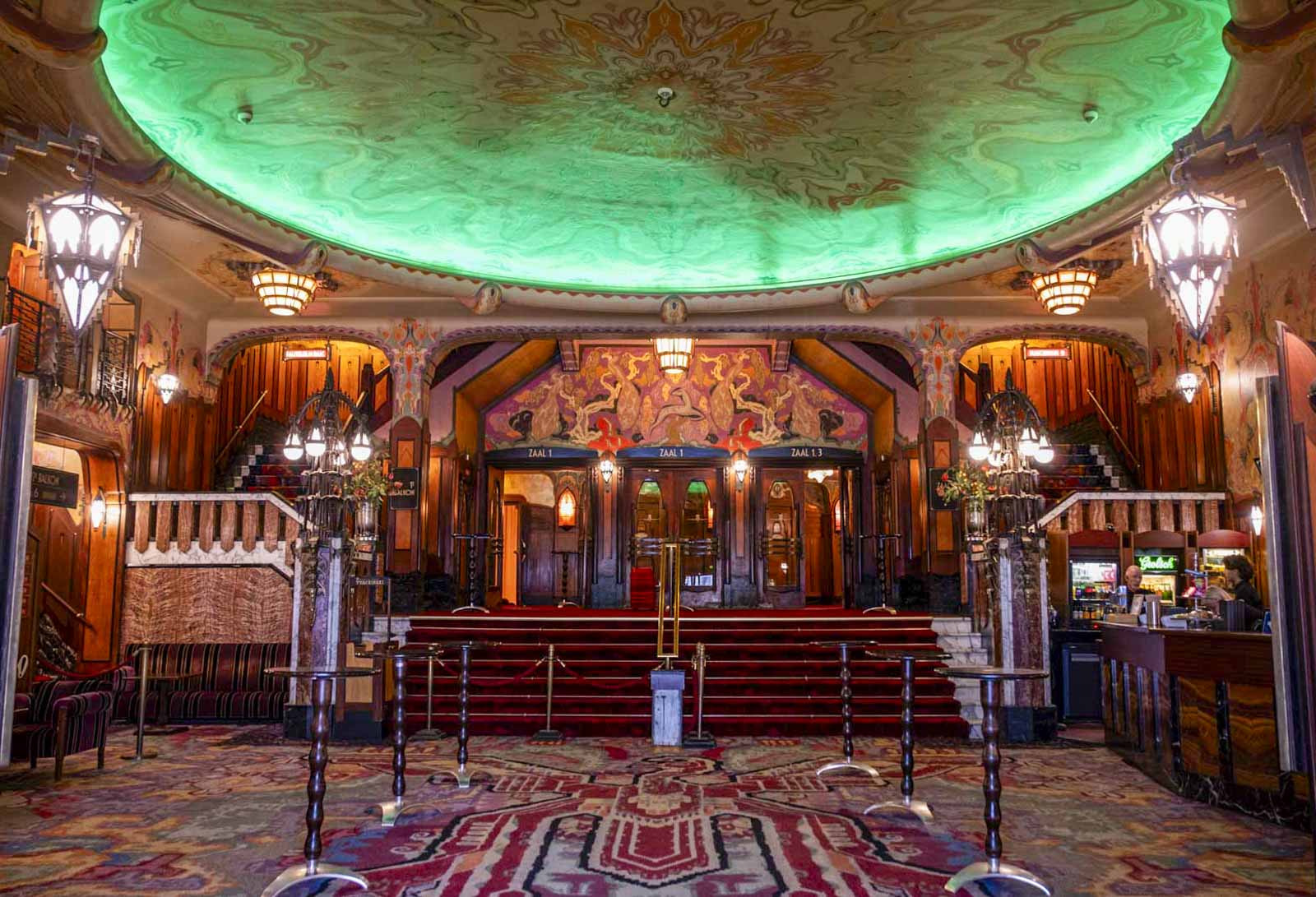
As a photographer, you might also use the possibility of setting the mood you want in your pictures – either with the natural environment, lamps, software or other means. An easy way is just converting a photo into B&W or sepia tones to set another mood, like this theater photo. I could almost see Greta Garbo and Clark Gable passing by in the lobby…
I love kids. I just love kids. They put you in a good mood and they are so full of life. – Carmen Electra
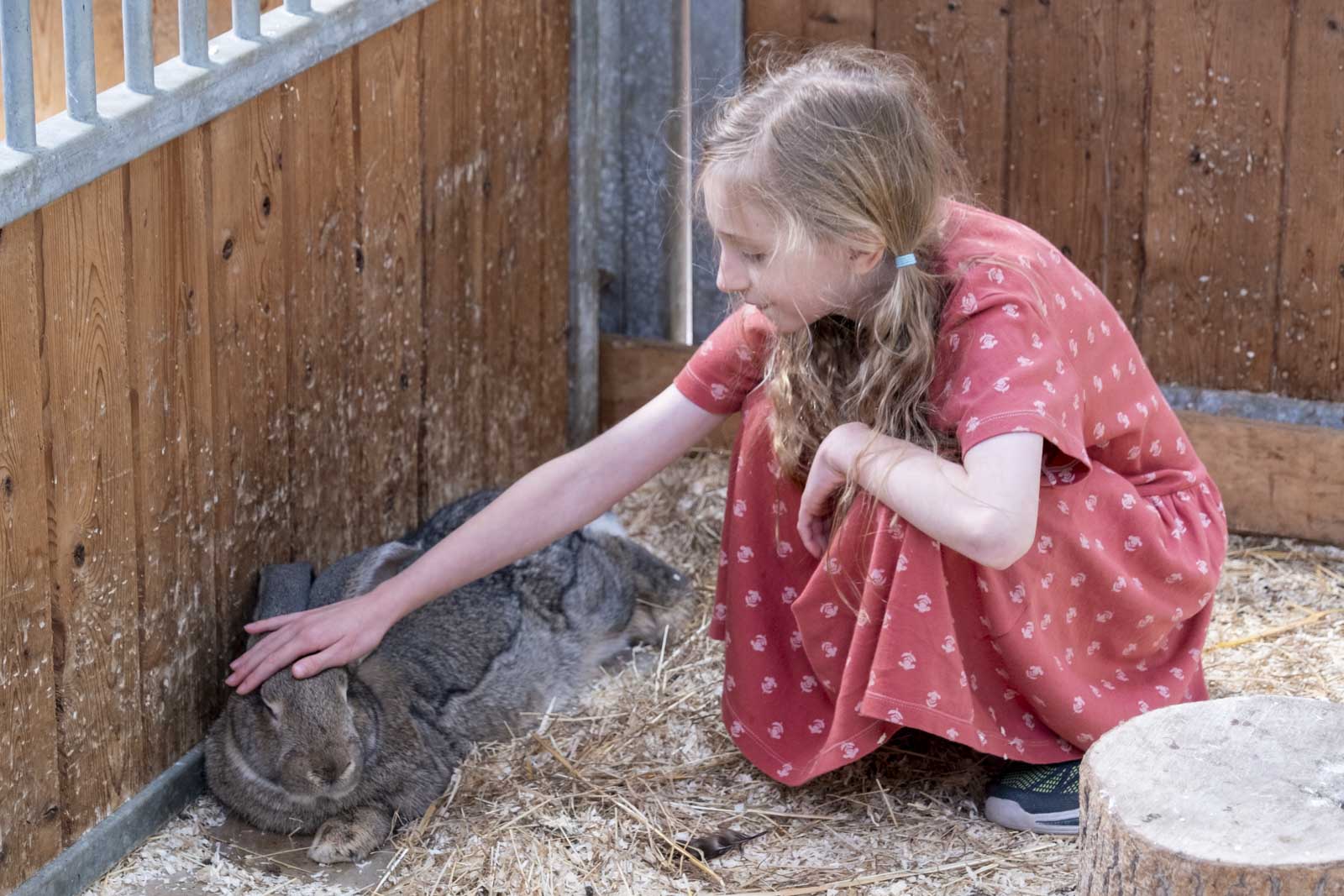
Very little changes can make a difference too. A park in Amsterdam housed some rabbits for the children. I smiled as I saw this little girl, who so gently patted her friend. An animal lover with the right feeling. I could easily see myself at her age.
By desaturating the colours a bit, I felt the photo fitted both my own nostalgic mood and the warmth between these two friends.
I hope you will be in the mood to join this challenge (pun intended) – as we search for special atmospheres you have met or created. A big thank you to Patti for making us see beauty everywhere – and somehow I feel this week’s challenge is a natural way to follow up. Mood and atmosphere are very individually seen, but so is beauty. I am looking forward to seeing your posts! Be sure to link to my original post and to include the “lens-artists” tag so we can find your images.
Next week Sofia will lead us, please go to her lovely blog for more inspiration! Until then, stay calm and kind.


























 Leya
Leya 
Du måste vara inloggad för att kunna skicka en kommentar.