Silent Sunday


Leanne Cole is our fantastic host this week, and she invites us to show what the normal tourist wants to see – but in another way. ”You might go to the same place, but you are after something different.”
So her challenge is to look for those photos that are of tourist attractions, but where we have tried to get the untypical image of it. They can be near or far away in other countries.
I have just returned from a trip to England, so I am a bit late, but here we go…with Japan! Japan was a delightful country to visit this spring, and the first gallery shows some famous attractions – my way:
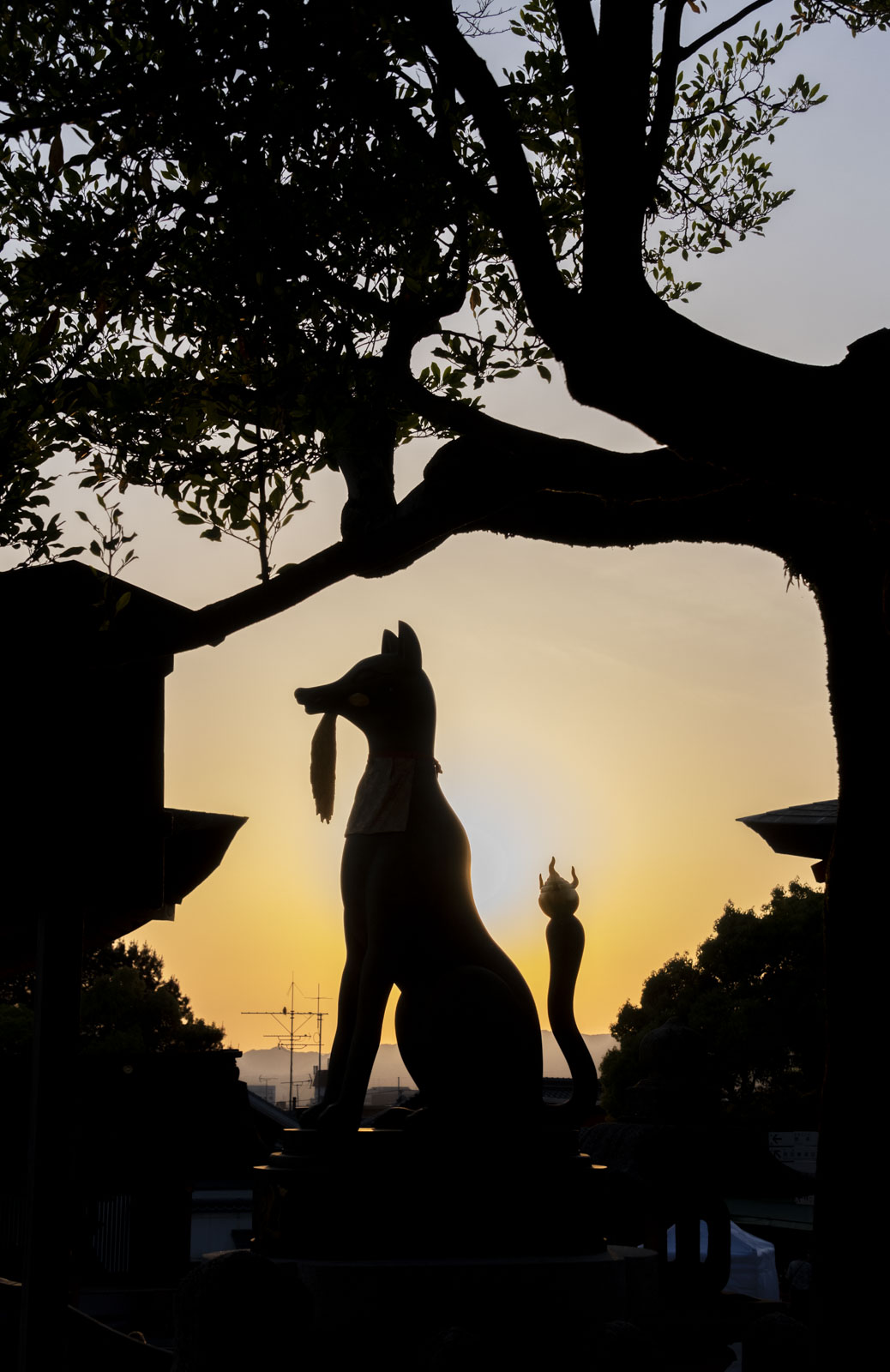
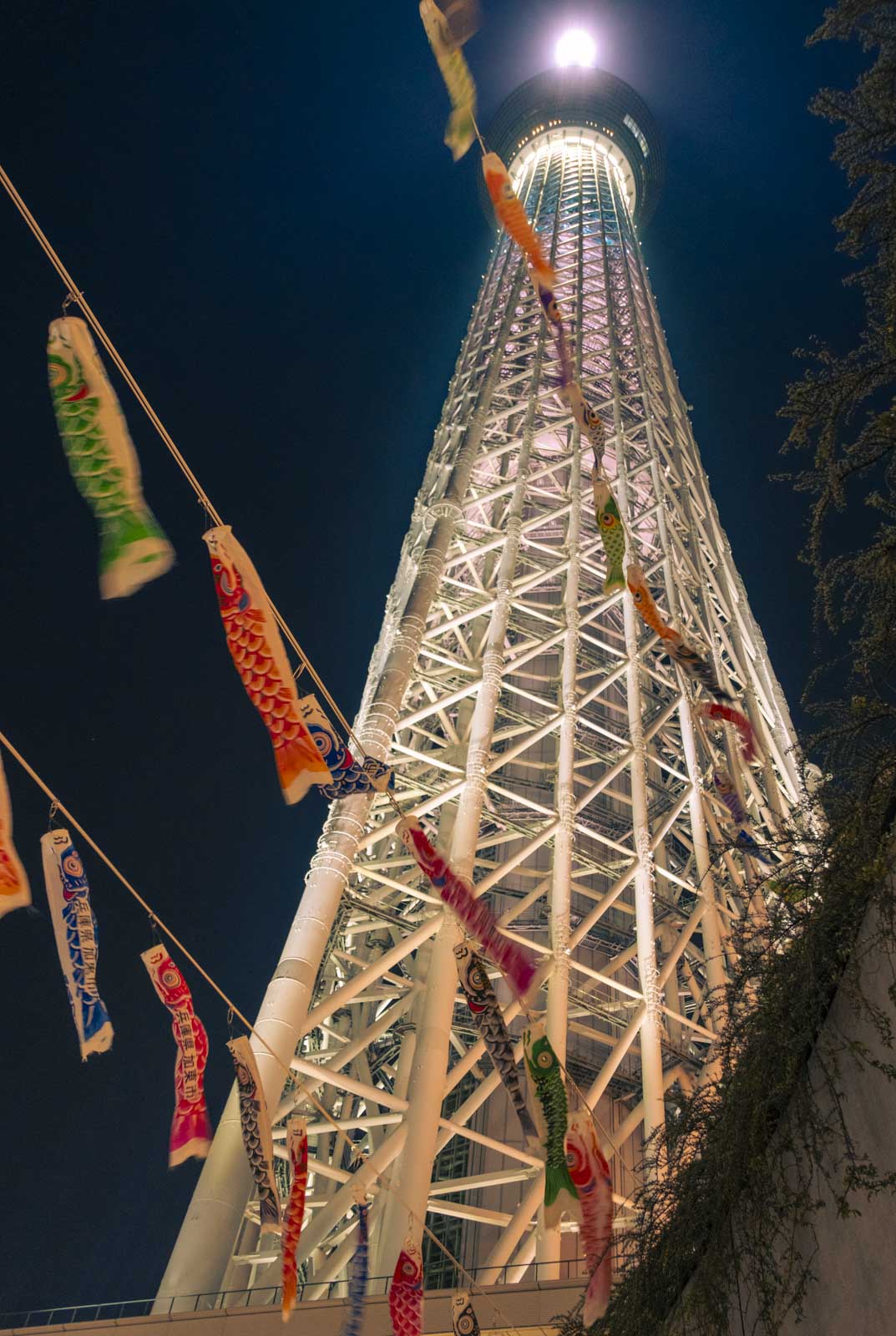
The superfast Shinkansen train, Fushimi Inari-taisha in Kyoto (Inari is the god of rice and sake and the messenger is a fox), Kawachi Fujien (The world famous wisteria garden in Kitakyushu), the Shibuya crossing in rain (- the busiest pedestrian crossing in the world with about 2300 crossings every 3,3 minute) and lastly, Tokyo Sky Tree.



From Sweden then, not that many:
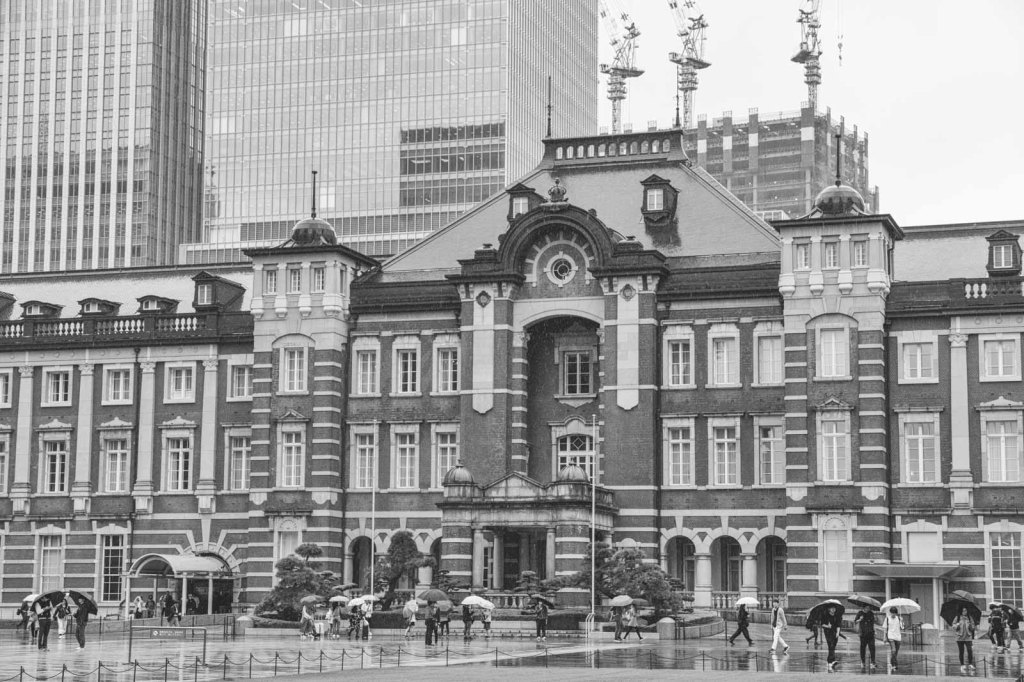
Stockholm in double exposure (City Hall and Central Station). The Doll Museum was closed, but my shot was taken through the window.



Thank you to Tina for her beautiful and thought provoking challenge on Habitats two weeks ago, and I hope you all had a lovely week off too! Thank you again to Leanne Cole for leading us this week – please visit her site for always amazing photography.
I hope you want to join in next week when our next guest host, Elizabeth of Albatz Travel Adventures, challenges us to share Pairs.

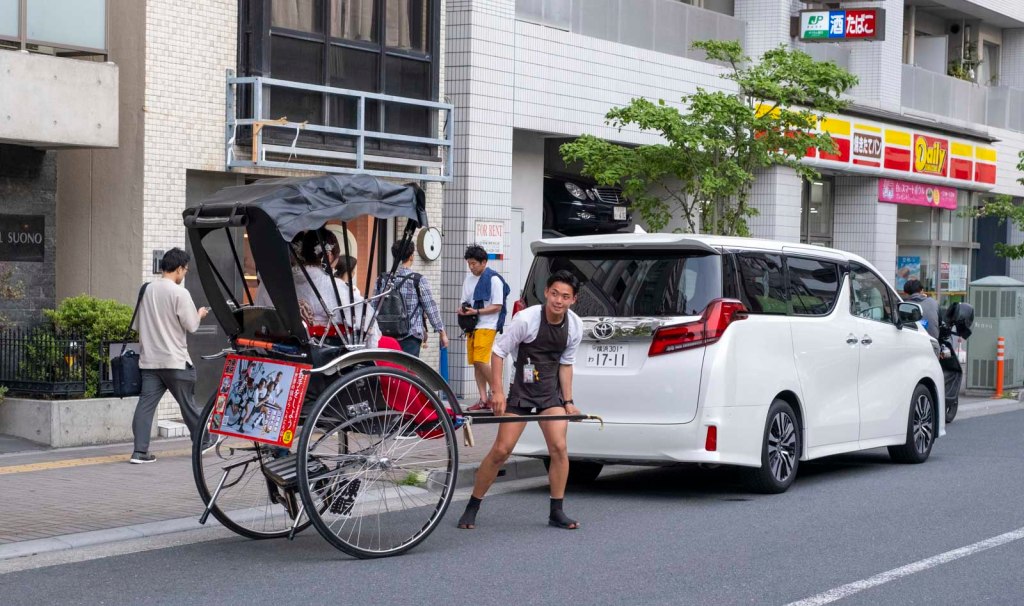
He will run safely with you through the streets – don’t worry! And here’s a gallery with old and new – A tram conductor in white gloves, real people, stiff dolls and and pop-ups.





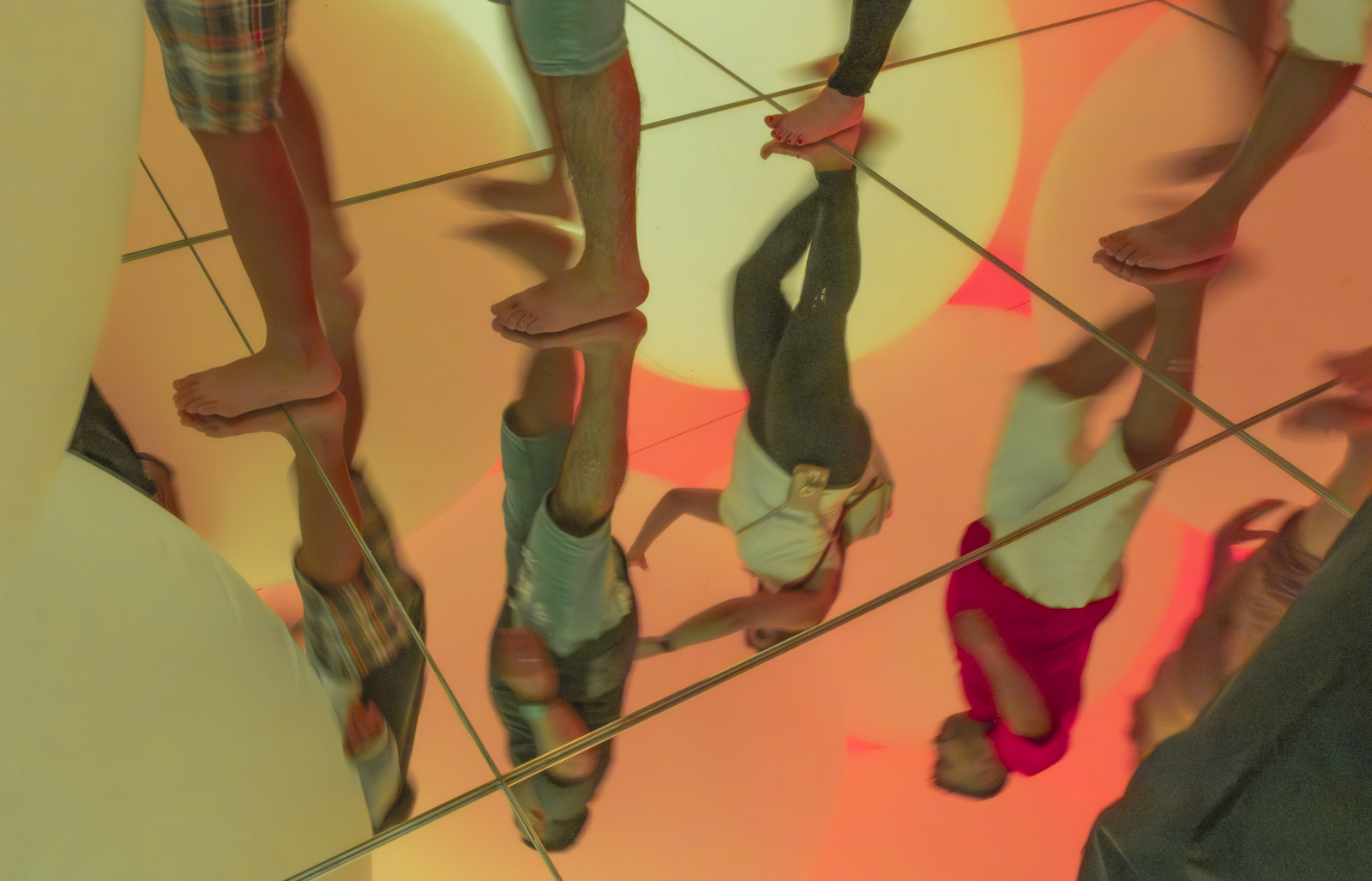

Then teamLab Planets Tokyo – a fantastic experience in led lights, water, mirrors, film and much more. You lose yourself all the time – using all your senses. Exciting, and especially appealing to young people. We spent some interesting hours there.
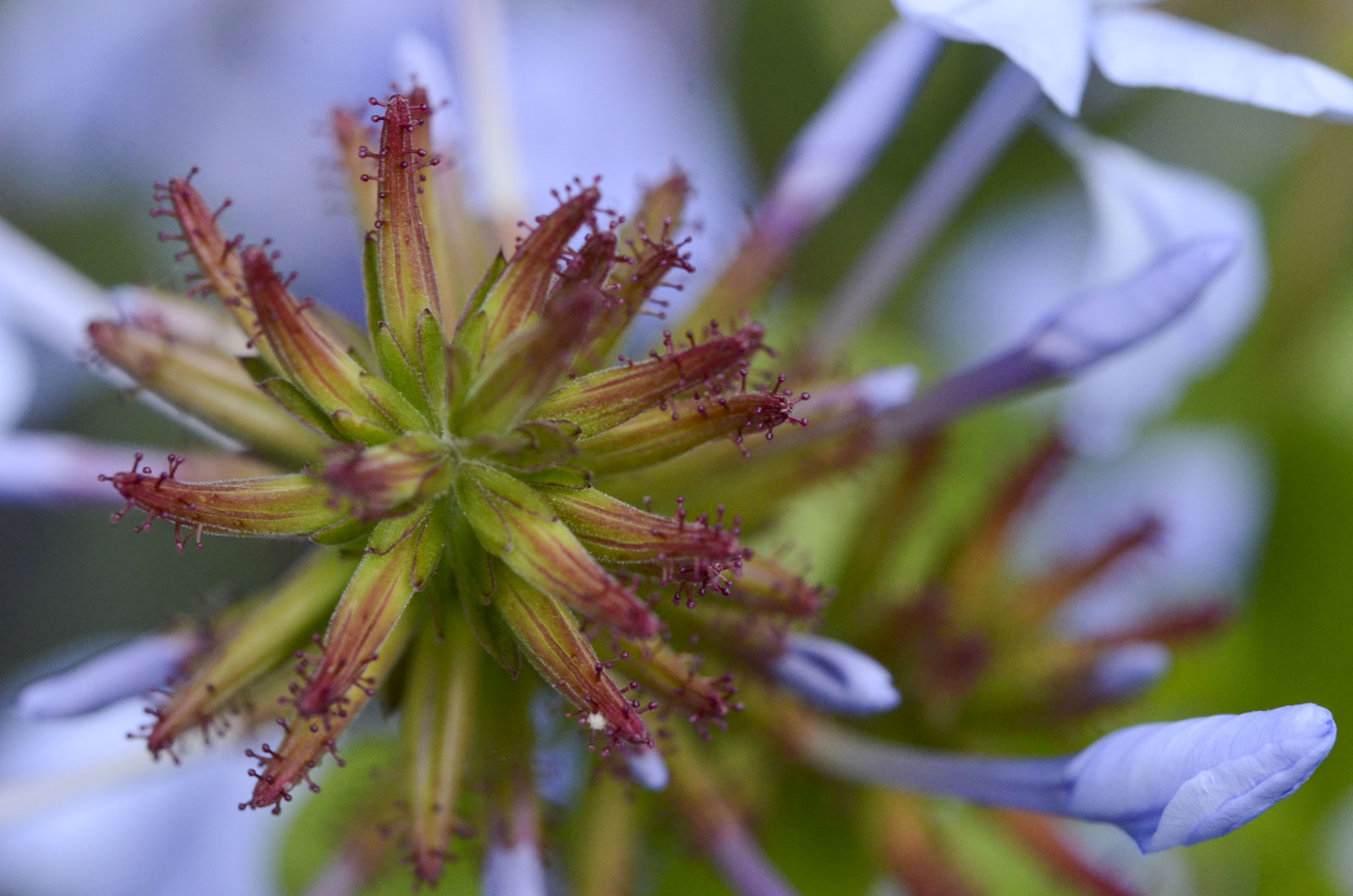
…my blue
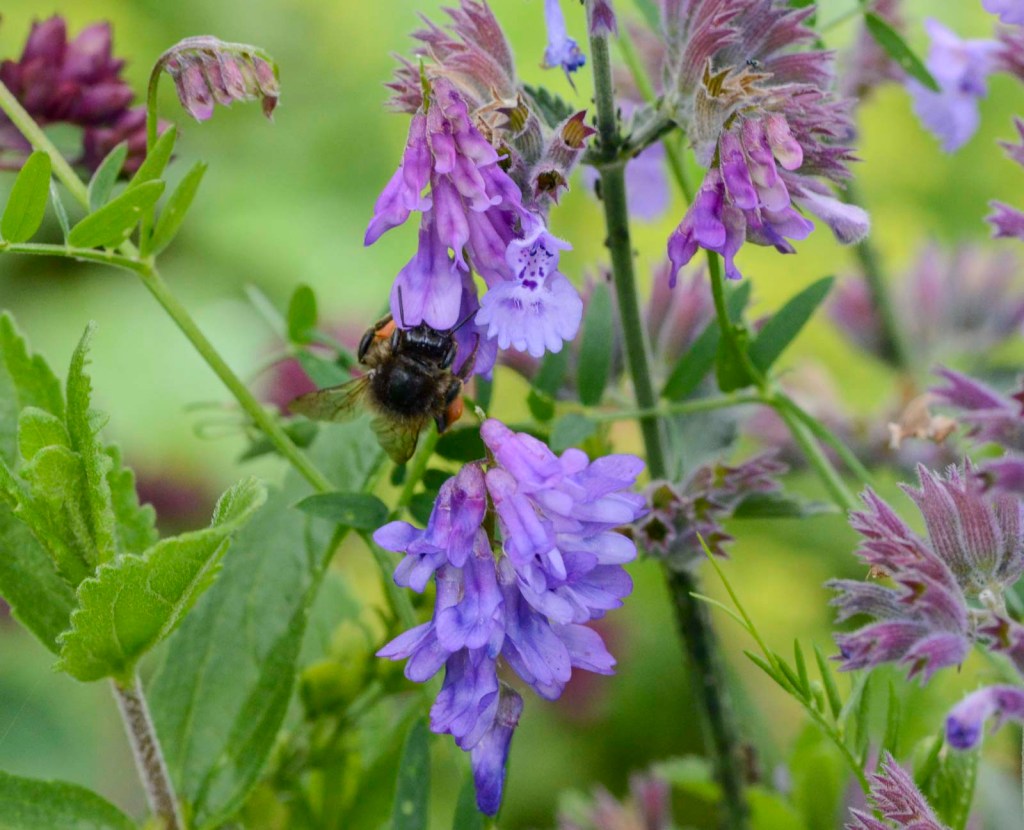
…and lilac
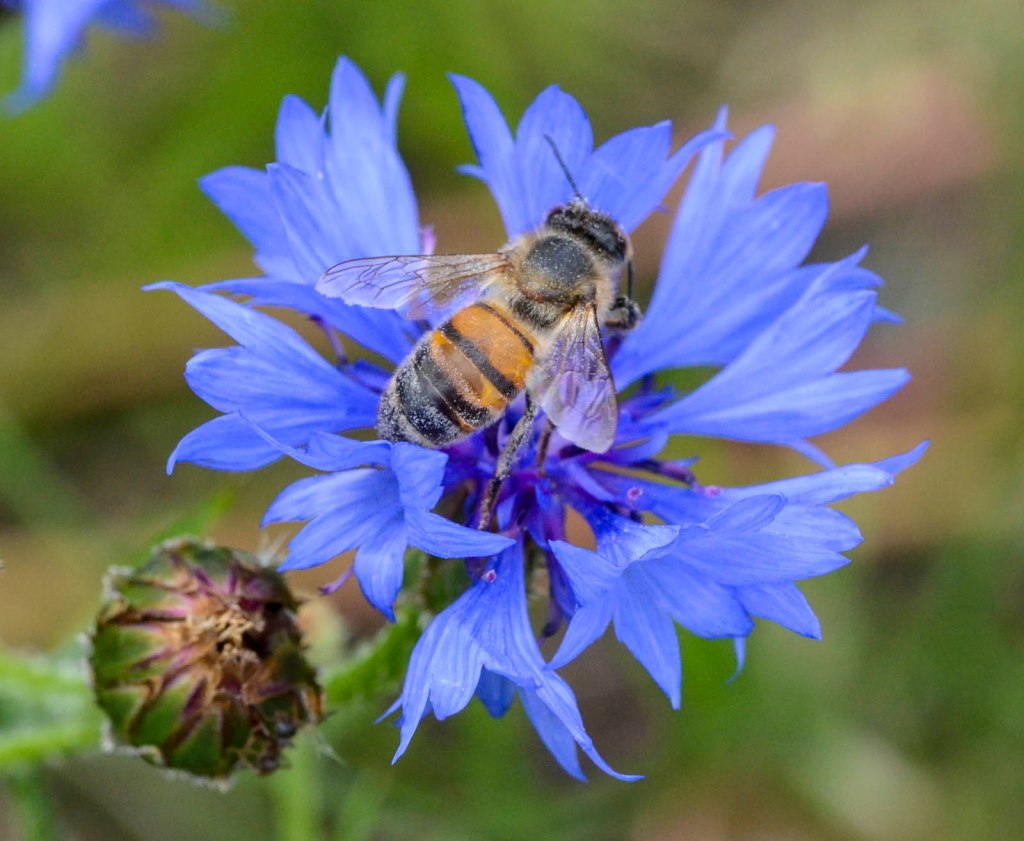
garden!
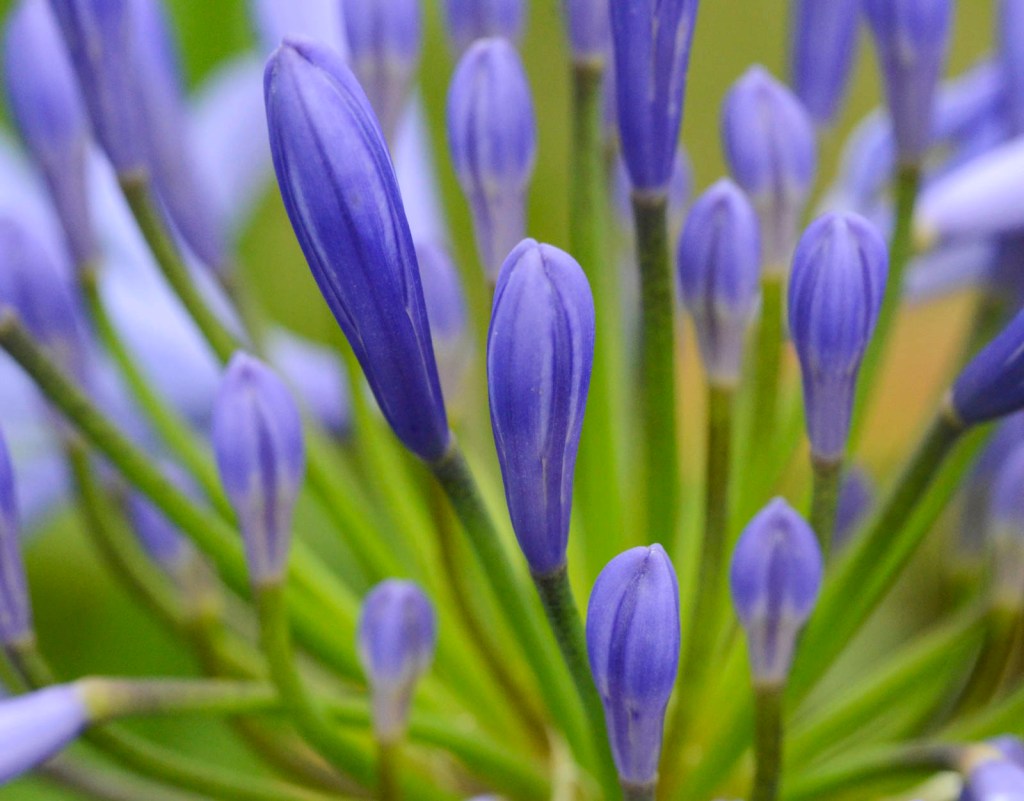
Hope you are all feeling good and will stay that way!

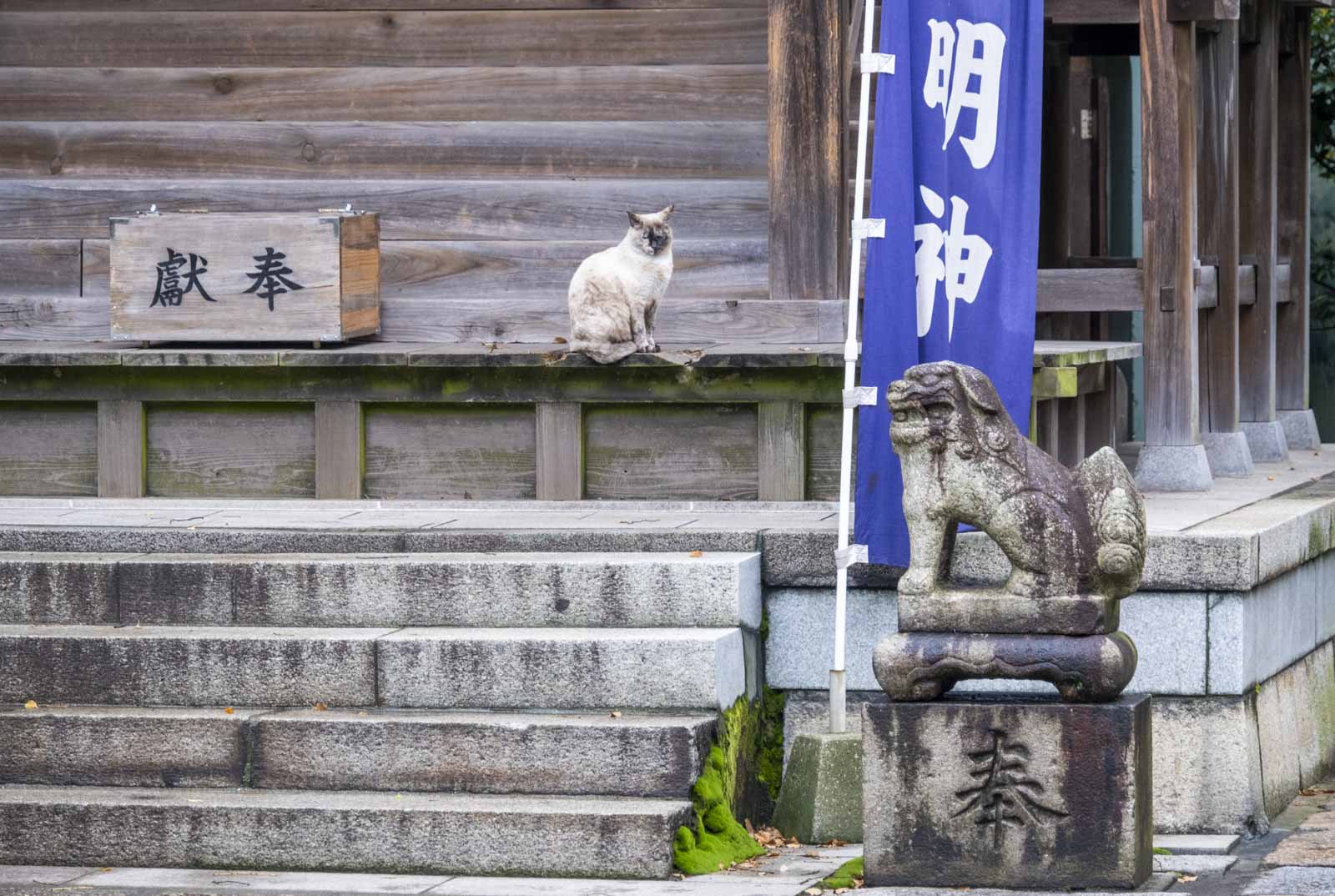

The Japanese culture is very much beauty and refined custom – but also so much more. What do you think is hiding behind these glass doors?

Pachinko! Pachinko is a mechanical game originating in Japan. It is used as an archade game and for gambling. These parlors are widespread in Japan, and is comparable to slot machine palaces in the West. Althought it has now declined in popularity, in 1994 the sales and revenues from Pachinko parlors contributed 5.6% of Japan’s 500 trillion yen GDP and employed 330000 people. (Wikipedia)
Gambling for cash is illegal in Japan, but the popularity has enabled a legal loophole allowing it to exist.

Machines for children wanting toys and candy? We have some quite similar ones here in the West.

In Japan, Karaoke is extremely popular – and maybe posing with pretty girls! This guy posed with paper girls, happily smiling, while his little son ran away from the scene – I wonder why…


I must post a piece of the young Japanese literature and film culture too. Anime. Manga. And a couple of girls dressed in stylish street fashion. (There are MANY styles – from Dolly Key to Genderless)
There’s no end to the popularity of these stories and charachters in Japan – you see them everywhere. In Sweden they enjoy massive attention. I know. My daughter and her friends still watch some of those movies, and I have watched a couple of them, because I wanted to understand why youngsters love them. In fact I found them very intricate, well written, and morally and ethically wise. But on the other hand, I haven’t seen them all…
Hayao Miyazaki’s masterpiece Spirited Away teaches friendship, love and bravery in a universal way which made the movie famous world wide. I must say I liked it. It is worth seeing even if you are an adult or an elderly person.
The reality today is that we are all interdependent and have to co-exist on this small planet.
– The Dalai Lama
Tina is our host this week, and she has chosen the theme Habitat. A theme close to my heart. Without habitat, there is no wildlife, and in fact, no real life. What affects a habitat are mainly two factors: biotic and abiotic factors. Biotic factors are living things within an ecosystem, (and how different species interact and work together, which decides the number of each species) and abiotic are non-living components (mainly geology and climate).
We all know what is happening to our planet and to us and our fellow inhabitants. So, What can we do…what Do we do?
The one process now going on that will take millions of years to correct is the loss of genetic and species diversity by the destruction of natural habitats. This is the folly our descendants are least likely to forgive us.
– E. O. Wilson
As ordinary humans, we might think we cannot do much, but personally I support several nature organisations, and I try to keep my footprint as small as possible. (With a bad conscience everytime I fly…) Our pollinators are crucial to our planet, and the bee is considered our most valuable species. In my little world, I strive to plant only bee and pollinator – friendly plants in the garden. About half of it is never cut down and left wild. It thrives.


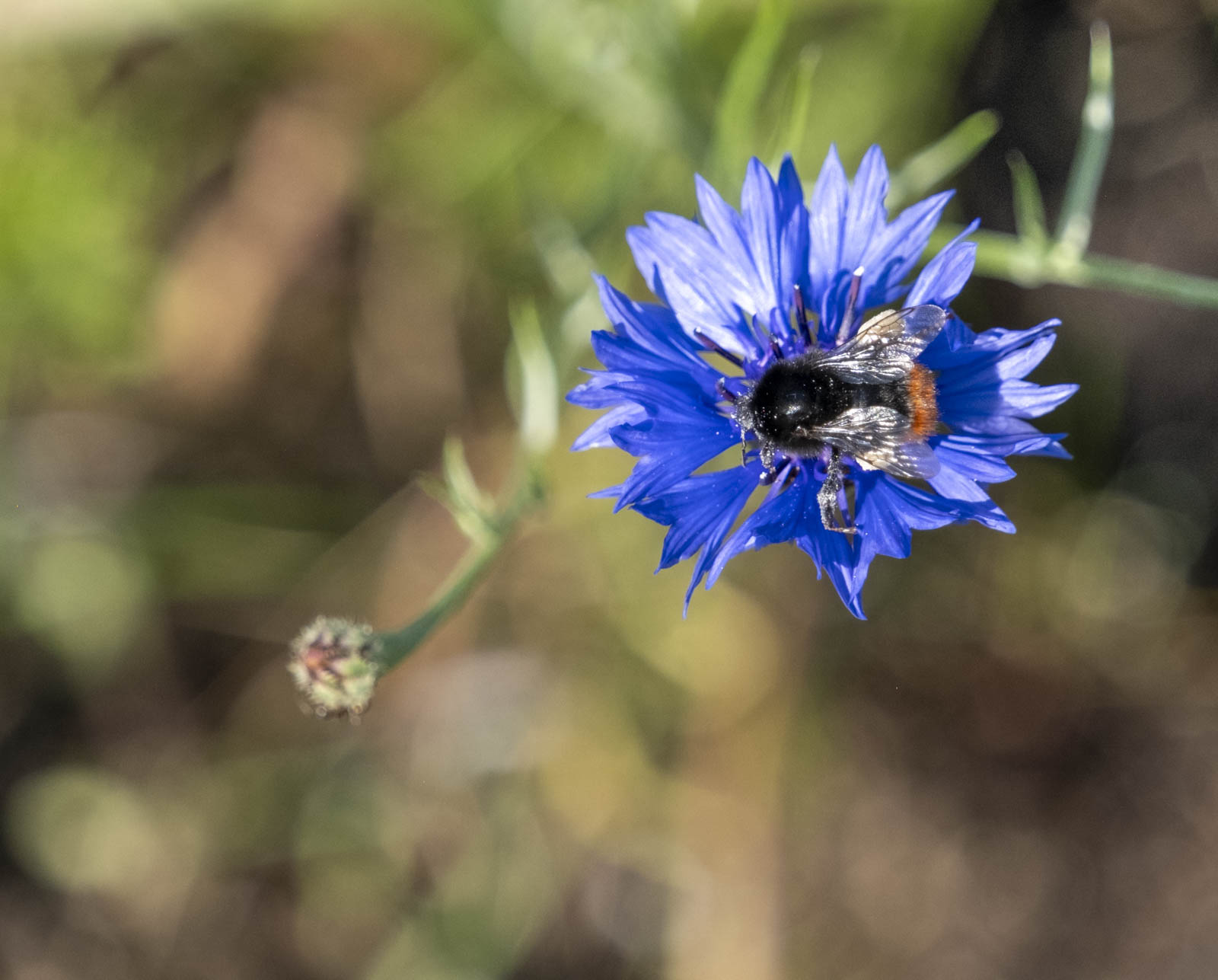
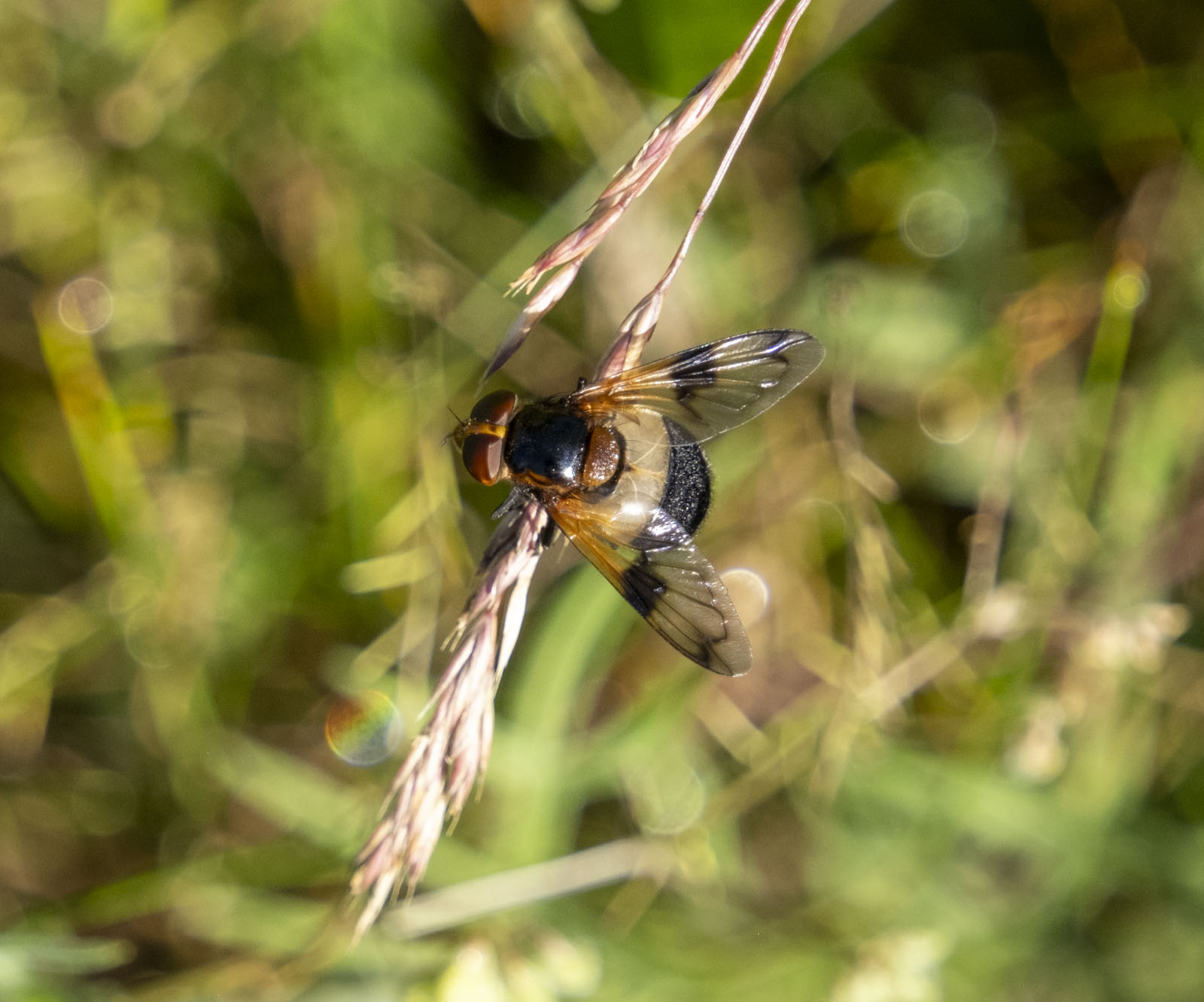

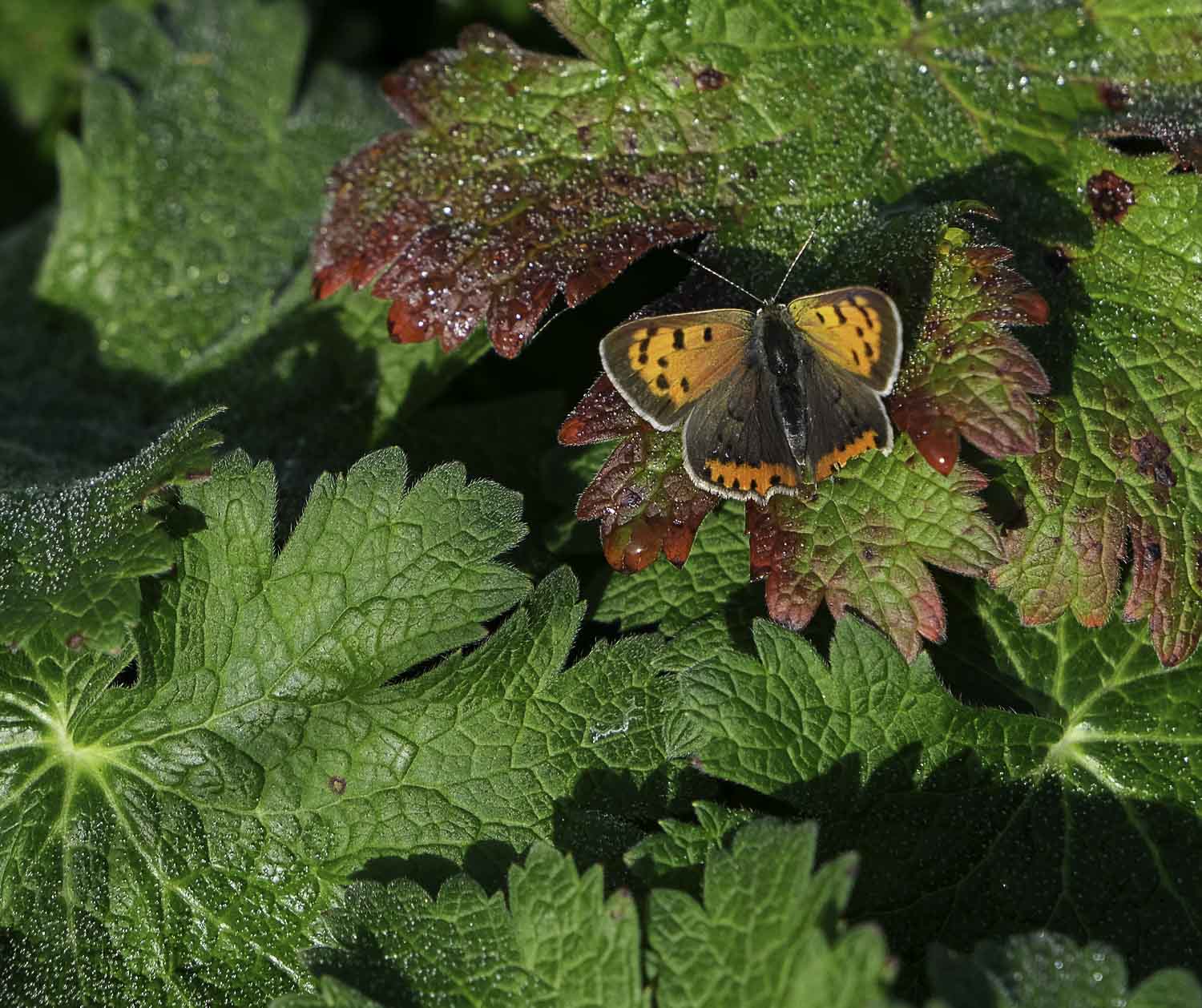

Dead trees are left were they fall – and I plant climbers for them.

This is my small contribution for increasing the habitats for insects and birds. A great outcome was my find of a leopard moth here. Dead, but a rare species with gardens and orchards as their habitats. Dead trees are home to many insects.

The only way we can reduce the number of these endangered species is to improve and provide additional habitat where they can live and reproduce.
– Lorne Greene
I hope my garden will steadily become an even better habitat for many plants, insects and birds. I believe we all can do something – following the old saying ”Small streams make great rivers”. To me, this thinking makes my habitat in this world much more alive and useful.
Outside my own garden, a country that comes to mind for having sustainable habitats, is Bhutan. Bhutan is the world’s first carbon negative country. Mainly because of its extensive forests, covering 70% of the land, the Kingdom is able to absorb more carbon dioxide than it produces. How did Bhutan get here and how can the country be an example for the rest of the world? Listen to Bhutan’s Prime Minister in a TED talk on youtube .
In Bhutan, the forest is protected by law, they use their rivers to get clean energy and they subsidise the more eco-friendly LED lamps. To me maybe the most impressive thing is their biological corridors connecting protected areas with each other. Thus, the vast diversity of animals is free to roam around the country. It helps them better adapt to climate change and increase their population naturally. When we were there, we were informed that some tigers were tagged and could be followed from the south part bordering to India, and through corridors up to the snowy Himalayas. In only a few days.
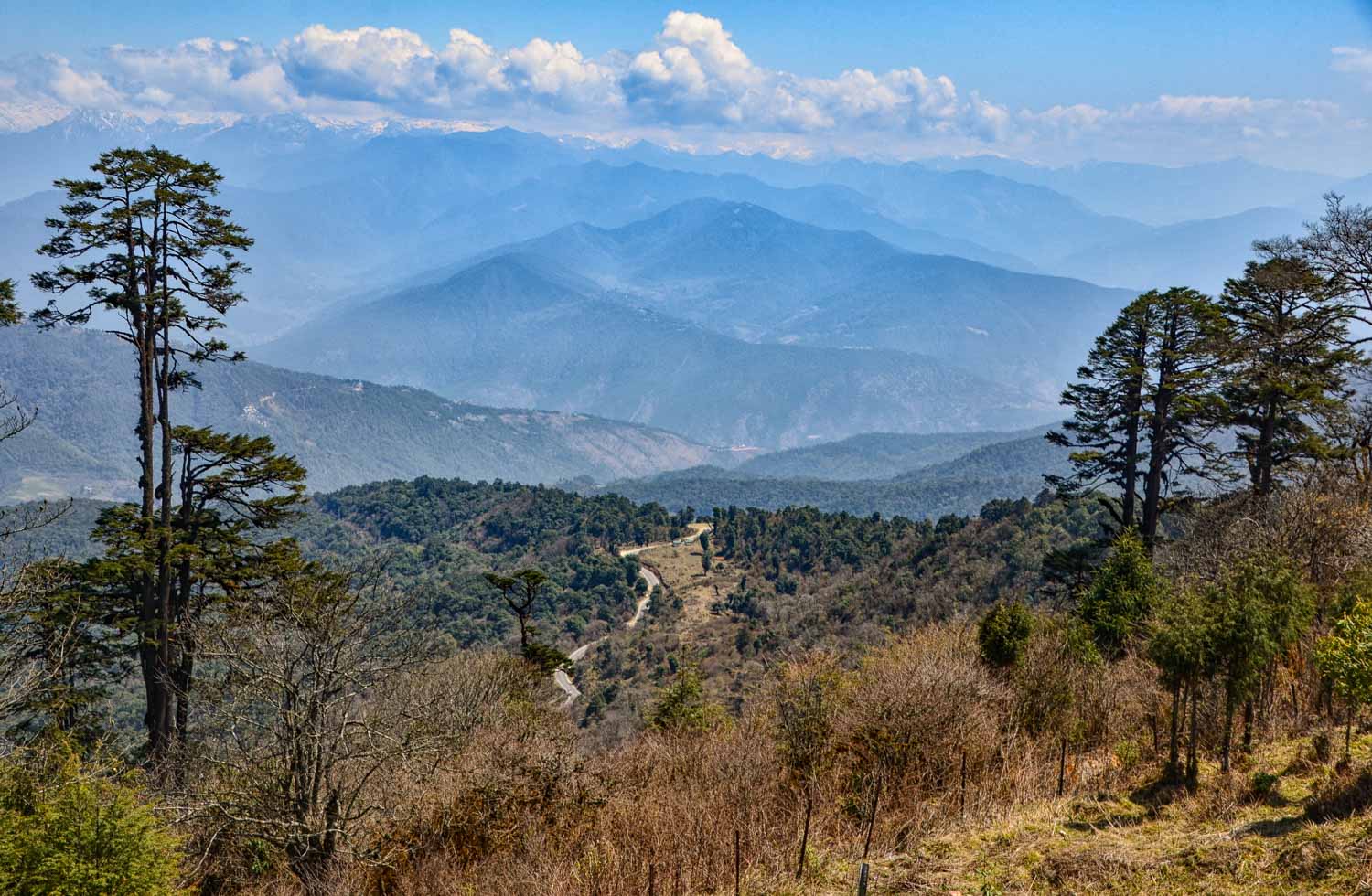


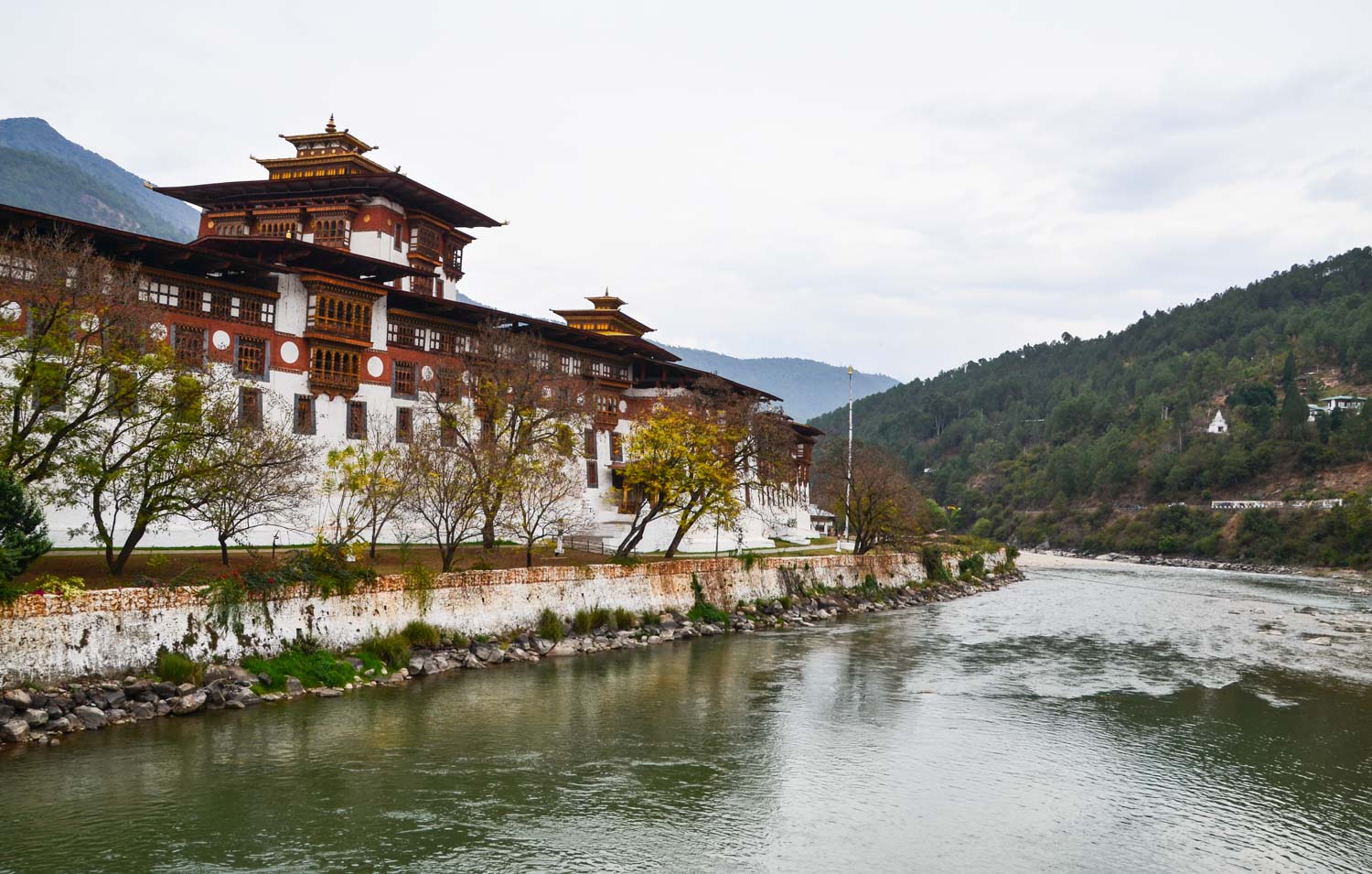

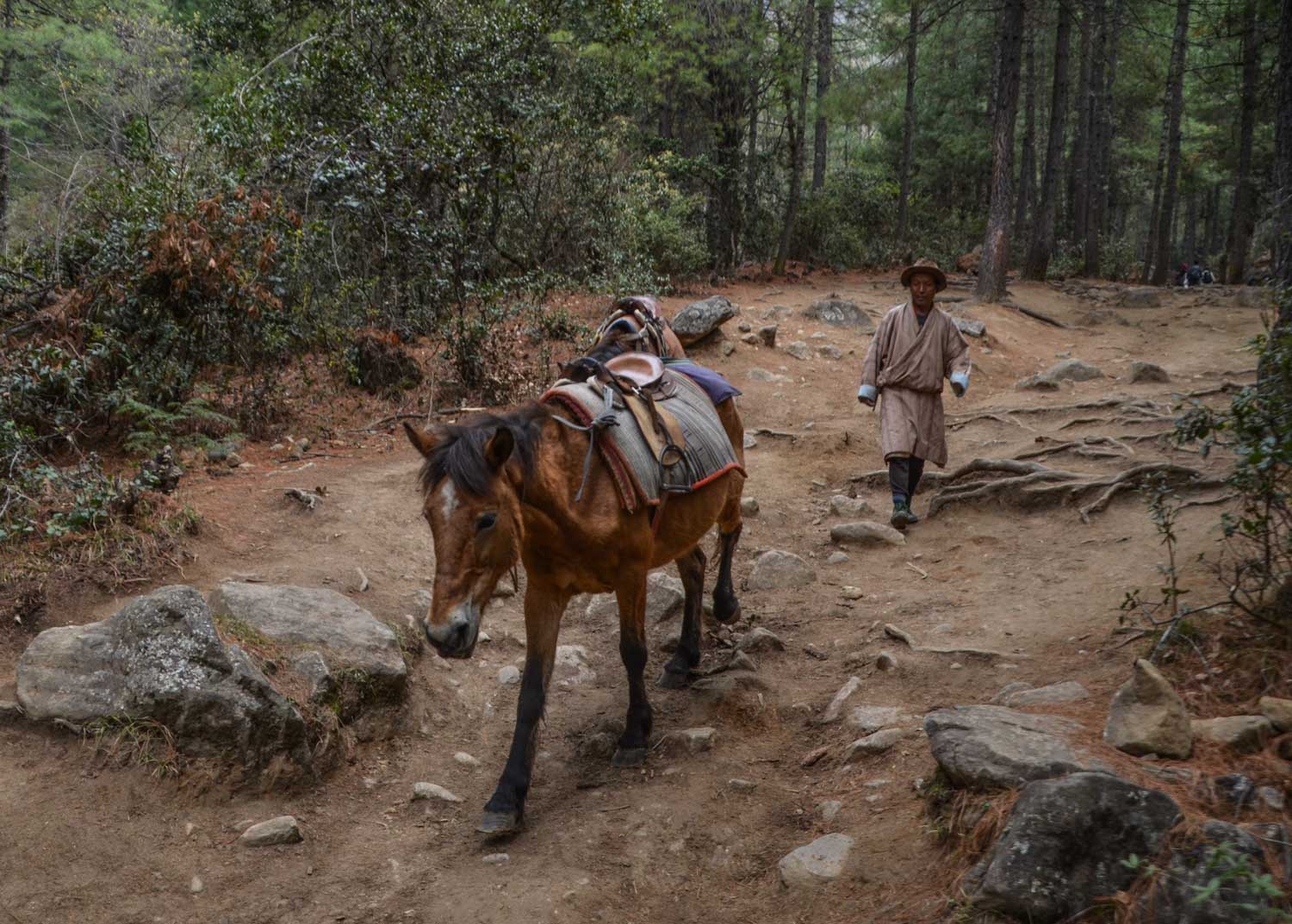


It seems in Bhutan everything living coexist in a smoother way – maybe because of their faith and because of their government’s decisions on the importance of biodiversity. In the cities too, we found space was gladly shared among different species. A comfortable, common habitat.
I hope you’ll join us this week to explore the habitats of both human and animal ”residents”. Be sure to link to Tina’s post, and to use the Lens-Artists Tag to help us find you. Also, our big thanks to Egidio whose 2 Rectangles challenge gave us a chance to learn something new, and proved that many of us did not know about this, but were often using it anyway.
As in previous years, the Lens-Artists team will be on hiatus for the month of July. There will be no challenge on the 6th, but the rest of the month will be led by several amazing Guest Hosts. They include:
July 13: Leanne of Leanne Cole explores TOURIST ATTRACTIONS
July 20: Elizabeth of Albatz Travel Adventures leads us with PAIRS
July 27: PR of Flights of the Soul presents BALCONIES
The Lens-Artist team will be back on August 3 when Patti once again leads us on her Pilotfish Blog. Until then as always please stay safe, be kind and enjoy the adventure.
Looking for more information on joining our challenge? Click here.
 Leya
Leya 
Du måste vara inloggad för att kunna skicka en kommentar.