Walking in Luzern

Luzern är mellersta Schweiz viktigaste ort och har idag ca 80 000 invånare. Staden är ett centrum för handel, men här finns även industrier. Luzern är också berömd för sin internationella musikfestival, och ett välbesökt turistmål.

Lucerne is an important city in Switzerland with about 80 000 inhabitants. A centre for trade, but also industry. It is the host of a famous, international music festival as well.
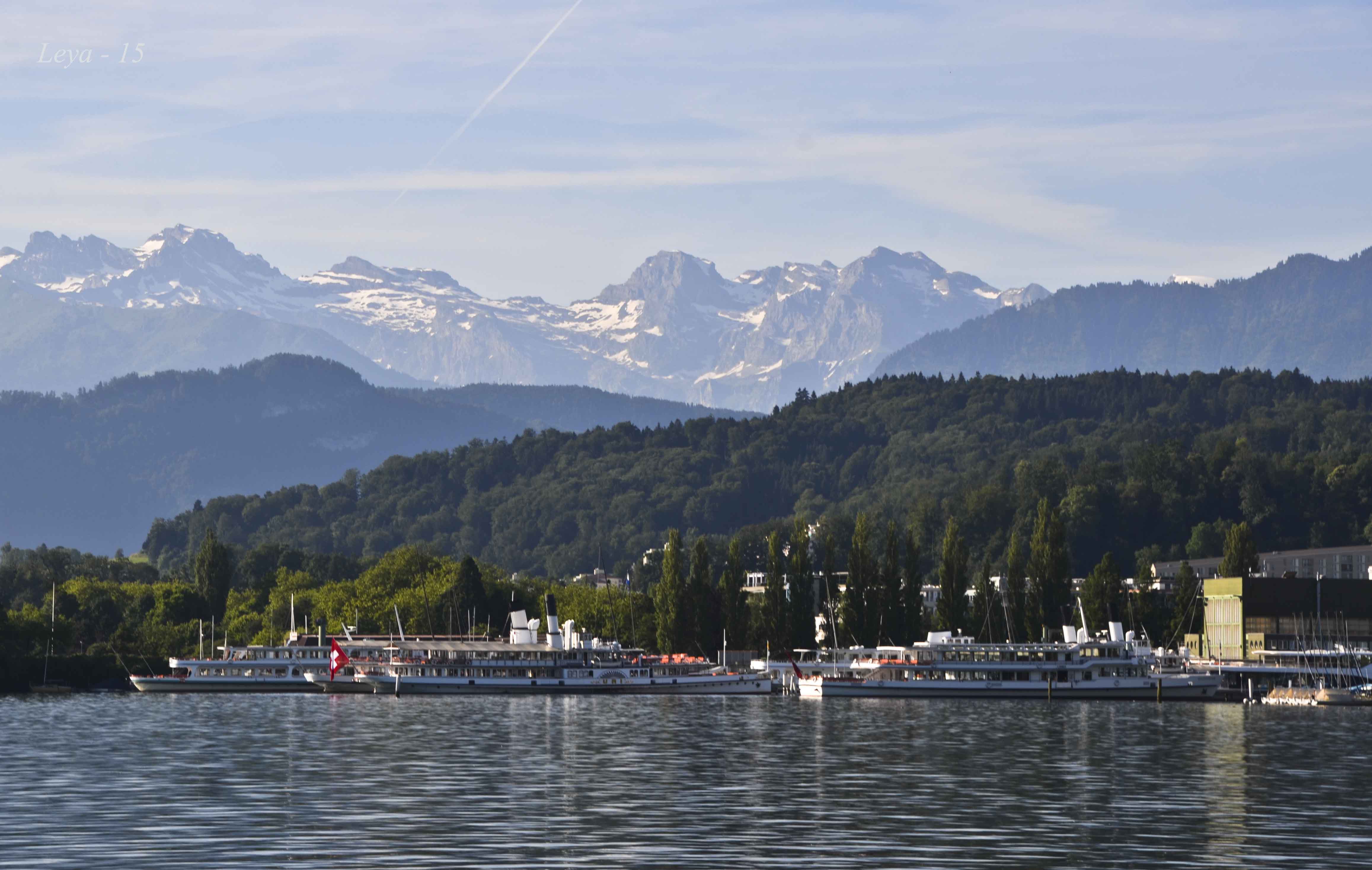
Vi promenerade längs sjön in mot centrum i det ljuvligaste morgonväder – innan det blivit för varmt. Såhär dags låg temperaturen på ca 25 grader.

We walked the waterfront in the mild,  refreshing morning – before the real heat came rolling in with 30-35 degrees C.

Många joggare ute och andra sköna lirare…Berget Pilatus markerade profil syntes överallt.

Many joggers were out early, as well as other epicureans…Mount Pilatus is visible from everywhere.
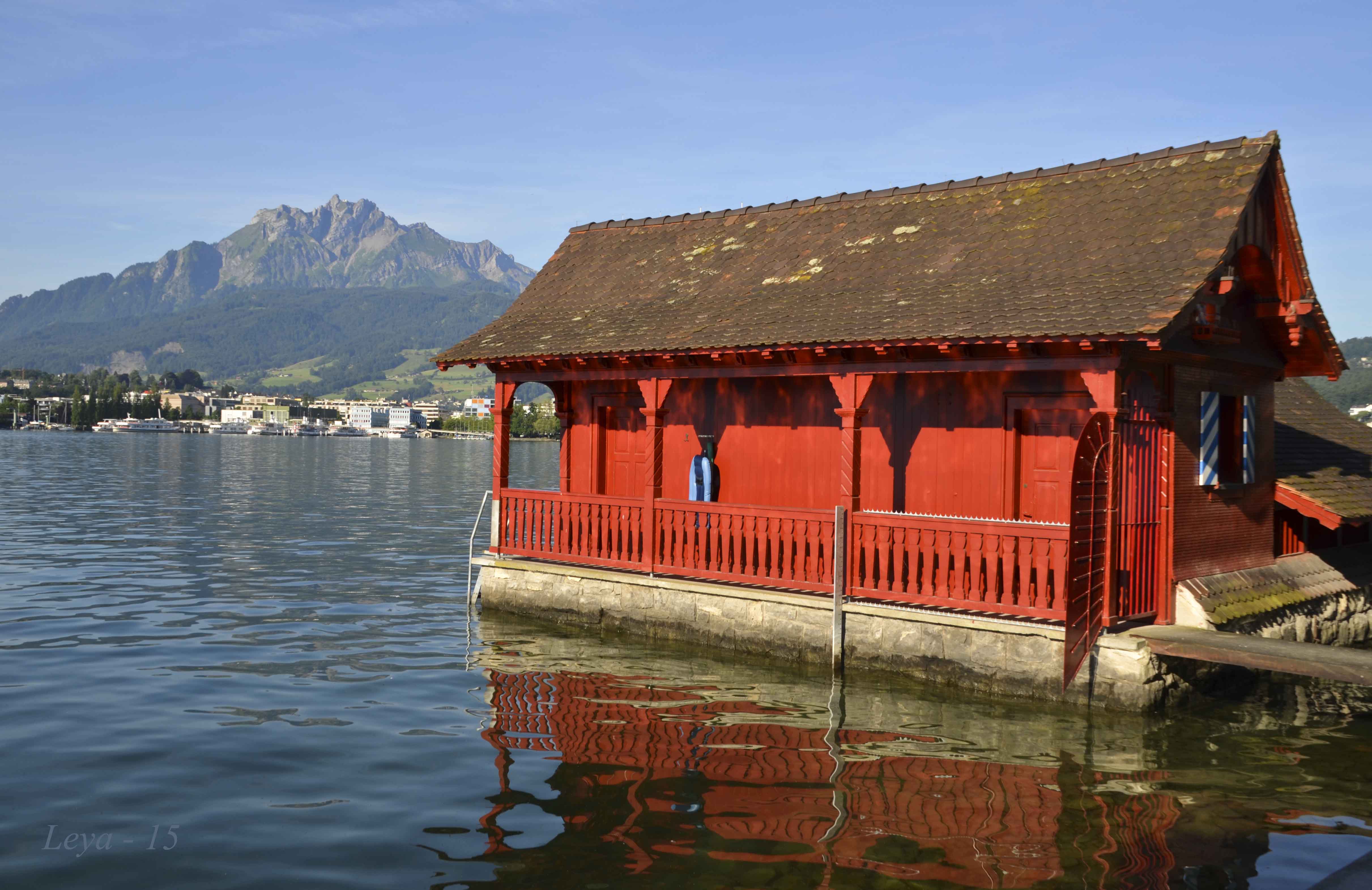
Väl framme i gamla stan, där floden Reuss mynnar ut i Vierwaldstättersee, gick vi först över den vackra kapellbron – fantastiskt välhållen – och inuti en hel serie målningar som skildrar Luzerns historia.

In Old Town, where the river Reuss meats Lake Lucerne, we walked the beautiful Chapel Bridge (Kapellbrücke), a wooden bridge first erected in the 14th century.
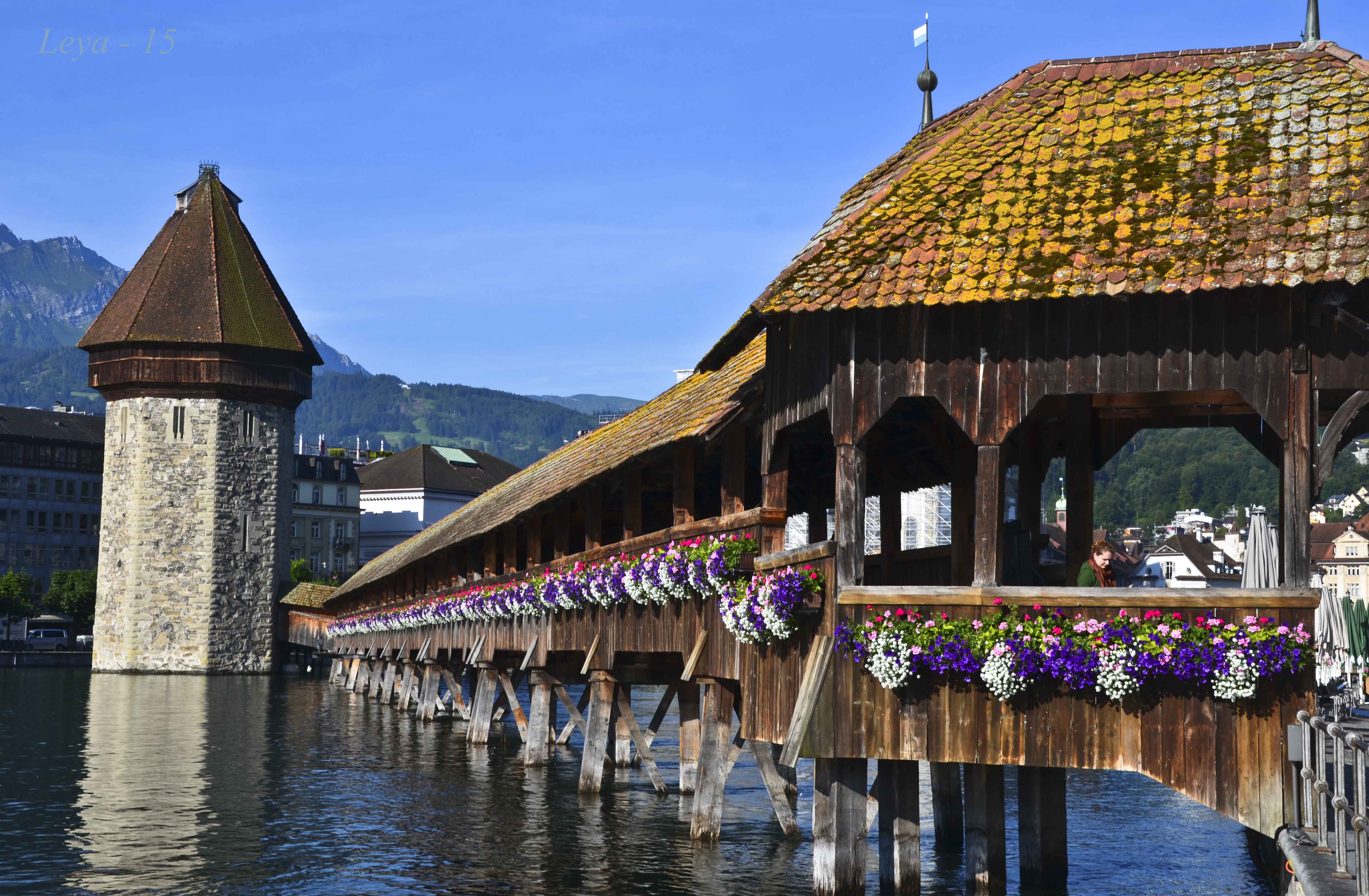
Den täckta gångbron byggdes redan på 1300-talet och är därmed den äldsta träbron i Europa, och symbolen för Luzern.

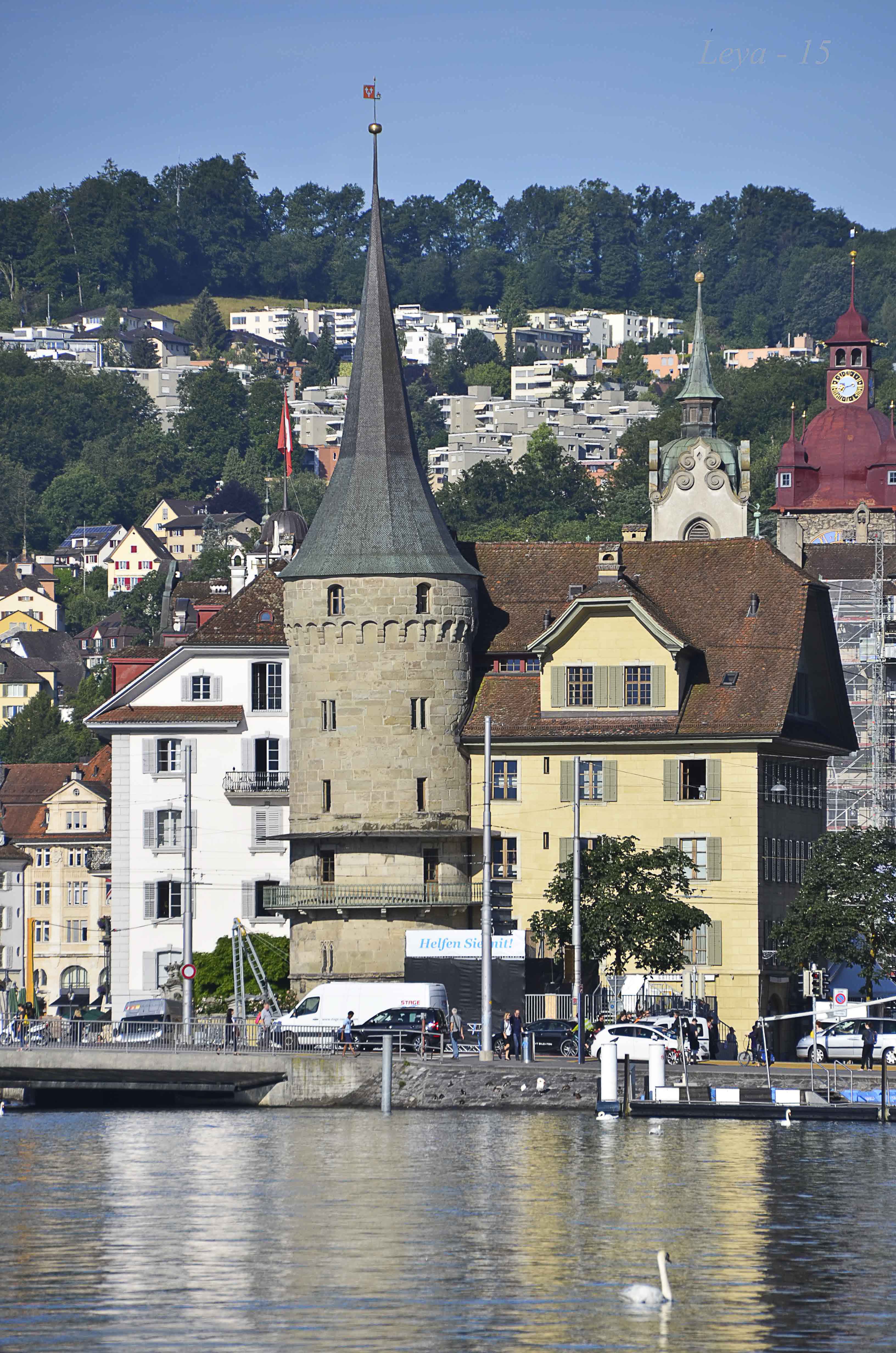
Delar av bron brann 1993, men har restaurerats. Nära mitten av bron reser sig Wasserturm, som fungerat som befästning, fyr, fängelse och skattkammare. Vyn från bron mot gamla stan är magnifik. Se den inledande bilden.

The bridge was partly burnt down in 1993, but has been restored. Wasserturm, to the left, has worked as fortification, lighthouse, prison and treasury.

På väg tillbaka fick vi en glimt av renässanskyrkan Hofkirche.

Painted houses are frequent in Lucerne – here some examples…and more – on our way to Löwendenkmal.

Detta bildspel kräver JavaScript.

Löwendenkmal är oerhört imponerande, inte minst för att monumentet är uthugget direkt ur en sandstensklippa. Det visar ett döende lejon som genomborrats av ett spjut. Det ska symbolisera hur Schweizergardet försvarade Ludwig XVI, som bodde i Tuileripalatset i Paris, mot revolutionen 10/8 1792. De som överlevde halshöggs. Den danske konstnären och bildhuggaren Bertel Thorwaldsen, uppförde monumentet 1821.

Bertel Thorvaldsen‘s famous carving of a dying lion (the Lion Monument, or Löwendenkmal) is found in a small park just off the Löwenplatz. The carving commemorates the hundreds of Swiss guards who were massacred in 1792 during the French Revolution, when an armed mob stormed the Tuileries in Paris.

#95 Förebild – Role model (210/365)

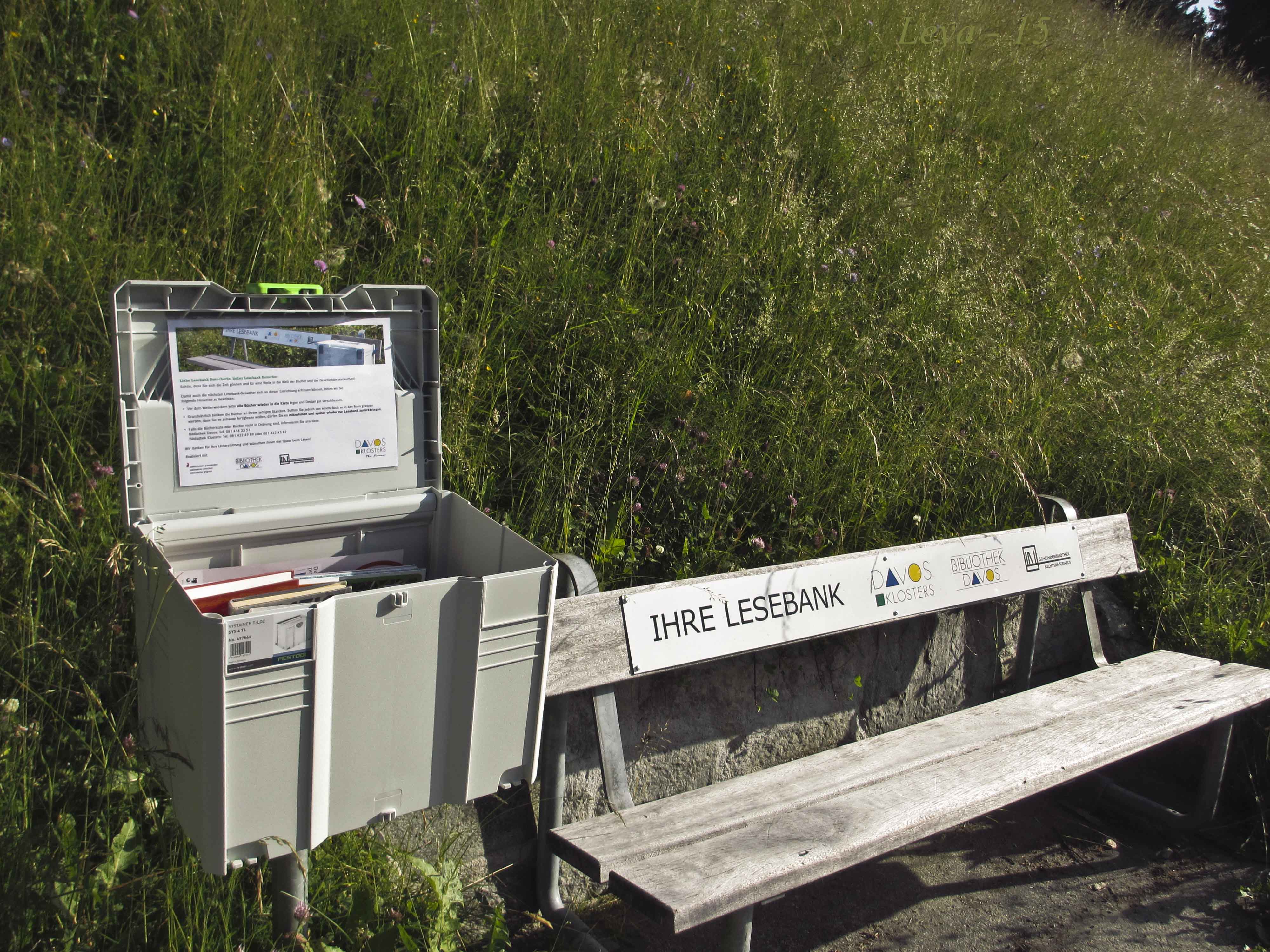
Schweiz är ett fantastiskt land i många hänseenden och borde vara en förebild för oss. Vad sägs om att råka på en läsbänk mitt i naturen? Med en låda med böcker till?

Switzerland is a wonderful country – a great role model in many areas. How about a bench for reading (in the middle of nature) – and books in a box to borrow?

SL – WEEK 4 – Weird Holidays

For this week we are requested to show ”pictures of unusual and different holidays,” Well, on our holiday to Switzerland we took many lifts, boats and trains to get to our hiking starting points, or just to wonderful views. Riding this mountain train we passed these two…I guess Swiss people. A woman picking flowers and a man sitting almost naked in a chair – in the middle of a flower meadow.

Sylvain Landry

Kids and Cows on Mount Rigi

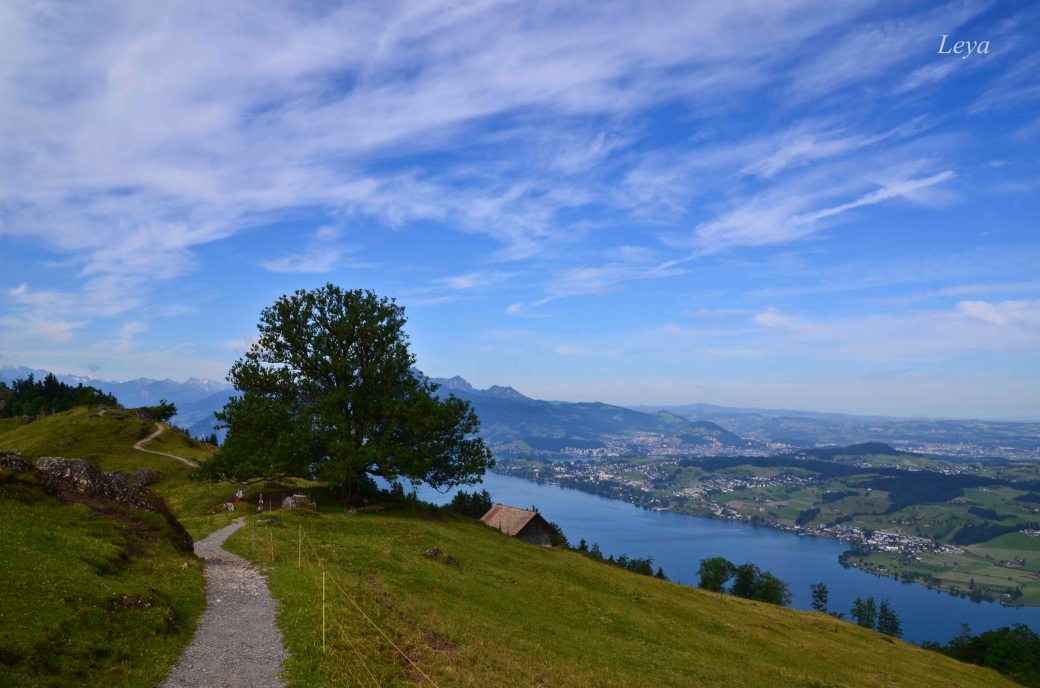
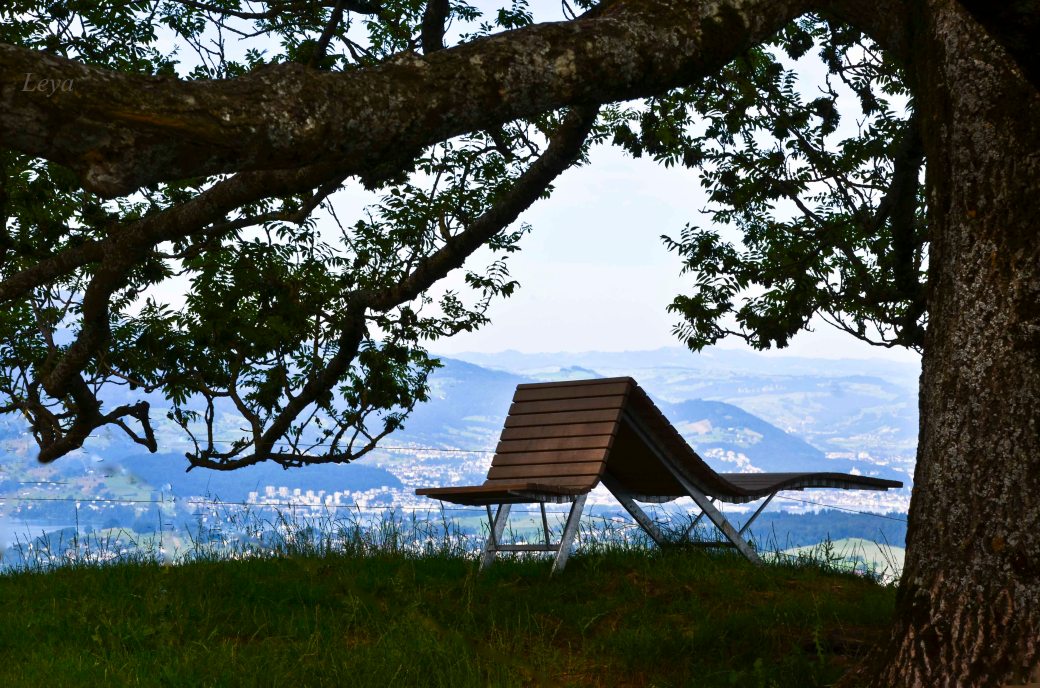
So, we are back to Mount Rigi. I promised Cows and Kids! At 8.30 a.m we went by car towards Seebodenalp. From Küssnacht a 7 km narrow and meandering road leading up to 1030 m where the starting point is for many walks. We entered the Panorama walk with stunning views over Vierwaldstättersee and the small villages of Küssnacht, Merlischachen and Luzern. An easy walk, but a hot one – 30 degrees C. Breathtaking views in the early morning light. We knew the Swiss to be pros on hiking and organizing walks, but we were still impressed by the standards of these, the informative signs and the facilities, Whenever a great view was offered, there were designed, wooden chairs or benches to rest upon.  Here some of the big moraine stones typical for the area. The stillness in the air and the soft sound of cowbells followed us around the mountain. Sometimes I wondered how they could walk those steep hills – sometimes they even ran down them.

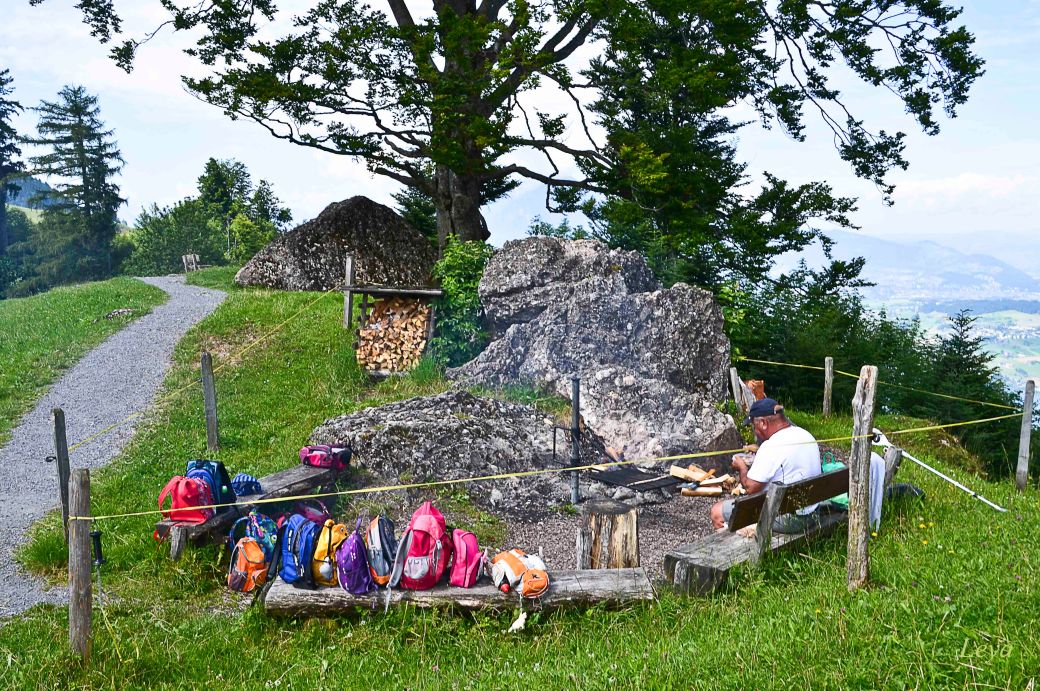
Hiking school classes were not unusual, and sometimes they reminded me of fairytales like Snowwhite, or maybe stories about Hobbits? When we caught up with them they were playing happily while one of their leaders was making a fire and looking after their things. Happy schooldays!

Before the turning point around the mountain, we had a glimpse of ”the real deal” – what was to come on our next hike. There is always something special about those snowcapped mountain tops. On our way back we met several fellow travellers – and spoke for a while with them all…

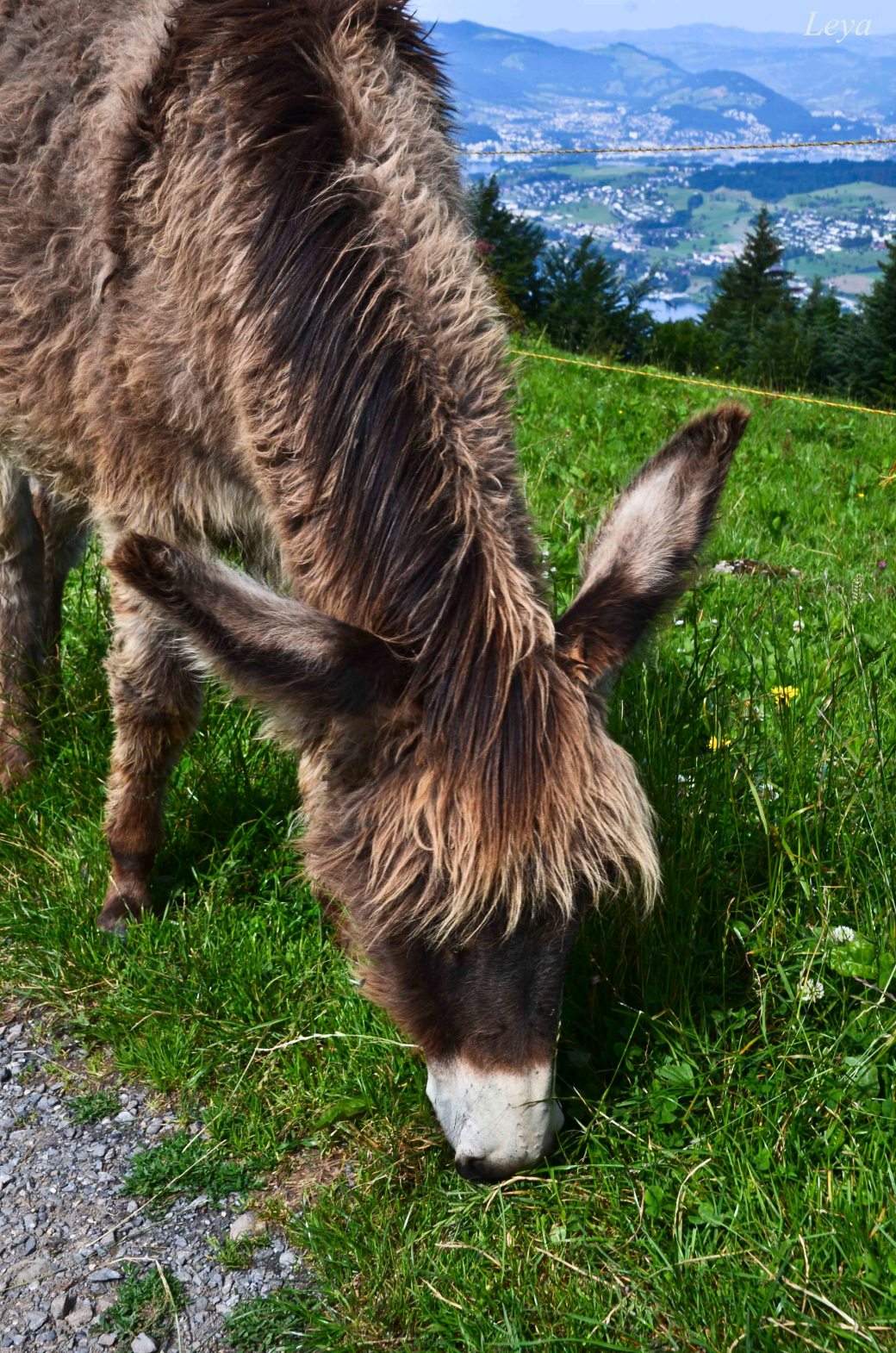
Some of them more friendly and talkative than others…

These people were fixing the roof of the house – which is a weather station for measuring the air quality here. A friendly shake of the bell around this pretty lady’s neck, and we were ready to leave this lovely area. I bet she knew it was a farewell shake!

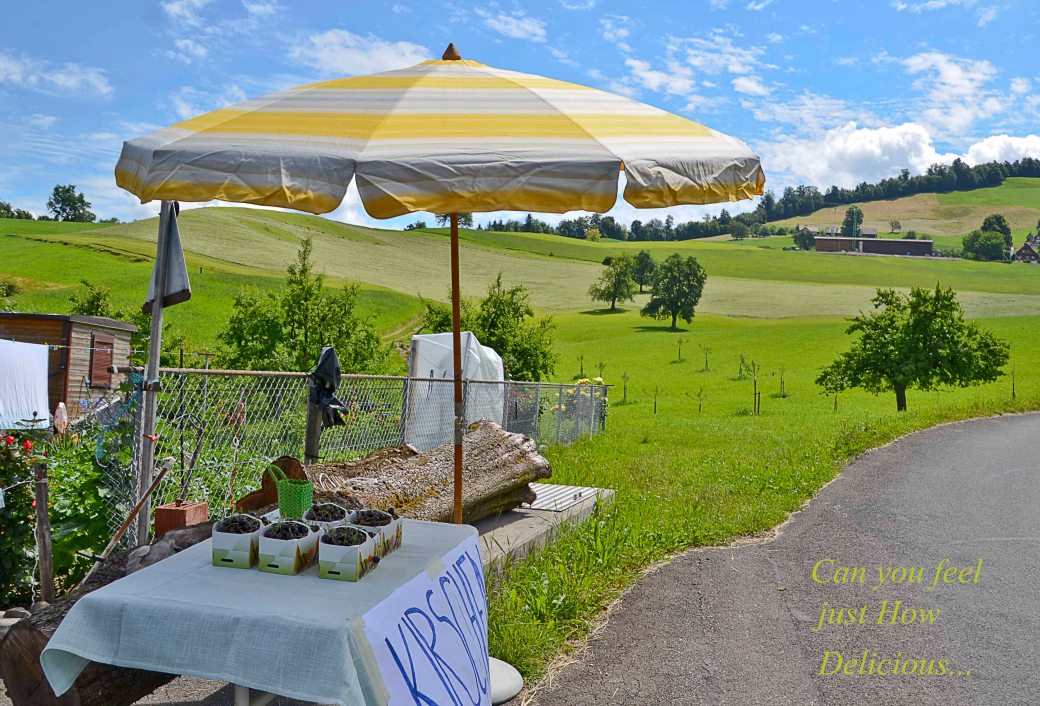
On our way down the mountain we stopped to buy freshly picked cherries – a real treat after this hot walk.

This nice young girl had done a good early morning job.  

Travel theme: Grasses

Grasses are indeed something needing more attention – they are outstandingly beautiful. Imagine your world without them – how empty it would be, lifeless and dull. When you see the wind blowing through thick grass, the sea has gone ashore…

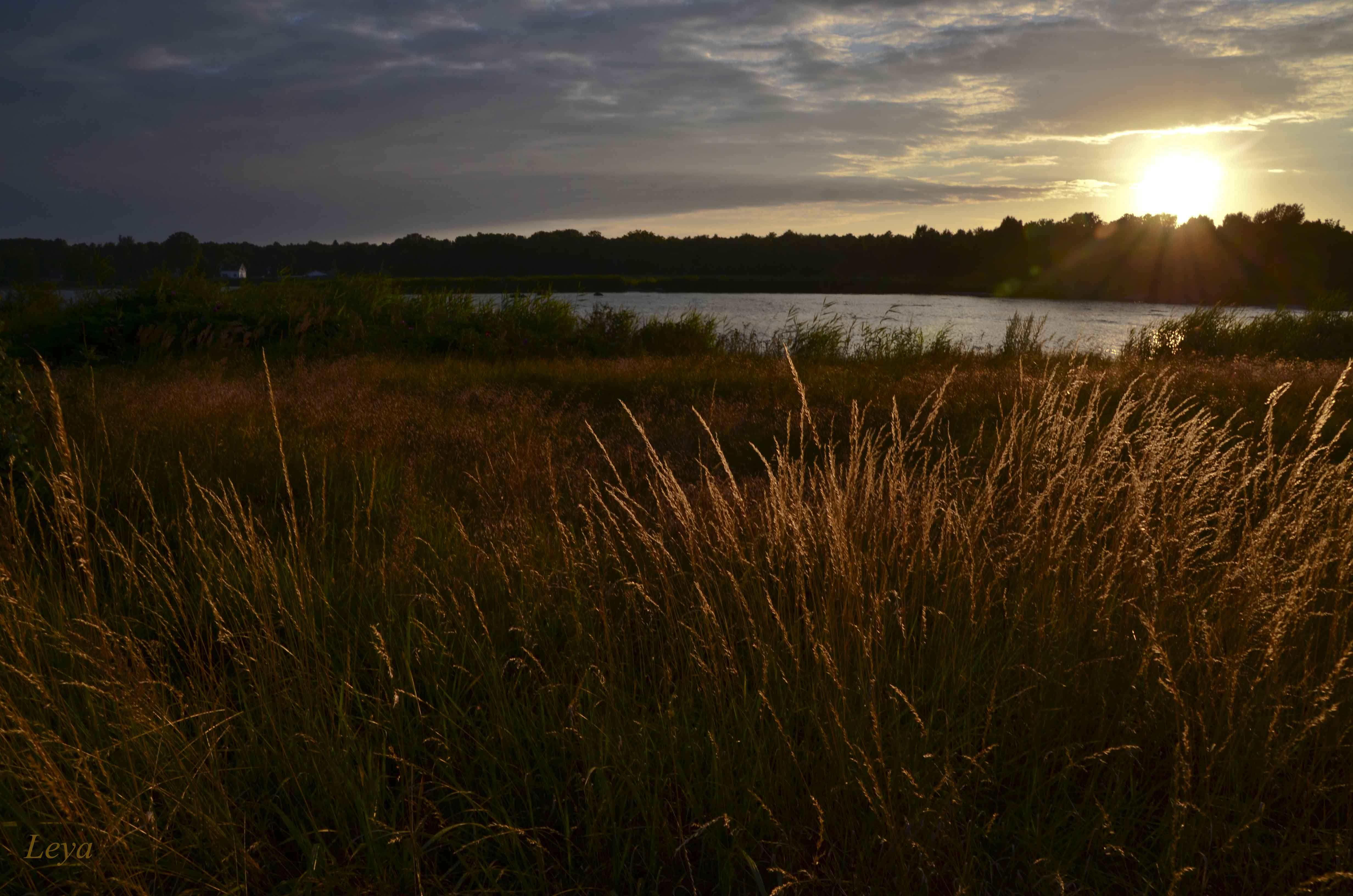
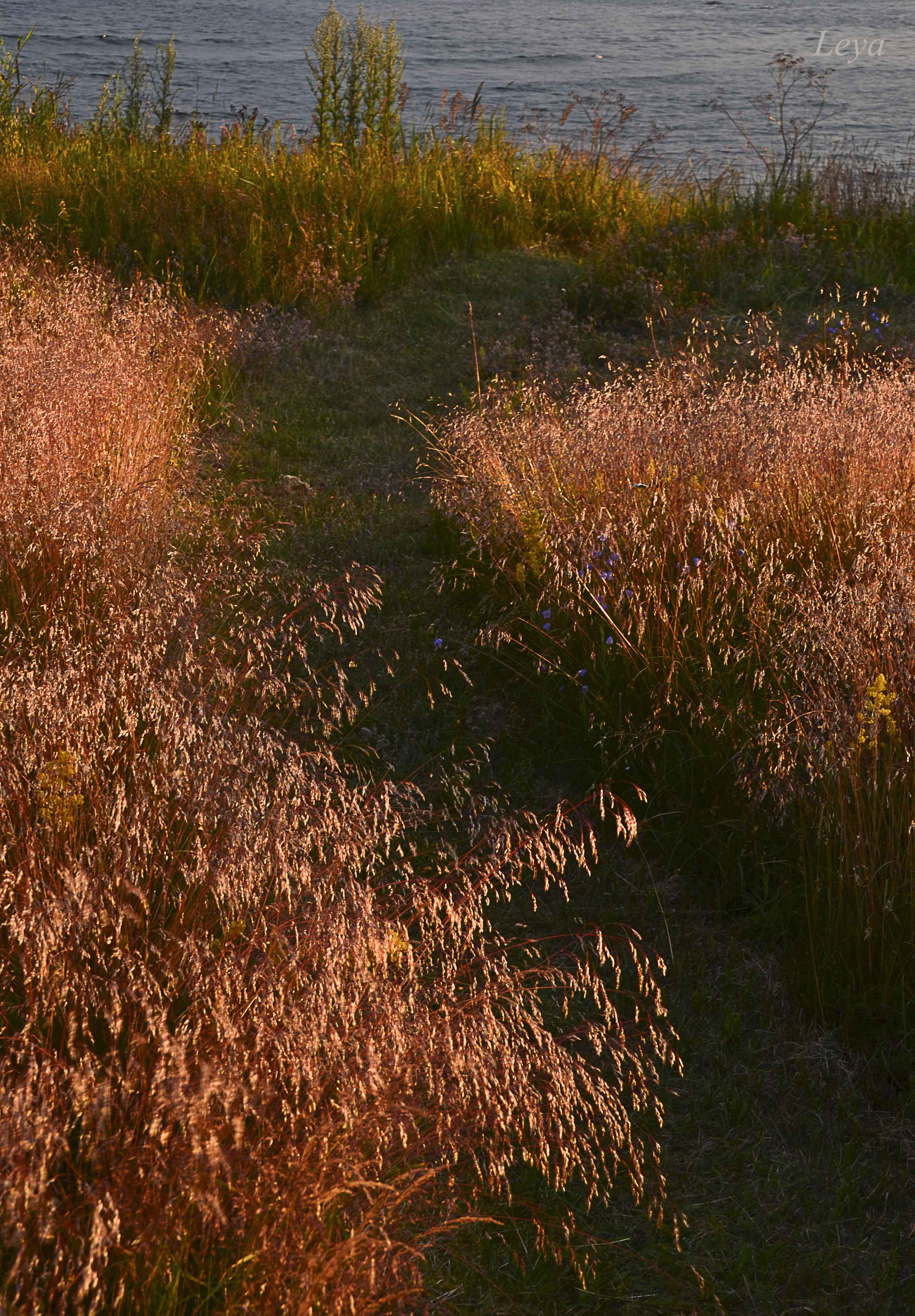
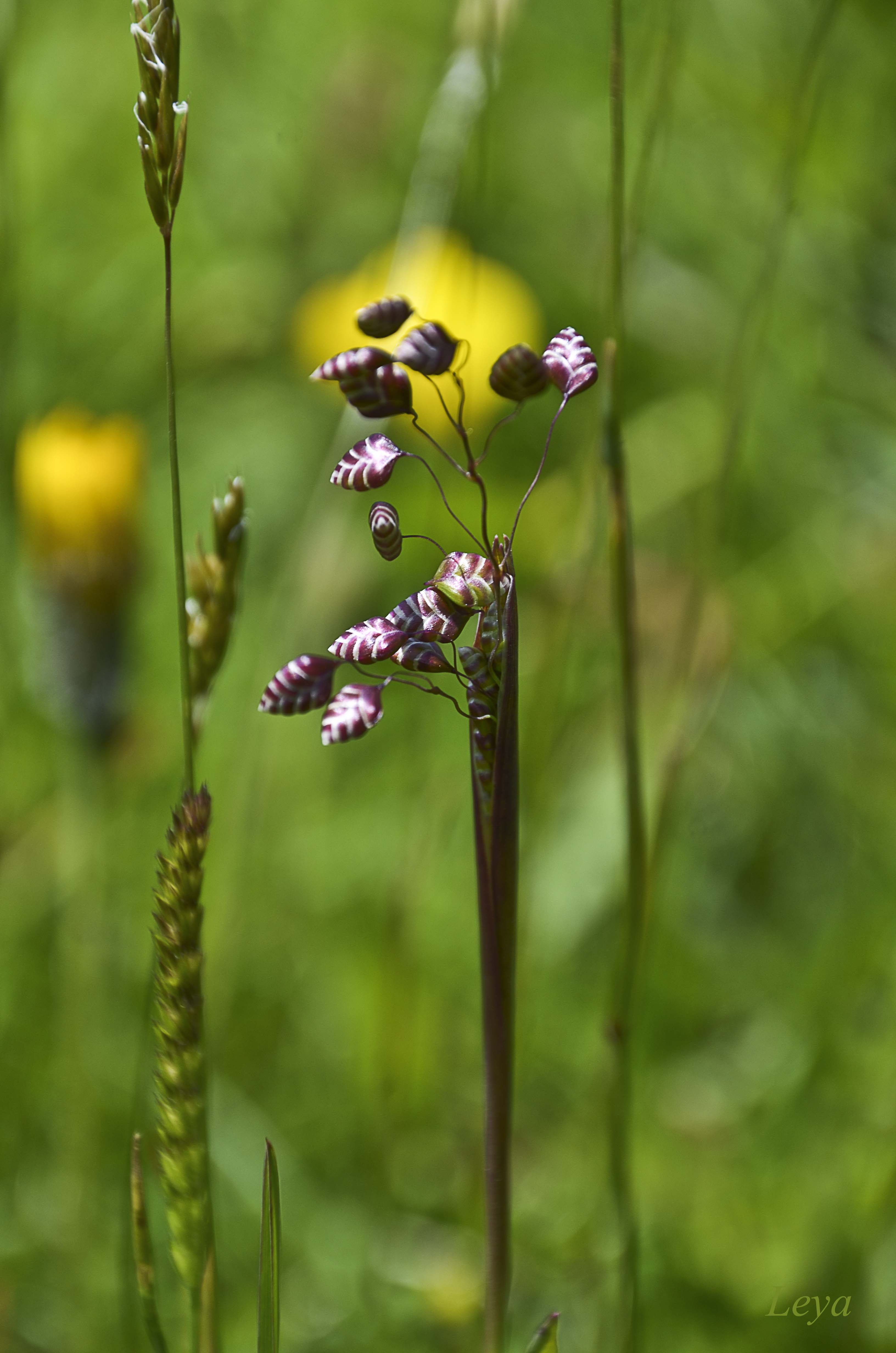
Here are some of my favourite grasses – the first one , name unknown to me, but glorious in the late summer evenings at our summer house. And then wavy hair-grass and lastly Briza media or Quaking grass.

Thank you, Ailsa, for another inspiring theme!

Along the path where my Mille used to gallop every day, hundreds of times, down to his beloved place by the sea – grows wavy hair-grass. How well didn’t this name of grass fit them both! In Swedish as well, because it is called kruståtel, where ”krusig” means ”curly”.

My absolute favourite of all grasses is the Quaking grass – and as always when you are greatly loved, you have many names. (At least that is a saying in Sweden!)

Common names in English includes Quaking-grass, Cow-quake, Didder, Dithering-grass, Dodder-grass, Doddering Dillies, Doddle-grass, Earthquakes, Jiggle-joggles, Jockey-grass, Lady’s-hair, Maidenhair-grass, Pearl Grass, Quakers, Quakers-and-shakers, Shaking-grass, Tottergrass, Wag-wantons.

In Sweden we have bävergräs, dallergräs, darrgräs, frostagräl, skälvgräs, hjärtgräs.