Thursday Thoughts – (To me…) Unknown Artists

There are times…when you come across things you never had expected, things magical…like the artwork of Petras Repšys.

Repšys is a graphic artist and monumentalist, born in Šiauliai, Lithuania, in 1940. In 1960 – 1967 he studied graphics at the Lithuanian State Institute of Art, and since 1967 he has participated in various exhibitions at home as well as abroad. His works embrace engravings, book and applied graphics, book-plates, easel painting, frescos, sculptures, and medals.

The University of Vilnius displays his fresco ”The Seasons of the Year” (painted in 1976-1984) with motifs from Baltic mythology at the Centre of Lithuanian Studies. This is the absolute highlight of the University visit – and maybe of the whole trip to Vilnius.

Please notice all the little figures trapped in the ”frames”themselves – or in between. Climbing, holding things together, connecting …or just watching.  Fascinating.


Thursday Thoughts – A Yellow Anatomy

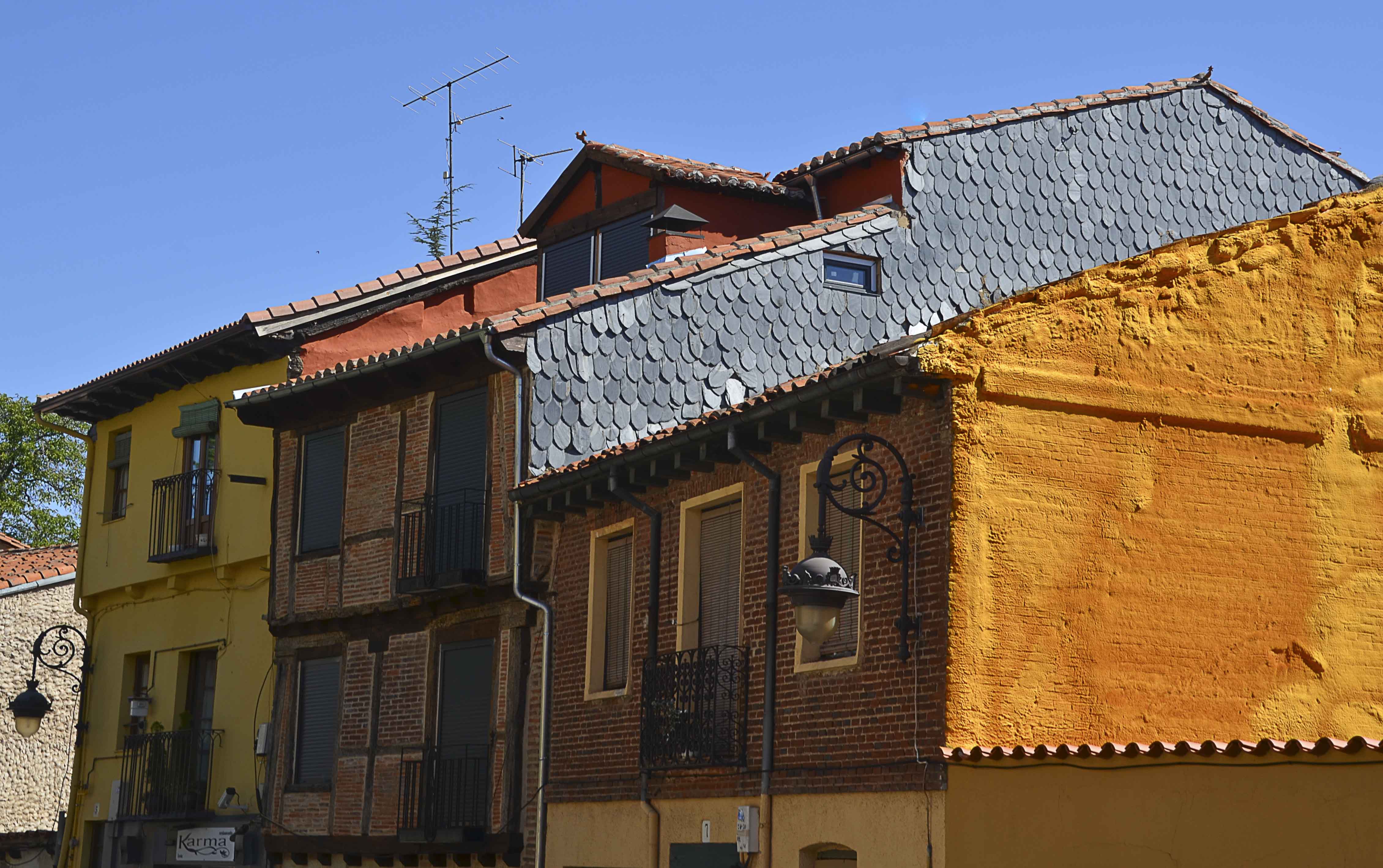
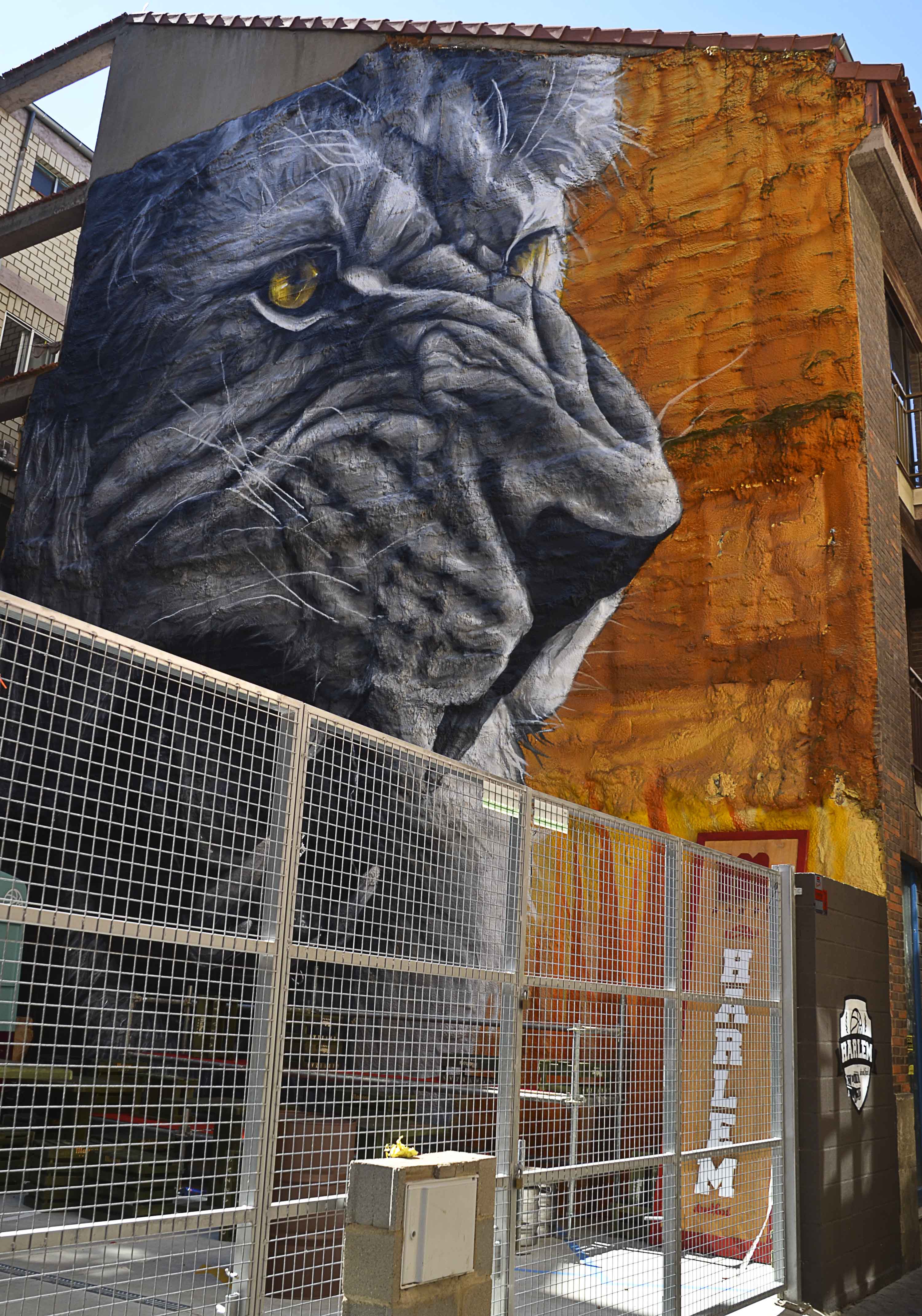
Yes, why yellow walls? Driving through the north of Spain, I recognized this almost saffron colour on a great many walls in the cities and villages.

Personally, I love this colour. Its warmth and connection to Africa and to the desert.

In Pamplona I found this enormous Lion on such a yellow wall – Impressive painting, and so in harmony with all that yellow. On a closer look, I found the painting even more impressive.

I still do not know why those walls are painted saffron yellow, but at least I have figured out what the colour is hiding…

…the anatomy of what once was.

Gernika -The Assembly and The Tree

In the header, the replica in Gernika of Pablo Picasso’s Guernica –  reminding us all of the 1937 bombings. His masterpiece is hanging in the Reina Sofia museum, Madrid.

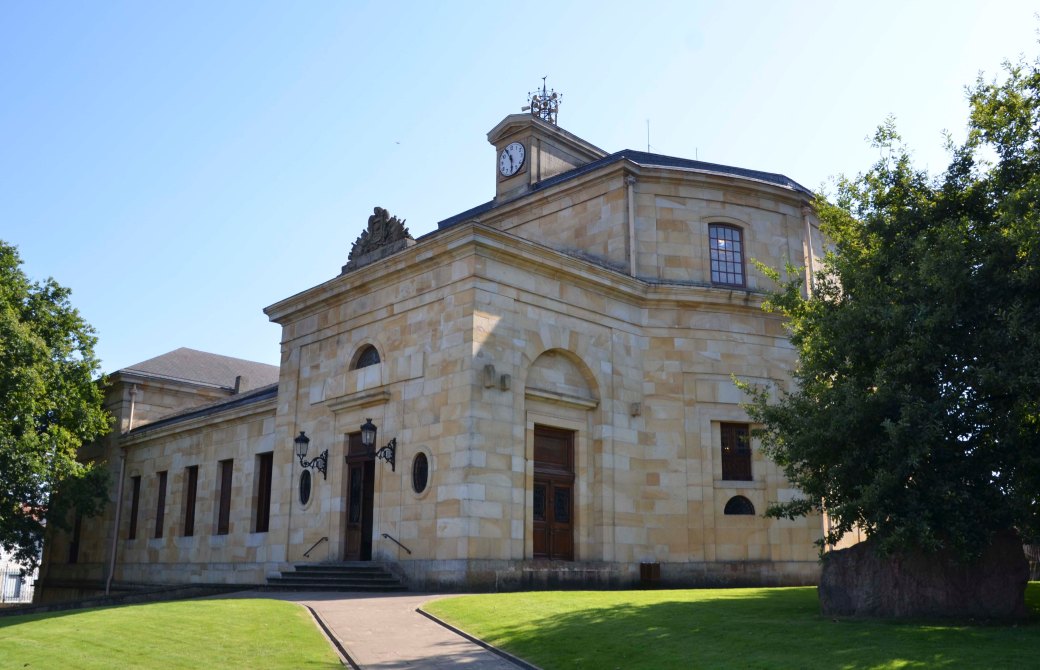
The Assembly House (built 1826) and the Tree of Gernika are the living symbols of the Basque People’s history.

The two of them became a meeting point of all the territories of the Basque Country – bringing together cultural and ethnographic traditions.

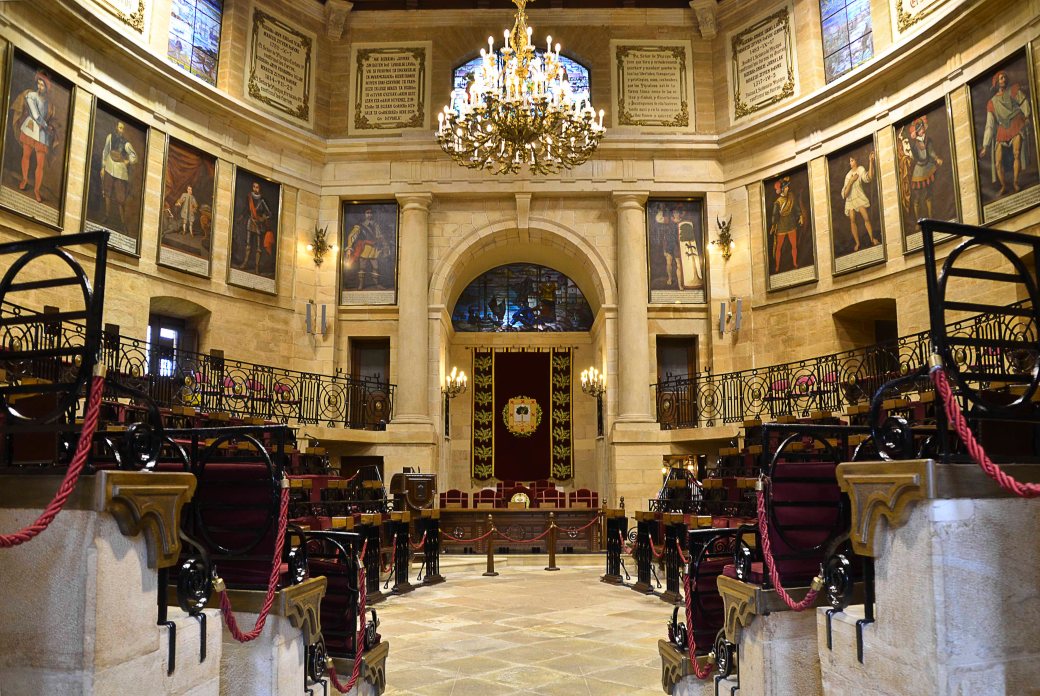
In this room are held all the plenary meetings of the General Assembly. It was conceived as a Church-Parliament that could bring together political and religious functions at the same time. The portrait gallery shows different dates when the Oaths were taken for The Old Law ( based on usage and custom) in a ceremony.

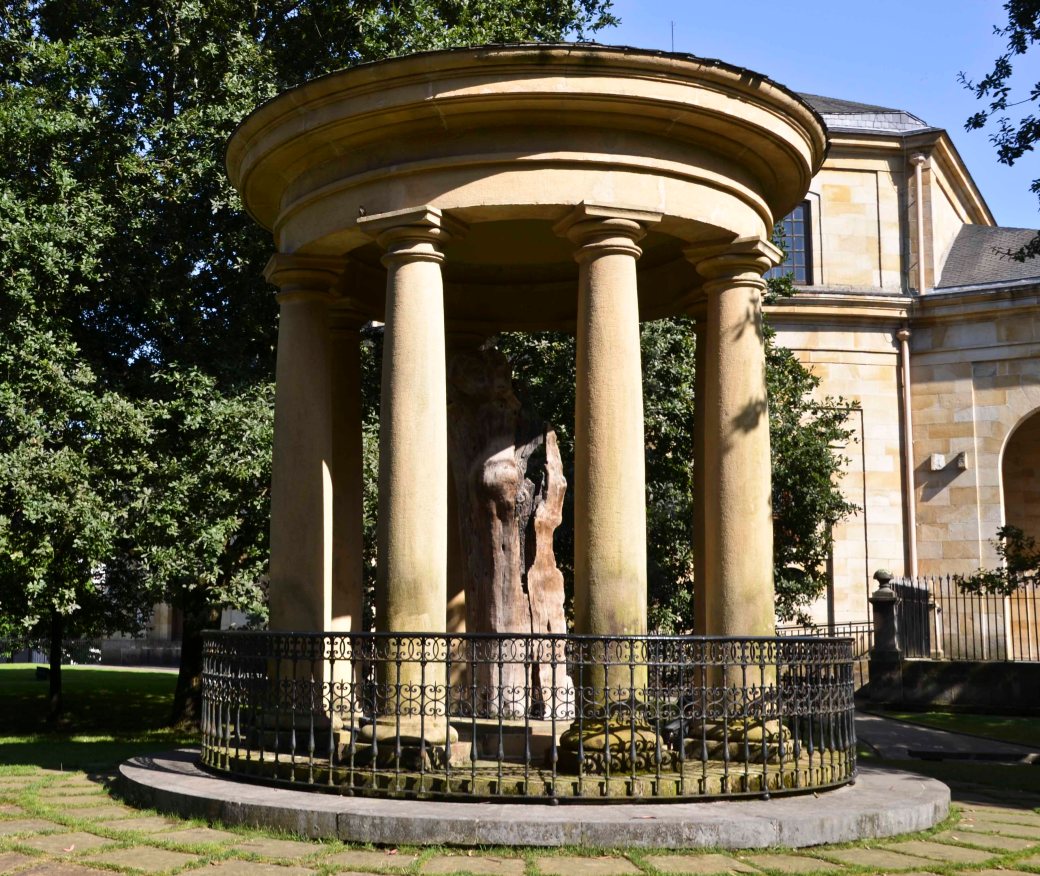
The Tree og Gernika is the best known symbol of the Basque People.

For centuries, under its shade the meetings of the General Assembly were held. This is the old trunk of the oldest remaining of the Assembly Oaks, planted around 1700. A new oak tree (a direct successor of the old one) is planted when the old venerable tree is gone.

Everywhere is the symbolic tree represented, in embroideries as well as wood carvings.

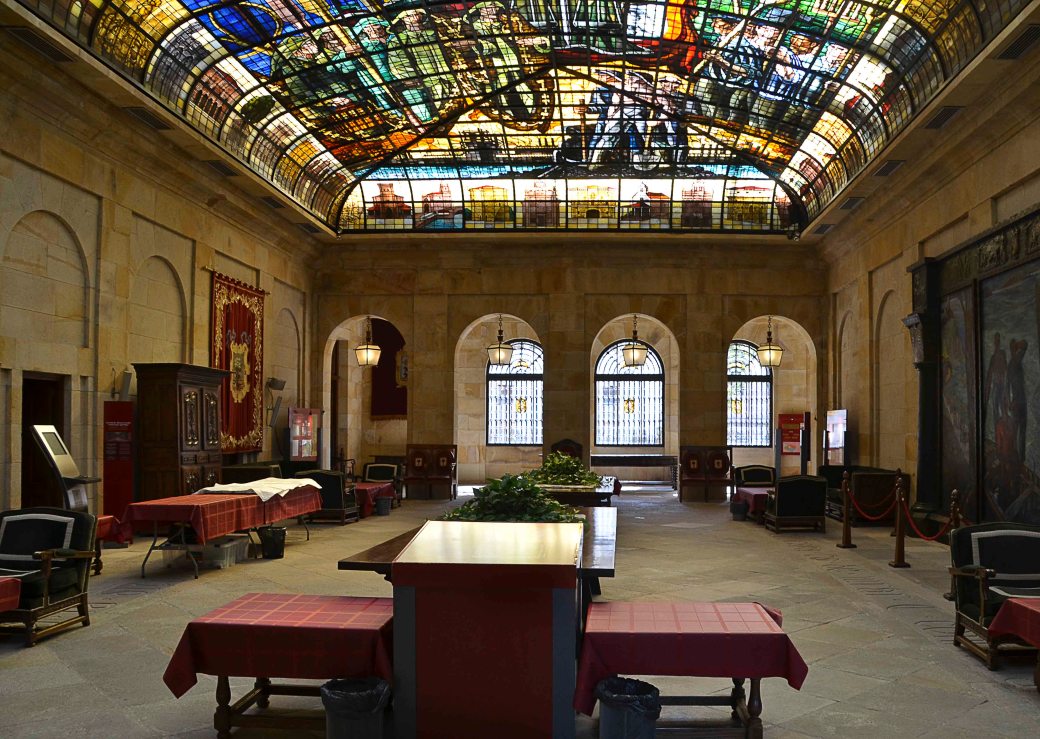
This is the Room of The Stained Glass Window. The space was originally designed as an open air patio, and is now currently employed for institutional uses.

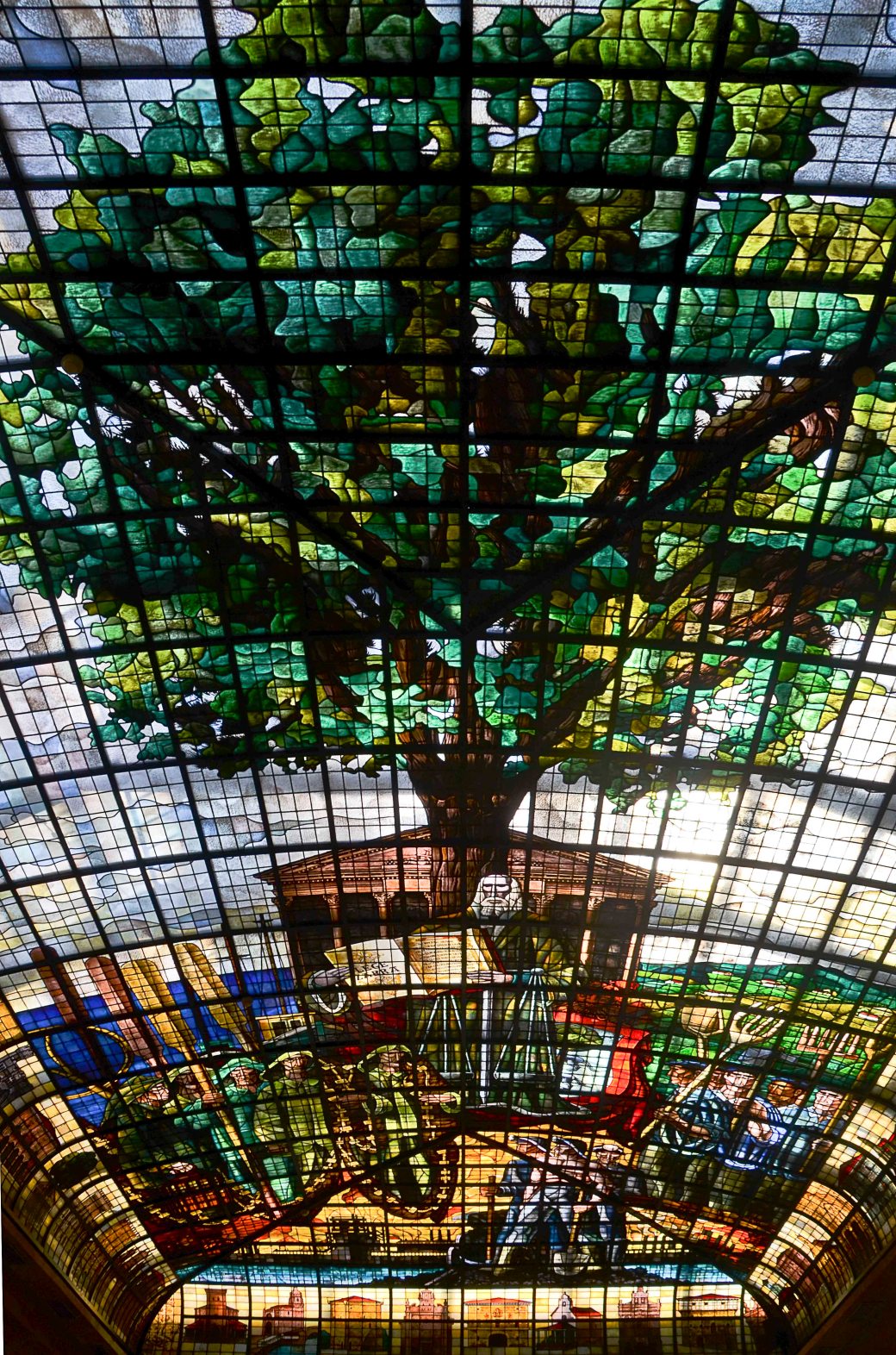
The gigantic stained glass window – or in fact ceiling –  completed in 1985, has a special significance. It was crafted completely by hand by a company from Bilbao, Vidrieras de Arte S.A. It is a graphic representation of the Tree as a meeting point for the districts of Bizkaia.

A Living Legend…

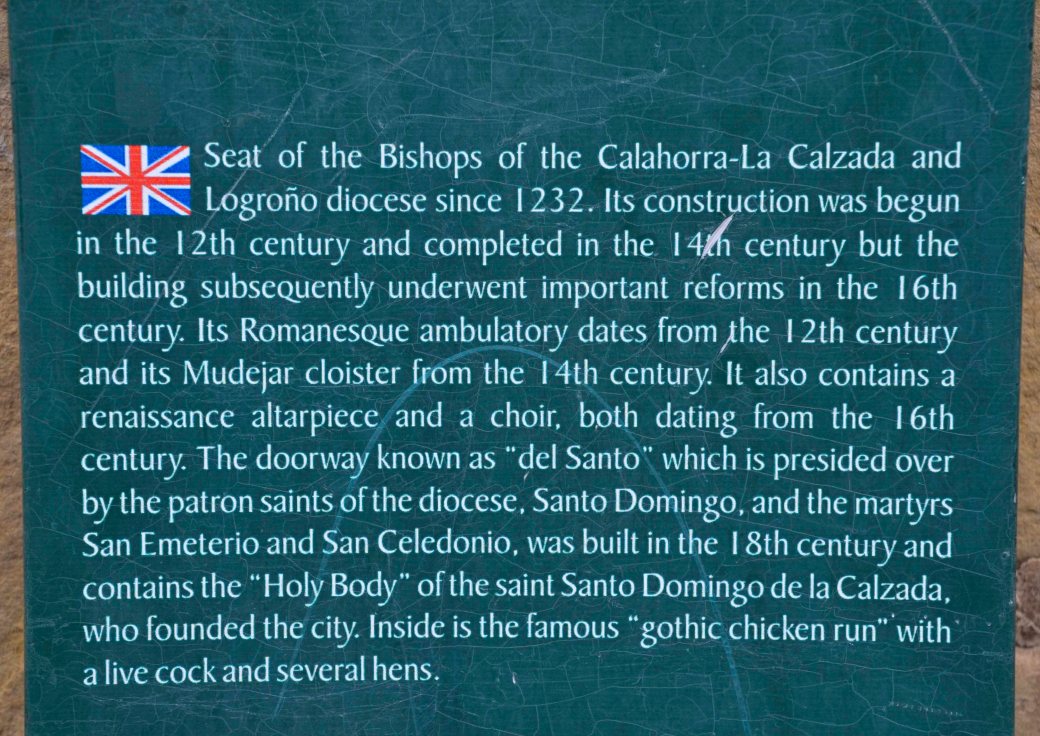
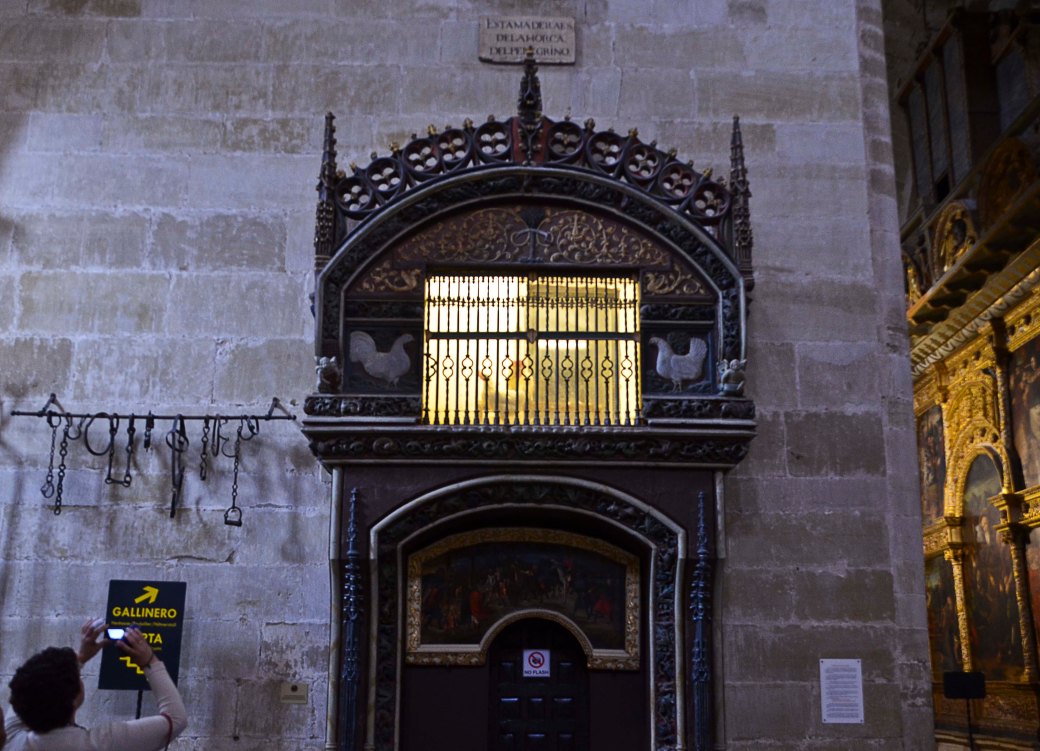
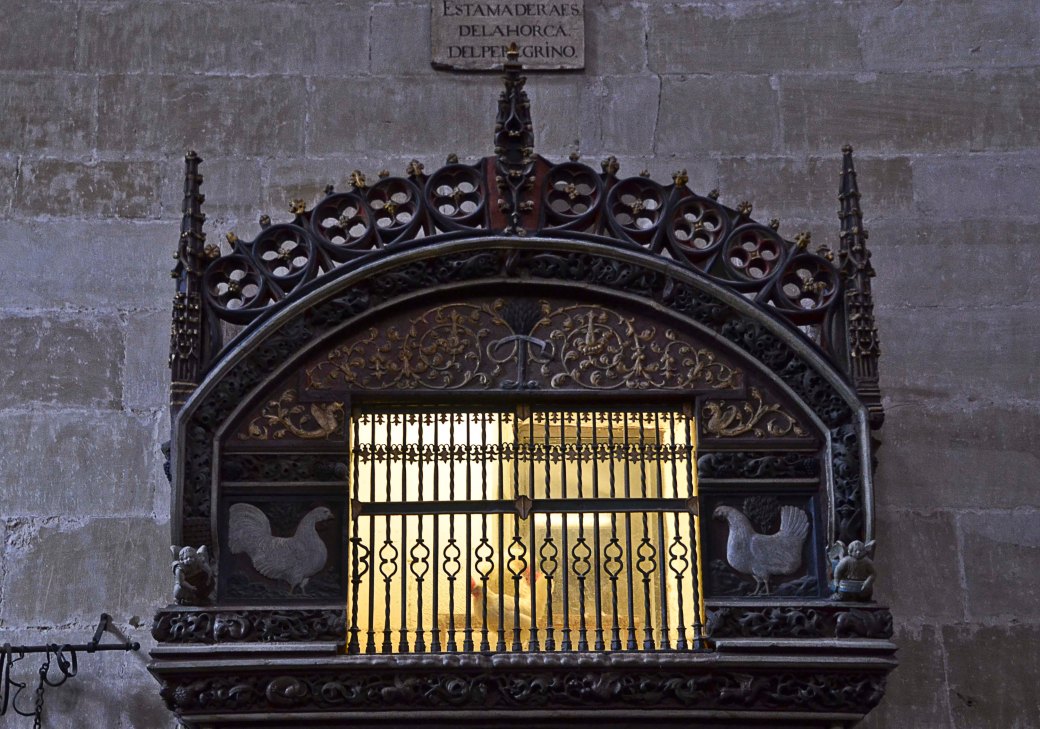
Legend has it that Santo Domingo, who lived around the year 1000, was honoured for his miracles … by keeping a live cock and hen in a golden cage in the church wall.
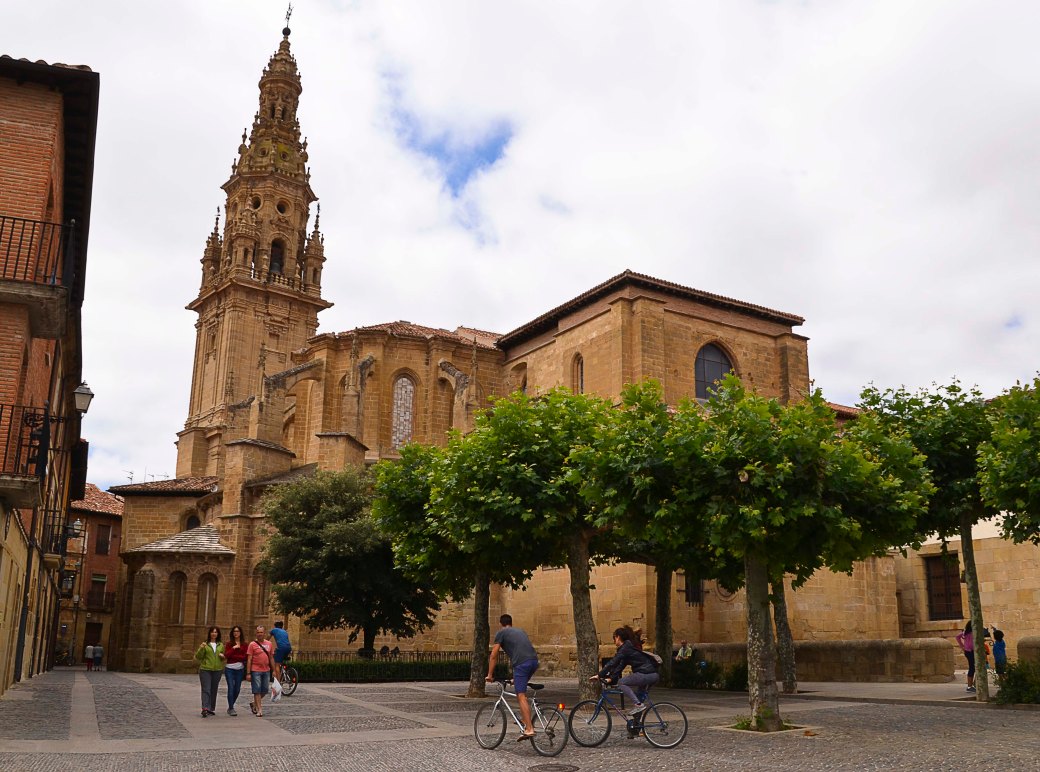
Santo Domingo de la Calzada

The story tells of a German pilgrim, who rejected a local girl’s love, but then she wrongly accused him of theft, and the pilgrim was hanged. Later his parents found him still alive in the gallows. The parents went to the local judge, who said: ”Nonsense, he is not more alive than the cooked rooster on my plate.” Then the rooster stood up and crowed.

Believe it or not – but they are still there…

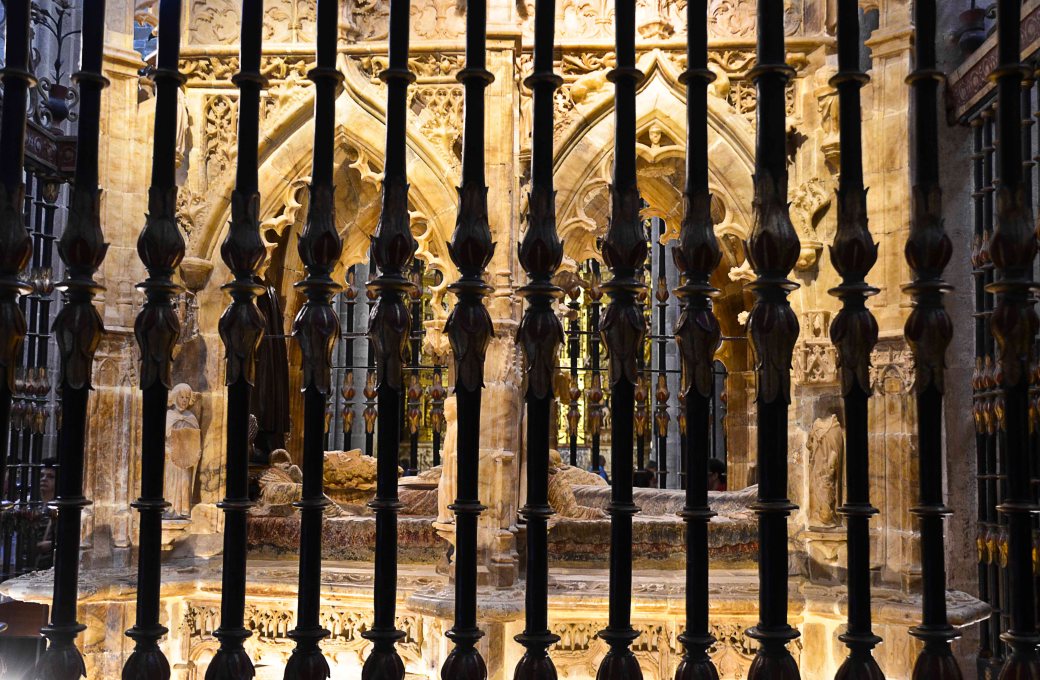
…and so is the saint – but in another cage.

It Is All About Bulls…

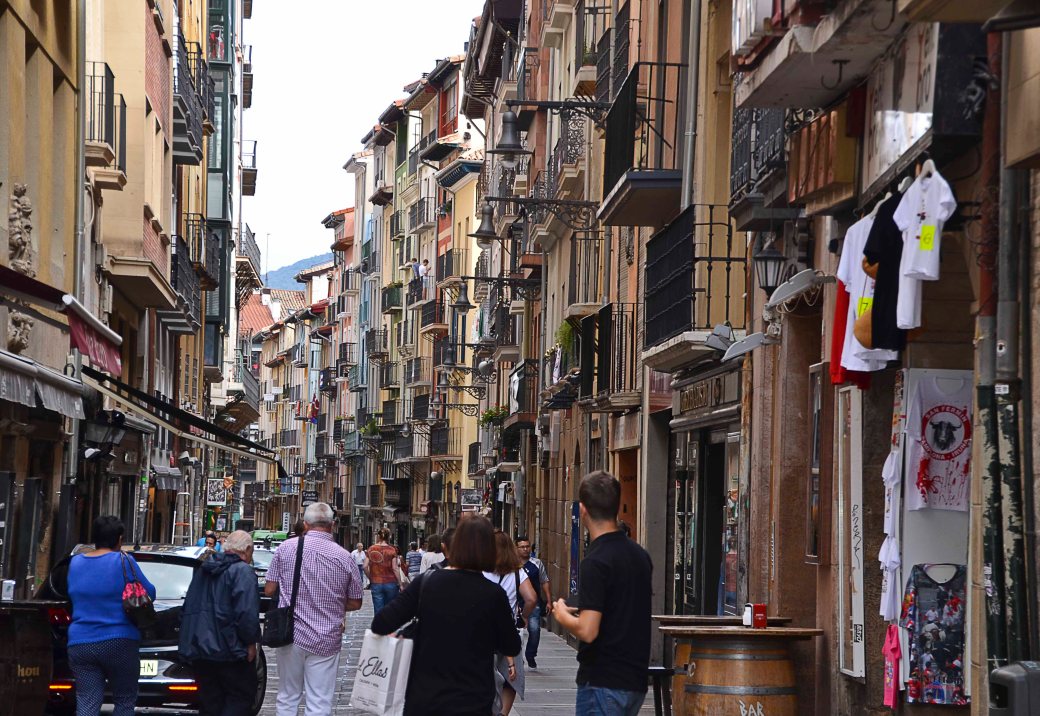
A rather big city, renowned for its yearly dangerous race between men and bulls…

…running along this street…

…ending up in the arena on the other side of these red doors.

Spanien 3 334_copy

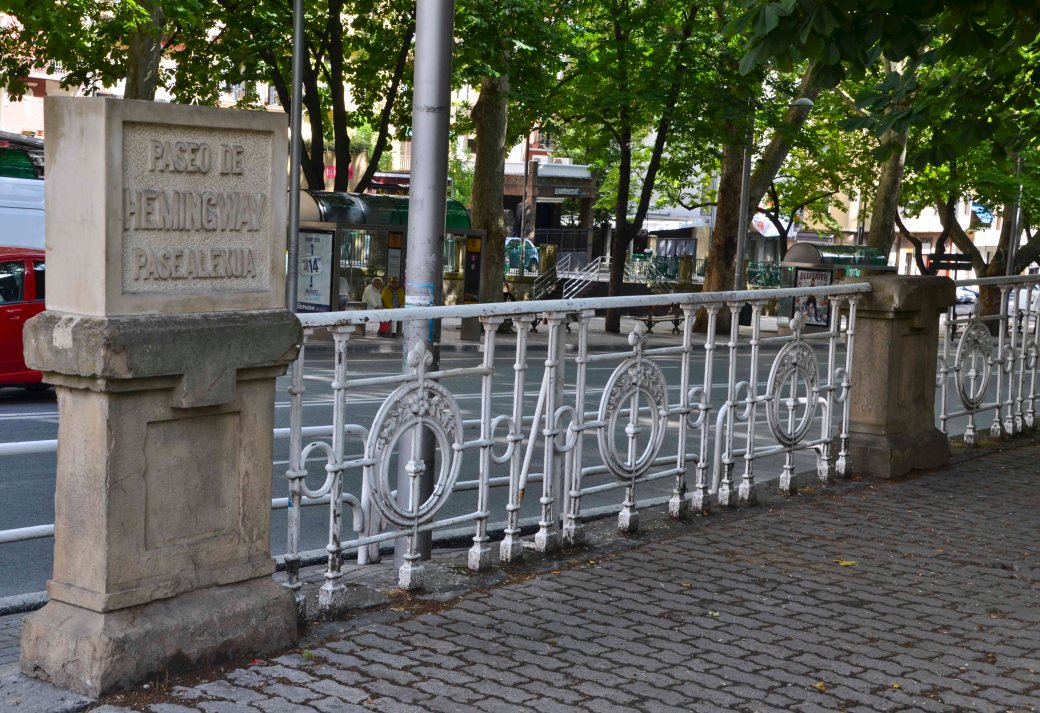
The man who made this race known to the whole world had a street named after him here – just beside the arena.

And he happens to be one of my favourite authors. Although I must say the monument does not do him justice…

Surely you, by now, know where we are in Spain?  – Pamplona!


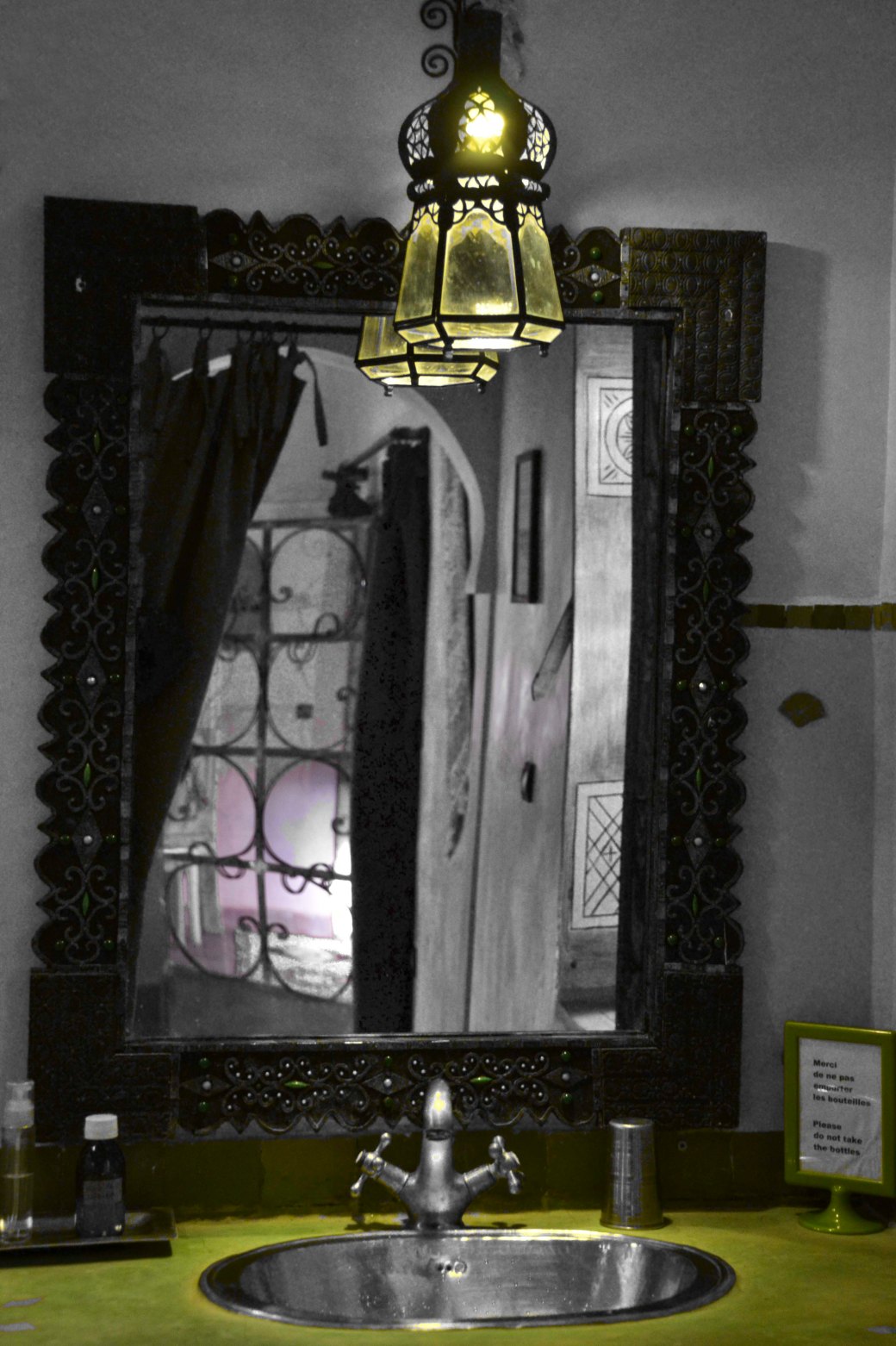
Cee’s B&W Photo Challenge: Bathrooms and Outhouses

Cee’s Black & White Photo Challenge: Bathrooms and Outhouses

Three Moroccan bathrooms for Cee this week. In the header – Sahara.

Marrakesh

Sawadi

The Enchanted Monastery

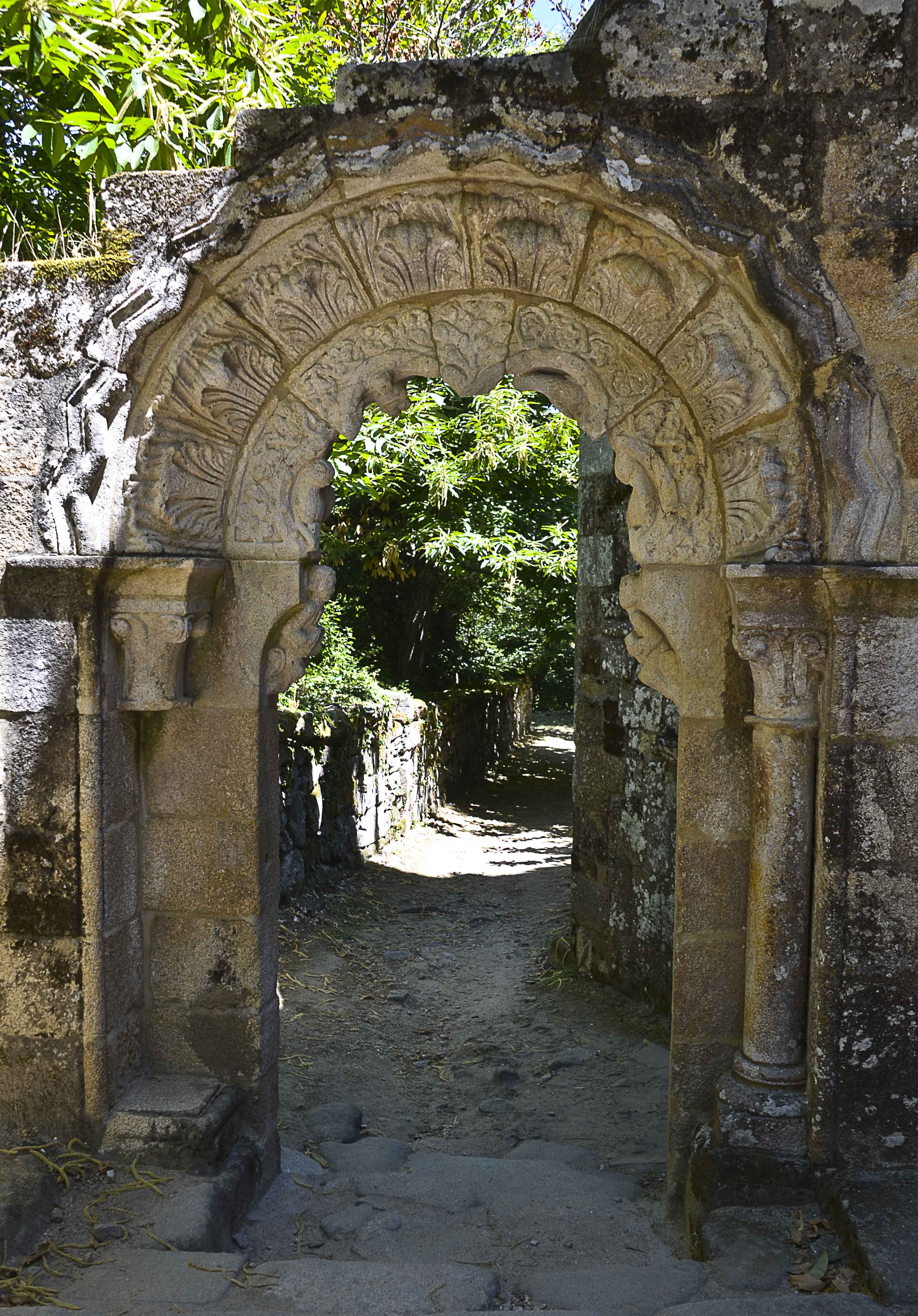
Monasterio de Santa Cristina (Ribas de Sil) in Galicia, Spain, originates from the 11th century, when monks came here to live in seclusion to meditate.

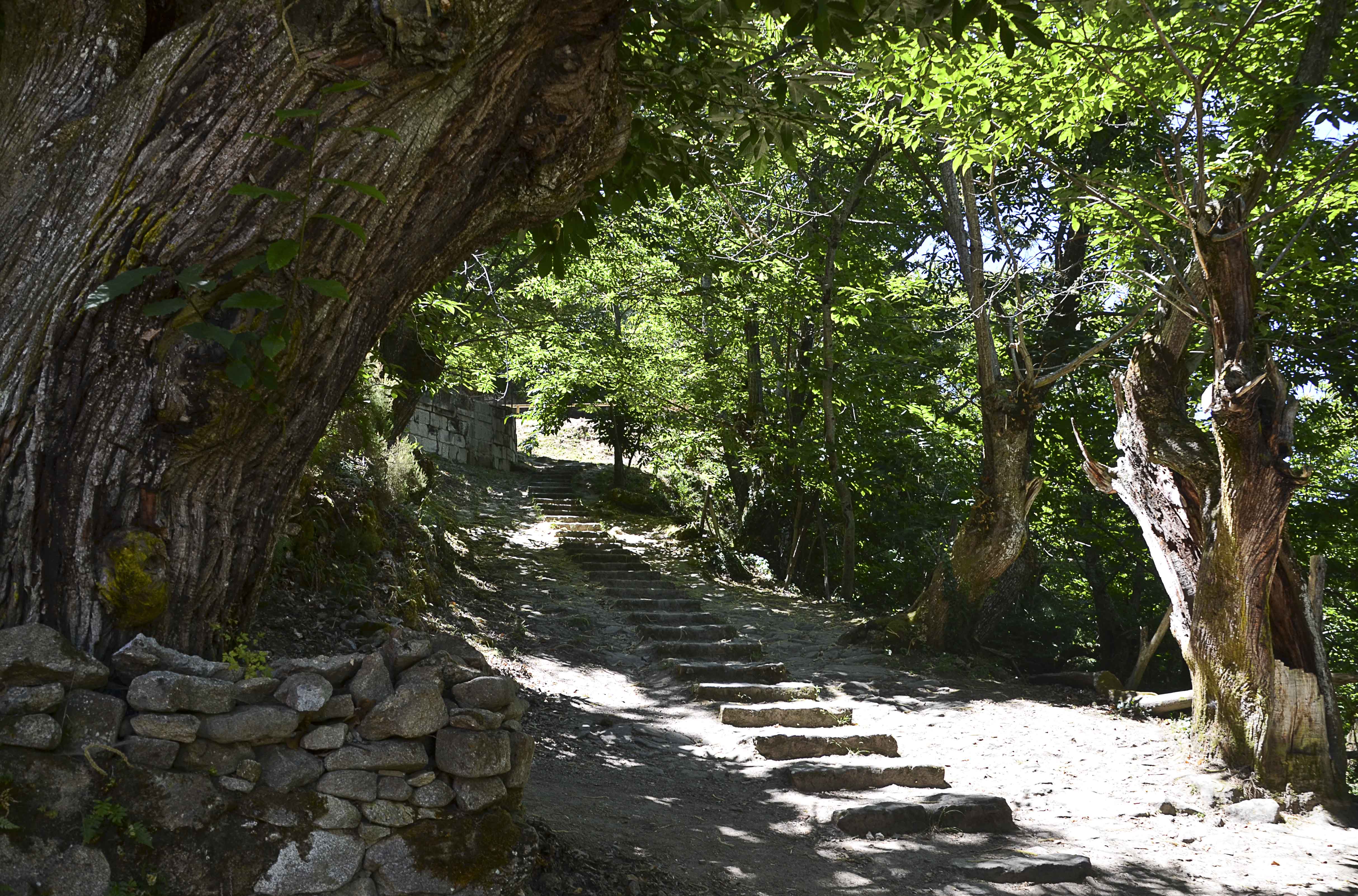
We had great difficulties in finding the hidden monastery, and had to follow winding roads for miles. Then a multitude of stone steps down…but, we were richly rewarded.

There is not much written about the monastery, or its church, but the very location and surroundings are enigmatic. I hope you noticed the stone faces watching us from above in the header…

Hidden in the forest, it was impossible to get an overview of the buildings. We walked up the layered paths, and the unreal feeling only escalated. Not many monks have ever lived here – but how did they survive? It seemed impossible that they would have grown anything in this stone paradise. No matter how green it was…

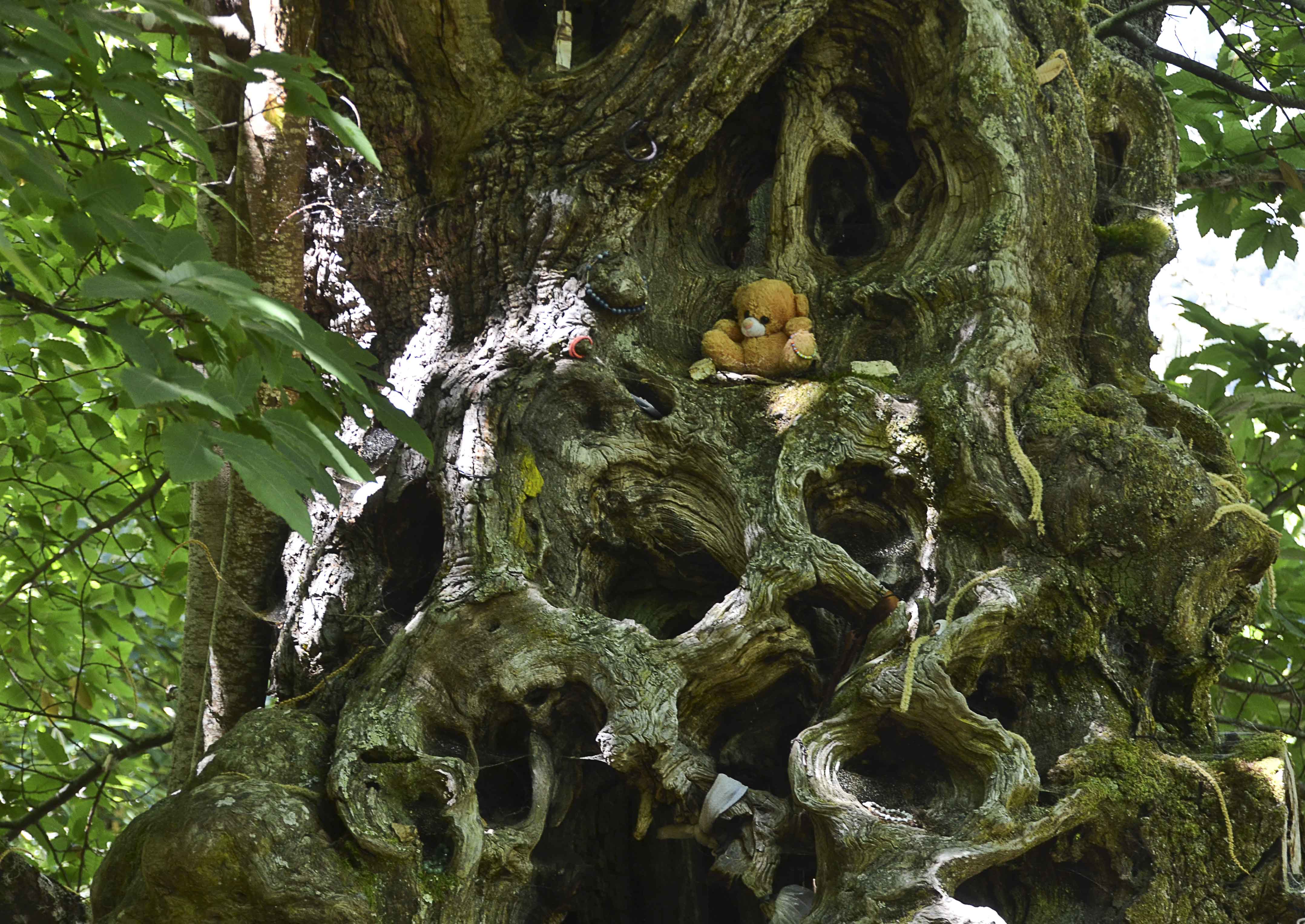
The old trees all seemed to be aware of us being there…and as I turned around on the path, one of them made my eyes wander up the trunk for his message…resting some four, five meters up…