
Wordless Wednesday
There is a slight chill in the air…even though the wind still is soft and warm.

But, I can feel him coming…
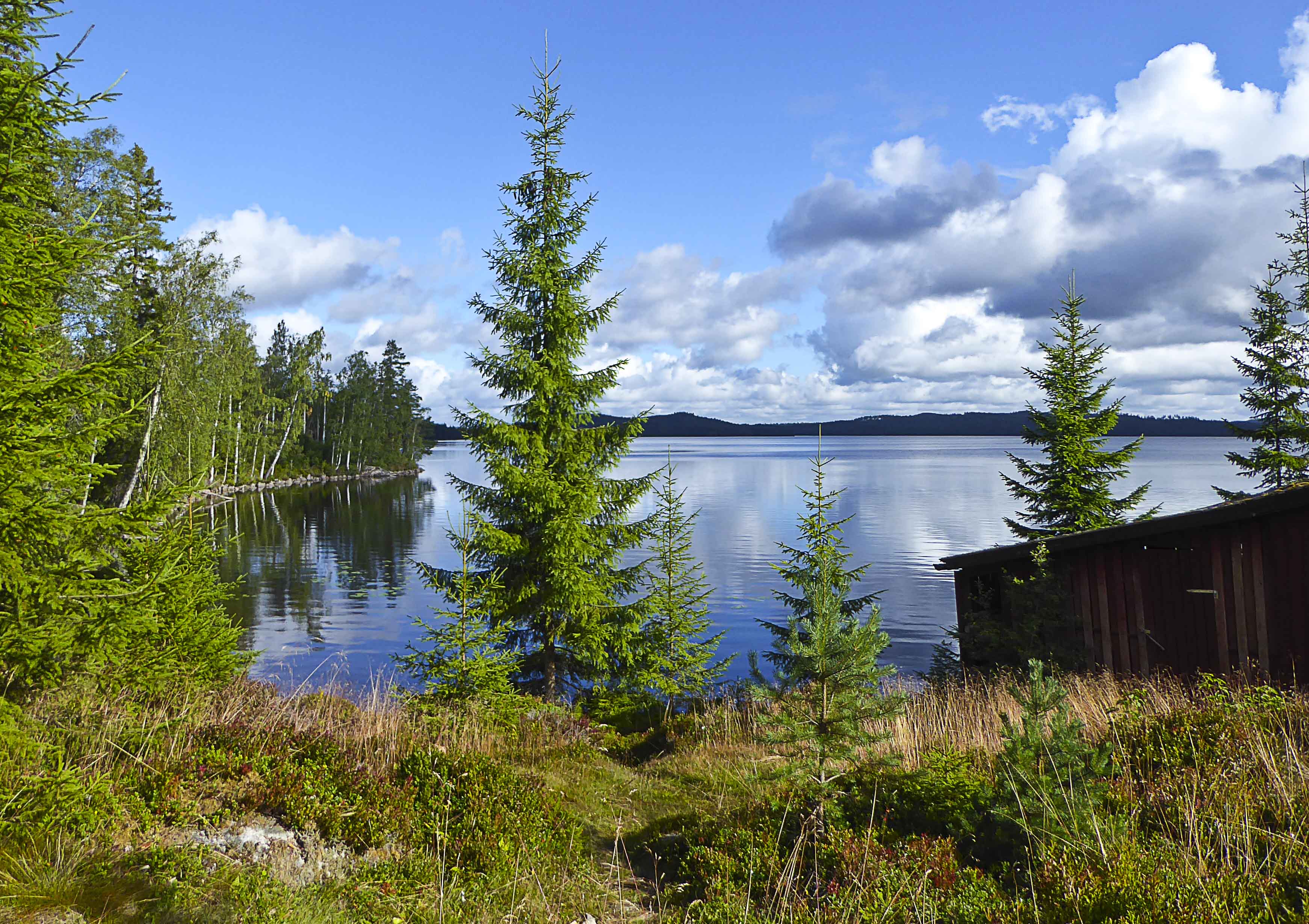
Because the sky is crystal clear…
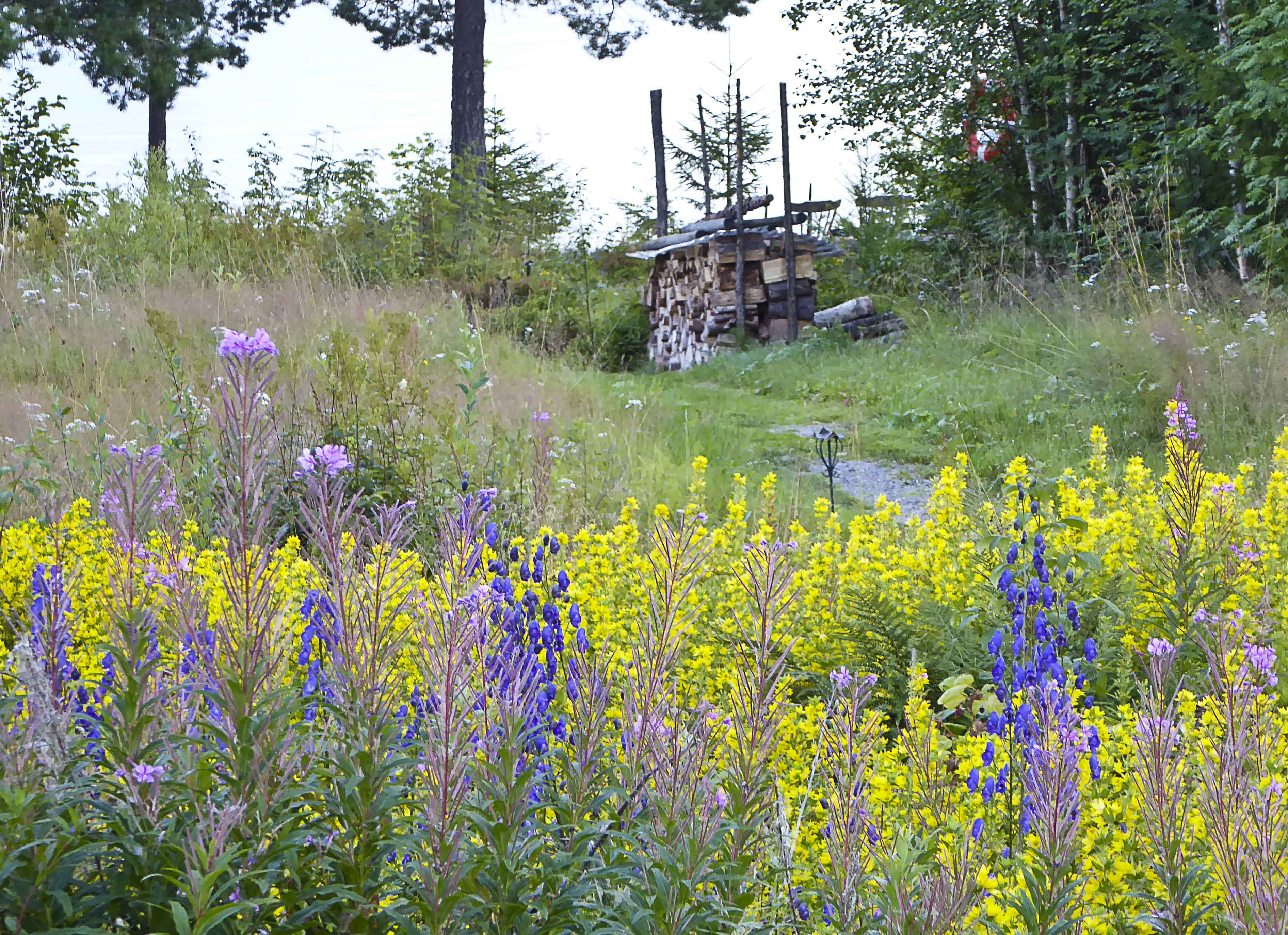
…and the colours are changing into a golden glow.
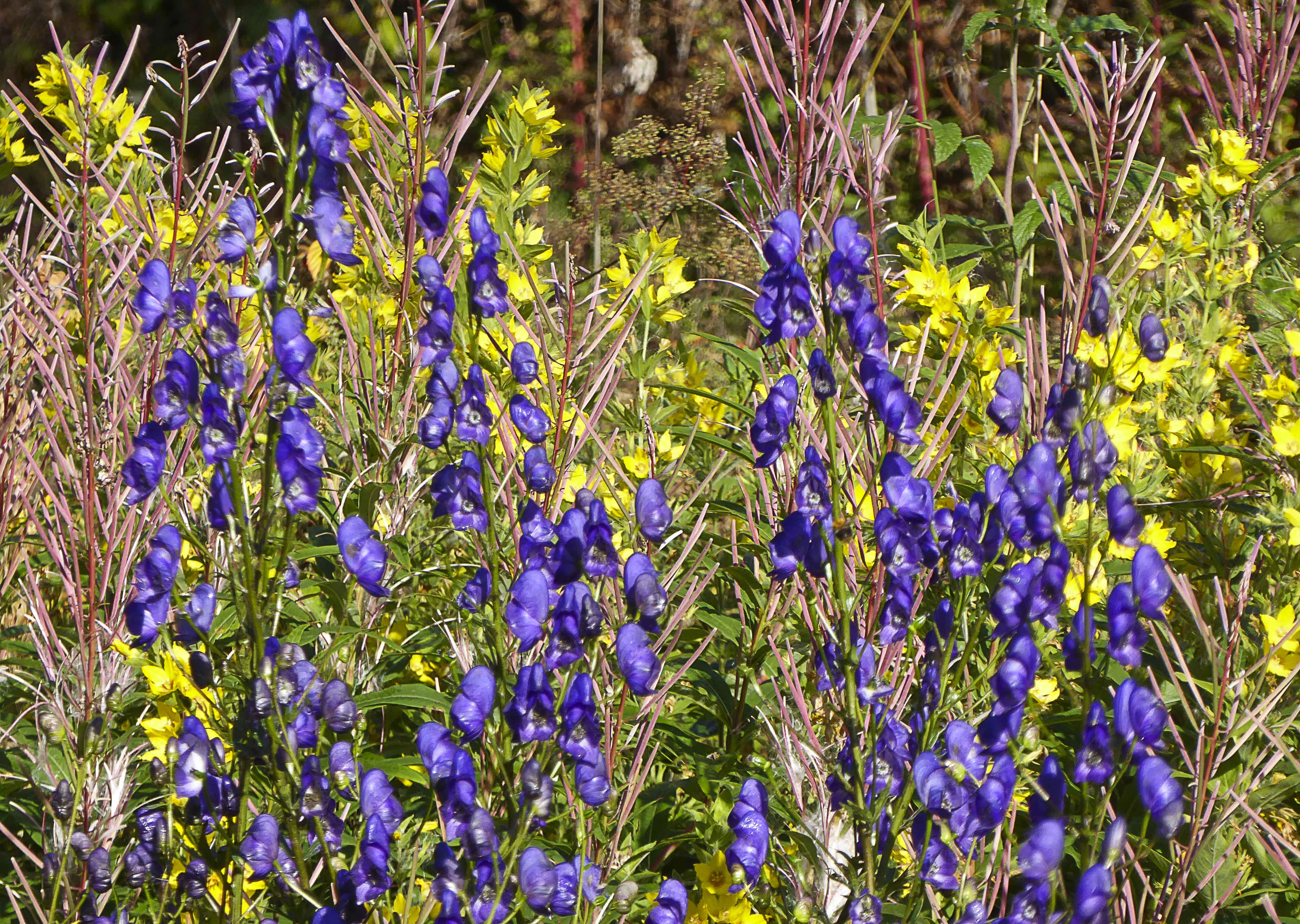 There is a stillness in everything, just before his gentle steps …heading straight in our direction. Let us glow – Autumn is coming.
Monasterio de Santa Cristina (Ribas de Sil) in Galicia, Spain, originates from the 11th century, when monks came here to live in seclusion to meditate.
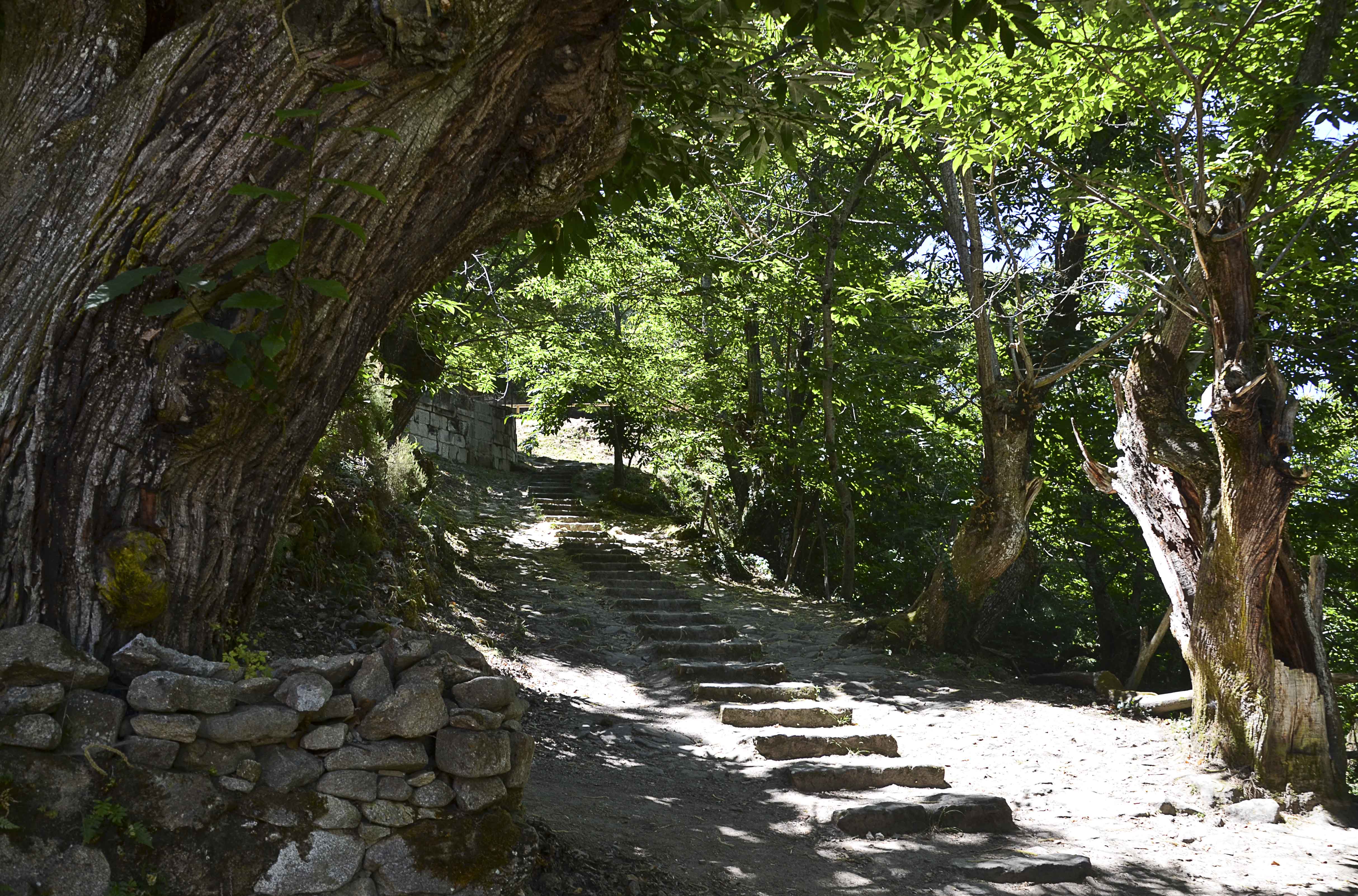
We had great difficulties in finding the hidden monastery, and had to follow winding roads for miles. Then a multitude of stone steps down…but, we were richly rewarded.
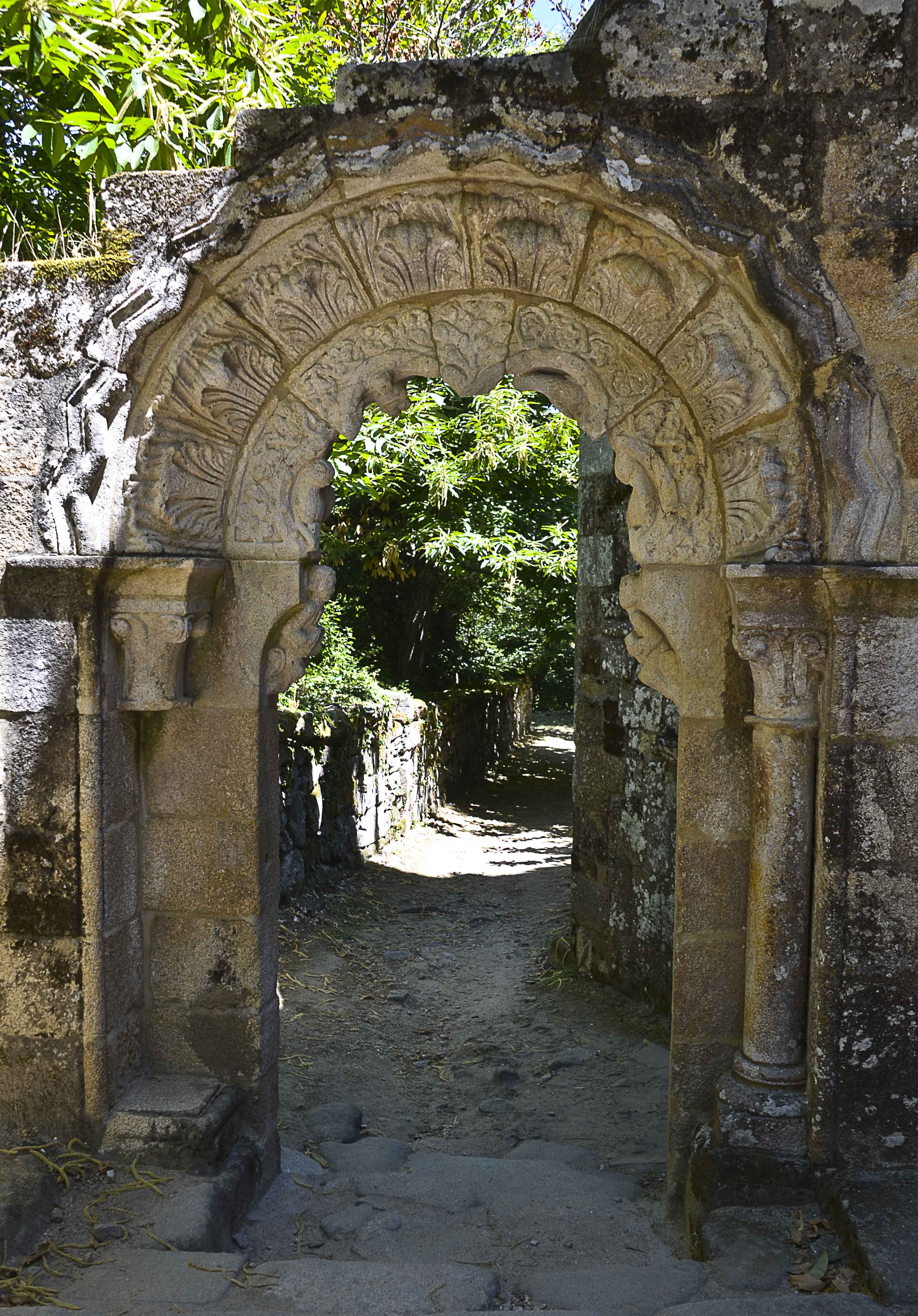
There is not much written about the monastery, or its church, but the very location and surroundings are enigmatic. I hope you noticed the stone faces watching us from above in the header…


Hidden in the forest, it was impossible to get an overview of the buildings. We walked up the layered paths, and the unreal feeling only escalated. Not many monks have ever lived here – but how did they survive? It seemed impossible that they would have grown anything in this stone paradise. No matter how green it was…


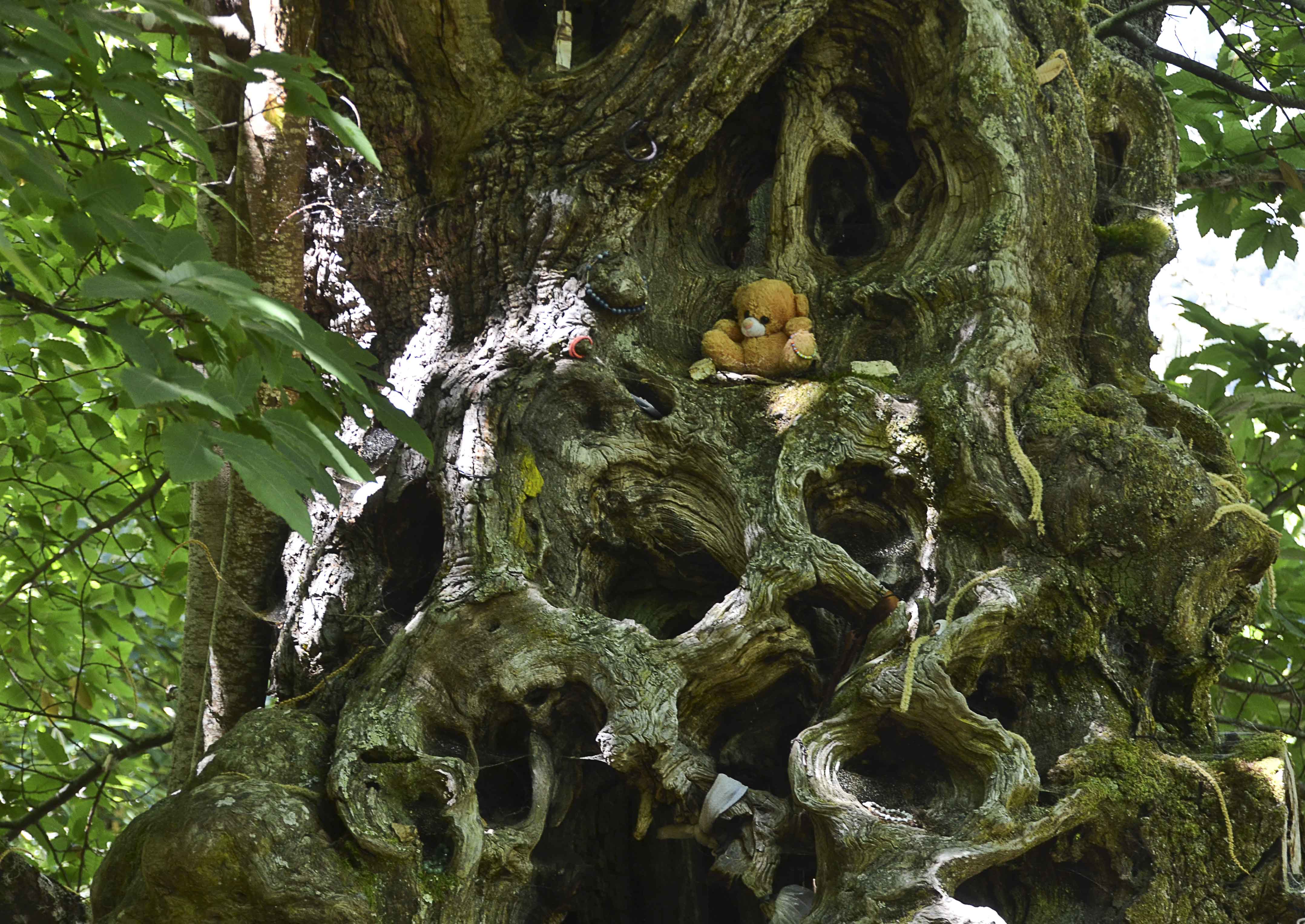
The old trees all seemed to be aware of us being there…and as I turned around on the path, one of them made my eyes wander up the trunk for his message…resting some four, five meters up…
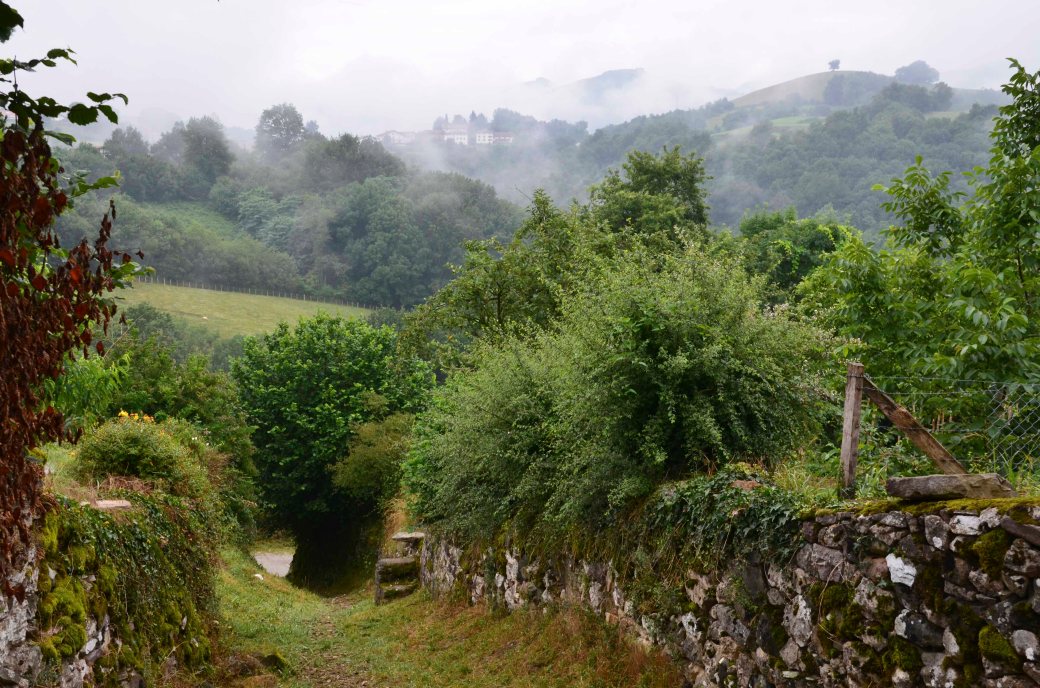
The soft morning…is lifting, taking off towards the day. Ziga, Baztan, Spain.
 For more mornings – click here.
On my trip to the northern parts of Spain, I made some lovely aquaintances…and not only with people. I was happily shocked by the numerous storks here – at least one nest in every village!

The white stork (Ciconia ciconia) is a large bird that measure on average 100–115 cm (39–45 in) from beak tip to end of tail, with a 155–215 cm (61–85 in) wingspan. The white stork is a long-distance migrant, wintering in Africa or on the Indian subcontinent. He is also a symbol of my part of Sweden.

He eats a wide range of animal prey, including insects, fish, amphibians, reptiles, small mammals and small birds. He takes most of his food from the ground, among low vegetation, and from shallow water. He is a monogamous breeder, but does not pair for life.

Both members of the pair build a large stick nest, which may be used for several years. Both parents take turns incubating the eggs and both feed the young.

The white stork benefited from human activities during the Middle Ages, but changes in farming methods and industrialisation saw it decline and disappear from parts of Europe in the 19th and early 20th centuries. Conservation and reintroduction programs across Europe have resulted in the white stork resuming breeding in the Netherlands, Belgium, Switzerland and Sweden.


In 1954 the last pair of storks disappeared from Skåne, where I live, as the wetlands were dried out. Many people wanted the beautiful bird back, and in 1989, some wetlands were restored and the Swedish ”Stork project” started. Goal: 150 pairs living free and nesting here. Important to us ”Skåningar”, as the stork is a symbol for this southern part of Sweden.
This summer 112 new storks were released from the project. As they move south, as many as 80-90 percent die flying into power lines breaking legs or wings.

The adult white stork’s main sound is noisy bill-clattering, which has been likened to distant machine gun fire. The bird makes these sounds by rapidly opening and closing its beak so that a knocking sound is made each time its beak closes. I assure you – the sound is not to be missed…when the two of them starts, it gets louder and louder.
This conspicuous species has given rise to many legends, of which the best-known is the story of babies being brought by storks. Have you ever heard of this as a child, in your country?
(Facts taken from Wikipedia and the Swedish Stork project.)

As much as I like the open landscape, I also like things narrow – unless it turns up in nightmares where I am stuck in a narrow tunnel, unable to go either forwards or backwards…
For more things narrow, click here.
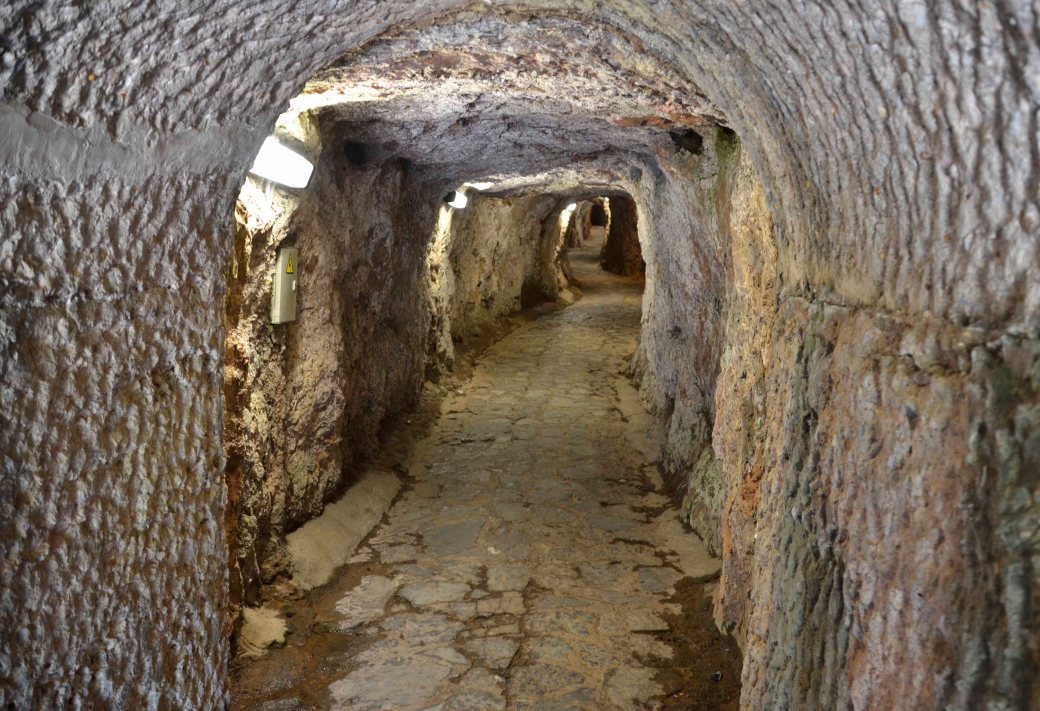 The tunnel leading to Cuevas de Valporquero, Spain. In reality – not a nightmare!
Look up! This is a very varied challenge with many possibilities. My take is all about nature – even if you might not think so…
In the header, a lamp from Gaudí’s Casa Batllo´in Barcelona. He always used Nature herself as an inspiration. Maybe a drop of water in a pool?

A Swedish autumn birch in its splendour – who would not look up?

Great tree ferns, New Zeeland, North Island.
New Zealand’s Great fern trees draws your eye…upwards.

Madrid
In Madrid my head went dizzy when watching this tree in a spectacular swing…

Madrid
And these well dressed trees… I just hade to peep inside for this spectacular view!
For more reasons to look up, click here.
Cee’s Black & White Photo Challenge: In the Distance
Again, thank you for featuring my last entry, Cee!
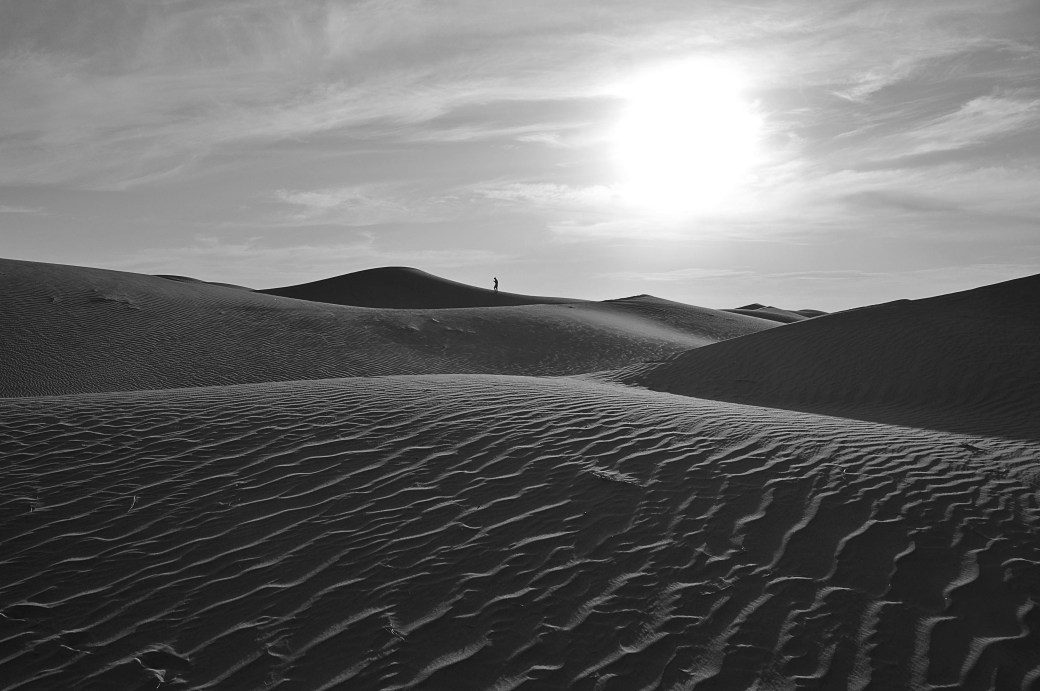
The Moroccan desert for this week – In the Distance. Early morning in the header, and late evening inside. As usual, click to enlarge (sometimes click twice…).
Strange things this week…It all started out so well…but these are my memories …


…in my ordinary Blekinge again. Don’t we all have crazy dreams sometimes…?

 Leya
Leya 
Du måste vara inloggad för att kunna skicka en kommentar.