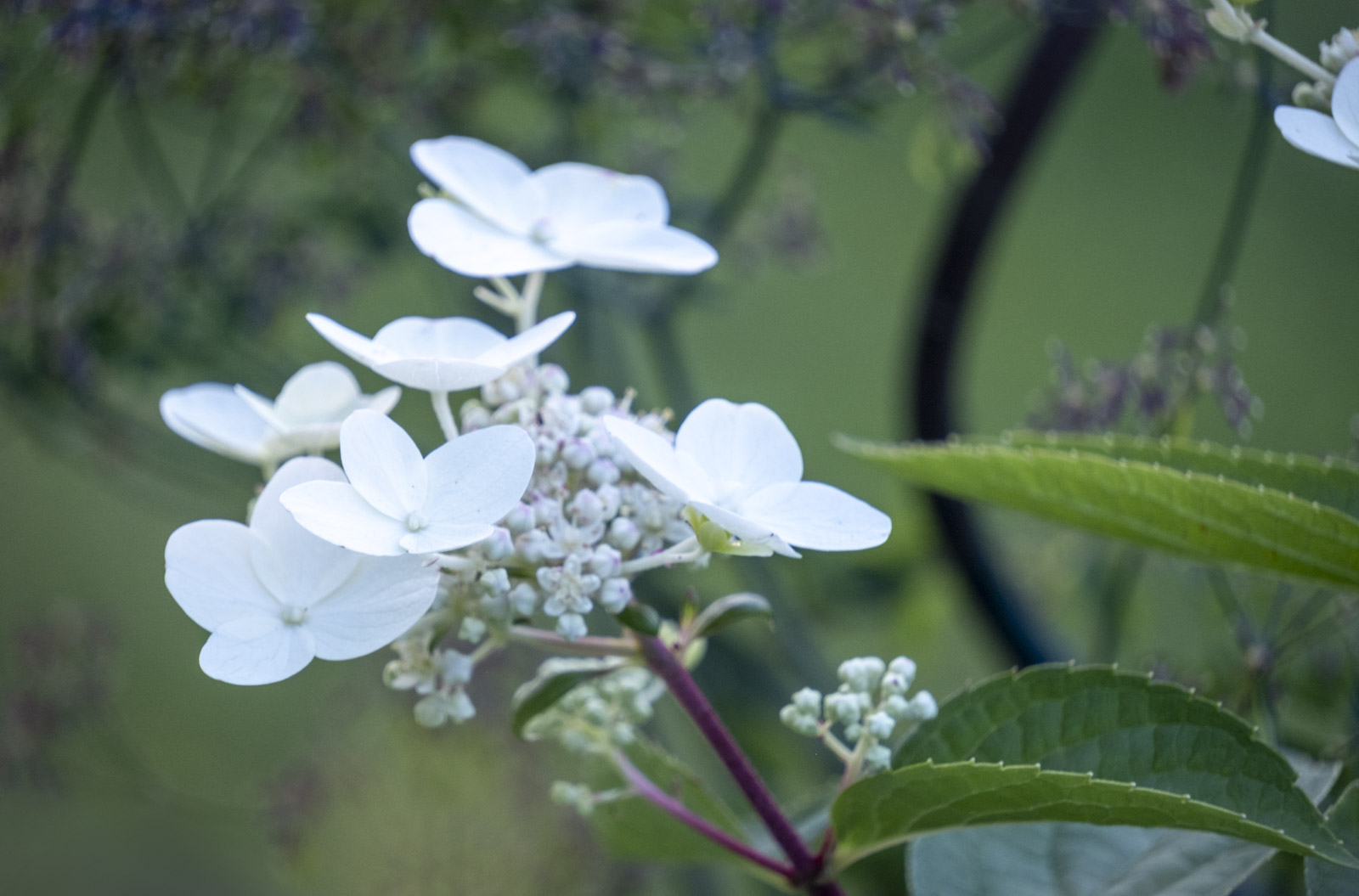
Macro Monday
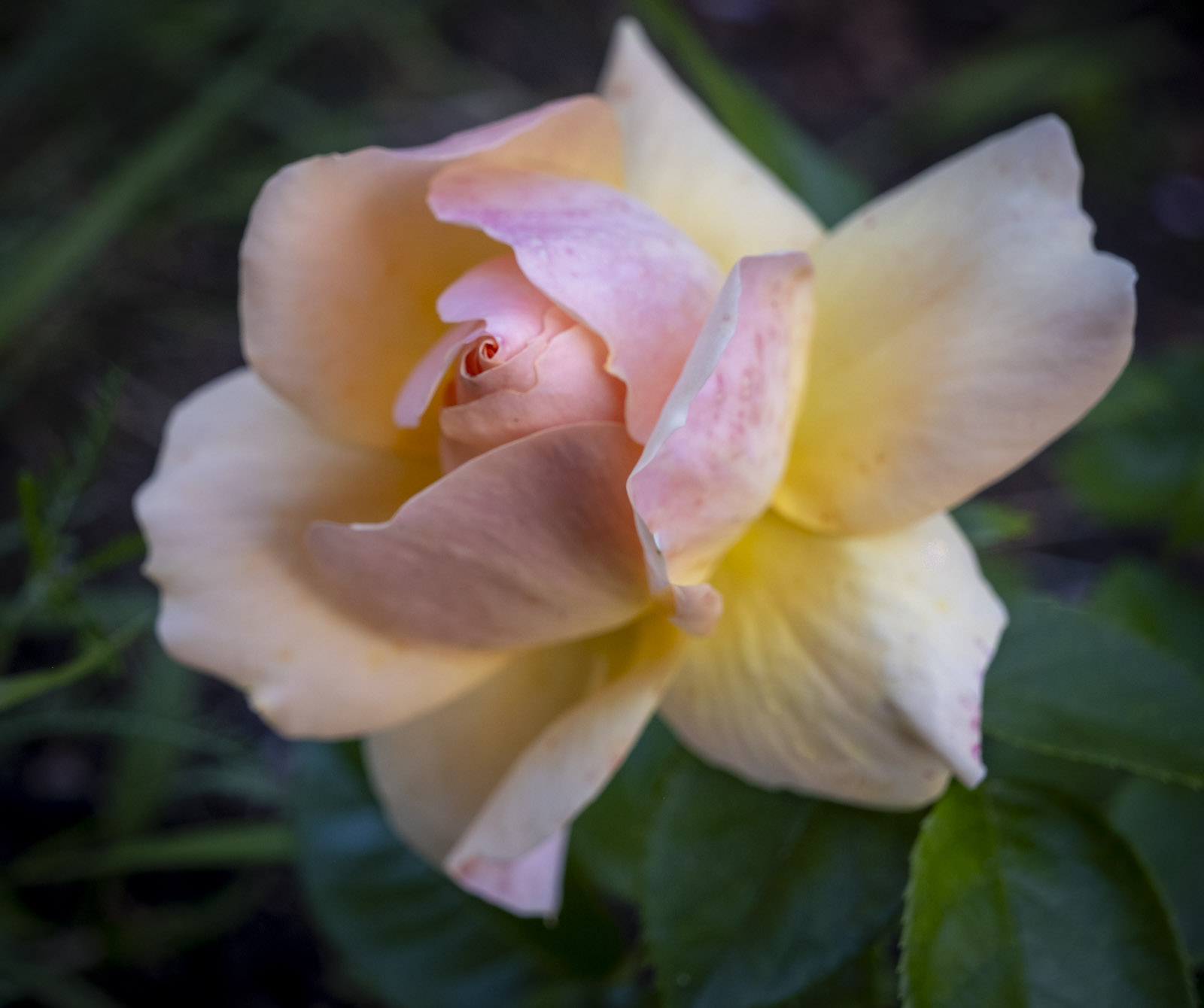
“What’s in a name? That which we call a rose by any other name would smell just as sweet.”
– William Shakespeare
The quote is used to state that the names of things do not affect what they really are. There are so many ways to look at a garden, so, my idea is to see what You have found, what You see – at home or anywhere in the world. Everything from your window sill to a big park – to me they are all gardens. And what we have in them, is all up to us! I guess something that brings you harmony, makes you smile, makes your world a bit easier to live in. So – What’s in a Garden? Feel free to use any meaning of the word – or create your own!

You who follow me surely know, and will not be surprised, that I am a romantic and thus English gardens have got all the ingredients I dream of. Everything from lush flowers, plants, trees and hedges, to walled gardens, ponds, statues, old stones and ruins.



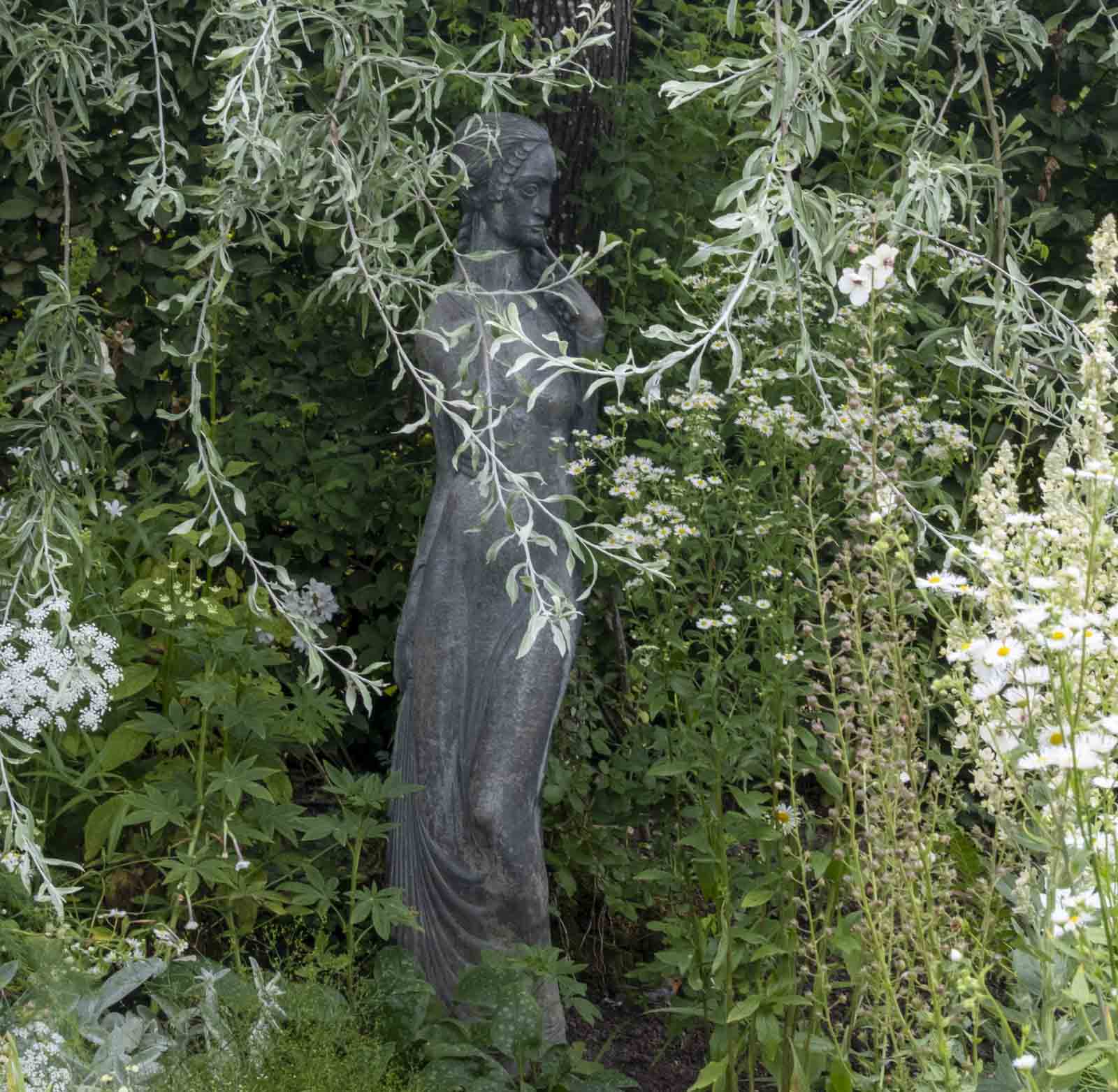

Much gardening to do in these, but tiny gardens like the next three ones are easily managed and still bringing much joy!
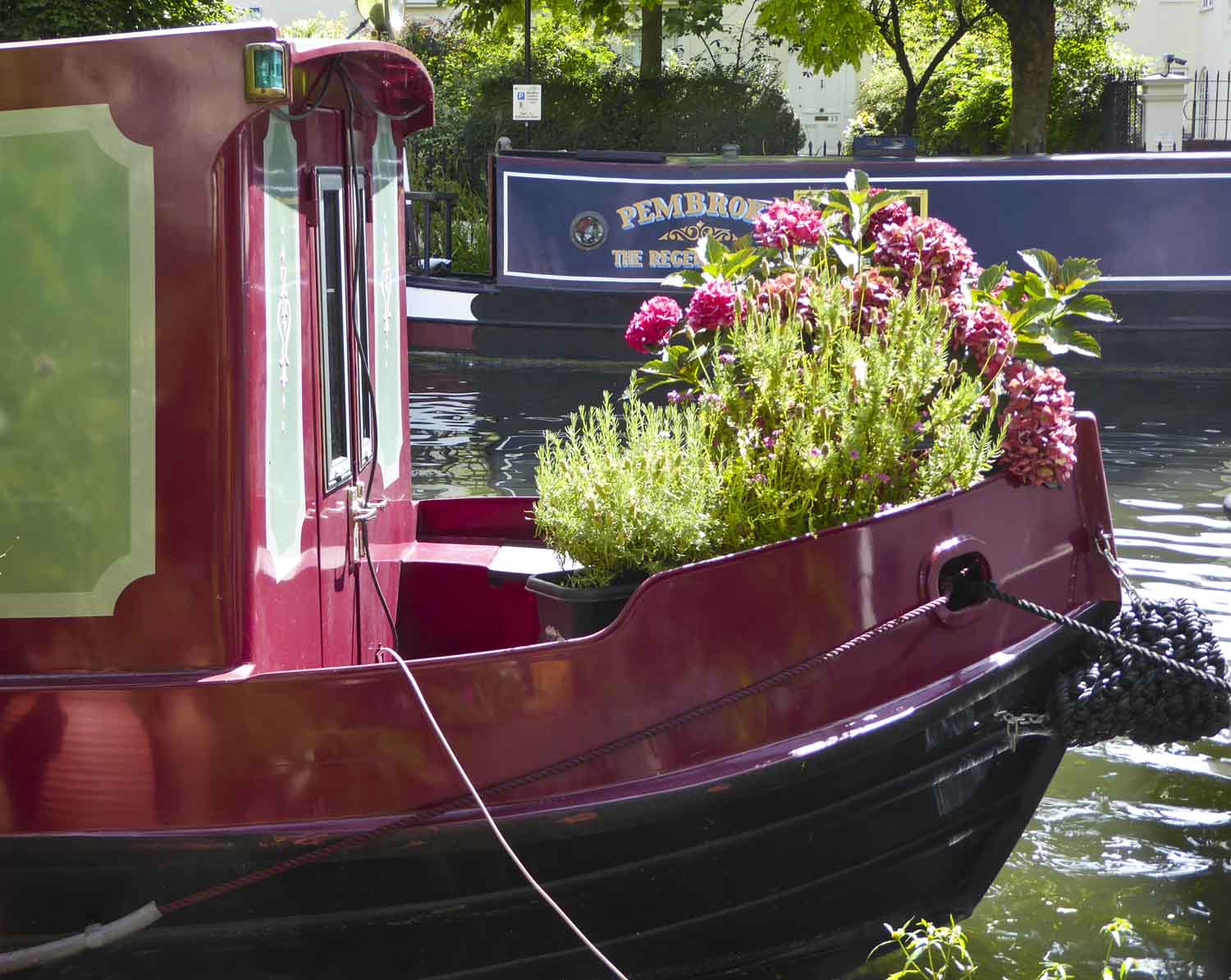


A canal boat and an atrium found in England, and a Hobbit house with a tiny garden found in New Zealand.
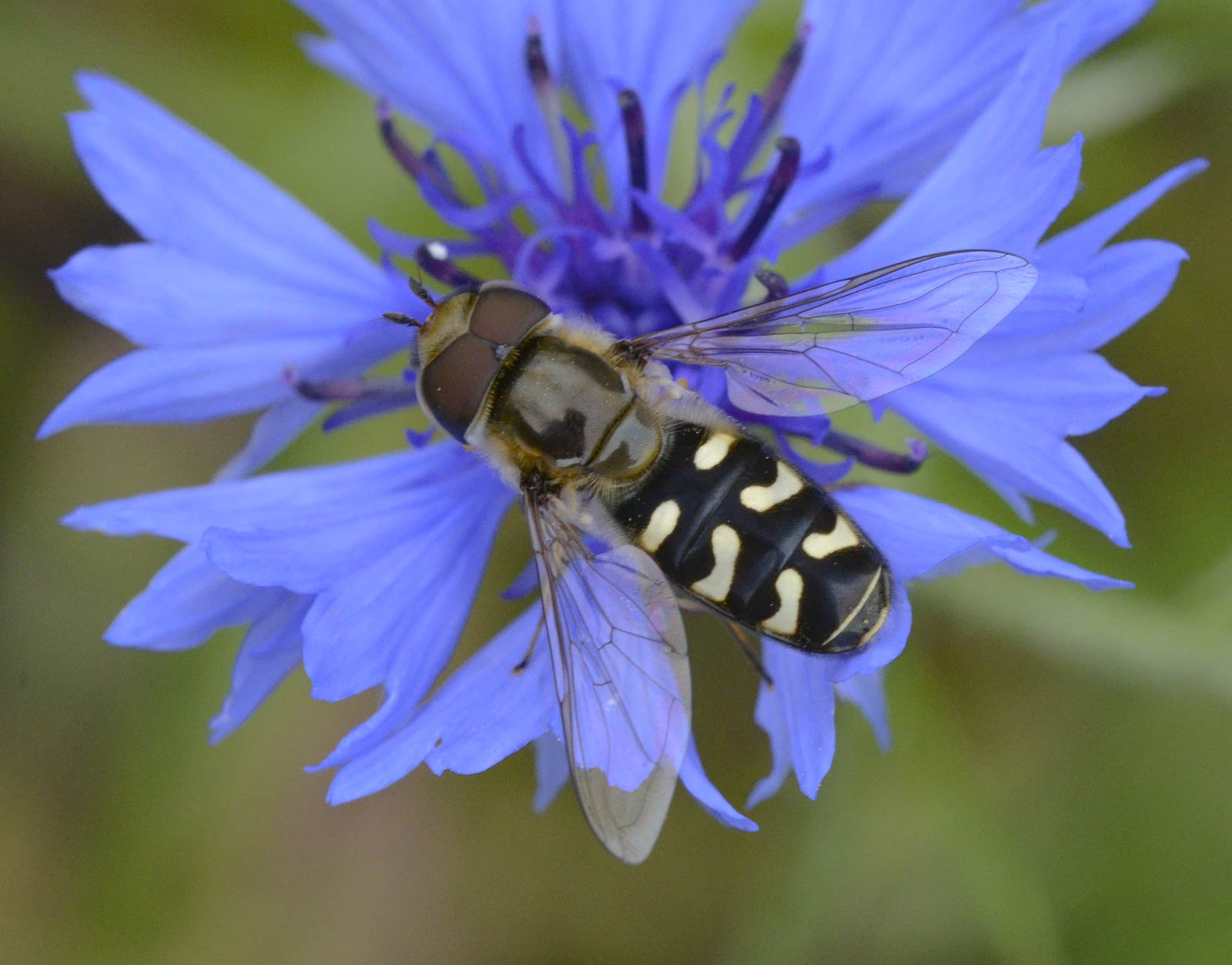
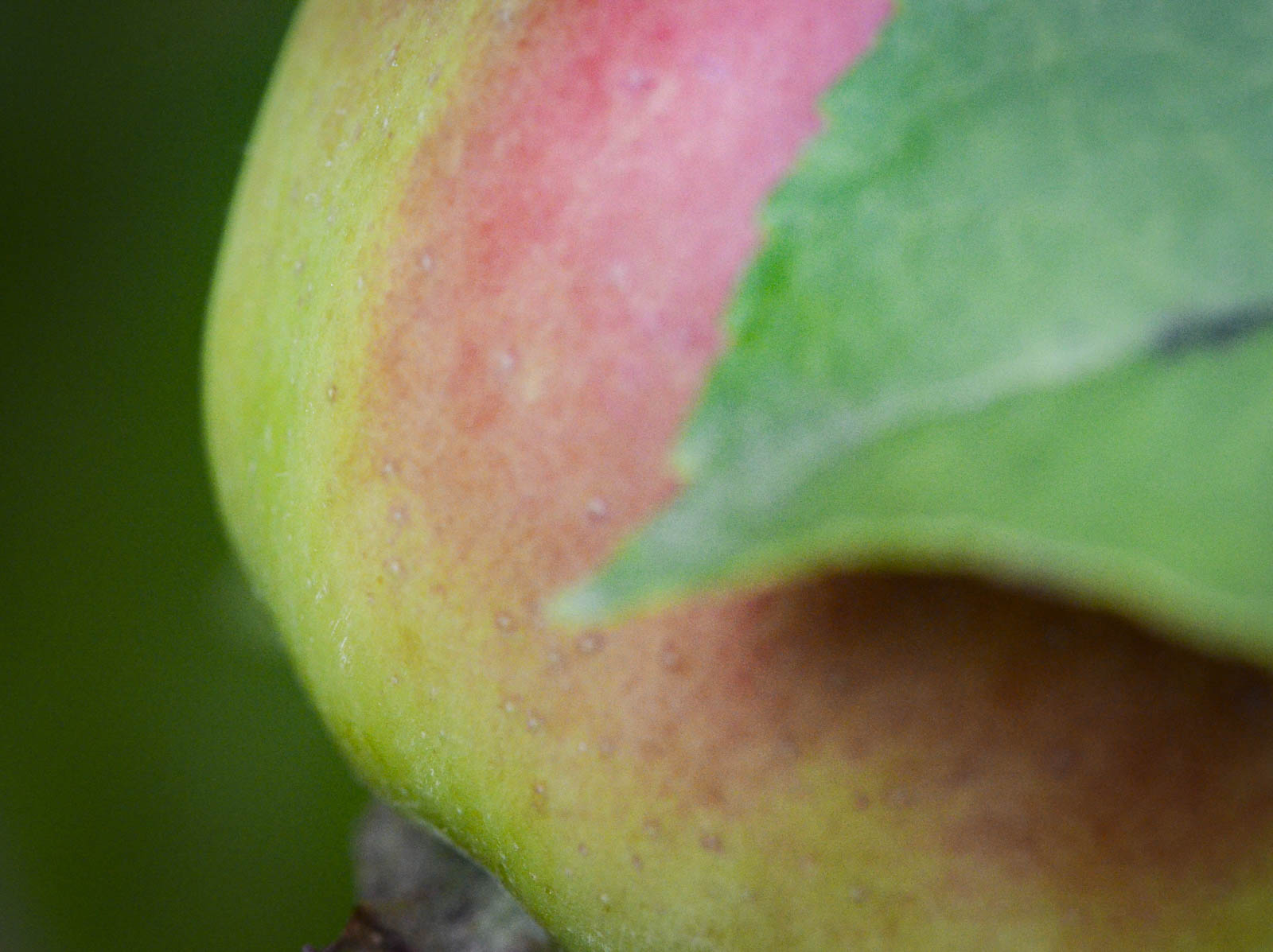

Fruit and insects are essential to a sustainable garden.
As I visited Japan earlier this year, I know they have many kinds of gardens. Some of them are minimalist dry gardens – Zen gardens (with open areas of gravel and stones) -, others are walking gardens, flower gardens, bamboo gardens, bonsai gardens…All of them meticulously well kept. Their aesthetics are comprised of a set of ancient ideals (wabi sabi is one of them) and considered as an integral part of daily life.


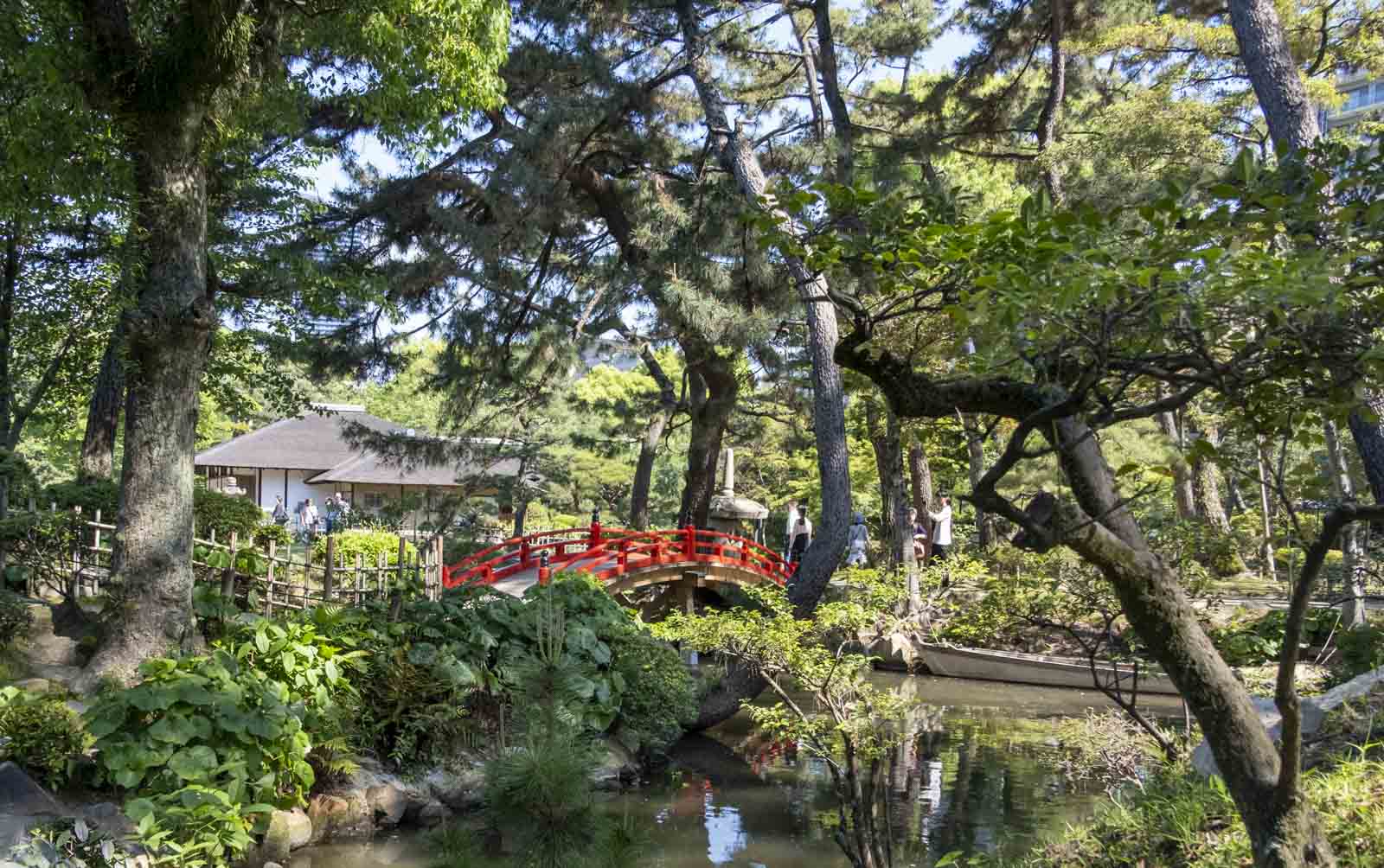
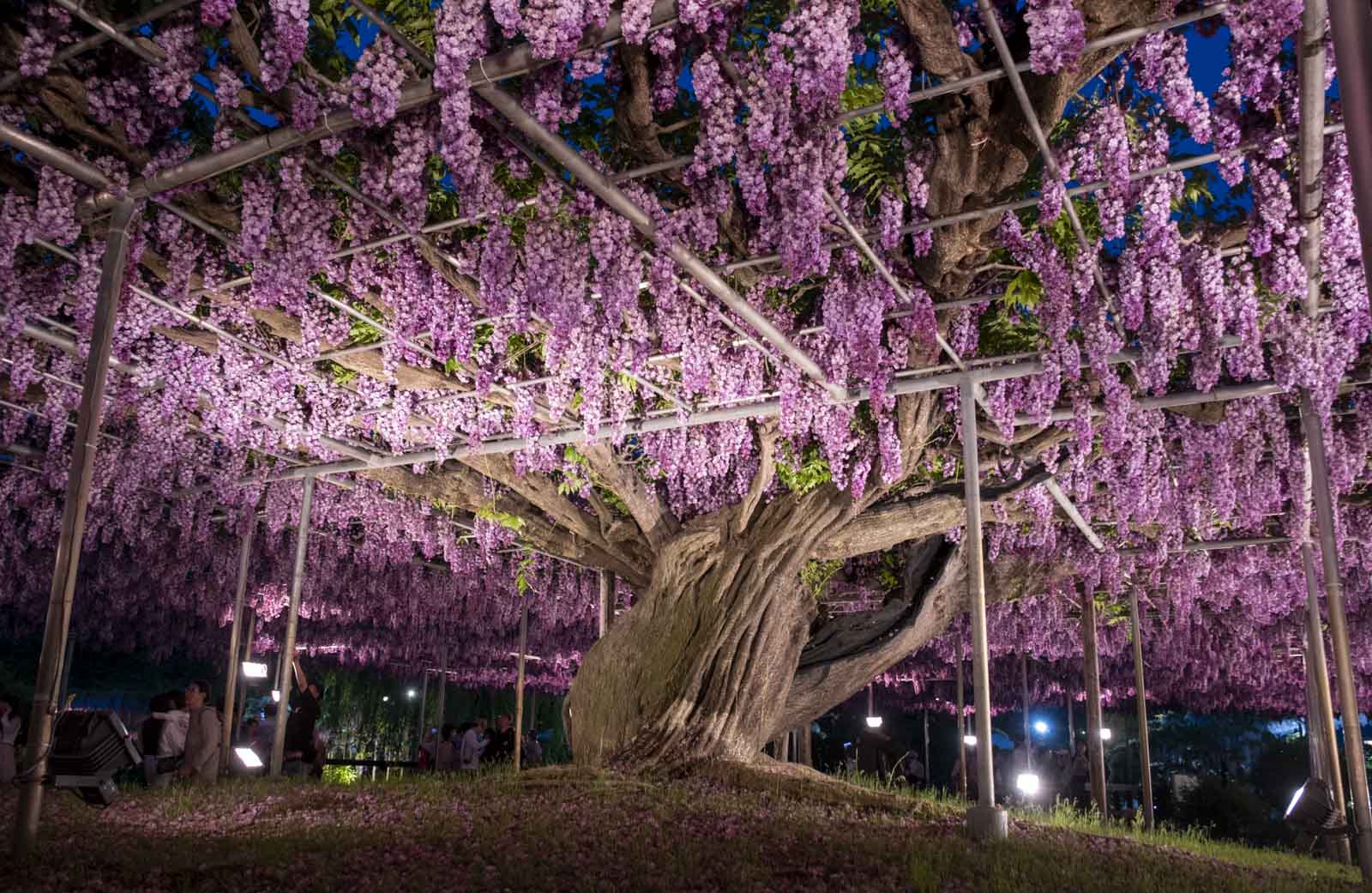
Three of the essential elements used to create a Japanese garden, (and many of our western gardens too) are stone, which form the structure of the landscape; water, representing life-giving force; and plants, which provide the color and changes throughout the seasons. You also often find bridges, water falls and stepping stones.
We are looking forward to seeing what You have found, and don’t forget to tag your post Lens-Artists when you link to my original post.
Thank you to Patti for her wisely Zigzaging us through last week, and next week again, Sofia will be our host. Please visit her inspirational site for more!
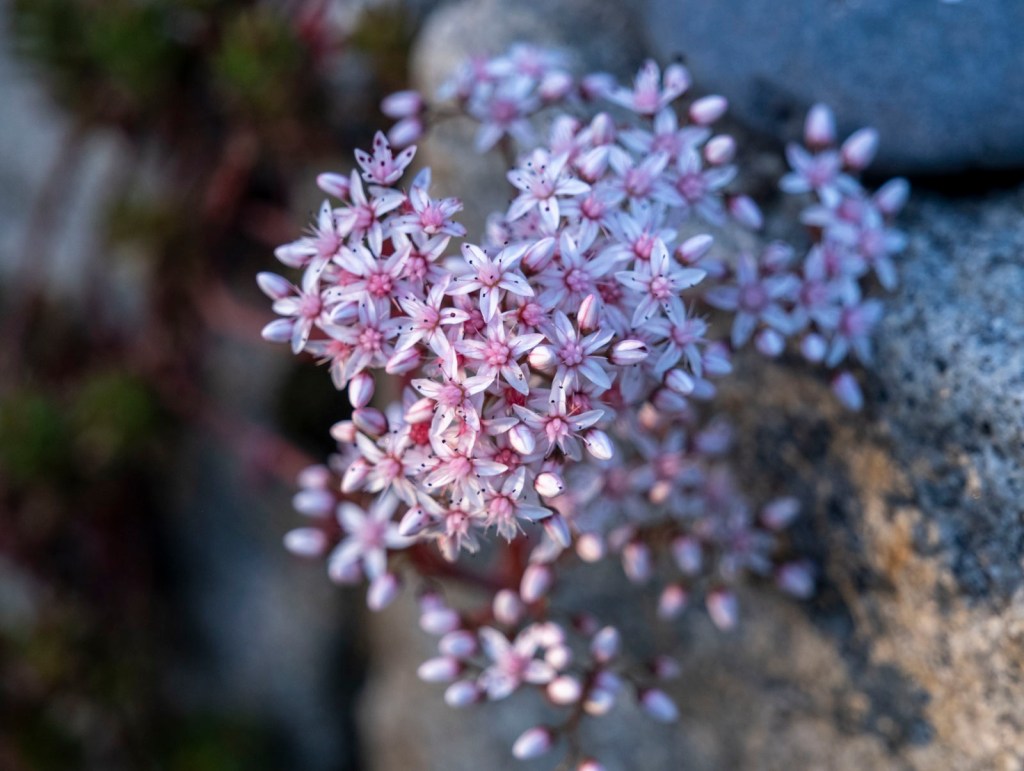
Summer is moving towards its end, and the evenings are soft with bloom in the fading light. Shorter days are coming, and I walk in my garden to meet my friend, the hedgehog. He walks around, poking the ground, making little grunting sounds. If I talk to him, he stops and listens, turning his little nose towards me. No camera – then he wouldn’t listen. To think that already 30 million years ago he was here. A sweet character. Hopefully he will survive and outlive mankind.
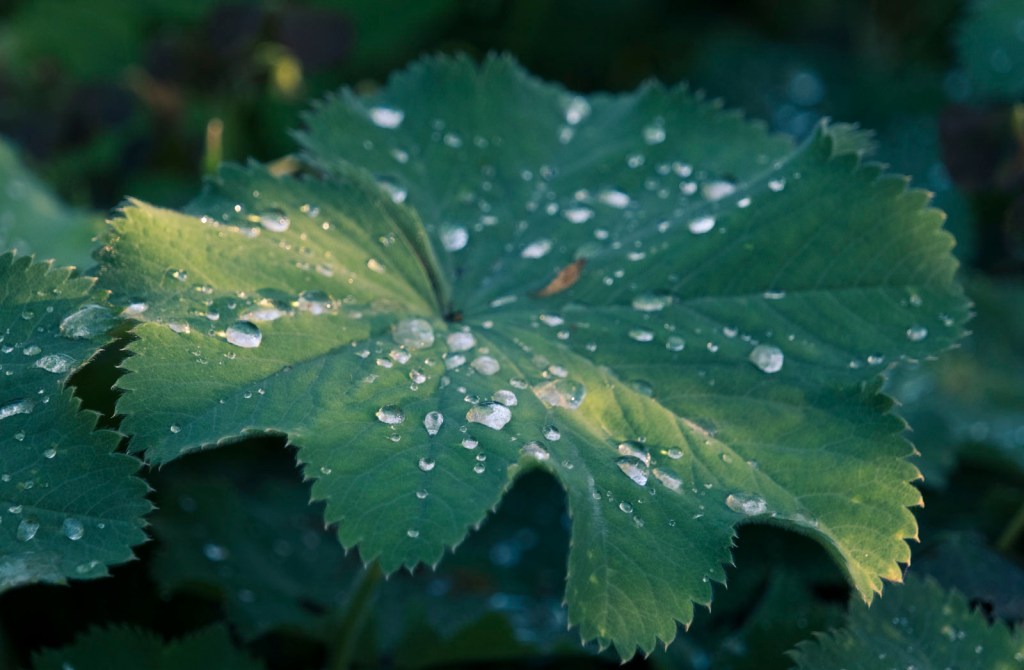
A short shower, and I know some delicate worms will be good food for my friend.
Rounding the glass house, I caught the last sunrays in a Cosmos chocamocha – which sent us a fiery…
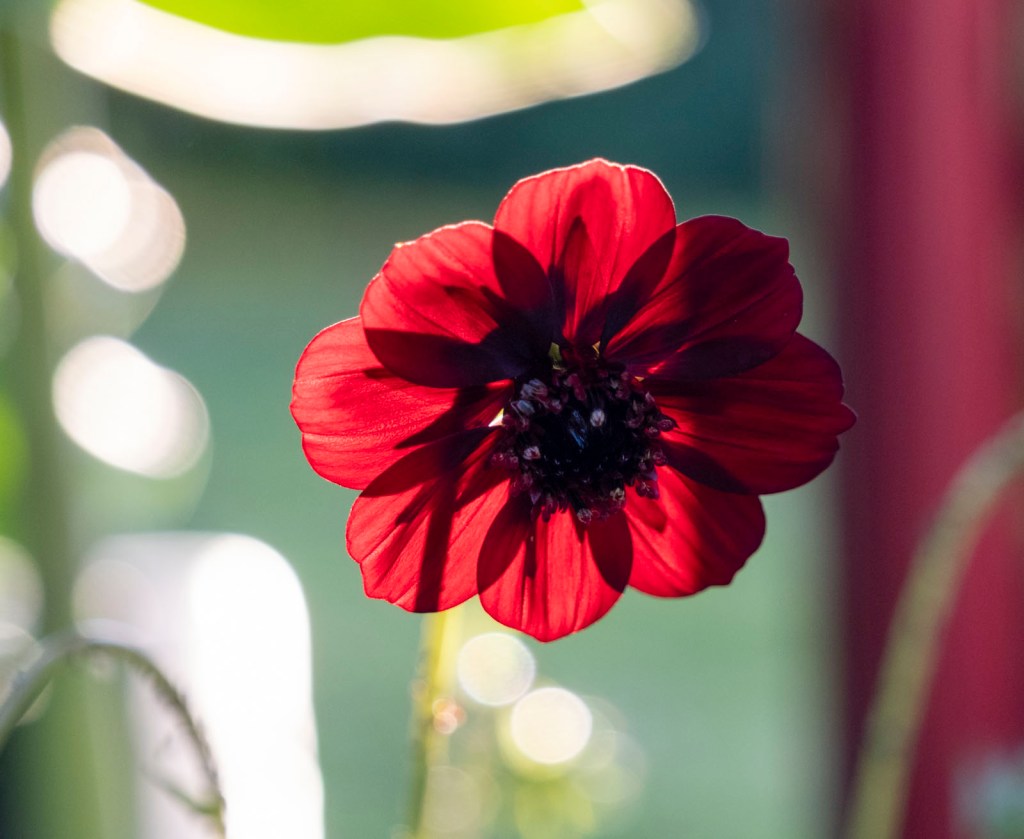
…goodnight.
We are back again – and a big thank you to all our guest hosts! Patti is hosting this week, and the topic is Zigzag. Let’s start with my favourite – Danish architecture – and more.

If you go looking for it, natural zigzag can also be interesting…

Beautiful European adder met on the path some years ago while hiking. I have never seen it rise like this one did – and we backed off…
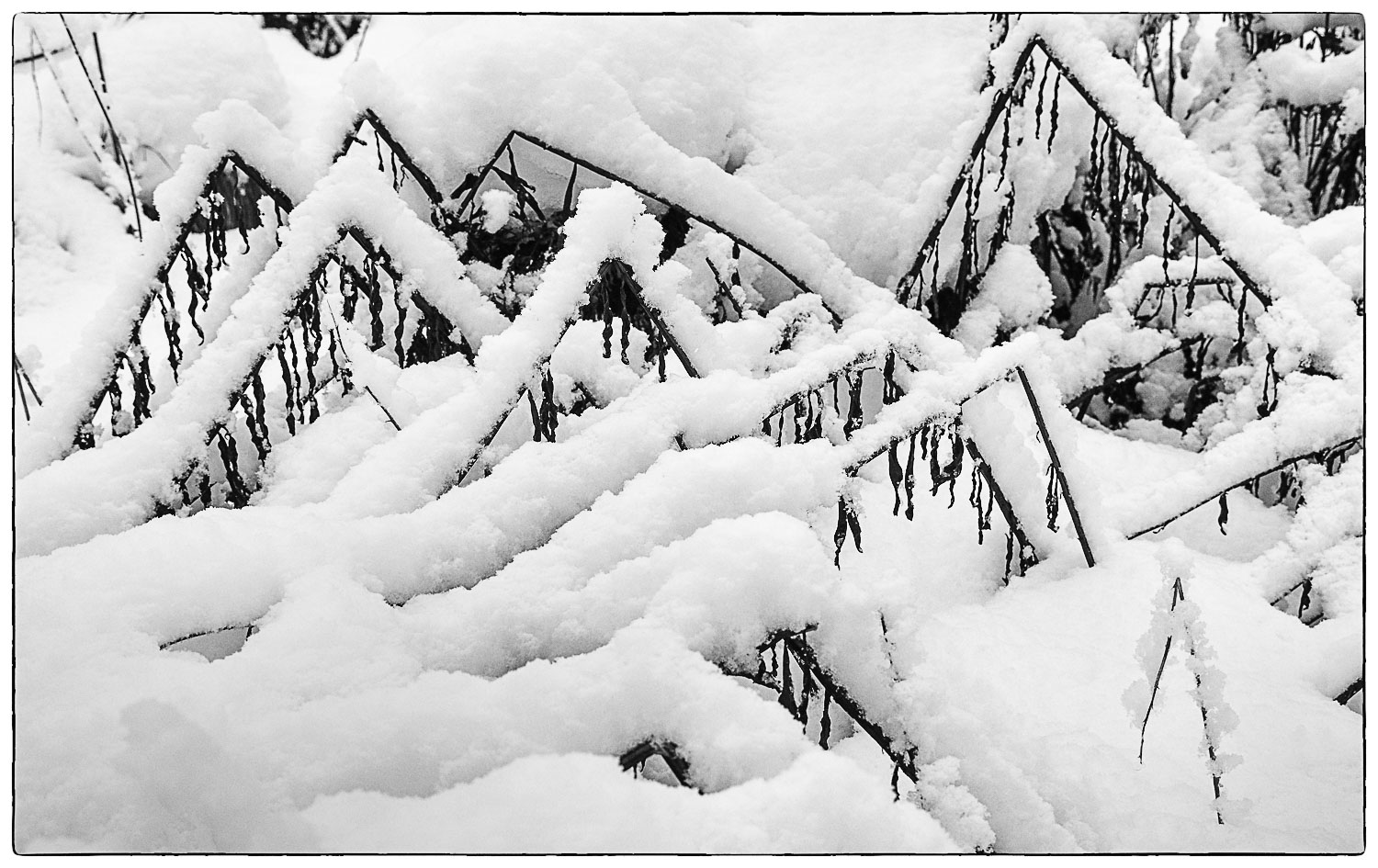
Winter snow bending the straws in elegant zigzag.

In a Narnia Park, we found the broken stone table from the story of Narnia and Aslan by C.S.Lewis.

The sand dunes of the Sahara desert made me think of a soft zigzag pattern.

A walk in Porto is a great joy!
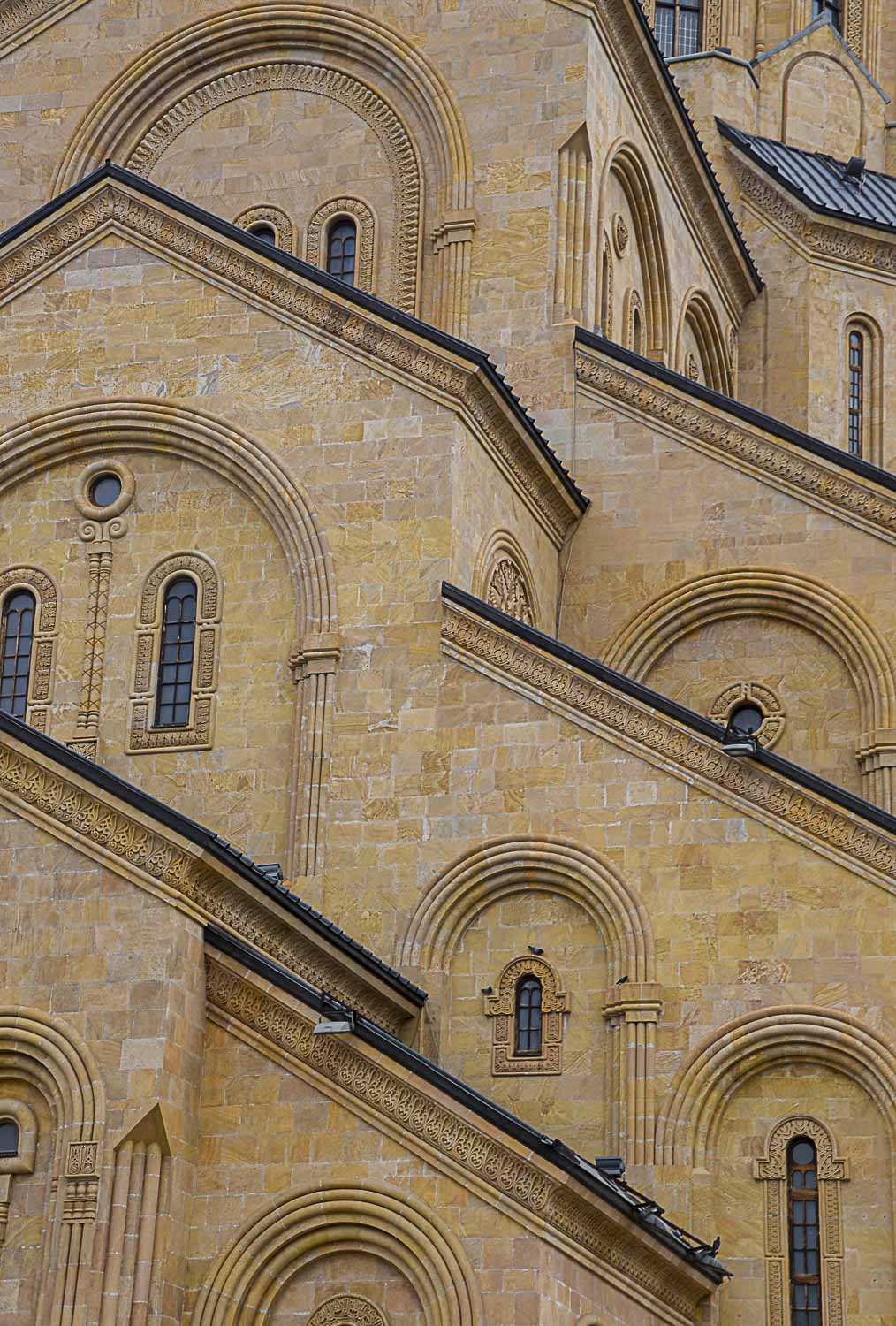


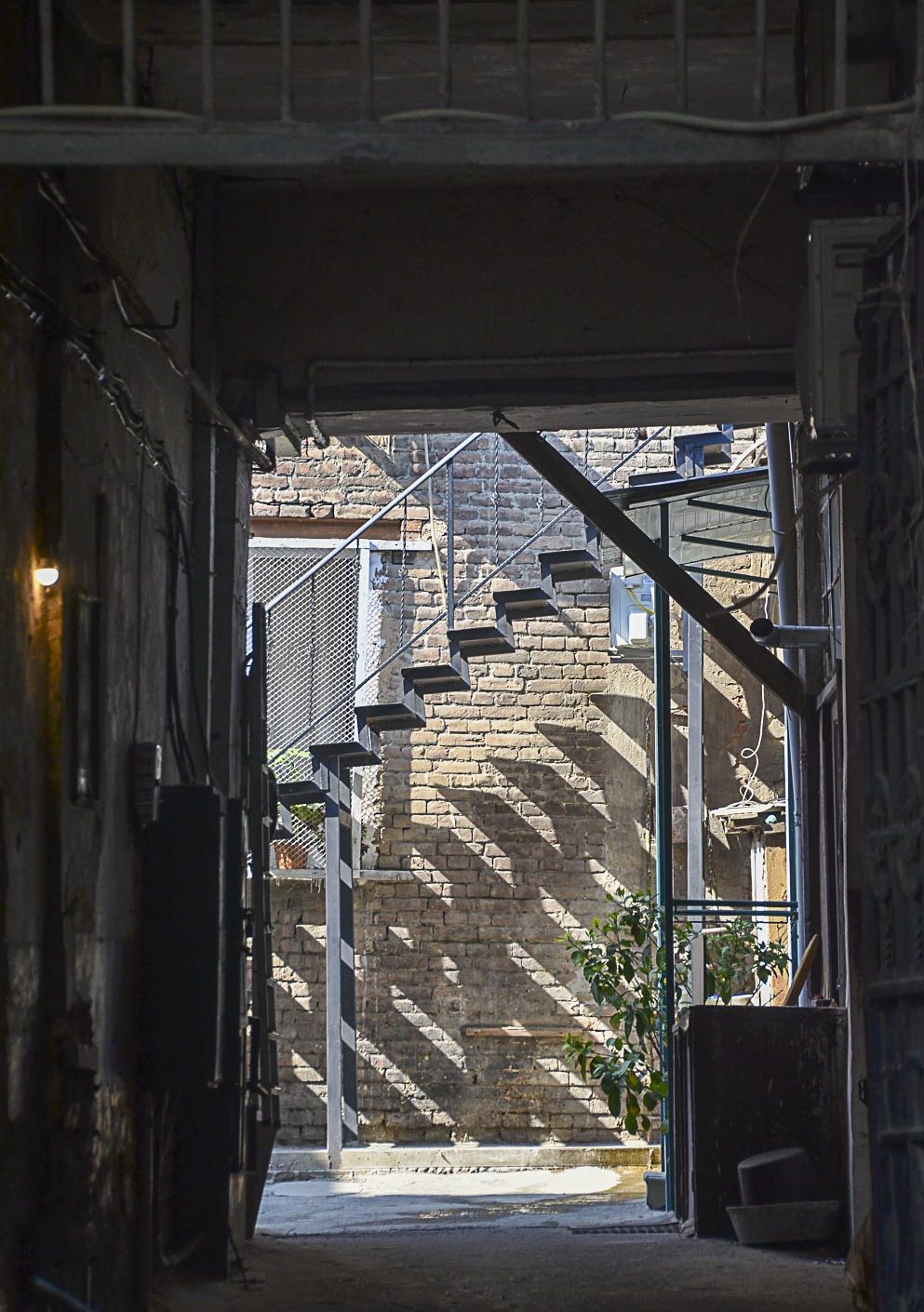
These are all from Tblisi, Georgia – a lot of zigzaging there. Buildings, construction sites and staircases. And fountains!
Have fun with the challenge and we are so looking forward to seeing your choices. Be sure your post includes the “Lens-Artists” tag and a link to Patti’s challenge post.
Next week, I, Ann-Christine, will take the lead for LAC #311, so be sure to visit next Saturday. Until then, stay safe, be curious, and be inspired!
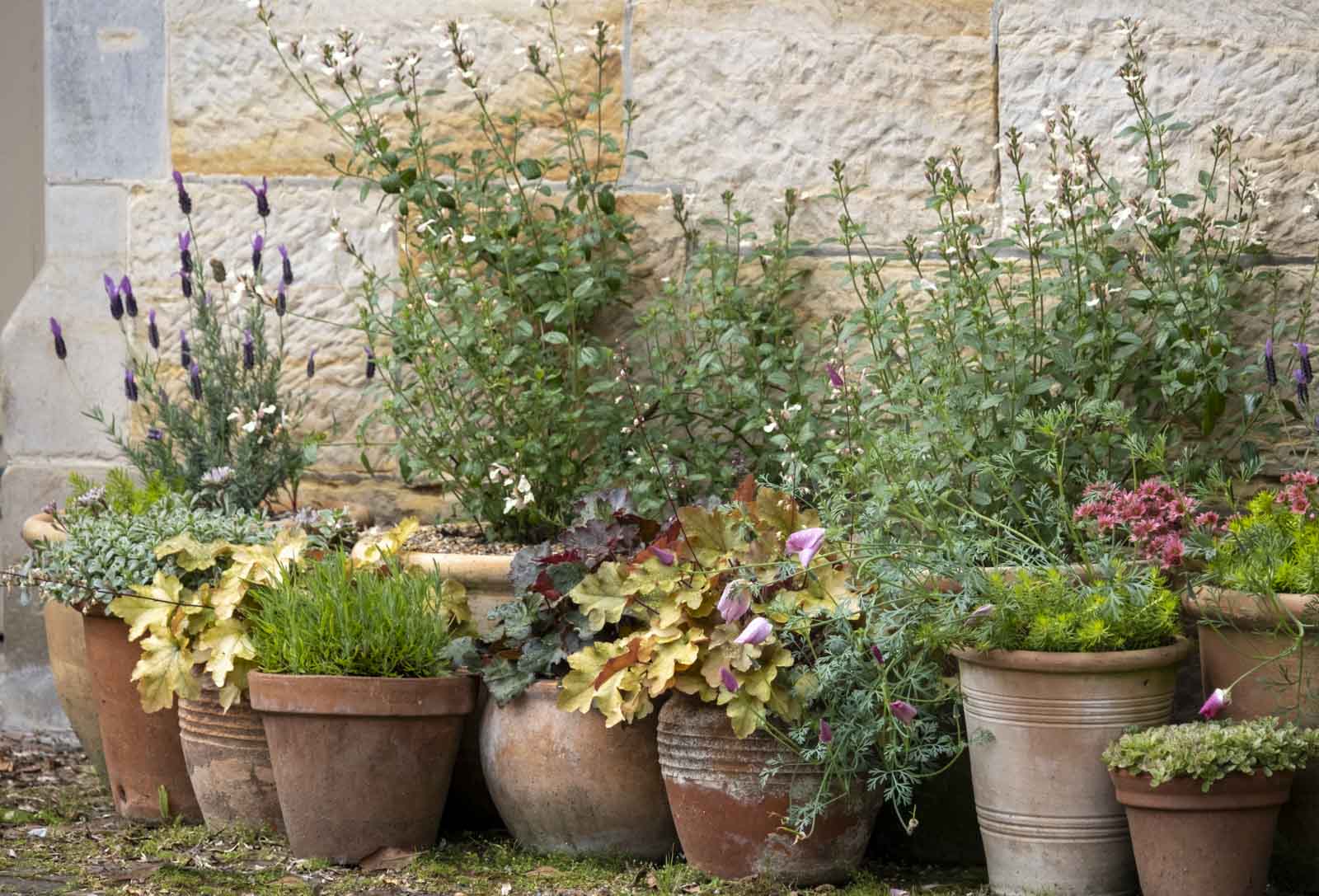
Standen is an Arts and Crafts house located in West Sussex, England. The Arts and Crafts movement was an international trend in the decorative and fine arts that developed earliest in the British Isles and the movement flourished in Europe and North America between about 1880 and 1920.
The movement was a reaction against the perceived impoverishment of the decorative arts and the conditions in which they were produced. Between 1891 and 1894 architect Philip Webb, who was a friend of William Morris, designed the house, which is constructed in the Wealden vernacular style with sandstone quarried from the estate and locally made bricks and tiles. From the start the house had electric power, and it still has its original electric light fittings.
In 1972 Standen House passed by bequest to the National Trust.
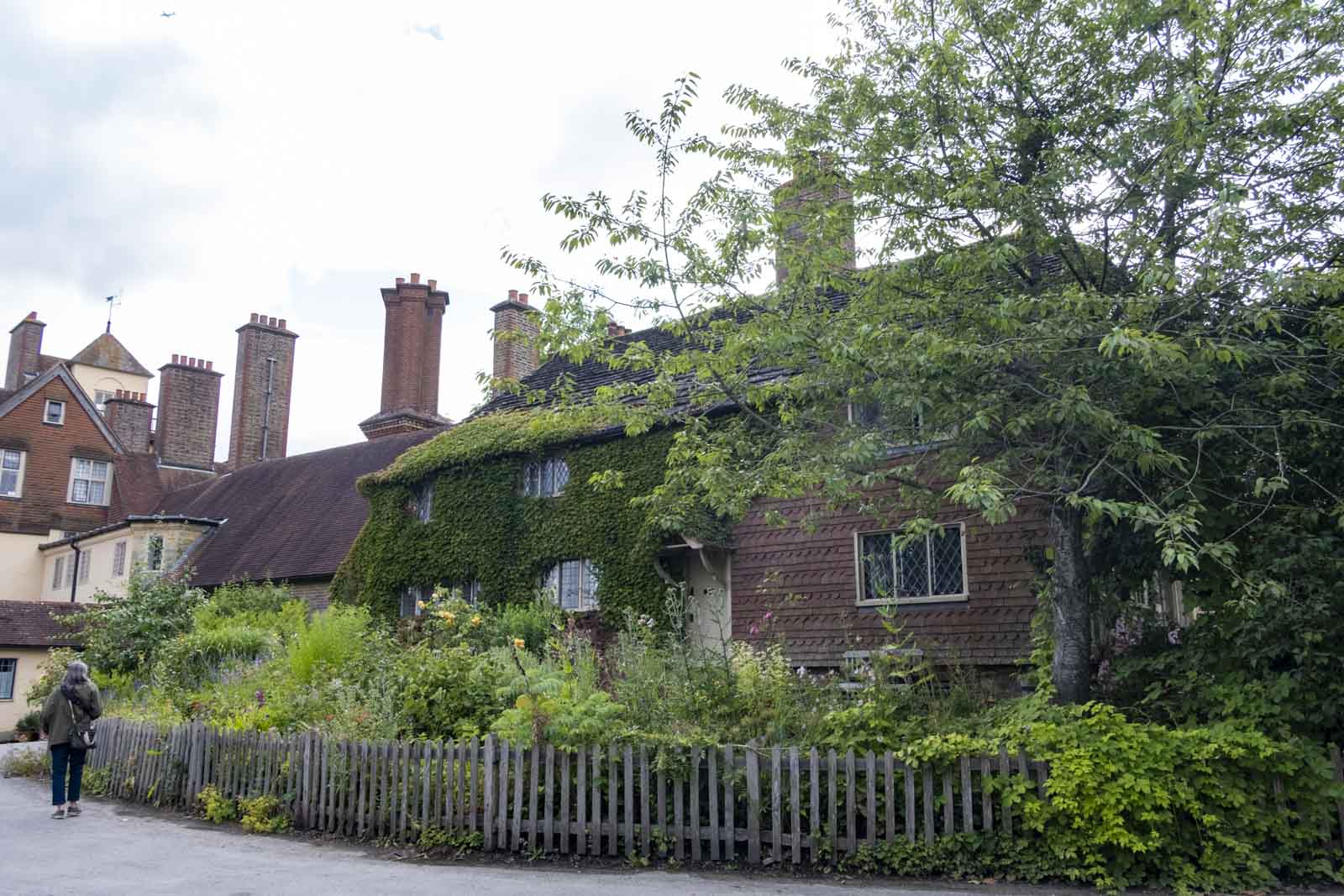

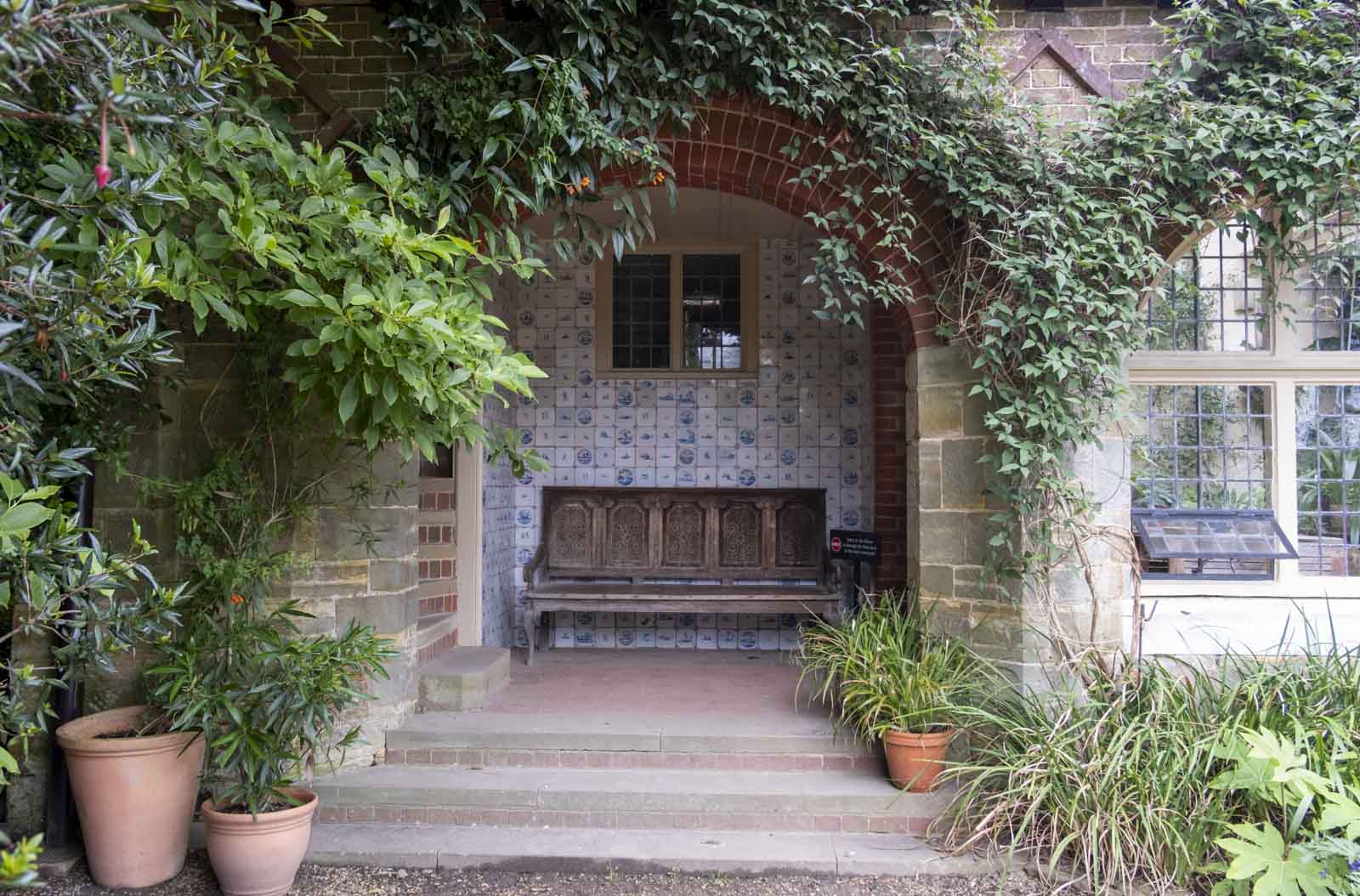
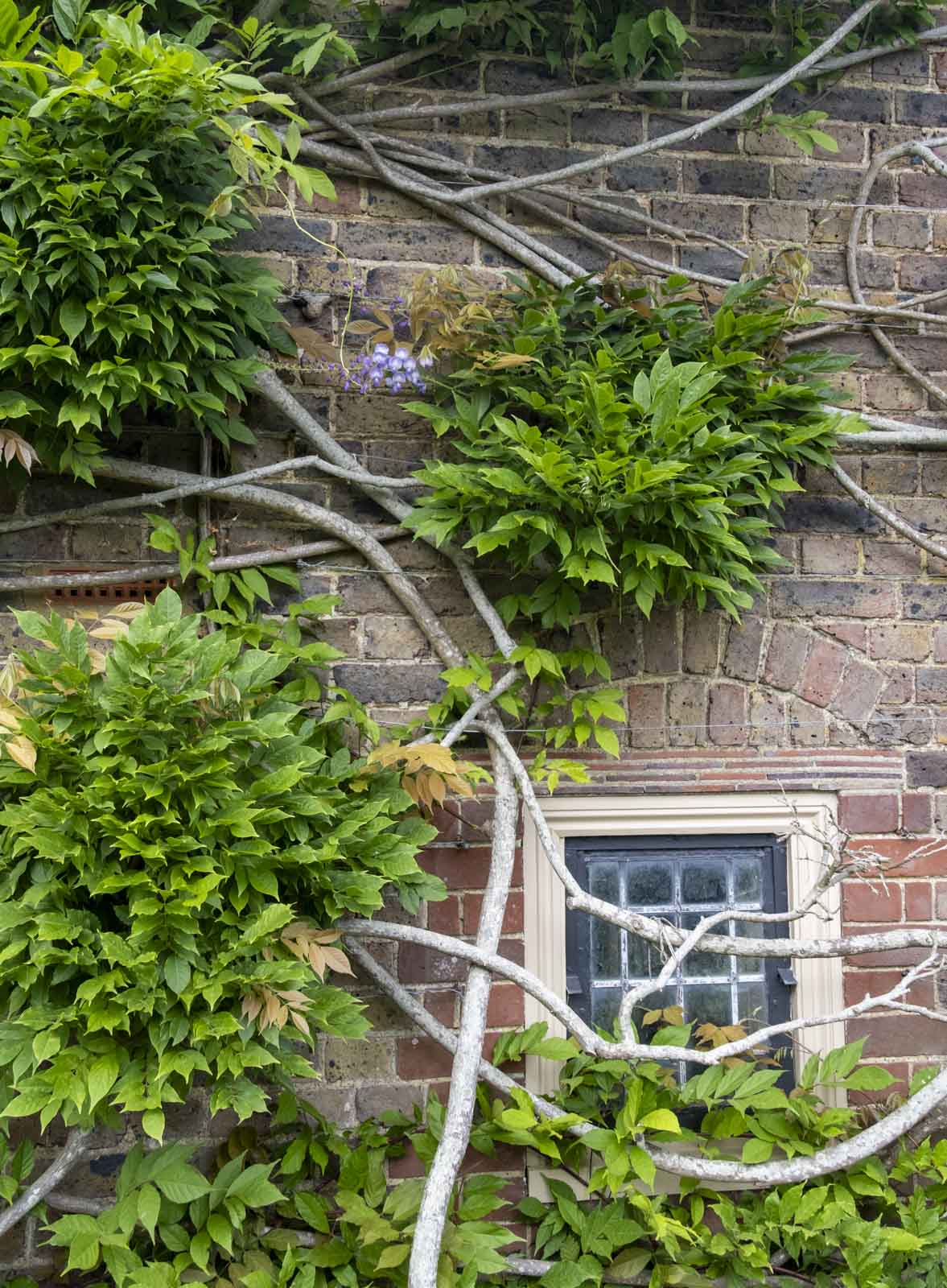
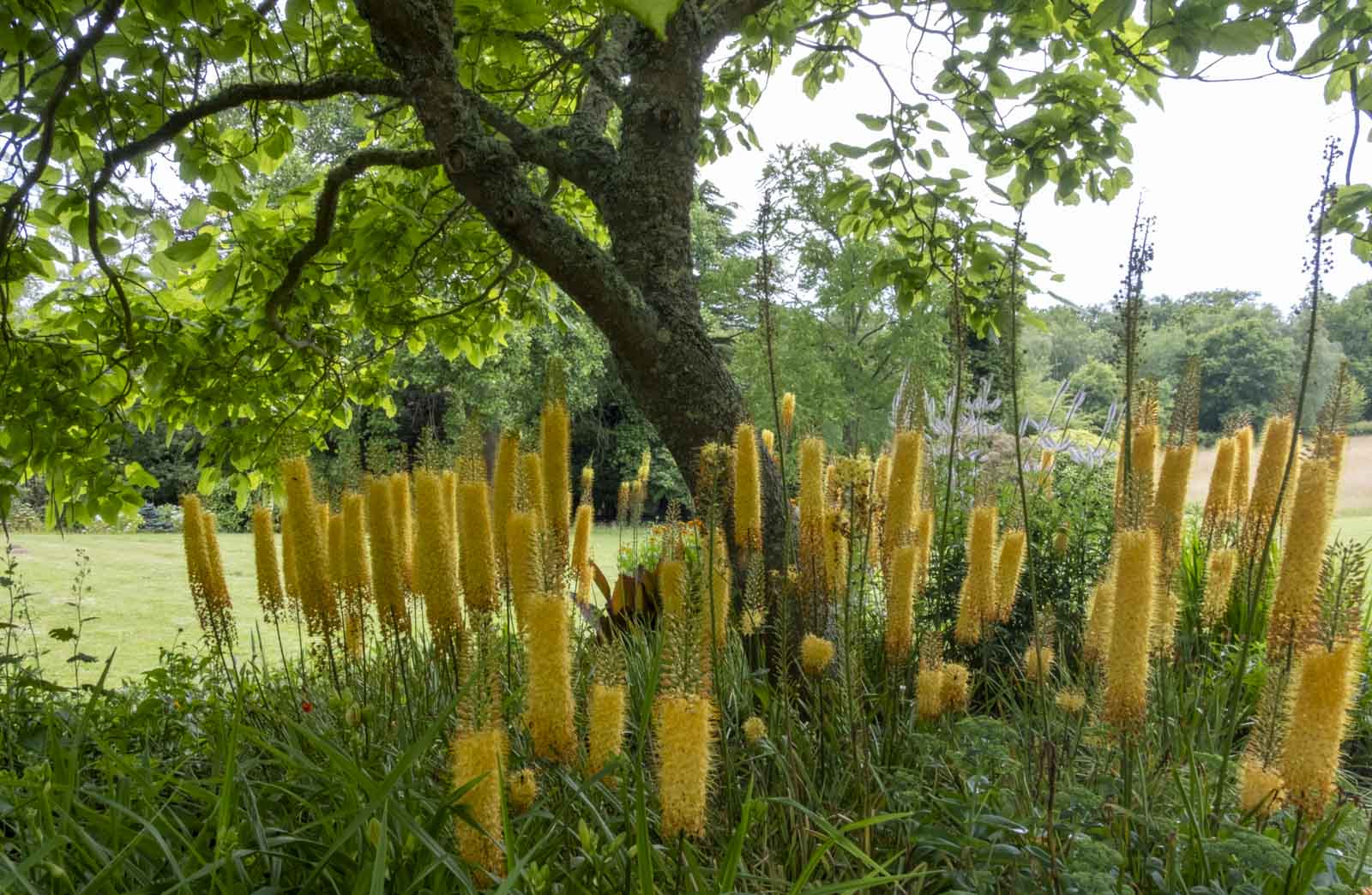


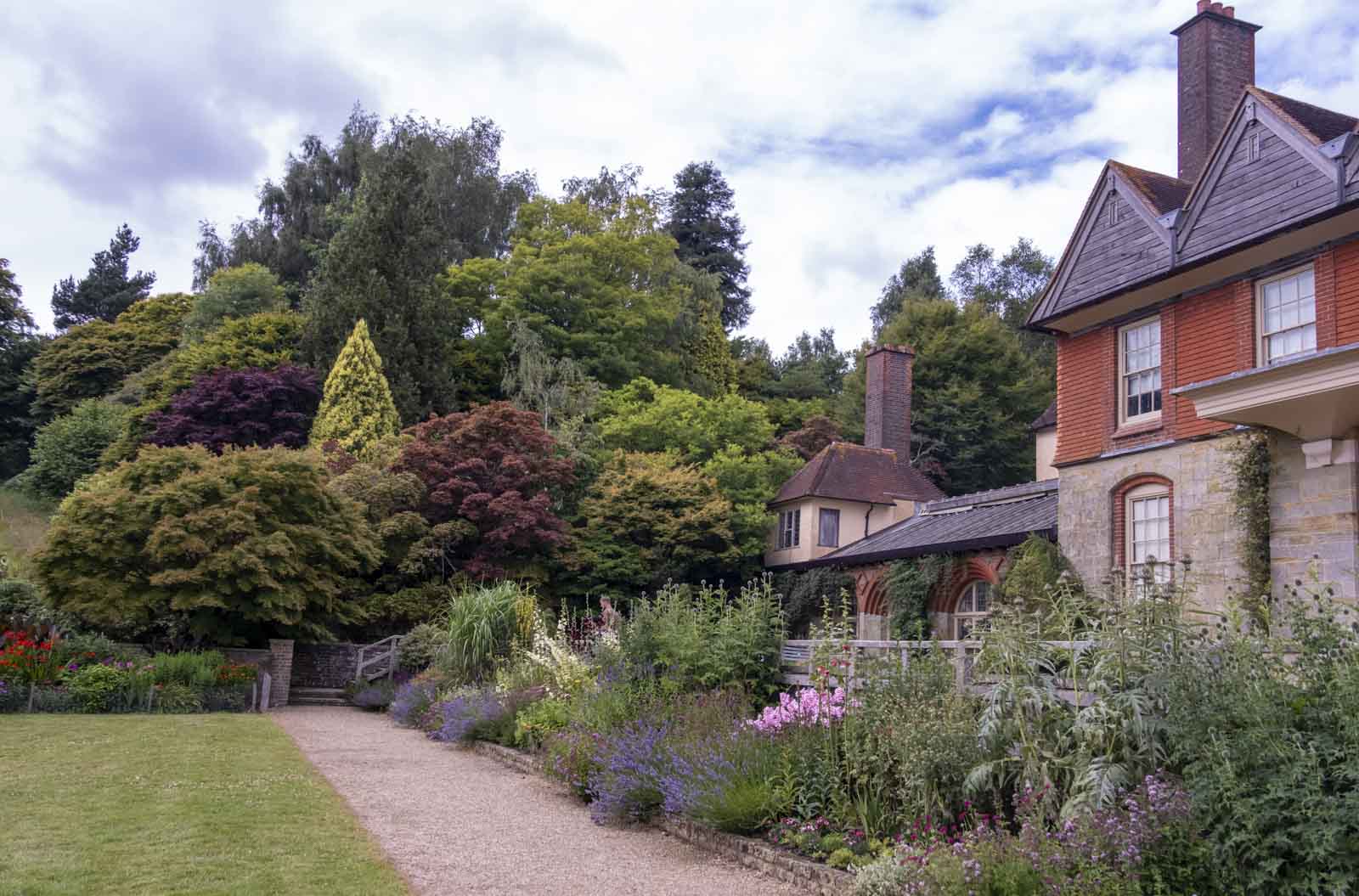
The interior is decorated with Morris carpets, fabrics and wallpapers, with furnishings also by Morris, and of course, the garden is in total harmony with the beauty of the house.


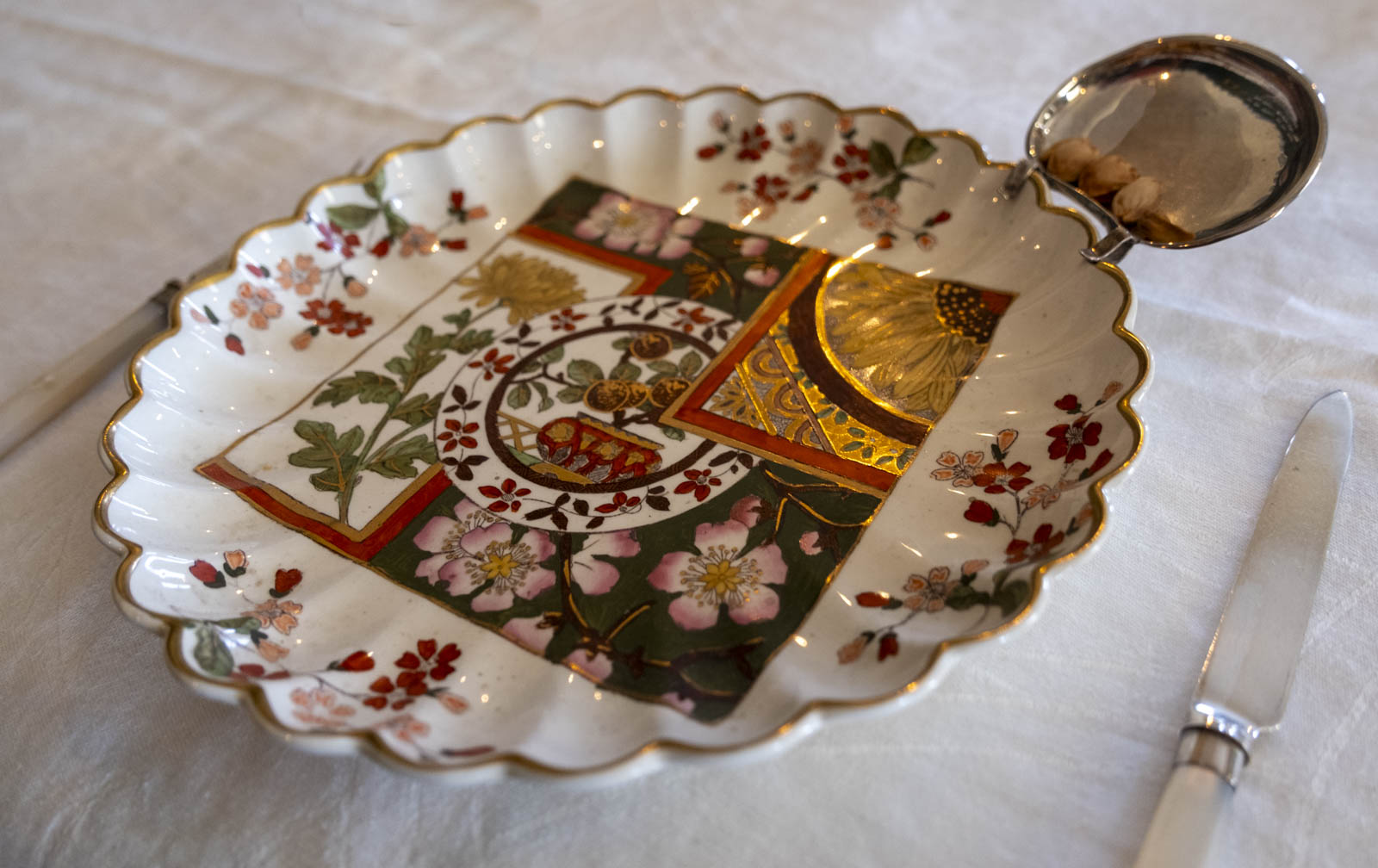
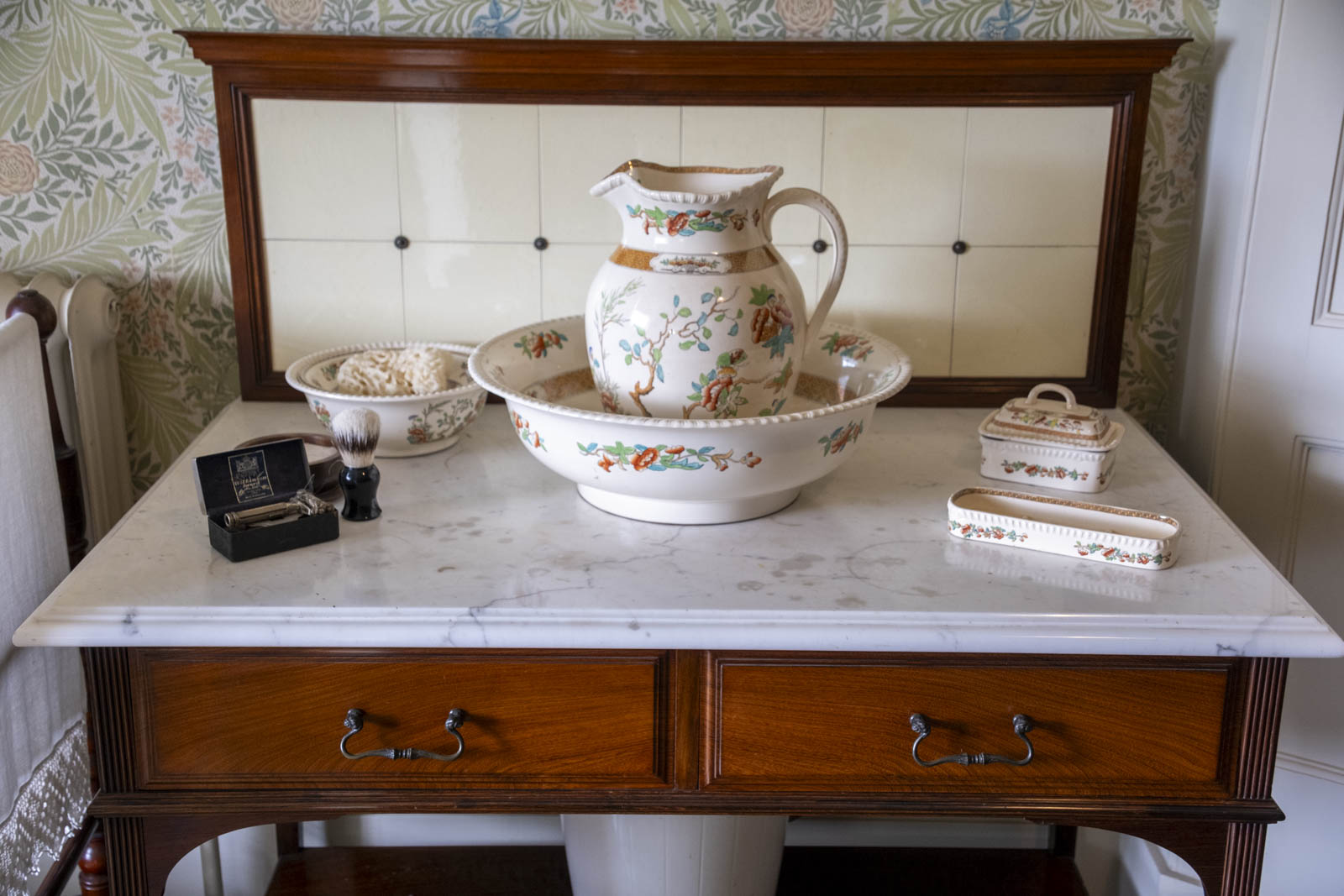
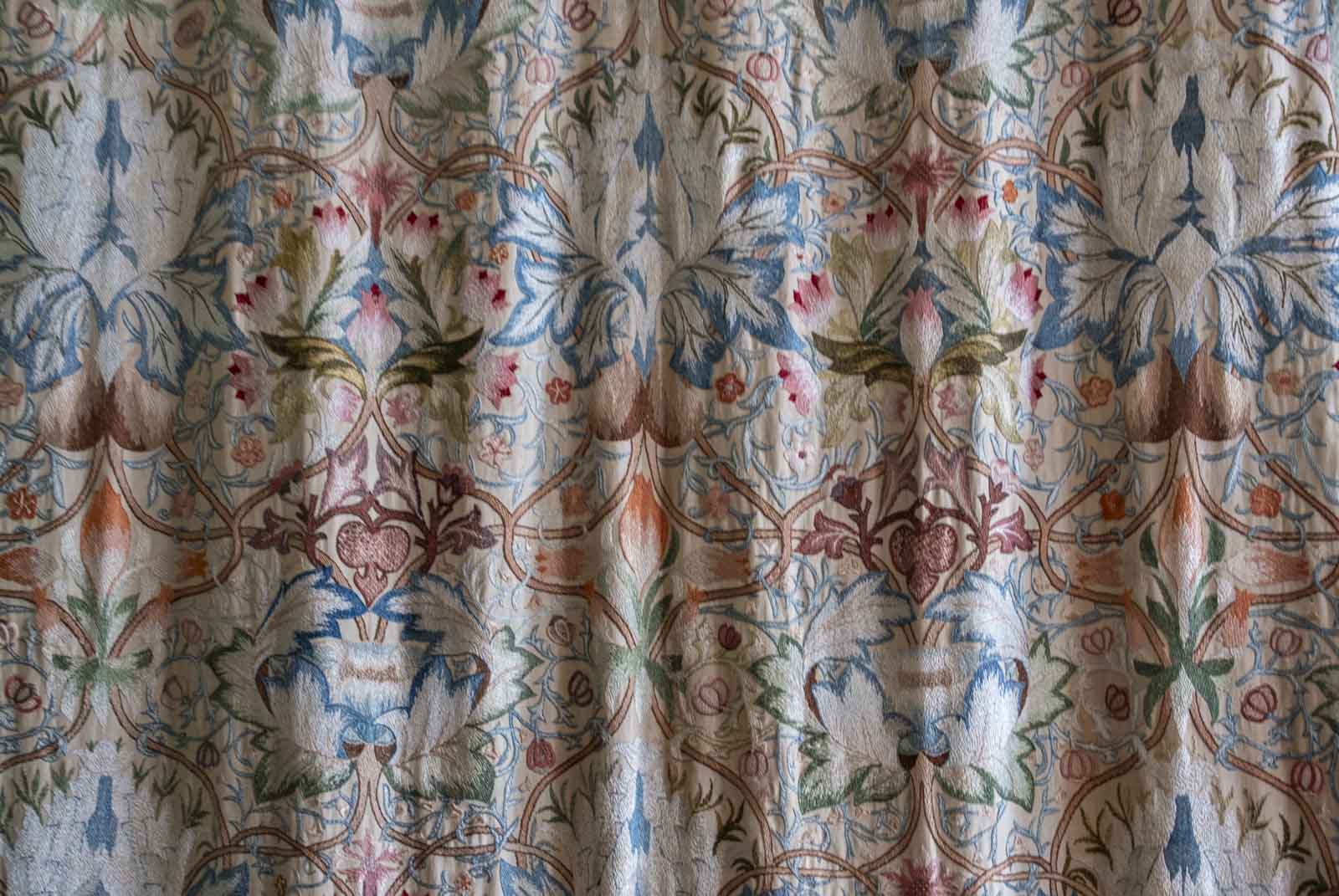

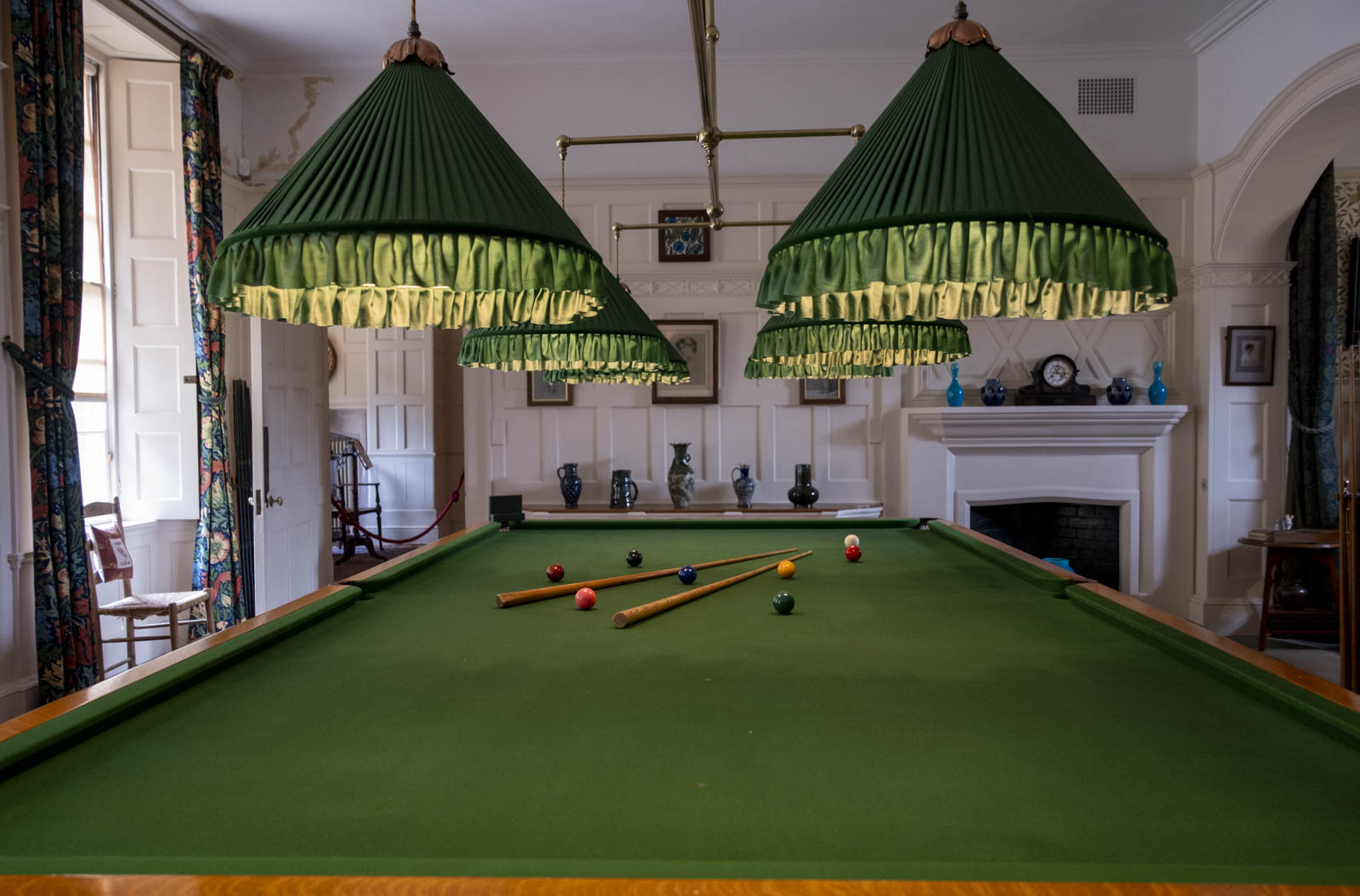

Time well spent going there – peaceful and quiet. Beauty. I think I could live at Standen…but I don’t play pool.

PR of Flights of the Soul is our next lovely guest host, and she is inviting us to find Balconies – please visit her beautiful site for interesting facts and more inspiration!

PR talks about the many ways of using a balcony, and – some cities seem to have no balconies at all, while others have them in every building. In many countries I have seen a dog sitting or walking on the balcony of a house. Hopefully the door in is not closed!
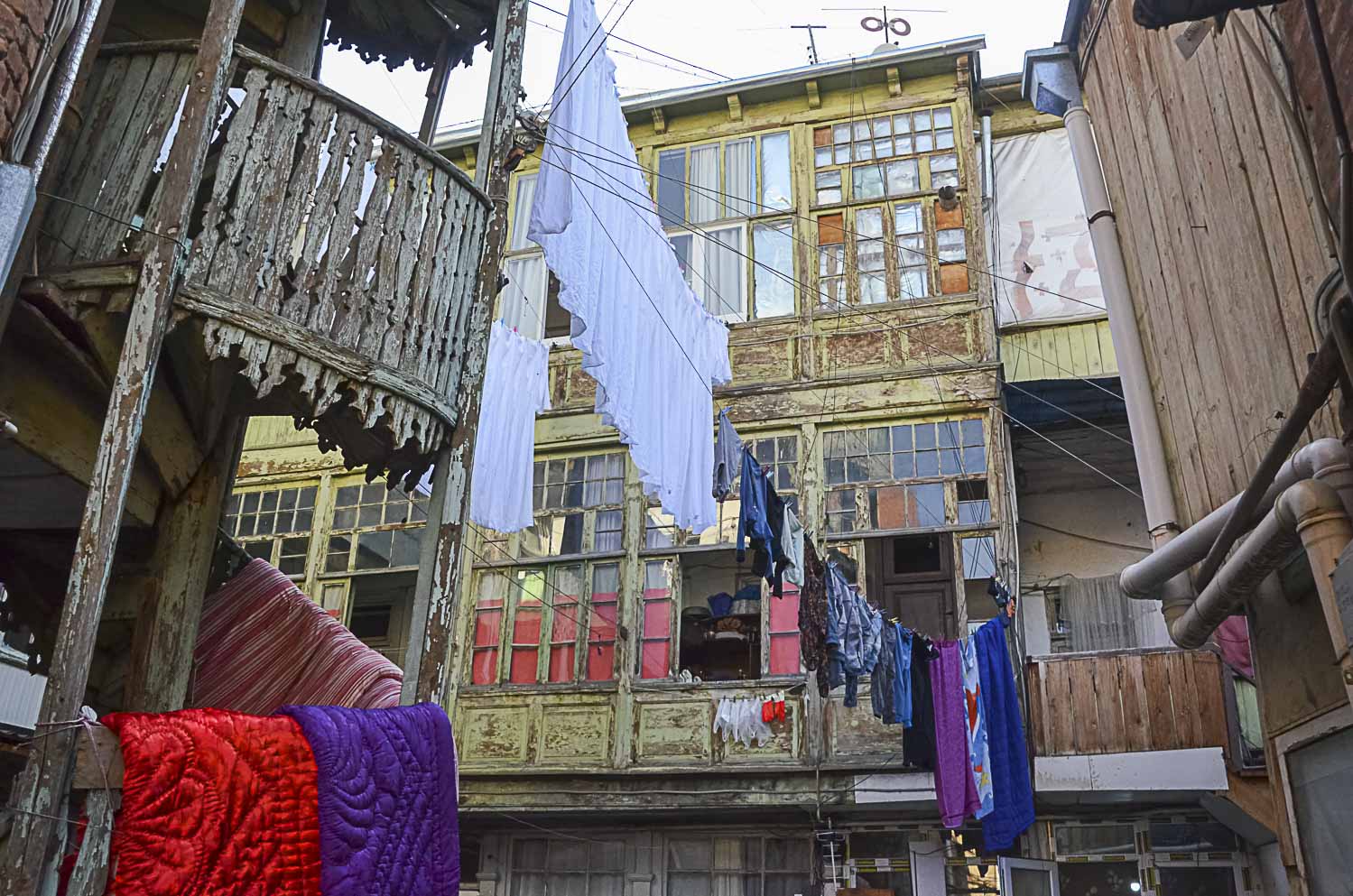
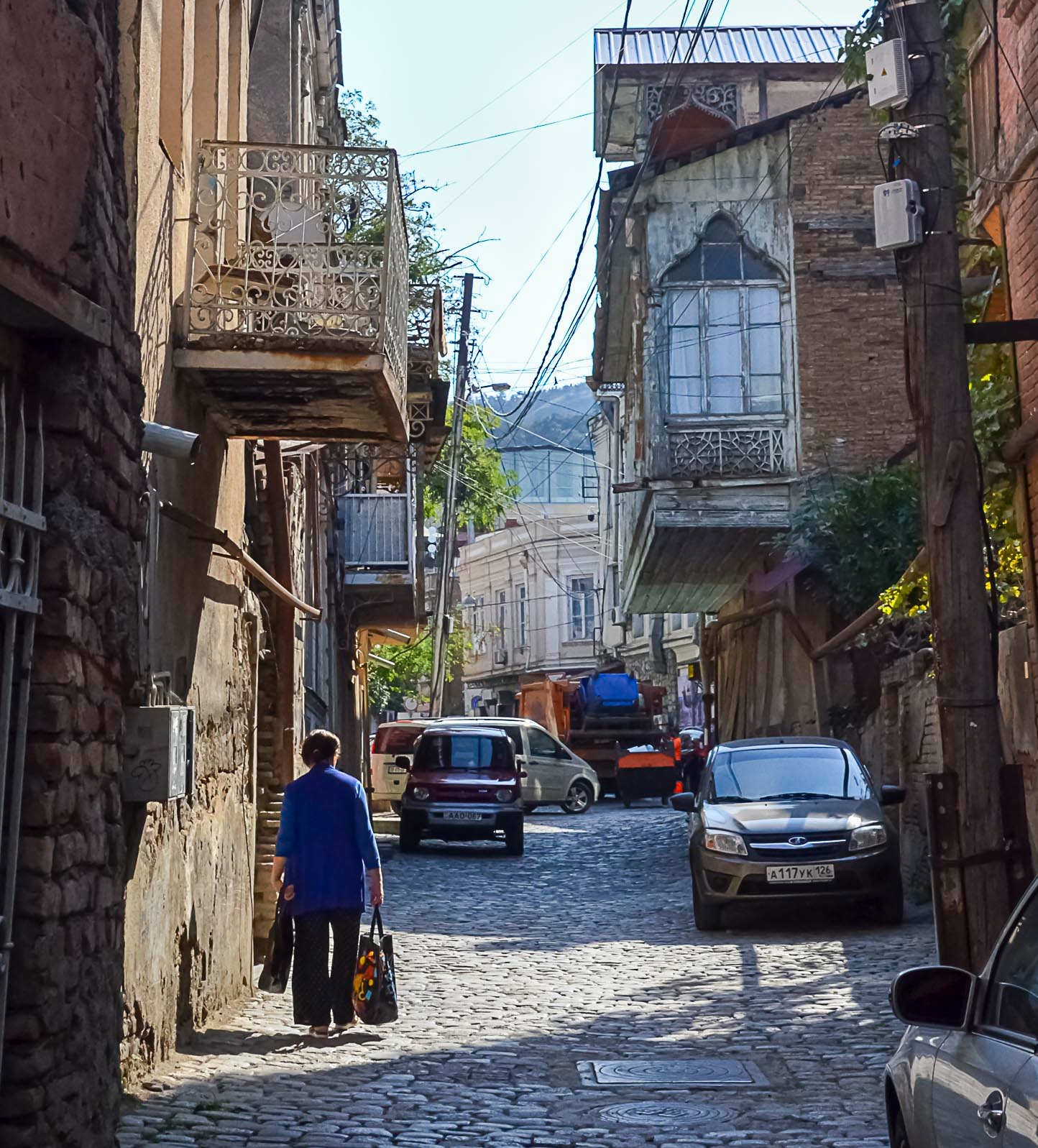
So, we are looking for balconies… A good advise is going to Georgia (not in the US…) and Old Town Tblisi. In the header though, is a Bhutanese balcony for monks only.


For well kept, beautiful architecture and balconies, an impressive place to visit is Prague. This balcony is surely not intended only for a quiet, nice cup of coffee.

The second gallery is from around Europe – we do have some interesting balconies too!


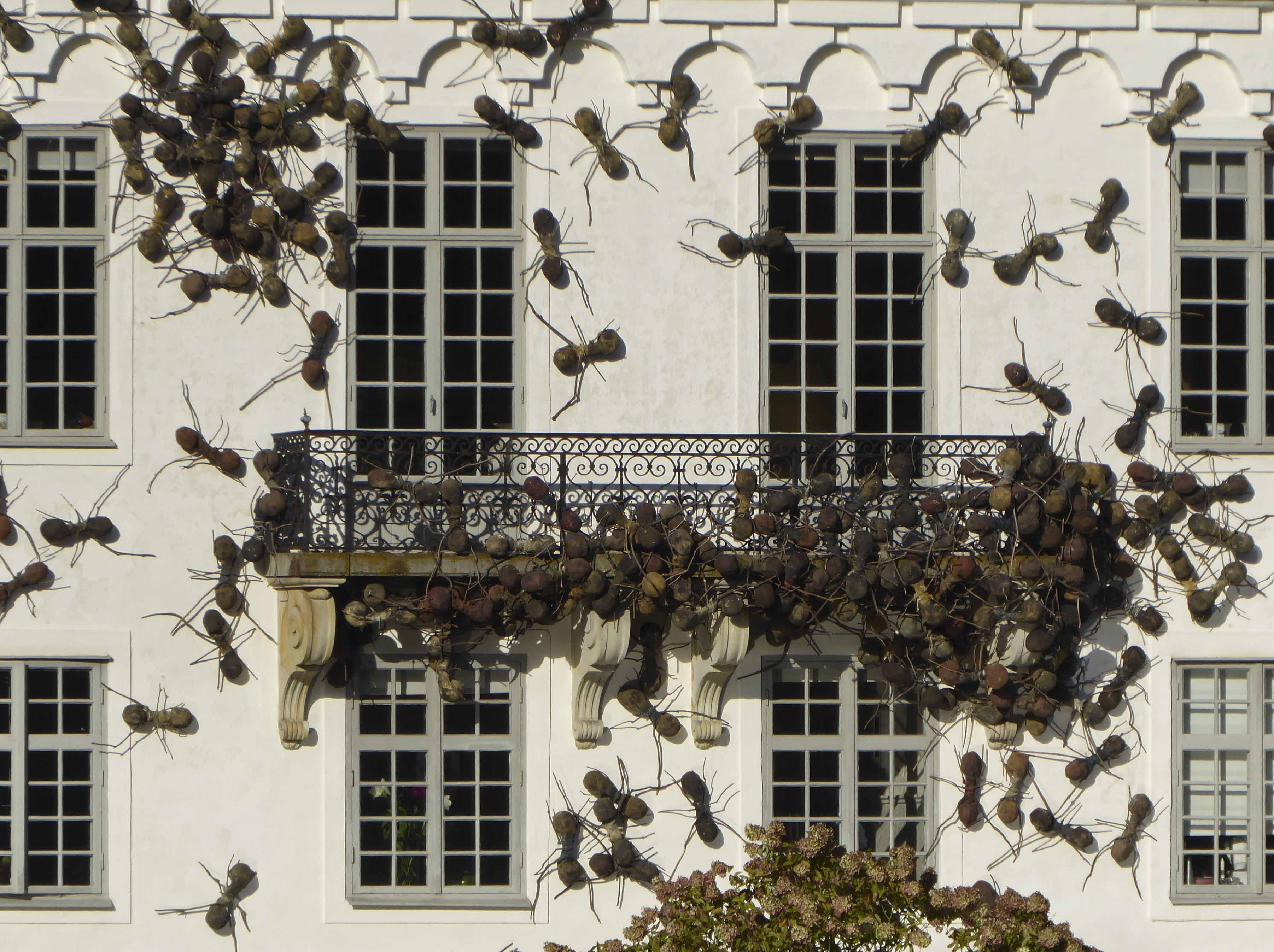

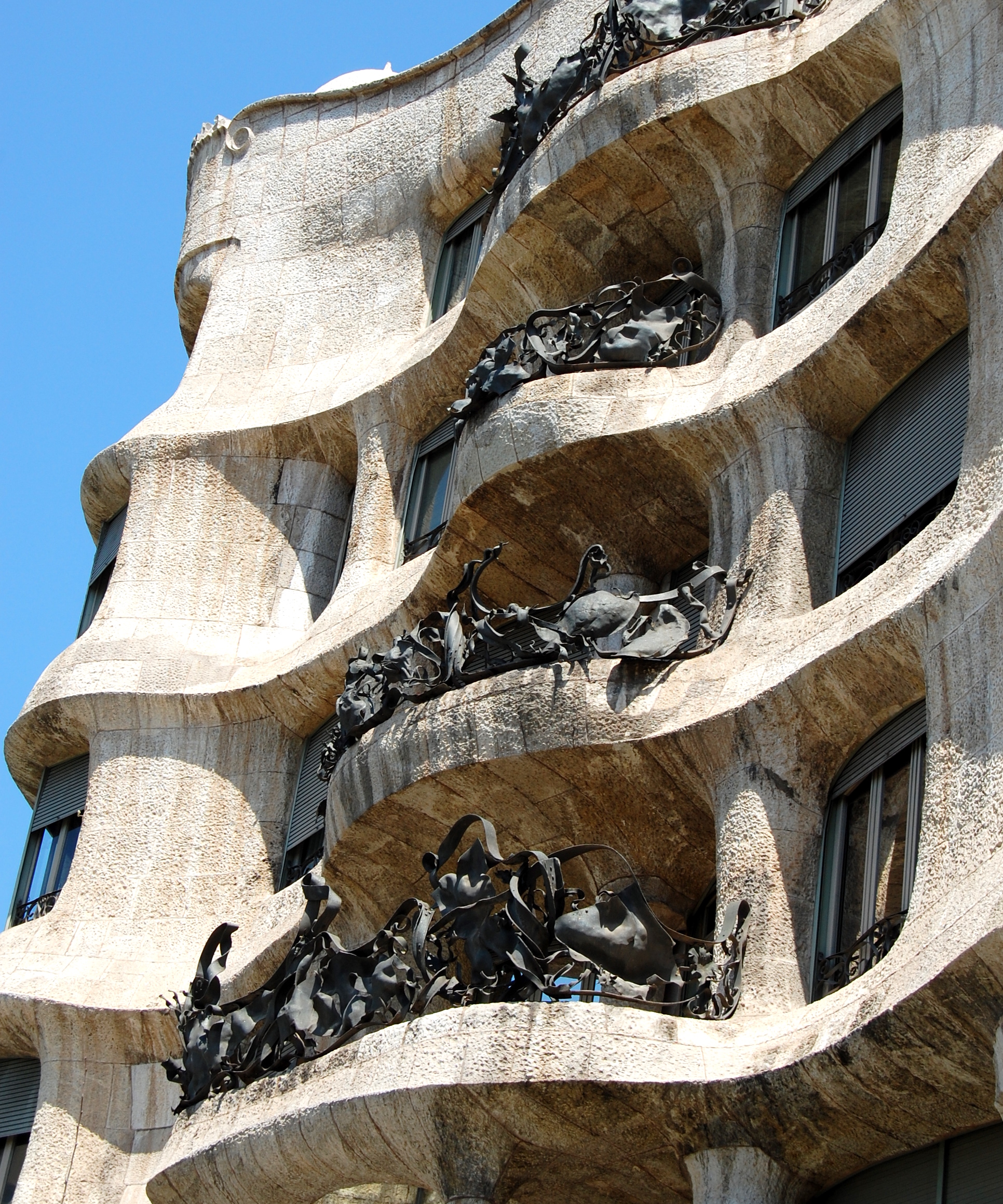

These are from Denmark, Madrid, Barcelona, Bulgaria and Sweden. The ants at Wanås Castle is a work by Colombian Rafael Gómezbarros. And, of course you will recognise Gaudi’s spectacular architecture. PR, the last one is for you – an inside view of the largest balcony of Casa Battló.
Do you have a balcony of your own or are you thinking of some that impressed you? Do remember to use the Lens-Artists tag, and connect to PR’s original post.
Last week, we saw great responses to the challenge Perfect Pairs – a joy! Next week the Lens-Artists team will be back, with Patti starting off the challenge on her Pilotfish blog. Until then- stay nice, enjoy your vacation if you have one, travels if you do and above all – Life. A big Thank You to PR and all guest hosts!
 Leya
Leya 
Du måste vara inloggad för att kunna skicka en kommentar.