Thursday Thoughts – A Yellow Anatomy

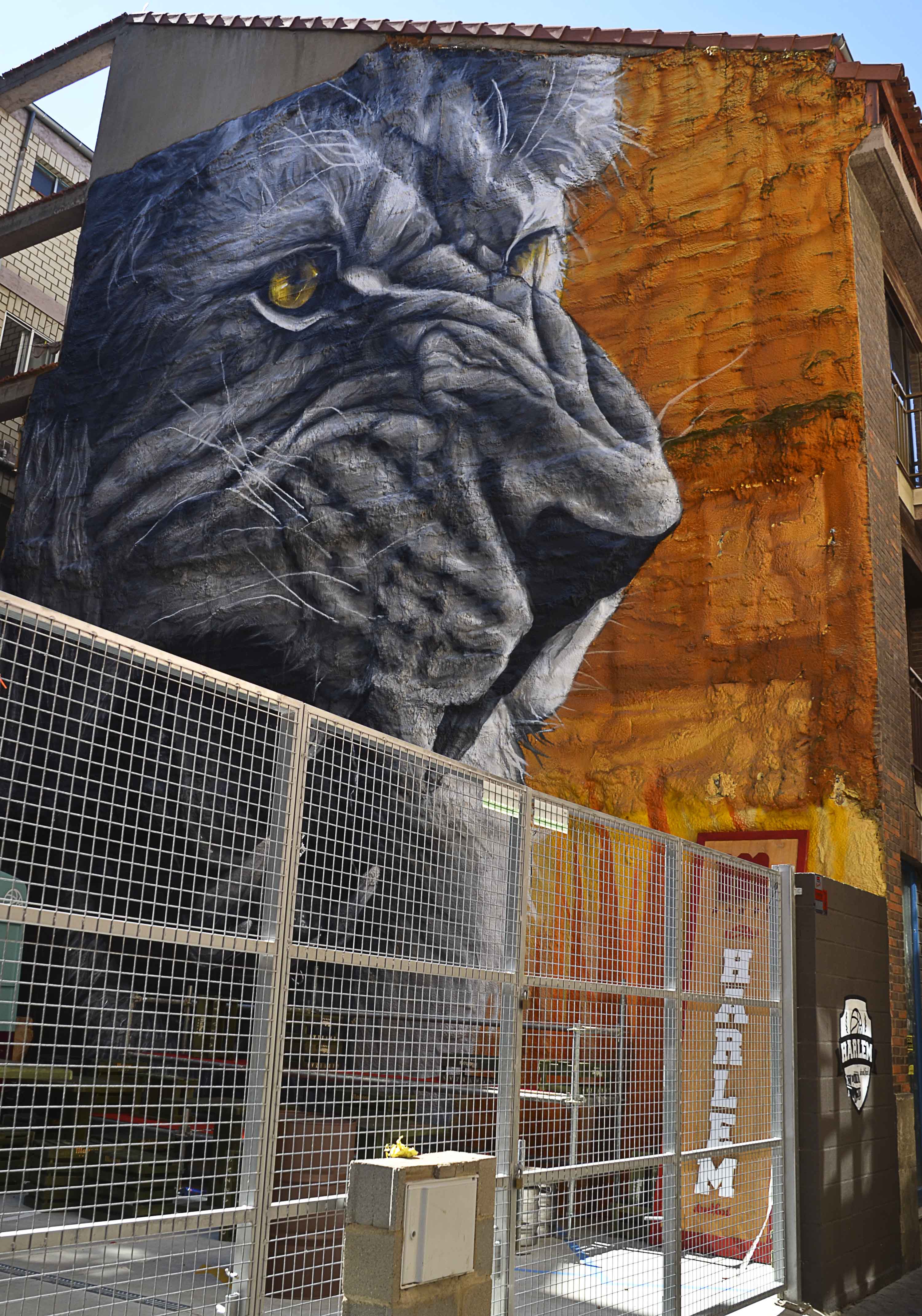
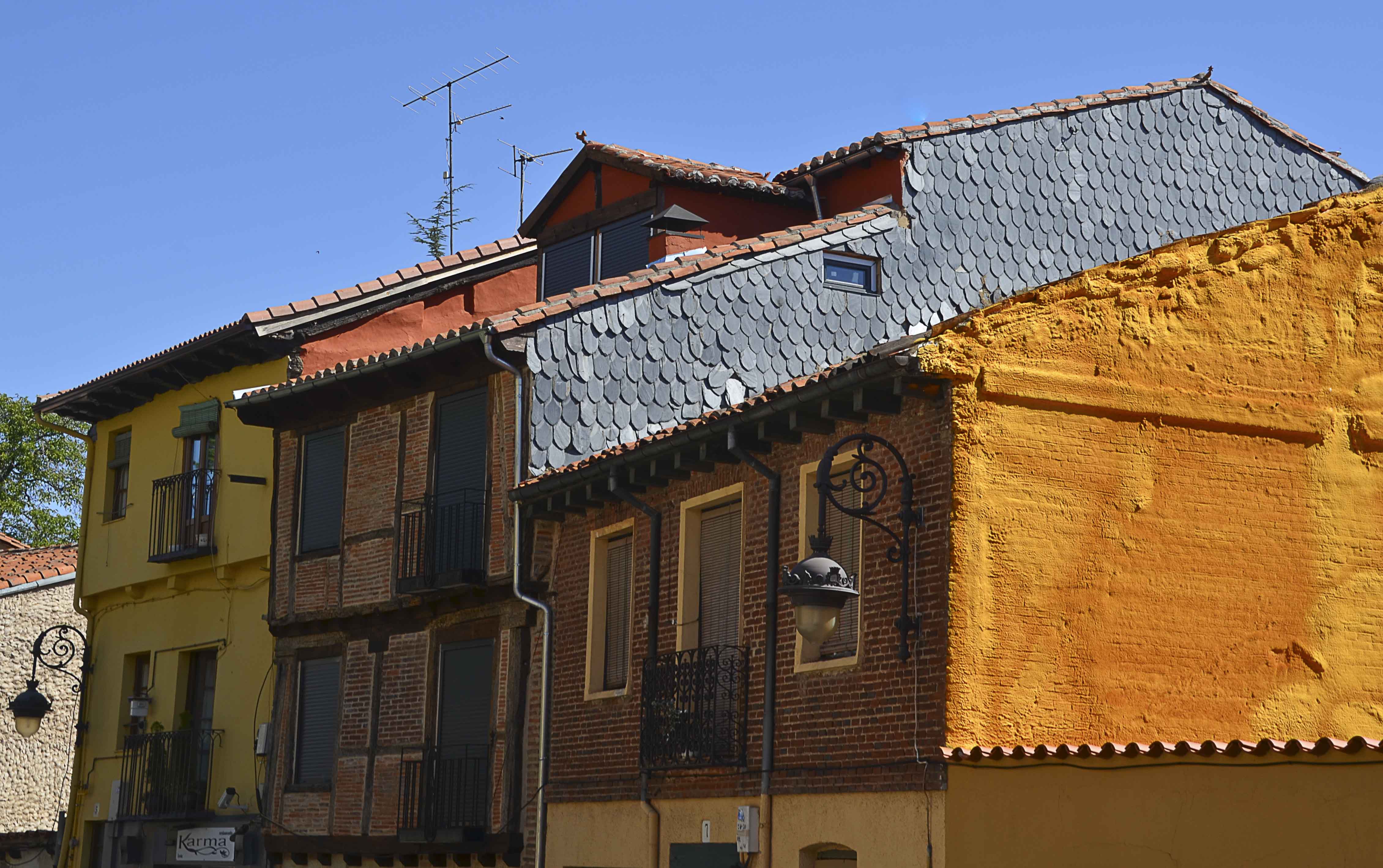
Yes, why yellow walls? Driving through the north of Spain, I recognized this almost saffron colour on a great many walls in the cities and villages.

Personally, I love this colour. Its warmth and connection to Africa and to the desert.

In Pamplona I found this enormous Lion on such a yellow wall – Impressive painting, and so in harmony with all that yellow. On a closer look, I found the painting even more impressive.

I still do not know why those walls are painted saffron yellow, but at least I have figured out what the colour is hiding…

…the anatomy of what once was.

The Winner Takes It All – Song of Roland

”I am watching your every step…”

Towards Pas de Rolande, where Charlemagne’s army was ambushed after the sacking of Pamplona – celebrated in the medieval poem, Song of Roland.

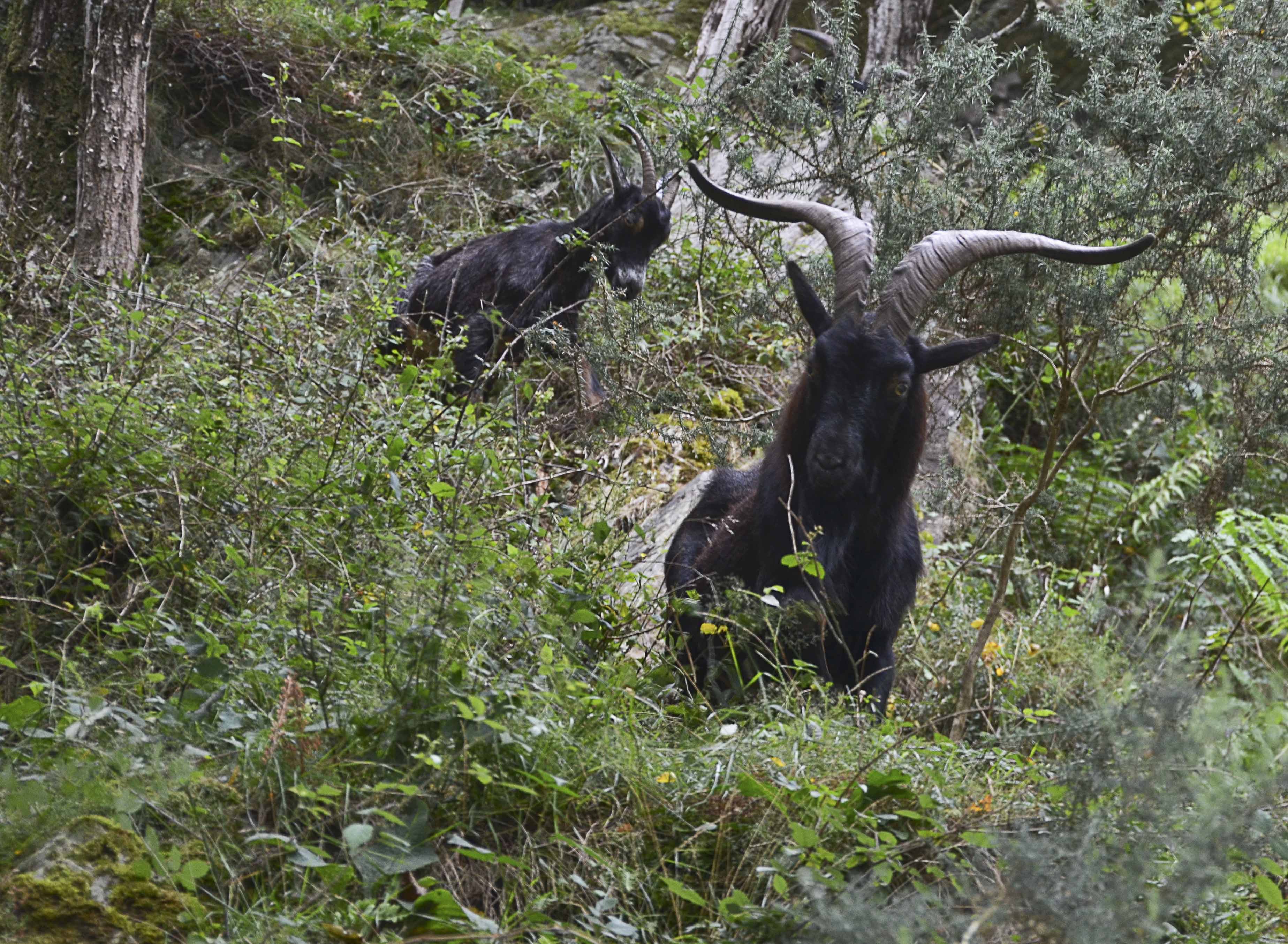
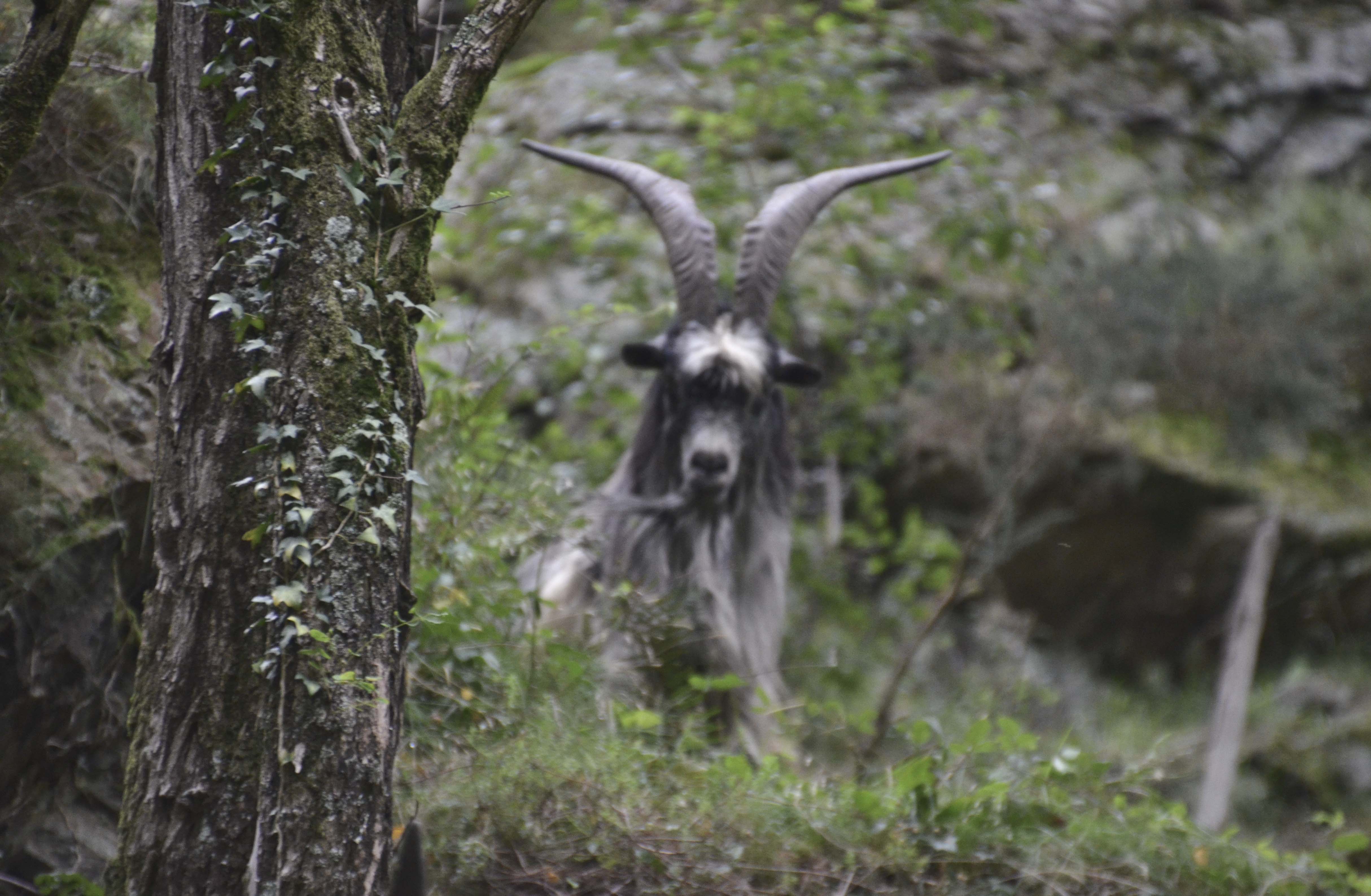
Along the road we met a herd of, what we believe was, Iberian wild goats. The gamey smell filled the air, and soon we saw them climbing the stony slopes up on our right side as well.

As they were rather close to the road, about 5-10 metres up, we could study them roaming the bushes, popping up a head every now and then.

We reached the rock formation in the gorge. According to legend, the gap once was created by Roland’s horse.

On my way back, alone, (my husband went back before me) the strong smell from the goats appeared again. And, I was lucky to witness this piece of wild life -love life!

”Well, I have seen it before…and in my  younger days I would…

…win all of those fights…”

A Living Legend…

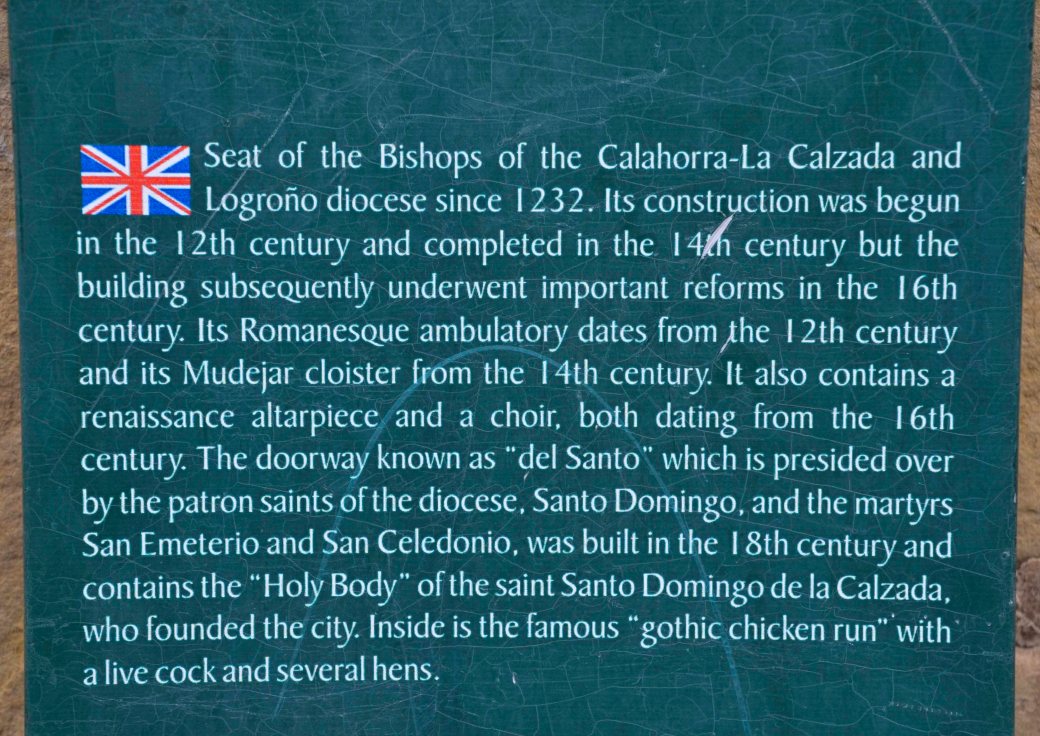
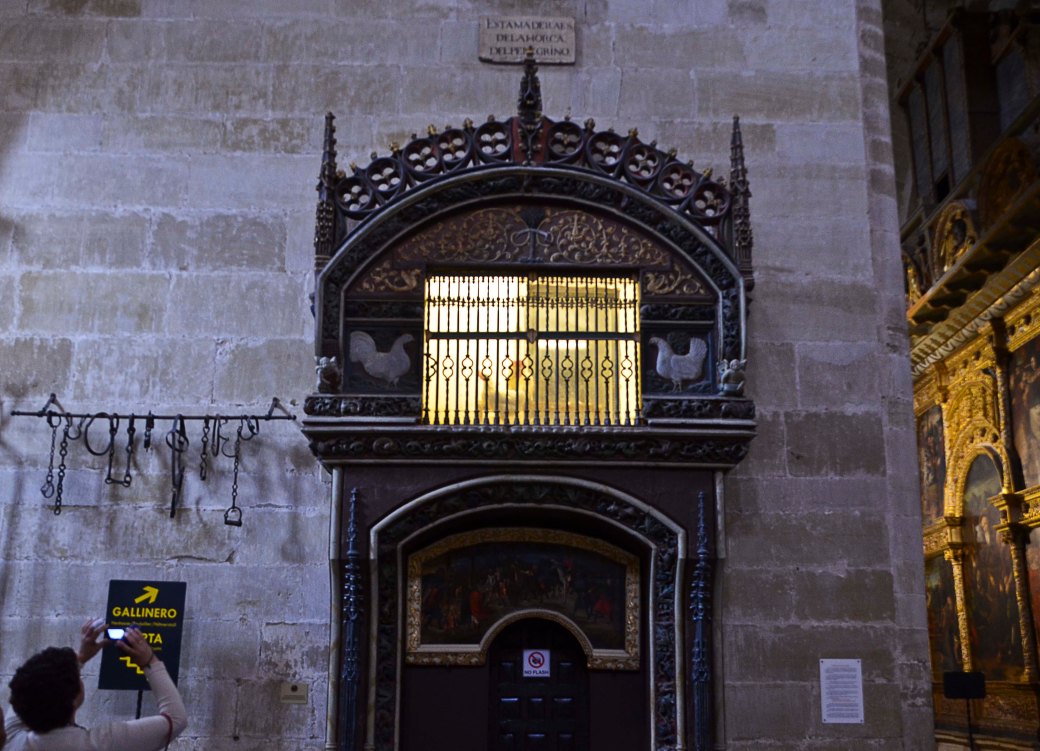
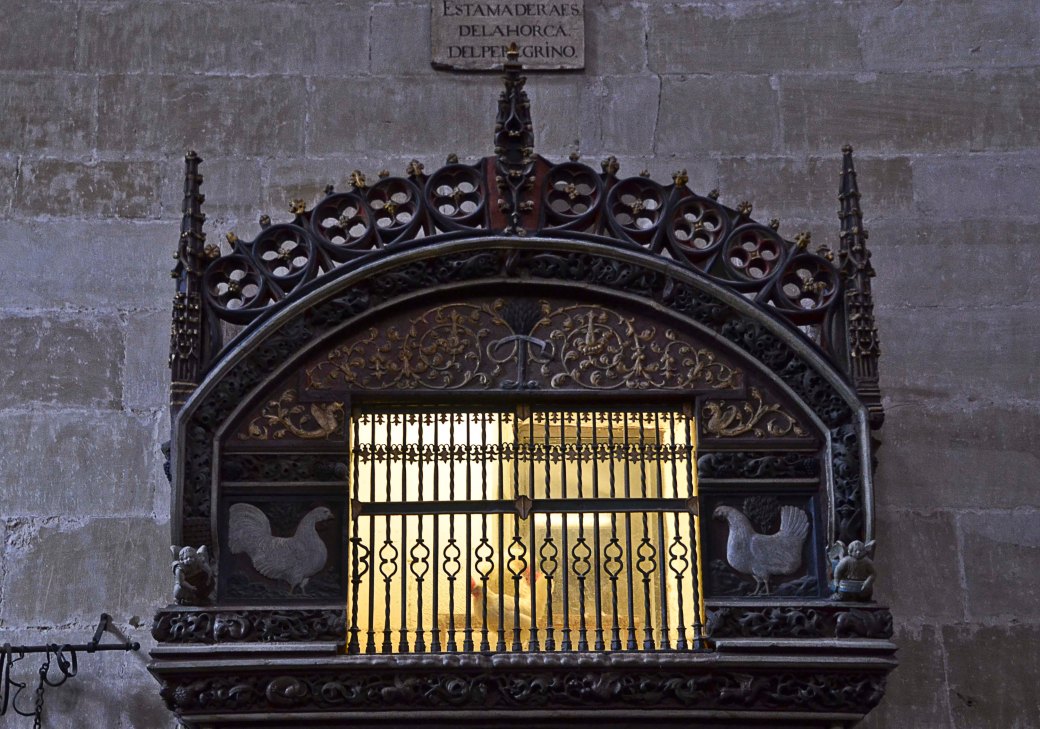
Legend has it that Santo Domingo, who lived around the year 1000, was honoured for his miracles … by keeping a live cock and hen in a golden cage in the church wall.

Santo Domingo de la Calzada

The story tells of a German pilgrim, who rejected a local girl’s love, but then she wrongly accused him of theft, and the pilgrim was hanged. Later his parents found him still alive in the gallows. The parents went to the local judge, who said: ”Nonsense, he is not more alive than the cooked rooster on my plate.” Then the rooster stood up and crowed.

Believe it or not – but they are still there…

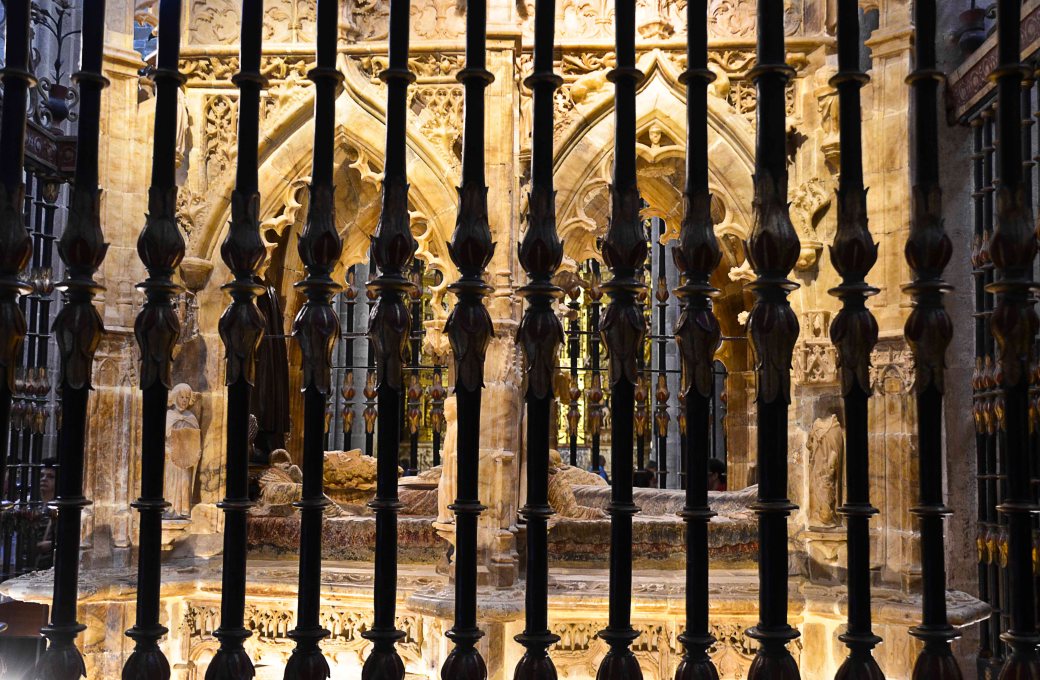
…and so is the saint – but in another cage.

WPC: Fun

Great Fun! Fun watching them, fun playing volleyball, fun puppy love…

How I enjoyed this stay with Totti’s little ones! Thank you Michelle, for finally having Fun!


123064_242742Tottivalpar

Thursday Thoughts – The White Stork is Back!

On my trip to the northern parts of Spain, I made some lovely aquaintances…and not only with people. I was happily shocked by the numerous storks here – at least one nest in every village!

The white stork (Ciconia ciconia) is a large bird that measure on average 100–115 cm (39–45 in) from beak tip to end of tail, with a 155–215 cm (61–85 in) wingspan. The white stork is a long-distance migrant, wintering in Africa or on the Indian subcontinent. He is also a symbol of my part of Sweden.

He eats a wide range of animal prey, including insects, fish, amphibians, reptiles, small mammals and small birds. He takes most of his food from the ground, among low vegetation, and from shallow water. He is a monogamous breeder, but does not pair for life.

Both members of the pair build a large stick nest, which may be used for several years. Both parents take turns incubating the eggs and both feed the young.

The white stork benefited from human activities during the Middle Ages, but changes in farming methods and industrialisation saw it decline and disappear from parts of Europe in the 19th and early 20th centuries. Conservation and reintroduction programs across Europe have resulted in the white stork resuming breeding in the Netherlands, Belgium, Switzerland and Sweden.

In 1954 the last pair of storks disappeared from Skåne, where I live, as the wetlands were dried out. Many people wanted the beautiful bird back, and in 1989, some wetlands were restored and the Swedish ”Stork project” started. Goal: 150 pairs living free and nesting here. Important to us ”Skåningar”, as the stork is a symbol for this southern part of Sweden.

This summer 112 new storks were released from the project. As they move south, as many as 80-90 percent die flying into power lines breaking legs or wings.

The adult white stork’s main sound is noisy bill-clattering, which has been likened to distant machine gun fire. The bird makes these sounds by rapidly opening and closing its beak so that a knocking sound is made each time its beak closes. I assure you – the sound is not to be missed…when the two of them starts, it gets louder and louder.

This conspicuous species has given rise to many legends, of which the best-known is the story of babies being brought by storks. Have you ever heard of this as a child, in your country?

(Facts taken from Wikipedia and the Swedish Stork project.)
Travel theme: Indoors


This was a tricky one for Ailsa…I really am short of indoor photos. I guess I am just an outdoor person.

Nevertheless, this book store in Rome I find an irresistable indoors…and then, well, all of you who are dog lovers know what happens when you are sitting peacefully in that certain place…In (the) door suddenly appears a familiar face …”Oh, there you are! Just wanted to check…” (Quote, Mille)

For more of indoors, click here.


WPC: Opposites


Opposites…often go well together. For WPC I have chosen the Moroccan desert. Many opposites to be found here. In the header the classic desert/oasis, But, in the second one maybe more subtleties…

More entries here.


Thursday Thoughts – Magnificent Tullstorp

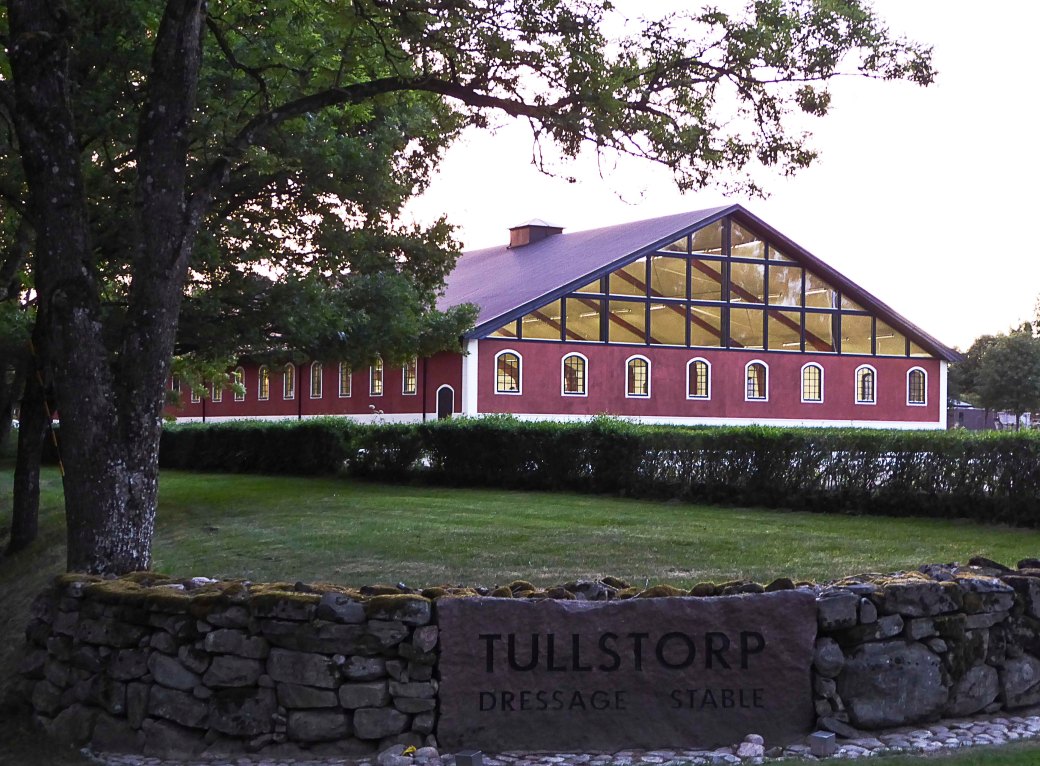
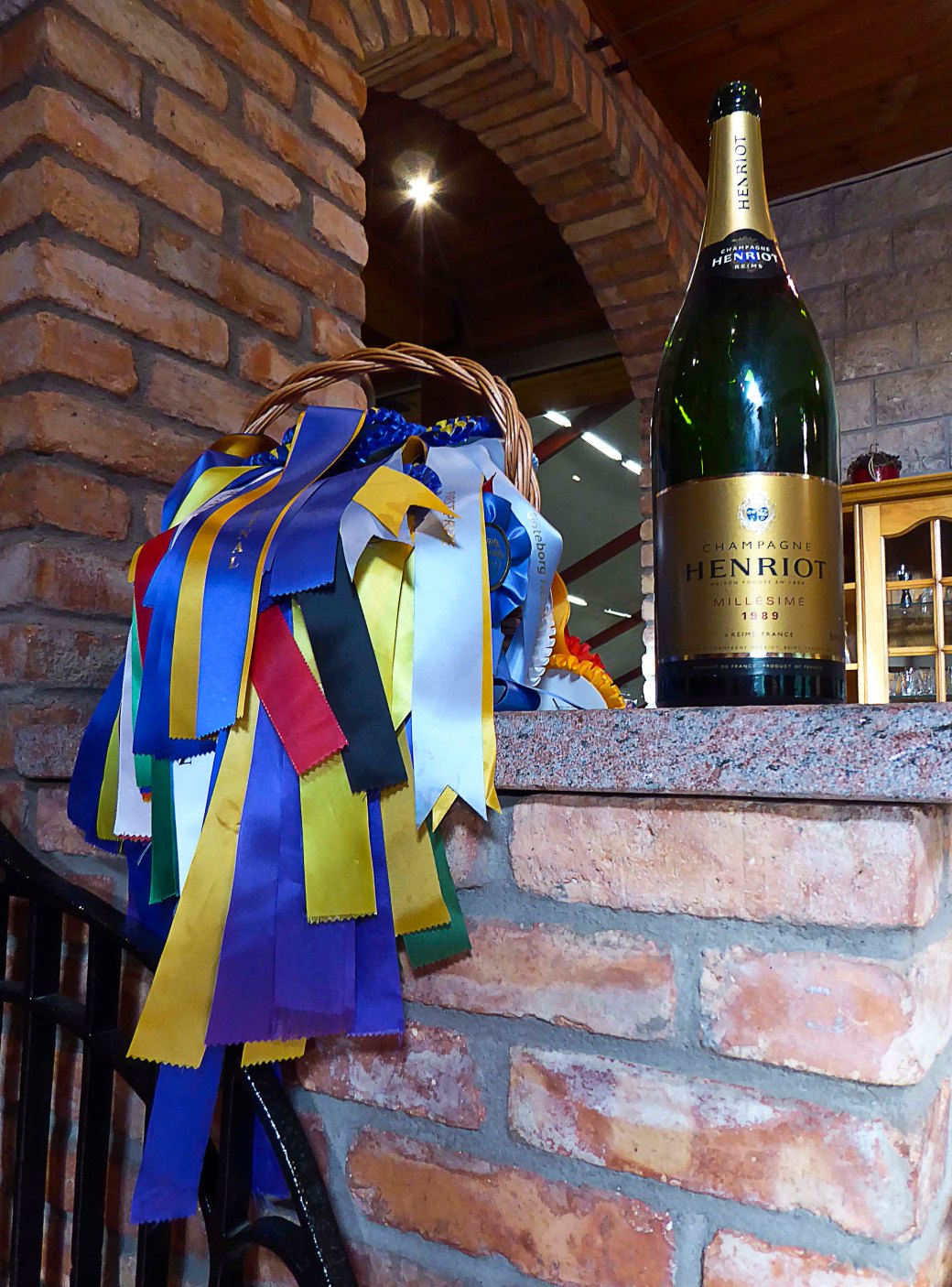
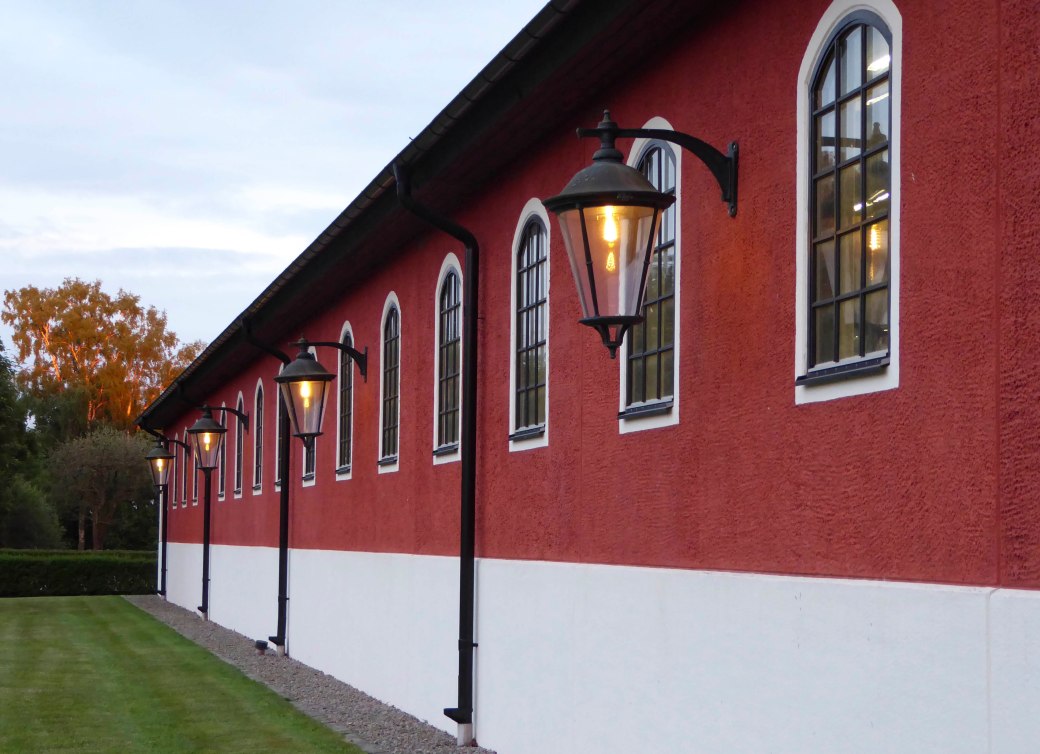
We were so fortunate to get a guided tour at Tullstorp, the world famous dressage stable run by Jan Brink. Situated only fifteen kilometres from where we live, this was a fantastic opportunity for a look into another world.

P1040903_copy

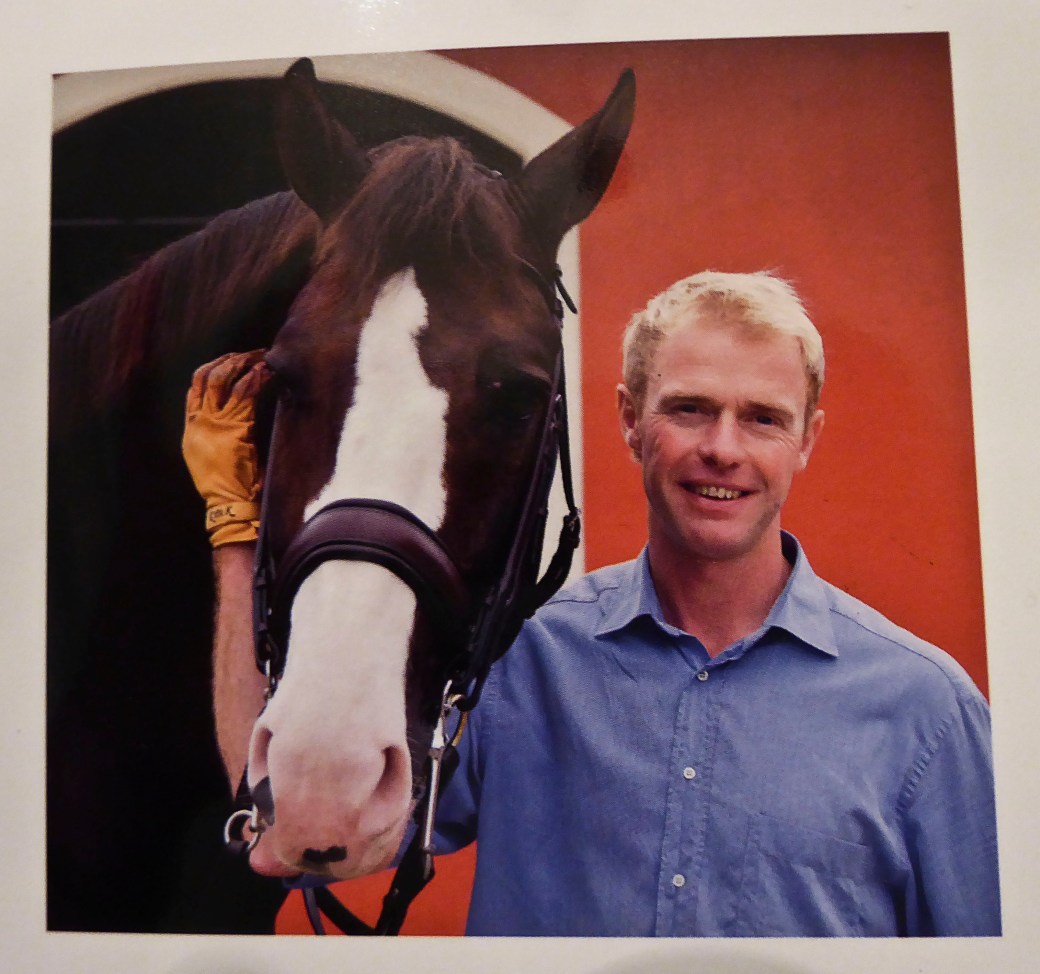
As a young boy Jan Brink played hockey in his home village, but as all the young girls were hanging at the stable, he gave the horses a chance…In some months he was hooked, and this was to be his future career. He studied at Flyinge and in Germany for some years, and then went for an international career.


Jan Brink is one of the best riders in the world and a seven-time Swedish dressage champion  – five times on the number one dressage horse Björsell’s Briar.

P1040910_copy

Brink has won five medals in international championships, and in 2005 he was the first Swede to win the dressage championship in Aachen.

P1040854_copy

Jan Brink is a self-made man, and unbelievably hard working. Going for shampionships,  educating new horses and riders –  and top class horse breeding serving customers all over the world. According to him, having talent is far from enough – you must be prepared to work hard and go for your dreams.

P1040896_copy

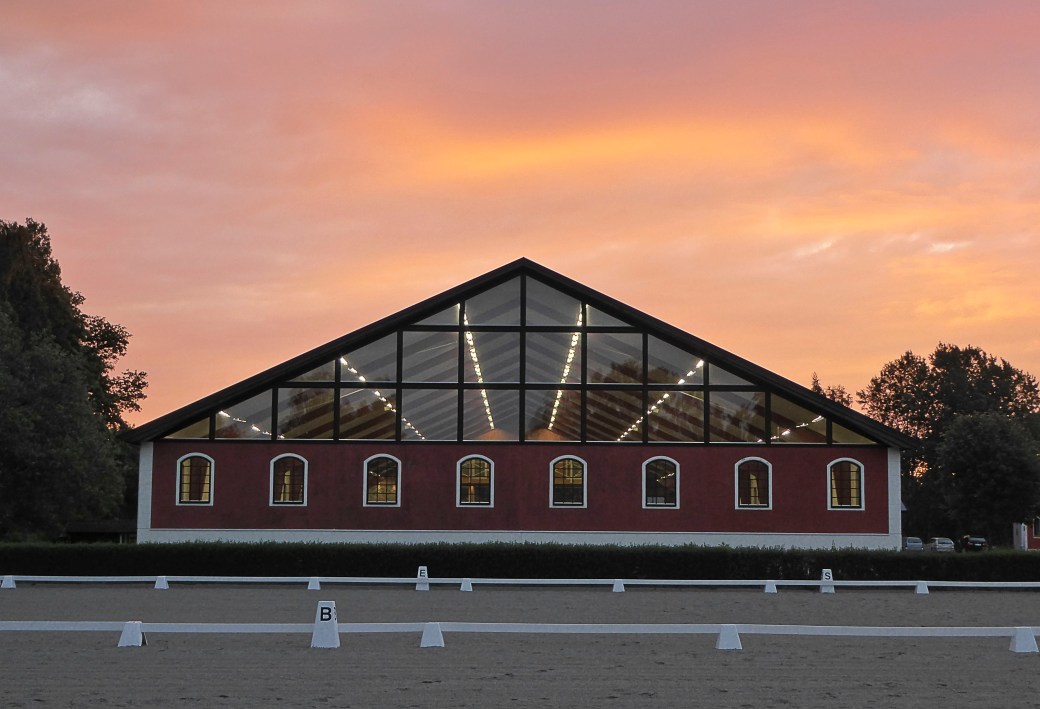
The magnificent Tullstorp was built by a humble man, and a perfectionist – Jan Brink. Every detail in harmony.


The dressage arena…in late evening light. Thank you, Jan, for a magnificent tour!

P1040907_copy