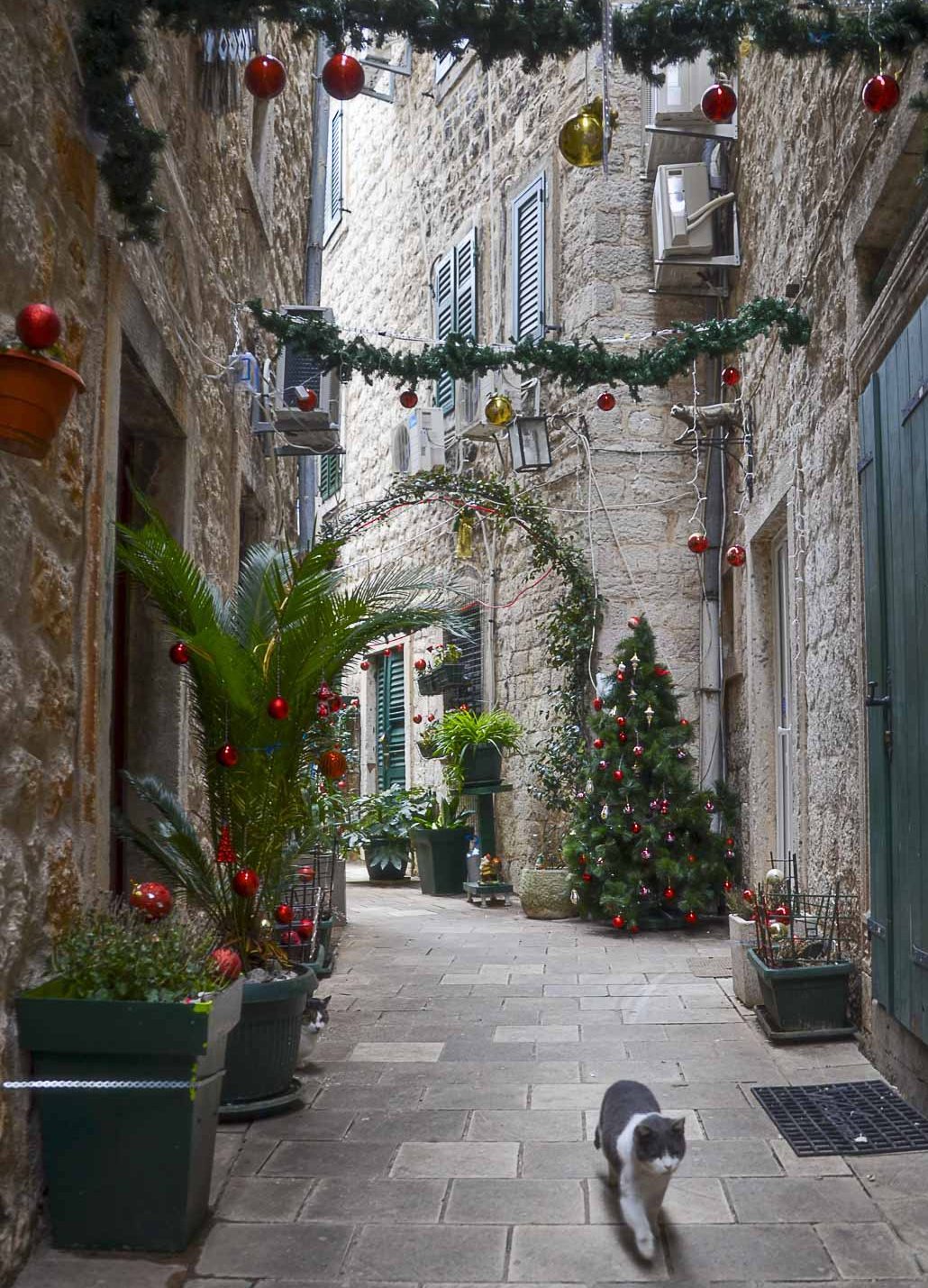
Saturday before Christmas – Kotor
All grey and drizzle today, just like the last 6 weeks here in Skåne. My thoughts wander to the lovely Cafe Leyla in Tbilisi. Let’s peep inside!
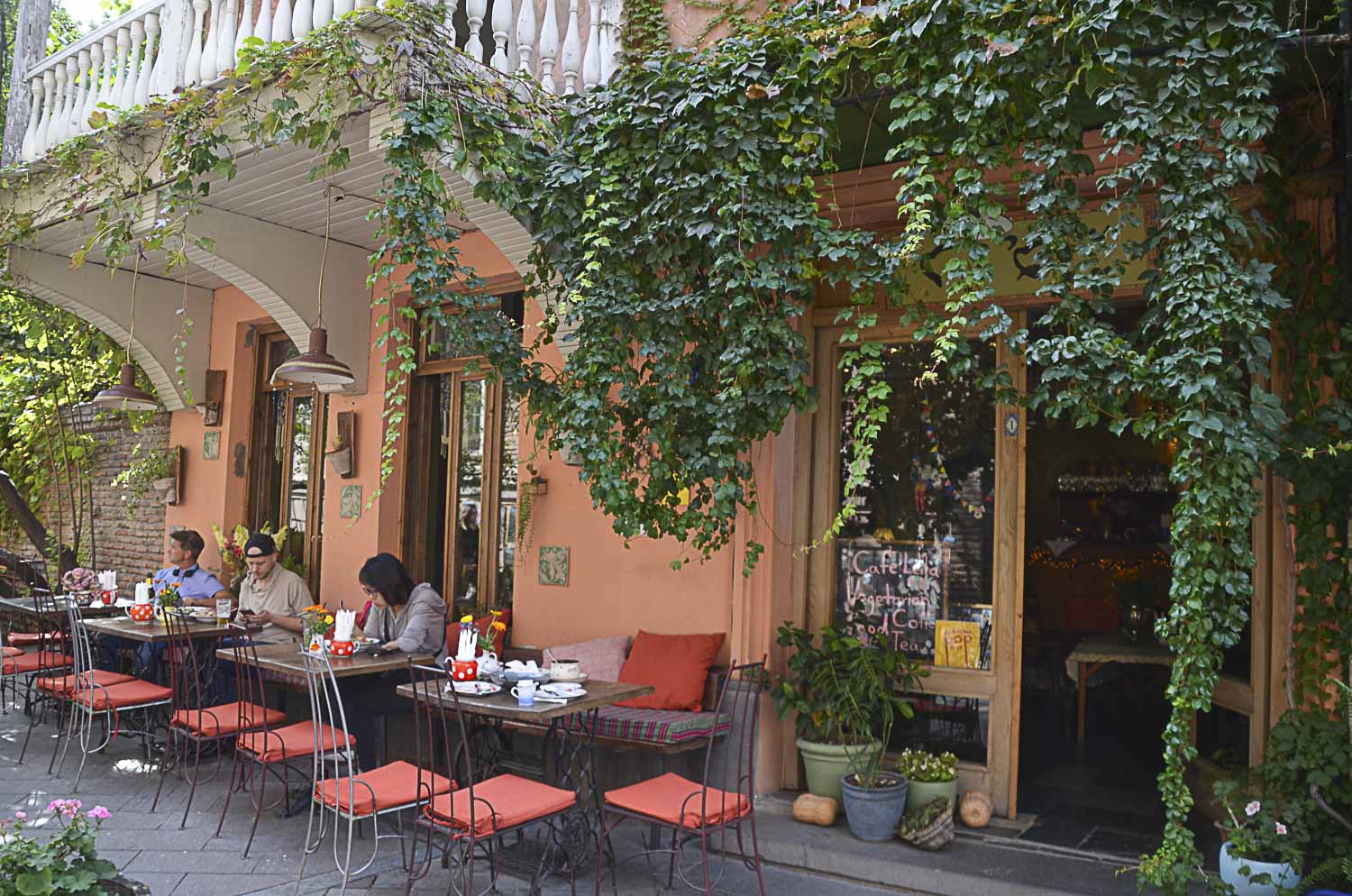
This place will surprise you with a healthy dining experience: they serve only village – grown, non – GMO and seasonal products.
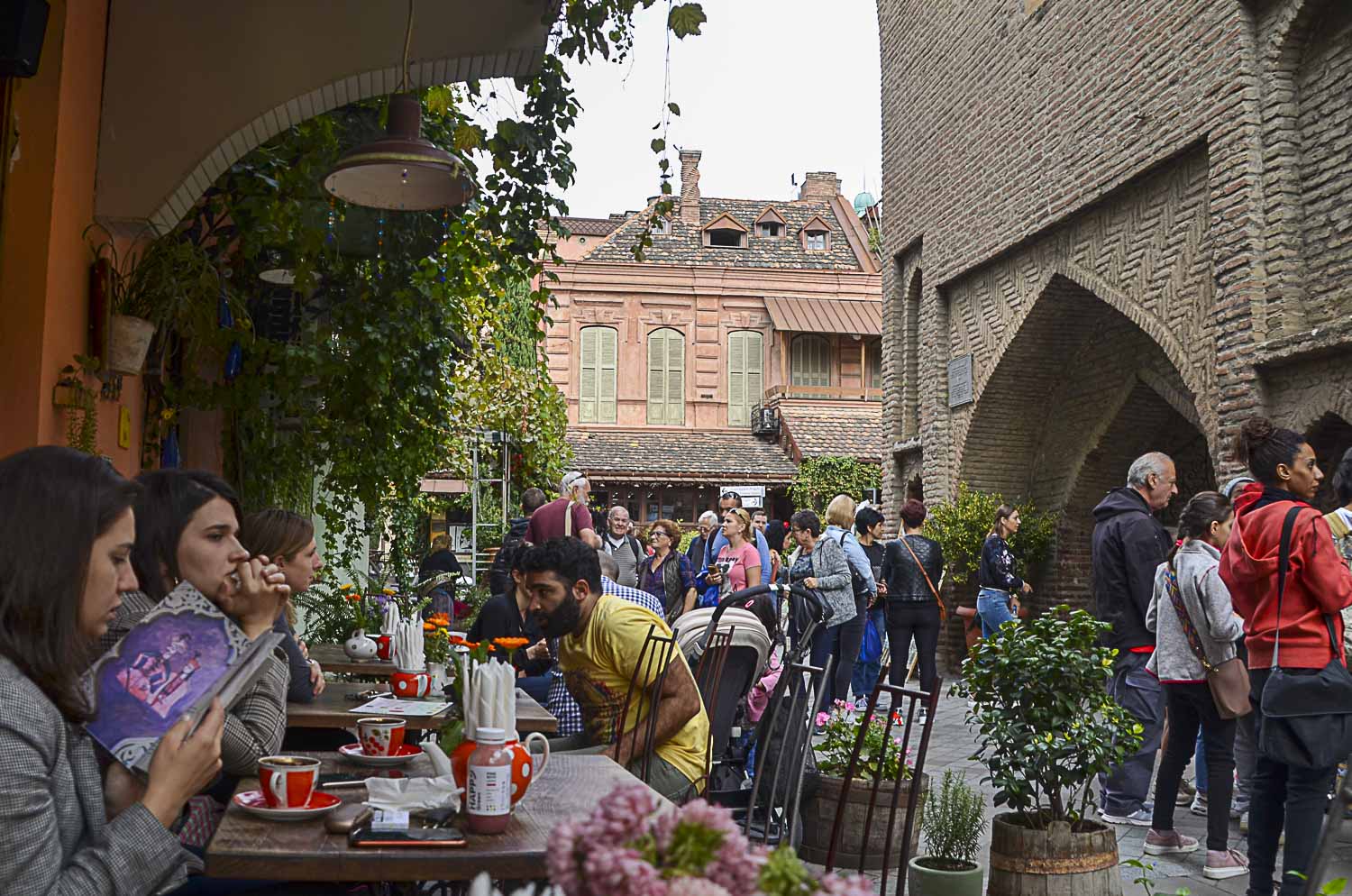
Try some of their honey and apple homemade vodkas – they taste just like the cafe looks!
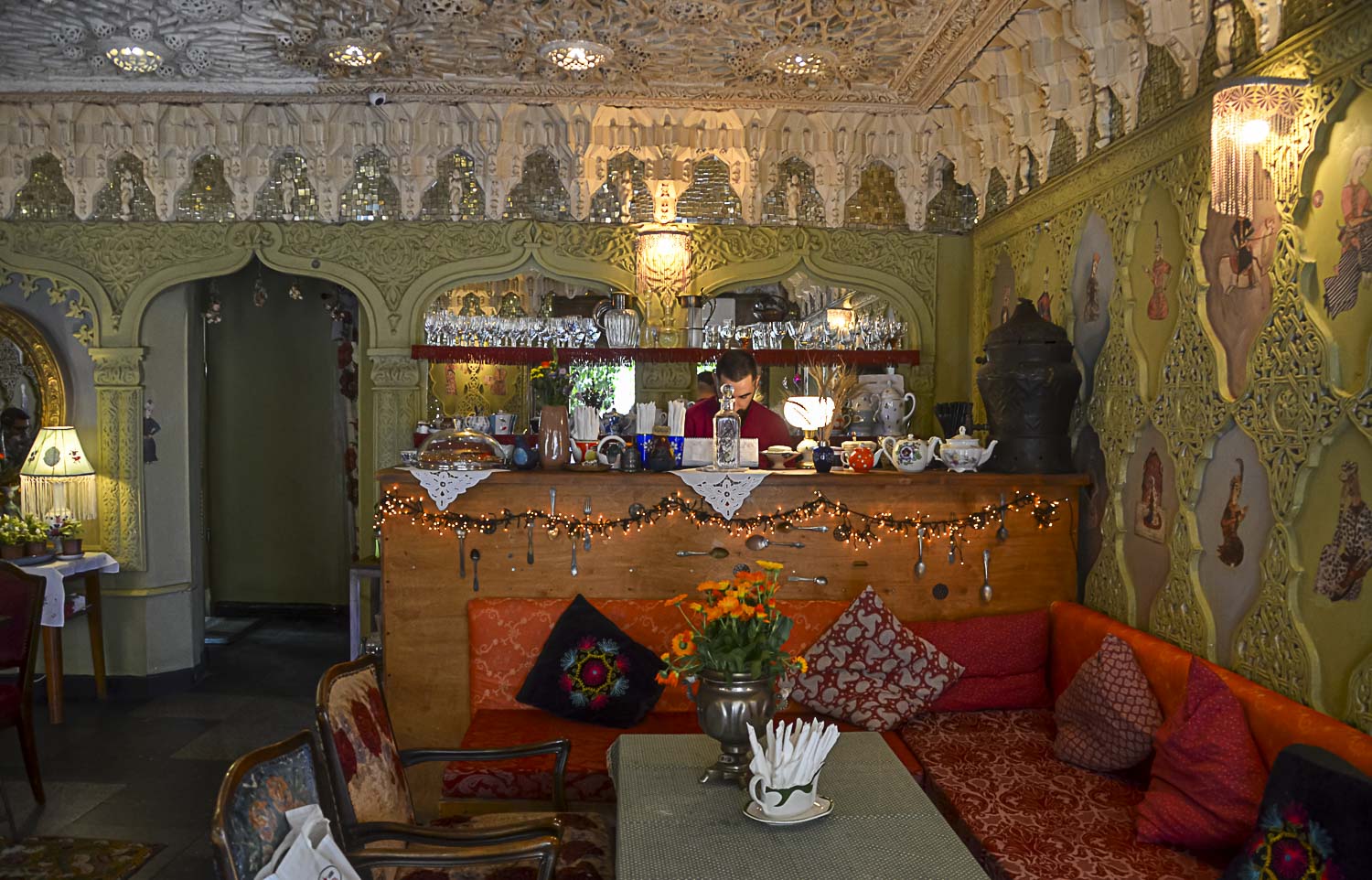
Sweet people will take good care of you – and the food is delicious.
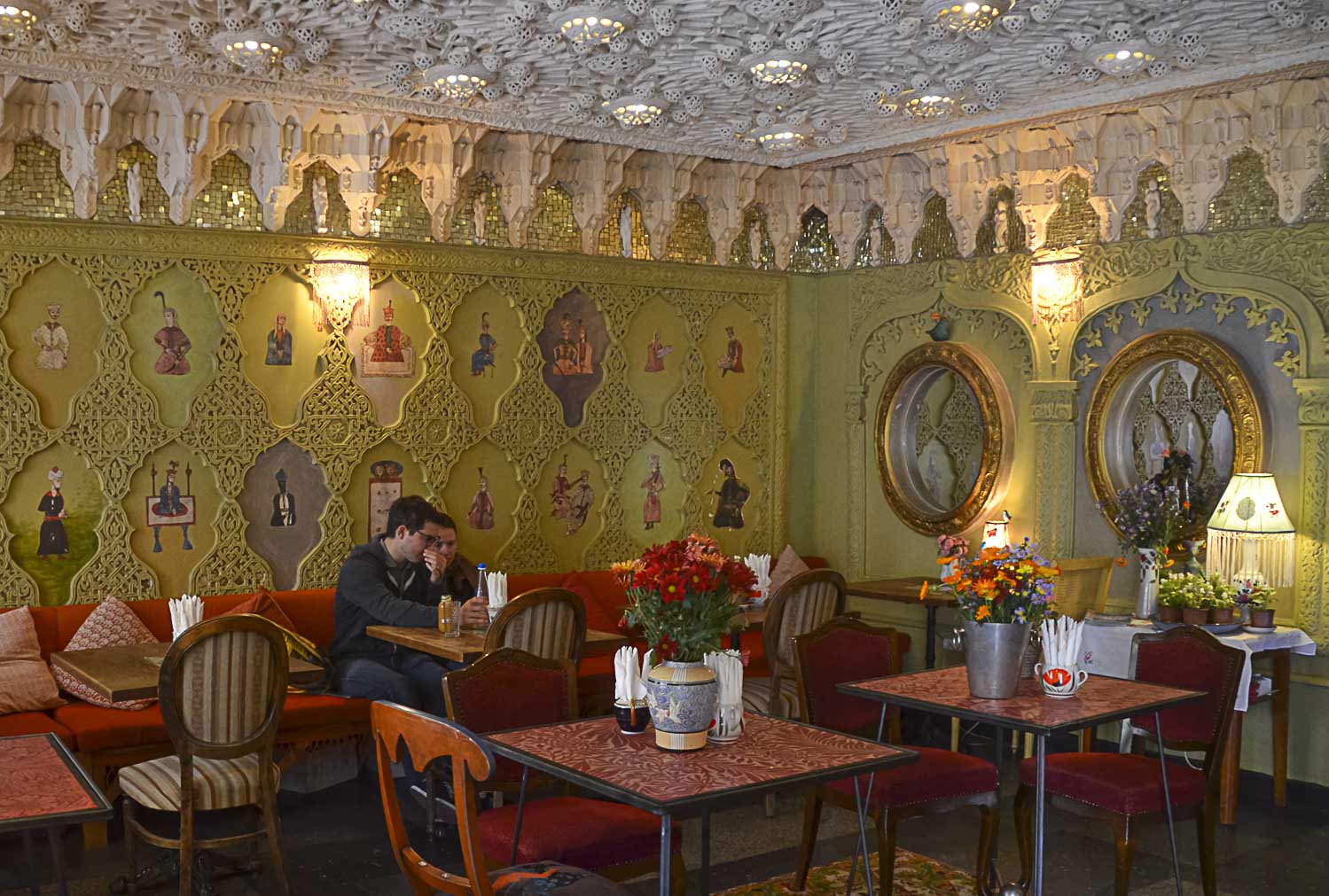
The interior design is Oriental, and just like I want it – no loud music. Only people silently talking and discussing. If you ever visit Tbilisi, be sure to go to Leyla´s when your bones need a rest and your eyes need a refreshed view and your stomach says ”feed me”. It’s lovely to sit outdoors as well.


Fabrika, Tbilisi, ”Once a soviet sewing factory, has been revived and transformed into a multi-functional urban space bringing together enthusiastic individuals ready to stretch their minds with new exhilarating experiences.” This is how this urban hot spot describes itself to potential visitors – let’s have a look!
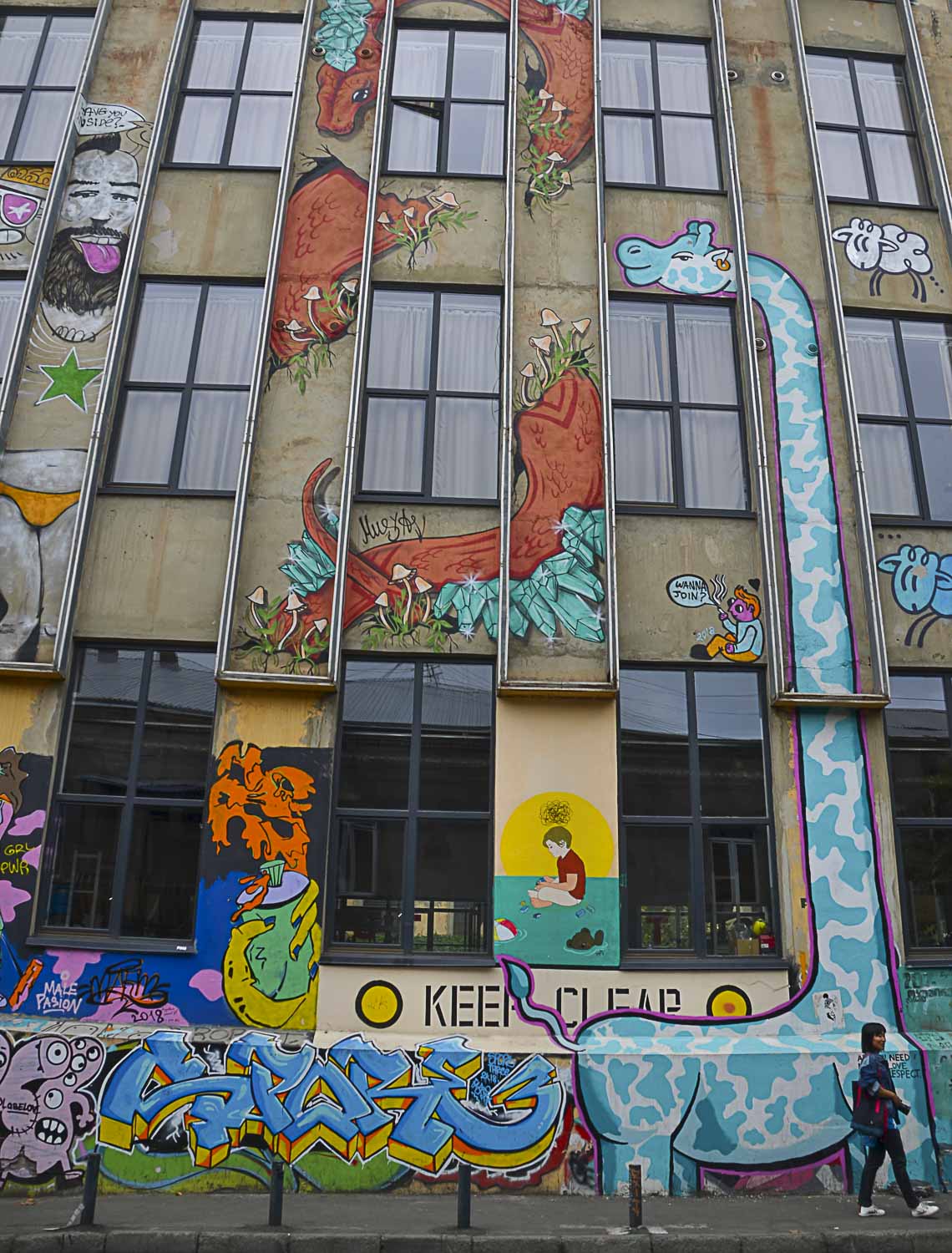
”With its striking “old-meets-new” attitude, Fabrika oozes genuinely cool soviet vibes blended with funky industrial elements.

It has become the symbol of renovation, recreation and reinvention.”
I loved the graffitti…


The spacious yard – not many there in the middle of the day, but, I could easily imagine the crowds on a hot summer’s night!
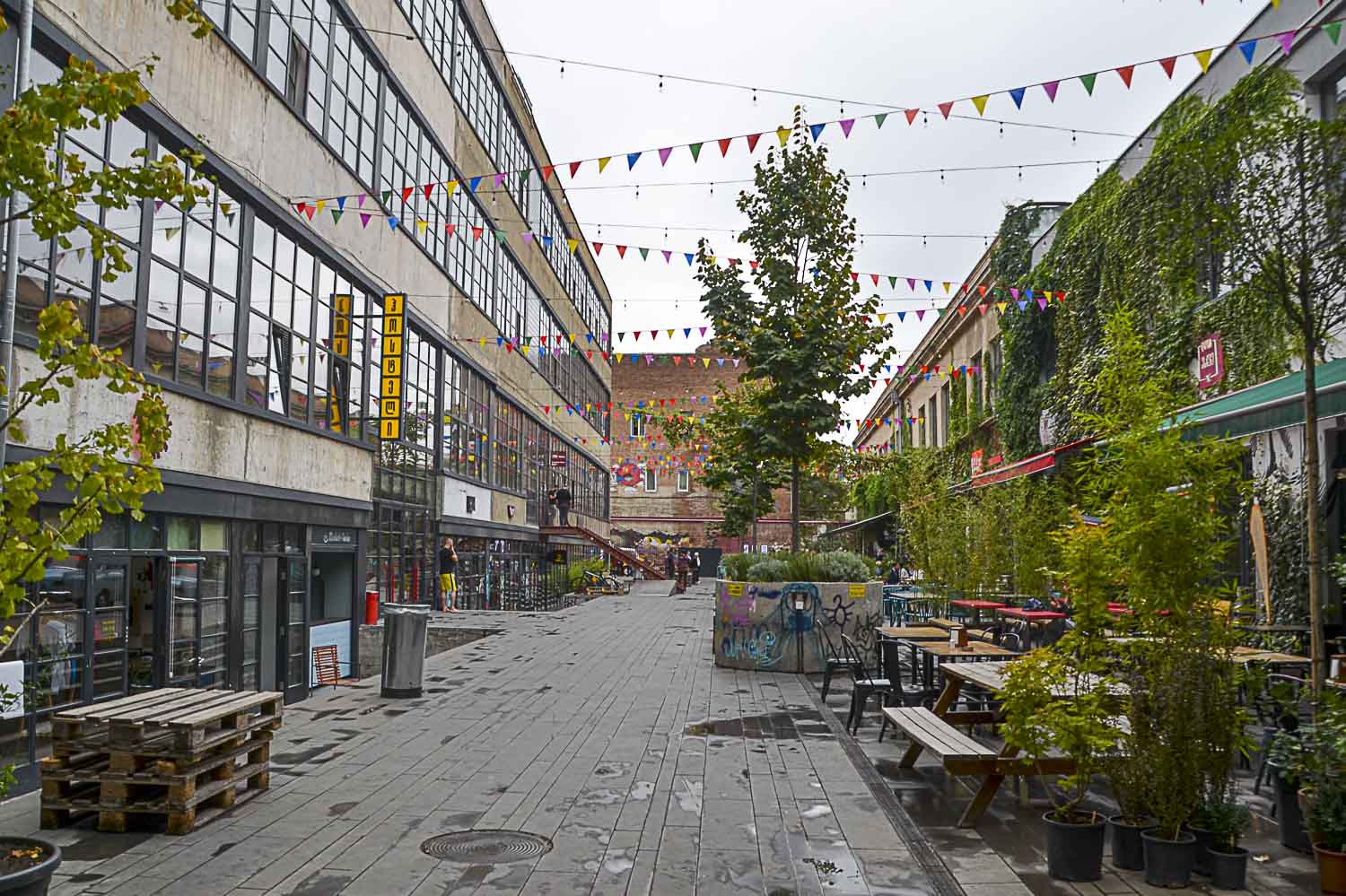
Why not step inside? Everything so airy and colourful. Youngsters working or relaxing, playing games or just sleeping. Rather quiet at this time of the day…and no heavy music. – Which was much appreciated by me – generally there is too much music, all the time and everywhere in society. Sometimes I find it difficult to hear my own thoughts…


The hostel seemed popular, and the food was tasty. People dropping in and out every minute. Fabrika prides itself of being the creative center of Tbilisi –
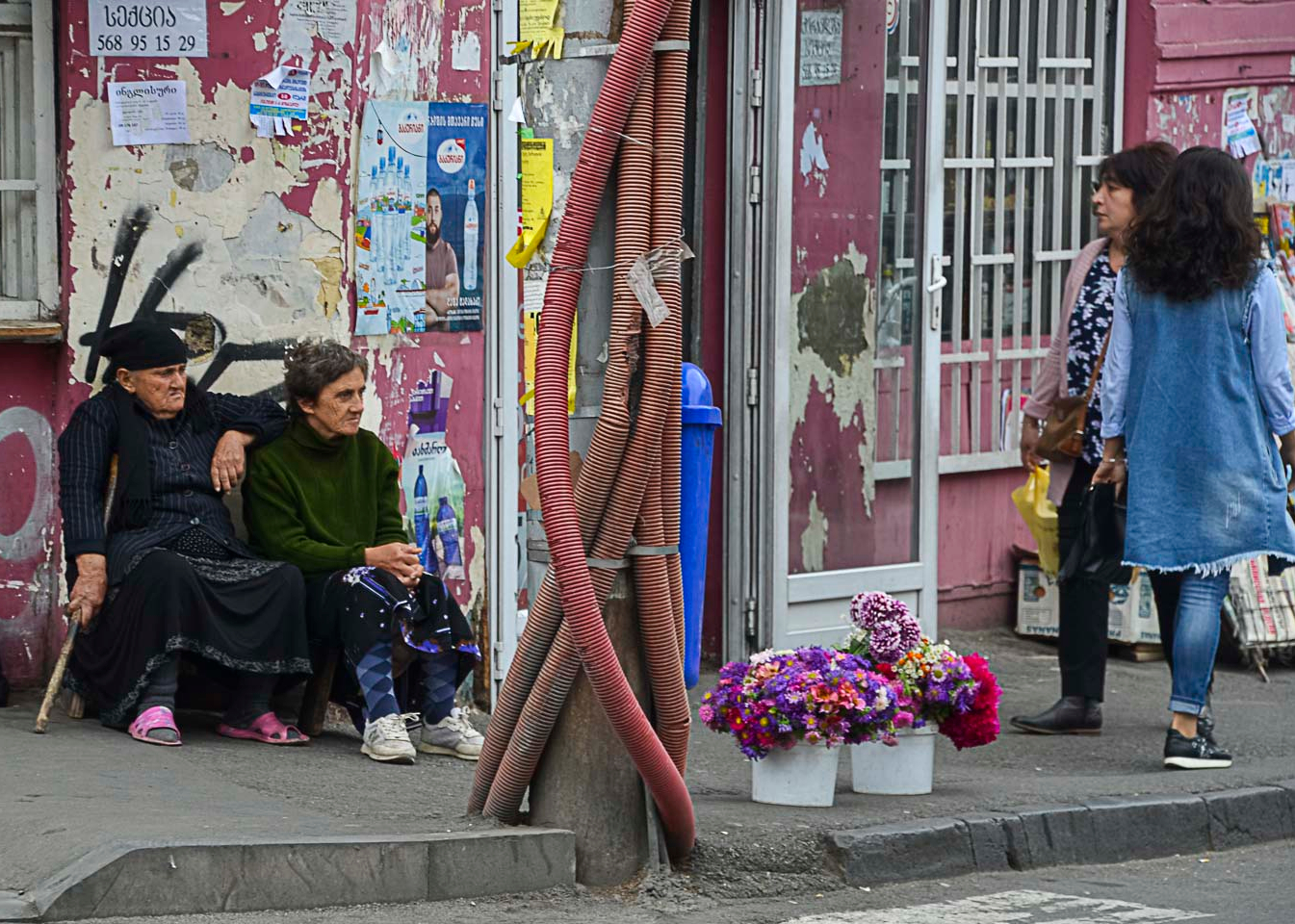
…and I do believe it is. Maybe next time we will drop in a late evening for the joy of the creative process. The Georgians we met were very good at English, and I would not say no to a night of fruitful discussions on Life – over a cool drink. Before it is over.
We walked back through the streets, with the ”old-meets-new” feeling lingering all the way home. I wonder for how long Old Tbilisi will keep its ”Old” part.
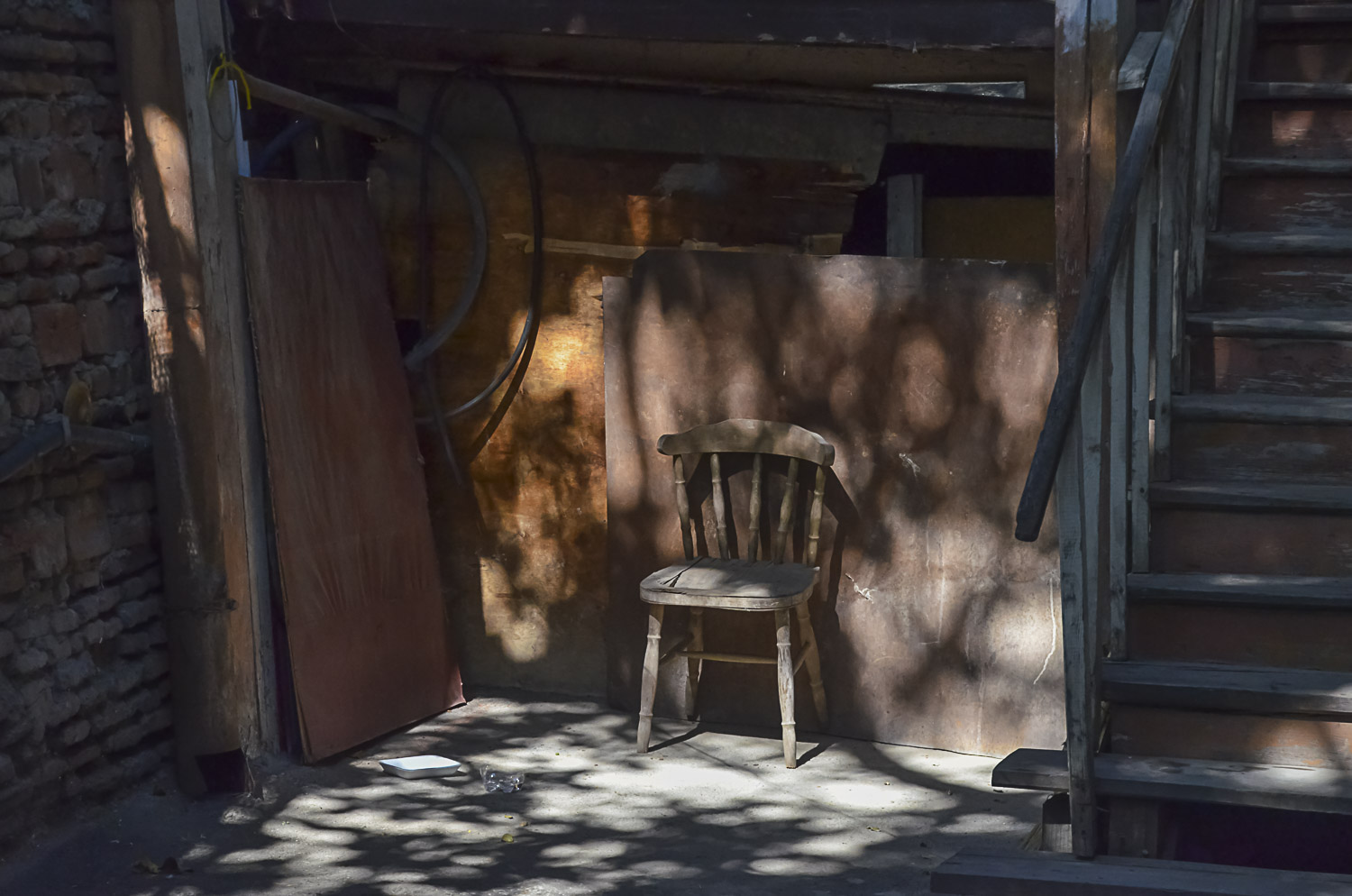
It makes no difference whether a work is naturalistic or abstract; every visual expression follows the same fundamental laws. – Hans Hofmann
Patti is asking us to go Abstract – ”relating to or denoting art that does not attempt to represent external reality, but rather seeks to achieve its effect using shapes, colours, and textures.”
Over the last 30 years I have developed a taste for abstract art. But, something – ”that could have been painted by any child”, (said about a big blank canvas with a single red dot) as my mother would put it, will probably not hang on my wall. But I am sure it will hang on someone else’s wall instead! That is one of the reasons to why art is so interesting. Now we are looking forward to seeing Your ideas of Abstract!
In the header, a work by a favorite of mine, Antoni Gaudí.
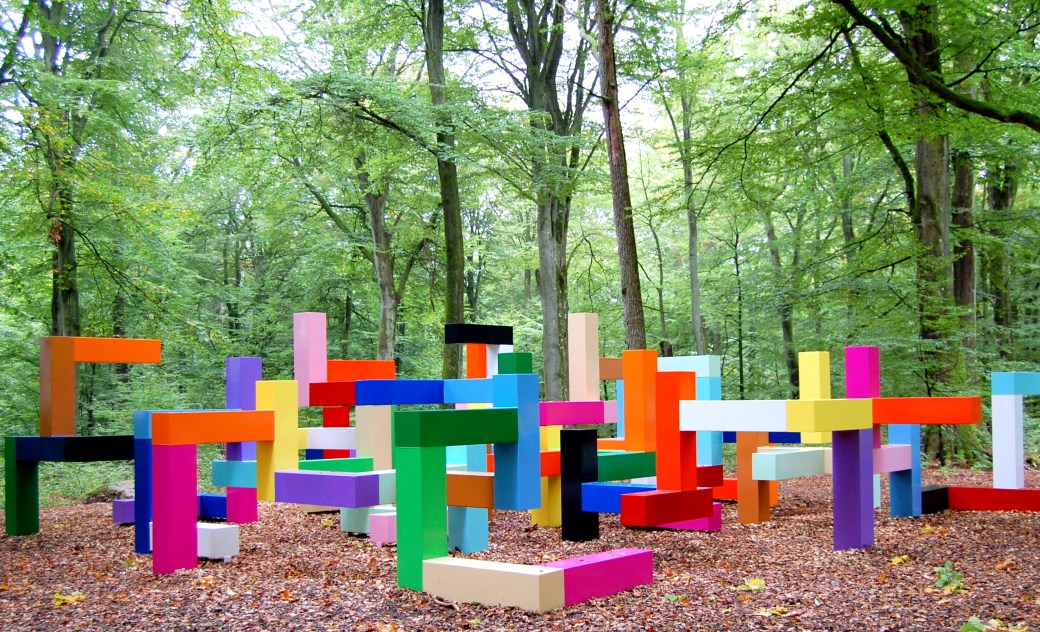
Colourful from our exhibition park in Wanås, Sweden. Much of the art exhibited here, it is allowed to climb on or walk into. Do you think some art/art forms are ”more useful” than others?
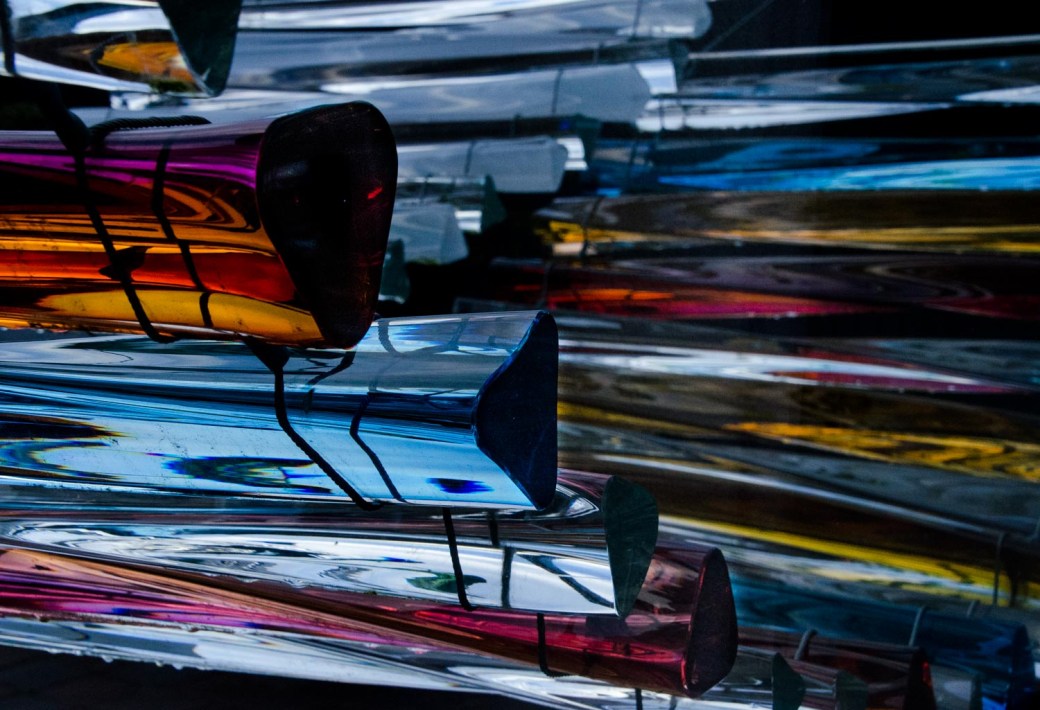
Glass from Kosta-Boda Art Hotel – a material very much ”alive”

The more horrifying this world becomes, the more art becomes abstract. – Ellen Key
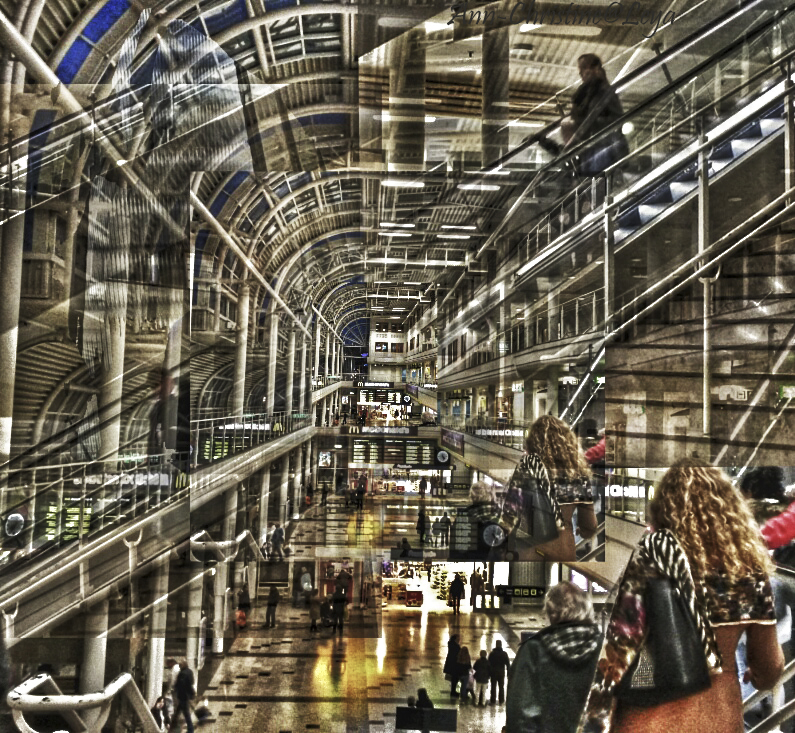
People like abstract art because it makes them feel clever. – James Acaster

The two images above are both examples of a mix of photographic art and architecture. The first one is a phone photo from Helsingborg trainstation, processed in several apps, and the second one was made by simply tilting the photo (and raindrops on the lens).
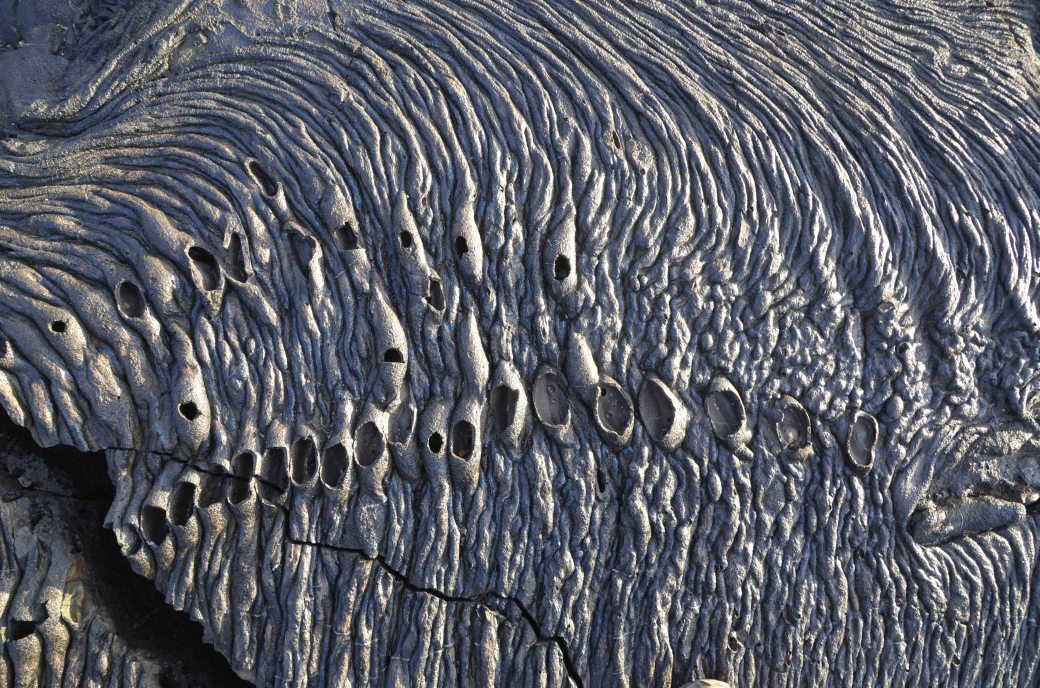
Finally, some of Nature’s own abstract art –

I used to wonder, How do artists think when they work with an abstract piece of art? Well, Pablo Picasso says that There is no abstract art. You must always start with something. Afterward you can remove all traces of reality.
– Sounds perfectly right to me.
For Manja and Friendly Friday this week – Construction.
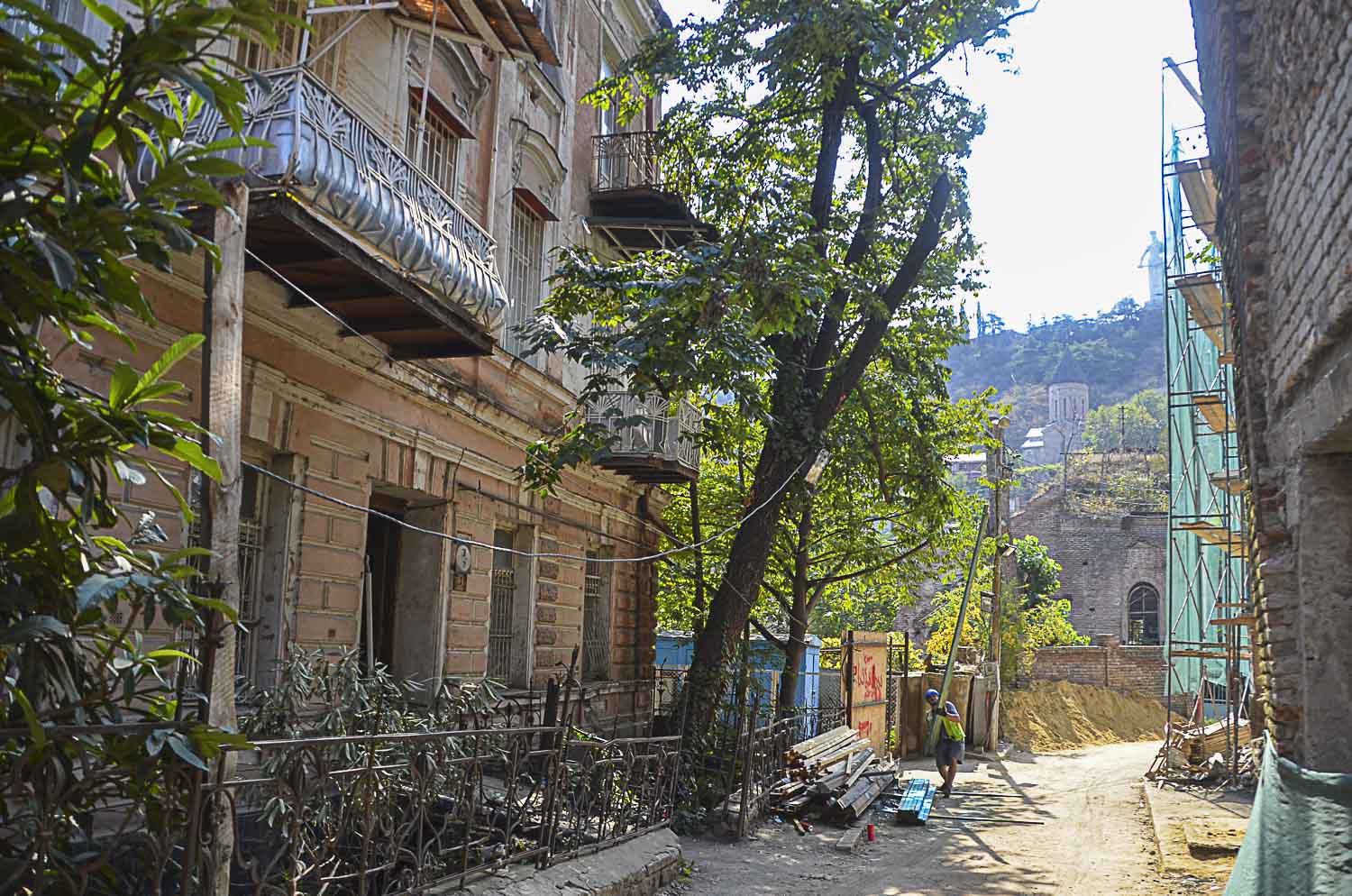
 Tbilisi is a magical mix of old and new. The whole city is a big construction site.

Some streets and houses needed much help to be still standing. Strange constructions – but obviously they helped.
For the last hours of our walk together, we understood that Aleksandr had saved…

…some of the very finest of courtyards in Tbilisi. But – what is the finest is of course in the eye of the beholder. First some other special pieces we passed.


This courtyard, with a fantastic spiral staircase, was so amazing I had to return here the next day. With some luck, I found it again – but then without any laundry.

Aleksandr had earlier that day shown us some of his artwork and photos, so when we reached this well hidden courtyard – I recognized the spectacular wooden spiral staircase. I took a deep breath and started rather floating than walking in…
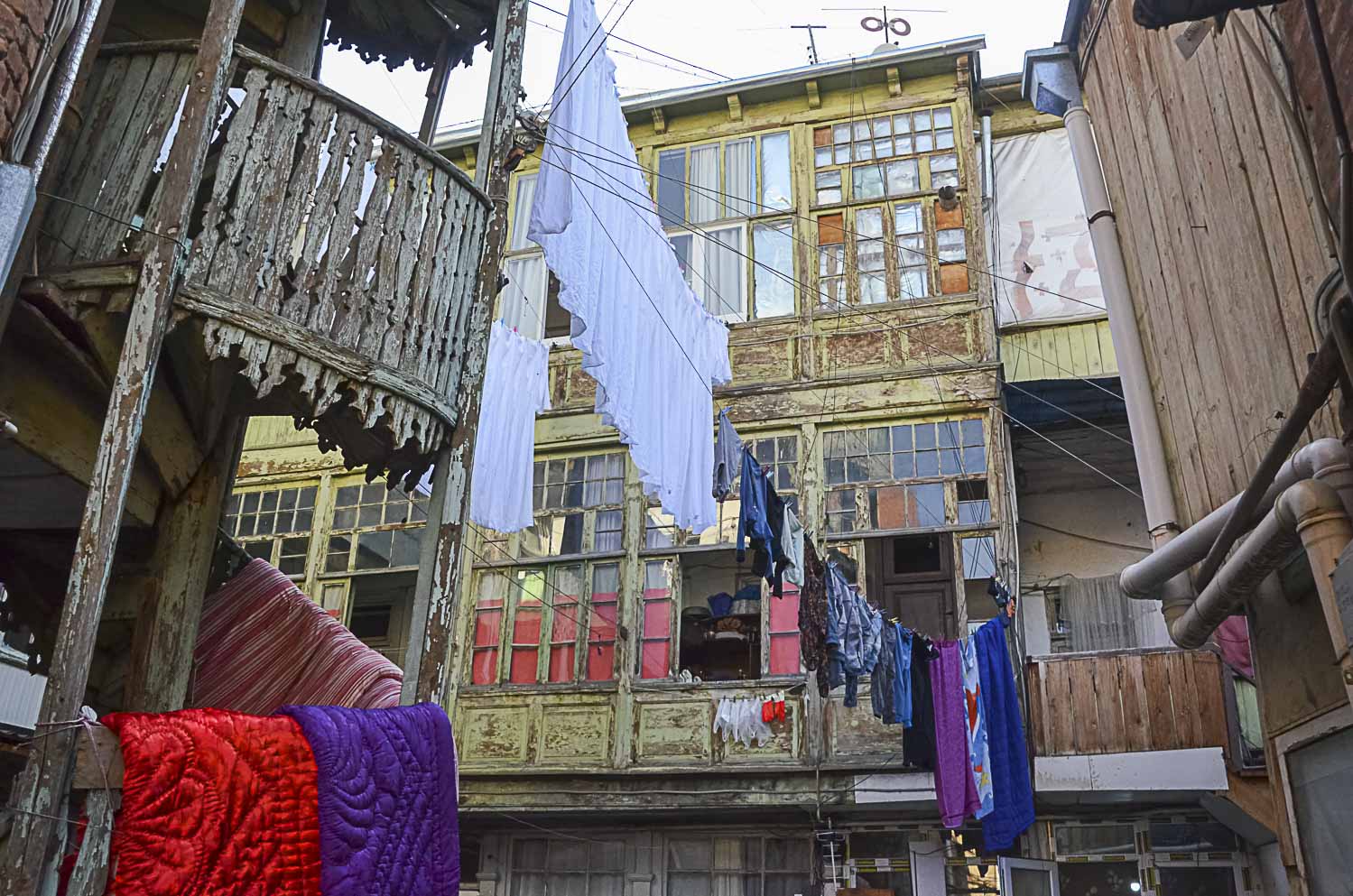
…to a dream. Just imagine what this place must have been like – say a hundred years ago… I hope you will enjoy this courtyard gallery of images from different angles – just could not stop myself. We stayed to talk some with the lovely family who lives here now.


They had restored the houses indoors, but the majestic staircase was for the authorities to restore…which unfortunately had not been done. I asked if they still used the staircase – the answer was Yes, and a moment later a man came running down those steps! It did Not look safe. I do hope they will save this architectural treasure for future generations. In Georgia they still have the skills and knowledge – but they should not wait too long.
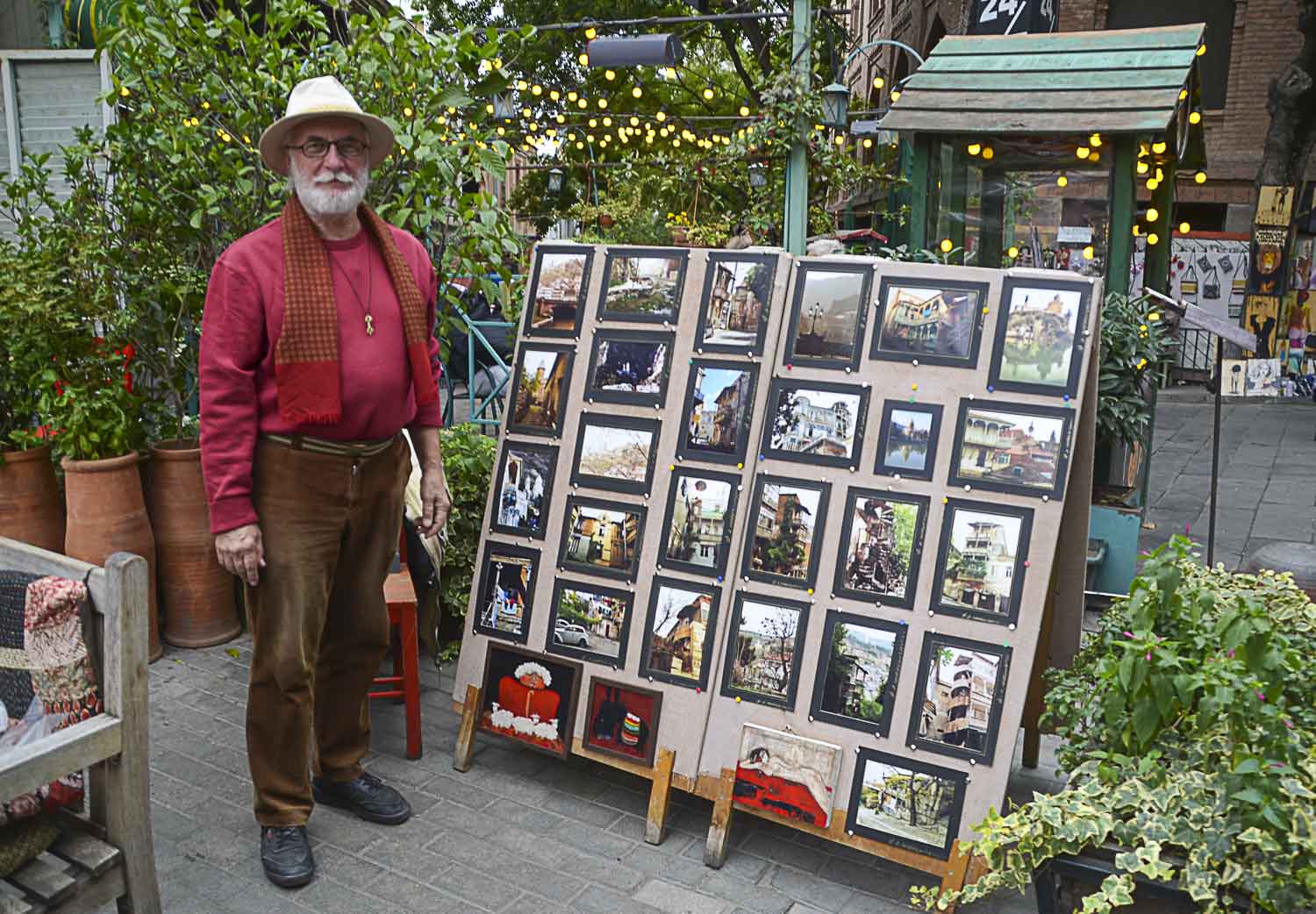
I hate goodbyes…and with Aleksandr’s passionate soul, this time it was really hard for me. We had to leave him here with his exhibition in his favorite street, next to his favorite balcony. A very special man whom I am very grateful to have met.
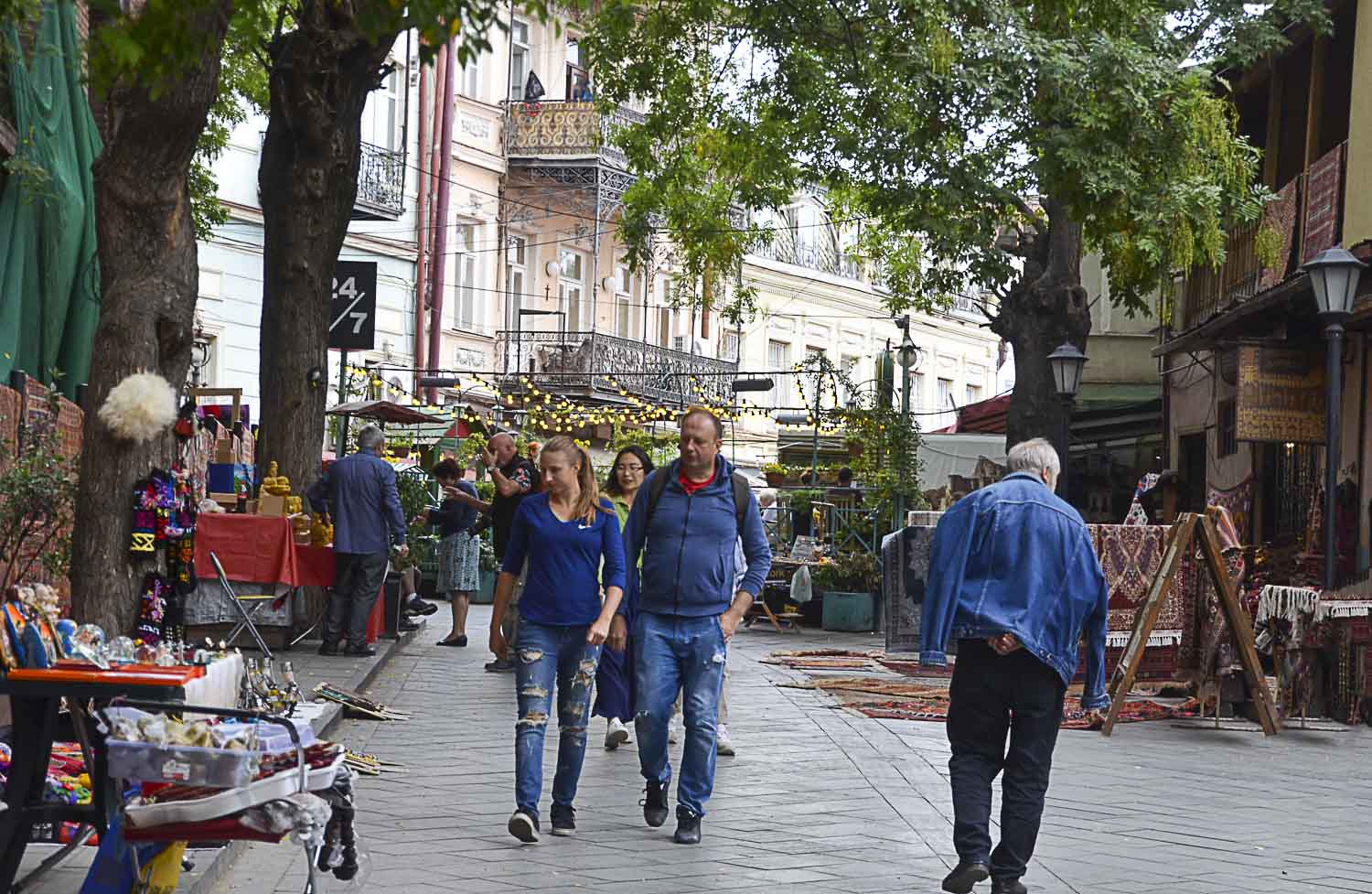
Thank You, Aleksandr, for your warm and generous sharing of Tbilisi ♥
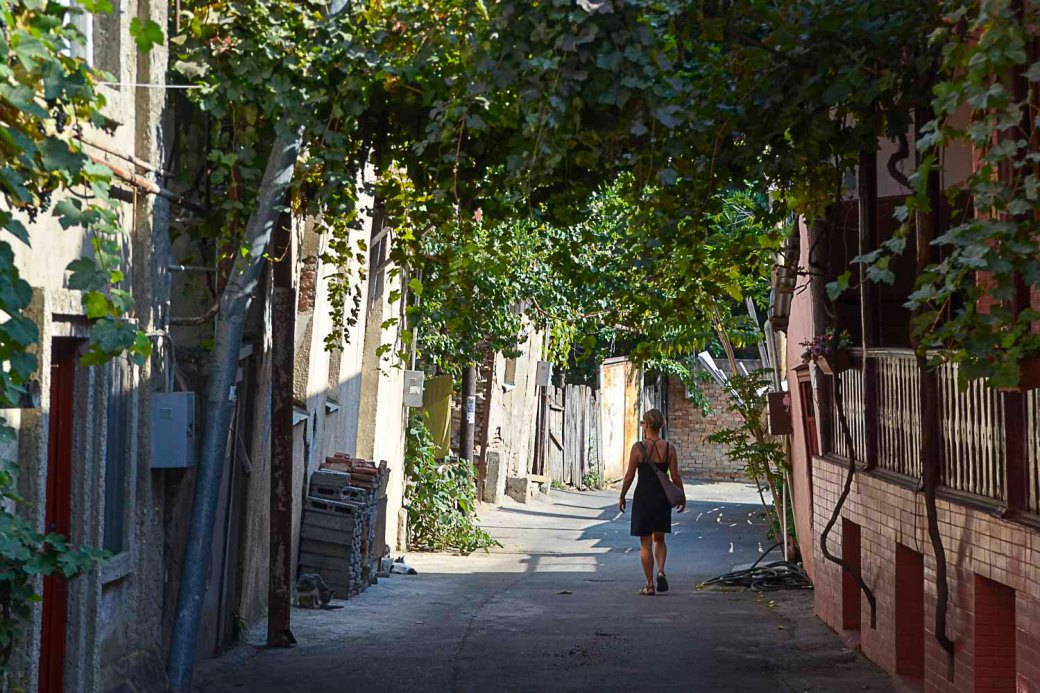
 Leya
Leya 
Du måste vara inloggad för att kunna skicka en kommentar.