For Cee – three different, man made examples and one natural this Tuesday.
In the header, Moroccan architecture.
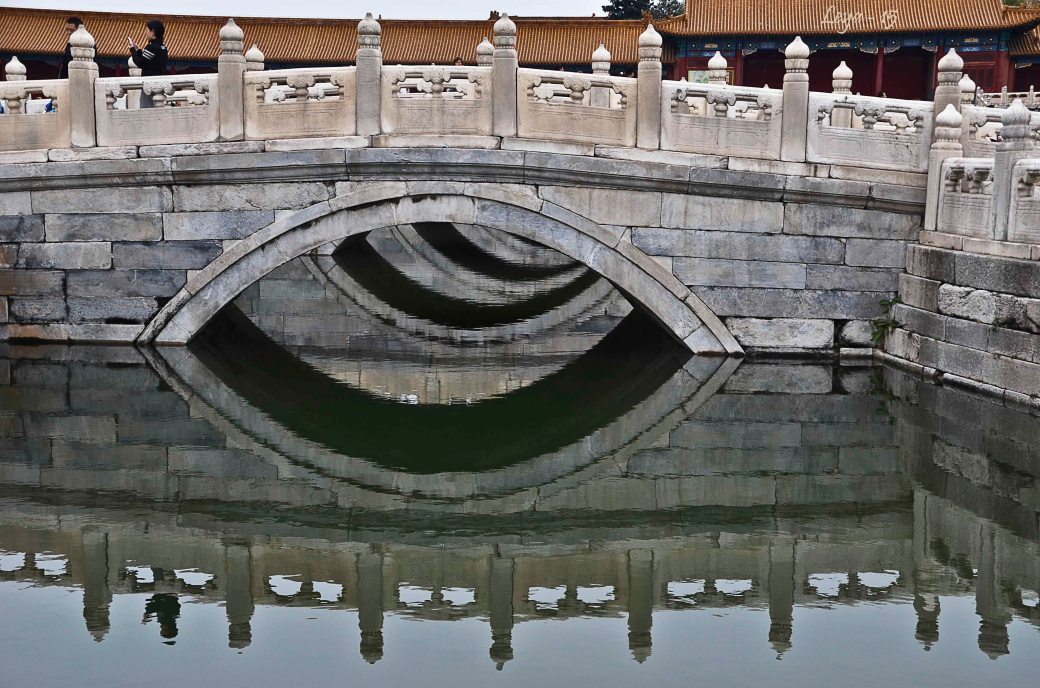 Beijing, Bridges in the Forbidden City.
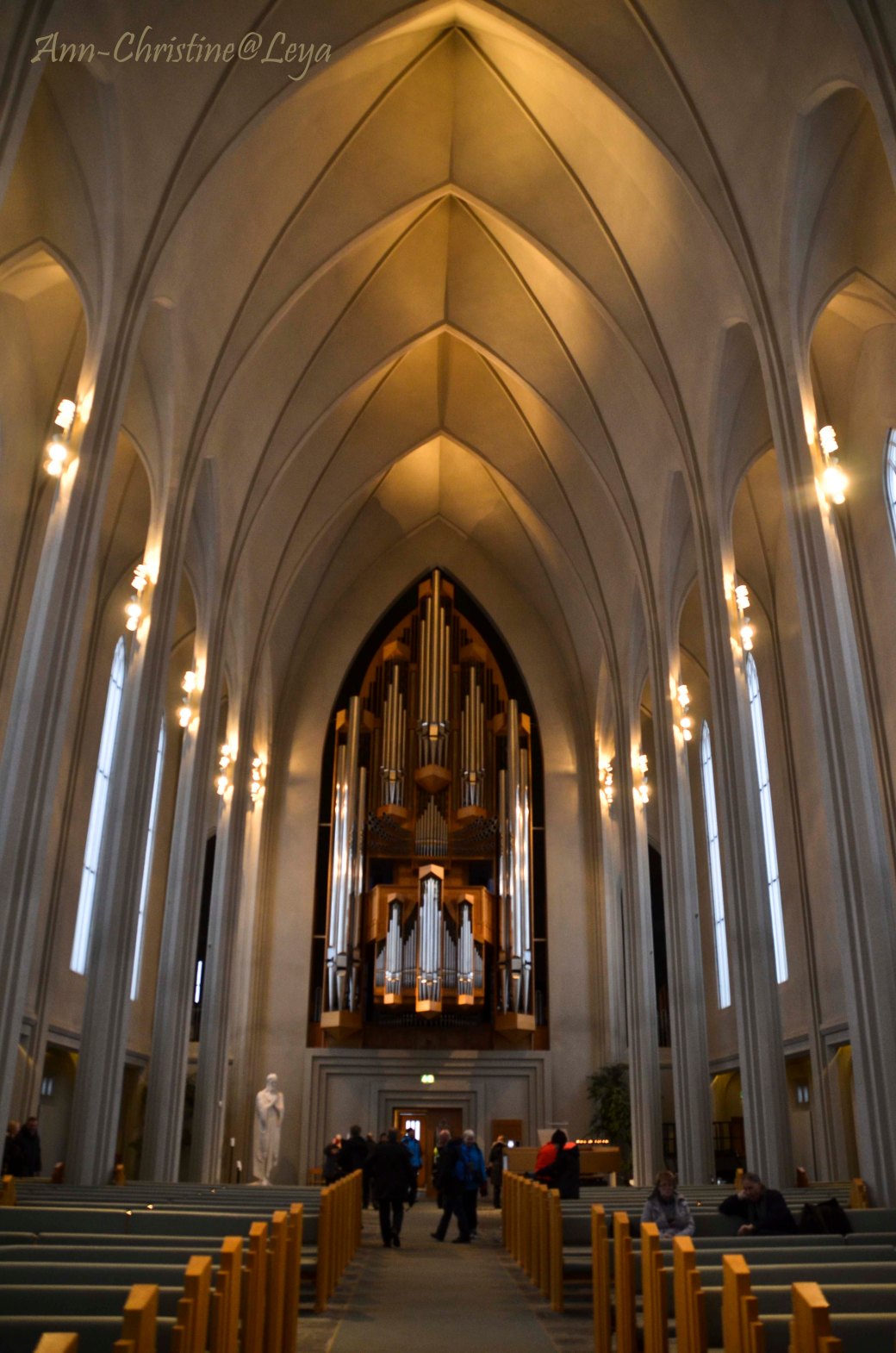
Reykjavik, Hallgrímskirkja

And Rome, nature’s own design
For Cee – three different, man made examples and one natural this Tuesday.
In the header, Moroccan architecture.
Beijing, Bridges in the Forbidden City.
Reykjavik, Hallgrímskirkja
And Rome, nature’s own design
Paula’s traces are many, and this time she takes us for a beautiful late walk in Padua. An Italian gem.
I thought I would take you to some totally different traces – a hidden gem named Monastero de Ribas de Sil, in Spain. Sil is the river down in the ravine below. And these traces of the past were very different from anything I had visited before.
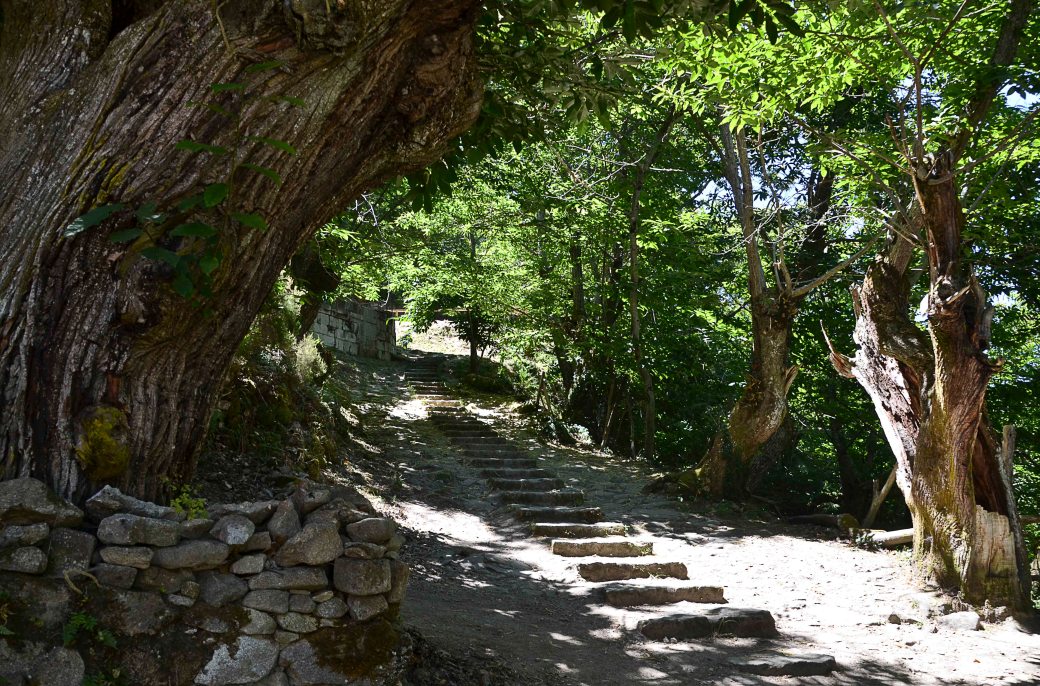
The monastery was built in the 12th century by Dominican monks, and finally left to be reclaimed by nature in the beginning of the 19th century.
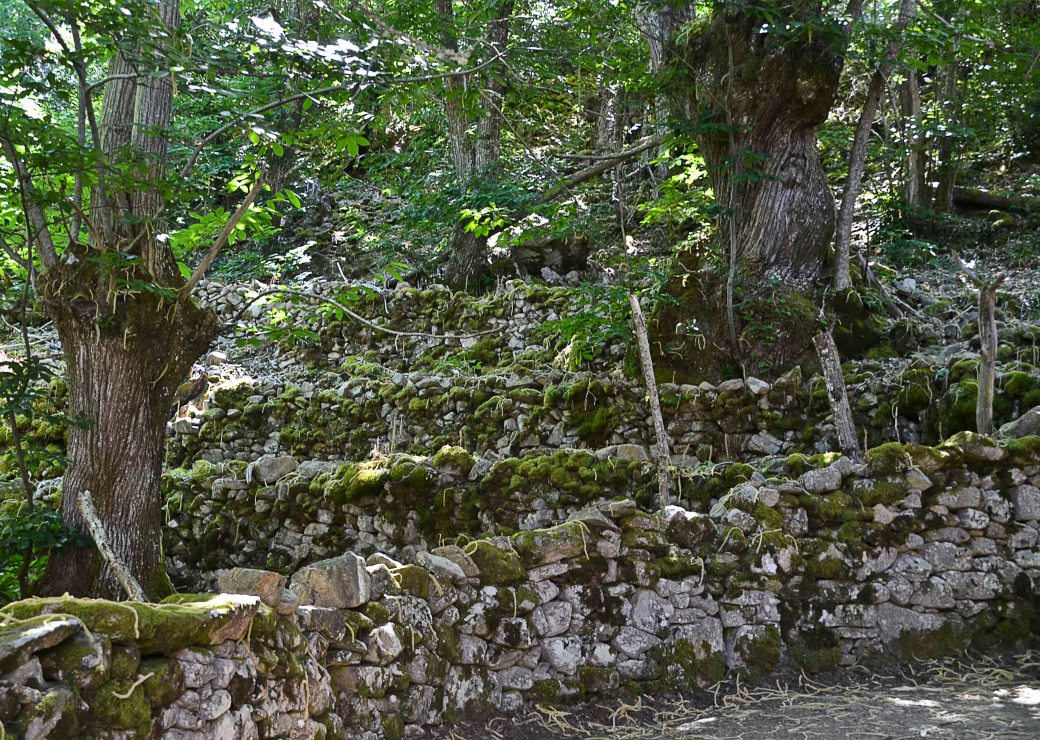
Significant traces are the beautiful stone walls surrounding the monastery. So many hours’ work for the monks – but so beautifully constructed.
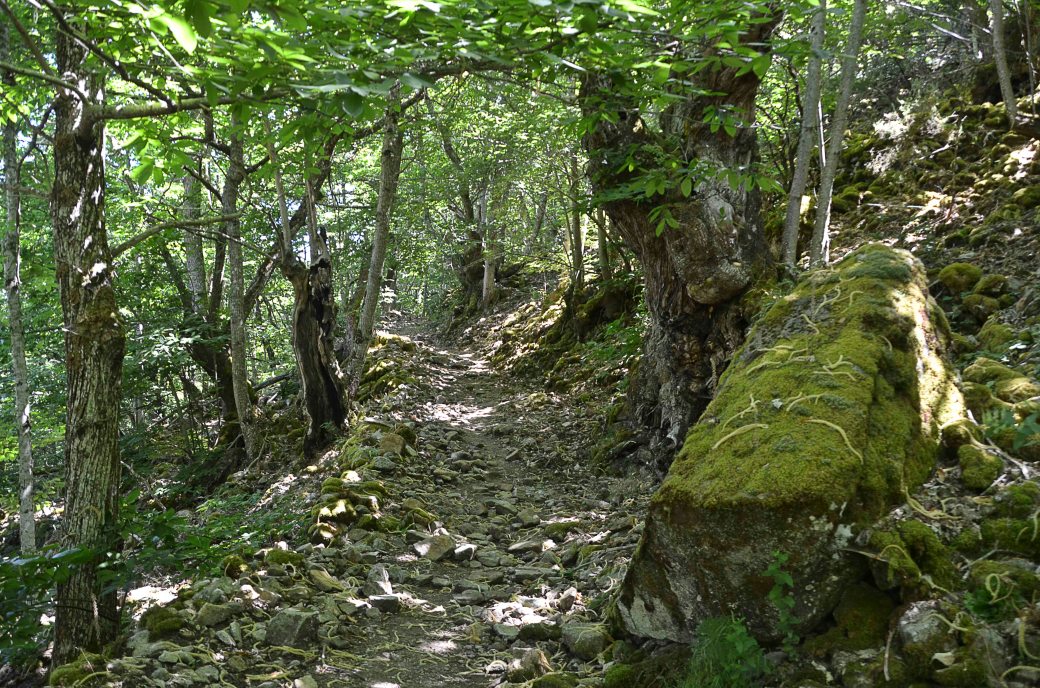
The buildings themselves are totally hidden in the greenery. Not until we were some 15 meters from the old archway, we found them. Standing with a magnificent view, high up on a rock overlooking the river Sil – but of this we could see nothing. Everything was buried in lush green – according to Nature’s design.
 The open space in front of the remaining arcade. It must once have been a very beautiful place – and still is.

The impressive church is still complete – and the only light shining through the single window – and open door.
This monastery was almost impossible to find – no map worked. I guess that is just the way it should be. It was a place for hermits. A place of peace and silence. I found it there.
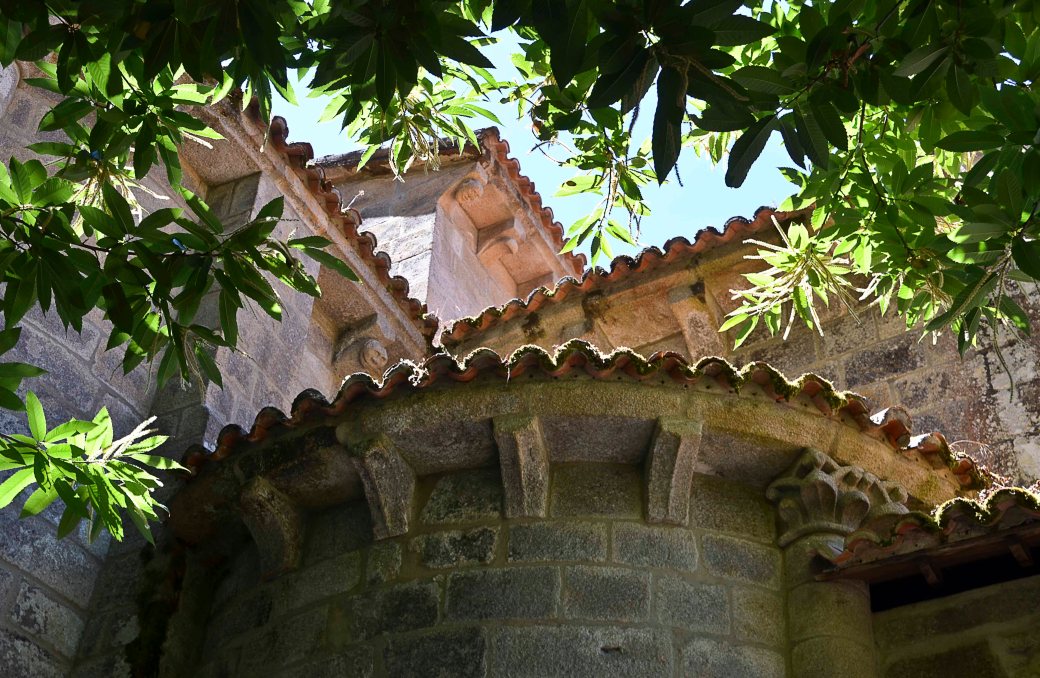

Vadstena – is named a city despite its only 6000 -7000 inhabitants. This is a very charming place, where the main street still has got all the shops gathered – just as they would have been in the Middle Ages. The buildings in the city center date mainly from the 16th, 17th and 18th centuries.
And – people live in them. It is not a museum, even if you are tempted to think it is.


The old town is well preserved and the streets have not changed much over the centuries. The Town Hall is Sweden’s oldest, dating back to the early 15th century.
A look into our lodging as well – the Castle Villa in charming Jugend style. All in all it was a lovely stay – to celebrate Spring and our son’s birthday.


Vadstena Castle was originally built by King Gustav I in 1545 as a fortress to protect Stockholm from enemies approaching from the south. Indeed it looks massive and strong today as well.

By 1620, when the castle was completed, all the kings of the House of Vasa had contributed to its construction. Since 1620, the castle has been very well preserved, and is one of Sweden’s best examples of Renaissance architecture.
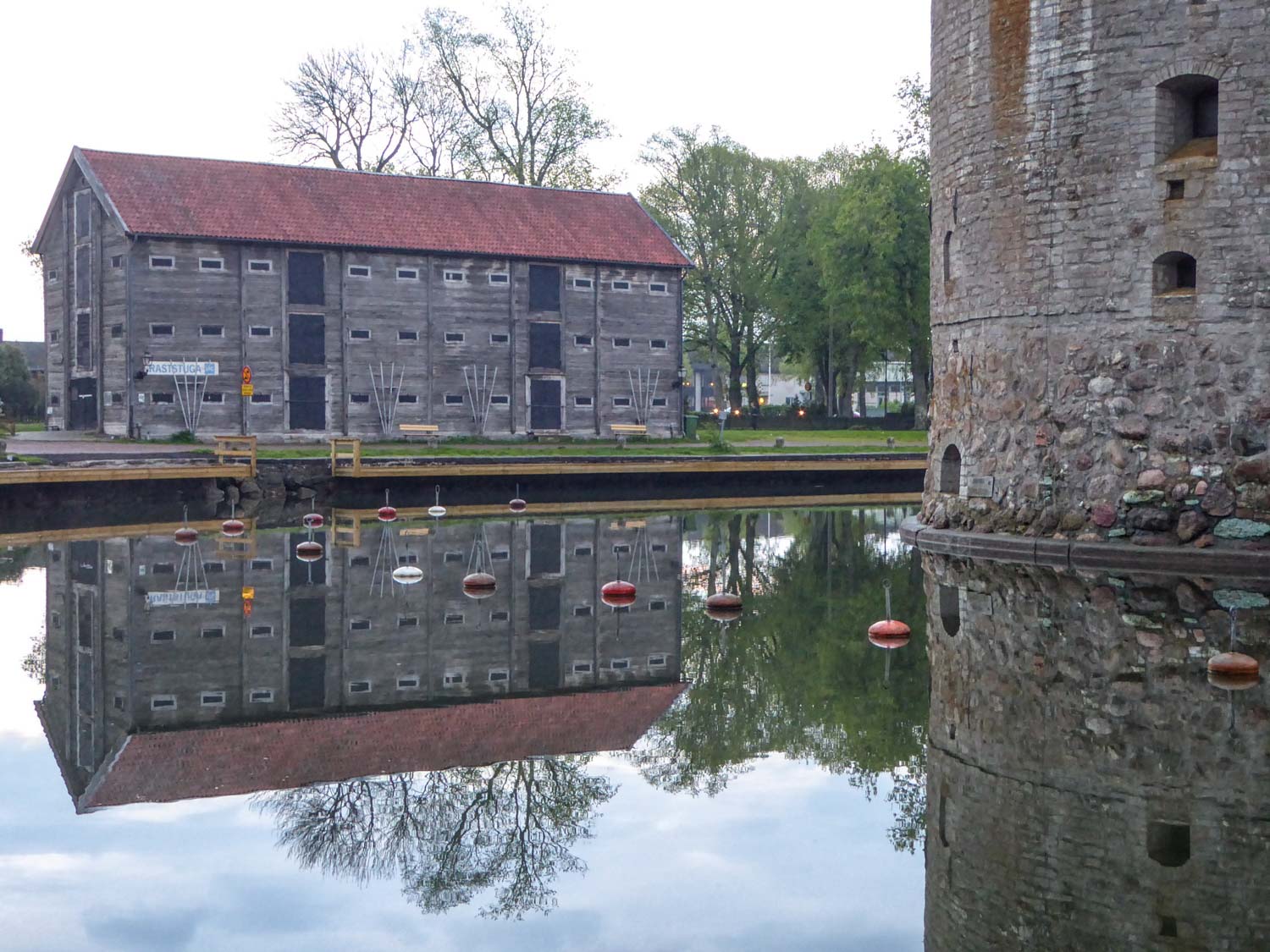
In the fog and greyness, it looks stern and almost hostile – but in the evening sun, I could almost imagine a Cinderella somewhere…

Vadstena Abbey, close by, was the motherhouse of the Bridgettine Order. The abbey started on one of the farms donated to it by the king, but the town of Vadstena grew up around it. It was active from 1346 until 1595, but there are still a handful of nuns here.
 The castle on the left hand side and the abbey on the upper right hand (The red dot: Här är du!)
The Abbey is now turned into a hotel – and a beautiful one. The different houses decorated in different styles, and we stayed at ”The Castle Villa” in Jugend style.
We had breakfast under the old vaults, and I had some difficulties in resisting the pots for sale. Swedish design inspired by China.


Cee’s Fun Foto Challenge: Barns or Any Dilapidated Buildings
For Cee – two of my absolute favorites – but I hope you can enjoy them even if they appeared last year on my blog!

Paula of “Lost in Translation” has posted a great set of words for her Pick a Word challenge this month. I love this challenge, not only because I find it interesting how people interpret words, but also because I learn new words and build my language at the same time.


Its Early mornings…


Mid days…
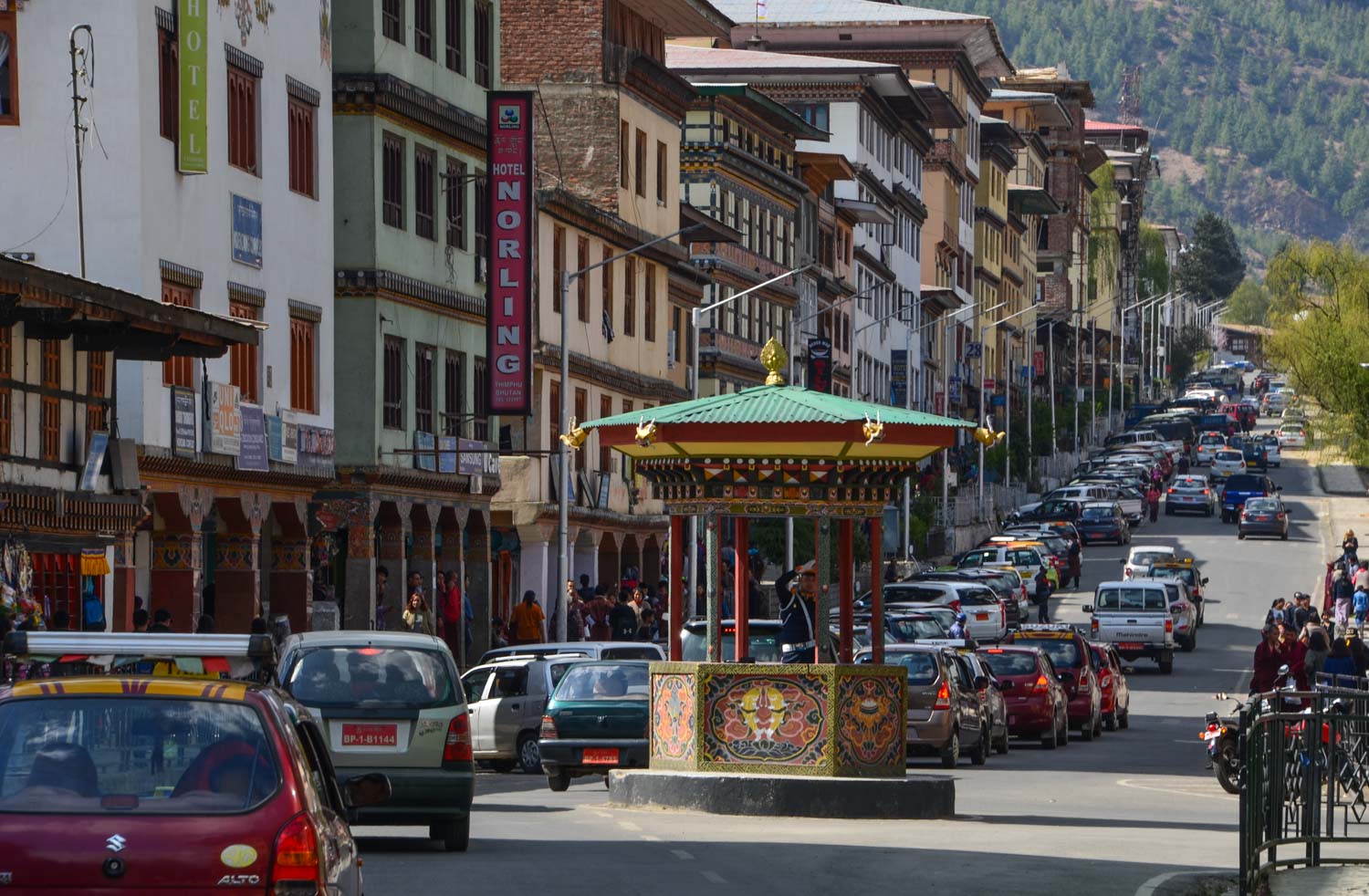 Afternoons…


…and Evenings

And my heart dreams of returning some day
In the fertile Punakha Valley, where the Mo Chhu (Mother river) and the Pho Chhu (Father river) meet, lies Punakha Dzong – Pungthang Dechen Phodrang (Palace of Great Happiness). It was constructed in 1637 and maybe the most impressive building in Bhutan – also considered the most beautiful dzong in the country.
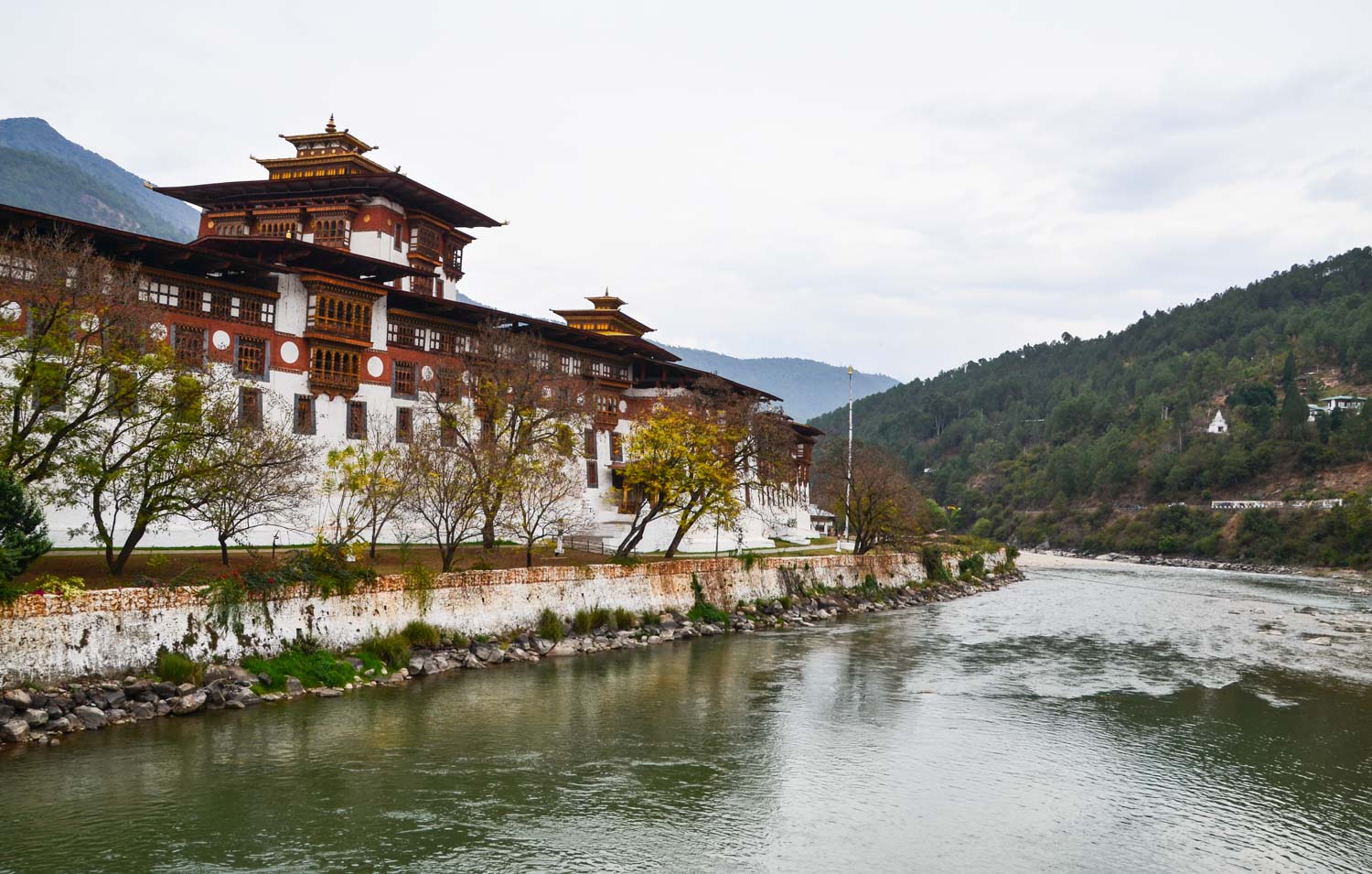
The very size of Punakha Dzong is impressive, 180m long and 72m wide, but the elaborately painted gold, red and black carved woods, the brass roof and the location adds to the light perfection.


Punakha served as Bhutan’s capital for over 300 years and the first king was crowned here in 1907. Since the mid 1950’s, Thimpu is the capital, but Punakha is still the center for official meetings, the kings’ weddings and other important ceremonies.


The dzong, like all the other dzongs in Bhutan, has suffered fires several times, but is always restored. Due to its location by the two rivers, it is also vulnerable to the floods following climate change. In 1994 a glacial lake burst and destroyed parts of the building, and before that, in 1897, there was also a severe earthquake.

The temple is grand and holds thrones for the King as well as for the high Lama.
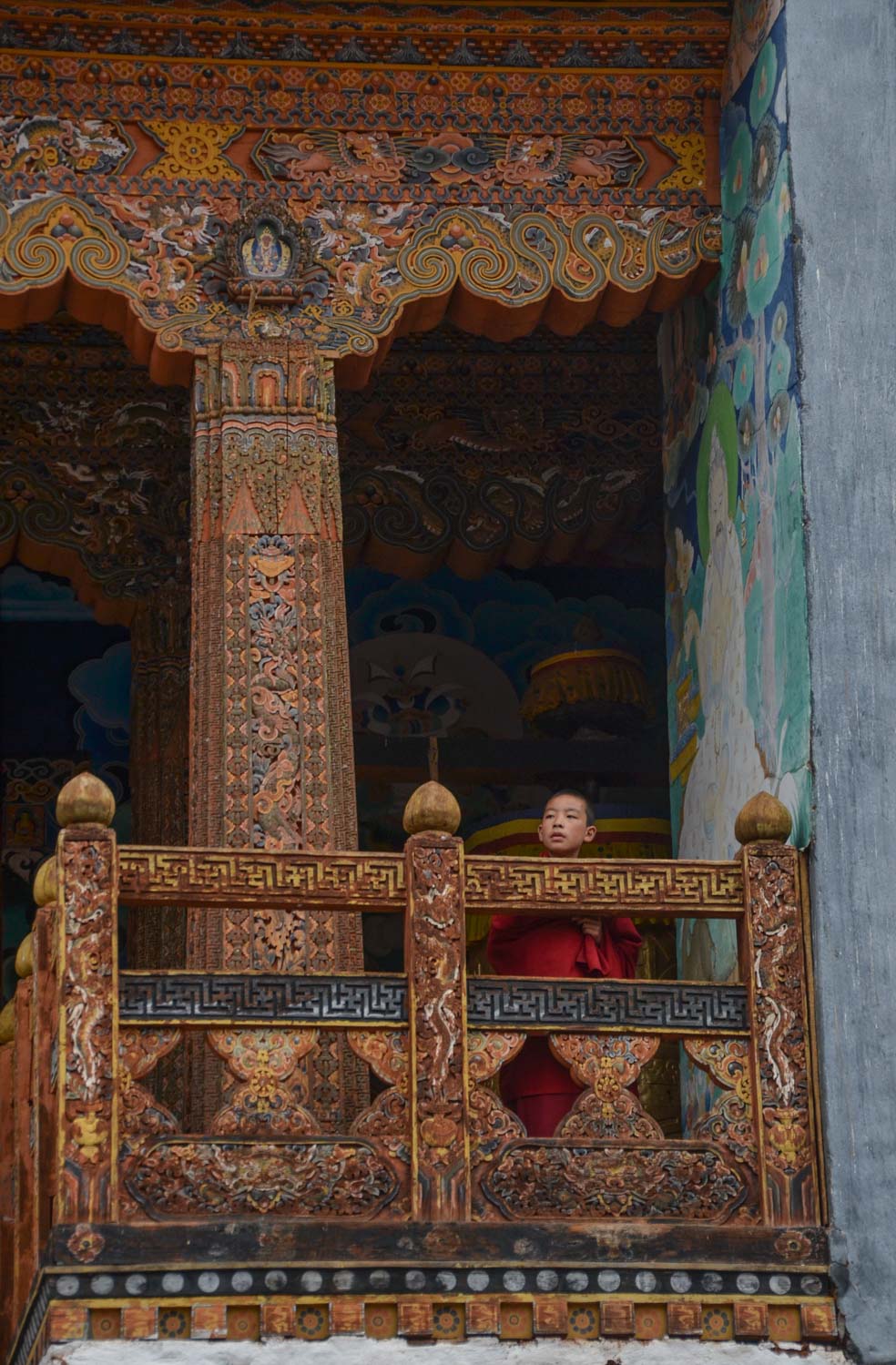
There are 300 monks in the dzong, and our guide told us that today the monastery schools are almost like ordinary schools – you take different subjects like science and mathematics along with languages and the scriptures.


The young monks are very curious and good at English.
The junction of the two rivers, seen from inside the dzong.

And so we left this magnificent fortress – without using the middle, golden steps, made for the King only. A breathtaking visit – only there was so much more we wanted to see, hear and learn – but maybe next time…

Cheri asks us to pay attention to Lines – and my choices are natural ones as well as man made. Unfortunately the magic of the old tree is only left in photos and memories now. Last summer it finally gave in to old age.


 Leya
Leya 
Du måste vara inloggad för att kunna skicka en kommentar.