Your life is your canvas, and you are the masterpiece. There are a million ways to be kind, amazing, fabulous, creative, bold, and interesting.
– Kerli
Sofia is our lovely guide this week, and she wants us to be Bold – or at least send pictures that speak bold. Please visit her beautiful site for more inspiration!
Colours and patterns in furniture – can indeed be bold. I like it, but maybe not in my own house…
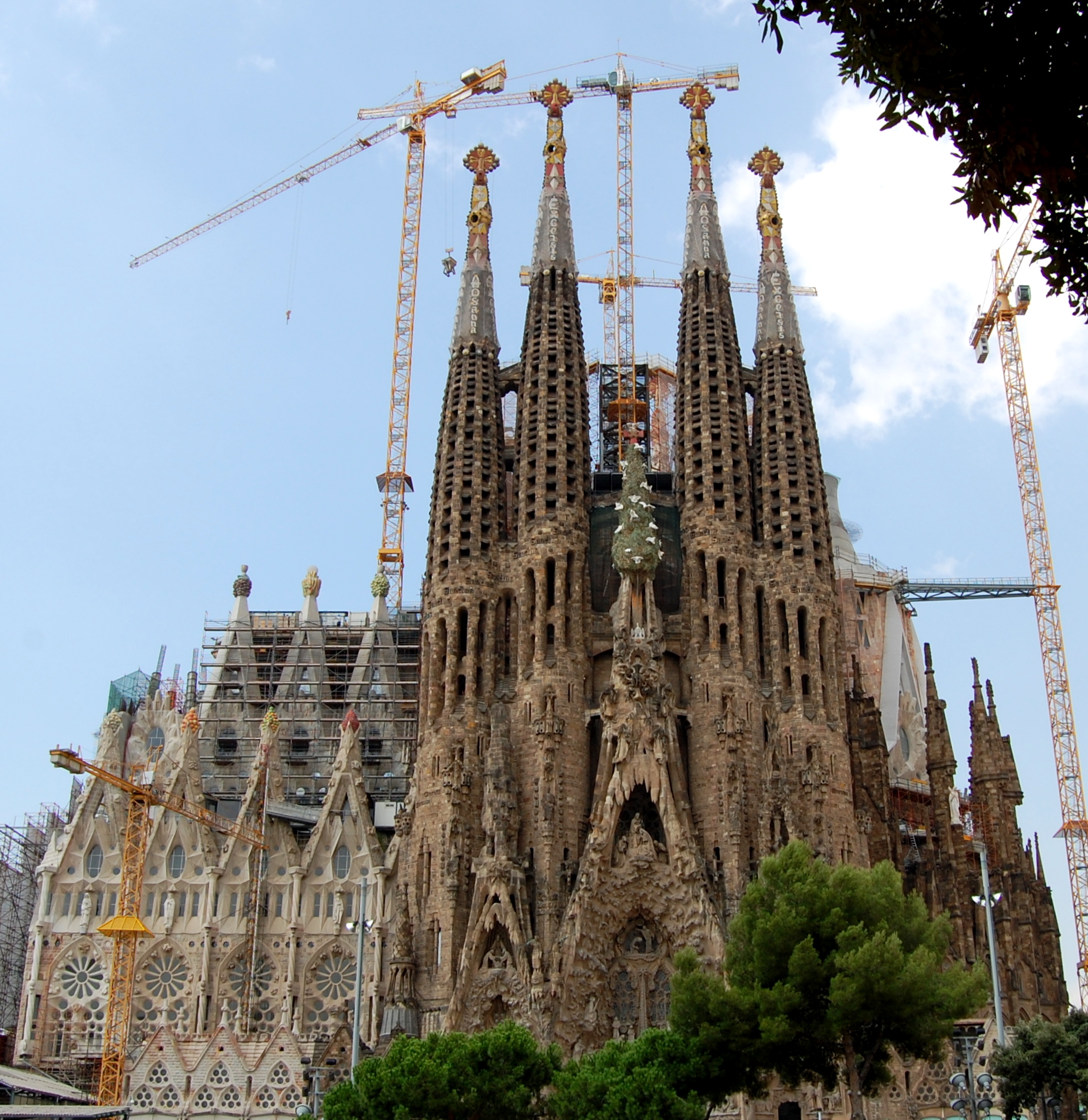
Gaudi was one of the most bold architects according to me. I am looking forward to seeing a Sagrada Família fully fledged in 2026.
Last Tuesday we saw the immersive exhibition of Frida Kahlo in Malmoe. The Mexican painter and artist who was severely wounded in a bus accident at the age of 19, and lived with constant pain until her death in 1954, only 47 years old. Few people and artists were that bold and colourful as she was in both life and works.
Finally, In the true spirit of it, be bold and take us all somewhere new, Sofia says. How…? Well, you asked for it…it is rather bold of me, in this famous company, to show one of my wild paintings (I don’t call it art…)for my granddaughter. Creatures.
I am truly grateful for the many beautiful and thoughtful answers to last week’s challenge – and we all managed to post only ONE image! I guessed it would be difficult, but you really made it work – and work so well, that I had tears in my eyes more than once…
So now – welcome to this week and Sofia’s magic. Remember to link back to her post and to tag Lens-Artists so we can find you.
Stay well, keep calm and make the best of your week.
This week it is my turn to present a challenge – and I mean to give us all a real” test”. I tend to use several pictures in my posts, and some of us often do – so the challenge is to use only ONE picture. One that you find important, meaningful to you, maybe sending a message – and then explain why you picked just that picture. It is not meant to be a ”favourite” picture of yours, not at all…so…
– here is mine.
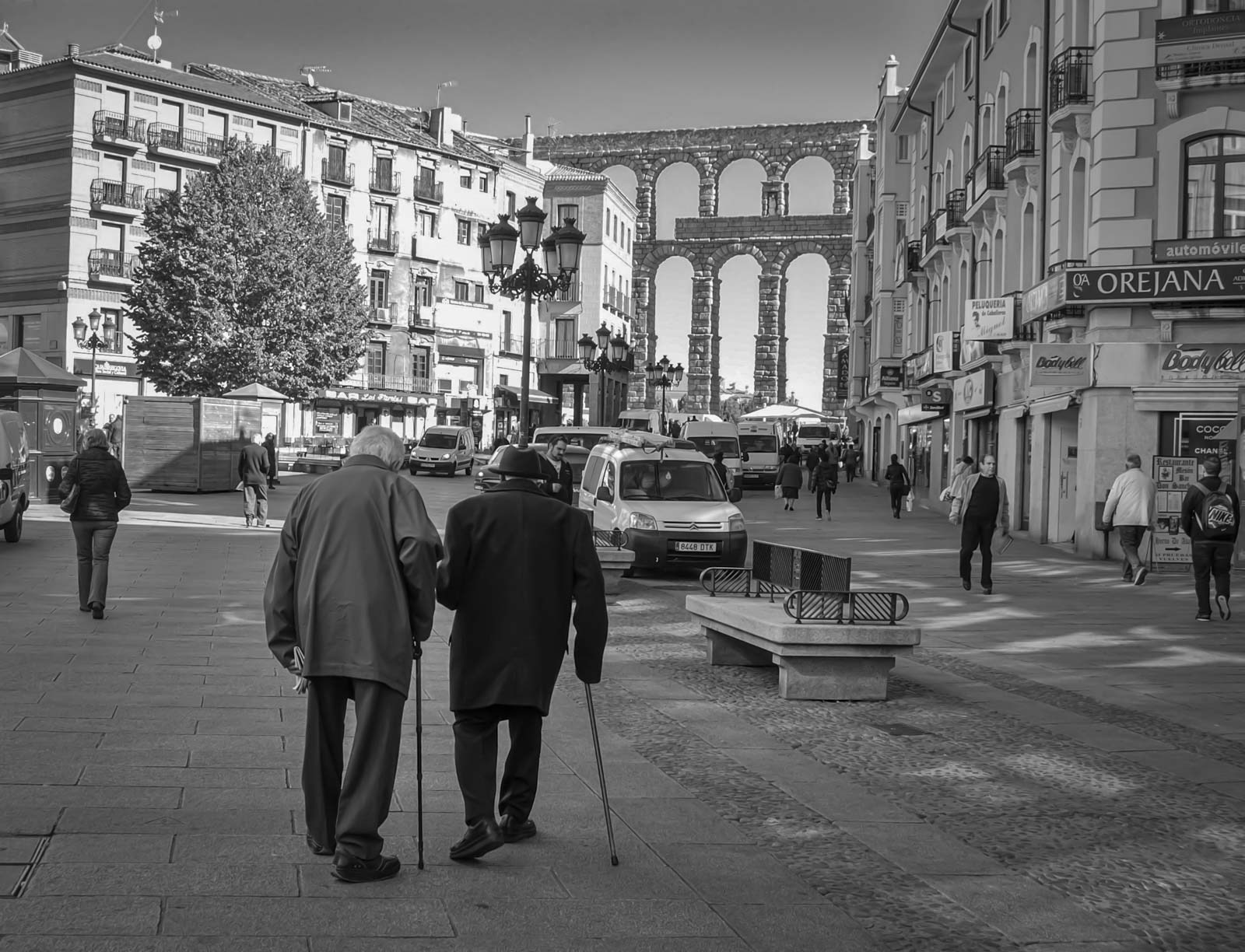
This is a 13 year old picture from Segovia, Spain. I was walking this city street, eagerly looking for the famous aqueduct… and suddenly it appeared in front of me, the impressive, Roman construction going right through Segovia. I was left standing in the middle of the street, gasping, filled with awe. How small the modern buildings seemed! After some 5-10 minutes, two men, old friends I guess, came slowly walking by. Three legged – but strong.
Two major thoughts entered my mind. The importance of knowledge – never stop learning – and stay open and curious. (I was a teacher…) Then my thoughts started wandering.
I have seen several aqueducts on my travels – but nothing like this one. My greatest love is Pont du Gard in France, from a trip in 1976. The old Romans were skilled architects and builders, and although they had better mortar than ours, the Segovia aqueduct was built without it, just stones on top of stones. It was built in the first century AD to carry water to the city from mountain springs 17 kilometers away. The complete archade consists of 167 arches – and it was in use until 1973! Incredible.
Nothing we build today has the strength to last for 2000 years… I am sure. It should trouble us that we are losing old knowledge every day, and one day, maybe there will be no computers to ask. – Someone or something, someday will surely pull the plug. During my last working years, many of my student’s turned to Google instead of learning from books. Sad. Critical reading is taught in every subject in school, but somehow young people seem to believe too many things found on the internet…and forward things without checking their credibility. I also think it is wise not to stop learning things by heart – even the smallest things – and you will be exercising your mind and brain, keeping them alert.
My eyes followed the two old friends – how I would have loved to ask them about their lives, their world and their thoughts about the future! But, unfortunately I don’t speak good enough Spanish. And that is another thing we are losing – languages. It’s a fact that, if we lose a language we lose the culture connected to it as well. That is the way cultures are lost – in Sweden we are losing the Sami culture, because not many people speak their language anymore – despite diversity treasures like having more than 100 words for describing snow, and words from their nomad life with reindeer.
I wish we would listen more to older, experienced people. There is so much collected knowledge to treasure. Instead, if we listen to what they have experienced and what history has to tell us, we don’t seem to care about it and we certainly don’t learn from it. We should try harder to change that.
I believe parents have a great responsibility. Please take care of the knowledge handed down orally, written and worked by hand! Don’t wait until it is too late. Once gone – forever gone.
A big thank you to Patti for last week’s challenge Colour vs B&W – a brilliant possibility to exchange thoughts and experiences of how to look at editing and photography! In fact I decided to use B&W in this post because of what I learned. Life long learning is essential not to wither and grow old too early!
Don’t forget to link to this post when you participate, and use the Lens-Artist tag. We are looking forward to seeing your choices! Next week Sofia will be our host – be sure to visit her inspirational site to find out what she is up to!
Egidio works with colours this week – please visit his colourful site for more inspiration!
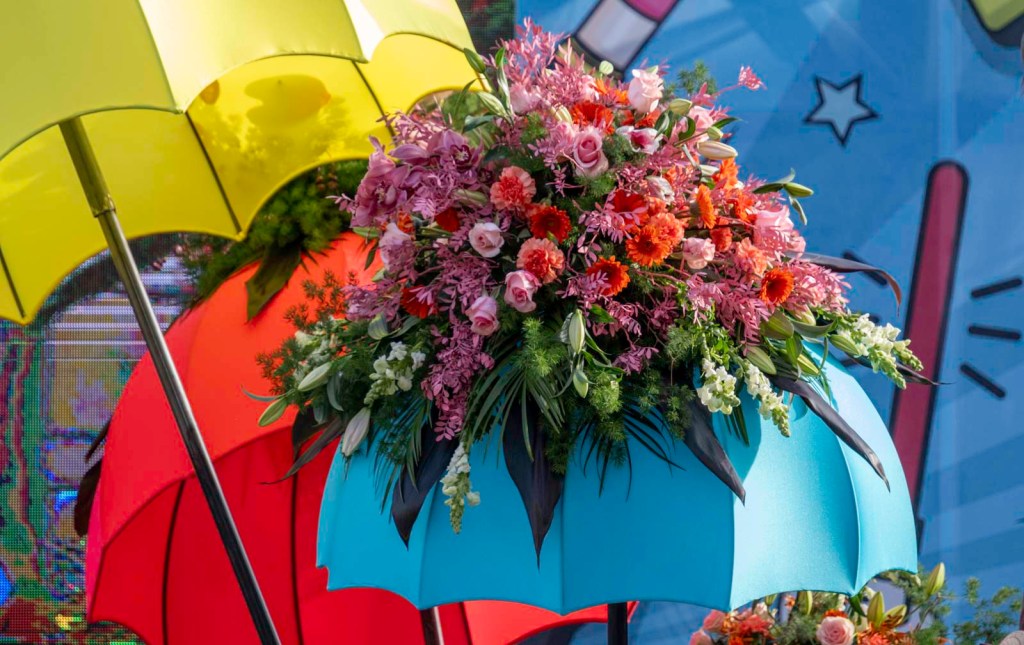
Complementary colors are those that sit opposite each other on the colour wheel. Using them in your photography or painting creates the best colour contrast, and your images will pop. For example, red and green, magenta and green, yellow and violet, orange and blue, and so on. And just like the color wheel transitions from one shade to another, you can use nearly opposite colors to make your images stand out. Naturally, the best results will be with the exact opposites.
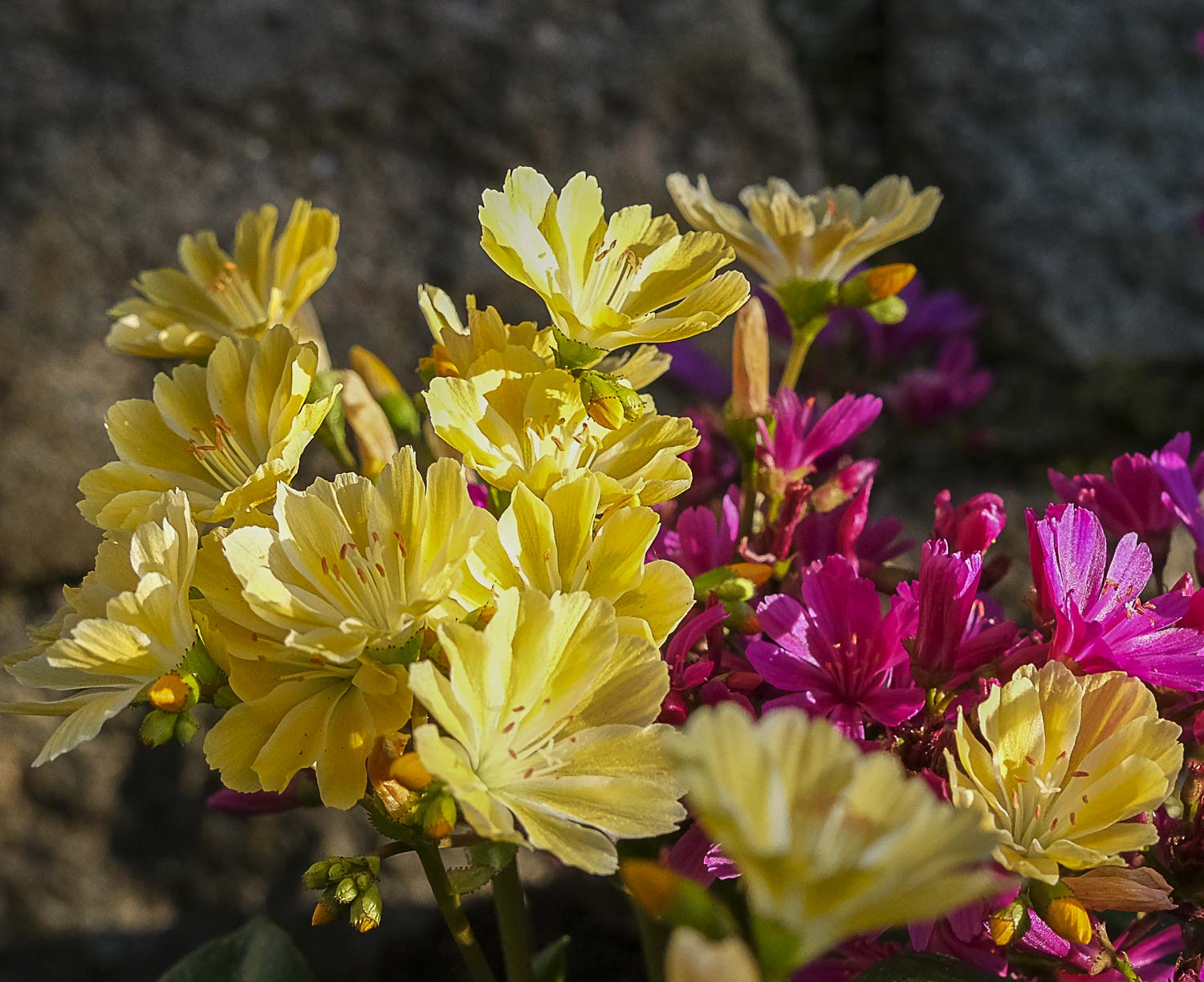
Soft colours pop in their own soft way…
– and strong colours don’t need any further presentation. Then there is red and green, where red is THE chosen colour of Swedish old houses, farms and cottages –
– naturally with a different hue and intensity than in flowers. Green is not the most natural combination with red in our houses though, it is white.
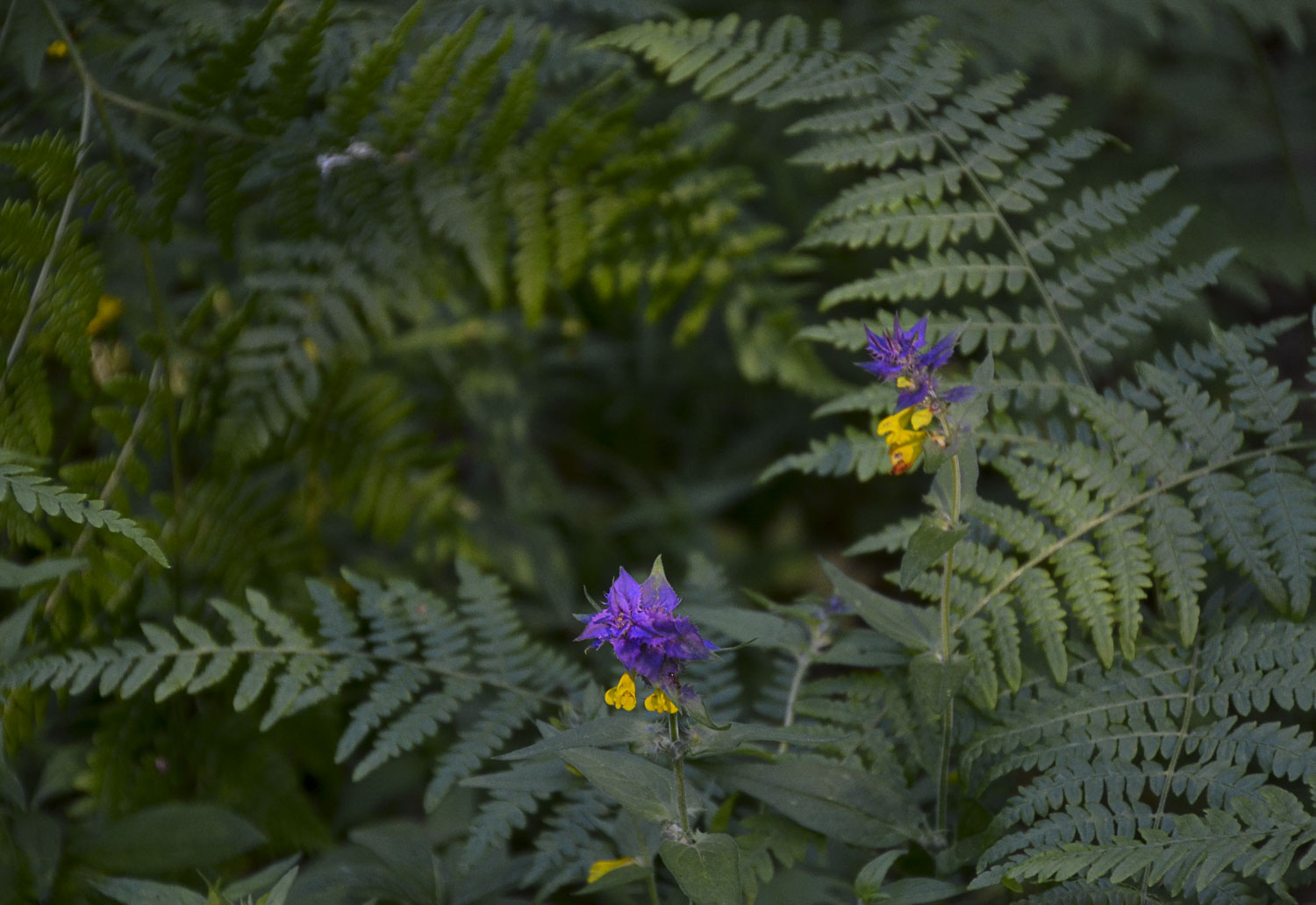
Do you have favourite combos? I guess I have yellow and violet – especially as we can find those two in one single flower – melampyrum nemorosum – the Night and Day flower. When I saw her for the first time, in 1973, it was immediate love. Surely a Swedish, modest wild flower could not look like that? Ever since then she holds an honourable place in my Midsummer bouquet.
She often stands in the forest, in shadowy places but close to the sea. So I cannot find her in my own forest, only close to our summer house. A truly shy beauty.
These colours look great in abstracts as well as in carnival outfits. They simply cry out: SEE ME, here I am!
Walking home late, the sky above this beautiful boardwalk in Nice kept flashing its carnival colours hroughout the night.
Finally, I guess you know I love poppies! Meconopsis betonicifolia – the blue mountain poppy – is an old love of mine…but, I don’t have it in my own garden as I don’t think I will manage it. It is very expensive and fragile, so I would hate to see it die.
Last week, Ritva got us to shoot from above. I enjoyed it very much – just as I believe you did. There were so many interesting posts!
This week, Egidio asks us to share images with complementary colors that create interest and make your photos stand out. Don’t forget to use the “lens-artists” hashtag when creating your post so we can easily find it in the Reader. Looking forward to seeing you here!
Next week, Tina returns with her first new challenge for the year. It will go live at noon EST in the USA. Tune in to find out another exciting challenge. Please see this page to learn more about the Lens-Artists Challenge and its history.
The difference between something good and something great is attention to detail.
– Charles R. Swindoll
Patti makes us look for the details this week – and we’re looking forward to seeing what you have found! Please visit Patti’s site for wonderful inspiration.
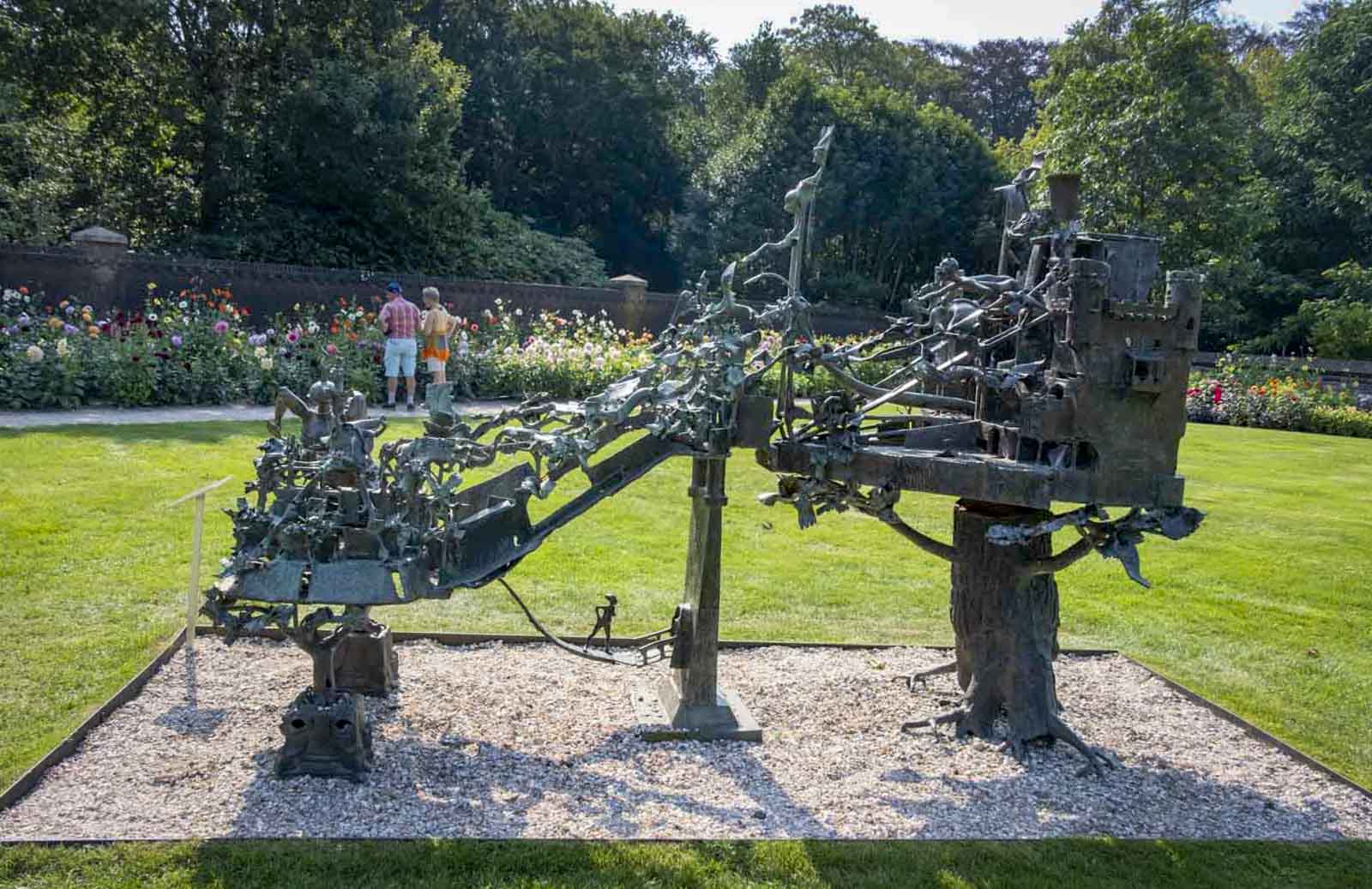
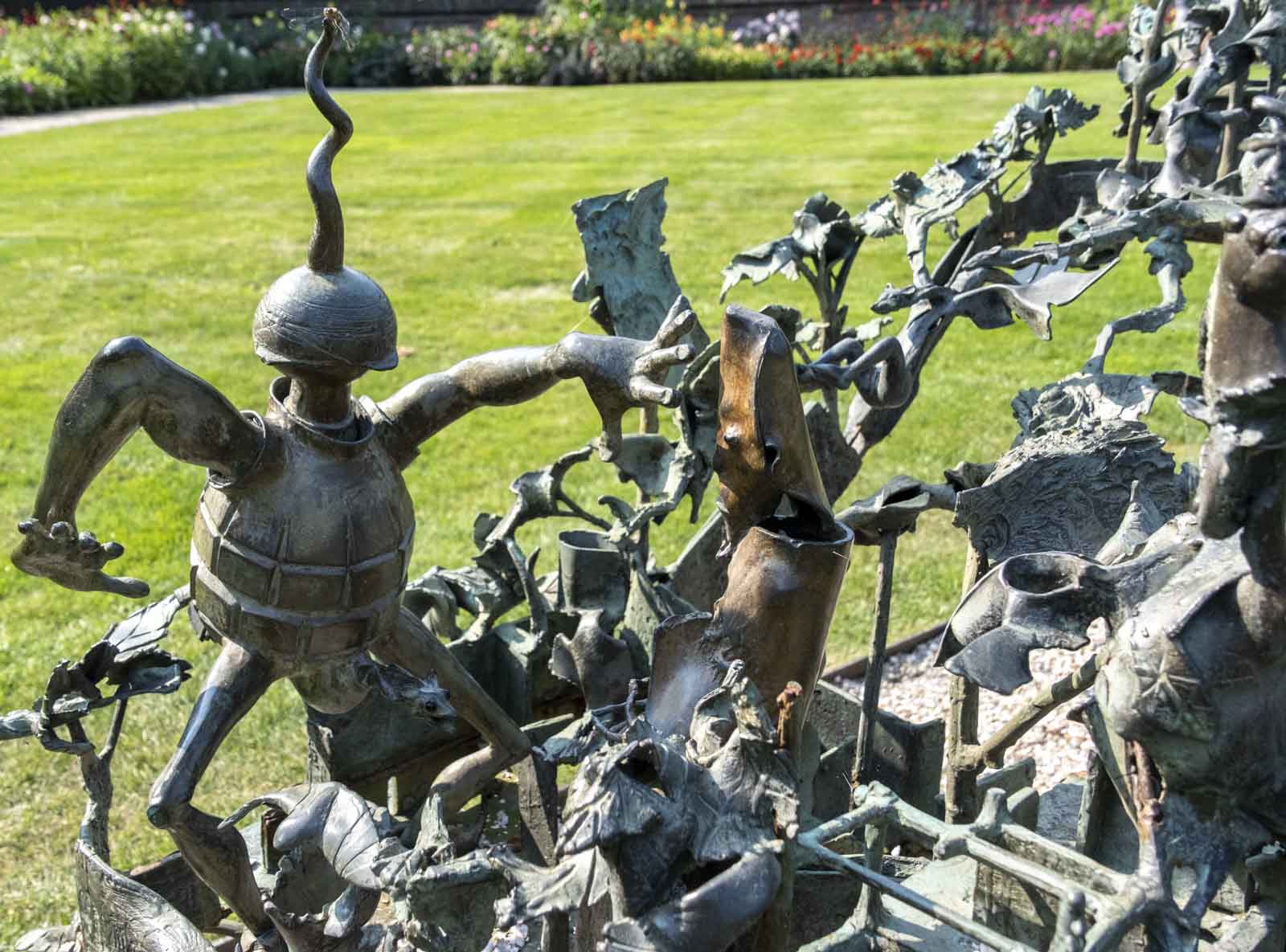
This bronze sculpture by the American Paul Kubic, stands in Keukenhof Castle Garden and is named The Temptation of Saint Anthony. Saint Anthony was a hermit in the desert of Egypt in the 300´s. The bronze below was made 1978 -1984 and it measures 175 x 400 x 150.
We were there for the Dahlia festival, but were totally absorbed by the details in this work. We went back to it several times for even closer looks. I also talked to a man, who used to go see this statue every year, photographing the changes. Mostly how parts of it were disappearing I think…
The theme used to be popular with artists in the old days because it represented the temptations of everyday life and reminded audiences to mimic Saint Anthony’s devotion and re-enforce the trust in God to ignore temptation.
Many details included hands, and if you want to see a little bit more of all the fantastic details, you can click this link for a 2.32- minute video that really conveys the mystery of Kubic’s work.
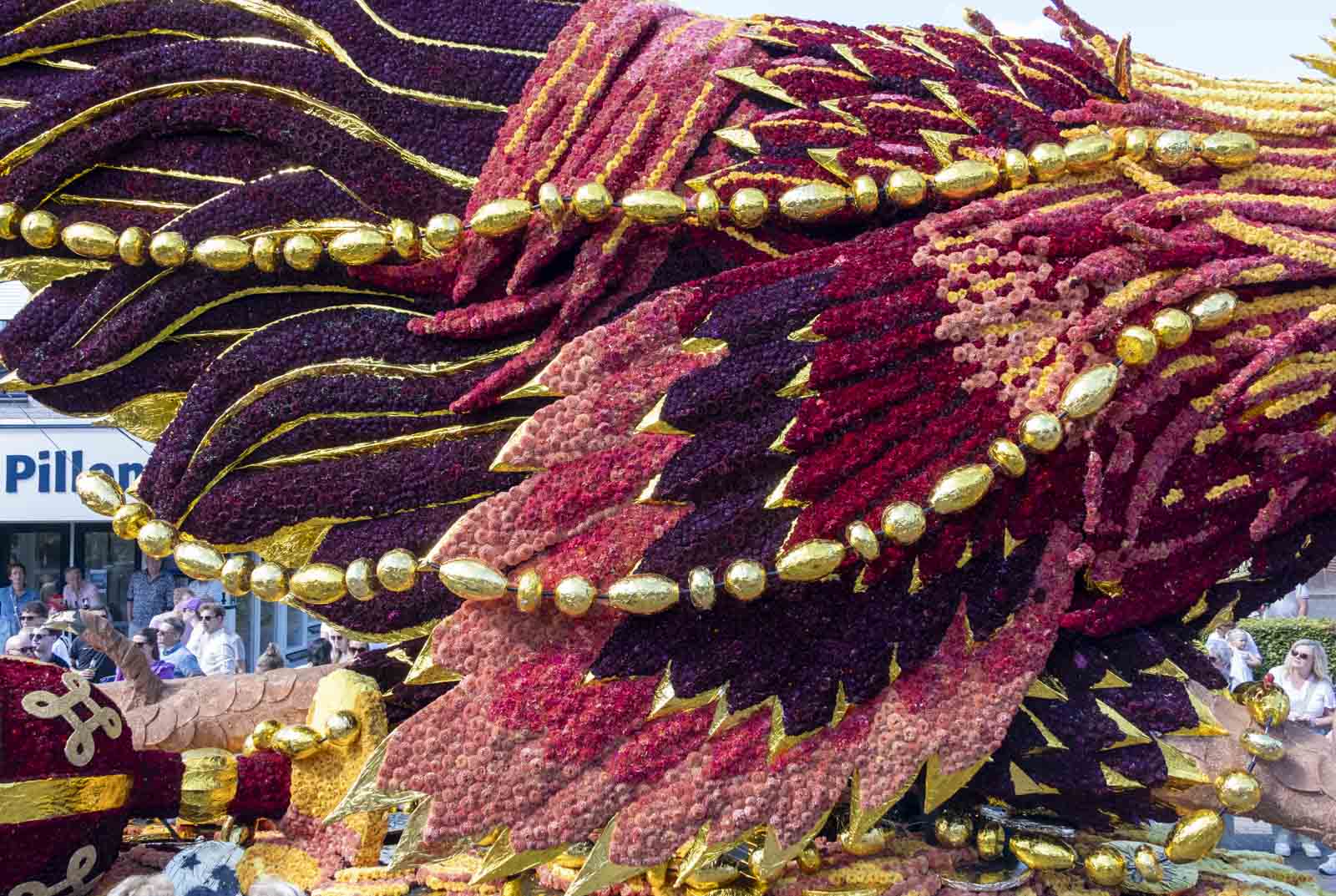
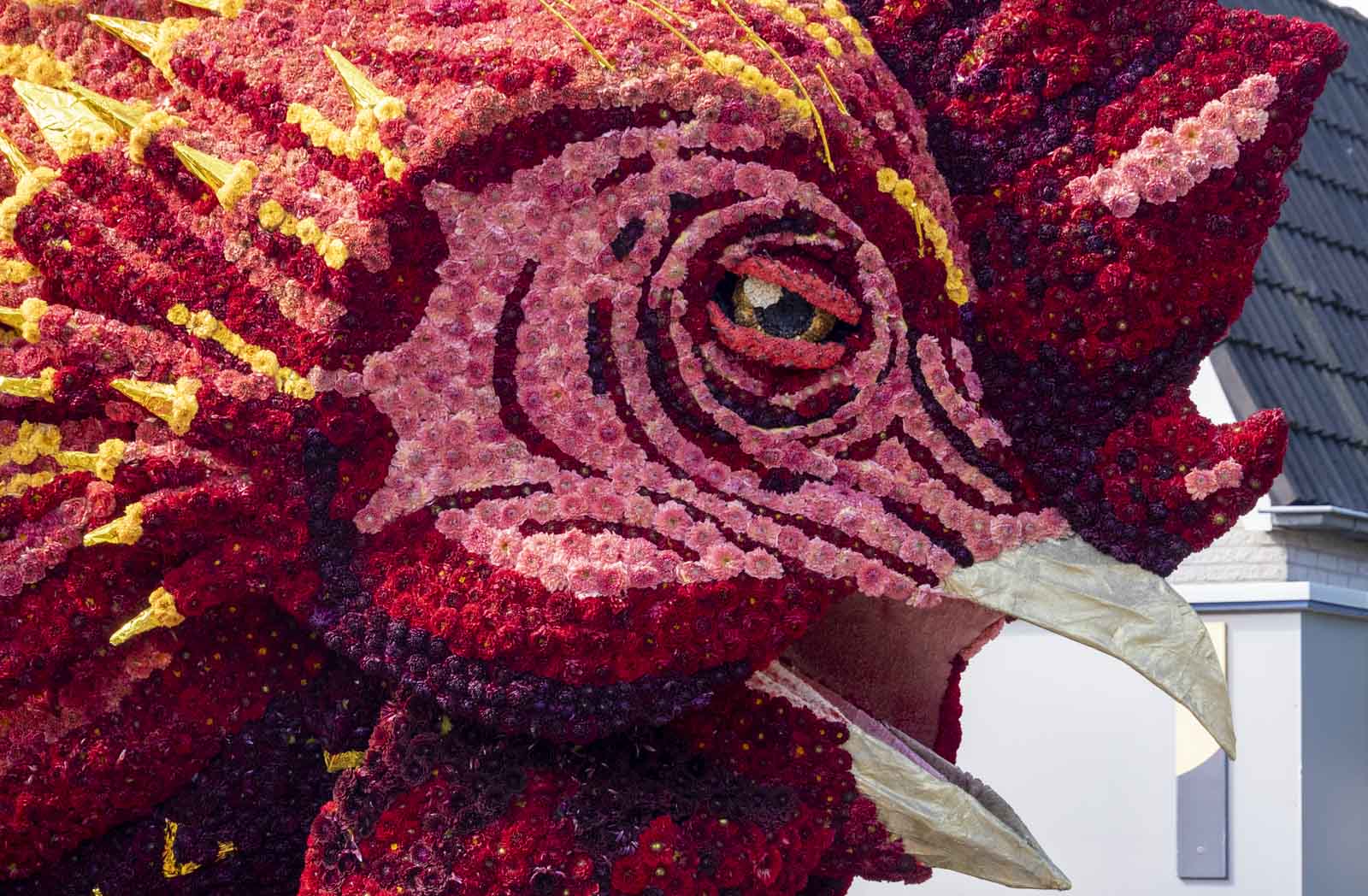
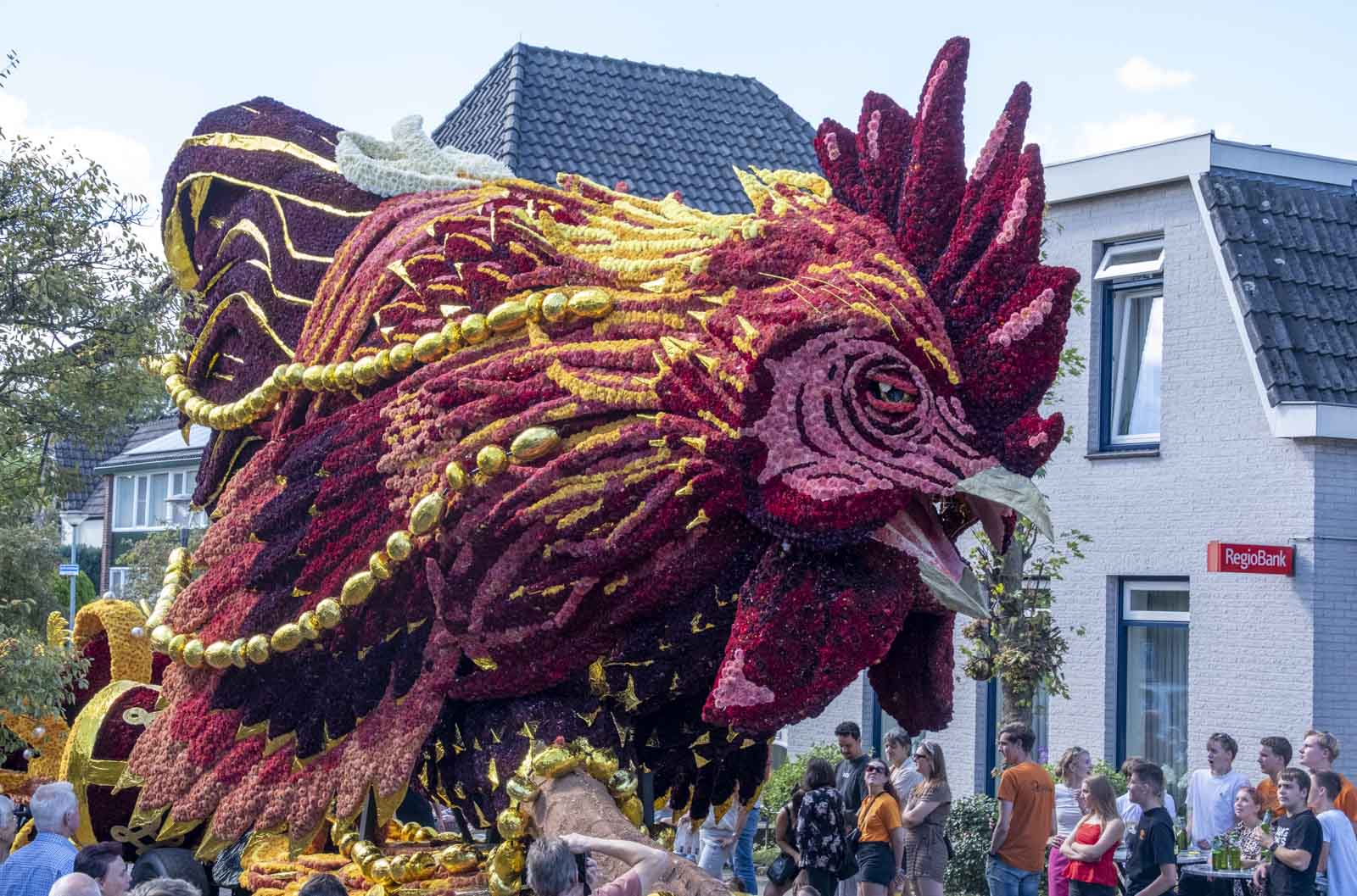
Patti allowed us to post one more story though. My second detailed sequence is from the Dahlia Floats in Holland. A different kind of art work, but also a demanding one.
I was very impressed by the work to fit in every single flower in its prepainted place matching its correct painted colour…
– and fast too! Flowers don’t last very long without water. For cut flowers even shorter time. They must last the whole parade and a second day.
An even closer look when the float was passing, and you could see the flowers and construction in detail.
So, have fun and show us what you’ve discovered! Be sure to link to Patti’s original post and use the Lens-Artists tag.
Last week, Egidio hosted his “Silence” challenge, which was a beautiful exploration of places filled with quiet. Something we all need in this turbulent world and I enjoyed every minute! Next week, it’s Tina’s turn to lead us, so be sure to stop by her gorgeous site, Travels and Trifles, next Saturday at noon EST. See you then!
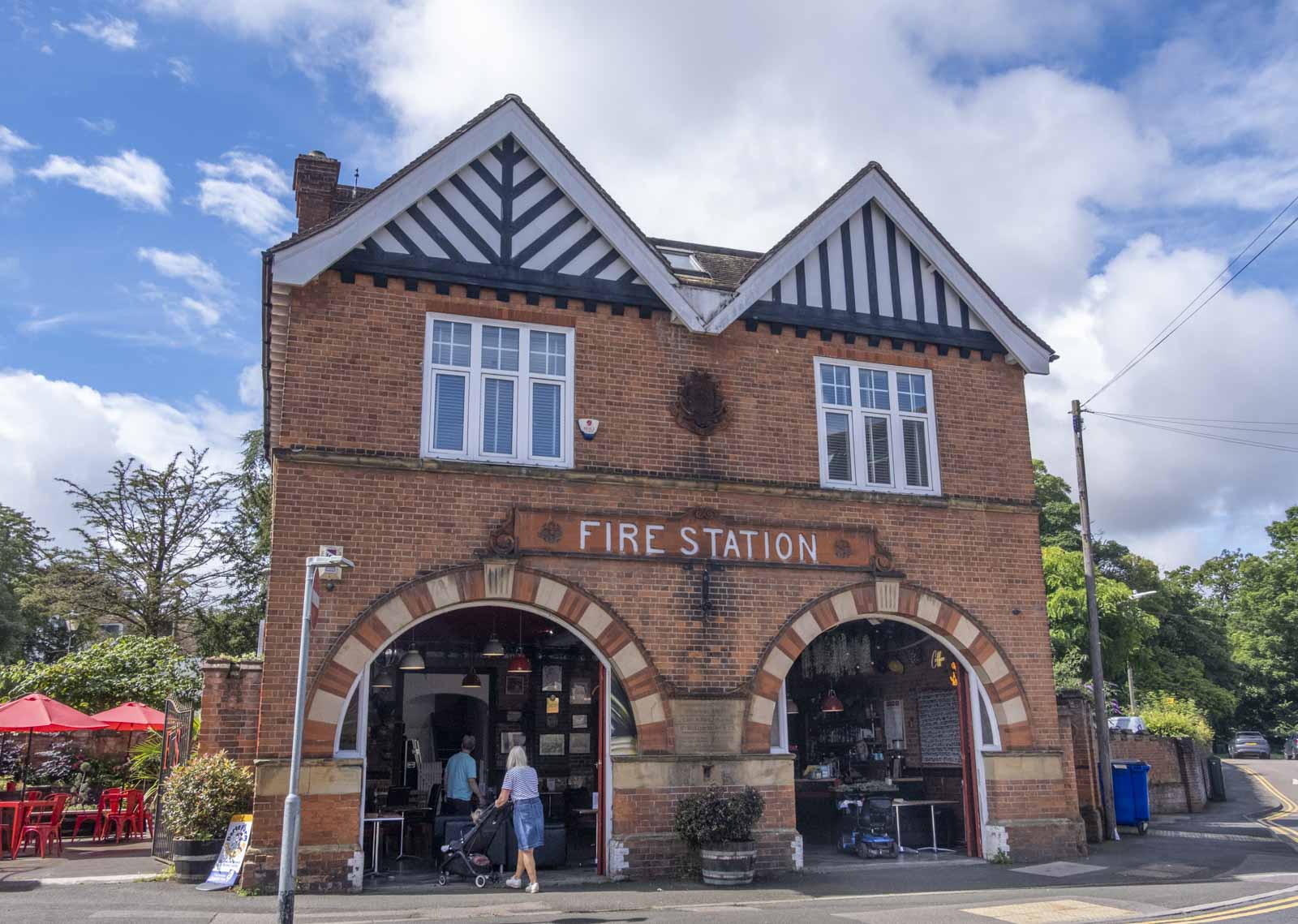
Well, on our visit to Kent and Sussex we lived in the little town Tonbridge. Scouting one day, I came across the old fire station.
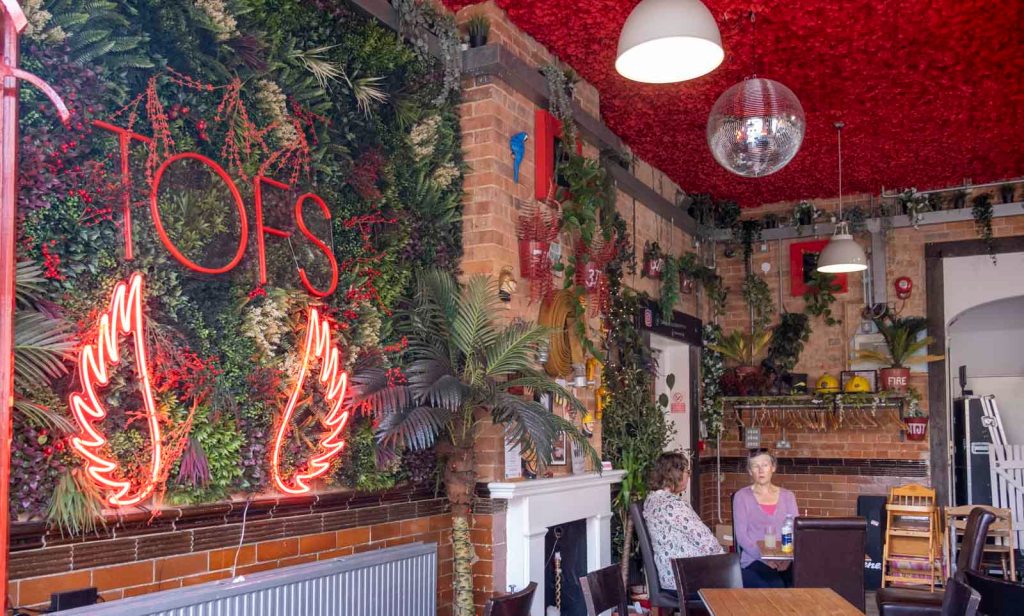
The fire station was no longer in use…or so I thought at first. But this is what they had made it into!
This grey day it still looked a bit abandoned – but soon arrived some chatting ladies. I talked to the girls at the bar, and they showed me the massive amount of dog photos on their wall. You should take a photo of your dog and hang it here – with the dog’s name on it. And there were many of them – I could swear there must be more dogs than people in this town. Never verified though.
I often have Japan on my mind. Not only for the beauty, but also for the amazingly kind and helpful people. My children had told me about it, but I still was overwhelmed.
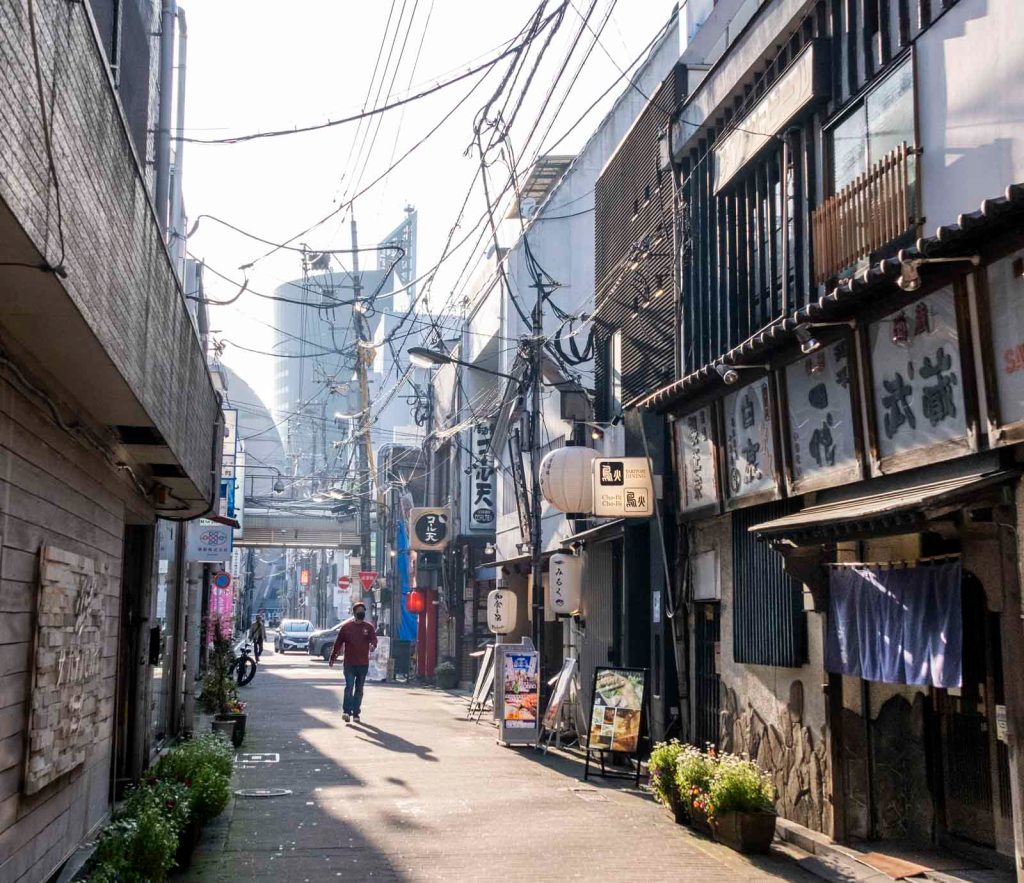
I loved the streets in our area in Tokyo and Nara. Empty or crowded, morning or evening, the special light and people hurrying by on bicycles. It made me remember our first visits to China – thousands of bicycles in those days (1989)!
The Japanese are very disciplined, queueing patiently for their turn. If you look lost, within a minute, someone is there to help you. Smiling and good humoured. We were very grateful, because it was impossible to find the way with no street names… Our first day here, a truck driver even parked his car and accompanied us all the way to our hotel.
That first day, we went to Tokyo Sky Tree, as we wanted to see Tokyo by night from above. I have posted on it earlier – an experience to be recommended.
But, when we tried to find our way back through the darkening streets (they still had no visible names ), we realised we were lost.
And there was noone out in the street to ask. The shops were closed, so no chance there either. My husband is usually good at walking in the most probable direction…but not this time.
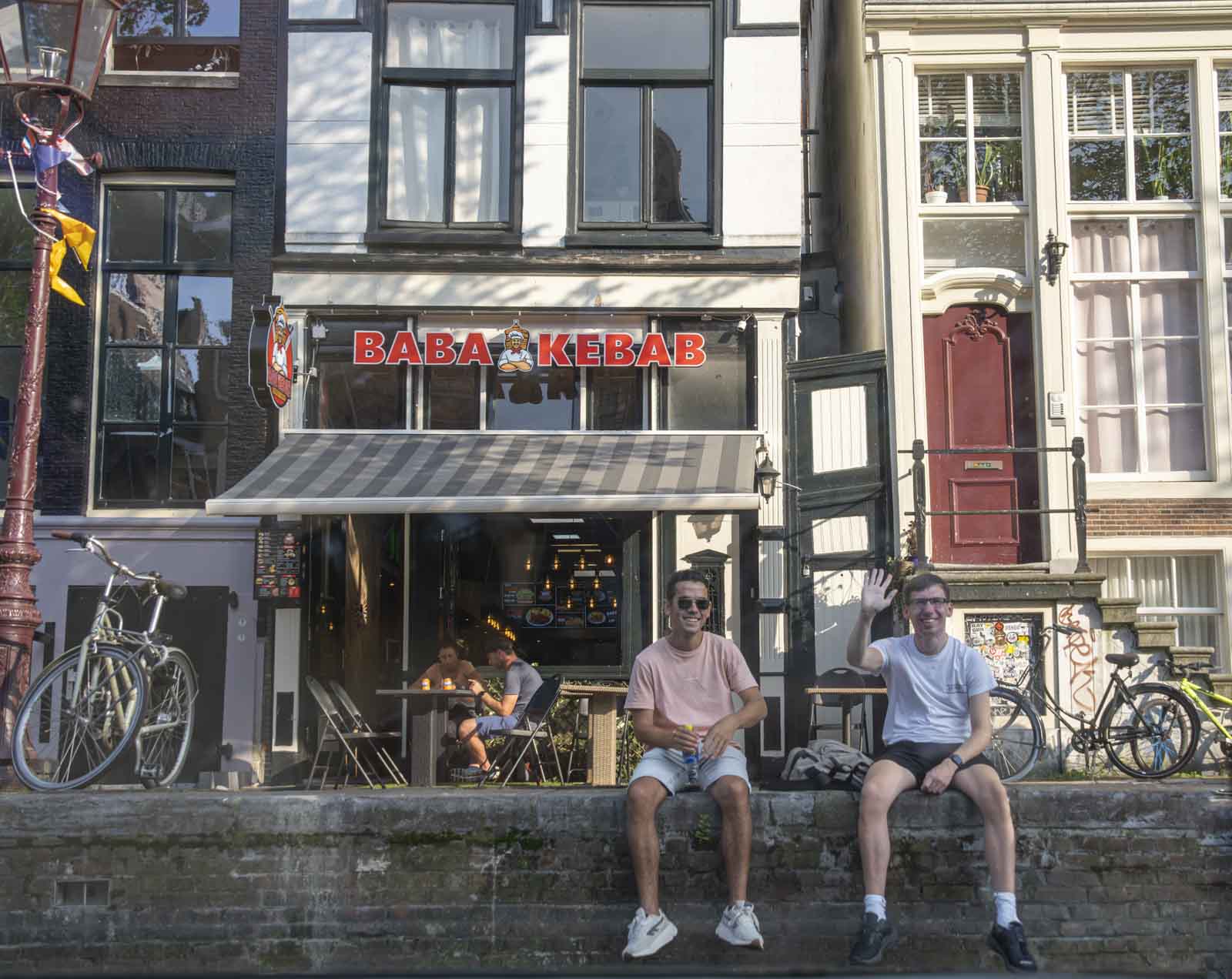
We kept walking, rather tired now, when I saw this shop – a must have photo. Strangely enough it cheered us up!
That is just another wonder with Japan – you don’t have to be afraid of empty streets or dark places. Not at all. A taxi would not have been wrong though, for tired legs.
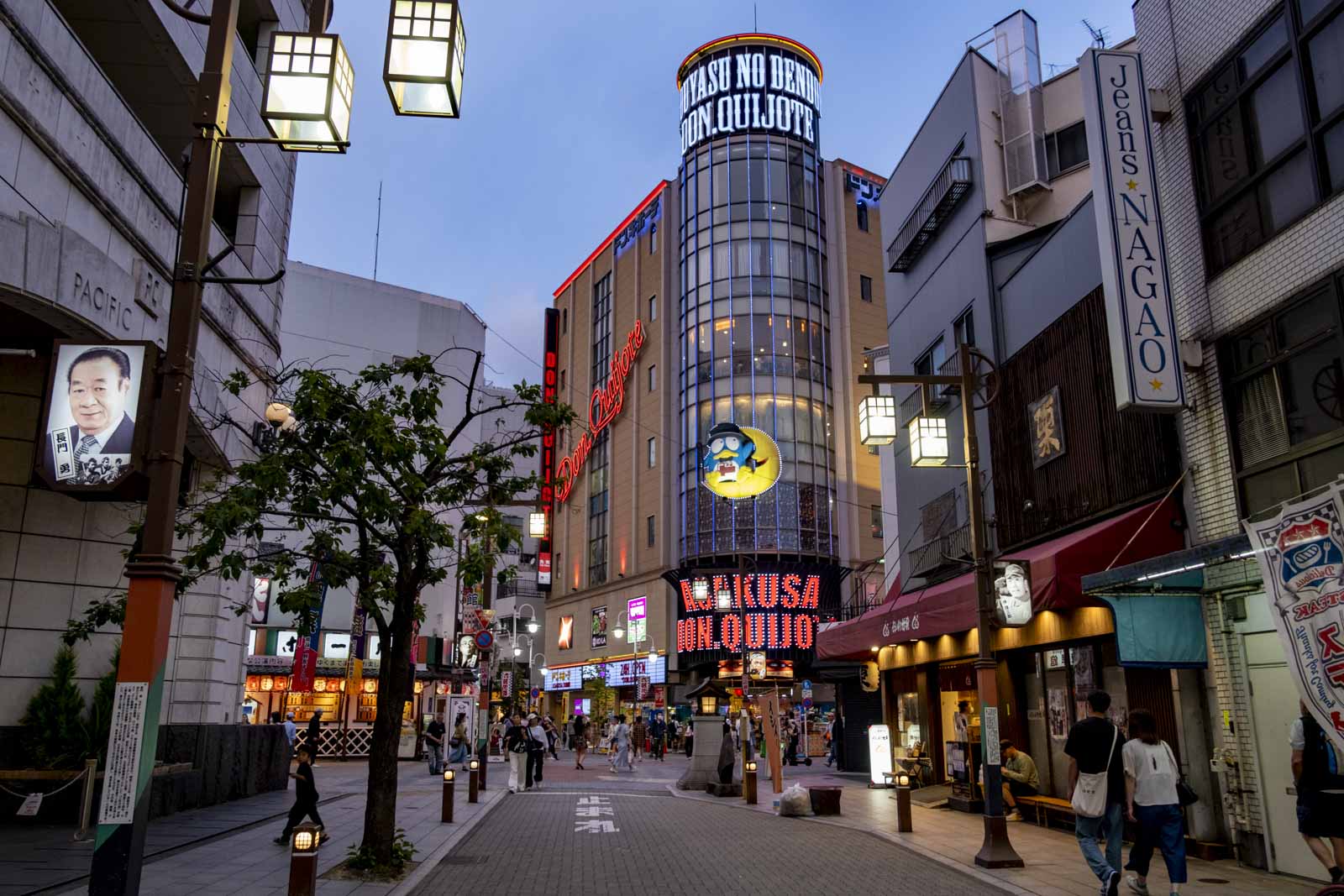
We finally came across a biking man who could direct us towards Asakusa, where we lived. We realised we were kilometers away from our hotel. And hungry. It was one of those sooo good moments to be back in our own street!
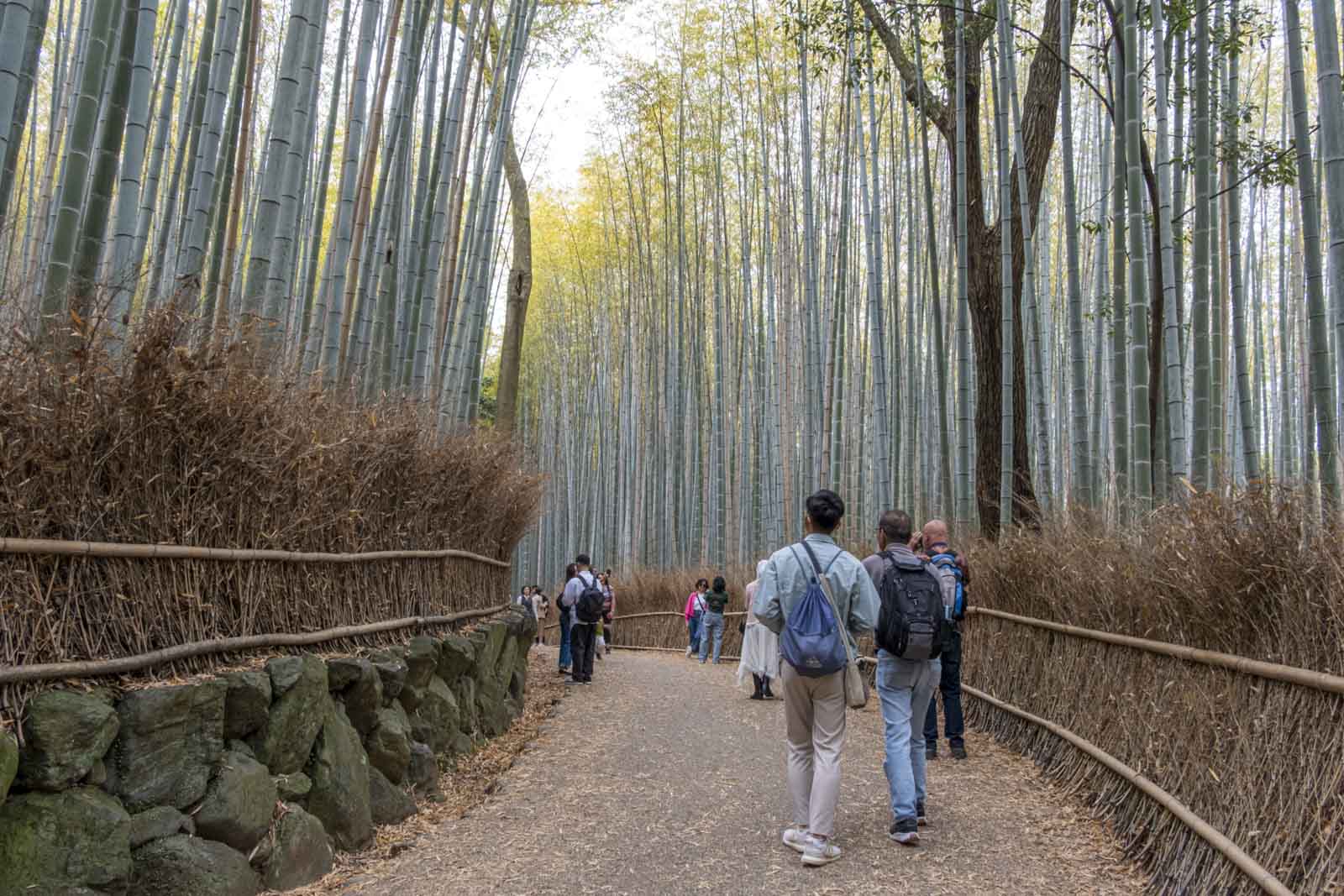
Lost again? No, the bamboo forest is like an uplit highway through the grass – for it is a grass – that is fast-growing and very versatile. From bowls to knickers! I guess all of us have got something made of bamboo in our homes. And it is such a beautiful plant too with its marked stems and thin leaves. I hope not all of these were planted the same year, because bamboo dies when it has flowered. And it only flowers once.
More of Japan will pop up over time – it is one of the most special places I have ever visited.
Patti is challenging us with a very important thing – to find beauty where we might not immediately think we could. Because, there is beauty everywhere if we just look for it! Please visit Patti’s inspiring post for more!
This is Highgate, London. Below the massive growth of ivy, this beautiful statue of a resting woman had just been rediscovered when we visited in 2014. We admired every detail – the artist made her look so real, just sleeping -about to wake up any minute.
In Tblisi, Georgia, 2019, most buildings and open places were dilapidated or worn down. Walking past this yard, I was really taken by the shadow and reflections, the tranquility, and the lovely cat.
More Tblisi. After a climb up one of the hills, three resting beauties awaited us in this yard. So calm and relaxed as only cats can be in the sun, they even let me take some photos.
A burnt down house lent some of its books to a beautiful photo. (An exhibition by Helene Schmitz) I often find great beauty in old and worn things, but these books sent an ache in my heart. Books should never be thrown away or burnt. This artist really found a way to make the disaster in her own home into something beautiful.
Finally, a stinging nettle in evening light – a dangerous beauty!
A special thanks to Tina, who invited us to explore our neighborhoods last week. Thanks for sharing your “world” with us. Next week it’s my turn, Leya, to lead. Until then, be safe, stay curious, and be kind!
I hope you will join this challenge – as we search for beauty in surprising and unexpected places. Beauty is seen in a wider context–beyond the typical. For an added challenge, Patti suggests us to come up with a surprise – something that you find beautiful but other people might not. Show us your beautiful and unexpected finds and tell us where you discovered them. Be sure to link to Patti’s original post and include the “lens-artists” tag so we can enjoy your images.
The first historical record of a building is listed in the Domesday Survey of 1086, where the ‘Manor of Esledes’ was owned by Odo the Bishop of Bayeux, who was also the half-brother of William the Conqueror.
Leeds Castle has a long history of noblemen, kings and queens, but it was not until the 16th century that King Henry VIII transformed it from a fortified stronghold to a magnificent royal palace.
Leeds Castle was the last Castle to visit on our tour, and here I found the indoors to be the most interesting part – but let’s have a short look at the roses first, and the multitude of Hollyhocks!
Jumping into the 20th century, during the 1930s, Leeds Castle became one of the great country houses of England and a centre of lavish hospitality for leading statesmen, European royalty and film stars. The interior decorations are very stylish in cool colours, giving it quite a modern feeling. There are not many castles you feel you actually could live in – but Leeds Castle, yes.
In 1974 the castle and grounds were finally left to a specially created charity called the Leeds Castle Foundation, whose main aim was, and still is, to preserve the castle for future generations to enjoy. The reputation of Leeds Castle as a leading visitor attraction and conference venue grew, and in 1978 it was chosen as the location for the Middle East peace talks that preceded the Camp David Accords of the same year.
Since then Leeds Castle has become one of England’s top tourist attractions with over 600,000 visitors a year.
Du måste vara inloggad för att kunna skicka en kommentar.