
Wordless Wednesday
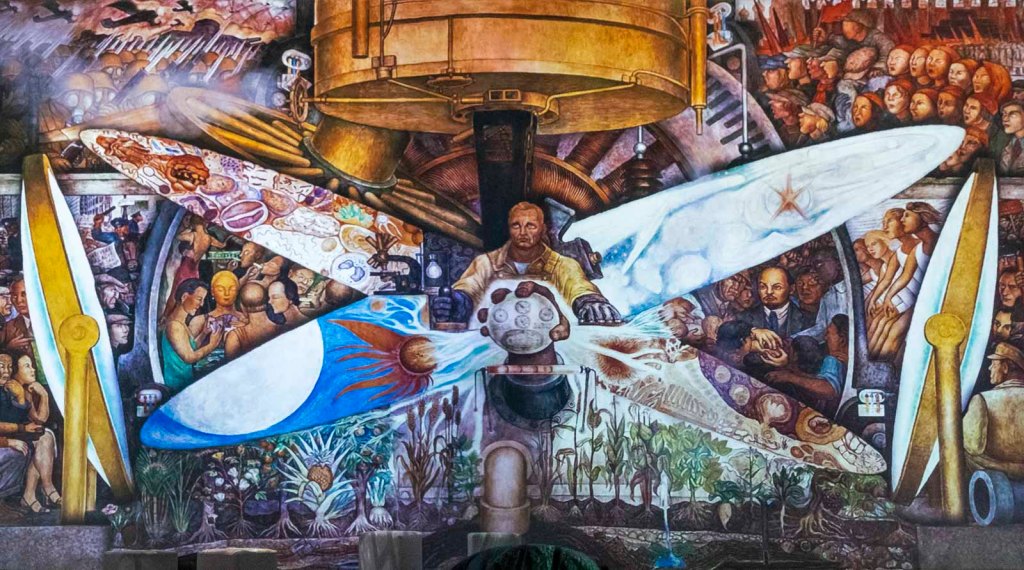
Your life is your canvas, and you are the masterpiece. There are a million ways to be kind, amazing, fabulous, creative, bold, and interesting.
– Kerli
Sofia is our lovely guide this week, and she wants us to be Bold – or at least send pictures that speak bold. Please visit her beautiful site for more inspiration!

Colours and patterns in furniture – can indeed be bold. I like it, but maybe not in my own house…
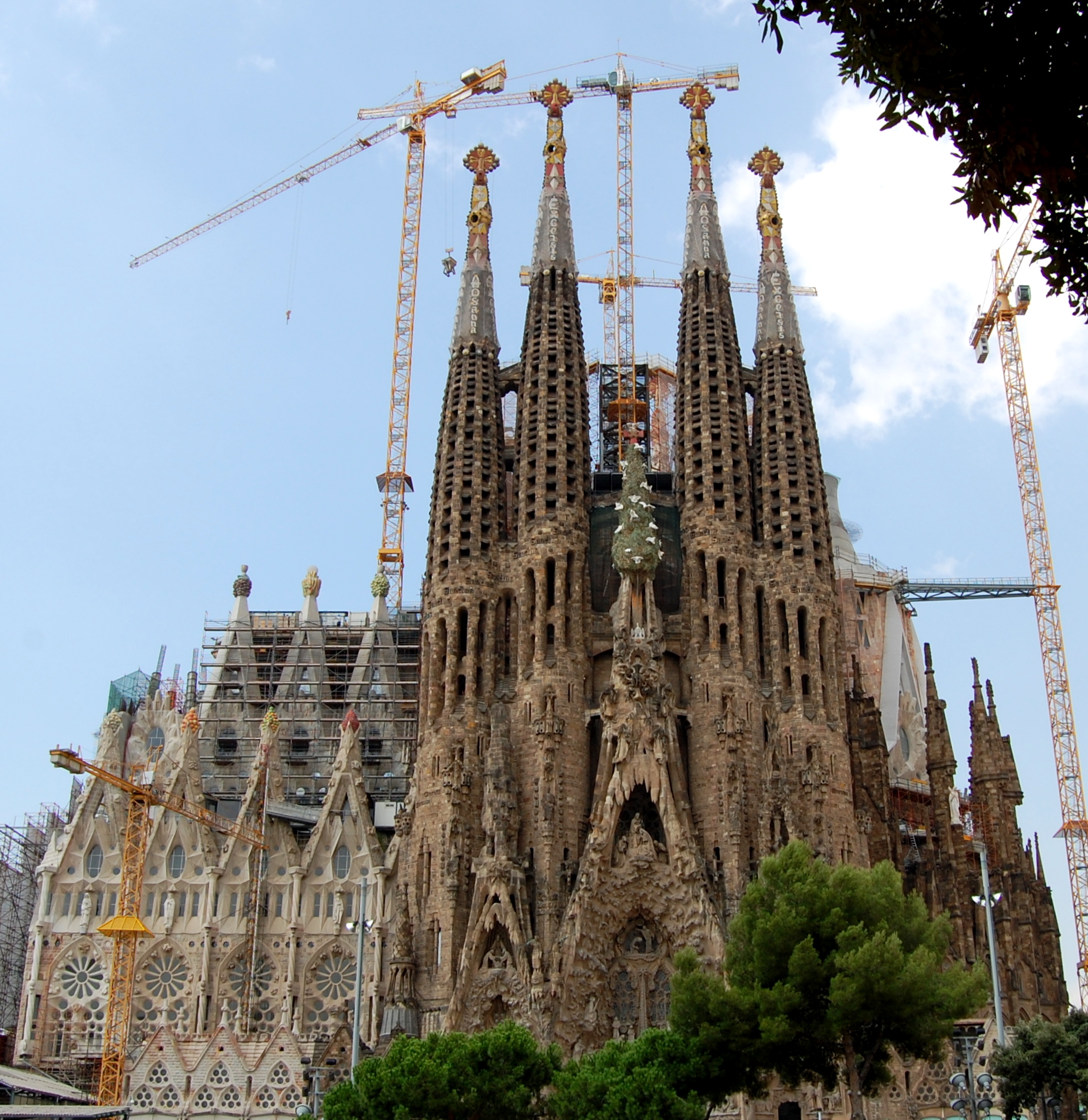
Gaudi was one of the most bold architects according to me. I am looking forward to seeing a Sagrada Família fully fledged in 2026.

Last Tuesday we saw the immersive exhibition of Frida Kahlo in Malmoe. The Mexican painter and artist who was severely wounded in a bus accident at the age of 19, and lived with constant pain until her death in 1954, only 47 years old. Few people and artists were that bold and colourful as she was in both life and works.
Finally, In the true spirit of it, be bold and take us all somewhere new, Sofia says. How…? Well, you asked for it…it is rather bold of me, in this famous company, to show one of my wild paintings (I don’t call it art…)for my granddaughter. Creatures.

I am truly grateful for the many beautiful and thoughtful answers to last week’s challenge – and we all managed to post only ONE image! I guessed it would be difficult, but you really made it work – and work so well, that I had tears in my eyes more than once…
So now – welcome to this week and Sofia’s magic. Remember to link back to her post and to tag Lens-Artists so we can find you.
Stay well, keep calm and make the best of your week.
Egidio works with colours this week – please visit his colourful site for more inspiration!
Complementary colors are those that sit opposite each other on the colour wheel. Using them in your photography or painting creates the best colour contrast, and your images will pop. For example, red and green, magenta and green, yellow and violet, orange and blue, and so on. And just like the color wheel transitions from one shade to another, you can use nearly opposite colors to make your images stand out. Naturally, the best results will be with the exact opposites.
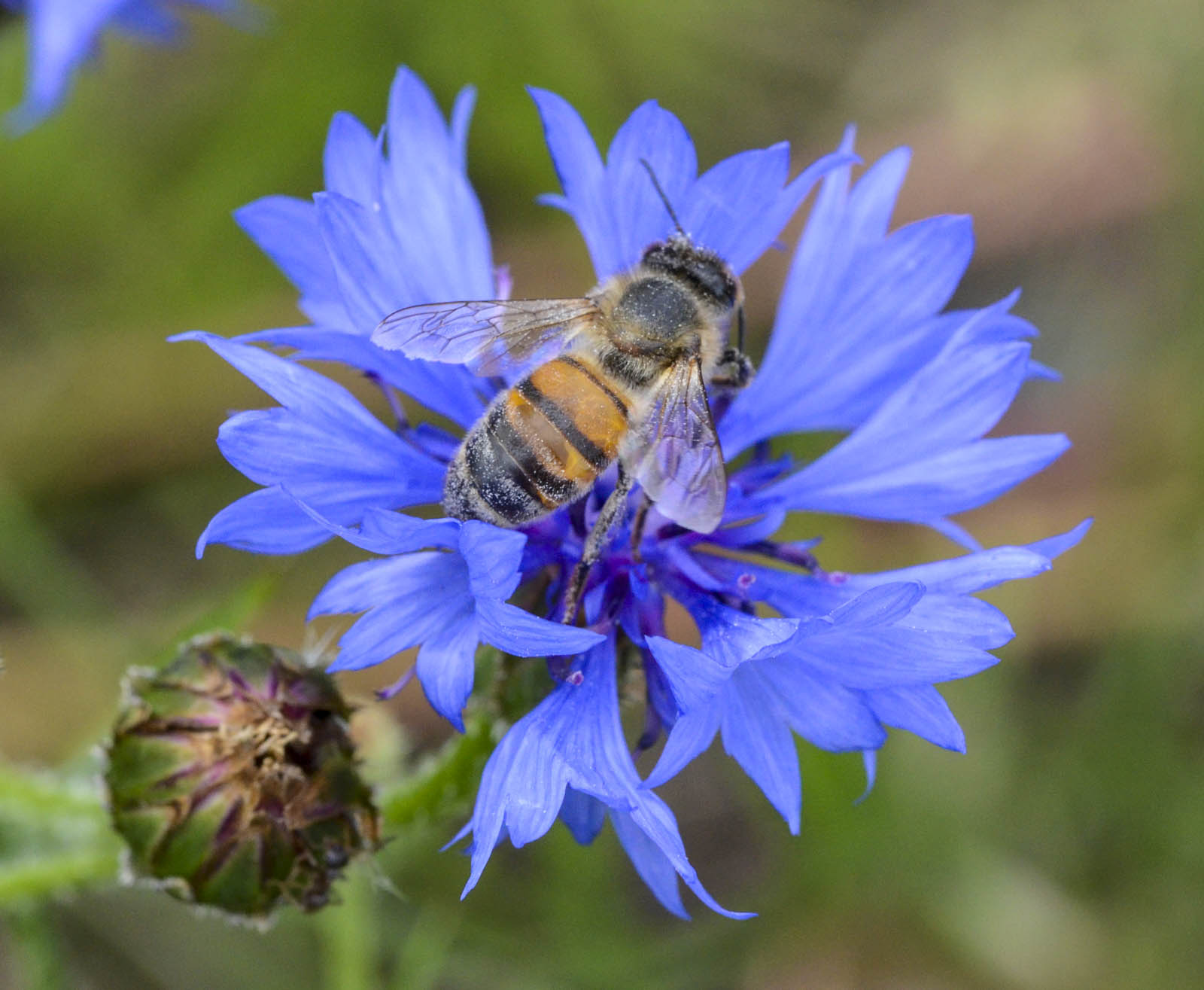
Soft colours pop in their own soft way…
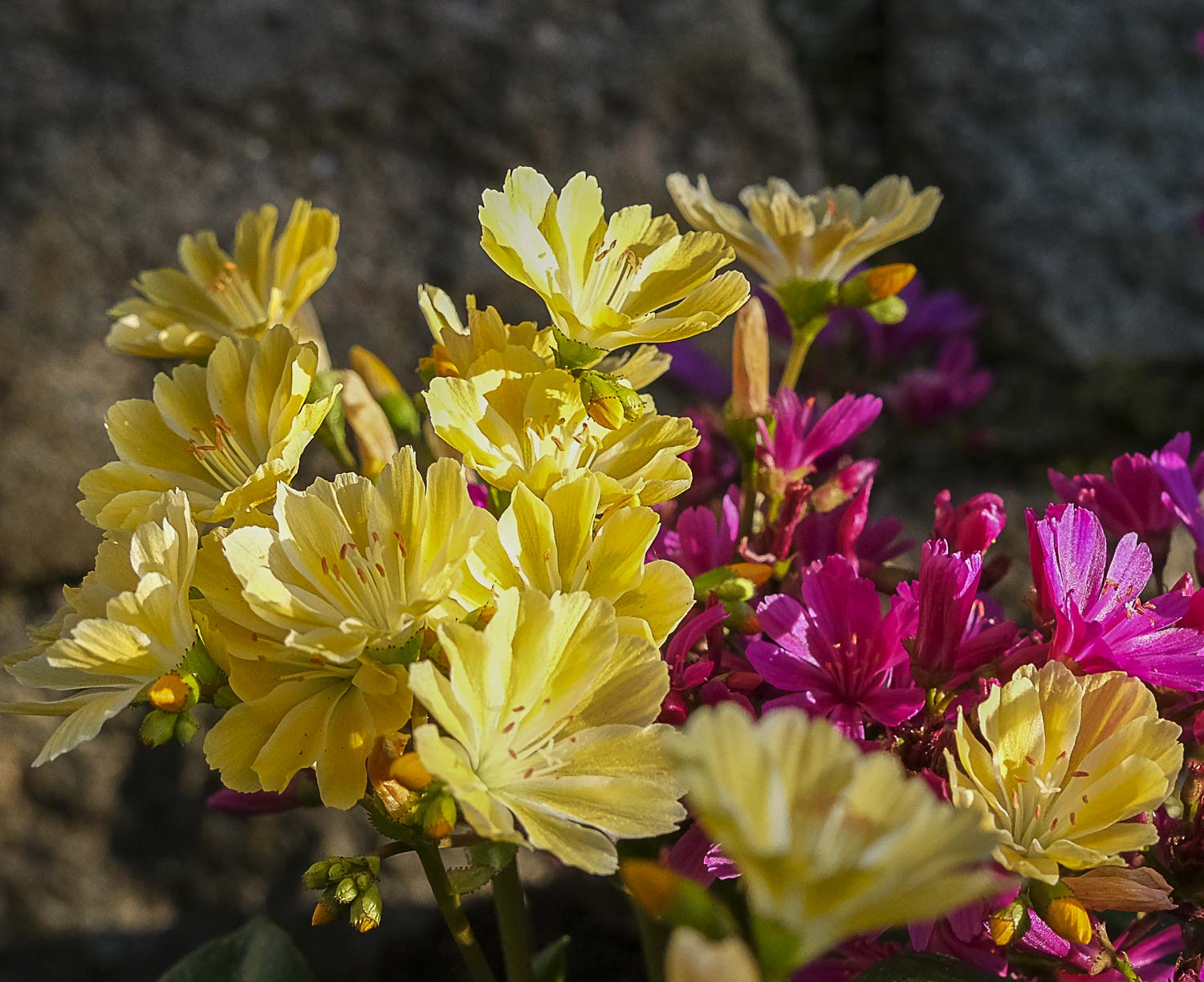
– and strong colours don’t need any further presentation. Then there is red and green, where red is THE chosen colour of Swedish old houses, farms and cottages –

– naturally with a different hue and intensity than in flowers. Green is not the most natural combination with red in our houses though, it is white.

Do you have favourite combos? I guess I have yellow and violet – especially as we can find those two in one single flower – melampyrum nemorosum – the Night and Day flower. When I saw her for the first time, in 1973, it was immediate love. Surely a Swedish, modest wild flower could not look like that? Ever since then she holds an honourable place in my Midsummer bouquet.
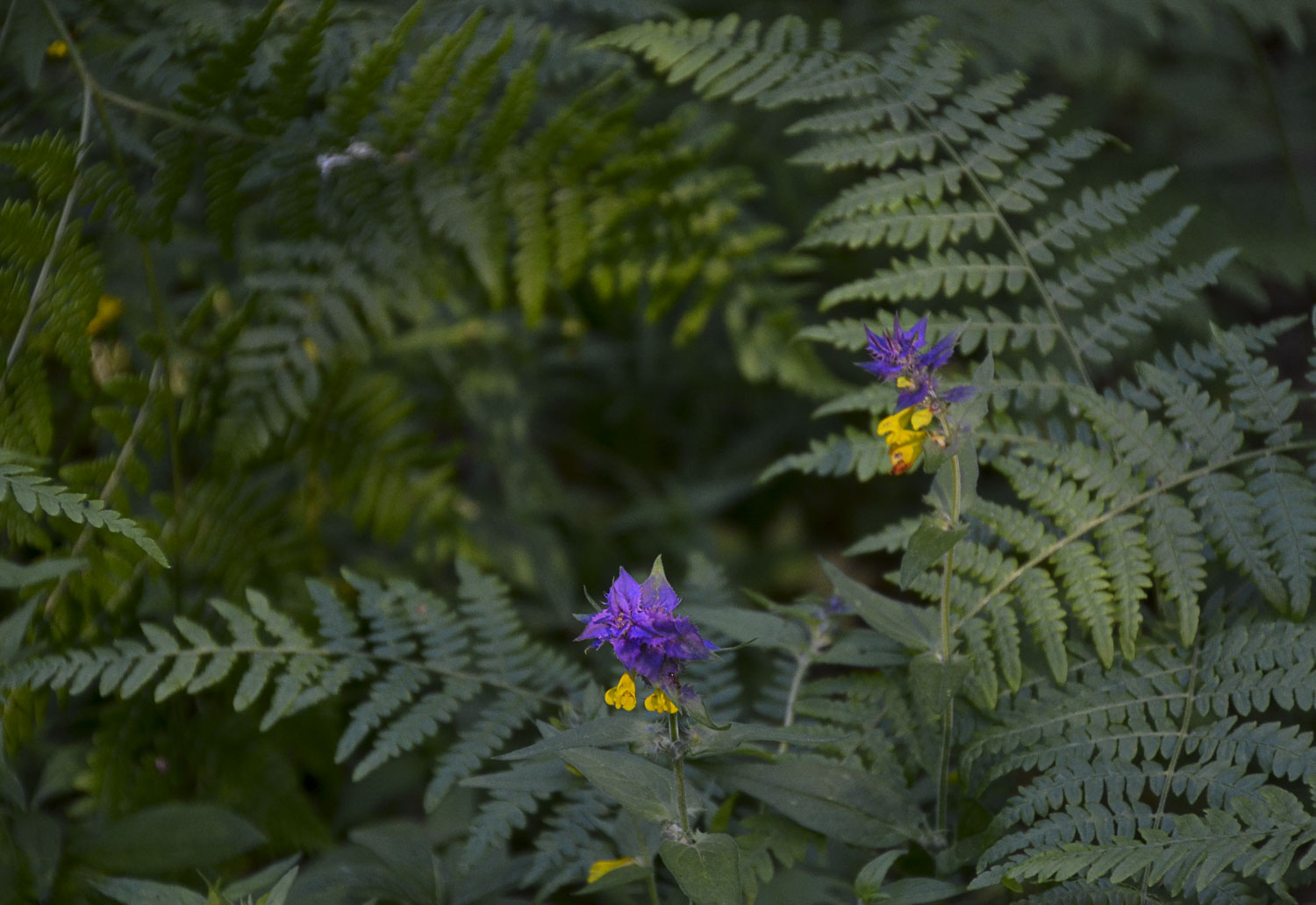
She often stands in the forest, in shadowy places but close to the sea. So I cannot find her in my own forest, only close to our summer house. A truly shy beauty.


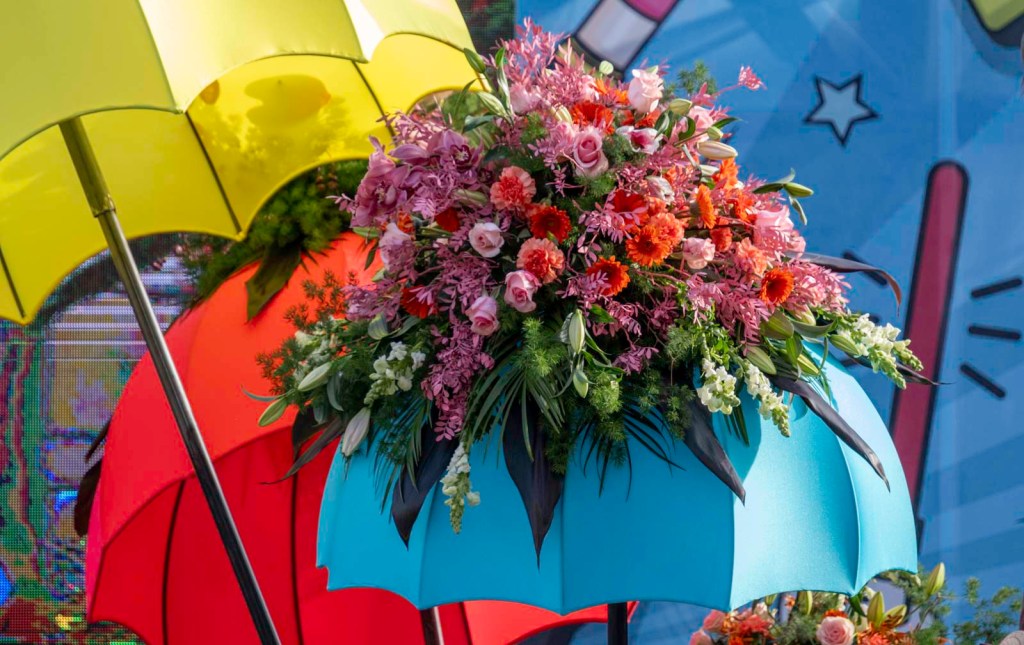
These colours look great in abstracts as well as in carnival outfits. They simply cry out: SEE ME, here I am!

Walking home late, the sky above this beautiful boardwalk in Nice kept flashing its carnival colours hroughout the night.

Finally, I guess you know I love poppies! Meconopsis betonicifolia – the blue mountain poppy – is an old love of mine…but, I don’t have it in my own garden as I don’t think I will manage it. It is very expensive and fragile, so I would hate to see it die.
Last week, Ritva got us to shoot from above. I enjoyed it very much – just as I believe you did. There were so many interesting posts!
This week, Egidio asks us to share images with complementary colors that create interest and make your photos stand out. Don’t forget to use the “lens-artists” hashtag when creating your post so we can easily find it in the Reader. Looking forward to seeing you here!
Next week, Tina returns with her first new challenge for the year. It will go live at noon EST in the USA. Tune in to find out another exciting challenge. Please see this page to learn more about the Lens-Artists Challenge and its history.
Robert Boyle invented the first match in the 17th Century. In 1844 Johan and Carl Lundström started their famous factory in Jönköping, and at the World Fair in 1855 they won high praise and medals for this useful invention.
We took a couple of days in December to visit the old factory area, and this is the entrance where you can see some giant matches lit near the main road.
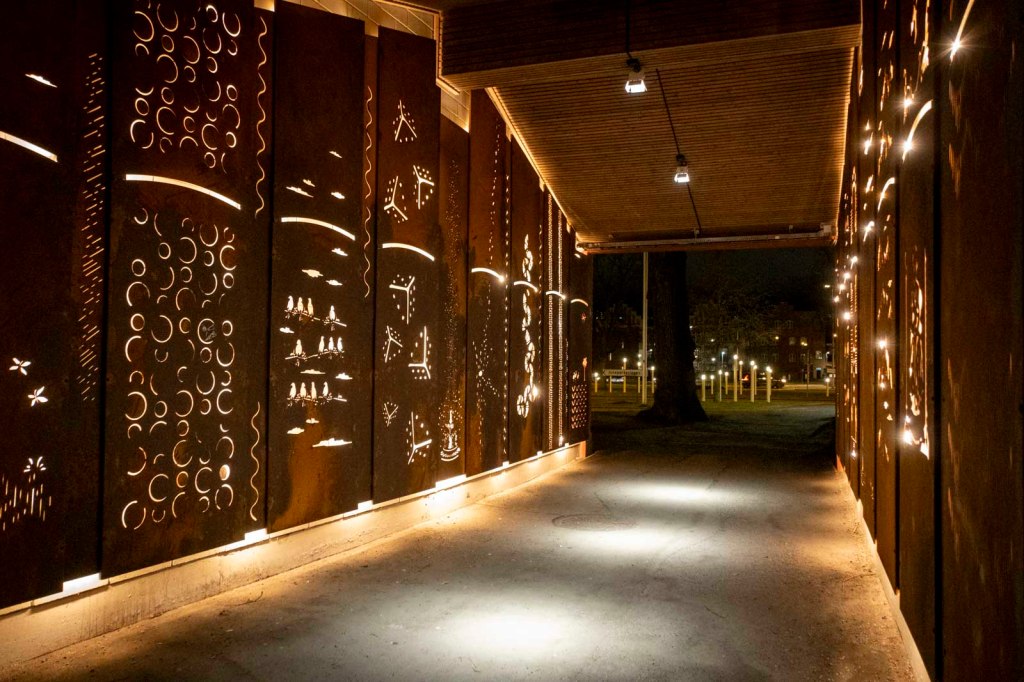
The matches are made from aspen trees, and from one tree only you can get about 370000 matches. Why aspen? Aspen is porous and yet sustainable, has no resin and burns with a clear, even flame.

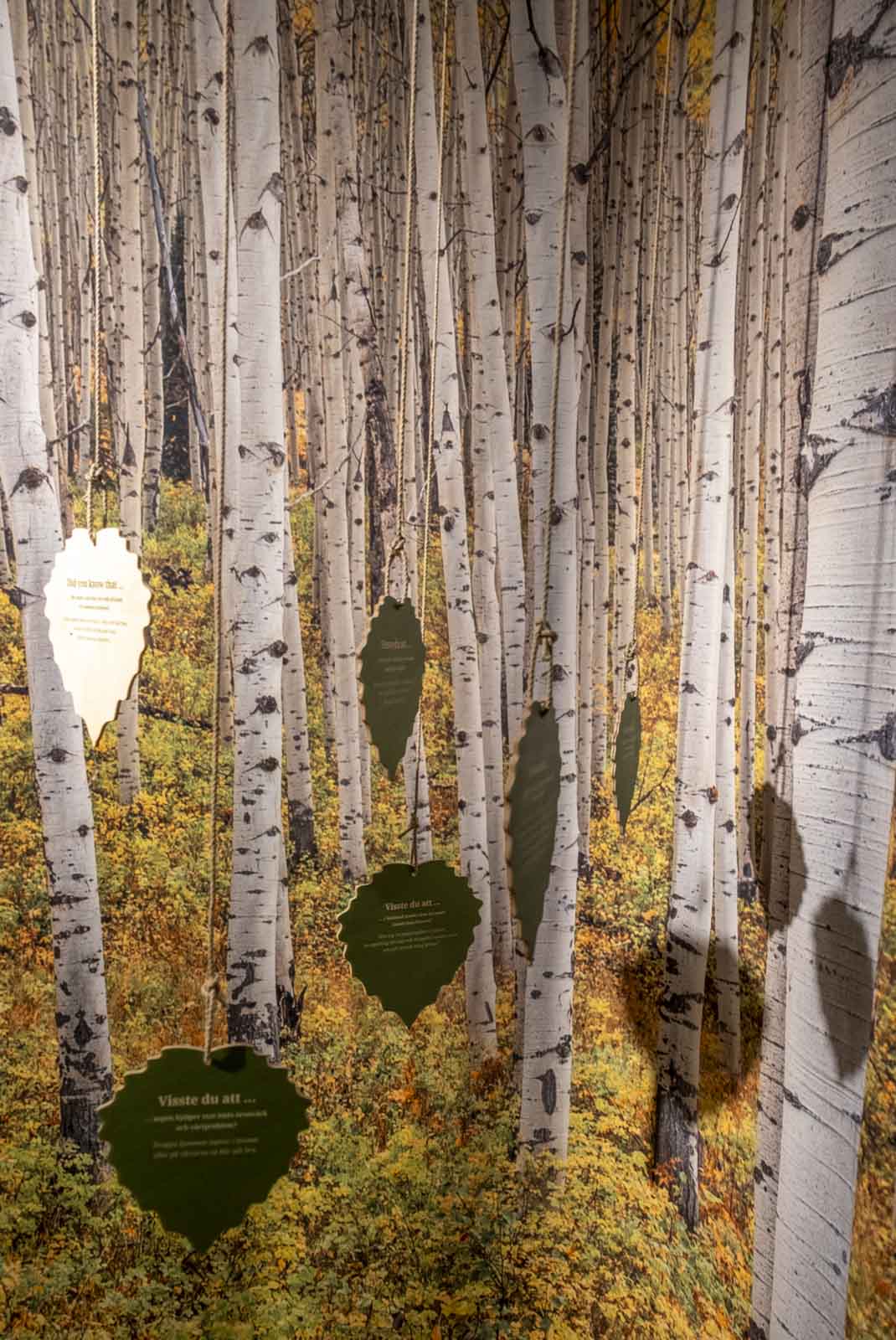


We saw all the machines used and a gallery on how bad the phosphorous was to the workers the first few years before the safety match was created by Gustaf Erik Pasch in 1844. People were poisoned and some even died.
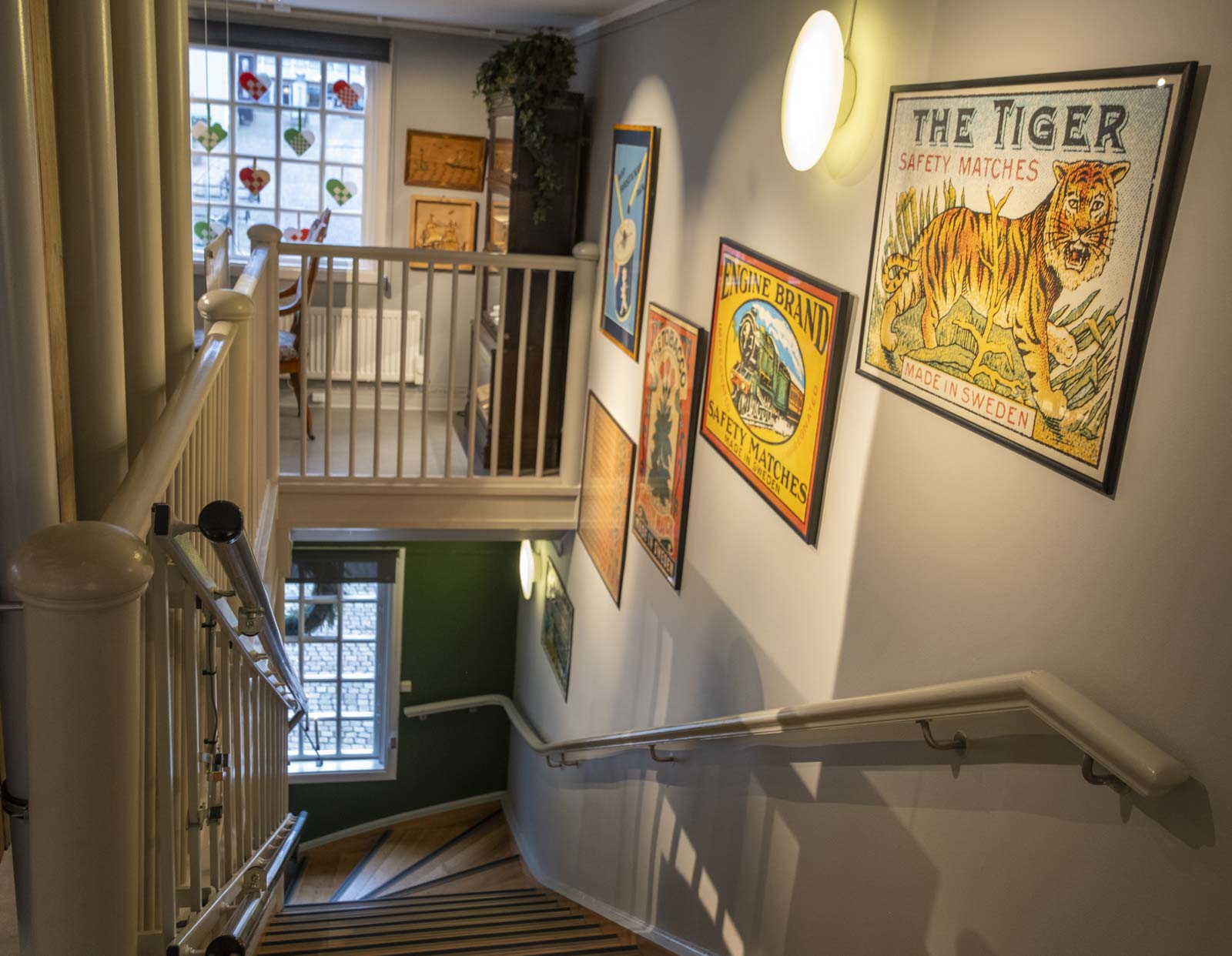

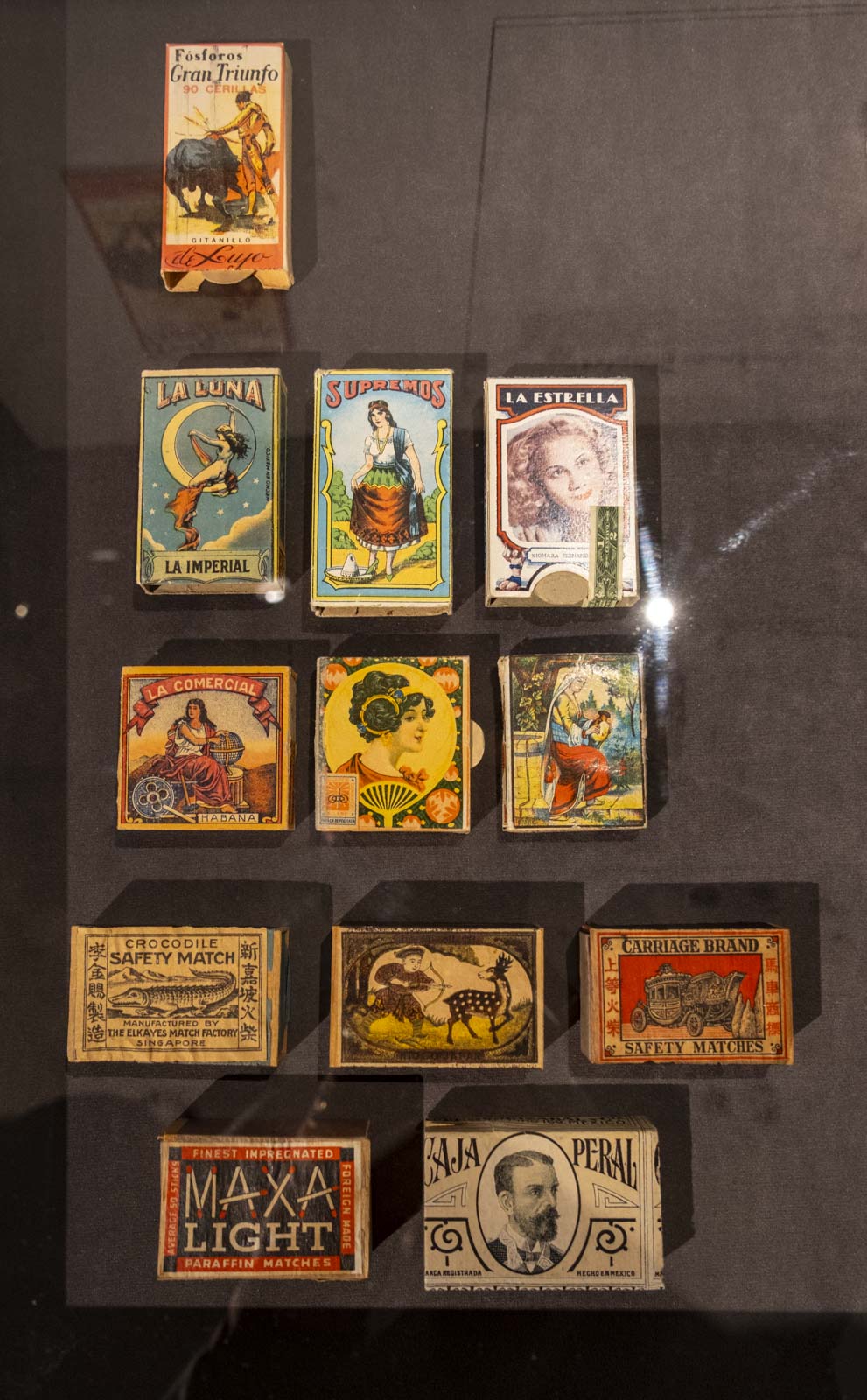
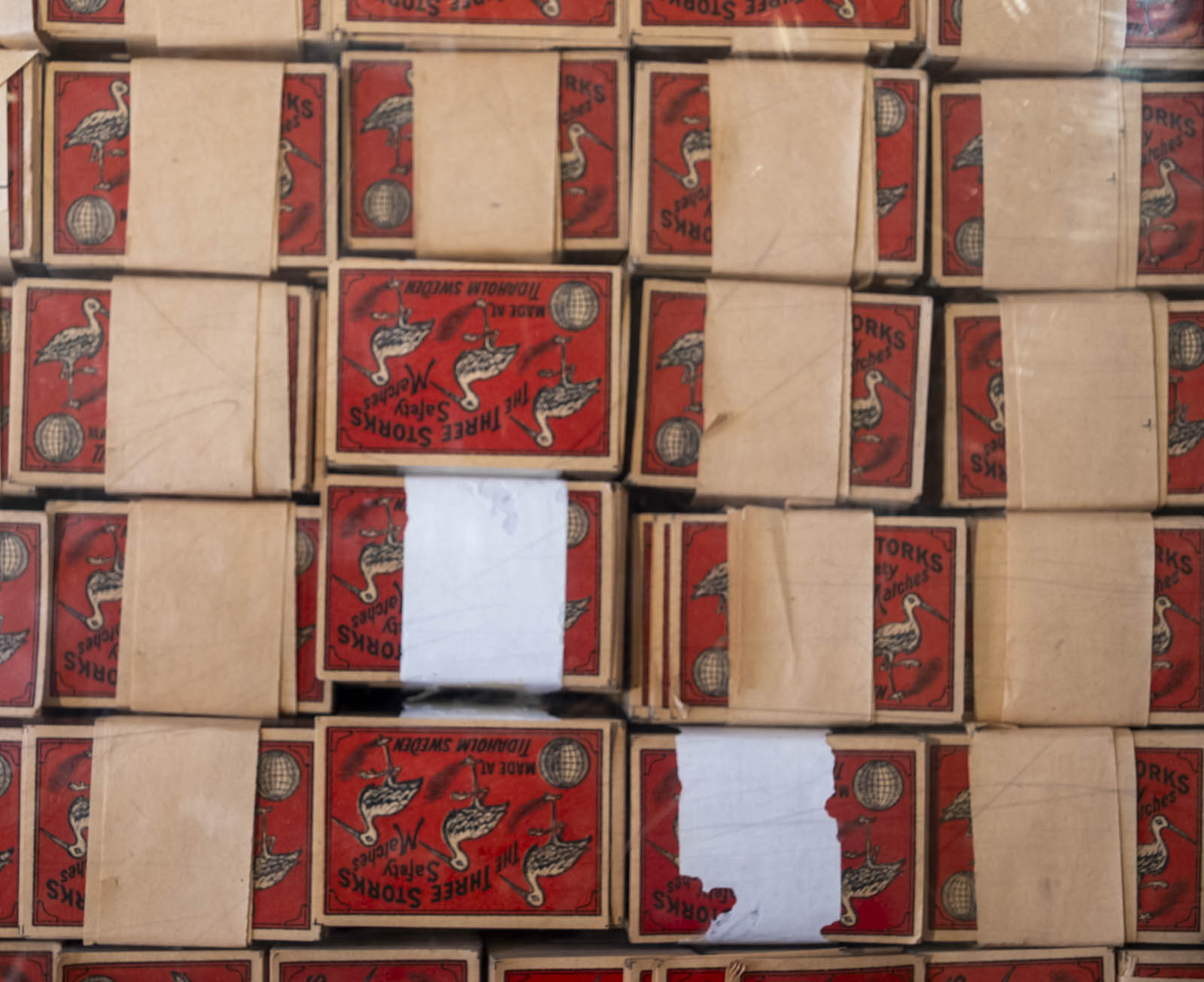
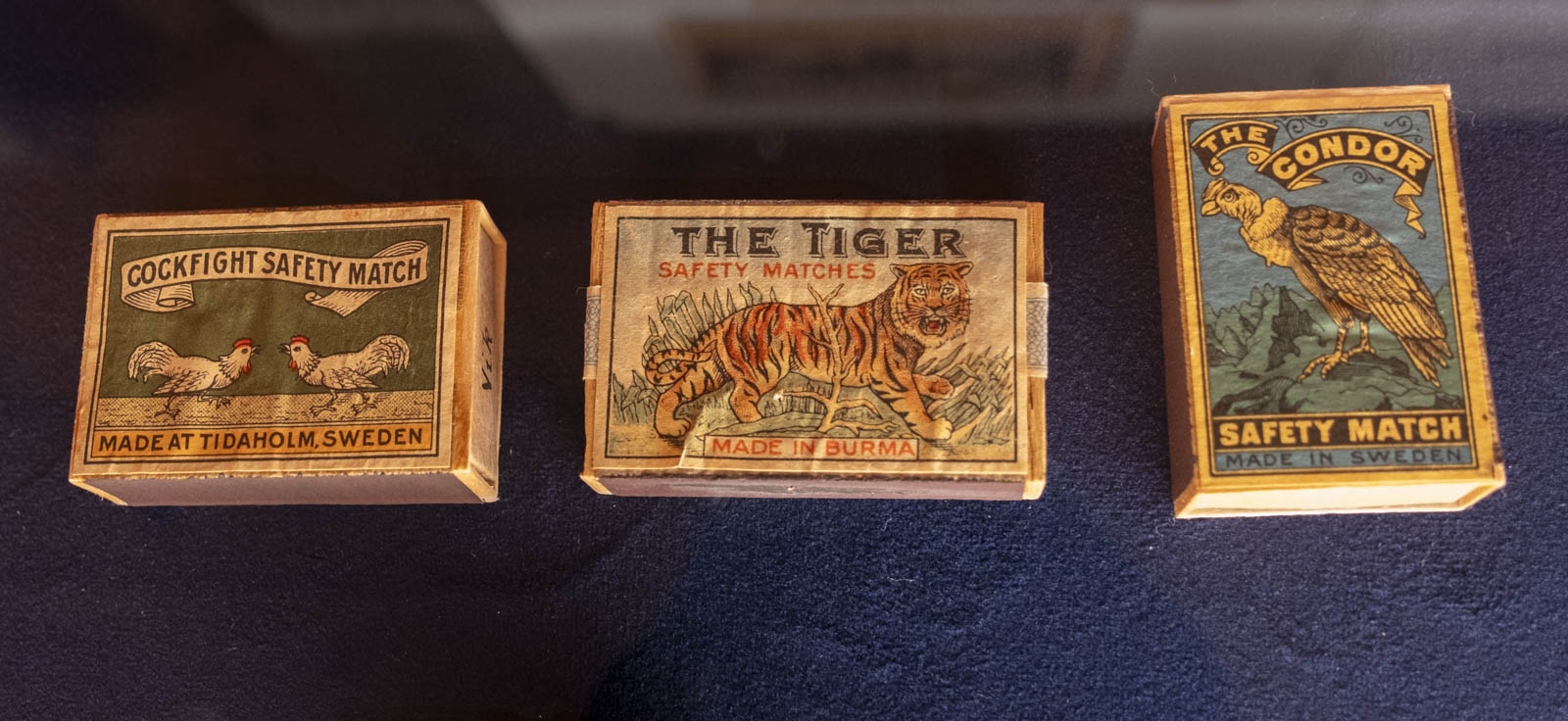

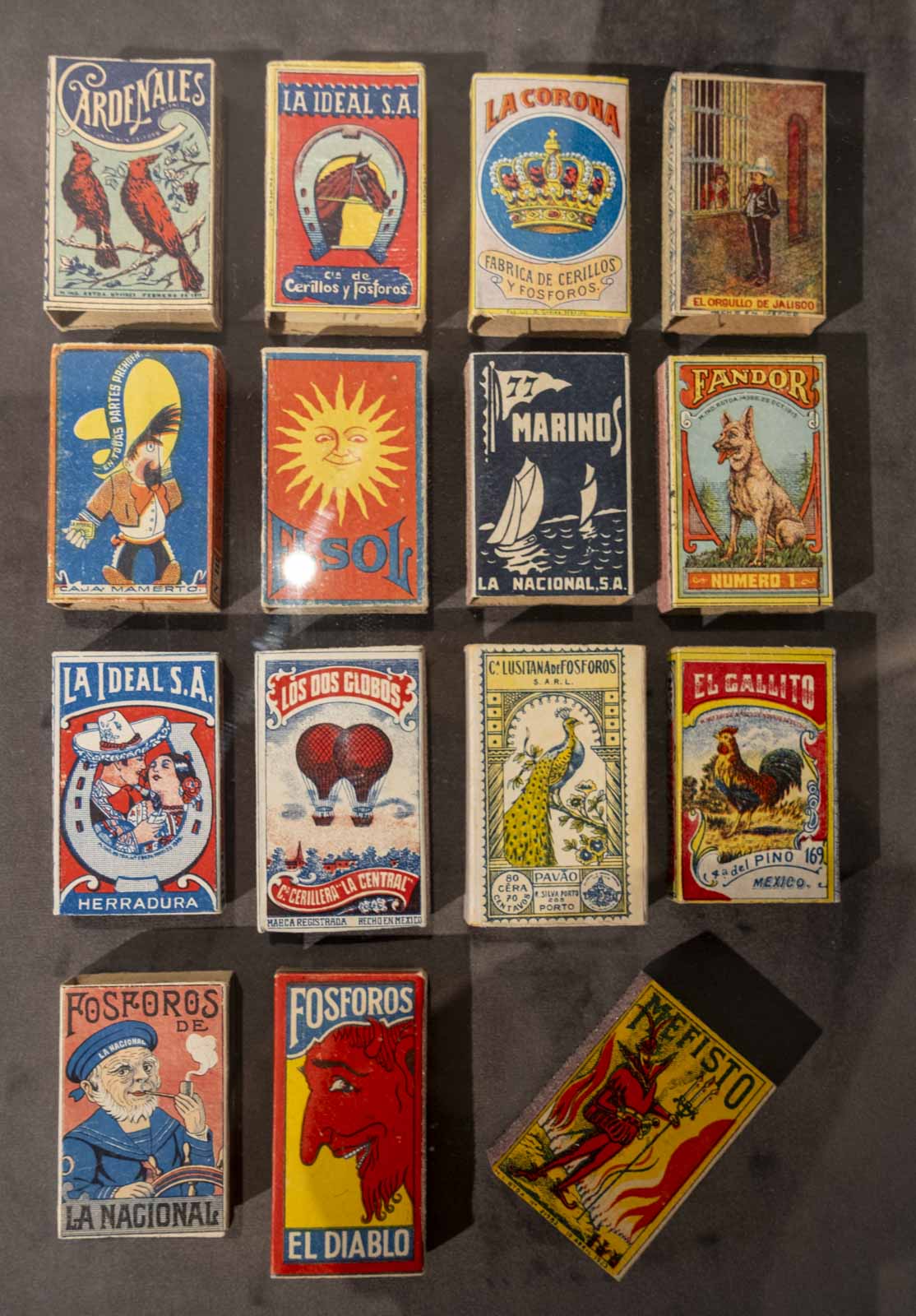
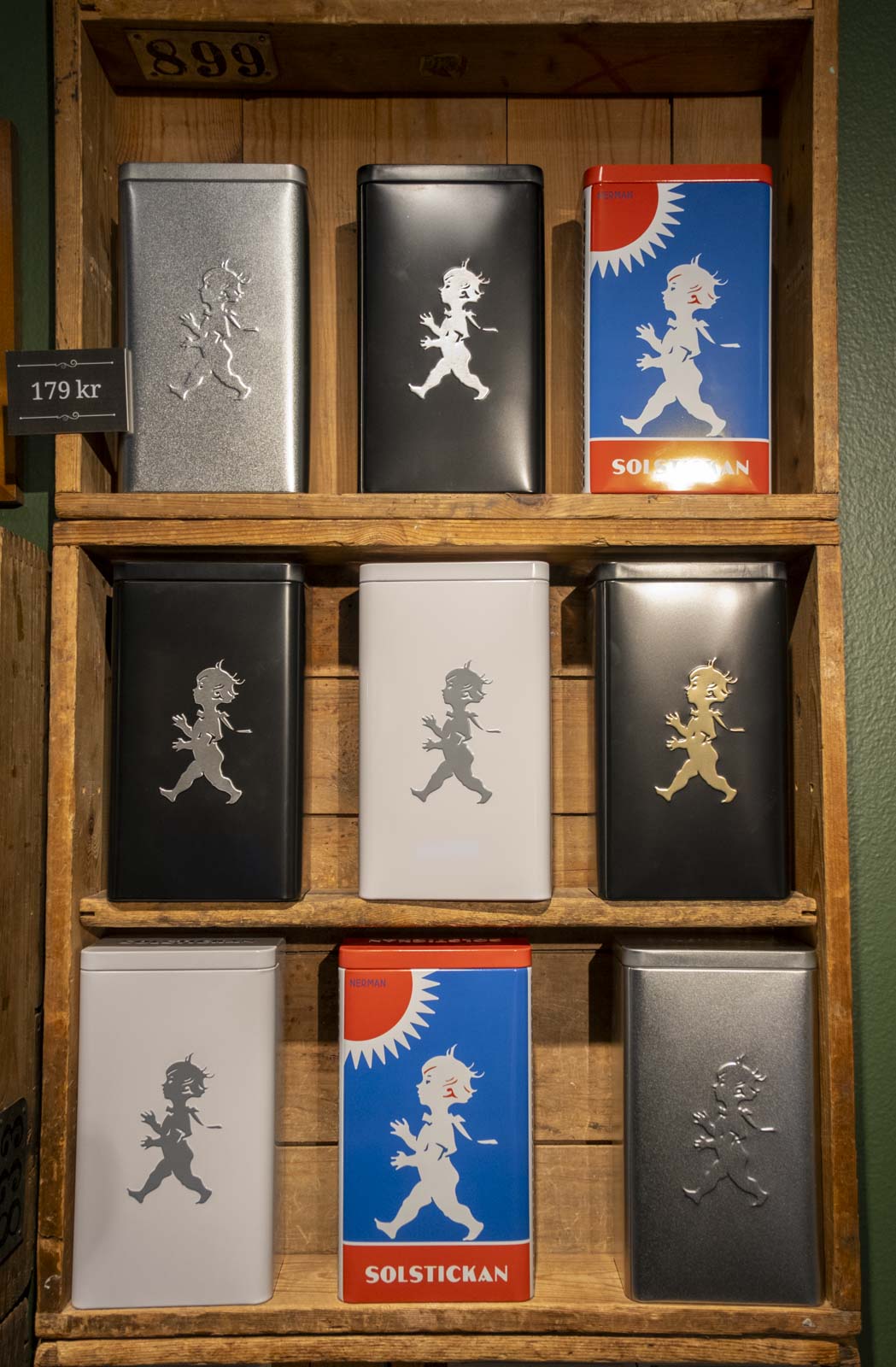
On display were also many of the beautiful covers made for the match boxes. I remember some of them from my childhood, but mostly of course the sun – match – boy. My favourite is the Tiger – hanging on the wall too. Unfortunately the designers´ and artists´ names (from many countries) were lost over time, and only one of them was truly recognised – Einar Nerman, who made the little boy in the first gallery far left. That boy was his own son, Tom, portrayed in 1936.
We had a great day of nostalgia and a lovely fish and chips dinner at a renowned restaurant.
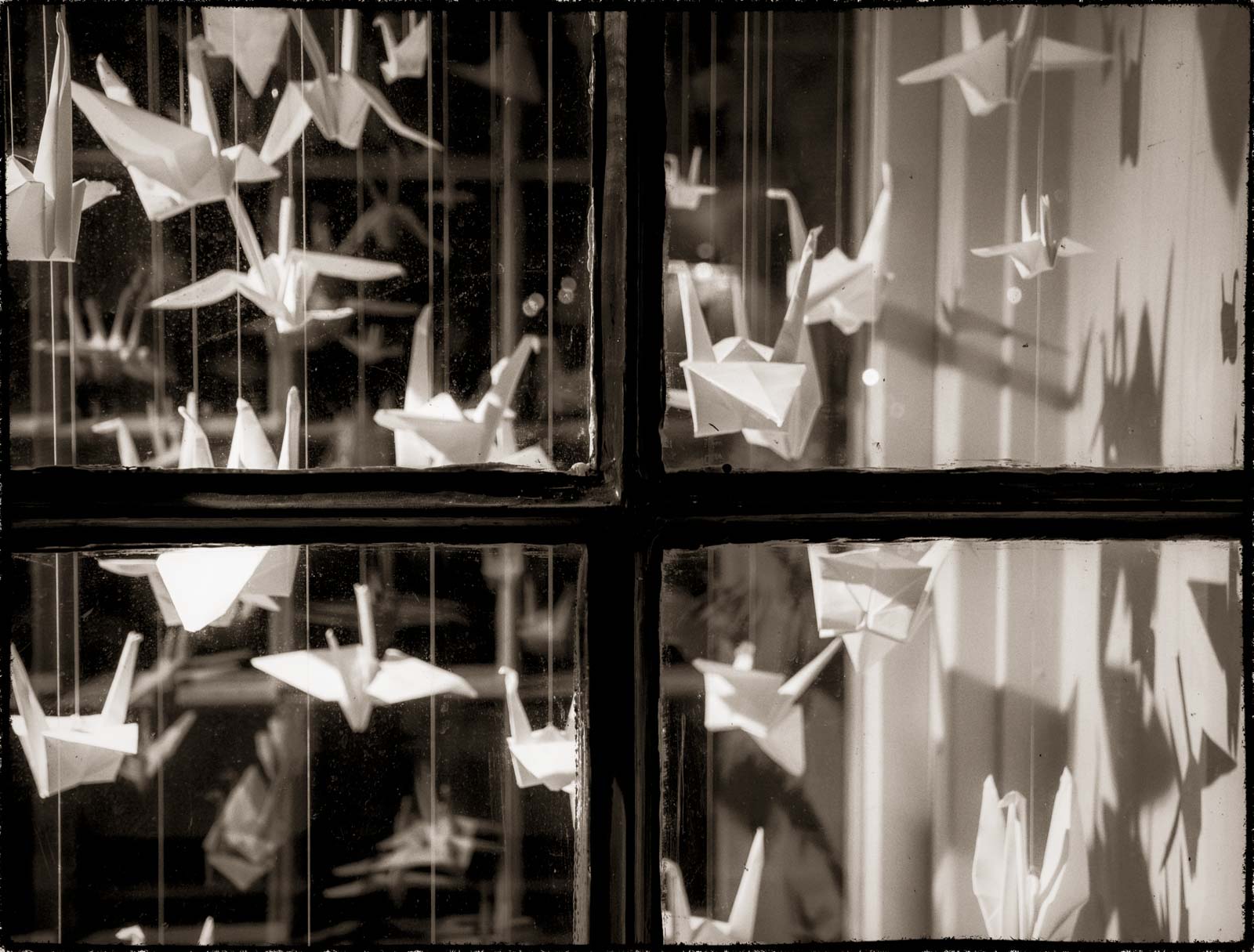
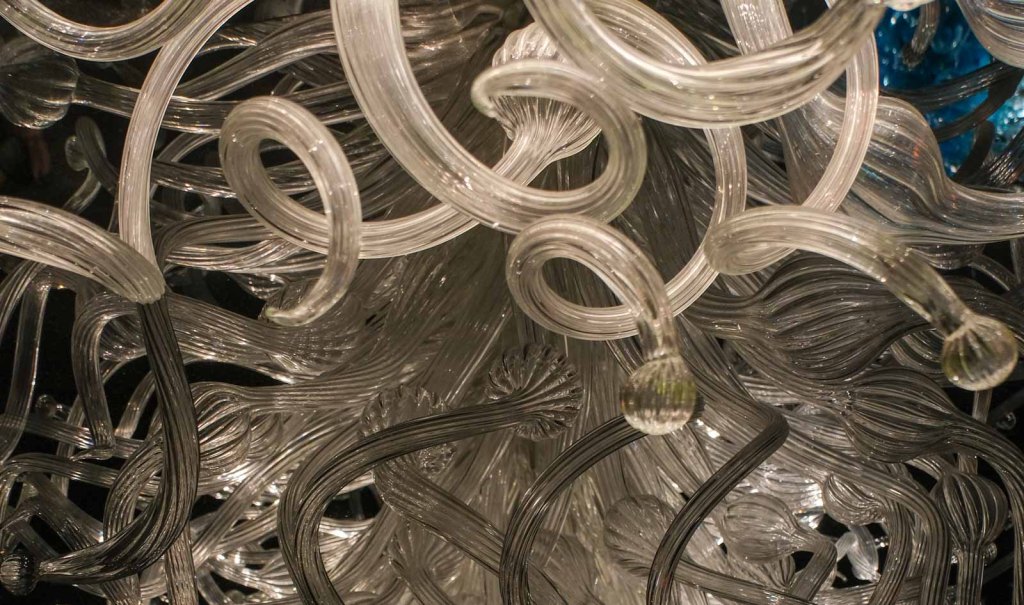
Be thou the rainbow in the storms of life. The evening beam that smiles the clouds away, and tints tomorrow with prophetic ray.
– Lord Byron
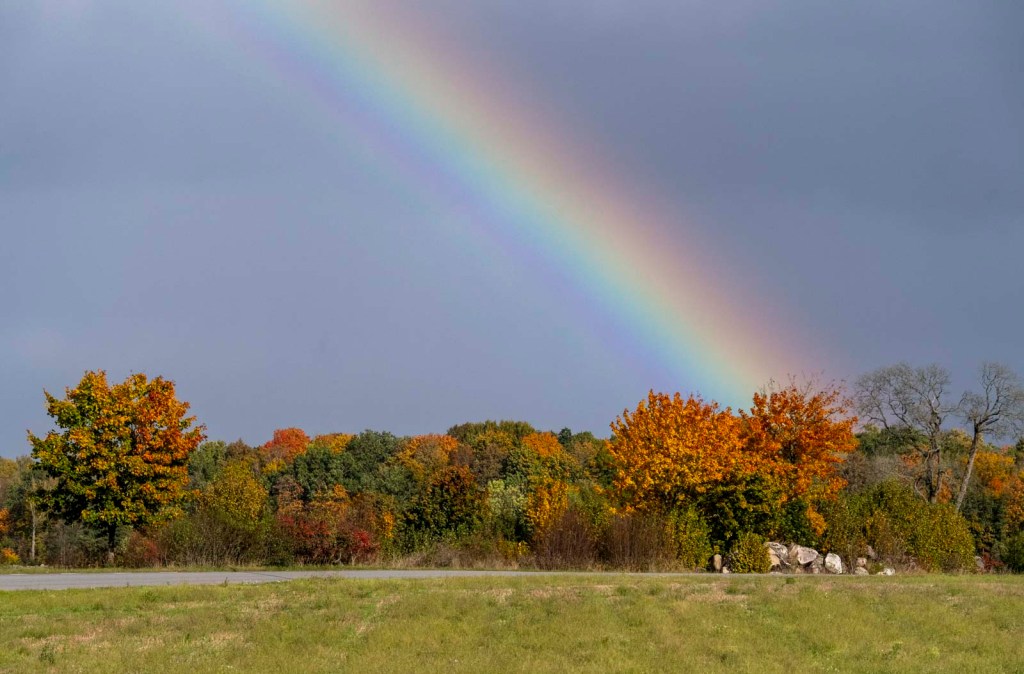
So much in this world is rather tough right now, I guess we all feel it… I was thinking, don’t we all need a smile? Let’s share something that made us smile, made You smile – and make the world smile with us! Old or new smiles, big or small, we welcome them all!
Be the reason someone smiles. Be the reason someone feels loved and believes in the goodness in people. ― Roy T. Bennett, The Light in the Heart
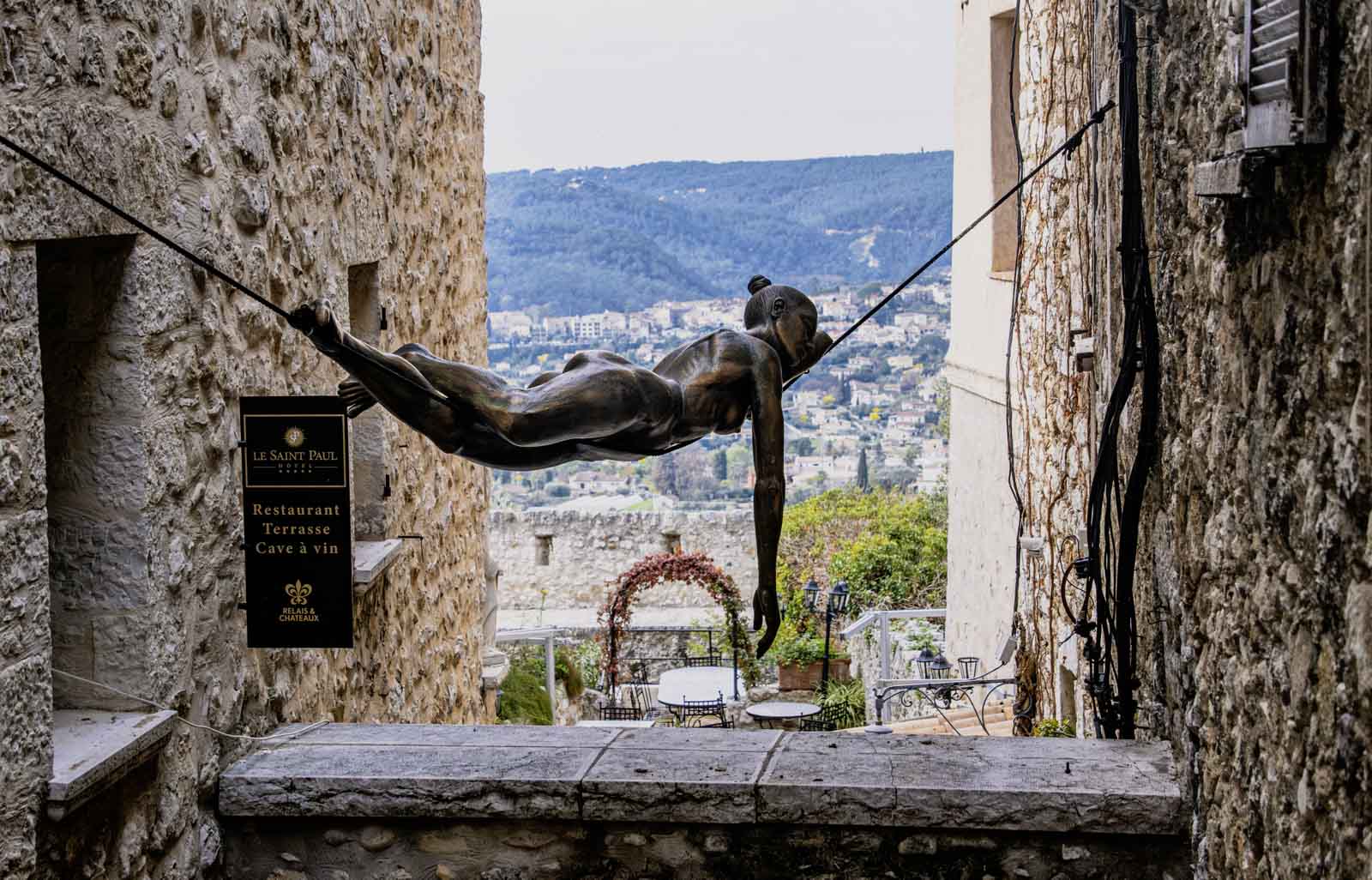
Art makes people smile, brings people together.
– Yusaku Maezawa
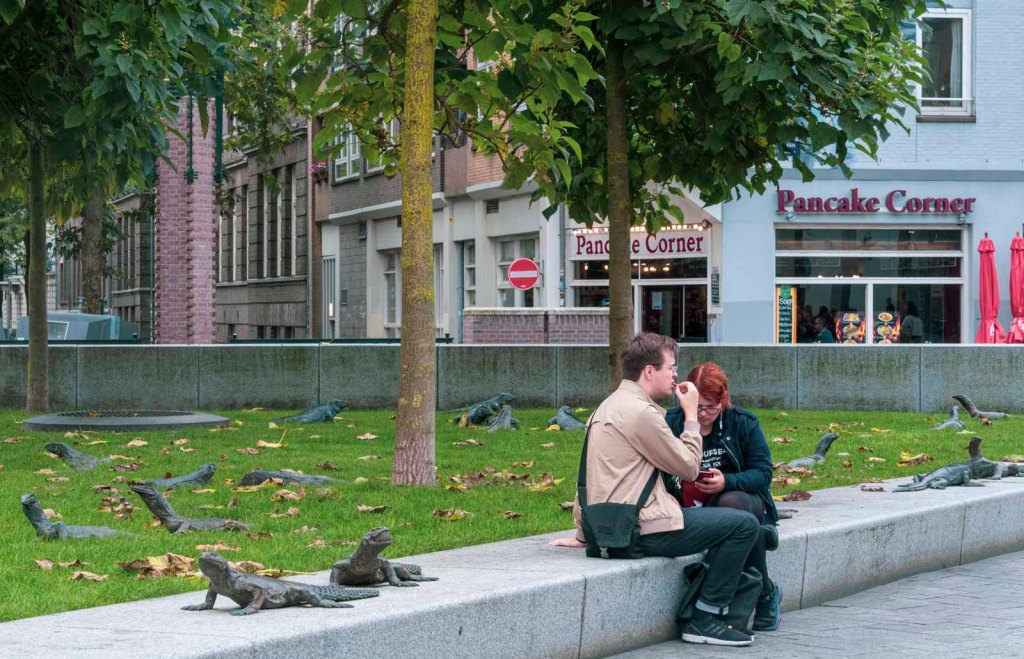

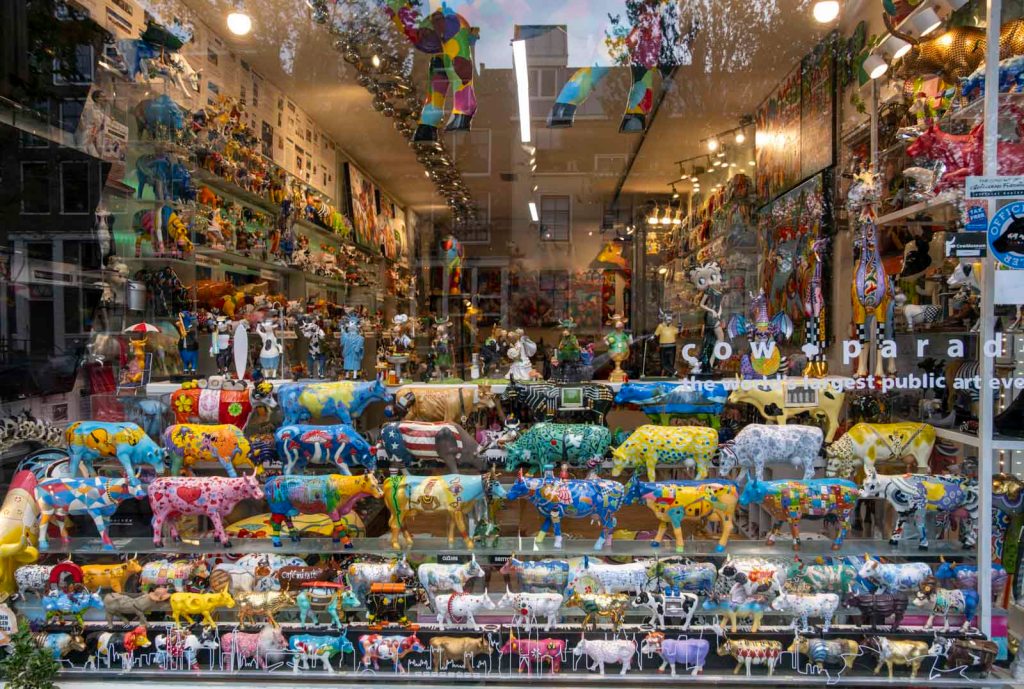
You know I can’t smile without you.
— Barry Manilow, Can’t Smile Without You

Life is too short not to smile…
– Unknown

You’ll find that life is still worthwhile, if you just smile.
– Charlie Chaplin

I think that anybody that smiles automatically looks better.
– Diane Lane

What sunshine is to flowers, smiles are to humanity. These are but trifles, to be sure; but scattered along life’s pathway, the good they do is inconceivable.
– Joseph Addison
I hope some of these made you smile, and I can’t wait to smile even more from seeing Your choices! (I was thinking of suggesting 1-3 photos…but why, when we desperately need those smiles?) Remember to tag with Lens-Artists and link to this post.
Next week, Sofia will lead us from her inspirational site Photographias – be sure to visit on Saturday 30!
A massive Thank You, Tina, for a wonderful challenge last week! So many things to be grateful for and so many heartwarming messages from you all! Until next time, stay grateful, warm at heart and keep smiling.
The difference between something good and something great is attention to detail.
– Charles R. Swindoll
Patti makes us look for the details this week – and we’re looking forward to seeing what you have found! Please visit Patti’s site for wonderful inspiration.
This bronze sculpture by the American Paul Kubic, stands in Keukenhof Castle Garden and is named The Temptation of Saint Anthony. Saint Anthony was a hermit in the desert of Egypt in the 300´s. The bronze below was made 1978 -1984 and it measures 175 x 400 x 150.
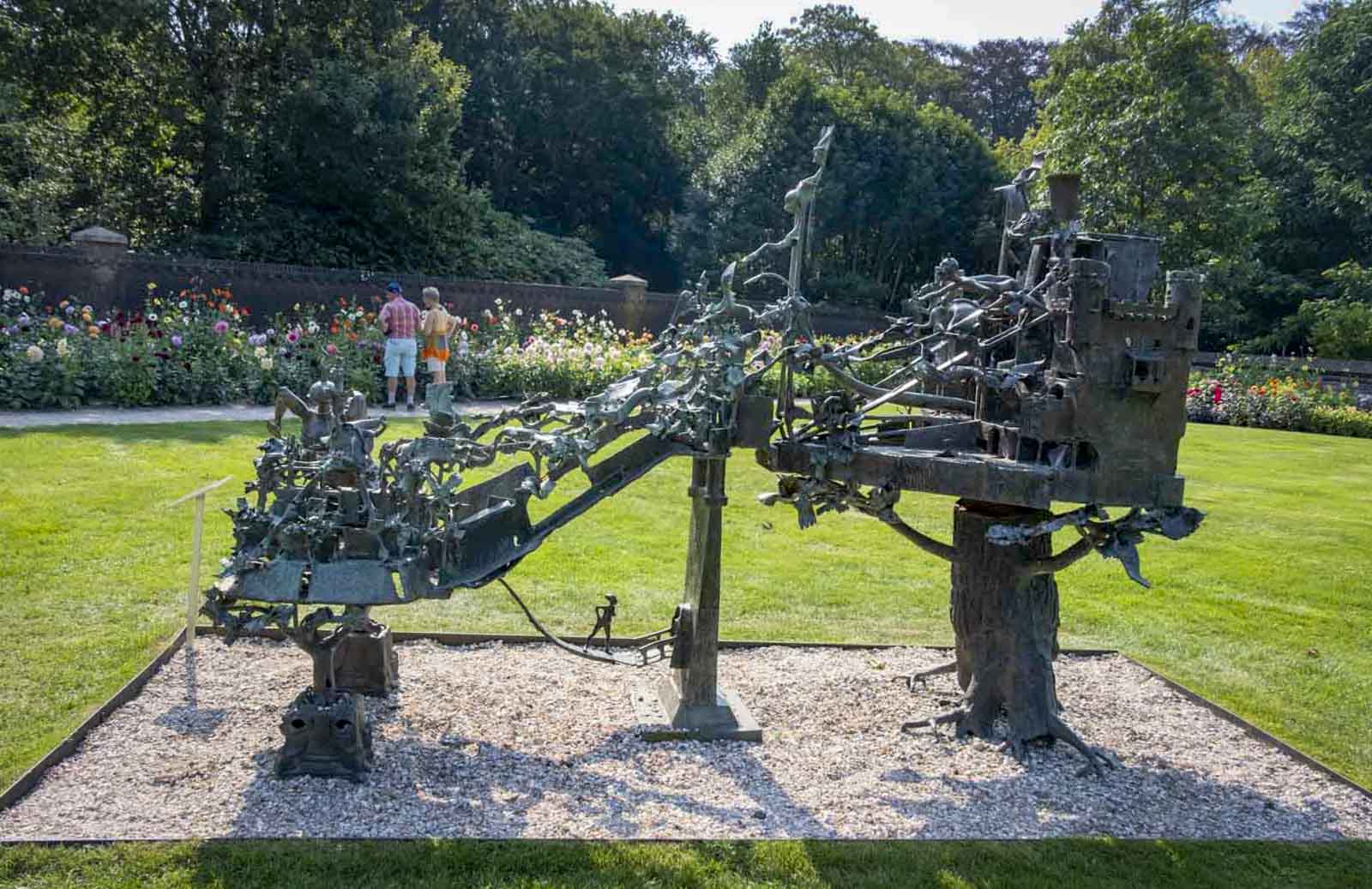
We were there for the Dahlia festival, but were totally absorbed by the details in this work. We went back to it several times for even closer looks. I also talked to a man, who used to go see this statue every year, photographing the changes. Mostly how parts of it were disappearing I think…
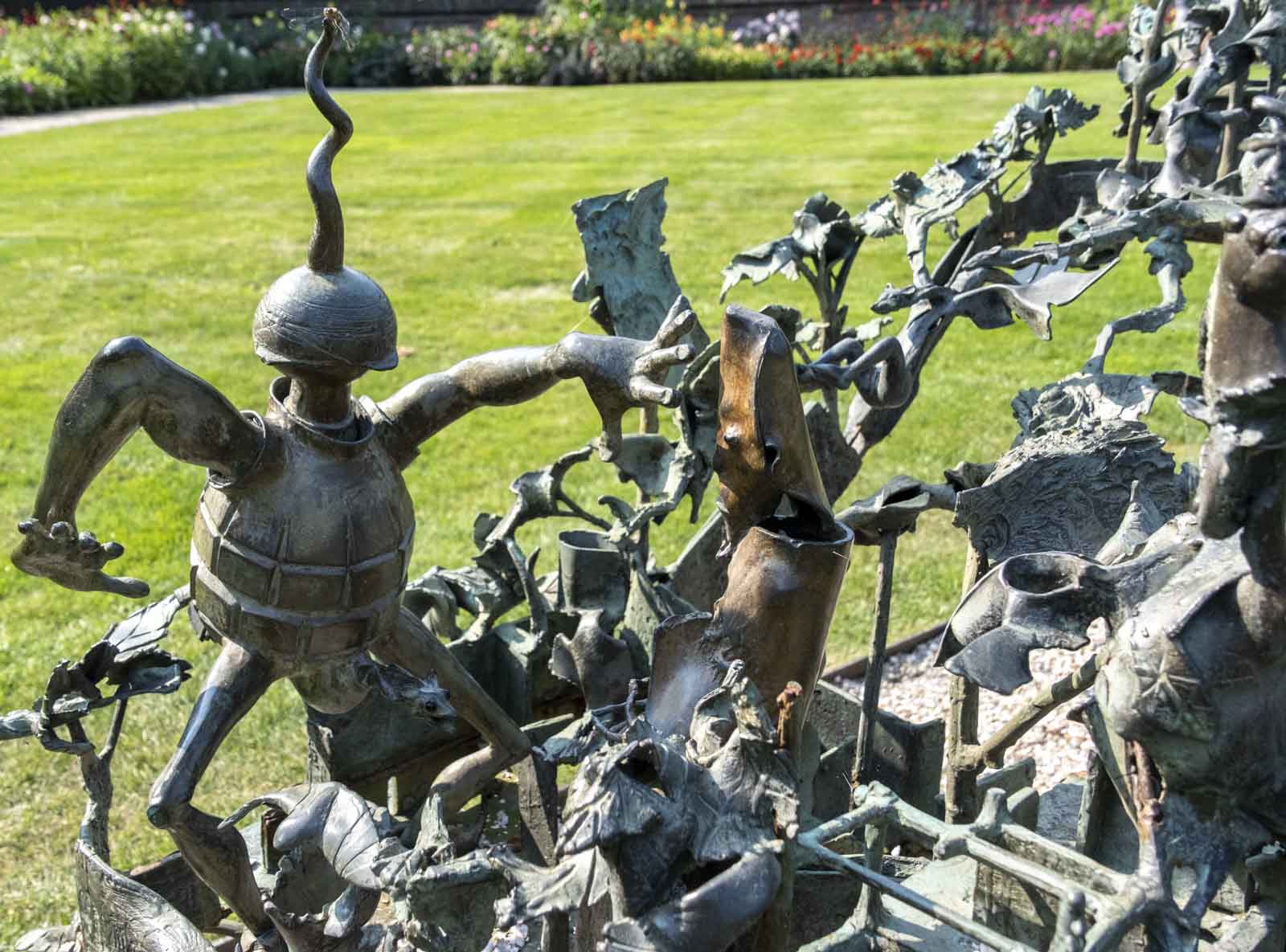
The theme used to be popular with artists in the old days because it represented the temptations of everyday life and reminded audiences to mimic Saint Anthony’s devotion and re-enforce the trust in God to ignore temptation.

Many details included hands, and if you want to see a little bit more of all the fantastic details, you can click this link for a 2.32- minute video that really conveys the mystery of Kubic’s work.
Patti allowed us to post one more story though. My second detailed sequence is from the Dahlia Floats in Holland. A different kind of art work, but also a demanding one.
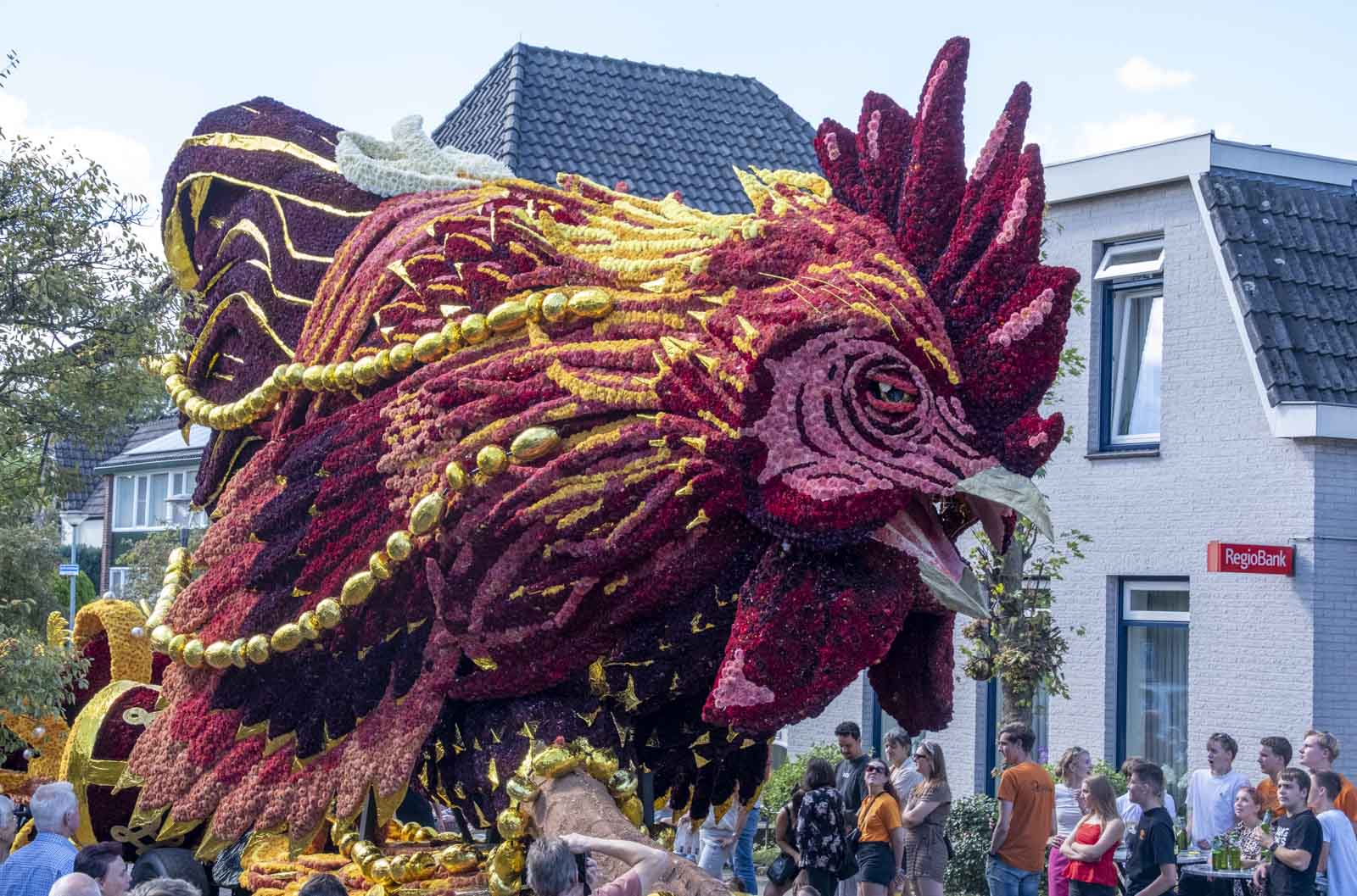
I was very impressed by the work to fit in every single flower in its prepainted place matching its correct painted colour…
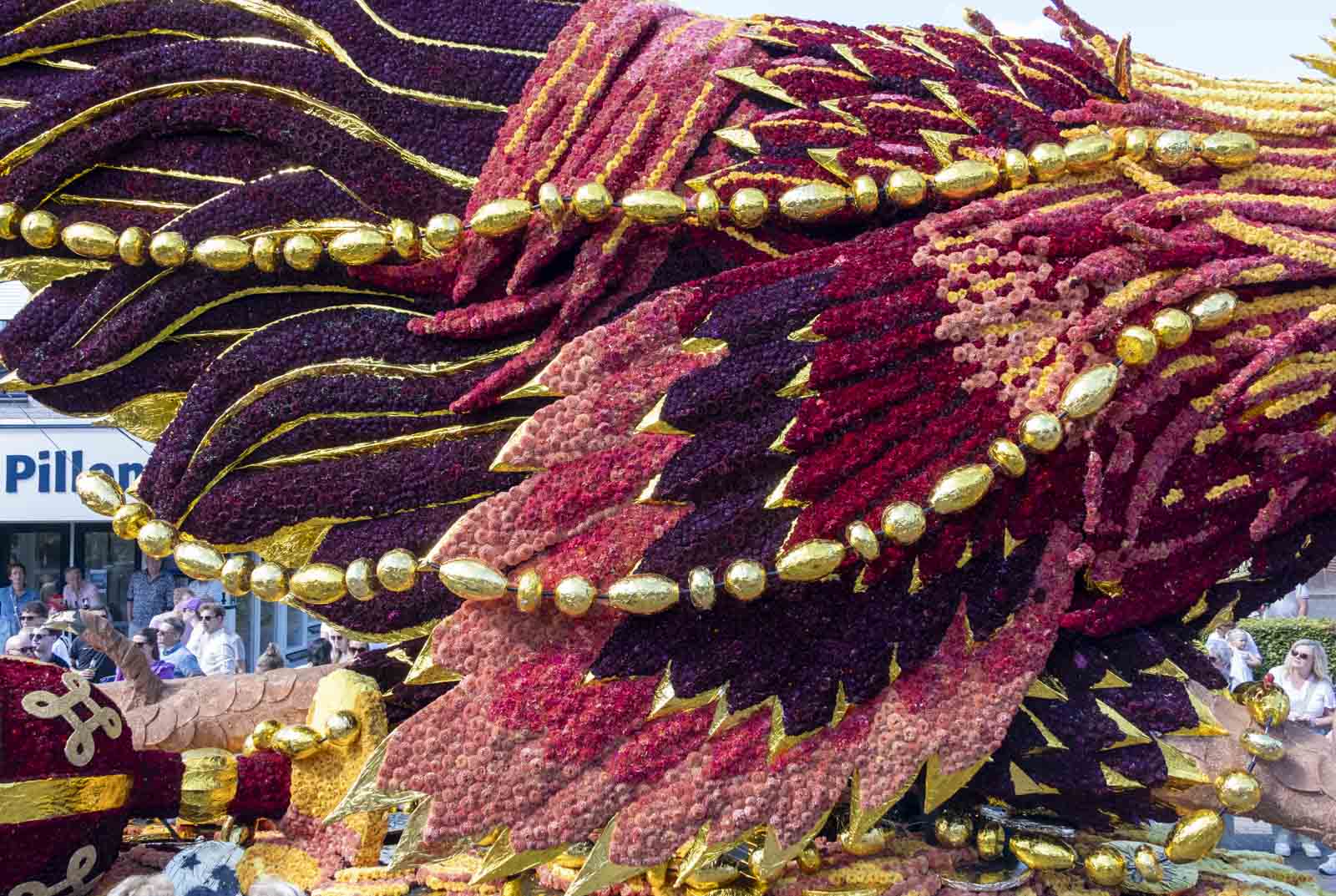
– and fast too! Flowers don’t last very long without water. For cut flowers even shorter time. They must last the whole parade and a second day.
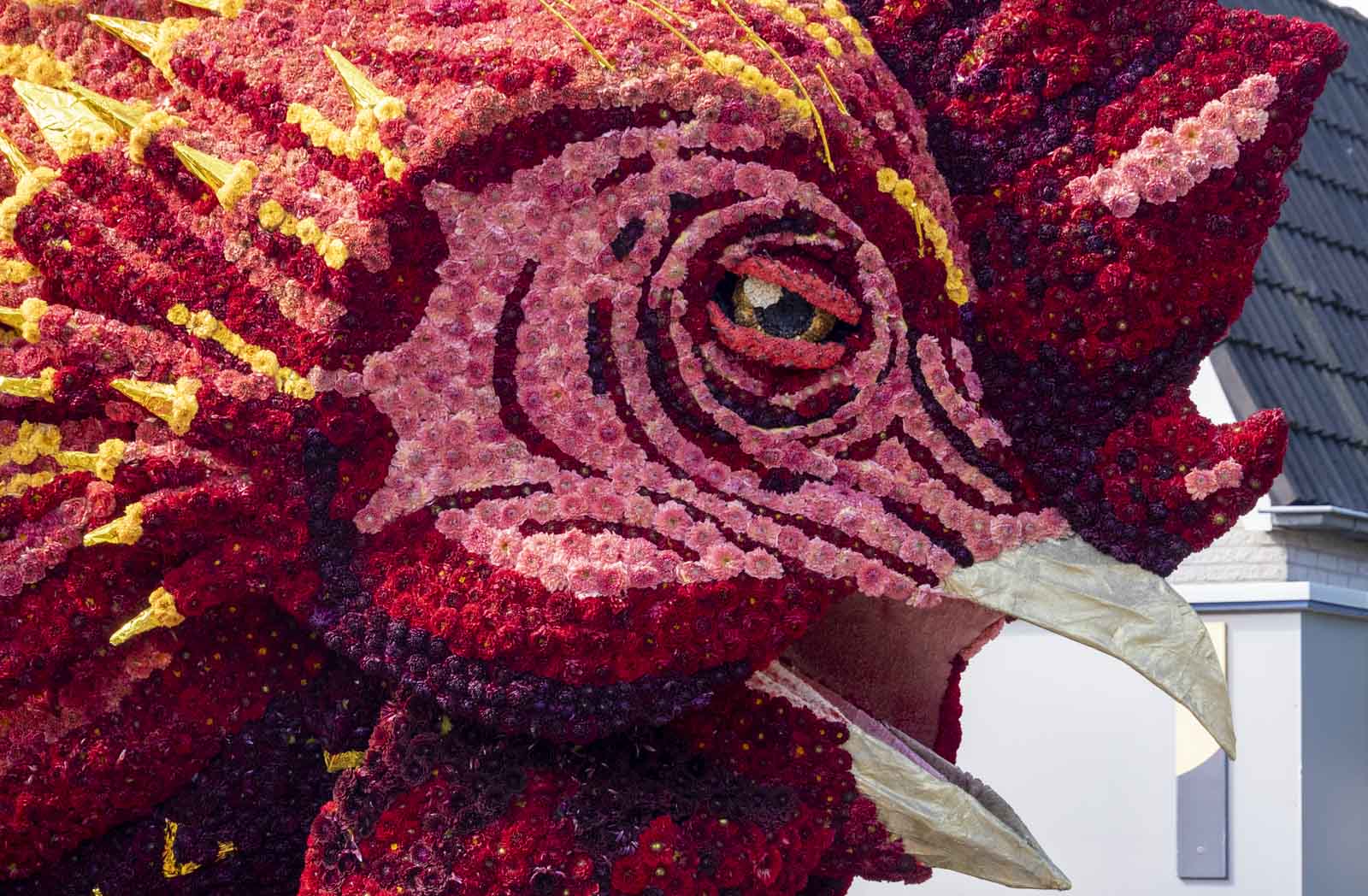
An even closer look when the float was passing, and you could see the flowers and construction in detail.
So, have fun and show us what you’ve discovered! Be sure to link to Patti’s original post and use the Lens-Artists tag.
Last week, Egidio hosted his “Silence” challenge, which was a beautiful exploration of places filled with quiet. Something we all need in this turbulent world and I enjoyed every minute! Next week, it’s Tina’s turn to lead us, so be sure to stop by her gorgeous site, Travels and Trifles, next Saturday at noon EST. See you then!
The first historical record of a building is listed in the Domesday Survey of 1086, where the ‘Manor of Esledes’ was owned by Odo the Bishop of Bayeux, who was also the half-brother of William the Conqueror.
Leeds Castle has a long history of noblemen, kings and queens, but it was not until the 16th century that King Henry VIII transformed it from a fortified stronghold to a magnificent royal palace.

Leeds Castle was the last Castle to visit on our tour, and here I found the indoors to be the most interesting part – but let’s have a short look at the roses first, and the multitude of Hollyhocks!
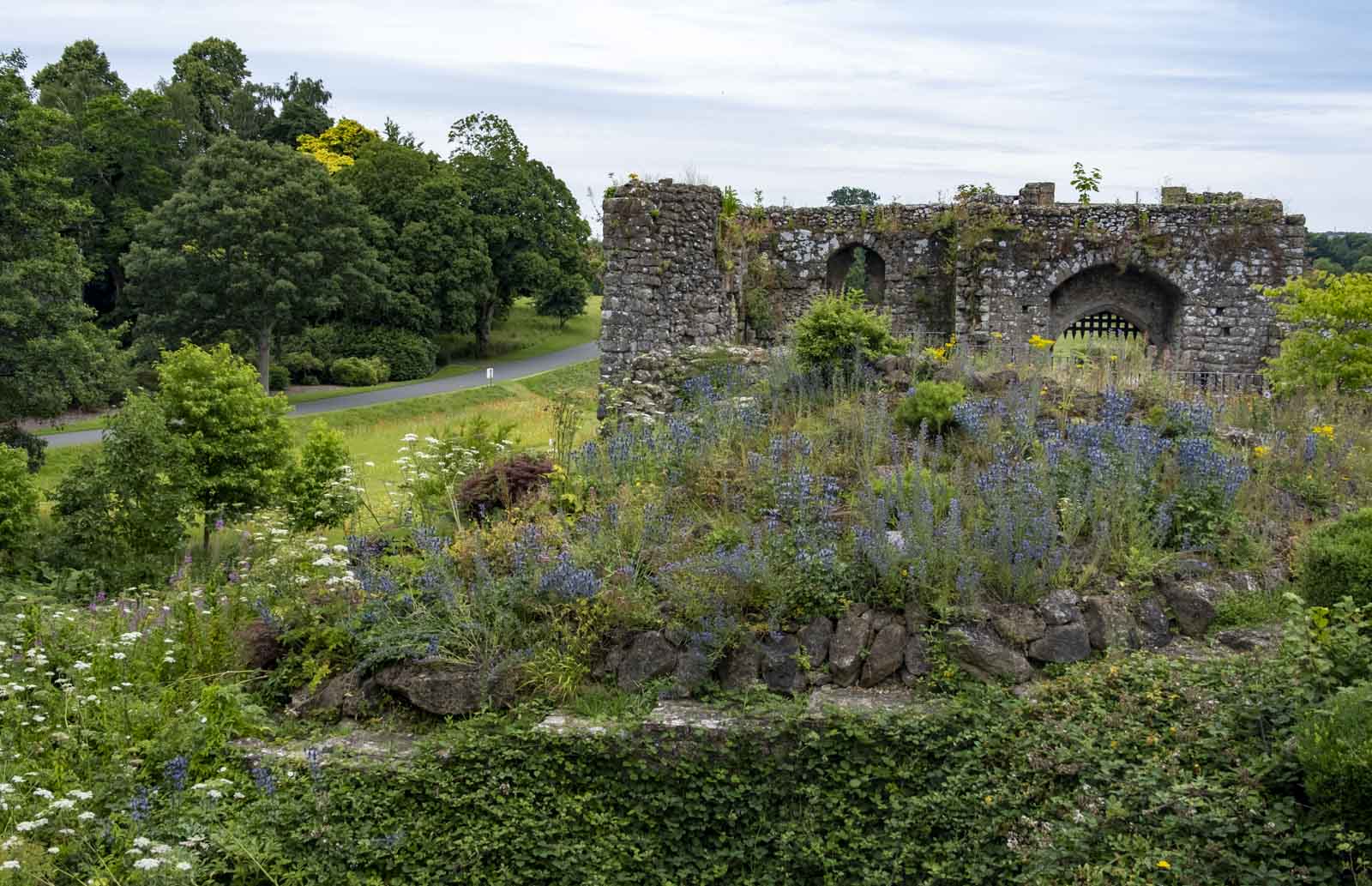

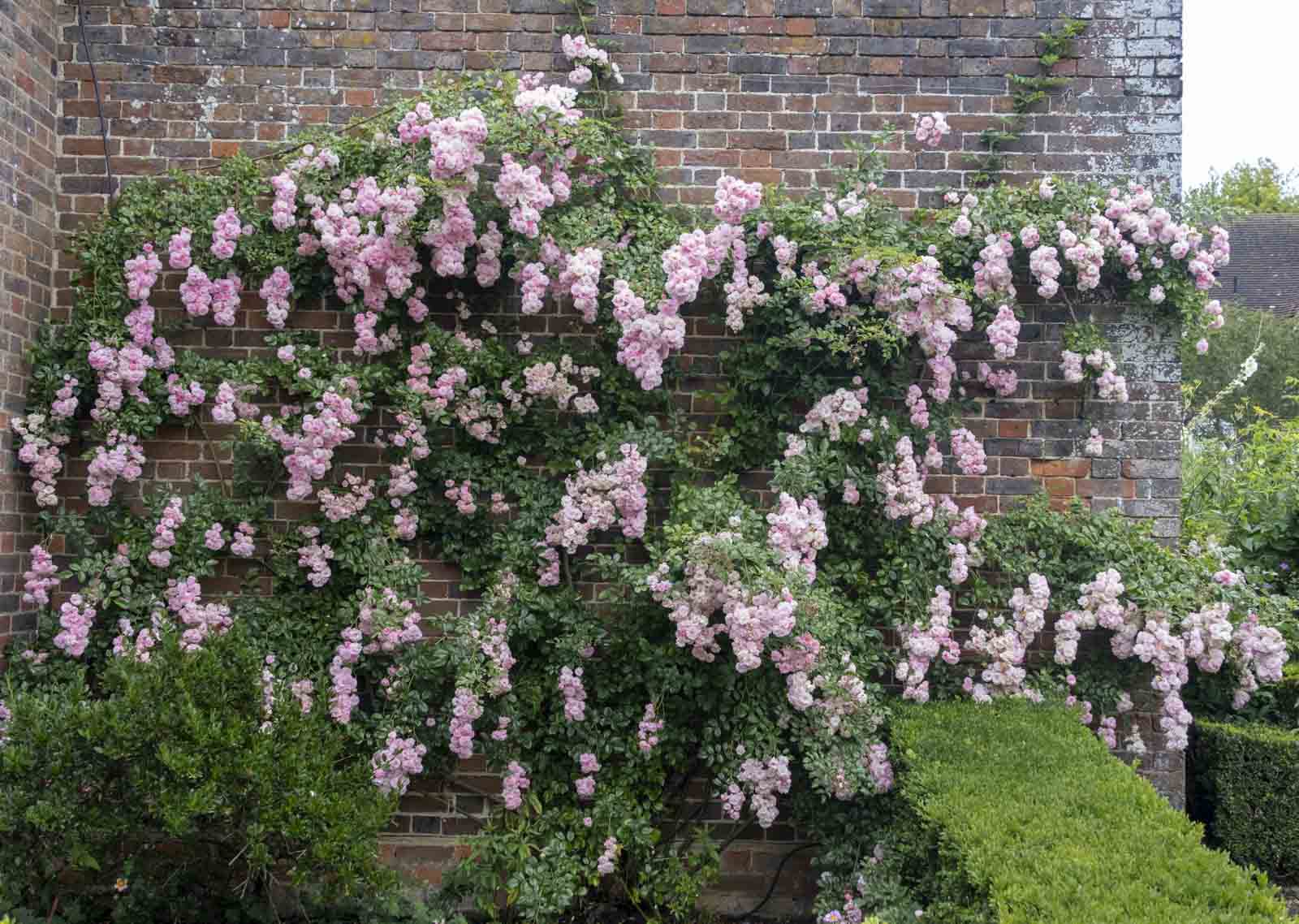

Jumping into the 20th century, during the 1930s, Leeds Castle became one of the great country houses of England and a centre of lavish hospitality for leading statesmen, European royalty and film stars. The interior decorations are very stylish in cool colours, giving it quite a modern feeling. There are not many castles you feel you actually could live in – but Leeds Castle, yes.


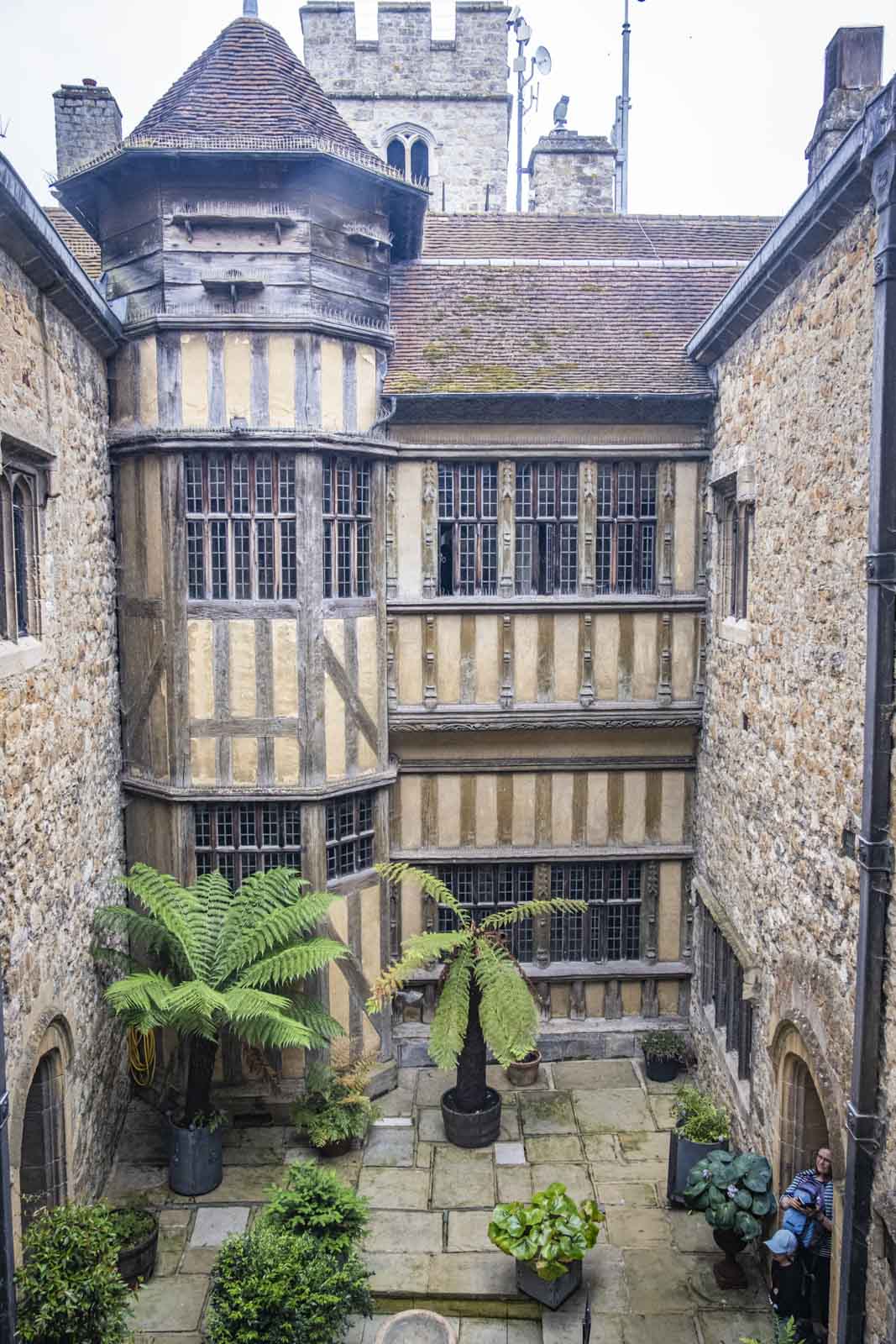

In 1974 the castle and grounds were finally left to a specially created charity called the Leeds Castle Foundation, whose main aim was, and still is, to preserve the castle for future generations to enjoy. The reputation of Leeds Castle as a leading visitor attraction and conference venue grew, and in 1978 it was chosen as the location for the Middle East peace talks that preceded the Camp David Accords of the same year.
Since then Leeds Castle has become one of England’s top tourist attractions with over 600,000 visitors a year.
 Leya
Leya 
Du måste vara inloggad för att kunna skicka en kommentar.