The first historical record of a building is listed in the Domesday Survey of 1086, where the ‘Manor of Esledes’ was owned by Odo the Bishop of Bayeux, who was also the half-brother of William the Conqueror.
Leeds Castle has a long history of noblemen, kings and queens, but it was not until the 16th century that King Henry VIII transformed it from a fortified stronghold to a magnificent royal palace.

Leeds Castle was the last Castle to visit on our tour, and here I found the indoors to be the most interesting part – but let’s have a short look at the roses first, and the multitude of Hollyhocks!
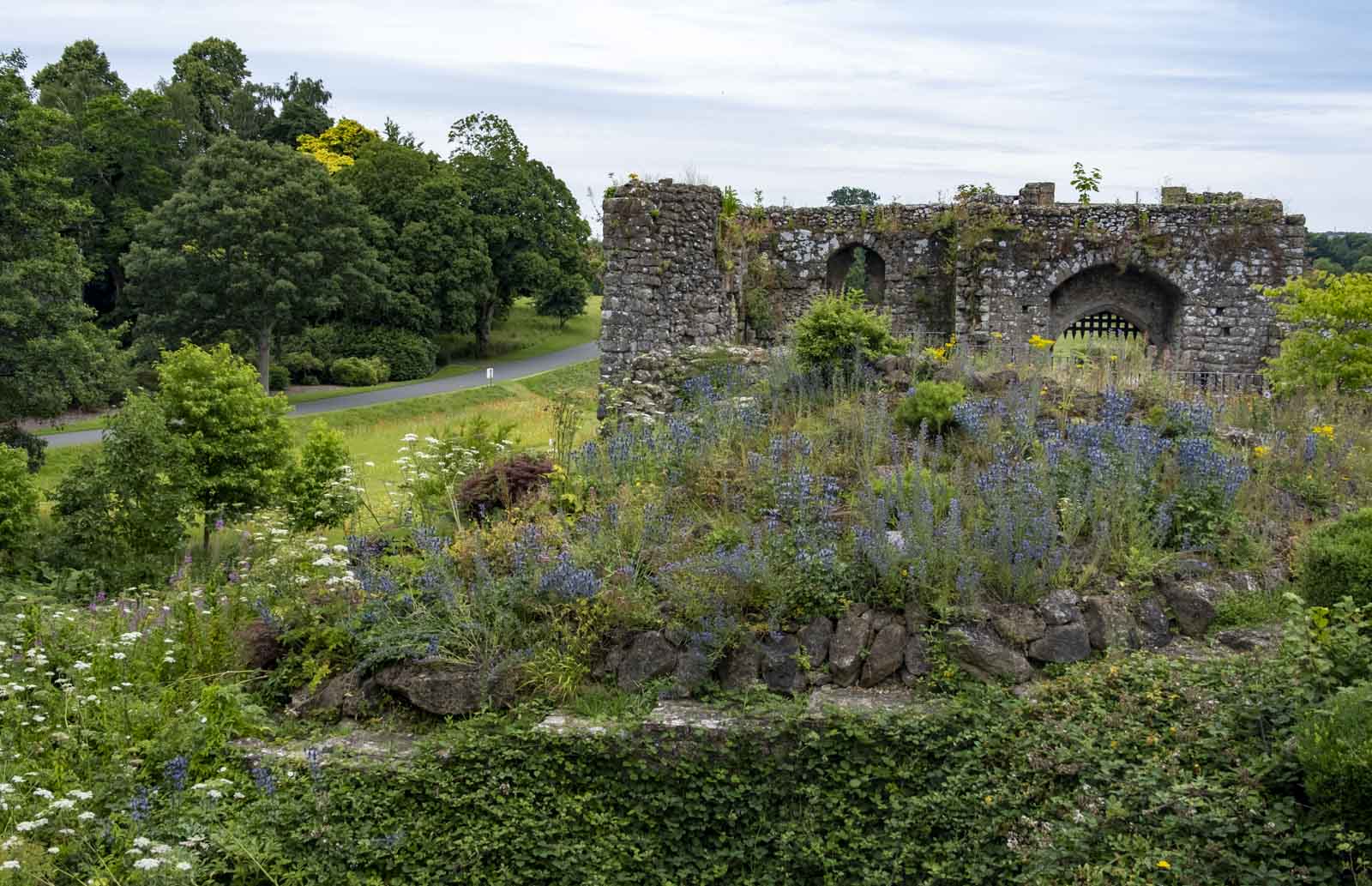

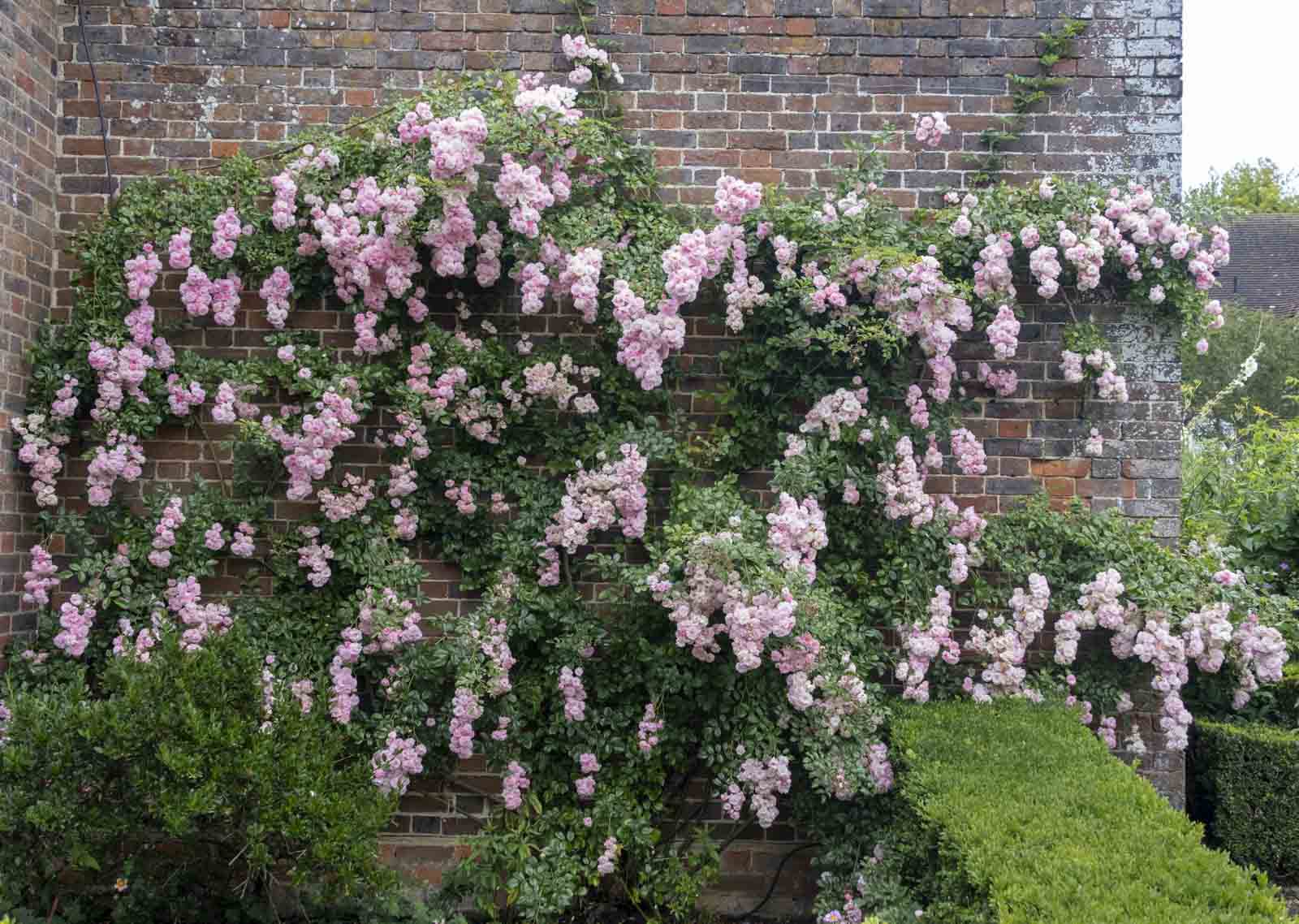

Jumping into the 20th century, during the 1930s, Leeds Castle became one of the great country houses of England and a centre of lavish hospitality for leading statesmen, European royalty and film stars. The interior decorations are very stylish in cool colours, giving it quite a modern feeling. There are not many castles you feel you actually could live in – but Leeds Castle, yes.


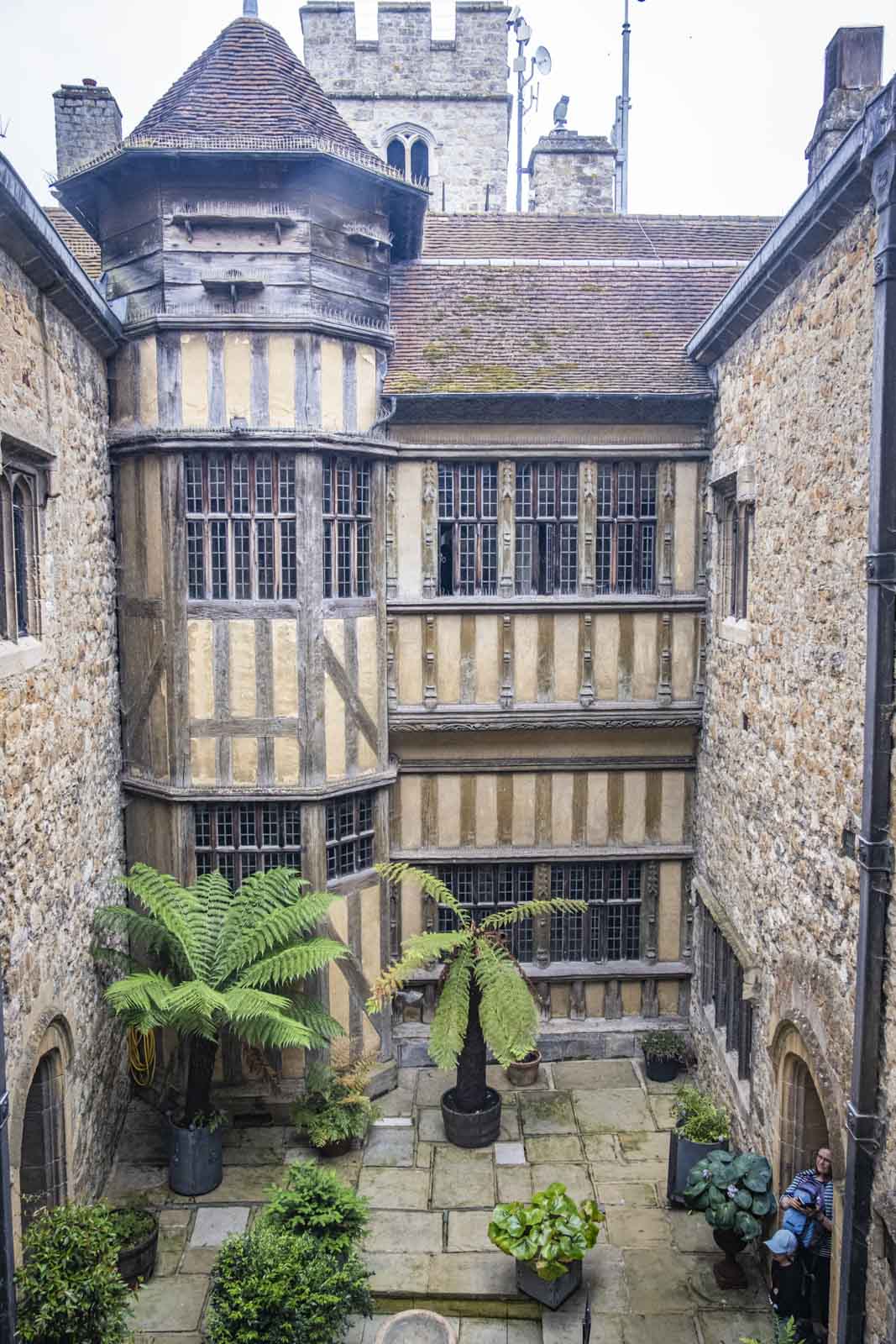

In 1974 the castle and grounds were finally left to a specially created charity called the Leeds Castle Foundation, whose main aim was, and still is, to preserve the castle for future generations to enjoy. The reputation of Leeds Castle as a leading visitor attraction and conference venue grew, and in 1978 it was chosen as the location for the Middle East peace talks that preceded the Camp David Accords of the same year.
Since then Leeds Castle has become one of England’s top tourist attractions with over 600,000 visitors a year.




























Du måste vara inloggad för att kunna skicka en kommentar.