Plovdiv – Old Town, 6th Millenium BC

Plovdiv is the second largest city in Bulgaria, with a population of about 342 000 inhabitants. Plovdiv has evidence of habitation since the 6th millennium BC, and is said to be one of the oldest cities in Europe.

The city of Plovdiv has a long history – and almost as many names as rulers – best known for Philippopolis, ”Philip’s Town”, as Philip II of Macedon conquered it in the 4th century BC and gave his name to it. The city was originally a Thracian settlement, later being invaded by Persians, Greeks, Celts, Romans, Goths, Huns, Bulgarians, Slav-Vikings, Crusaders and Turks.  On 4 January 1878, Plovdiv was liberated from Ottoman rule by the Russian army. It remained within the borders of Bulgaria until July of the same year, when it became the capital of the autonomous Ottoman region of Eastern Rumelia. In 1885, Plovdiv and Eastern Rumelia joined Bulgaria.

Having read this…and more – we just had to go there. What would a city like this look like? So many conquerors and rulers, so many different ideas, art and architecture.

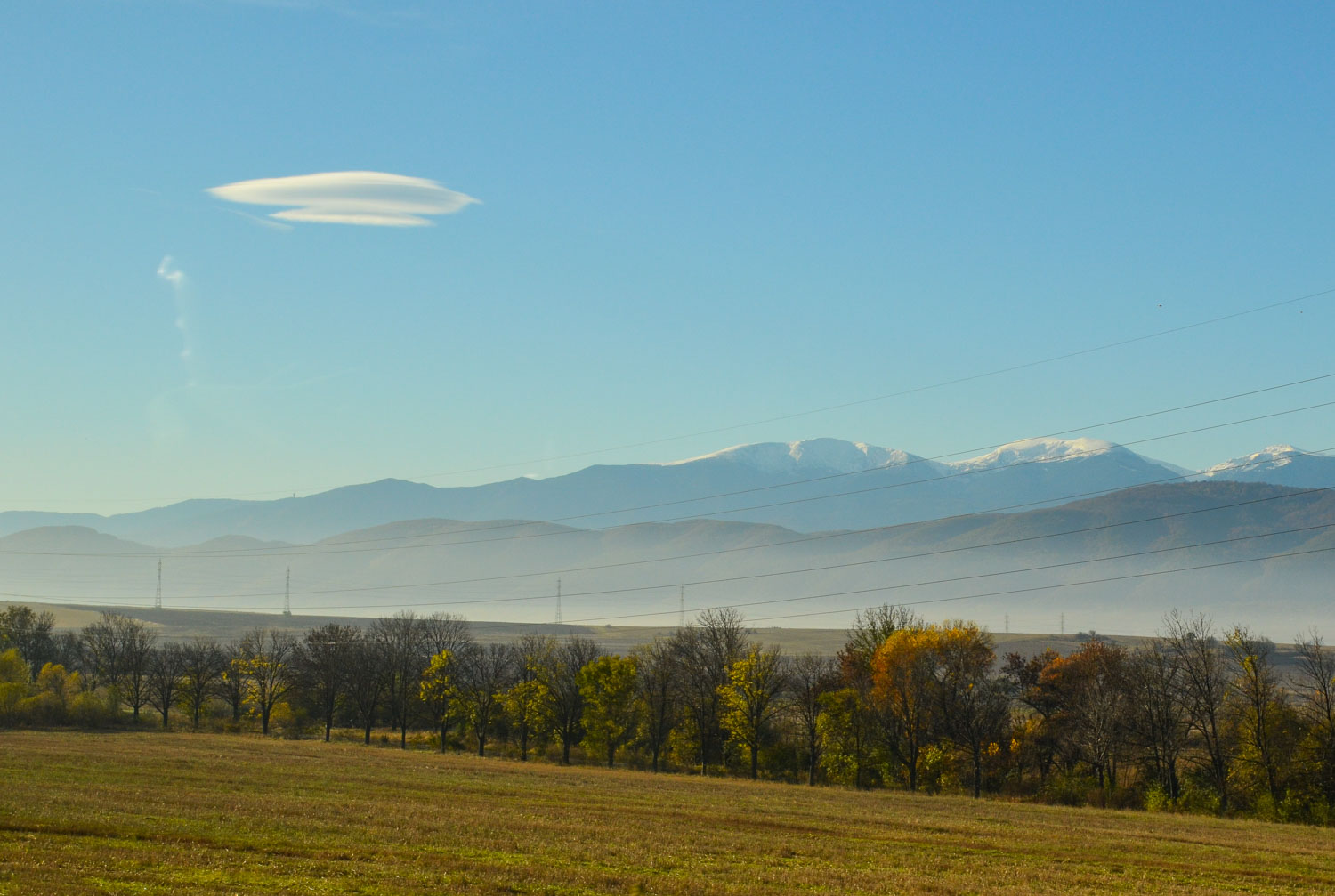
So, contemplating this on the bus, the beauty of the landscape and the snow capped mountains kept our eyes open.
 

The old town in Plovdiv is located on three of Plovdiv’s (originally seven) hills: Nebet Tepe, Dzhambaz Tepe and Taksim Tepe. Today there are only six hills left, because the seventh one was taken down to become cobble stones for the streets.  The old town in Plovdiv is included in UNESCO World Heritage tentative list since 2004.

At first we could walk peacefully in the quiet streets…but then it seemed every school in the neighborhood flooded the alleyways.

Our main goal was the ancient theatre – with seats today for 3500 people. (Originally for 5000-7000 people).

The Roman theatre of Plovdiv is one of the world’s best-preserved ancient theatres. It was constructed during Roman Emperor Trajan (reigned 98–117 AD), and it is currently in use for operas, concerts, plays and more. The theatre was restored in the 1960’s, and is one of the most valuable monuments from the ancient city of Philippopolis.


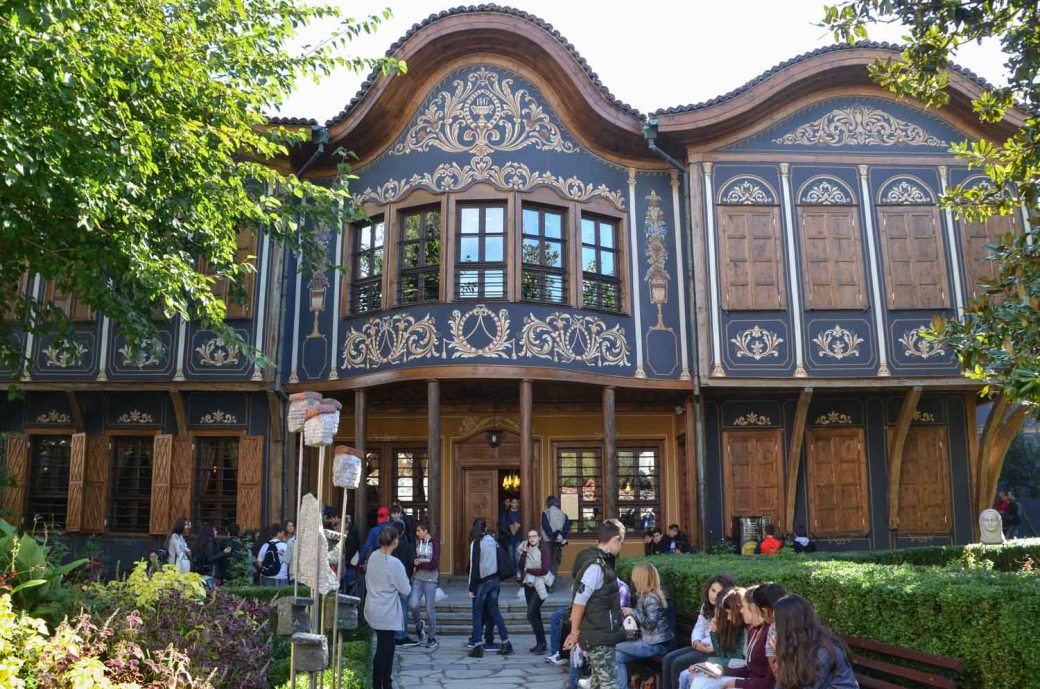
The house of Argir Hristov Kuyumdzhioglu, a merchant from Plovdiv, was built in 1847, and has been described as a prime example of Plovdiv’s mid-19th century Baroque architecture. The house has a symmetric facade; it is two stories tall on its west side and four stories tall on its east side. The Kuyumdzhioglu House spreads over 570 square metres and has 12 rooms and airy salons (where each room has a carved wood ceiling)- and 130 windows. Both the house’s interior and exterior boast sophisticated floral motives. The municipality bought the house in 1838, carried out renovations, and organized it as an ethnographic museum.
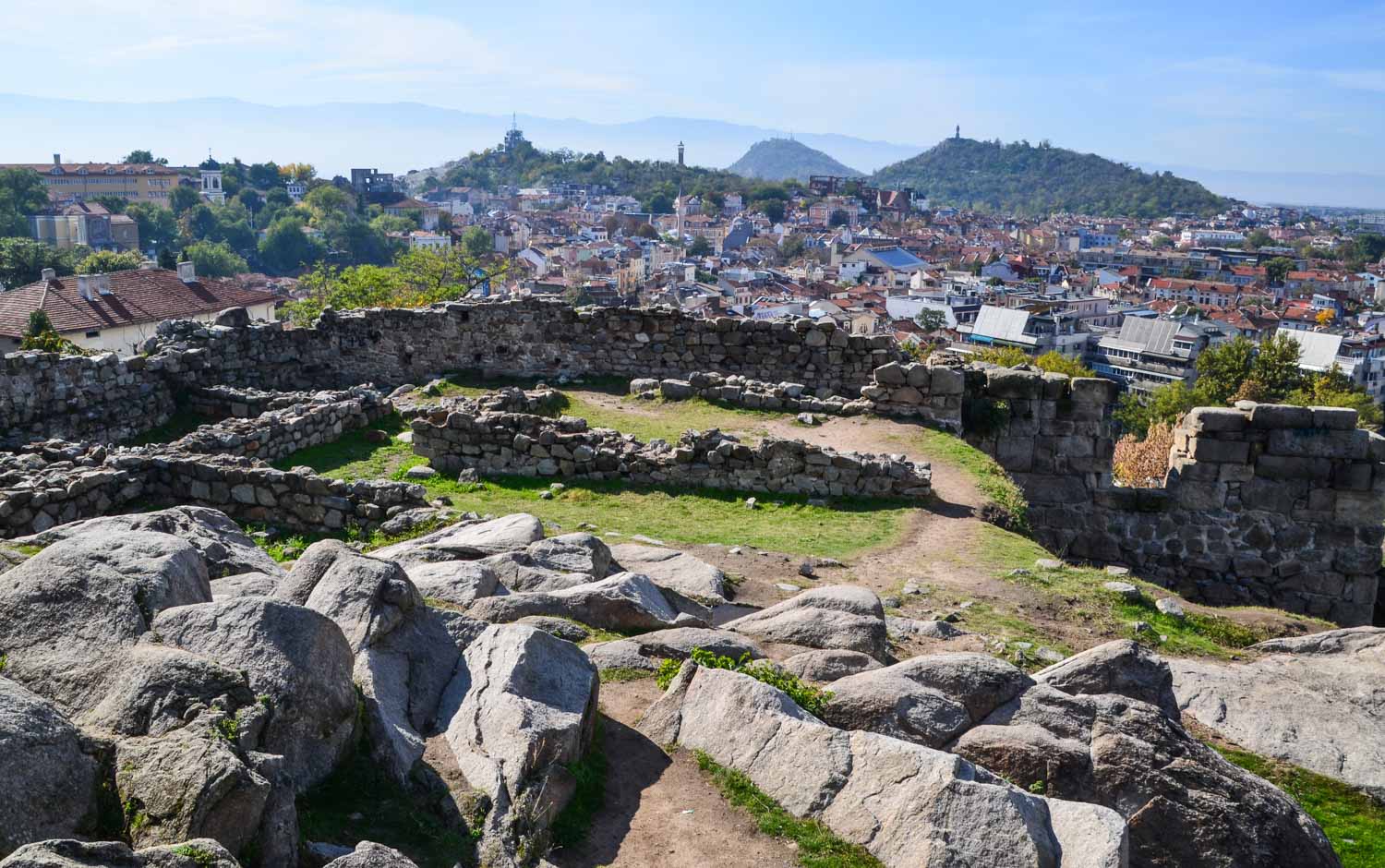
The lonely tree might not be very old, but it stands overlooking the remains of the olden days as well as the newer city. I wonder what he/she is thinking?


Sofia – Day and Night

The symbol of the city, Sveta Sofia – Saint Sophia, stands on a 48 feet high pedestal at a big crossroads in the city centre of Sofia. The 24 feet, copper and bronze statue by the sculptor Georgi Chapkanov, was erected in 2000, and stands in a spot once occupied by a statue of Lenin, and before him, a statue of Apollon.

Sophia was considered too erotic and pagan to be referred to as a saint, and she is not even highlighted, like many other statues are. Still, she carries the symbols of power (crown), fame (wreath) and wisdom (owl). The crown is also a reference to the Goddess of Fate – Tyche, inspired by the old emblem of Sofia dating back to 1900.

I think I prefer this handsome gentleman in traditional uniform…He kindly let me take a photo, and I was so pleased.

A walk with more of my impressions of the city –

Of course I have to finish with a gorgeous tram…at least I think it is gorgeous. Not new, emerald green, squeaking and rattling along the street – no risk being run over!

It Is All About… Books!

Books, books…art and culture. One of the reasons to why I love visiting the eastern countries in Europe is just that. I get my share of childhood joy and my faiblesse for books.

Inside, there are more than 8 million books. Just think about all the catalogues there must be…these were only a few. Do you remember the era before the digital boom?


This is the outside of the National Library. Slightly resemblance to…books on shelves?

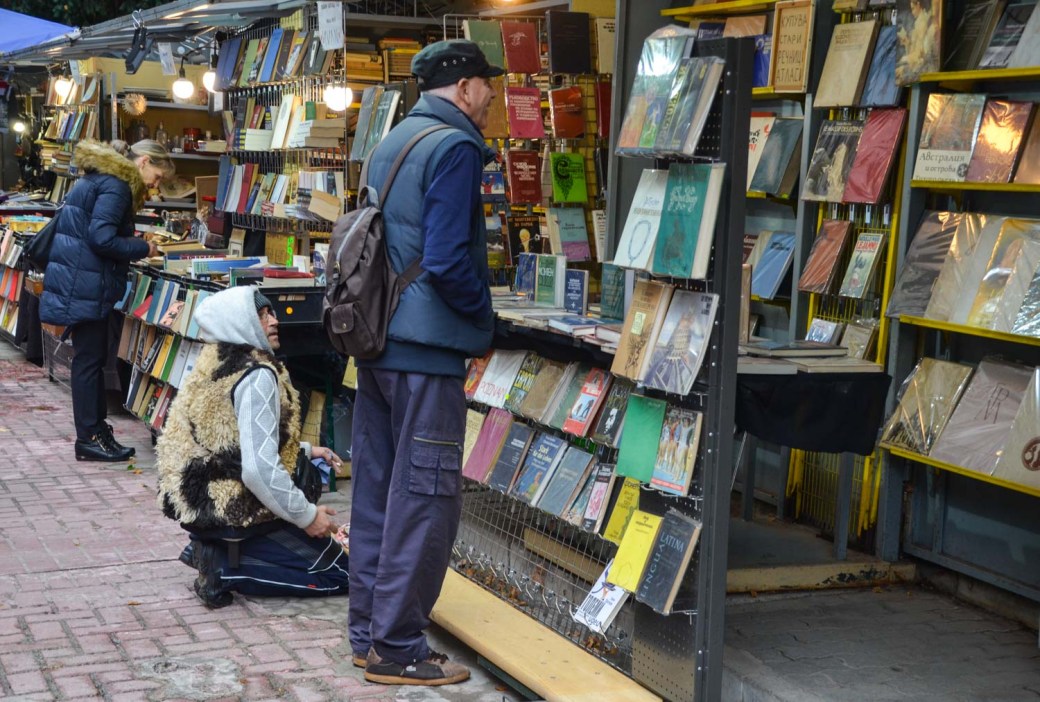
The outdoor book market was a dream – even though I did not understand much and could not buy that many books. You can always look, and be tempted! As you can see in the header, many other things could be bought here as well.


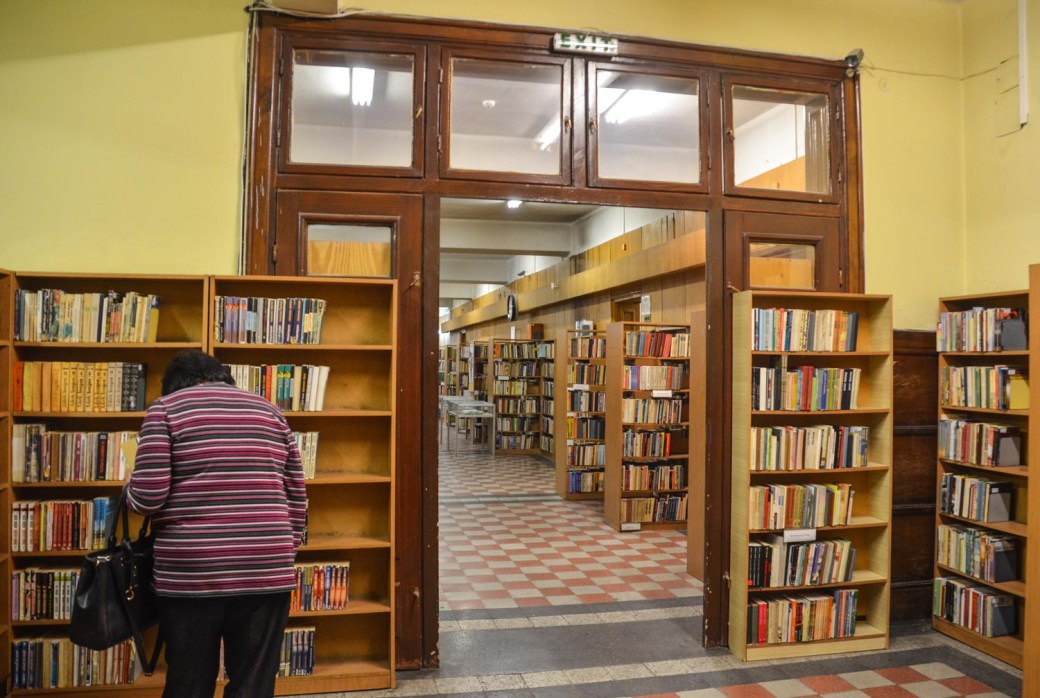
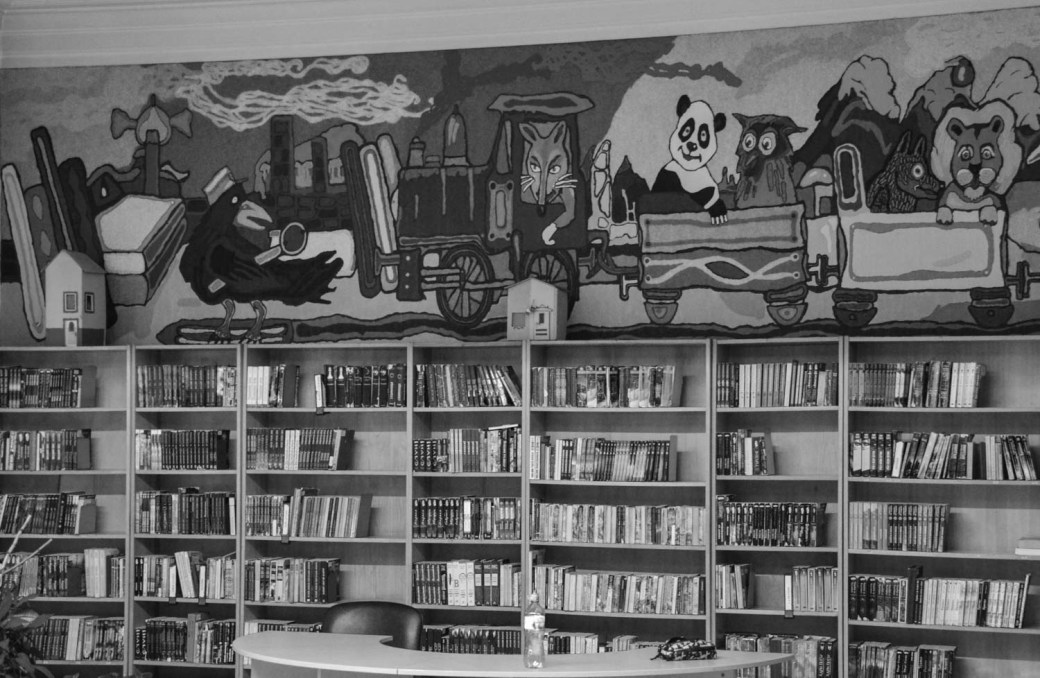
The ordinary library for grown-ups had a typical touch of the communist era. (Bulgaria was not liberated until the 1980’s.) Colours, shelves, floor and …books. Almost all the books were paperbacks – no hardbacks. And they were all ”well” read.

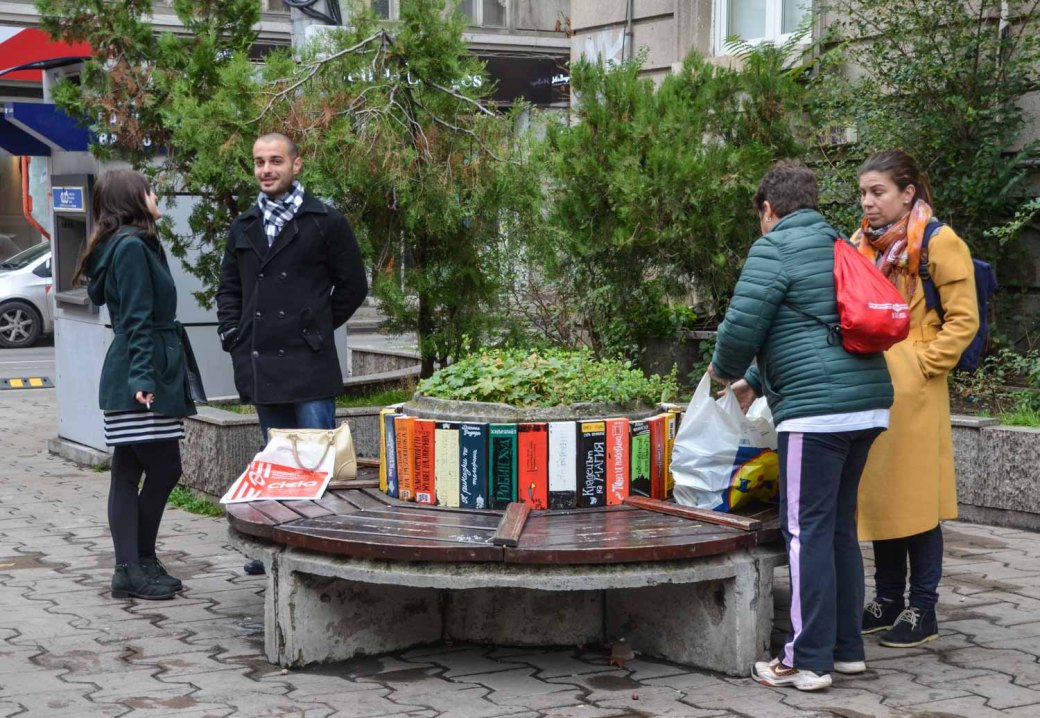
Even the benches outside were dedicated to books!

The entrance to the childrens library had an unmistakable sign…our Swedish Pippi Longstocking. Did you know she has been translated into 92 different languages? Astrid Lindgren still belongs to the future!

The children’s library was much more modern, and the reading rooms had furniture and curtains from IKEA.

The ladies working here were very helpful and informative. We had an invigorating chat about children and books. No problem in this country with reading – most children love it. And for small children the books are free to borrow. Older children had to pay a very small sum/year.

Beware of book worms – Bulgaria is a dream country!


Cultural Café

We wanted to visit the National Palace of Culture in Sofia, but it was closed and a veritable construction site. I was dying for a nice cup of coffee along with some cultural events…but the building seemed totally abandoned.

Nothing wrong with a construction site…if you can find a place like this when you step down into the underground..

A slight drizzle, and my stomach was making sounds…but when we had totally given up on this place and walked down some steps to get to the street again – suddenly there emerged a big window with BOOKS. From nowhere. Nothing with books can go wrong, so we opened the door and stepped inside…

…a café! A place reminding me of my university years with not too expensive coffee’s, nice company and working in two’s or more. My eyes and spirits went up and I just took it in…..feeling the coziness and the warmth instead of the by now rather chilly, hostile weather outdoors.

We stayed for an hour at least and left with big smiles on our faces ;-D

It went on drizzling – but we felt good all the way home! Keep reading! And…some tea is OK as well…

Bulgarian Clash – Art, Architecture, Preservation

Bulgaria has always been a country situated between important trade roads and markets. Being in the centre of theBalkan peninsula, it is midway between the Black Sea and the Adriatic Sea, and closest to the Aegean Sea. Conquered by many different peoples, it still, today, has to stay ”in between” and keep up friendly relationships with its powerful neighbors. For example with Russia, from where they get almost all of their energy – as oil.

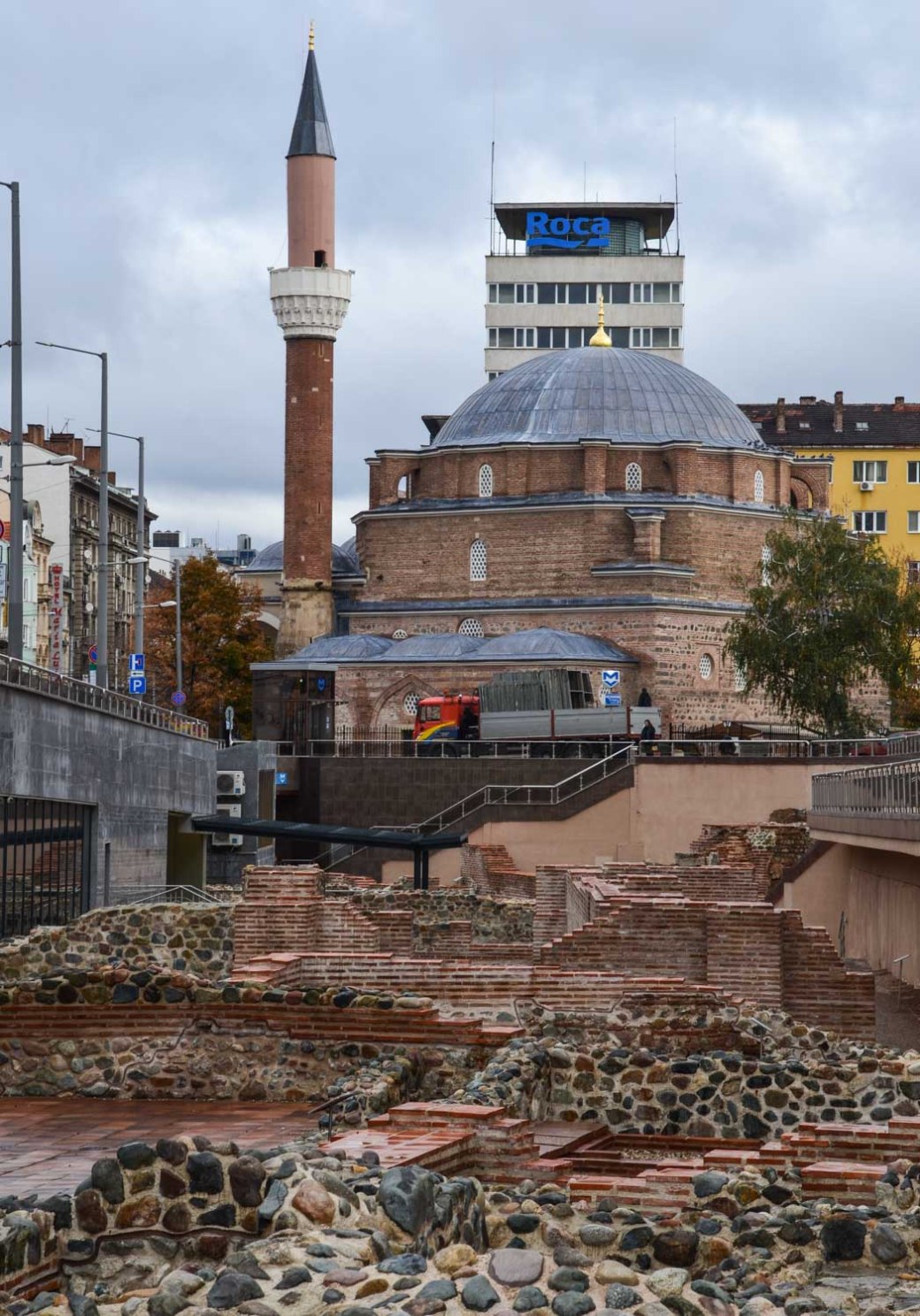
Sofia has been an area of human habitation since at least 7000 BC. Excavations hit you in several places – this is the 4th century St George Rotunda (the oldest building in Sofia) behind some remains of Roman Serdica. All surrounded by the Presidential Palace…

”Sofia’s architecture combines a wide range of architectural styles, some of which are aesthetically incompatible. These vary from Christian Roman architecture and medieval Bulgar fortresses to Neoclassicism and prefabricated Socialist-era apartment blocks. A number of ancient Roman, Byzantine and medieval Bulgarian buildings are preserved in the centre of the city.” Wikipedia
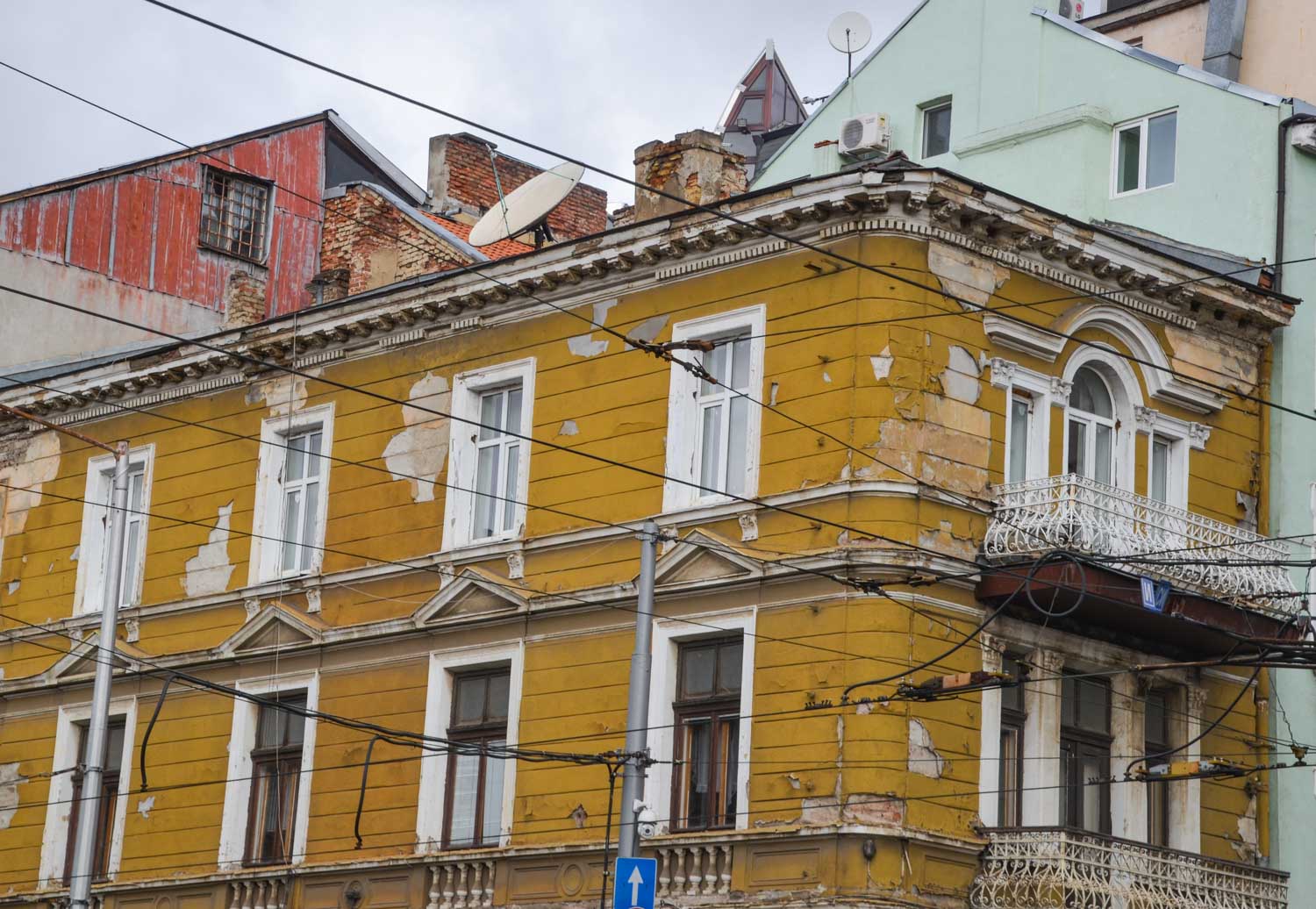
I find it interesting to see how these clashes work. I even learned to think about them as more than that… Because, also the newer buildings, artwork and street art clash, and thus make for interesting photos.

WPC: Peek

From Michelle at WordPress – a wish for a peek…something teasing you to want more…

High up in the Bulgarian mountains you will find the door to this gem…


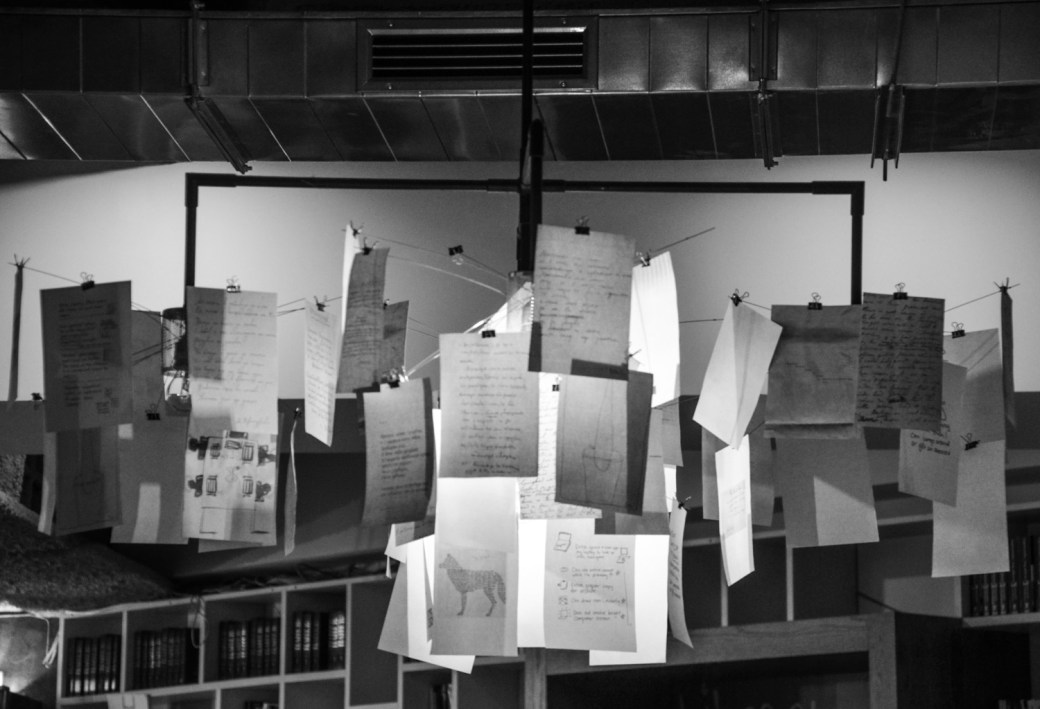
Seven Day B&W Photo Challenge – Day 4

I was invited by Raj (XDrive)to join the Seven Day B&W Photo Challenge. (Thank you, Raj)
  The Rules are

• Seven days.
• Seven black and white photos of your life.
• No people.
• No explanation.
• Challenge someone new each day
Today I would like to challenge Ninna at Words&Pics
Ninna, participate only if you have time, no compulsion. Men du är bara bäst – och jag såg att du gjorde ”ingenting” just nu!

Seven Day B&W Photo Challenge – Day 3

I was invited by Raj (XDrive) to join the Seven Day B&W Photo Challenge. (Thank you, Raj)

The Rules are
• Seven days.
• Seven black and white photos of your life.
• No people.
• No explanation.
• Challenge someone new each day
Today I would like to challenge Sue at WordsVisual
Sue, participate only if you have time, no compulsion. I know you are a busy woman…

The Prettiest Town in Ireland

According to the tourist information, the small town of Adare (/æˈdr/; Irish: Áth Dara, meaning ”ford of [the] oak”) in County Limerick, Ireland, is one of Ireland’s prettiest towns.

When we visited, the weather was, as I guess the weather is most here, rainy with short glimpses of sun. And the village is pretty – with thatched roofs and brightly coloured houses. About 3000 inhabitants, so I felt rather at home – the same size as the village I live in. Above is the main street.

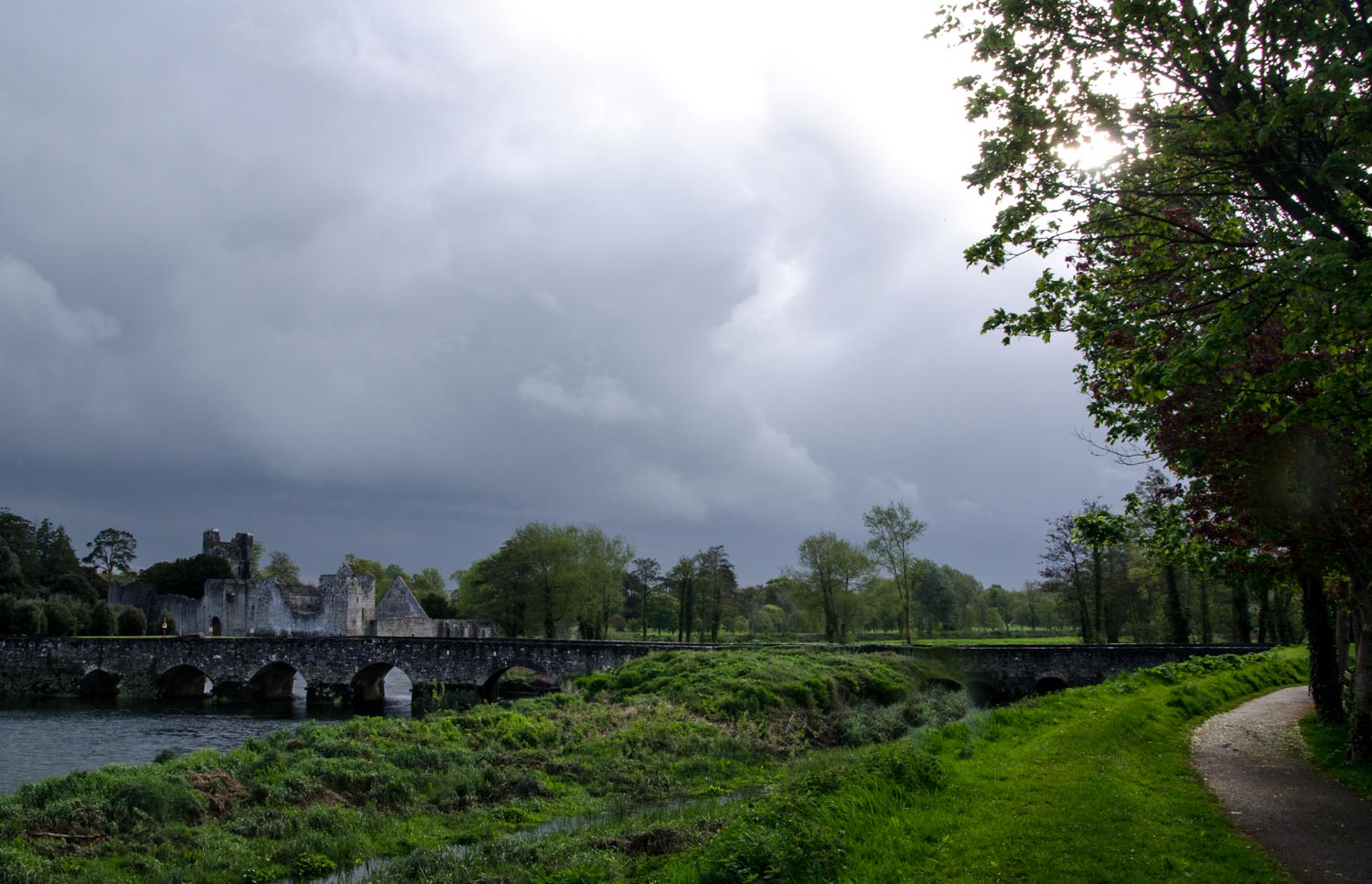
Despite the rain, we ventured out towards Desmond Castle, on the north bank of the river Maigue. And we were lucky – the sun came through!

 I will be away for a couple of days – see you soon!