For Cee this week – Peach or Apricot.

For Cee this week – Peach or Apricot.
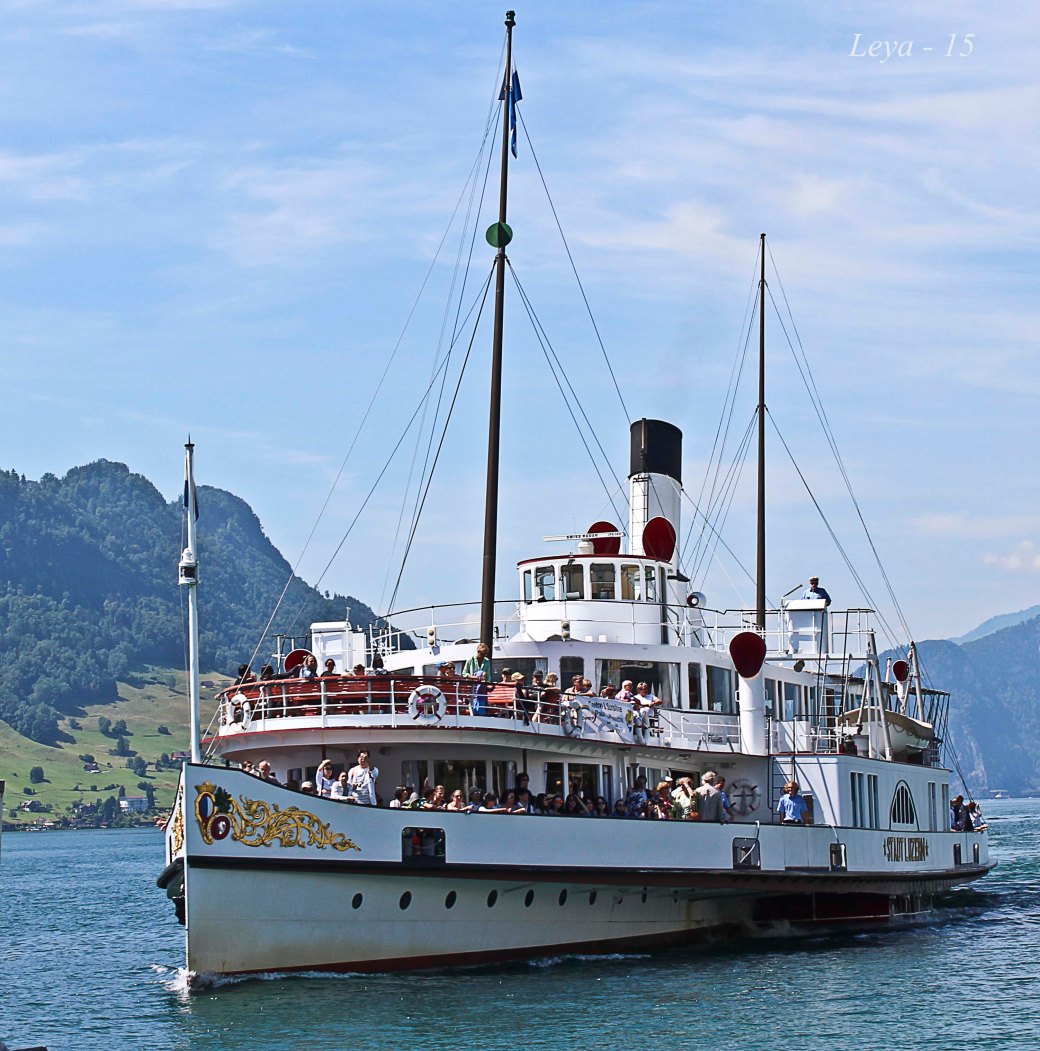
Hjulångaren Stadt Luzern tog oss ut på Vierwaldstättersee. Båten är den sista hjulångare som byggdes för sjöar i Schweiz och byggår är 1928.
The famous paddle-steamer Stadt Luzern took us out on the lake for a glorious trip. This steamer was the last one built (1928) for the lakes of Switzerland.
Hon blev också det största passagerarfartyget på Vierwaldstättersee. Hon är 64 m lång och tar 1200 passagerare.
She was also the biggest passenger ship on Lake Lucerne and measures 64metres taking 1200 passengers.
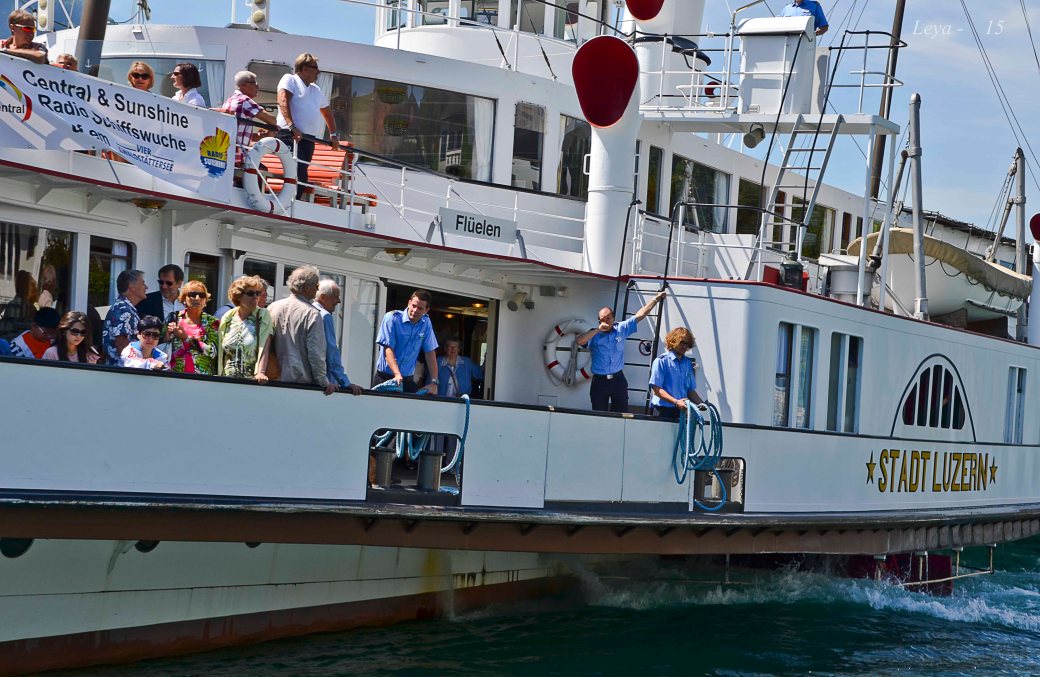
Kändisar som Eva Perón och Drottning Elisabeth har åkt med Stadt Luzern. Vi fick följa med henne via Weggis till Vitznau i fint sommarväder. Det var en stolt kapten på ett vackert fartyg. Här med några medpassagerare och vyer.
Celebrities like Eva Perón and Queen Elizabeth has travelled with her too. Here some fellow passengers on our trip!


Från tilläggsplatsen i Vitznau är det bara några meter till bergbanan, Rigibahn. Den är 6975 m lång, och öppnade redan 1871 som den första bergbanan i Europa. Från början var det ånglok som trafikerade banan, men sedan 1937 är tågen eldrivna. Kapaciteten är idag 850 pax/tur.
From where we left her in Vitznau there are only a few metres to the Rigibahn. This mountain railway opened in 1871 as the first one in Europe. In those days with steam engines, but since 1937 the trains are electrified.
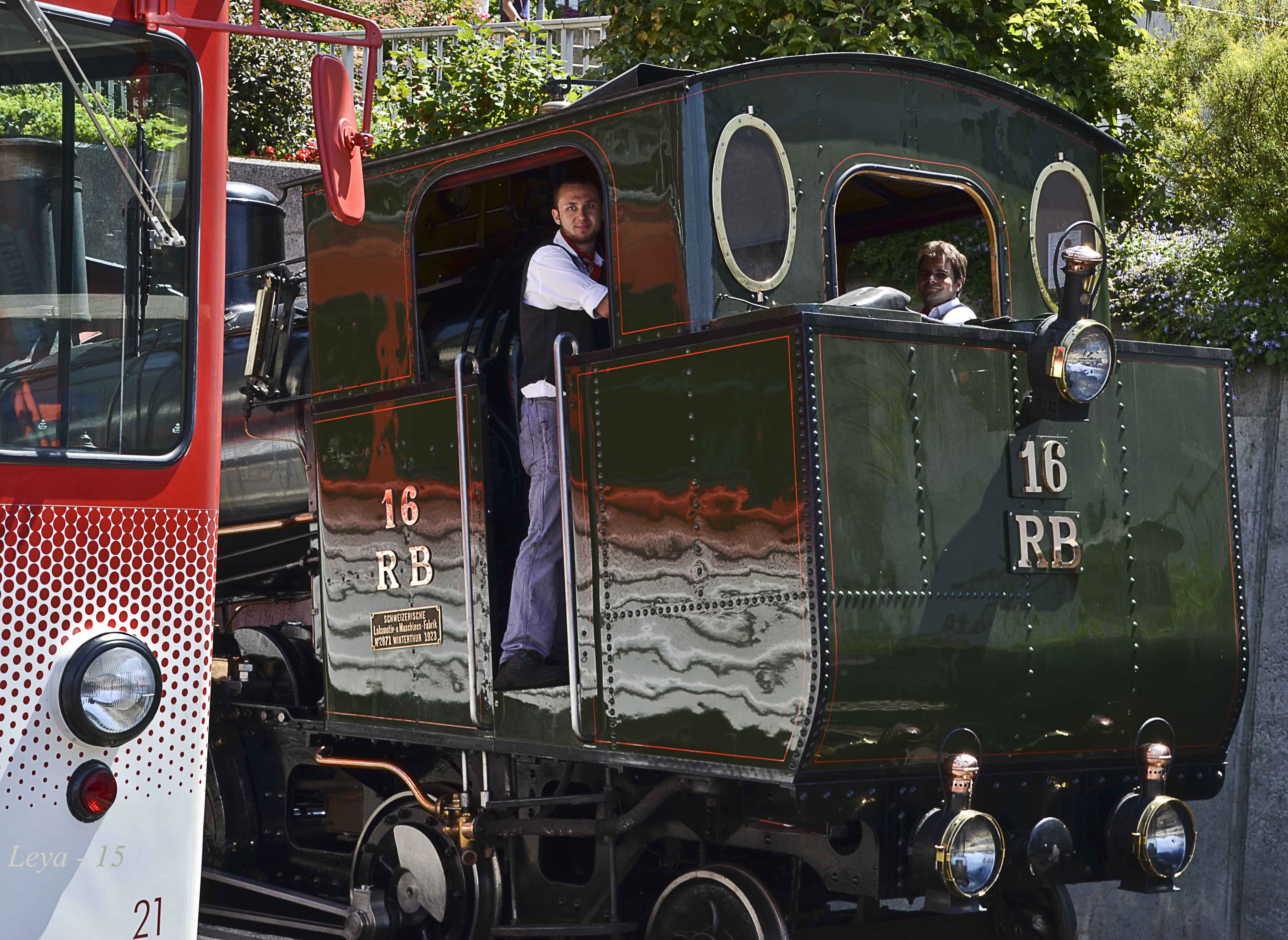 Tåget tog oss från Vitznau 435 m ö h till Rigi Kulm 1752 m, alltså nästan ända upp till toppen av Rigi, på 30 min.Utsikterna var vidunderliga.
From Vitznau, 435 metres, to Rigi Kulm, 1752 metres on 30 minutes!

Det var närmast trängsel på toppstationen Rigi Kulm. Trots höjden var det både varmt och vindstilla, men mycket mer behagligt än nere i dalen och byarna.
Rather crowded on the top station, and still hot in the sun.
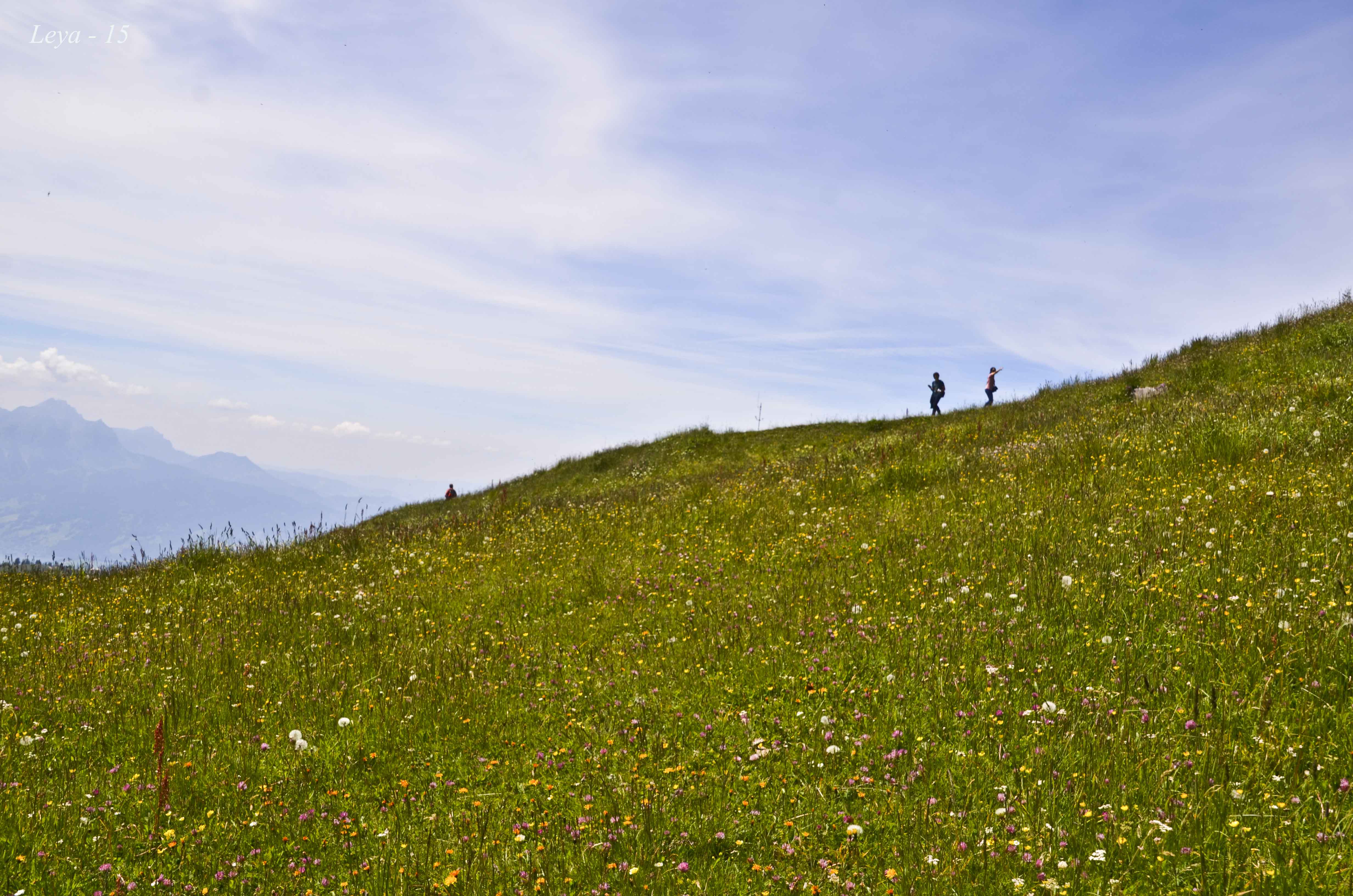
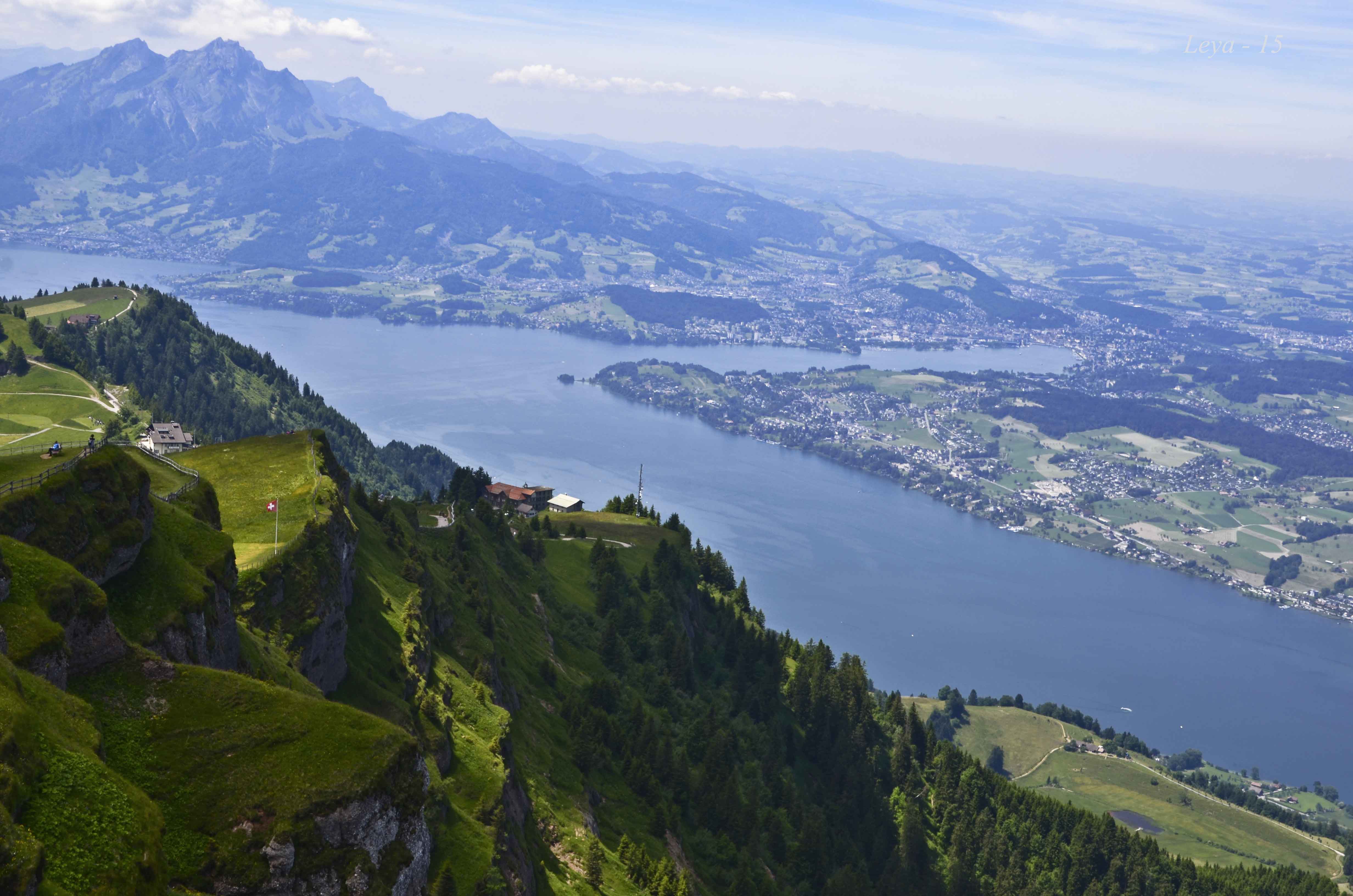
På väg upp njöt vi av den fantastiska floran (de flesta på fotobloggen) och från toppen beundrade vi Vierwaldstättersee och Zugersee. Det var absolut klart. På 1797 m ö h, reser sig en mast som övervakar all telekommunikation i hela Schweiz.
On our way up we enjoyed the glorious flora (most of the species I show on My Photo Blog) and from the top we had a magnificent view of Lake Lucerne and Zugersee. Sunny and no wind. The top mast here is for all tele communication in Switzerland.
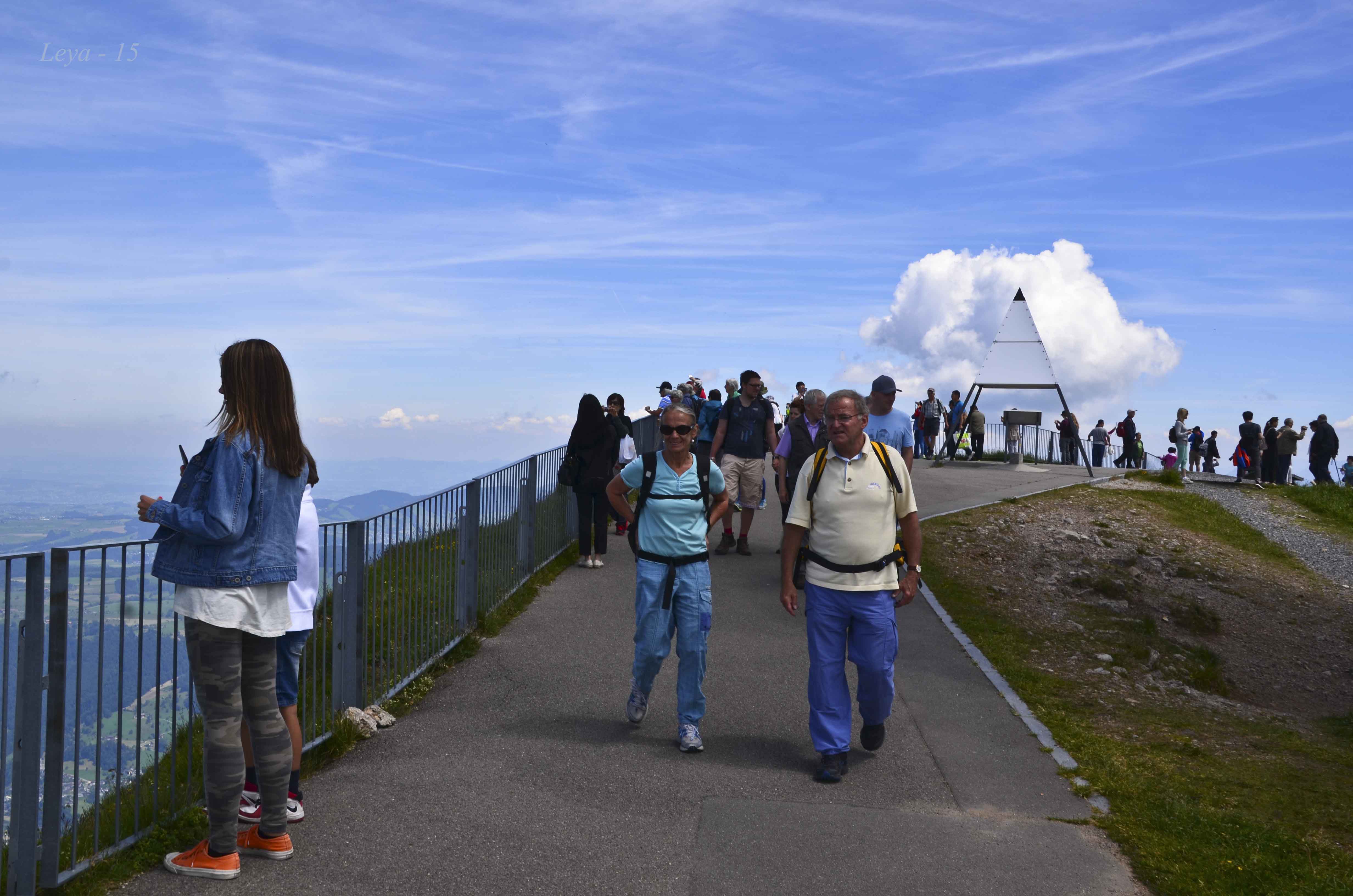
Lunchstället på en bänk här kunde inte bli bättre. Stigen gick vidare ner till den näst högsta stationen, Rigi Staffel, på 1603 m höjd. Utmärkt utsikt över Luzern och Pilatus.
We stopped for lunch and had the most magnificent view! Further down the path to Rigi Staffel. Excellent views of Luzern and Mount Pilatus.
Sagolika blomsterängar hela vägen.
Flowering meadows everywhere.

Vi tog Rigibahn tillbaka till Rigi Kaltbad och därefter kabinbana ner till Weggis.
Finally Rigibahn to Rigi Kaltbad and then down to Weggis.
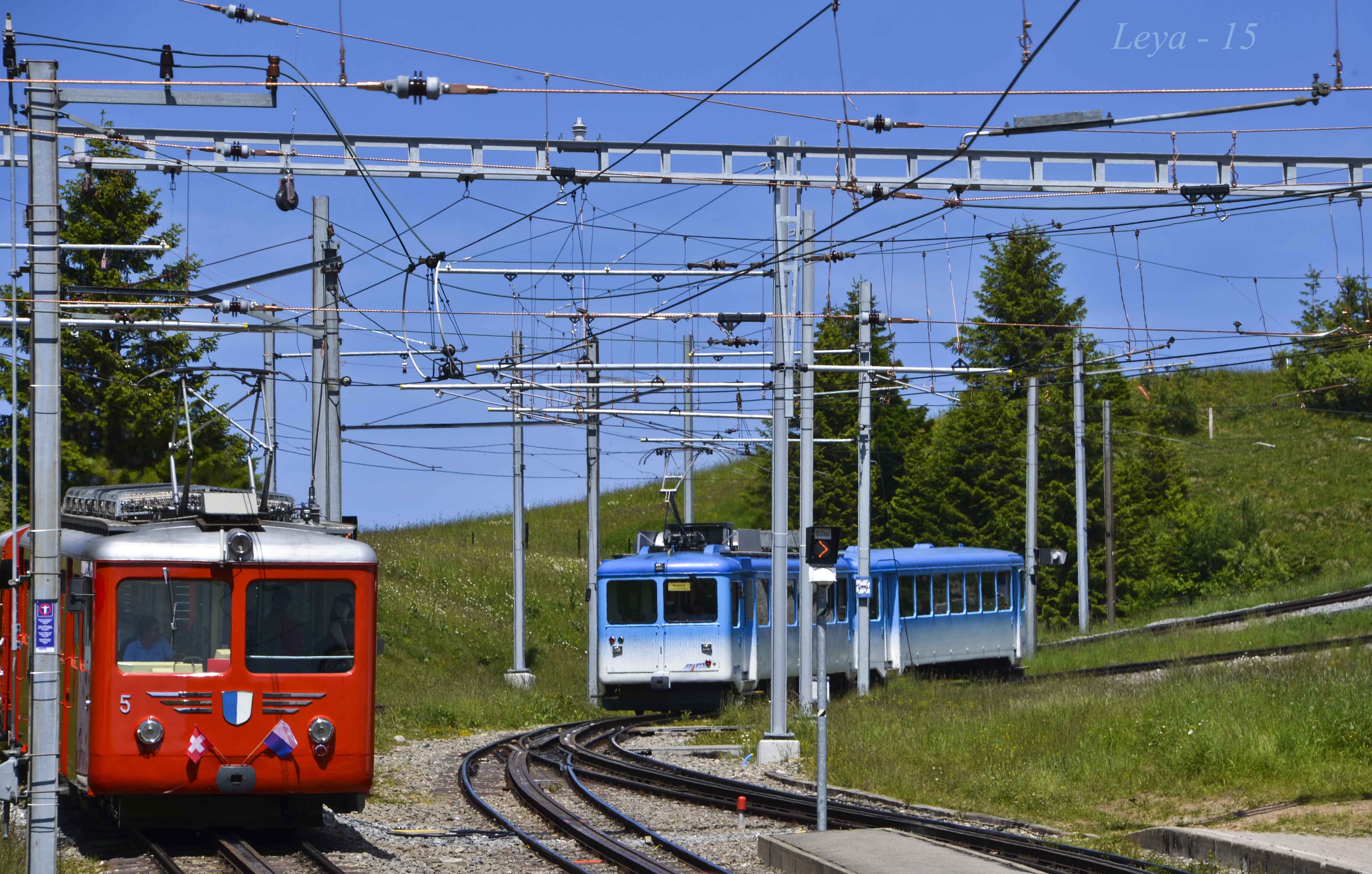
Schweiz är makalöst när det gäller kommunikationer och faciliteter i bergen. På Rigi finns ytterligare en bergbana och ett tiotal kabinbanor och liftar. Det finns mer än dussinet hotell, de största med flera hundra bäddar. Givetvis är restaurangerna än fler. Rigi Kaltbad, som ligger halvvägs upp är ett samhälle varifrån utgår mer än 12 mil vandrings- och cykelleder. Arrangerade aktiviteter för alla åldrar finns i oändlighet under alla årstider. Det ordnas musikarrangemang av olika slag, sport såsom brottning och löpning uppför berget, m m. Och allt är lika perfekt och välordnat. Så kommer det också mycket folk hit. Redan 1850, det vill säga före bergbanan, besöktes Rigi av 50 000 turister årligen. Redan då fanns hotellet på toppen.
Switzerland is unbelievably good at communications and facilities in the Alps. On Mount Rigi there is one more mountain railway and more than 10 lifts or other communications. There are lots of restaurants and more than 12 hotels, the biggest ones having several hundreds of beds. From Rigi Kaltbad more than 120 kilometres of hiking trails start. Music and sport events are arranged too. And many people come here…even before the railway was built, Mount Rigi had more than 50 000 tourists a year.
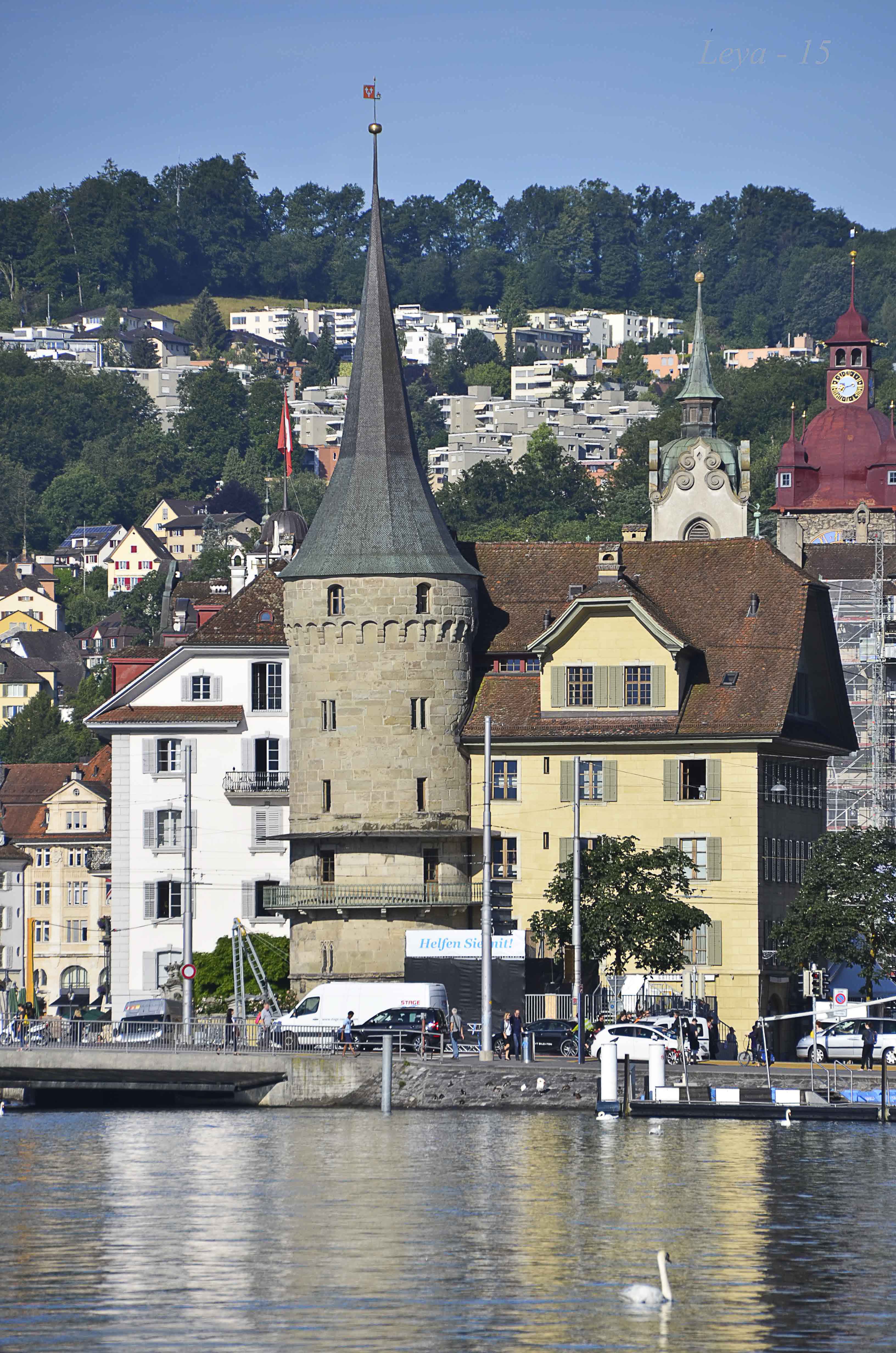
Luzern är mellersta Schweiz viktigaste ort och har idag ca 80 000 invånare. Staden är ett centrum för handel, men här finns även industrier. Luzern är också berömd för sin internationella musikfestival, och ett välbesökt turistmål.
Lucerne is an important city in Switzerland with about 80 000 inhabitants. A centre for trade, but also industry. It is the host of a famous, international music festival as well.
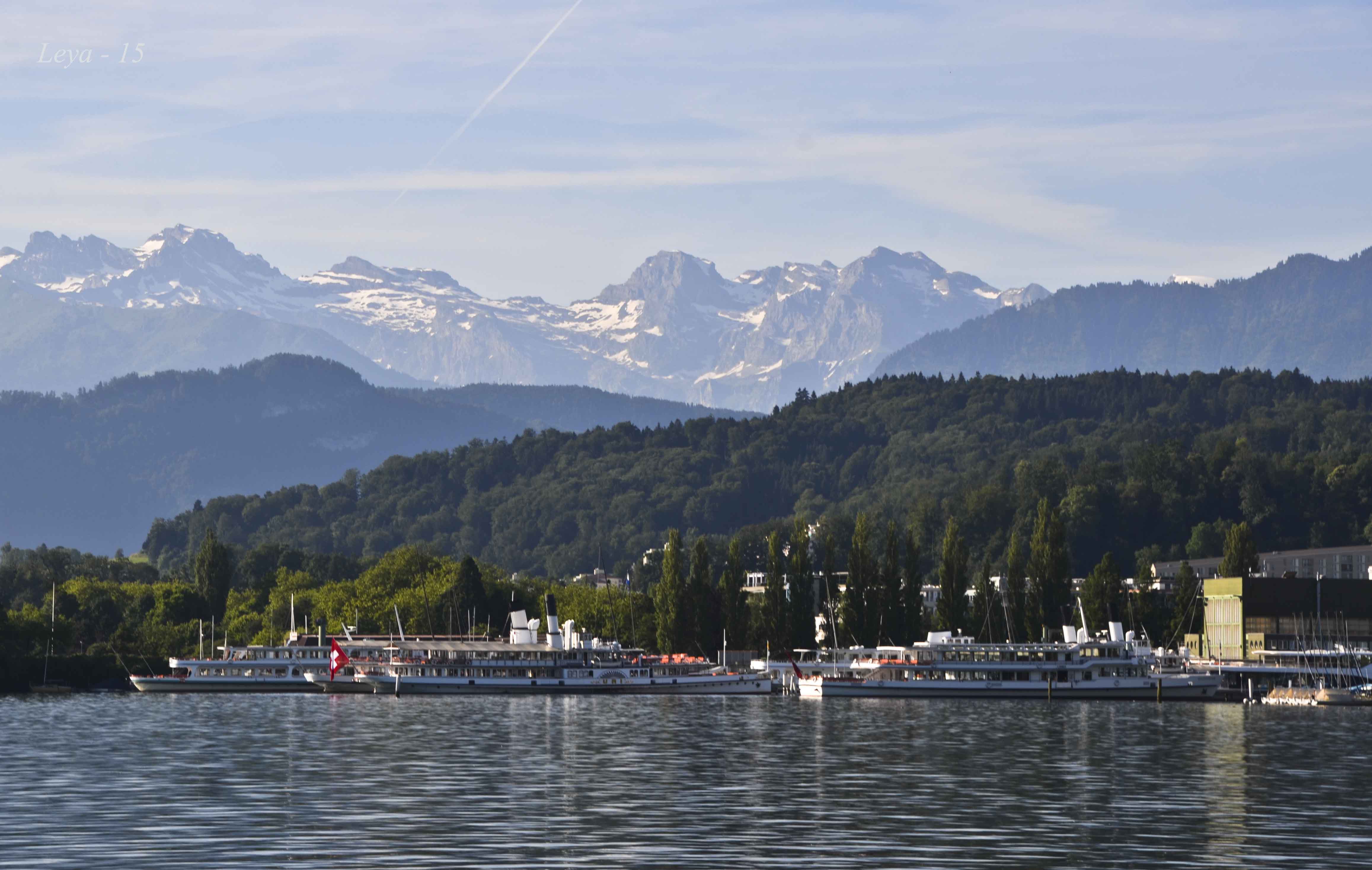
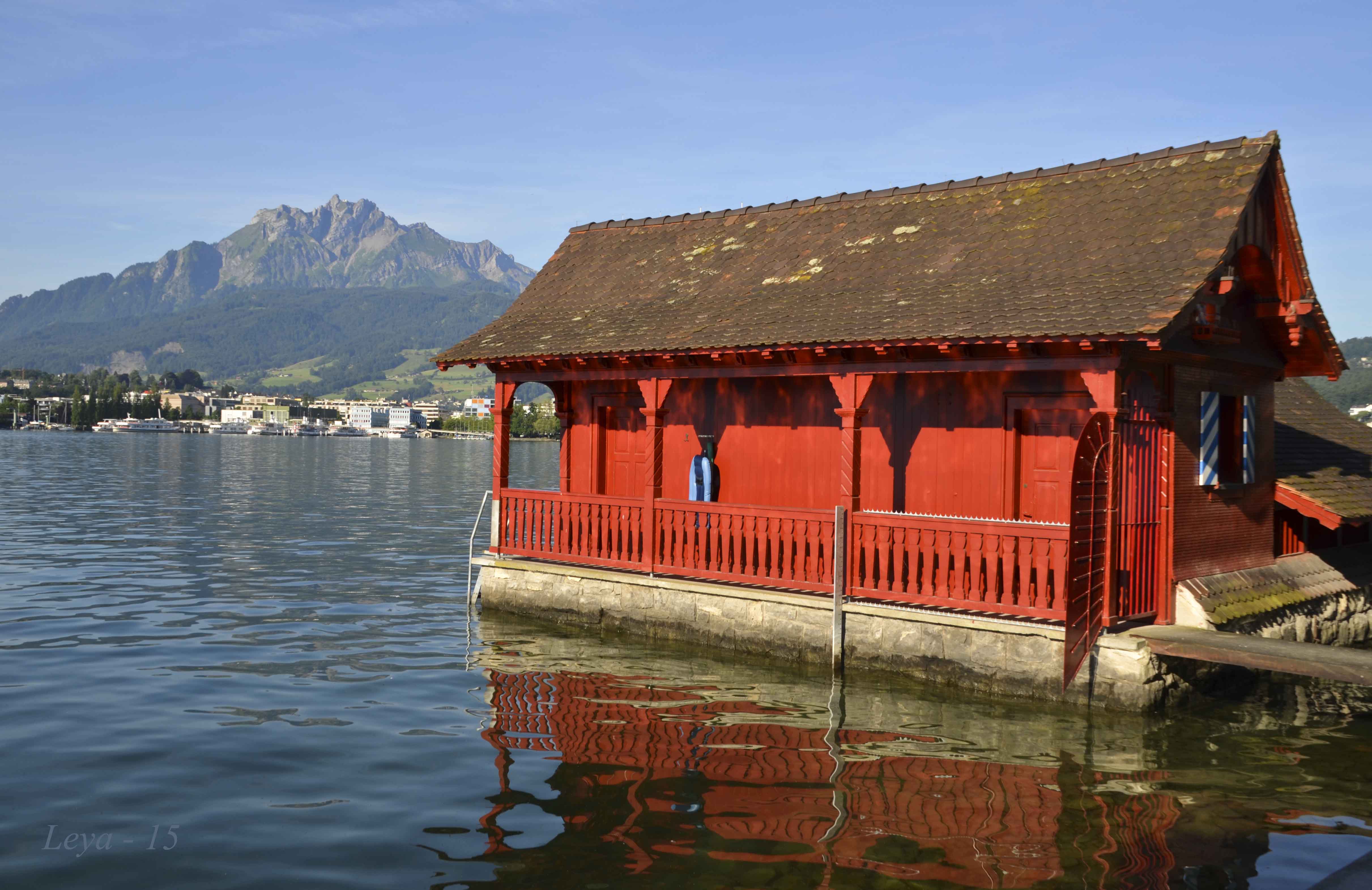
Vi promenerade längs sjön in mot centrum i det ljuvligaste morgonväder – innan det blivit för varmt. Såhär dags låg temperaturen på ca 25 grader.
We walked the waterfront in the mild, refreshing morning – before the real heat came rolling in with 30-35 degrees C.

Många joggare ute och andra sköna lirare…Berget Pilatus markerade profil syntes överallt.
Many joggers were out early, as well as other epicureans…Mount Pilatus is visible from everywhere.
Väl framme i gamla stan, där floden Reuss mynnar ut i Vierwaldstättersee, gick vi först över den vackra kapellbron – fantastiskt välhållen – och inuti en hel serie målningar som skildrar Luzerns historia.
In Old Town, where the river Reuss meats Lake Lucerne, we walked the beautiful Chapel Bridge (Kapellbrücke), a wooden bridge first erected in the 14th century.
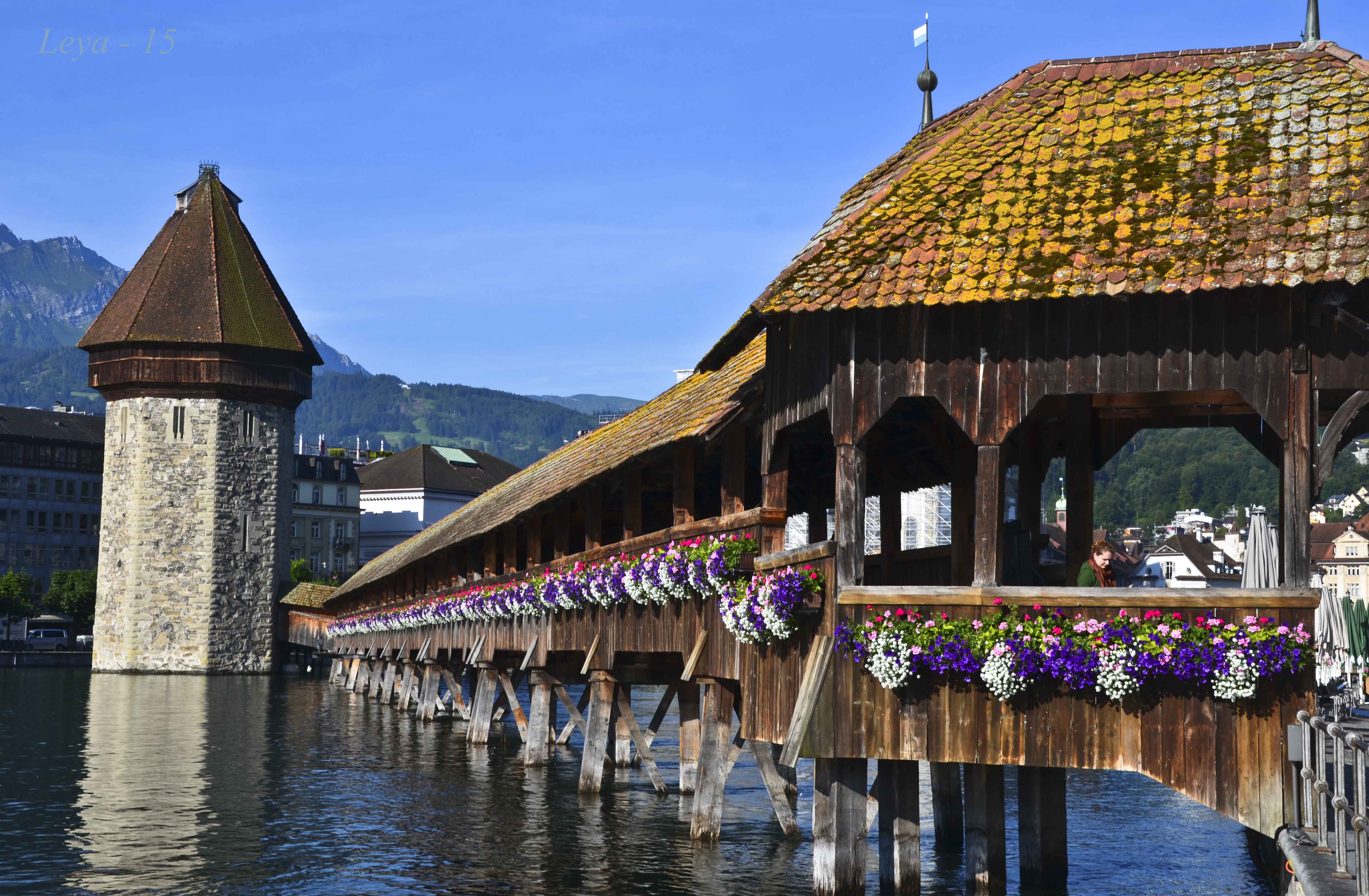
Den täckta gångbron byggdes redan på 1300-talet och är därmed den äldsta träbron i Europa, och symbolen för Luzern.

Delar av bron brann 1993, men har restaurerats. Nära mitten av bron reser sig Wasserturm, som fungerat som befästning, fyr, fängelse och skattkammare. Vyn från bron mot gamla stan är magnifik. Se den inledande bilden.
The bridge was partly burnt down in 1993, but has been restored. Wasserturm, to the left, has worked as fortification, lighthouse, prison and treasury.

På väg tillbaka fick vi en glimt av renässanskyrkan Hofkirche.
Painted houses are frequent in Lucerne – here some examples…and more – on our way to Löwendenkmal.
Löwendenkmal är oerhört imponerande, inte minst för att monumentet är uthugget direkt ur en sandstensklippa. Det visar ett döende lejon som genomborrats av ett spjut. Det ska symbolisera hur Schweizergardet försvarade Ludwig XVI, som bodde i Tuileripalatset i Paris, mot revolutionen 10/8 1792. De som överlevde halshöggs. Den danske konstnären och bildhuggaren Bertel Thorwaldsen, uppförde monumentet 1821.
Bertel Thorvaldsen‘s famous carving of a dying lion (the Lion Monument, or Löwendenkmal) is found in a small park just off the Löwenplatz. The carving commemorates the hundreds of Swiss guards who were massacred in 1792 during the French Revolution, when an armed mob stormed the Tuileries in Paris.

For this week we are requested to show ”pictures of unusual and different holidays,” Well, on our holiday to Switzerland we took many lifts, boats and trains to get to our hiking starting points, or just to wonderful views. Riding this mountain train we passed these two…I guess Swiss people. A woman picking flowers and a man sitting almost naked in a chair – in the middle of a flower meadow.


Grasses are indeed something needing more attention – they are outstandingly beautiful. Imagine your world without them – how empty it would be, lifeless and dull. When you see the wind blowing through thick grass, the sea has gone ashore…
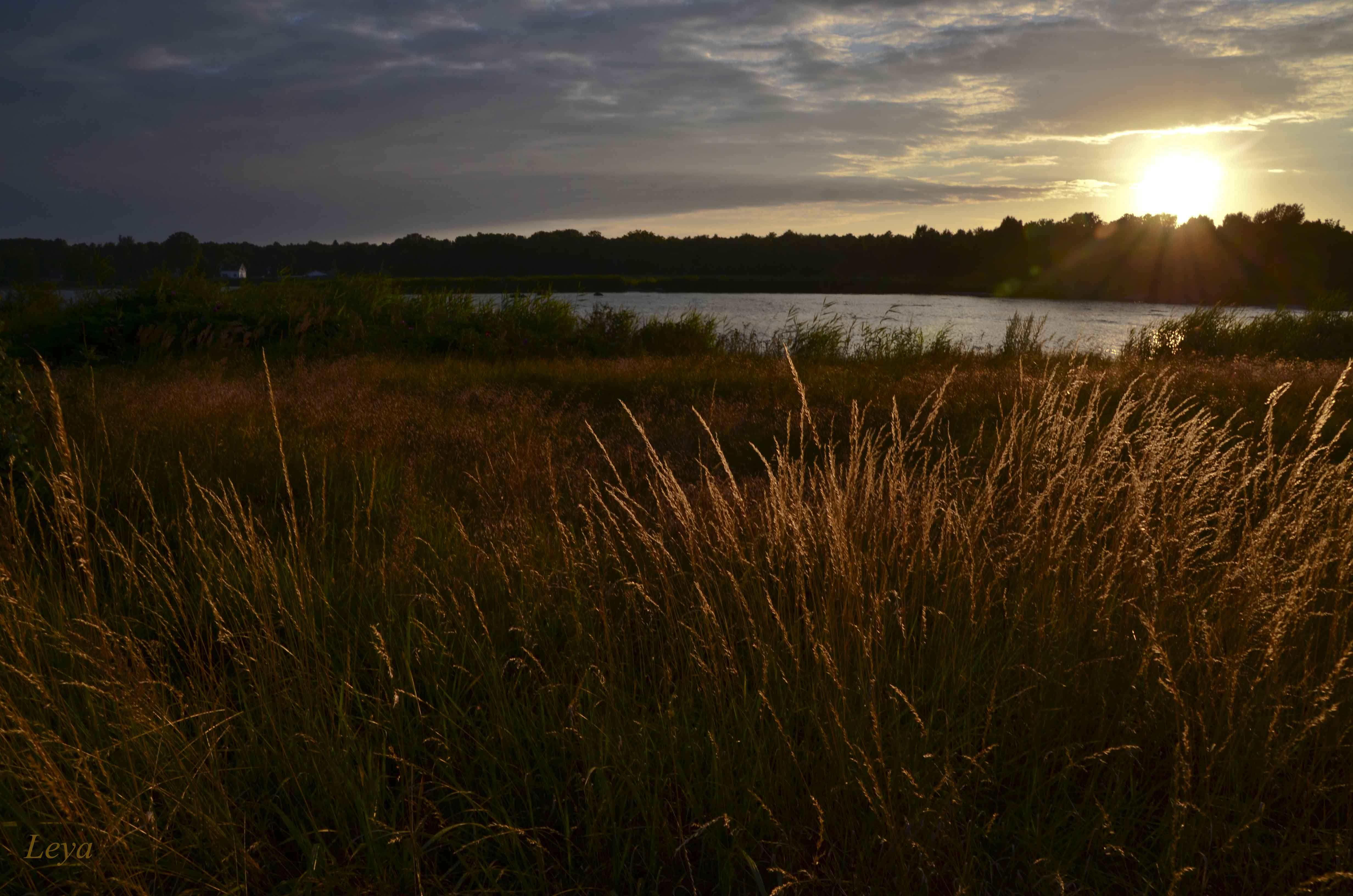
Here are some of my favourite grasses – the first one , name unknown to me, but glorious in the late summer evenings at our summer house. And then wavy hair-grass and lastly Briza media or Quaking grass.
Thank you, Ailsa, for another inspiring theme!
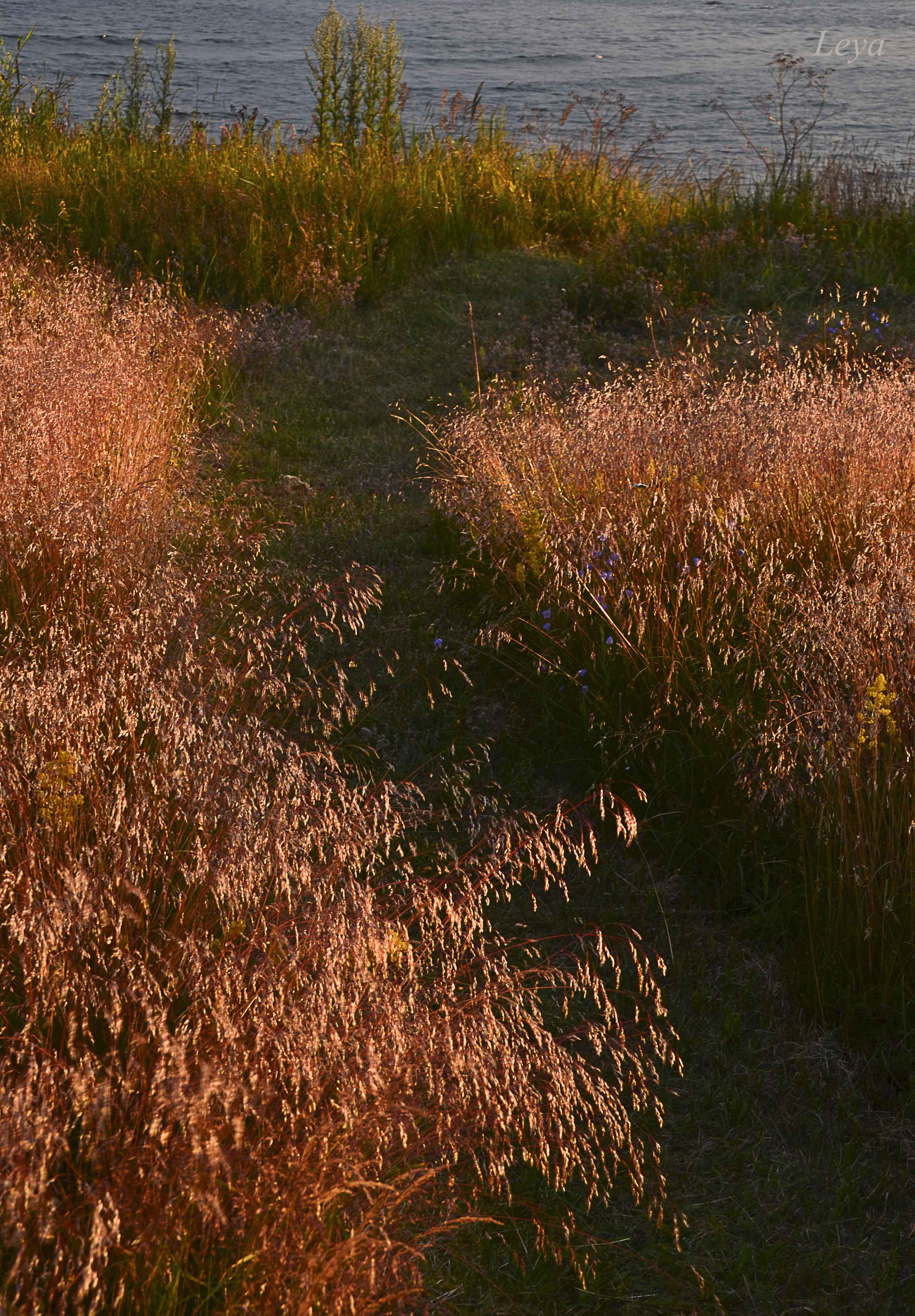
Along the path where my Mille used to gallop every day, hundreds of times, down to his beloved place by the sea – grows wavy hair-grass. How well didn’t this name of grass fit them both! In Swedish as well, because it is called kruståtel, where ”krusig” means ”curly”.
My absolute favourite of all grasses is the Quaking grass – and as always when you are greatly loved, you have many names. (At least that is a saying in Sweden!)
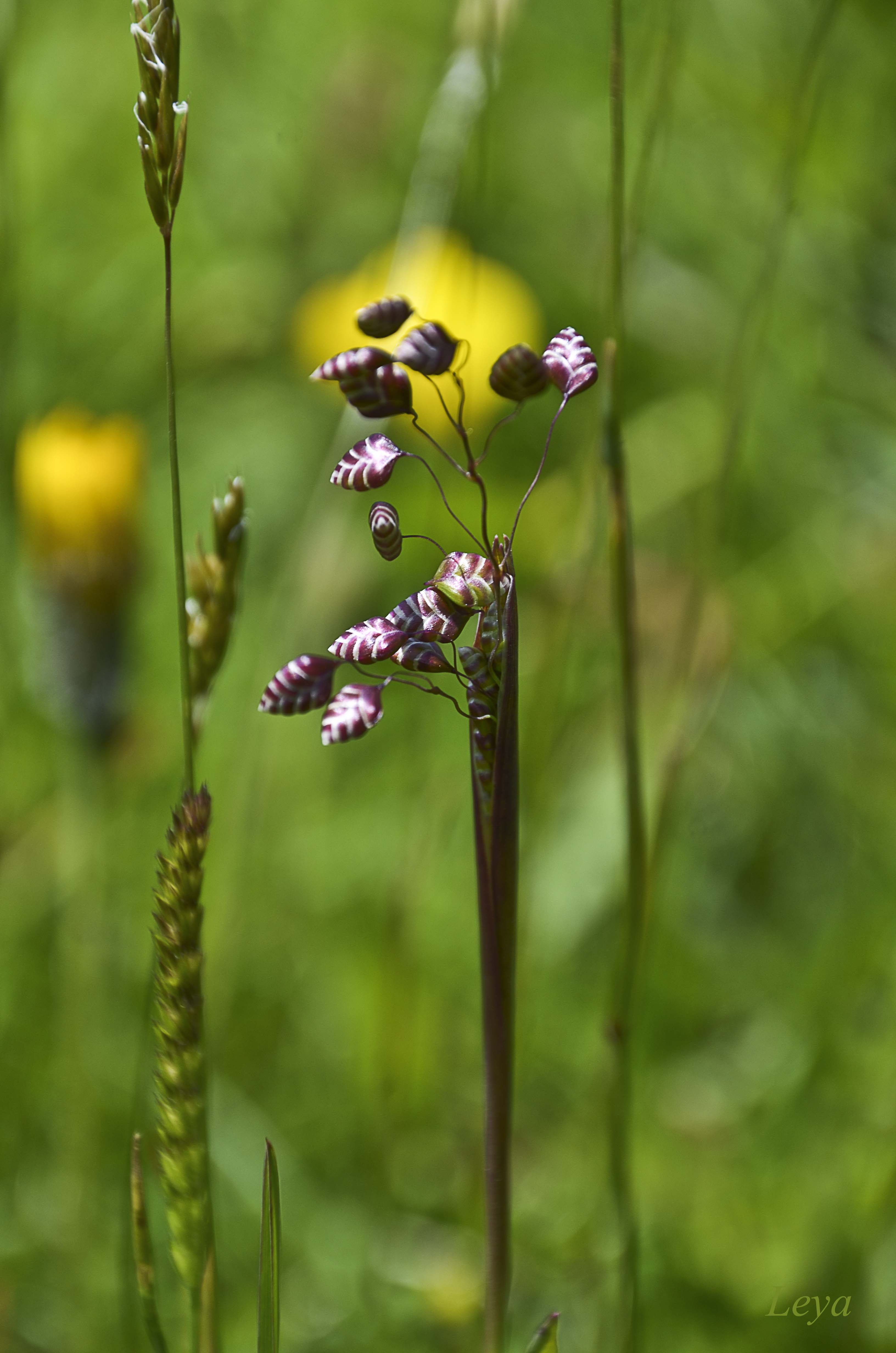
Common names in English includes Quaking-grass, Cow-quake, Didder, Dithering-grass, Dodder-grass, Doddering Dillies, Doddle-grass, Earthquakes, Jiggle-joggles, Jockey-grass, Lady’s-hair, Maidenhair-grass, Pearl Grass, Quakers, Quakers-and-shakers, Shaking-grass, Tottergrass, Wag-wantons.
In Sweden we have bävergräs, dallergräs, darrgräs, frostagräl, skälvgräs, hjärtgräs.
Rapperswil is a small town with a medieval heart – a castle from the 11th century. We walked the famous Linden Promenade and visited the Kapucin monastery to inhale the rose garden…the whole town is immersed in the scent of roses from May to October.

The heat. I am not very heat tolerant and dogs in cars when it is 35 degrees C is not healthy. This girl was looking rather good though – her master and mistress was sitting in the car too with the AC running.

The entrance to the monastery was easily found – even if we didn’t meet any people to ask in the streets…Everybody was inside their houses.

Even the roses seemed to suffer, but they were still beautifully open and fresh.
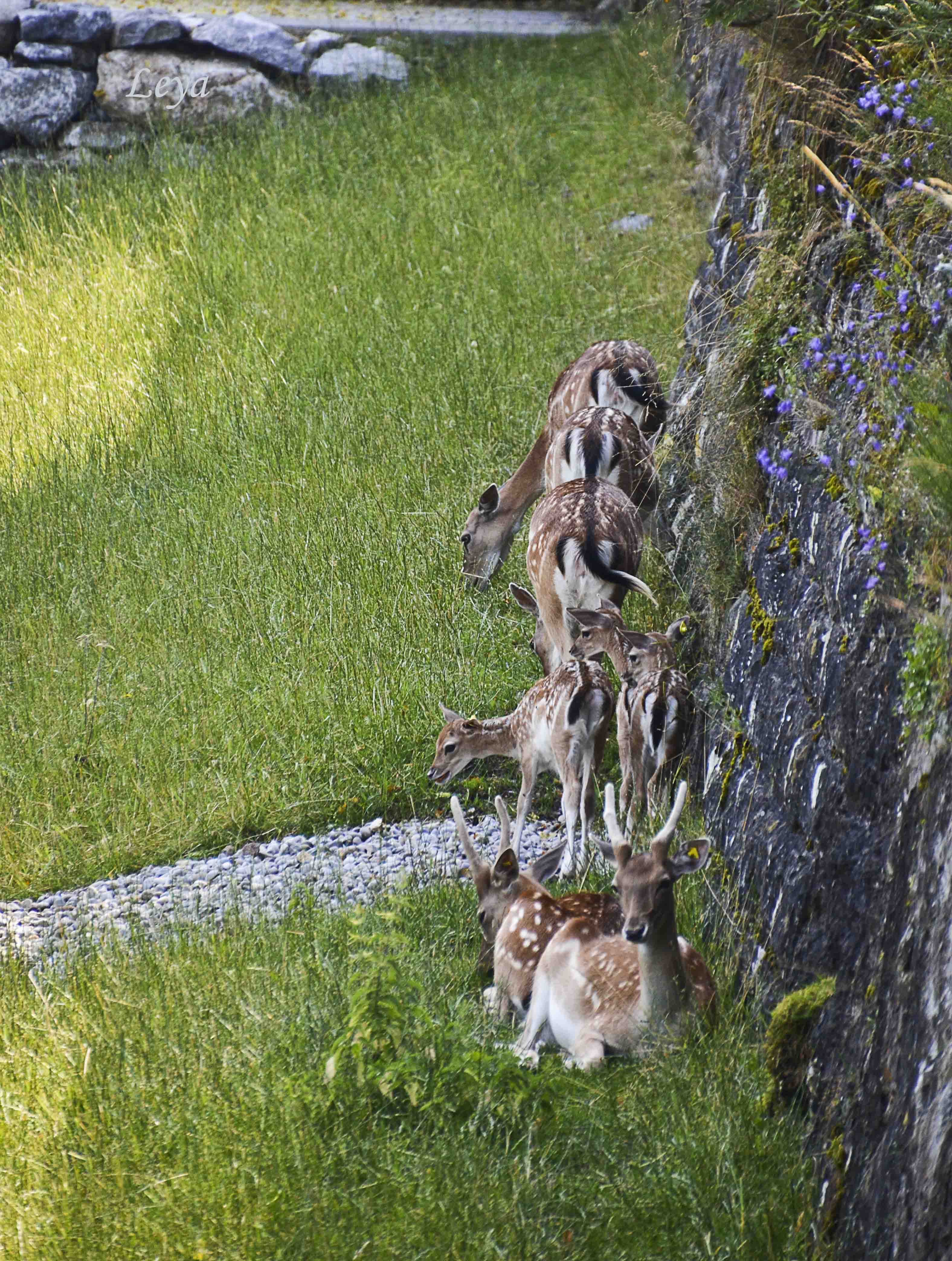
The Linden Promenade – deer, monastery and castle views.
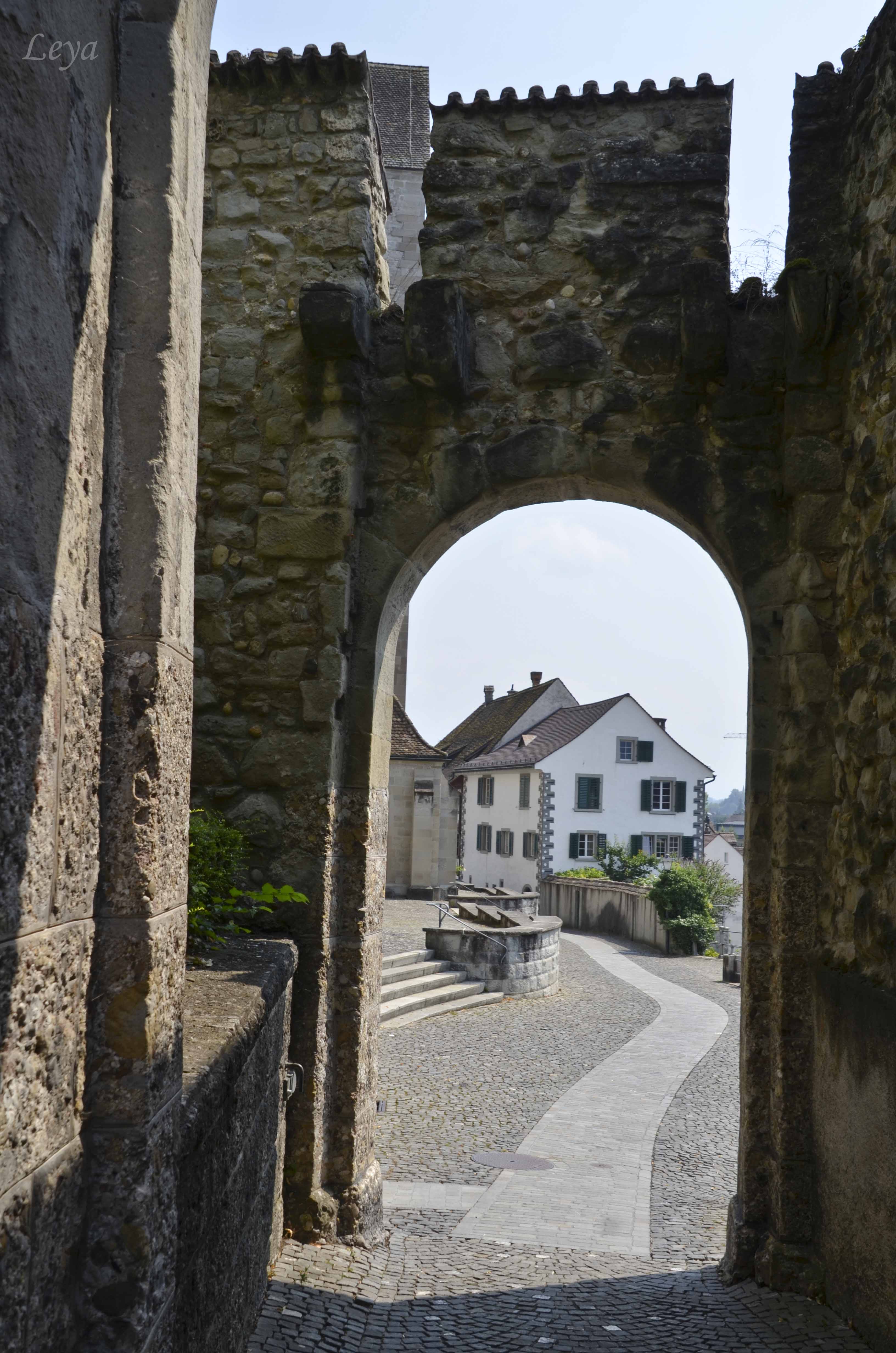
Sticking close to the shade of the thick walls.
Chimneys are a passion with me too. And how about having a garden on top?

Still no people – not even tourists. Finally we found some people walking in the shadows close to the lake (Lake Zürich).
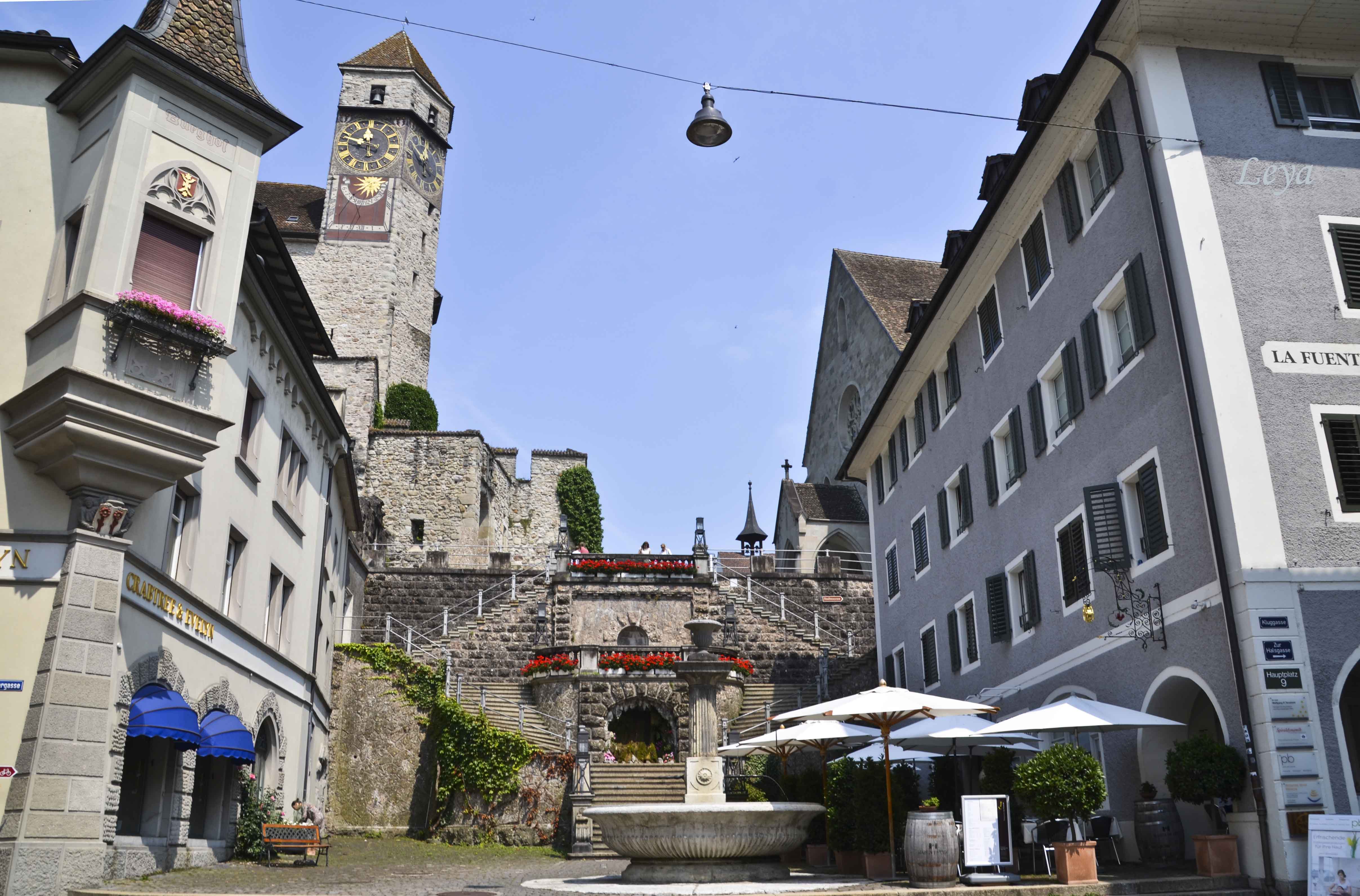

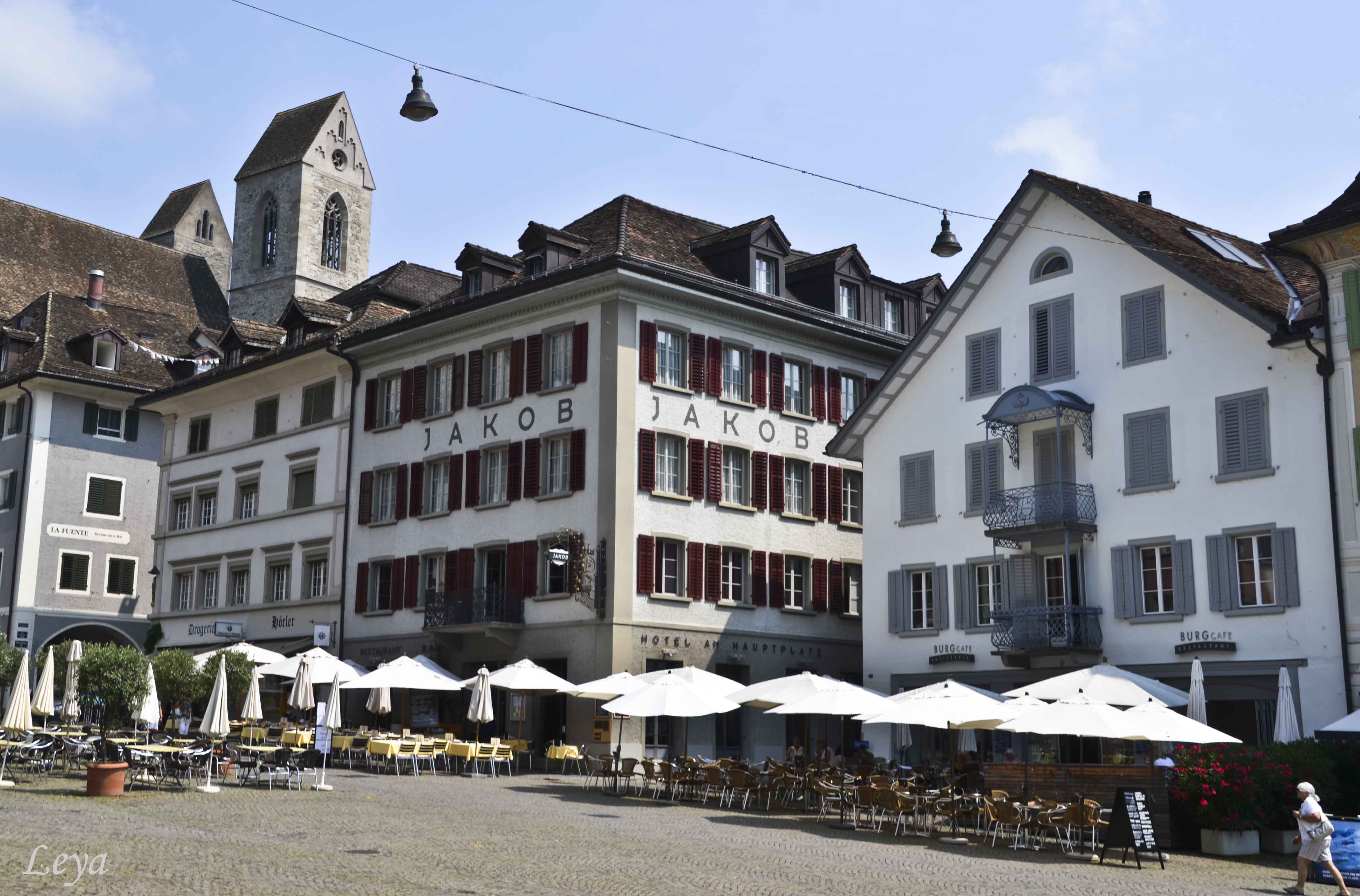
Still, such a strange sight – no people in this touristic village – but it was all due to the heat. This young man did the only right thing on a day like this!

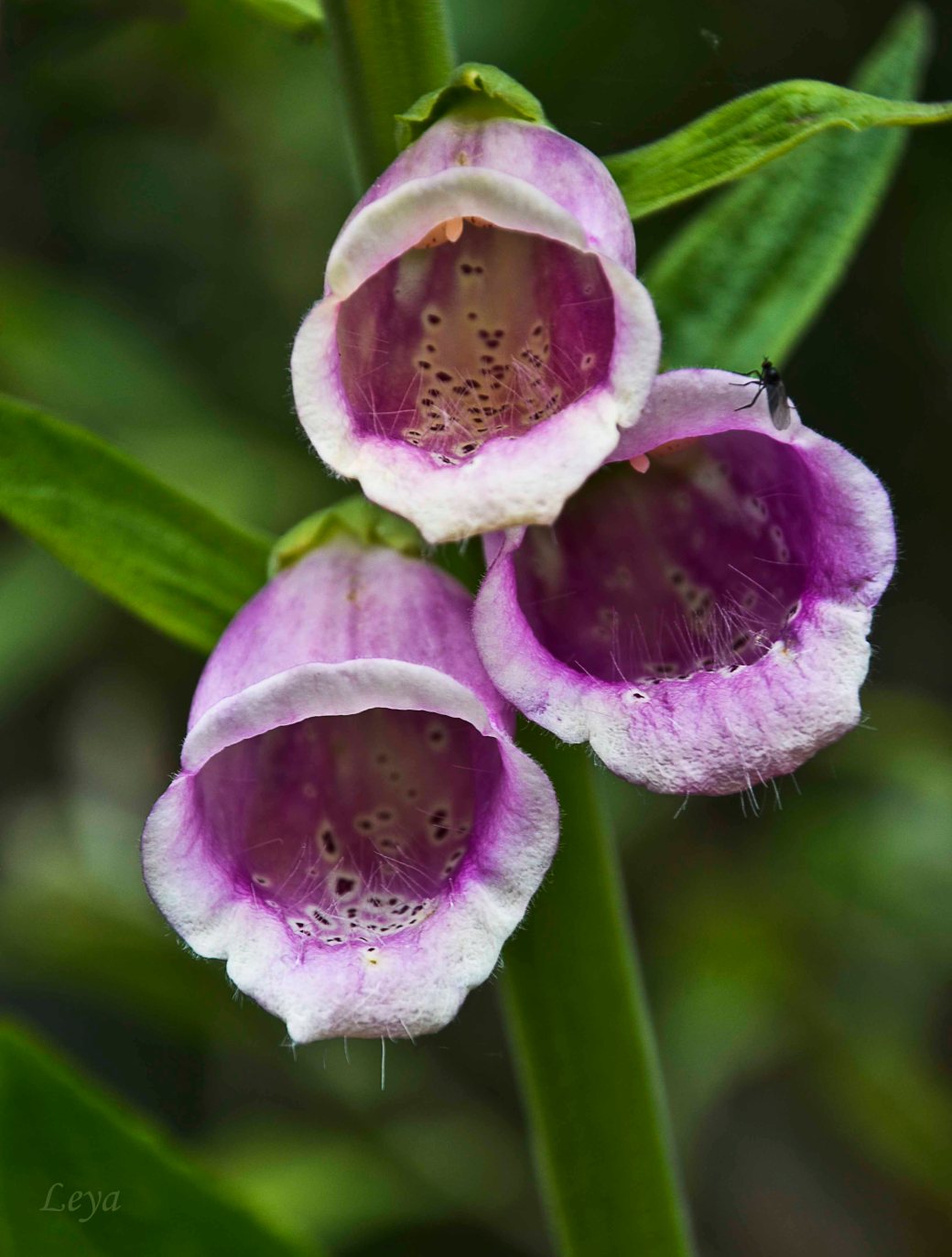
I was lucky to be featured last week on Cee’s site. Thank you! This week we should find three items or the number three. Here are some great flowers – and those in the middle are not the least great ones!
More of numbers here.




 Leya
Leya 
Du måste vara inloggad för att kunna skicka en kommentar.