Friendly Friday Photo Challenge- Alleys

This photo challenge is alternately hosted each Friday by the bloggers:
Something to Ponder About  and The Snow Melts Somewhere

Amanda’s prompt for this Friday is: Alleys


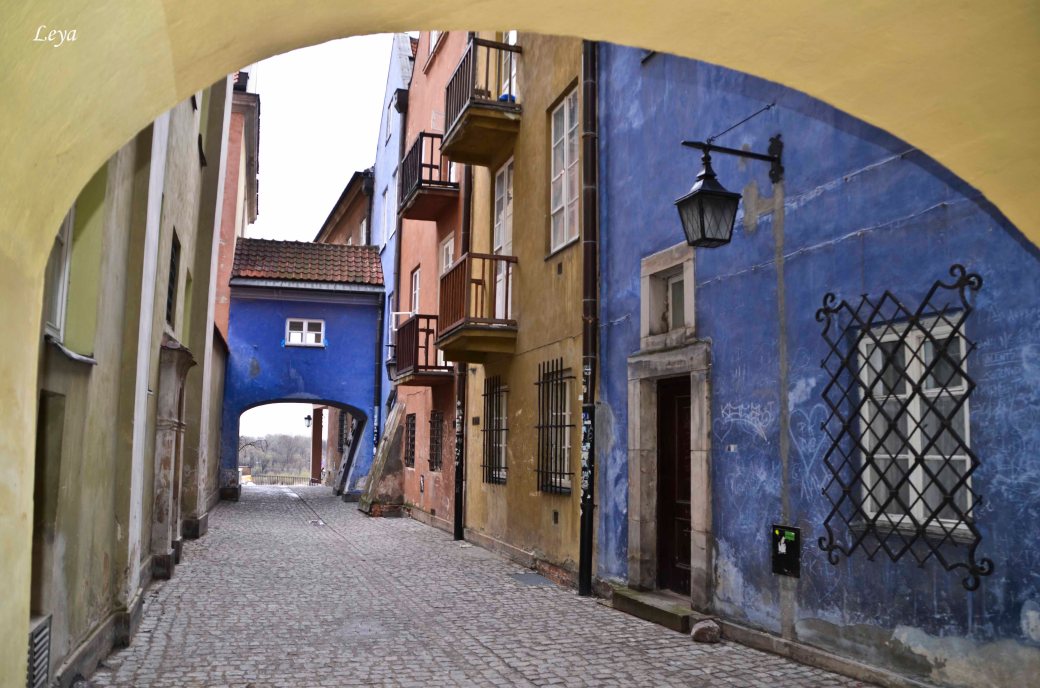
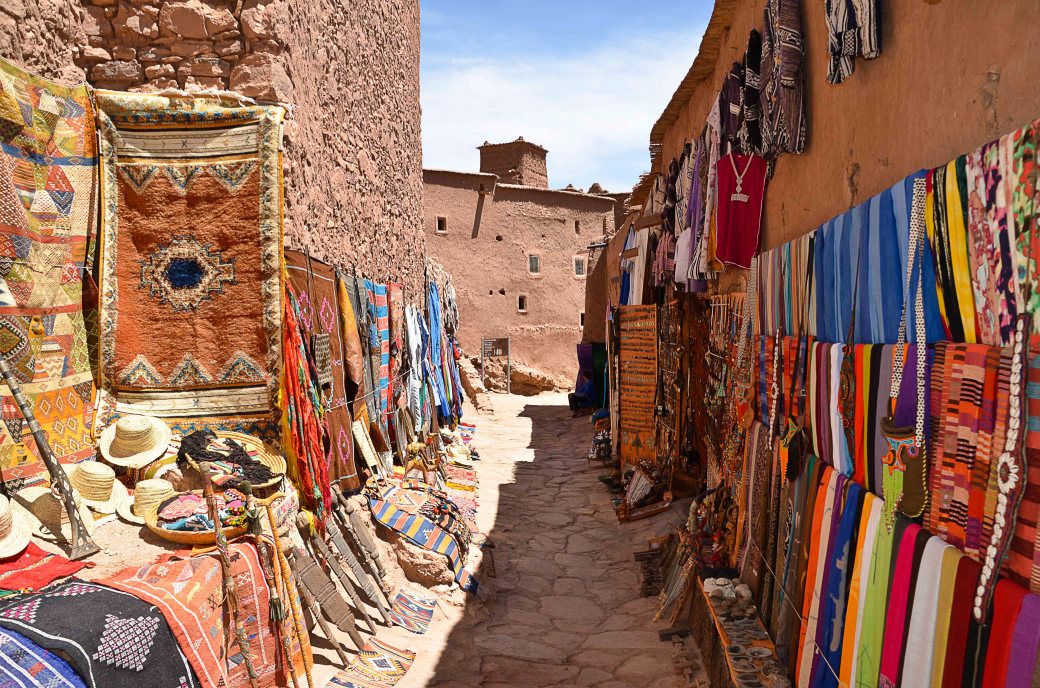
I have chosen some colourful favorites from Poland, Spain and Morocko.

We dined in here somewhere…

Just walked through, enjoying the softly coloured, calm atmosphere…

I remember this very hot day and the sweltering walk between these clay walls – No sane people out in this heat…


Thursday Thoughts – Marken

Welcome to Marken, a village in North Holland, the Netherlands. This 2000 – inhabitant – village makes up a peninsula that attracts thousands of tourists every year. Because of its originality as a former small fishing town, it was considered a relic of the traditional native culture that would disappear as the modernization of the Netherlands gained pace.

In fact, the town’s history has allowed it to form an identity that’s unique in all the Netherlands.

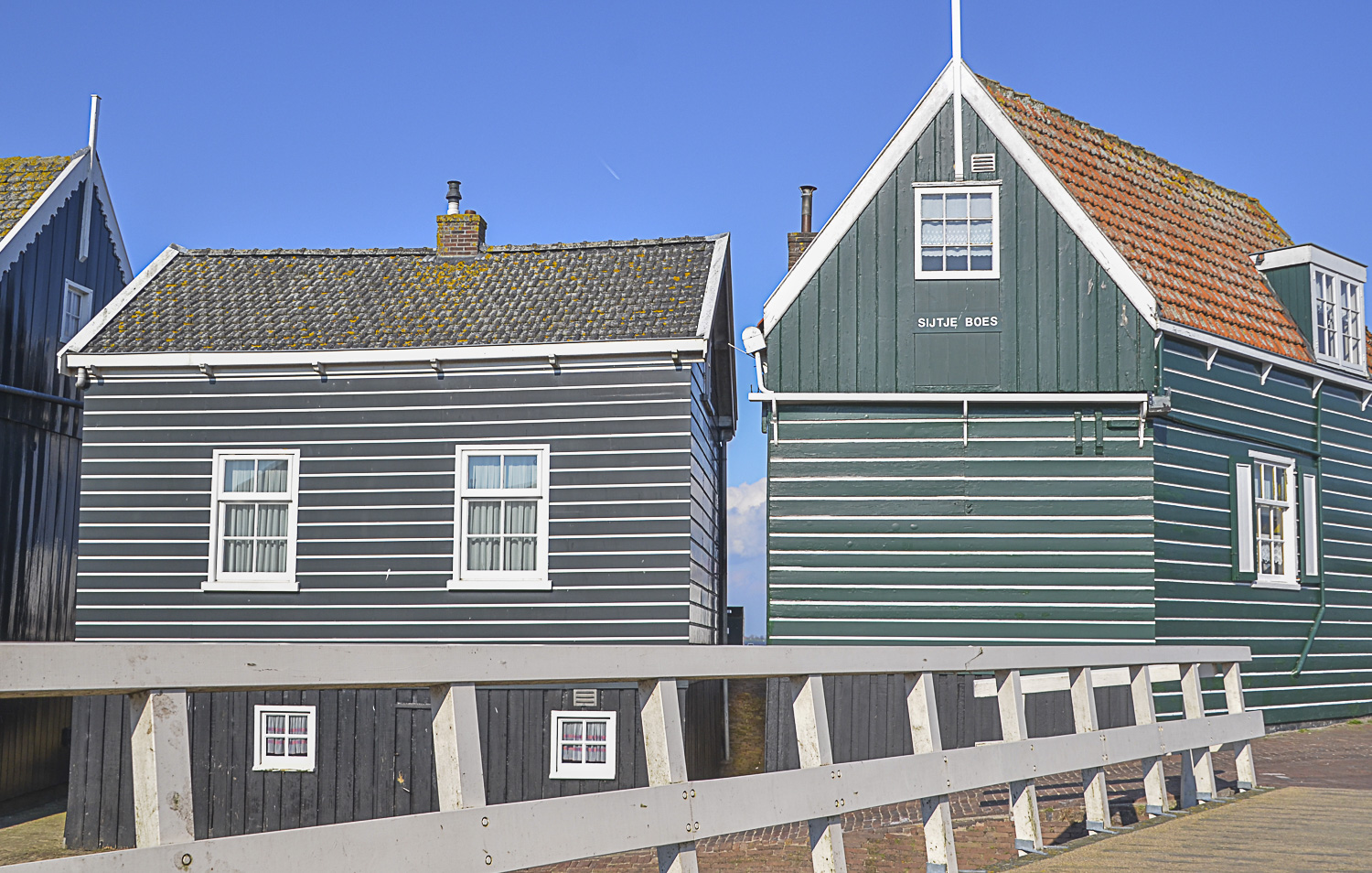
Until 1957, Marken was an island in the Zuiderzee. In isolation from the rest of the Netherlands, it developed an independent culture – its own architecture, dialect, dress and more – that it still maintains, despite the closure of the dike that once separated it from the mainland Netherlands. When passing these characteristic wooden houses, you will reach the harbour, but similar houses can be found everywhere in the village.

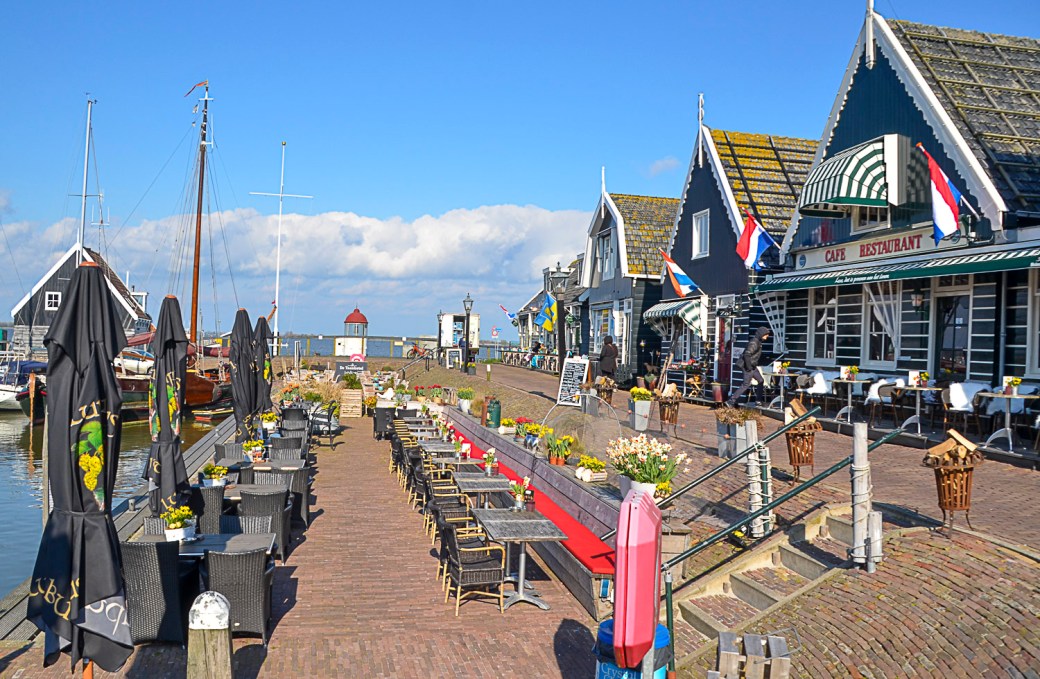
Walking out on the pier, I feel summers might get hectic with all the tourists… but, let us not think about that now…

Let’s keep strolling along in the sleepy, rural tranquility. Life seems to have a pace of its own here – and somehow, I know why there were so many Dutch master painters centuries back… Had I been a painter, I would have spent weeks out here – immersed in all the colours and the rural beauty with canals, birds and farm animals.


Thursday Thoughts – Exploring the Unknown

As so many of you expressed your appreciation over my son’s inspirational desk (Creativity Challenge #42)…I thought I would invite him this Thursday, to share some of his creative work with us. And he said Yes – so – I hope you will enjoy his explorings!
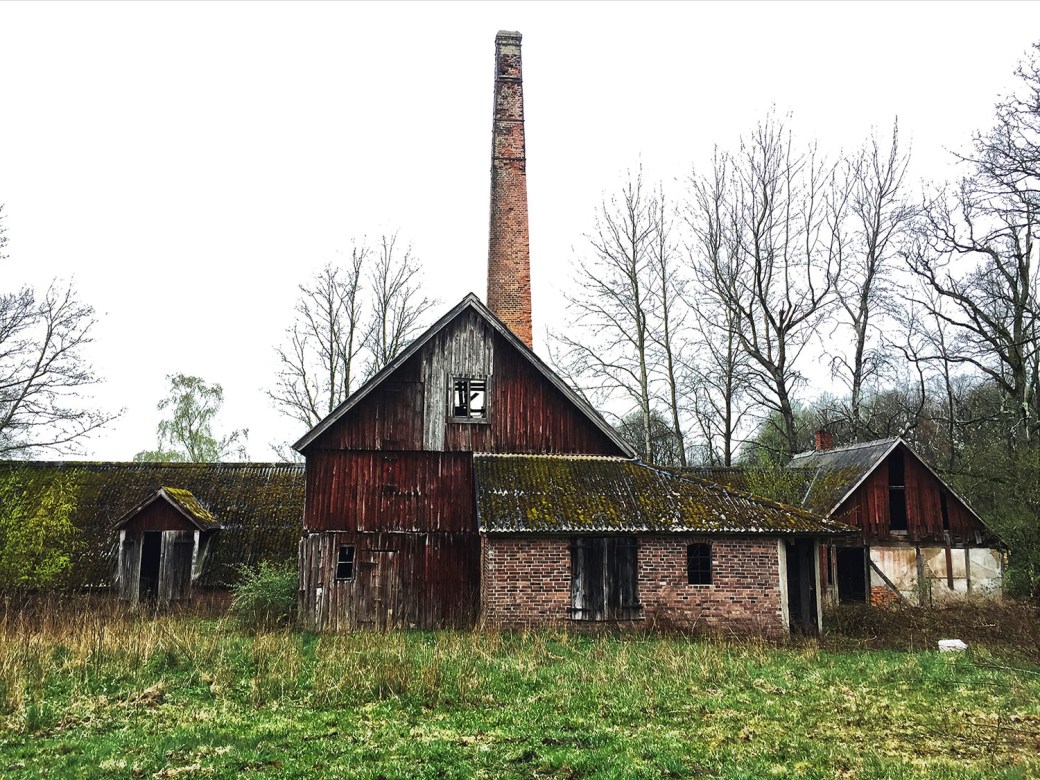
Sösdala Distillery

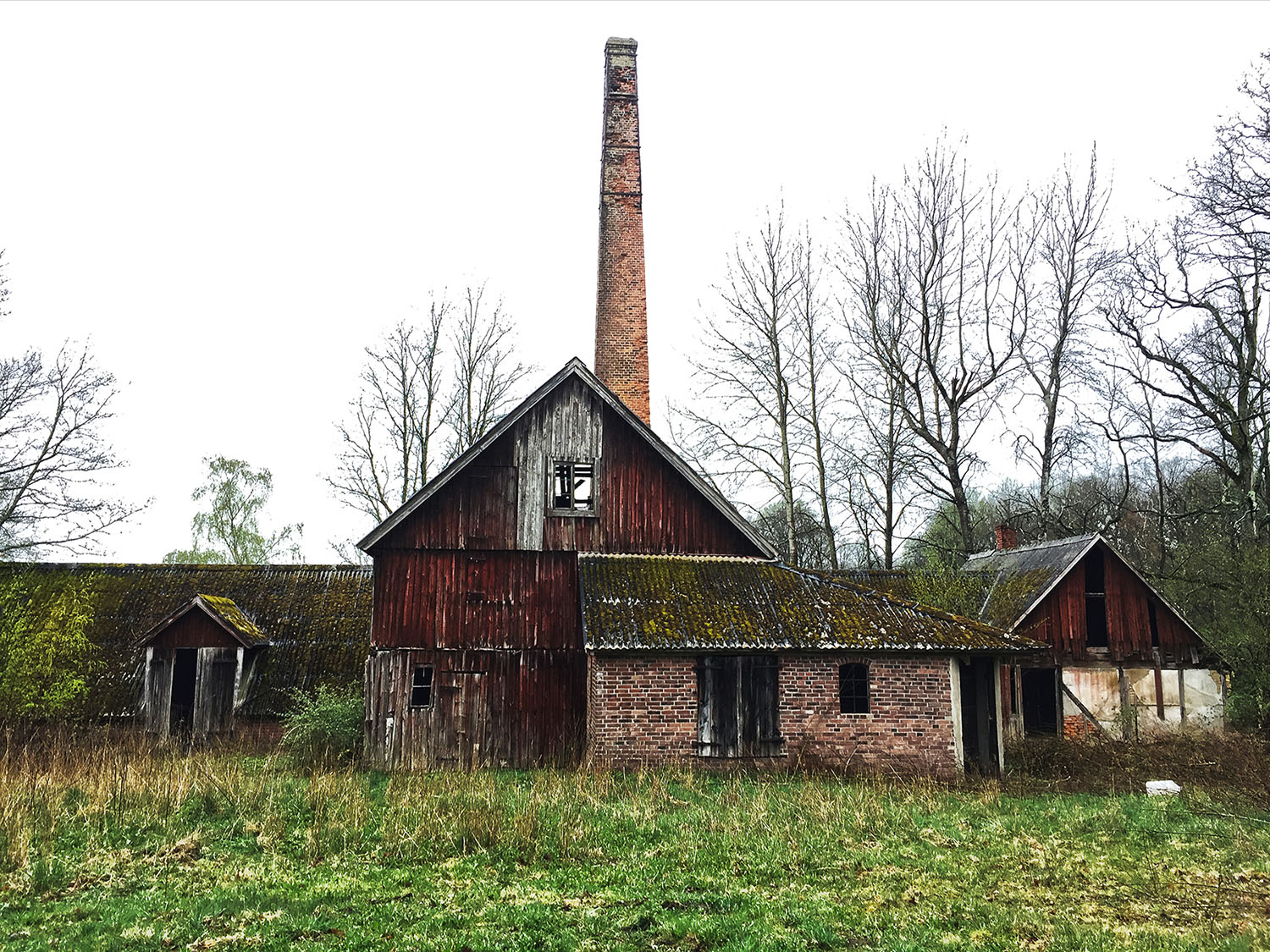
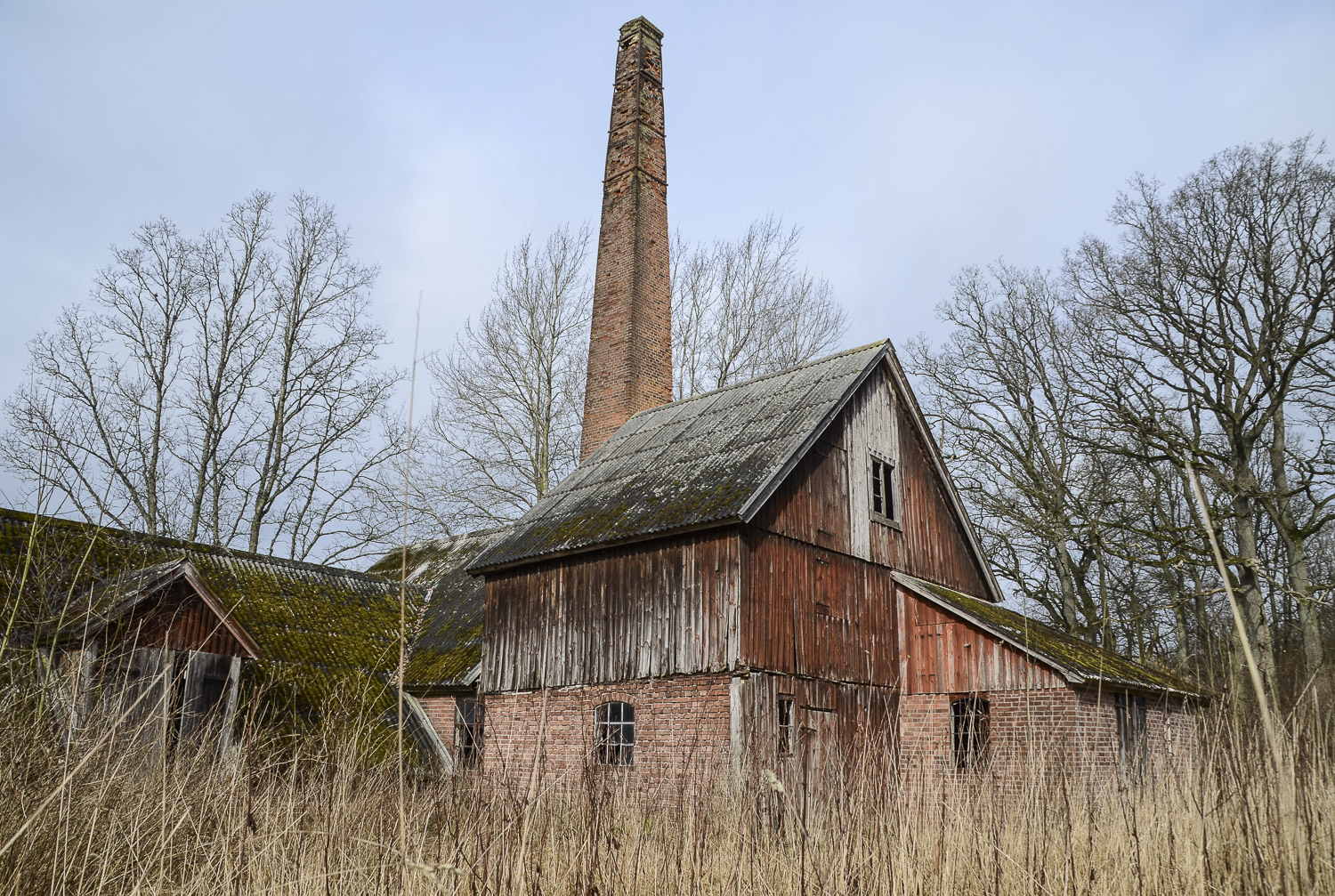
There lies an old distillery right next to what feels like endless farm fields. One might assume that the farmers grow potatoes, barley or wheat here – since they are all big components in making spirits – especially Vodka.

This distillery, which is considered one of the oldest in Sweden, was built in 1860 – the same year Sweden passed a law against moonshine. At the time, alcohol consumption was becoming a big issue. Some workplaces even offered to pay their workers in home brewed spirits. This law marked an important milestone towards state-regulated spirits, and an overall healthier relationship to alcohol. But on the flipside, it also gave birth to lucrative smuggling from Denmark.

Sadly, the remnants of the production were few. Some barrels could be found, as well as rusted taps and scales. They had some straw beds left, along with a very rusty stove. I’m impressed that the tall chimney is still intact. Though I wonder why they built a square chimney instead of a round one – since the latter is proven to have better airflow.
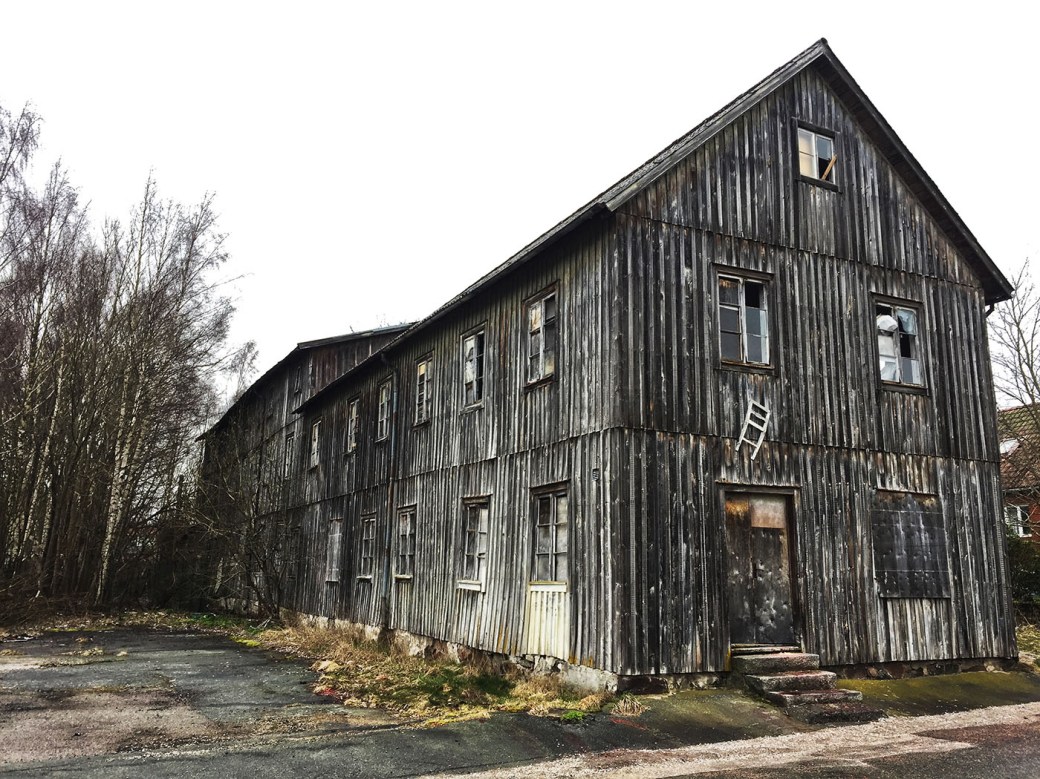
Bjärnum – Mattssons Furniture Factory

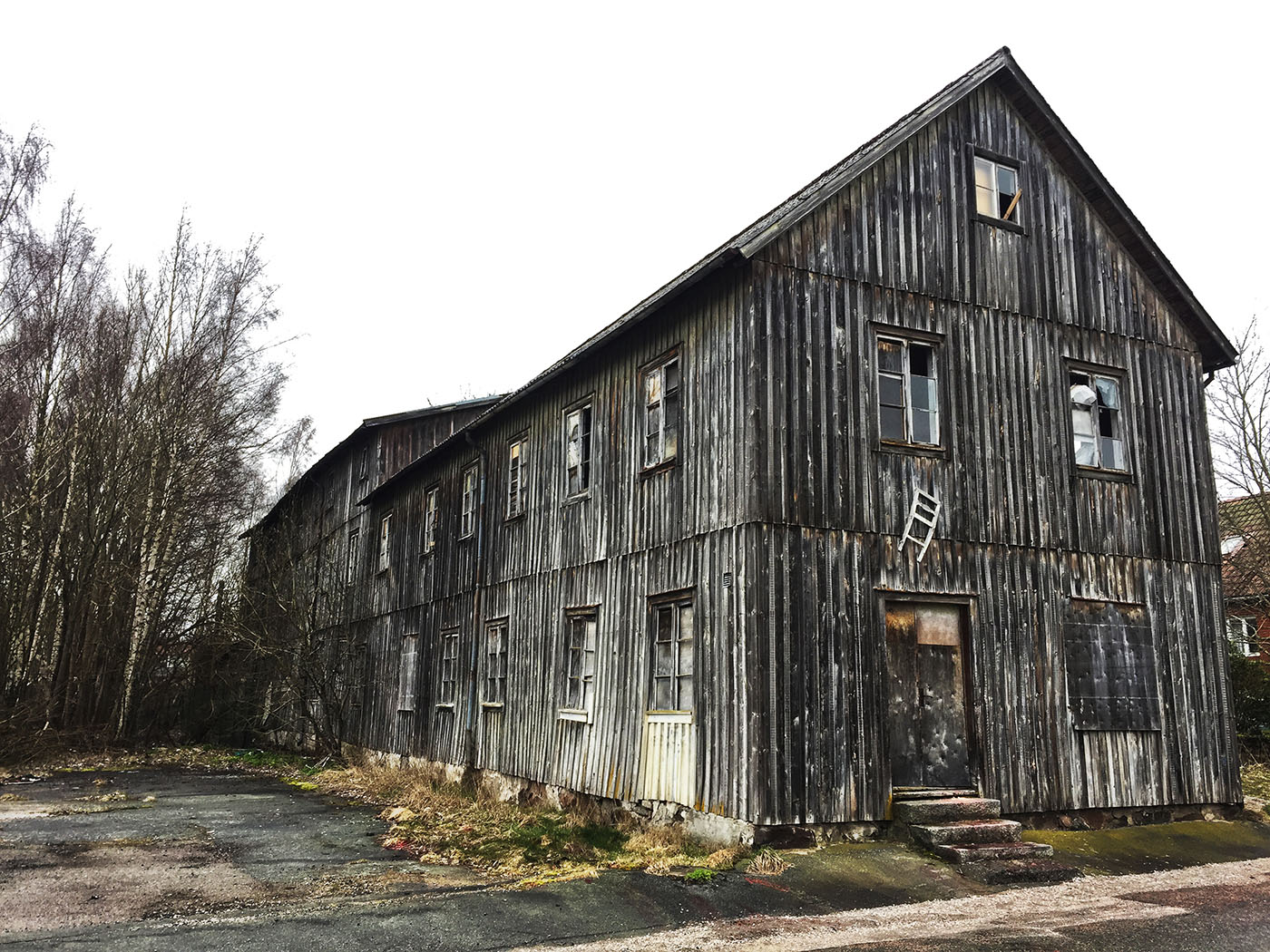
A remnant from a time where this little town, located in the southern parts of Sweden, flourished with furniture factories. It was abandoned in 1982 and will soon be demolished to make space for a new housing area. I like to imagine that the craftsmanship within these walls will be decorating households for decades to come – so that even if the factory is no more, their work will live on.
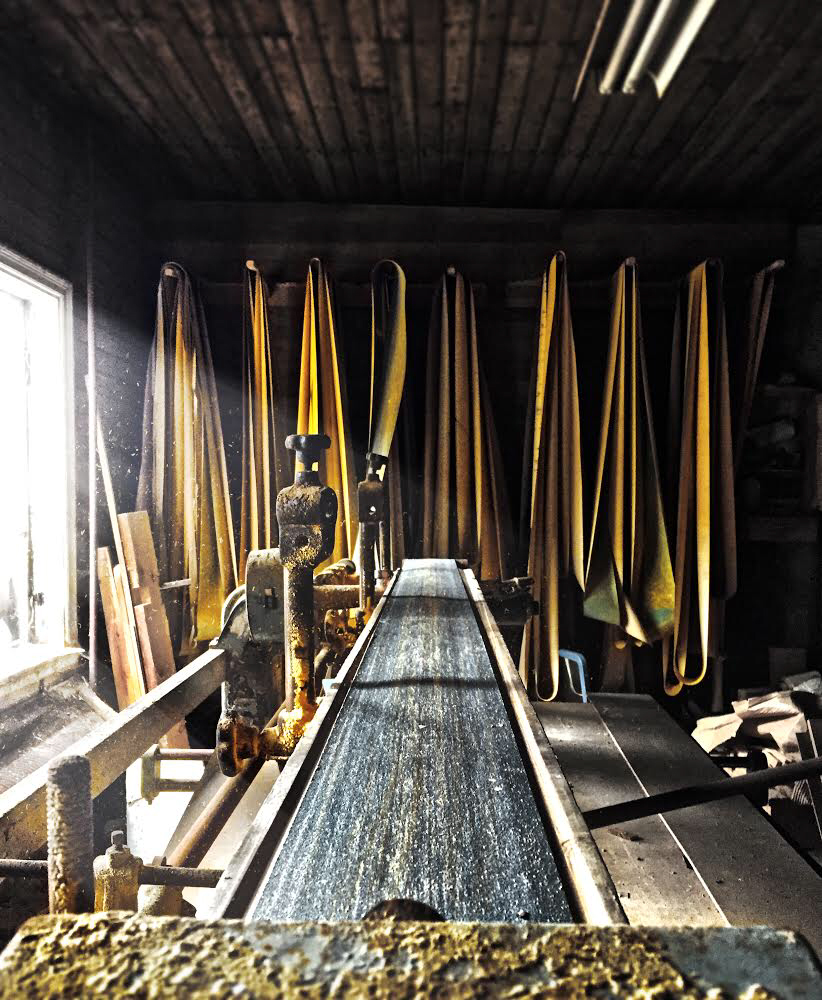
Some of the original machinery is still intact and would probably function if serviced.

The ground floor invokes the feeling of a haunting murder scene due to the red color pigment leaked onto the wooden floor. Every single scratch and mark reveal the countless hours of pacing and activity inside. Scrapings from the wooden joist creating a half moon shape onto the door – which most likely led to a loading area.

Posters and signs can be found throughout the factory. The top one forbids the use of tobacco, while the bottom one is a poster for seminars about ”international issues”. The year is 1933, and the fee for the whole course was 1 Swedish Crown. Today, 2019, that would be 32 Crowns – an interesting way to get a perspective of currency inflation.

The building consists of three whole floors. While the lower ones are filled with machines and tools, the upper floors mostly contain books, almanacs and old photos. Ranging from the 1890s to the 1980s – almost a whole century of history.
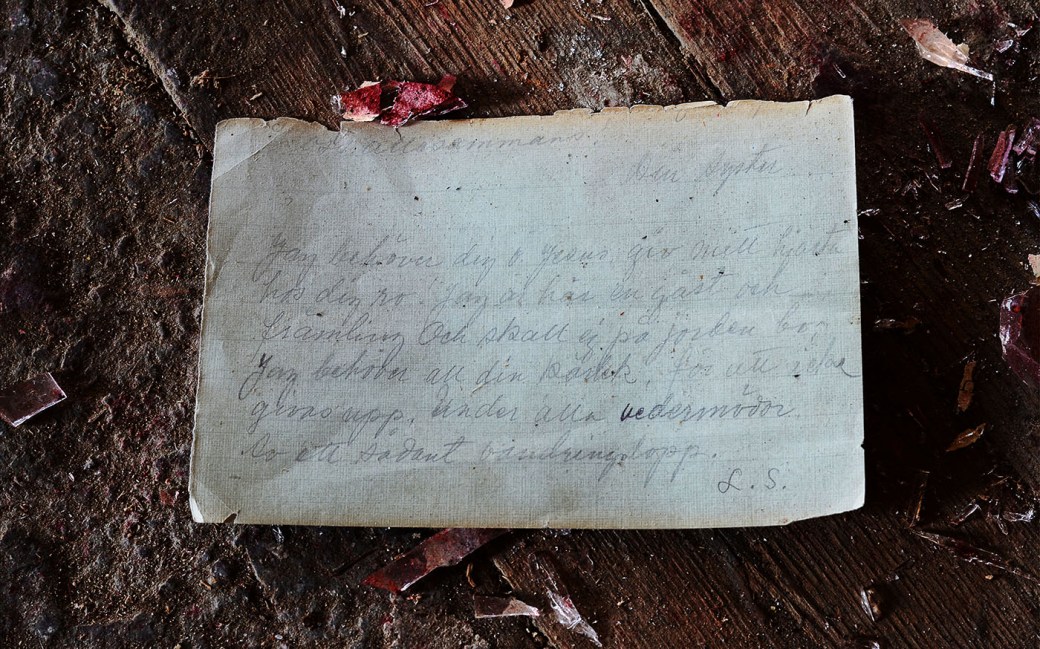
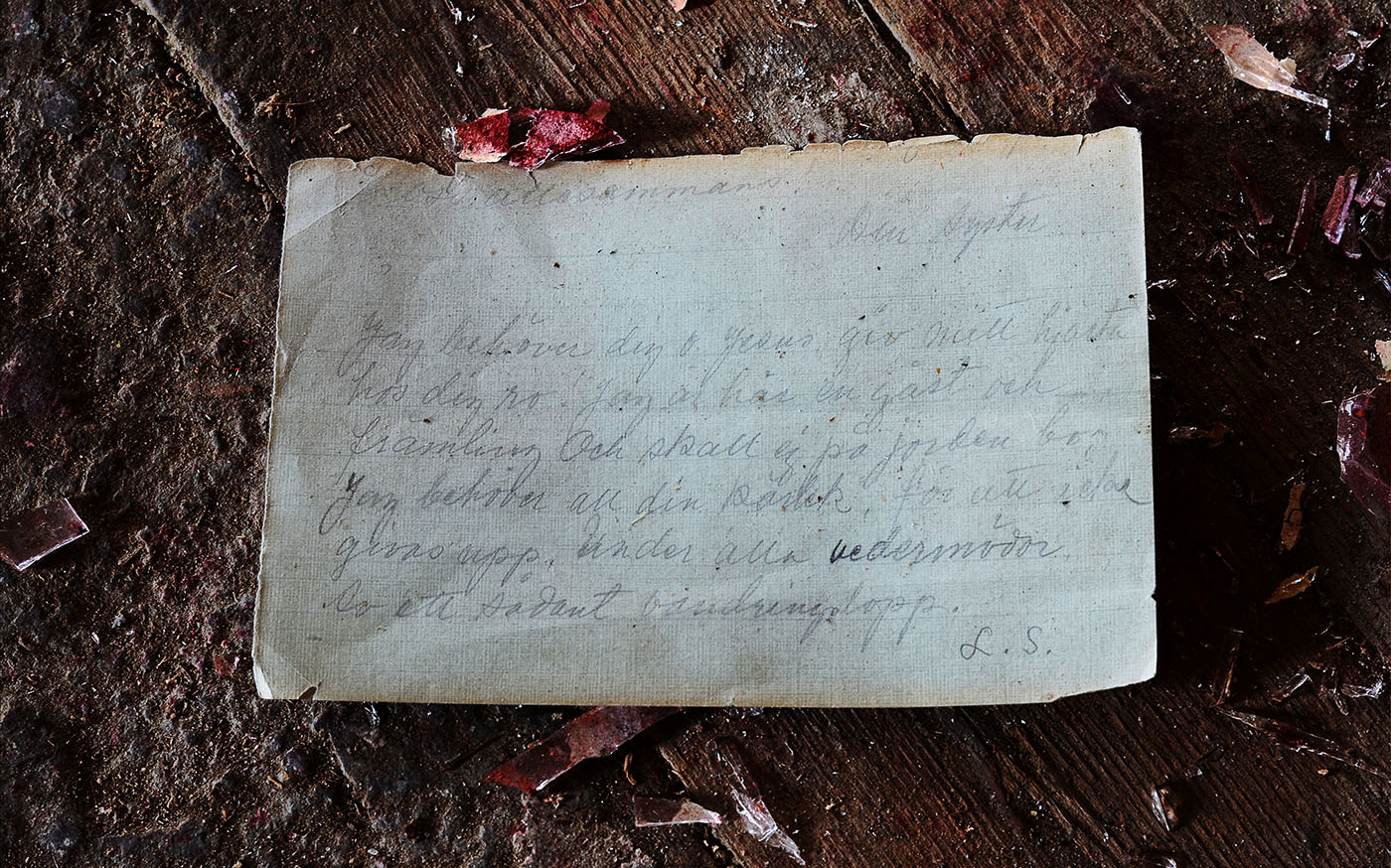
A stack of paper signed ”L.S” is hidden in a desk drawer on the middle floor. Intimate letter correspondence between one of the workers, assumably a seamstress, and her husband who was sent into World War II. We get to invest ourselves in the hardships of past times. The longing hearts of two lovers, separated. Exchanging handwritten words, feelings and prayers.

Urban exploring is an interesting way to experience and learn about history. These places are all forgotten and abandoned. Sometimes they’re just empty shells. I enjoy searching for puzzle pieces, trying to recreate their stories to show the beauty of it all. It’s a way to pay respect to these life stories – and a way for them to be remembered – if only for a short moment in time.


I would like to thank my Mother for this opportunity. This blog is an inspiration for me, and I hope you enjoyed this peek into my thoughts.


Sincerely,

David P


Lens Artists Photo Challenge #38 – Weathered or Worn

Are you one of those who love things weathered or worn? I am. I love driftwood, old houses, old furniture, toys, the grey cottages up north – things with patina. Clothes with a story – leather jackets, jeans. And people? Only your fantasy sets the limit!

This week’s challenge is Weathered and/or Worn.

The other day I was driving along the familiar road between my home and Malmoe, and as usual passed the old Distillery. Every time I wonder why I do not take the time to stop the car and walk up to the old historic buildings…This time, I finally decided to return the next day – with my camera. And I was not disappointed. As usual, click to enlarge.

These are the weathered remains of one of the oldest Swedish distilleries – Sösdala Distillery, built 1860. The same year that Vladivostok was founded and Abraham Lincoln was elected president.

And most important for this distillery, home distillation of alcohol was forbidden in Sweden.

History in short says, that in 1766 the Swedish king, Adolf Frederick, decided to abolish all alcohol restrictions. This led to virtually every household making and selling alcohol. At the beginning of the 1800s, the Swedish people were drinking a lot of alcohol, from 175,000 distillers (most of them for household-production only), using tremendous amounts of grain and potatoes that otherwise would have been consumed as food, and it was later said that most men in Sweden abused alcohol. Women rarely drank alcohol, since it was considered inappropriate.

In 1830, the first moderate drinking society was started in Stockholm. A few decades later, the first fully-fledged temperence organisation was formed, and in 1850, alcohol began to be regulated by the state. Sösdala distillery was shut down in 1950.

It was forbidden to go inside, but I walked over the open space and up to the old buildings. Some of them weathered and some worn down to dilapidation. But all of them blending in with the surroundings, and being slowly and beautifully reclaimed by nature. The stillness in the air, the soft song of birds and the calls from cranes flying north this spring morning – made this a walk of harmony.


Welcome to the challenge! – We are so looking forward to seeing your inspirational photos and thoughts! Also, Be sure to tag your post with Lens-Artists so that others can find you in the Reader.

Before you go – We say thank you to all contributors of interesting ”history lessons”, and to Patti for hosting the  History challenge.


Have an inspiring week!


Lens-Artists Photo Challenge #20: Open Sesame – Doors and Doorways

Tina’s challenge this week is for us to find doors – and maybe to open them…or at least making you want to find out what is hidden behind them.

“Doors can lead you to other worlds, or to what is behind what is in front of you.”

Stephanie Torbert

I like that quote from Tina’s post, because I like word play, and my doors are simply a diverse gallery of some favorites from my travels. All of them works of art – natural or man made. In the header, the enigmatic doorway to Rila monastery in Bulgaria.

Bhutan

Tibet

The Moroccan desert – where the doors are the woven, striped and checked ”carpets” on the left hand side.

Spain

Latvia

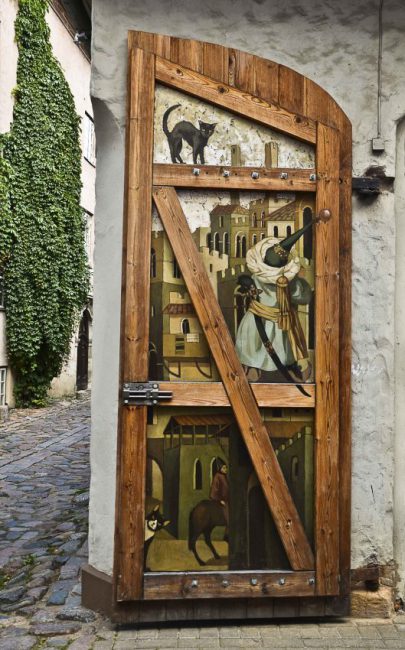
Sweden

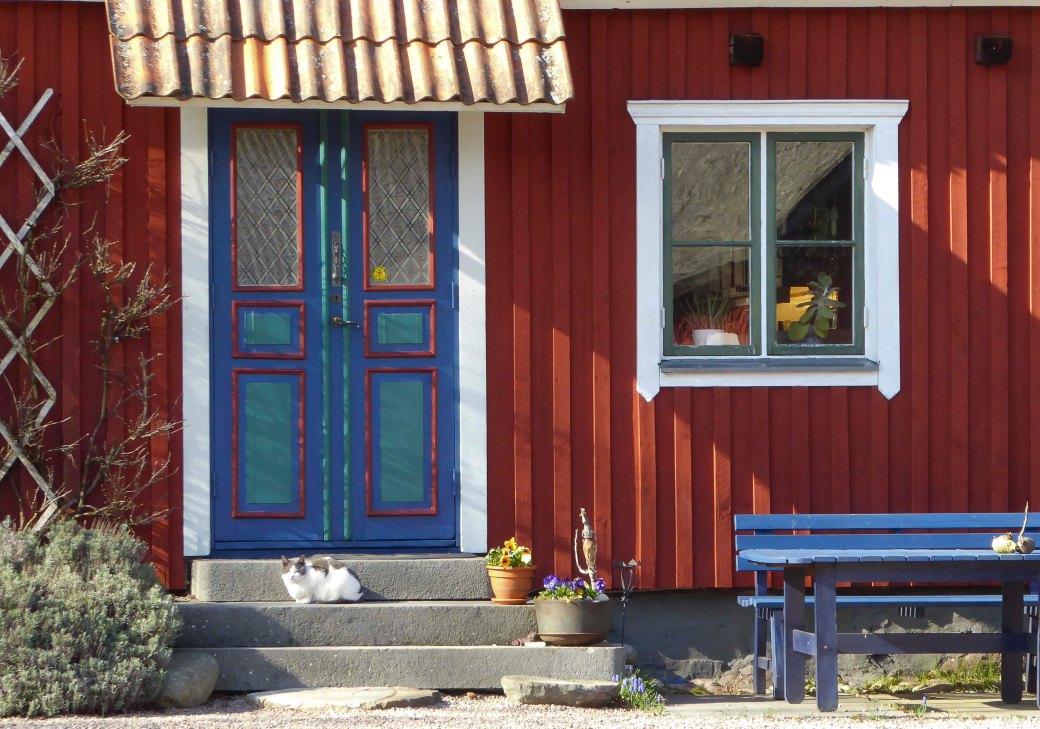
Sweden


Please remember the Lens-Artists tag to be seen in our Reader section. For more information about our challenge click here. And don’t forget to join Patti for her challenge next week!


Thursday Thoughts – The Lonely House

Lonely houses have always fascinated me, but maybe you too have noticed, that some people have a downright obsession with them…?

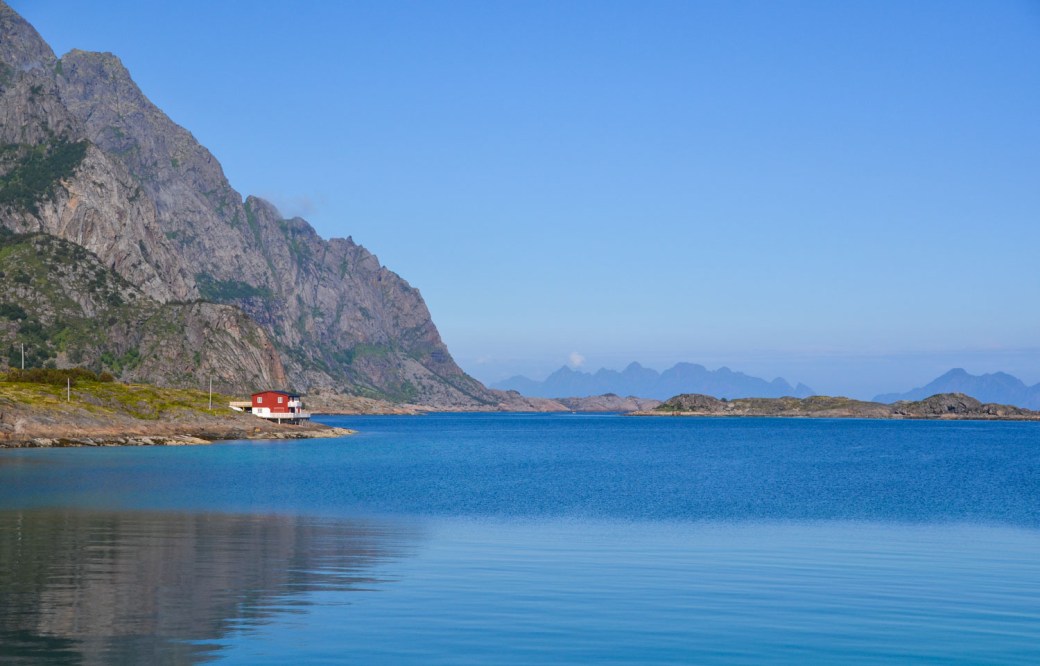
A lonely house can have a very picturesque location…

– maybe not that easily accessible…

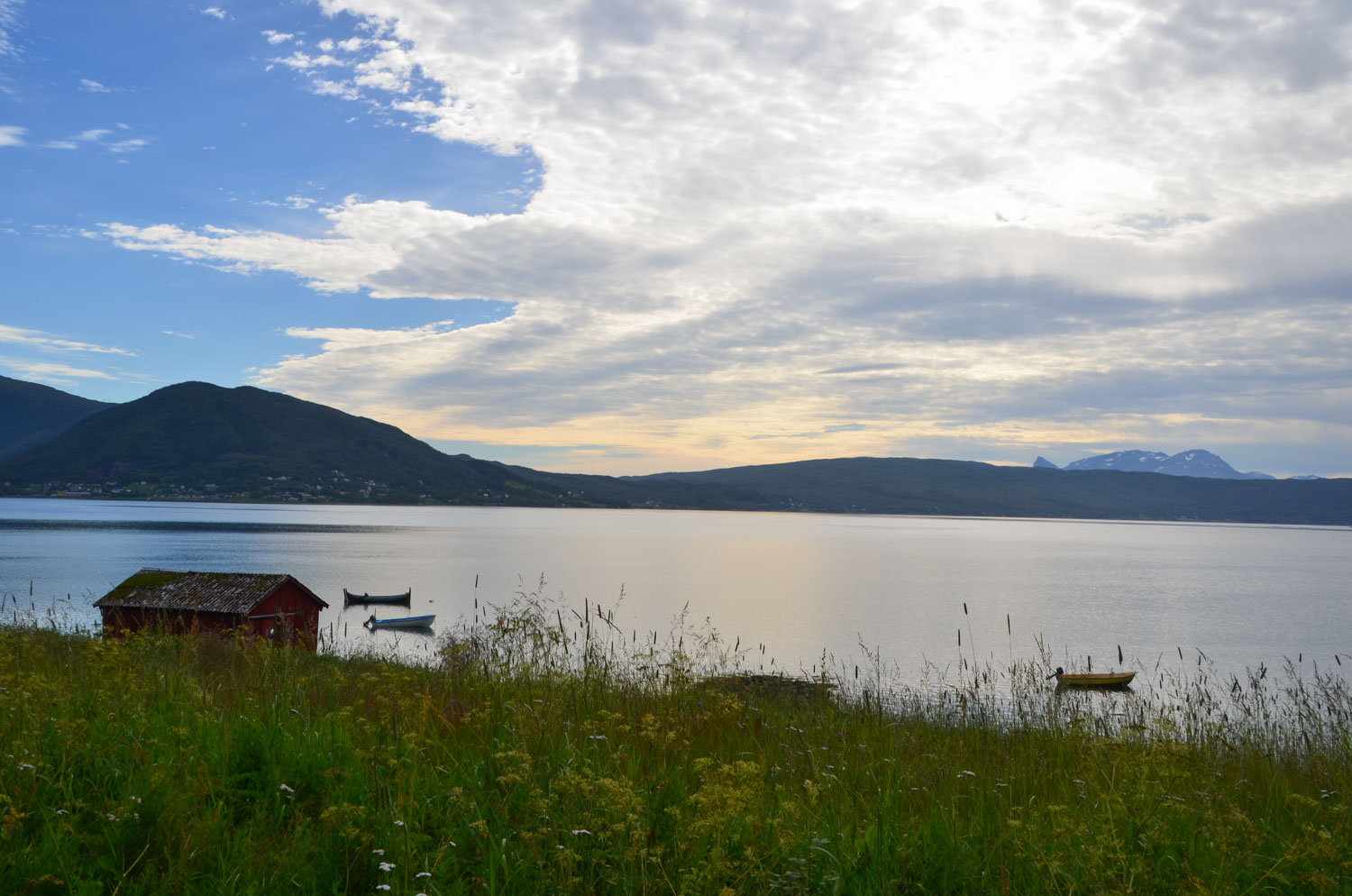
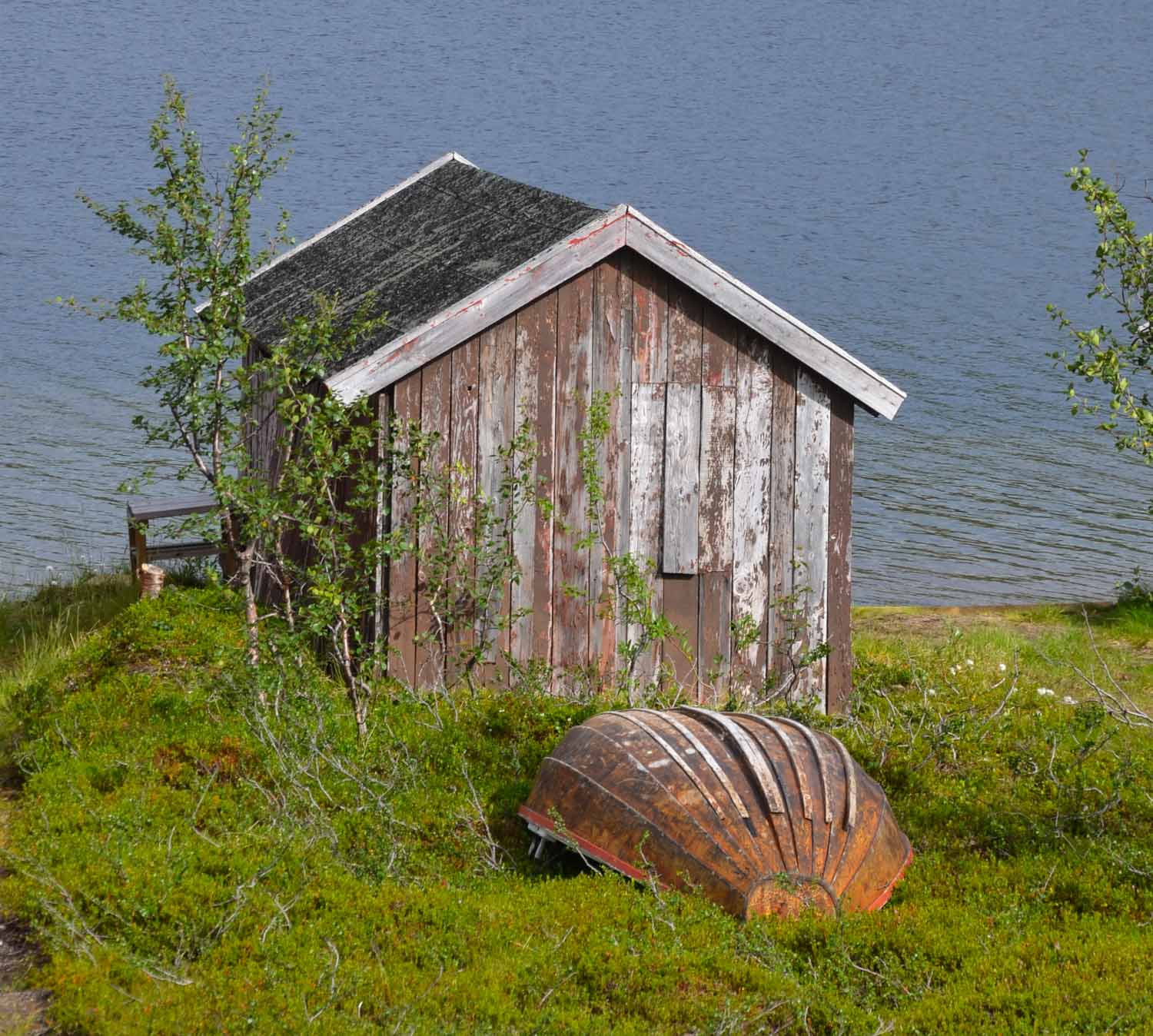
And, at a closer look, you might find it is only an old boat shed…

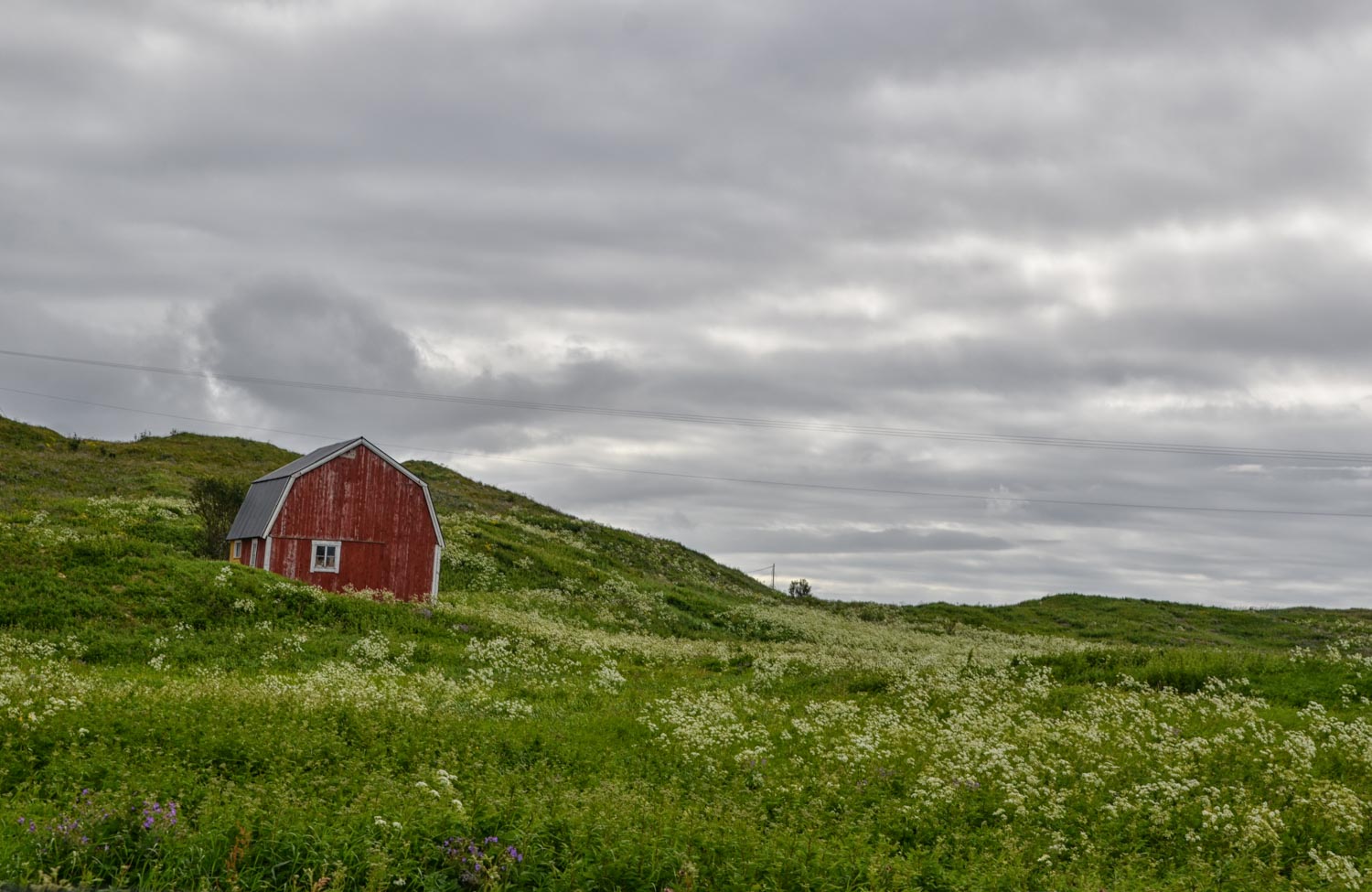
…or maybe a lonely barn. On the other hand – I could live in one of those as well.

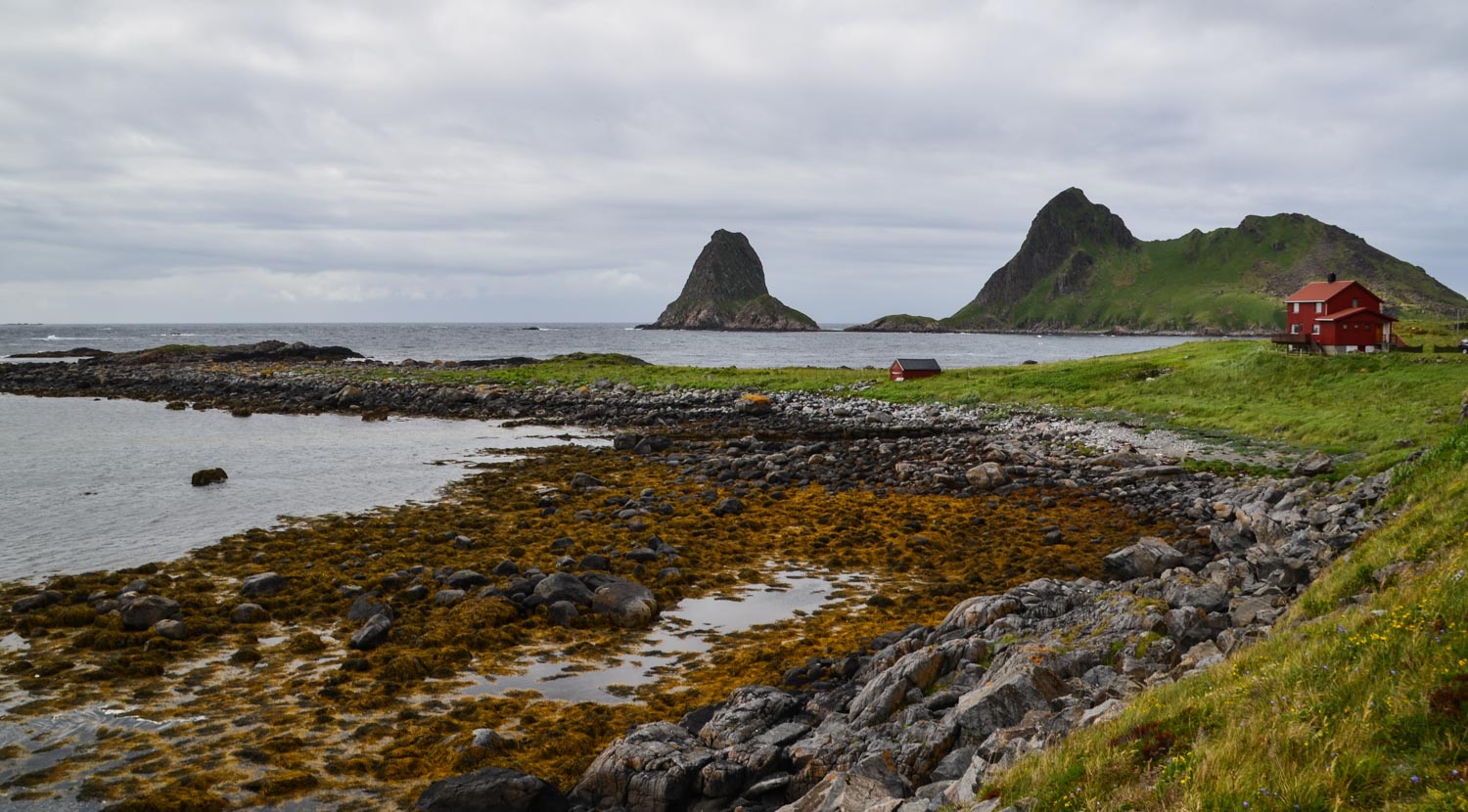
Some newer loners enjoy spectacular seascape views…

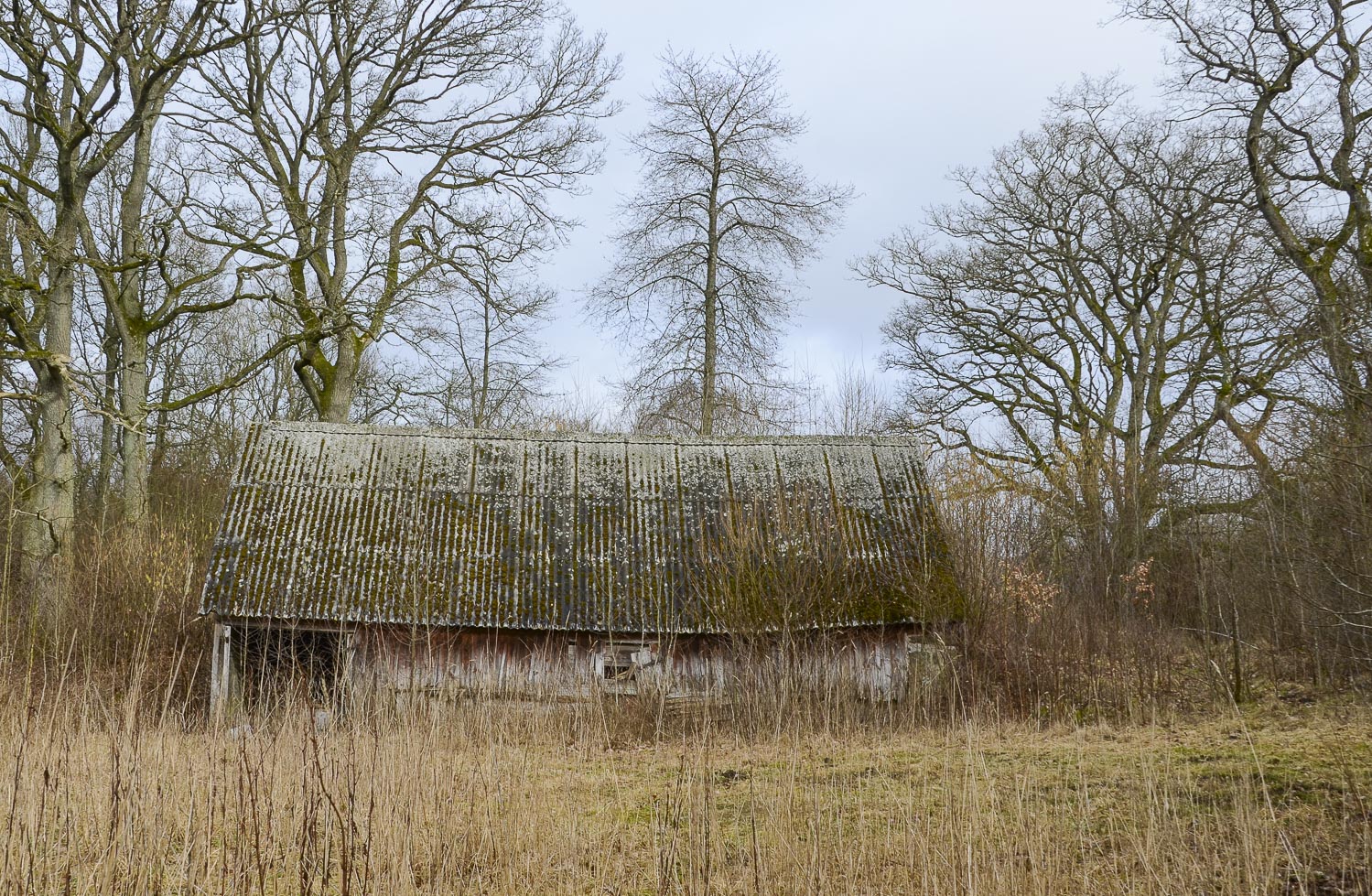
…while others stand dilapidated, slowly falling apart.

And then, there are the abandoned houses just looking – eerie…

…while others, at the end of the road, see new guests arriving every year.

Where do you stand in this? Do you believe they are lonely, desolate, forlorn, solitary – or what word would you use? Is a house ”alive” in some ways? Could they hide/have memories? Do you ask yourself questions like: I wonder who once lived here? And, what did their lives look like? Why did they leave?

Are you constantly photographing them…or would never dream of doing it?

I find them enigmatic.

Lofoten – Å – Oh!

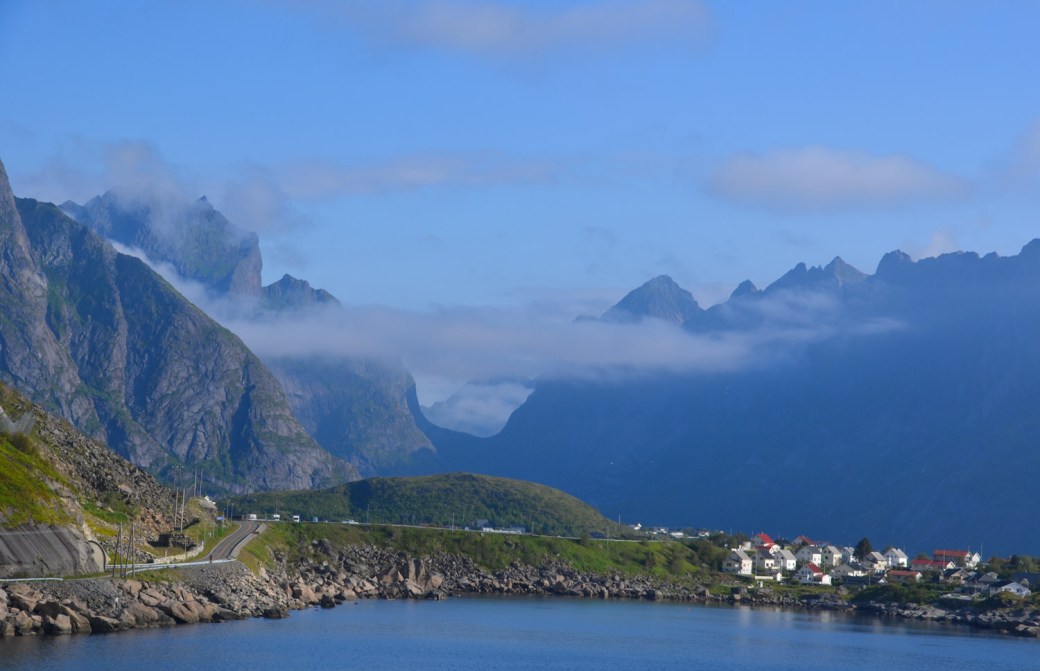
Road nr.10 ends in Å on the southernmost part of Lofoten. An old fishing village with rorbuer and  – fish.

And charm…

Many galleries,  and flowers in the small gardens.

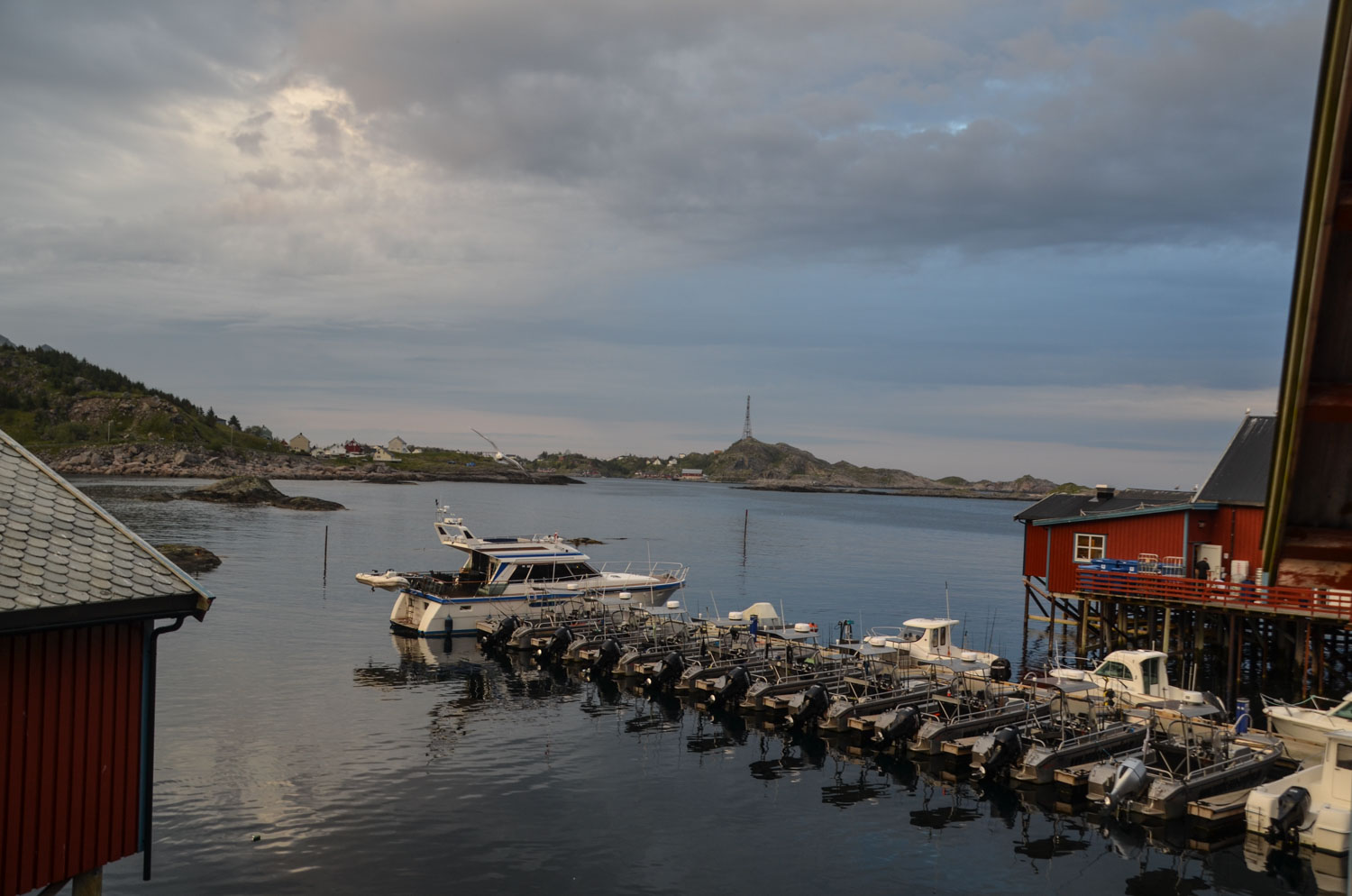
We had a great view from our hostel Salteriet.

Down the road we felt almost Chinese… I half expected an artist standing there, painting.

When we left in the early morning, the whole landscape felt dreamy and unreal.

Almost supernatural.

But that is what Lofoten does to people…
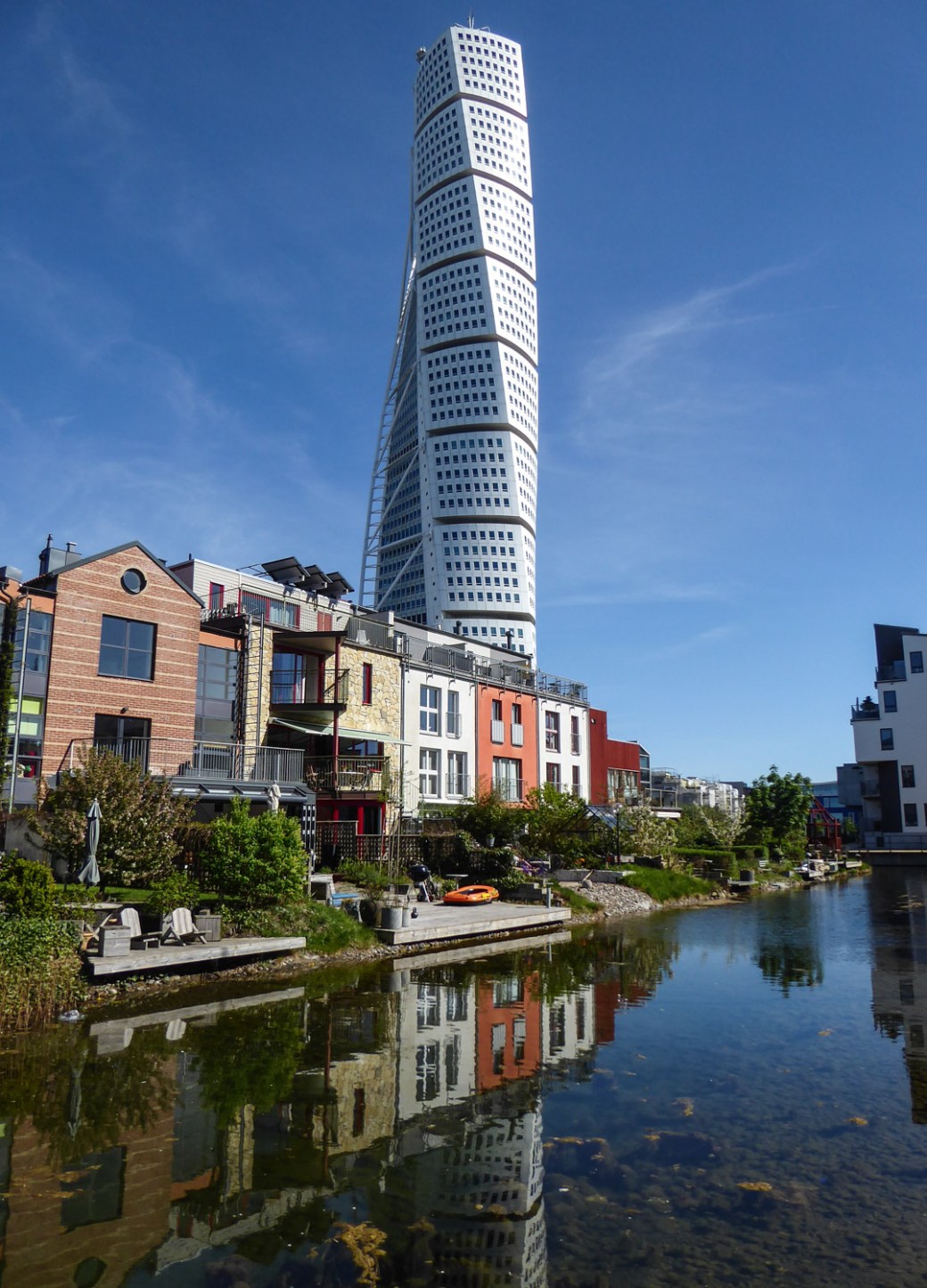
 

WPC: Lines

Cheri asks us to pay attention to Lines – and my choices are natural ones as well as man made. Unfortunately the magic of the old tree is only left in photos and memories now. Last summer it finally gave in to old age.