WPC: Mirror

Mirror, mirror on the wall…Which is the best representation of them all?

This is a challenge where I think most people have many options in their archives – interesting…which ones do we choose?

In the header is a Bilbao photo from opposite the Guggenheim museum. There is this house mirroring a bridge with a red car passing. The other three photos I guess you have seen before – if you are following my blog.

For more of mirrors, click here.

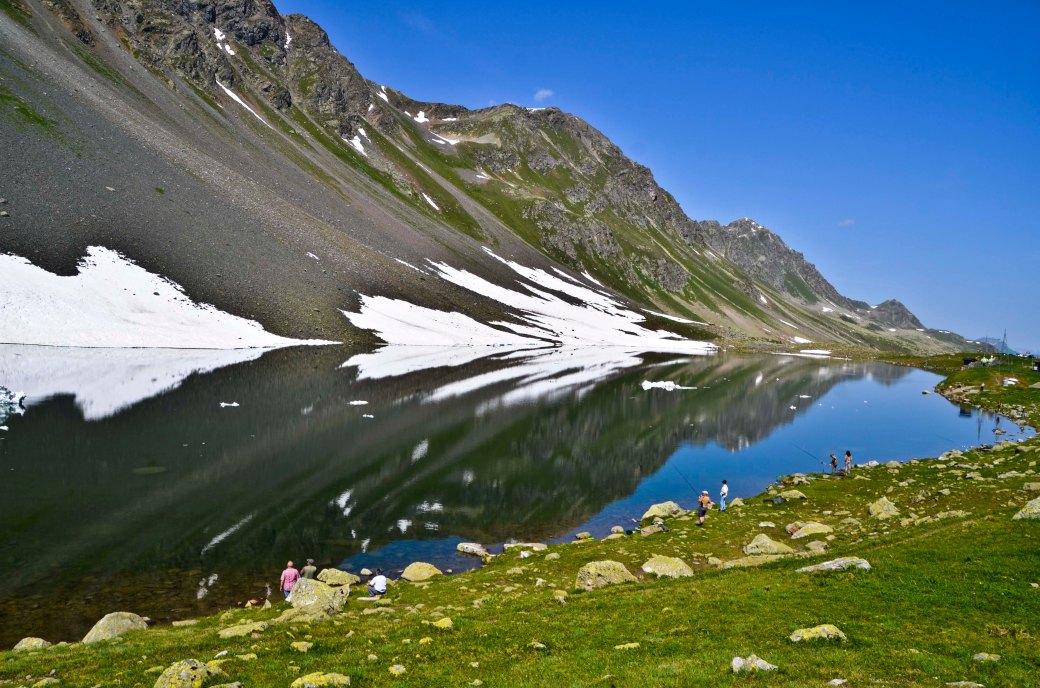
Switzerland, the Fluela Pass in the early morning.

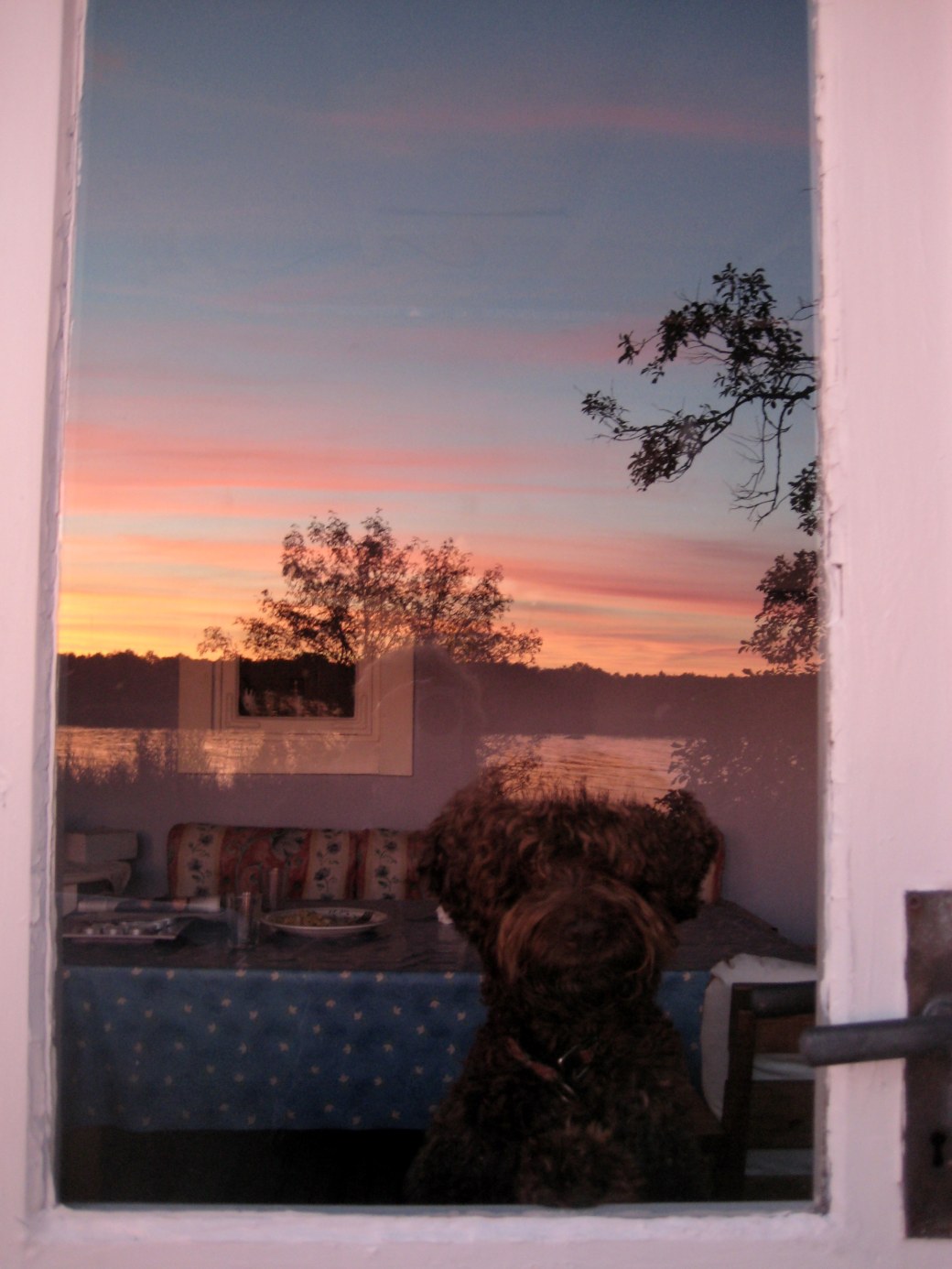
My beloved Mille…looking out for me, walking in the late evening.

Hamnen, Auckland. Vid fiskmarknaden.

 Auckland harbour by the fish market.

Thursday Thoughts – (To me…) Unknown Artists

There are times…when you come across things you never had expected, things magical…like the artwork of Petras Repšys.

Repšys is a graphic artist and monumentalist, born in Šiauliai, Lithuania, in 1940. In 1960 – 1967 he studied graphics at the Lithuanian State Institute of Art, and since 1967 he has participated in various exhibitions at home as well as abroad. His works embrace engravings, book and applied graphics, book-plates, easel painting, frescos, sculptures, and medals.

The University of Vilnius displays his fresco ”The Seasons of the Year” (painted in 1976-1984) with motifs from Baltic mythology at the Centre of Lithuanian Studies. This is the absolute highlight of the University visit – and maybe of the whole trip to Vilnius.

Please notice all the little figures trapped in the ”frames”themselves – or in between. Climbing, holding things together, connecting …or just watching.  Fascinating.


Thursday Thoughts – A Yellow Anatomy

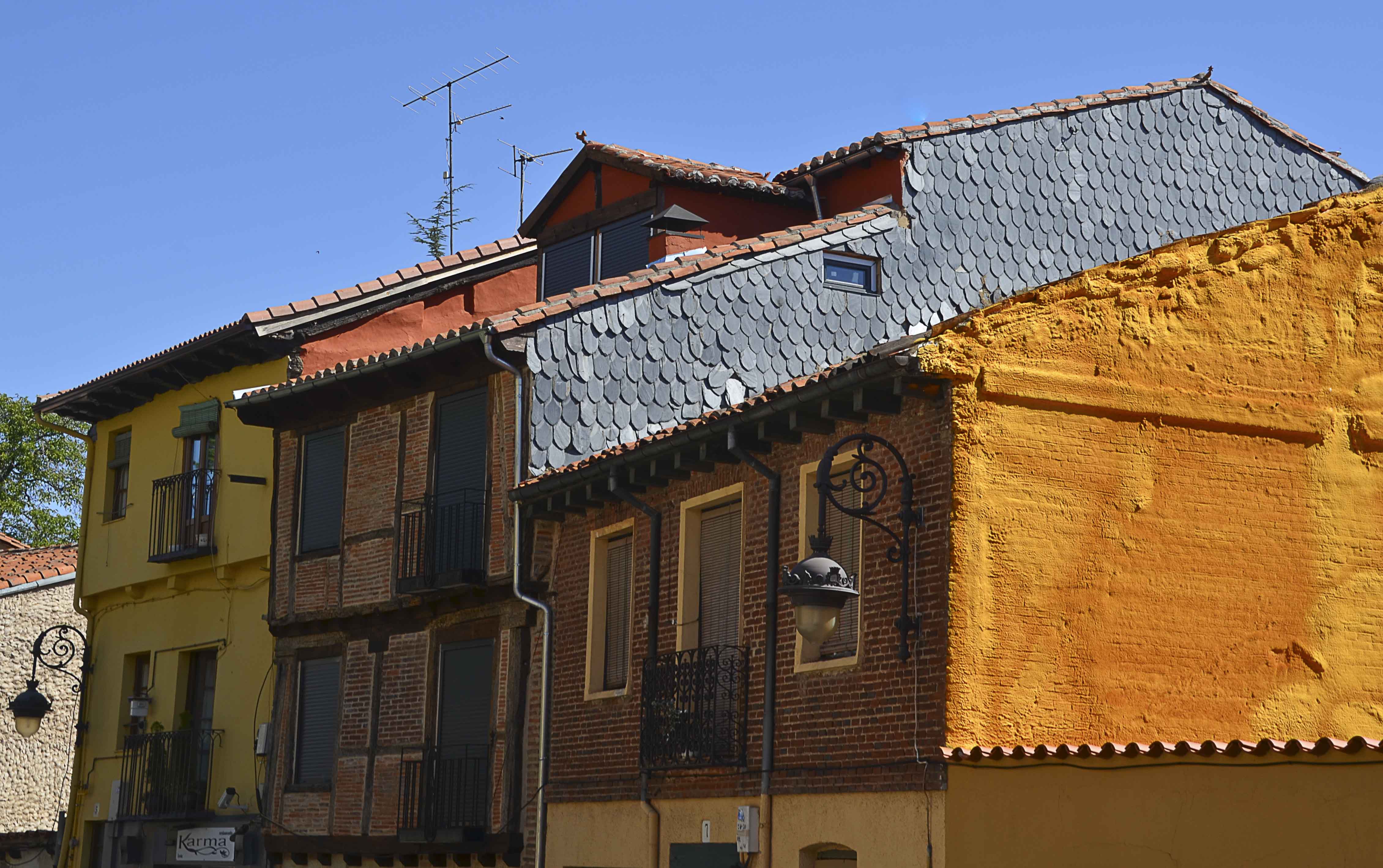
Yes, why yellow walls? Driving through the north of Spain, I recognized this almost saffron colour on a great many walls in the cities and villages.

Personally, I love this colour. Its warmth and connection to Africa and to the desert.

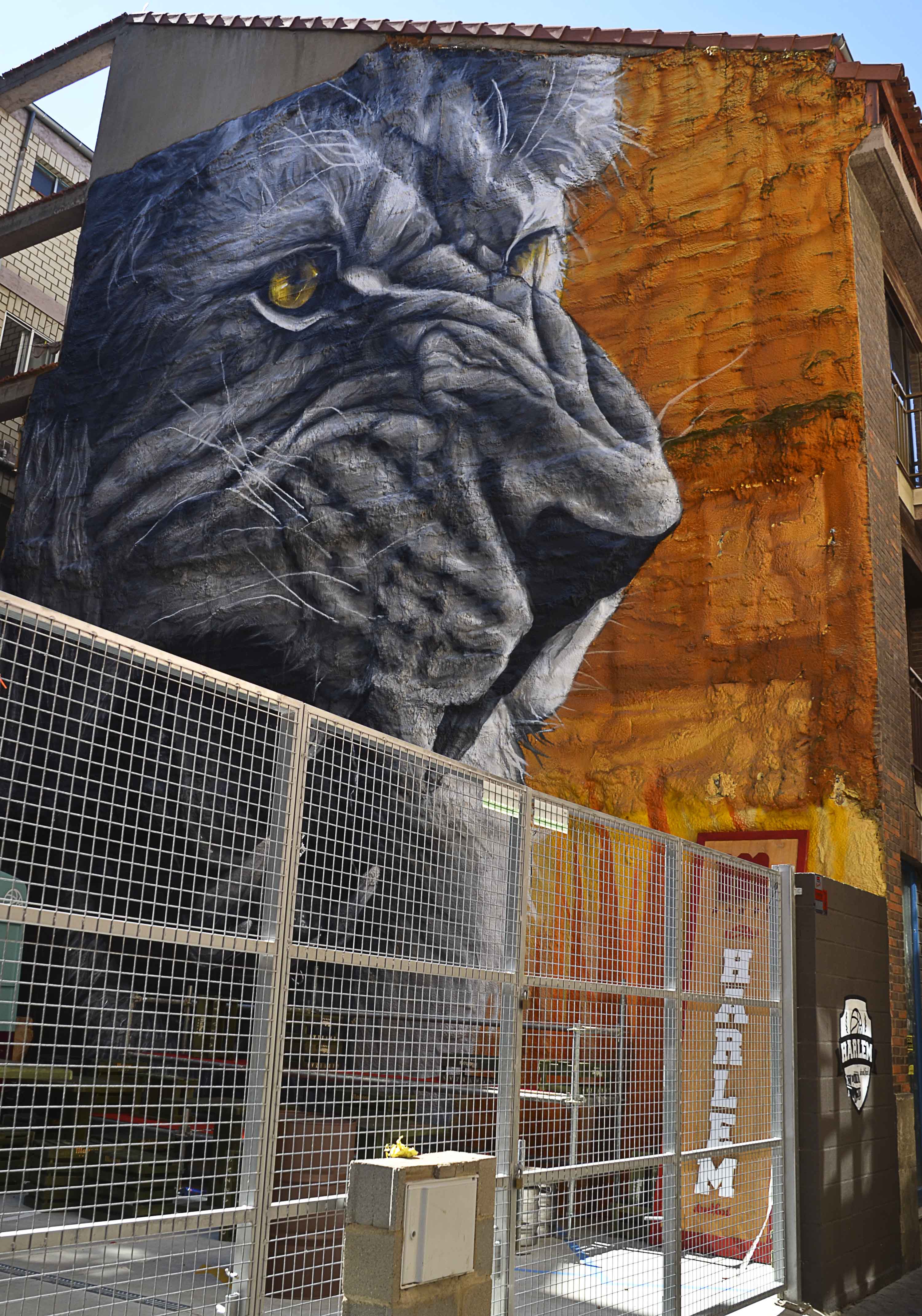
In Pamplona I found this enormous Lion on such a yellow wall – Impressive painting, and so in harmony with all that yellow. On a closer look, I found the painting even more impressive.

I still do not know why those walls are painted saffron yellow, but at least I have figured out what the colour is hiding…

…the anatomy of what once was.

Gernika -The Assembly and The Tree

In the header, the replica in Gernika of Pablo Picasso’s Guernica –  reminding us all of the 1937 bombings. His masterpiece is hanging in the Reina Sofia museum, Madrid.

The Assembly House (built 1826) and the Tree of Gernika are the living symbols of the Basque People’s history.
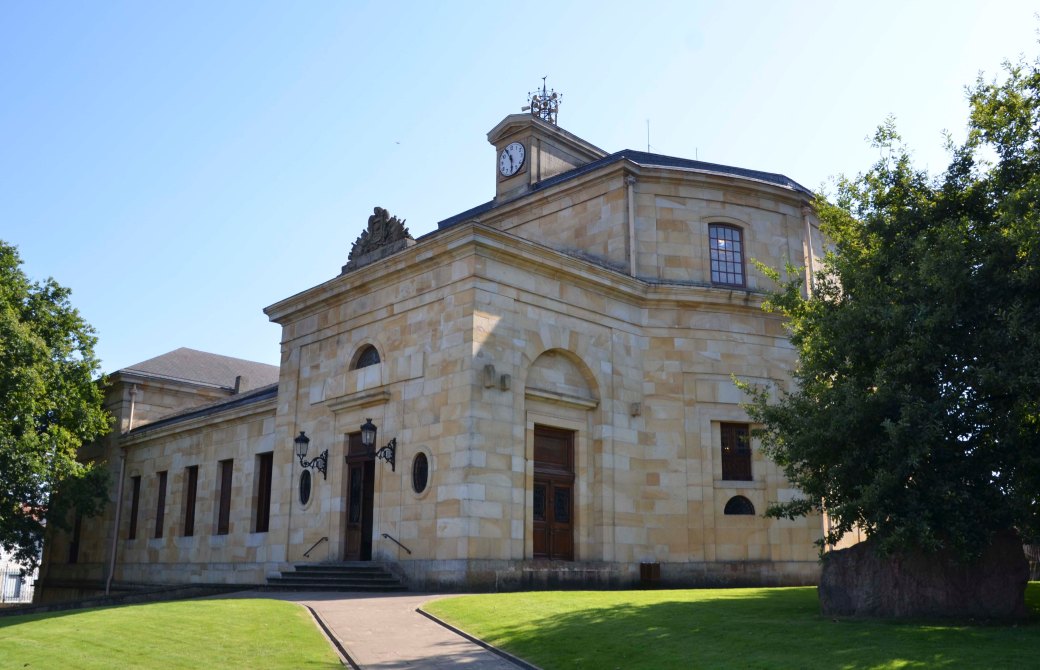
The two of them became a meeting point of all the territories of the Basque Country – bringing together cultural and ethnographic traditions.
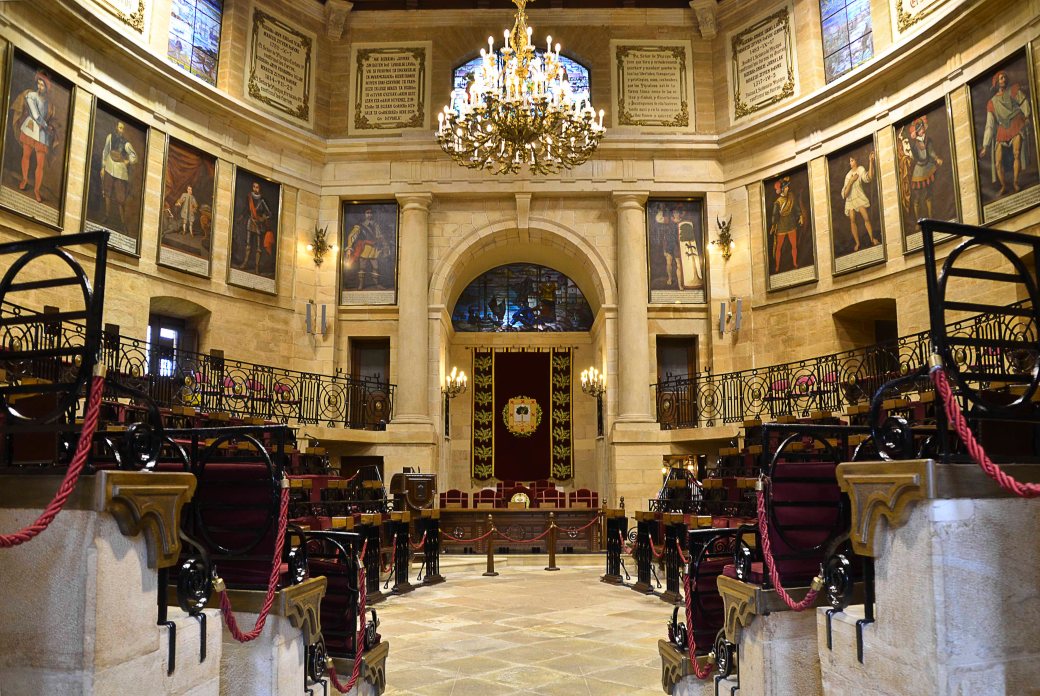
In this room are held all the plenary meetings of the General Assembly. It was conceived as a Church-Parliament that could bring together political and religious functions at the same time. The portrait gallery shows different dates when the Oaths were taken for The Old Law ( based on usage and custom) in a ceremony.
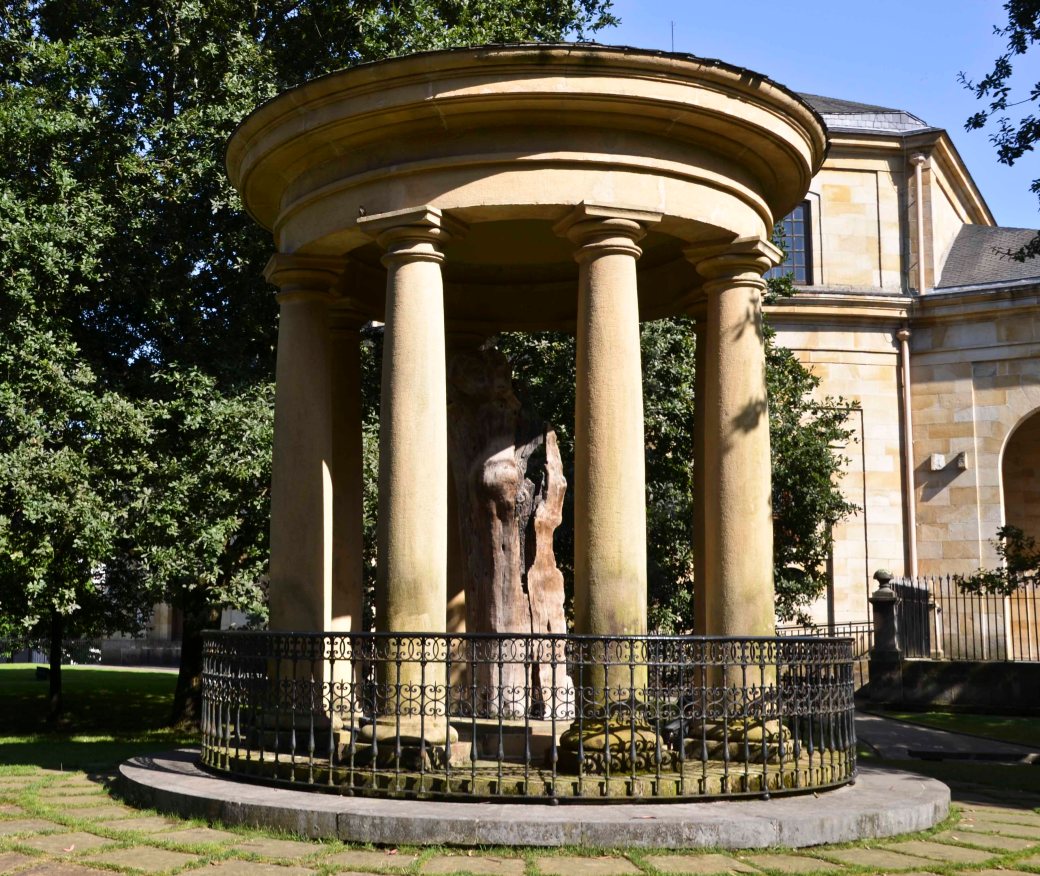
The Tree og Gernika is the best known symbol of the Basque People.

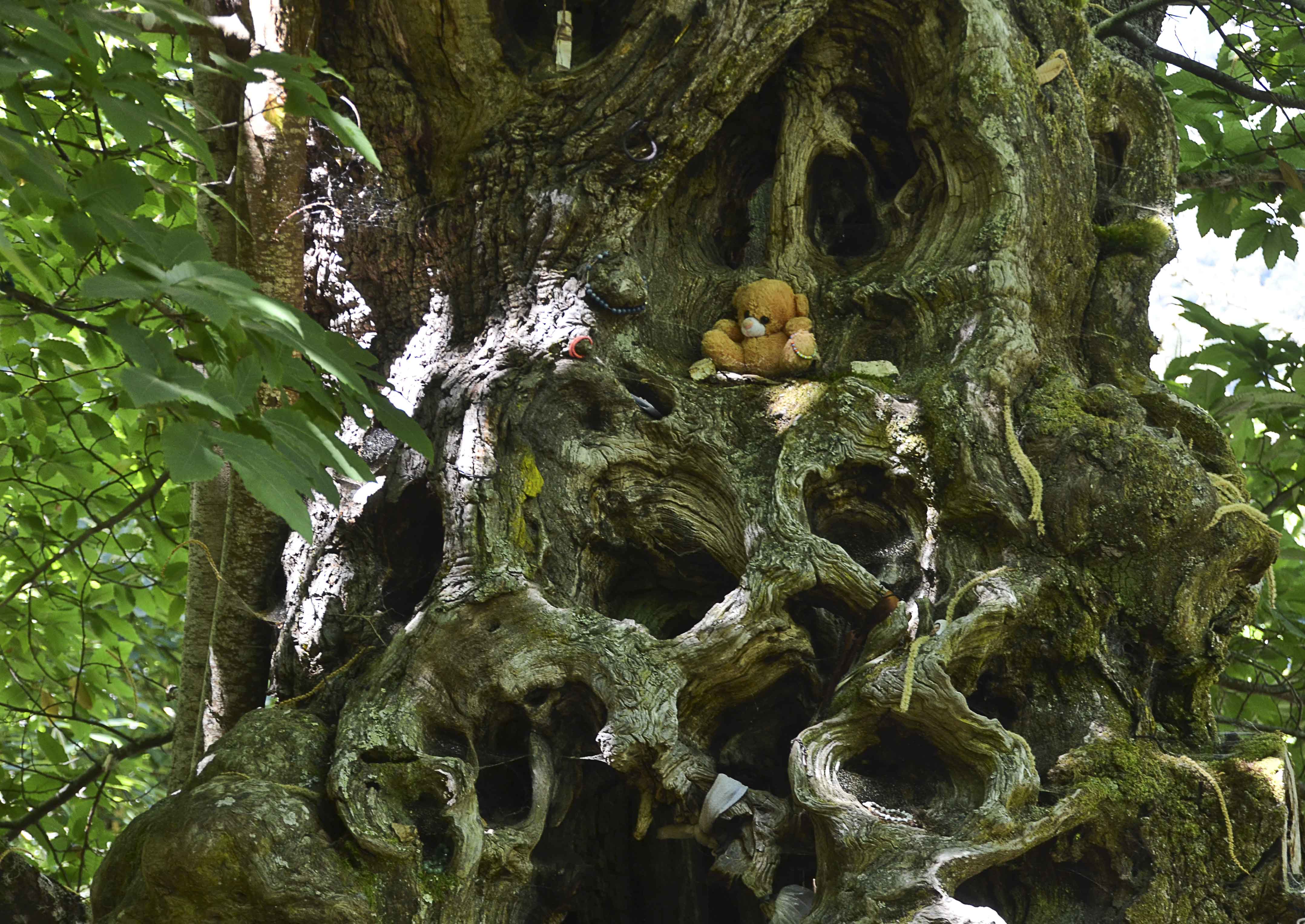
For centuries, under its shade the meetings of the General Assembly were held. This is the old trunk of the oldest remaining of the Assembly Oaks, planted around 1700. A new oak tree (a direct successor of the old one) is planted when the old venerable tree is gone.

Everywhere is the symbolic tree represented, in embroideries as well as wood carvings.
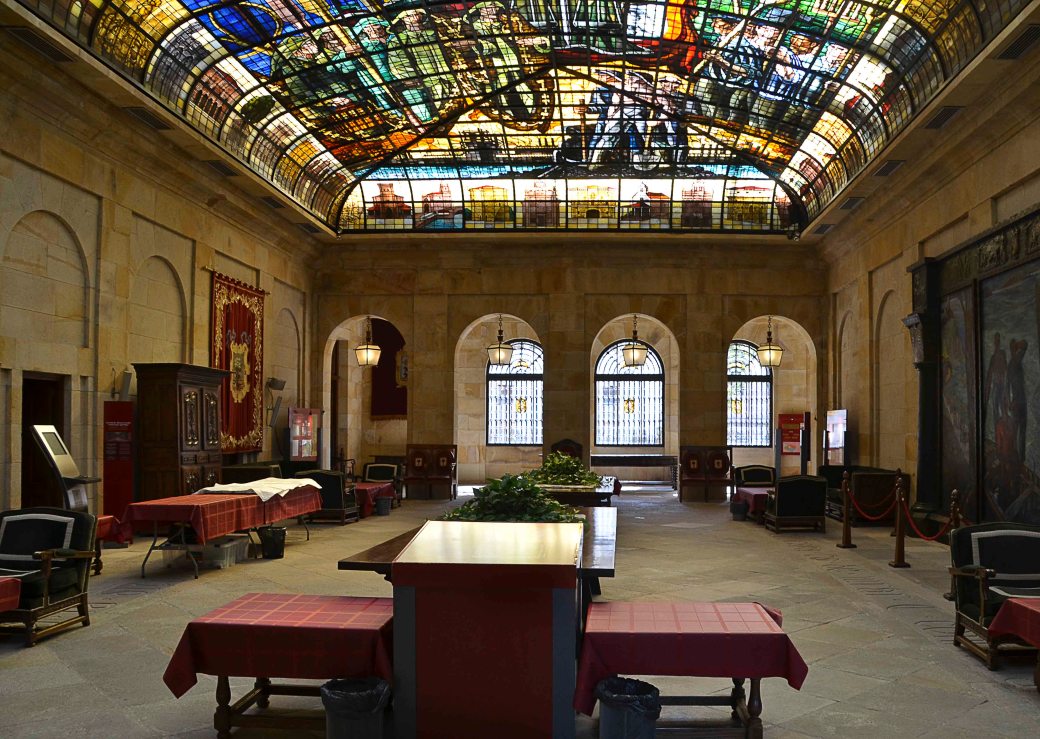
This is the Room of The Stained Glass Window. The space was originally designed as an open air patio, and is now currently employed for institutional uses.
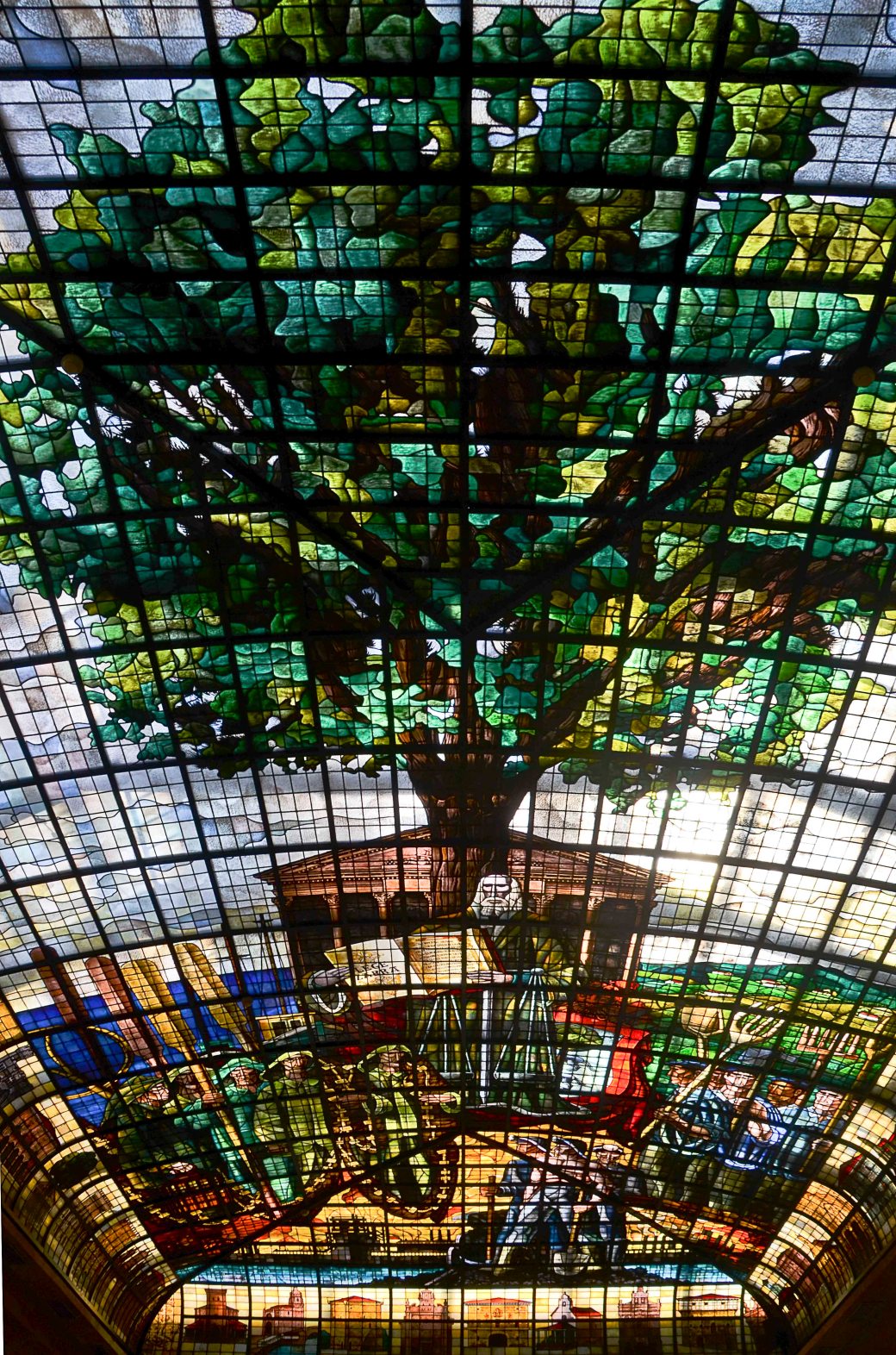
The gigantic stained glass window – or in fact ceiling –  completed in 1985, has a special significance. It was crafted completely by hand by a company from Bilbao, Vidrieras de Arte S.A. It is a graphic representation of the Tree as a meeting point for the districts of Bizkaia.
The Winner Takes It All – Song of Roland

”I am watching your every step…”

Towards Pas de Rolande, where Charlemagne’s army was ambushed after the sacking of Pamplona – celebrated in the medieval poem, Song of Roland.

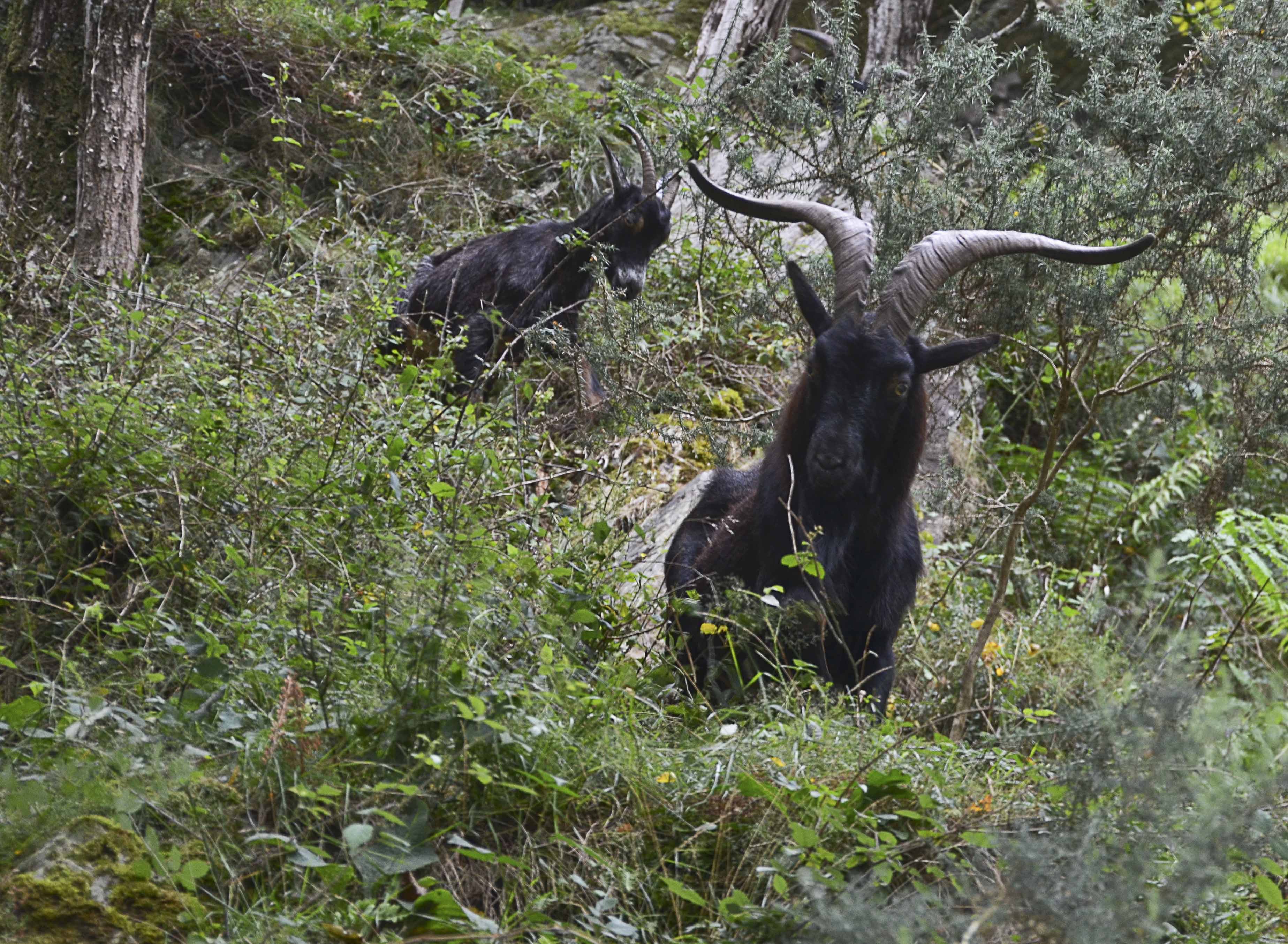
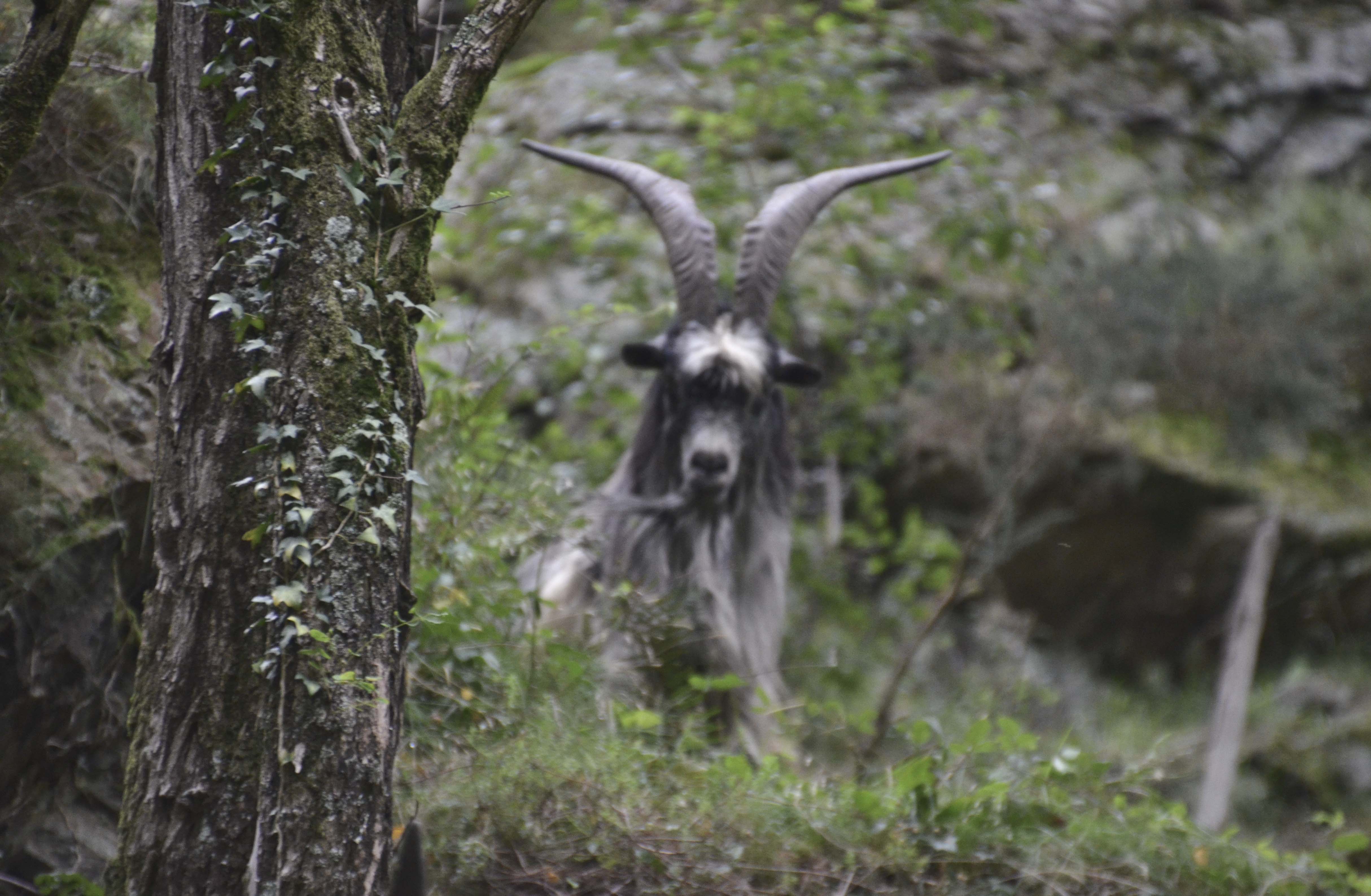
Along the road we met a herd of, what we believe was, Iberian wild goats. The gamey smell filled the air, and soon we saw them climbing the stony slopes up on our right side as well.

As they were rather close to the road, about 5-10 metres up, we could study them roaming the bushes, popping up a head every now and then.

We reached the rock formation in the gorge. According to legend, the gap once was created by Roland’s horse.

On my way back, alone, (my husband went back before me) the strong smell from the goats appeared again. And, I was lucky to witness this piece of wild life -love life!

”Well, I have seen it before…and in my  younger days I would…

…win all of those fights…”

It Is All About Bulls…

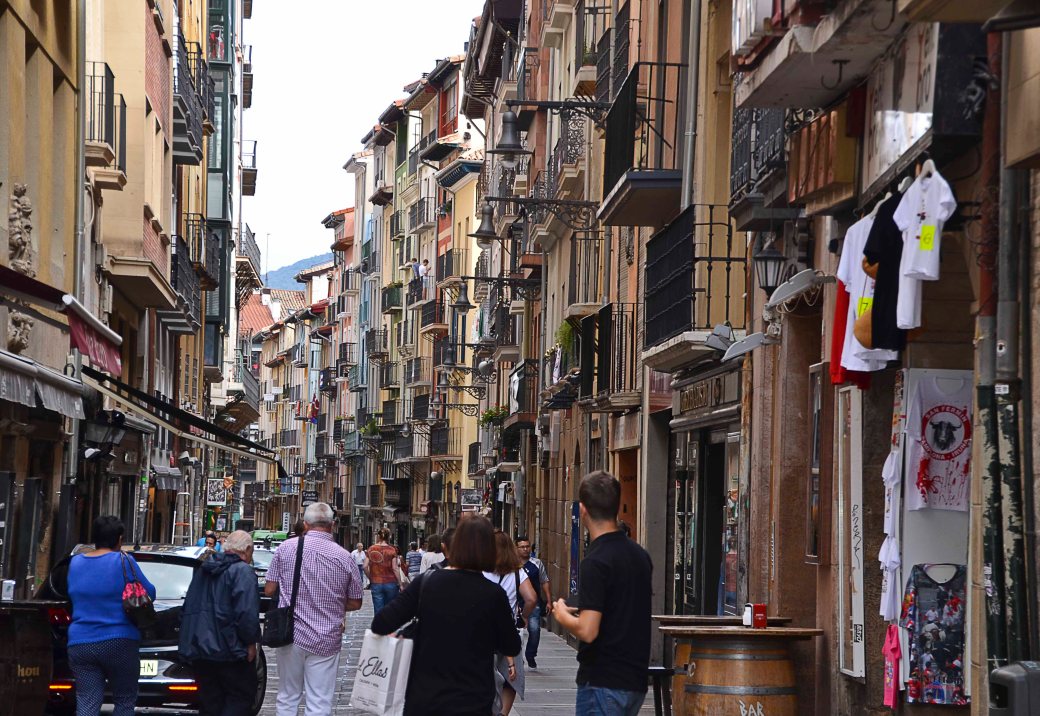
A rather big city, renowned for its yearly dangerous race between men and bulls…

…running along this street…
…ending up in the arena on the other side of these red doors.

Spanien 3 334_copy

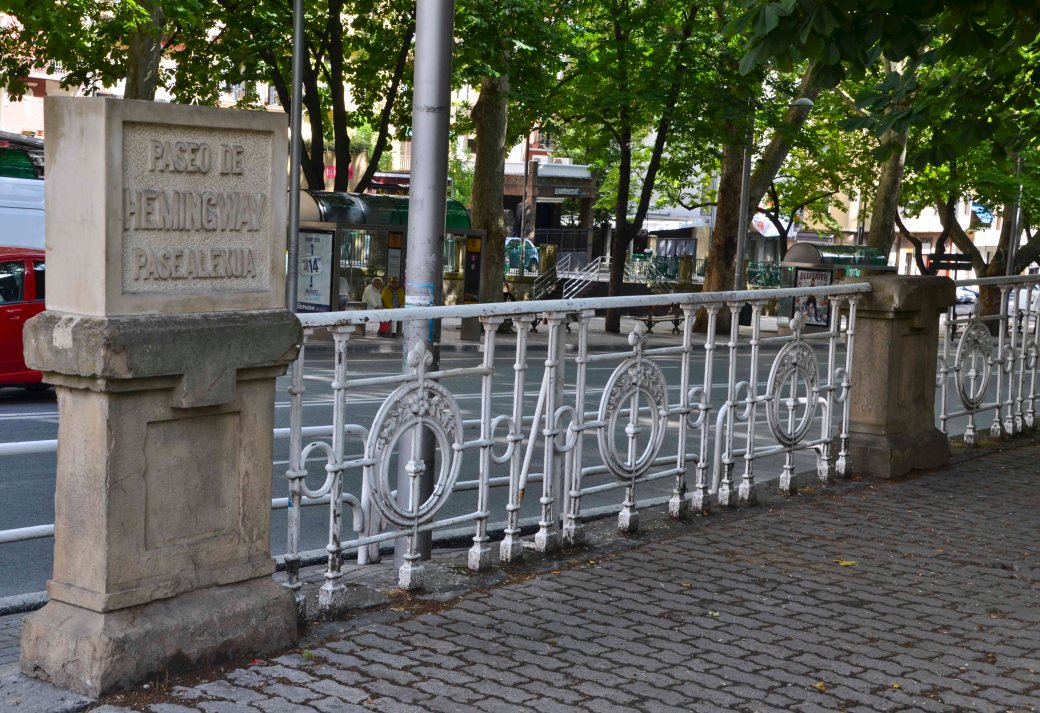
The man who made this race known to the whole world had a street named after him here – just beside the arena.

And he happens to be one of my favourite authors. Although I must say the monument does not do him justice…

Surely you, by now, know where we are in Spain?  – Pamplona!


Abandoned

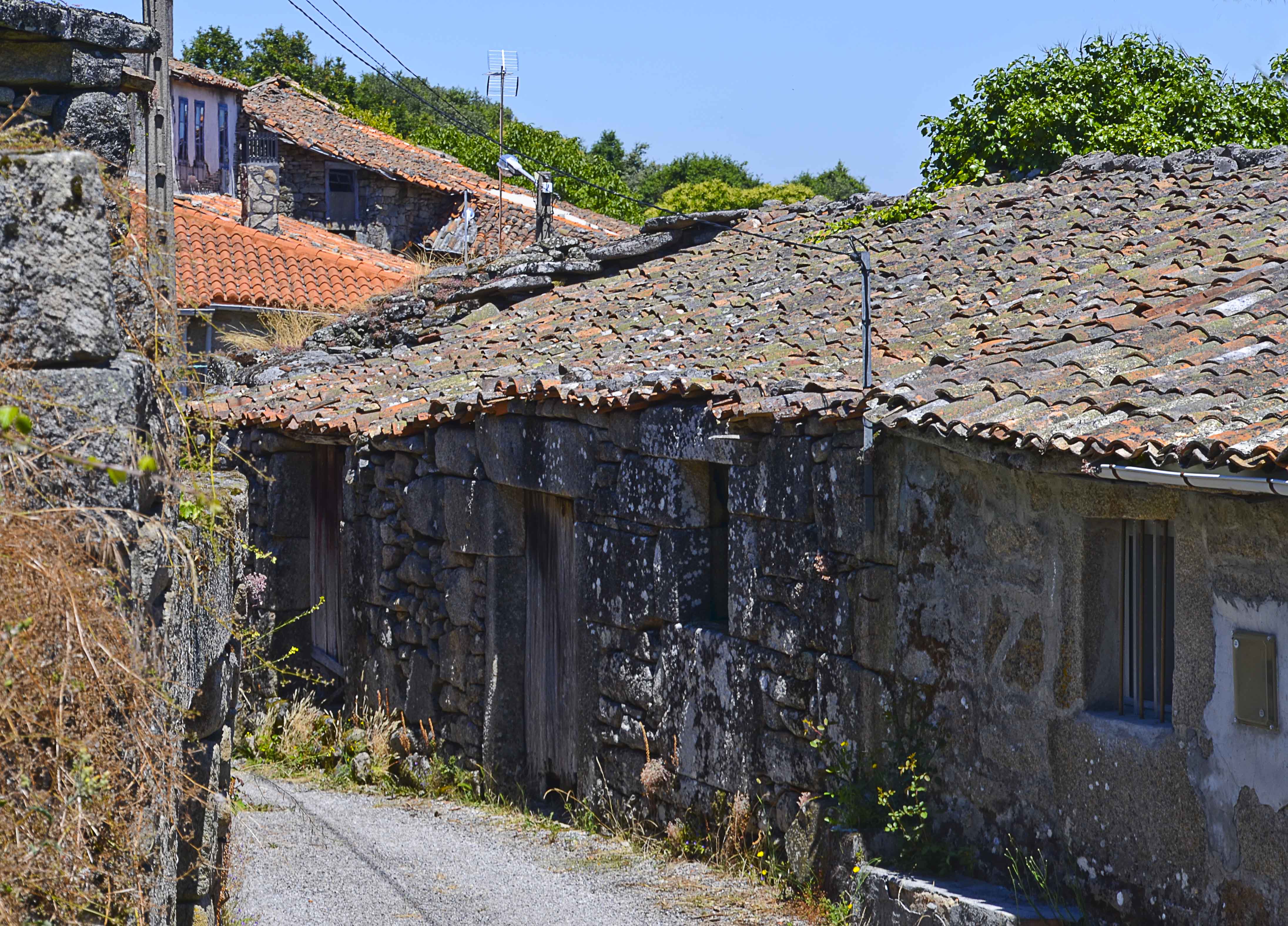
We passed the tiny village Castro in our search for the hidden monastery. After the visit there, the decision was easy –  to park the car and walk up the main street of Castro.

At first sight it looked abandoned, but …electricity and a TV antenna told another story.

And all those doors…most of them belonging to abandoned houses or houses torn down – the door opening onto endless meadows behind… every door having its own secret story.

And, somebody is caring for the lonely rose.

The Enchanted Monastery

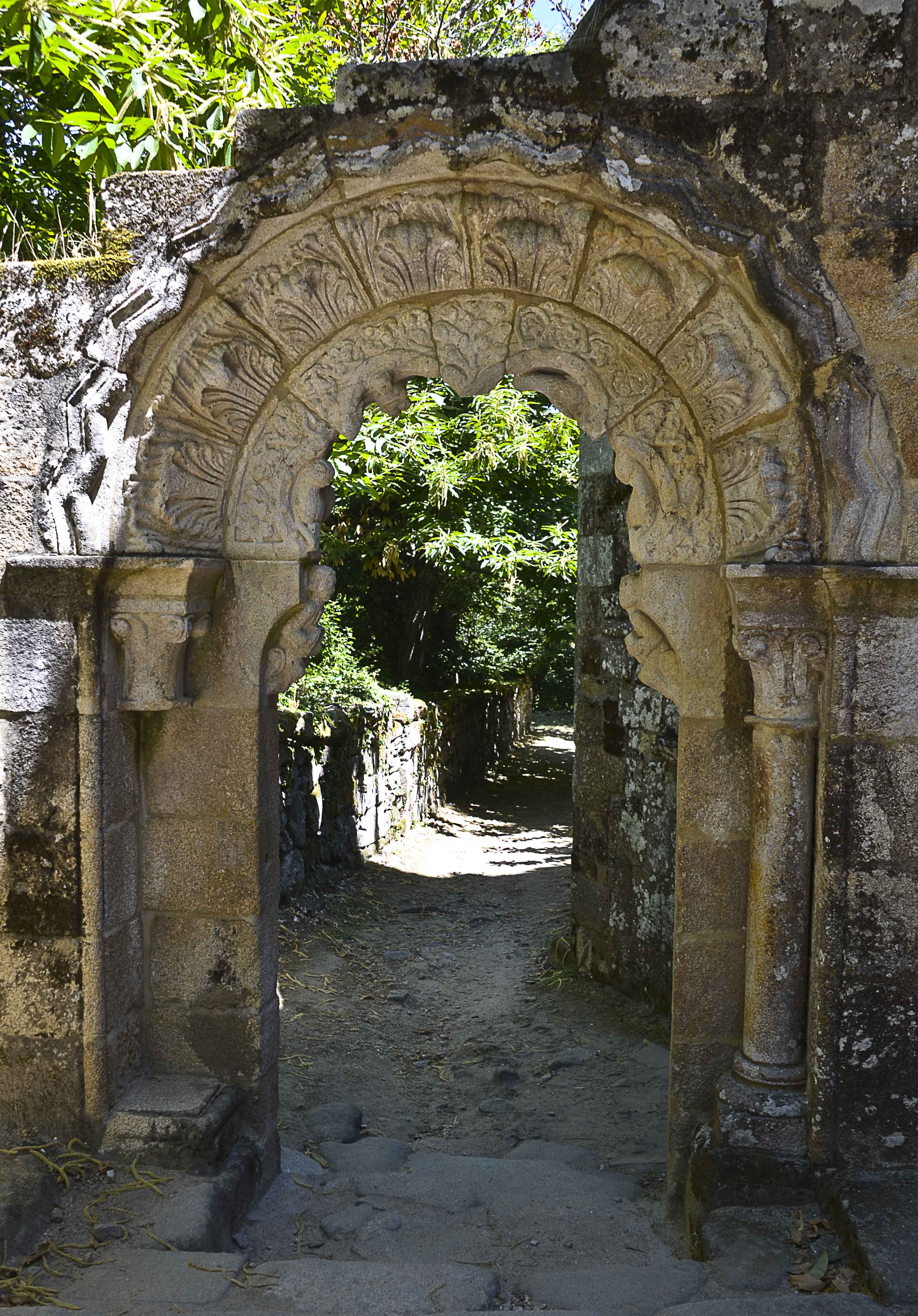
Monasterio de Santa Cristina (Ribas de Sil) in Galicia, Spain, originates from the 11th century, when monks came here to live in seclusion to meditate.

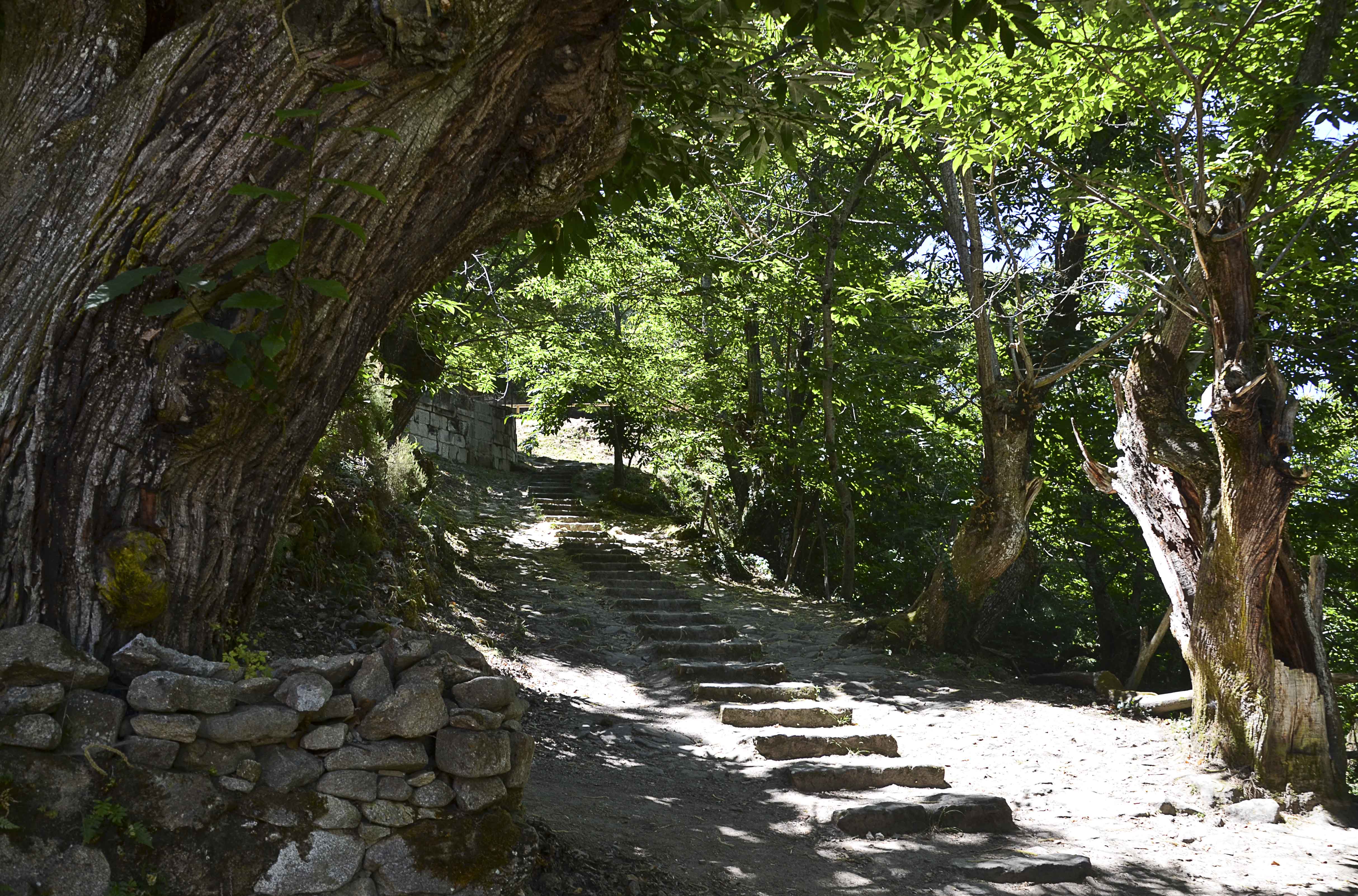
We had great difficulties in finding the hidden monastery, and had to follow winding roads for miles. Then a multitude of stone steps down…but, we were richly rewarded.

There is not much written about the monastery, or its church, but the very location and surroundings are enigmatic. I hope you noticed the stone faces watching us from above in the header…

Hidden in the forest, it was impossible to get an overview of the buildings. We walked up the layered paths, and the unreal feeling only escalated. Not many monks have ever lived here – but how did they survive? It seemed impossible that they would have grown anything in this stone paradise. No matter how green it was…

The old trees all seemed to be aware of us being there…and as I turned around on the path, one of them made my eyes wander up the trunk for his message…resting some four, five meters up…

Thursday Thoughts – El Capricho

Why do I love Antonio Gaudí? Maybe because of his love for nature’s wonders – starting when he was only a small child. His way of using nature’s forms and designs in everything he created. Making the pillars in Sagráda Família with scars like the tree trunks get when they have lost a branch, making lamps look like flowers and light spill out like waves in the sea…

In every detail he was …mirroring nature.

In Comillas, on the north coast of Spain, you will find this ”folly” – El Capricho – by Gaudí, built for Máximo Díaz de Quijano (a relative of the marquis of Comillas) in the 1880´s. You immediately recognize his style using iron structures, glazed pottery and stained glass.

Come, let’s take a ”folly” walk …

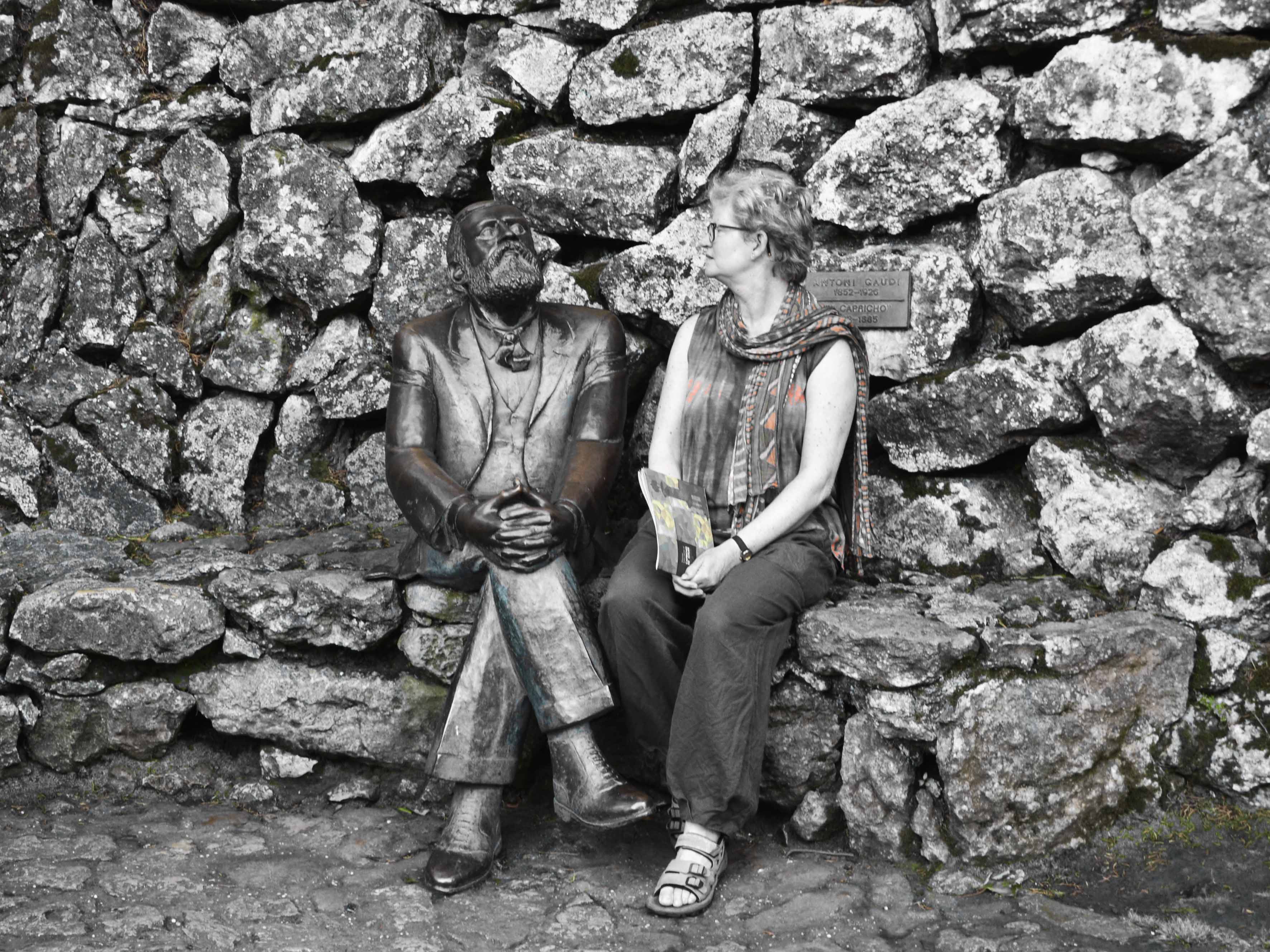
In my dreams, a dinner with Antonio Gaudí would be optional… to get the opportunity to listen to his ideas and maybe discuss nature’s impact on humans – body and soul. I would have had many, many questions…

I was lucky enough to meet him in his garden, sitting there admiring his work. I tried to get some answers, but mostly we sat quietly contemplating…me admiringly of course. But, I am so thankful for having finally met him – my favourite architect.