Titanic – Cobh, Ireland

A windy and rainy day, we visited Cobh. Somehow the weather seemed appropriate.

The little seaside town of Cobh, with 13 000 inhabitants, has got one of the world’s largest natural harbours. Cobh was the place where most of the Irish emigrants left for America during the great starvation 1844-48. More than 1 million people died when the potato harvest failed  (mildew) and by 1856 2 ½ million people had left Ireland for America. Not until 1930 did the Irish stop leaving the country – due to the Wall Street crash.


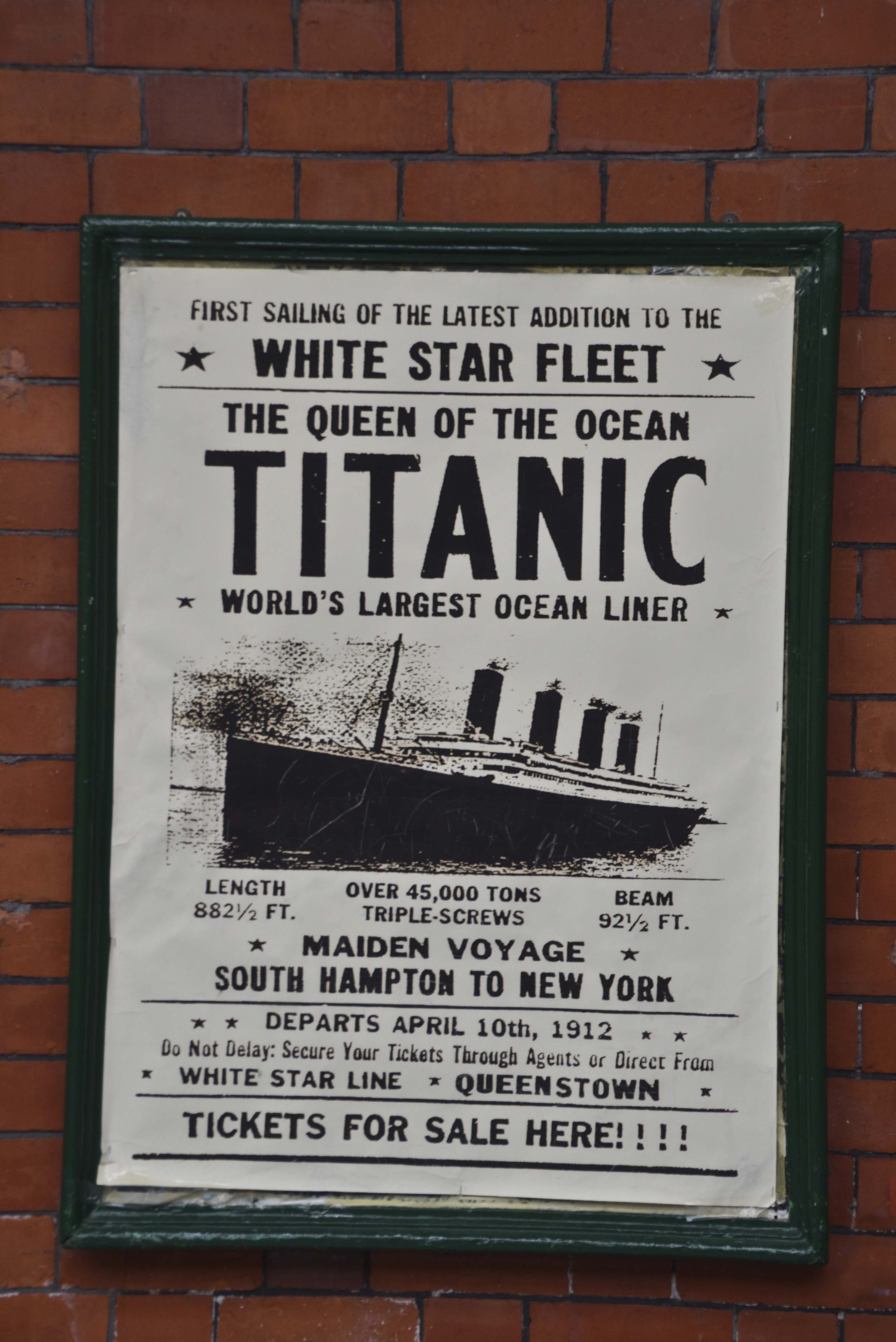
Cobh was the last stop for Titanic before her Maiden voyage across the Atlantic. Titanic entered Cobh harbour April 11, 1912. 120 passengers  had bought their tickets there – hoping for a new and better life overseas. April 15 she went down after hitting an iceberg.  I guess everyone knows she was a White Star Line ship.

Today there is a museum where the White Star Line’s terminal was. Down in the harbour there are mosaic tablets with memorials of those who embarked from Cobh that day. Even if we all know the story…this is a very special place to visit.

Thursday Thoughts – Bunratty?

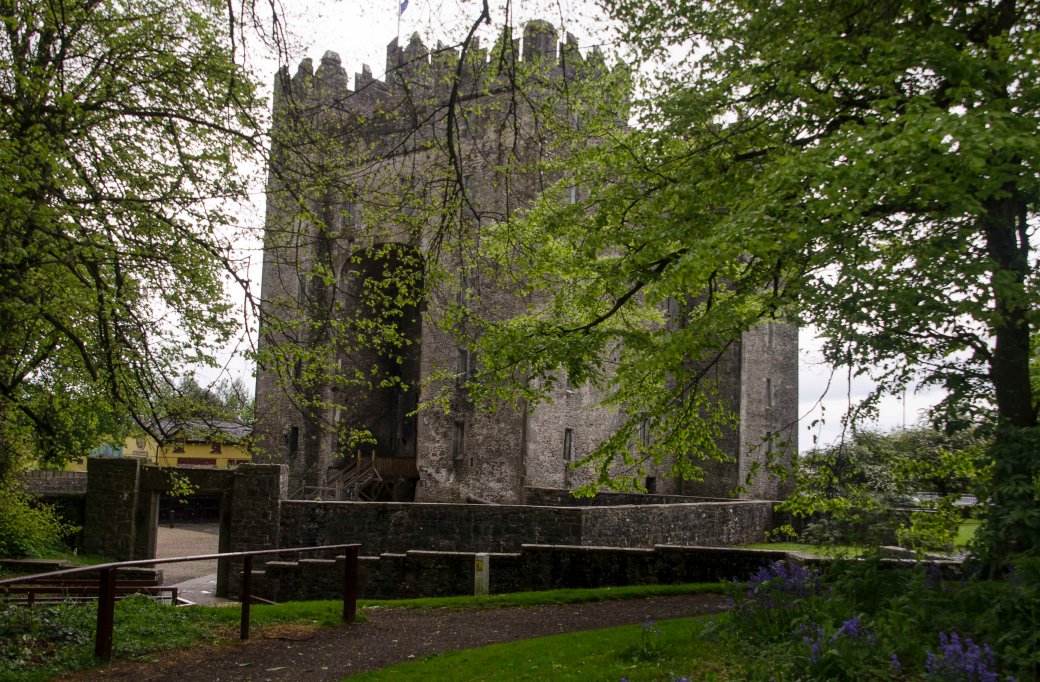
The name Bunratty, Bun Raite (or possibly, Bun na Raite) in Irish, means ”river basin” of the ‘Ratty’ river. This river, alongside the Bunratty Castle, flows into the nearby Shannon Estuary. We visited for some hours and really enjoyed its genuin feel.


Bunratty Castle Plaque in Irish and in English

The first recorded settlement at the site may have been a Norsemen settlement/trading camp reported in the Annals of the Four Masters. in 977. But several castles were built – and lost – here.

The fourth castle, the present structure, was built around 1425. In 1956, the castle was purchased and restored by the 7th Viscount Gort, with assistance from the Office of Public Works. He reroofed the castle and saved it from ruin. The castle was opened to the public in 1960, and with its genuin 16th-17th century furniture, tapestries and works of art it has become a great tourist attraction.


A Peaceful Walk in Belfast

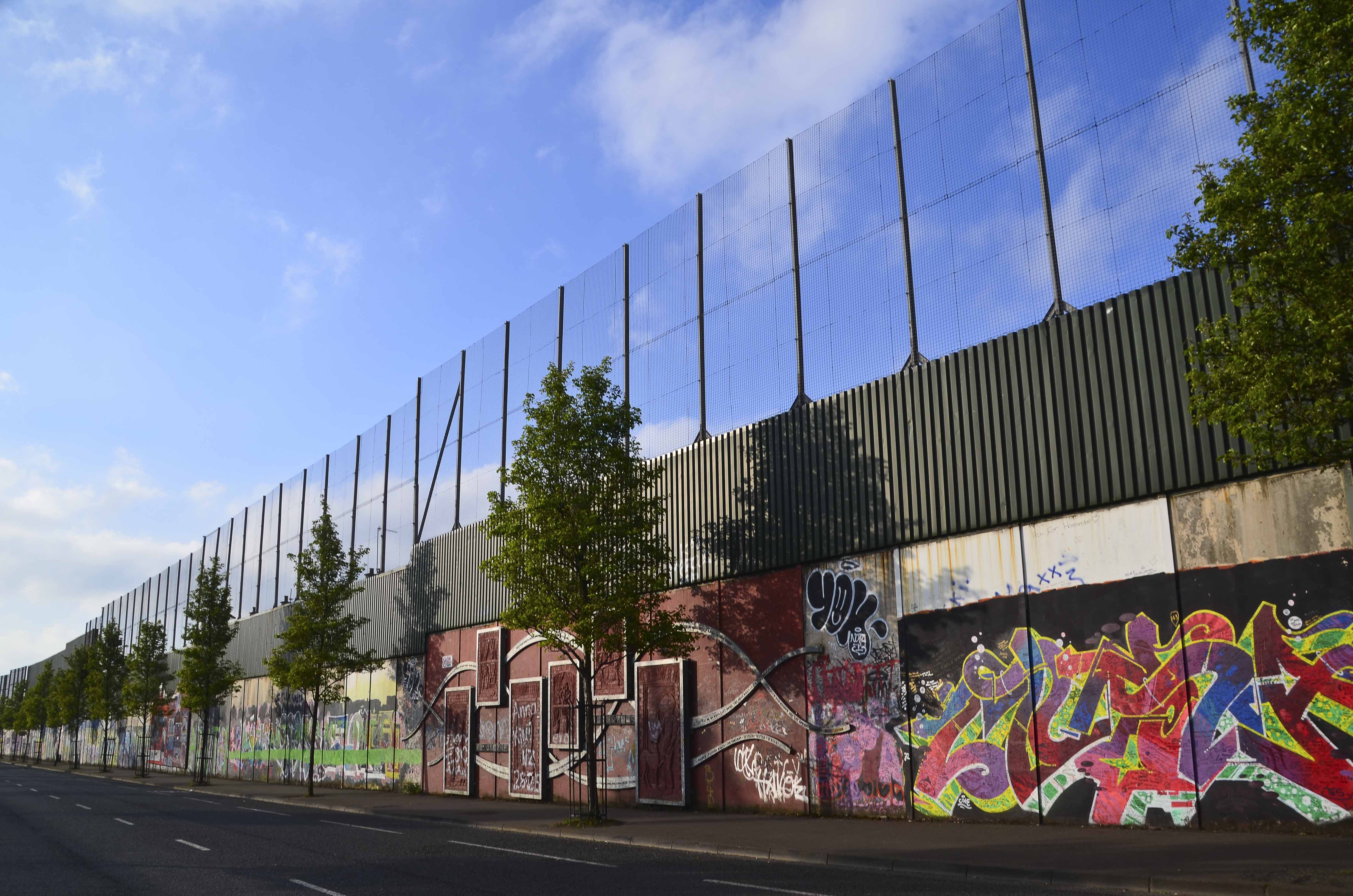
Murals in Northern Ireland, are strong symbols and depicting the region’s past and present political and religious divisions. There is peace now, but 1968-1998, ”the troubles” between working class protestants and catholics were very severe. I remember hearing and reading of them as a young girl. The IRA bombings made black headlines in our papers. In my first teaching classes I remember using a text called ”The Sniper” – about Northern Ireland. It was a ”must” to see these murals in reality.

In Belfast, it is estimated that there are approximately 300 quality murals on display,  These murals are mainly to be found in two streets – Shankill Road (protestant) and Falls Road (Catholic) in western Belfast.

The themes of murals can range from the 1981 Irish hunger strike, with strike leader Bobby Sands,  to murals of fallen heroes and international solidarity with revolutionary groups. For example we found Cuba’s Fidel Castro and South Africa’s Nelson Mandela.

After walking these two famous streets, we went to the Peace Wall. This wall goes all the way along this street, and most of the paintings are very neatly done. If you look closely, every letter and separate painting is covered in texts on peace. Imagine how wonderful it must have been to participate in the making! Finally, ”War is Over”!

Thursday Thoughts – A Kindred Soul

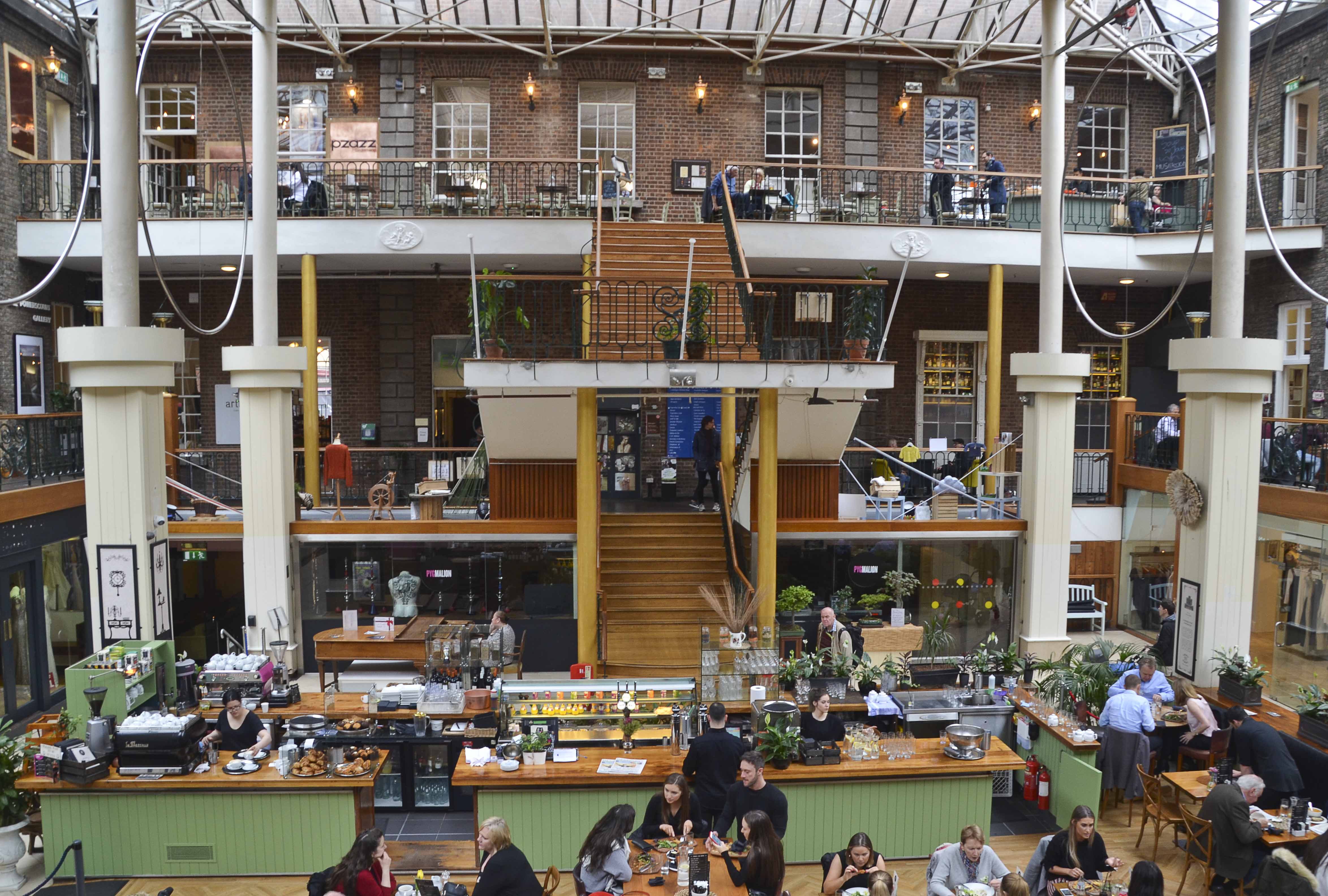
In Dublin there are many capturing buildings, but never did I imagine myself trying to photograph shopping centres…and with such relish.

St Stephen’s Green felt like a rather newly built, modern place, with all the light and all the windows I could dream of.

So, we went inside to explore. And I truly found a dream of white and green – the same fresh green colour dominating many of the interior decorations we saw in Ireland.

Quite the cake! We walked through the whole building and found the architecture fresh and matching in every detail.

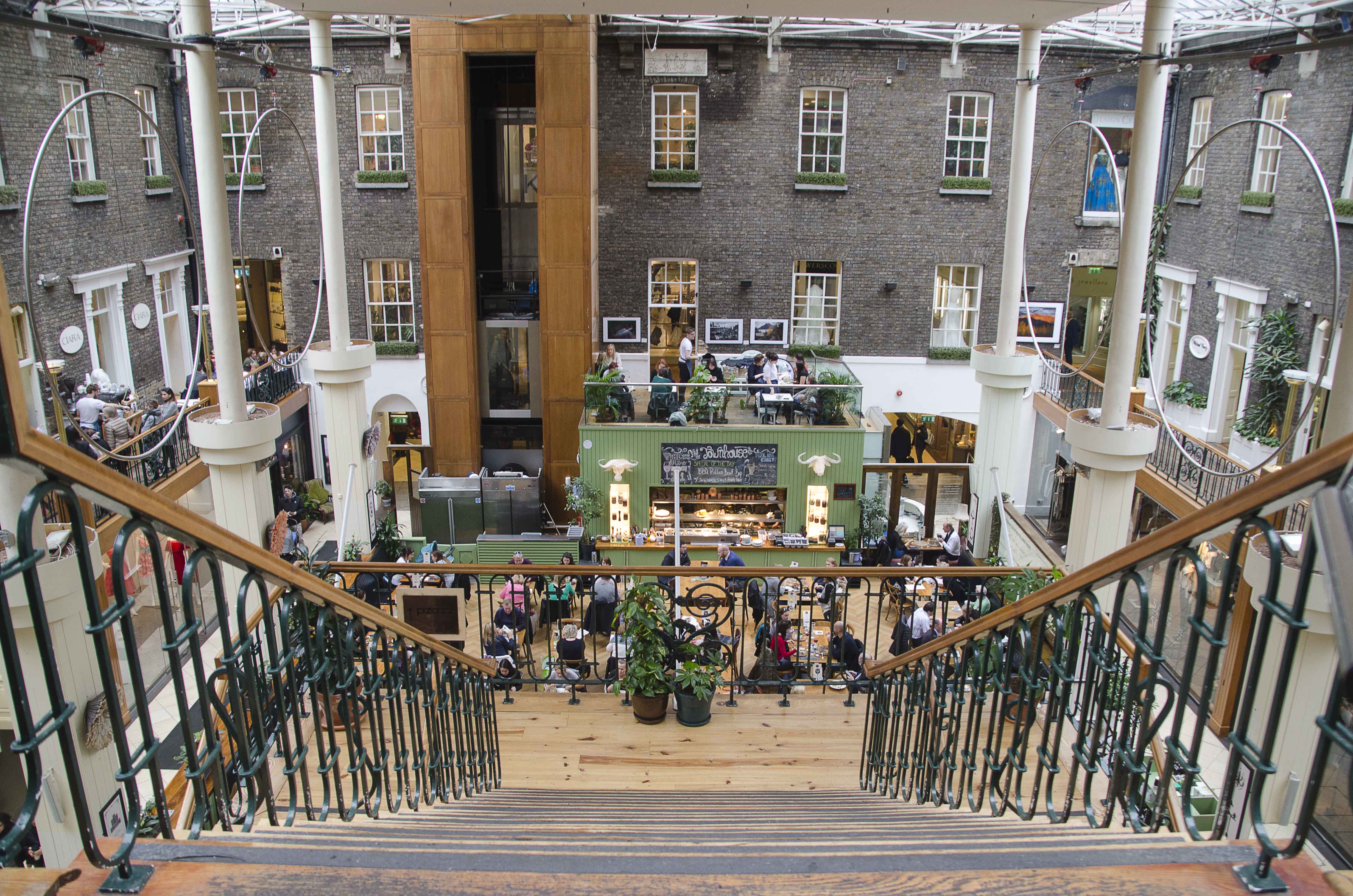
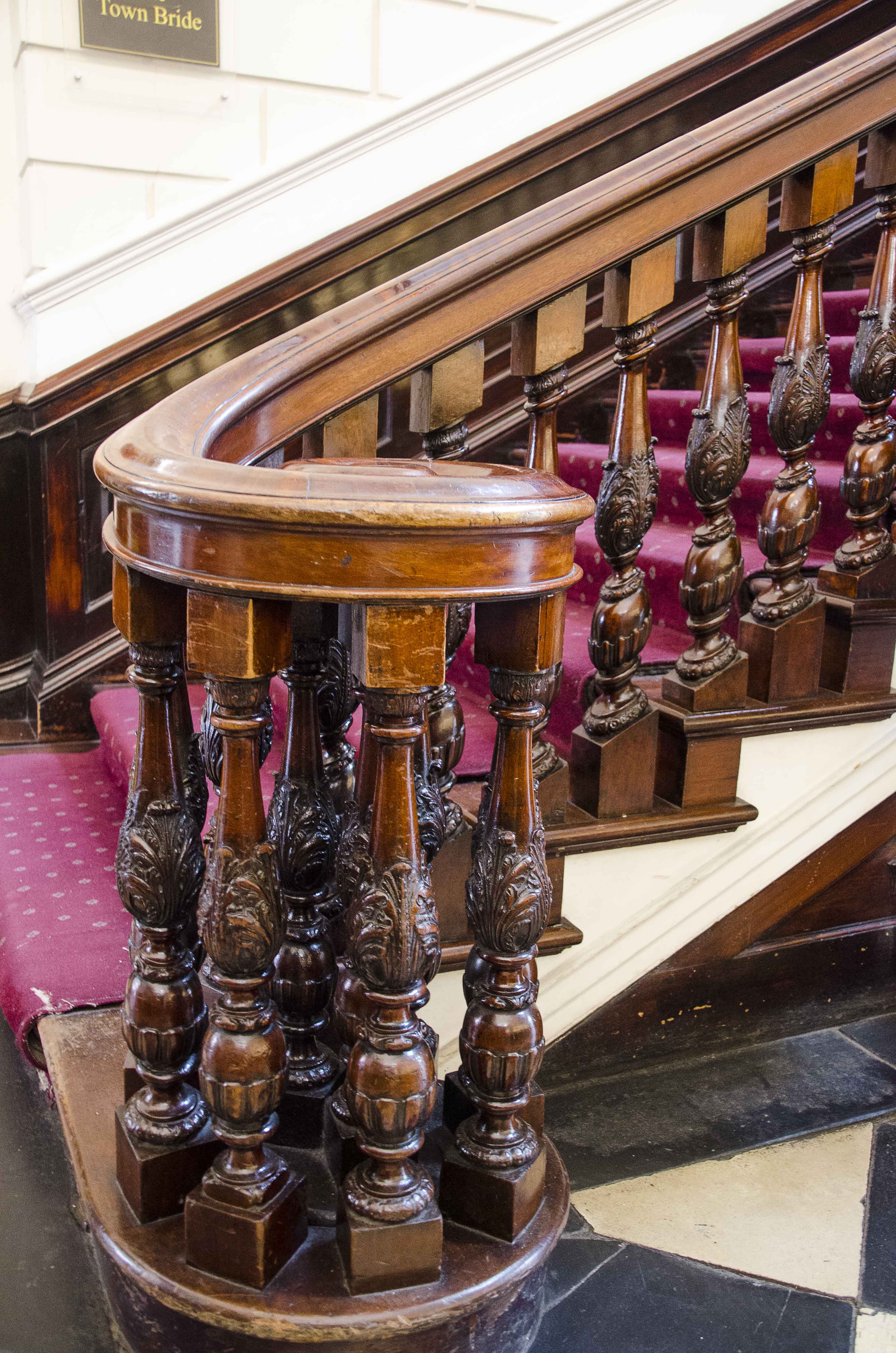
Then we walked up to one of Dublin’s oldest shopping centres, Powerscourt. I wanted to see the old mahogany staircase – original from the 18th century.

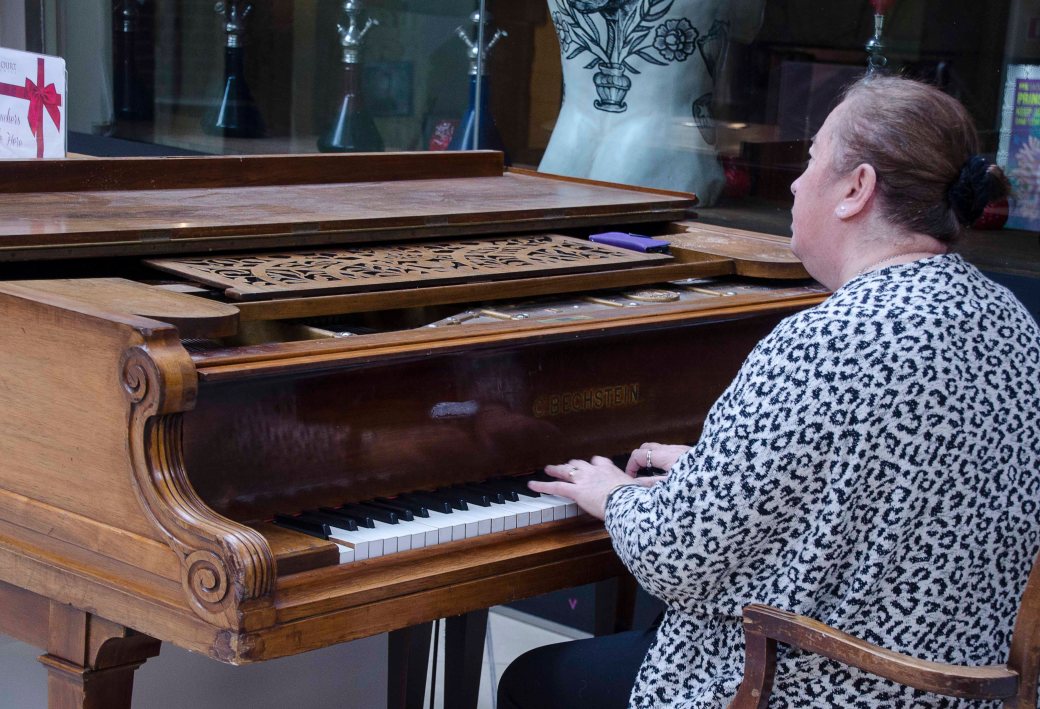
Live piano music filled the air with dreams from another century…

…and the open court was an old style dream – filled with lovely tea drinkers chatting away…

But nowhere was the mahogany staircase to be found. We marvelled at old hat shops and new hat shops, colourful furniture, jewellery stores and old, wooden floors. Where was the staircase? When we had given up trying – we finally found it on our way out, at the back of the store.

I first saw it in the mirror, and was so taken in by it, that I found myself in the mirror as well…

In the 18th century…the wood carvers were very skilled. The smooth feeling of the wood, the beauty of colour and shine, the intricate patterns… I wonder how long it took them to finish this magnificent staircase.

I guess I loved both shopping centres – but only in one of them had a kindred soul.

On Exhibition: Carl Larsson, Our National Painter

Our little town is right now the lucky host of the only exhibition of Carl Larsson’s art outside Dalarna and Sundborn. A visit to this tiny, but exquisite, exhibition was on the menue today. Our 39th wedding anniversary.

Carl Larsson (28 May 1853 – 22 January 1919) was a Swedish painter representative of the Arts and Crafts Movement. His many paintings include oils, watercolours, and frescoes. But, when we think of Carl Larsson – we first of all think of his watercolours of his wife, children and home at Little Hyttnäs, Dalarna.

Carl Larsson 027_copy

He considered his finest work to be Midvinterblot (Midwinter Sacrifice), a large (6-by-14-metre oil painting completed in 1915) painting now displayed inside the Swedish National Museum of Fine Arts.However, this great work was at first rejected by the board of the museum, and later sold to Japan. The fresco depicts the blót of King Domalde at the Temple of Uppsala. Decades later, the painting was purchased and placed in the National Museum, on the wall it once was intended for.

Detta bildspel kräver JavaScript.

Carl Larsson was born on 28 May 1853 in the old town of Stockholm, at 78 Prästgatan. His parents were extremely poor, and his childhood was not happy. His father told the young boy that he ”cursed the day he was born”. A younger brother of Carls´ was the much loved son, but he died at an early age. Throughout his life, CL could never forget his father’s words…and…

Carl Larsson 018_copy

…with him was forever the wish for being loved. Much loved.

And he found his great love in another young artist, Karin Bergöö, whom he soon married. Together they worked in perfect harmony – he painting and she designing and working mostly with textiles. She bore him 8 children.

Through their paintings and books, Little Hyttnäs has become one of the most famous artist’s homes in the world. The artistic taste and harmony of its creators made it a major line in Swedish interior design. Despite its controversialness to the style of the time. The descendants of Carl and Karin Larsson now keep the house open for tourists each summer from May until October.
 

Thursday Thoughts – Moving a Town

Kiruna  is the northernmost town in Sweden, situated in the province of Lapland in Norrbotten County. Inhabitants – about 20 000.

norrland-och-vasterbotten-363_copy

Esrange Space Center was established in Kiruna in the 1960s, and they also have the Institute of Space Physics.

norrland-och-vasterbotten-351_copy

The re-development of Kiruna is a reconstruction project, as the Kirunavaara mine, run by LKAB, undermines the current town center. Several buildings, including Sweden´s most  beautiful church and the famous Town Hall,  are to be moved or demolished. The whole town center is to be moved 3 kilometers to the east.

norrland-och-vasterbotten-346_copy

The ground deformations became apparent in 2003, and the redevelopment started in 2007. The moving of the town was started in 2014 and is expected to be finished by 2100. According to the plan, there will be a denser city centre with a greater focus on sustainability, green and blue infrastructure, pedestrians and public transport rather than automobiles.

norrland-och-vasterbotten-350_copy

Walking the empty streets at night,  the snowy silence is almost visible, touchable, embedding you in cotton cold. I wonder how the people here really feel…knowing most of them will have to leave their homes and their familiar surroundings for something they have not chosen themselves. A great piece of history will be lost, and I guess a piece of Lapland´s soul as well.

Jokkmokk – The Reindeer Race

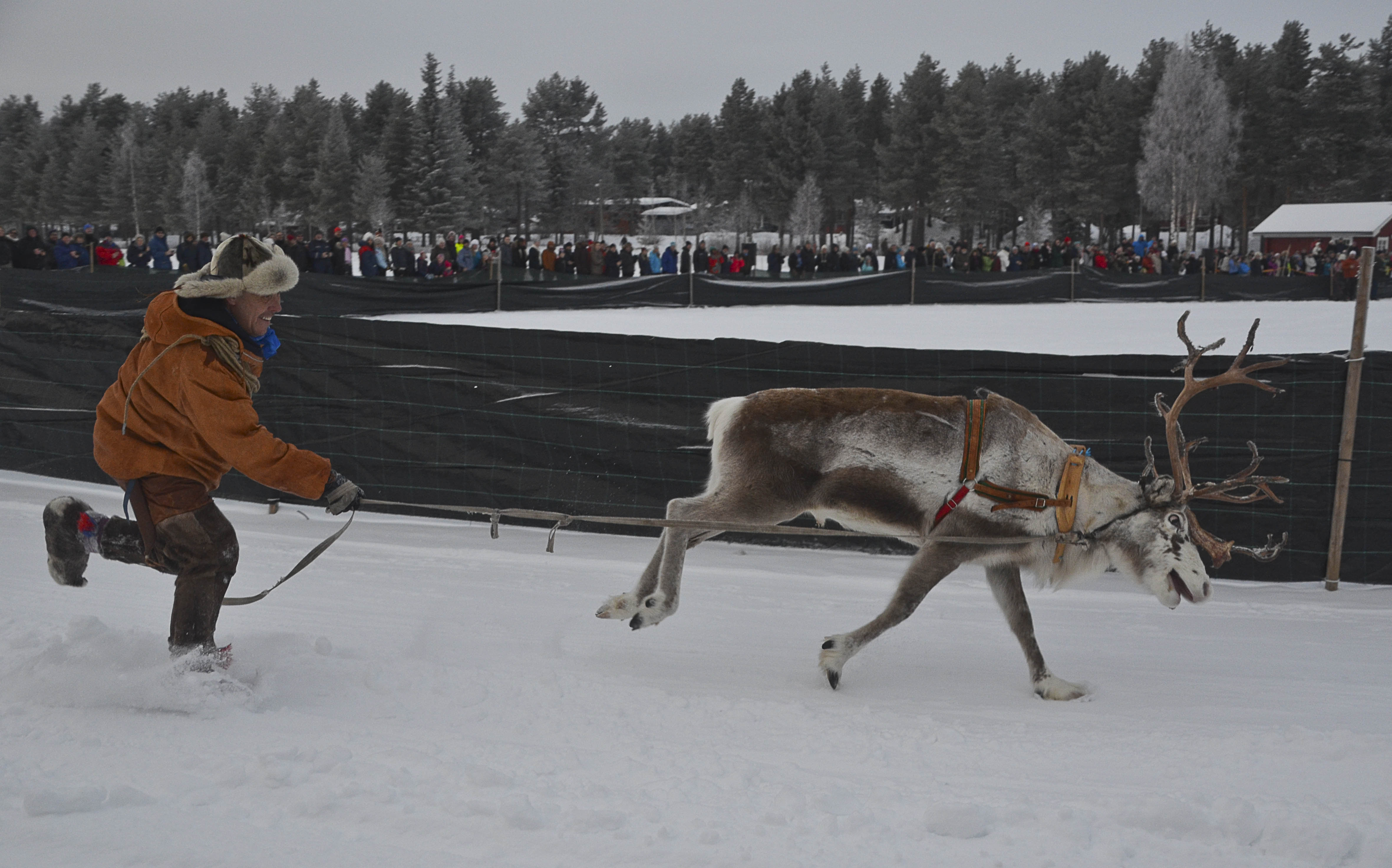
Every year there is this race on the lake – and it is great fun to watch it. The reindeer are indeed not very tame, and they have to be handled rather like the wild creatures they are… But they seem to like this game – and the running!

Well…the last guy was really funny – and he most certainly enjoyed this game even more than the reindeer….No sledge, just his boots!

norrland-och-vasterbotten-239_copy

The reindeer are quite unstoppable as well, as you can see from the pictures. When they have finished the race…they will go on running!

norrland-och-vasterbotten-241_copy1

And walking them home can be rather tricky too – even more if they are two…

norrland-och-vasterbotten-325_copy

Thursday Thoughts – Jokkmokks Marknad -412 Years Old

”Jokkmokk’s Market has a long history and is considered to have a four hundred-year unbroken tradition. Permanent marketplaces near the Sámi’s winter settlements were established by the Swedish crown at the beginning of the 17th century in all the Sámi Lappish territories on both sides of the Gulf of Bothnia. The purpose was to strengthen the state’s control of the population in the north as well as to collect taxes, hold legal court and spread the Word of God. Planning a market in the Lappish territories during the coldest time of the year had several advantages. The Sámi were gathered in their winter settlements in the forest area with winter grazing for their reindeer and the frozen waterways constituted magnificent roads for the merchants, state officials and men of the church.”

http://www.jokkmokksmarknad.se/visitors/history/

norrland-och-vasterbotten-125_copy

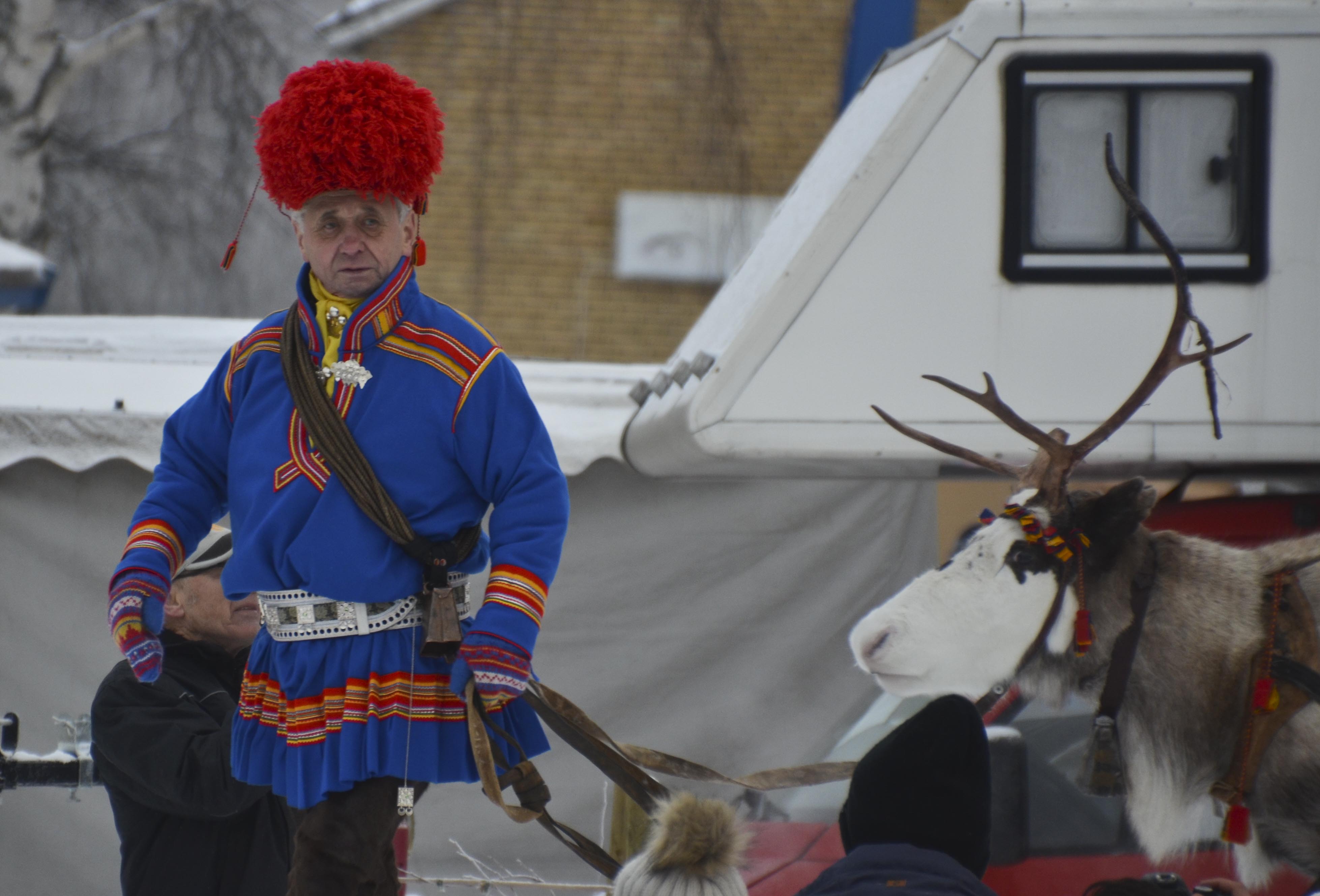
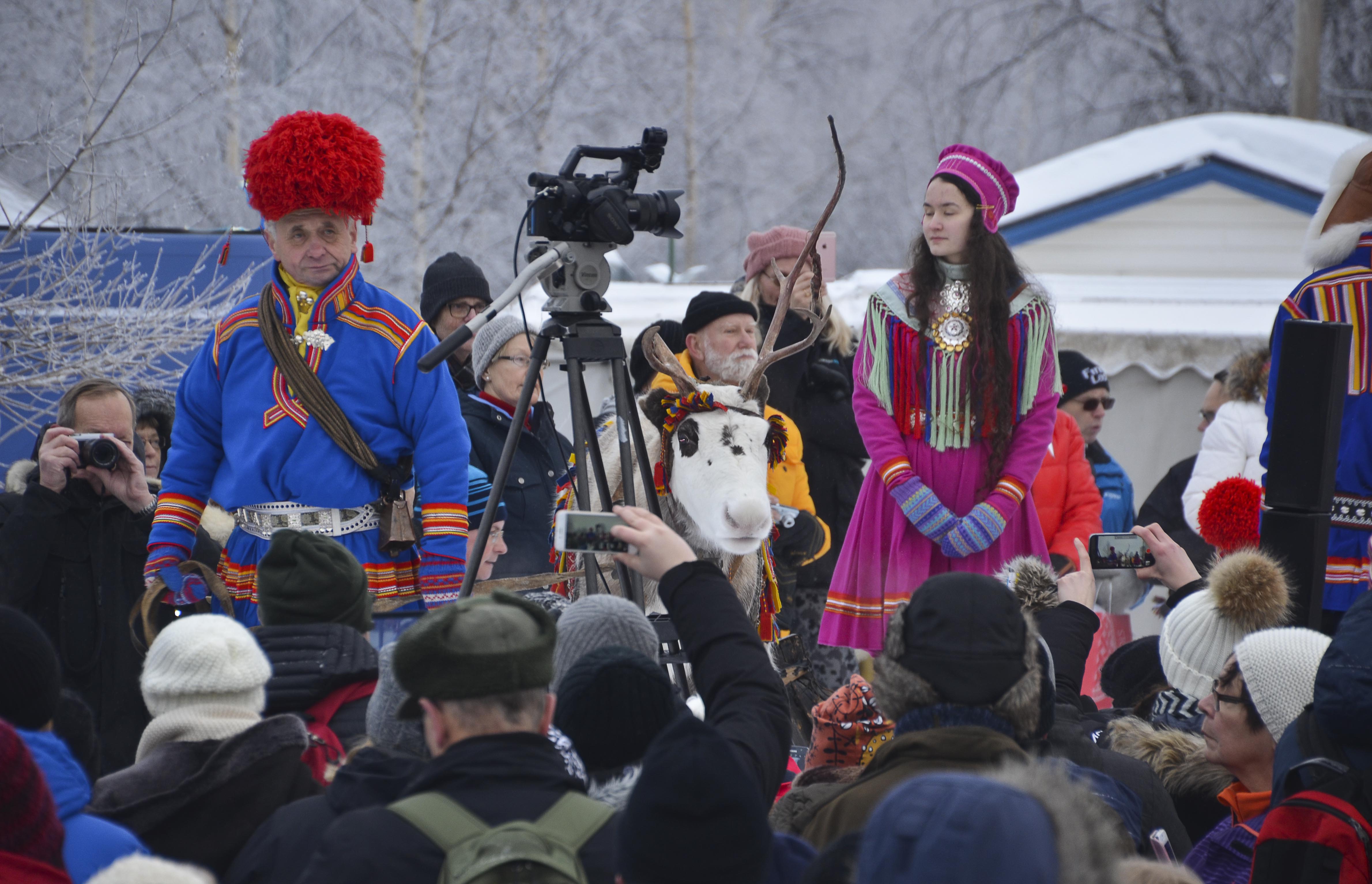
”Renrajden” is every year led by Per Kuhmunen and his family. It takes at least a year to tame the reindeer as much as needed to follow their leaders through the market place and let people touch them. At the Snow Scene in the middle of the market place, they sometimes let themselves be interviewed and photographed in the traditional Gákti. https://en.wikipedia.org/wiki/G%C3%A1kti

The Sámi people have always led a harsh life, and today they also have problems with the global warming that hits hard up north. As the weather wavers between warm and cold, the ground will get icy and the reindeer cannot find food enough. Last year some 30000 reindeer starved to death in northern Russia.

norrland-och-vasterbotten-153_copy

Per Kuhmunen and his family comes back every year to Jokkmokk’s Market. Today they are met by film cameras and ordinary cameras, radio and TV. But they seem to enjoy it.

Between Old and New.