El Camino – maybe some day…

Have you ever thought about walking the 1000 year old pilgrim paths, eighthundred + kilometres, from St Jean Pied de Port in France to Santiago de Compostela in Spain?

I am thinking about it, right now…

Camino Frances Map, Camino del Norte Map, Via de la Plata Map. Camino de Santiago Maps.

This summer we met many pilgrims on our Spanish journey, and what we learned from them, was peace of mind and reflecting thoughts of life… What am I doing here and where am I going – and Why? Pain of course…but as we happened to meet so many different pilgrims, we realized how many different reasons there are for their pilgrimage and the ultimate joy and satisfaction when arriving in Santiago. Hundreds of thousands of pilgrims walk one of these routes every year, and in a couple of posts I will try to convey something of what we learned about why they choose to go through this 800 – kilometre ordeal.

On our way to Astorga and the great cathedral, we stayed at this pilgrim albergue – our first one. At the entrance we were welcomed by Evilio, and immediately he set the mood: Contemplative and calm – Total Harmony.

Every morning we were awakened by the sound of the pilgims’ sticks. The earlier you are up, the earlier you will be at your goal for the day. First to the albergue gets a bed.
The Camino was just outside our window. And every evening there were new pilgrims lodging – and hopefully telling their story. Some did not want to talk much though. According to the old tradition, you should not talk during your journey. You should stay concentrated on your inner qualities.
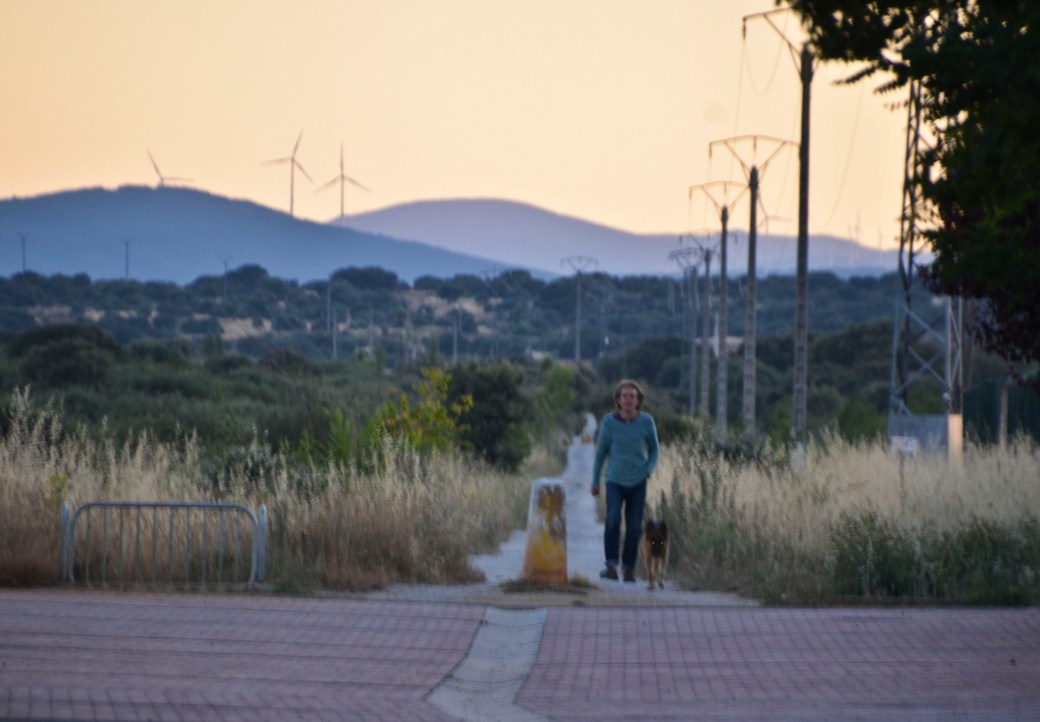
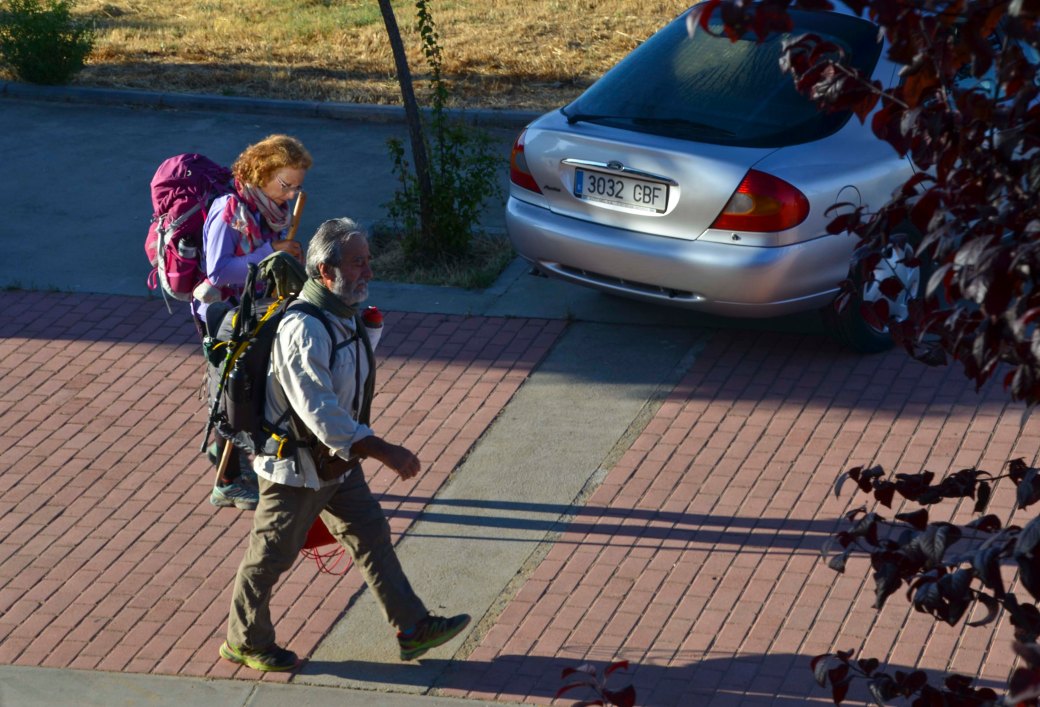
Late in the evening, these two friends would come walking after a tour on the Camino. The yellow stone is the mark.

Keep your window open…

Thursday Thoughts – (To me…) Unknown Artists

There are times…when you come across things you never had expected, things magical…like the artwork of Petras Repšys.

Repšys is a graphic artist and monumentalist, born in Šiauliai, Lithuania, in 1940. In 1960 – 1967 he studied graphics at the Lithuanian State Institute of Art, and since 1967 he has participated in various exhibitions at home as well as abroad. His works embrace engravings, book and applied graphics, book-plates, easel painting, frescos, sculptures, and medals.

The University of Vilnius displays his fresco ”The Seasons of the Year” (painted in 1976-1984) with motifs from Baltic mythology at the Centre of Lithuanian Studies. This is the absolute highlight of the University visit – and maybe of the whole trip to Vilnius.

Please notice all the little figures trapped in the ”frames”themselves – or in between. Climbing, holding things together, connecting …or just watching.  Fascinating.


Travel theme: History

Travel theme: History

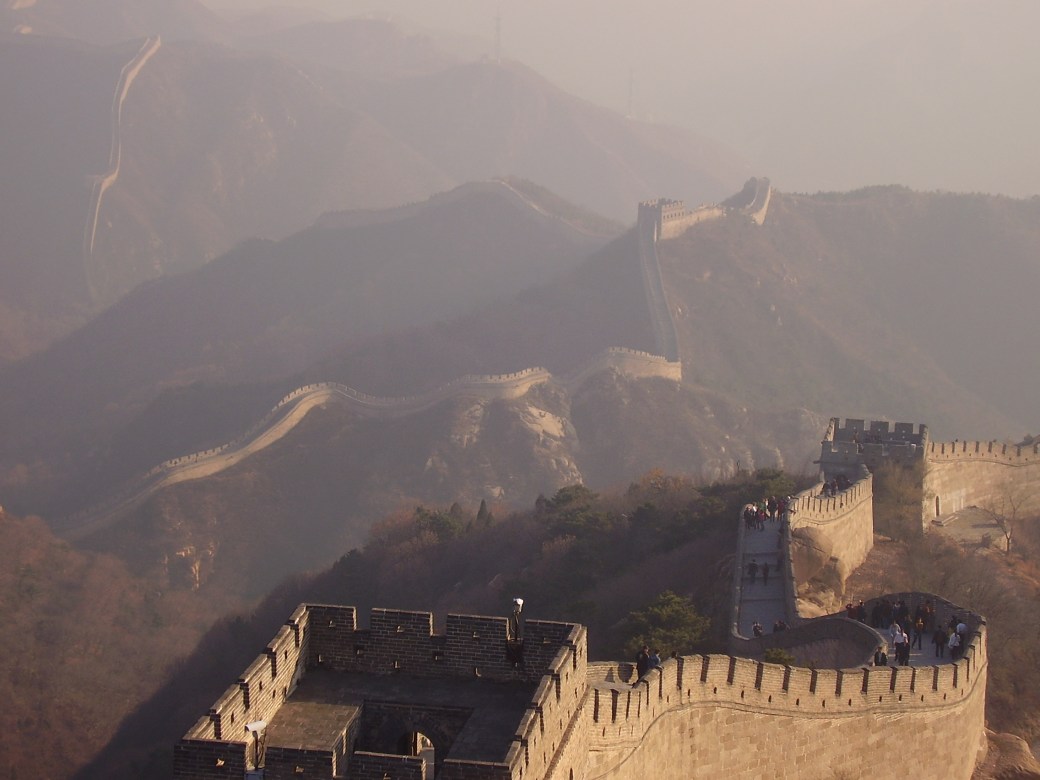
To me, maybe China and the Great Wall stands out when I think of History. Not only is it very old, but there is so much history behind the building of the wall, so many lost lives and such a fascinating idea from the start.

So, I keep returning to it…

Gernika -The Assembly and The Tree

In the header, the replica in Gernika of Pablo Picasso’s Guernica –  reminding us all of the 1937 bombings. His masterpiece is hanging in the Reina Sofia museum, Madrid.

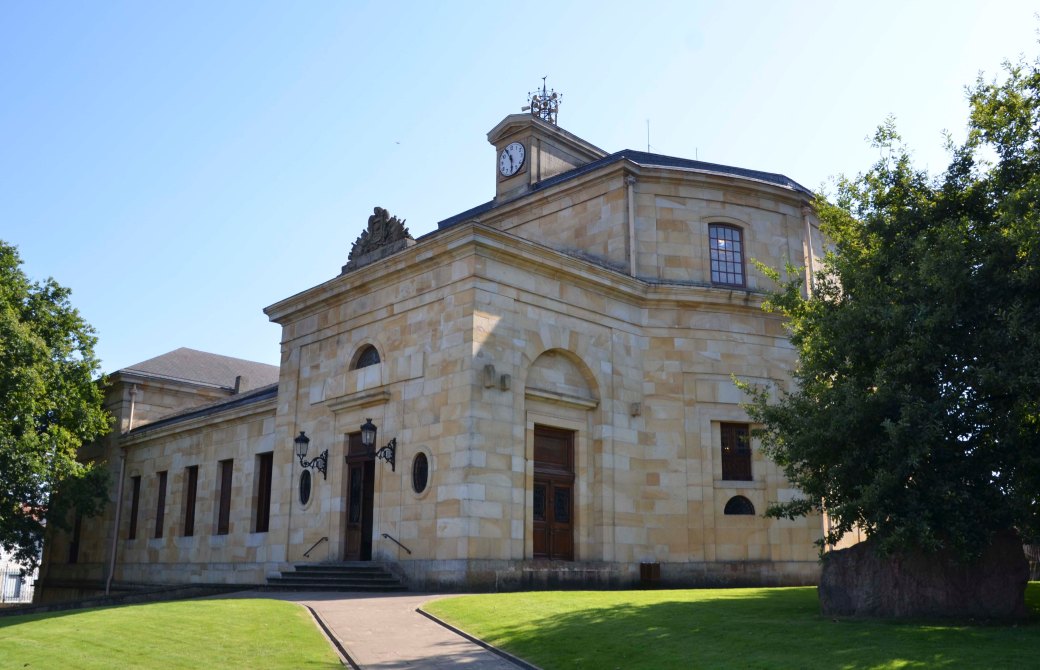
The Assembly House (built 1826) and the Tree of Gernika are the living symbols of the Basque People’s history.

The two of them became a meeting point of all the territories of the Basque Country – bringing together cultural and ethnographic traditions.

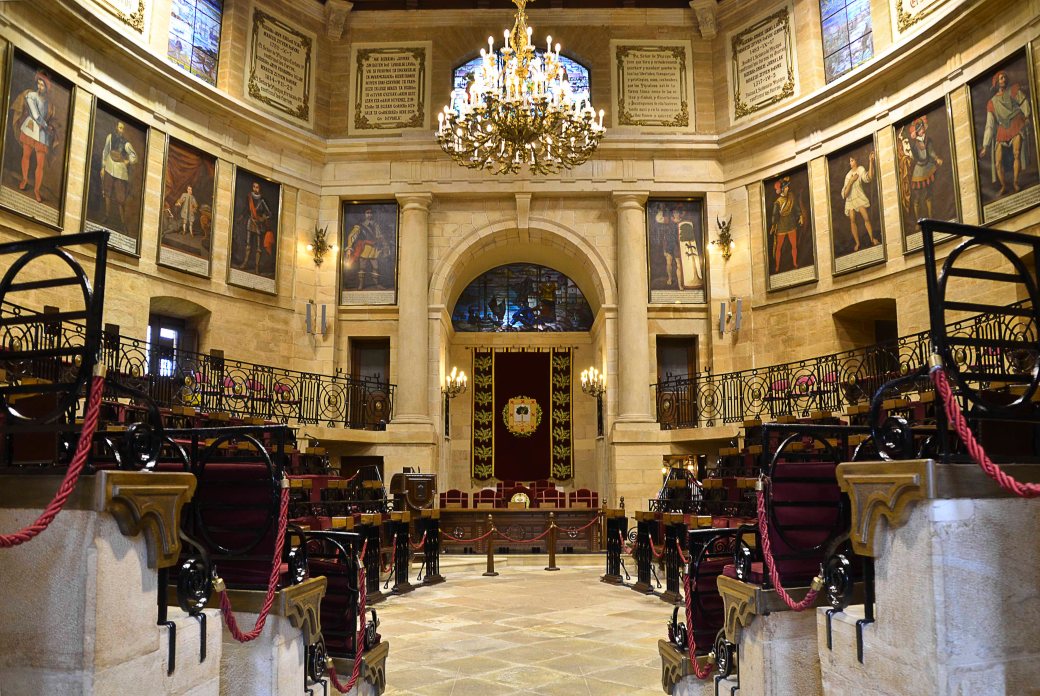
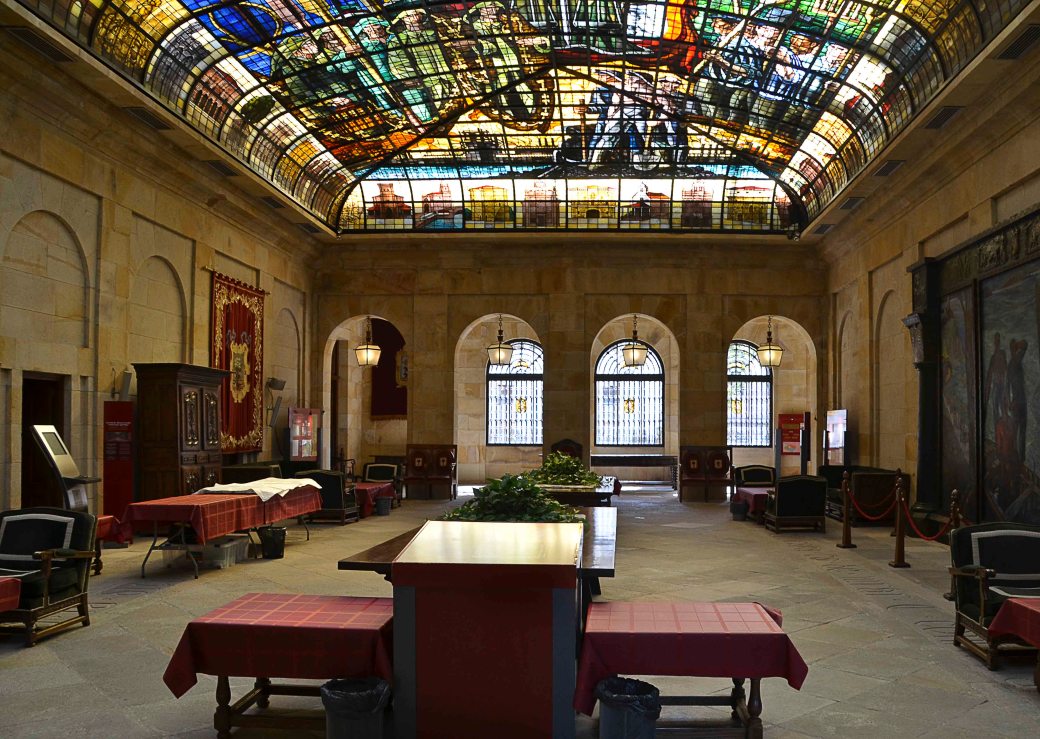
In this room are held all the plenary meetings of the General Assembly. It was conceived as a Church-Parliament that could bring together political and religious functions at the same time. The portrait gallery shows different dates when the Oaths were taken for The Old Law ( based on usage and custom) in a ceremony.

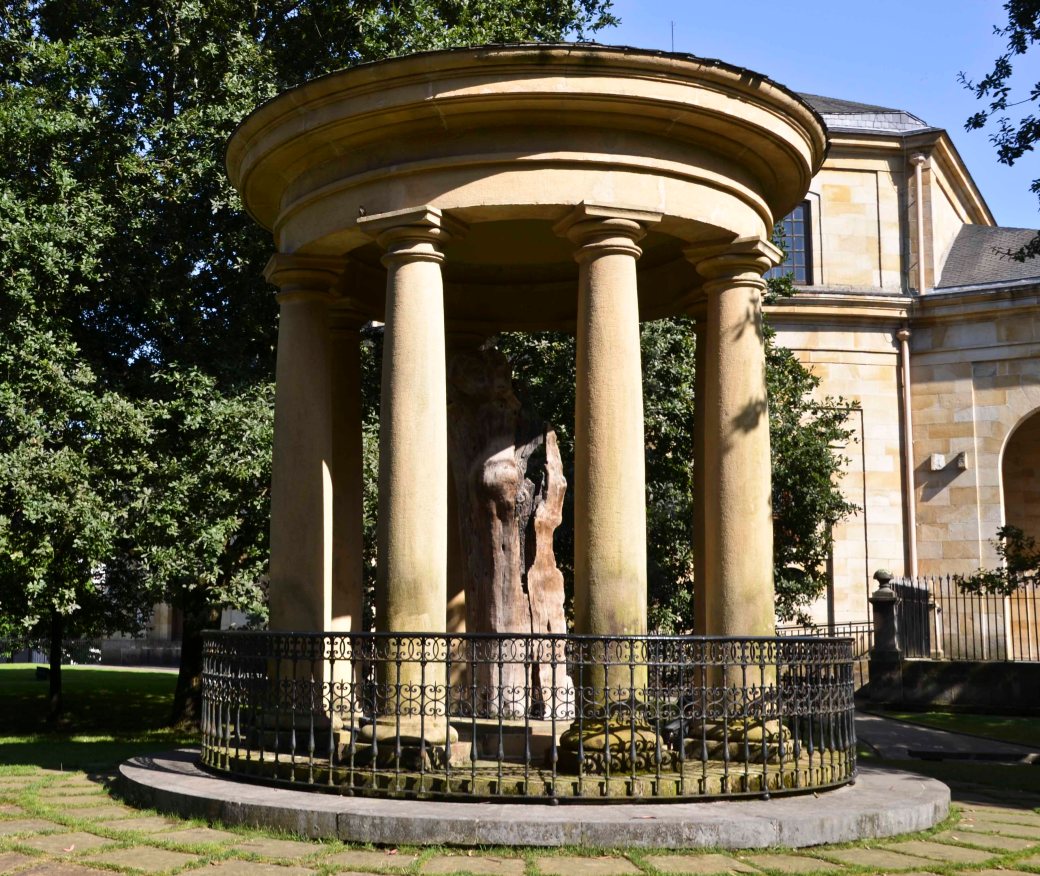
The Tree og Gernika is the best known symbol of the Basque People.

For centuries, under its shade the meetings of the General Assembly were held. This is the old trunk of the oldest remaining of the Assembly Oaks, planted around 1700. A new oak tree (a direct successor of the old one) is planted when the old venerable tree is gone.

Everywhere is the symbolic tree represented, in embroideries as well as wood carvings.

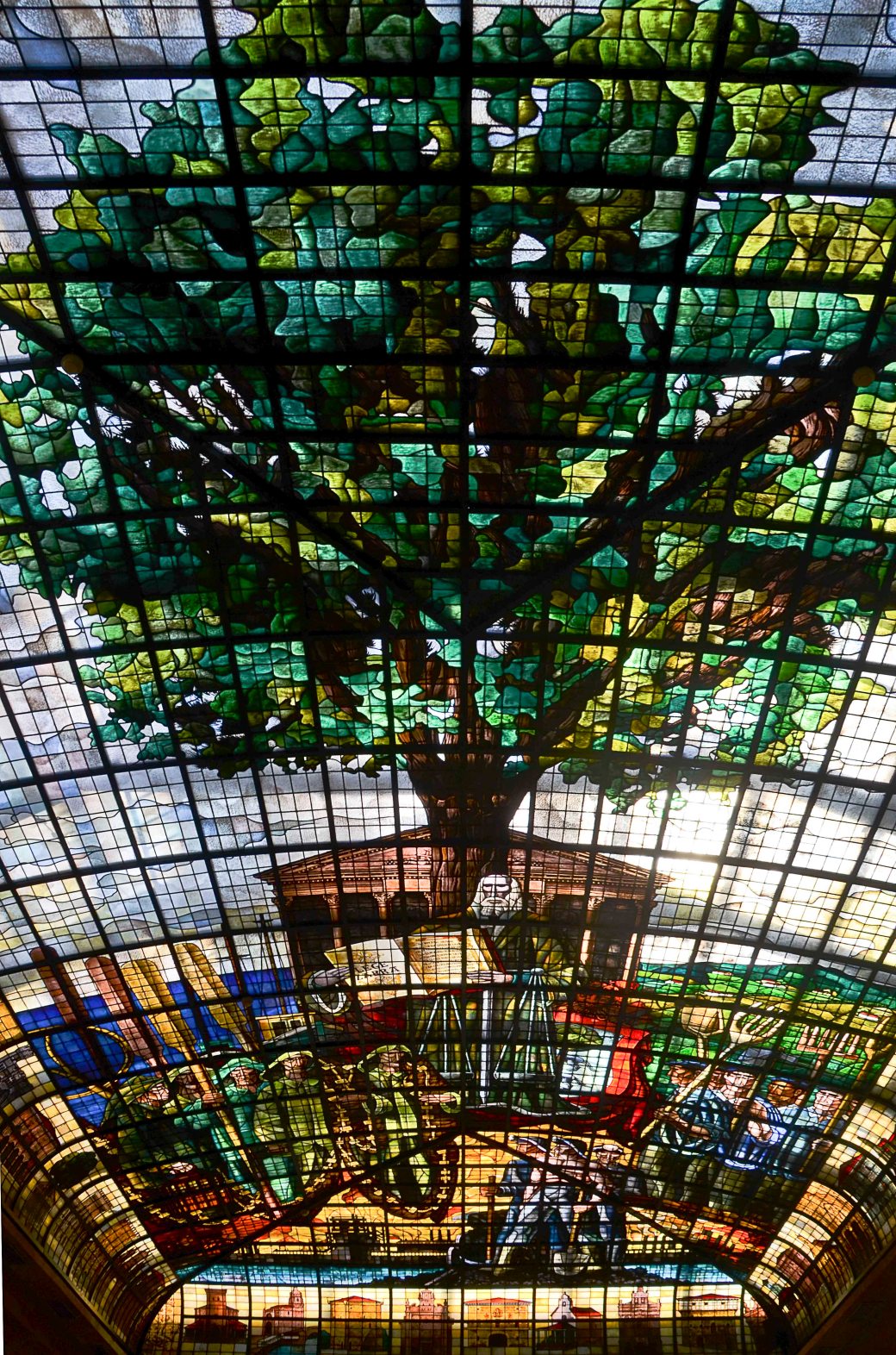
This is the Room of The Stained Glass Window. The space was originally designed as an open air patio, and is now currently employed for institutional uses.

The gigantic stained glass window – or in fact ceiling –  completed in 1985, has a special significance. It was crafted completely by hand by a company from Bilbao, Vidrieras de Arte S.A. It is a graphic representation of the Tree as a meeting point for the districts of Bizkaia.

The Winner Takes It All – Song of Roland

”I am watching your every step…”

Towards Pas de Rolande, where Charlemagne’s army was ambushed after the sacking of Pamplona – celebrated in the medieval poem, Song of Roland.

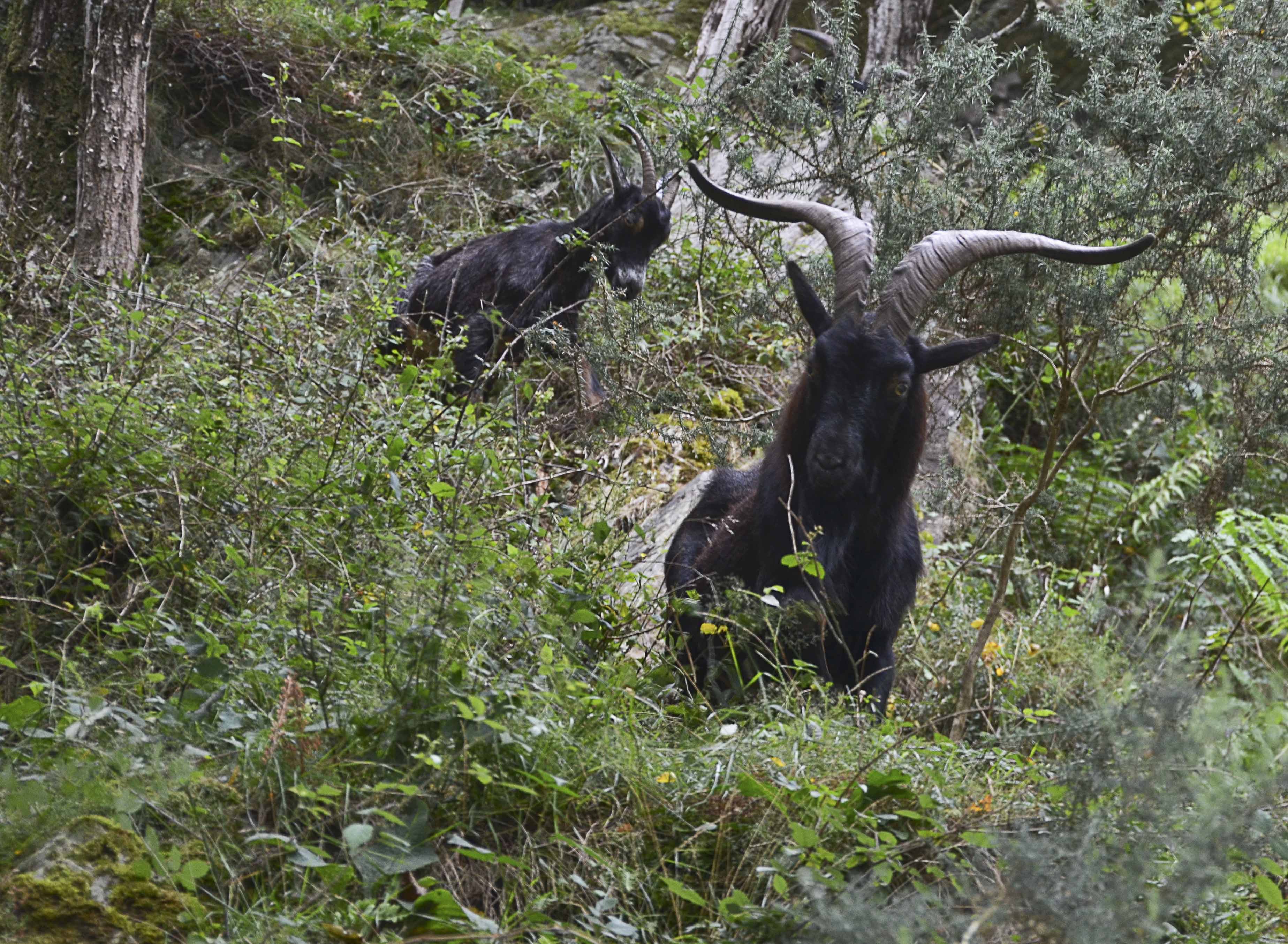
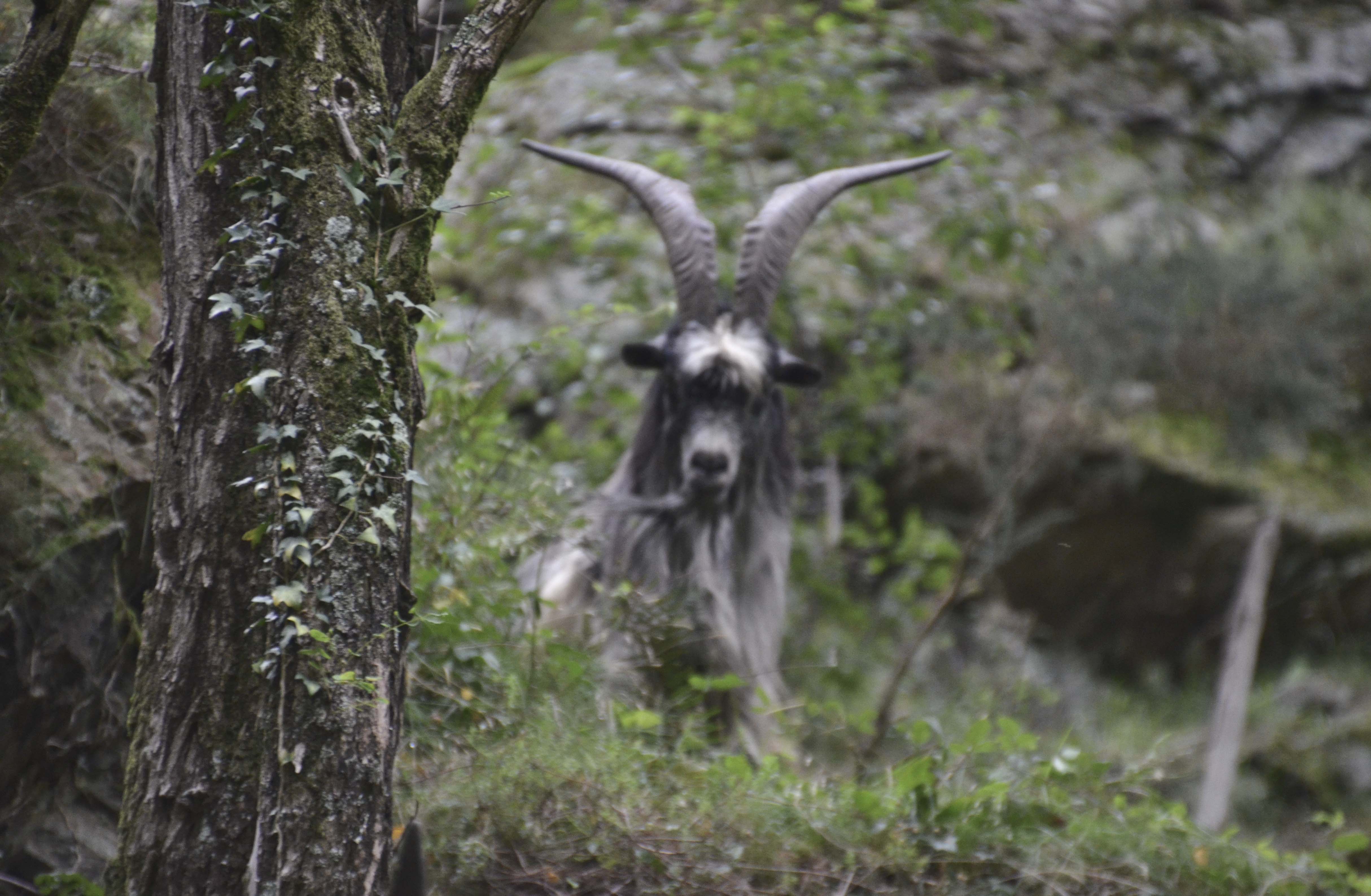
Along the road we met a herd of, what we believe was, Iberian wild goats. The gamey smell filled the air, and soon we saw them climbing the stony slopes up on our right side as well.

As they were rather close to the road, about 5-10 metres up, we could study them roaming the bushes, popping up a head every now and then.

We reached the rock formation in the gorge. According to legend, the gap once was created by Roland’s horse.

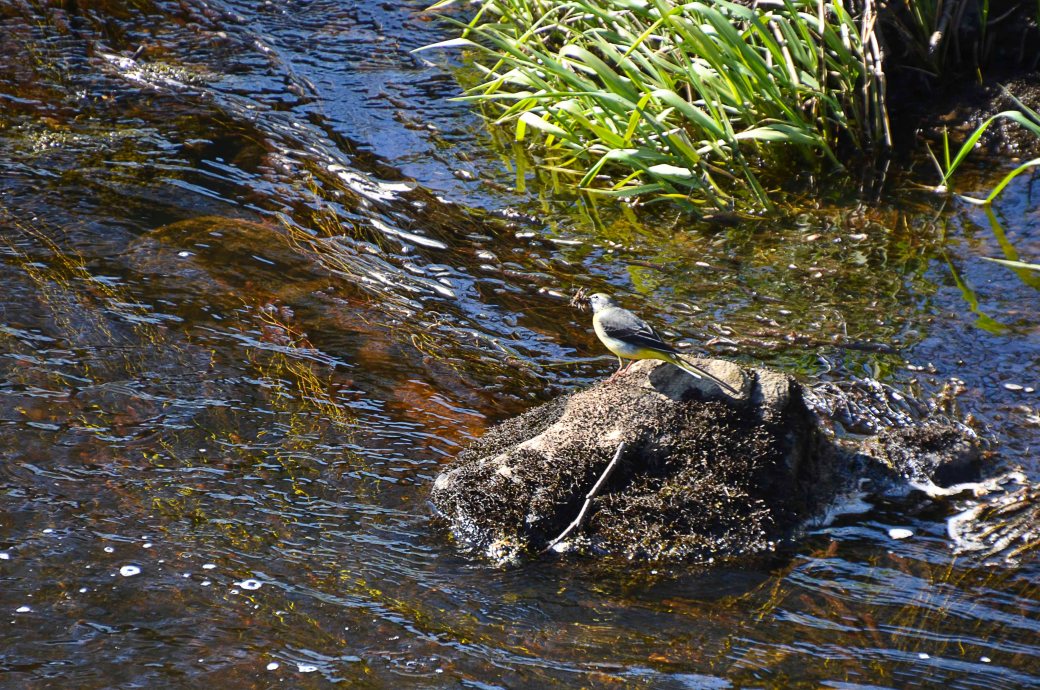
On my way back, alone, (my husband went back before me) the strong smell from the goats appeared again. And, I was lucky to witness this piece of wild life -love life!

”Well, I have seen it before…and in my  younger days I would…

…win all of those fights…”

It Is All About Bulls…

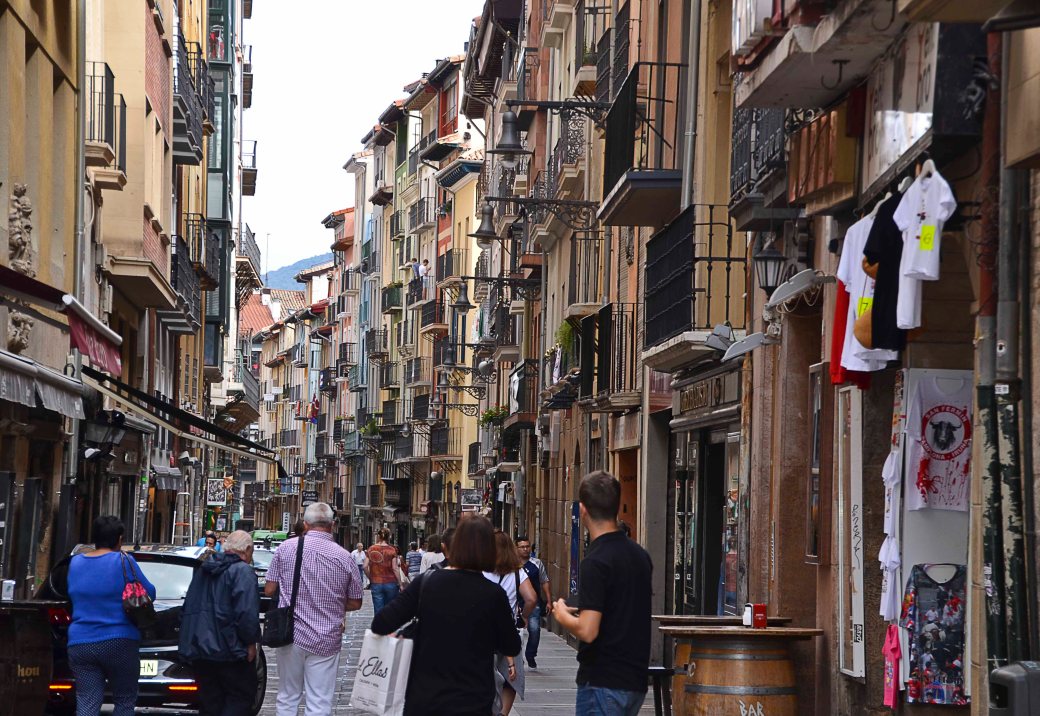
A rather big city, renowned for its yearly dangerous race between men and bulls…

…running along this street…
…ending up in the arena on the other side of these red doors.

Spanien 3 334_copy

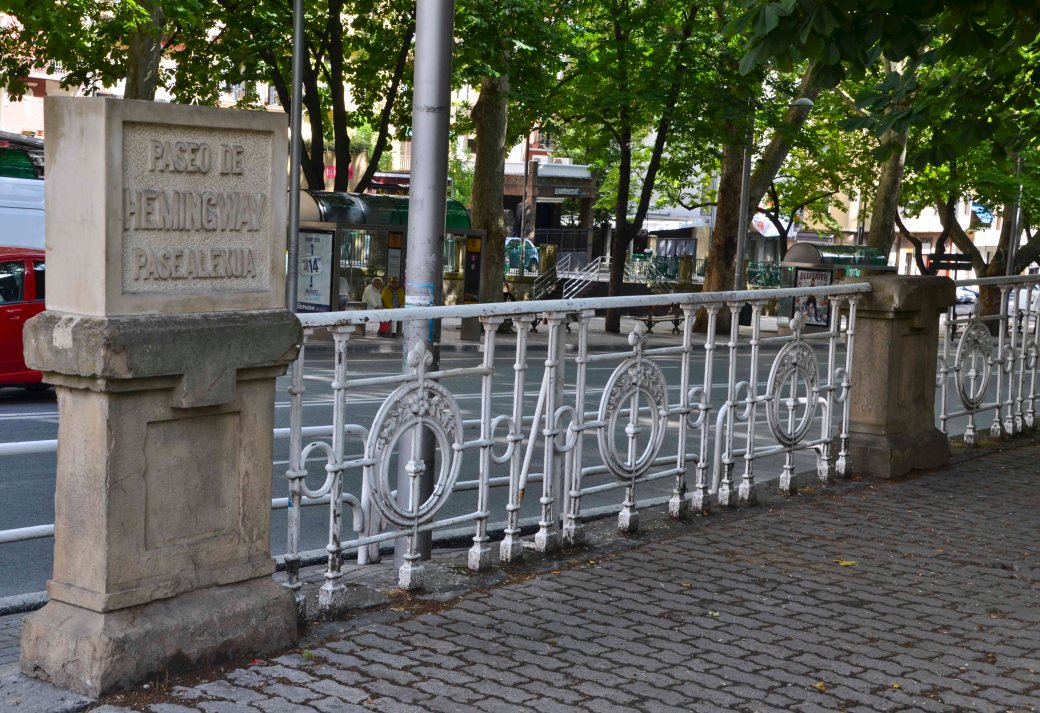
The man who made this race known to the whole world had a street named after him here – just beside the arena.

And he happens to be one of my favourite authors. Although I must say the monument does not do him justice…

Surely you, by now, know where we are in Spain?  – Pamplona!


Djemaa el-Fna – ”assembly of the dead”

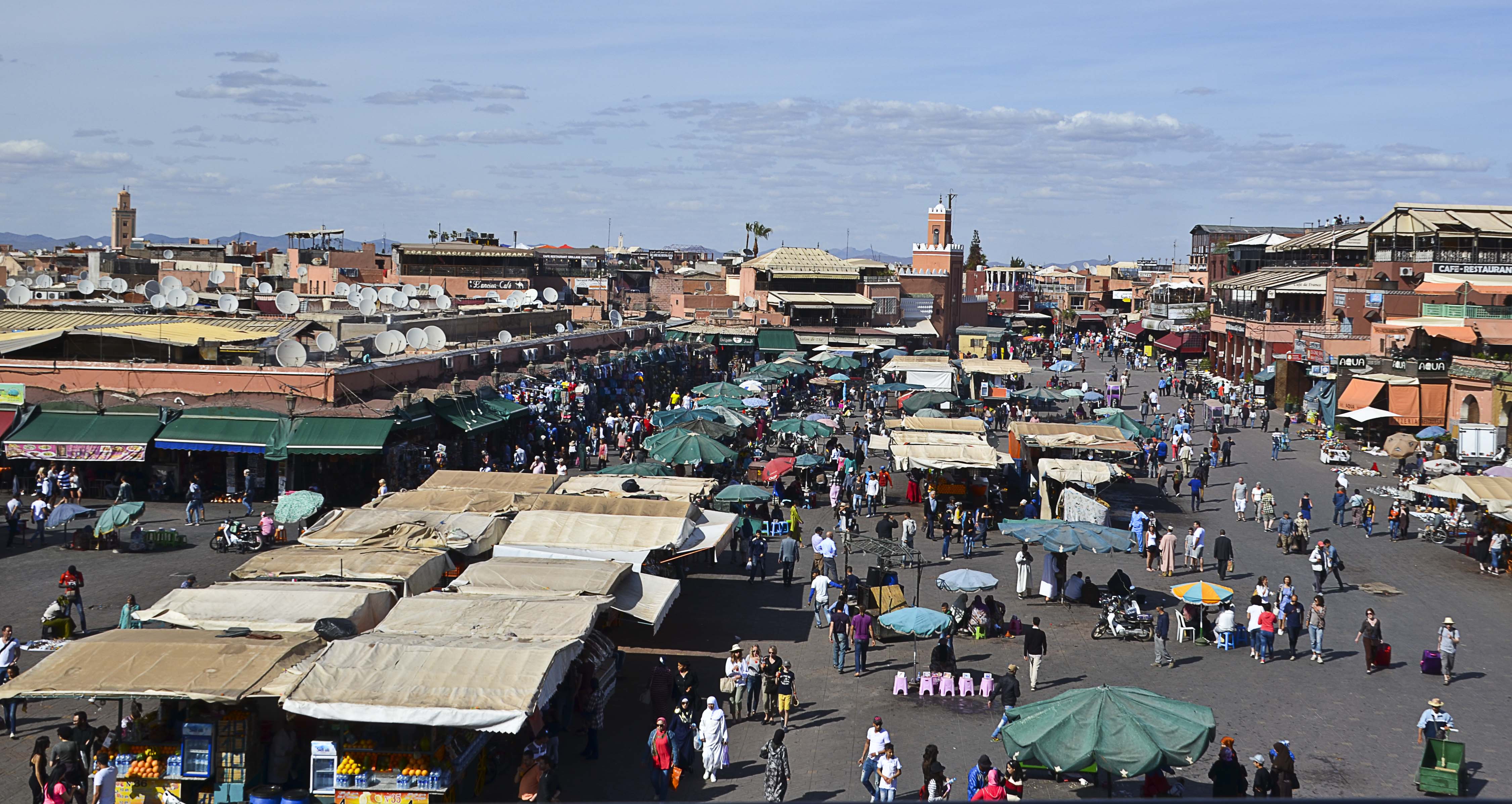
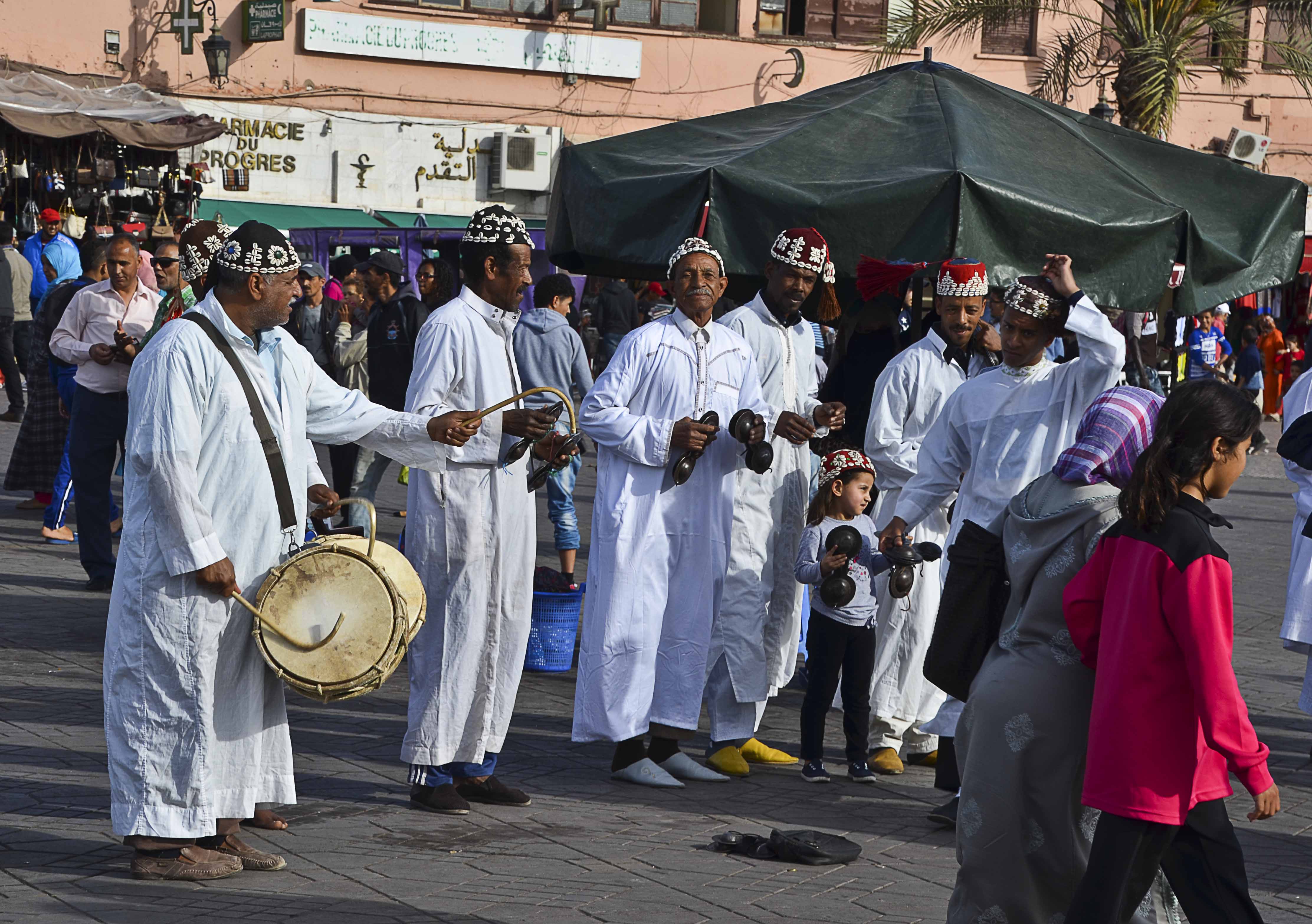
Everywhere you look in the Djemaa el-Fna, Marrakesh’s main square, you’ll discover theatre  in progress. The street theatre has a natural home here ever since this plaza was the site of public executions around AD 1050. Even if there are discussions on the origin of its name, Jemaa means ”congregation” in Arabic, probably referring to a destroyed Almoravid mosque. ”Fanâʼ” or ”finâ'” can mean ”death” or ”a courtyard, space in front of a building.” Thus, one meaning could be ”The assembly of death,” or‘assembly of the dead’.


Marocko 140_copy

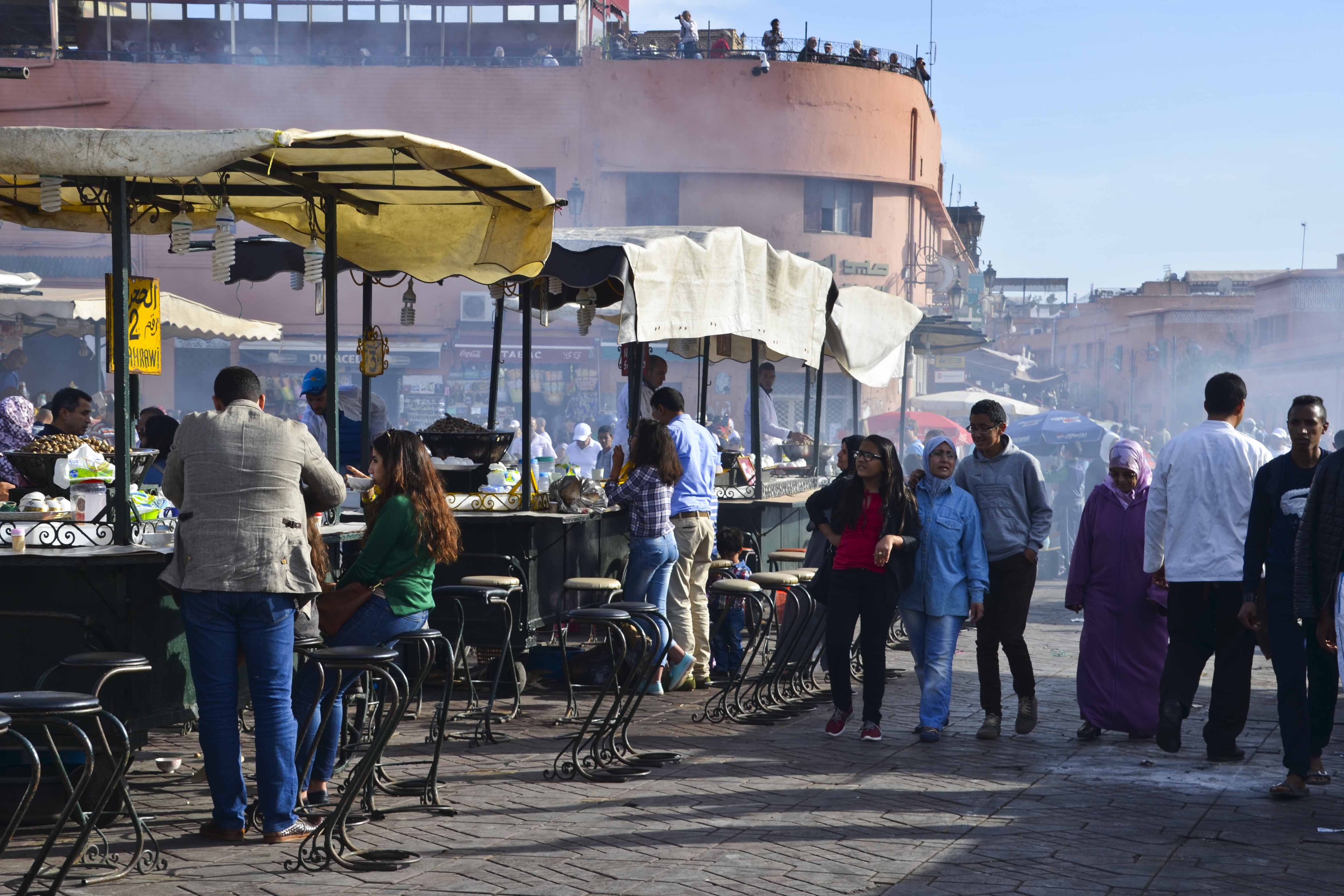
It is not just a tourist attraction since many locals also enjoy the activities that make Djemaa el- Fna come alive. During the day, the square has numerous stalls, most of which sell fresh fruit juice, water and fruit.


Marocko 166_copy

By 10am, the daily performance is under way. Snake charmers with their hissing cobras and men with chained Barbary apes, despite the protected status of these species under Moroccan law; henna tattoo artists ( women with piping bags full of henna paste, ready to paint you with “tattoos” that will last up to three months – though beware of synthetic “black henna”, which contains a toxic chemical; only red henna is natural. The Henna Café guarantees to use only natural henna).


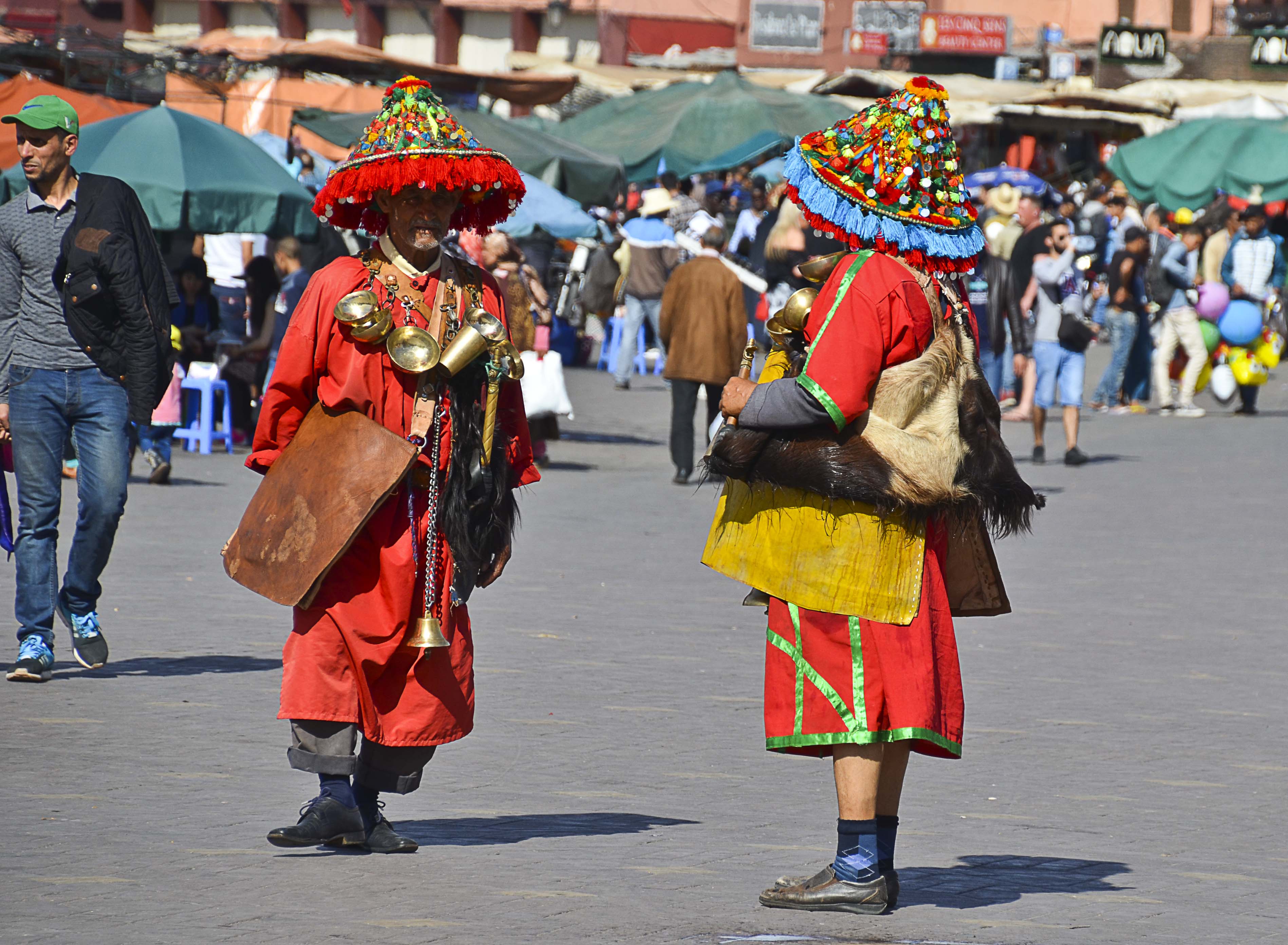
Water-sellers in fringed hats, with water-bags hanging and brass cups clanging. Medicine men display their cures, and tooth-pullers display trays of extracted molars to prove their skill. And if you wonder…fortune-tellers sit under umbrellas with packs of fortune-telling cards at the ready.

Marocko 146_copy

At dusk people come out for an evening promenade, and the square gradually fills until it becomes a whole carnival of storytellers (telling their tales in Berber or Arabic, to an audience of locals), acrobats, musicians and entertainers.  If you want a respite, you can move over to the rooftop terraces, such as the Café du Grand Balcon, or Café Glacier, for a vista over the square and all the activities, and the crowds who come to see them. Very much recommended. We enjoyed a rather expensive bottle of juice and a less expensive mint tee – having a great view without being crowded.


Marocko 165_copy

Arrive early in the evening to get a good seat. Applause and a few dirhams will encourage the performers. It’s a great show, but be prepared…taking photos immediately brings at least one man to your door…dirhams!

Marocko 163_copy

In 2001, Djemaa el-Fna was recognized by  UNESCO  in the project Masterpieces of the Oral and Intangible Heritage of Humanity – the initiative coming from people concerned about the Djemaa el-Fna. Since long known for its concentration of traditional activities by storytellers, musicians and performers, but now threatened by economic development pressures. The residents wanted protection of their traditions, and called for action on an international level. In 2001, this ”cultural space” got its protection.

In Marrakesh, this meeting place is a must. Remember – this is far from only for tourists. Most people strolling here, enjoying themselves, are locals. This is, even today, a genuine piece of Arabian Nights…no ”assembly of the dead”.


.


Have a Taste of Magical Marrakesh

If I were to chose one picture, only, to represent my visit to Marrakesh and the Medina, it would be the one in the header. Colourful, hot and filled with scents. Then, there is of course the multitude of people…here we go!

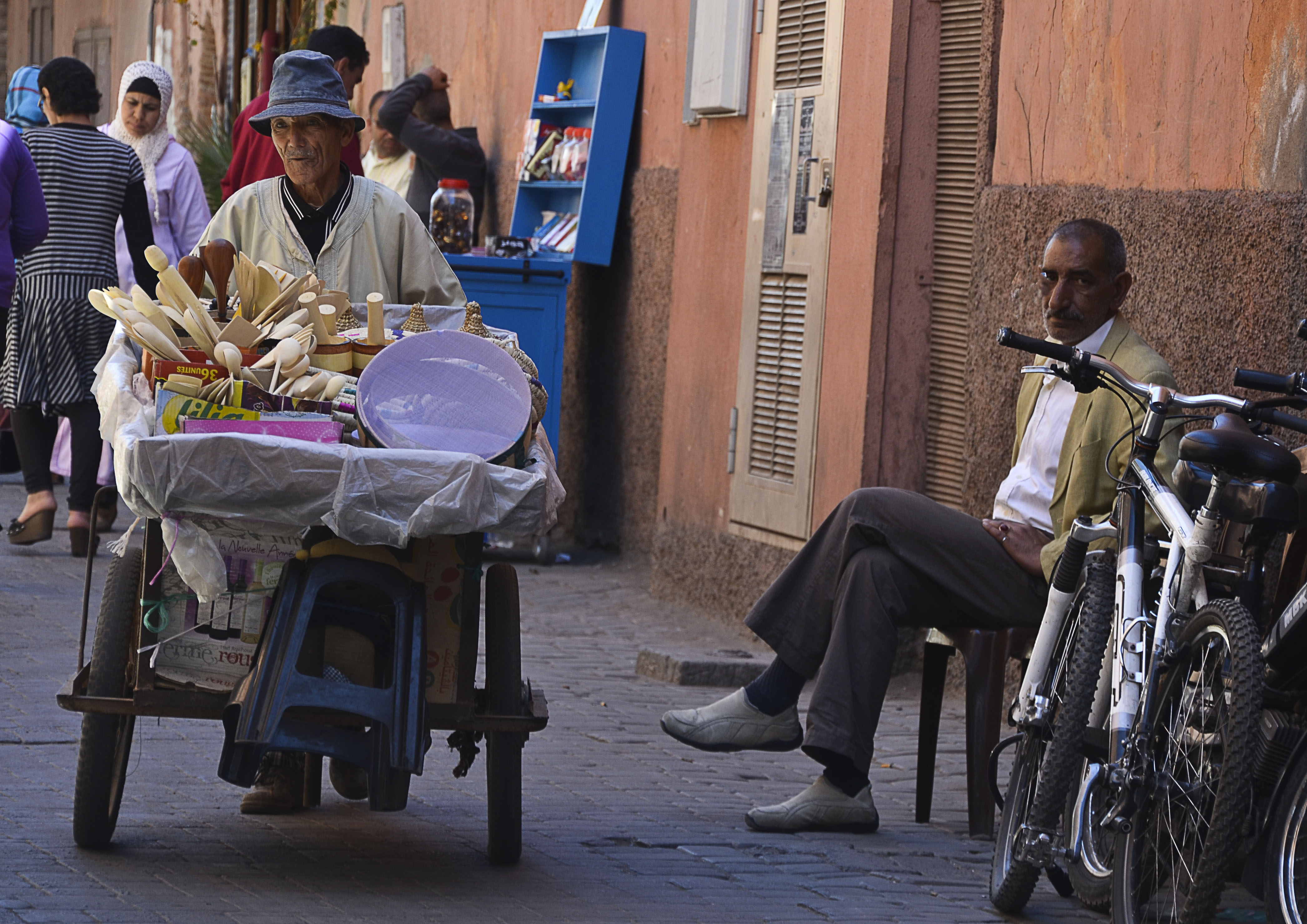
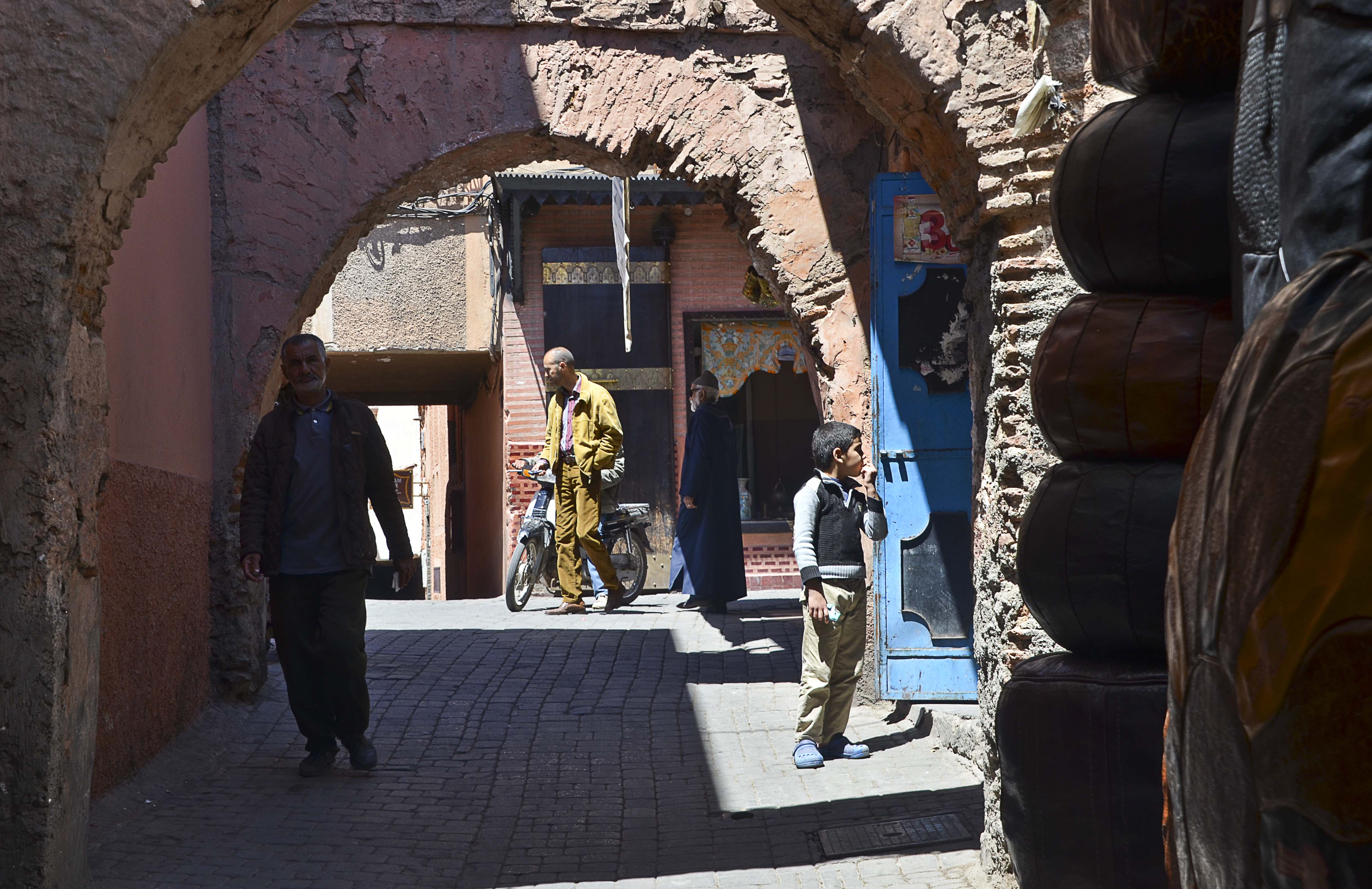
I loved our little street. Behind the typical pink walls, we had to walk endless tiny streets and alleys to get to our Riad (Moroccan mansion) . But there was no stress, a calm and friendly atmosphere – and no ”special guides” trying to make money out of us.

Marocko 025_copy

Just the everyday life going on…young and old, working or relaxing in the shadow.

Marocko 022_copy

On our way to the Souks, the principal shopping attraction in the city, I felt a bit worried about how I would cope with it. I do not like haggling, so I had already decided not to buy anything. My husband has visited Marrakesh at least three times before, and had also warned me that we soon would be ”kidnapped” by ”local guides”. (And so we were…)

Marrakesh has the largest traditional Berber market in Morocco, and the souk area has been compared to a micro-medina in itself, where it is absolutely essential to get lost…

But once you’re inside though, the feeling of One Thousand and One Nights ( Arabian Nights), or Aladdin, immediately comes to mind…and if you take a closer look at my gallery photos  – I’m rather sure I was caught in the middle of …a treasure chest transport!


Historically the souks of Marrakesh were divided into retail areas for particular goods such as leather, carpets, metalwork and pottery. We could roughly see these divisions still, but rather overlaped. Many of the souks sell items like carpets and rugs, clothes, leather bags, and lanterns. Argan oil is popular everywhere.

Marocko 184_copy

After a hectic day it is a blessing to come back to our quiet Riad for a delicious Tagine (A specialty of the city and the symbol of its cuisine. We had a local tajine prepared with beef meat, spices and ”smen” and slow-cooked in a traditional oven in hot ashes. )

Marocko 200_copy

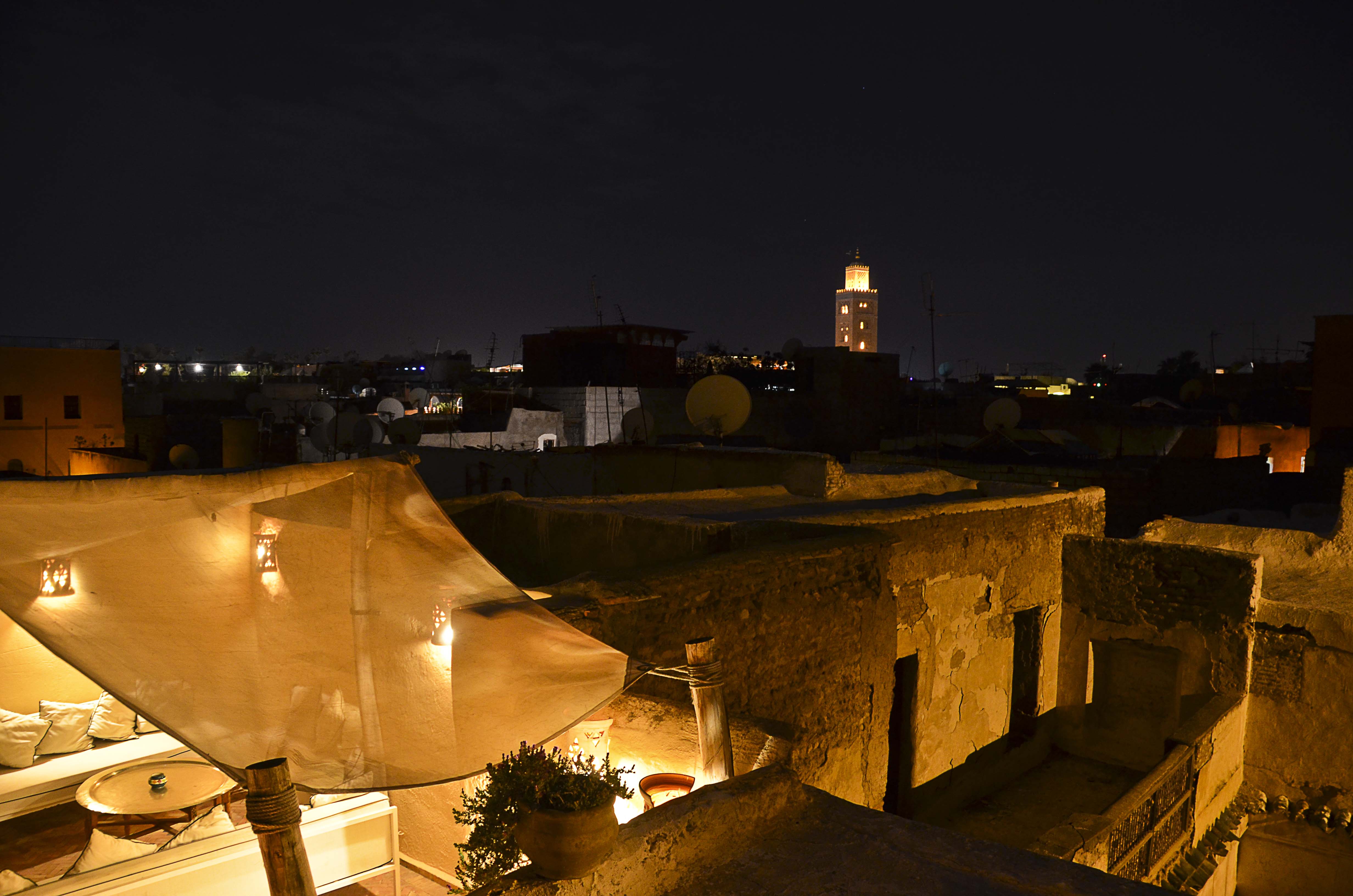
Then finishing the evening with a slow walk on the roof top. In silence…

Marocko 206_copy1

…before going to sleep.

Thursday Thoughts – Why I Love…This

Is it because of…


…or because of


or maybe because of…

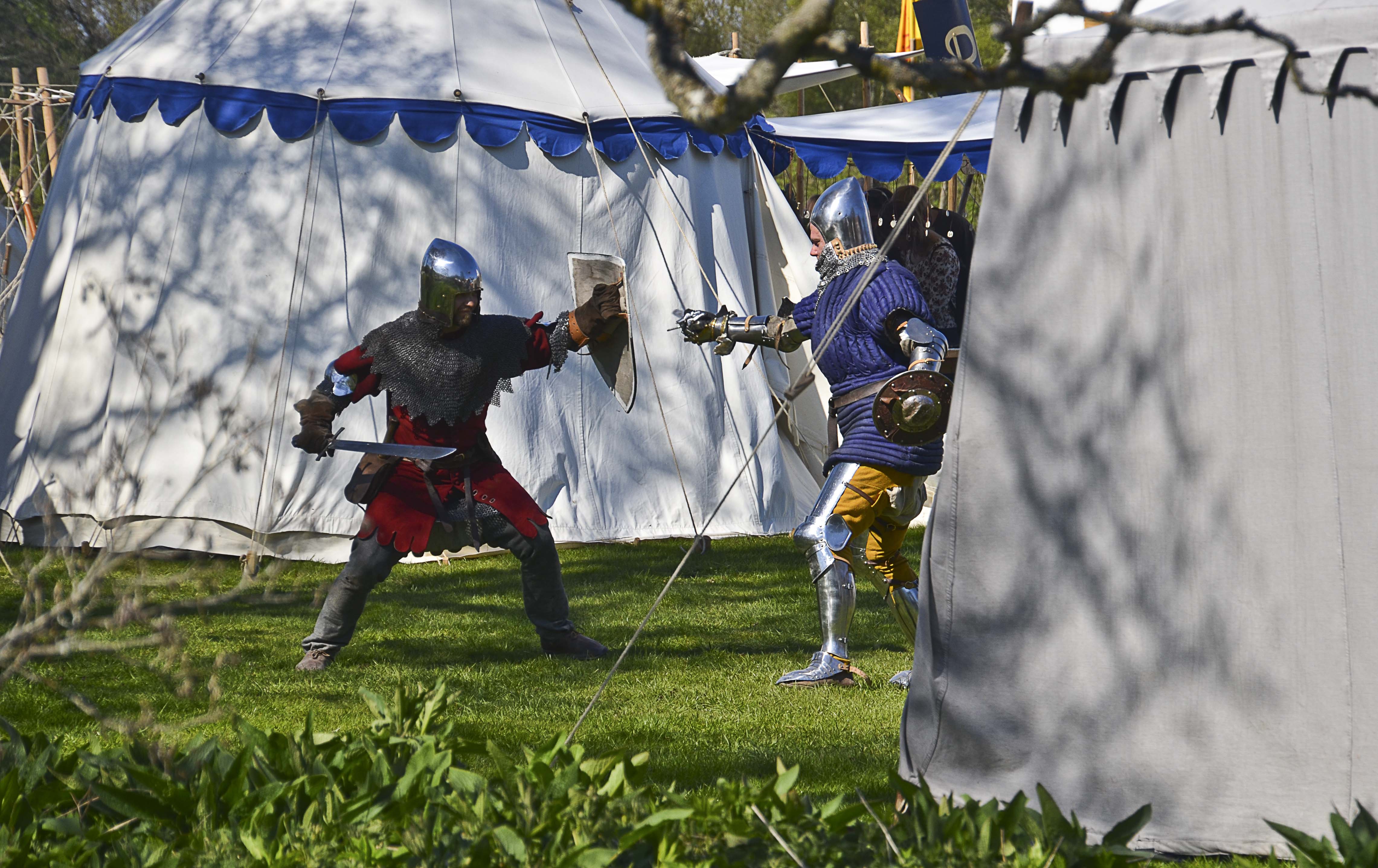
my longing for a Knight in Shining Armour…

or at least a handsome knight… in any armour!


It might also be for the fair ladies and a love of horses…

…or for the spectacular jousting  – and its Swedish Champions!

I do believe my love for this consists of all these things…and then, nothing beats the Hovdala Castle …

and its surroundings.

Ouarzazate – a Moroccan Hollywood

Its name comes from a Berber phrase meaning ”without noise” or ”without confusion”. Ouarzazate is also nicknamed The door of the desert, and the city is capital of Ouarzazate Province of south-central Morocko. To the south of the town is only desert.

The area is well known for its many prominent kasbahs, and nowadays a noted film-making location, with Morocco’s biggest film studios.

Many famous movies have at least some scenes shot here,  such as Lawrence of Arabia (1962),  Gladiator (2000) and Kingdom of Heaven (2005), as was part of the TV series Game of Thrones.

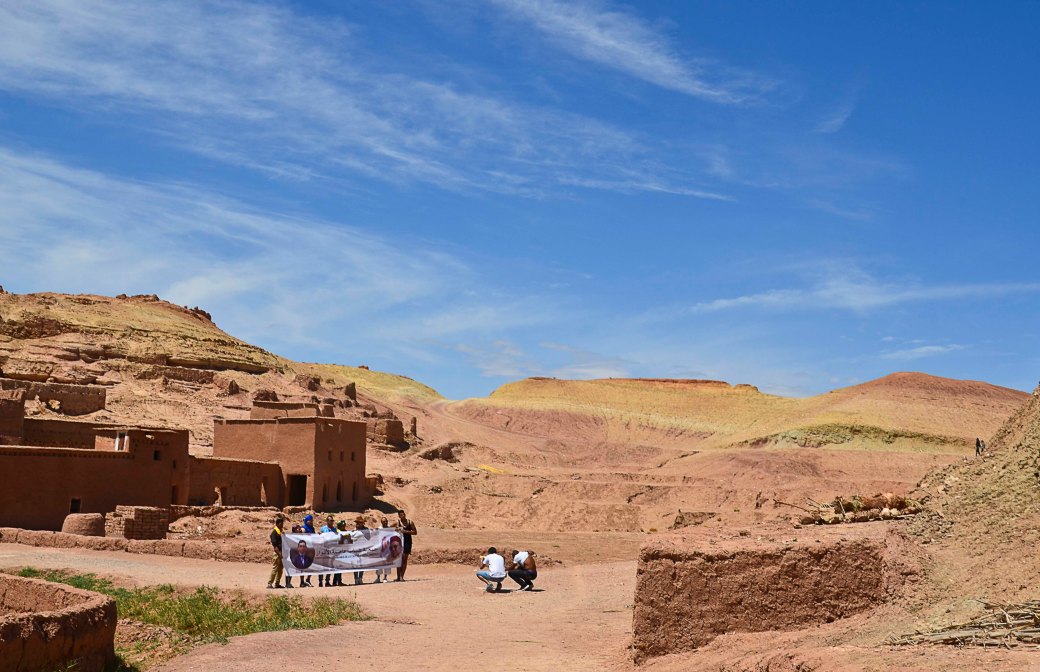
The arena in the movie Gladiator was right here in this open space, behind the people and their banner.

Ait Benhaddou was originally an old karavan station between Marrakesh and the Sahara Desert. Astonishingly beautiful, traditionally built of clay, straw and dirt.

Today, we can admire the old kasbah in the movies – only four families still live here permanently. The rest of the great kasbah is left to fall apart – but a first class tourist attraction.