Thursday Thoughts – A Fascinating Meeting

Every year I am eagerly looking for a little creature that I first met in France, and then – in September 2022 it visited my own garden!
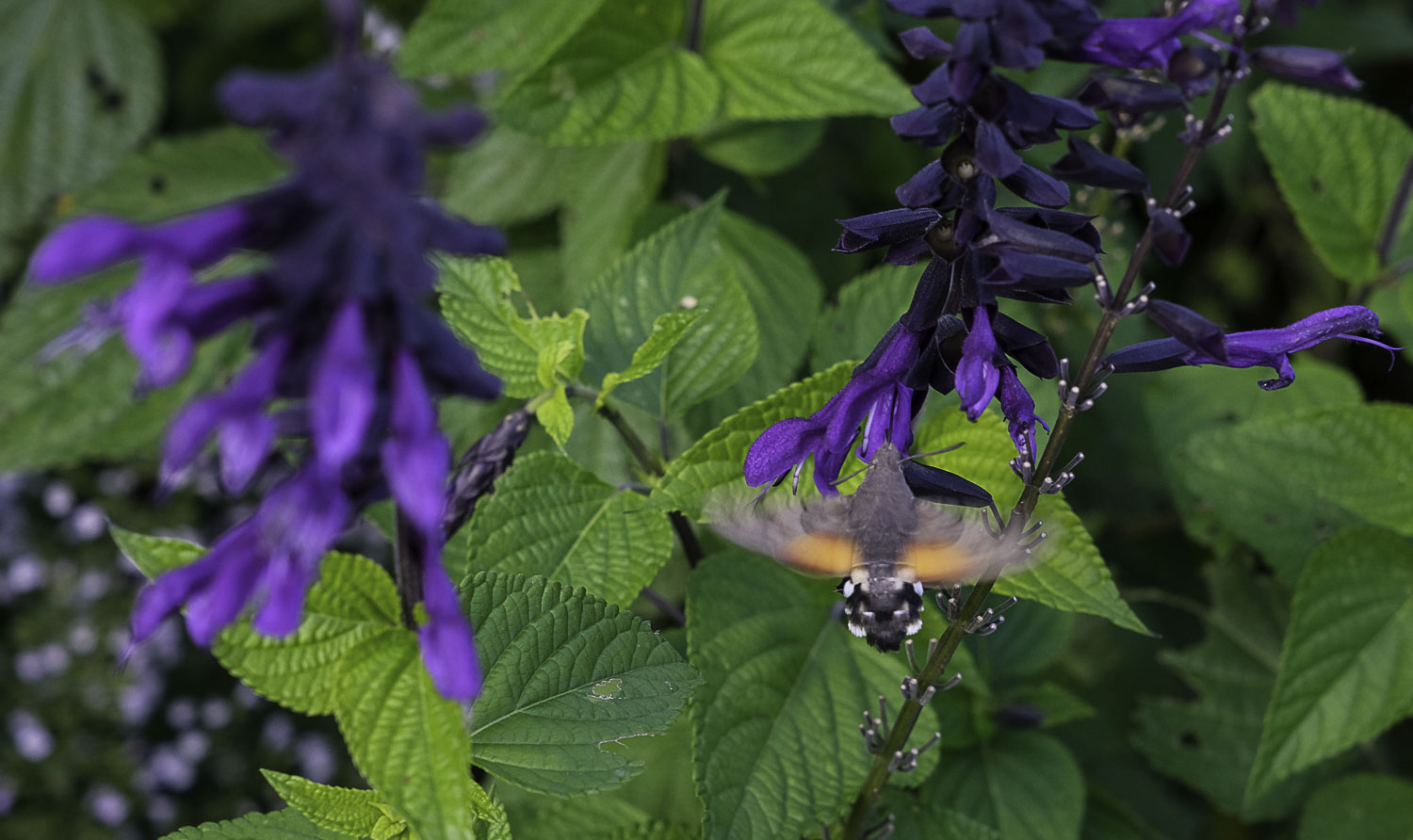
The Hummingbird Hawkmoth. When I first saw it in that European garden many years ago, I thought it was a hummingbird – but knew it couldn’t be… So fast, so energetic and so beautiful.
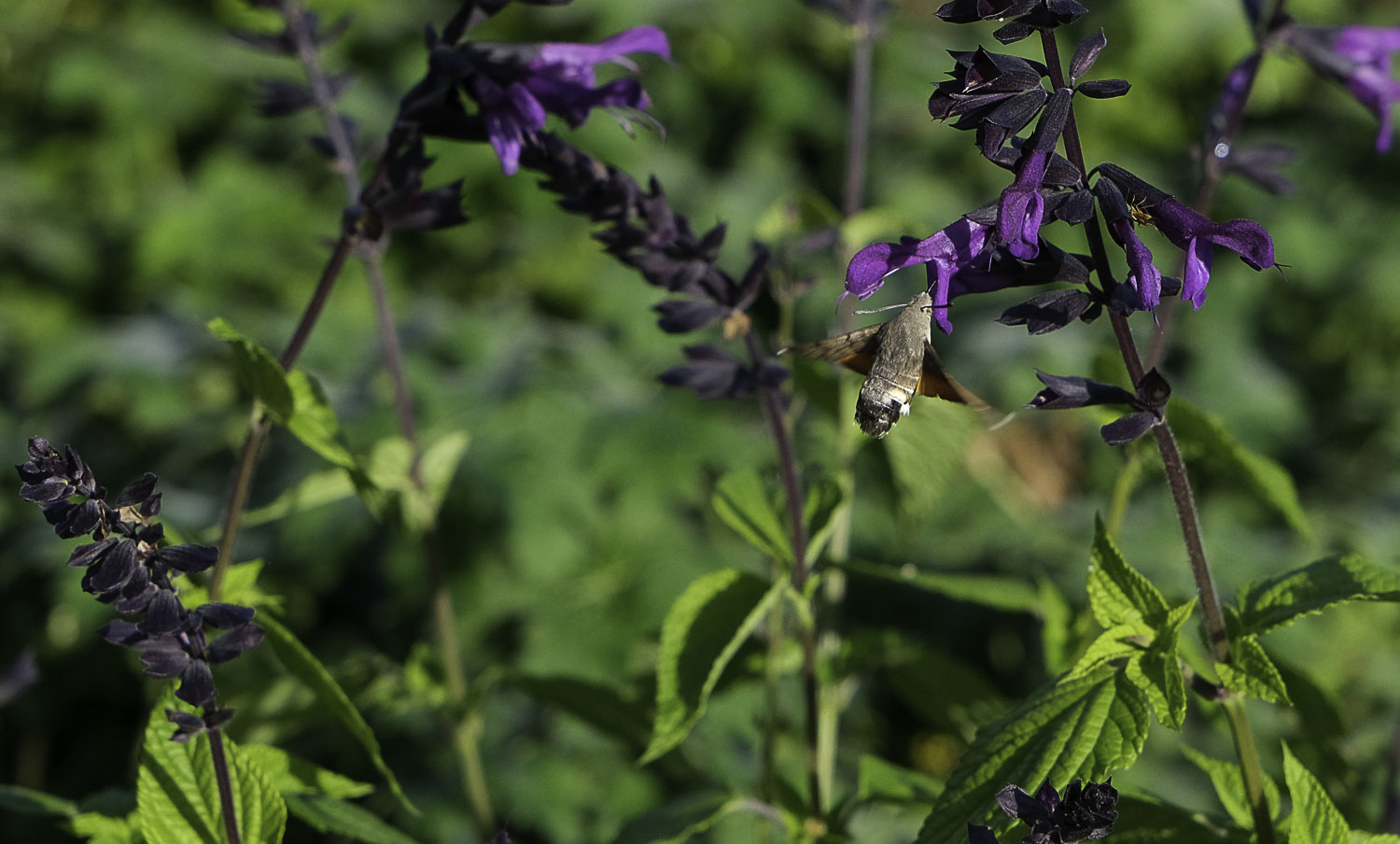
Then a couple of these fasciating creatures visited my garden, 2022 and 2023. Nothing last year…I even planted this particular salvia to make them come back to me.

Then suddenly, last week, when we had a spell of summer again – I saw one of them in my Buddleia! The salvias were almost gone, so I really had given up hope for this year too. It was too dark for photos though – you have to make do with the old ones.

Little things – they make me happy. And – we should never give up hope, should we?
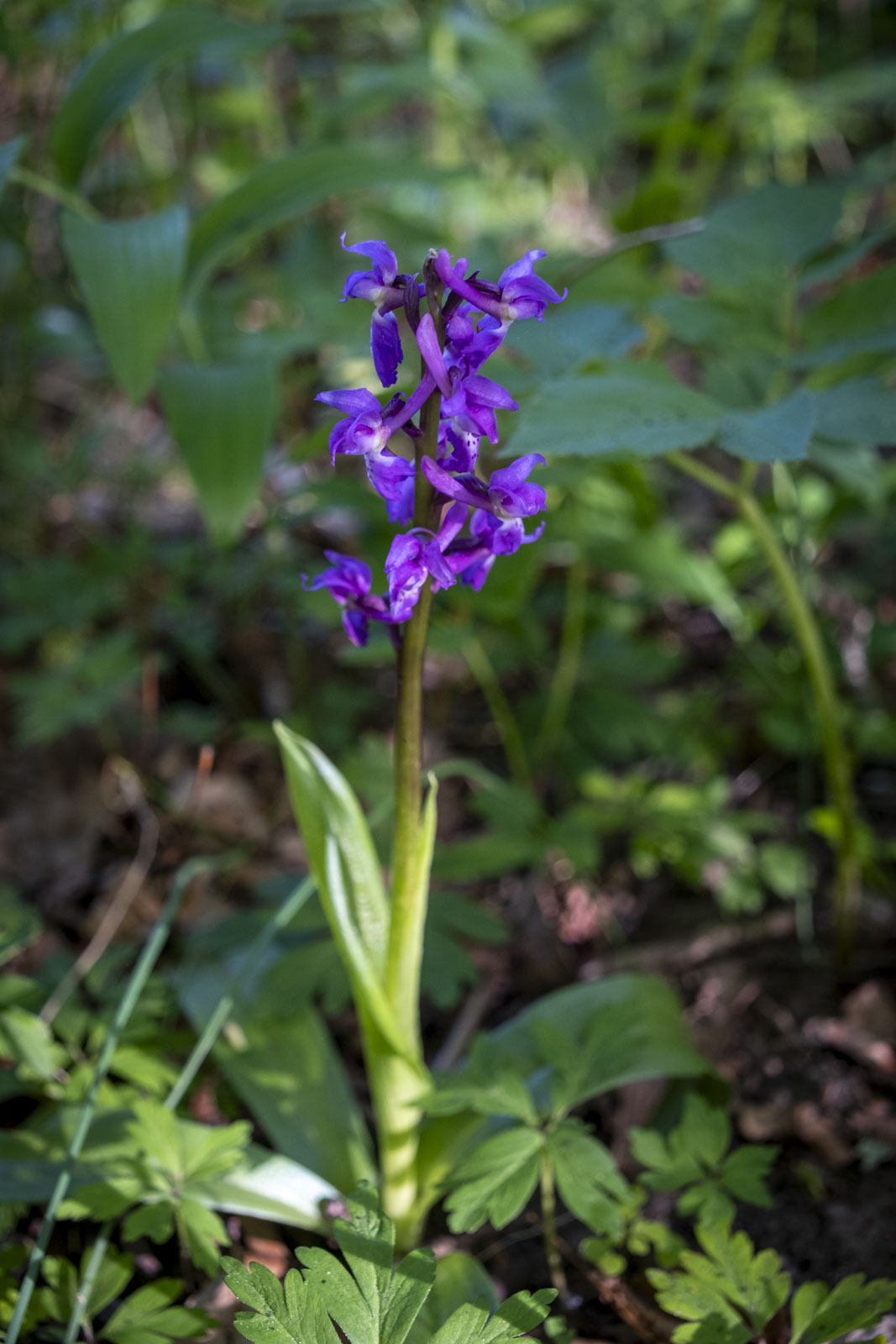
Thursday Thoughts – Hunting Wild Orchids

Only one so far – we need some more rain and warmth. But thank you for walking with me!

Thursday Thoughts – Dreams from Holland

Back to Holland again – and some lovely plants from botanical gardens in Amsterdam and Leiden.
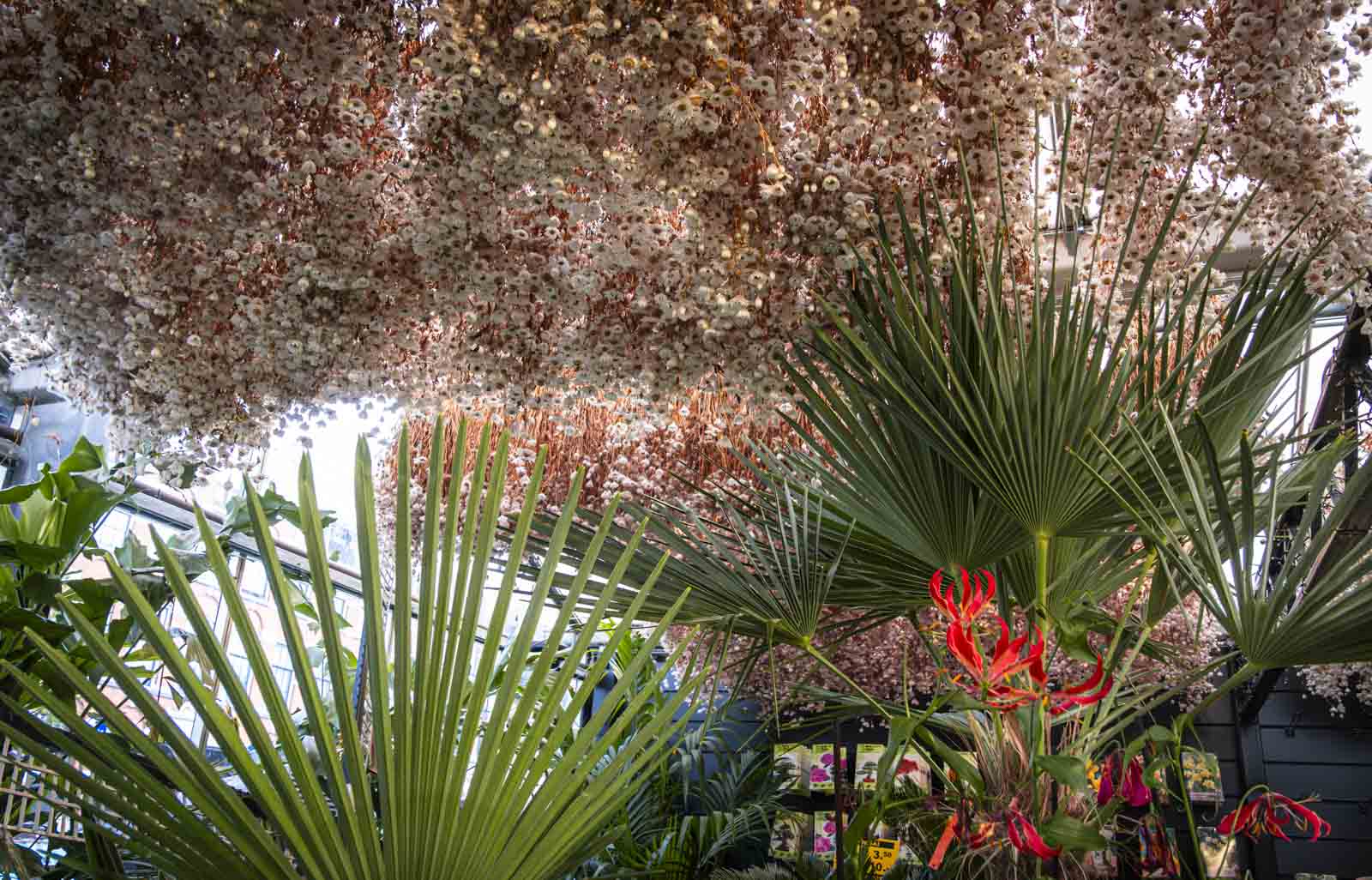
But this photo is from the flower market along one of the canals. The red flower in the lower right corner is a Gloriosa – a climber I have tried several times… but cannot make thrive at home.
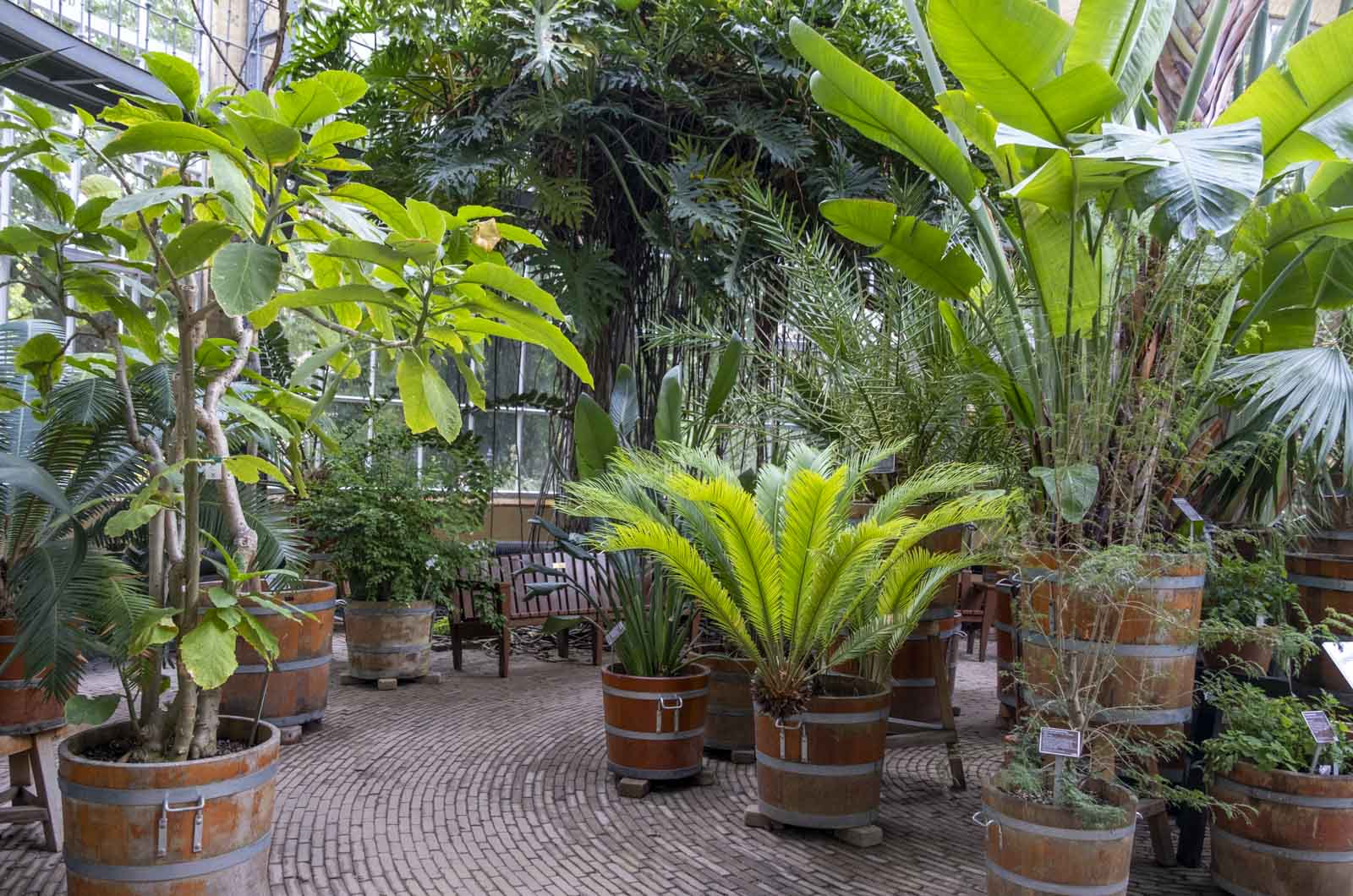
A different way to use a palm house – every plant in a separate barrel.
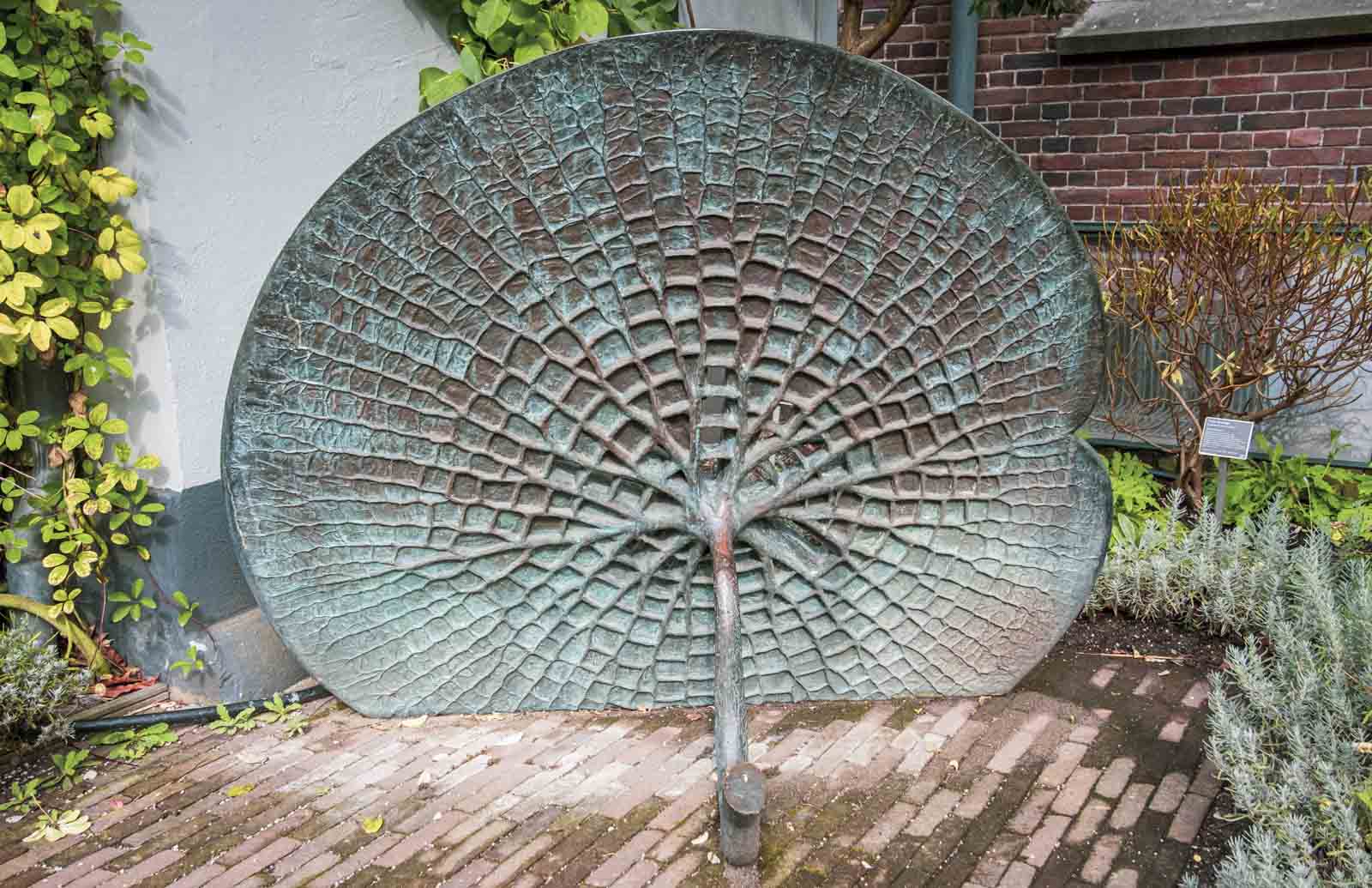
I love these – and I know that Cee Neuner has posted ”the real thing” many times!
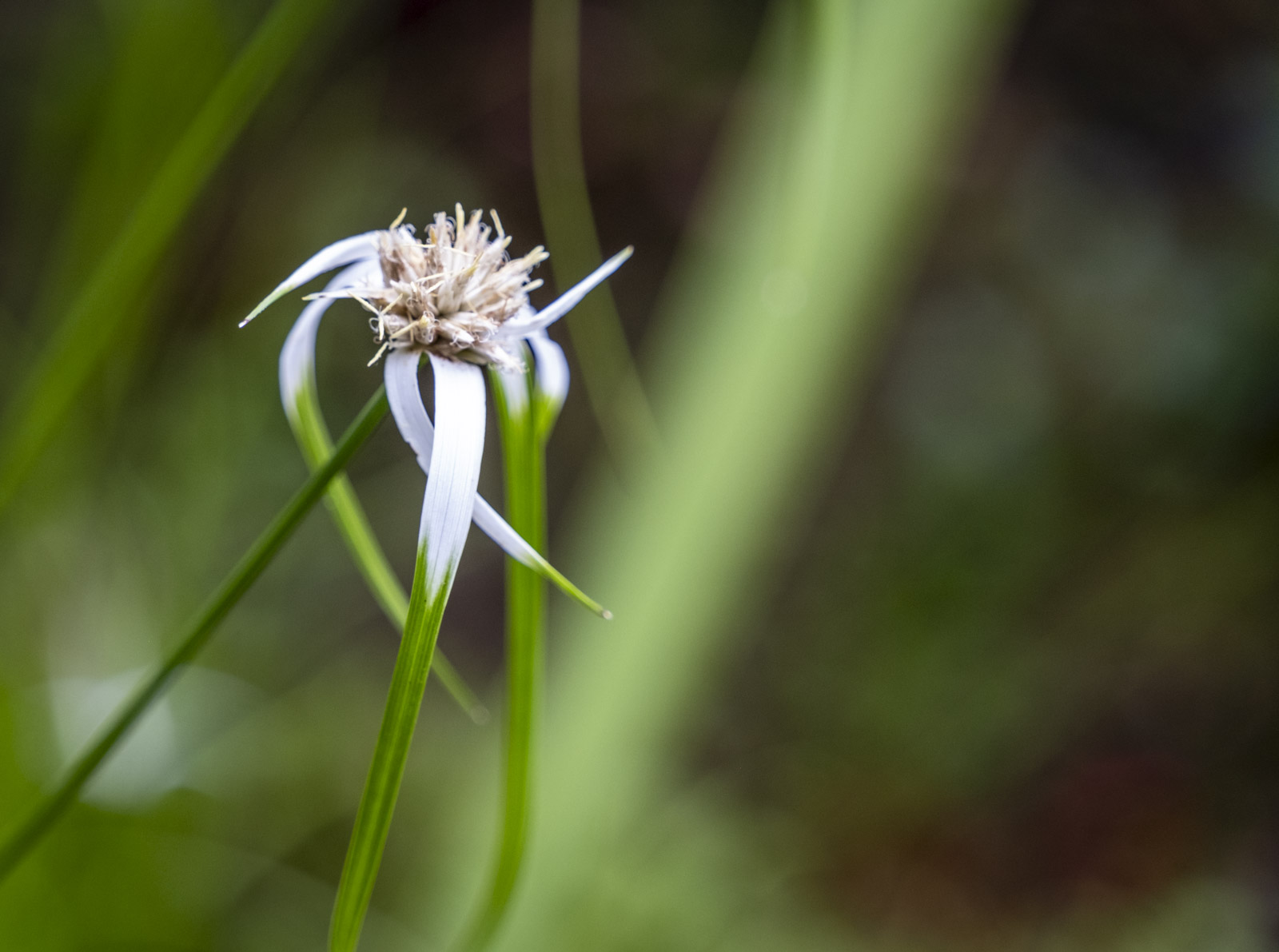
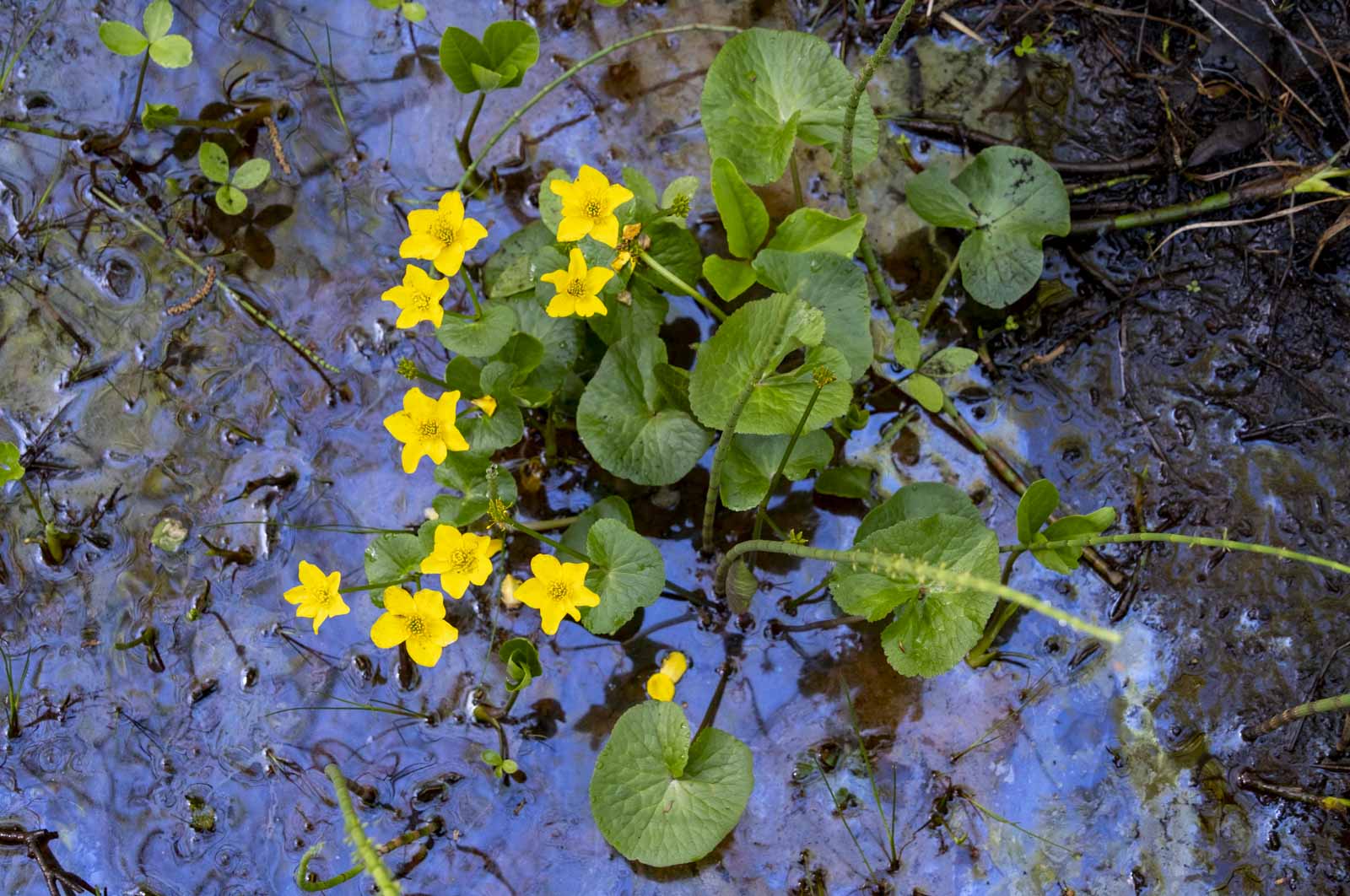
More from the pond and the wetlands of the gardens.

Now I am longing for summer again…
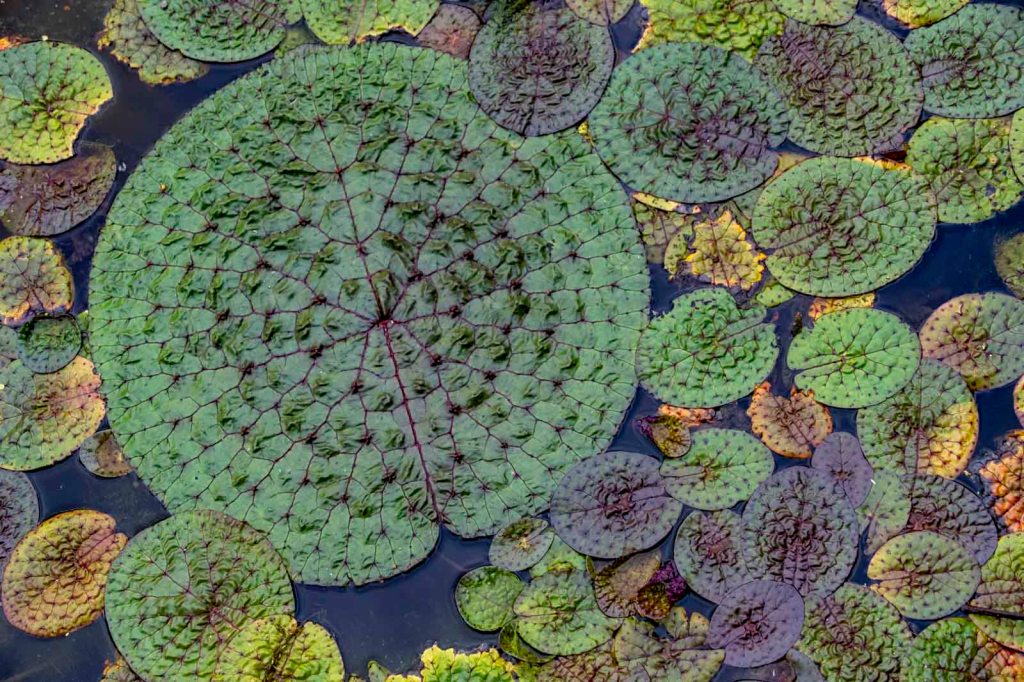
Aren’t you?
Lens-Artists Challenge #306 – Habitats

The reality today is that we are all interdependent and have to co-exist on this small planet.

– The Dalai Lama

Tina is our host this week, and she has chosen the theme Habitat. A theme close to my heart. Without habitat, there is no wildlife, and in fact, no real life. What affects a habitat are mainly two factors: biotic and abiotic factors. Biotic factors are living things within an ecosystem, (and how different species interact and work together, which decides the number of each species) and abiotic are non-living components (mainly geology and climate).

We all know what is happening to our planet and to us and our fellow inhabitants. So, What can we do…what Do we do?

The one process now going on that will take millions of years to correct is the loss of genetic and species diversity by the destruction of natural habitats. This is the folly our descendants are least likely to forgive us.

– E. O. Wilson

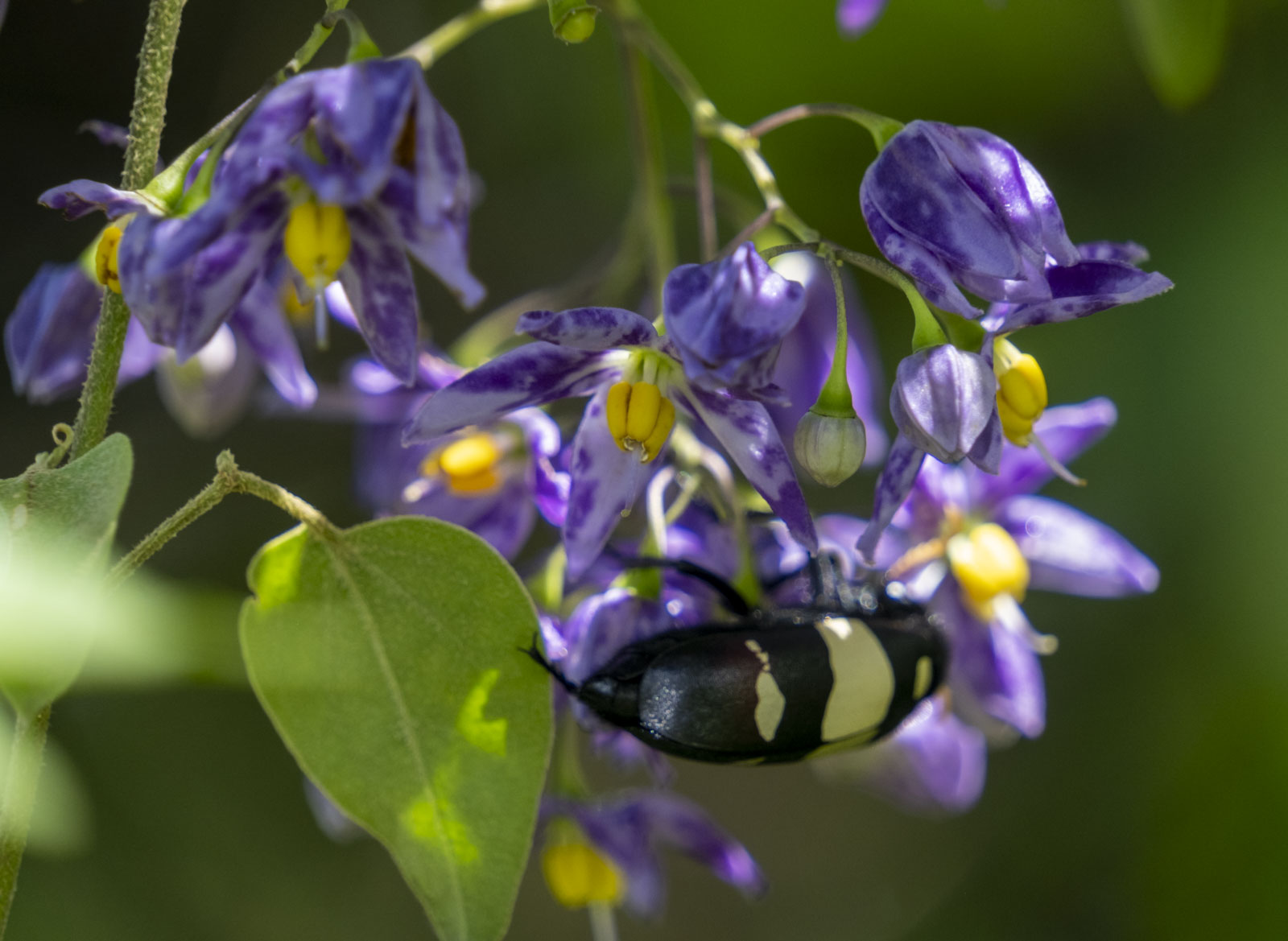
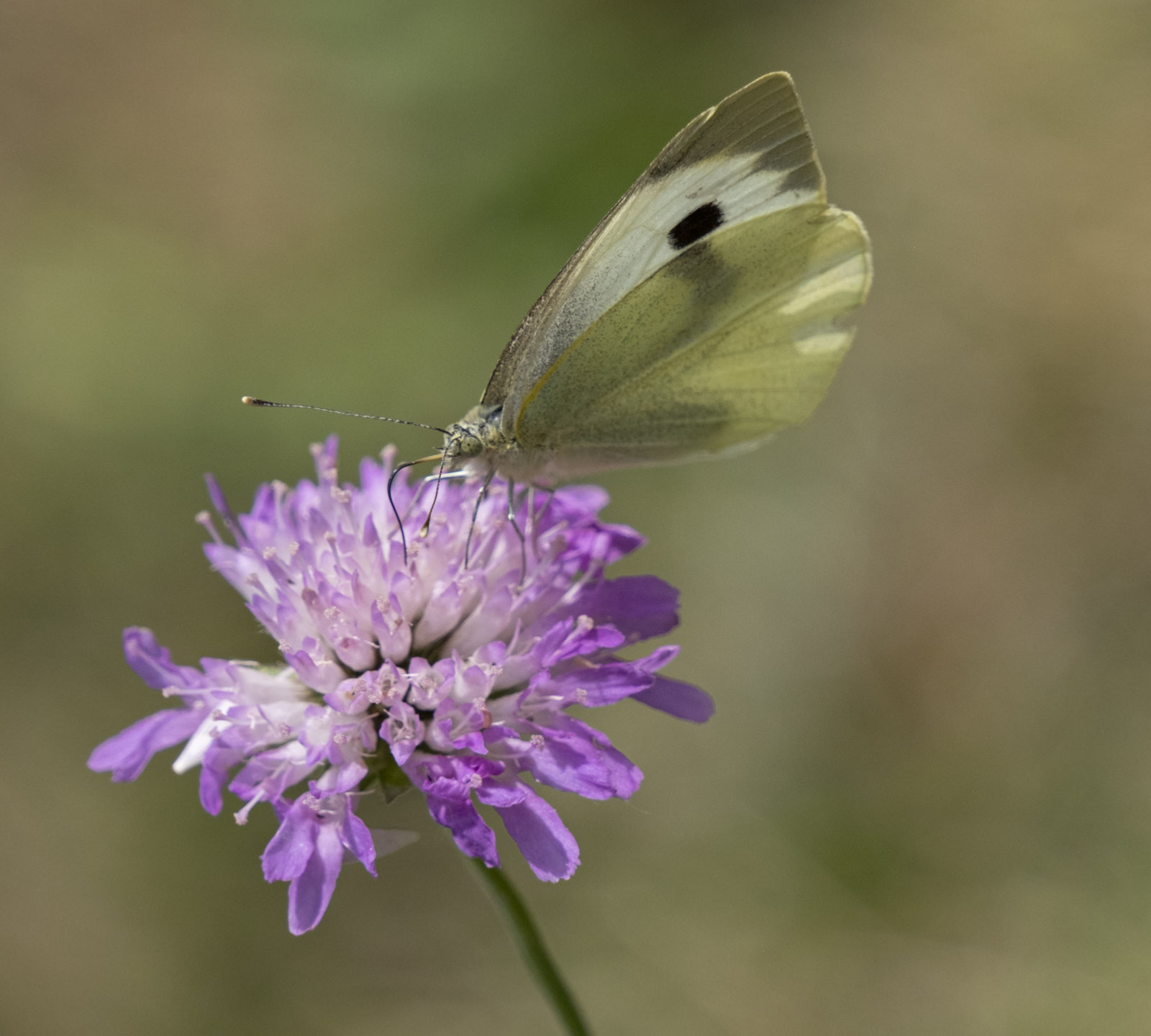
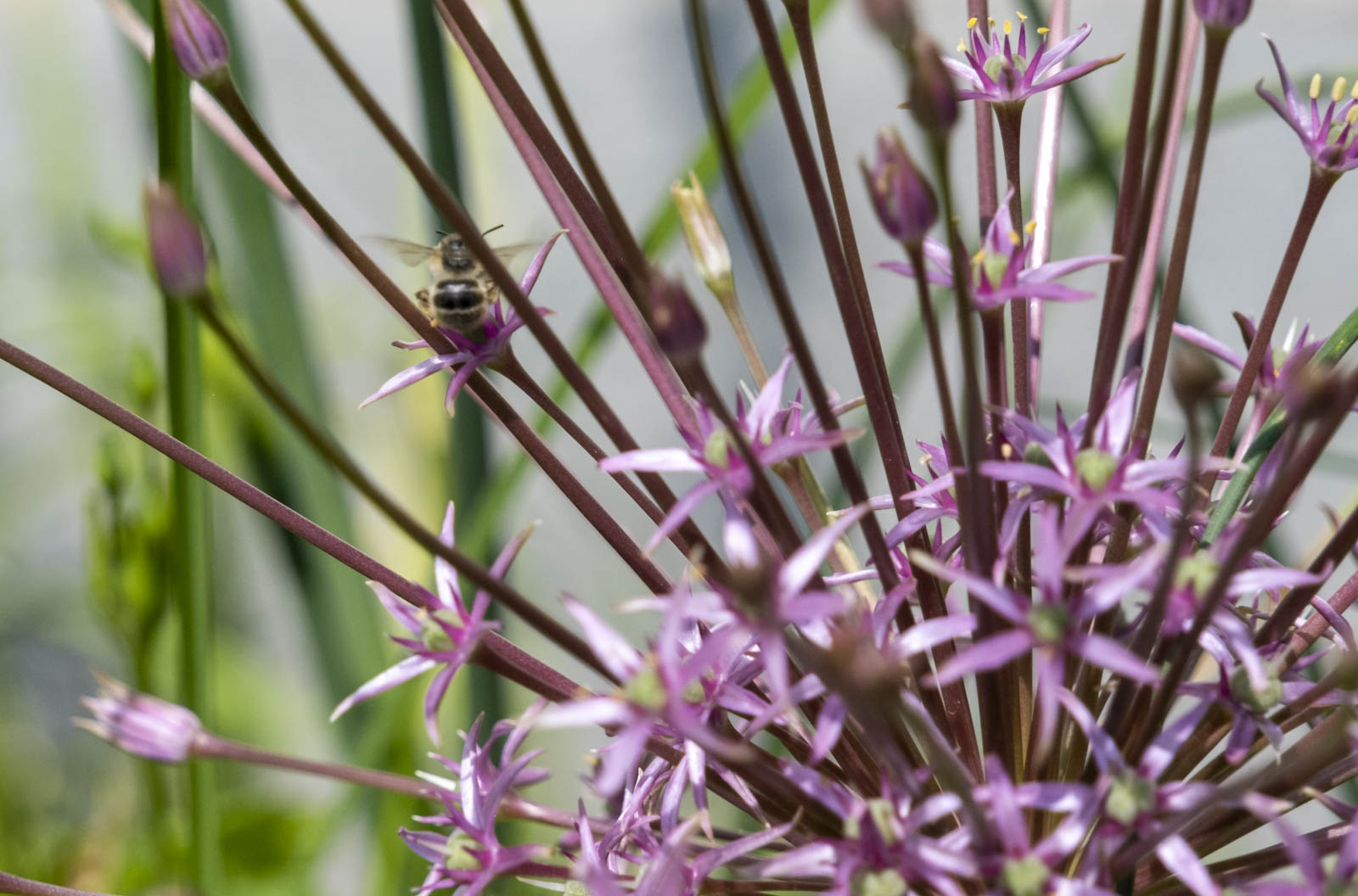
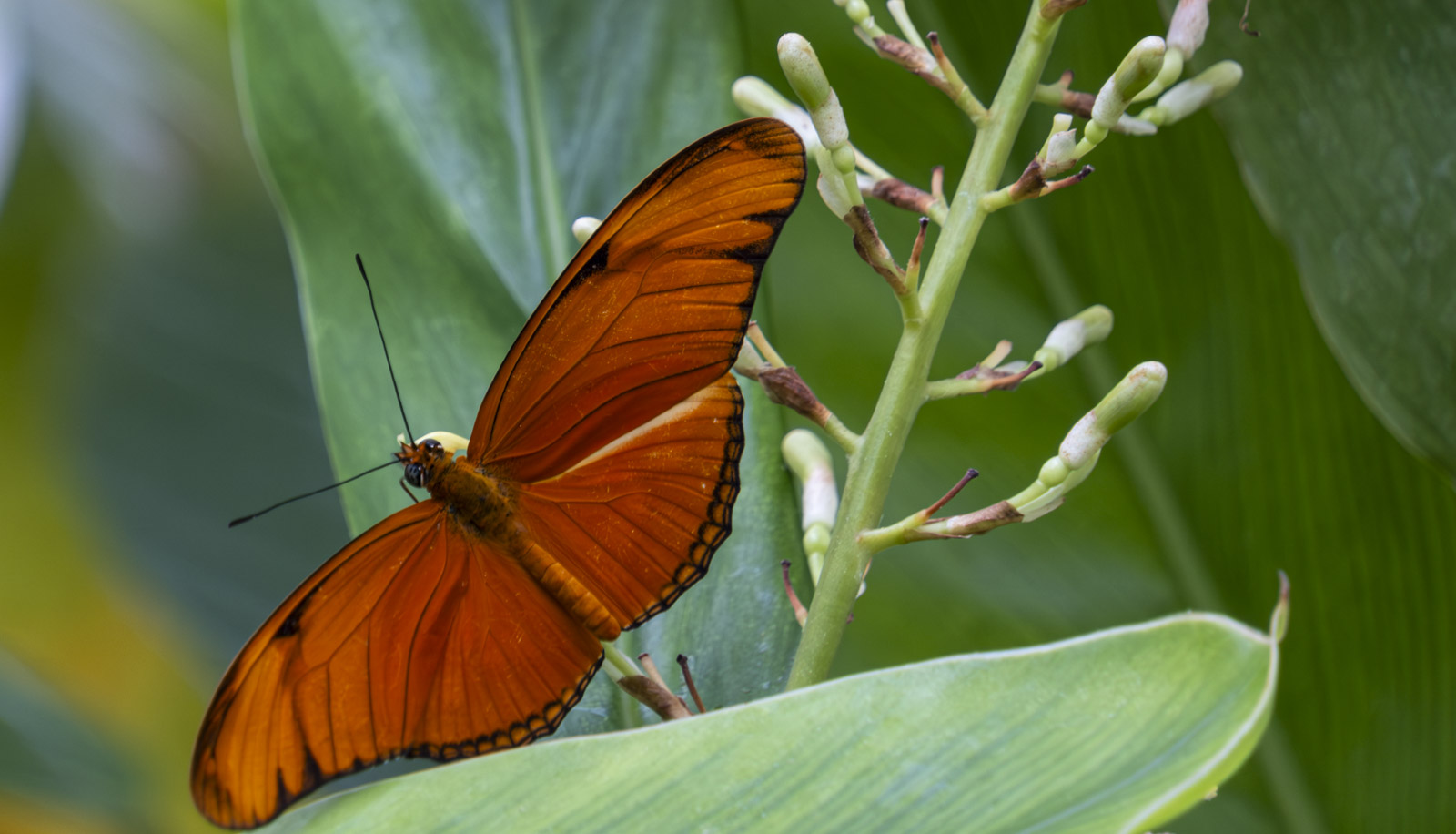
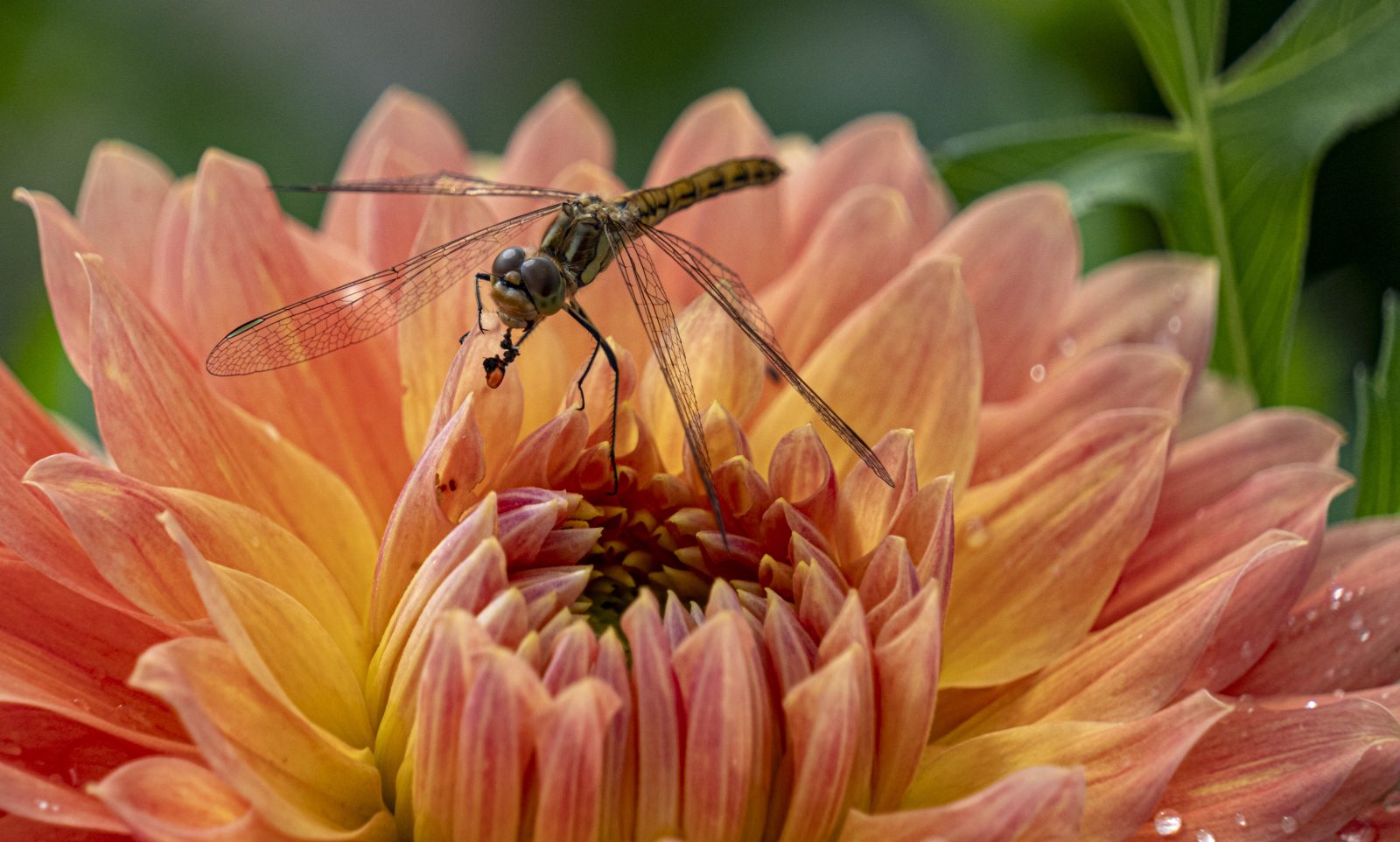
As ordinary humans, we might think we cannot do much, but personally I support several nature organisations, and I try to keep my footprint as small as possible. (With a bad conscience everytime I fly…) Our pollinators are crucial to our planet, and the bee is considered our most valuable species. In my little world, I strive to plant only bee and pollinator – friendly plants in the garden. About half of it is never cut down and left wild. It thrives.

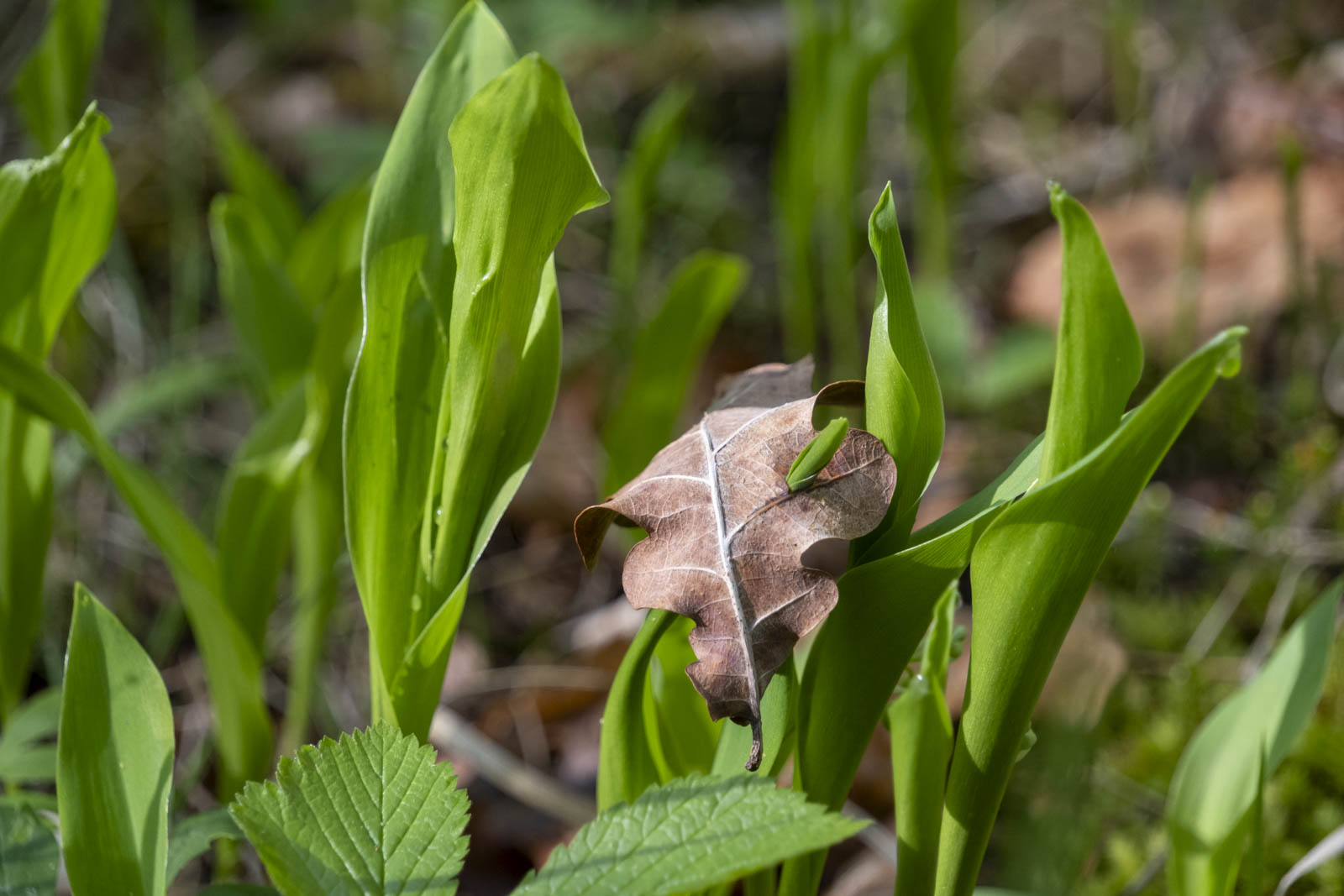
Dead trees are left were they fall – and I plant climbers for them.

This is my small contribution for increasing the habitats for insects and birds. A great outcome was my find of a leopard moth here. Dead, but a rare species with gardens and orchards as their habitats. Dead trees are home to many insects.

The only way we can reduce the number of these endangered species is to improve and provide additional habitat where they can live and reproduce.

– Lorne Greene

I hope my garden will steadily become an even better habitat for many plants, insects and birds. I believe we all can do something – following the old saying ”Small streams make great rivers”. To me, this thinking makes my habitat in this world much more alive and useful.

Outside my own garden, a country that comes to mind for having sustainable habitats, is Bhutan. Bhutan is the world’s first carbon negative country. Mainly because of its extensive forests, covering 70% of the land, the Kingdom is able to absorb more carbon dioxide than it produces. How did Bhutan get here and how can the country be an example for the rest of the world? Listen to Bhutan’s Prime Minister in a TED talk on youtube .

In Bhutan, the forest is protected by law, they use their rivers to get clean energy and they subsidise the more eco-friendly LED lamps. To me maybe the most impressive thing is their biological corridors connecting protected areas with each other. Thus, the vast diversity of animals is free to roam around the country. It helps them better adapt to climate change and increase their population naturally. When we were there, we were informed that some tigers were tagged and could be followed from the south part bordering to India, and through corridors up to the snowy Himalayas. In only a few days.

It seems in Bhutan everything living coexist in a smoother way – maybe because of their faith and because of their government’s decisions on the importance of biodiversity. In the cities too, we found space was gladly shared among different species. A comfortable, common habitat.

I hope you’ll join us this week to explore the habitats of both human and animal ”residents”. Be sure to link to Tina’s post, and to use the Lens-Artists Tag to help us find you. Also, our big thanks to Egidio whose 2 Rectangles challenge gave us a chance to learn something new, and proved that many of us did not know about this, but were often using it anyway.

As in previous years, the Lens-Artists team will be on hiatus for the month of July. There will be no challenge on the 6th, but the rest of the month will be led by several amazing Guest Hosts. They include:

July 13: Leanne of Leanne Cole explores TOURIST ATTRACTIONS 

July 20: Elizabeth of Albatz Travel Adventures leads us with PAIRS

July 27: PR of Flights of the Soul presents BALCONIES

The Lens-Artist team will be back on August 3 when Patti once again leads us on her Pilotfish Blog. Until then as always please stay safe, be kind and enjoy the adventure.

Looking for more information on joining our challenge? Click here.