Mirror images or reflections for Cee. Lofoten, Norway.

This spring, I visited Bhutan, and met so many fantastic people and a landscape so different from ours in Scandinavia. Harmony – this is the word describing it best.
I eagerly noticed all the patterns in people’s lives – in clothes, buildings, decorations, religious paintings and habits…as well as patterns in Nature herself. Like the pattern in the header – the mules and horses trotting in a row – while the lines of the landscape, the roads, paths and fences, create natural frames.
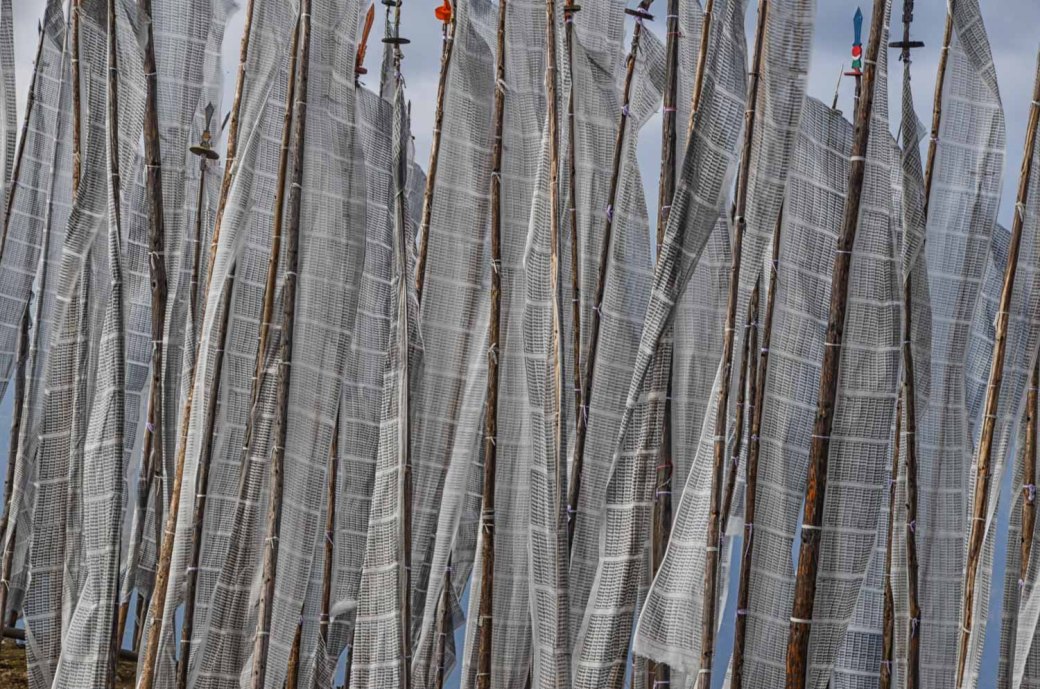
I often try to find and capture the less obvious patterns, noticing that colours are not that important to make you see the pattern or structure itself.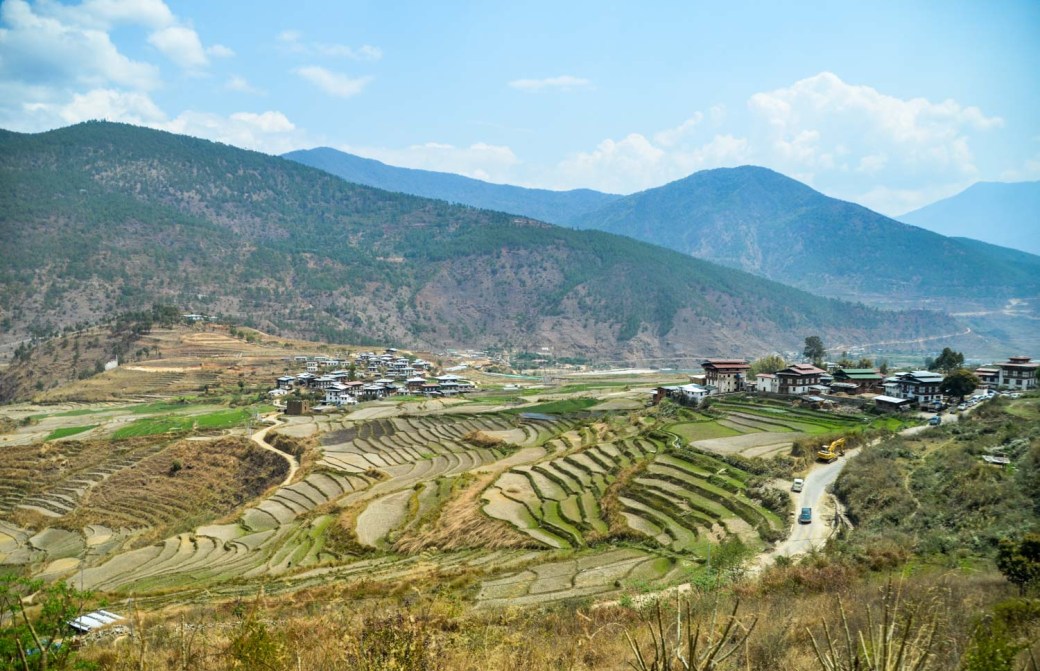
But in most cases colours make an obvious difference, natural colours as well as man made ones.

Either you can find patterns in a sweeping landscape or cityscape or you can look at the little details. Any way, you will find that almost everything consists of just – patterns. Moreover, in our human society, they often have a ritual or symbolic meaning.
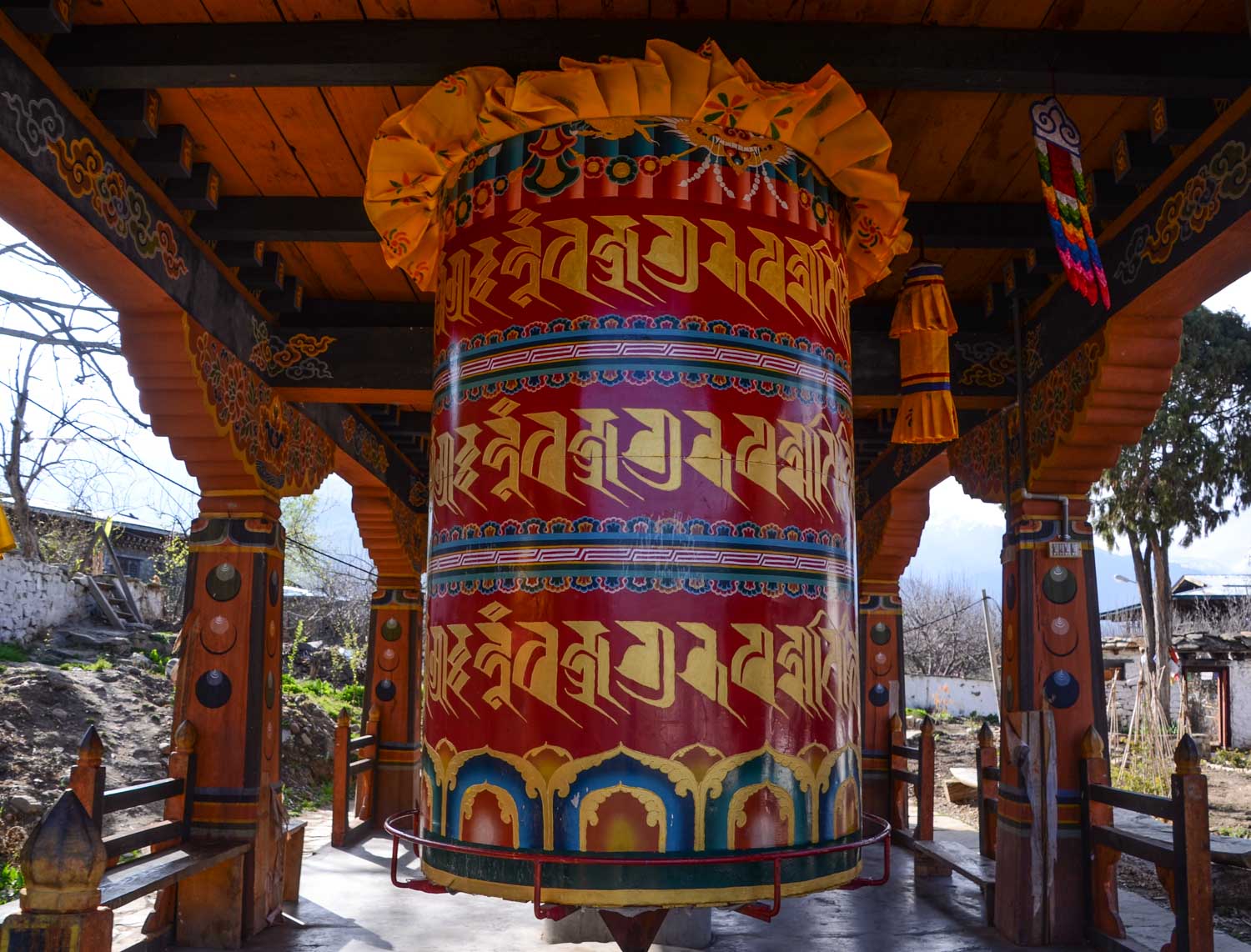
Among the most interesting patterns must be languages. When a language is written in beautiful pictures or letters – their special patterns will give them yet another meaning. Magical, isn’t it?
Life is beautiful in so many ways – and patterns are a big part of it. So, for this week’s challenge, share your interpretation of patterns— open your eyes and find new ones! In you own home, outdoors, man made or natural… Use your curiosity and creativity!
Have you seen these?
Great diversity, from Abrie Joubert of Abrie Dink Hardop
Henry Lee of Fotoeins Fotografie
Storm coming in from the sea, from Suzanne of Being in Nature
Thank you for joining the challenge and have an inspiring week!
Road nr.10 ends in Å on the southernmost part of Lofoten. An old fishing village with rorbuer and – fish.

And charm…

Many galleries, and flowers in the small gardens.


We had a great view from our hostel Salteriet.
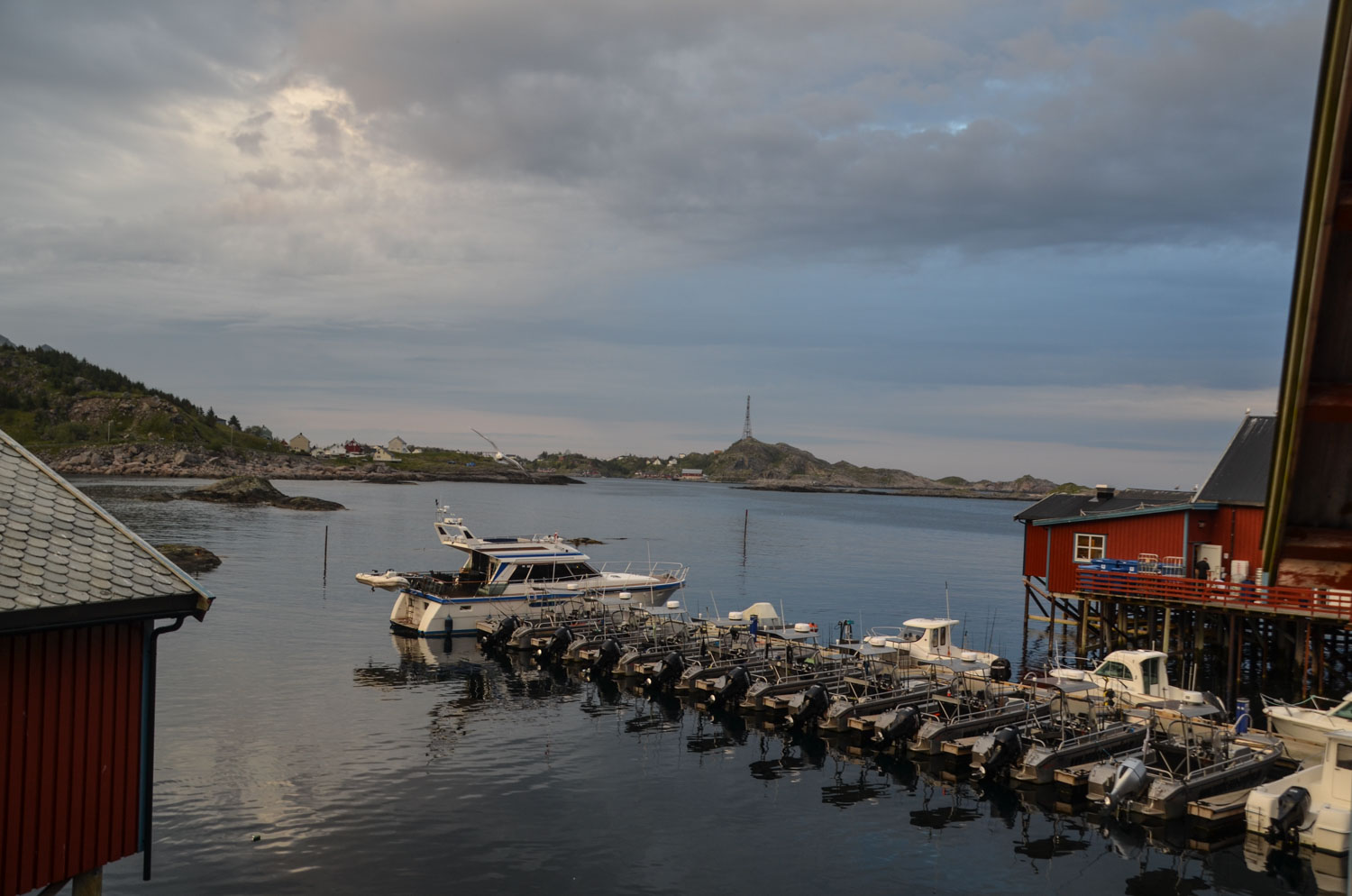
Down the road we felt almost Chinese… I half expected an artist standing there, painting.

When we left in the early morning, the whole landscape felt dreamy and unreal.
 Almost supernatural.
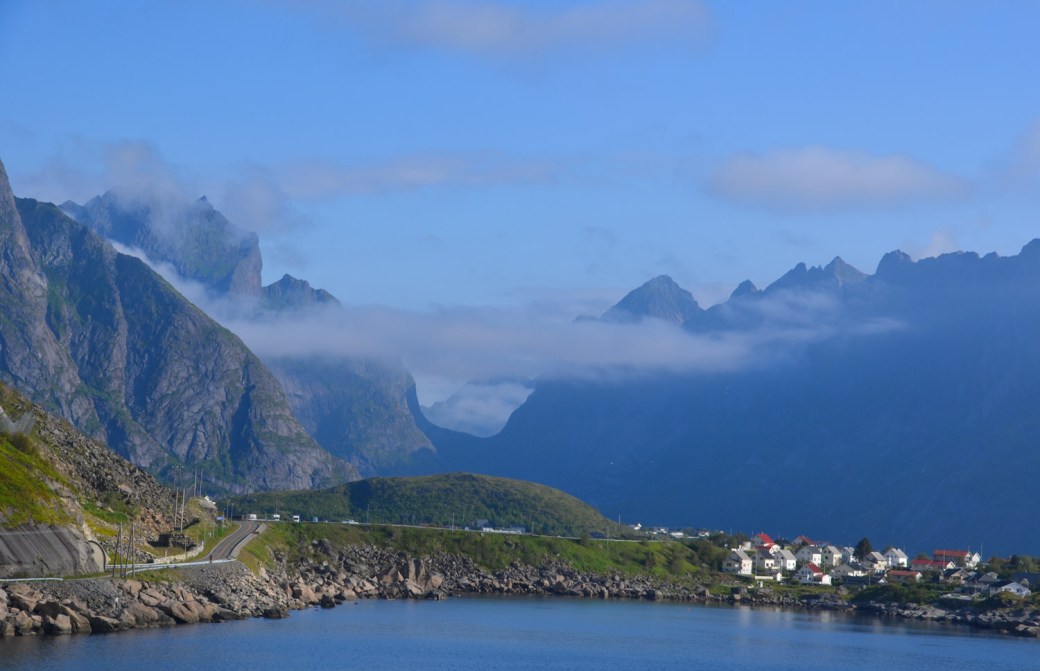 But that is what Lofoten does to people…
Svolvær is the main town in Lofoten, and Northern Atlantic Cod fisheries, particularly during winter months, have remained one of the most important economical foundations for the town. Just west of Svolvær is Vågar – mentioned in the book Heimskringla, and might have been established as early as the year 800 AD.

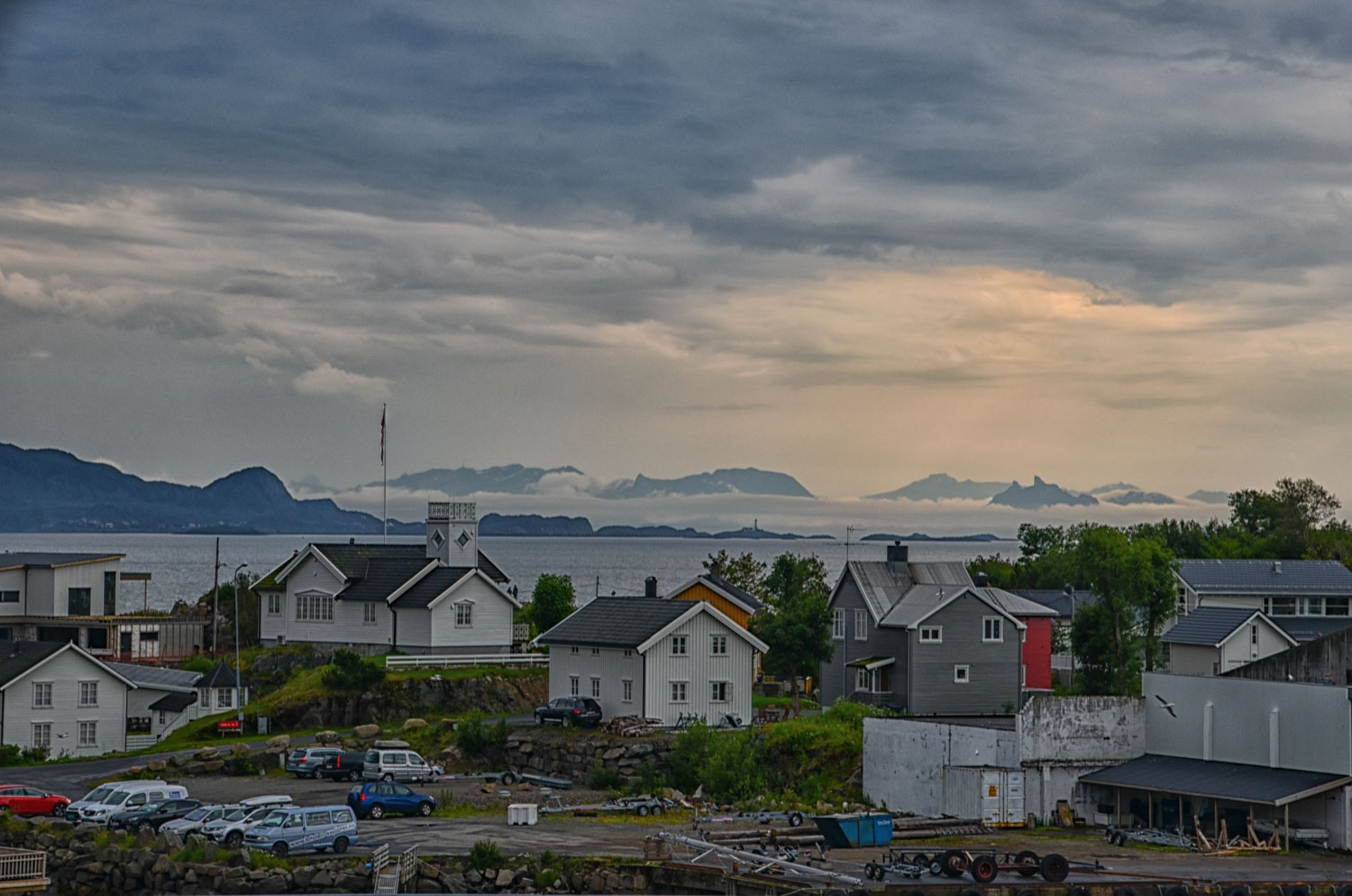
We arrived rather late, and thunder was in the air the whole evening. This also made for an interesting walk in beautiful light and no winds.

The little town has about 5000 inhabitants, and many people were strolling the streets in the soft evening. The special light made all colours stand out – no need for enhancing anything. Natural beauty only.


The old – and new – little houses are called rorbuer. Rorbu is a traditional type of seasonal house used by fishermen. The buildings are built on land, but with the one end on poles in the water, allowing easy access to vessels. Today they are mostly used for tourist renting.


After sorting by quality, most of the stockfish is exported to Italy, Croatia and Nigeria. In Norway and Iceland, the stockfish is mostly used as a snack and for lutefisk production. In Italy, the fish (called stoccafisso) is soaked and used in various courses, and is viewed as a delicacy. The man working where we parked the car, told us that in Nigeria it has become the national dish!
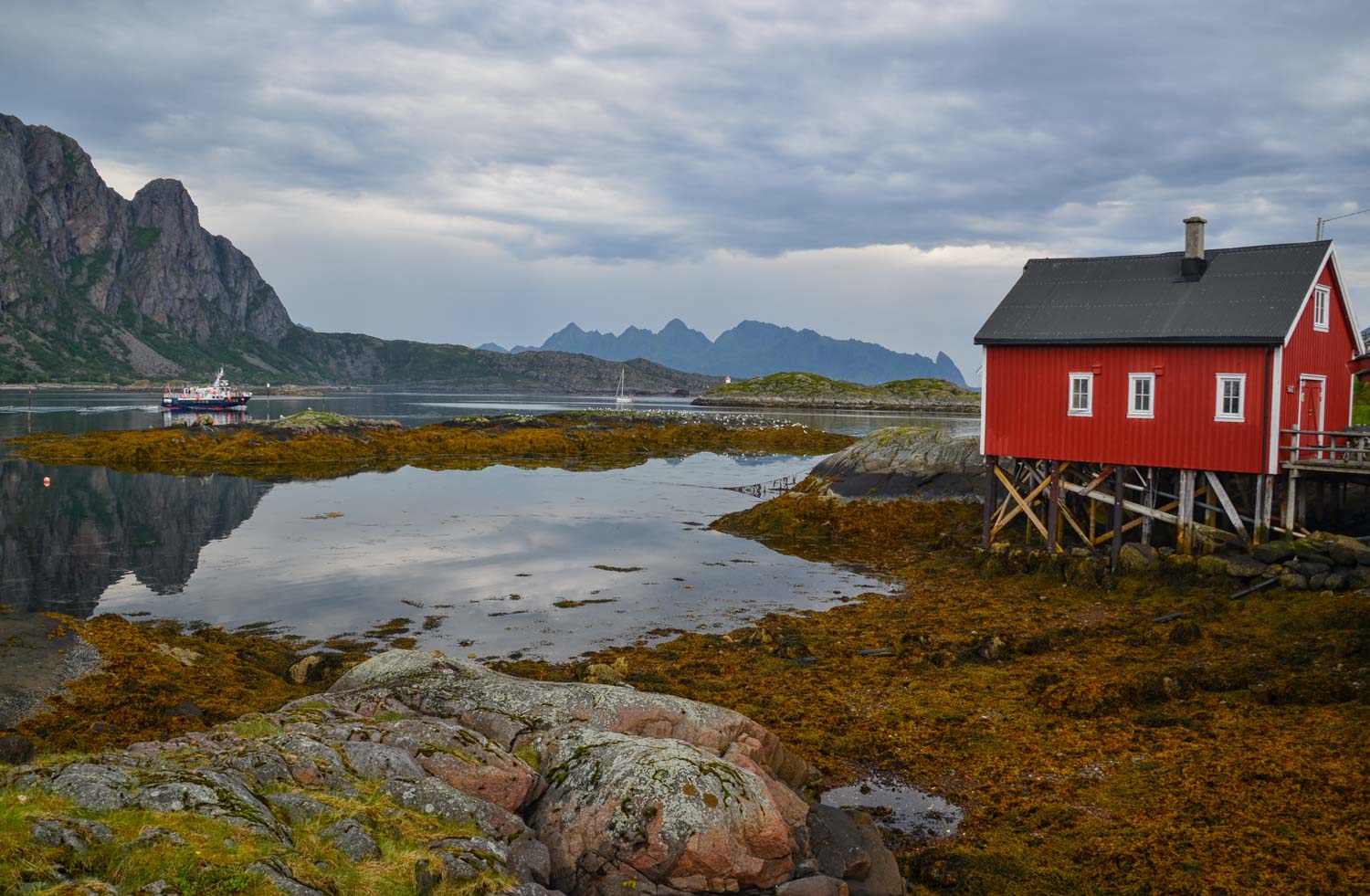
When the clouds occasionally lifted, or there opened a rift in the skies, we could capture some very picturesque views.
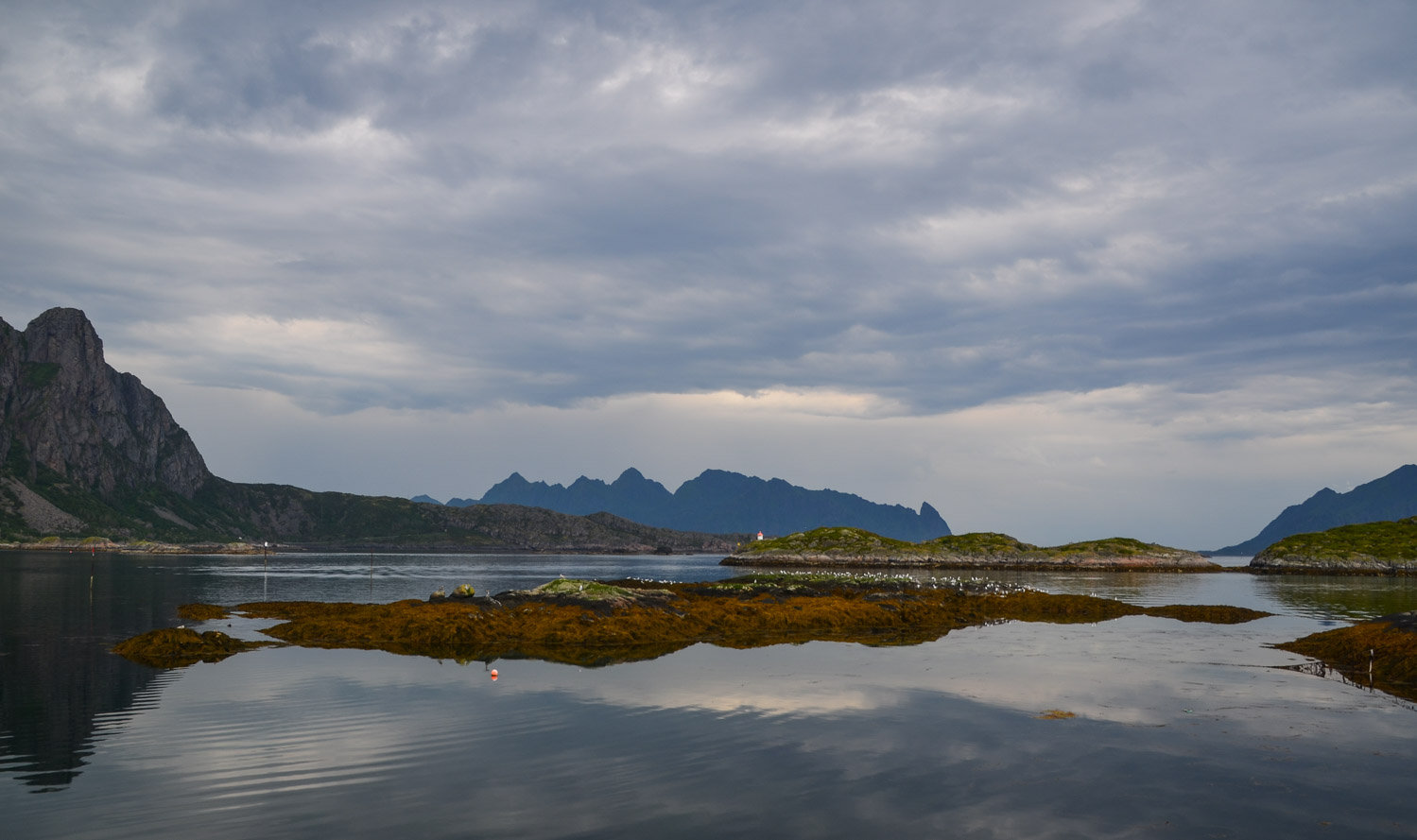
Unfortunately, after this lovely walk, we had to say goodbye to Svolvær – still bathing in that special light that attracts many artists and galleries – and us – to Lofoten.

In the header is Lapporten (Swedish: ”The Lapponian Gate”) or Tjuonavagge (Northern Sami: Čuonjávággi, ”Goose Valley”). This is a U-shaped valley in Lapland in northern Sweden, and one of the most familiar and famous natural sights of the mountains there.
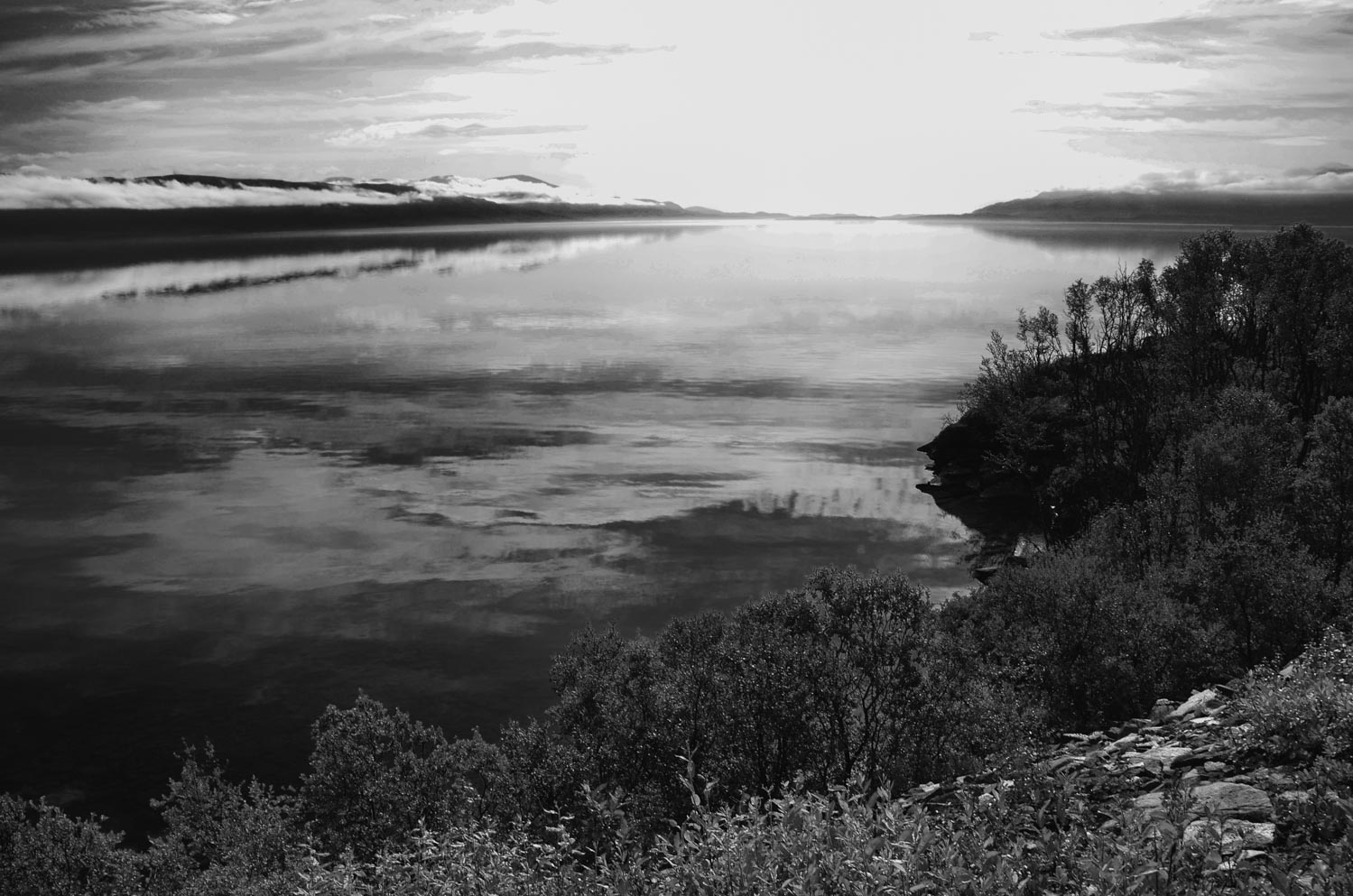
Driving towards the Norwegian border, we left lake Torne Träsk behind us heading for the coast and Narvik, Norway.
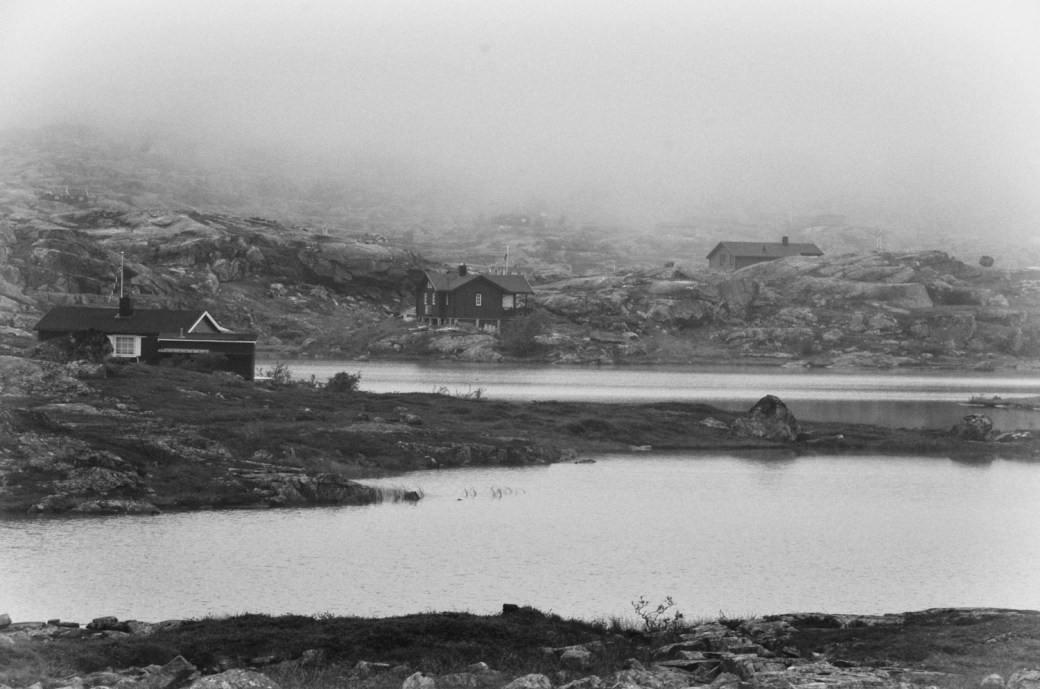
This is a rough, high mountain area with not that much vegetation. The Norwegians seem to love it and their cottages (No. ”Hytter”) are everywhere perched on the flat rocks.

Staying in your own hytte is in the Norwegian national soul just as our cottages are in the Swedish soul. They vary in standard from no water or electricity (the ”real thing”, according to many) to luxury houses.
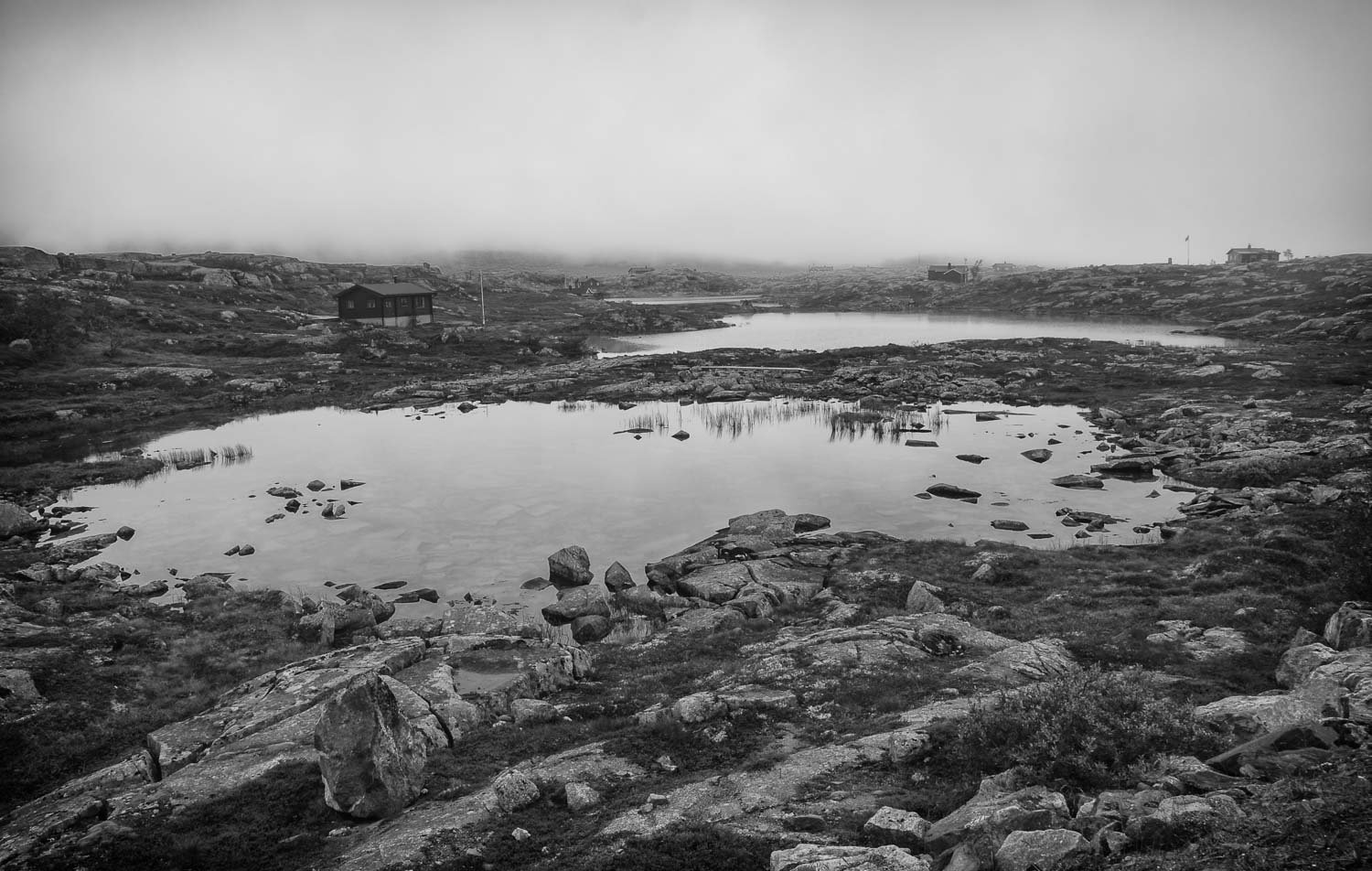
The view was tightening, but we relished every minute of the chilly fog and the fresh air. Three months in a sauna is not my cup of tea.
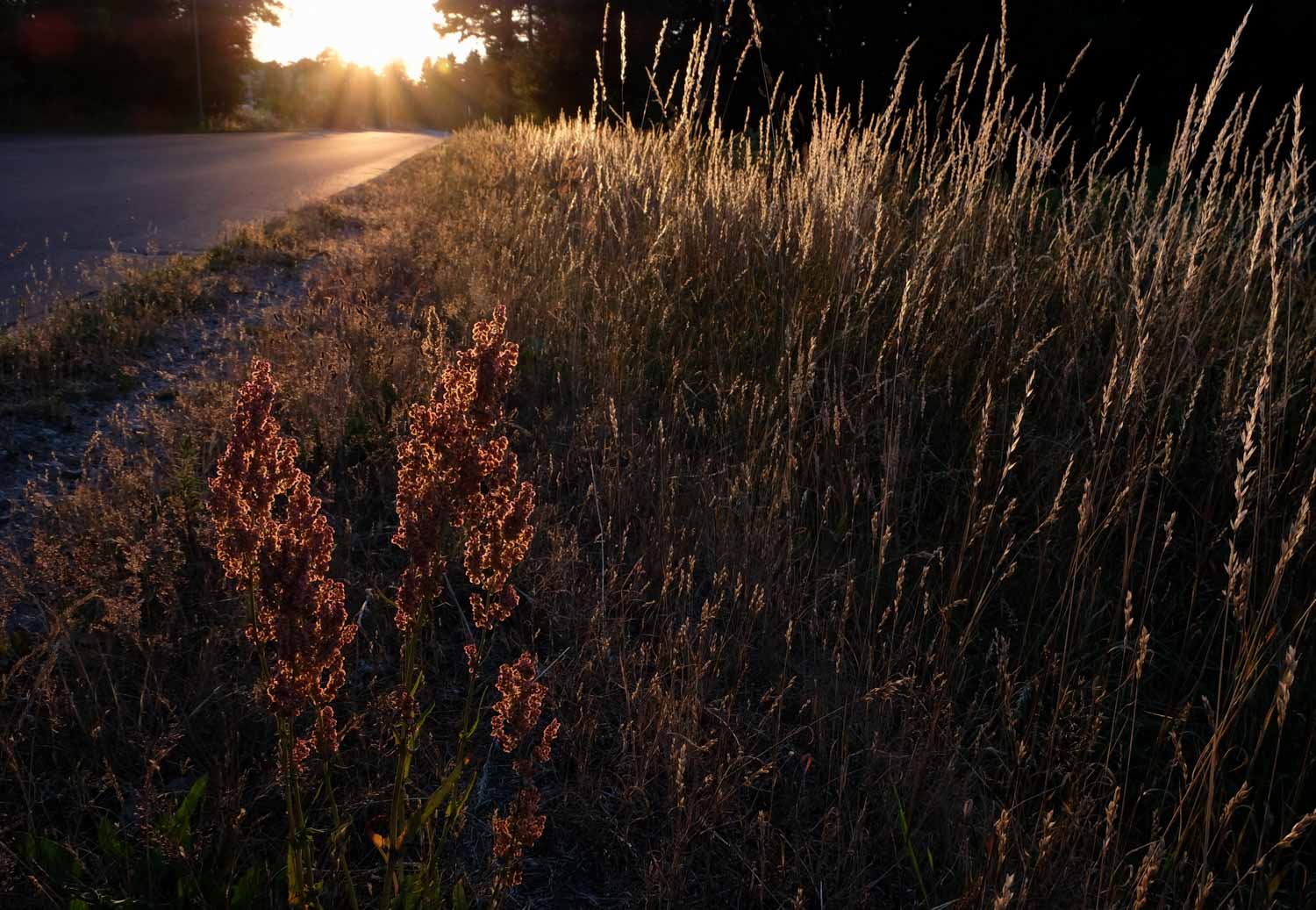
Country roads

…and the farmers’ never ending work

Fading flowers and ripening blackberries


So, I am heading north for some days – to leave the heat behind
 I will be in touch – have a great weekend all!
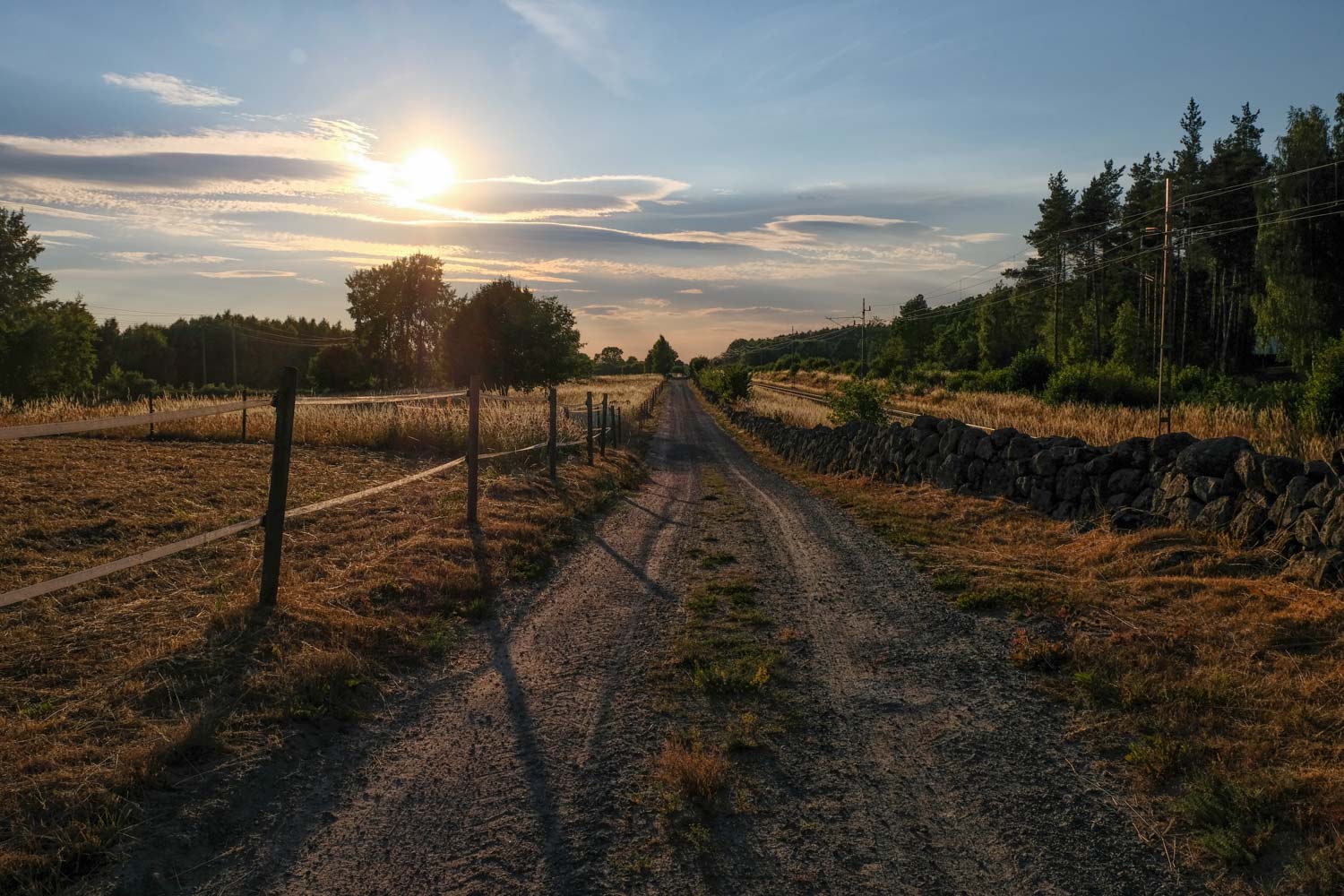
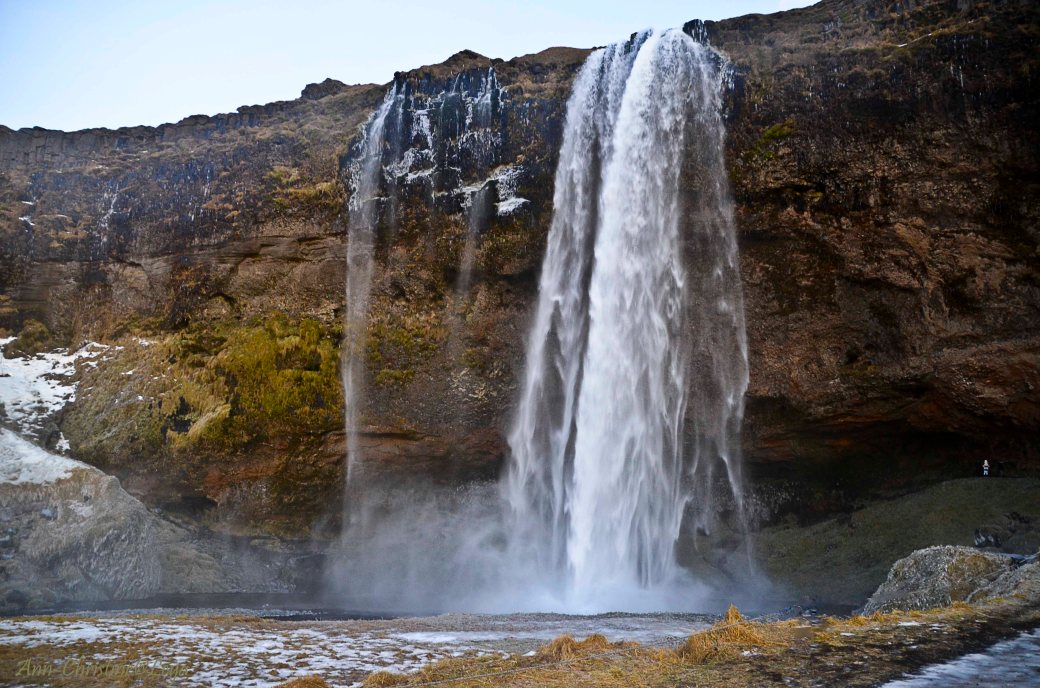
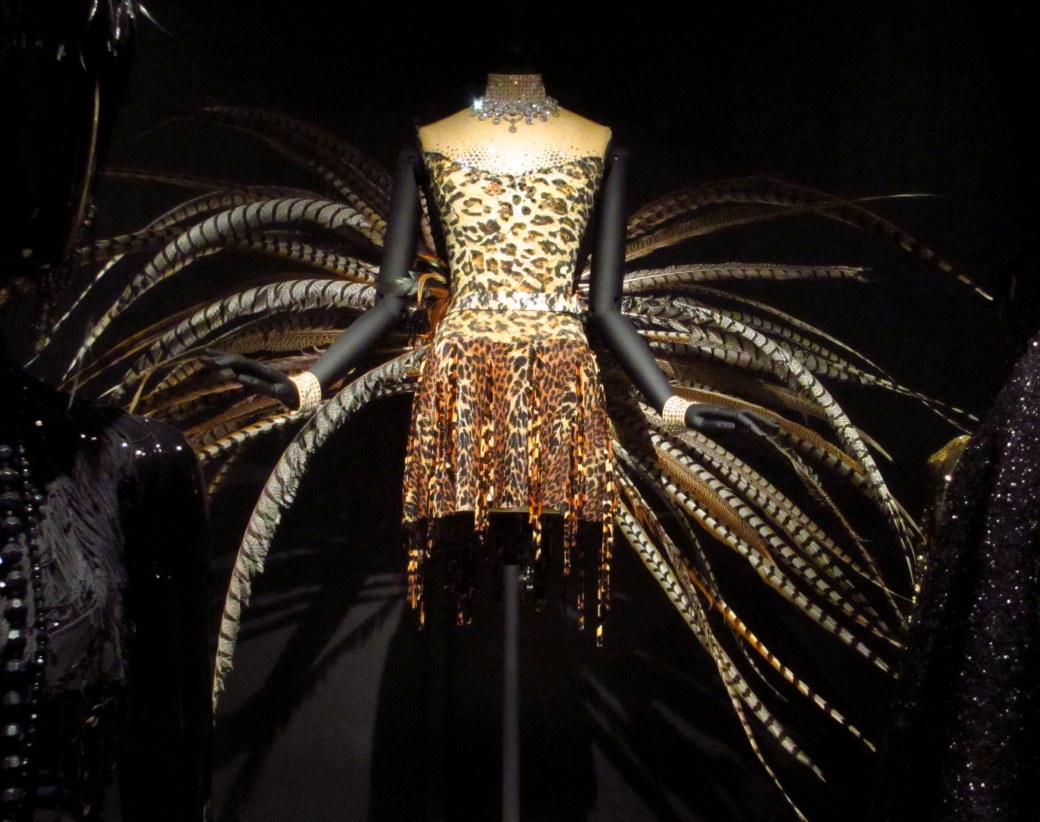
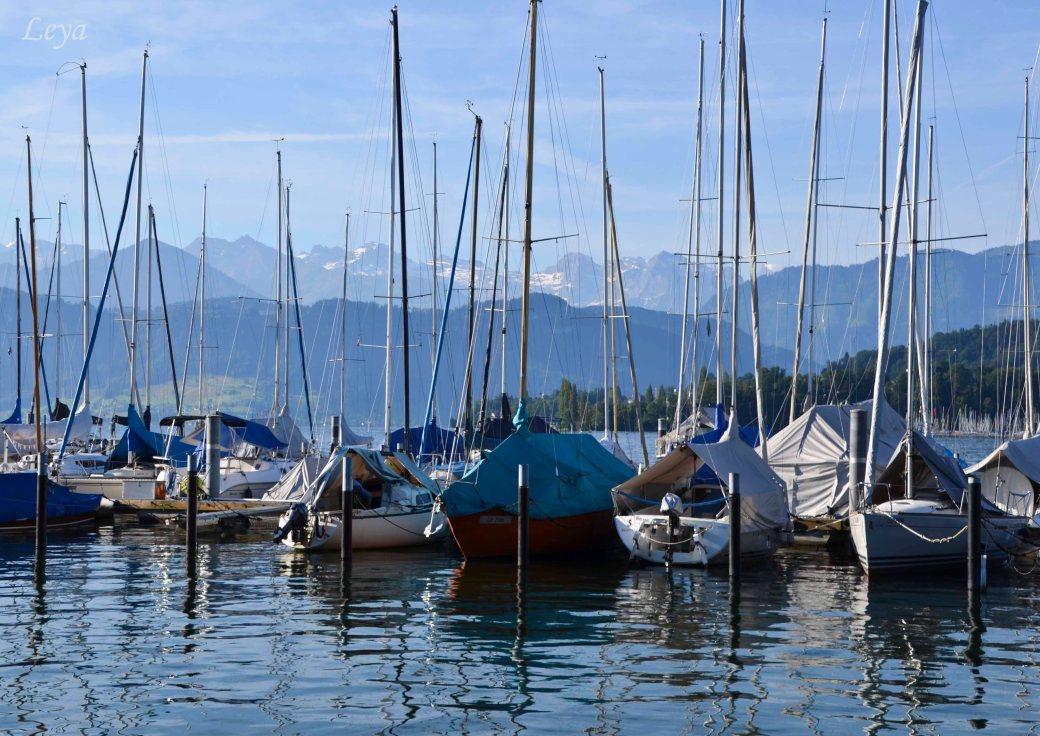
Paula’s Pick a Word is always a treat – but this time…I only managed four of her five words. I will have to look closely at how you all solved it!
splash – Seljalandsfoss, Iceland
feathered – Designer Wallin, Sweden. If this does not count…Galapagos’ swallow tailed in the header!
marine – Switzerland
scenic – Switzerland


 Leya
Leya 
Du måste vara inloggad för att kunna skicka en kommentar.