For Sylvain Landry this week – Blue
Theatre, Copenhagen and Camelot concert, Norway.

Everywhere you look in the Djemaa el-Fna, Marrakesh’s main square, you’ll discover theatre in progress. The street theatre has a natural home here ever since this plaza was the site of public executions around AD 1050. Even if there are discussions on the origin of its name, Jemaa means ”congregation” in Arabic, probably referring to a destroyed Almoravid mosque. ”Fanâʼ” or ”finâ'” can mean ”death” or ”a courtyard, space in front of a building.” Thus, one meaning could be ”The assembly of death,” or‘assembly of the dead’.
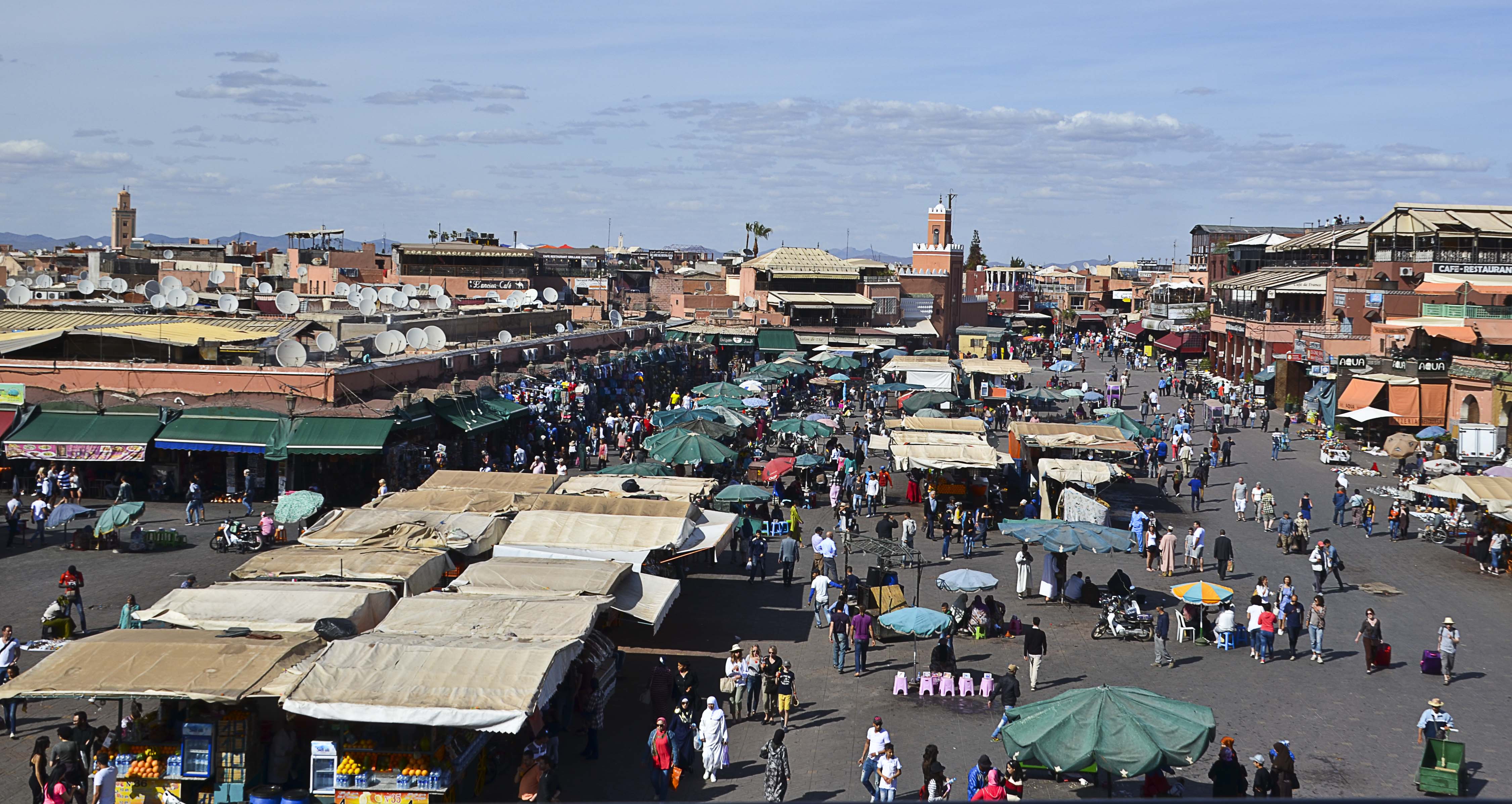
It is not just a tourist attraction since many locals also enjoy the activities that make Djemaa el- Fna come alive. During the day, the square has numerous stalls, most of which sell fresh fruit juice, water and fruit.

By 10am, the daily performance is under way. Snake charmers with their hissing cobras and men with chained Barbary apes, despite the protected status of these species under Moroccan law; henna tattoo artists ( women with piping bags full of henna paste, ready to paint you with “tattoos” that will last up to three months – though beware of synthetic “black henna”, which contains a toxic chemical; only red henna is natural. The Henna Café guarantees to use only natural henna).


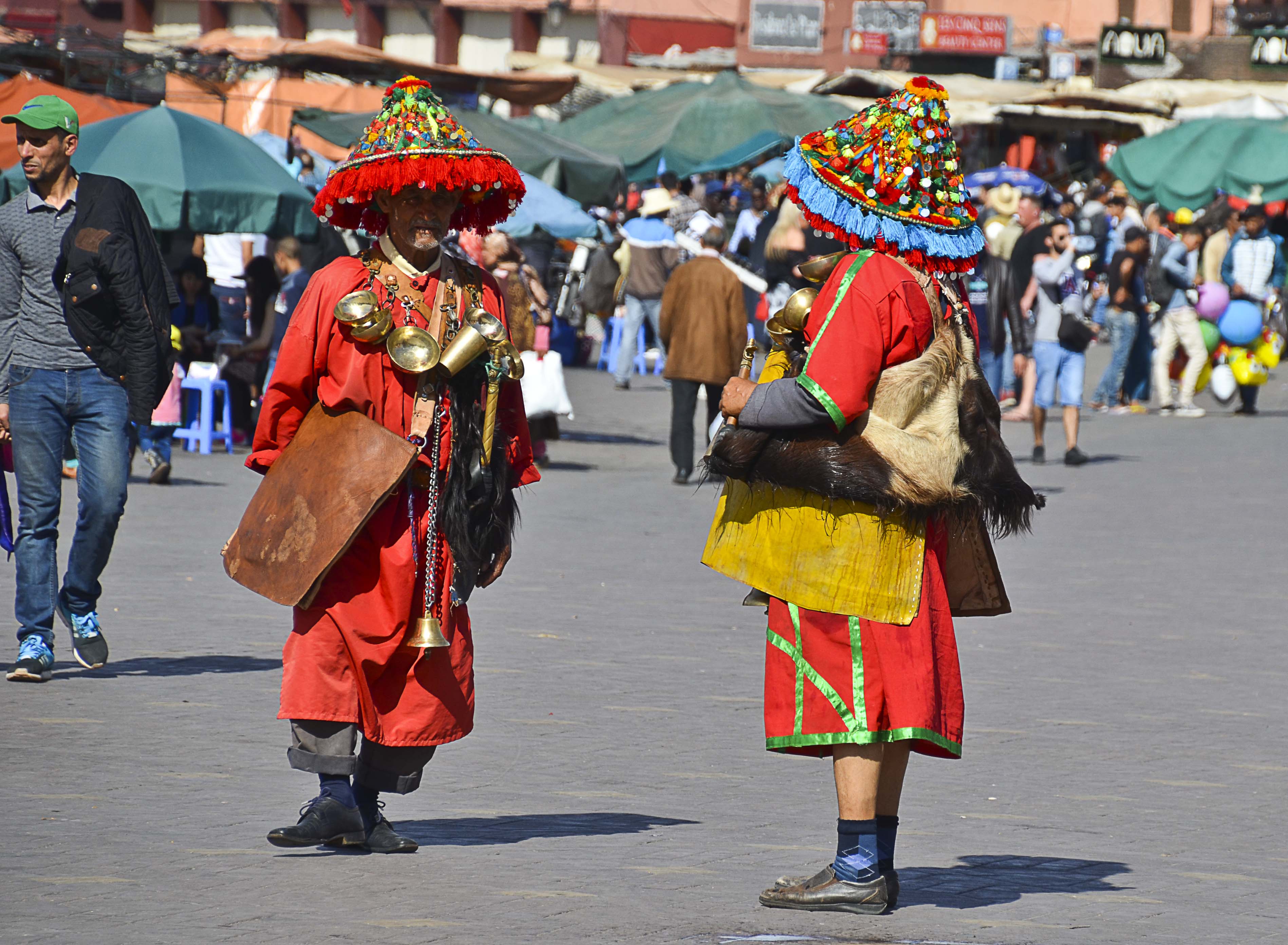
Water-sellers in fringed hats, with water-bags hanging and brass cups clanging. Medicine men display their cures, and tooth-pullers display trays of extracted molars to prove their skill. And if you wonder…fortune-tellers sit under umbrellas with packs of fortune-telling cards at the ready.
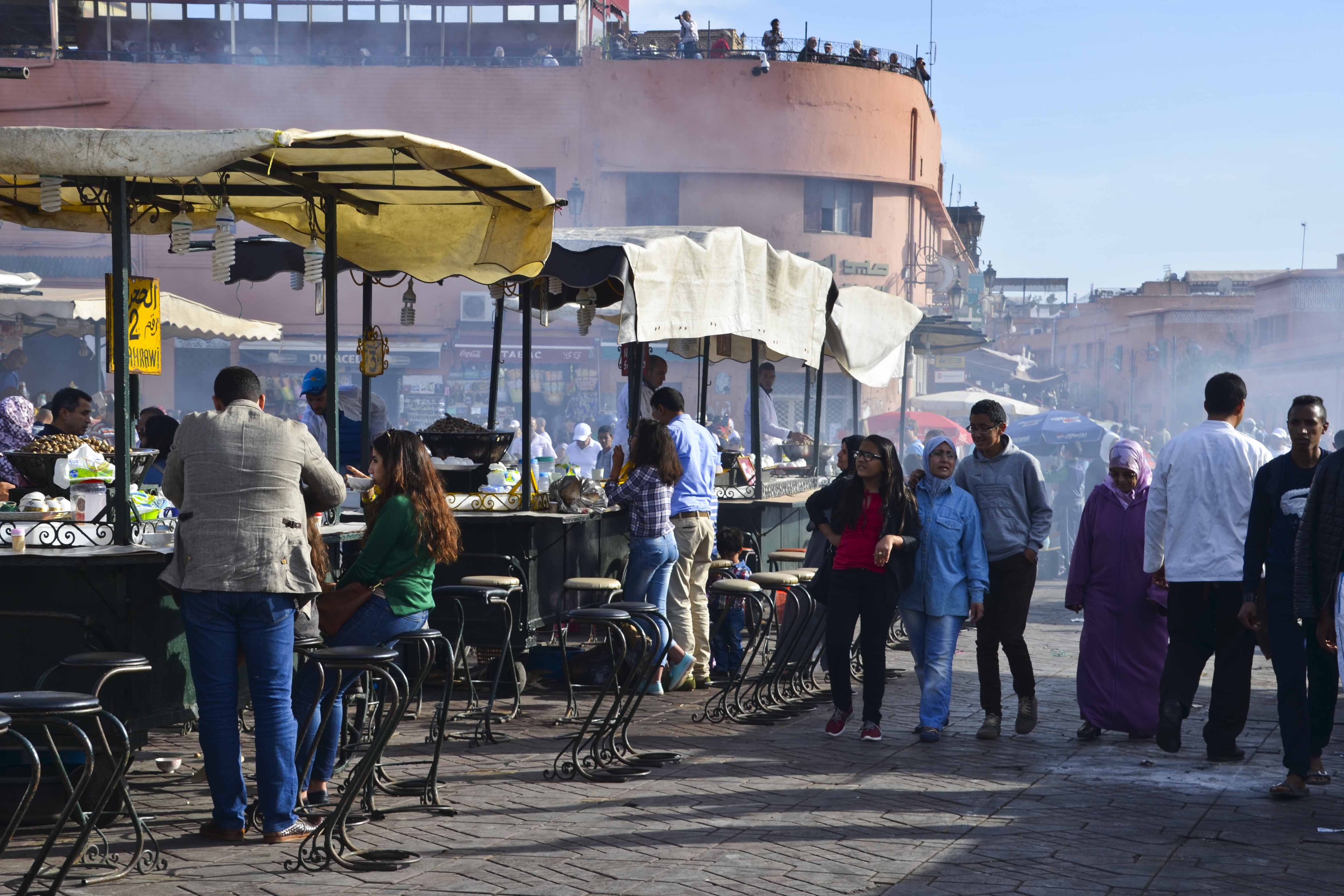
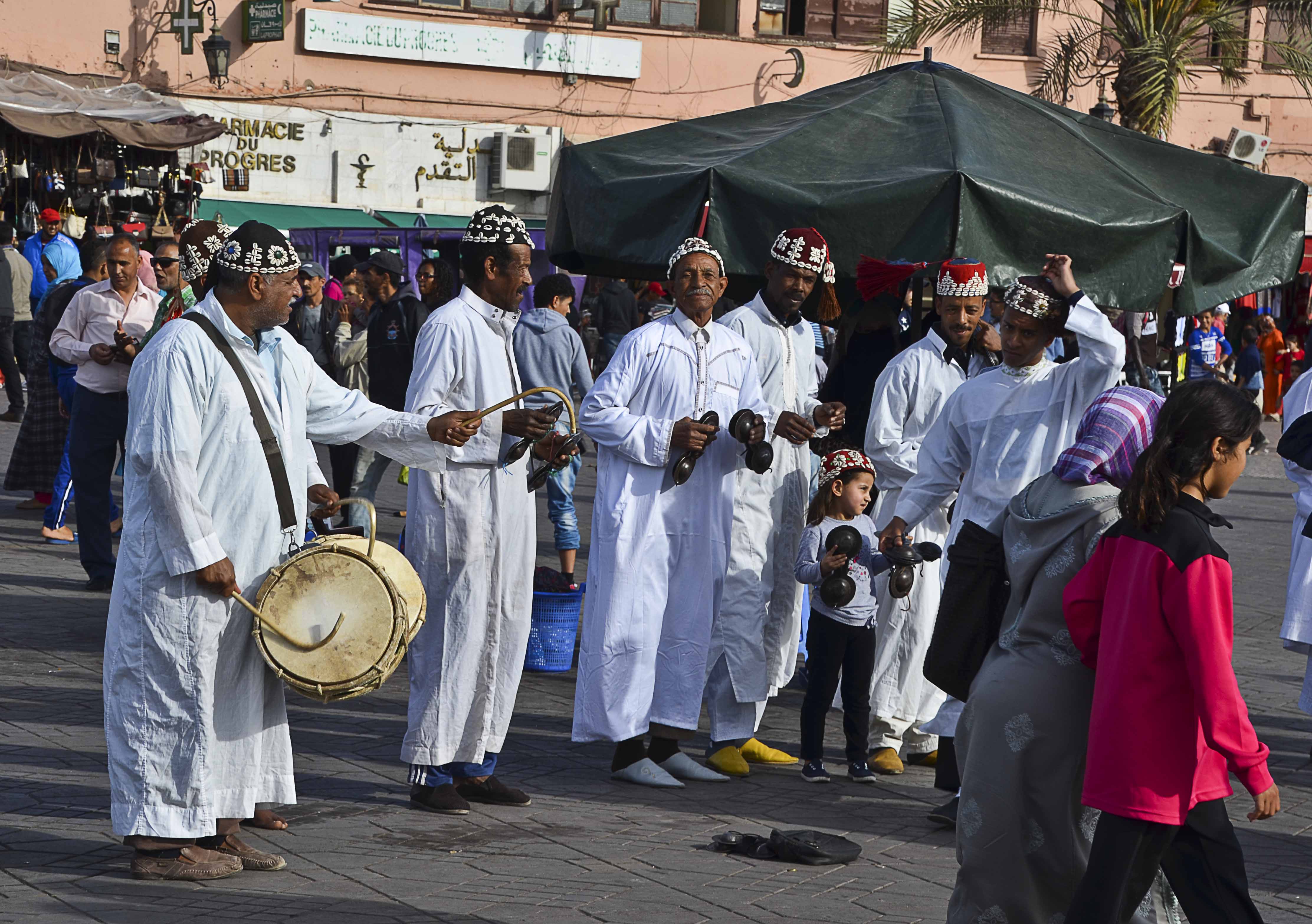
At dusk people come out for an evening promenade, and the square gradually fills until it becomes a whole carnival of storytellers (telling their tales in Berber or Arabic, to an audience of locals), acrobats, musicians and entertainers. If you want a respite, you can move over to the rooftop terraces, such as the Café du Grand Balcon, or Café Glacier, for a vista over the square and all the activities, and the crowds who come to see them. Very much recommended. We enjoyed a rather expensive bottle of juice and a less expensive mint tee – having a great view without being crowded.
Arrive early in the evening to get a good seat. Applause and a few dirhams will encourage the performers. It’s a great show, but be prepared…taking photos immediately brings at least one man to your door…dirhams!
In 2001, Djemaa el-Fna was recognized by UNESCO in the project Masterpieces of the Oral and Intangible Heritage of Humanity – the initiative coming from people concerned about the Djemaa el-Fna. Since long known for its concentration of traditional activities by storytellers, musicians and performers, but now threatened by economic development pressures. The residents wanted protection of their traditions, and called for action on an international level. In 2001, this ”cultural space” got its protection.
In Marrakesh, this meeting place is a must. Remember – this is far from only for tourists. Most people strolling here, enjoying themselves, are locals. This is, even today, a genuine piece of Arabian Nights…no ”assembly of the dead”.
.
When I go abroad, I try to visit at least one school – if possible. I guess we all like to see how our own profession works in other parts of the world. In Morocco my visit was to an abandoned school – but still it was very interesting.
The Ben Youssef Madrasa was an Islamic college in Marrakesh, Morocco, named after the sultan Ali ibn Yusuf (reigned 1106–1142), who expanded the city and its influence considerably. It is the largest Medrasa in Morocco, and lies totally embedded in the city. There was nothing to reveal its true looks from the outside.
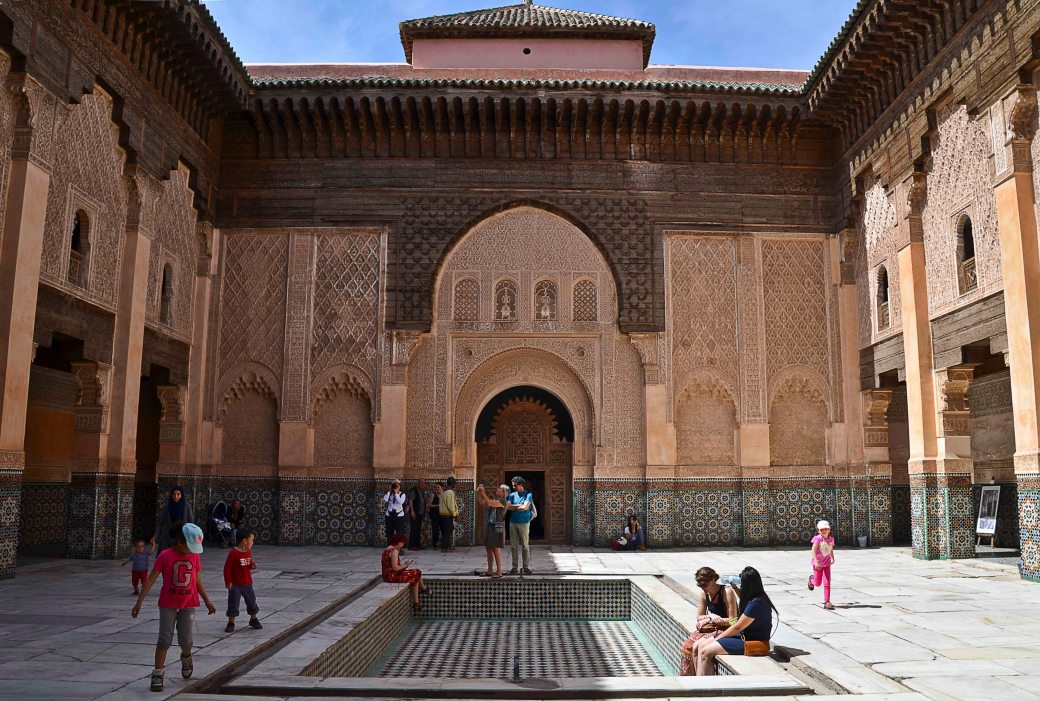
The college was founded in the 14th century, and its 130 student dormitory cells cluster around the courtyard, richly carved in cedar, marble and Moroccan style stucco.
The pool is the wash basin – elaborately decorated in marble tiles. I wonder how several hundred students were organized to perform this ceremony? Every day?
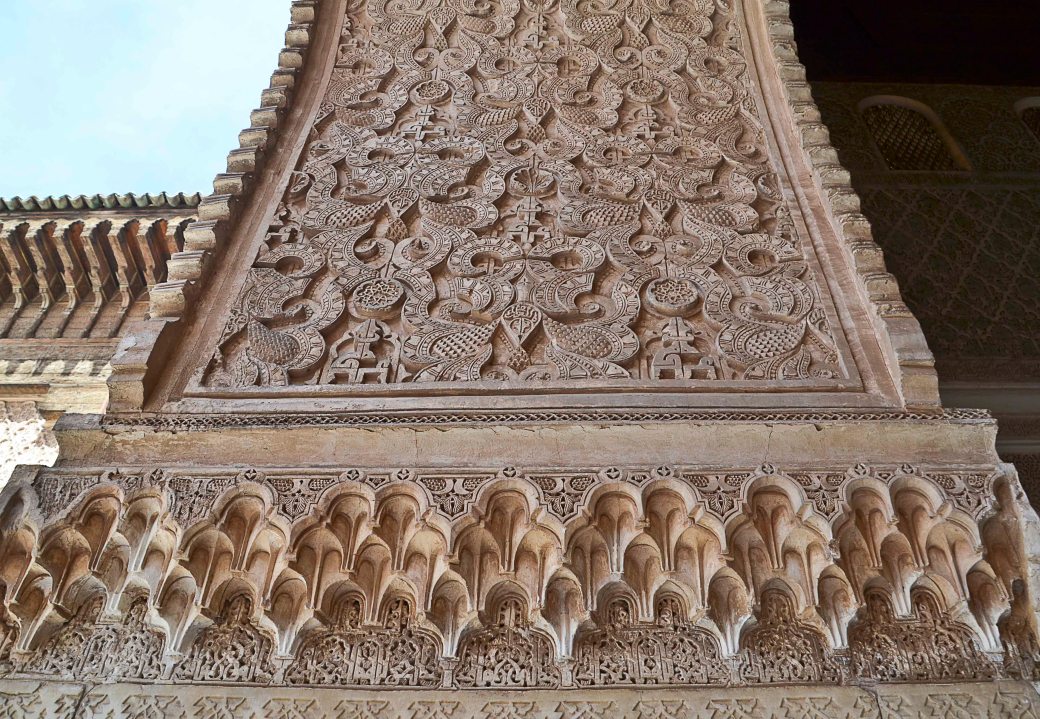
As required by Islam, the carvings contain no representation of humans or animals, and consist entirely of inscriptions and geometric patterns.
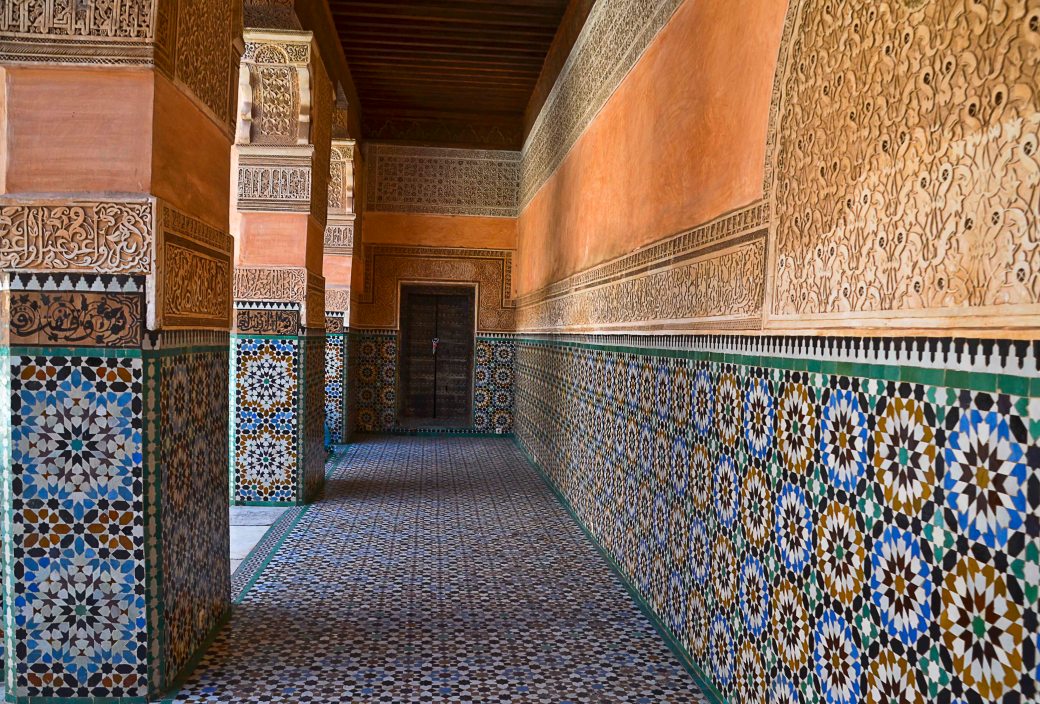
This madrasa was one of the largest theological colleges in North Africa and may have housed as many as 900 students. Hard to understand from what we could see of the size.

The students’ cells were all on the first floor, and richly decorated corridors led to each dorm.
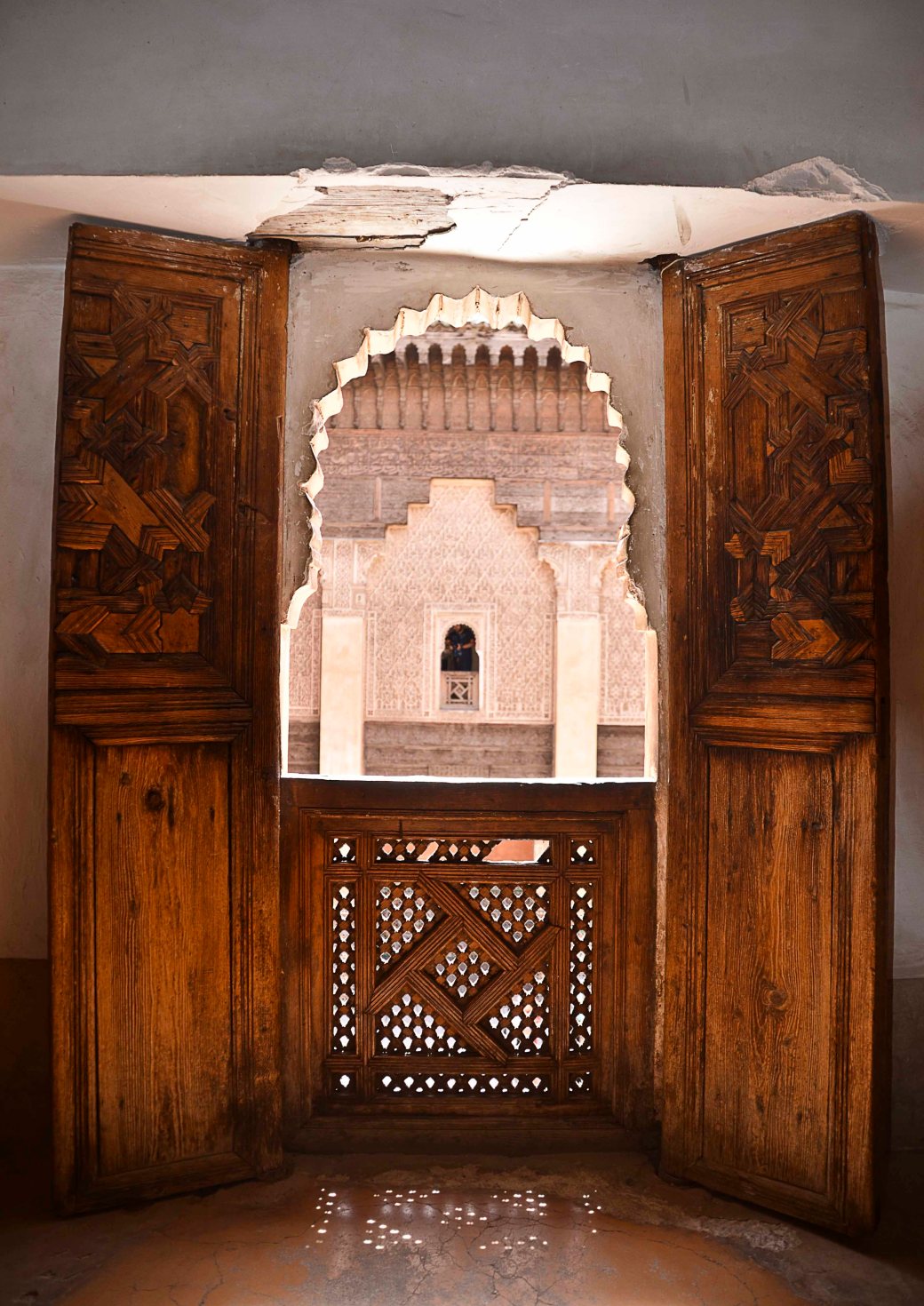
These beautiful doors opened up to the courtyard, and the student living here could see across the yard to the student on the other side. The cells were very small, maybe 9 square metres, and most of them had no windows at all.
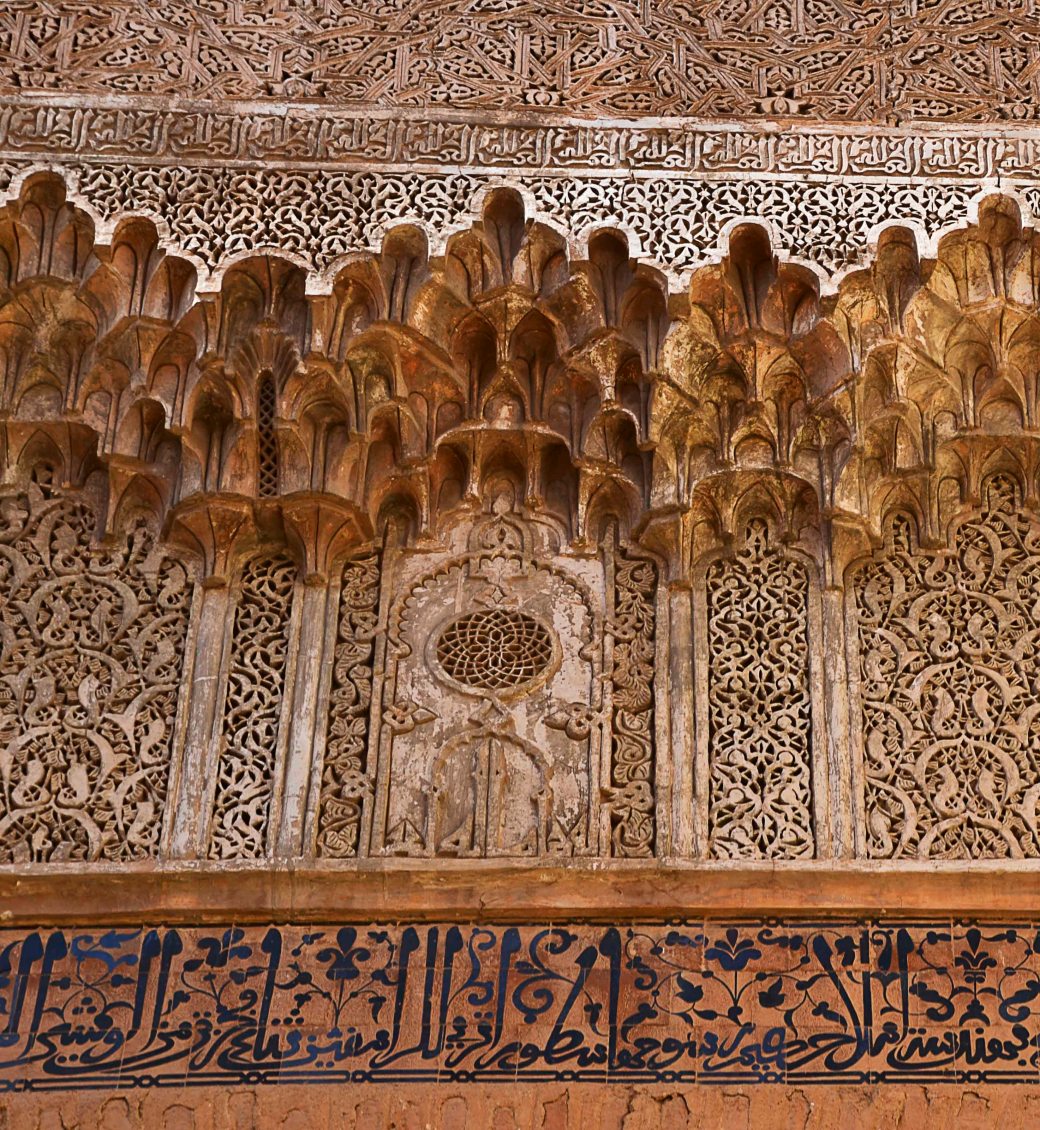
The college was still alive and working when I was born, but closed down in 1960. The madrasa was refurbished and reopened to the public as an historical site in 1982.
Those who lived and worked here were surrounded by beauty…but I wonder where all those students went when it closed down…? And, would I have loved to study here – inside this spectacular work of art? Would you?
If I were to chose one picture, only, to represent my visit to Marrakesh and the Medina, it would be the one in the header. Colourful, hot and filled with scents. Then, there is of course the multitude of people…here we go!
I loved our little street. Behind the typical pink walls, we had to walk endless tiny streets and alleys to get to our Riad (Moroccan mansion) . But there was no stress, a calm and friendly atmosphere – and no ”special guides” trying to make money out of us.
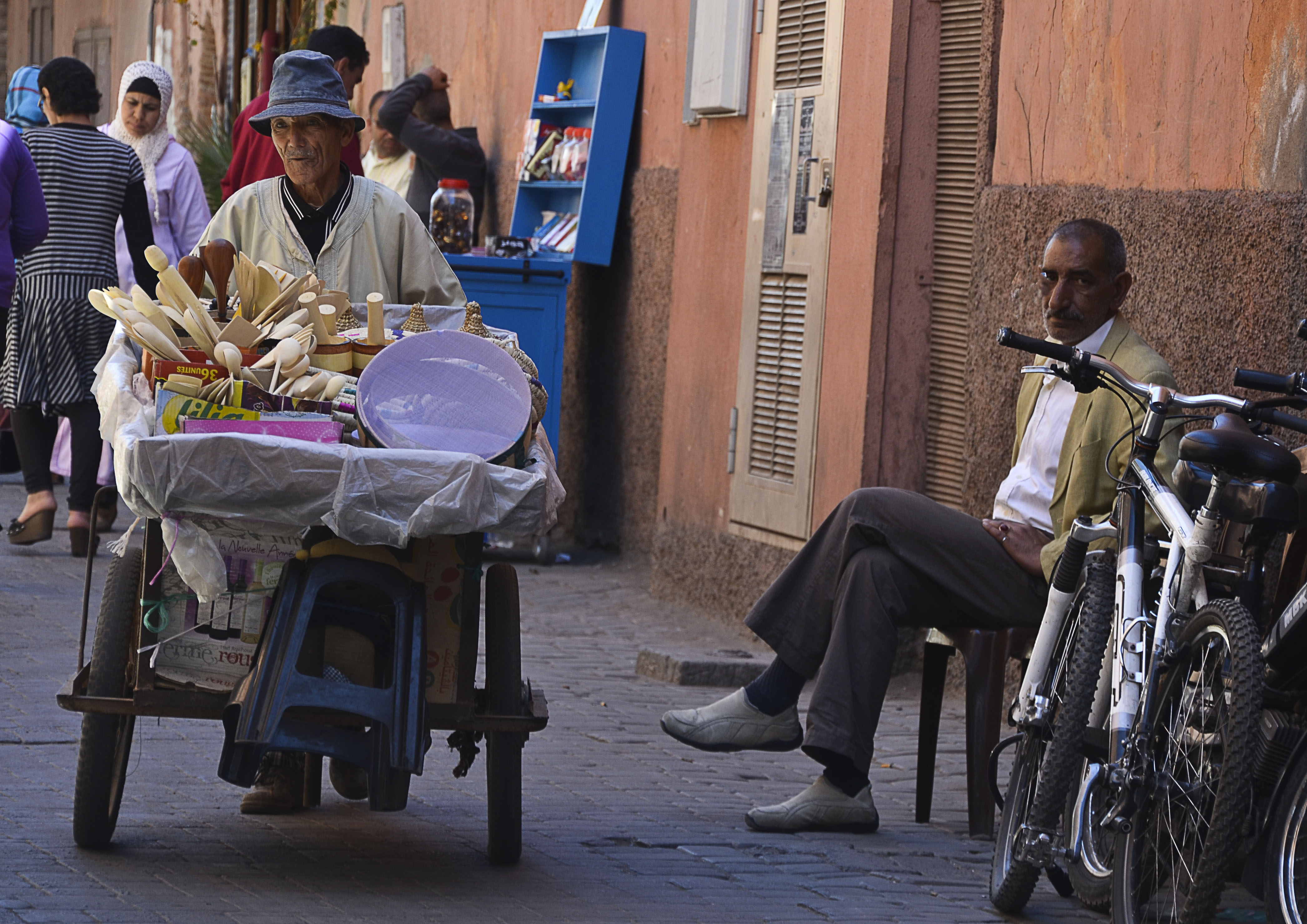
Just the everyday life going on…young and old, working or relaxing in the shadow.
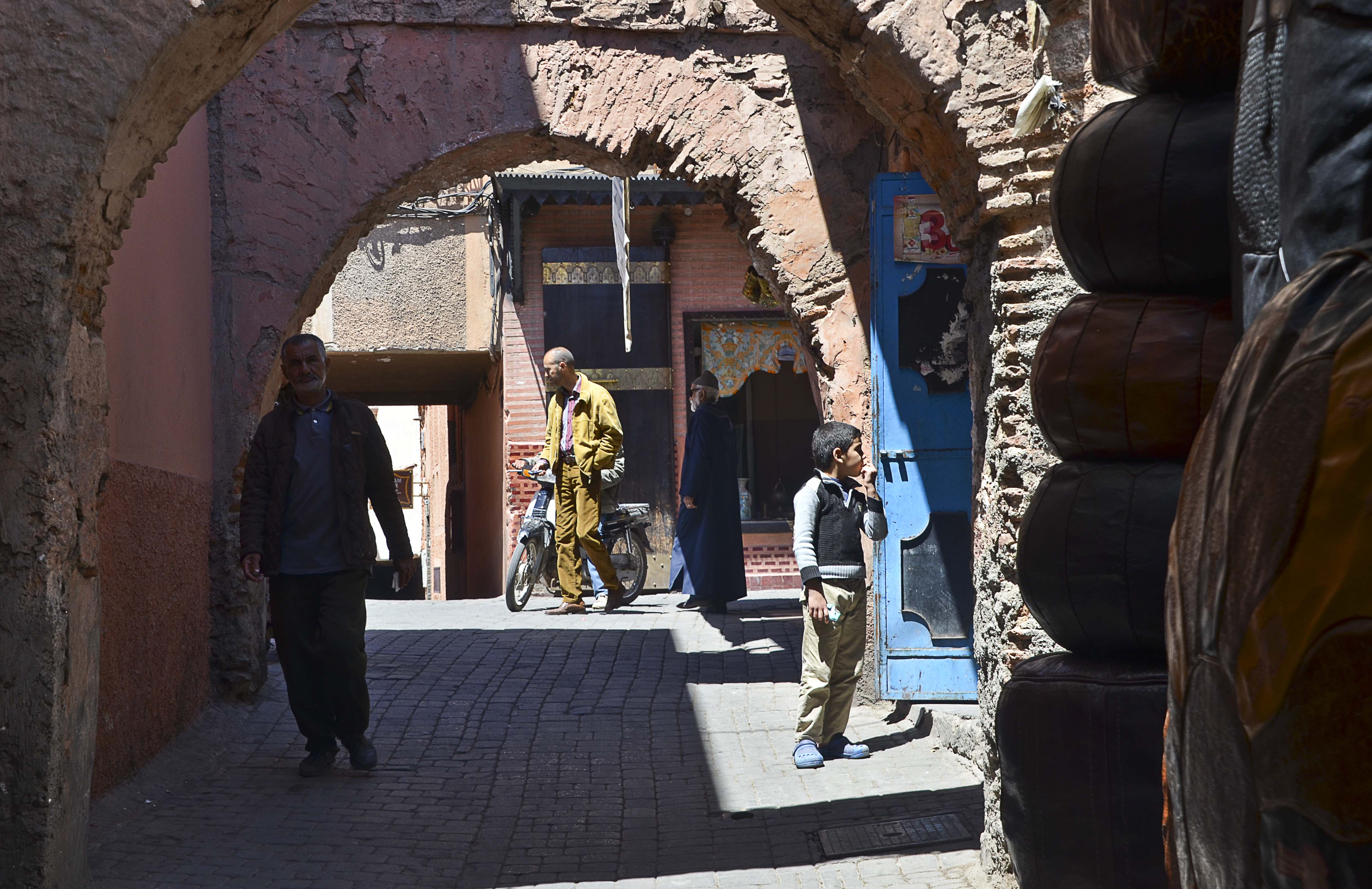
On our way to the Souks, the principal shopping attraction in the city, I felt a bit worried about how I would cope with it. I do not like haggling, so I had already decided not to buy anything. My husband has visited Marrakesh at least three times before, and had also warned me that we soon would be ”kidnapped” by ”local guides”. (And so we were…)
Marrakesh has the largest traditional Berber market in Morocco, and the souk area has been compared to a micro-medina in itself, where it is absolutely essential to get lost…
But once you’re inside though, the feeling of One Thousand and One Nights ( Arabian Nights), or Aladdin, immediately comes to mind…and if you take a closer look at my gallery photos – I’m rather sure I was caught in the middle of …a treasure chest transport!


Historically the souks of Marrakesh were divided into retail areas for particular goods such as leather, carpets, metalwork and pottery. We could roughly see these divisions still, but rather overlaped. Many of the souks sell items like carpets and rugs, clothes, leather bags, and lanterns. Argan oil is popular everywhere.

After a hectic day it is a blessing to come back to our quiet Riad for a delicious Tagine (A specialty of the city and the symbol of its cuisine. We had a local tajine prepared with beef meat, spices and ”smen” and slow-cooked in a traditional oven in hot ashes. )
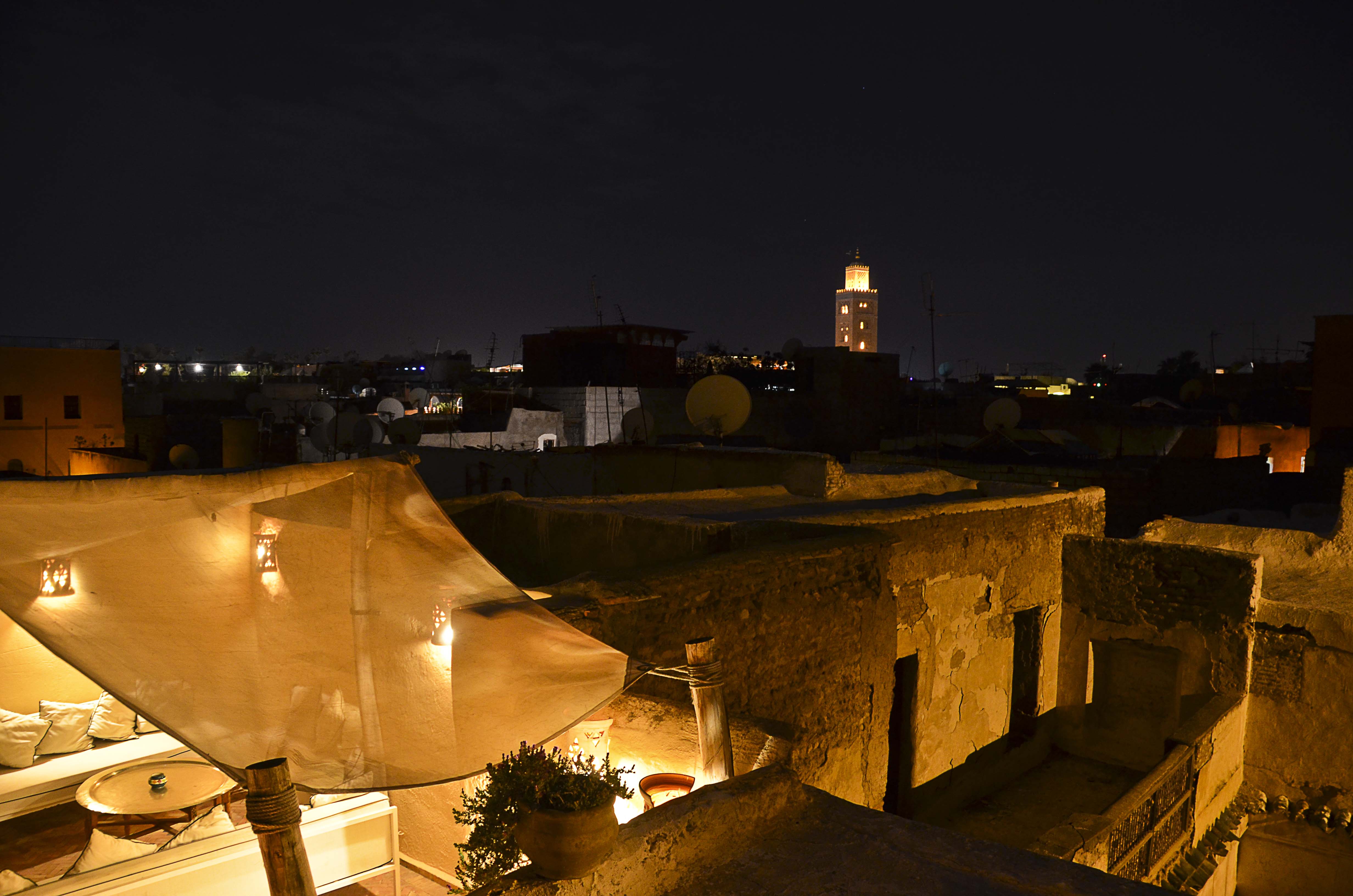
Then finishing the evening with a slow walk on the roof top. In silence…

…before going to sleep.
Is it because of…


…or because of


or maybe because of…
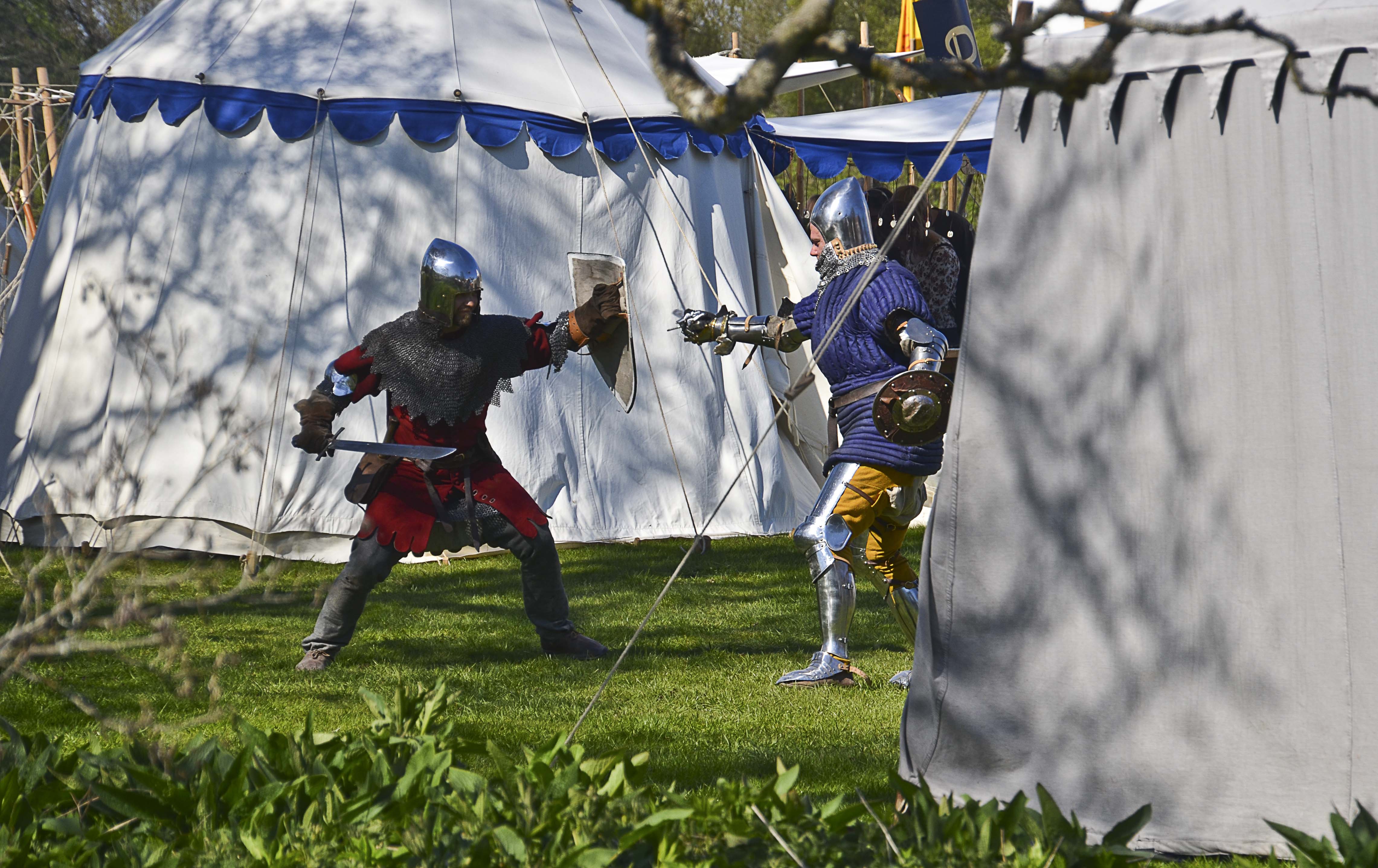
my longing for a Knight in Shining Armour…
or at least a handsome knight… in any armour!


It might also be for the fair ladies and a love of horses…
 …or for the spectacular jousting – and its Swedish Champions!


I do believe my love for this consists of all these things…and then, nothing beats the Hovdala Castle …

and its surroundings.
According to Chinese tradition, the bride always wears red on her wedding day. So, for Sylvain Landry, this week’s wedding pictures come from China. Old tradition in the beautiful water city of Suzhou, and in the header, a modern couple walking the Bond overlooking the Pudong area in Shanghai.

I was sitting in a van in Marrakesh, waiting for the driver, when I saw this gorgeous man relaxing with his friends. A long shot, through the window, I just had to…
For more facial features, click here.

Thank you for being featured last week!

In the header, something of the new Morocco…on its way? The man talking in his cell phone, standing in the house-to-be…if it is not abandoned.
The Moroccan roads are rather straight and dusty. And along them, life continues as it has always done. Or almost.
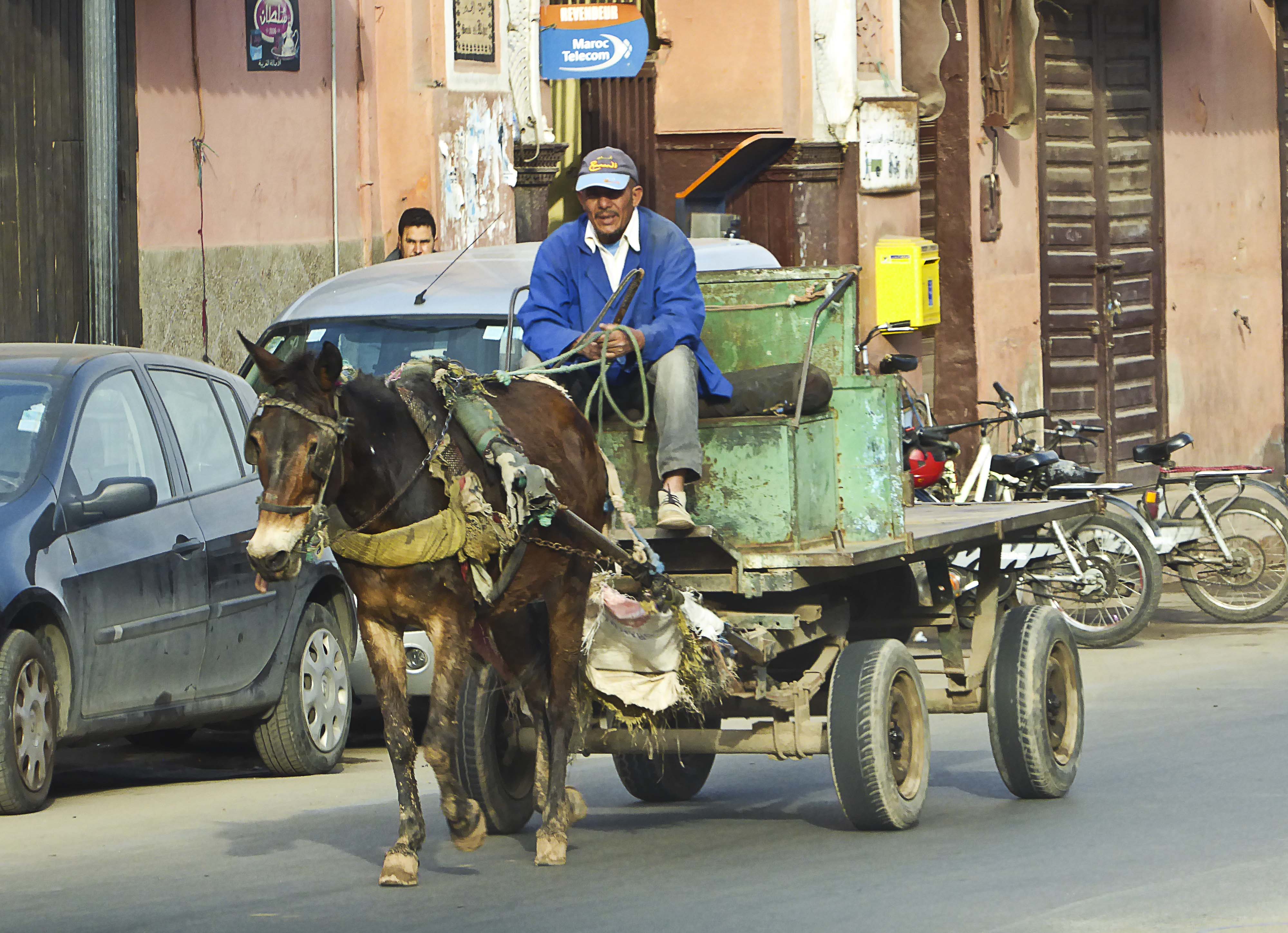
In the cities, the mix of cars and horse carts, donkeys, bikes and motorbikes radiates that special energy and feeling. Most animals are also very well kept, which adds to the friendly atmosphere.
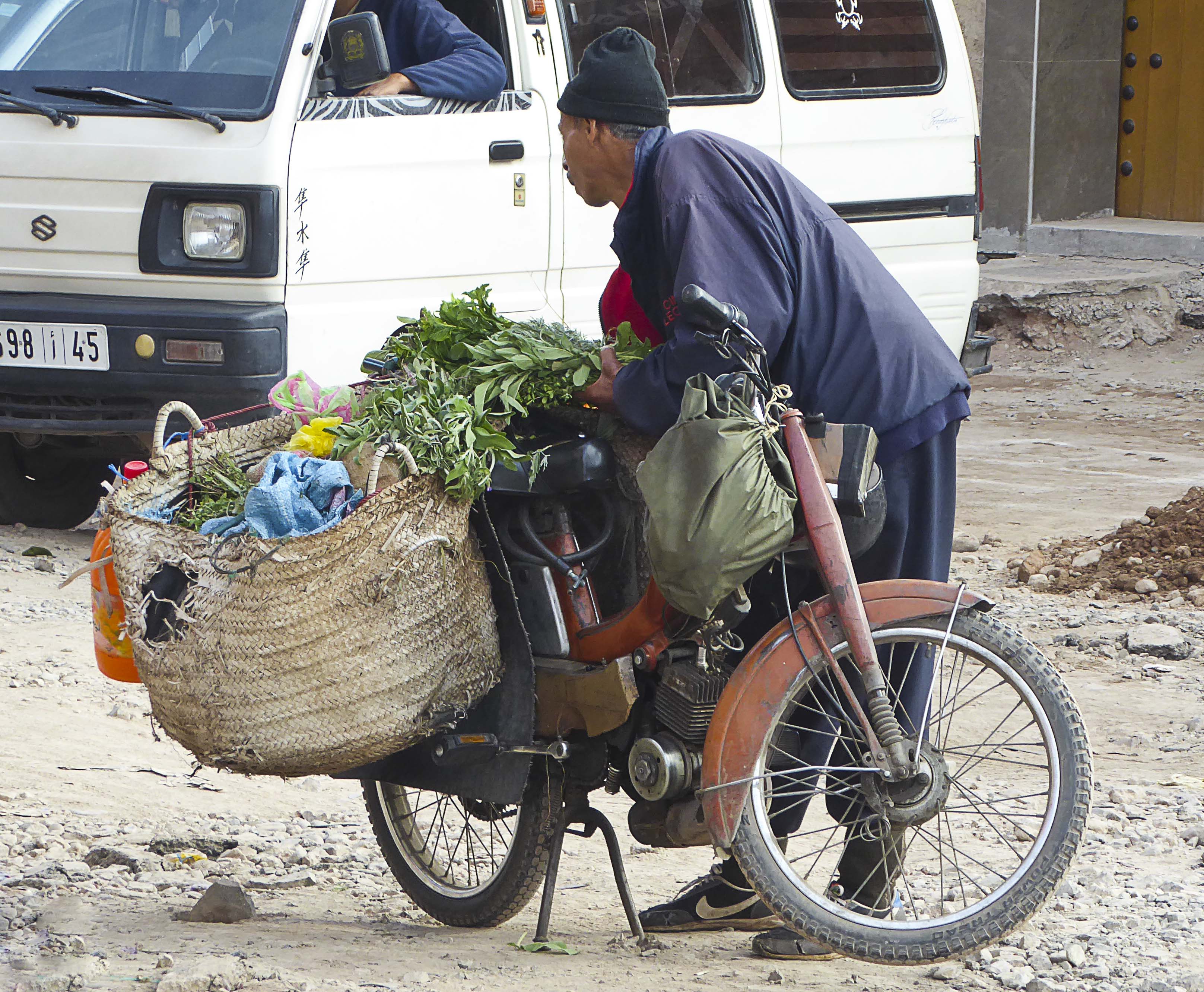
Either walking or going by van, we saw mostly men, of course, and nobody wanted to have their photo taken. I knew this from the start, so almost all photos of people are taken from the van. Sneakingly…


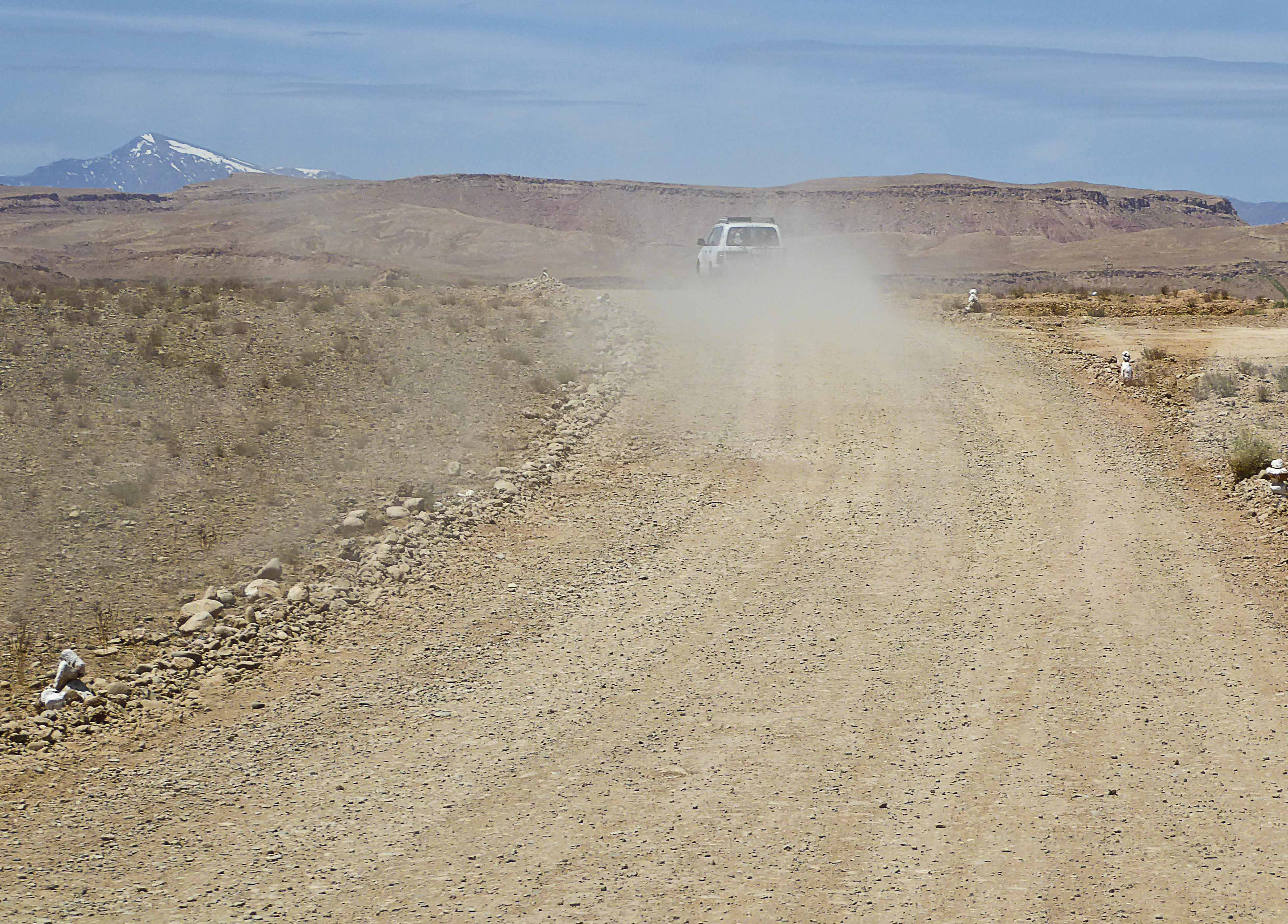 When you have passed the High Atlas mountain range, there are endless, dusty, desert roads. But no matter how long or dusty the road, there are still people going about their daily chores – along the very same road.
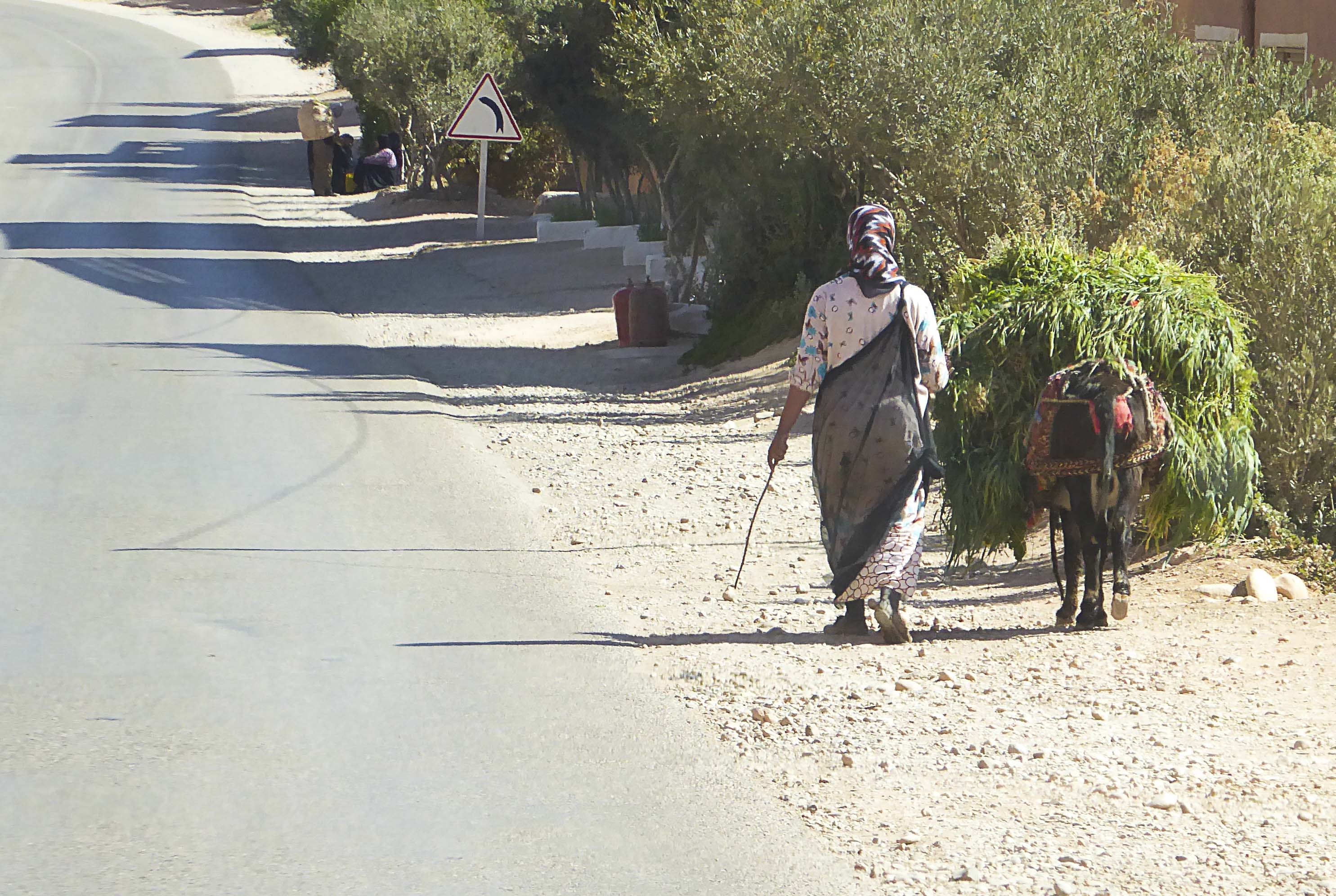 Nomad tents rising or falling, and the women and men tending to their camels.
 Most people hardworking…
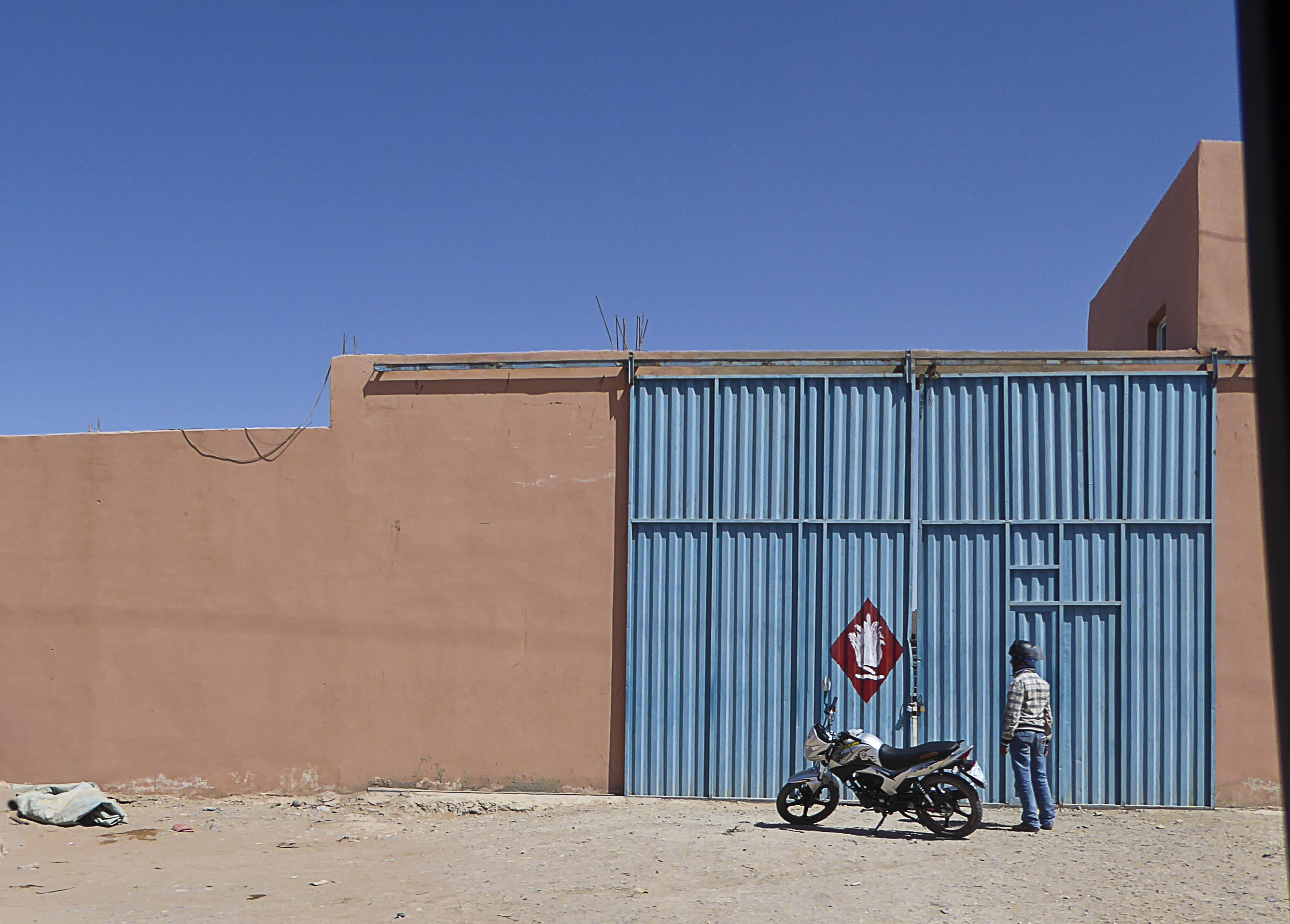
…but some, standing and waiting – for something or somebody. In the middle of nowhere.
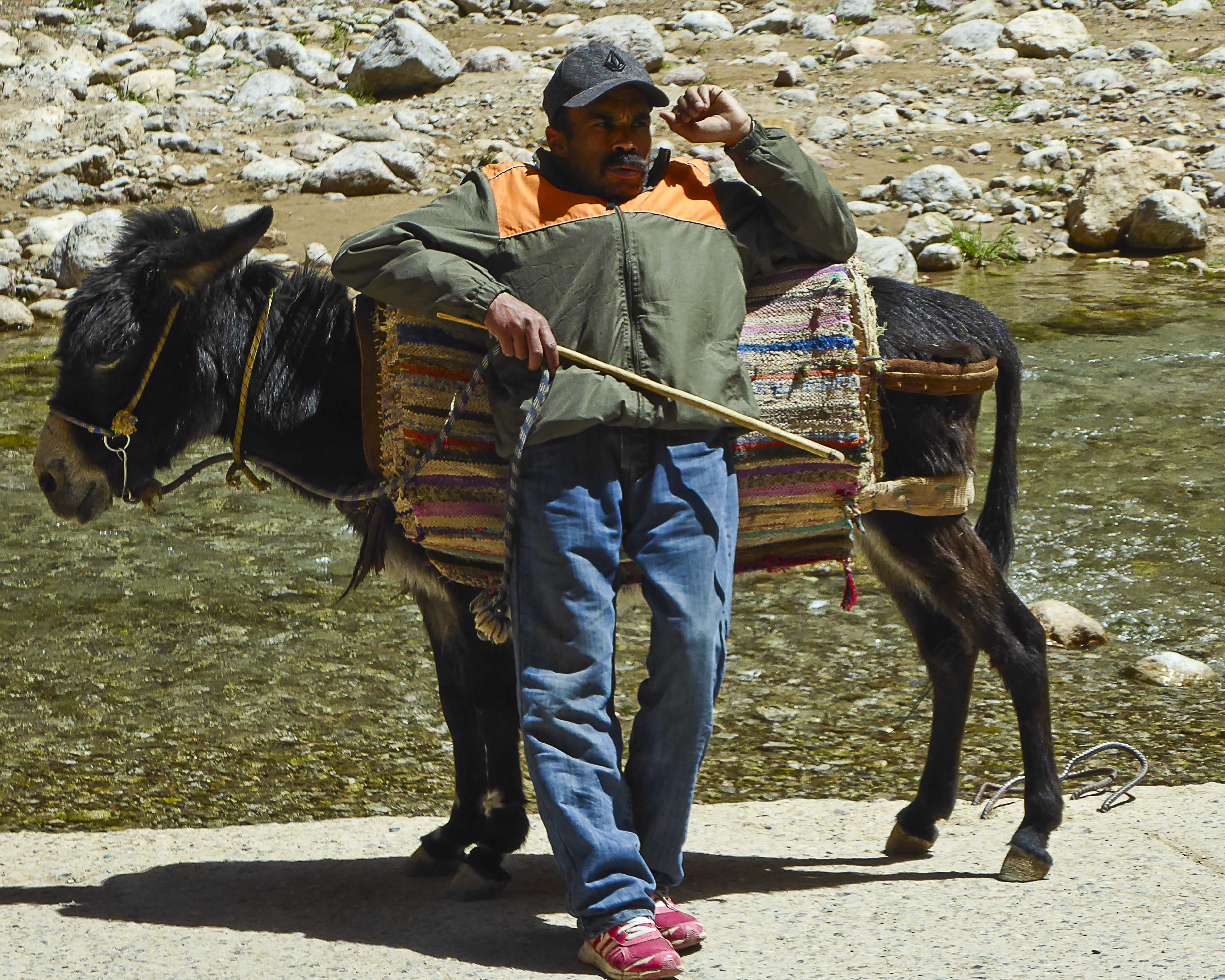 A colourful country.
I wonder how they have managed to preserve their old ways of living? Our Berber guide told us they have so many ”tribes” that they are impossible to unite. They have a country of small units who manage to live together – just the way they are. I think that is just amazing.
I admire many people. People who struggle hard to get a decent life, people who save other people’s lives, people who have accomplished great things… But there is one man I admire perhaps the most of all. The Dalai Lama.
We all know his story, how he was taken from his parents at an early age – being the chosen one. How he had to flee his country from the invading Chinese, and how he has managed to survive and be the leader and role model for so many people in the world. His gentle wisdom, his smiling eyes, his message of peace and nonviolence is recognized worldwide.
The Dalai Lama has my deepest admiration .
In the header is a picture from Malmoe, when he visited in 2011. I had listened to him once before in Lund, but this time I also happened to be right at the entrance just when he left the building.

After the interesting and joyful interview, he walked out to the waiting car…
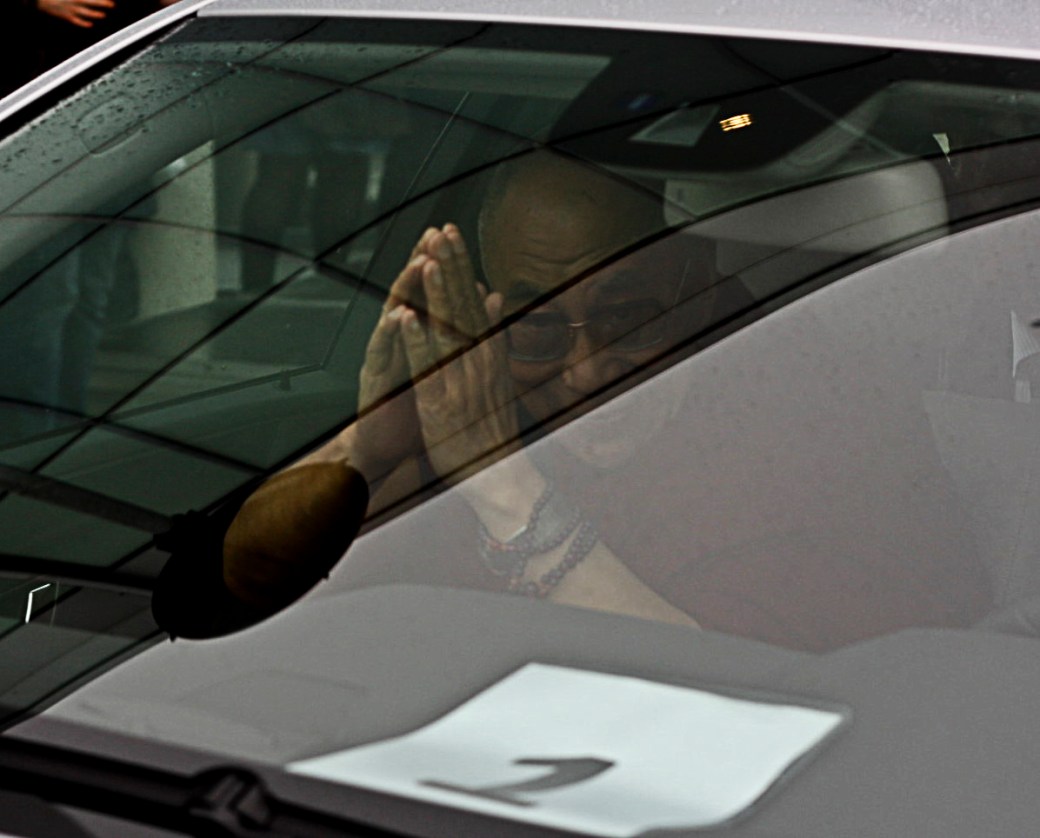 …saying his gentle goodbyes to all of us. For this time. In my heart, I hope to see him again. Some day. Somewhere.
Back in 2004, Alain Ribet -a friend from Bordeaux- told me « My brother Bernard has gone quite mad: he’s bought a farm in an oasis in deepest Morocco”.
These are the words of Catherine Quenisset, the charming French lady who now, together with her husband Philippe, runs the ecolodge Sawadi in the palm grove of Skoura, Morocco. Read their story and about their sustainable concept by clicking the links above!
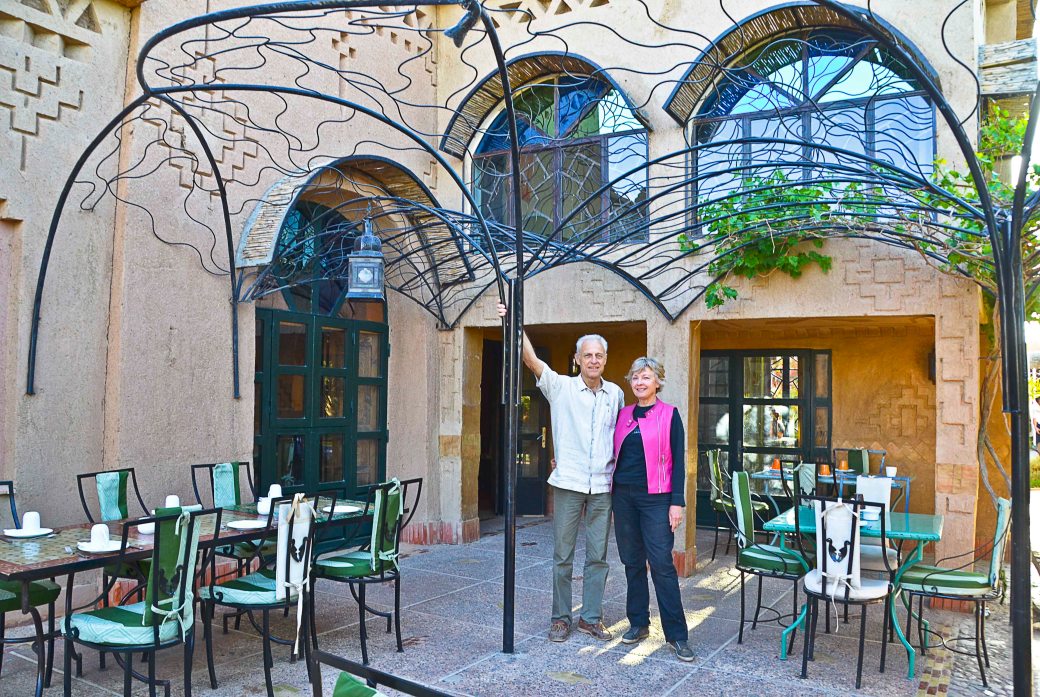
The Sawadi farm has the comfort of a riad and is implanted in a 4 hectare domain, This means a huge garden, and here they grow almost everything they need for themselves and their guests. For example roses for making rose water, flowers for the calendula oil, and all vegetables for the kitchen.

The hotel part of Sawadi includes only seven living houses, and is consciously restricted to that. In fact, Sawadi is the only establishment in Skoura to receive the “green key” a sign of their commitment to tourism and sustainable development.
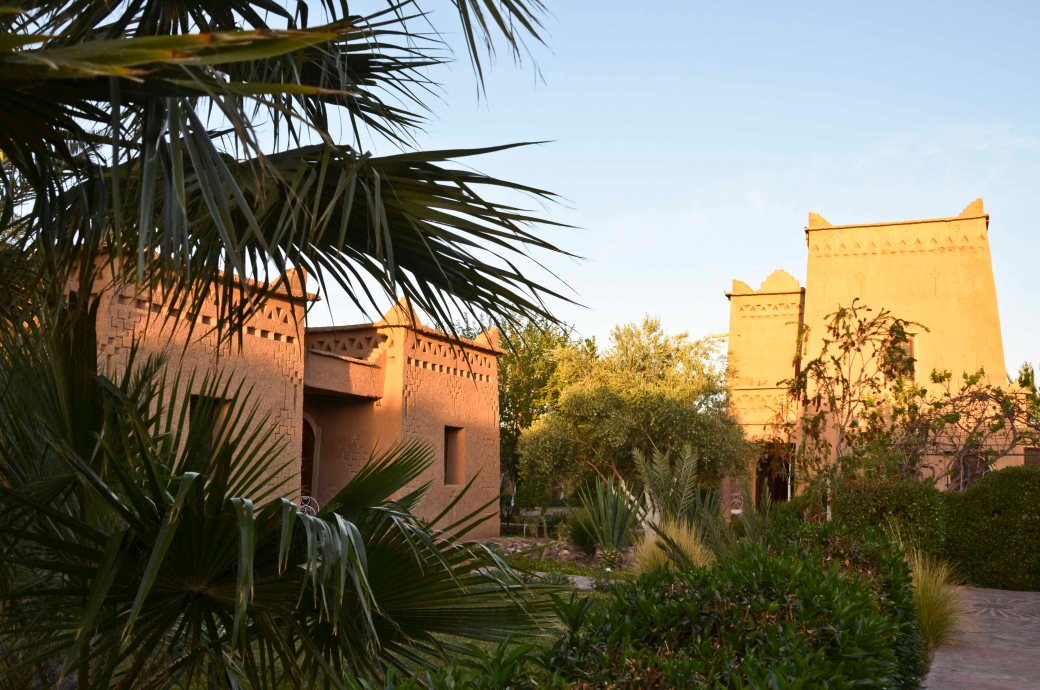
All the buildings at Sawadi have been designed and built respecting the traditional local Berber architecture. The ancestral technique means that the houses are daubed with a coating of mud and straw and they all have narrow window frames. This to make the interior of the house remain cool in summer and warm in winter. The area has a constant dry heat which also means you can visit any time of the year.
Sawadi is a place for both body and soul. Mindfulness. After leaving the luggage and changing clothes, we sat on the porch for a long time this evening. Just listening to the silence, only interrupted by the birds and the occational sound from the farm animals.

There is a beautiful pool and the kind of traditional hammam (a steam room for 3, maximum 4 people simultaneously ) you can find in the wealthy families of southern Morocco. Here they offer you a scrub and massage with the famous Argan oil.

Callistemon – in abundance
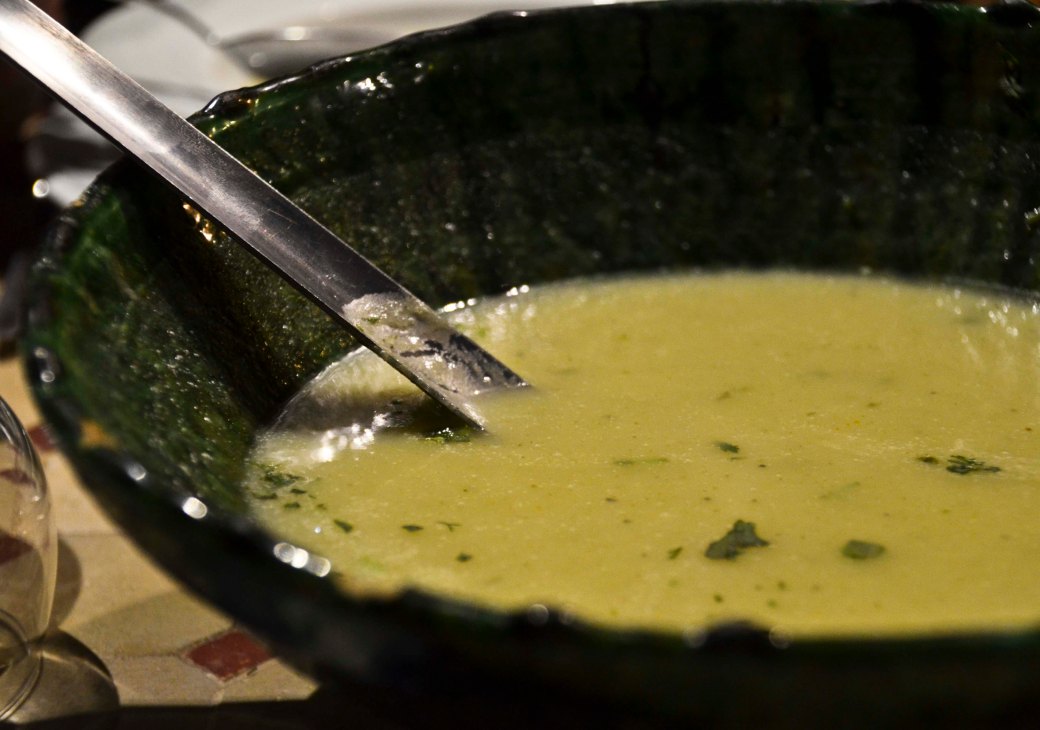
Food preparation is consistent with Sawadi’s ”natural” ideal. In Sawadi they do not use any chemical fertilizers or pesticides. This is one of the reasons to why there are so many birds on the premises – and no mosquitos.
Sawadi is situated close to several places of interest. For example Aït Ben Haddou, the Todra and Dades Gorge, the valley of the roses, the valley of Draa, Telouet, Ouarzazate, Zagora, the road of 1000 Kasbahs.
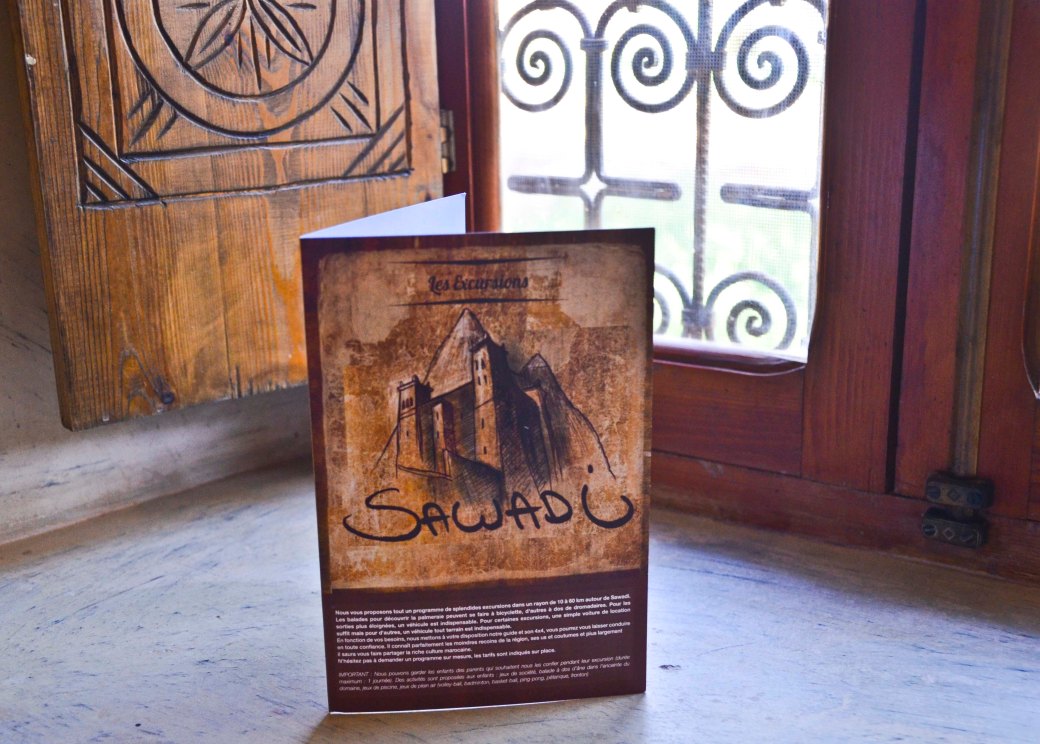
Much thought has been given to children and their families. The playground for volleyball for example, and the offer to take care of the children for a whole day, should their parents want to go hiking or visiting some of the tourist spots nearby.


After an interesting walk through the gardens, kindly guided by the gentle gardener, we returned for a delicious dinner by the pool.

Unfortunately we only had a few hours in Sawadi – late evening and early morning…So, if I ever go back to Morocco, I certainly know where to stay. Thank you again , Catherine and Philippe!


Du måste vara inloggad för att kunna skicka en kommentar.