
Tuesday Photo Challenge – Fall
For Frank this week – my pick is an iconic mountain in Iceland, Kirkjufell. At Kirkjufellfossar we were greeted with rain, but still a neverending stream of tourists who wanted their own copy of this spectacular place. Somehow I am rather happy with the rain falling, and with the ”fallen” icon. Of course I knew I would never get one of those magical shots of this mountain and the ”Church Falls” – I just wanted my own copy, like any other tourist.
I hope you enjoy the Falls too – at least they look totally different from all the glamorous magazines I have seen!

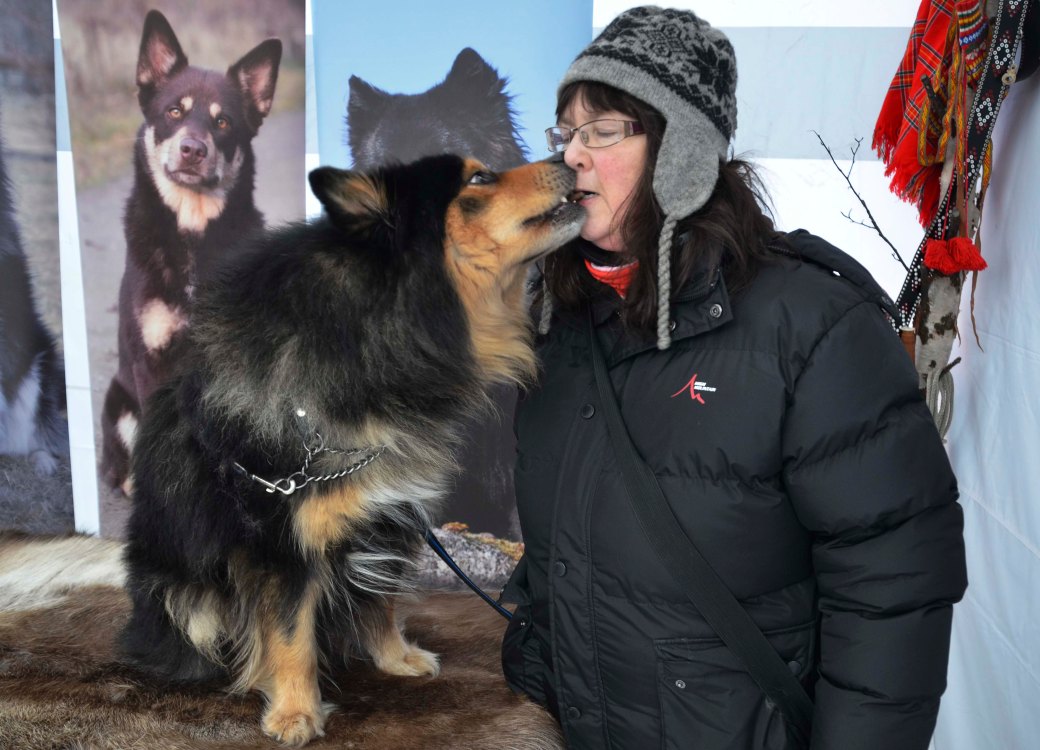
In the header, Mille (no longer with us) and Totti – dearly loved by my mother too. She still walks with me and the dogs every day. My last three dogs have all been of the breed Lagotto Romagnolo.
This week Tina is our host, and she has chosen a theme very accurate for many of us – Precious Pets. I have had many pets in my life, but I will post only my favorite choices. Otherwise I would fill your week!
better off than a lot of humans – James Herriot
In Homer’s Odyssey (c. 8th century BC), upon Odysseus’ return after 20 years, his beloved dog Argos is the only individual to recognize him.

Milo
Pets are humanizing. They remind us we have an obligation and responsibility to preserve and nurture and care for all life – James Cromwell
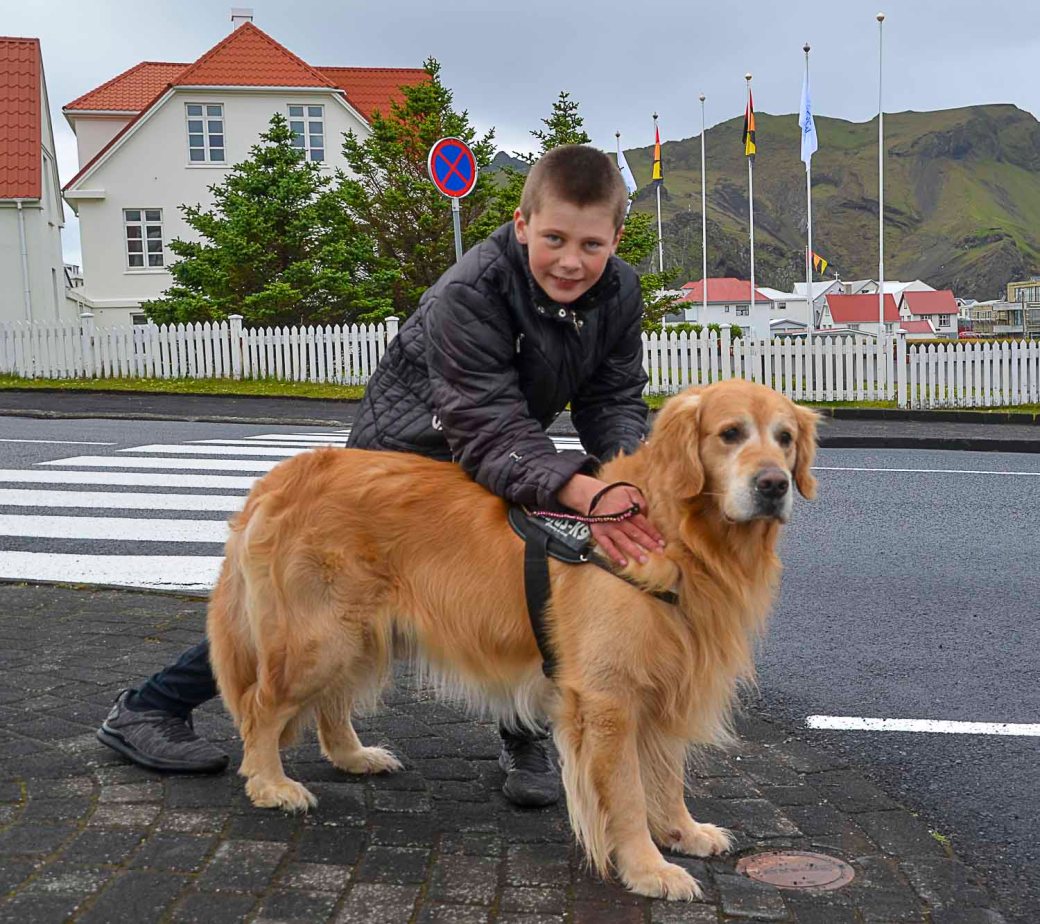
A lovely young man and his dog, Westmannaeyar, Iceland
Outside of a dog, a book is a man’s best friend. Inside of a dog it’s too dark to read – Groucho Marx
Old Mr Marx might have a good point though…not everyone can have a dog…but there are alternatives!
Since I left home, more than 40 years ago, I have always had dogs, but when I grew up, we had cats. All of them were lost too soon, either run over by a car or just disappeared in the forest. The sorrow of losing them, and the fact that I wanted a companion on my walks, made me go for dogs instead. The two cats below both live in Heimaey, Vestmannaeyar. I believe their breed is Norwegian Forest cat.

Cats choose us; we don’t own them —Kristin Cast


A horse is a thing of beauty… none will tire of looking at him as long as he displays himself in his splendor – Xenophon
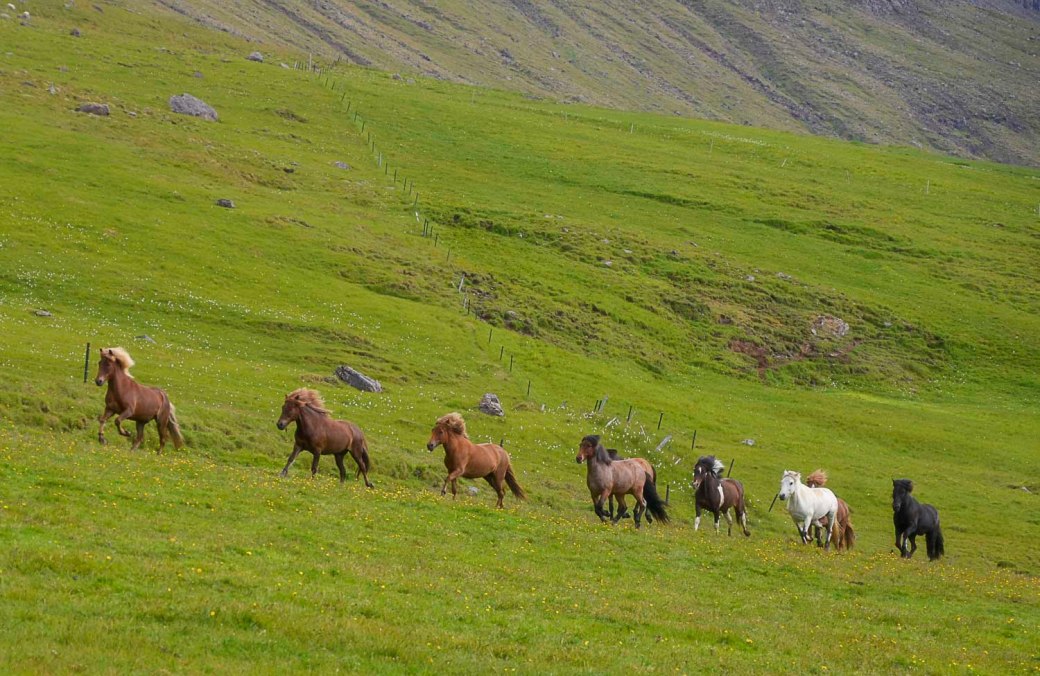
As a teenager, I was a horse addict and spent much time at the stable. Nowadays I only ride horses when we visit Iceland.
The Icelandic is a ”five-gaited” breed, known for its sure-footedness and ability to cross rough terrain.
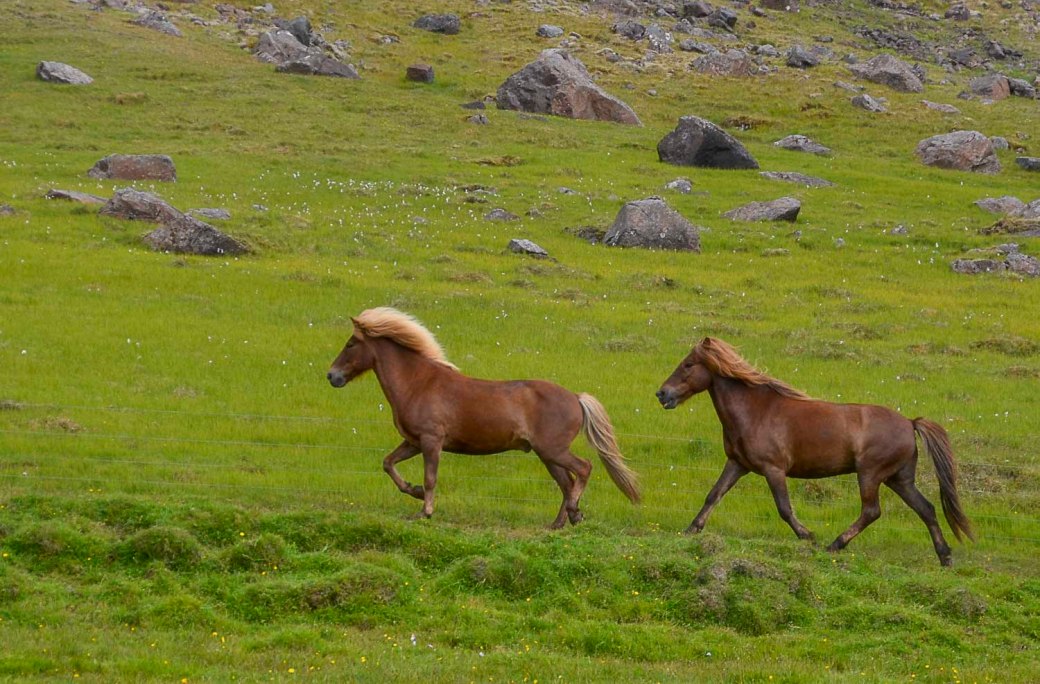
The first additional gait is a four-beat lateral ambling gait known as the tölt. The breed also performs a pace called a skeið, flugskeið or ”flying pace”. It is used in pacing races, and is fast and smooth, with some horses able to reach up to 30 miles per hour (48 km/h)
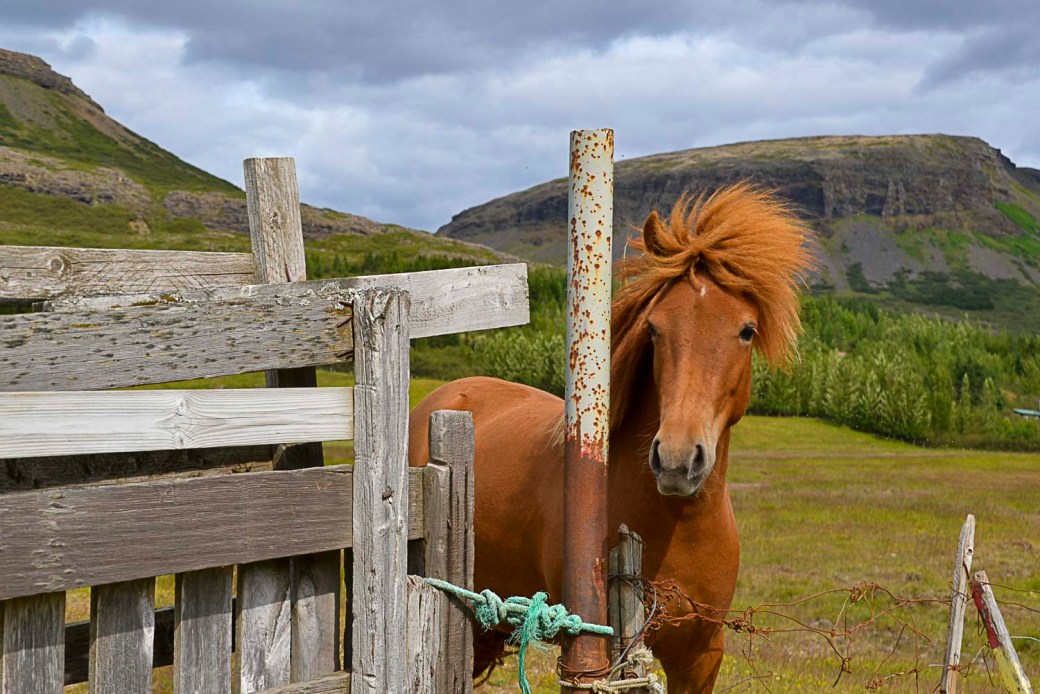
The Icelandic horse comes in a wide variety of colours as well, and the Icelandic language includes more than 100 names for various colours and colour patterns of their horses. I find them all very beautiful……but the combination in the last photo is My favorite.

Tuesday Photo Challenge – City
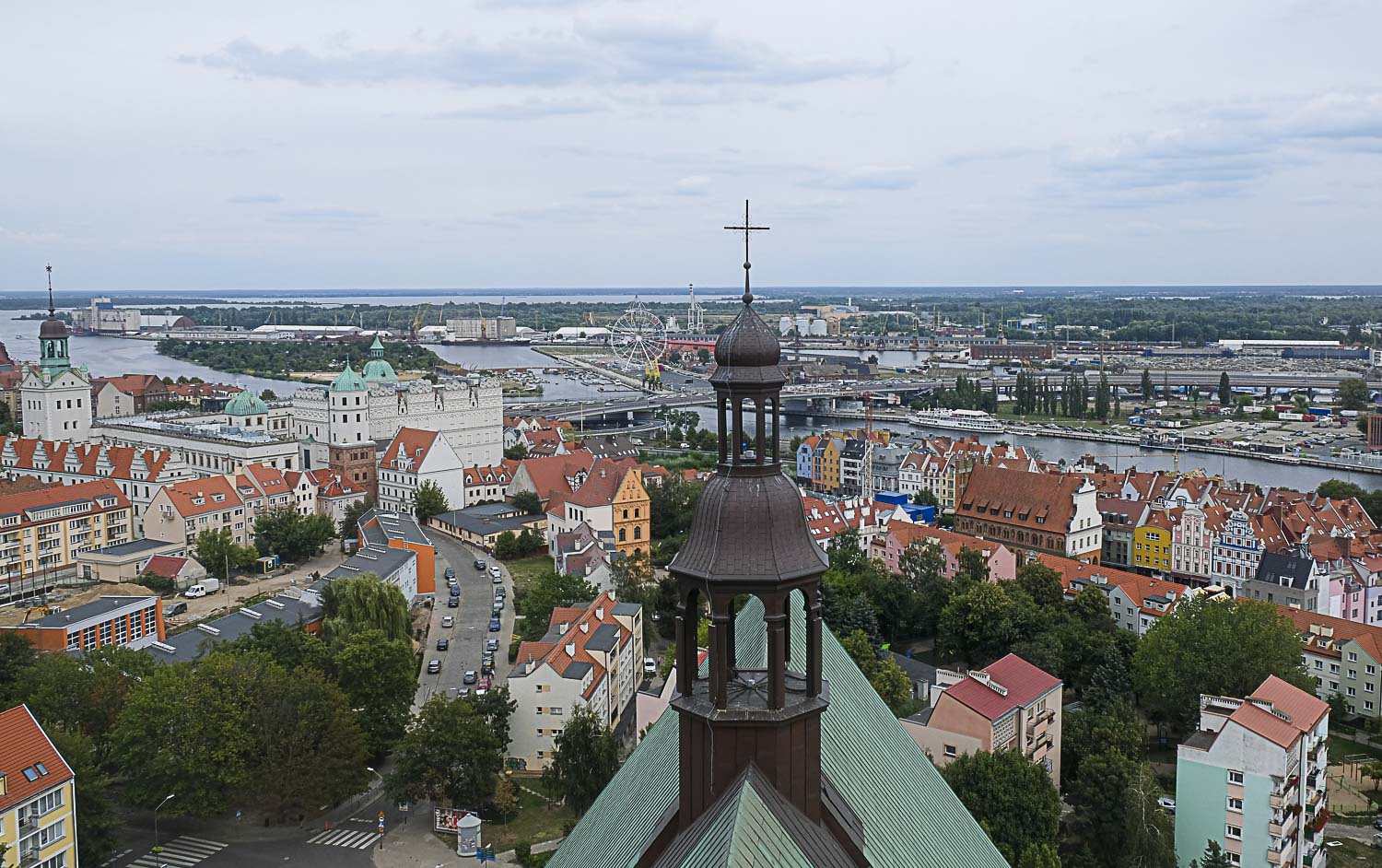
For Frank this week – my City latest visited, Stettin/Szczecin, Poland.
Djupalónsandur beach lets you meet sea, rocks and the remains of the British trawler Epine – that went down off the coast in 1948.
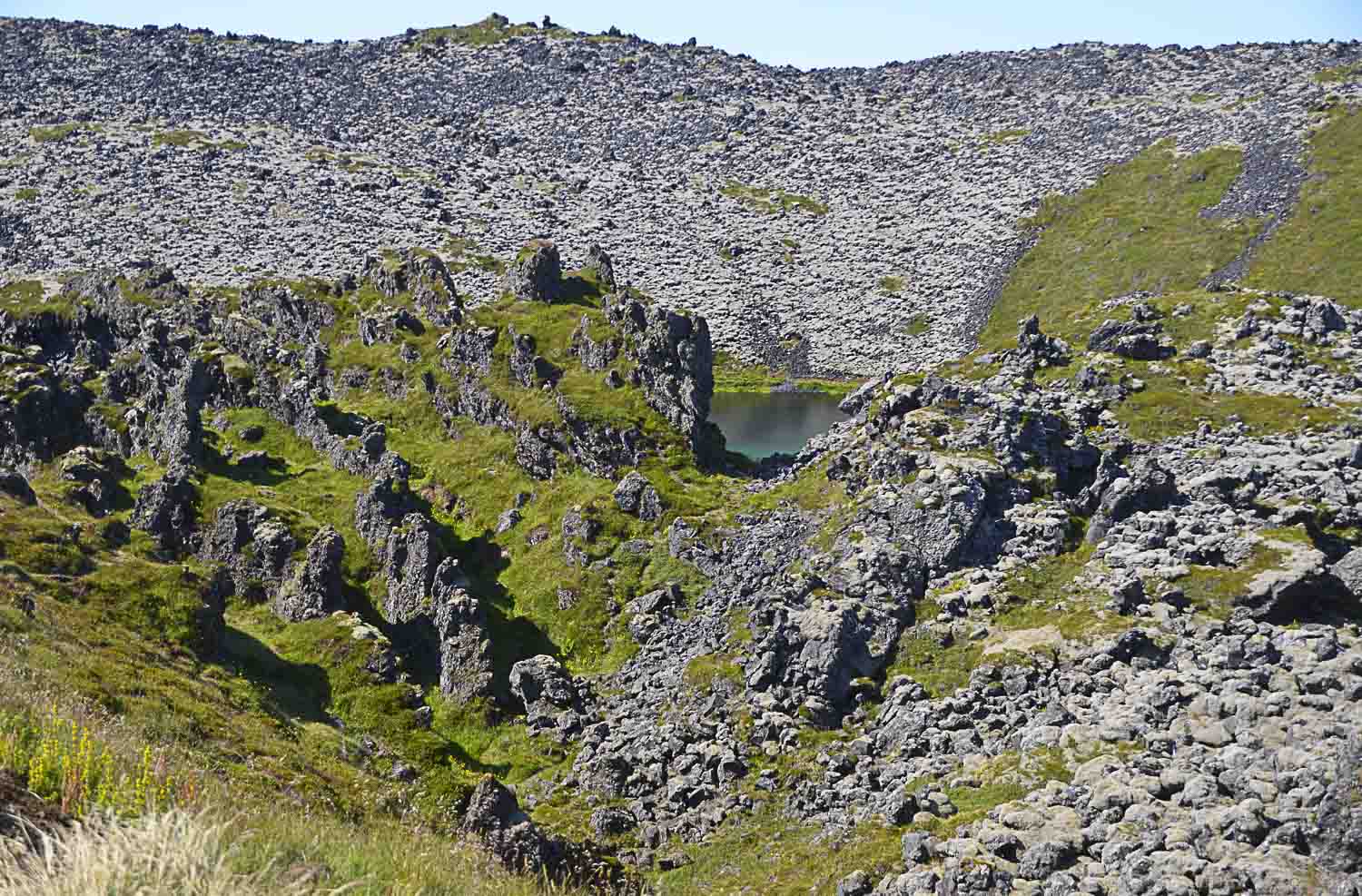
And of course there are enigmatic lava formations. You get a glimpse of snowcapped Snaefellsjökull volcano through the holes.

Once this bay was home to one of the most prolific fishing villages on the Snæfellsnes peninsula. Today this area is uninhabited.

Except for the old rusty debris from Epine, four lifting stones still lie on the sands of Djúpalónssandur, in olden days used by fishermen to test their strength. Today tourists and children roam the beach to look at the rusty pieces, and many of them test their abilities – and possibilities – of getting hired as seamen…


This was quite a special walk where many thoughts were coming and going… The harsh lives of seafarers and society changing fast. And, will there be any fish in the sea for our children?
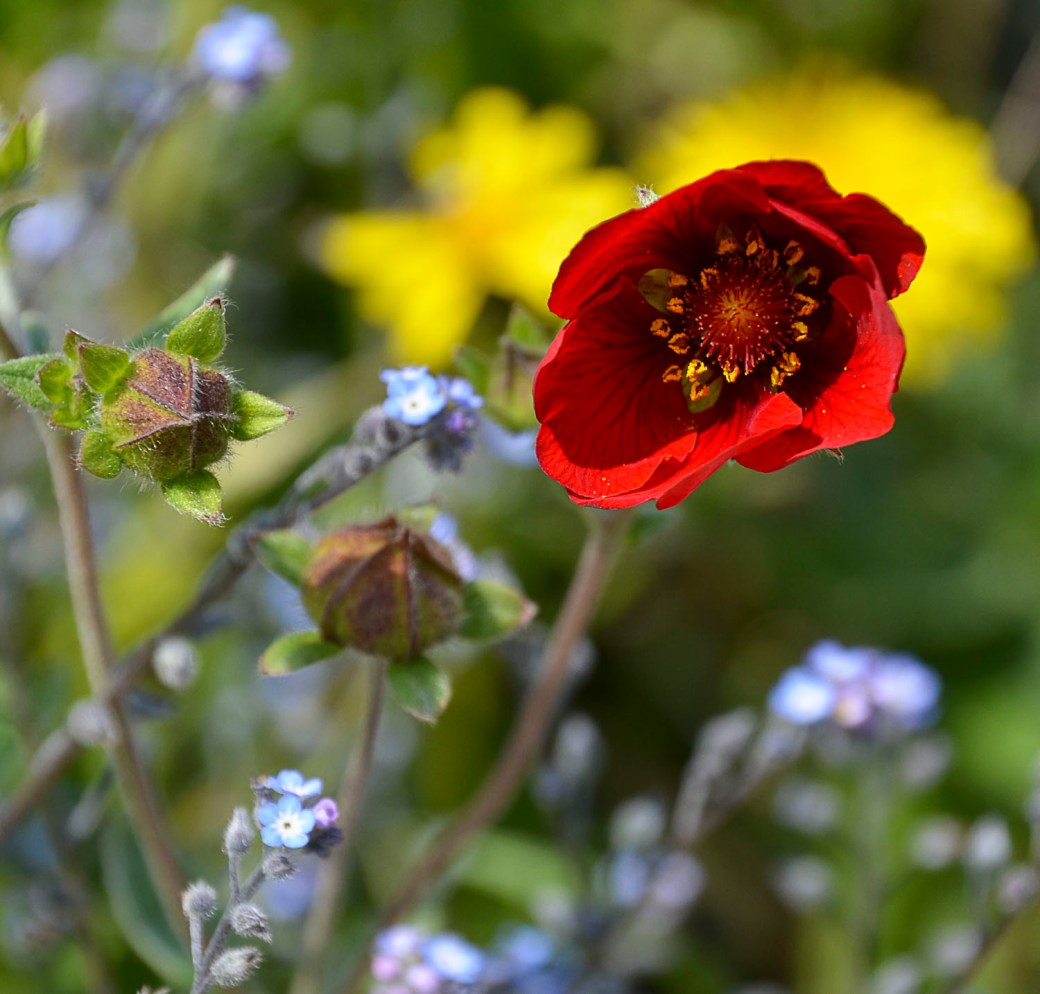
Iceland again – a Stykkisholmur beauty

 Leya
Leya 
Du måste vara inloggad för att kunna skicka en kommentar.