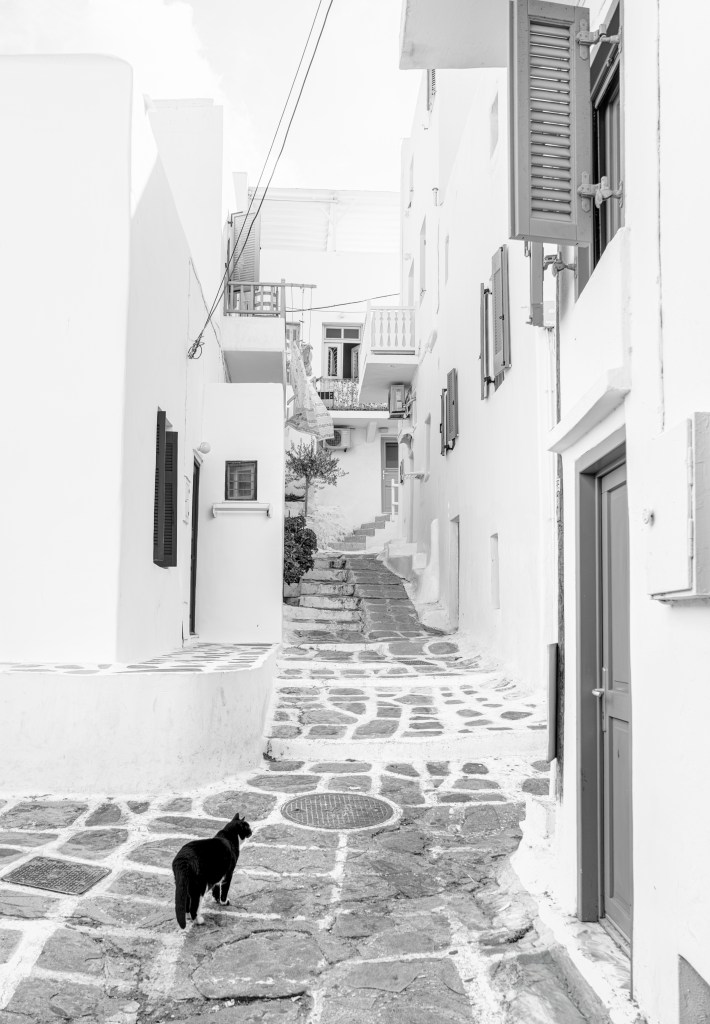
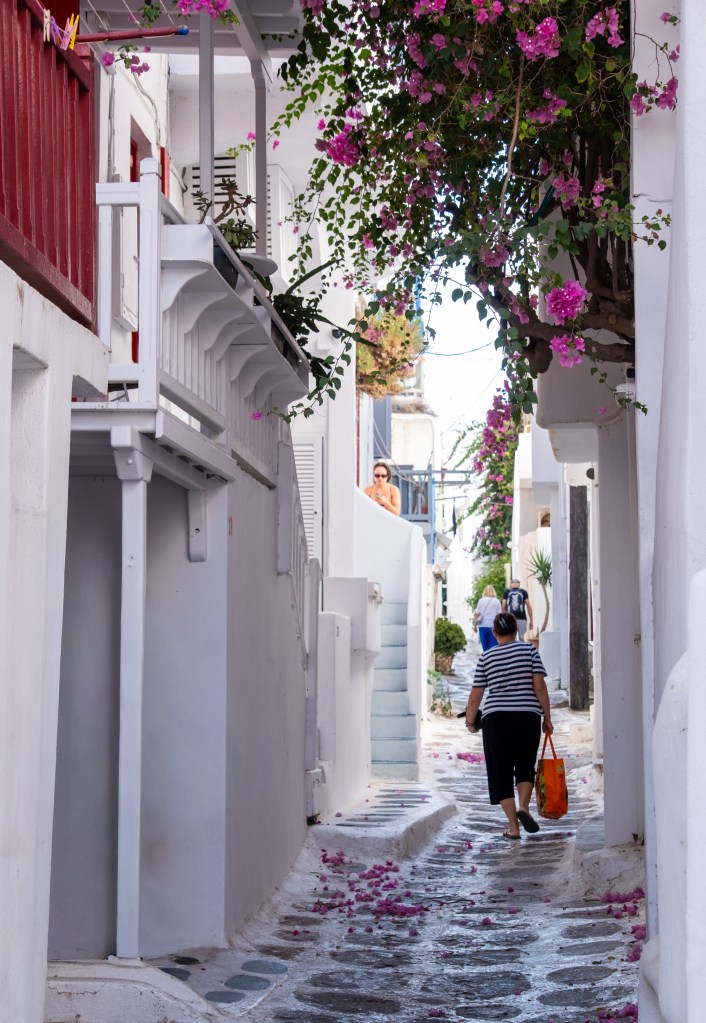
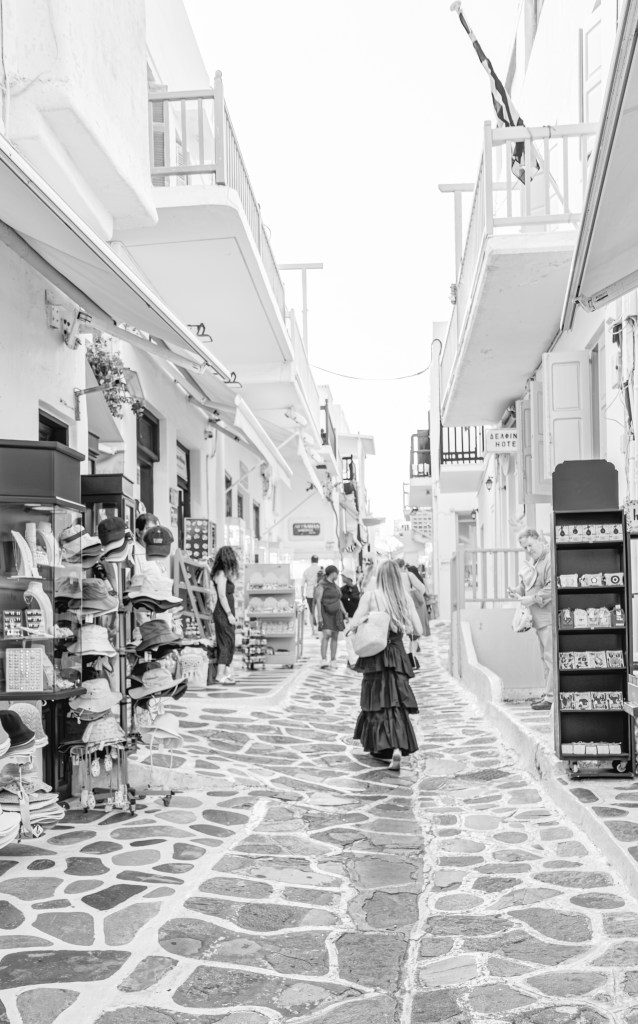
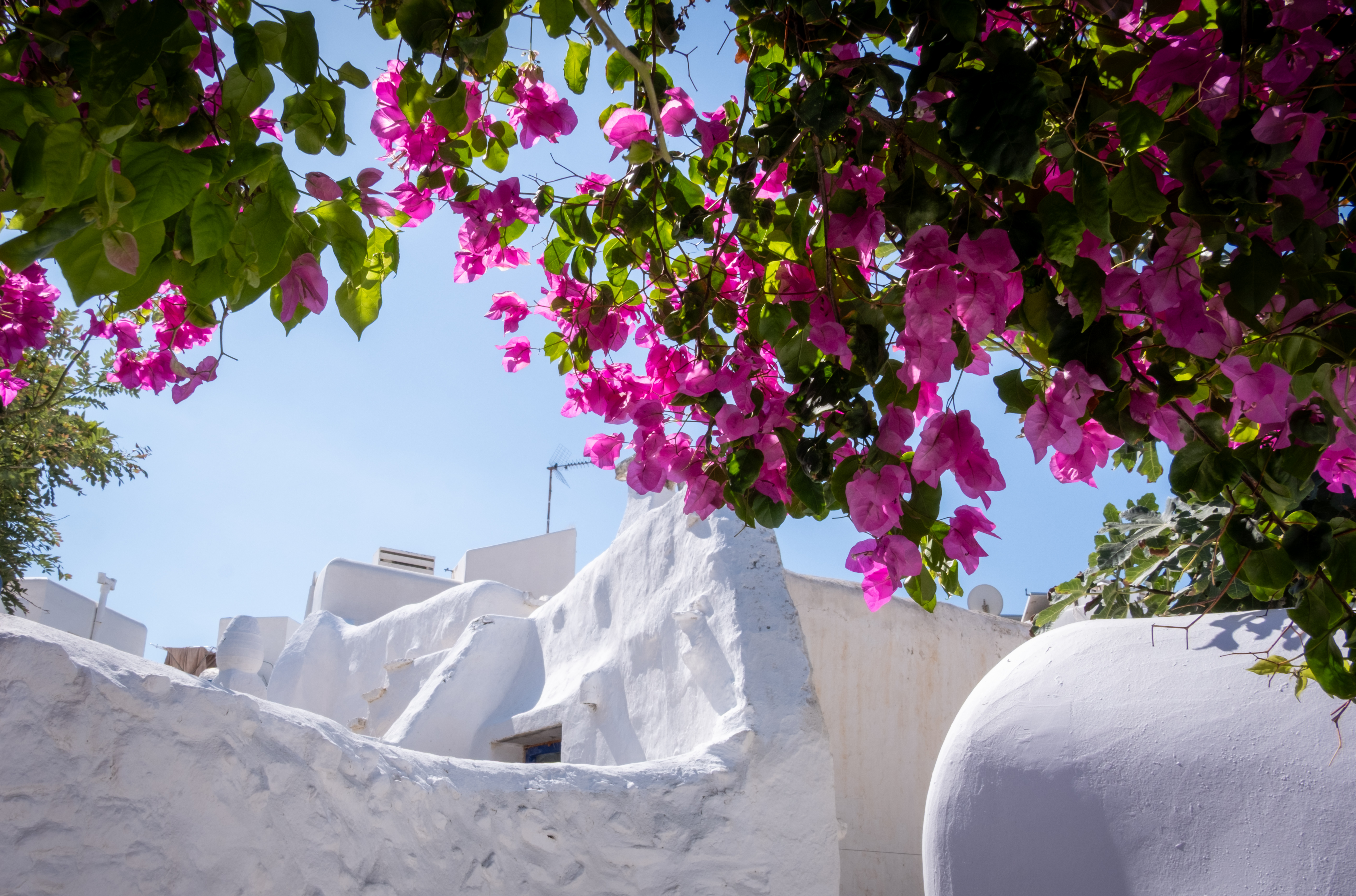
White white white – red and blue. Only three colours on this Greek island!
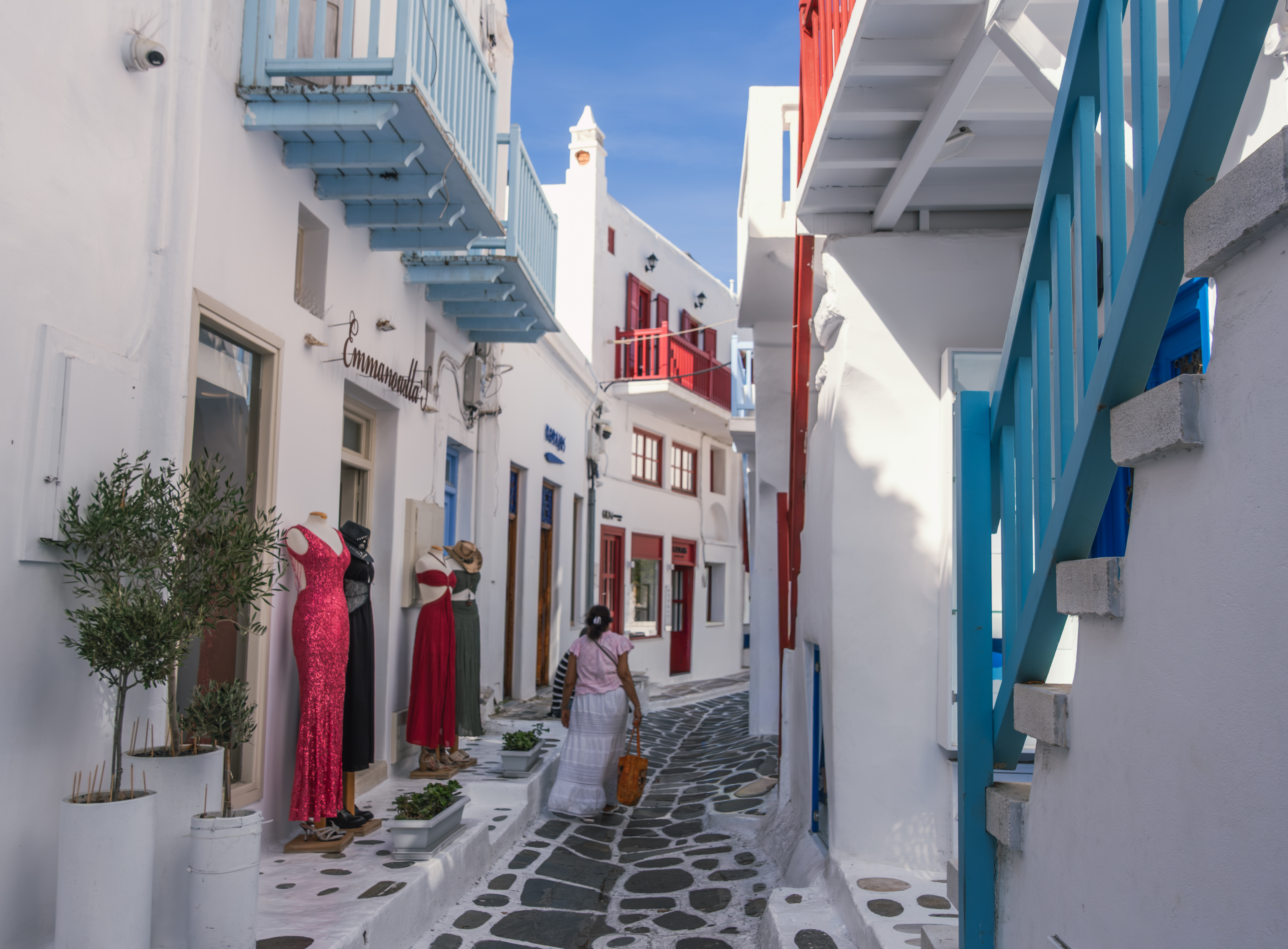
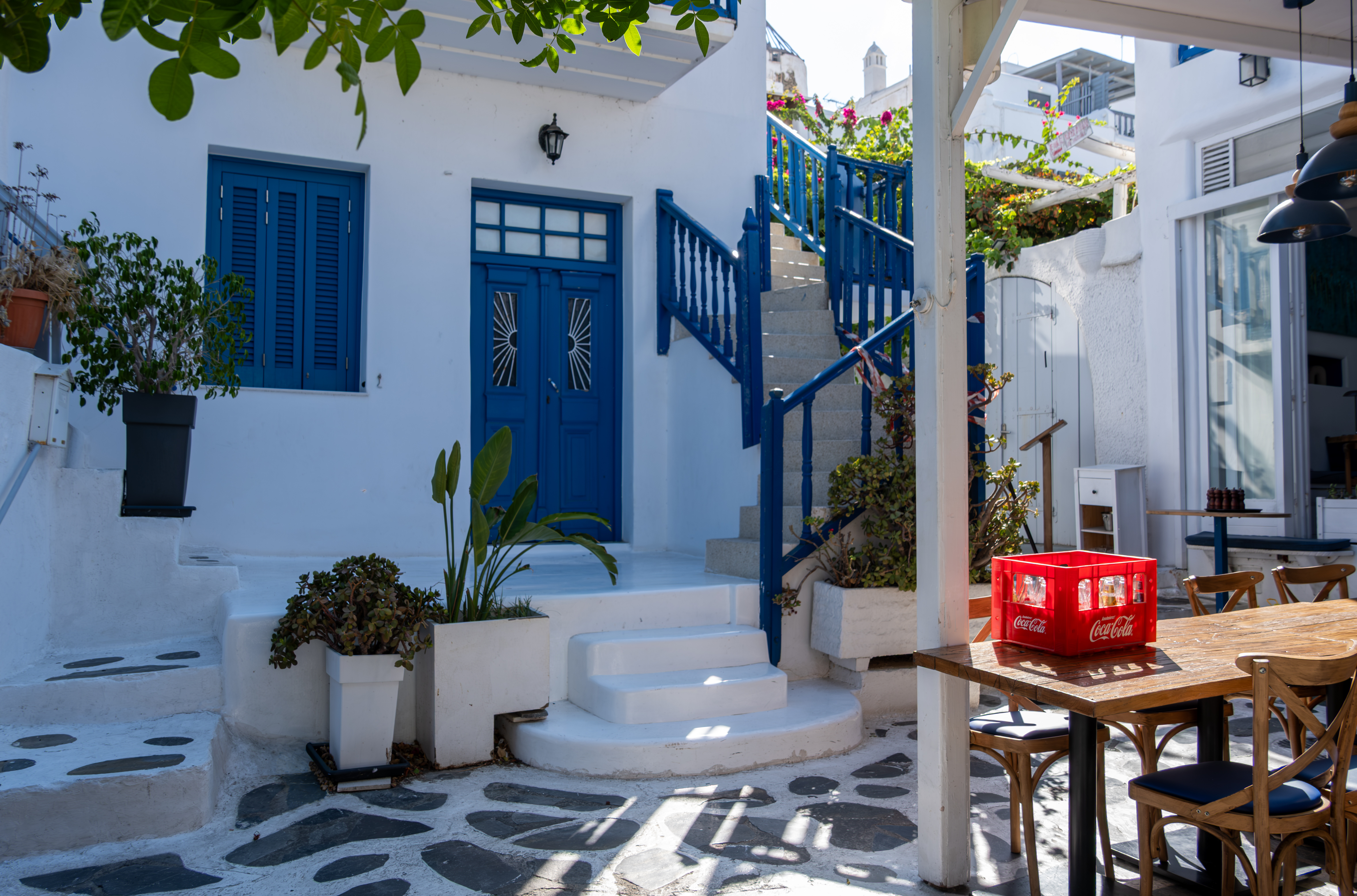
Athens, Corfu, Mykonos and Montenegro – everywhere in the arhipelago.. Kotor is the real cat paradise and there are many legends about why they revere cats so much. Some years ago when we were there, one popular story was that the city once had been invaded by rats and the incoming ships let out their cats to clear the streets. People still say that the cats saved their city.
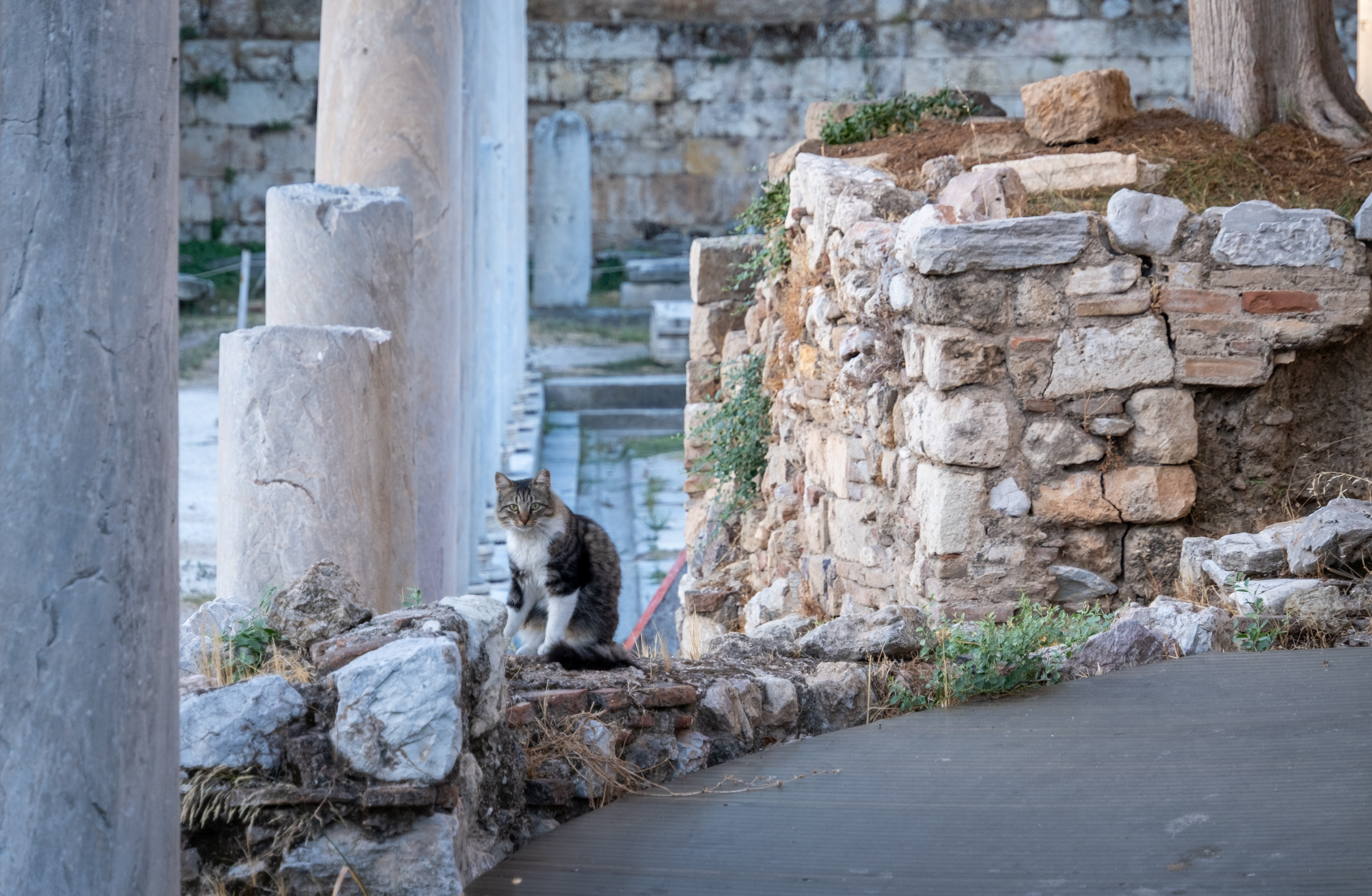
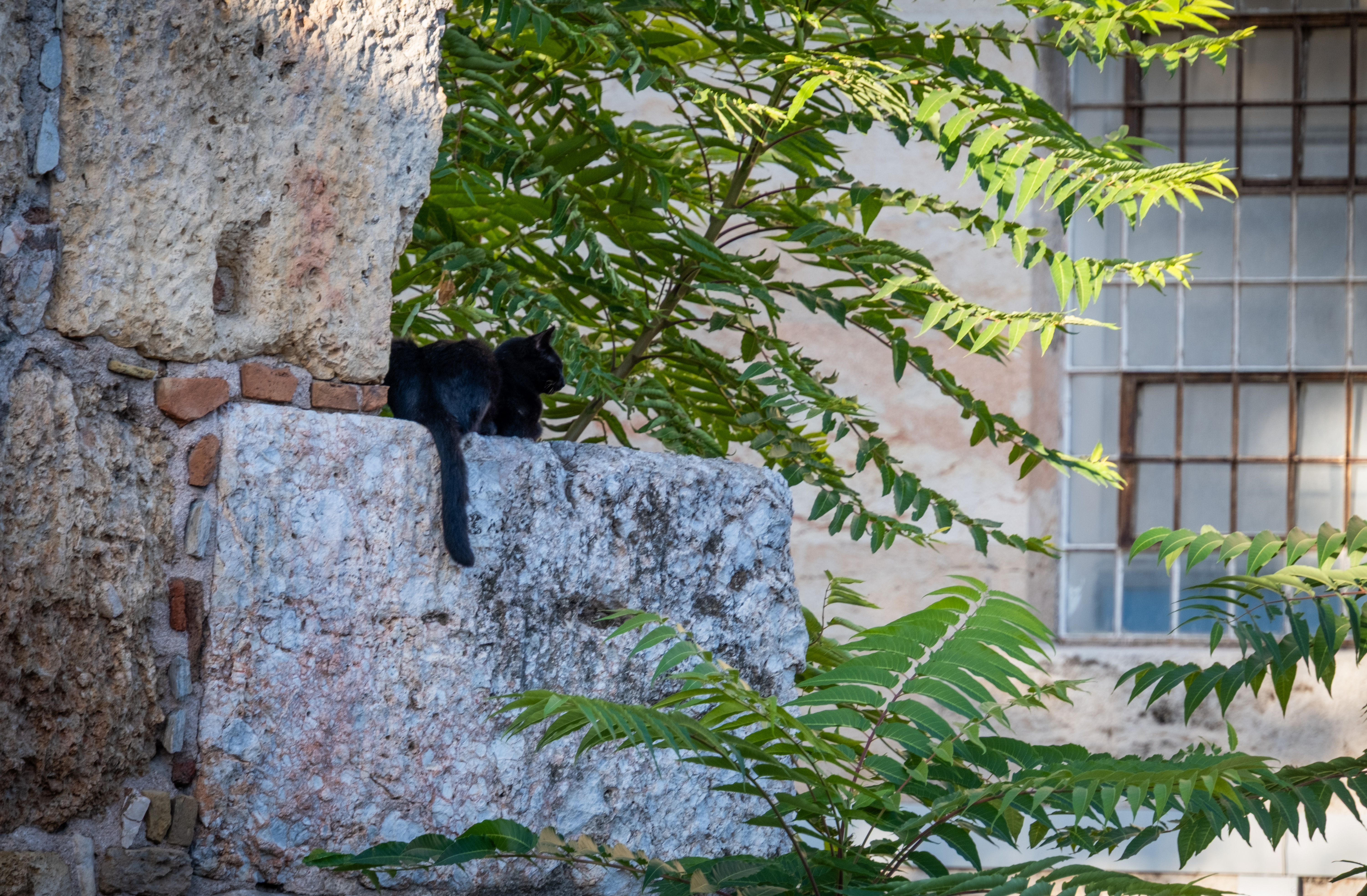
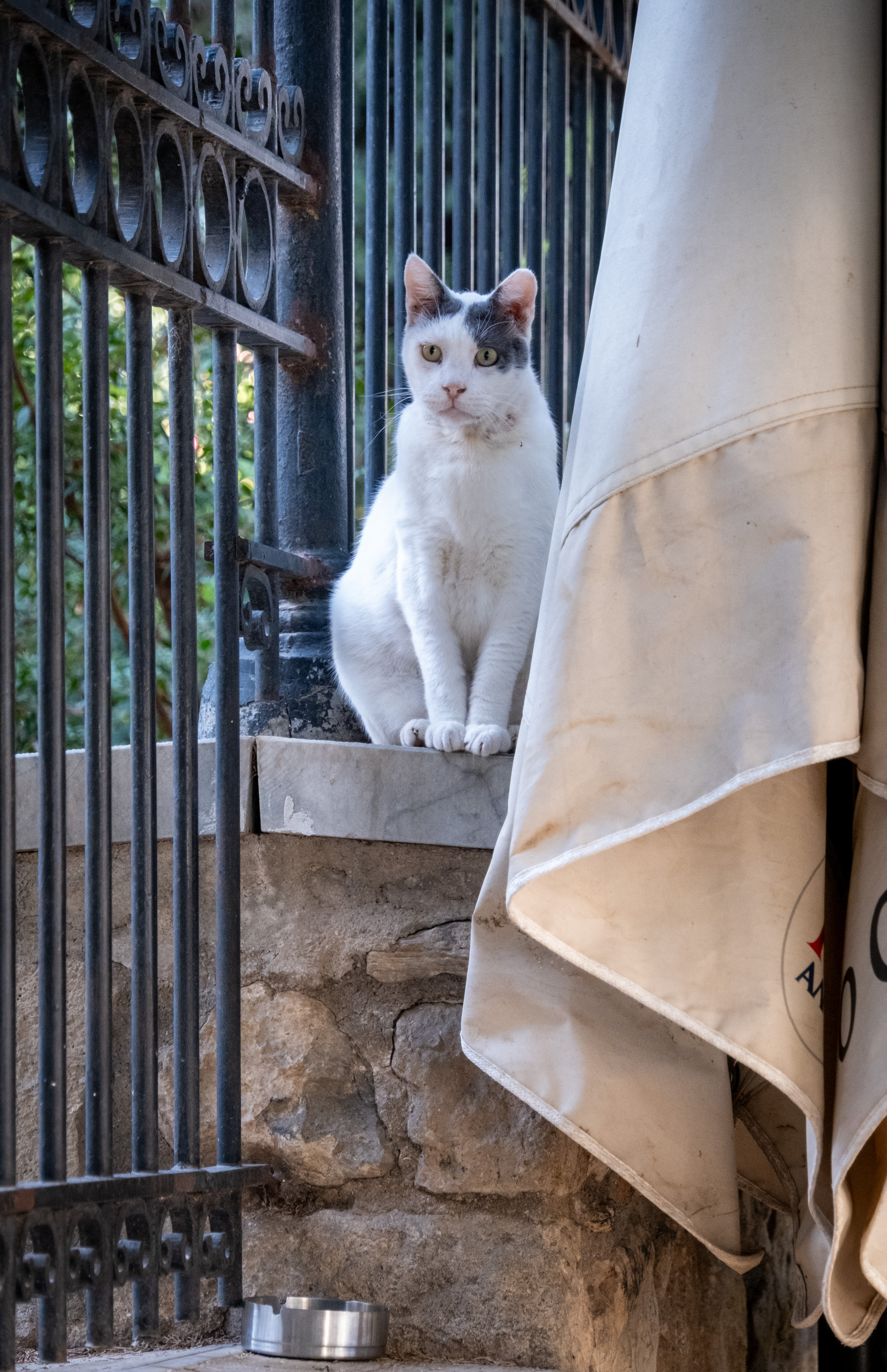
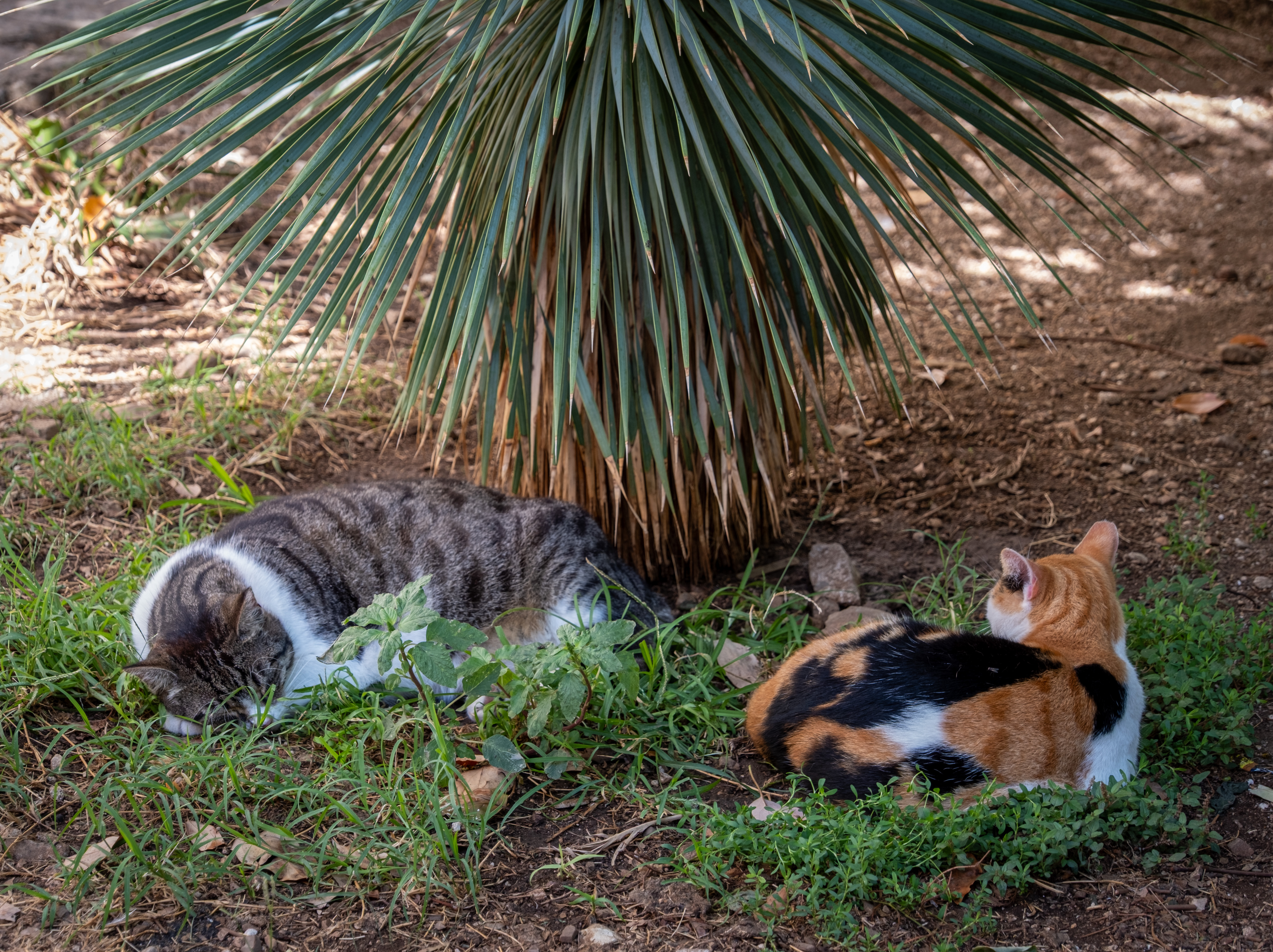
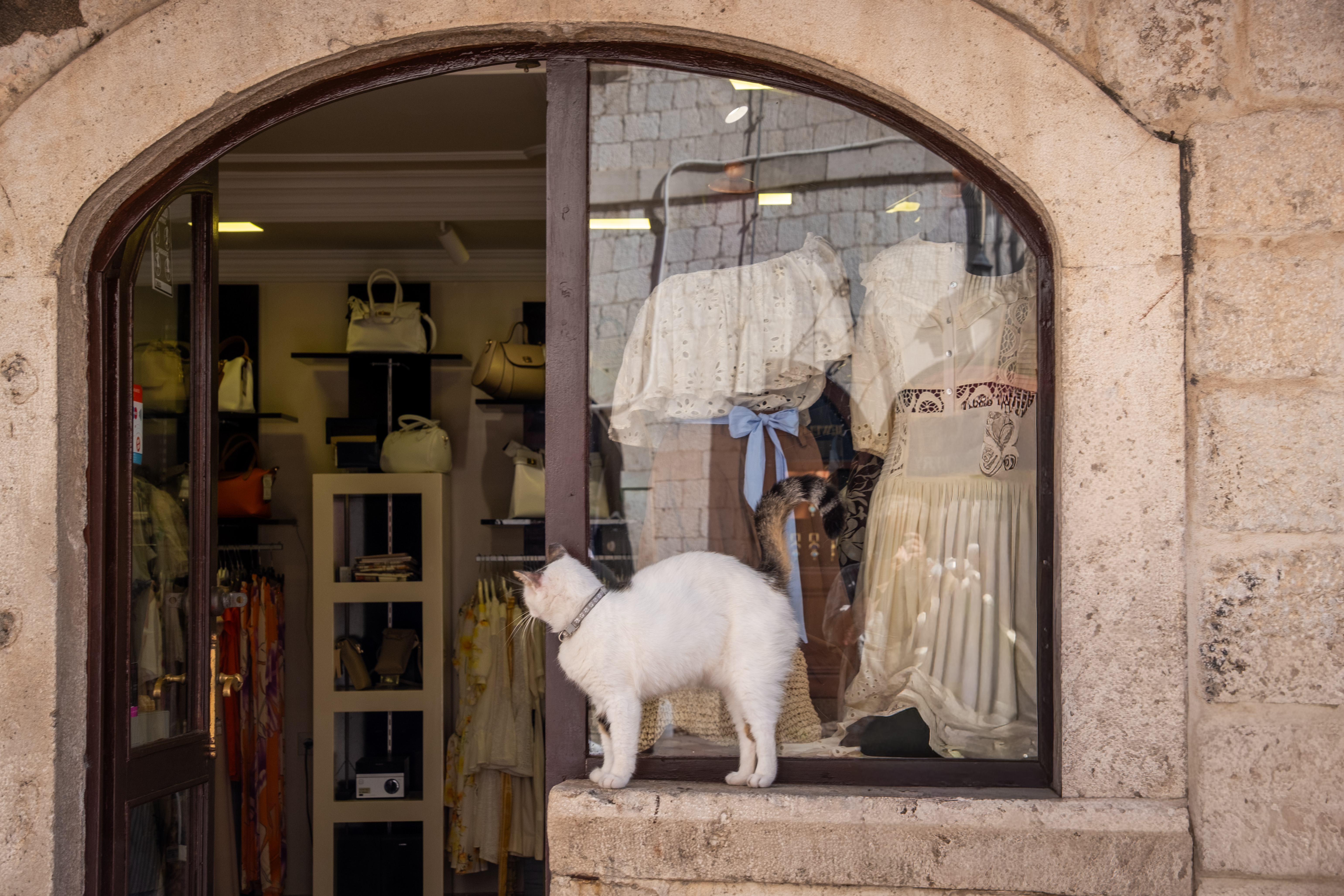
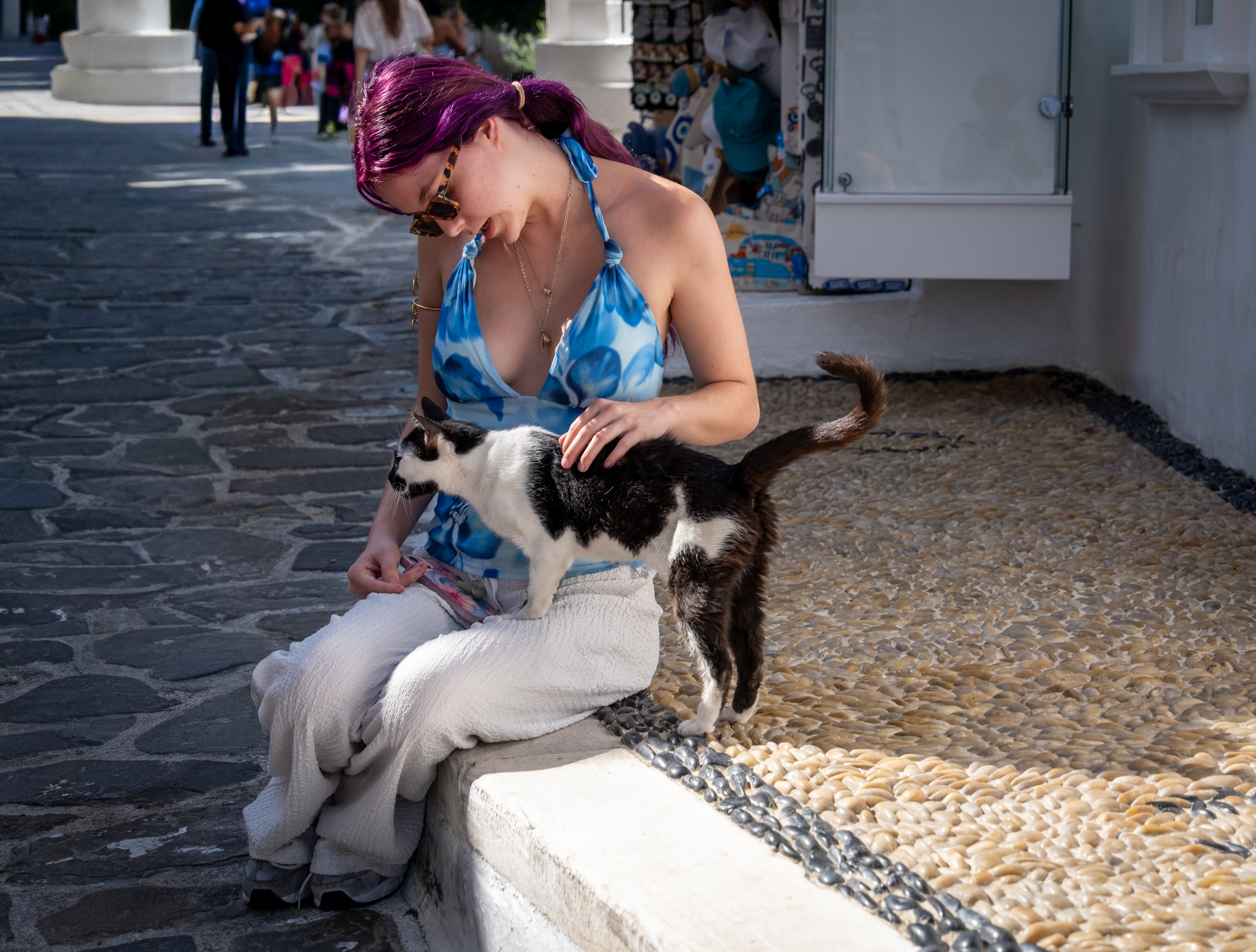
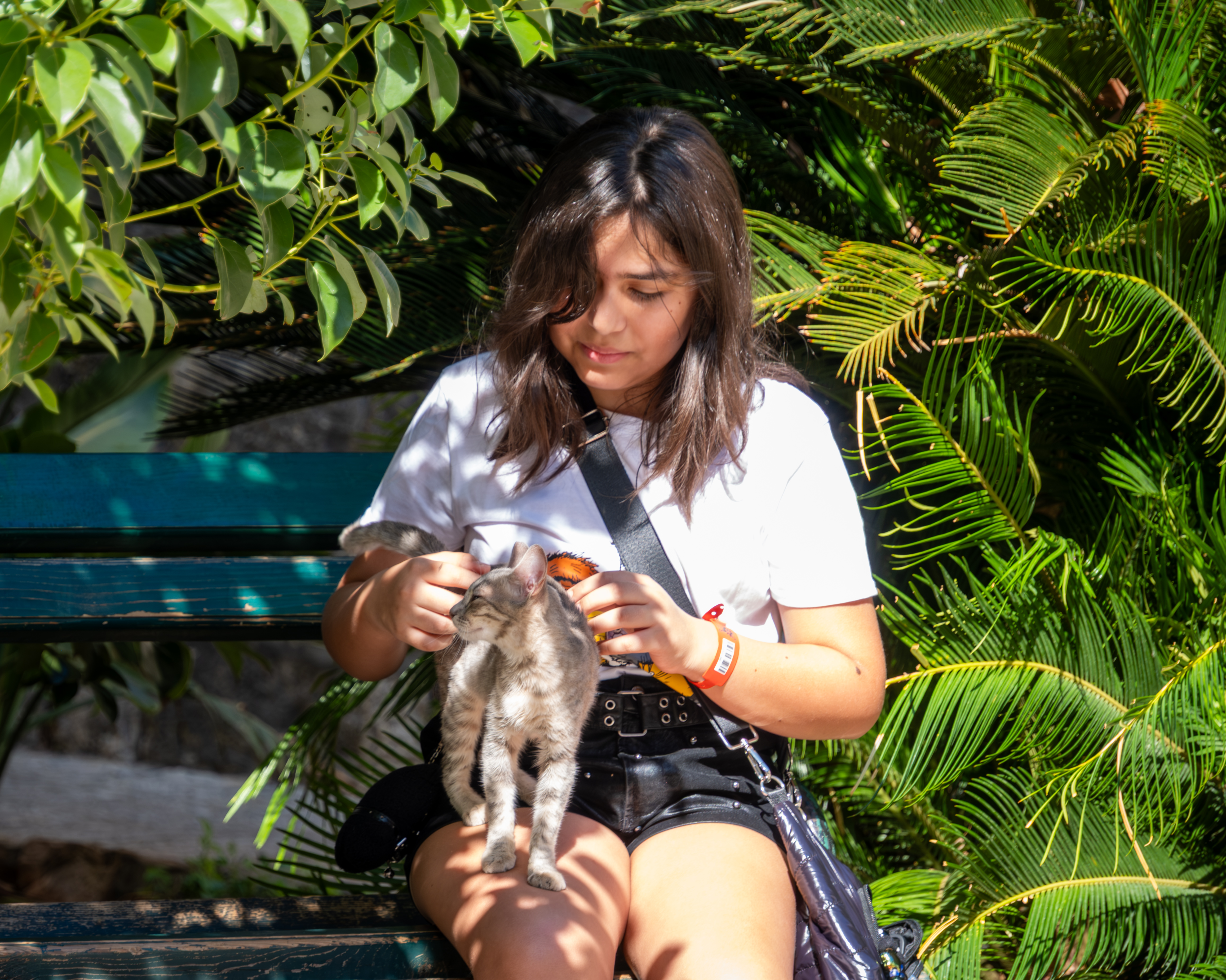
They were quite well taken care of. Food provided and vets checking up on them. Big smiles from the tourists as well!
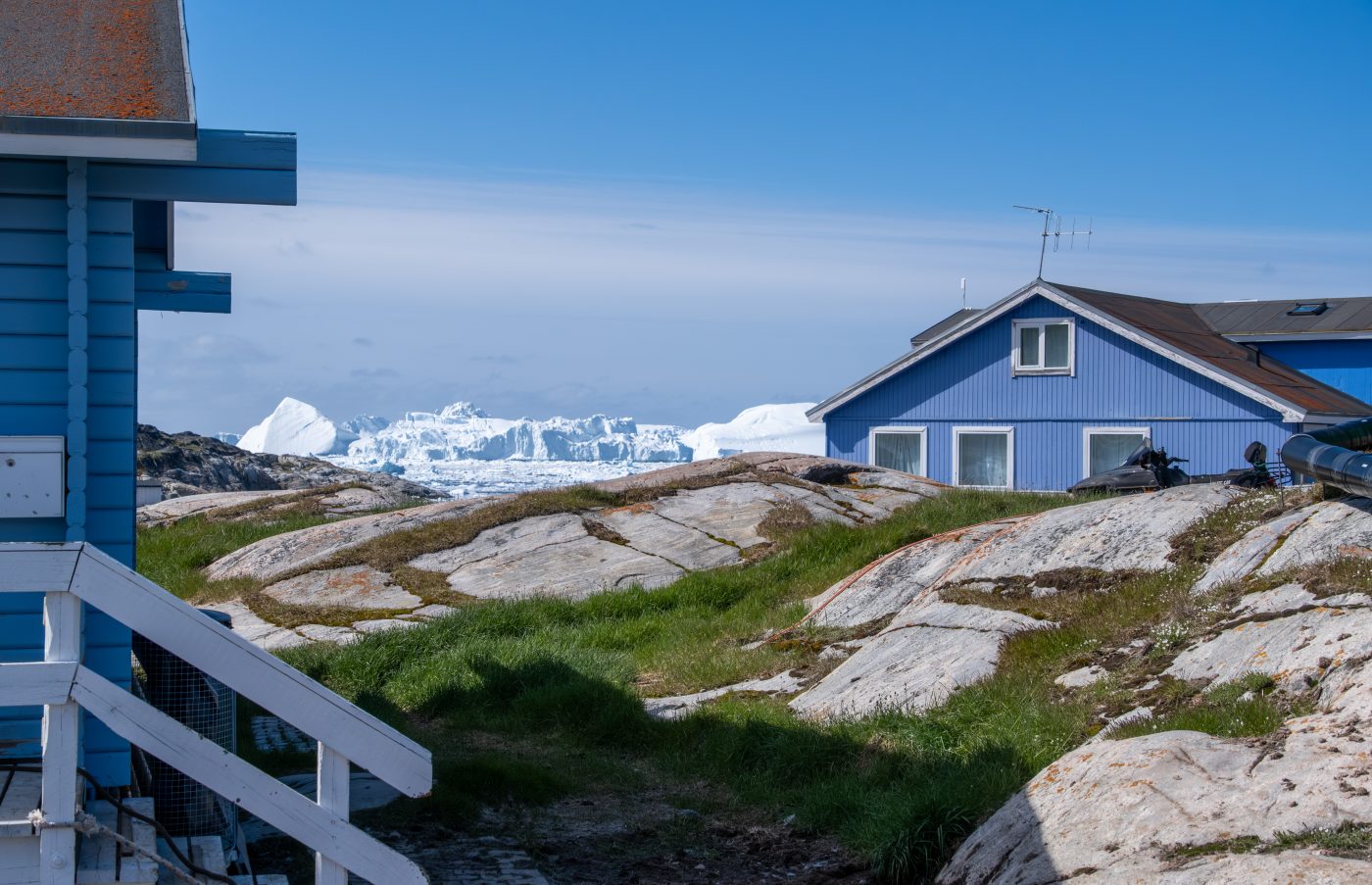
In 1968, 8th December, three American Lockhead jetplanes flew from Goose bay in Canada heading for Keflavik, Iceland. They were hit by bad weather over Greenland and tried to make an emergency landing at Kangerlussuaq. In those days, there were no roads whatsoever in Greenland, and this area is still called ”Arctic Sahara”.
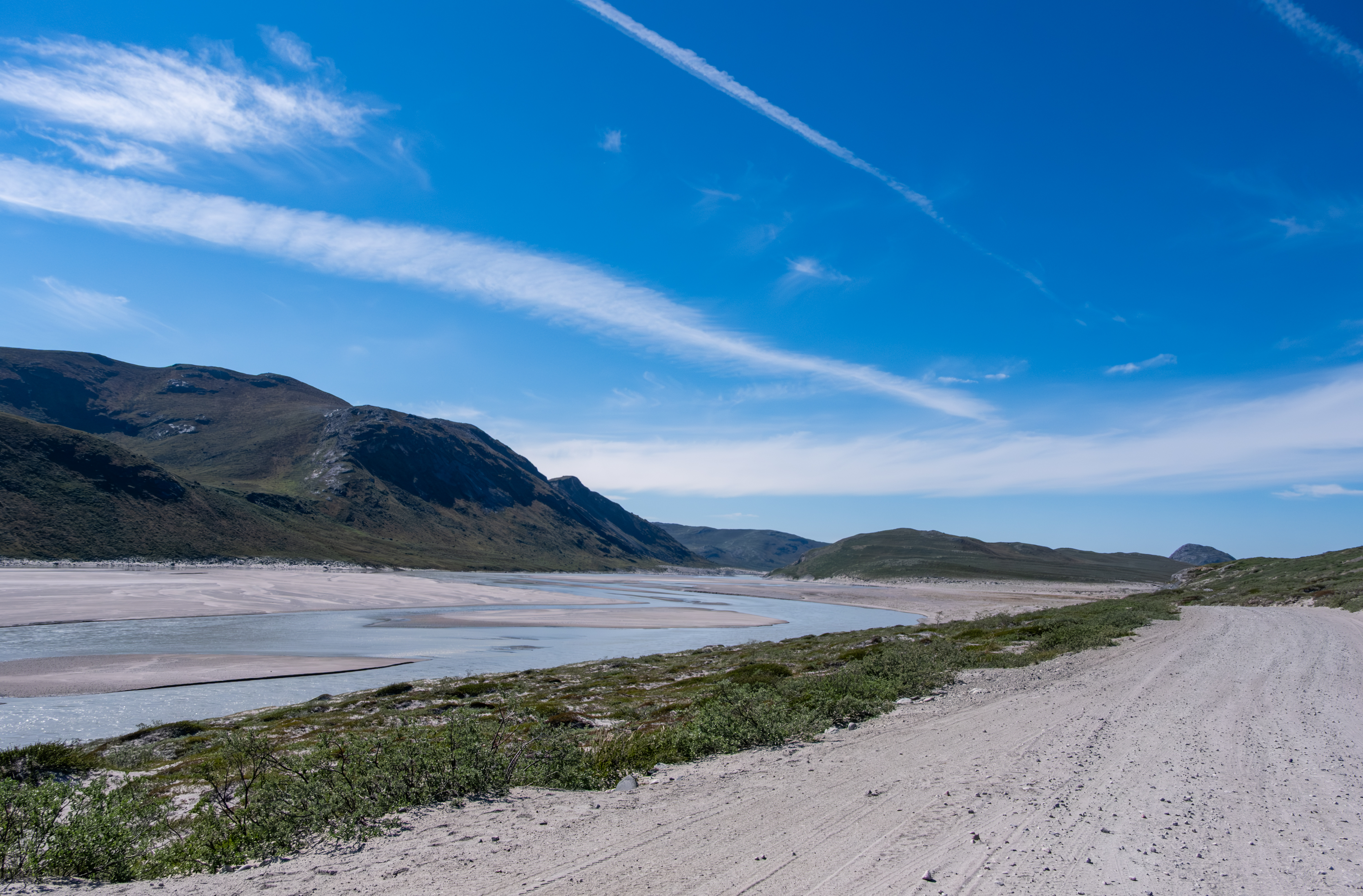
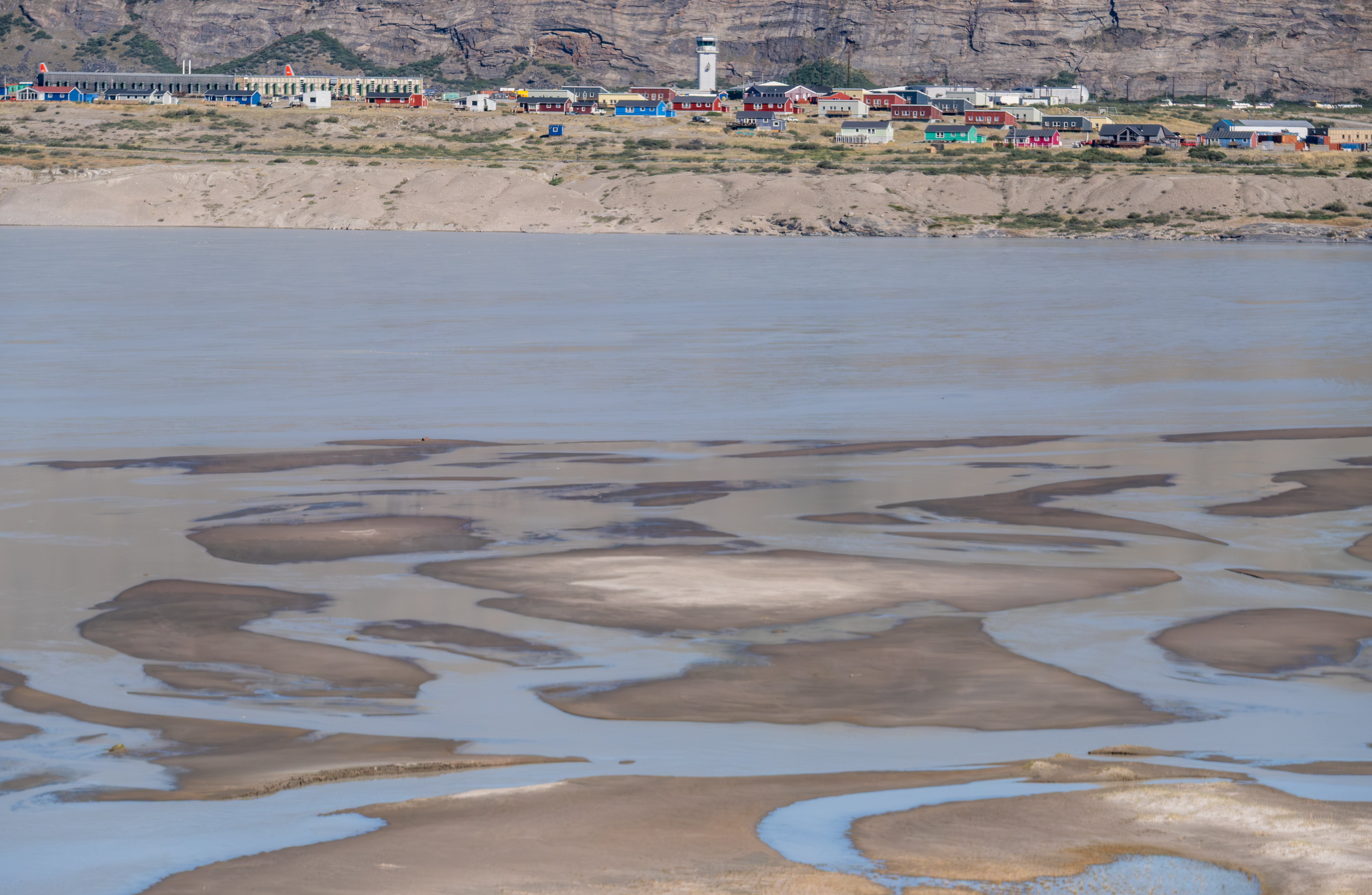
This ”highway”, or ”Autostrada” as the Greenlanders call it, was built partly during WWII and partly 1995. The river is in low water prone to sandstorms that disturb GPS signals. Tall masts have been built to help out.
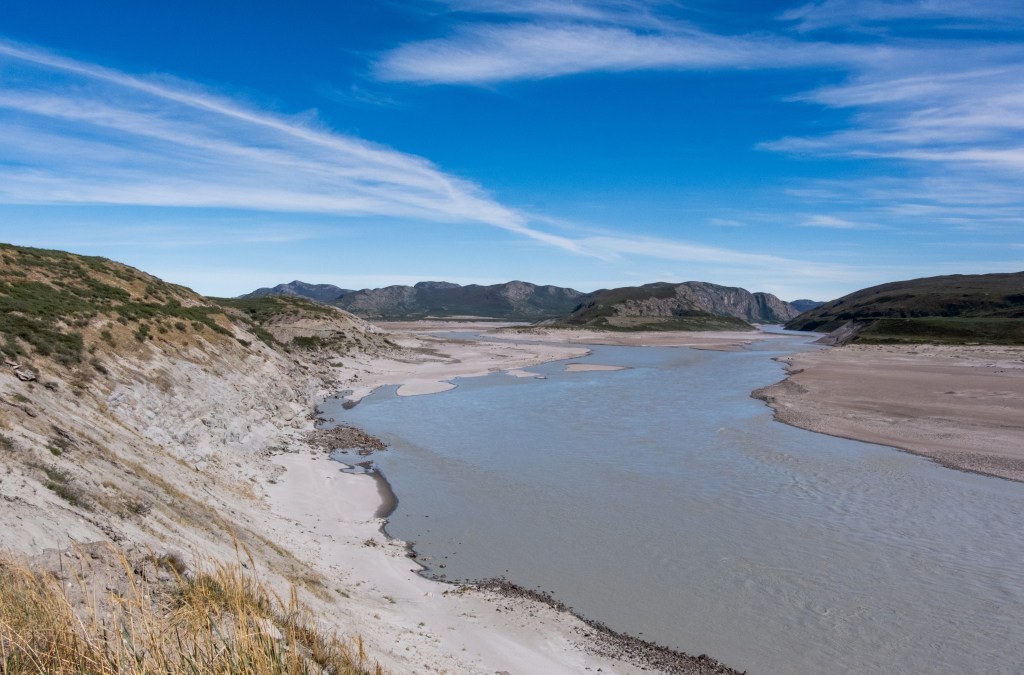
Anyway, no road existed where the three planes were lost and finally ran out of fuel. The whole crew of four people, managed to jump out before the planes crashed in no man’s land. In winter the temperatures can fall to -40 degrees C. And this was in December.
Luckily all four of them were saved by helicopters before freezing to death.
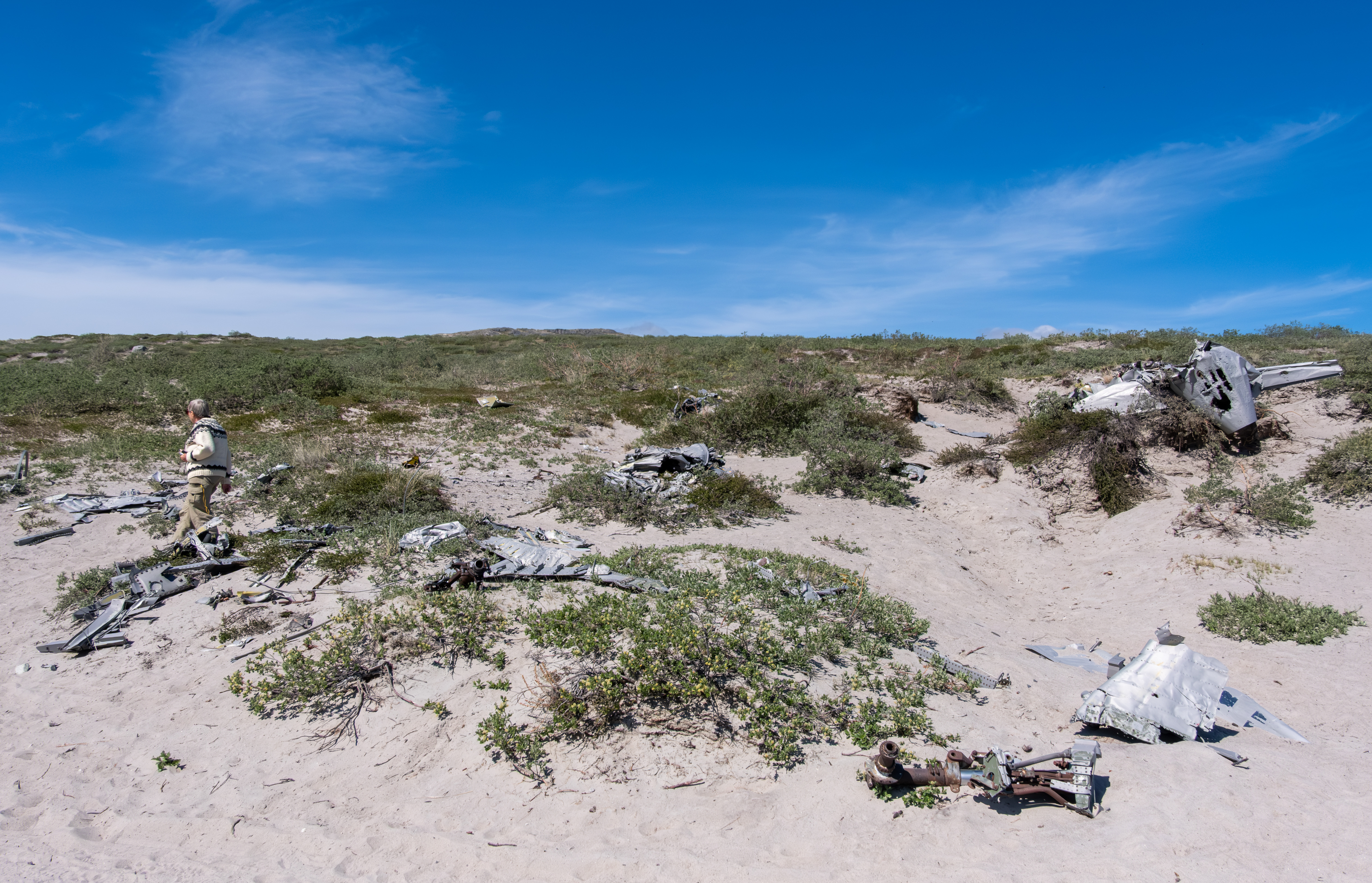
The remains of one of the planes were still spread out along the Autostrada, and our bus stopped for us to have a look. There was a sign warning people not to take any souvenirs – but showing respect for the pilots and the remains of the jets. But, there wasn’t much left to see, I guess there were souvenirs brought to many homes as the road made the area accessible.
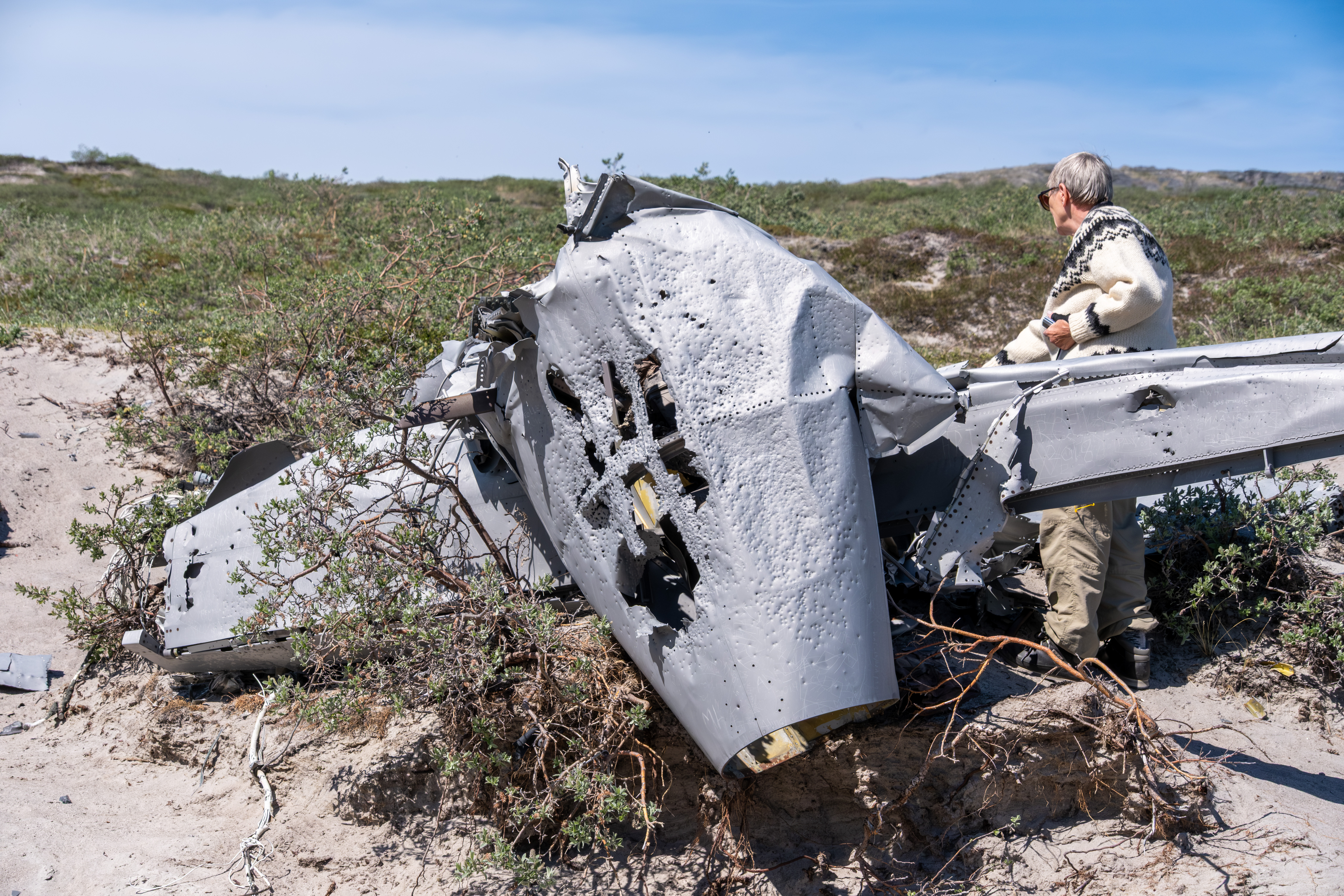
The driver told us there were many stories about this accident, and he told us one of them – one that he believed was really true:
Since the Autostrada was built, family and relatives of the pilots started visiting the place. Story has it that when the daughter of one of the pilots and her husband was on their way to the site, her father (the pilot) asked them to look in the glovebox for his wallet. And – they found it.
One of the first things I noticed in Greenland were all the colourful houses. In this harsh landscape, they really stood out. And they made me happy!
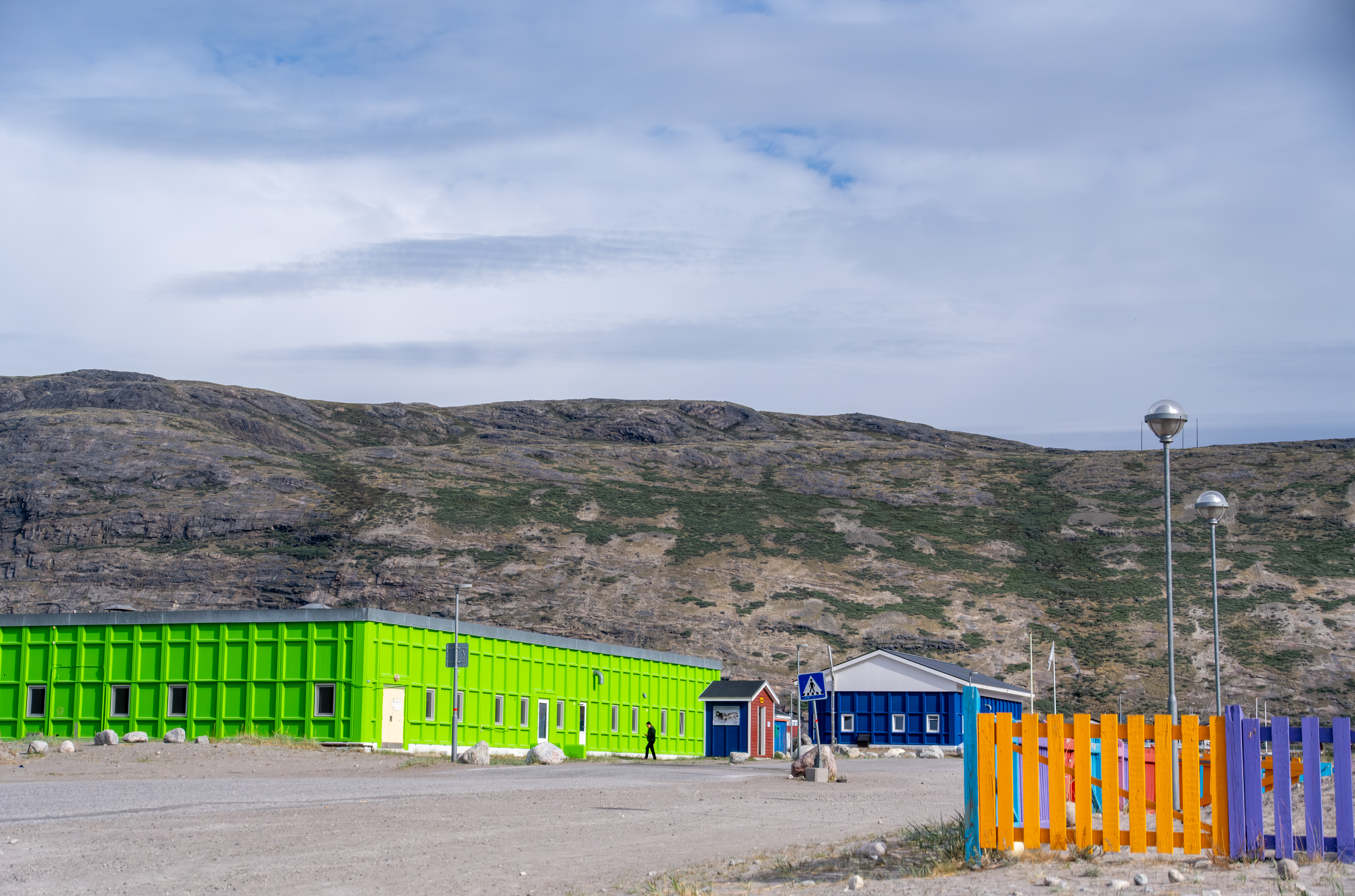
This is a green gym to the left, and to the right a kindergarten. Every kindergarten we saw had these multicoloured fences.
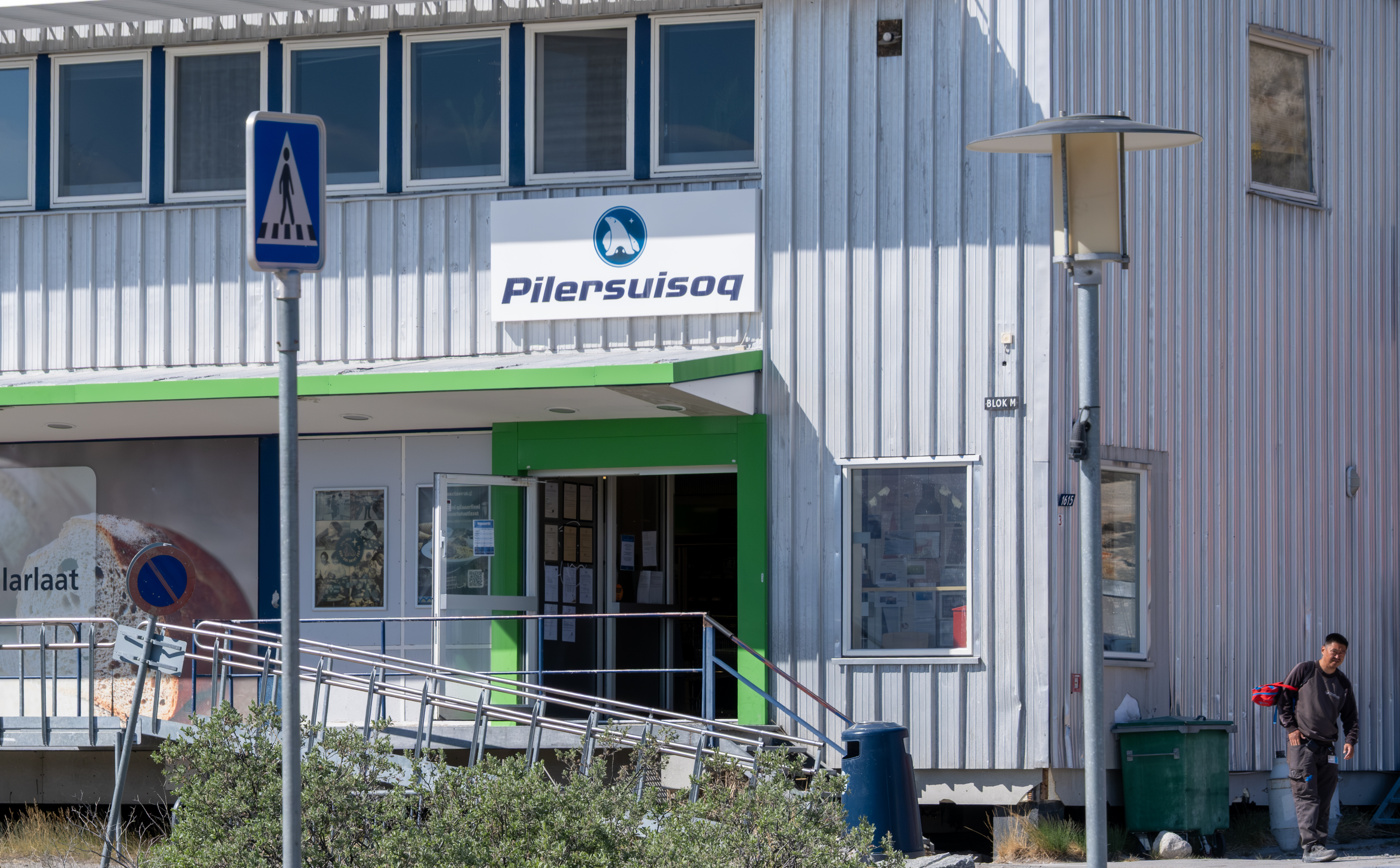
This supermarket chain in Greenland can provide you with everything you want or need. This one in Kangerlussuaq.

We stayed here for some days, making excursions to glaciers and walks in the mountains. The first look into Greenlandic everyday life and joys. As you can see, letting their children out alone was nothing to worry about.
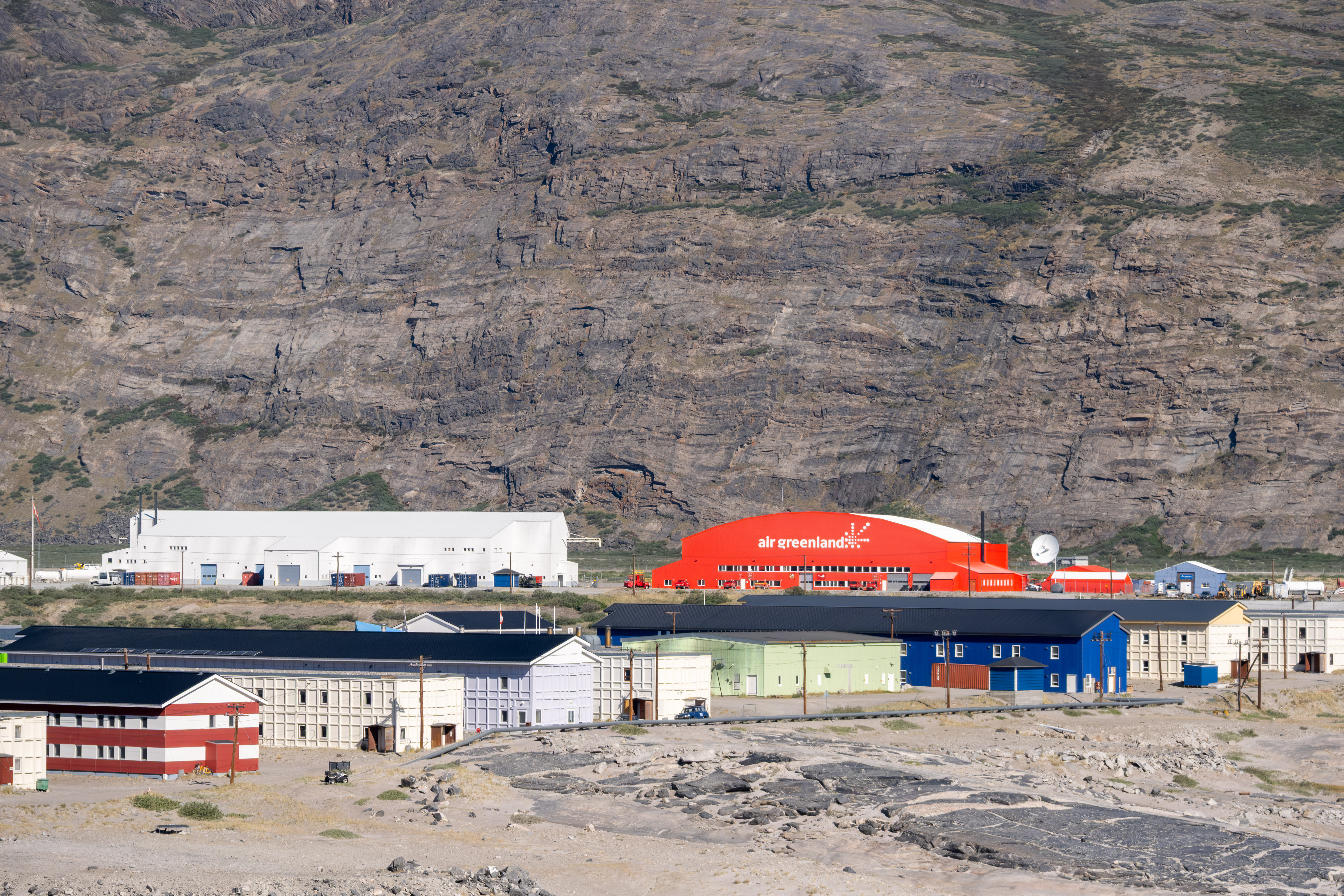
Everyone living here was somehow connected to the airport, and its buildings dominated the whole village.
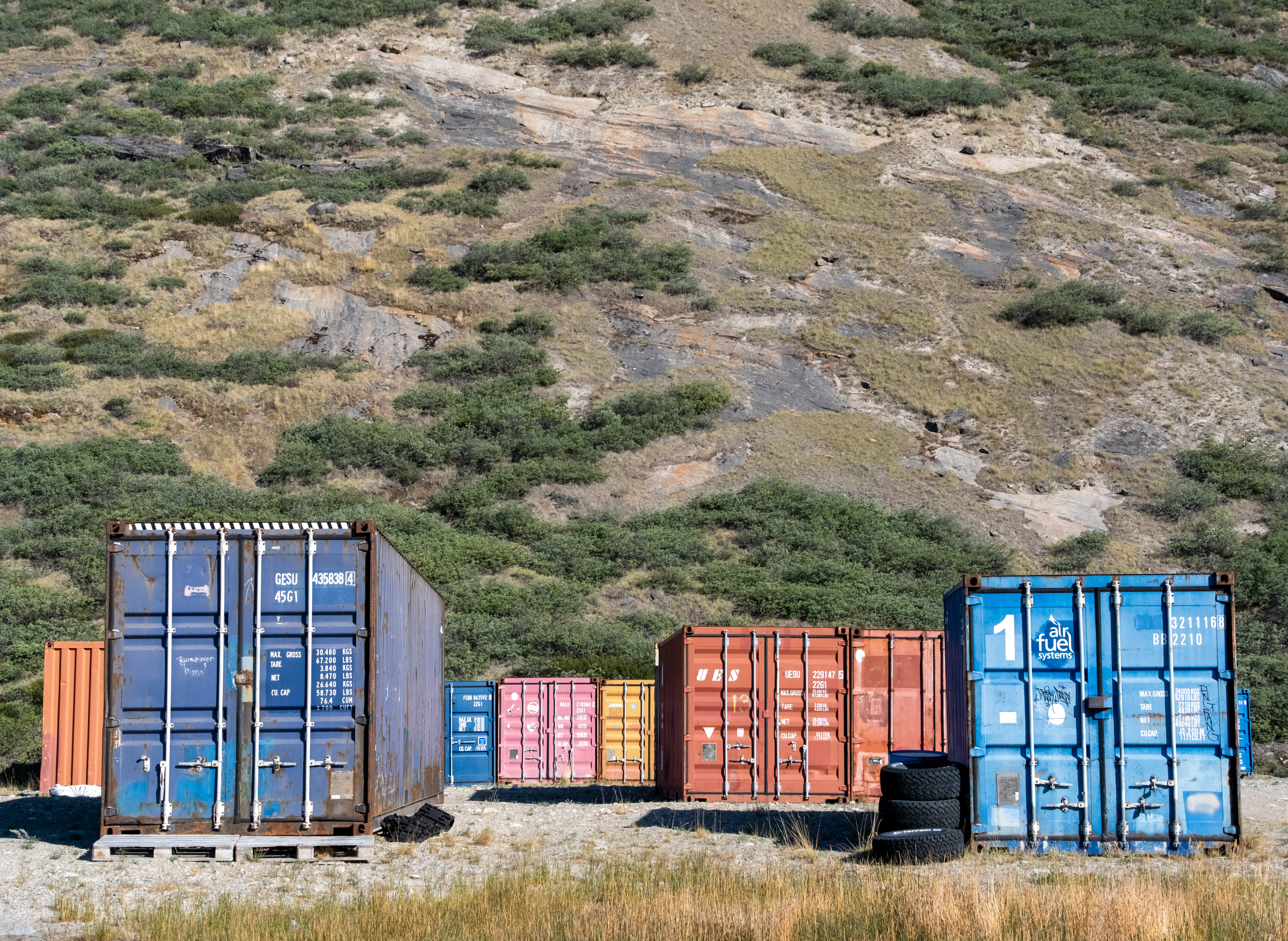
There were loads of huge containers with everything needed for the aircraft – mostly fuel of course. And, even the containers were colourful…
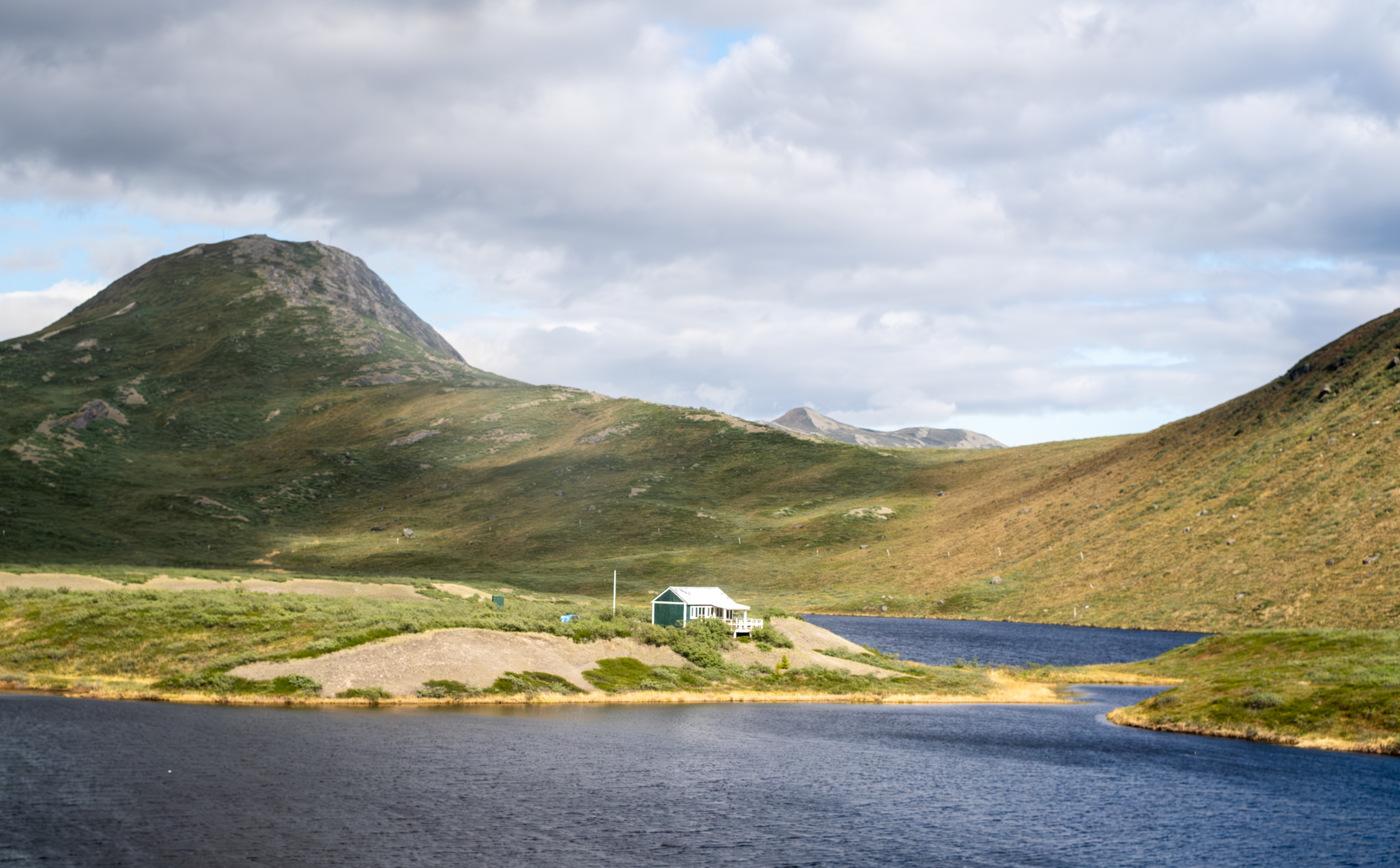
On our tours out of the town, we saw ”summer houses” in the mountains. Very lonely – but not abandoned.

Next we stayed several days in Ilulissat, a charming town with a busy harbour and colourful houses and boats. It was a relaxing joy to walk there watching the boats come in and go out, loading and unloading their cargo.
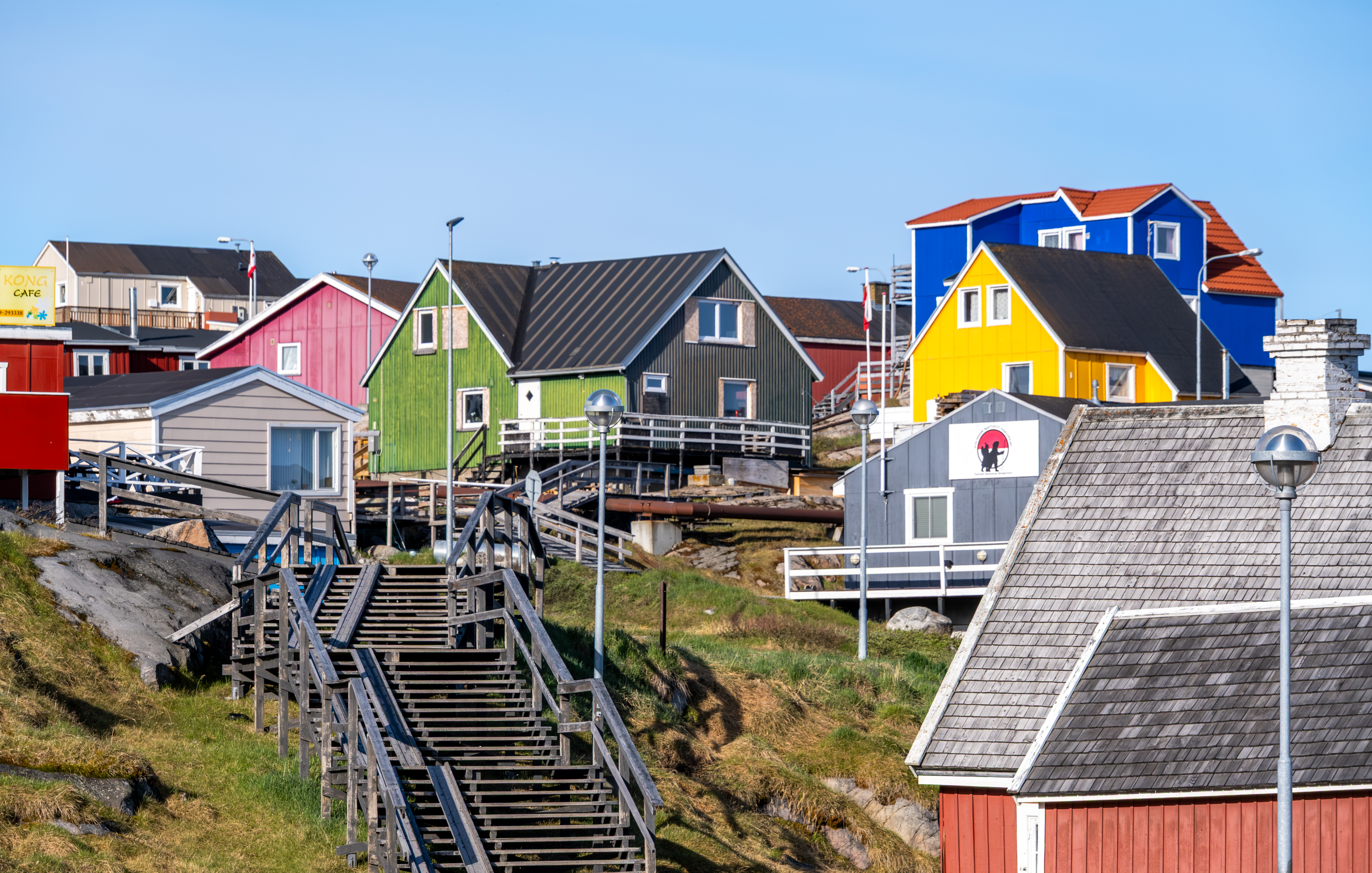
Now, why all these bright colours? We learned that there were several reasons to this. One was that a certain colour meant the owner of the house had a special profession and the building was meant for a special thing. Red – churches, schools, Yellow – hospitals and doctors, Blue – maintainment and factories in the fishing industry, Green – post and telecommunication. Black – police stations.
It all started in the 18th century when there were no street names and no numbered houses. It was also easier to find what you were looking for when everything was lost in snow during winter.

Nowadays you can paint your house in whatever colour you want, but most churches are still red and hospitals are still yellow.

Old and new are mixed – as Greenland expand and get more tourists
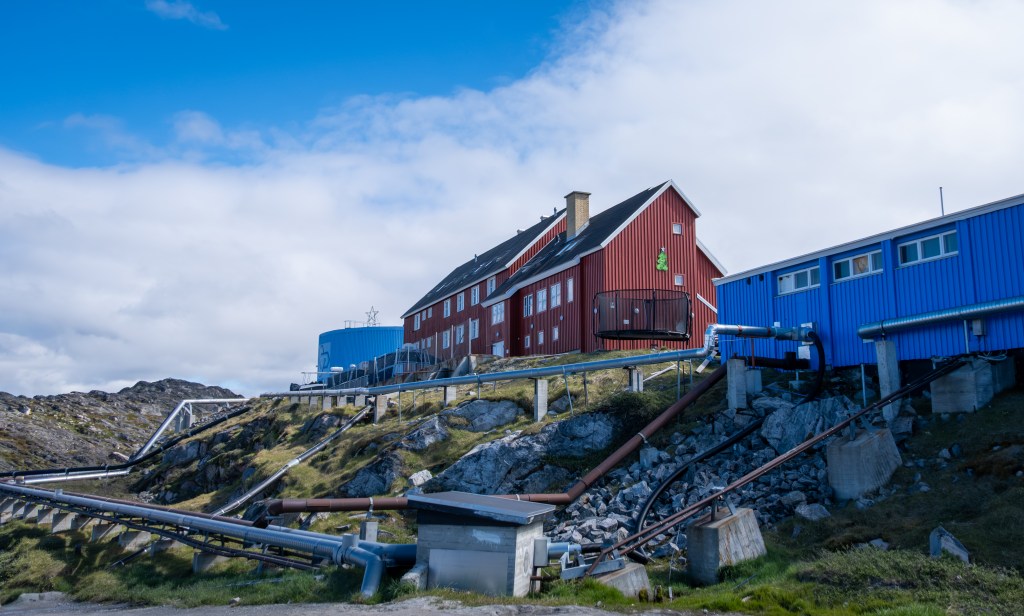
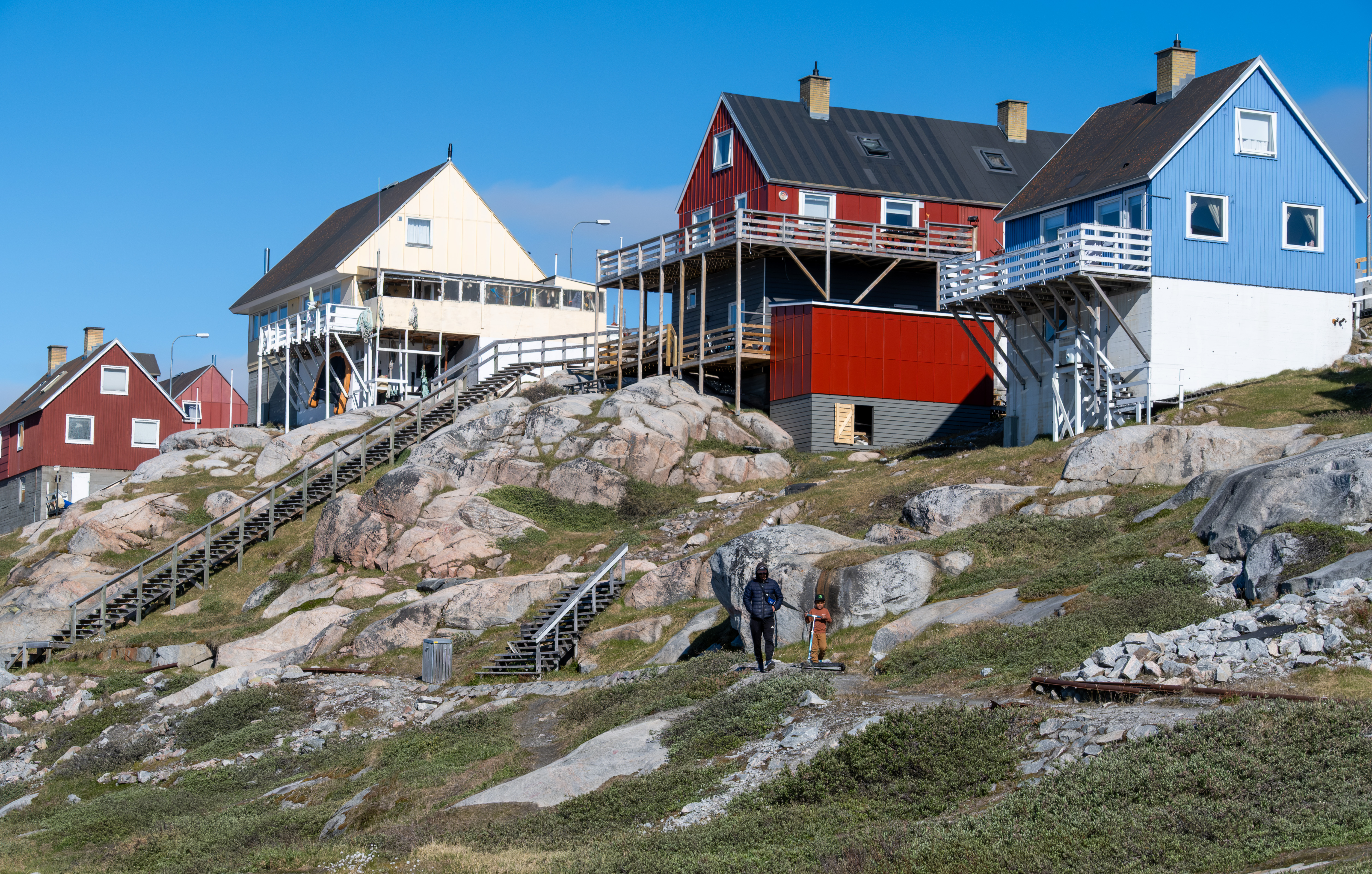
– but all buildings and houses have their pipes on the ground because of the harsh winters. People also depend upon steps and stairs to reach their front doors…I can truly say I have never walked that many steps in two weeks before.
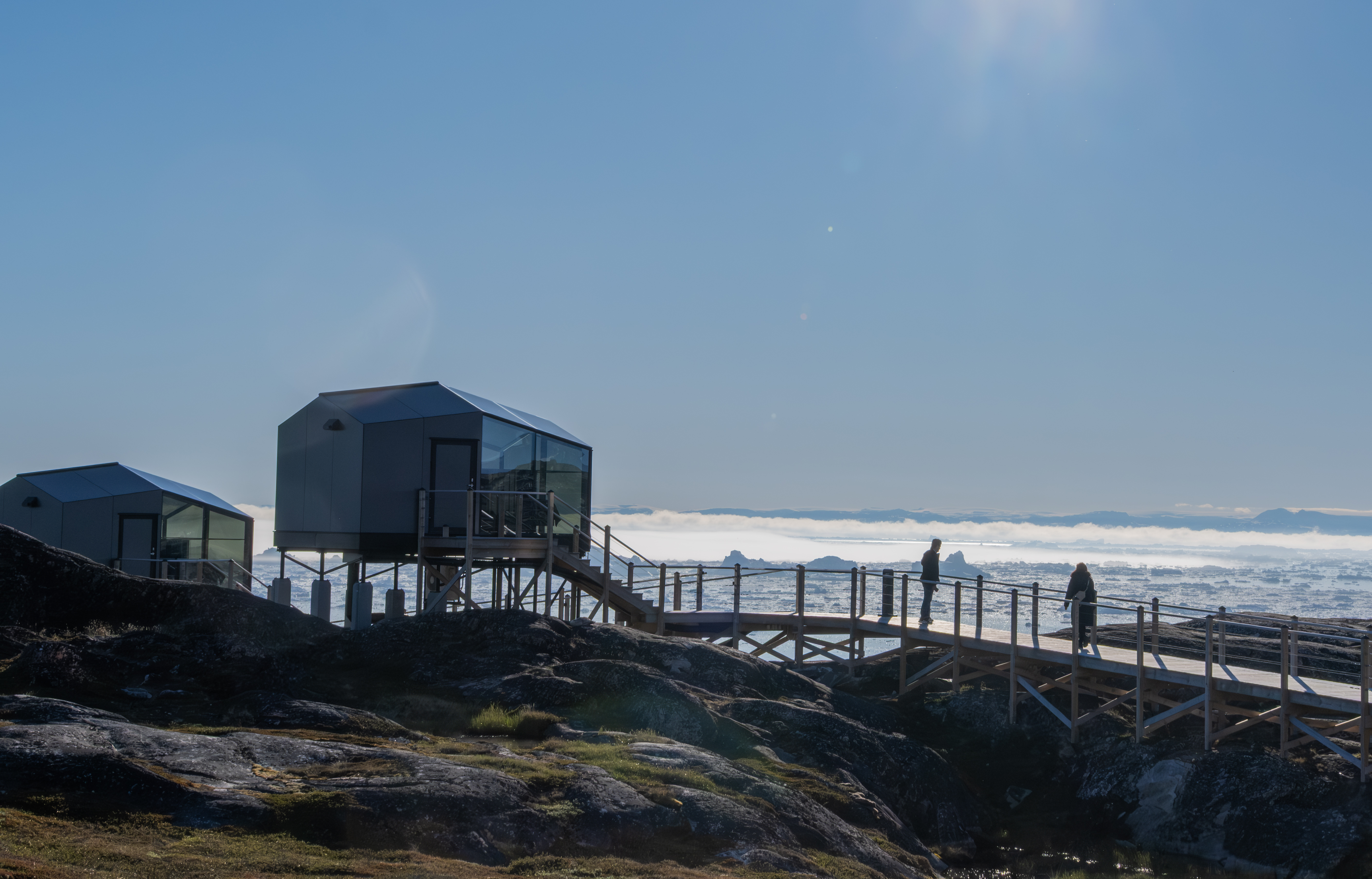
Close to our hotel we also found some super modern cabins overlooking the sea. Somehow the architects had managed to make them fit in with this very special landscape – both shape and the open glass solution seemed winning concepts.
Many houses were brought from Denmark or Scandinavia and put together in Greenland. They have no forests here – in fact the only thing I might have missed during these glorious two weeks!
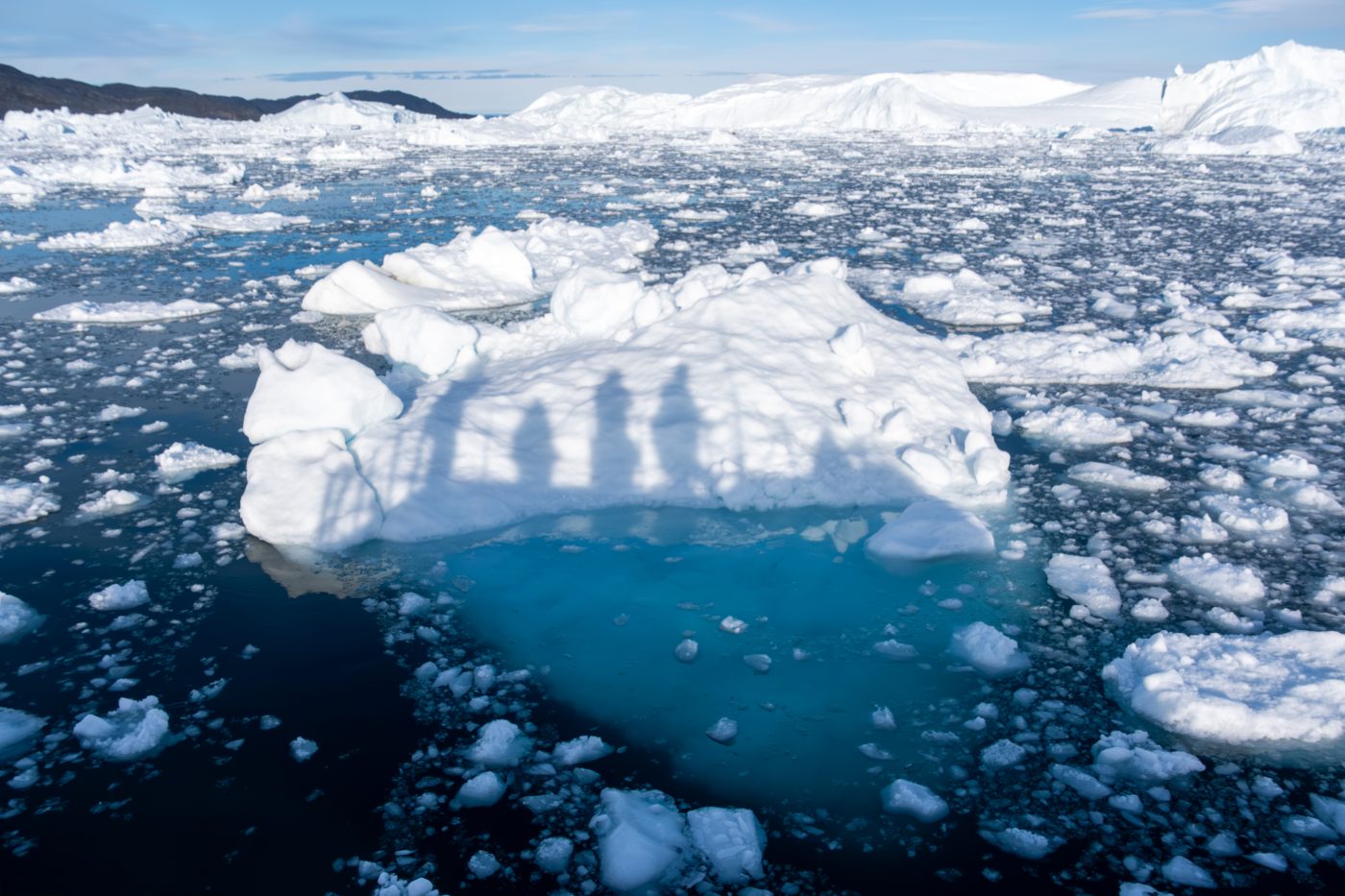

The northeastern part of Greenland is the world’s largest national park. Climate change is a great danger to flora and fauna here. We know that the fastest warming is in this area. I captured some photos of the most frequently seen flowers, and not surprisingly they are mostly white and very small.
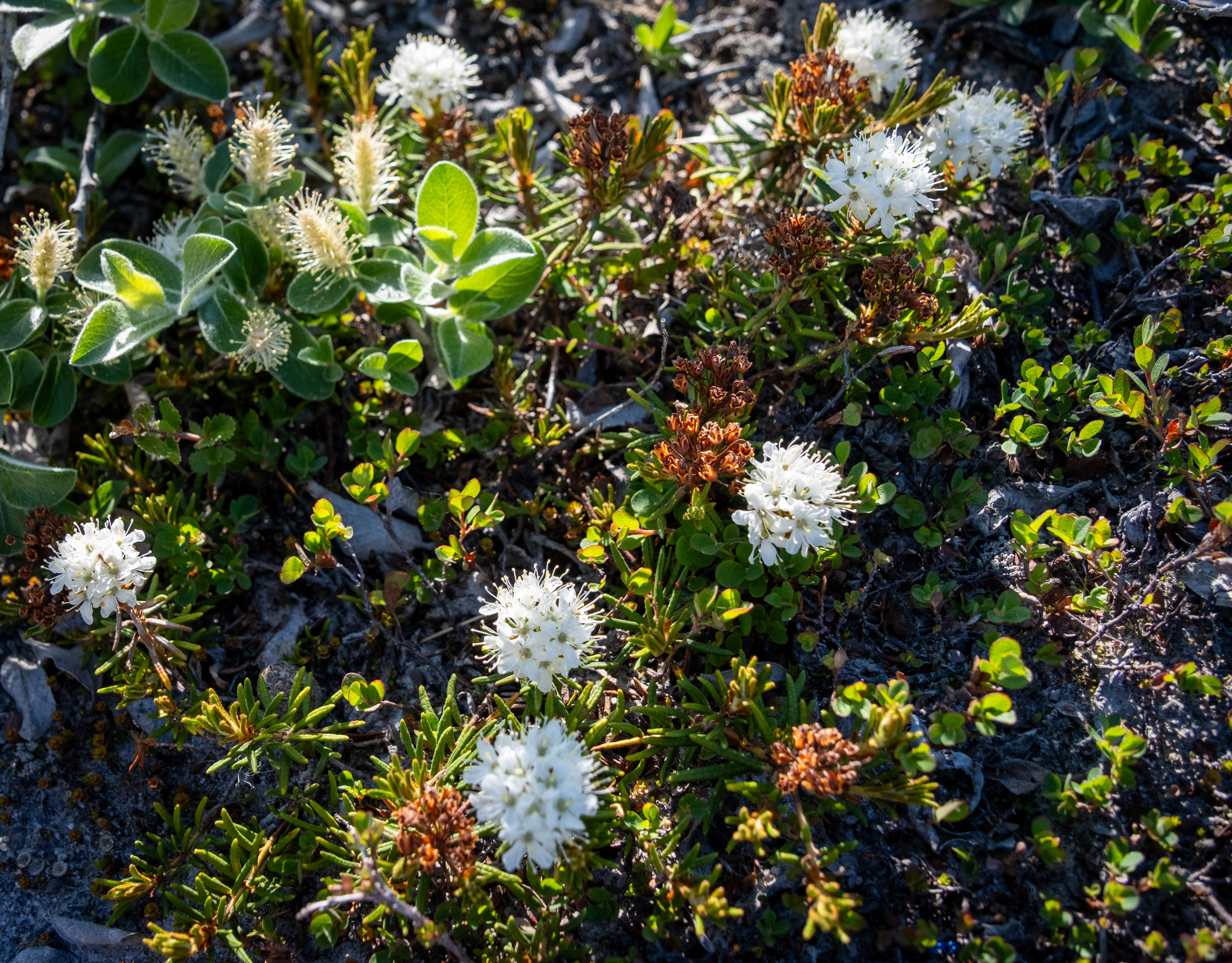
Labrador tea ( S.skvattram)
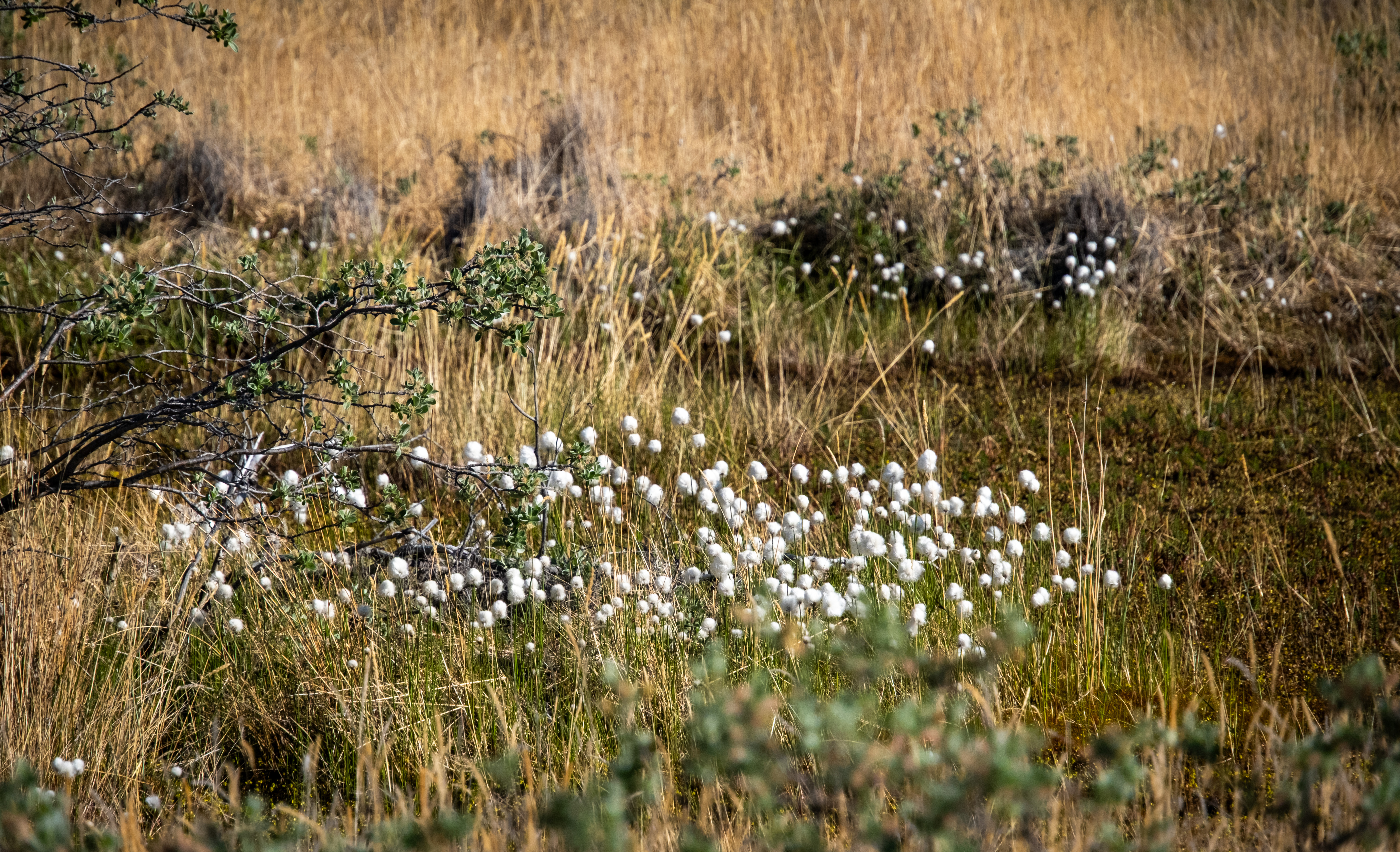
White cotton grass.
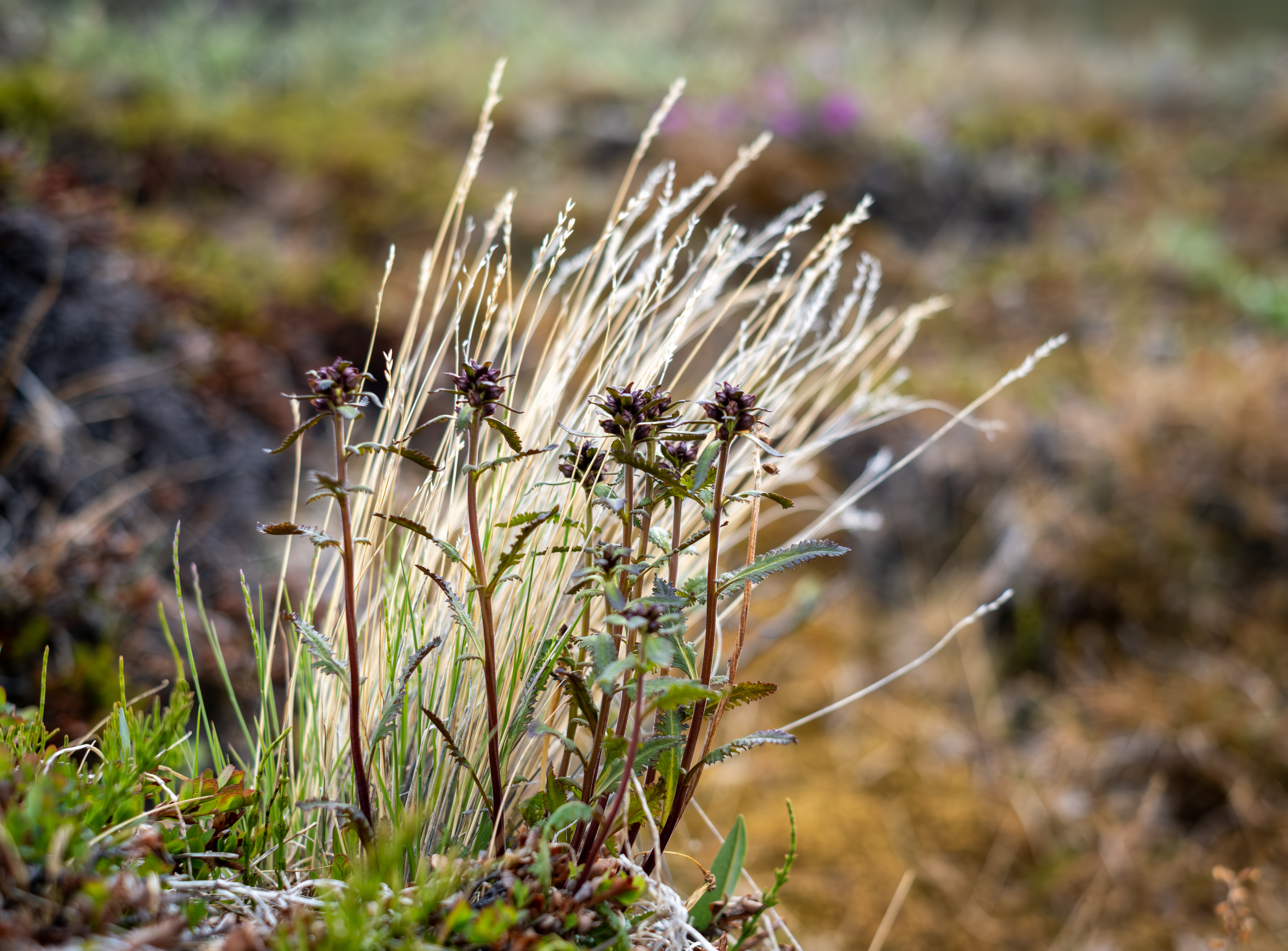
Not sure…alpine bartsia? (S. svarthö)
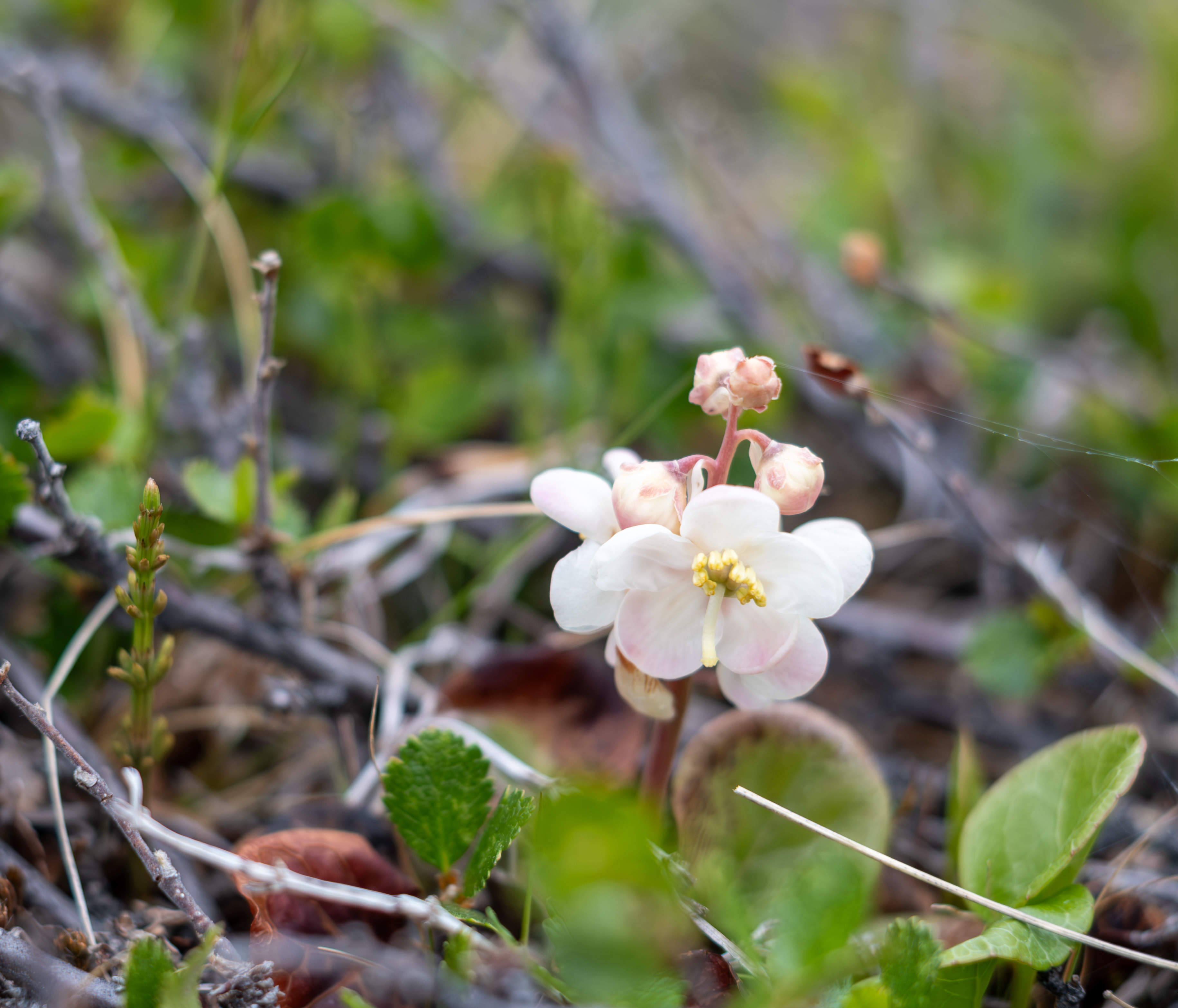
Round-leaved wintergreen (S.Pyrola)
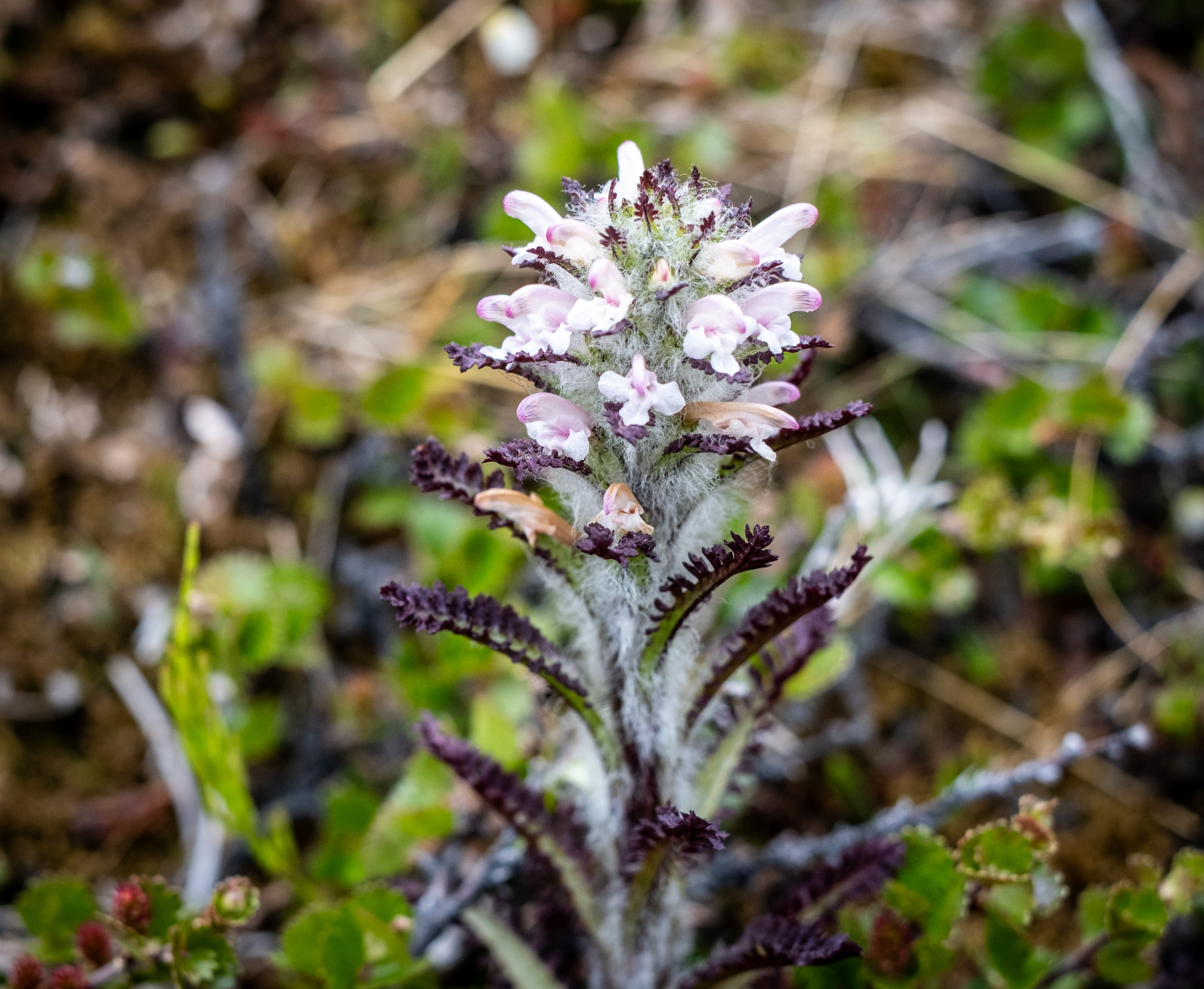
Woolly lousewort ( S. Ullspira)
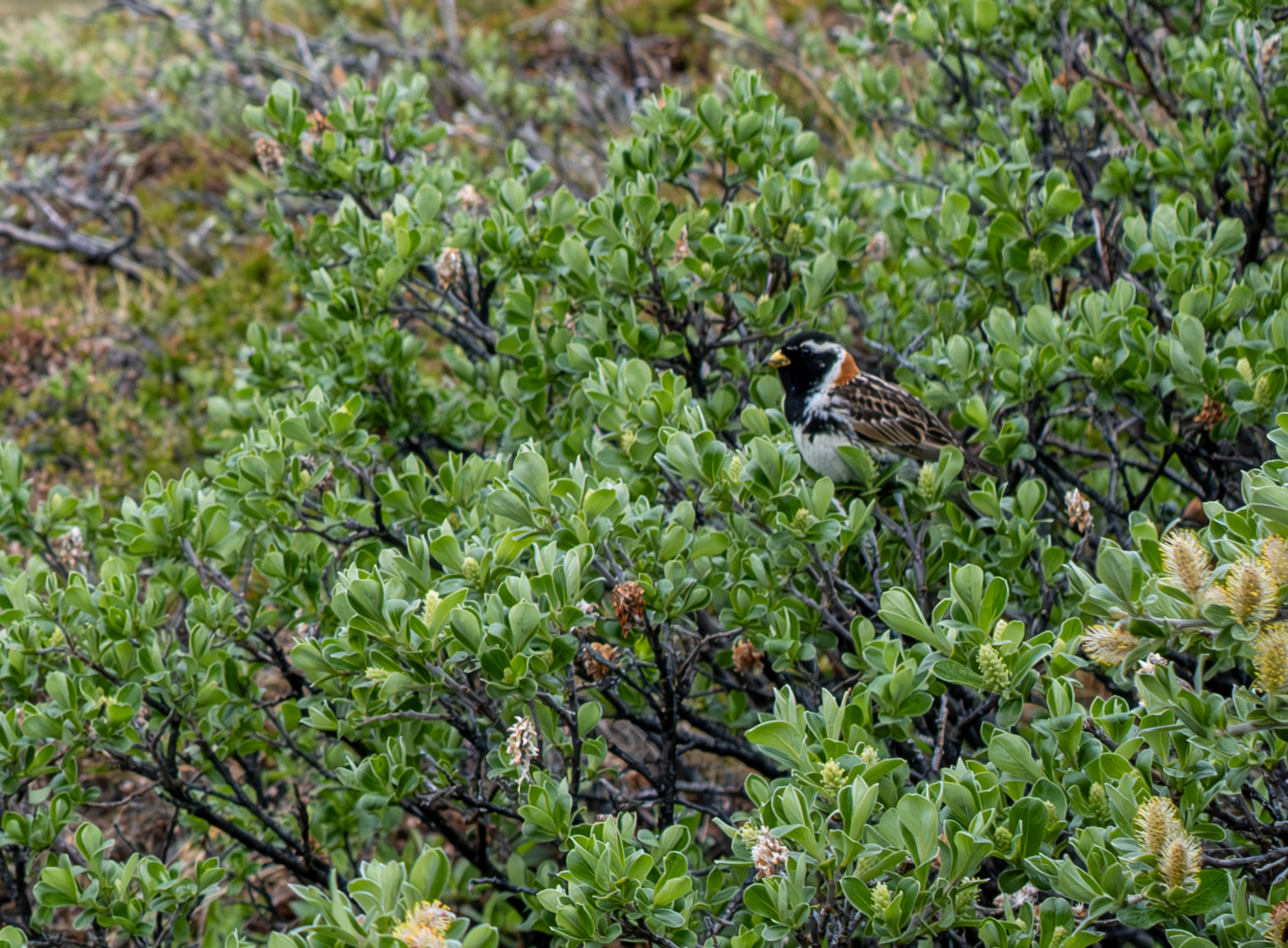
Let’s finish with a bird – a lapland bunting. At sea there are other birds, but they will have to wait.
In the header – surprisingly a Fritillary came along. But it was also the only butterly we saw!


Du måste vara inloggad för att kunna skicka en kommentar.