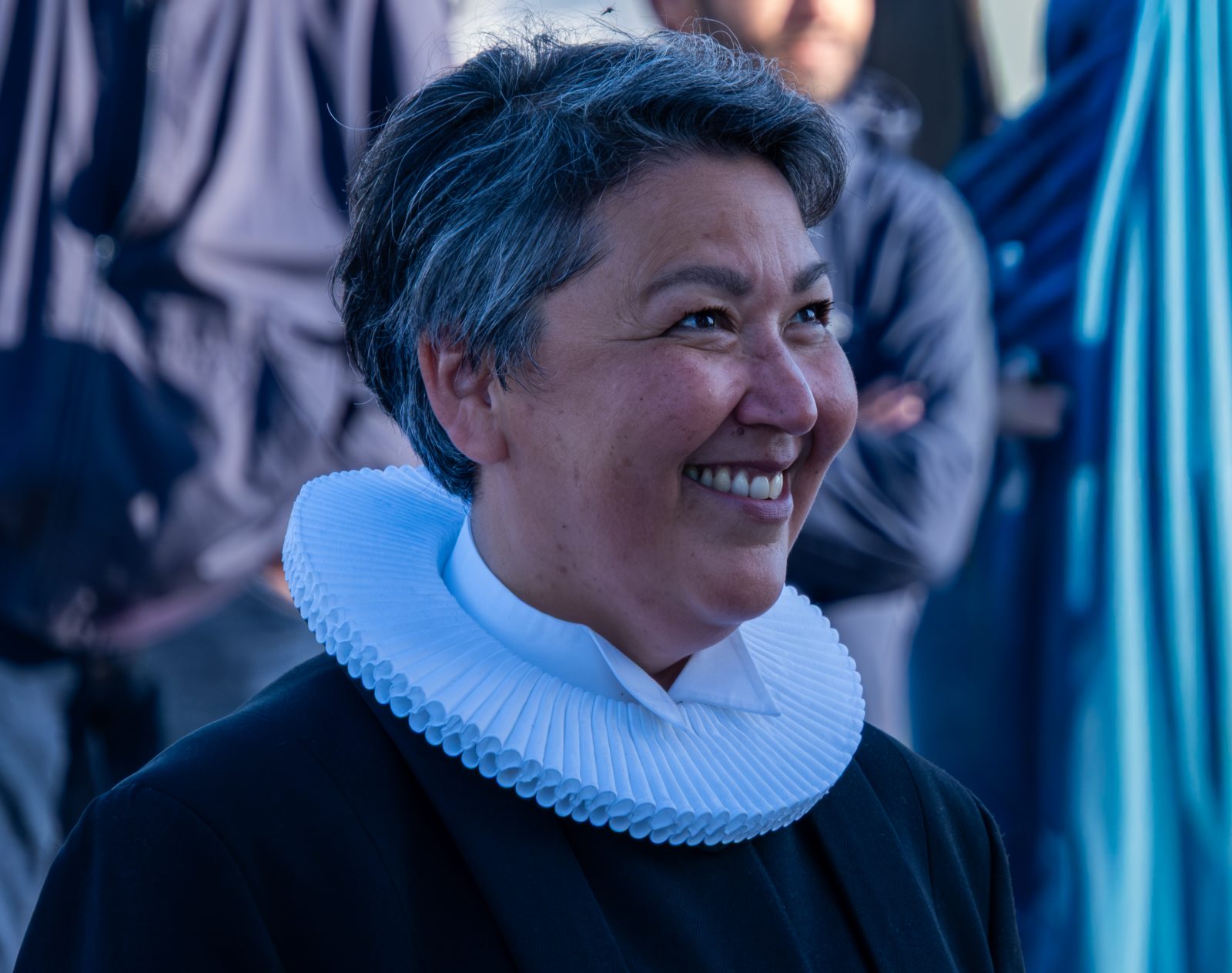
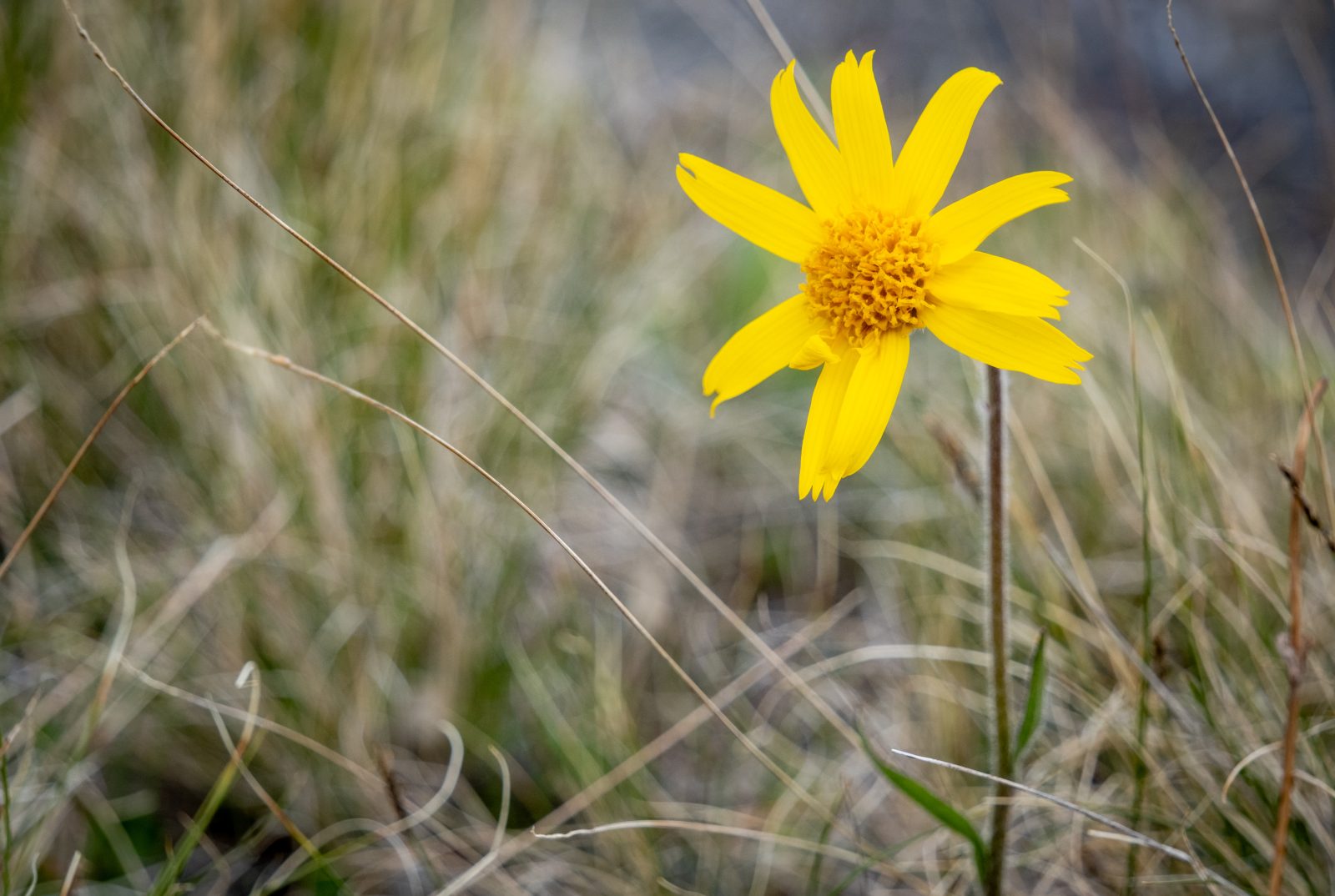
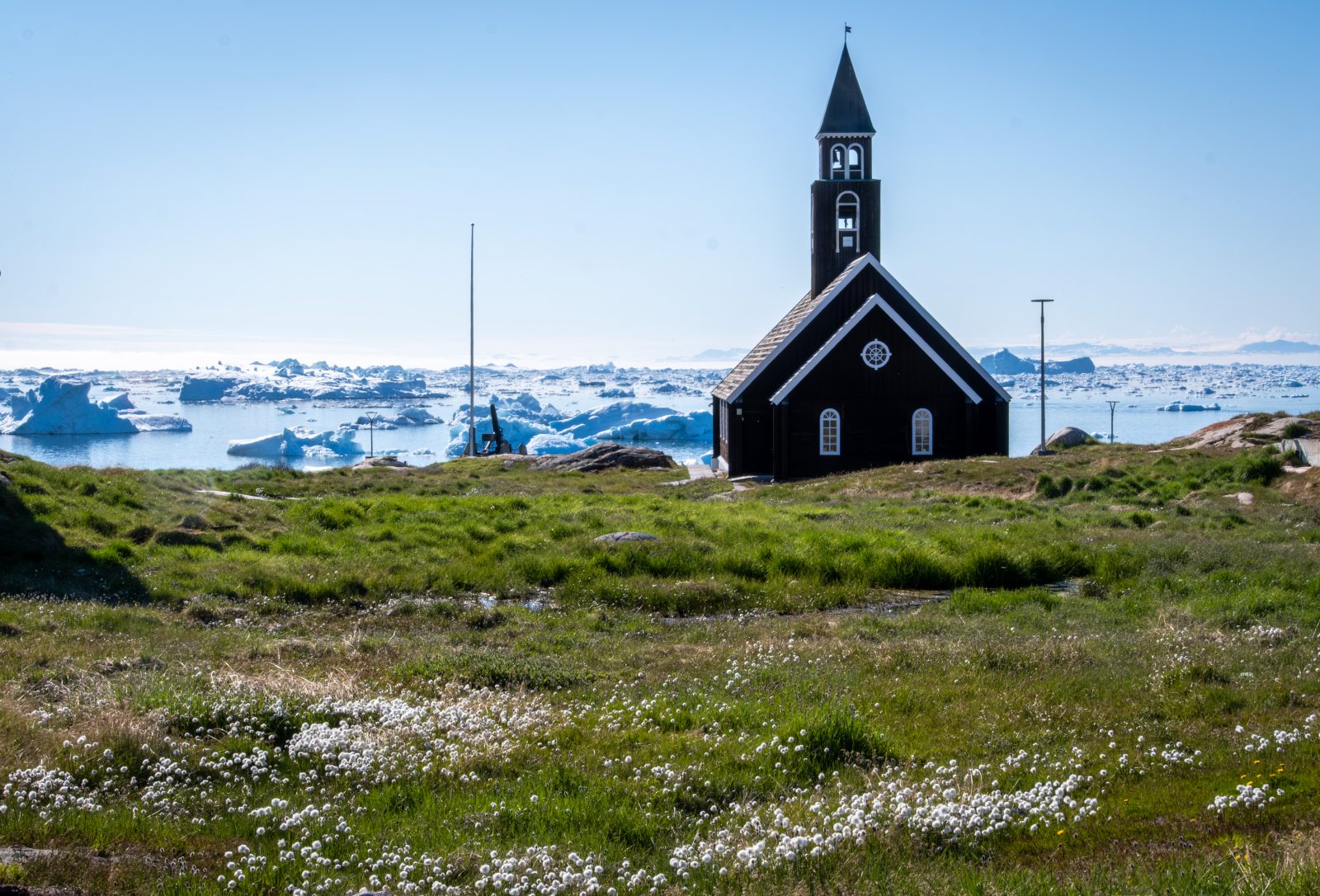
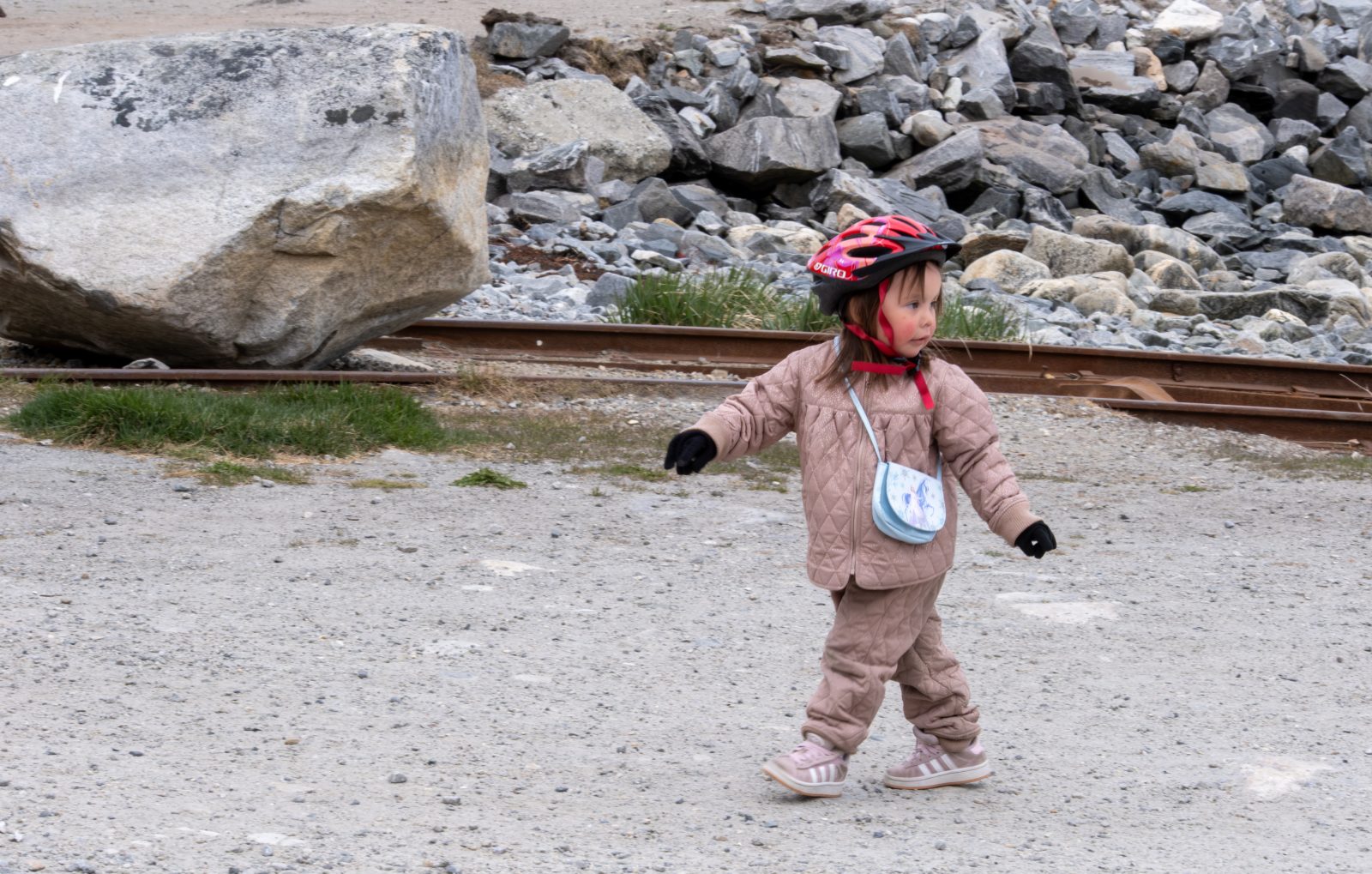
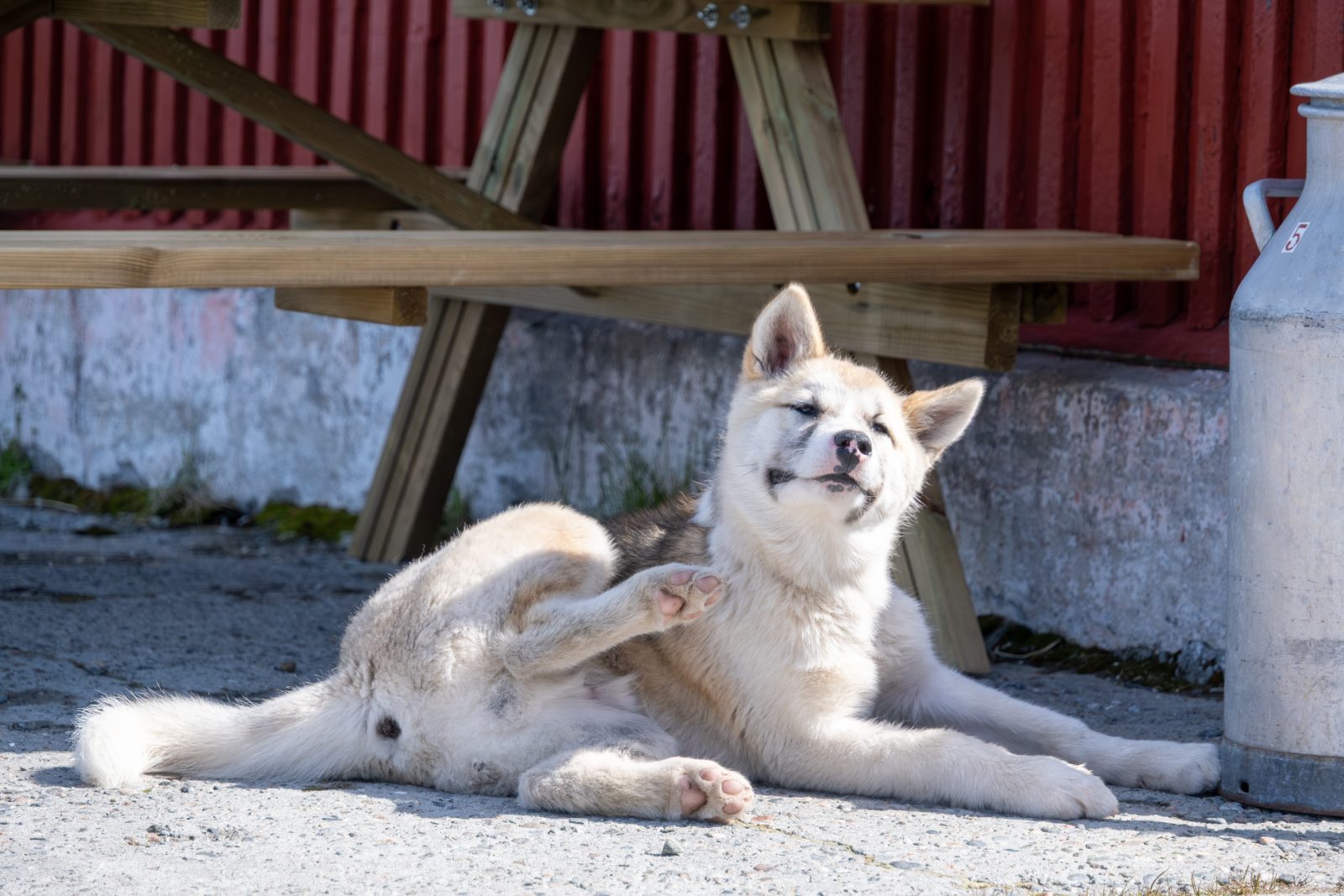
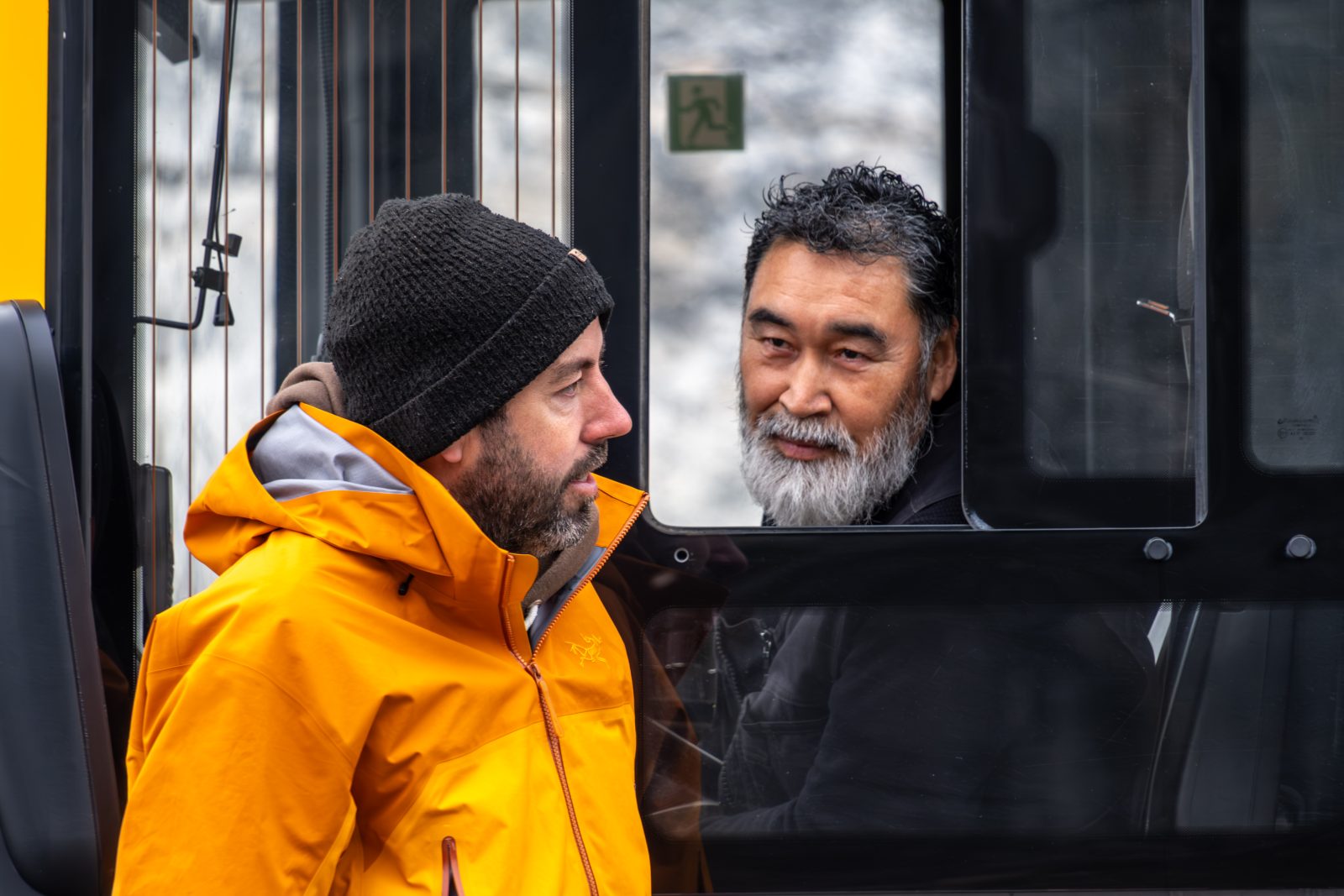
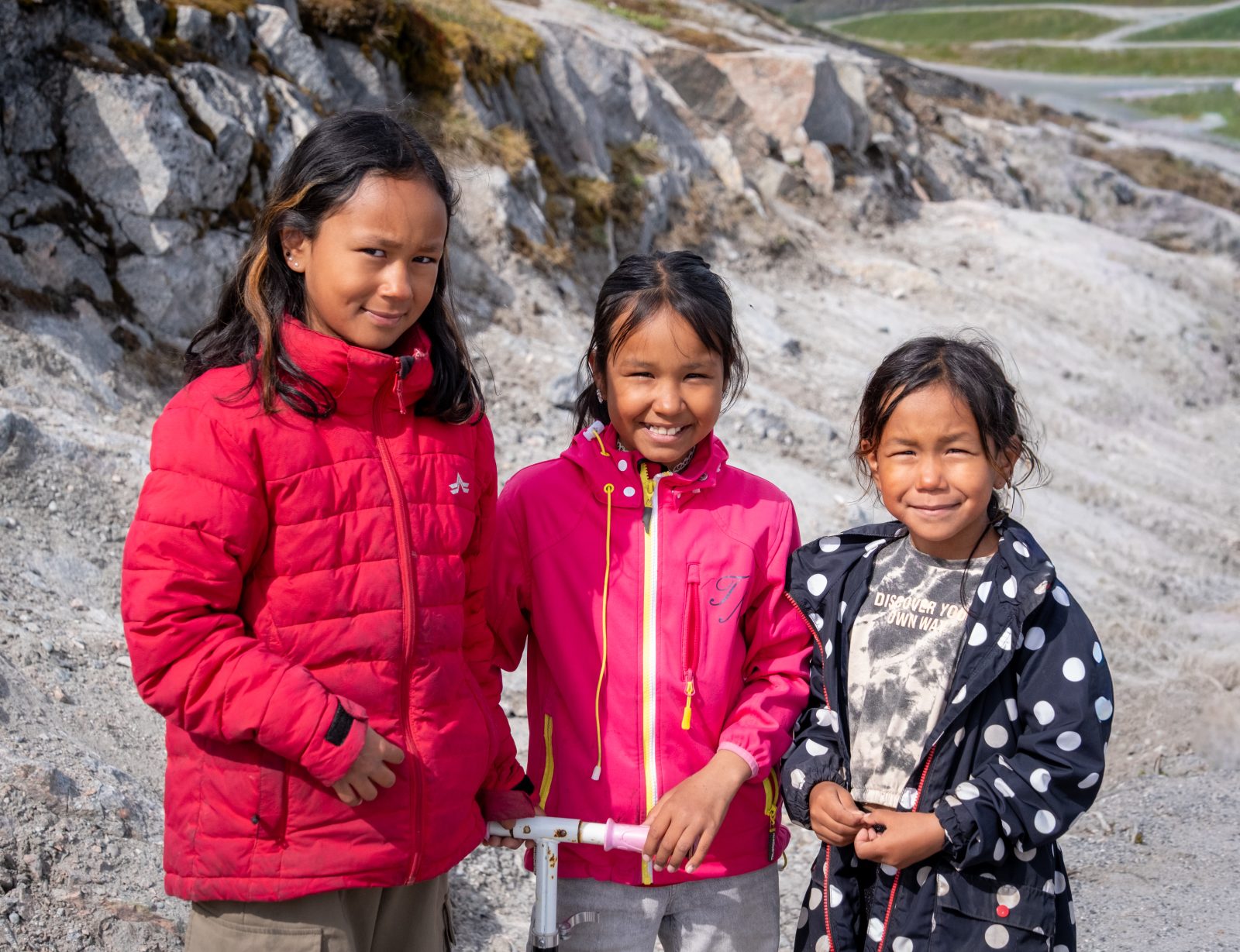
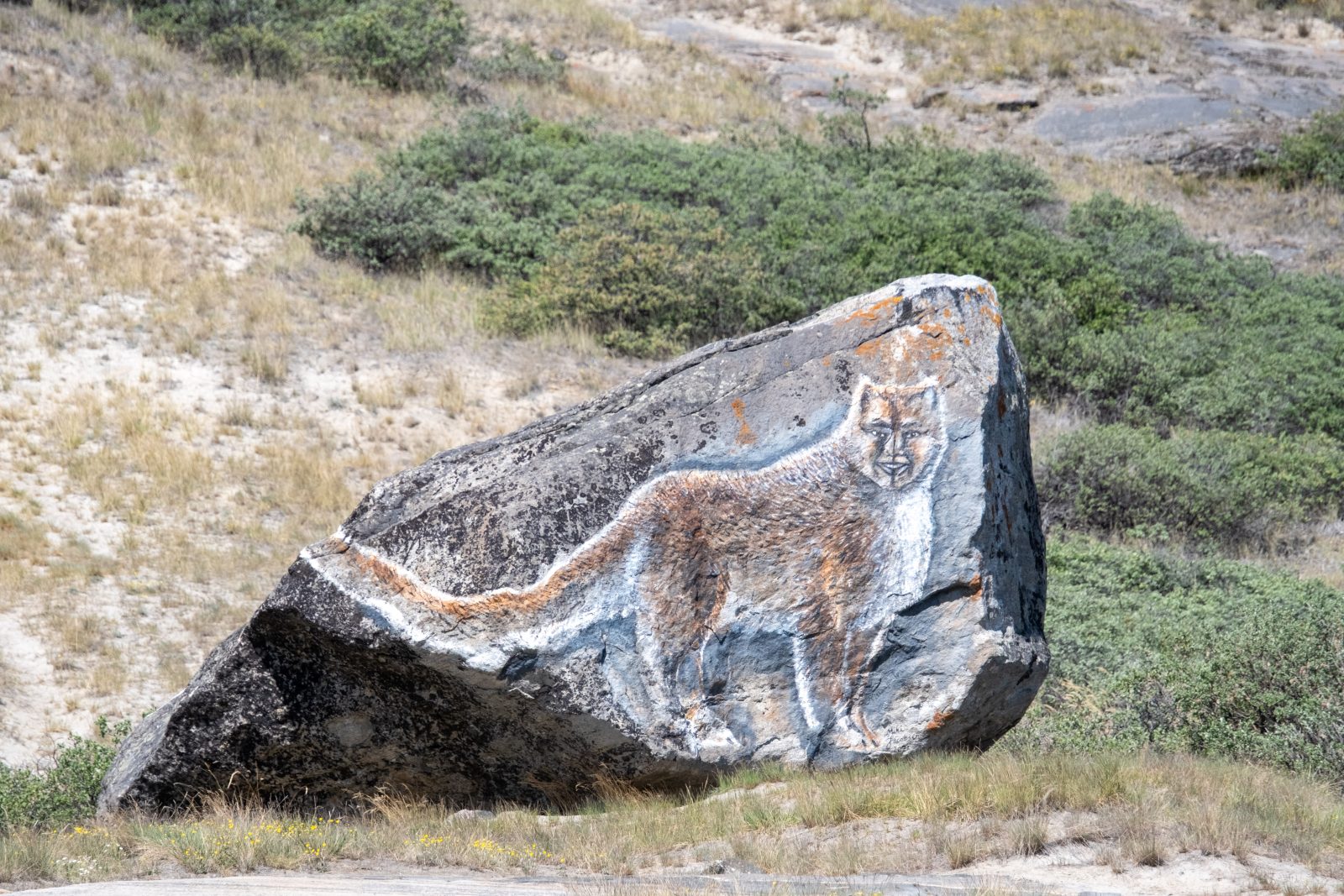
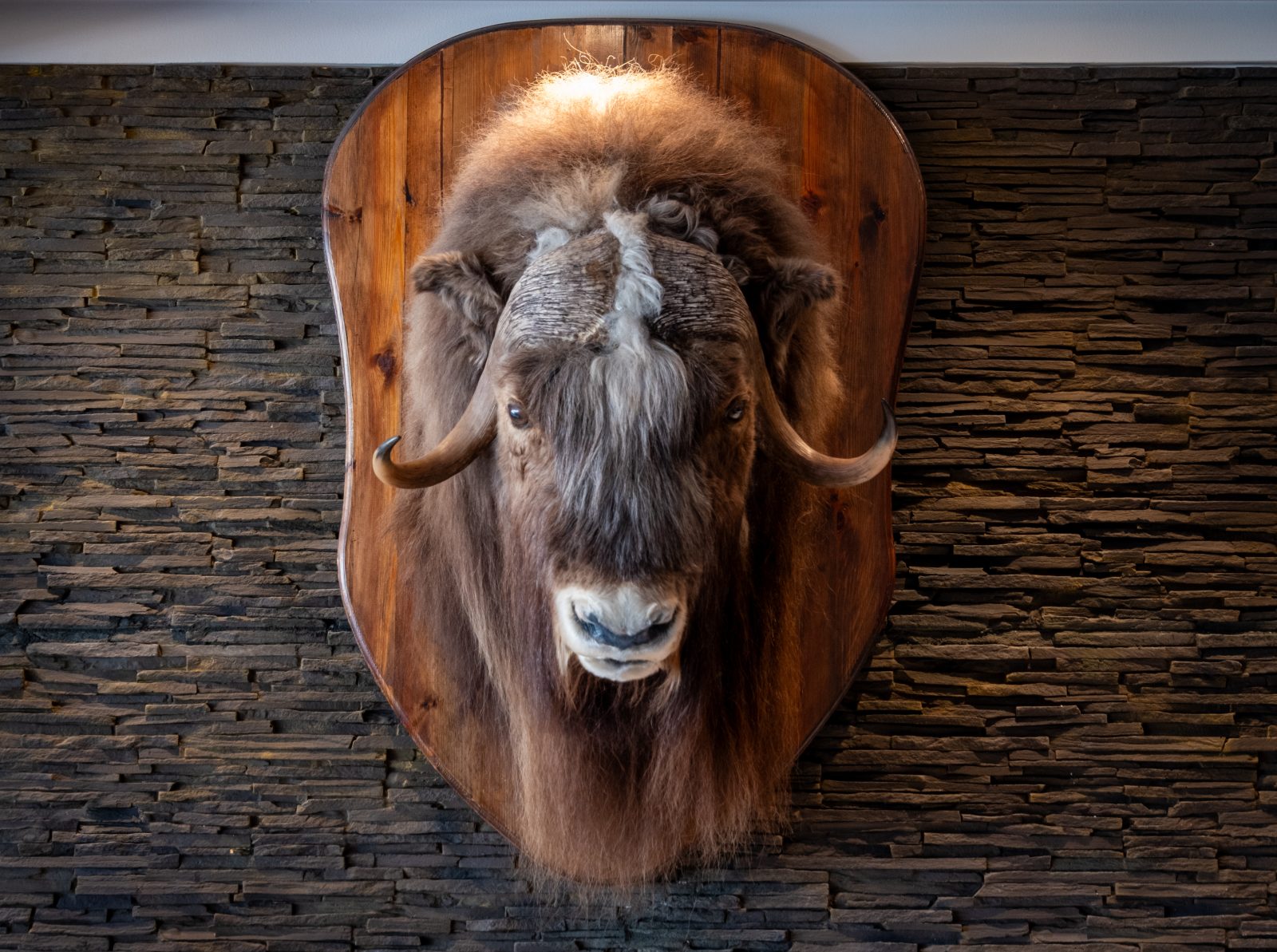
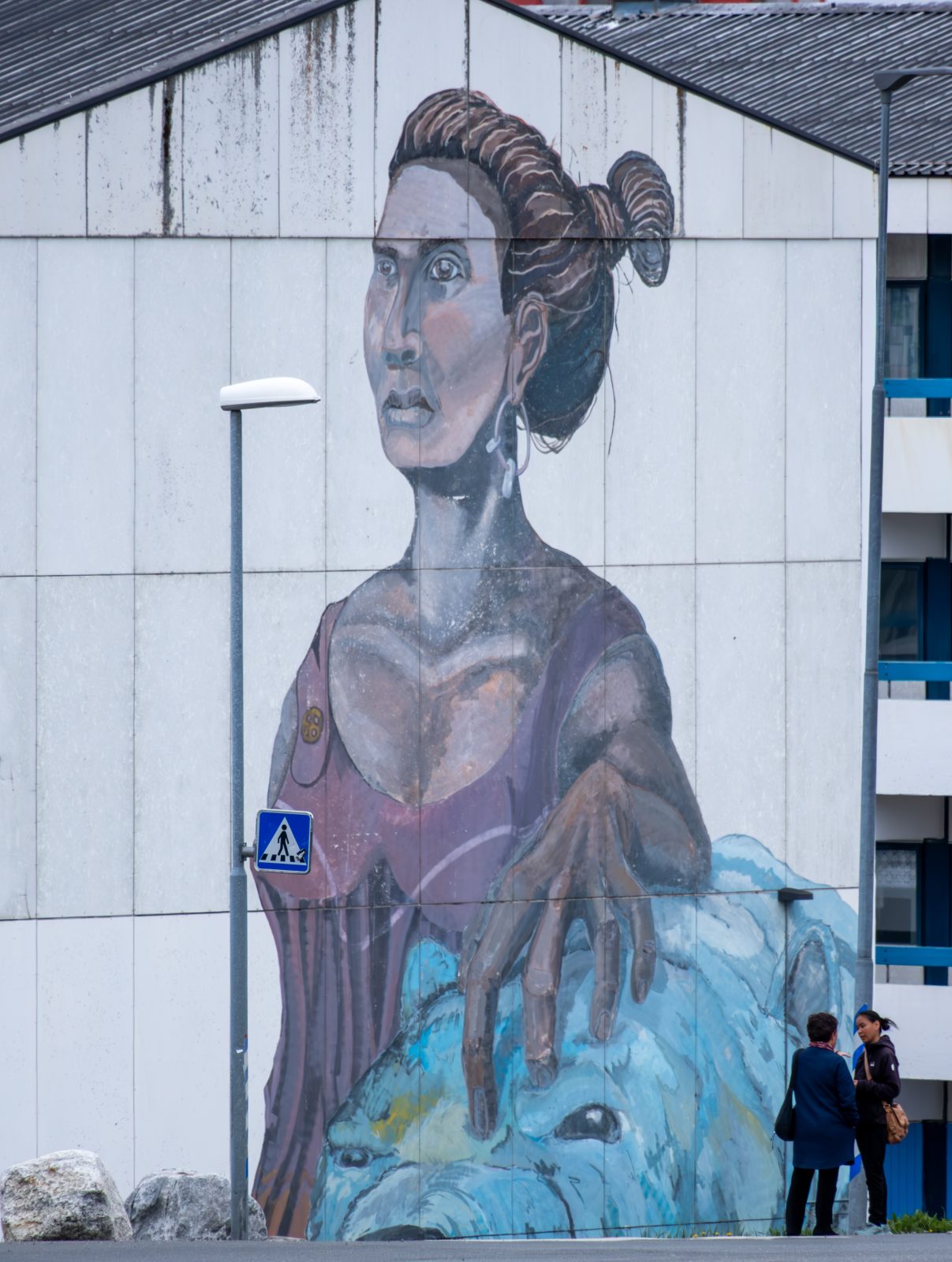
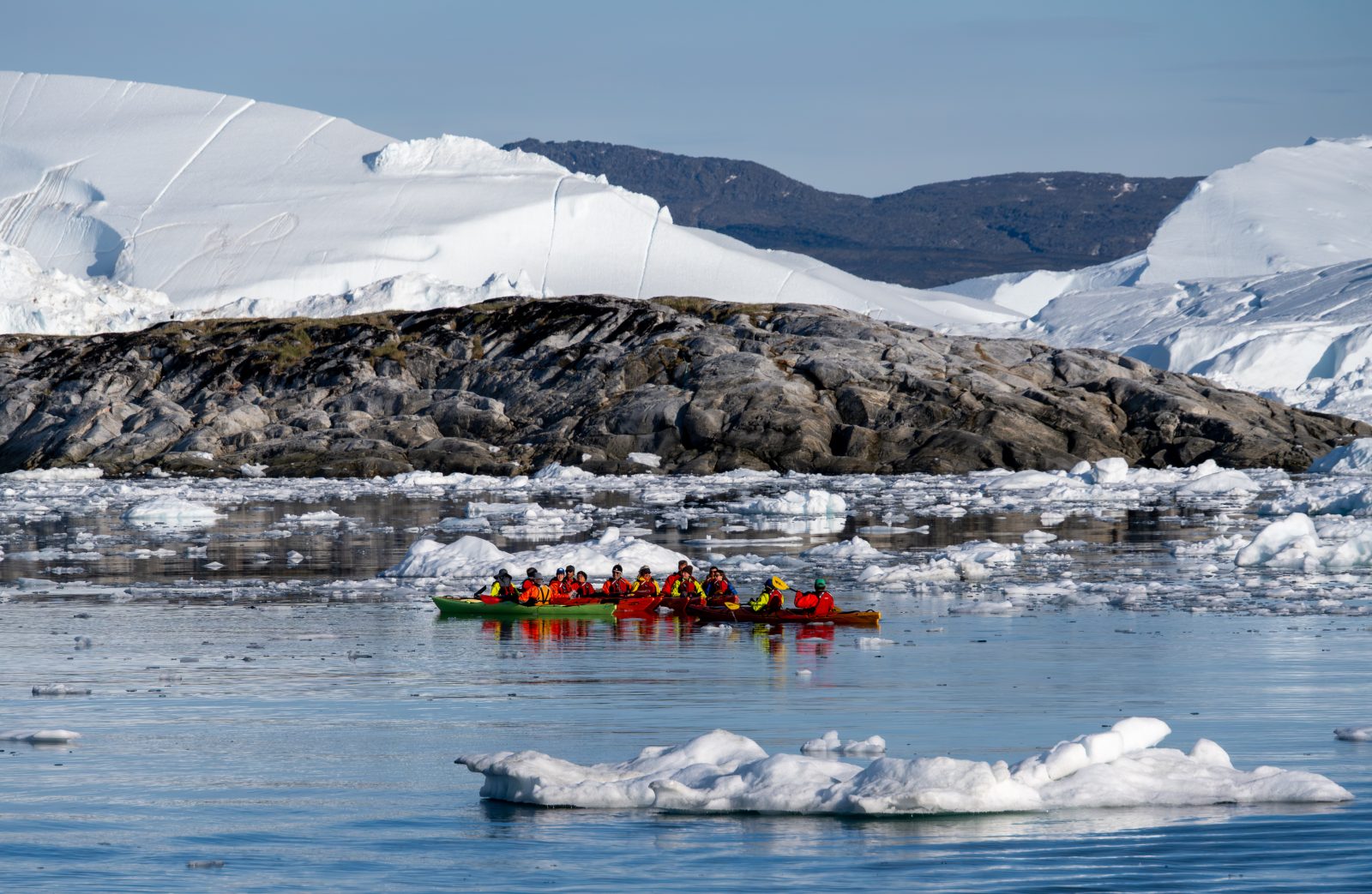
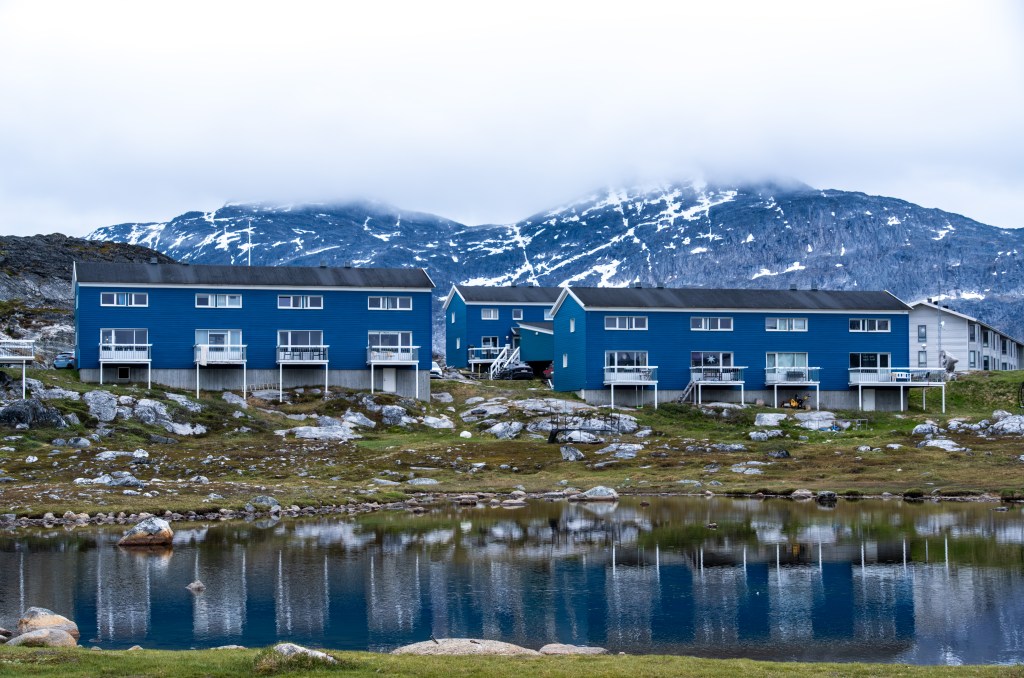
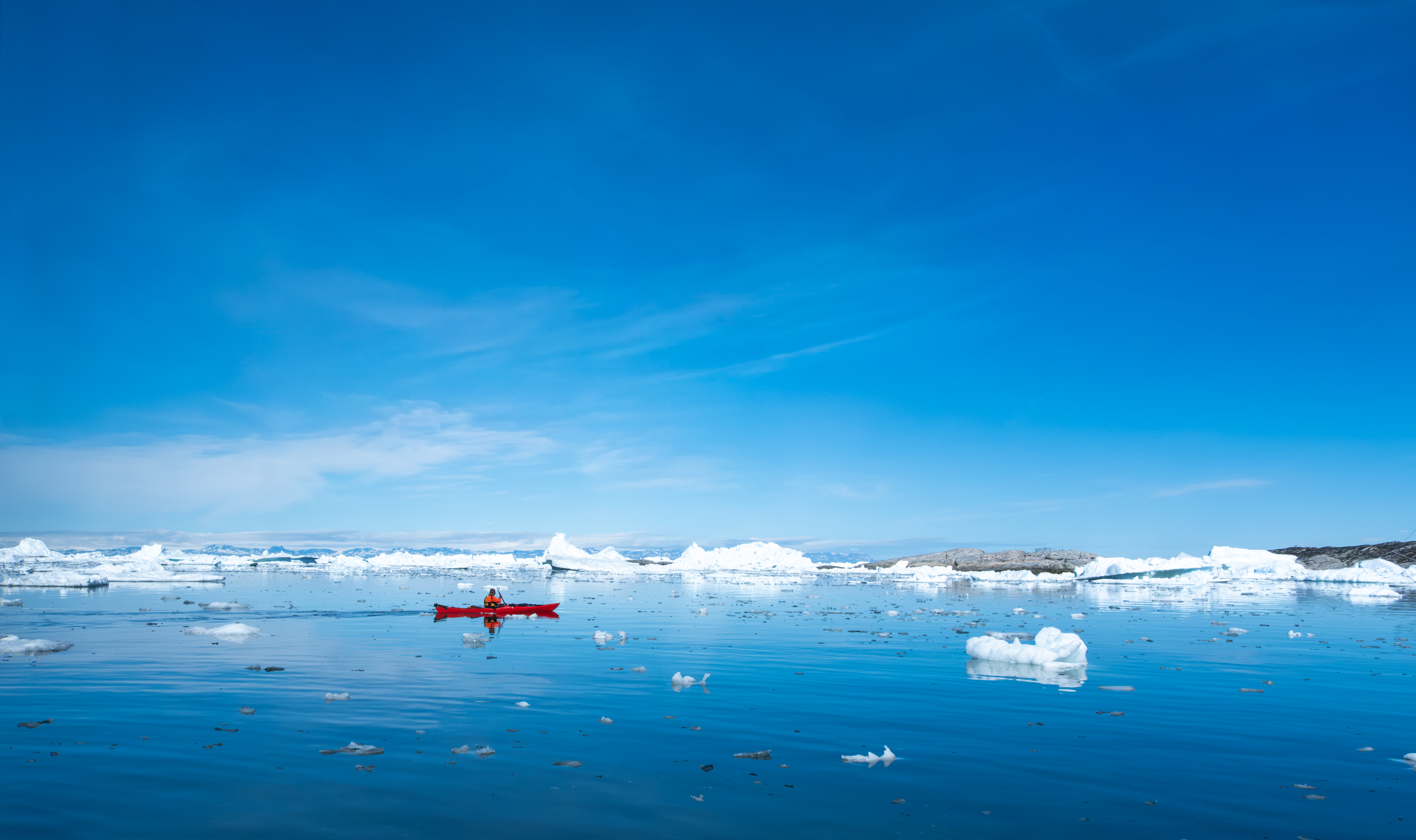
A gallery of faces I will remember from Greenland. From Ilullissat, Kangerlussuaq and Nuuk. The poor musk ox was unfortunately dead, but we saw two in real life…very far away though. I got them in my binoculars, but the camera didn’t make it good enough. On the plate we had them every other day – and they were delicious.
My calendar is full these days – and I guess it’s the same with you… I have great difficulties in keeping up with everything.
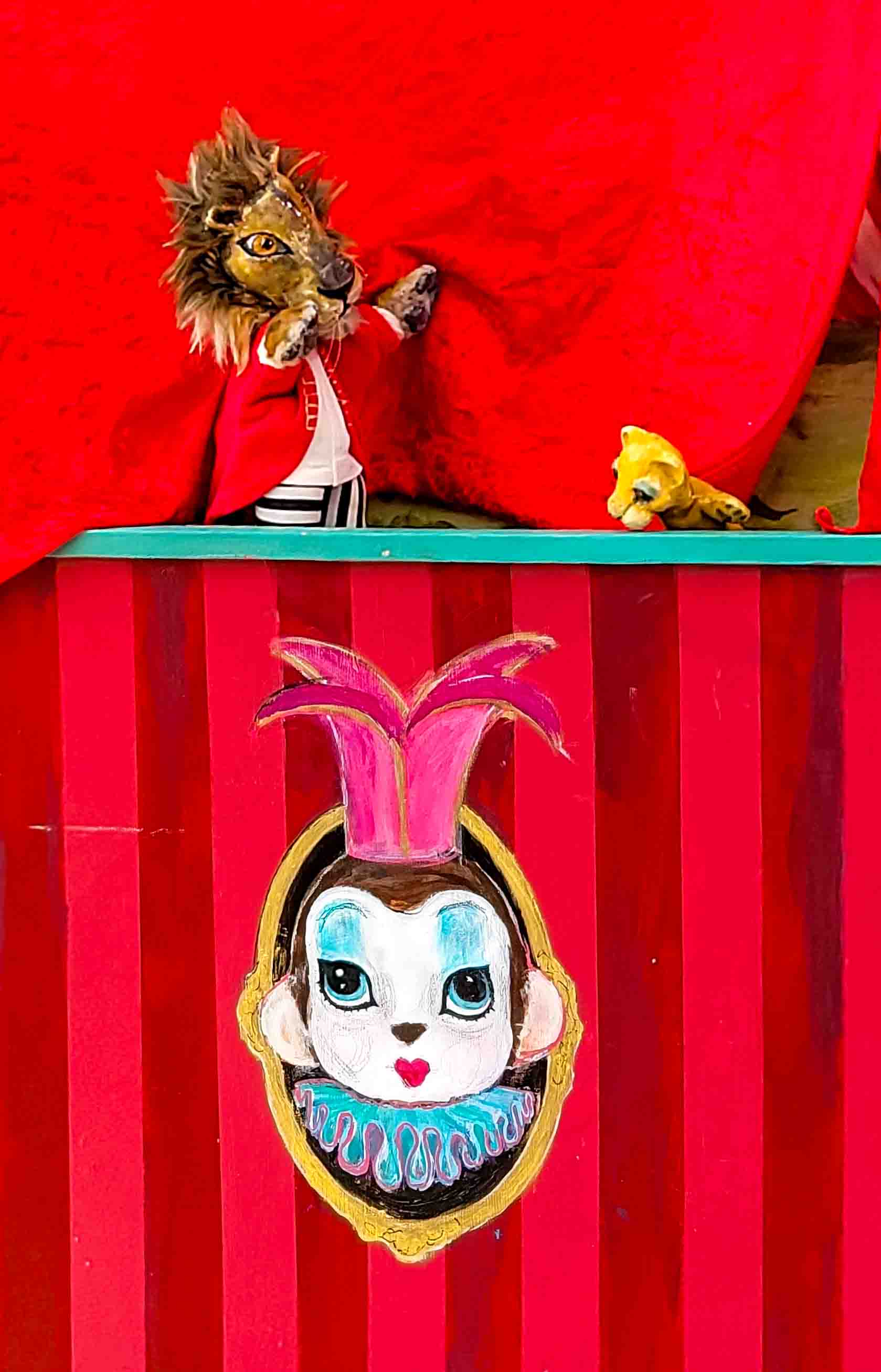
Babysitting, and going with my son and the grandchildren to see a puppet theatre…
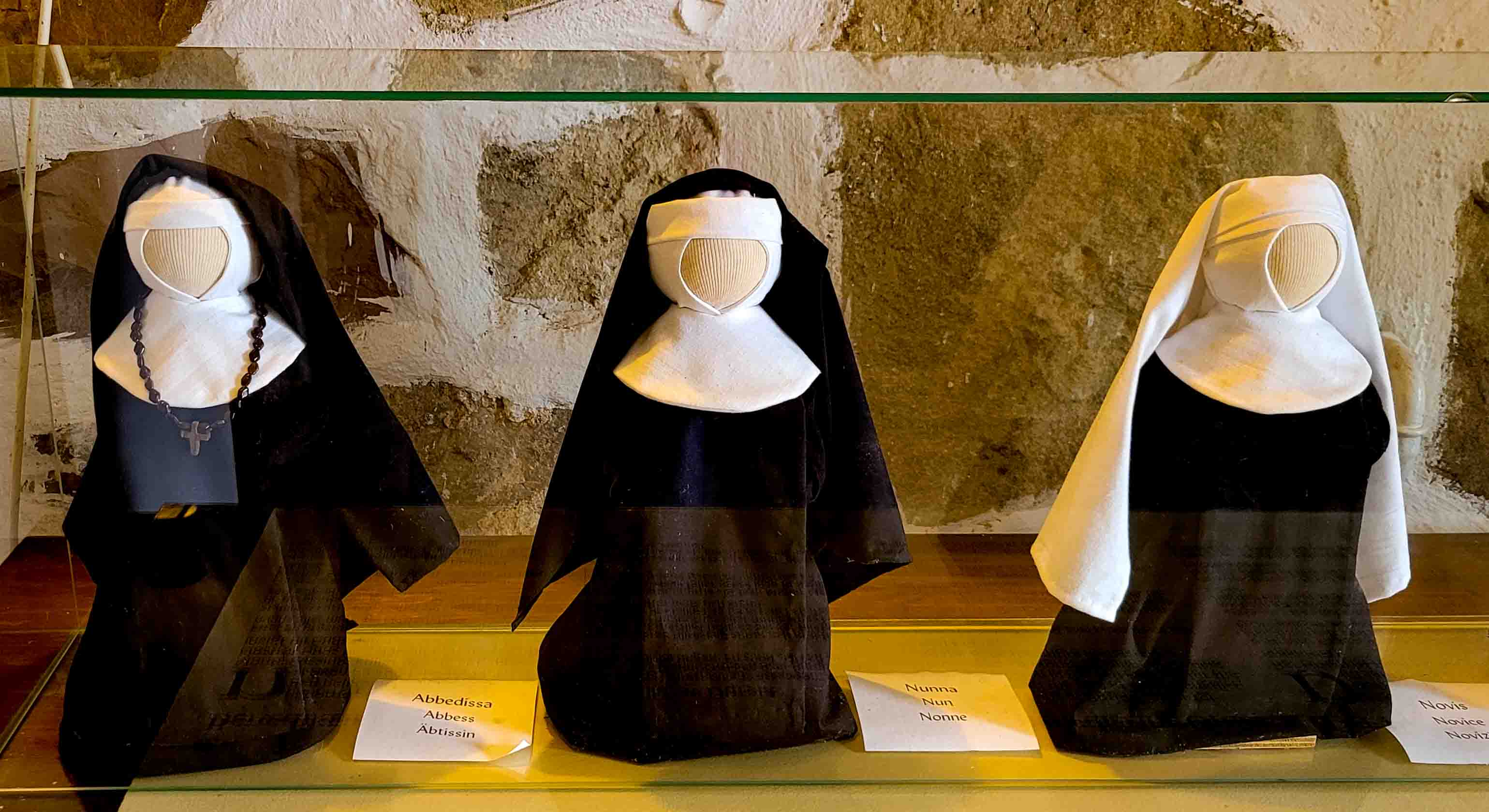
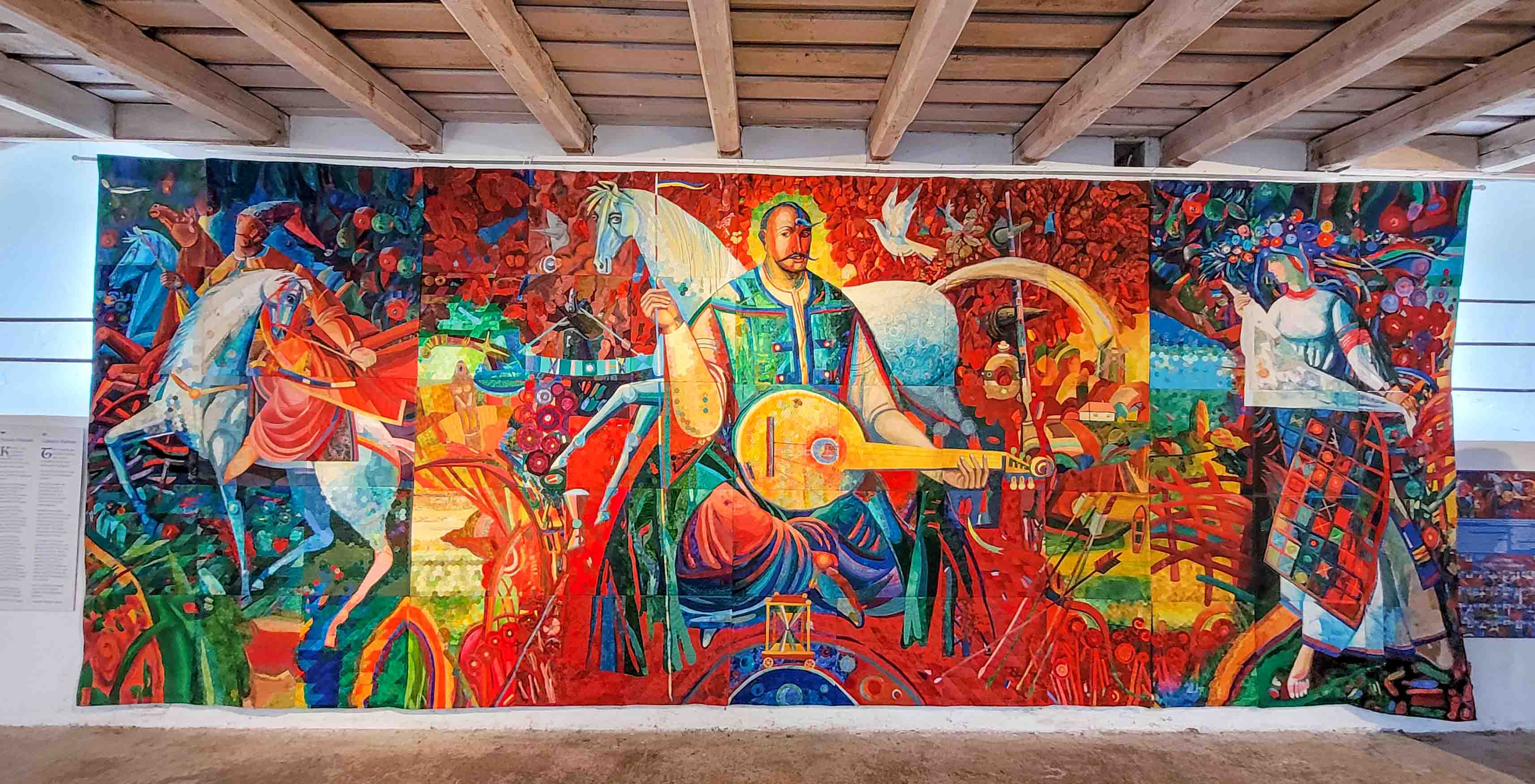
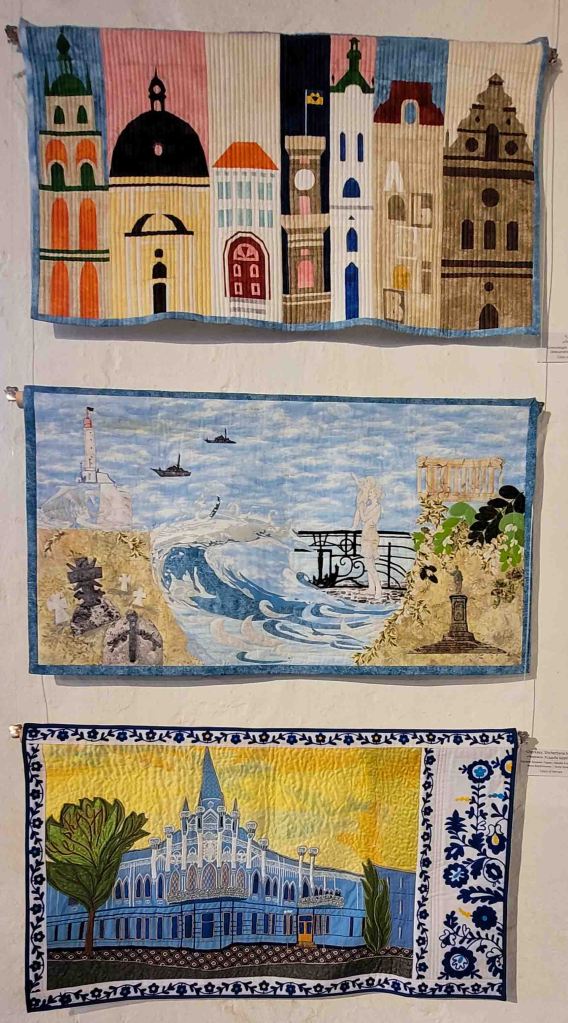
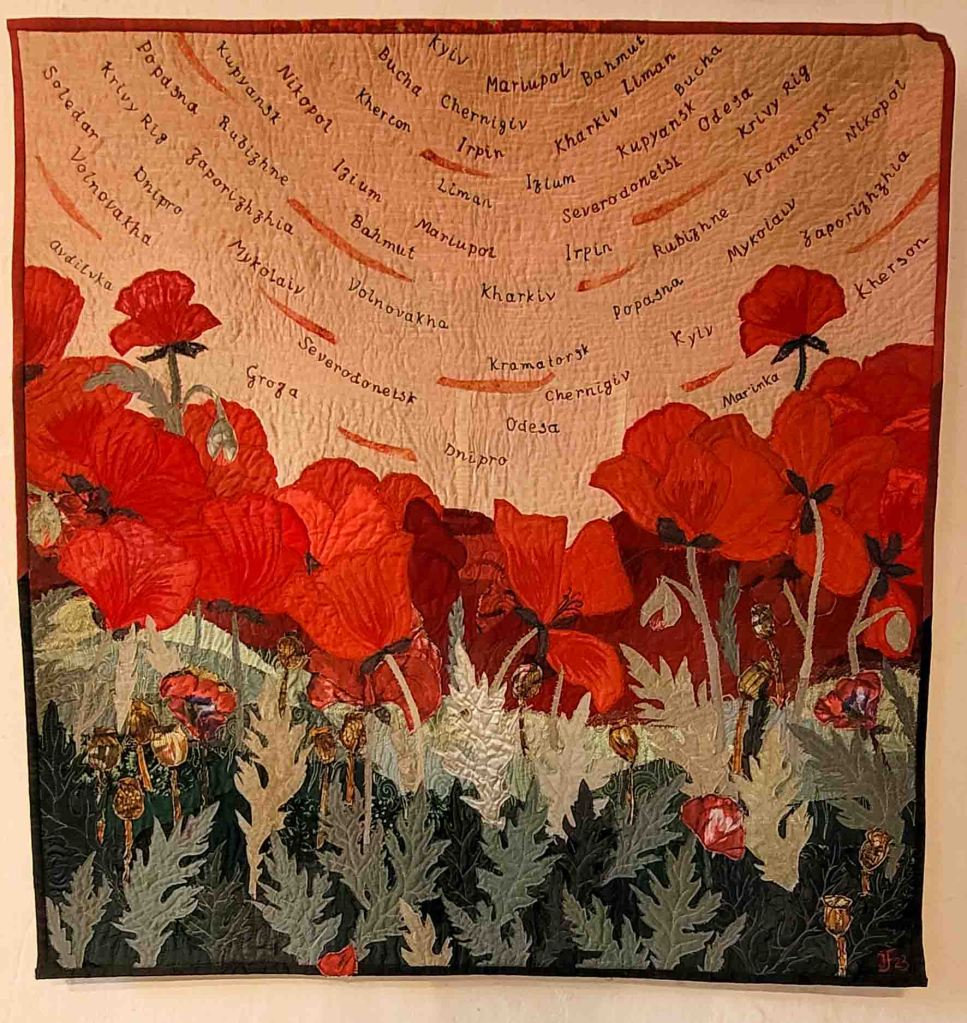
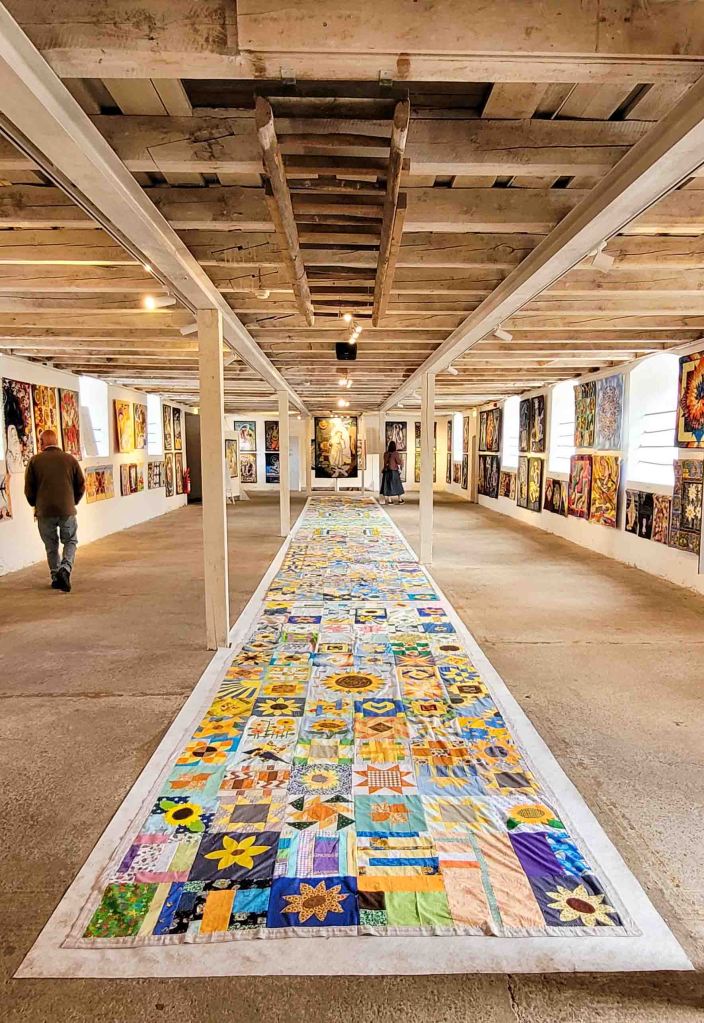
…then to a nunnery and castle for a great exhibition of Ukrainian quilt art.
As I have close contacts with Ukrainian friends, I admire their art, their resilience and ingenuity.
We had three major birthdays too in May!
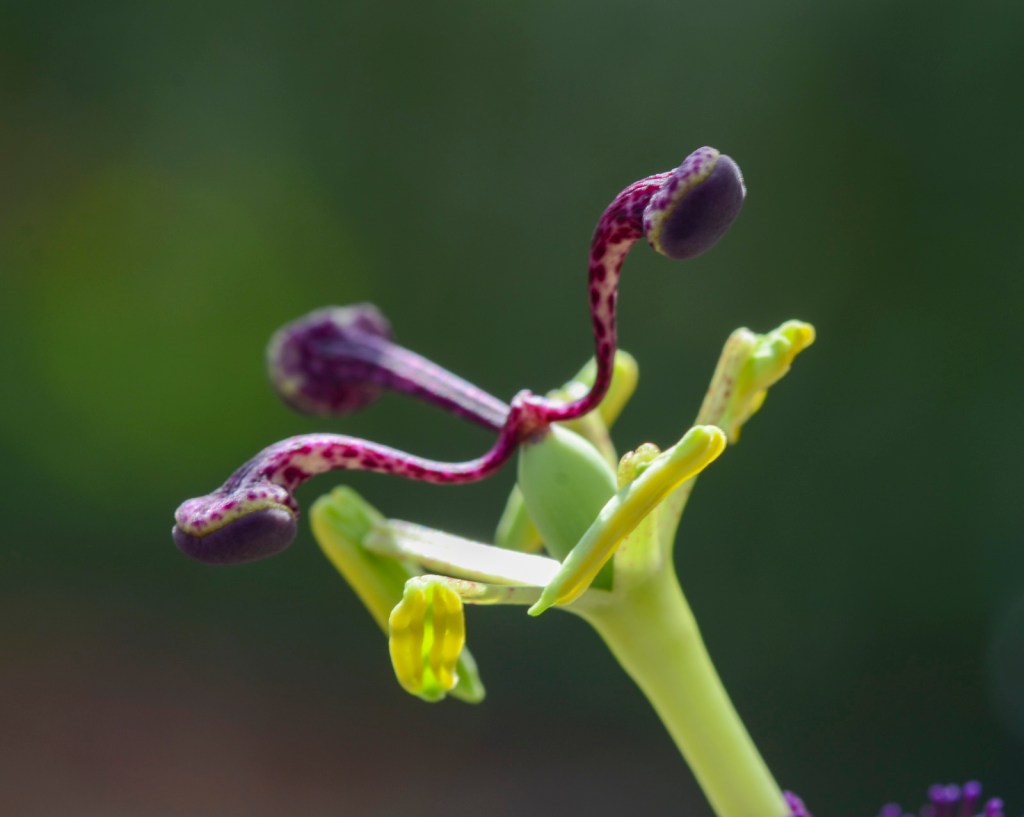
I also met an Alien…
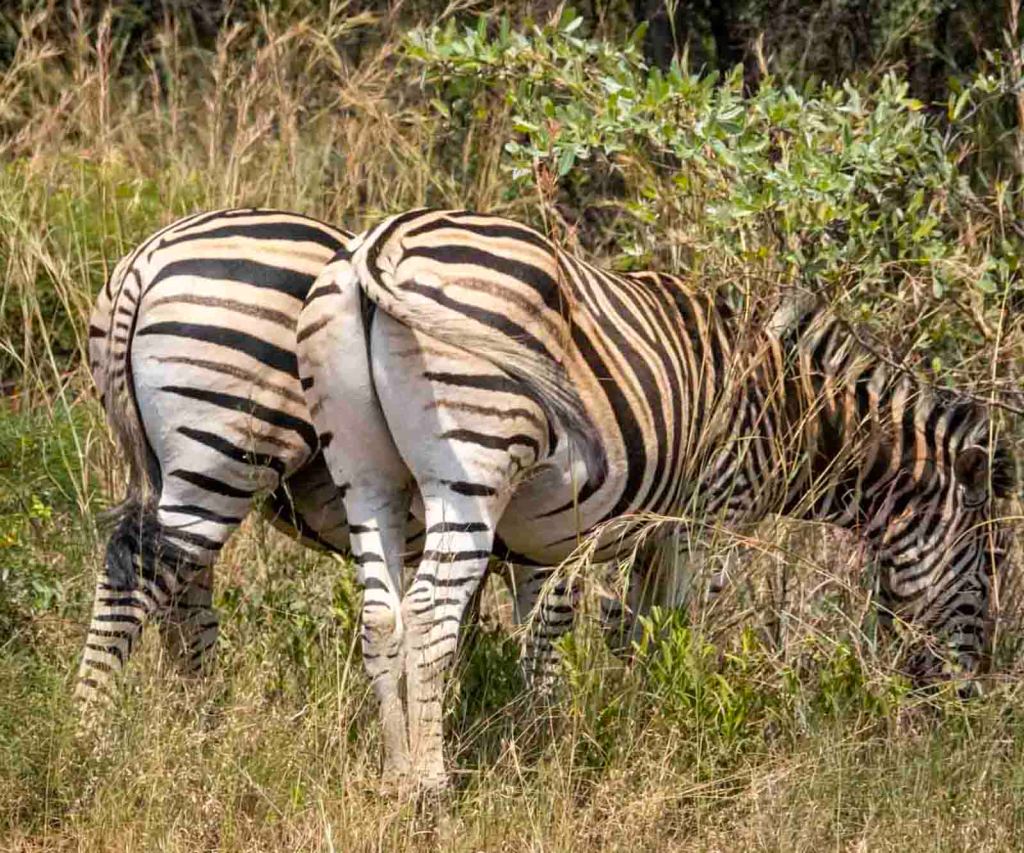
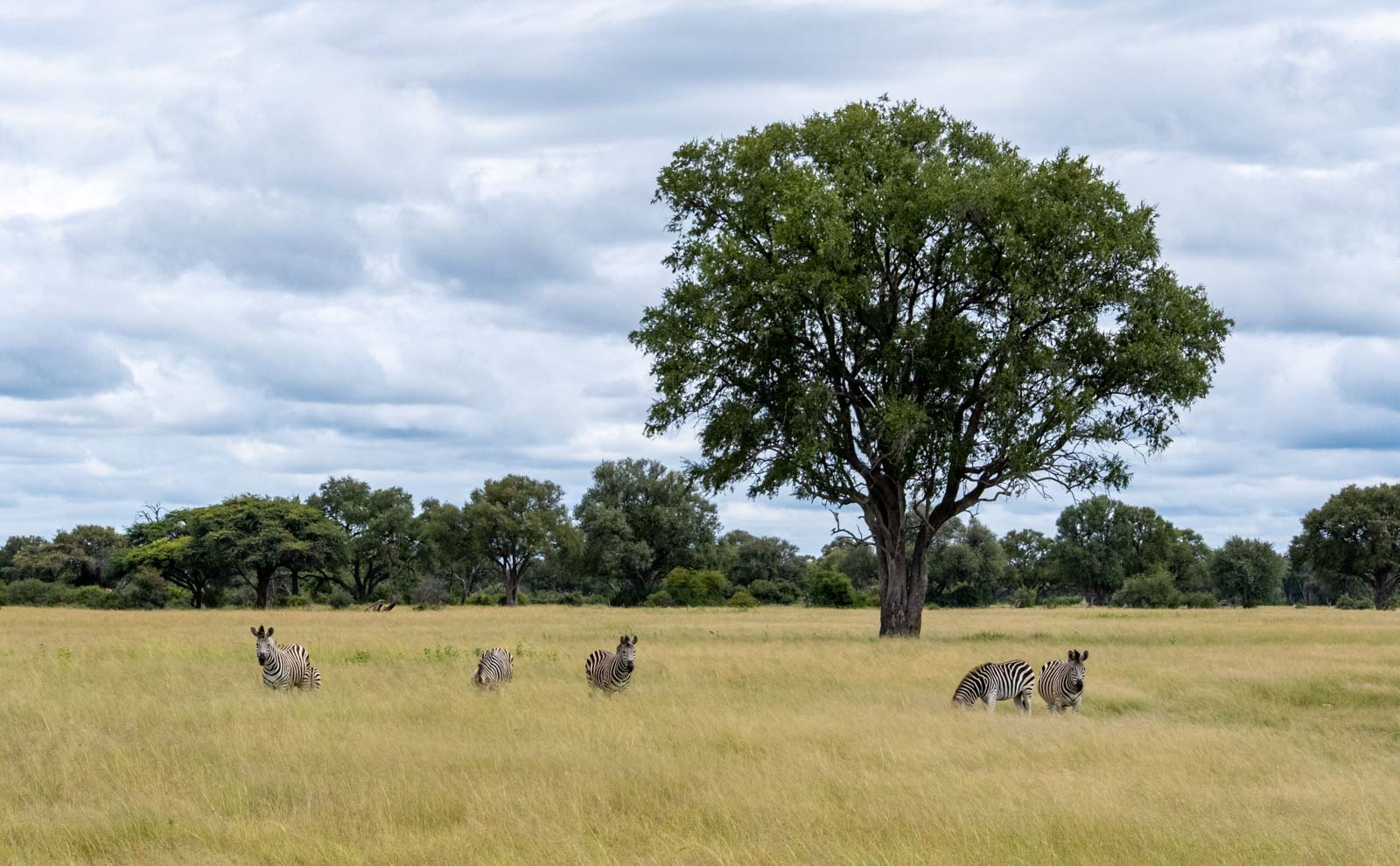
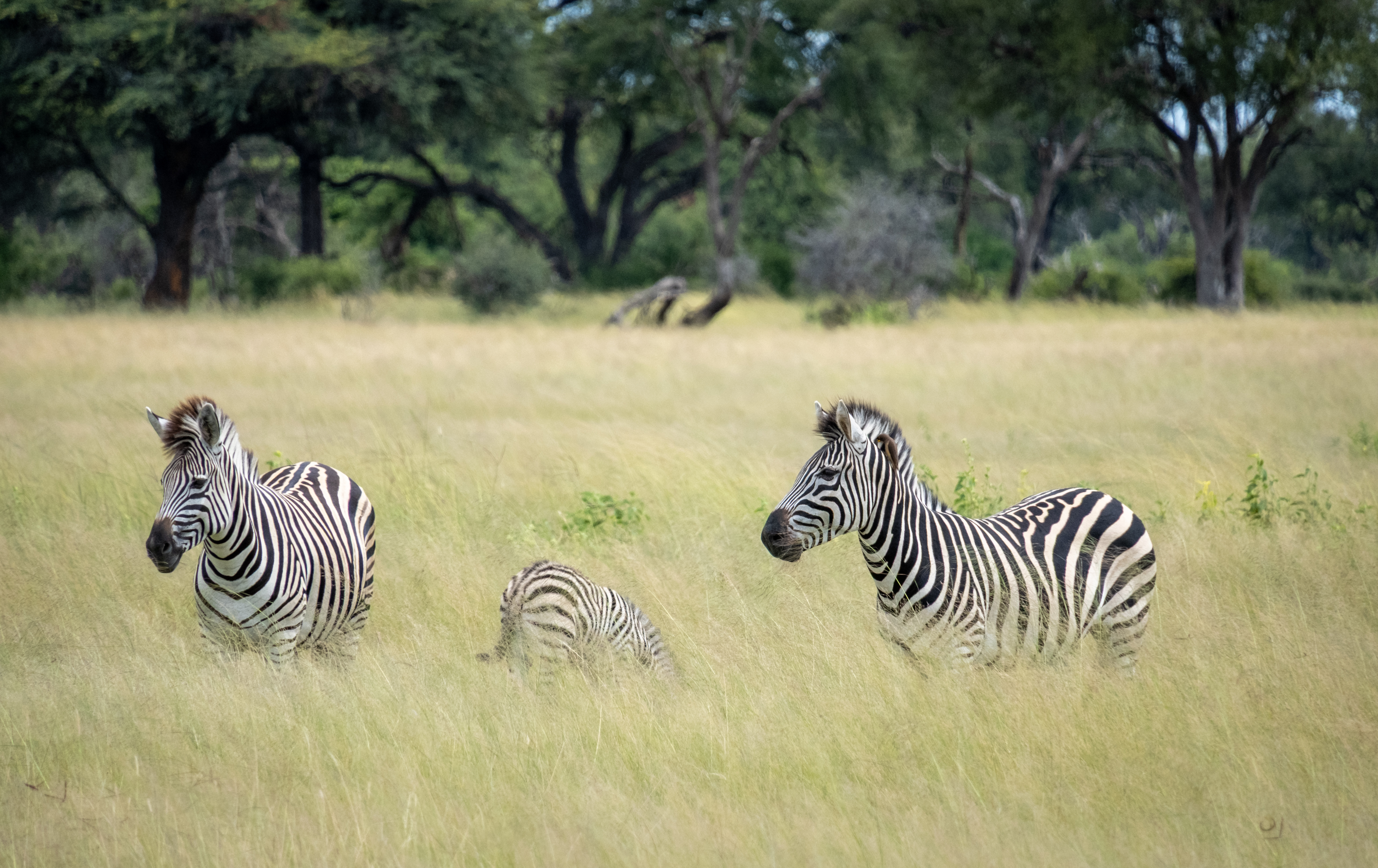
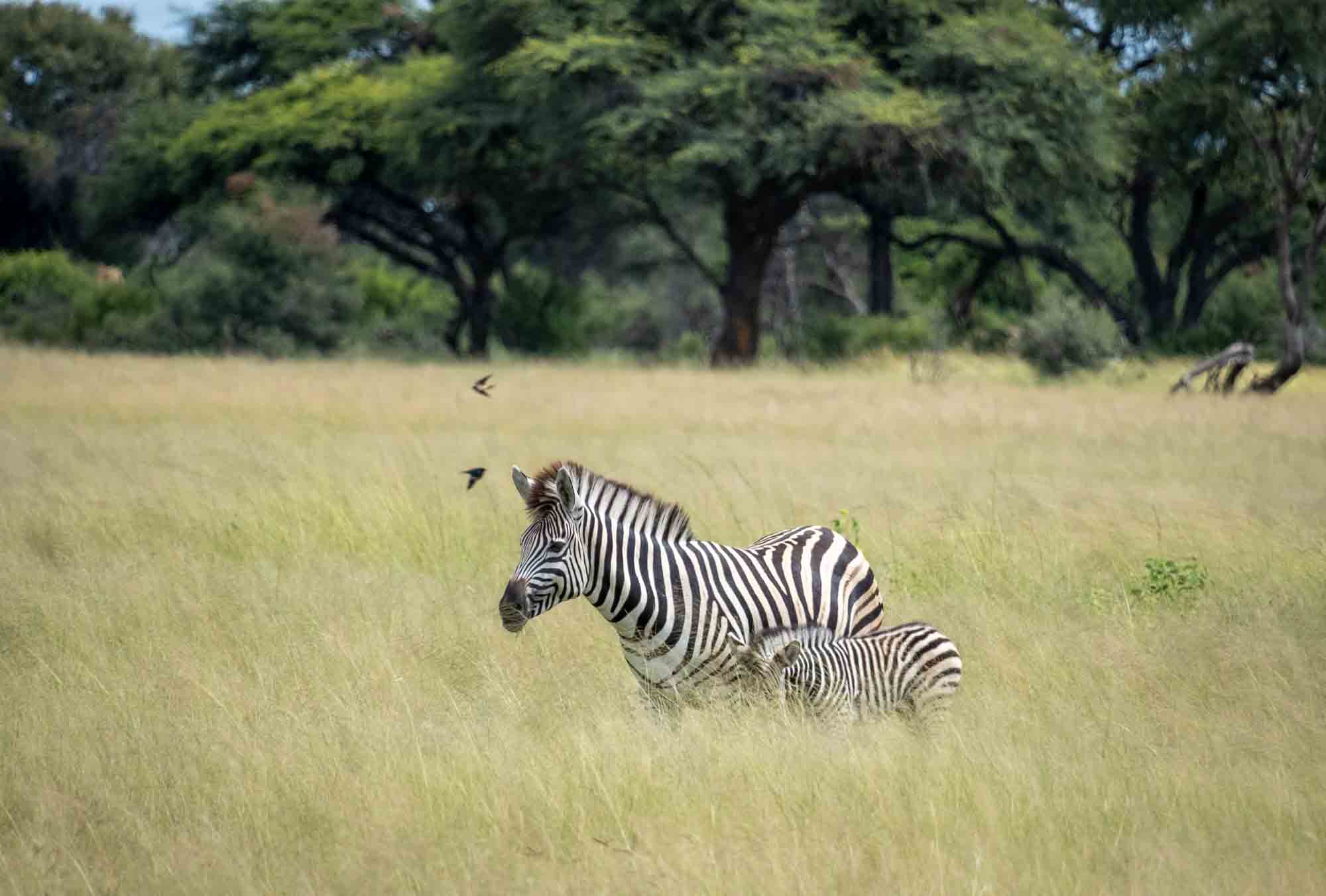
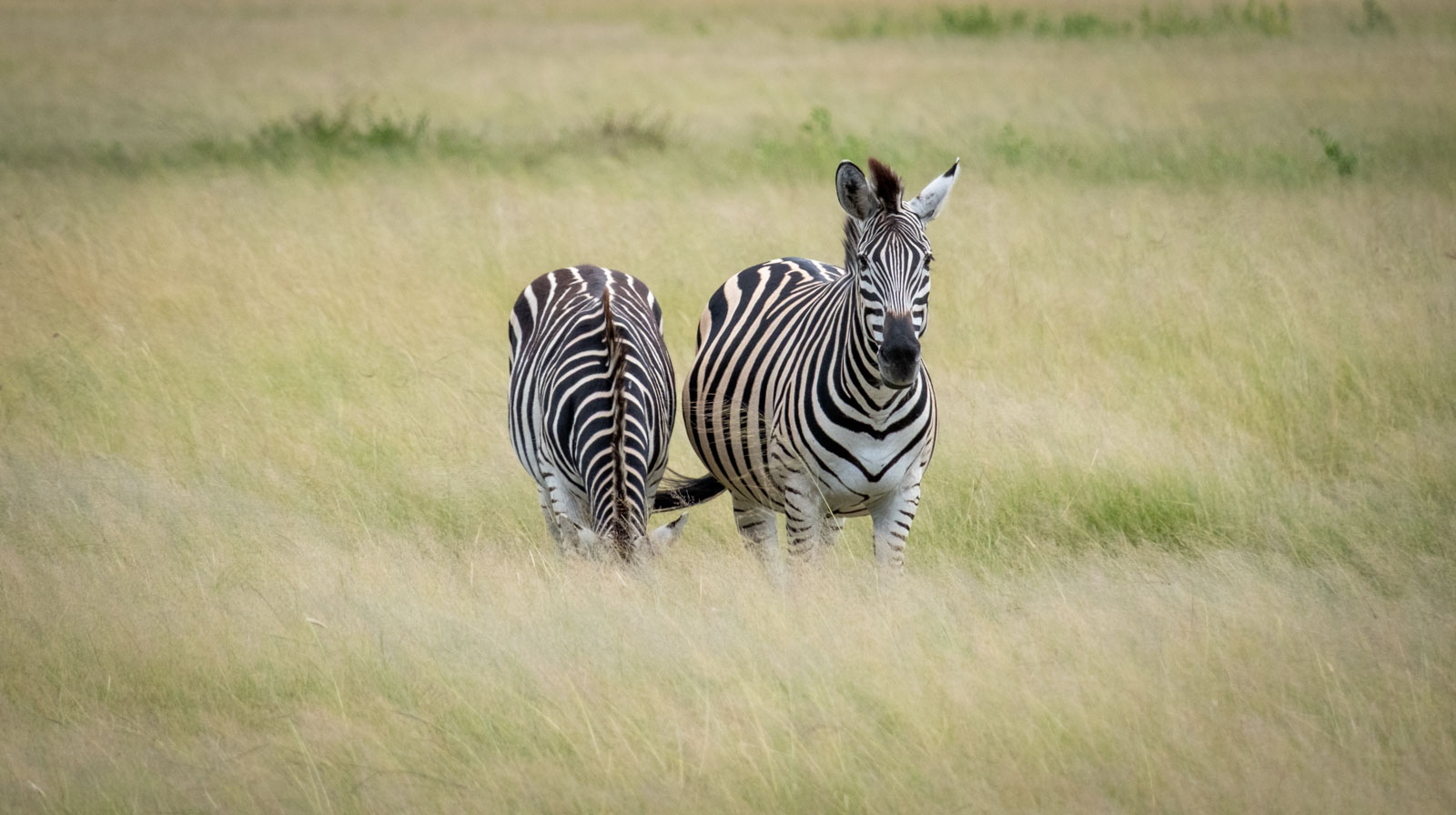
…and realized how much I love stripes…
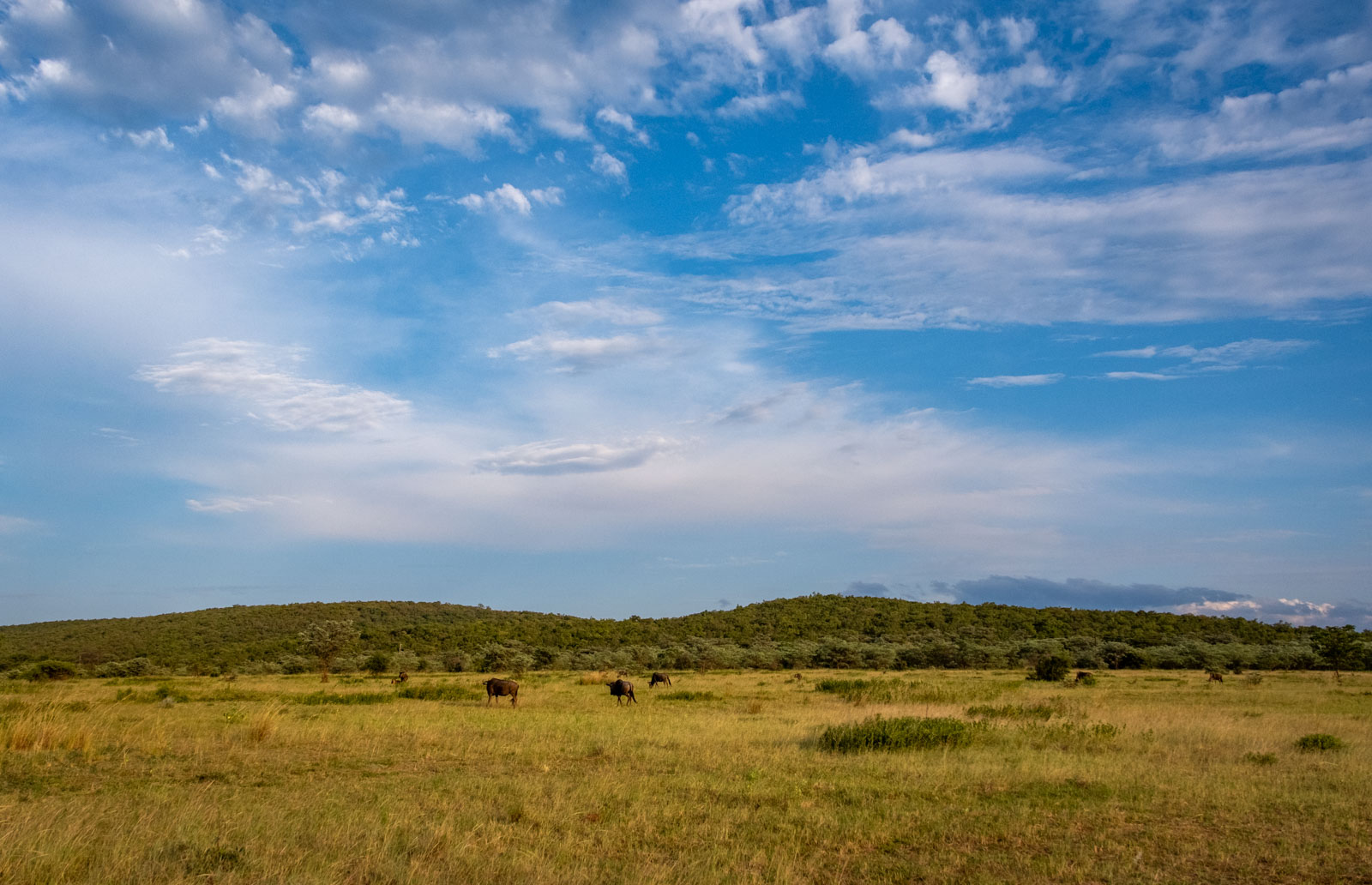
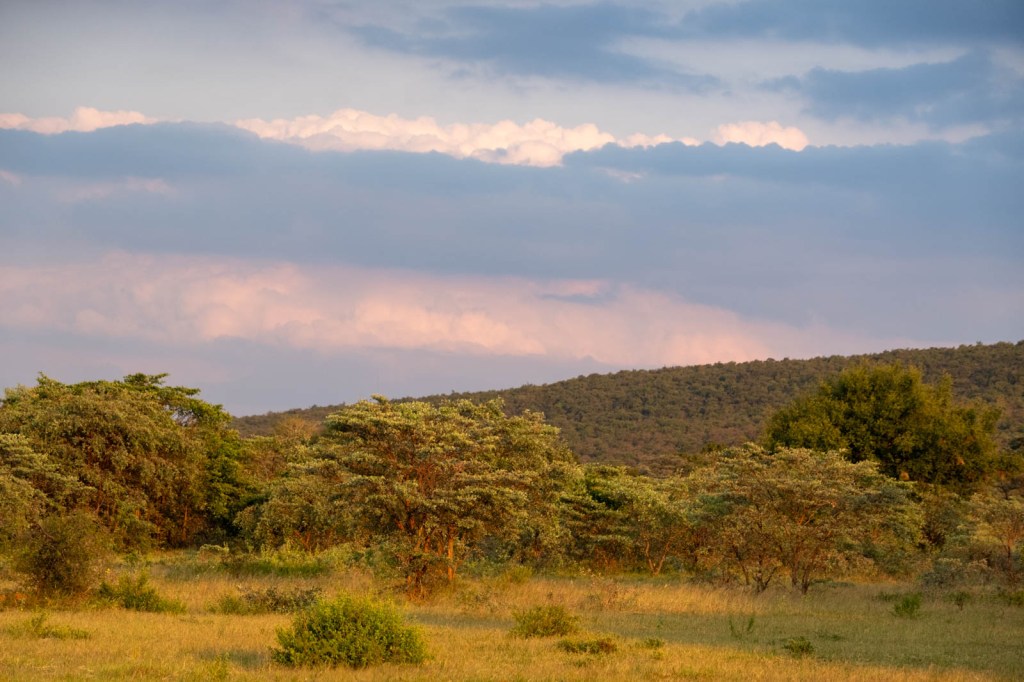
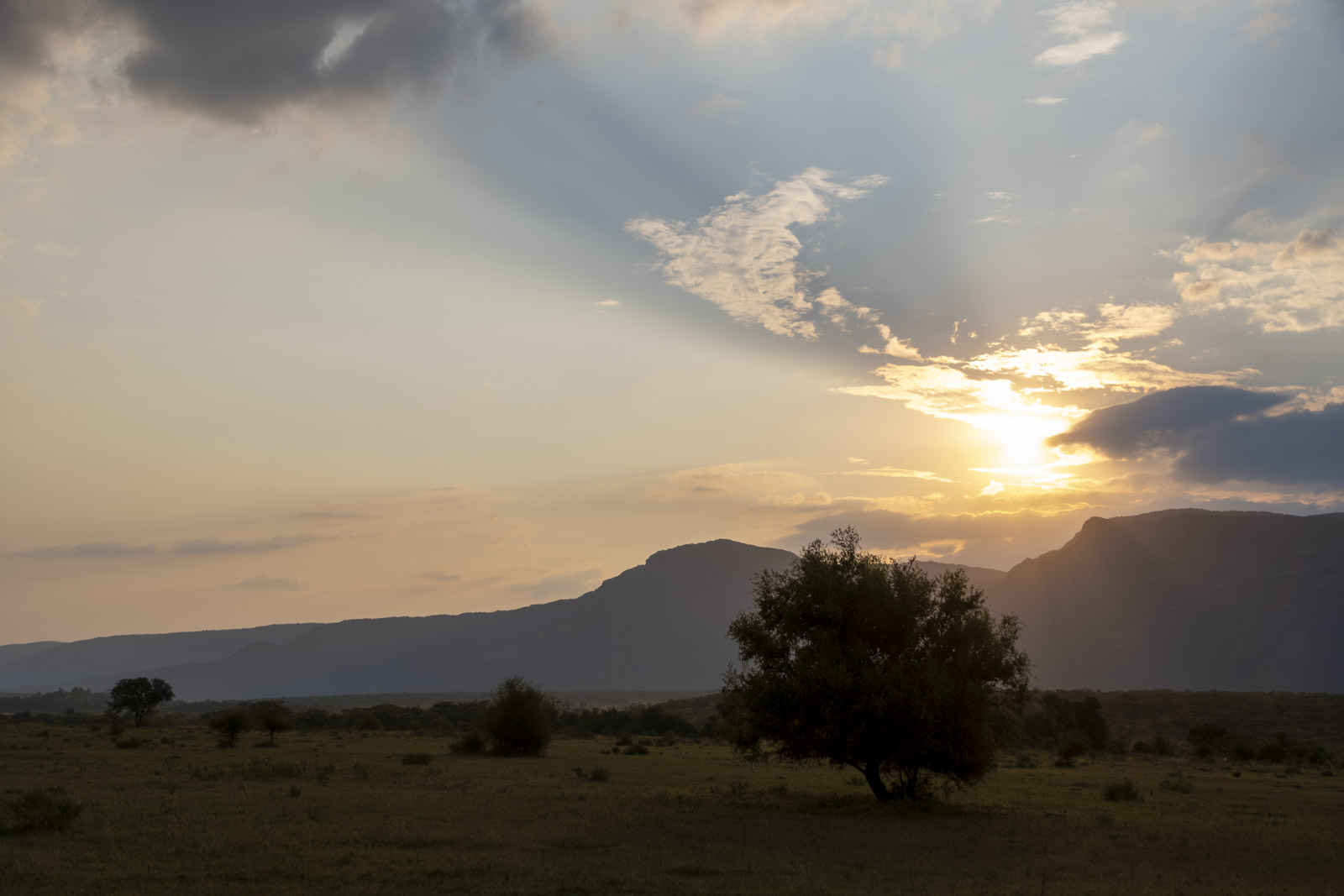
…and beautiful skies!
You get the idea? My mind is reeling with thousands of things. We also have guests living here for some days. Even if I love having all these events around, deep down I am a person who loves silence and being on my own, doing my own things. I could easily live alone in a cottage – with a dog or cat.
Anne leads us this week, with an interesting challenge: Texture. She says texture gives us the visual quality of a surface — how rough, smooth, gritty, or soft it appears in a two-dimensional image. Please go to her beautiful site for brilliant guidance!
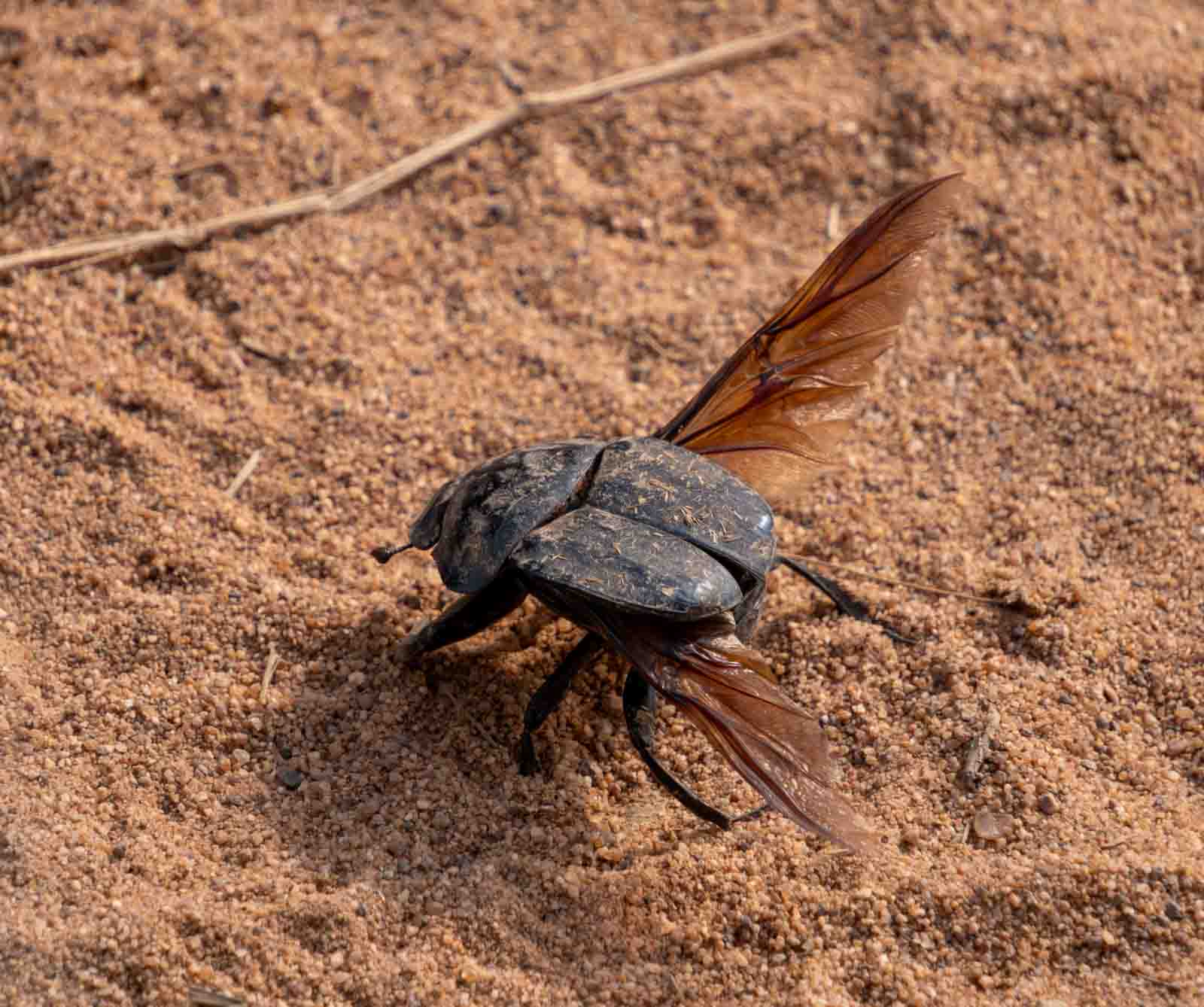
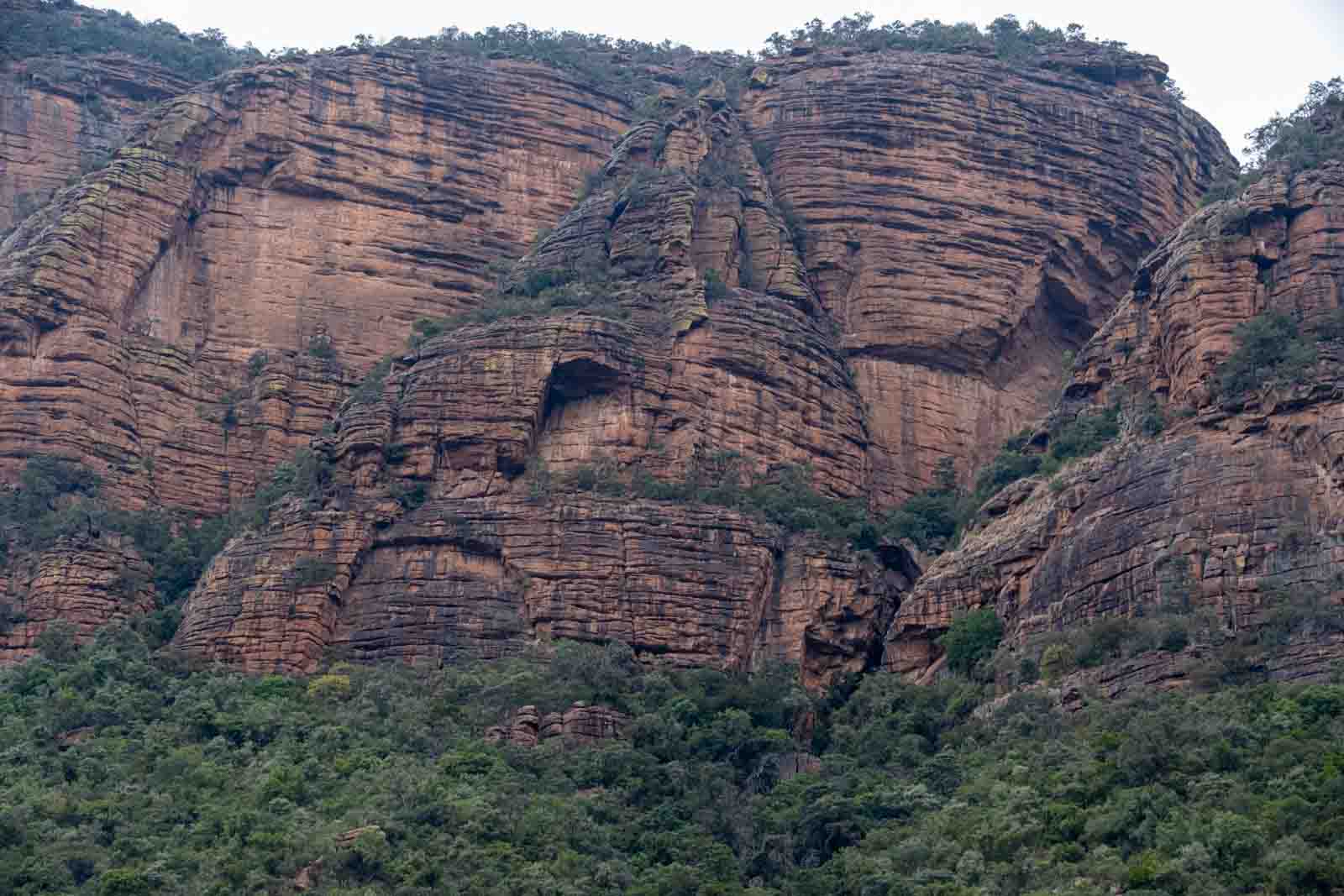
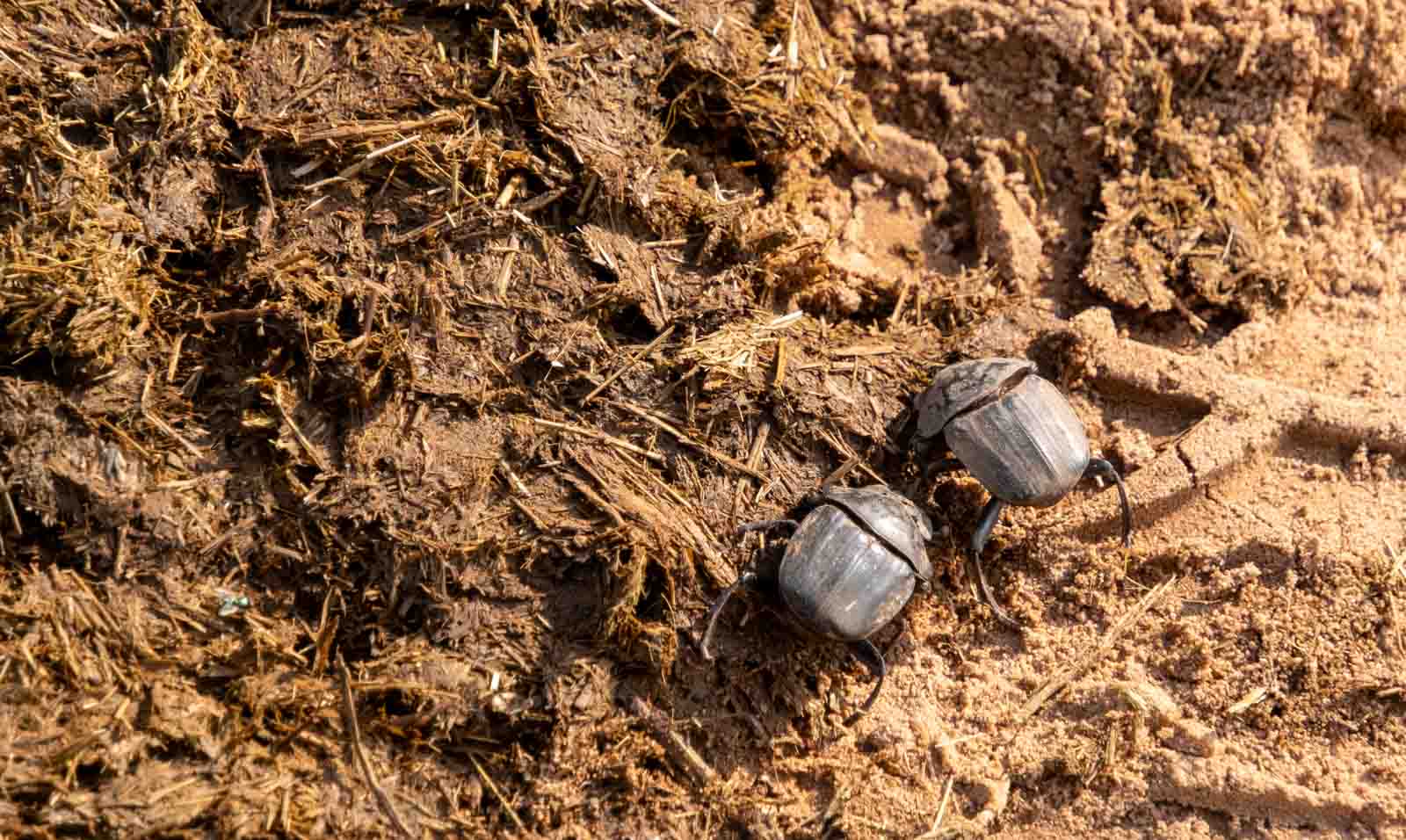
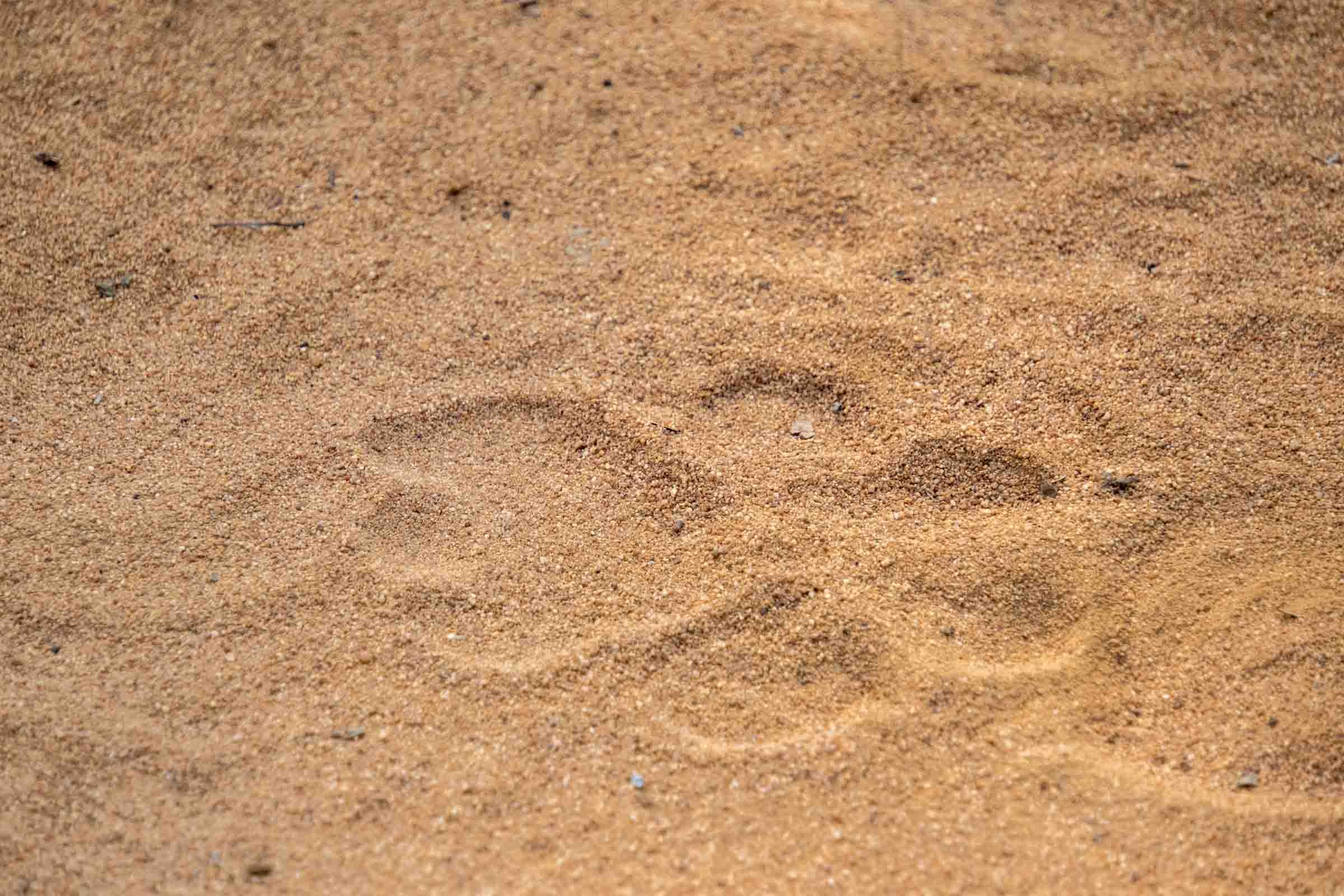
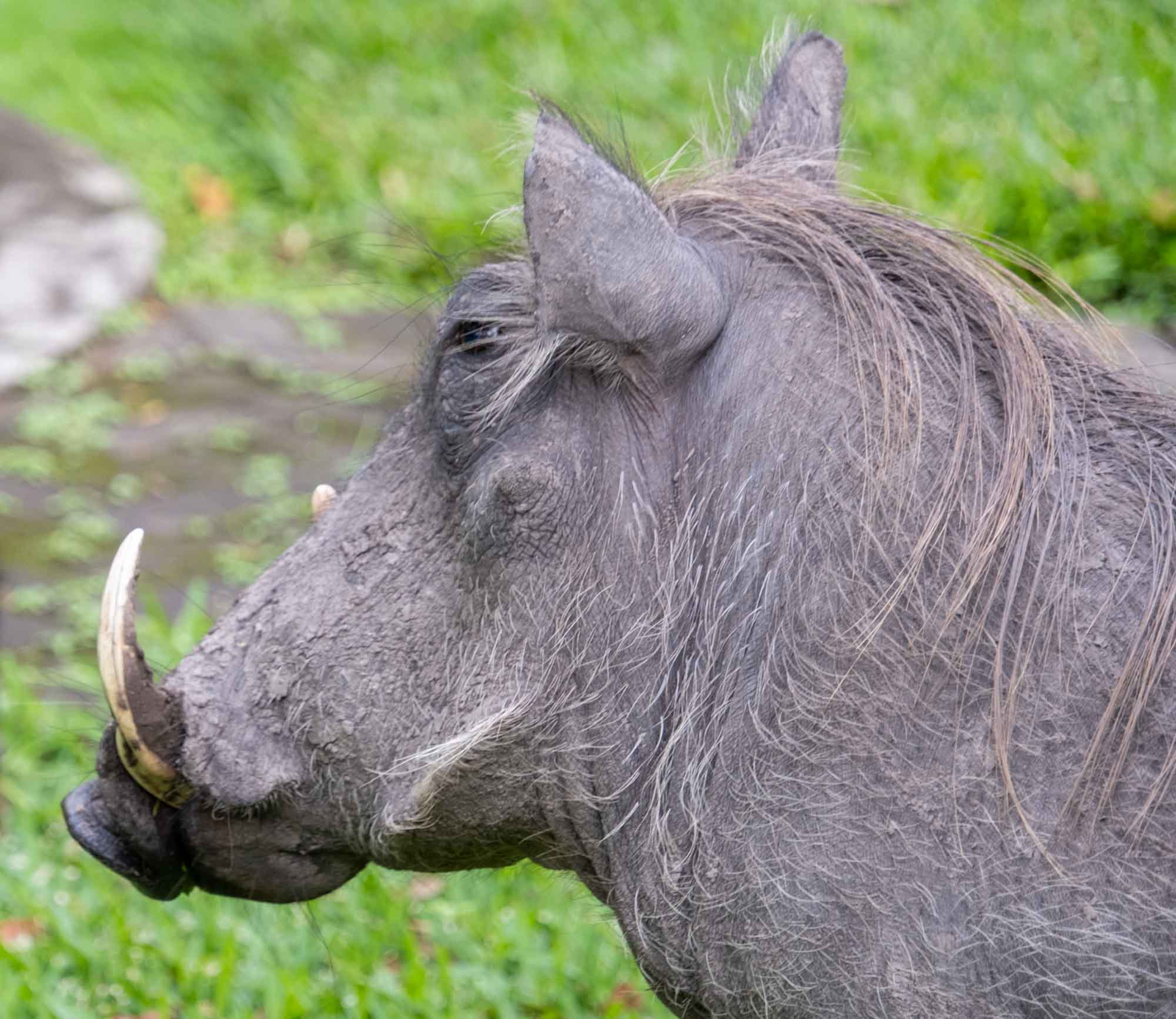
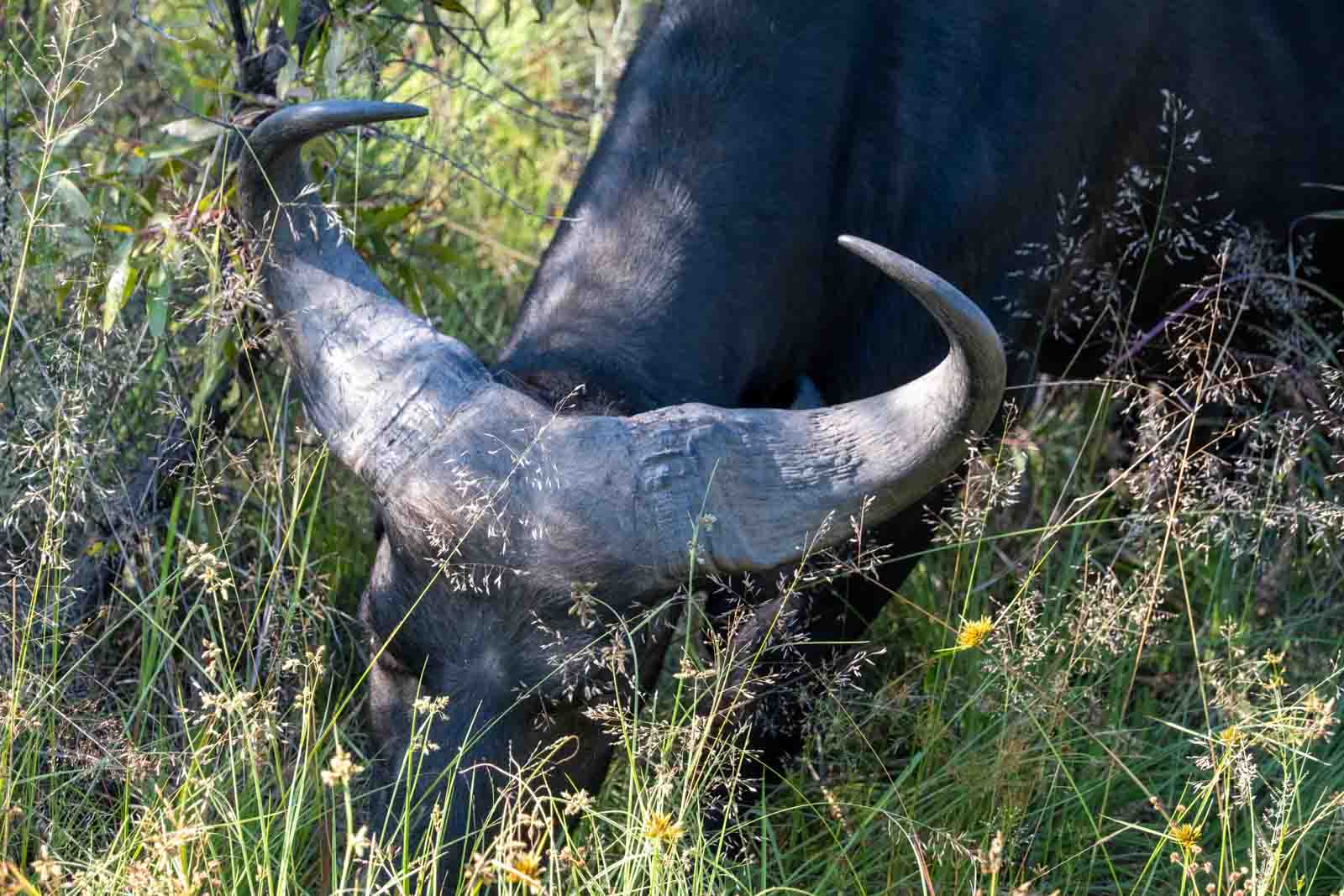
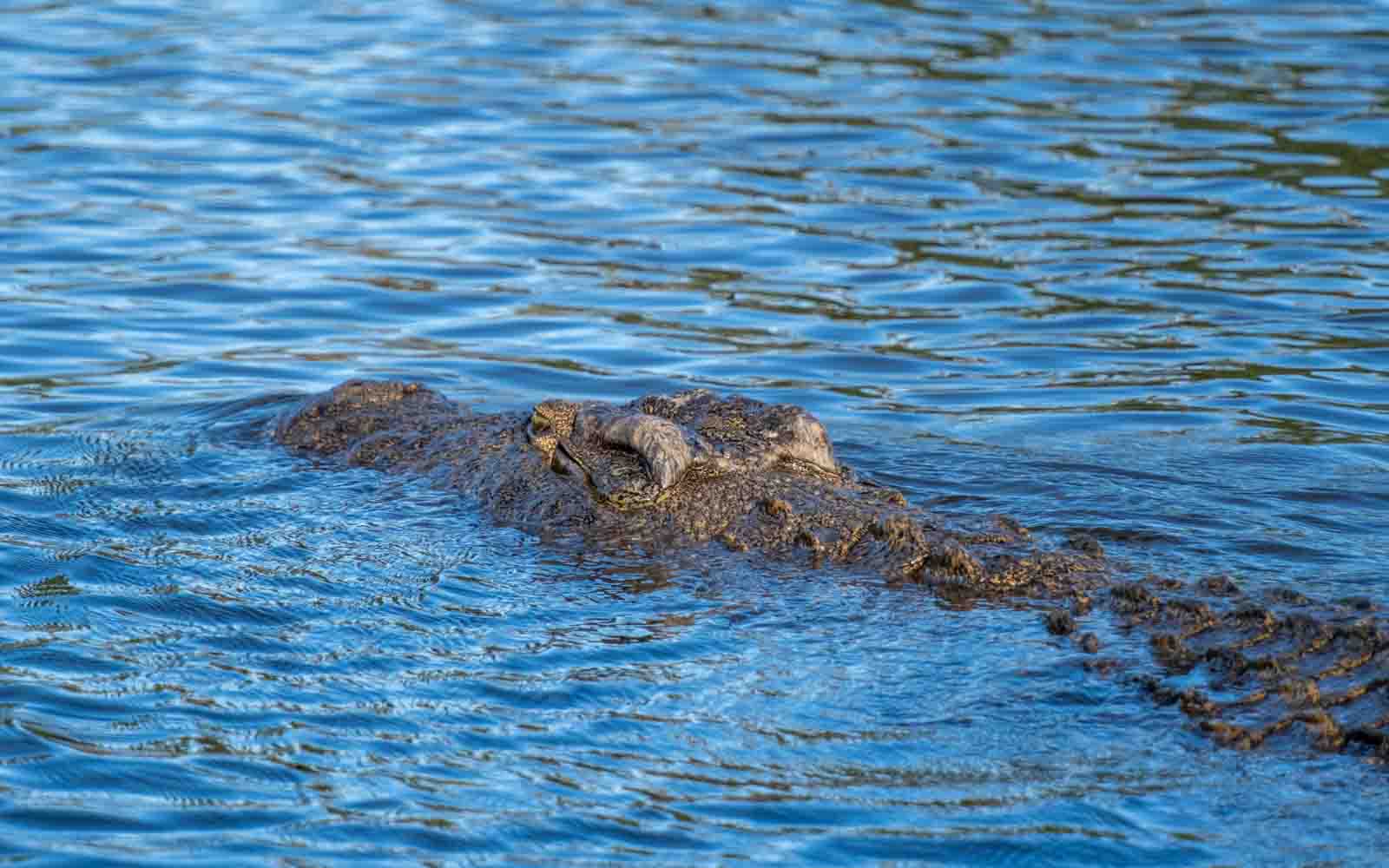
I decided to use photos from our trip to Africa this February – a continent of many textures, both in animals, plants and landscape.
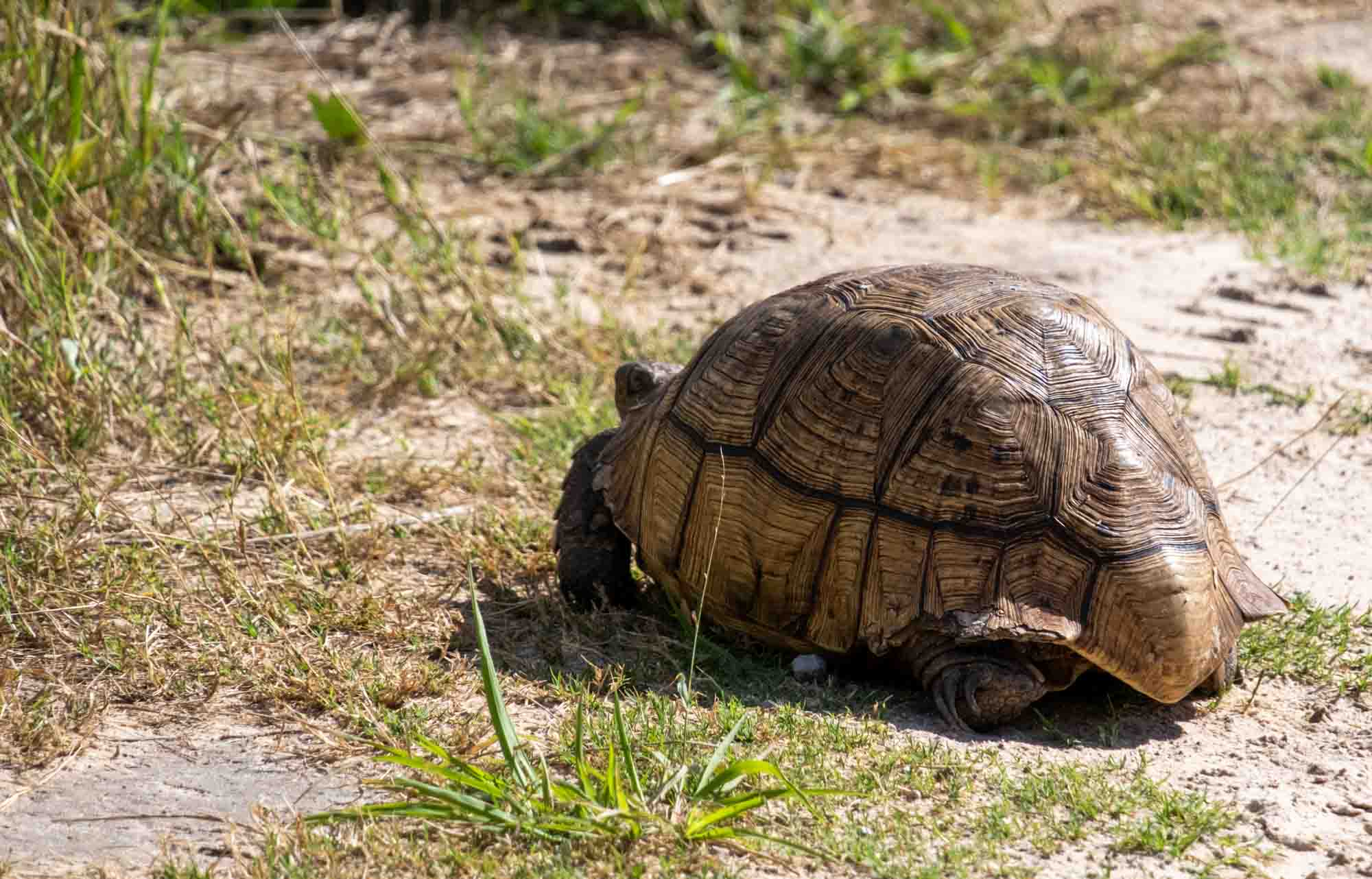
In this gallery I hope to have gathered a variey of African textures, mainly in animals. I hope you can ”feel” them! (Even if you may not really want to…)
Show us your images where texture plays an integral part. I think you will find they are more frequent than you thought! When you share your post, please remember to link it to Anne’s original post and use the Lens-Artists tag.
Last week I had great fun seeing your pairings with pictures and quotes! Many I had never seen before and many recognized but with new surprising combos. Thanks you to all who participated! Next week Ritva will be presenting the challenge. A visit to her site is always rewarding – In the meantime, stay safe and be kind!
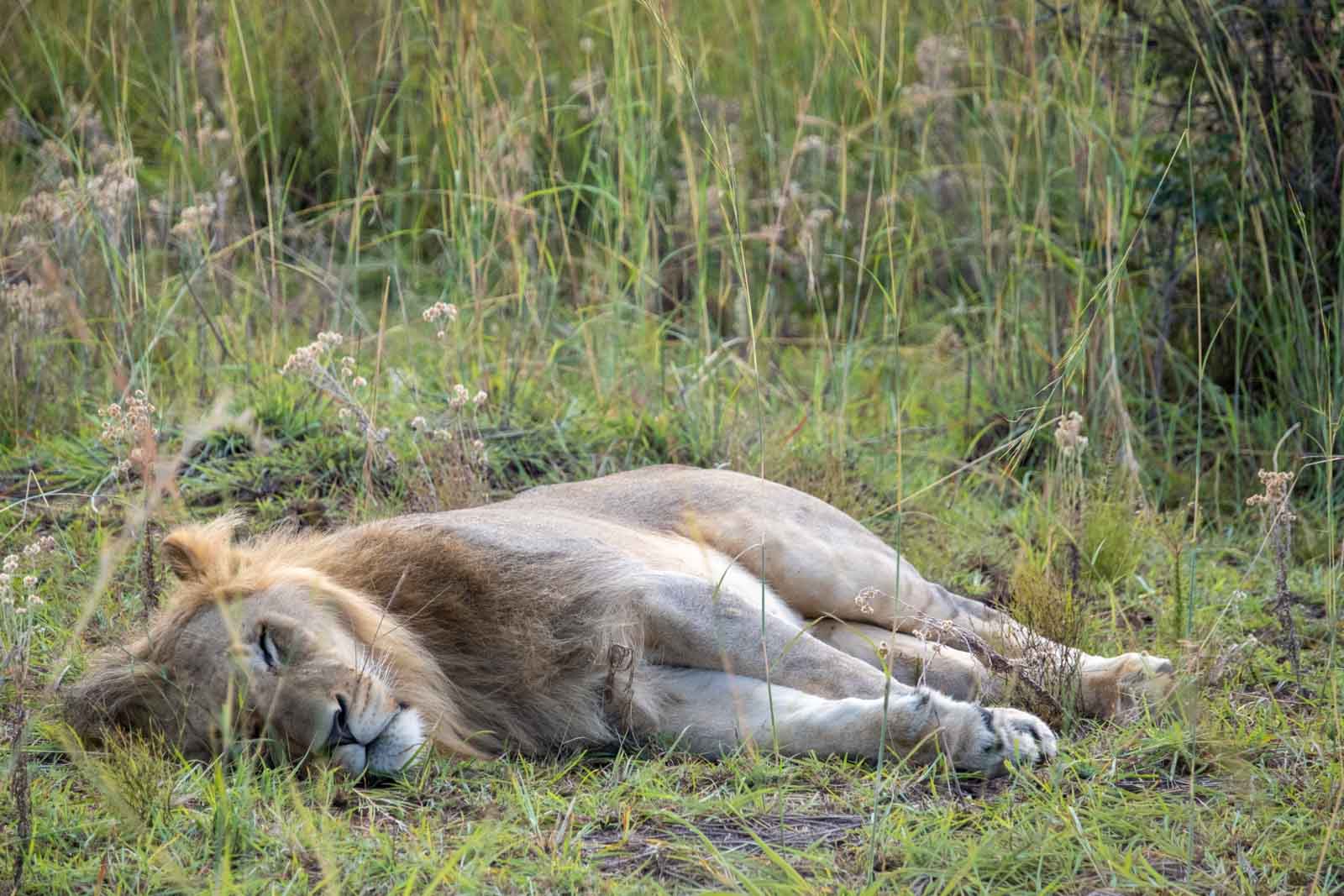
We had been waiting for the lions for several days-
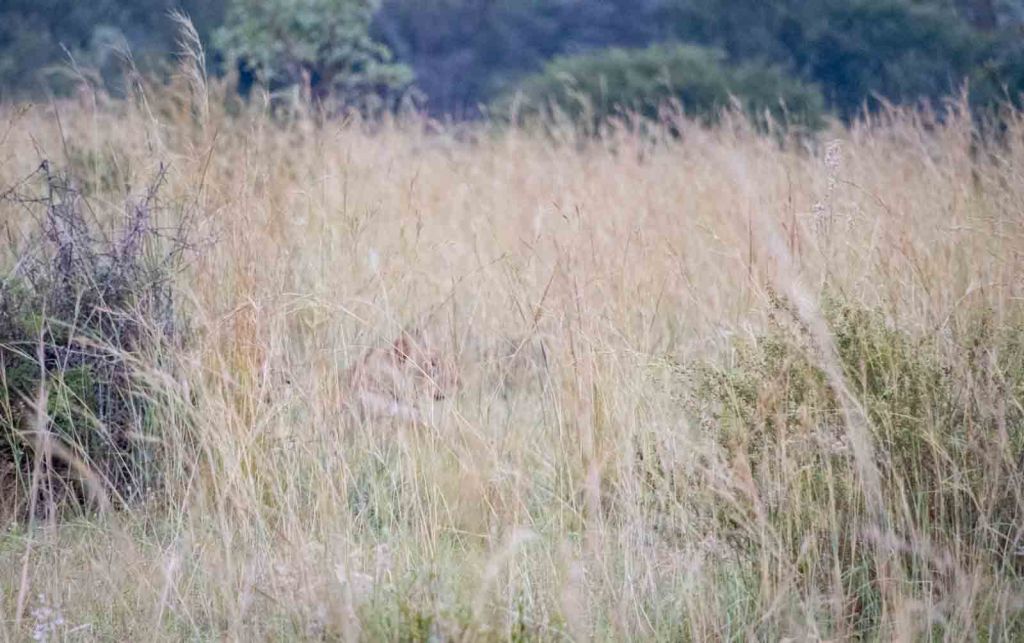
– and finally, they unveiled themselves. The wheat coloured high grass offered a perfect place to hide.
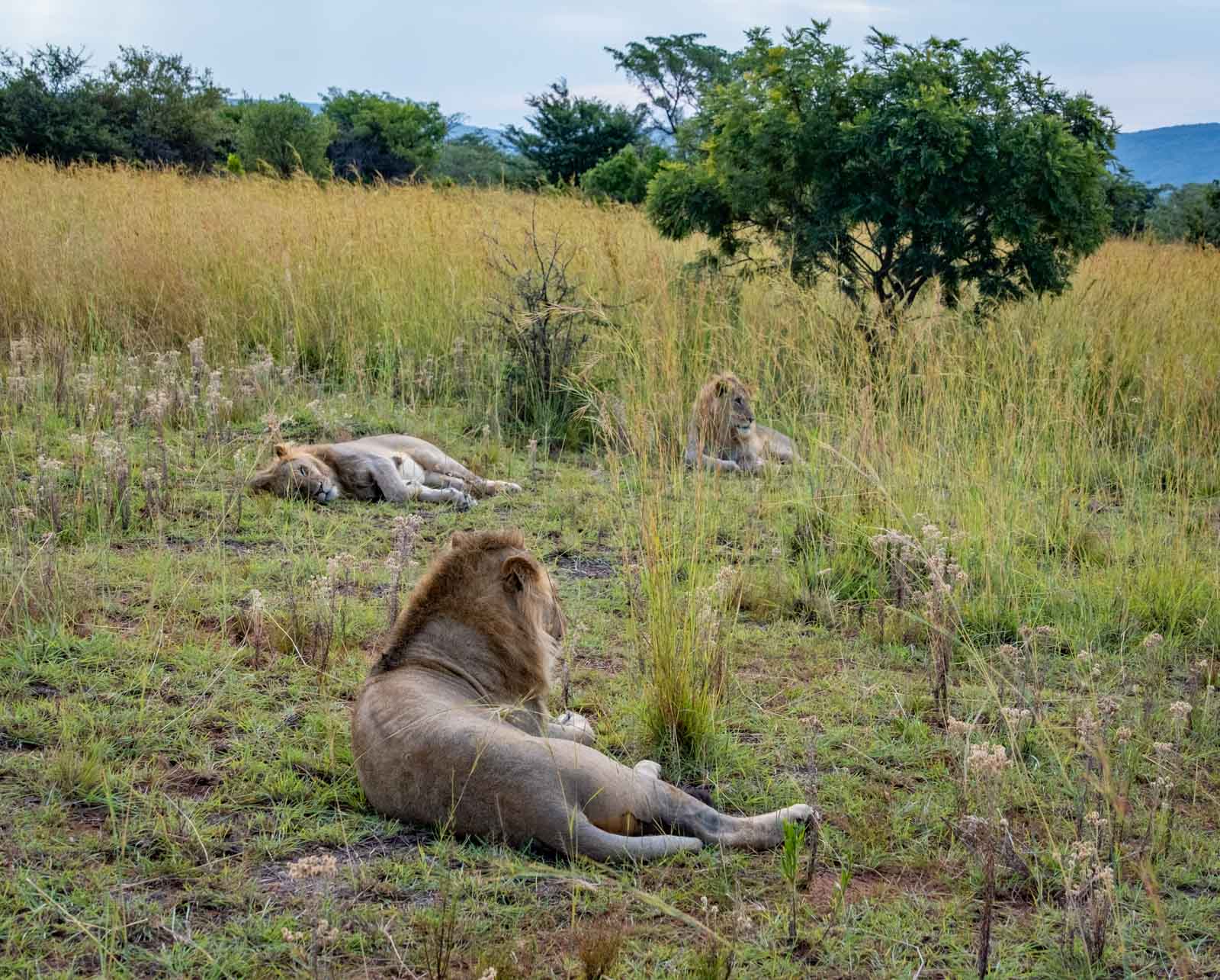
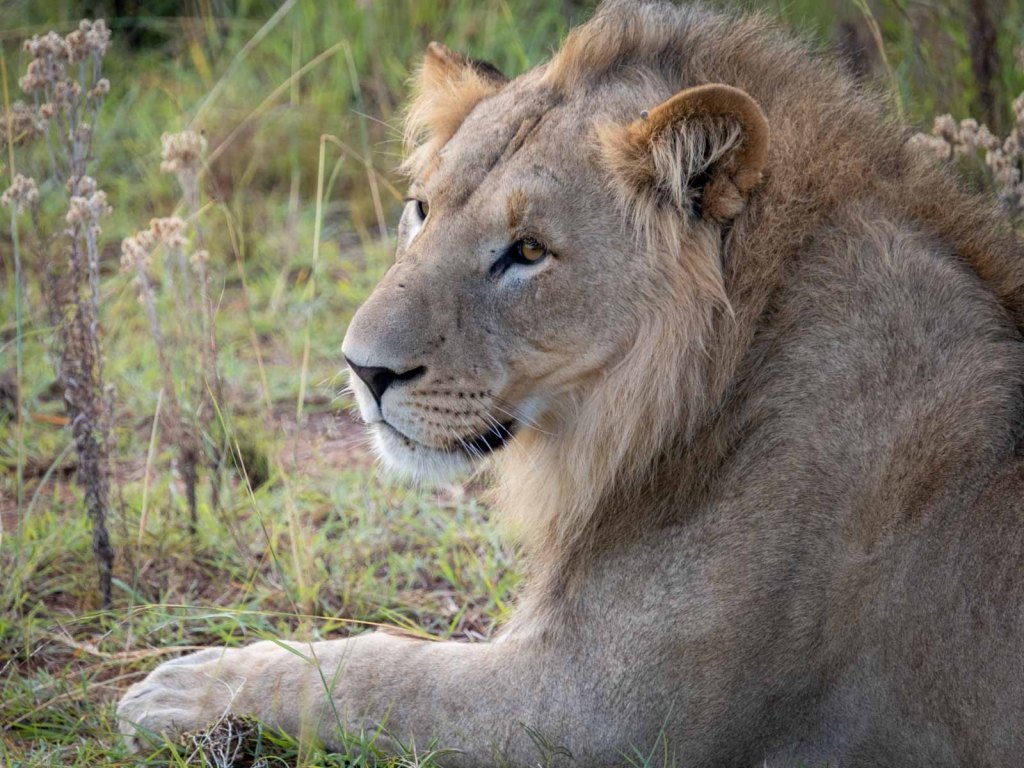
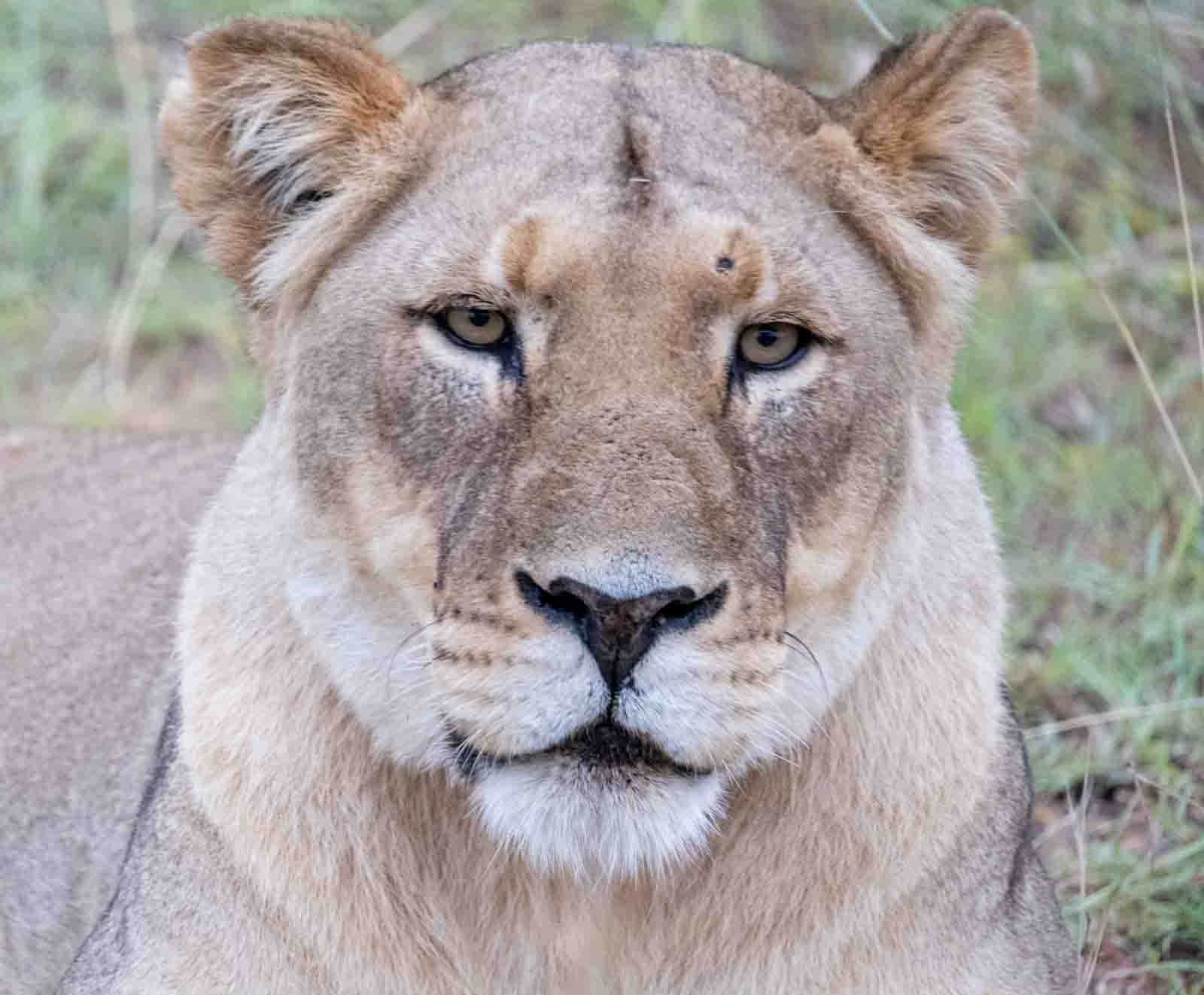
They were resting together in a group of five, and we were allowed to see them close-up. Beautiful, majestic animals. They did not seem to notice us at all, only the male in the header – who leaned his head backwards to look at our jeep. A rare meeting for me.
There were two females and three males. They looked young all of them.
Lions don’t have many enemies, but they too are afflicted by ticks, and we were warned before we did the savanna walk. In Sweden many of us are vaccinated, as the TBE is a widely spread tick-borne disease and can severely afflict your brain. You can even die from it.
Lions are such beautiful big cats, our respect for them is great. They looked so calm and relaxed lying there together in the grass,
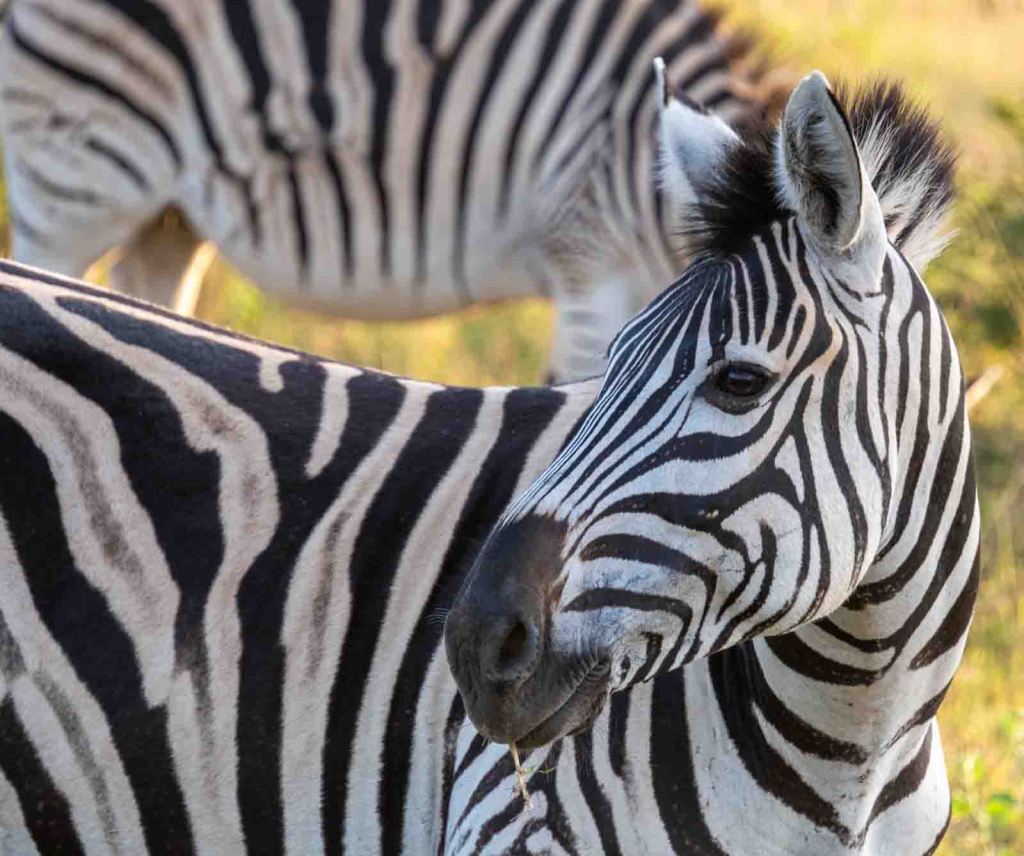
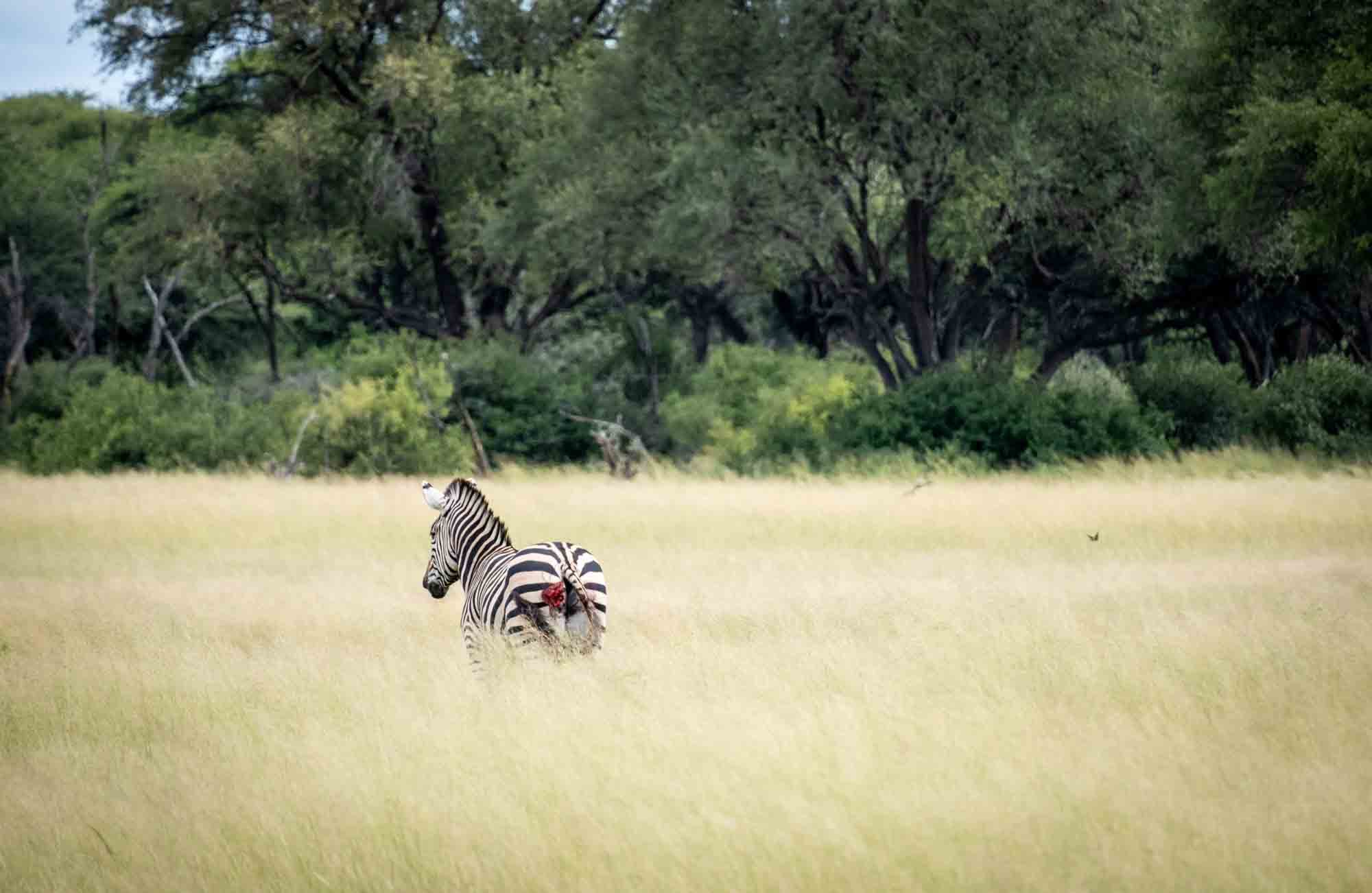
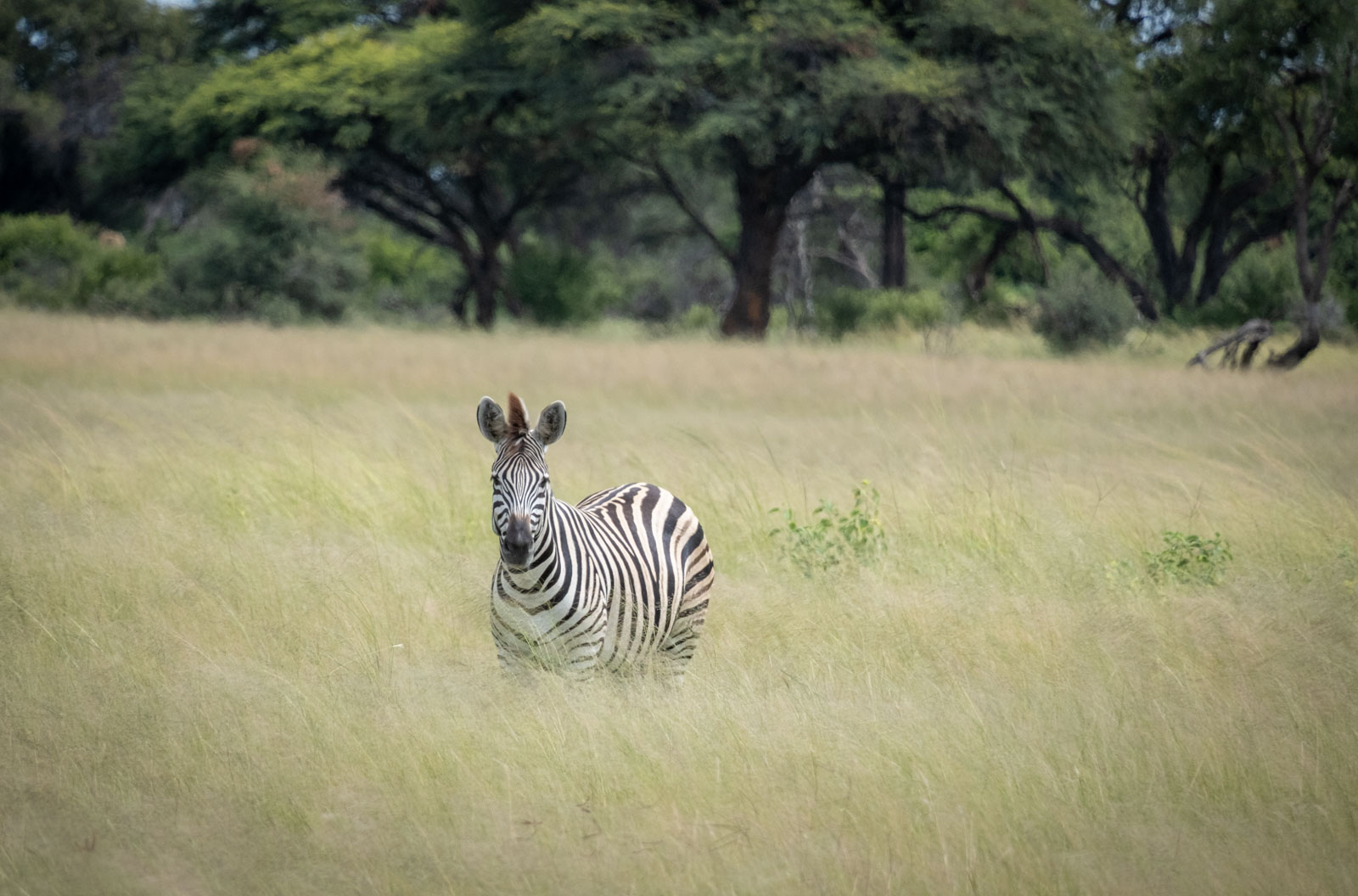
…but only some days before, this zebra must have had a narrow escape, maybe from a lion. I guess he had defended his heard. Successfully…I hope.
Living on the savanna is not easy. For us, short visitors, it is an adventure. Thank you for coming along today, meeting the big cats – and their prey. I find zebras mezmerisingly beautiful, like pieces of art, and I think scientists still don’t exactly know why they have their stripes or how they use them.The leading theory seems to be Biting Fly Repellent. Flies cannot easily land on striped things as the pattern disturbes their ability to navigate properly.
Next week I will tell you about the two cheetah brothers. We met them twice.
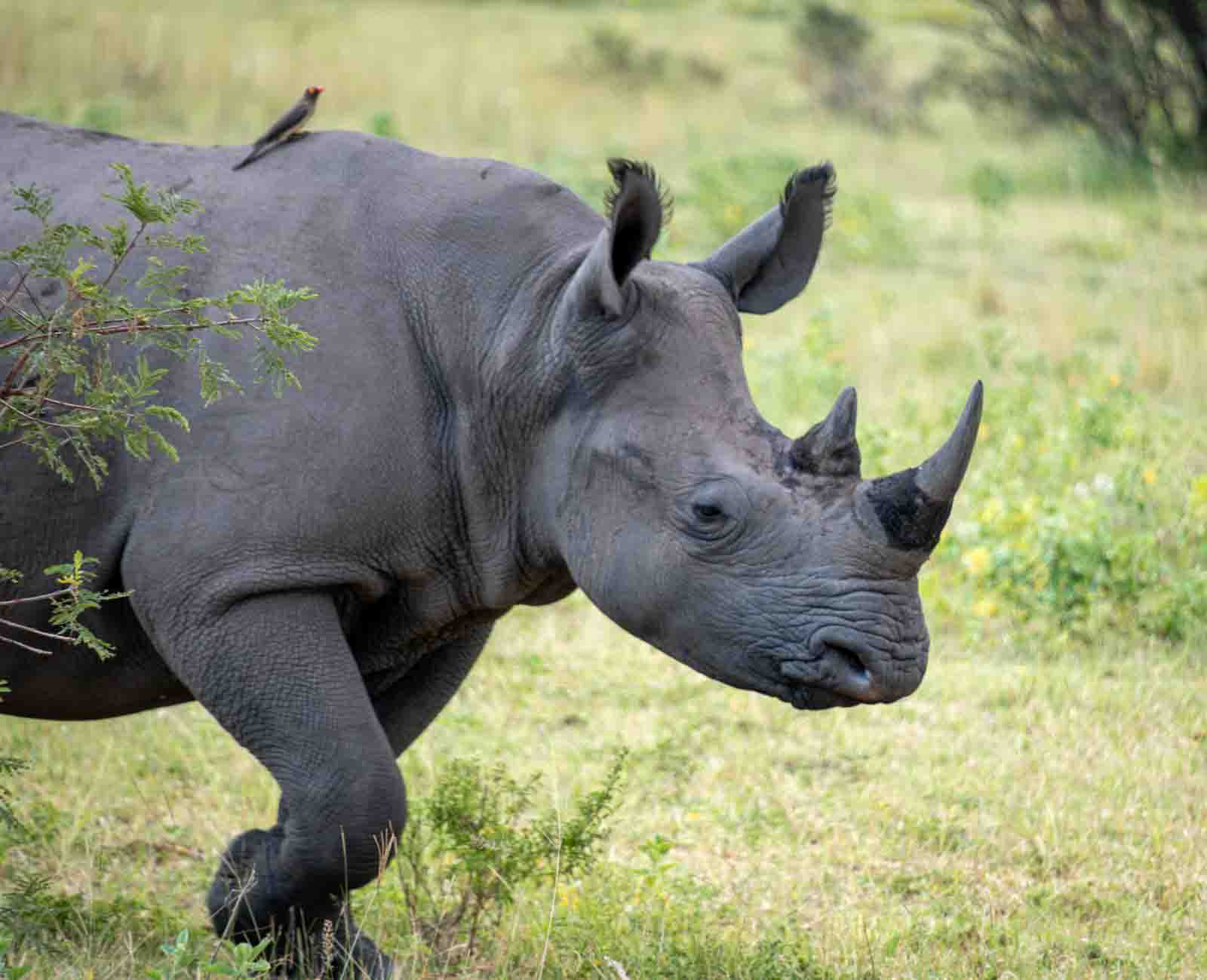
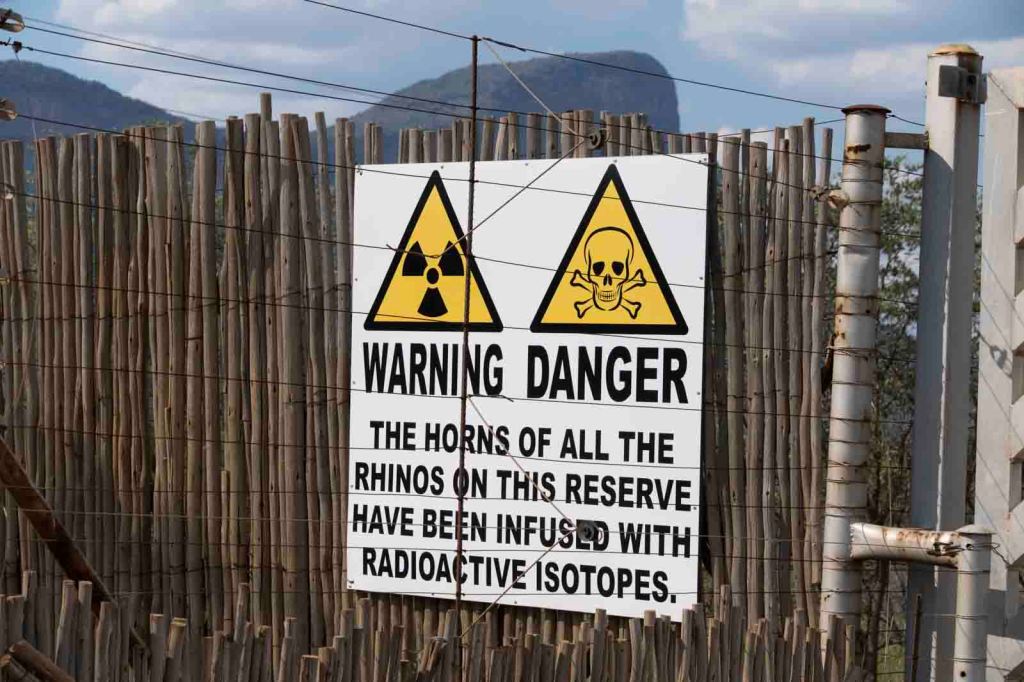
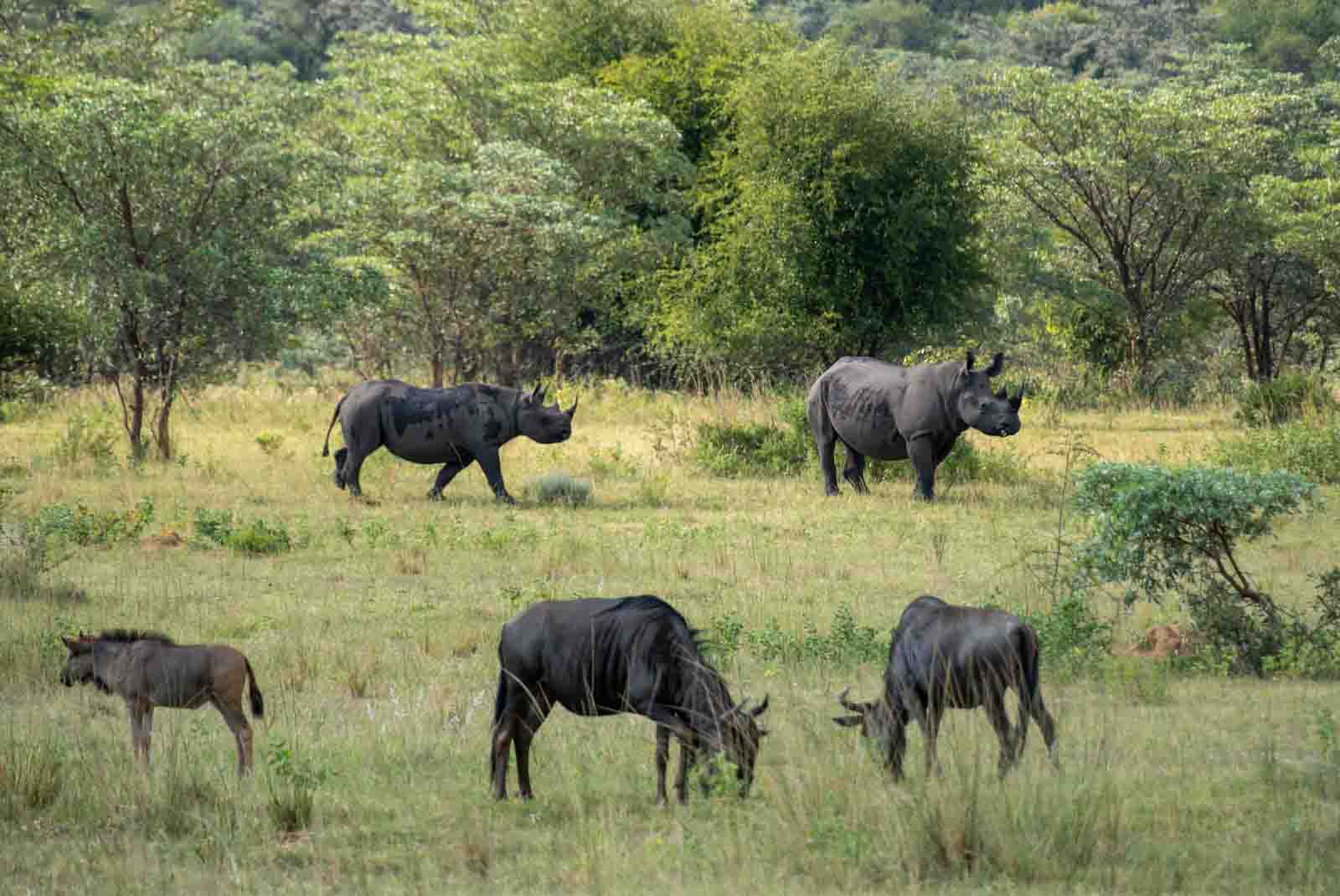
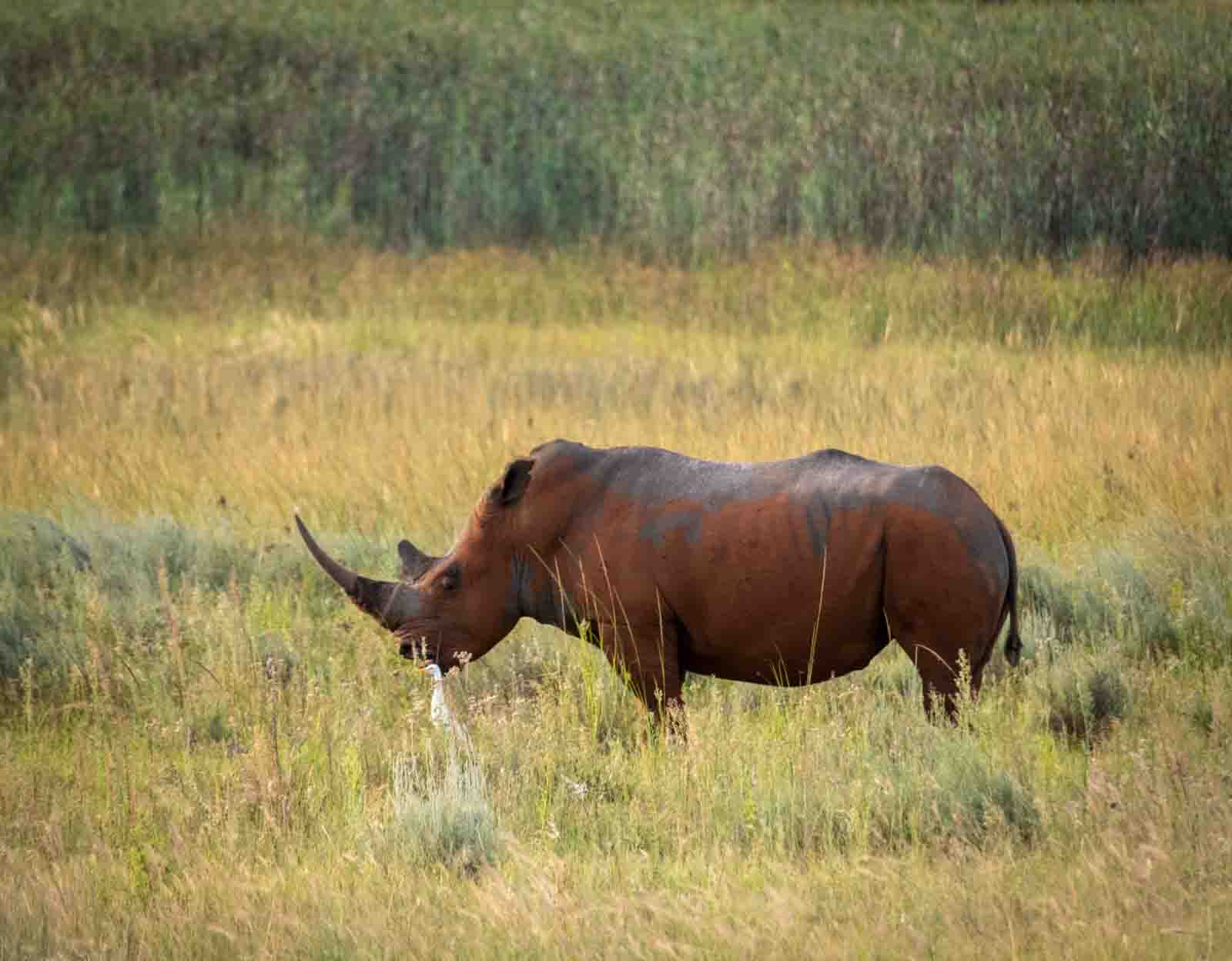
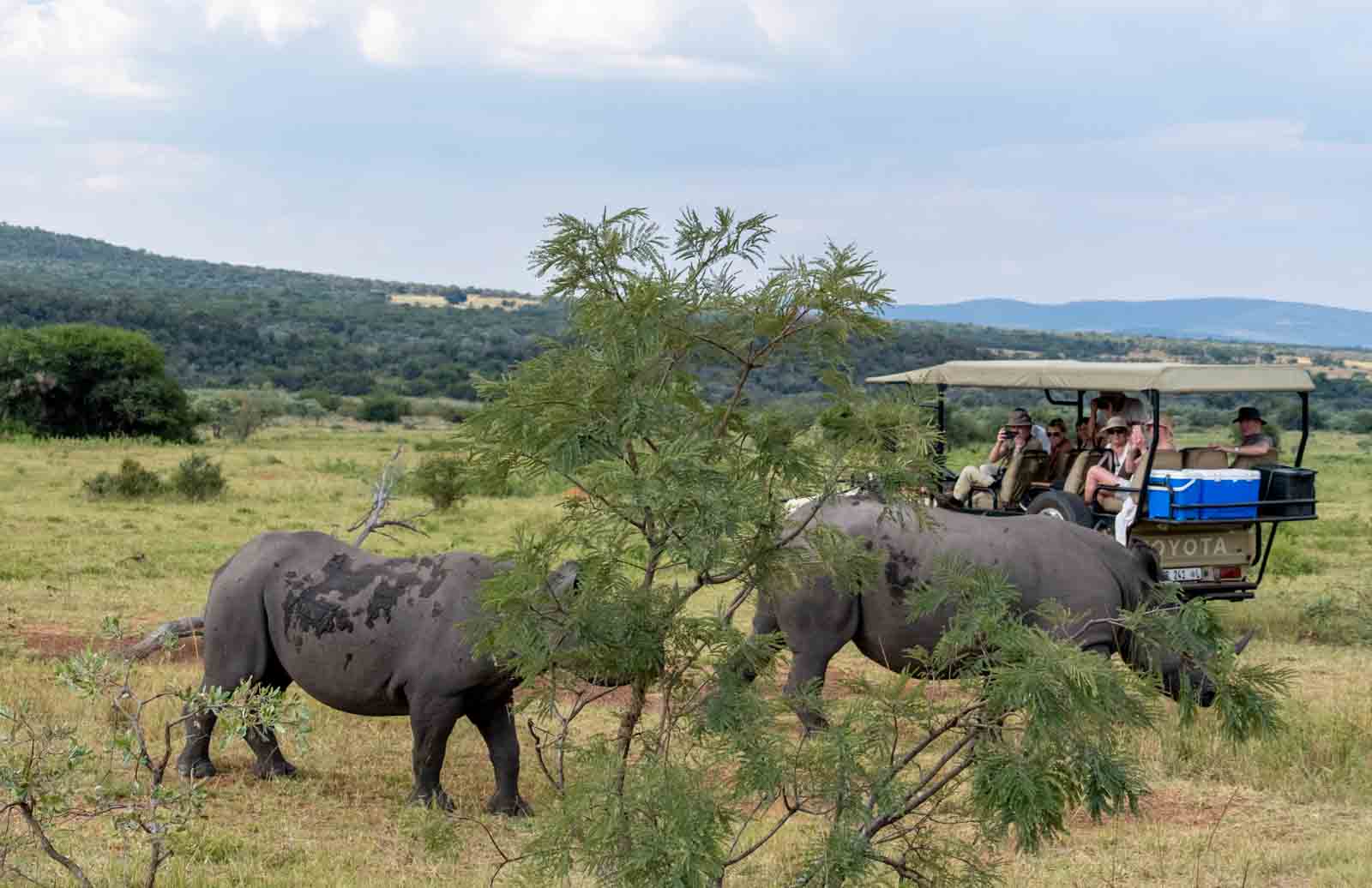
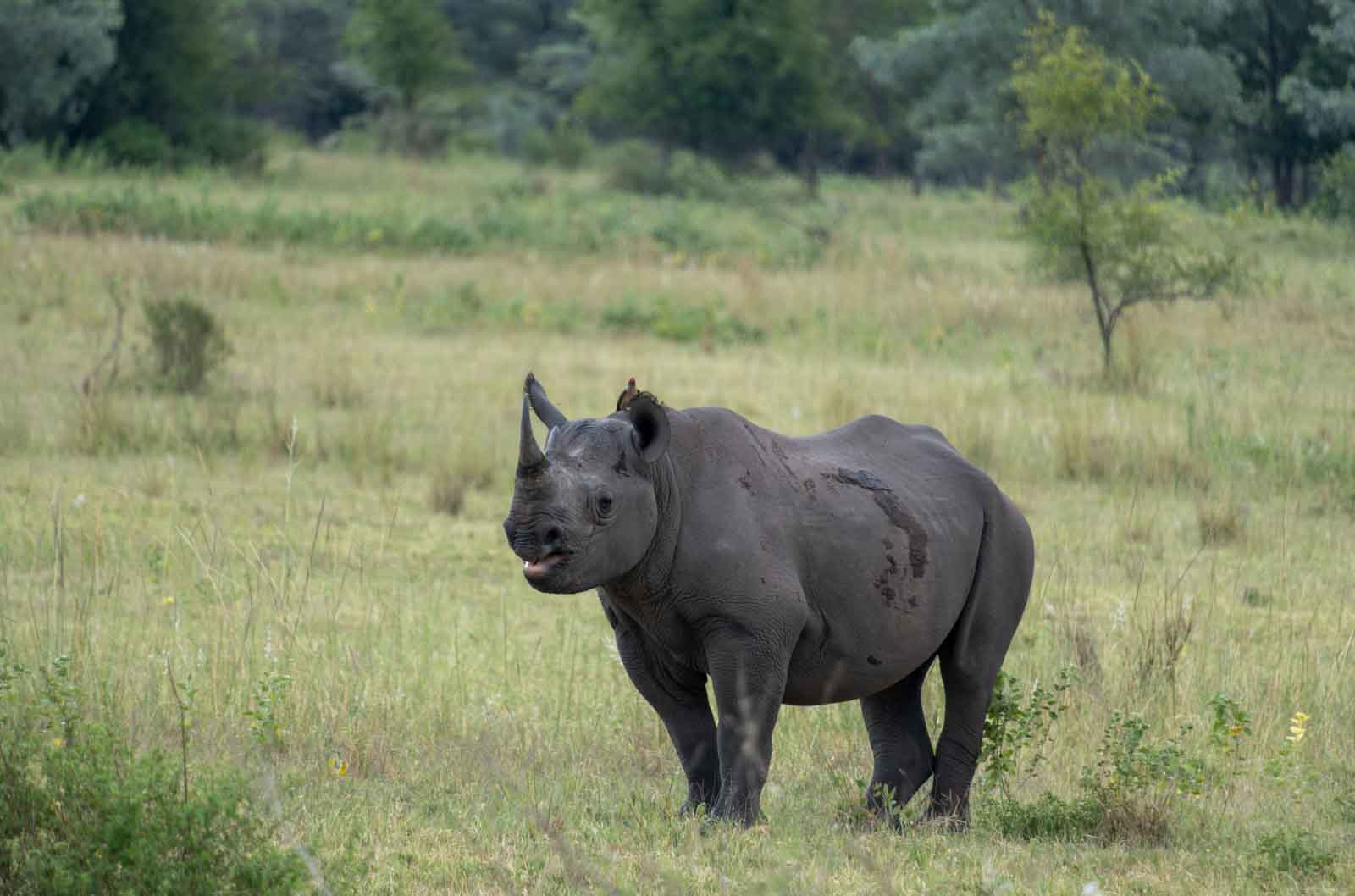
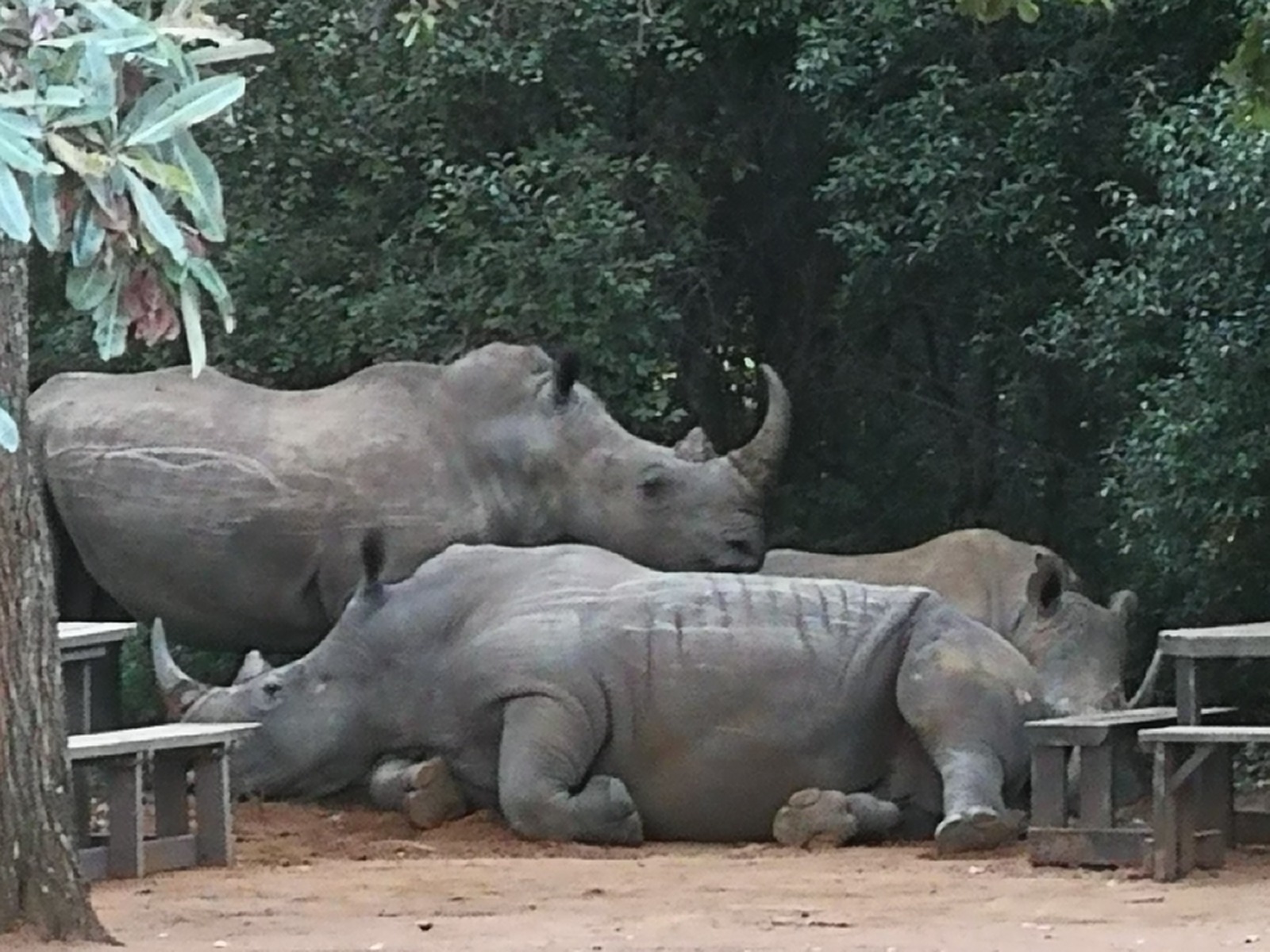
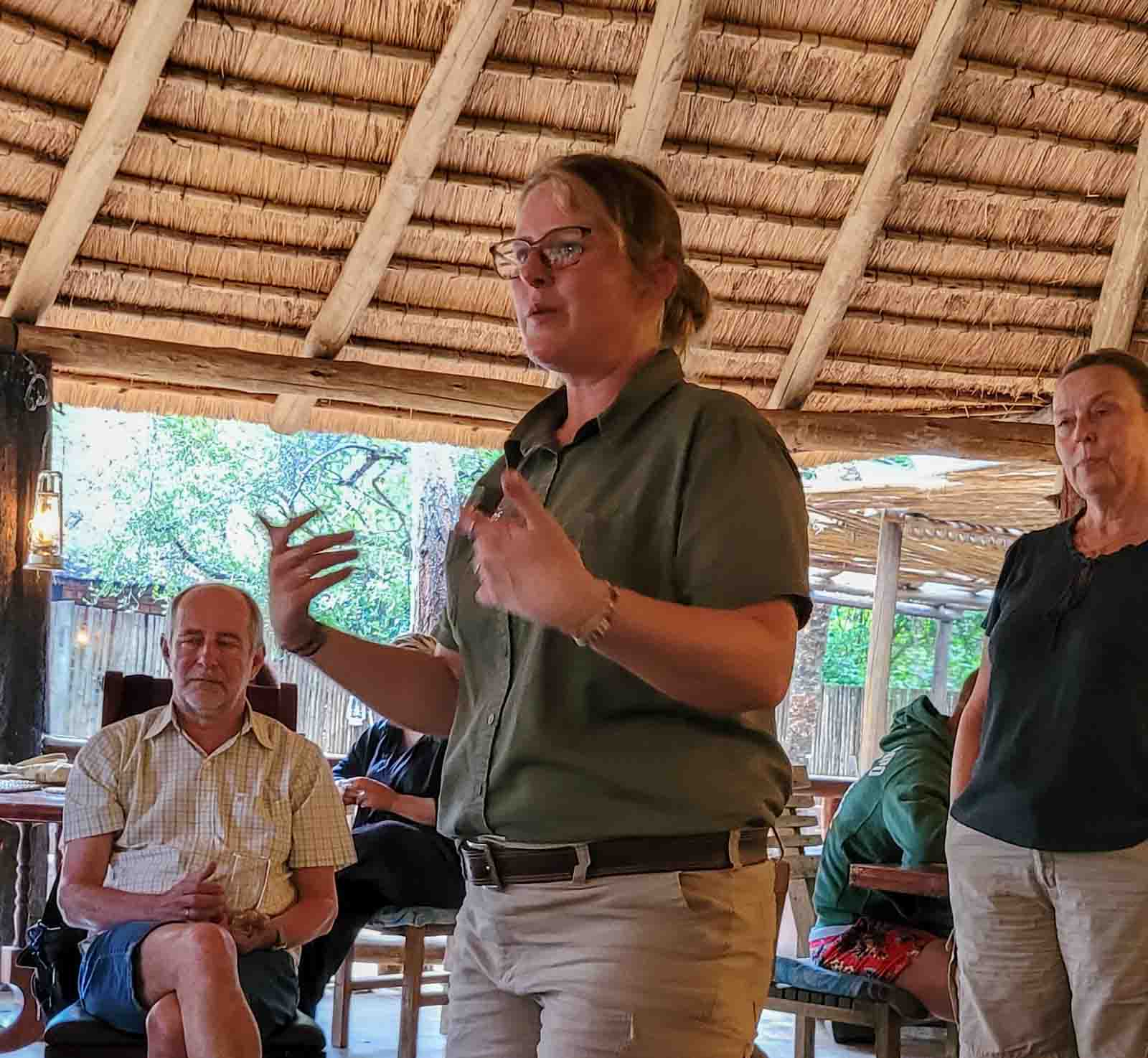
On the reserve where we stayed, they had a powerful program to save the rhinos from poachers. According to the ranger who checked them up every day, driving around in her jeep, they had only lost two rhinos the last years, which is amazing. Instead of taking away their horns, they use radioactive isotopes – that do not harm the animal.
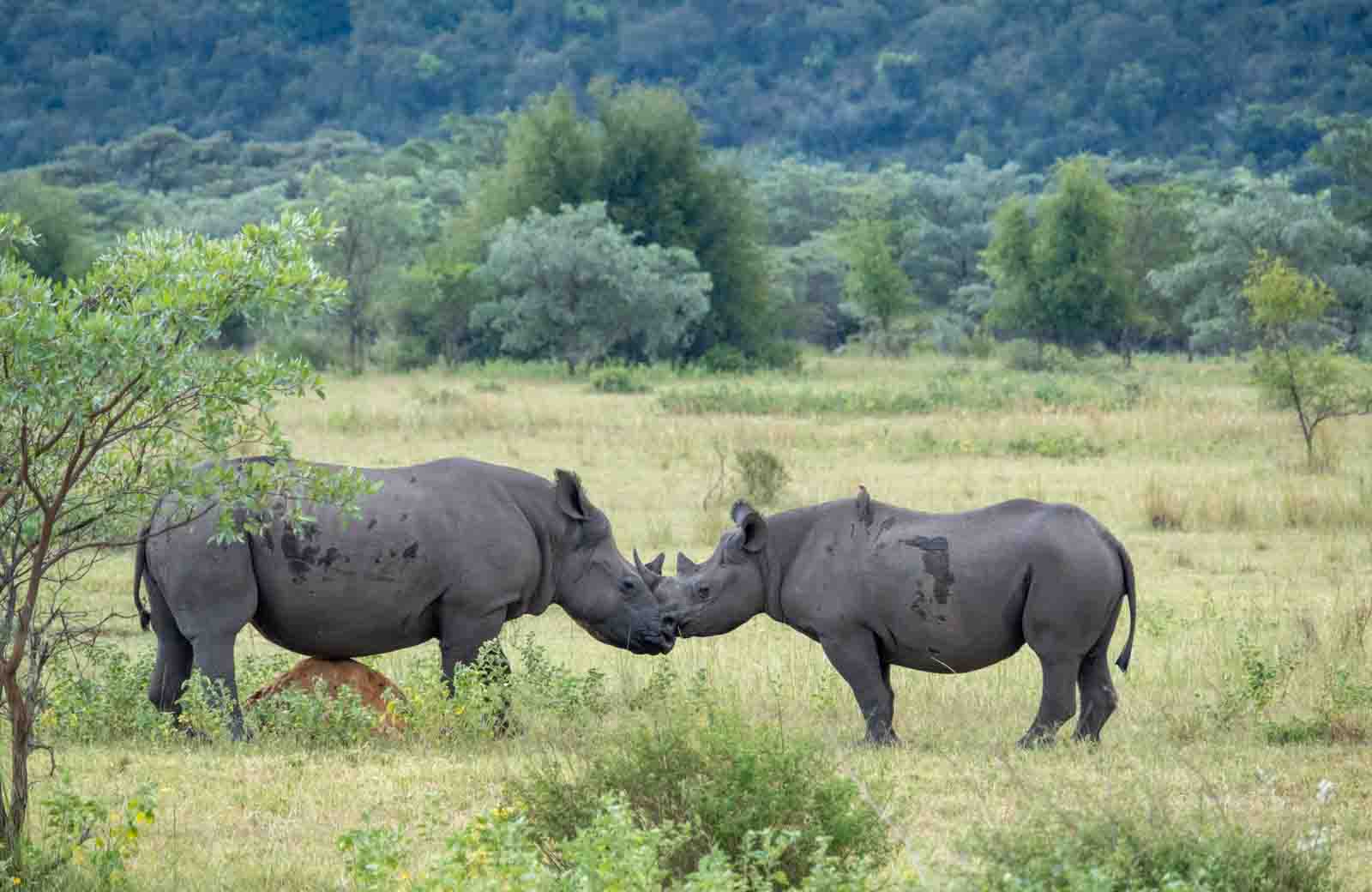
One of the rhinos was a bastard with a white rhino as the mother and a black rhino as the father. In fact, he is the only one in the world – according to the rangers. As he cannot have any offspring, he might be the last one ever.
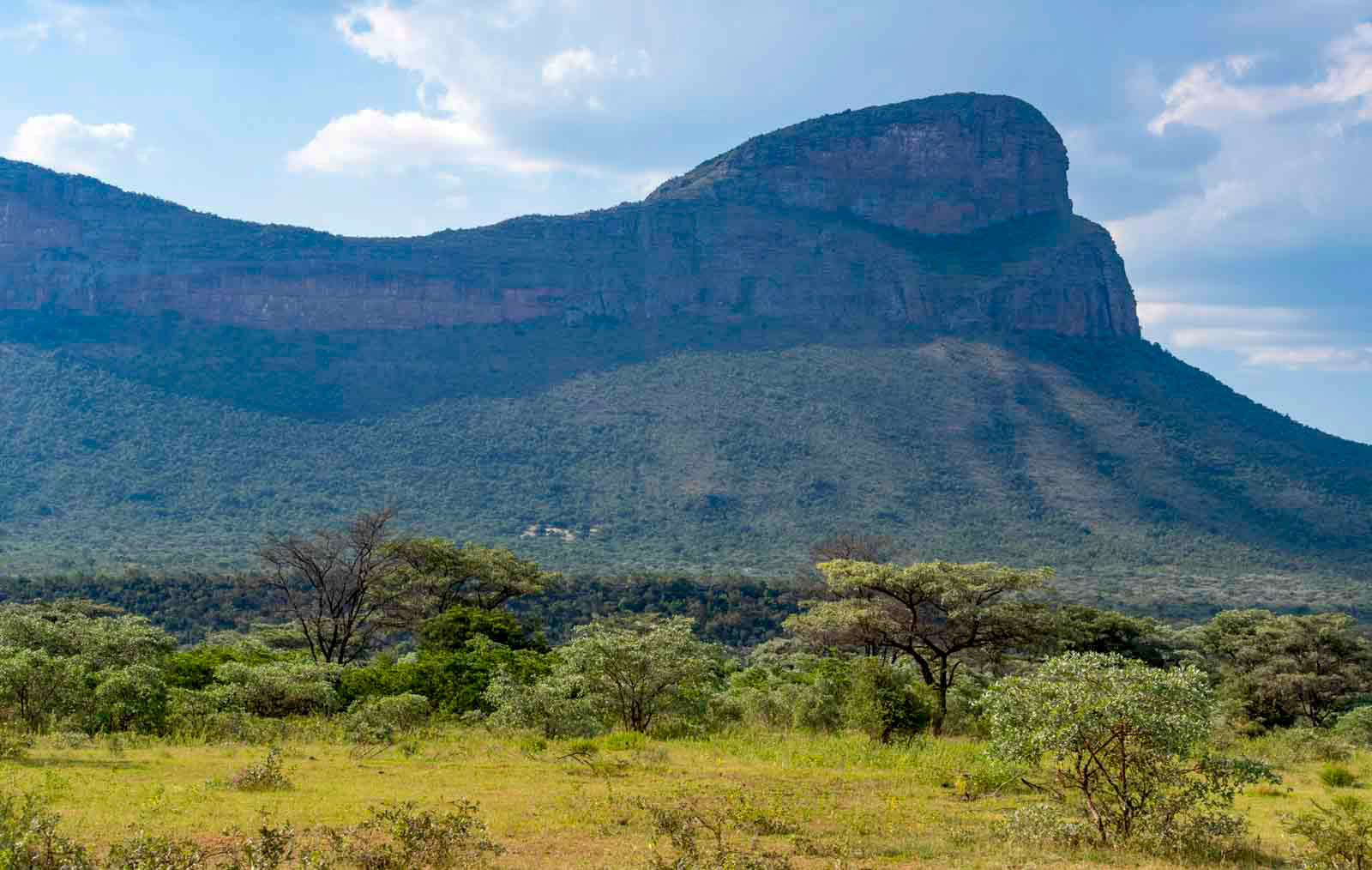
On top of this mountain, they raised the orphans – before releasing them into the reserve again. They do not reveal how many rhinos they have in the reserve…which is good.
We were lucky to see quite some of them, both white and black ones, going about their daily chores as well – such as scrubbing their stomach against termite stacks and mud rolling.
Finishing off with the wonderful ranger who had dedicated her whole life to the rhinos, and a phone photo from our guide, taken while passing by our outdoor picnic place…(where we used to sit peacefully at the tables – luckily without rhinos!) Thank you, Conni, for sending me those spectacular shots!


Du måste vara inloggad för att kunna skicka en kommentar.