
Wordless Wednesday
Arundel castle again – still in use by the Dukes of Norfolk – interesting! But after so many castles, maybe you too need a rest?

I really loved that dog…I should take out my sewing machine.


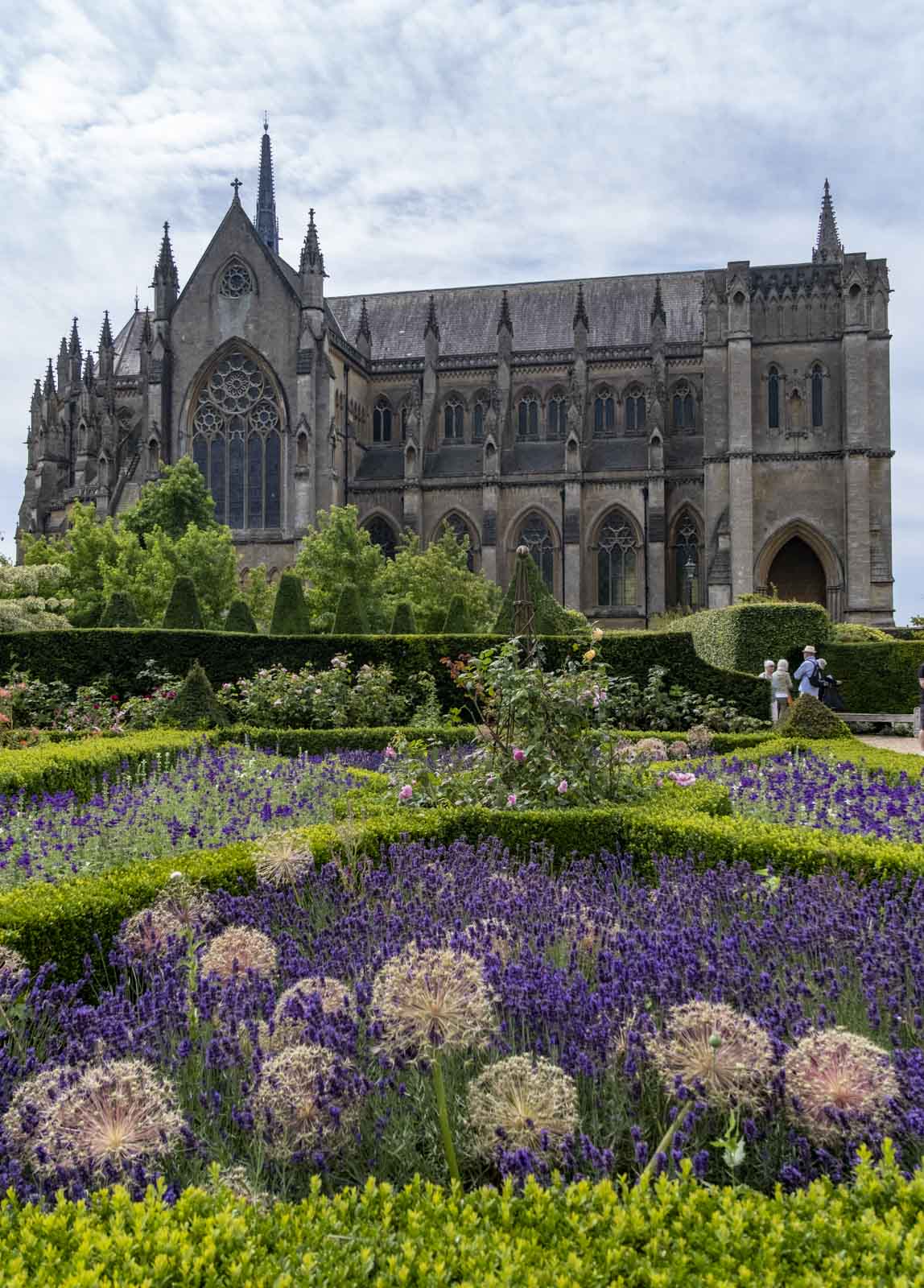
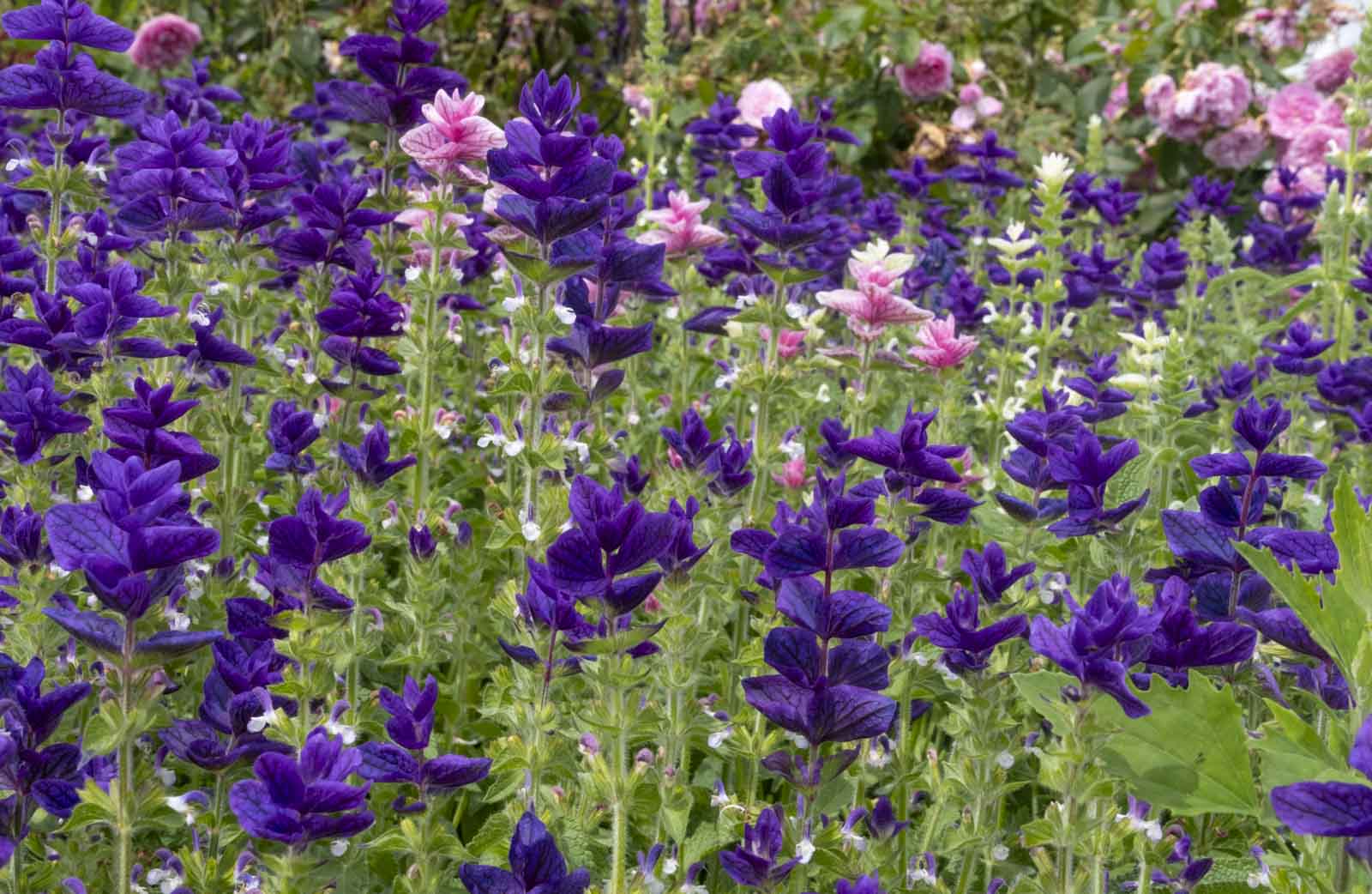


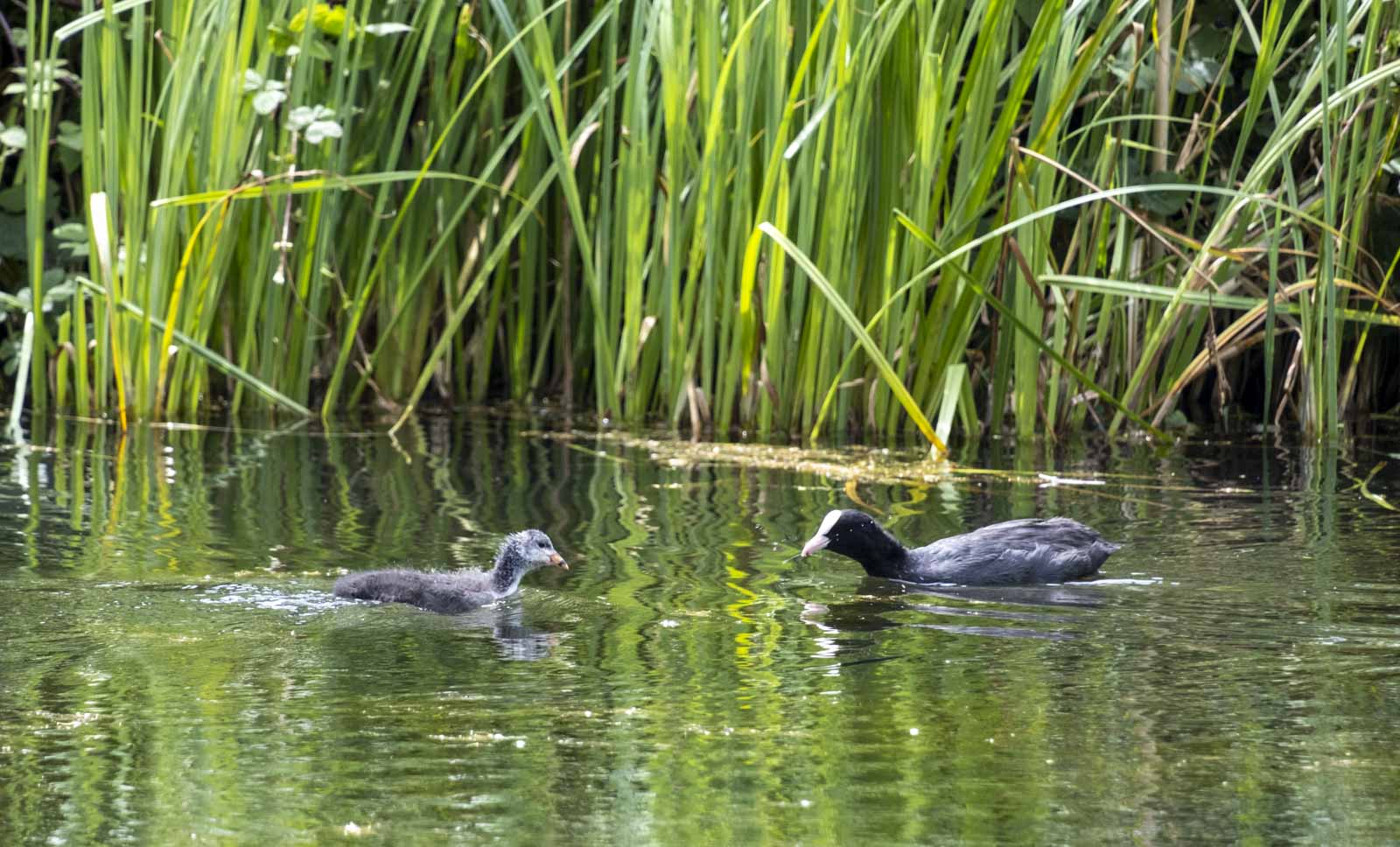
Time for a rest again, before entering the Castle itself.


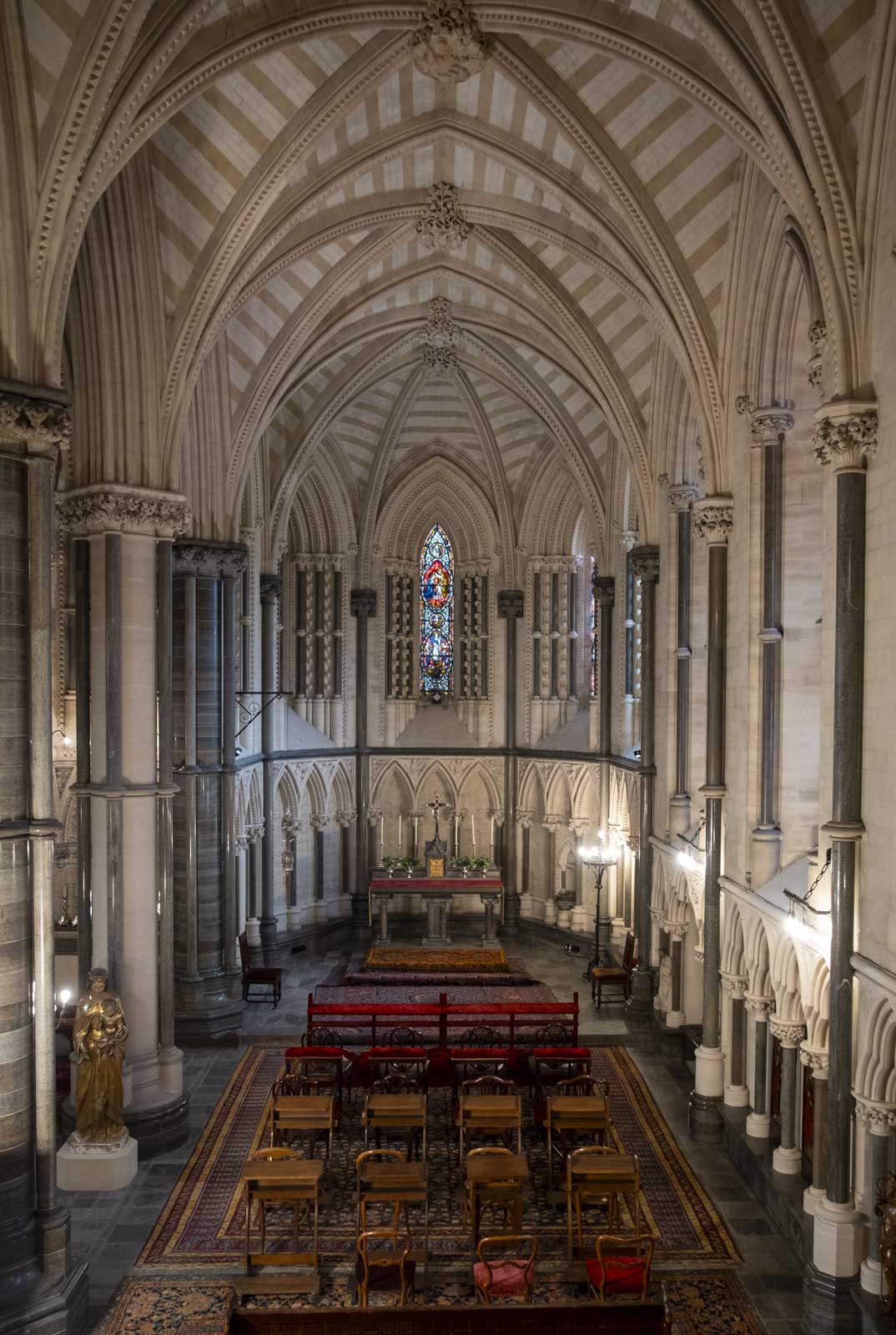
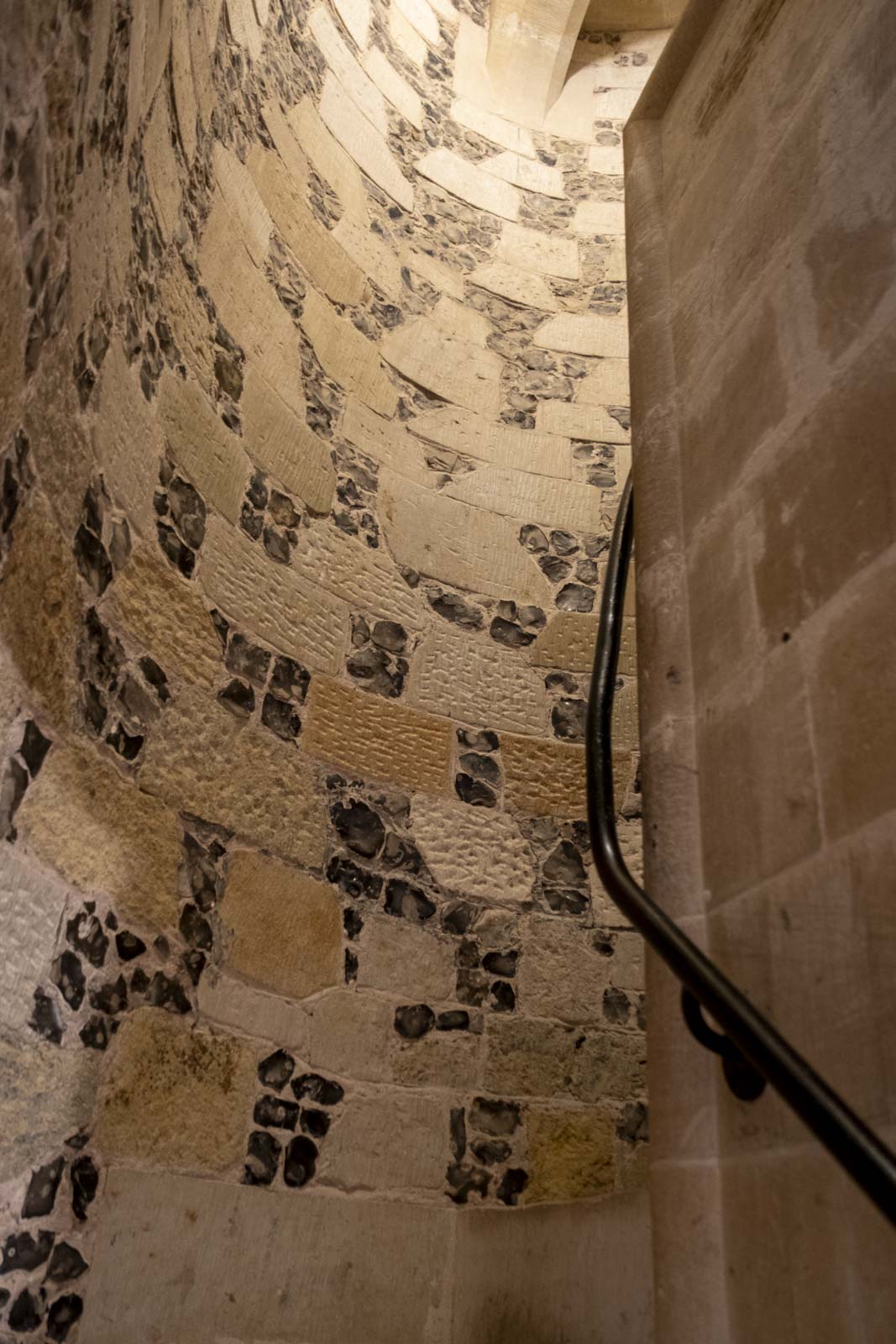
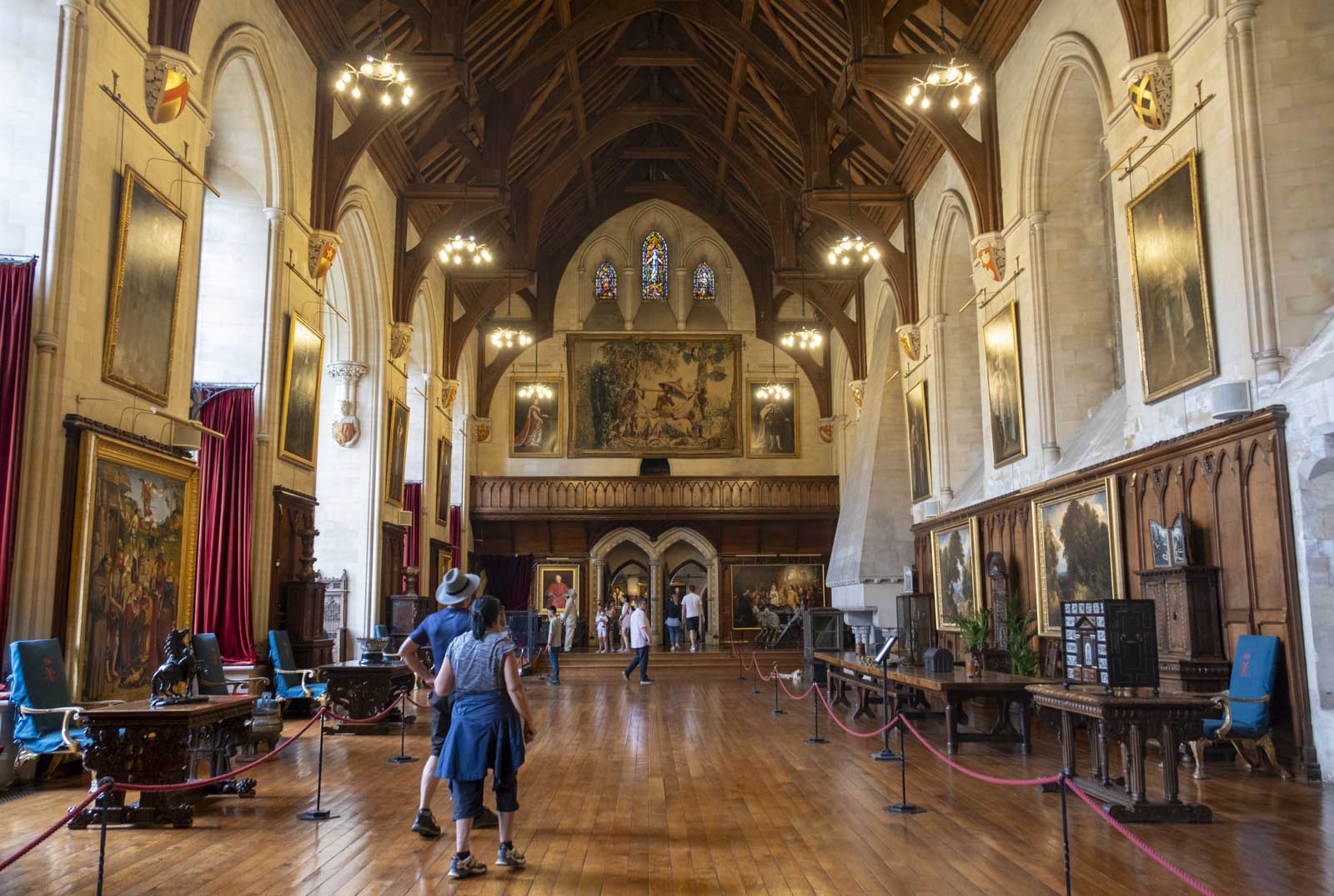


A truly impressive castle that didn’t disappoint inside either. I would have loved a sleigh ride with that beauty…I guess it’s on wheels as England doesn’t get much snow?
Thank you for good company. Now there is only one castle left…Leeds Castle. Maybe next Thursday. Have to rest again!
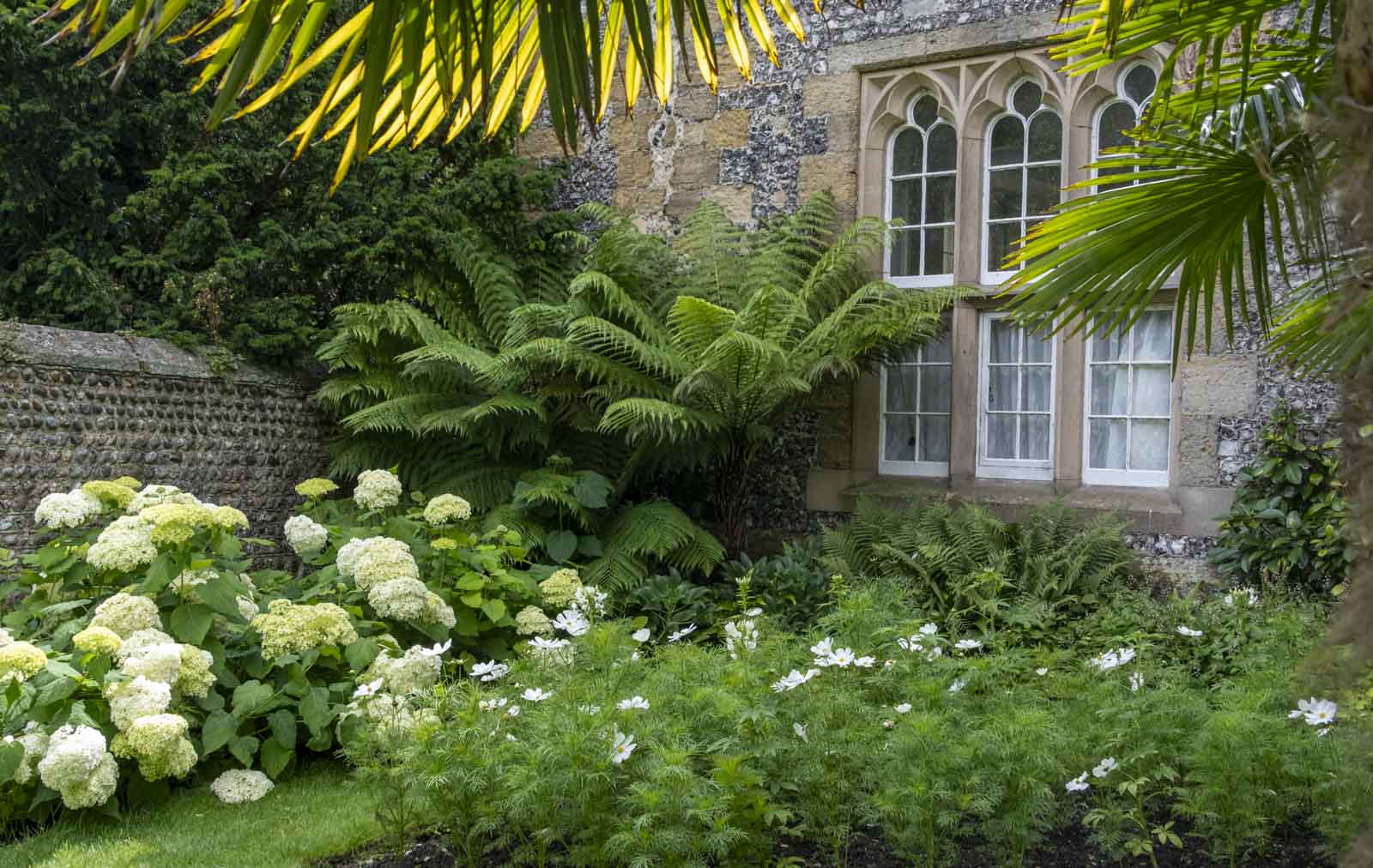
May I treat you to another gallery of beauties – cannot resist…
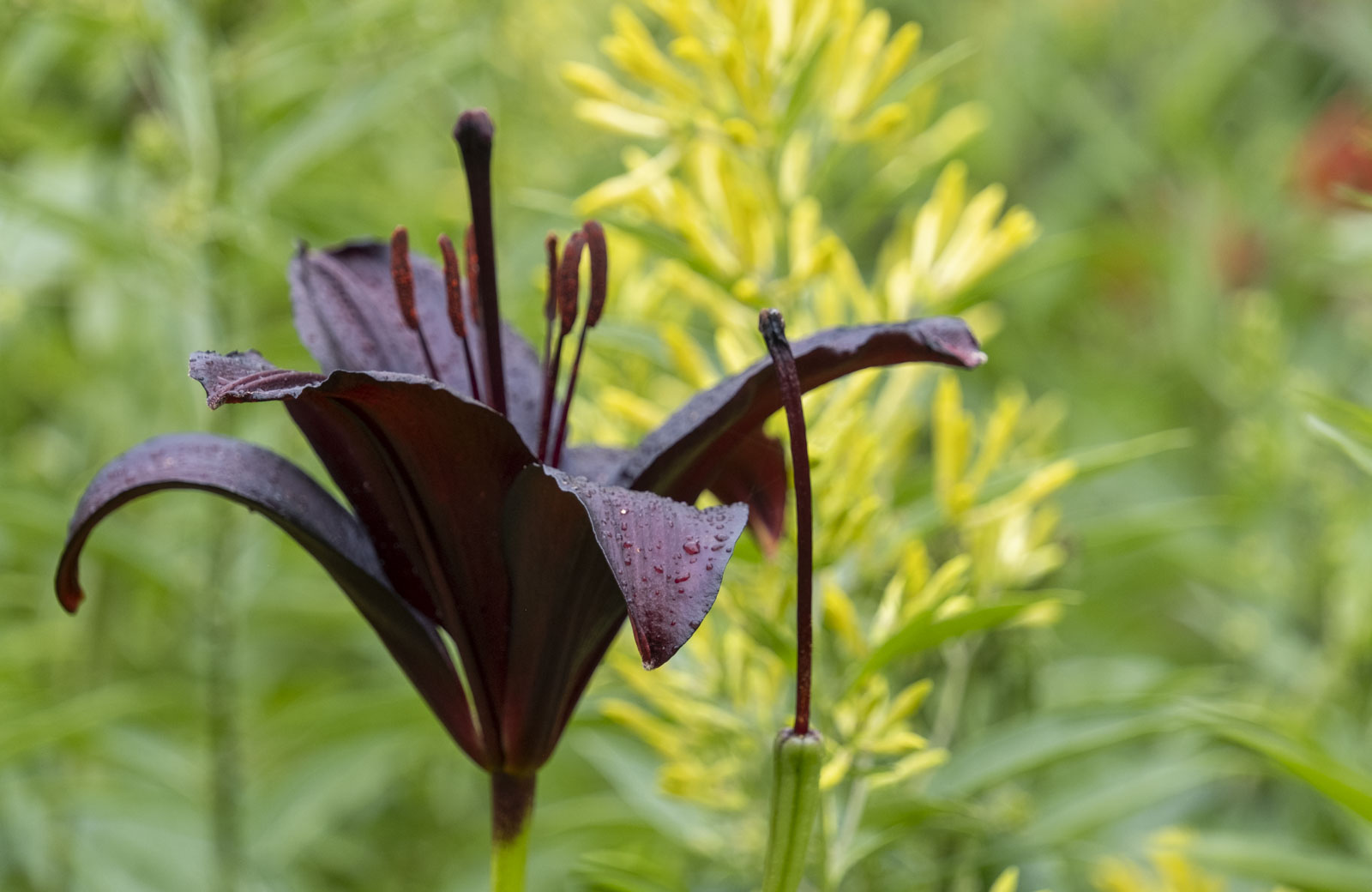
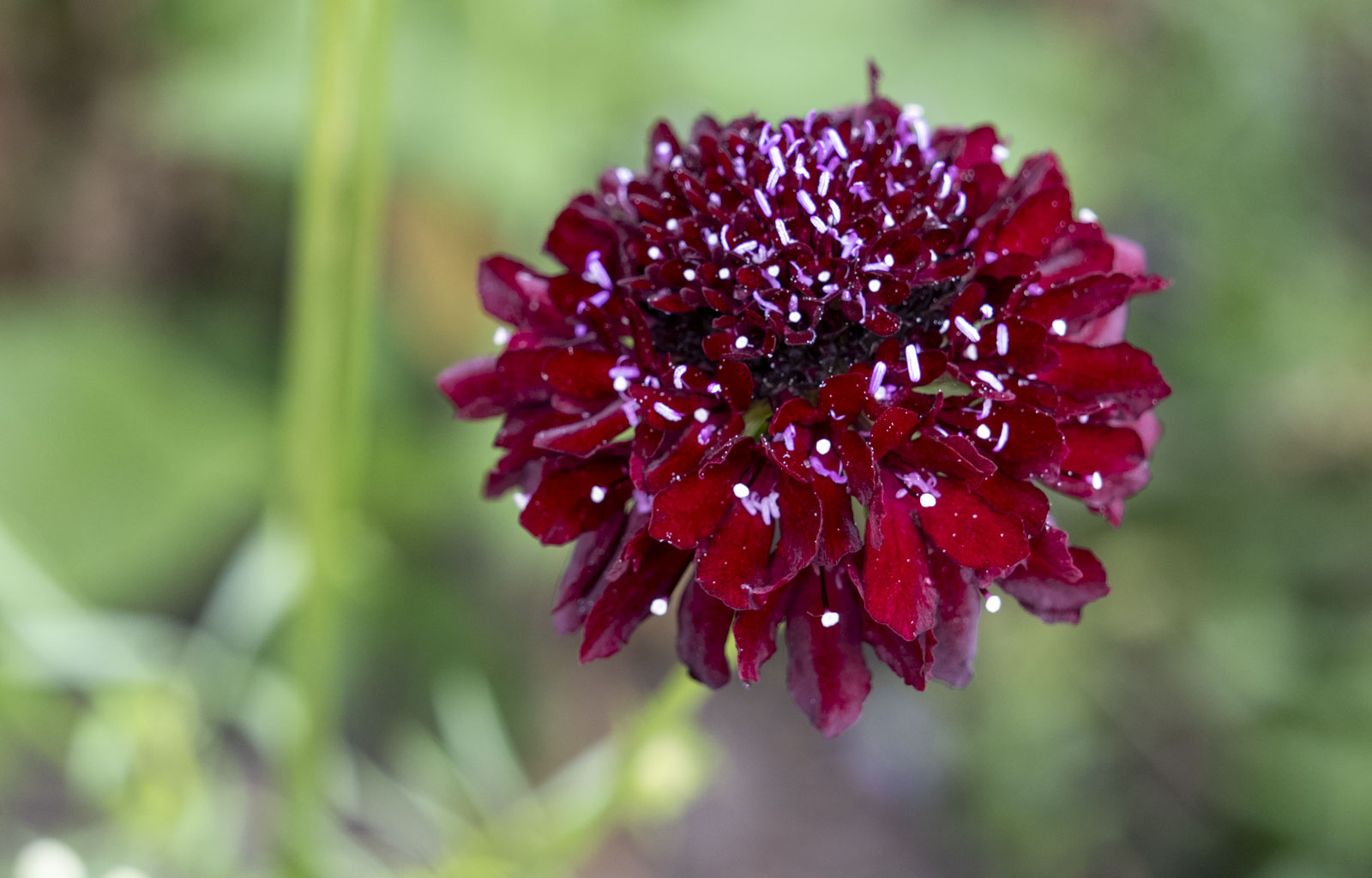


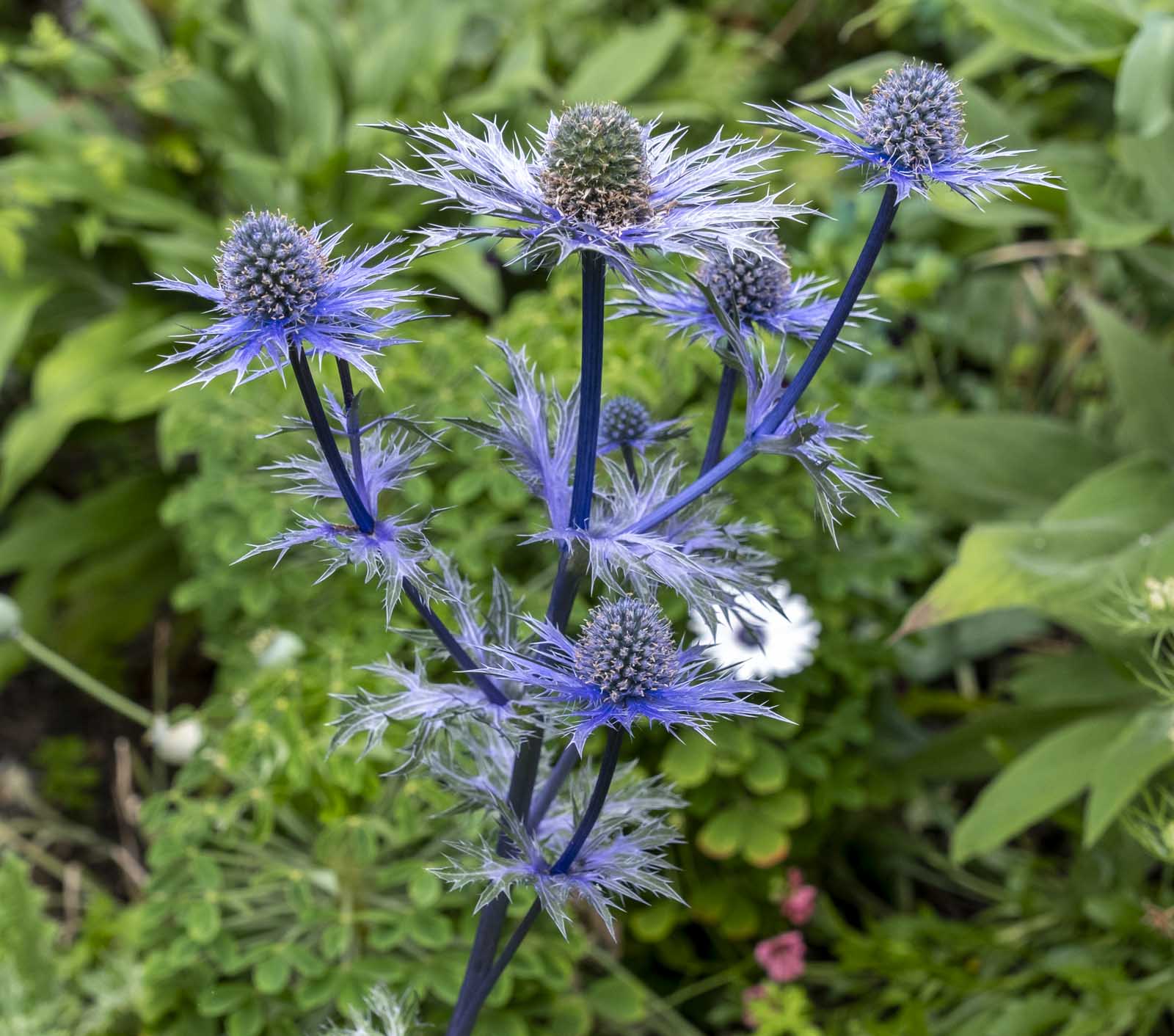
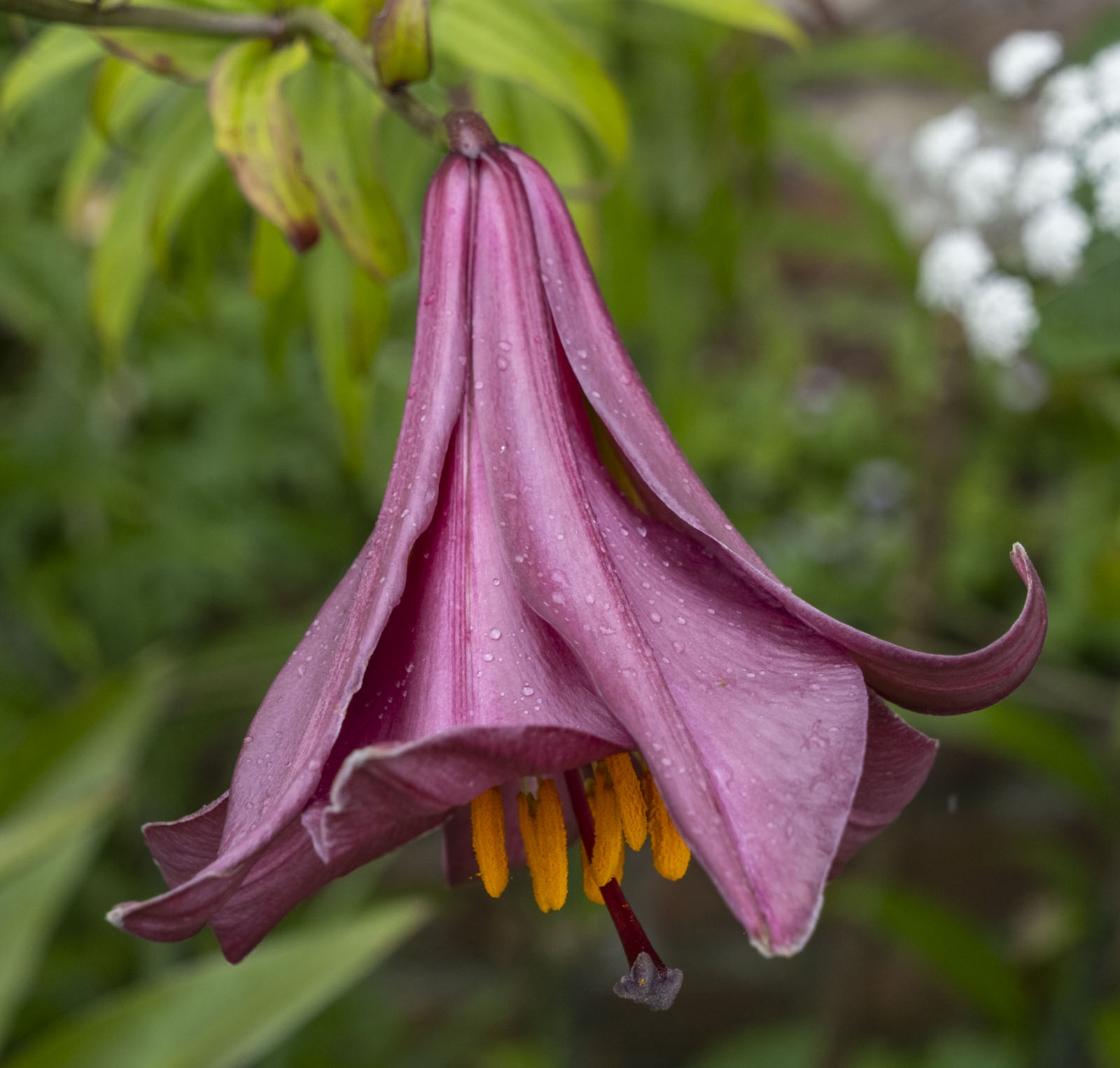

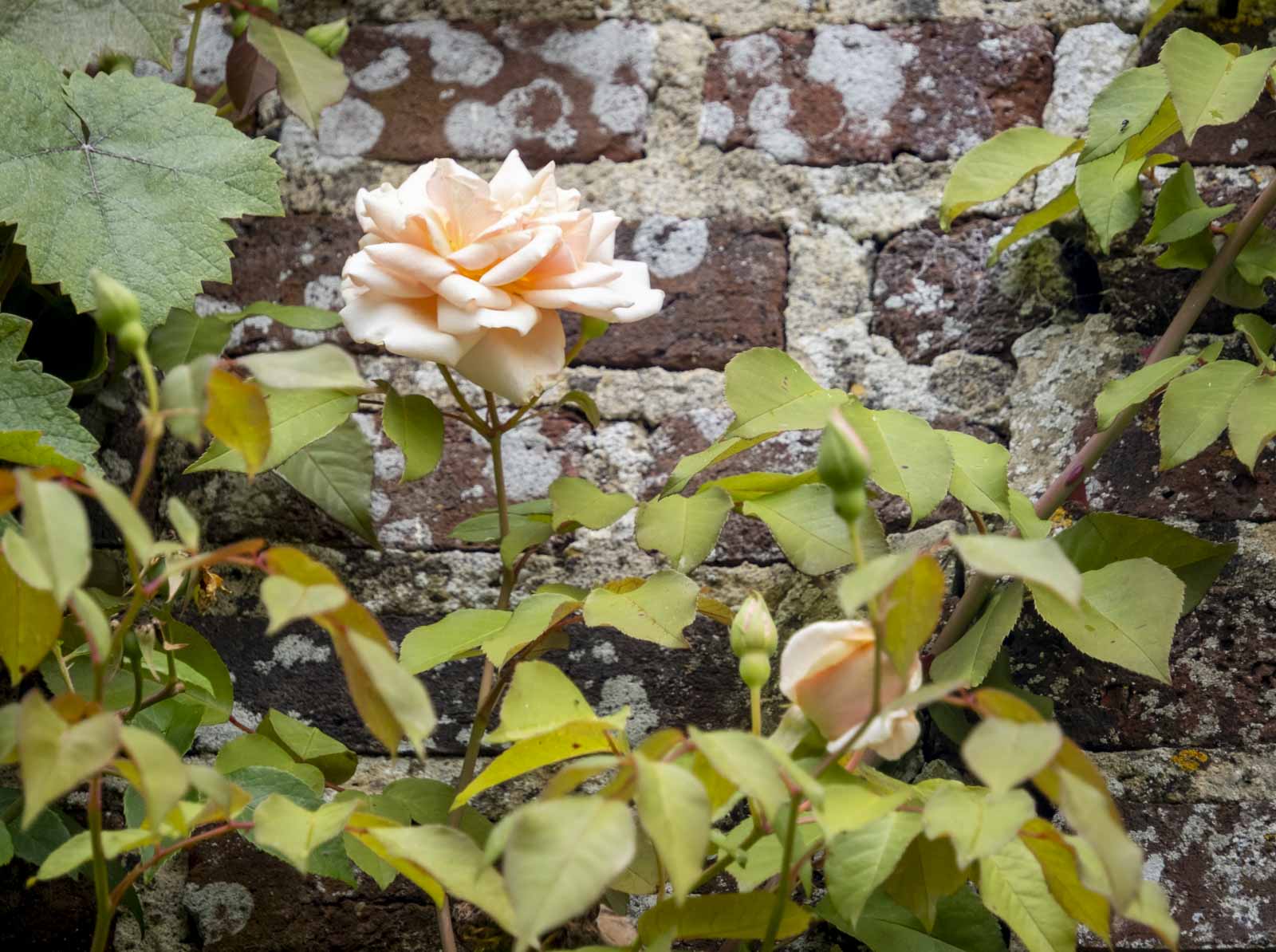
Another of the many lovely lilies to finish the Thursday!

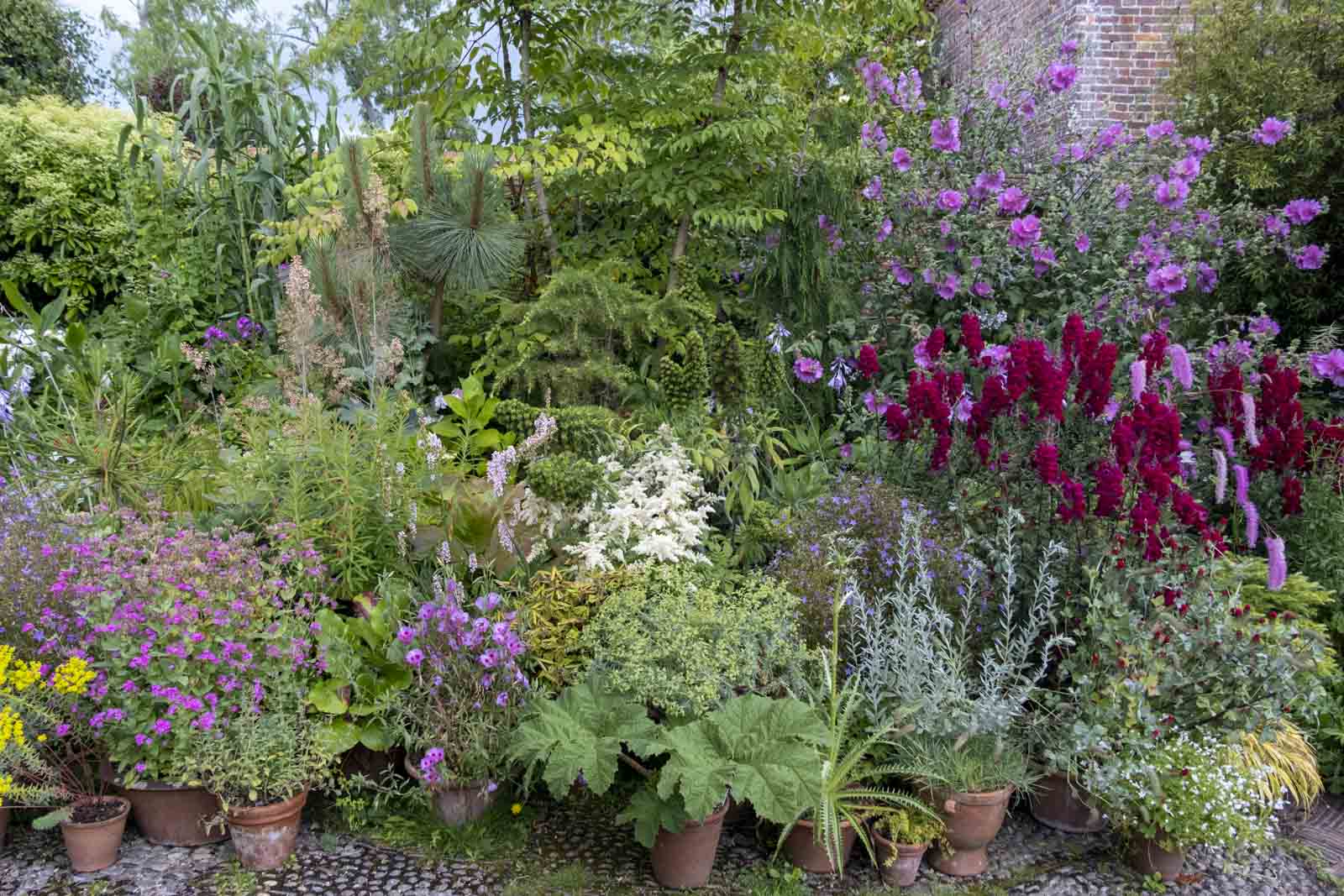
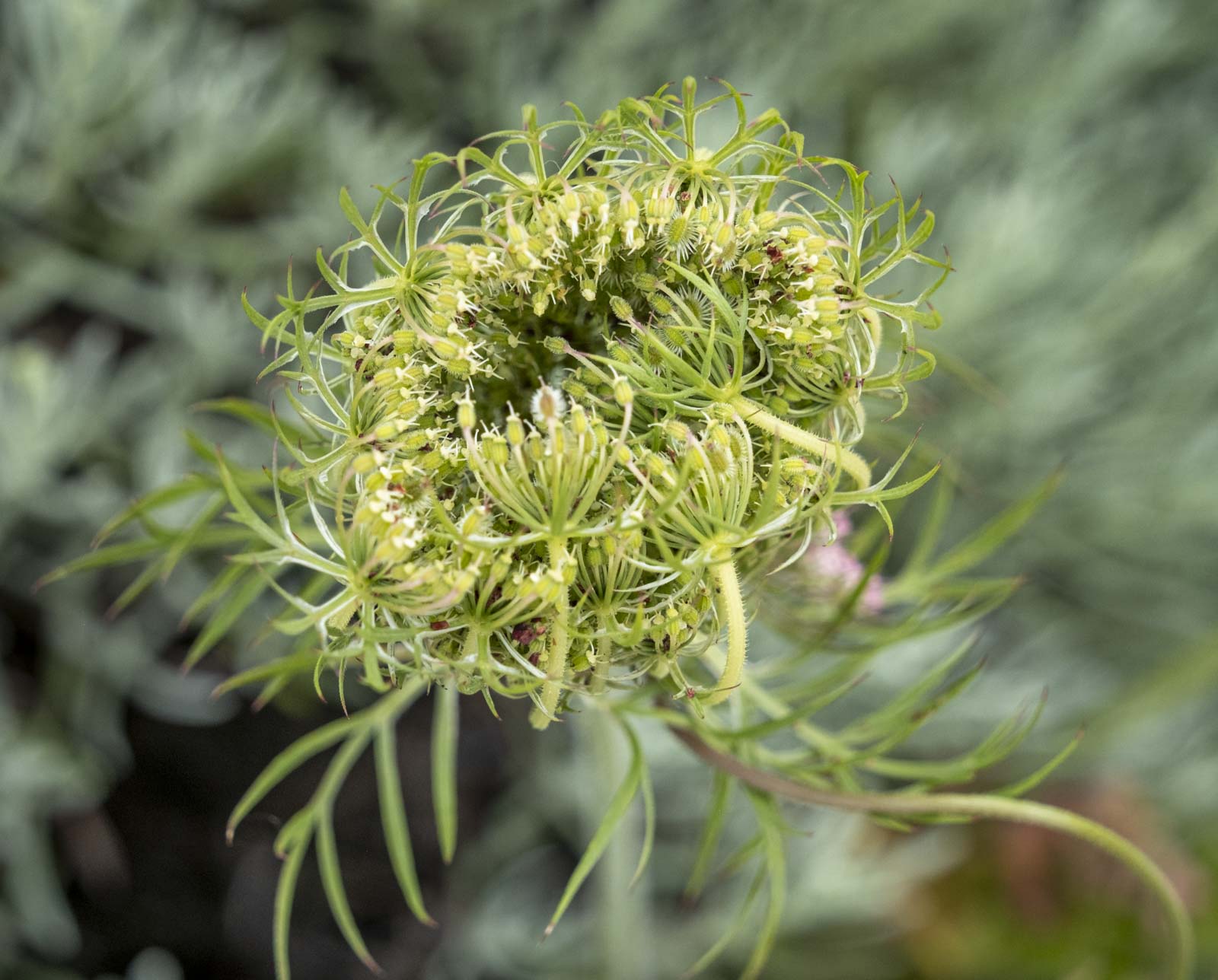
Sofia challenges us to show how we give people a sense of scale in our pictures. This is sometimes quite essential… Please visit Sofia’s site to get more inspiring examples!
My take on this challenge must mainly be using people for scale, but also different perspectives as from below or above, from afar or from a frog’s perspective. Finishing with a macro, of course.
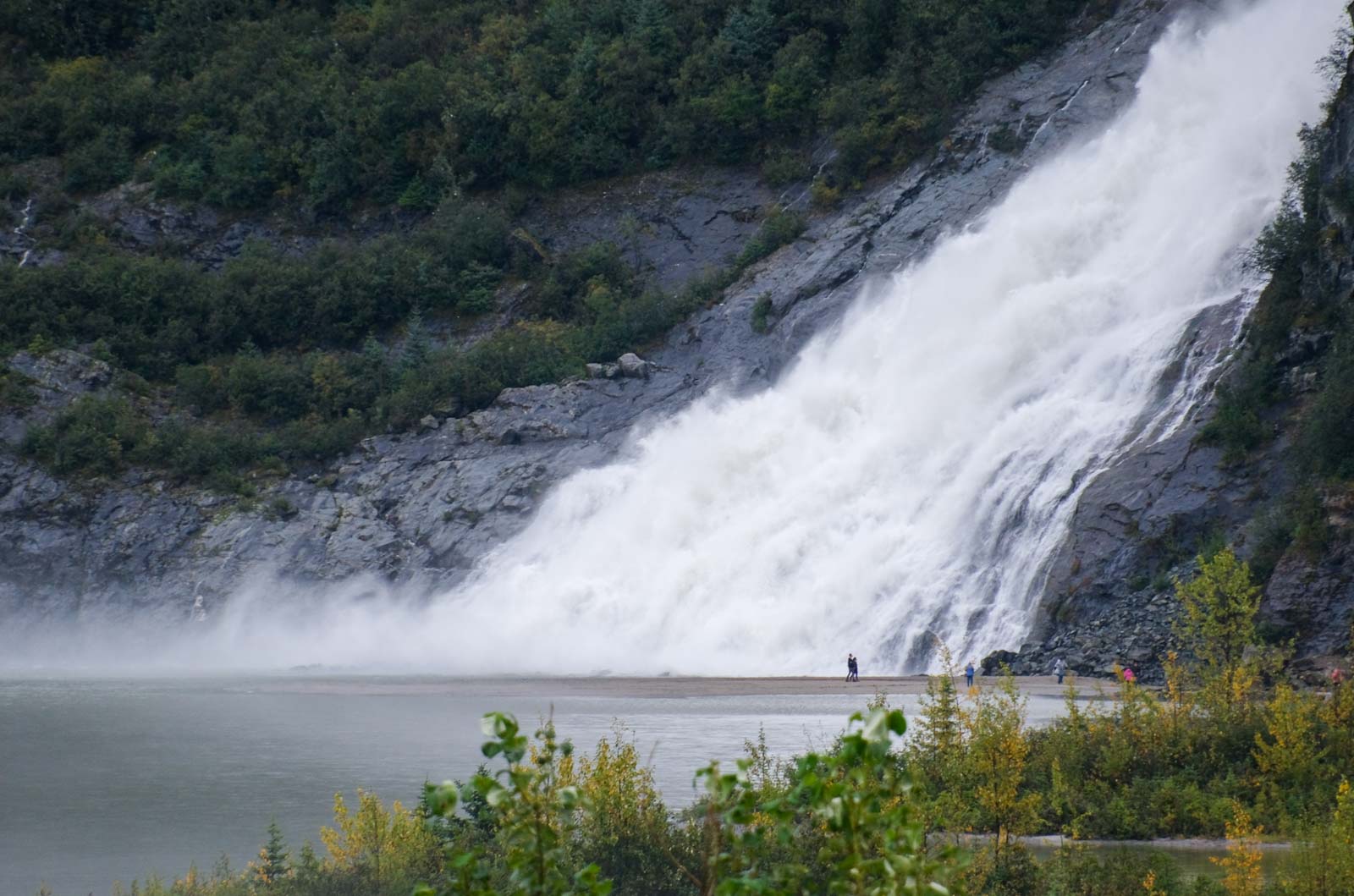
This was a waterfall in Alaska that I did not hike up to – but wow when I zoomed the lens! People walking there made it quite clear it was not as small as it seemed from where I was standing.
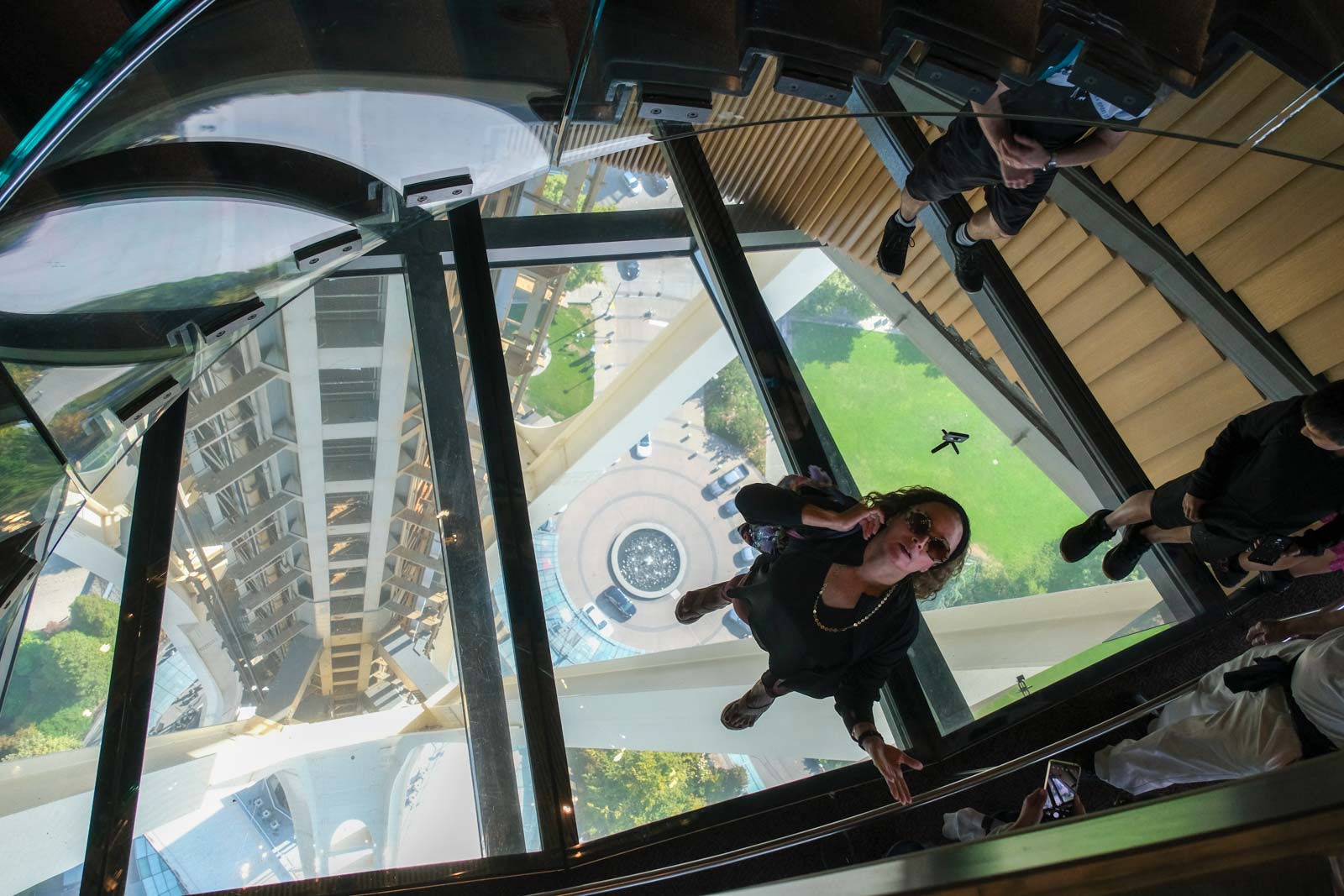
This picture is from a tour to the Space Needle in Seattle – where looking through the glass floor sets the scale properly…
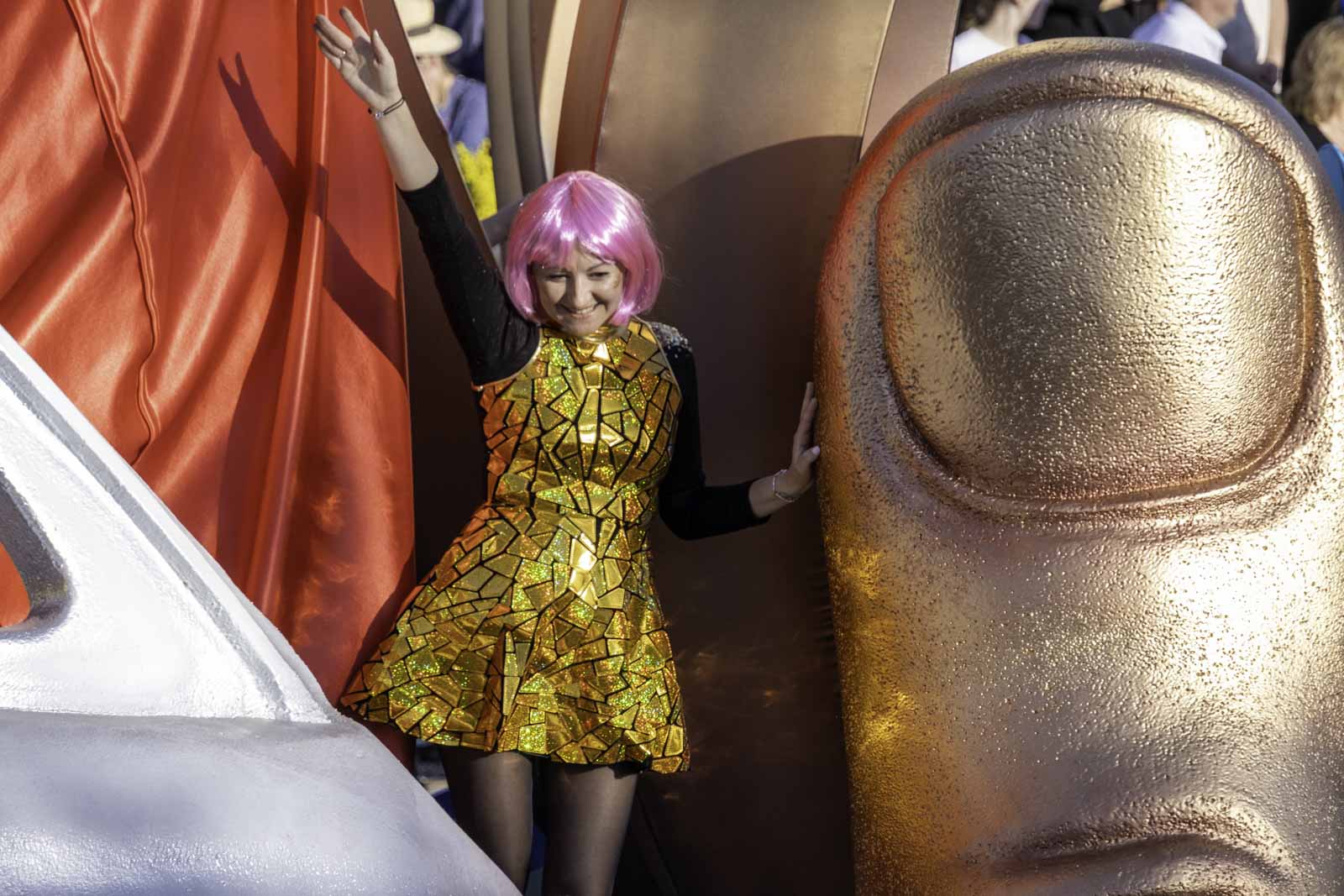
The Nice Carnival with its many show wagons is also a way to celebrate the sense of scale and give you interesting surprises.
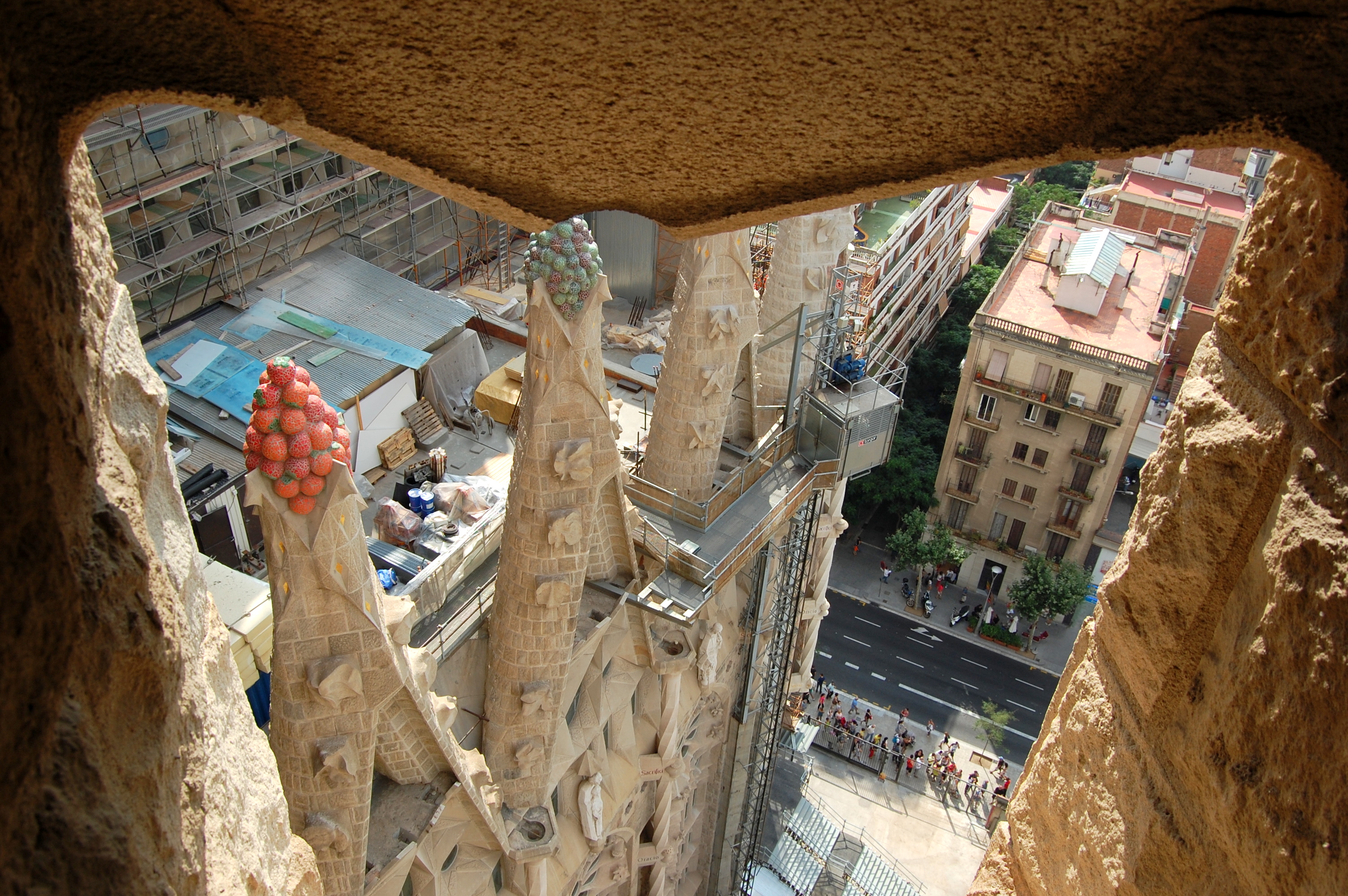
Some years ago we went to Barcelona under the construction of the great Sagrada Familia. The picture was taken from one of the towers. People and buildings giving you a hint of the size of this gigantic Cathedral.

Back home I was once fortunate enough to visit a statue of a harbour worker – when an elderly lady turned up and walked beside him. A sense of scale in more than one dimension.

This was the first time I visited Segovia, Spain, and I walked in awe up to the aqueduct running through the city, towering over the houses. I believe this is one of the more exciting and surprising moments during all my travels. The elderly gentlemen in front of me were very sweet, and I had no problems keeping the same pace as they did…

Next is an old favourite from the kite festival in Denmark. With kites you can easily use your camera from under their bellies… People and cars become tiny and the kites just as spectacular as they are. I think I’ll have to go there once more!
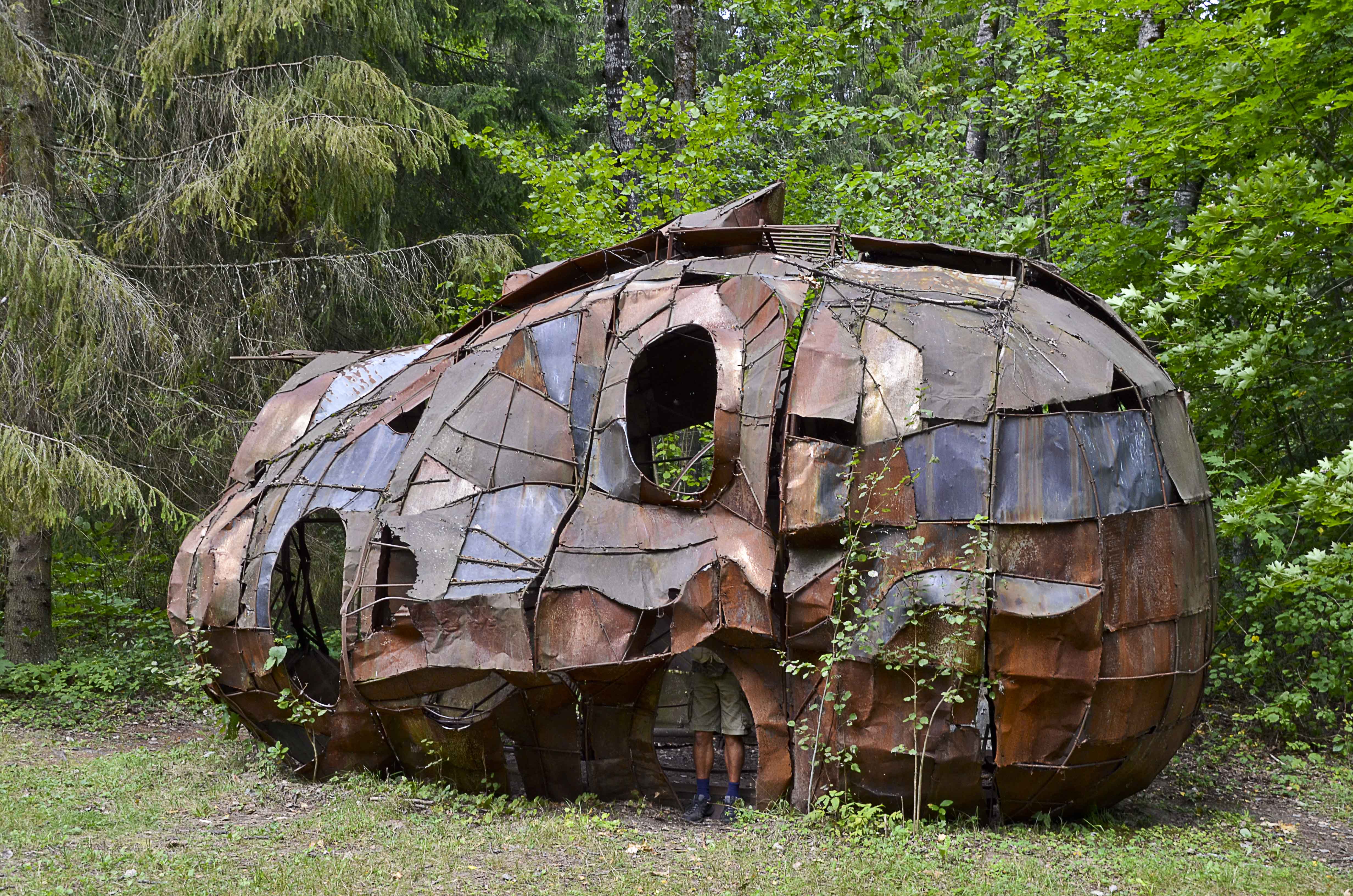
This one I have used before too – but I still love those legs sticking out of a rusty head in Riga.

Lying down on the stone floor in our apartment in Spain, I found the tiniest ants I had ever seen. A tea spoon became a valuable measurement of scale.
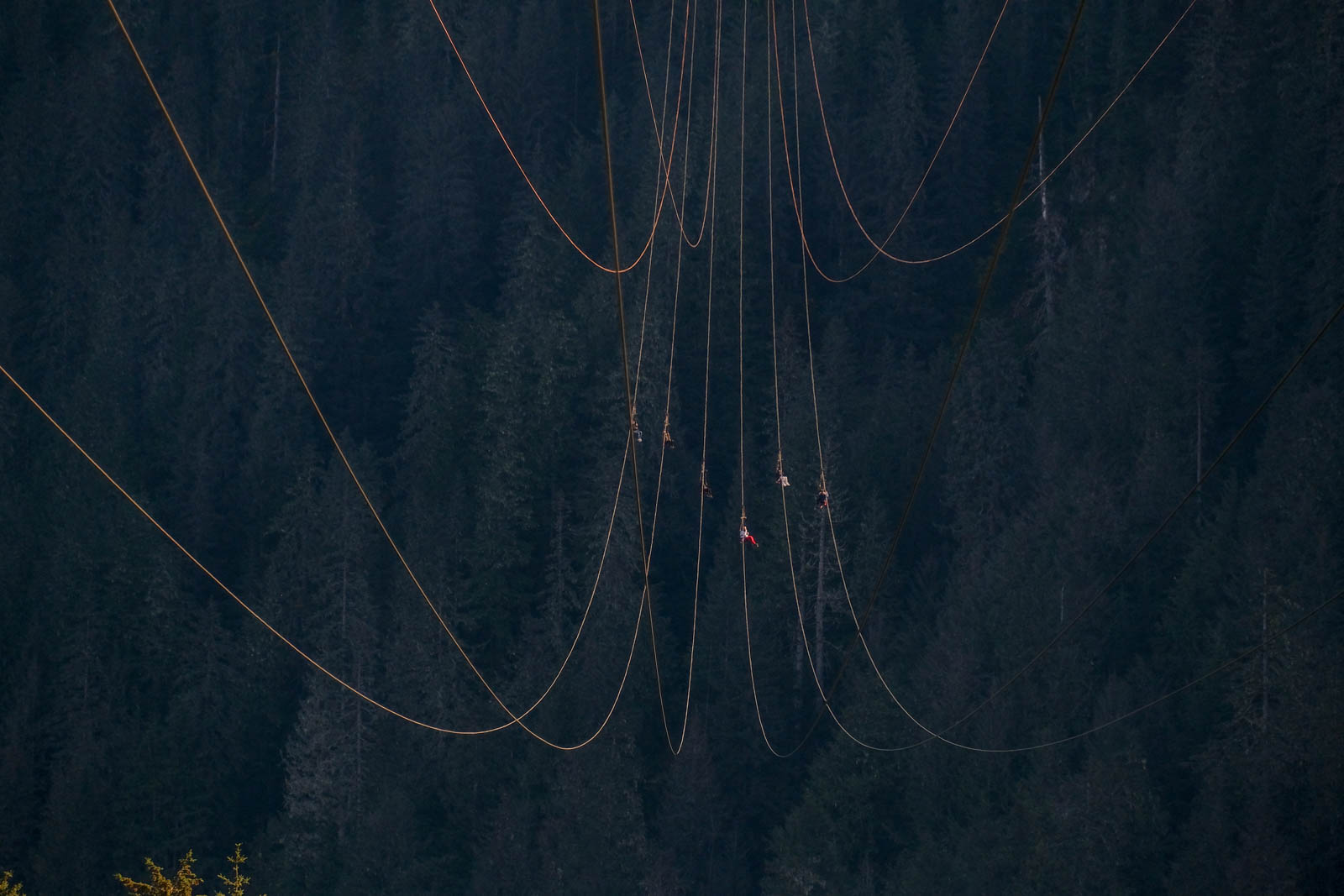
Then came the tiniest husband I had ever seen… In Alaska he jumped from a mountain – safely of course. If I remember it right, he is number two from the left. I let the tree tops stay in the corner of the picture to remember just how difficult this scale was to fathom.
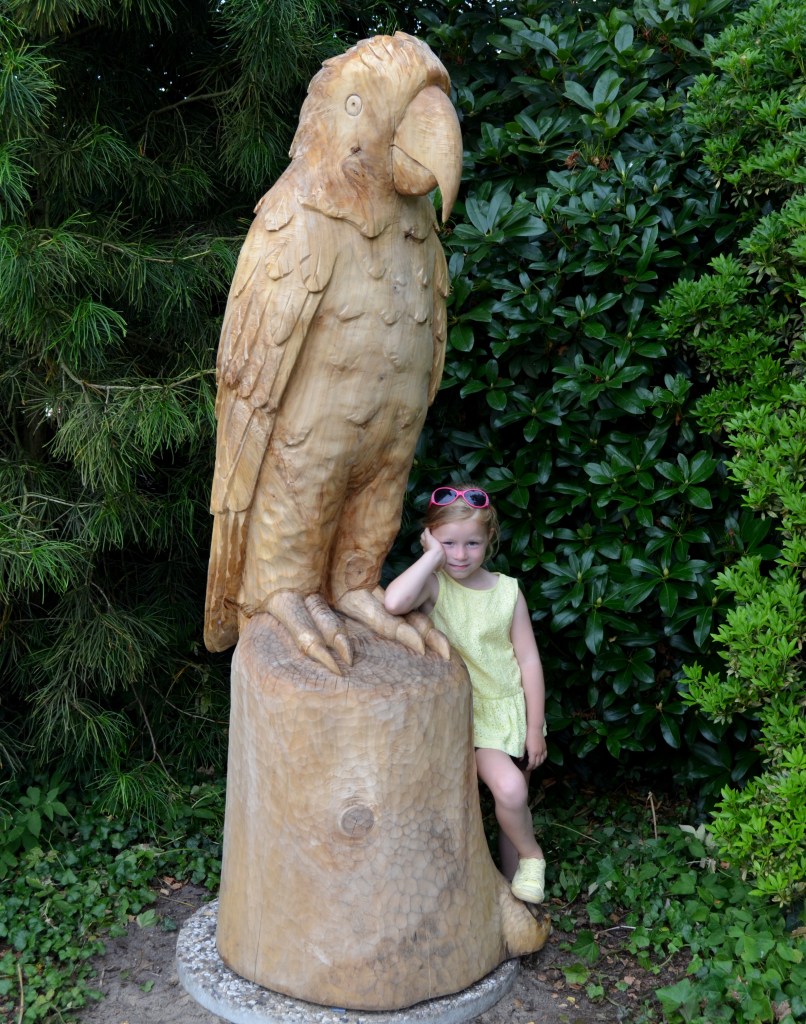

Finally…

…in Weltfogelpark Walsrode in Germany, apart from the real birds, also the tree sculptures were greatly admired. In Bhutan the forest and trees set the scale for the golden Buddha statue. I had to finish with the tiniest of snails (5mm) in this withered flower.
A big thank you for all your garden displays last week, big and small, fancy and spectacular, creative and inspiring – and above all – Loved and Needed! It truly was a treat to read every comment and see every picture. I had a great week.
Don’t forget to tag Lens-Artists and link to Sofias original post. Next week is John’s turn to host so please visit his site for inspiration. Until then, stay well and enjoy every day.
Sarah of Travel With Me posted on Sissinghurst for the LACP this week, and I recommend reading her post for its beauty and for the background history of the house and grounds. For species and extraordianry flower knowledge, I recommend you go to Jude’s beautiful site. As I visited some weeks ago, I had prepared a post for today – but this garden is well worth visiting more than once.
Sissinghurst in Kent is a famous English garden, with a series of ‘garden rooms’, each filled with different planting schemes and unique designs. This garden is a result of Harold Nicolson’s design and the plantings of his wife, author Vita Sackville-West.
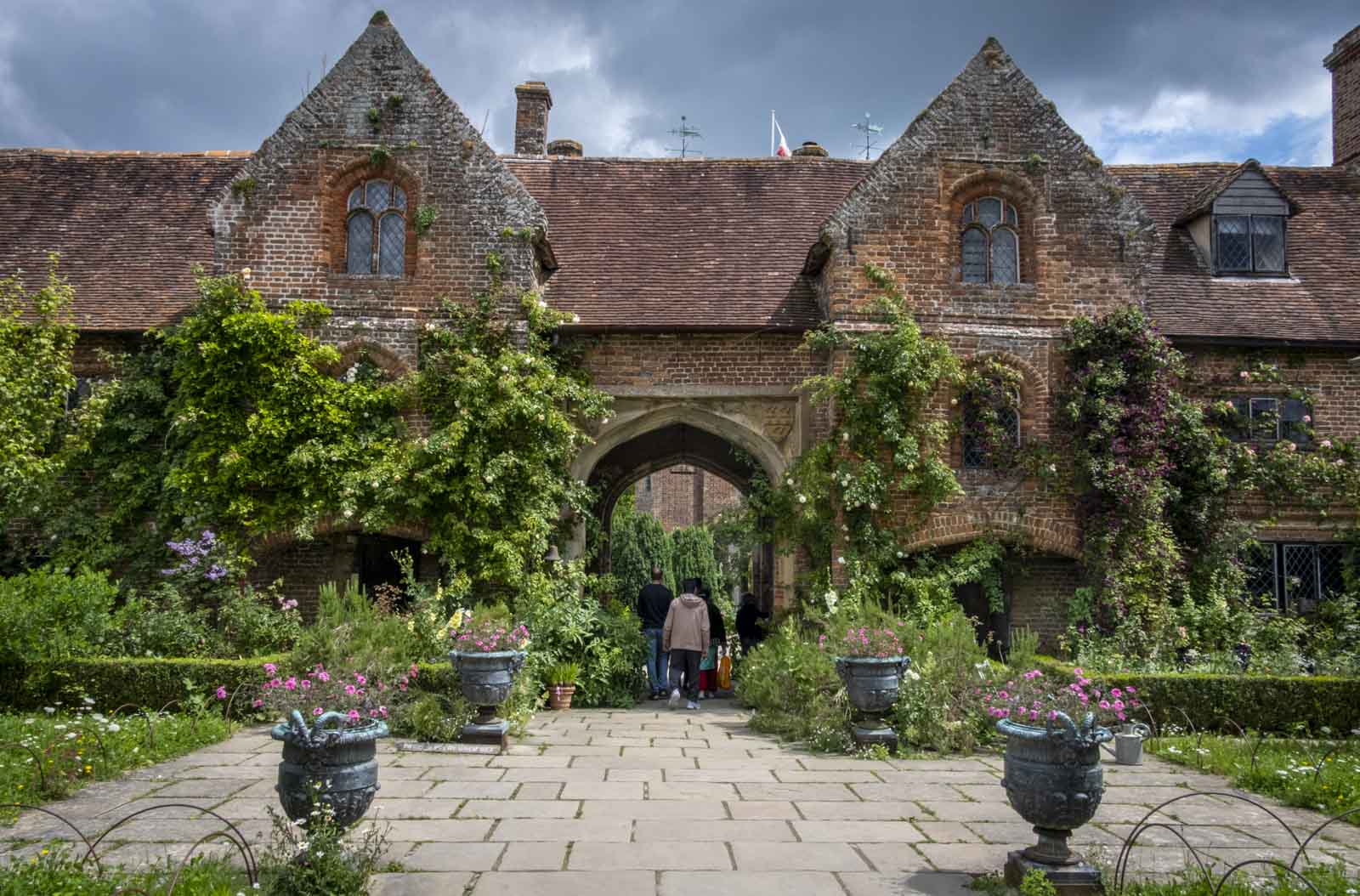
It was such a treat to visit a place where creative cooperation showed such magnificent results. I have read several works of Virginia Woolf, and knew she had an intimate relation with Vita Sackville-West. I can imagine they must have enjoyed each others company as creative souls. I could almost see them walking together here, arm in arm through the gardens.

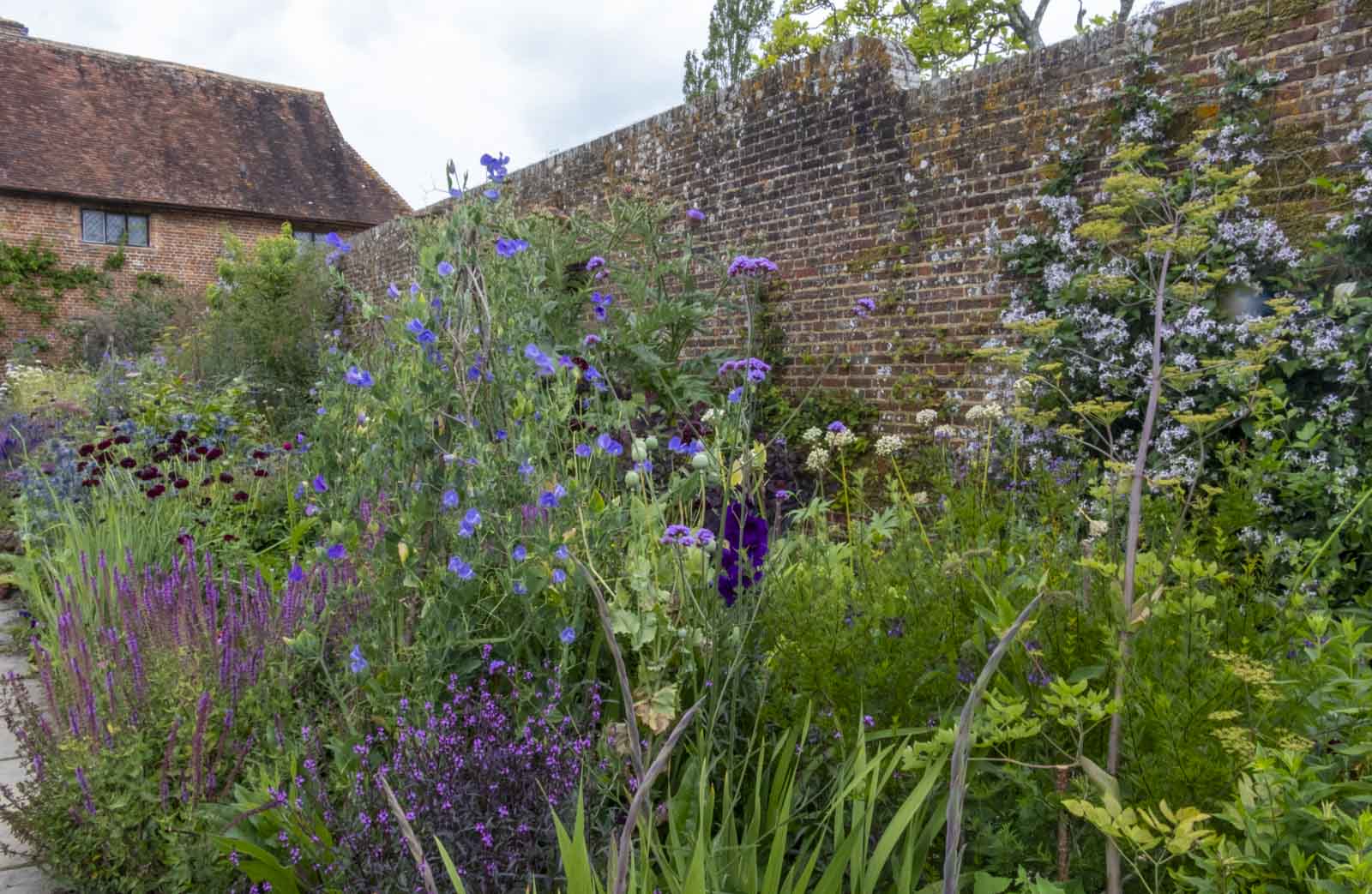
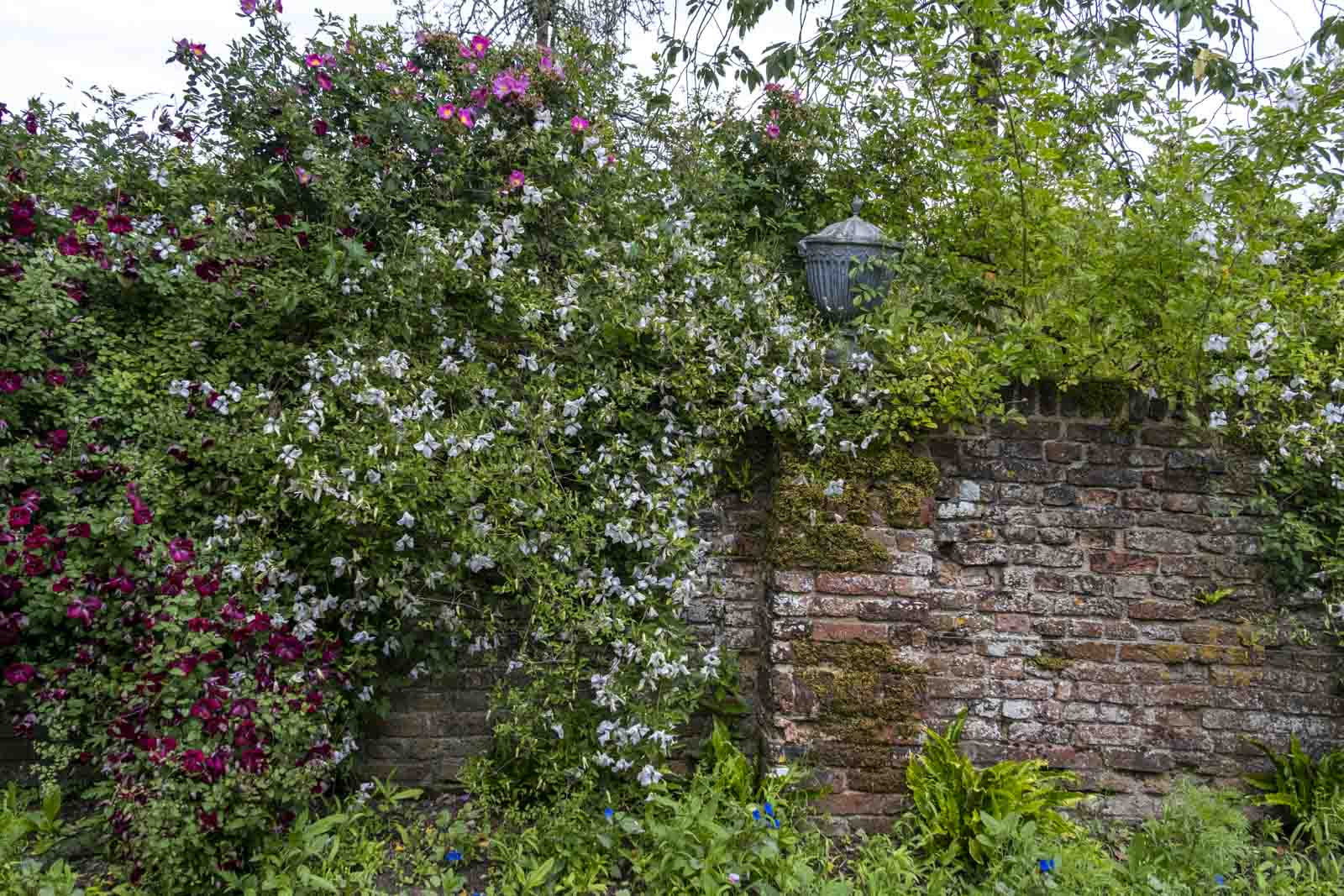

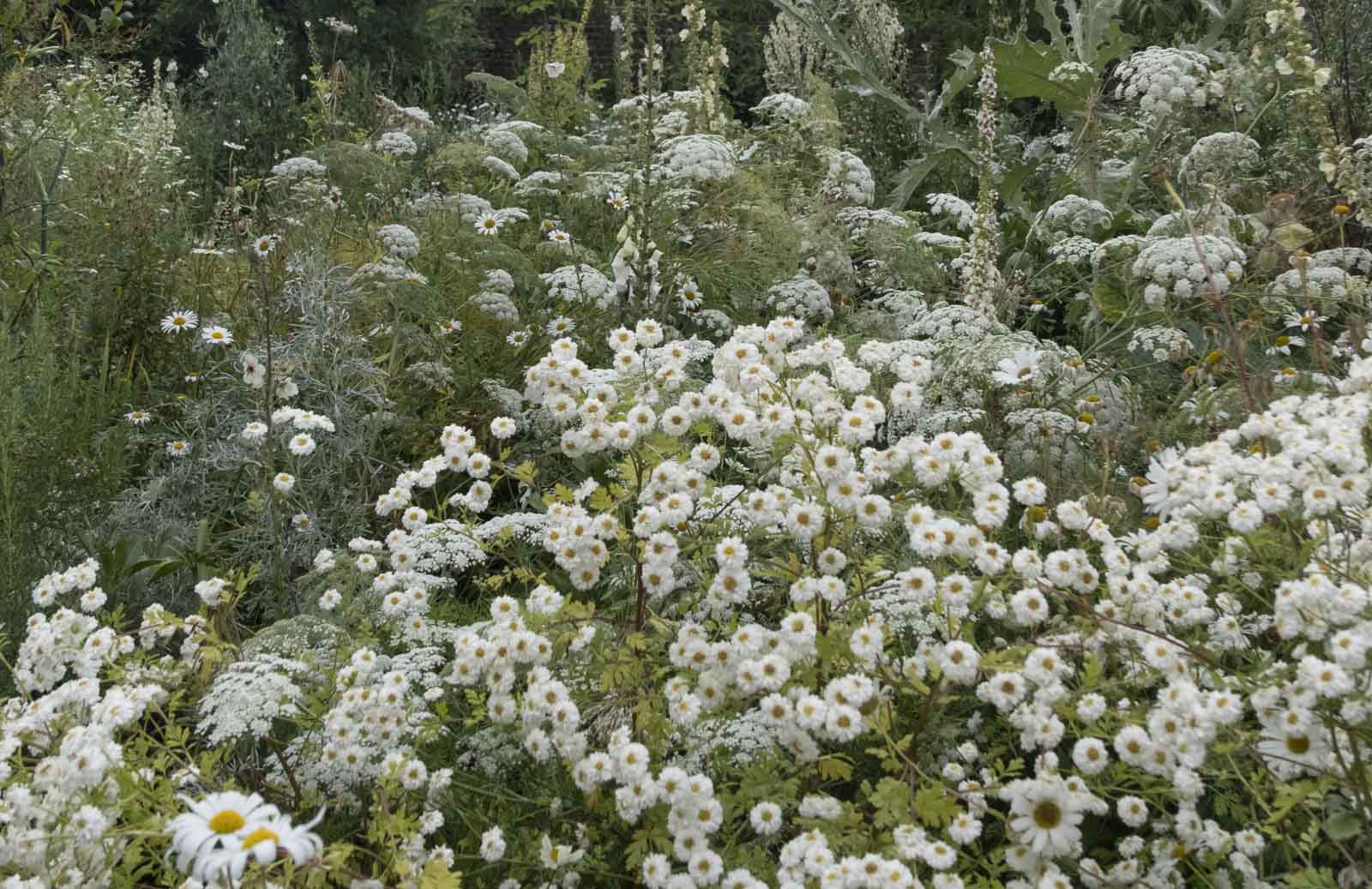

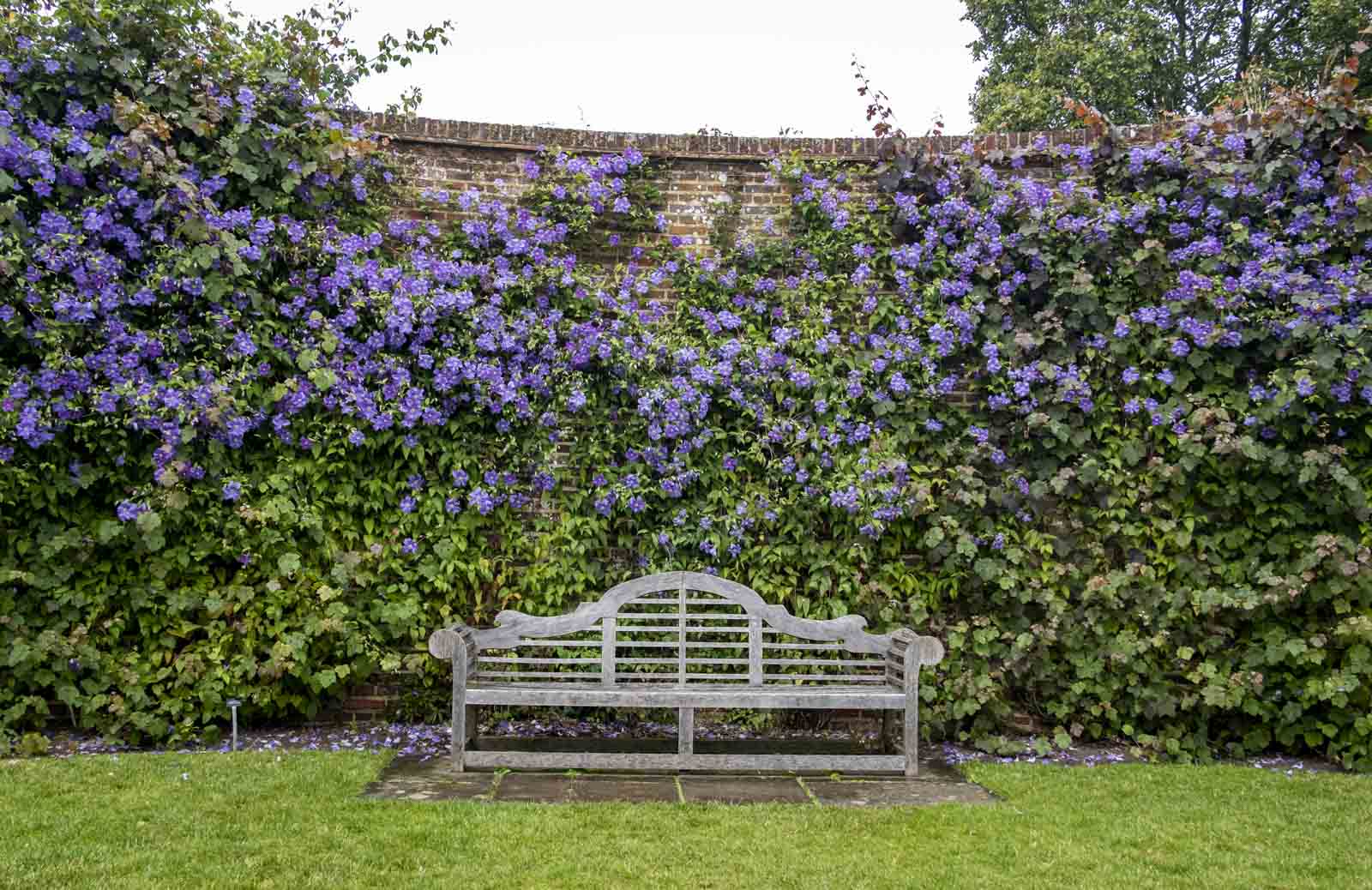
I loved the different ”garden rooms”. Maybe mostly the white garden and the yellow garden.


This is the view from the top of the tower, where the different ”rooms ” are clearly showing. And Vita Sackville-West’s writing room in the tower was extremely difficult to photograph, as it was in the middle of the narrow staircases and only a tiny platform to land on while other visitors were passing by.

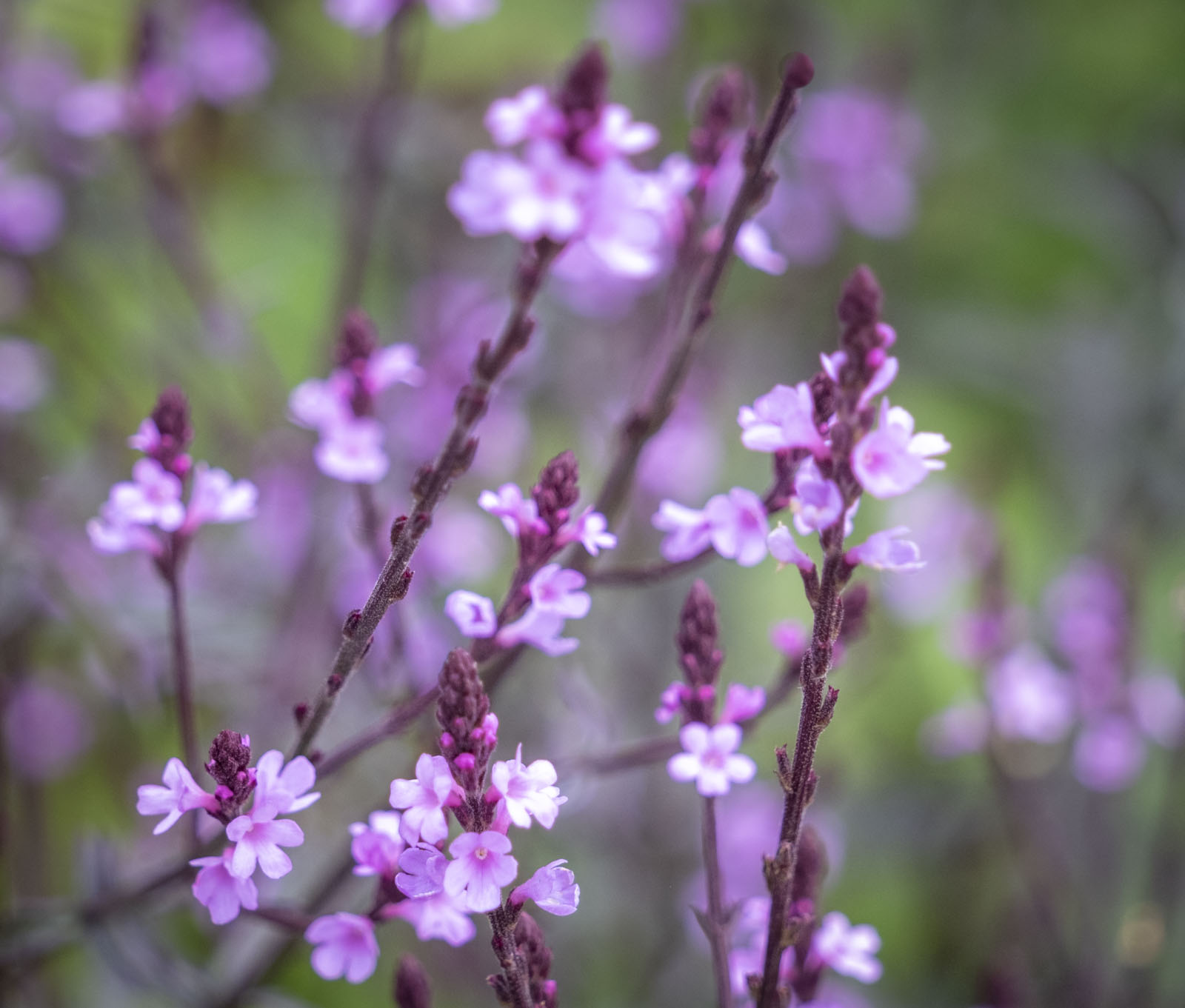
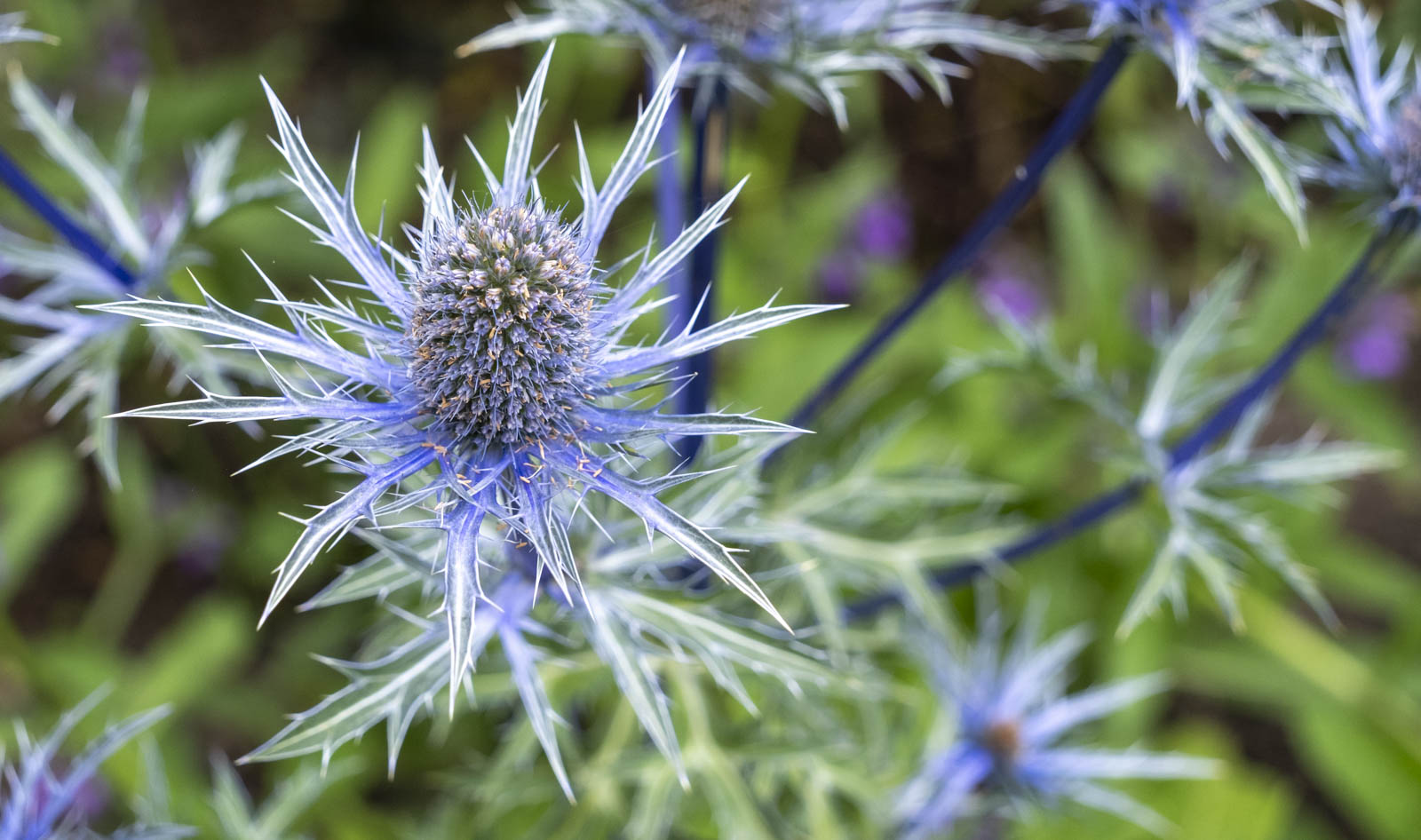
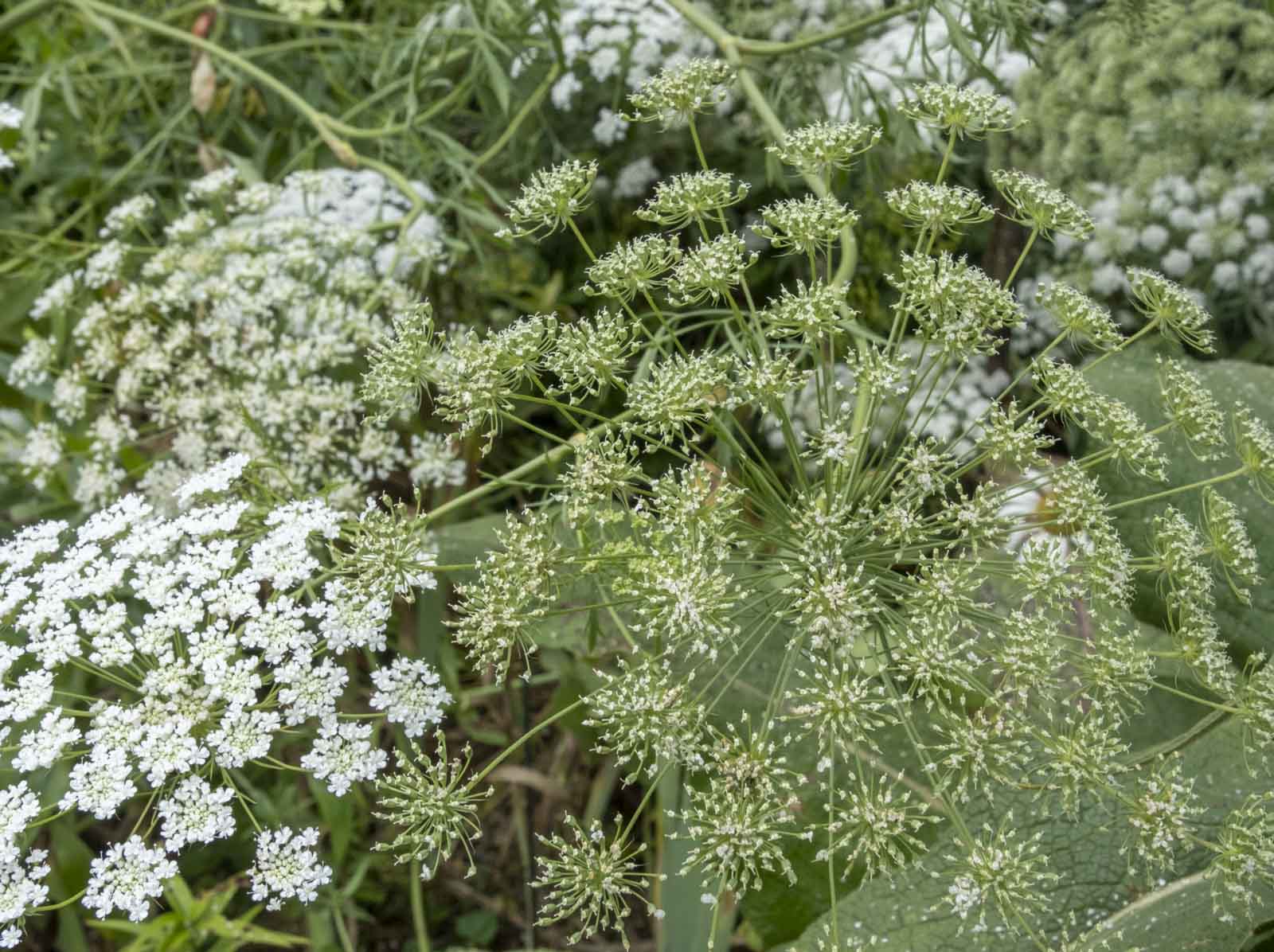


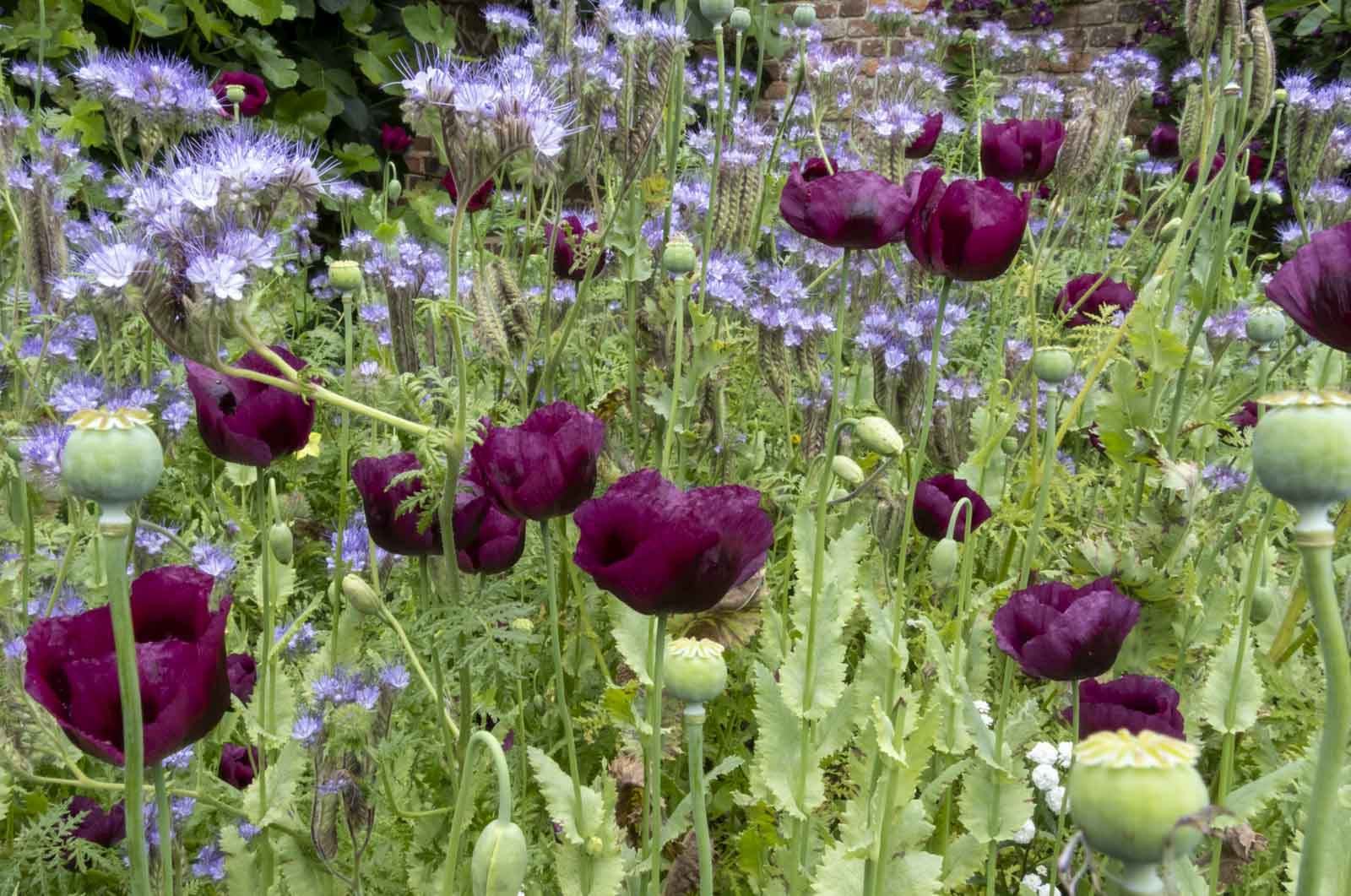
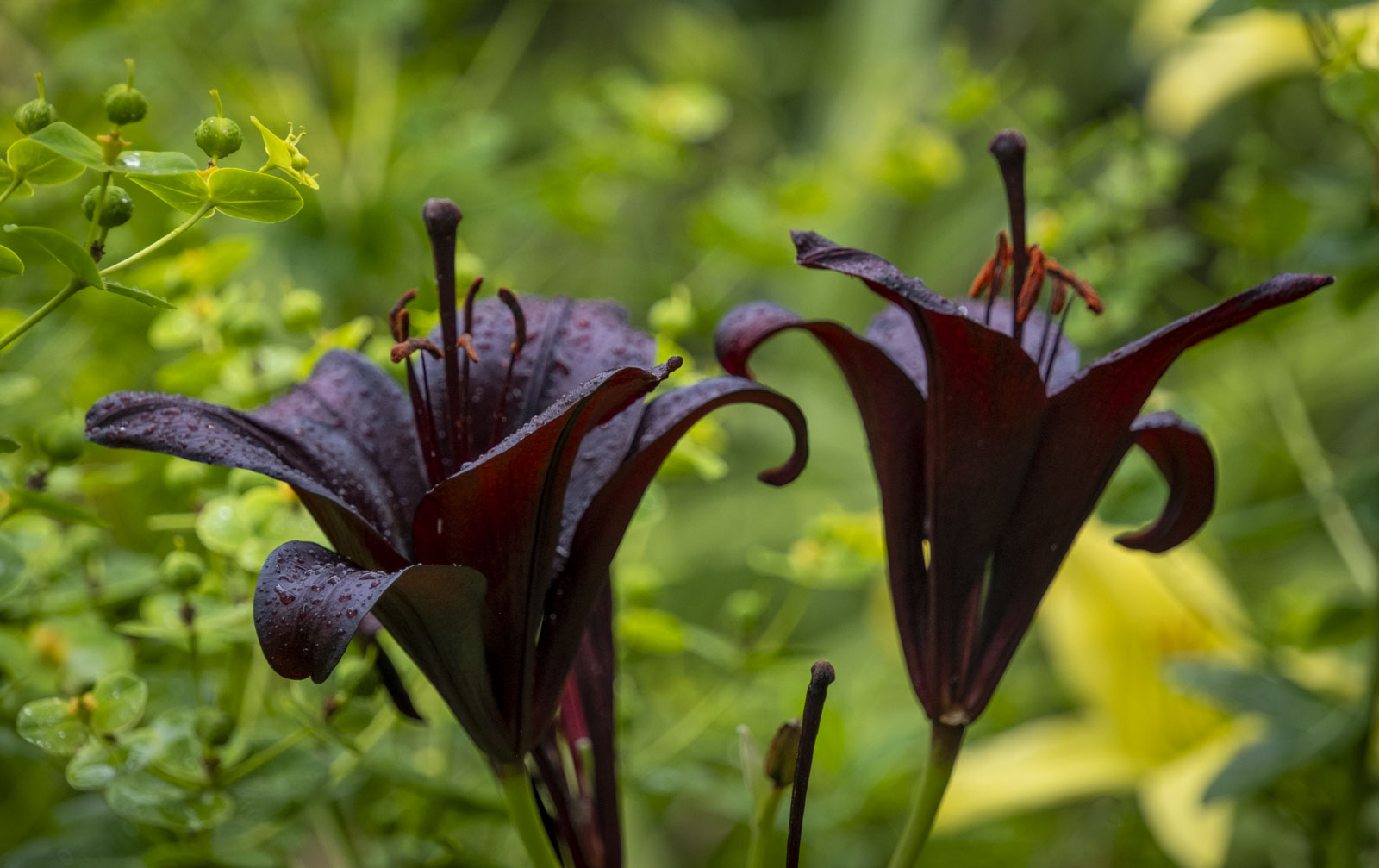
I hope you enjoyed Sissinghurst once again!

PR of Flights of the Soul is our next lovely guest host, and she is inviting us to find Balconies – please visit her beautiful site for interesting facts and more inspiration!

PR talks about the many ways of using a balcony, and – some cities seem to have no balconies at all, while others have them in every building. In many countries I have seen a dog sitting or walking on the balcony of a house. Hopefully the door in is not closed!
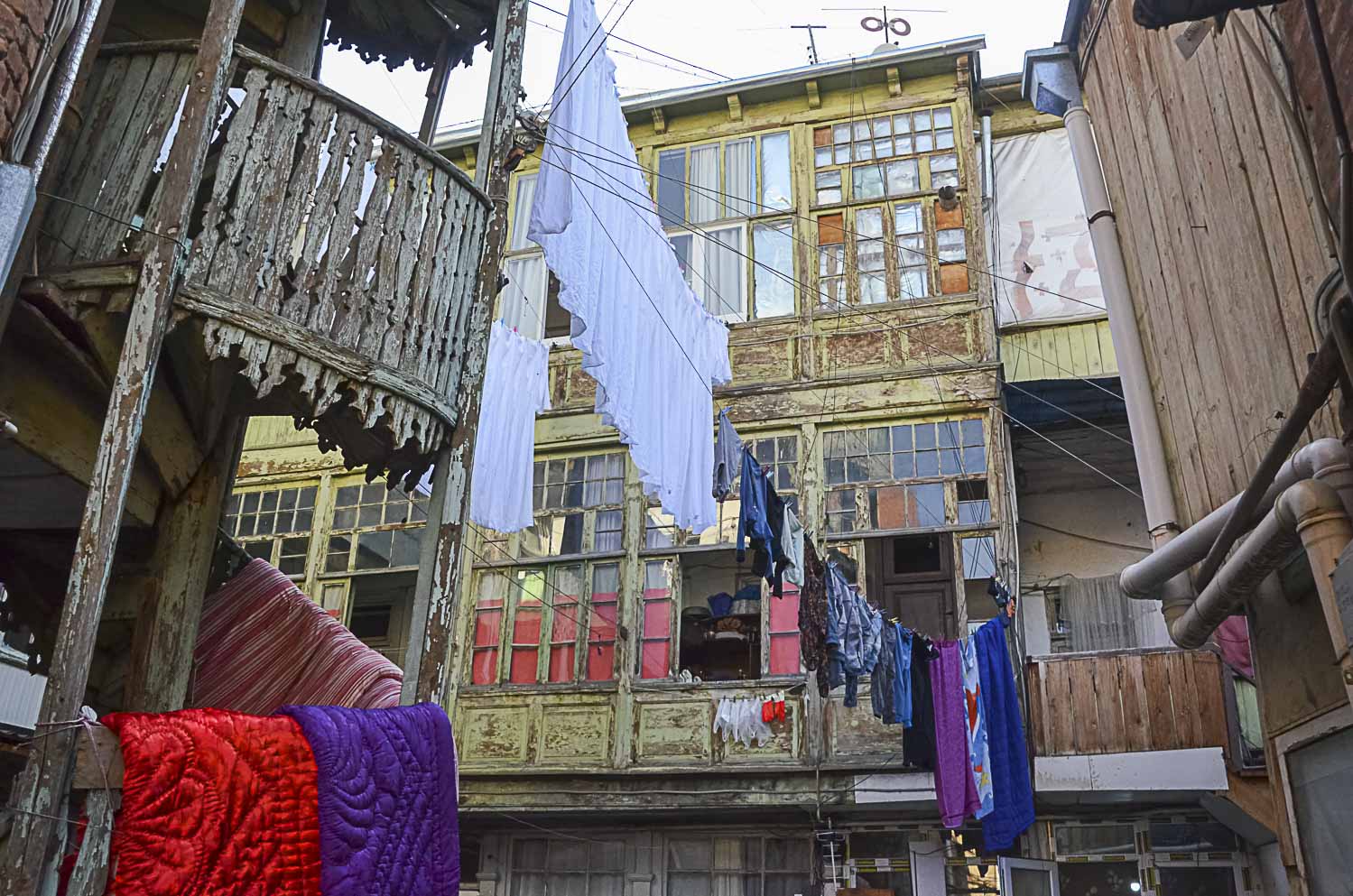
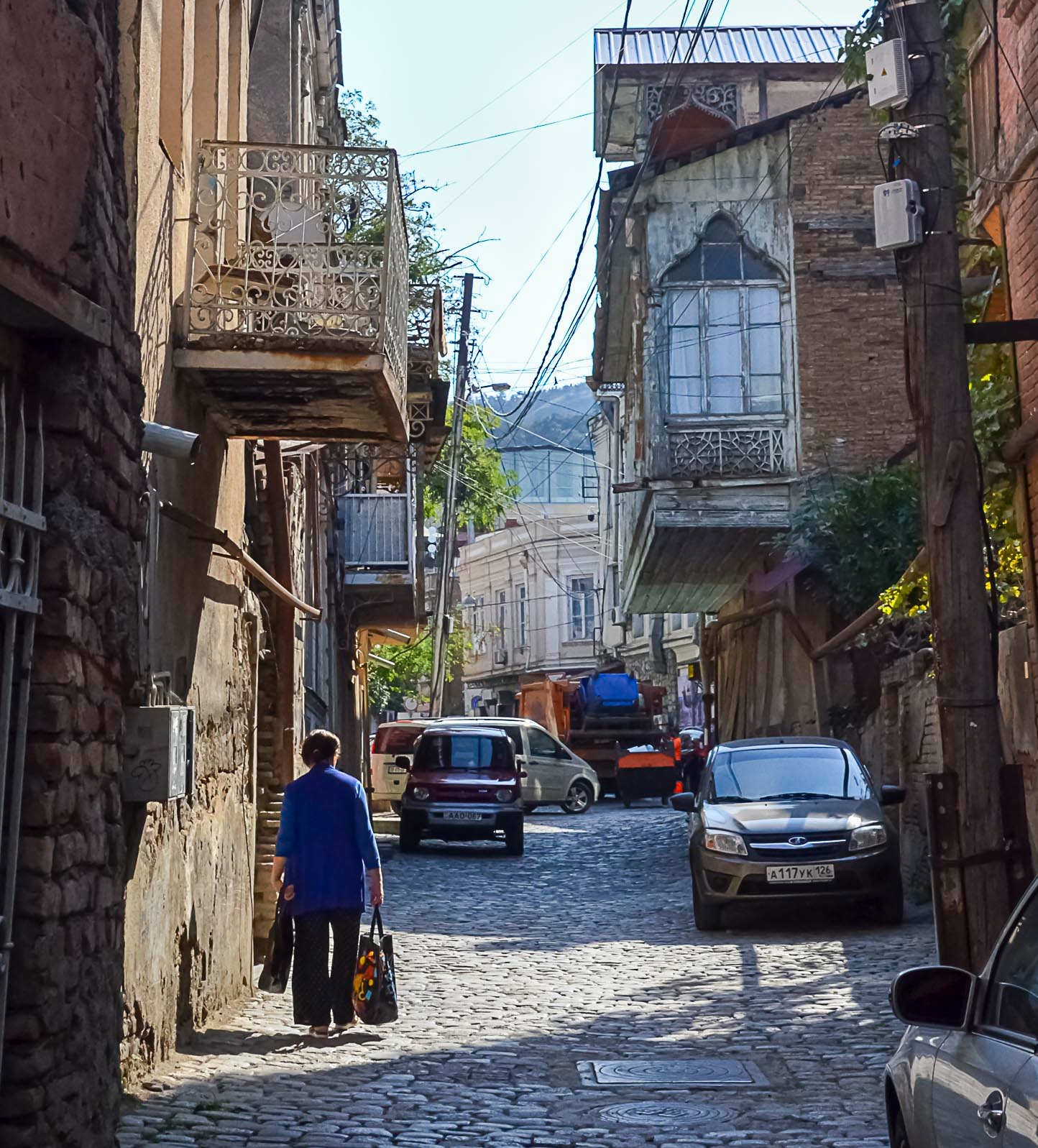
So, we are looking for balconies… A good advise is going to Georgia (not in the US…) and Old Town Tblisi. In the header though, is a Bhutanese balcony for monks only.


For well kept, beautiful architecture and balconies, an impressive place to visit is Prague. This balcony is surely not intended only for a quiet, nice cup of coffee.

The second gallery is from around Europe – we do have some interesting balconies too!


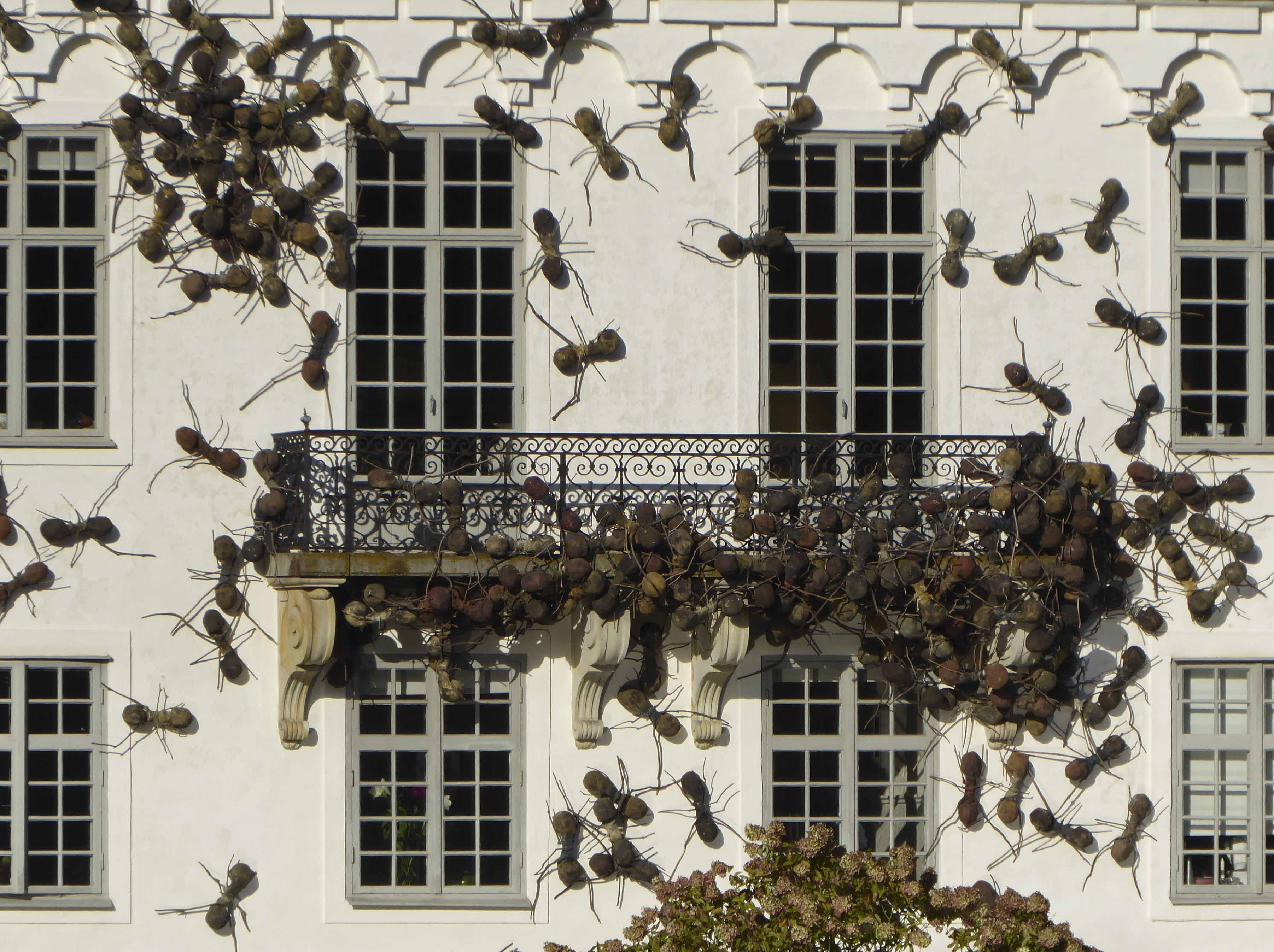

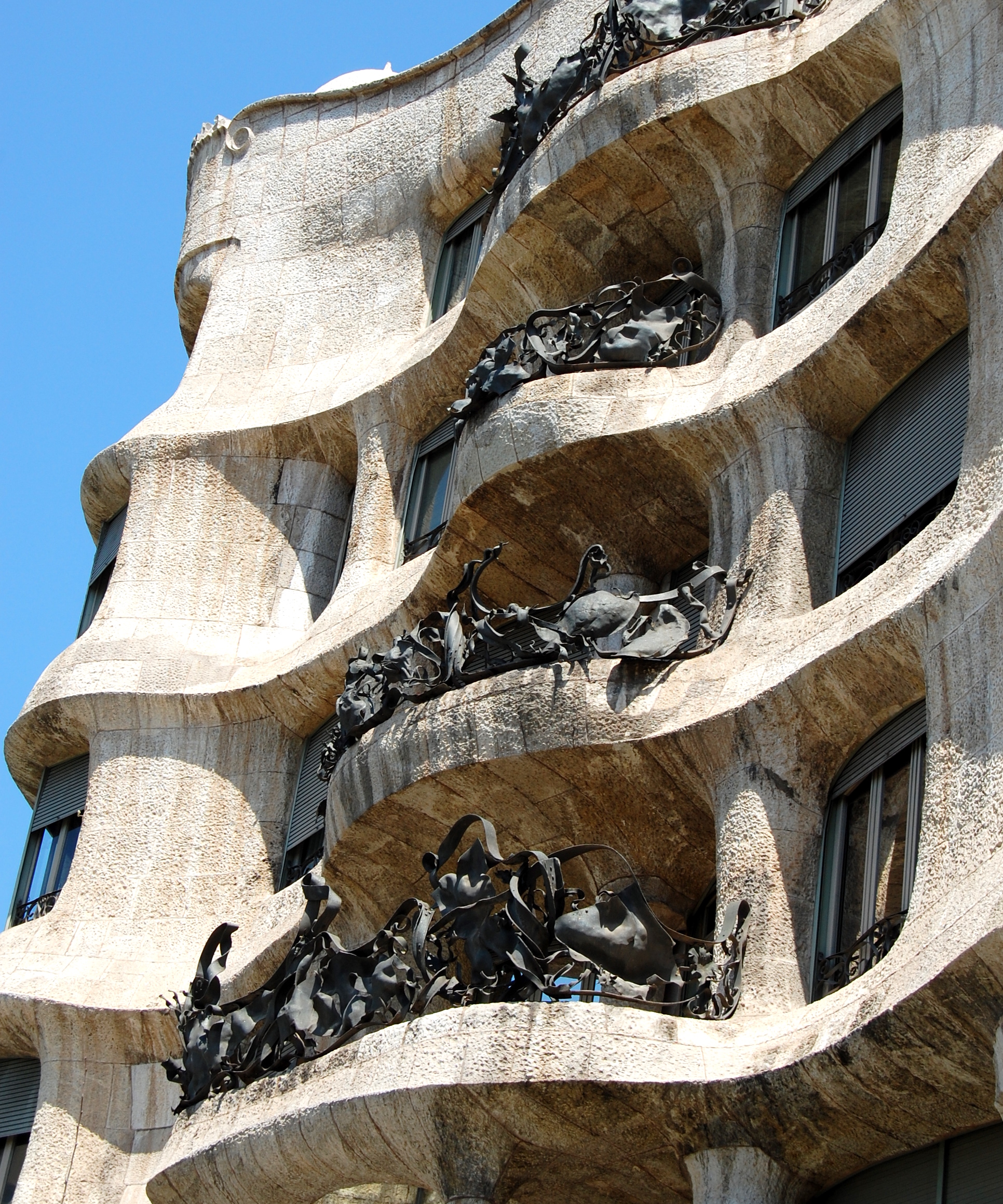

These are from Denmark, Madrid, Barcelona, Bulgaria and Sweden. The ants at Wanås Castle is a work by Colombian Rafael Gómezbarros. And, of course you will recognise Gaudi’s spectacular architecture. PR, the last one is for you – an inside view of the largest balcony of Casa Battló.
Do you have a balcony of your own or are you thinking of some that impressed you? Do remember to use the Lens-Artists tag, and connect to PR’s original post.
Last week, we saw great responses to the challenge Perfect Pairs – a joy! Next week the Lens-Artists team will be back, with Patti starting off the challenge on her Pilotfish blog. Until then- stay nice, enjoy your vacation if you have one, travels if you do and above all – Life. A big Thank You to PR and all guest hosts!
 Leya
Leya 
Du måste vara inloggad för att kunna skicka en kommentar.