El Camino – maybe some day…

Have you ever thought about walking the 1000 year old pilgrim paths, eighthundred + kilometres, from St Jean Pied de Port in France to Santiago de Compostela in Spain?

I am thinking about it, right now…

Camino Frances Map, Camino del Norte Map, Via de la Plata Map. Camino de Santiago Maps.

This summer we met many pilgrims on our Spanish journey, and what we learned from them, was peace of mind and reflecting thoughts of life… What am I doing here and where am I going – and Why? Pain of course…but as we happened to meet so many different pilgrims, we realized how many different reasons there are for their pilgrimage and the ultimate joy and satisfaction when arriving in Santiago. Hundreds of thousands of pilgrims walk one of these routes every year, and in a couple of posts I will try to convey something of what we learned about why they choose to go through this 800 – kilometre ordeal.

On our way to Astorga and the great cathedral, we stayed at this pilgrim albergue – our first one. At the entrance we were welcomed by Evilio, and immediately he set the mood: Contemplative and calm – Total Harmony.

Every morning we were awakened by the sound of the pilgims’ sticks. The earlier you are up, the earlier you will be at your goal for the day. First to the albergue gets a bed.
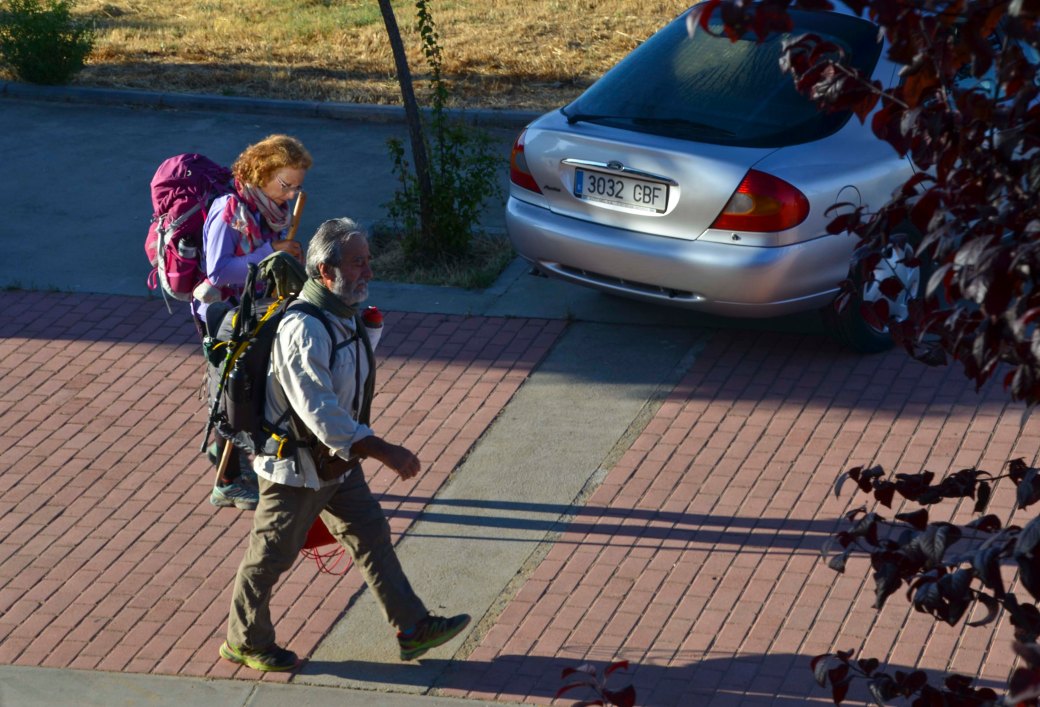
The Camino was just outside our window. And every evening there were new pilgrims lodging – and hopefully telling their story. Some did not want to talk much though. According to the old tradition, you should not talk during your journey. You should stay concentrated on your inner qualities.
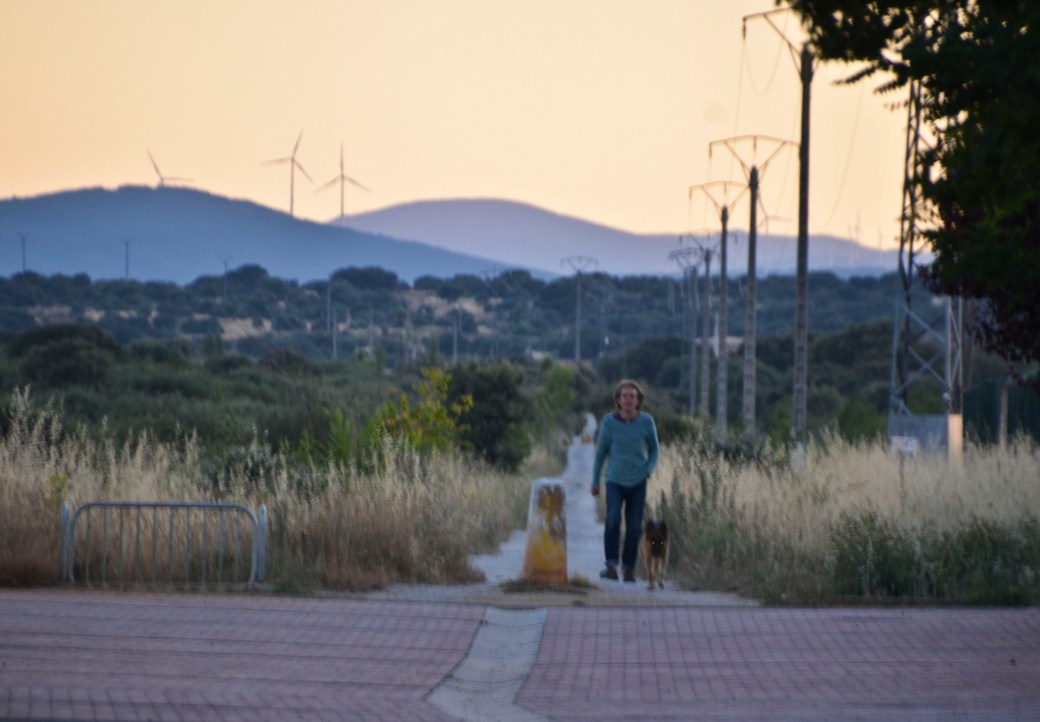
Late in the evening, these two friends would come walking after a tour on the Camino. The yellow stone is the mark.

Keep your window open…

Vilnius – Lace Curtains and Glass Giants

Why do many of us love things with history, crafted things with ”life” inside – more than the newest of new? We know that we cannot stop development and the growing cities, but my heart aches when everything old is falling apart and being replaced with – what? Soulless machine made things, gigantic glass houses …and more.

As I was walking north, out of the restored Old Town Vilnius, the typical wooden houses appeared again – and I had been waiting for them. In Uzupis we saw some, but now their full glory hit me. Planted in lush gardens, they were also home to several cats and dogs.

The houses may be dilapidated, but the owners’ love of fruit and berries, flowers and details like colours and lace curtains…

…bring gracefulness and beauty to any worn down house. This is what life was in the old days. Now they are all living in the shadows of glass giants and heavy traffic. And, soon they will all be gone, the houses and their inhabitants, and all that is left will be some photos and maybe glimpses in old people’s memories.

WPC: Mirror

Mirror, mirror on the wall…Which is the best representation of them all?

This is a challenge where I think most people have many options in their archives – interesting…which ones do we choose?

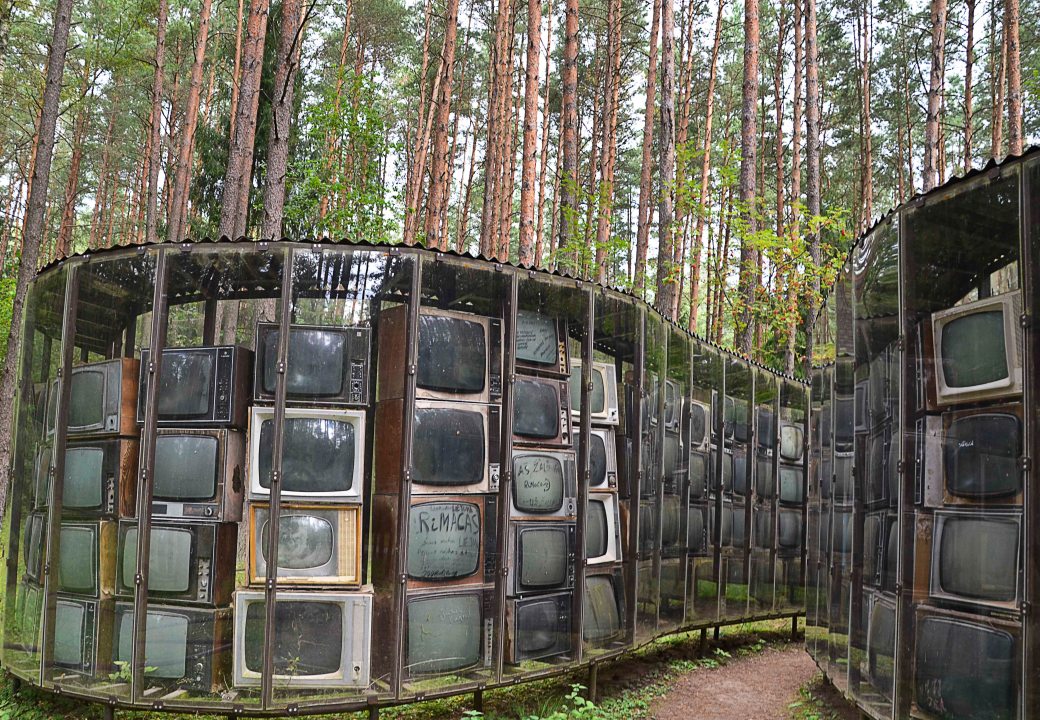
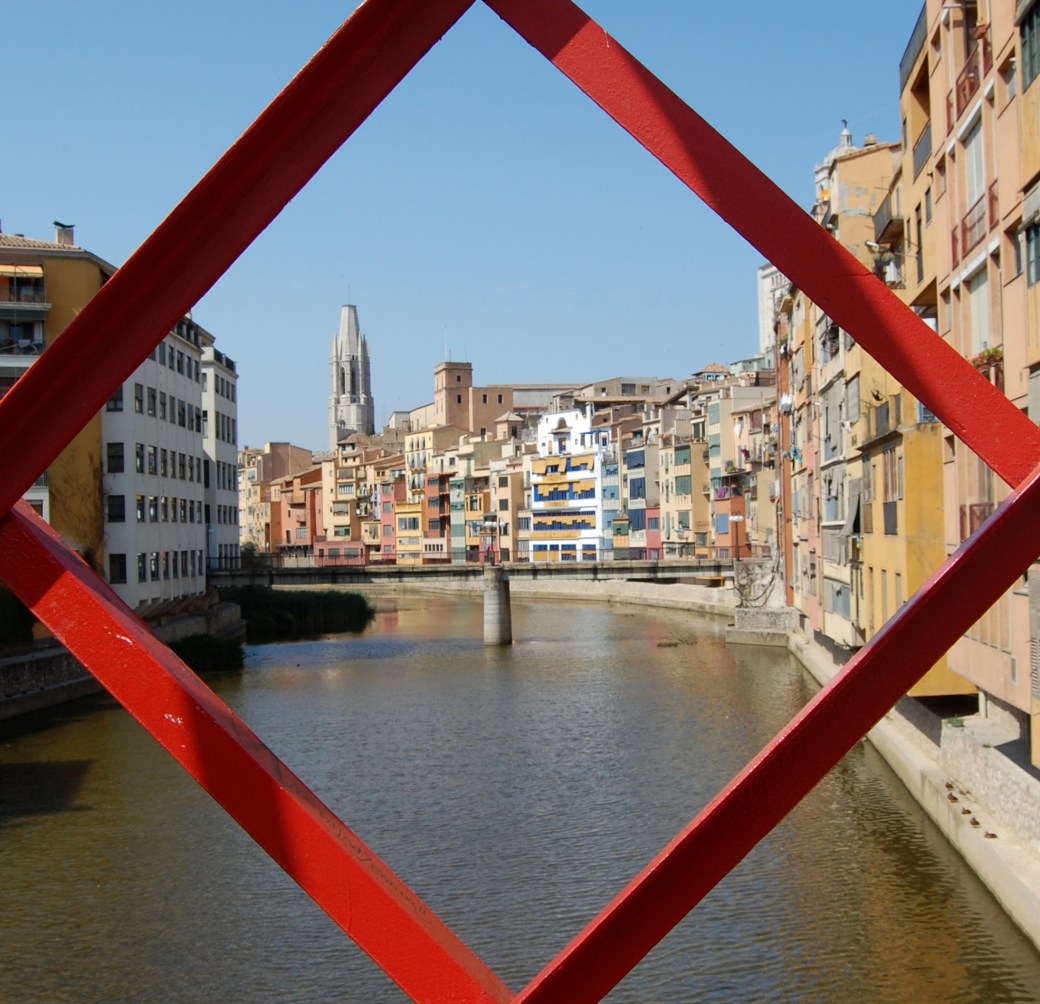
In the header is a Bilbao photo from opposite the Guggenheim museum. There is this house mirroring a bridge with a red car passing. The other three photos I guess you have seen before – if you are following my blog.

For more of mirrors, click here.

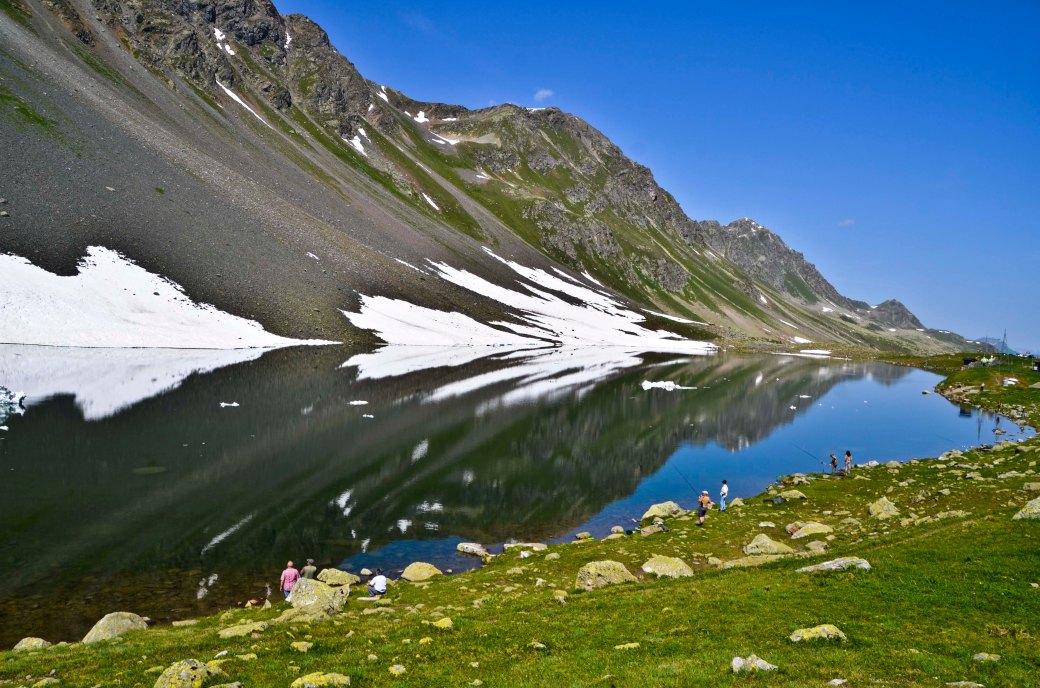
Switzerland, the Fluela Pass in the early morning.

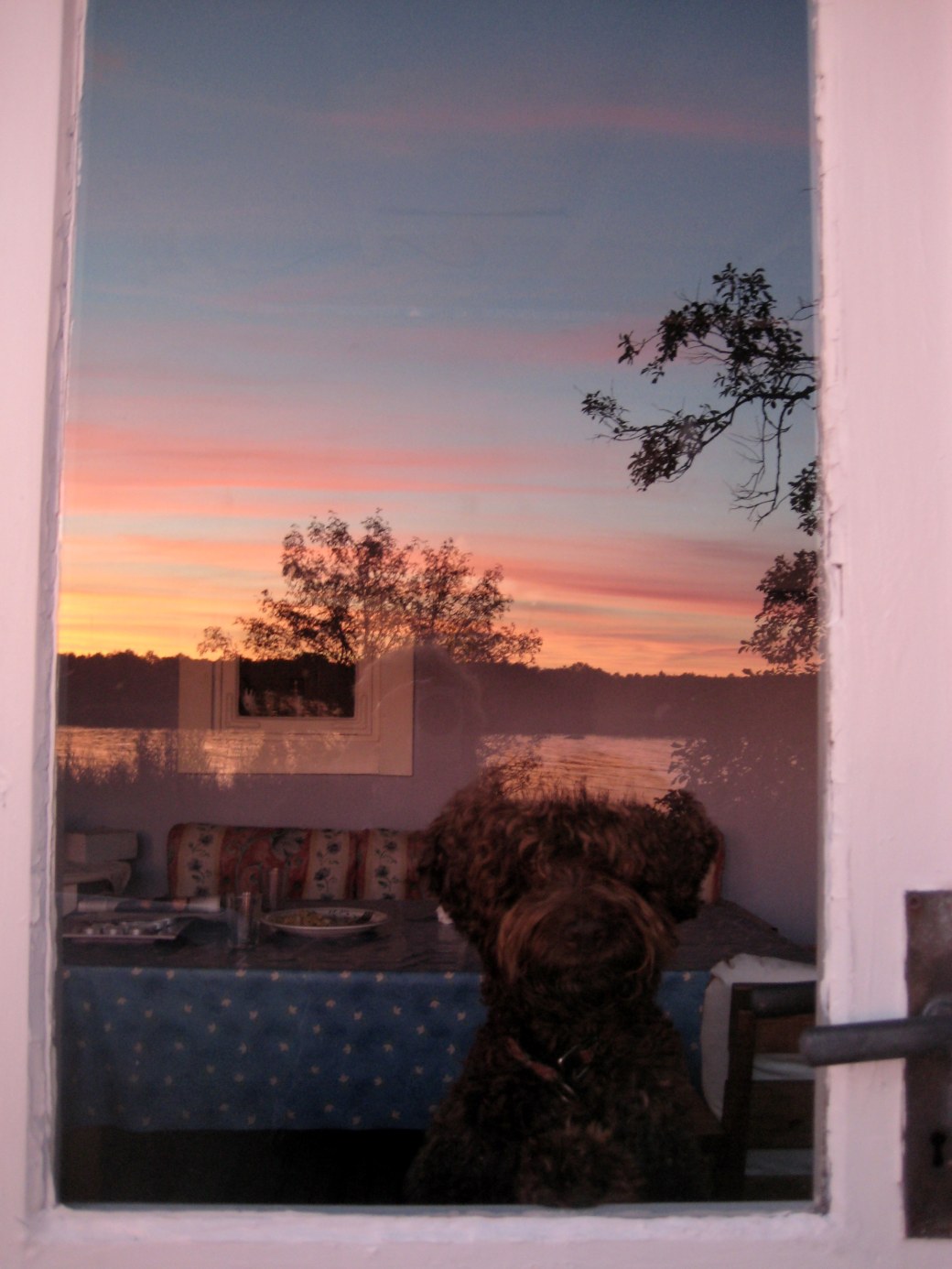
My beloved Mille…looking out for me, walking in the late evening.

Hamnen, Auckland. Vid fiskmarknaden.

 Auckland harbour by the fish market.

Thursday Thoughts – (To me…) Unknown Artists

There are times…when you come across things you never had expected, things magical…like the artwork of Petras Repšys.

Repšys is a graphic artist and monumentalist, born in Šiauliai, Lithuania, in 1940. In 1960 – 1967 he studied graphics at the Lithuanian State Institute of Art, and since 1967 he has participated in various exhibitions at home as well as abroad. His works embrace engravings, book and applied graphics, book-plates, easel painting, frescos, sculptures, and medals.

The University of Vilnius displays his fresco ”The Seasons of the Year” (painted in 1976-1984) with motifs from Baltic mythology at the Centre of Lithuanian Studies. This is the absolute highlight of the University visit – and maybe of the whole trip to Vilnius.

Please notice all the little figures trapped in the ”frames”themselves – or in between. Climbing, holding things together, connecting …or just watching.  Fascinating.


Thursday Thoughts – A Yellow Anatomy

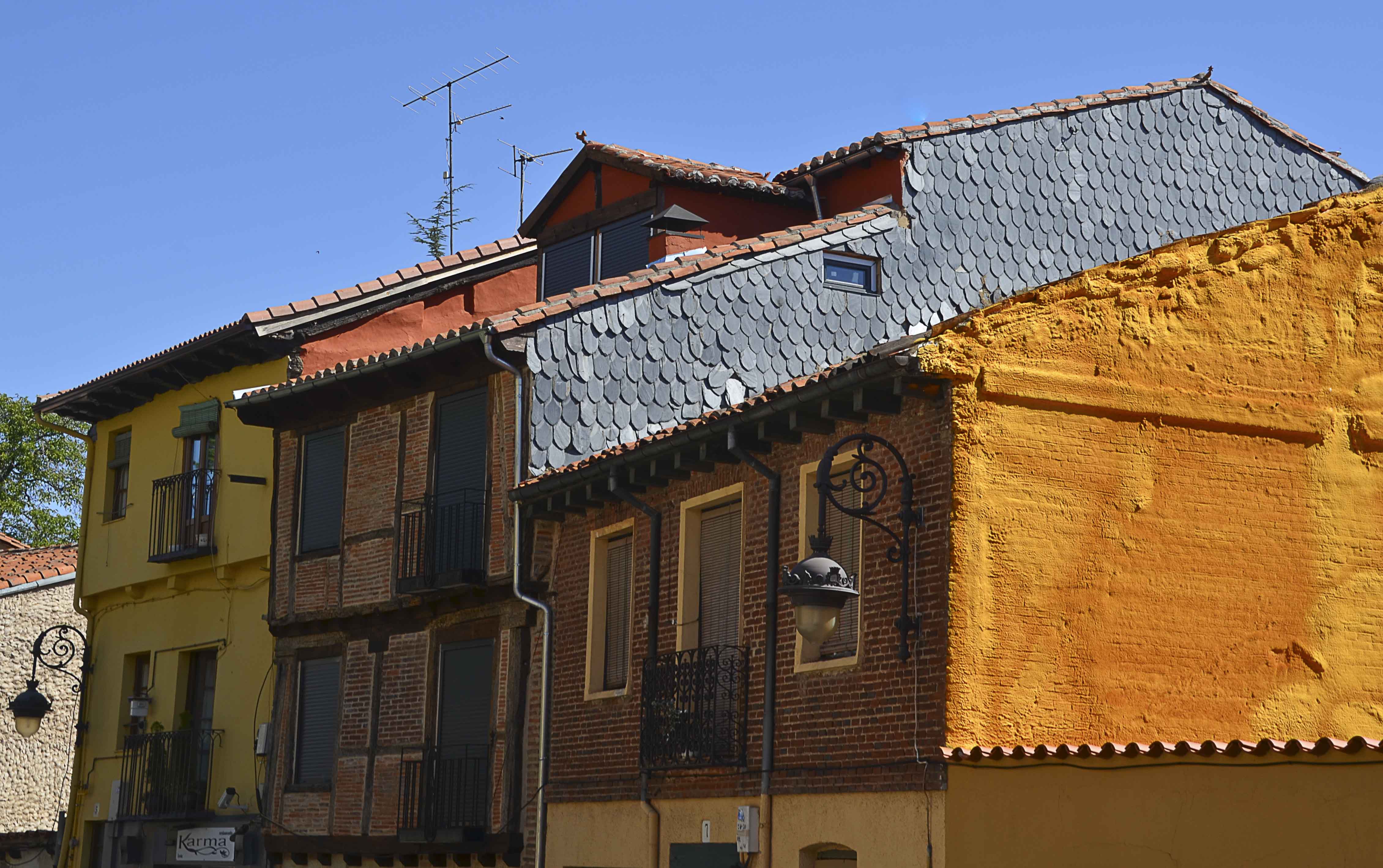
Yes, why yellow walls? Driving through the north of Spain, I recognized this almost saffron colour on a great many walls in the cities and villages.

Personally, I love this colour. Its warmth and connection to Africa and to the desert.

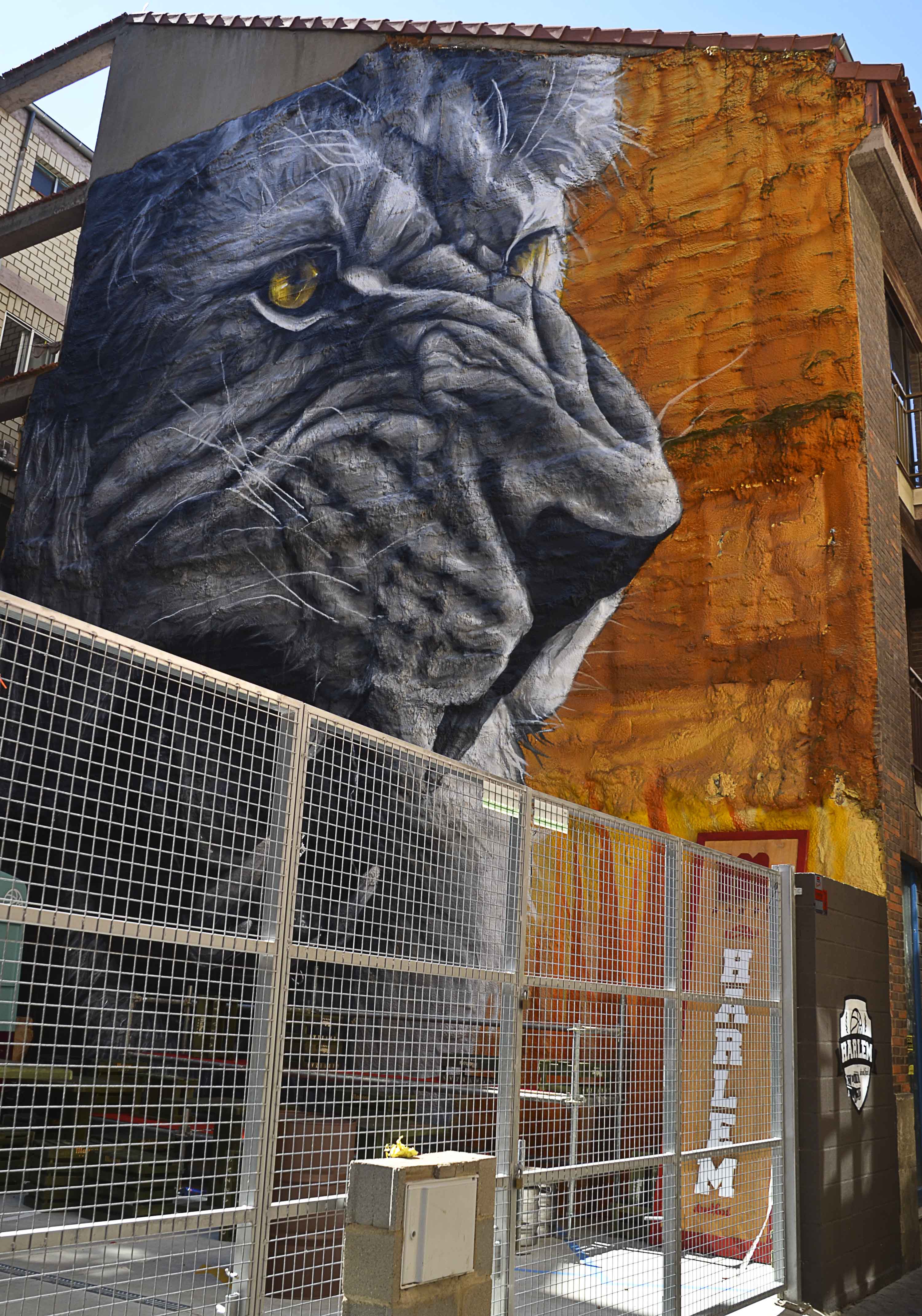
In Pamplona I found this enormous Lion on such a yellow wall – Impressive painting, and so in harmony with all that yellow. On a closer look, I found the painting even more impressive.

I still do not know why those walls are painted saffron yellow, but at least I have figured out what the colour is hiding…

…the anatomy of what once was.

Gernika -The Assembly and The Tree

In the header, the replica in Gernika of Pablo Picasso’s Guernica –  reminding us all of the 1937 bombings. His masterpiece is hanging in the Reina Sofia museum, Madrid.

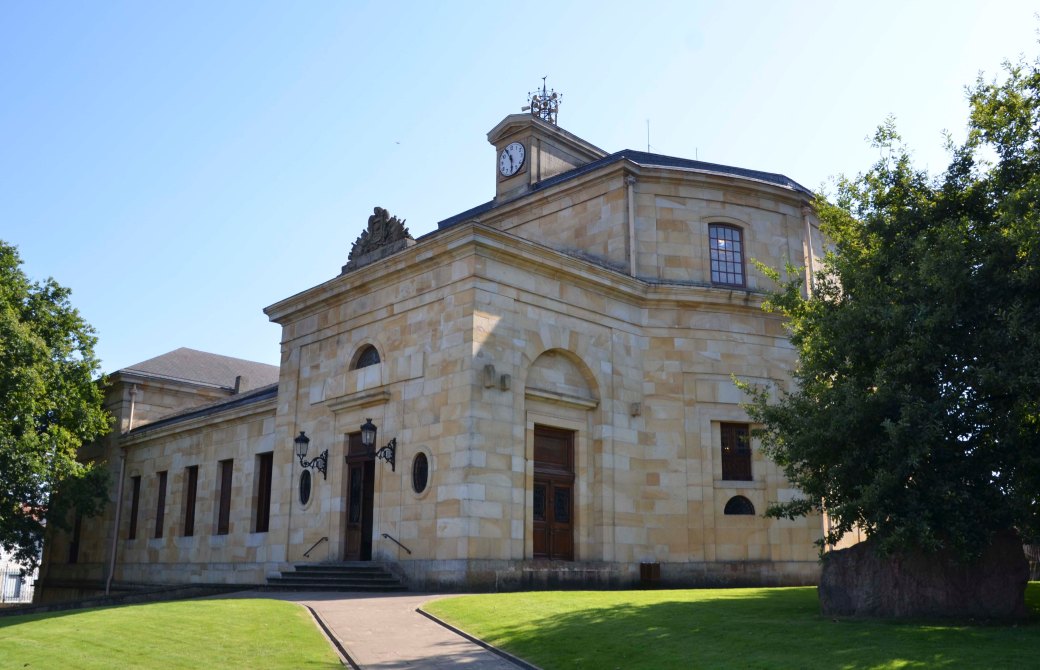
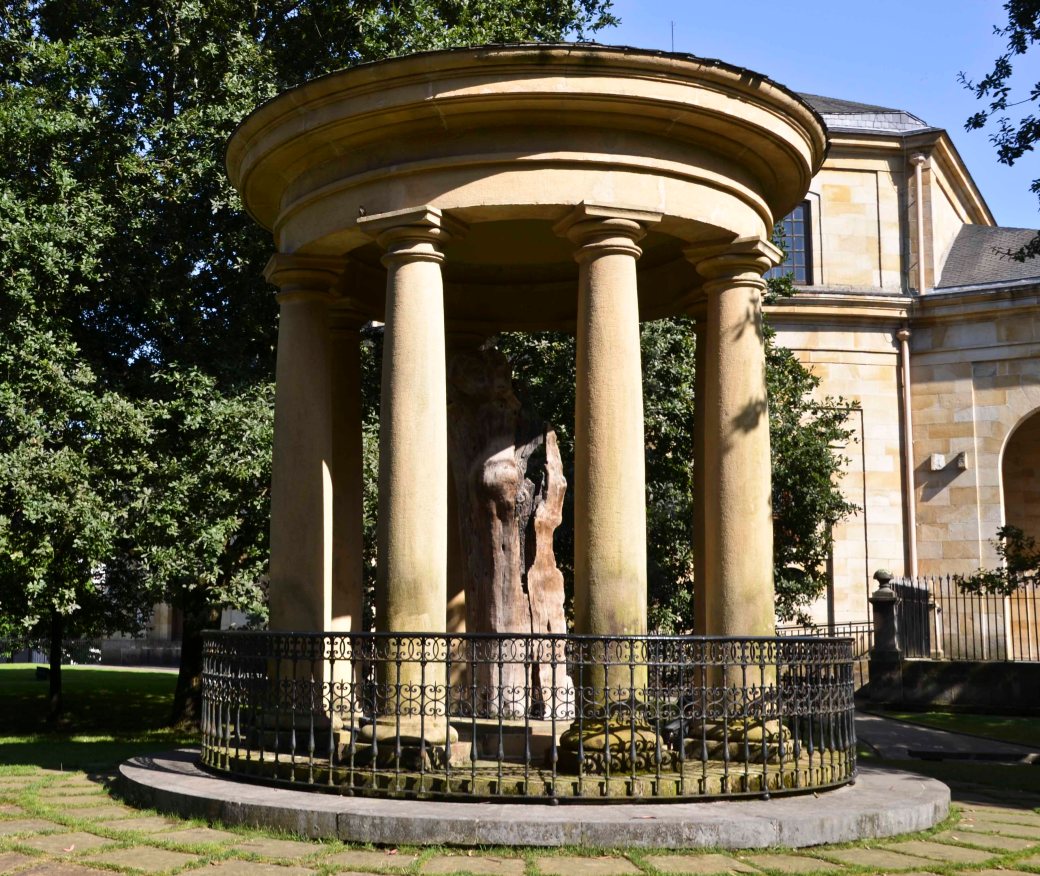
The Assembly House (built 1826) and the Tree of Gernika are the living symbols of the Basque People’s history.

The two of them became a meeting point of all the territories of the Basque Country – bringing together cultural and ethnographic traditions.

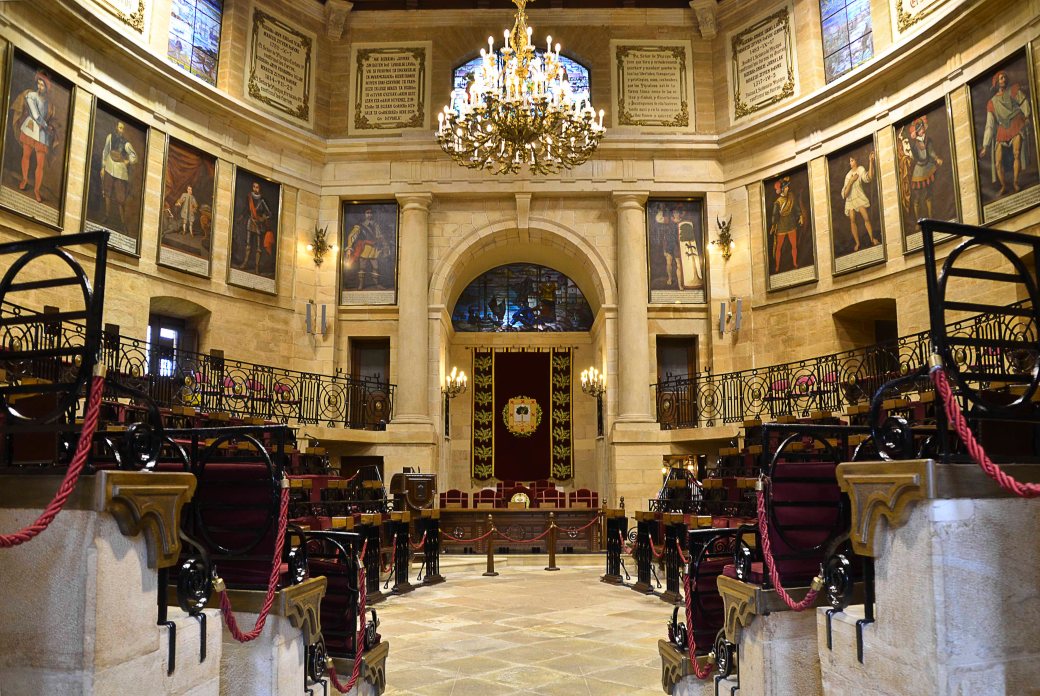
In this room are held all the plenary meetings of the General Assembly. It was conceived as a Church-Parliament that could bring together political and religious functions at the same time. The portrait gallery shows different dates when the Oaths were taken for The Old Law ( based on usage and custom) in a ceremony.

The Tree og Gernika is the best known symbol of the Basque People.

For centuries, under its shade the meetings of the General Assembly were held. This is the old trunk of the oldest remaining of the Assembly Oaks, planted around 1700. A new oak tree (a direct successor of the old one) is planted when the old venerable tree is gone.

Everywhere is the symbolic tree represented, in embroideries as well as wood carvings.

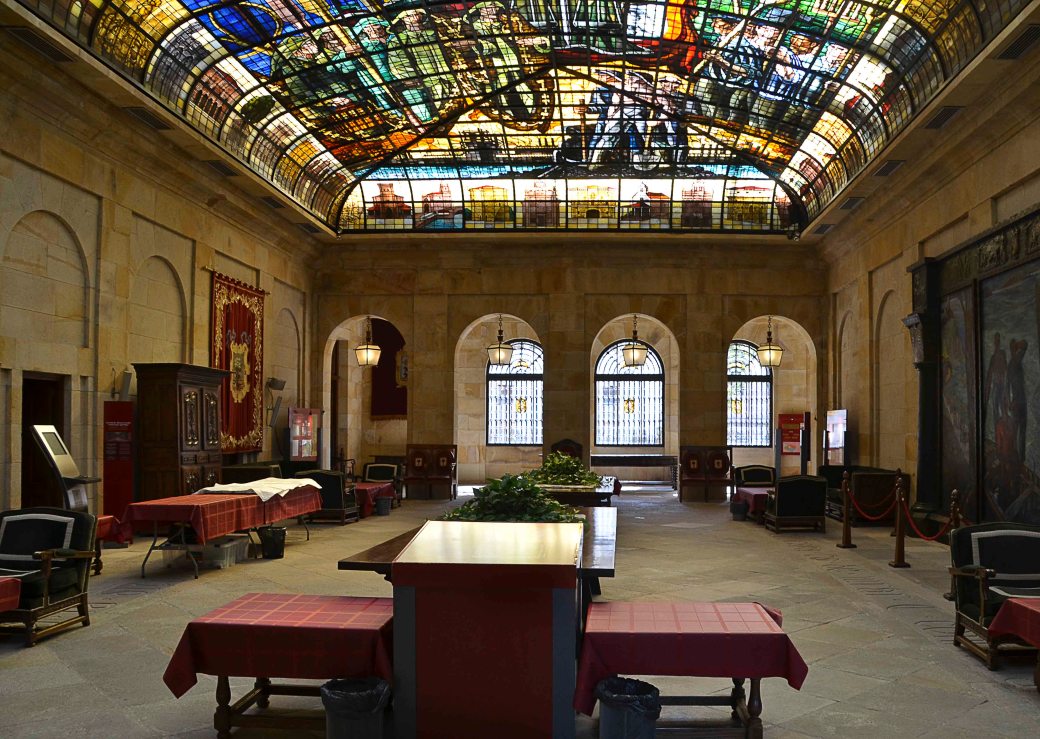
This is the Room of The Stained Glass Window. The space was originally designed as an open air patio, and is now currently employed for institutional uses.

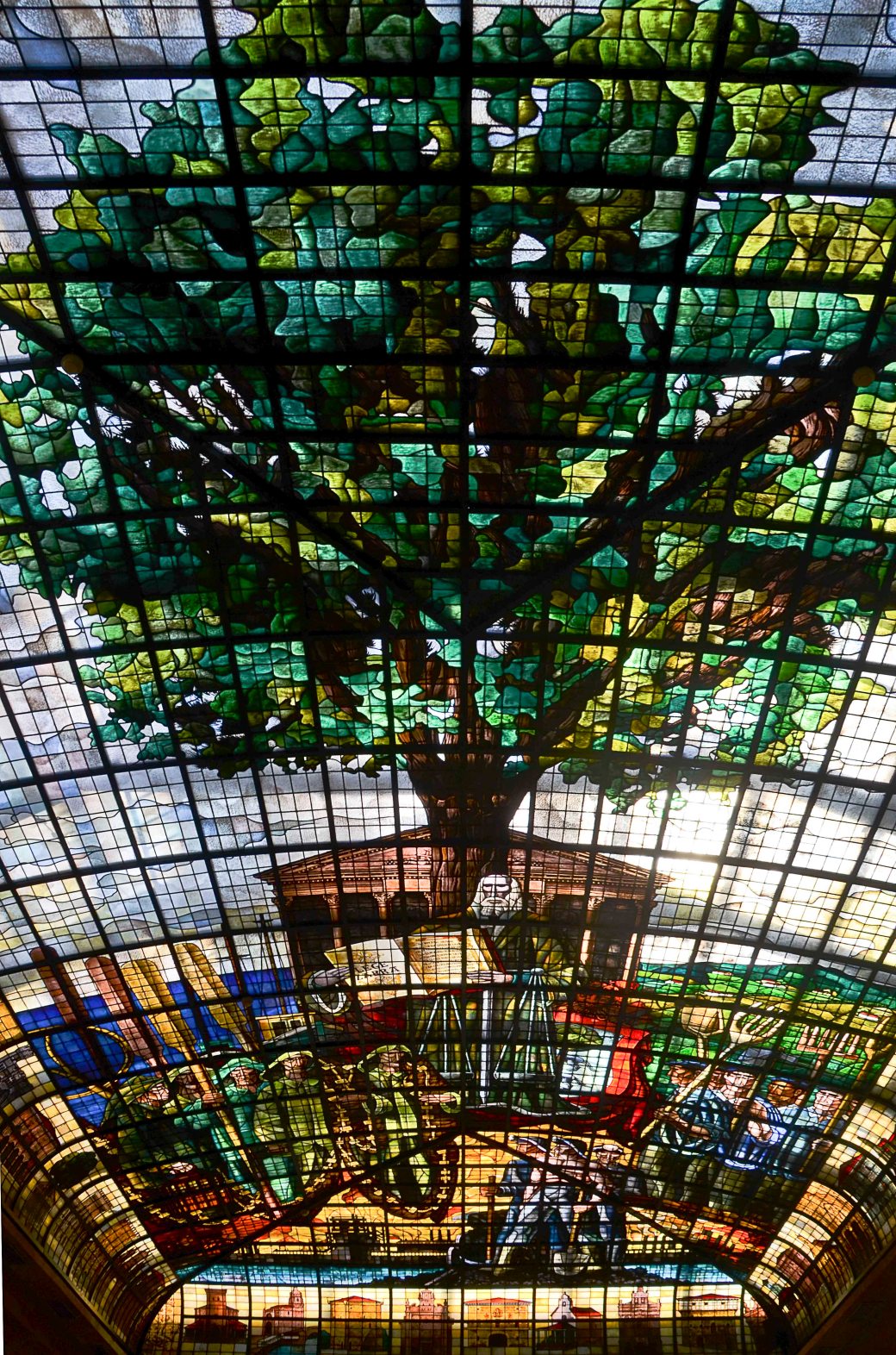
The gigantic stained glass window – or in fact ceiling –  completed in 1985, has a special significance. It was crafted completely by hand by a company from Bilbao, Vidrieras de Arte S.A. It is a graphic representation of the Tree as a meeting point for the districts of Bizkaia.

A Living Legend…

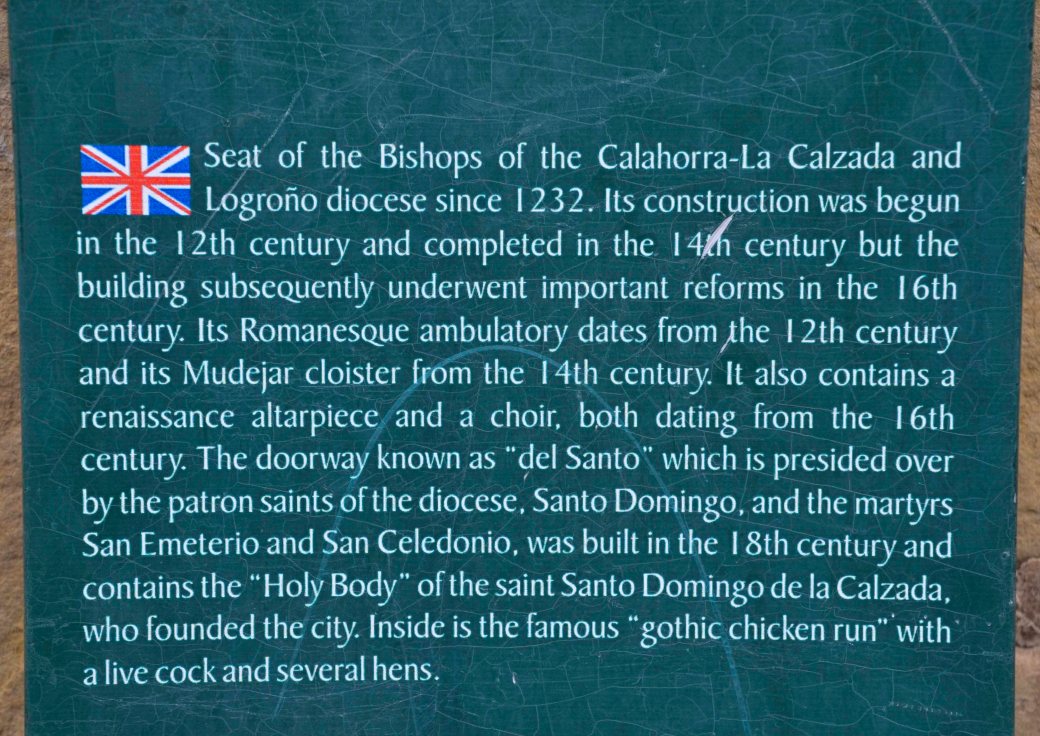
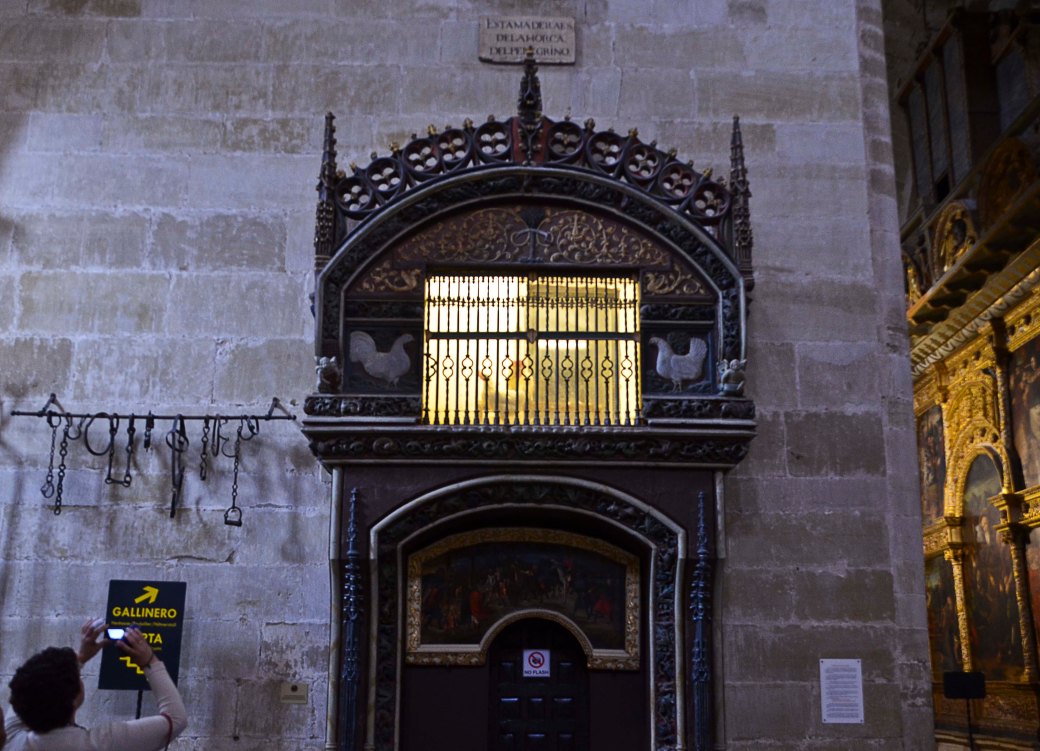
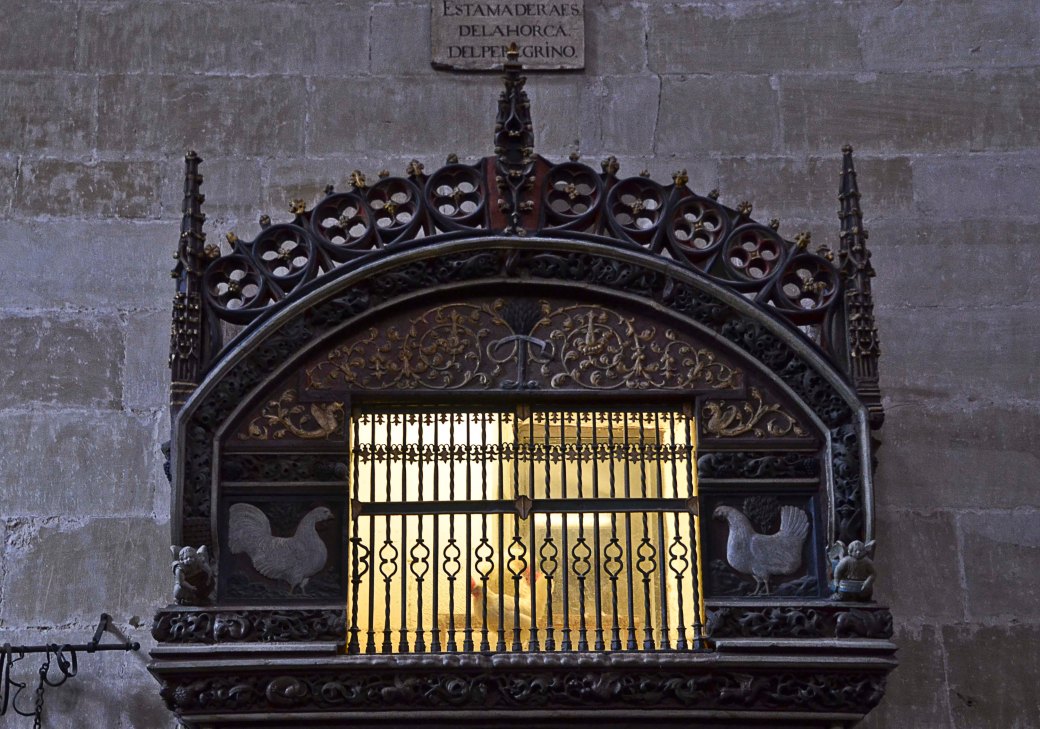
Legend has it that Santo Domingo, who lived around the year 1000, was honoured for his miracles … by keeping a live cock and hen in a golden cage in the church wall.
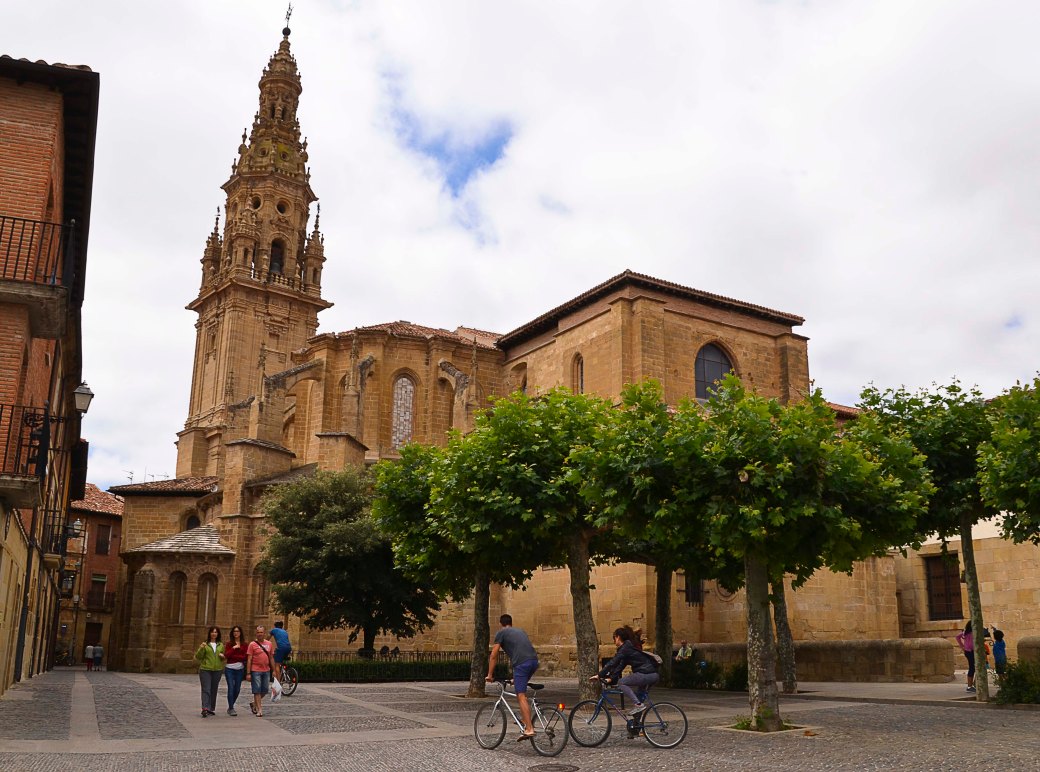
Santo Domingo de la Calzada

The story tells of a German pilgrim, who rejected a local girl’s love, but then she wrongly accused him of theft, and the pilgrim was hanged. Later his parents found him still alive in the gallows. The parents went to the local judge, who said: ”Nonsense, he is not more alive than the cooked rooster on my plate.” Then the rooster stood up and crowed.

Believe it or not – but they are still there…

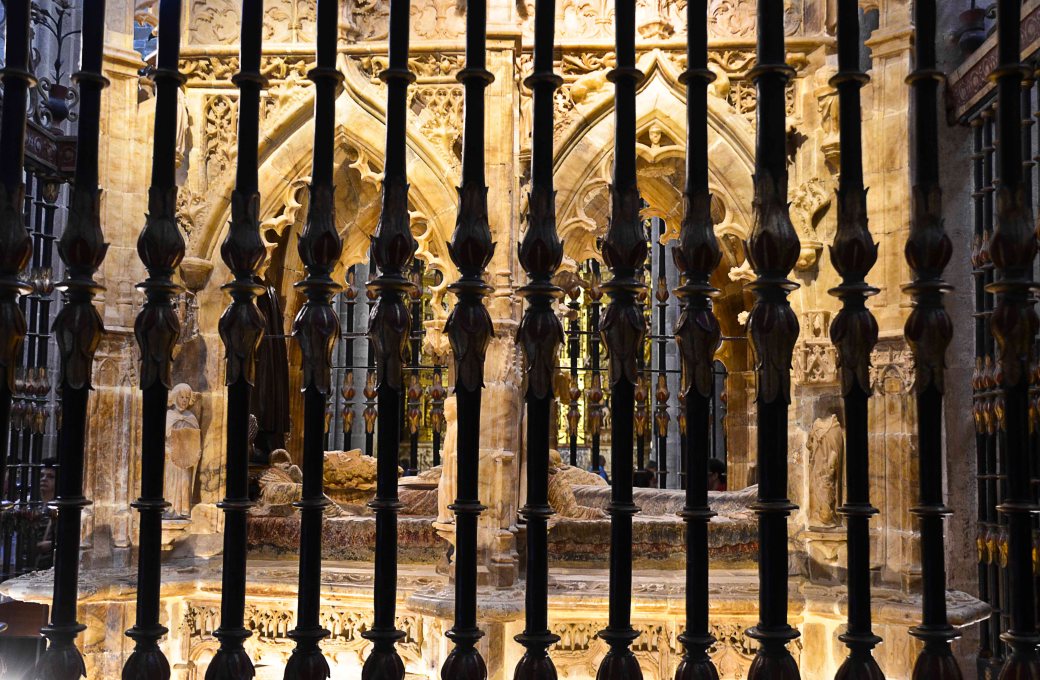
…and so is the saint – but in another cage.

It Is All About Bulls…

A rather big city, renowned for its yearly dangerous race between men and bulls…

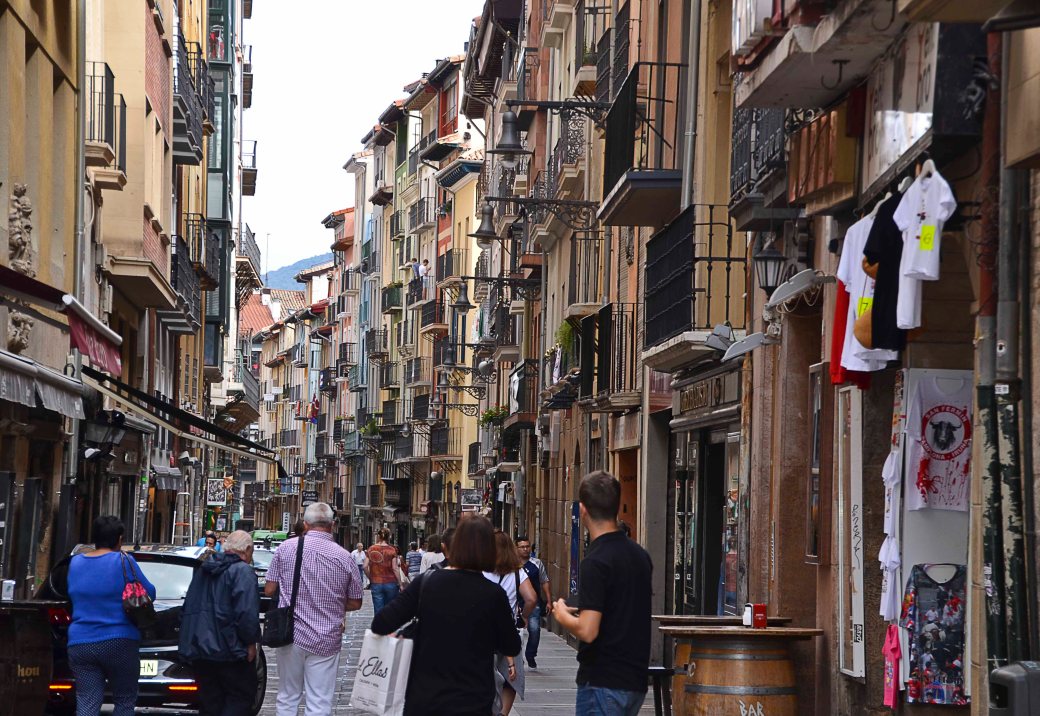
…running along this street…

…ending up in the arena on the other side of these red doors.

Spanien 3 334_copy

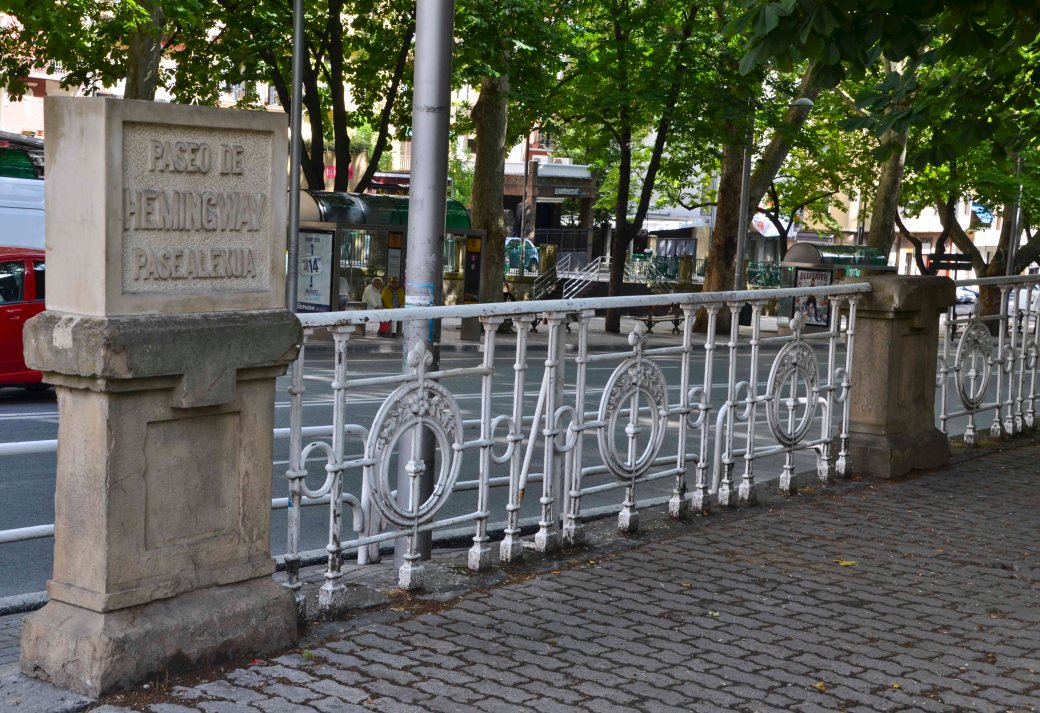
The man who made this race known to the whole world had a street named after him here – just beside the arena.

And he happens to be one of my favourite authors. Although I must say the monument does not do him justice…

Surely you, by now, know where we are in Spain?  – Pamplona!