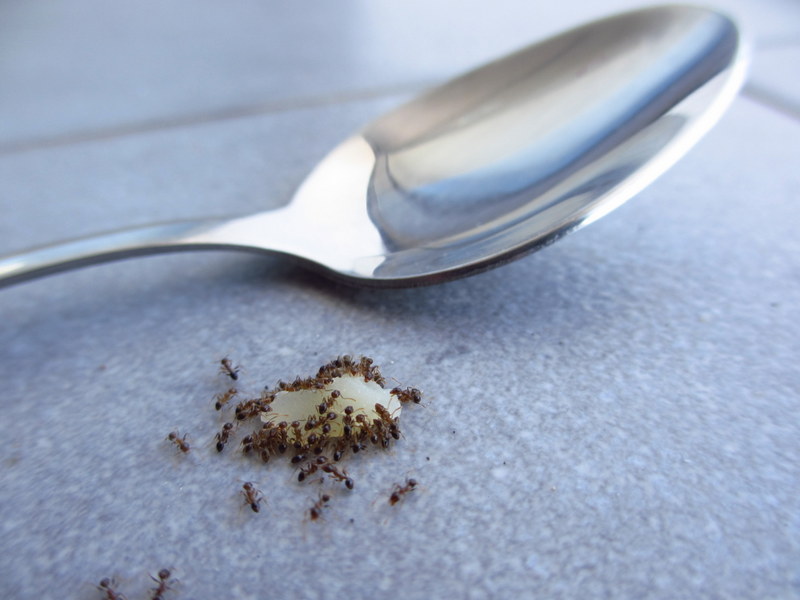
Cheri at WordPress urges us to walk into tiny worlds this week. Personally I love tiny worlds – I believe many of us do! In the header a tiny beech leaf, fallen and resting on the forest floor among blueberry twigs to be. And, below are the tiniest ants I have ever met.
Underligheter
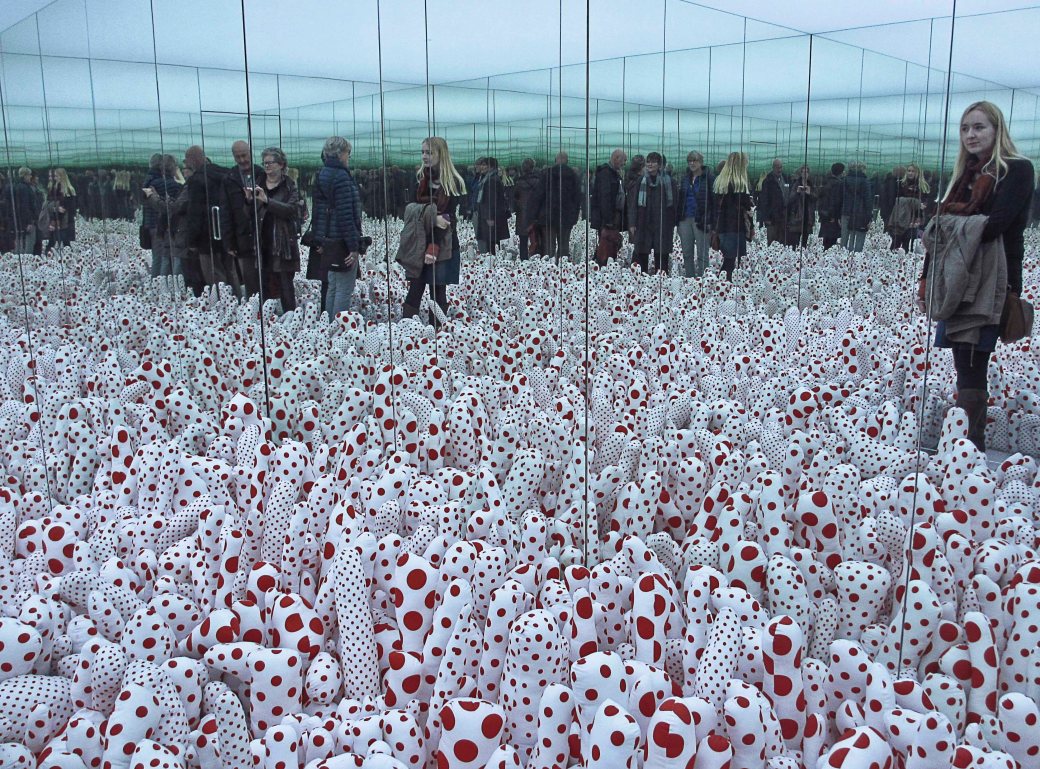
WPC: Chaos
This week Ben Huberman wants us to embrace chaos…so let us embrace the creatively positive side of it. Here is an installation at Louisiana, Denmark, by Yayoi Kusama – the ” Polka Dot Lady ”.

Thursday Thoughts – The White Stork is Back!
On my trip to the northern parts of Spain, I made some lovely aquaintances…and not only with people. I was happily shocked by the numerous storks here – at least one nest in every village!
The white stork (Ciconia ciconia) is a large bird that measure on average 100–115 cm (39–45 in) from beak tip to end of tail, with a 155–215 cm (61–85 in) wingspan. The white stork is a long-distance migrant, wintering in Africa or on the Indian subcontinent. He is also a symbol of my part of Sweden.
He eats a wide range of animal prey, including insects, fish, amphibians, reptiles, small mammals and small birds. He takes most of his food from the ground, among low vegetation, and from shallow water. He is a monogamous breeder, but does not pair for life.
Both members of the pair build a large stick nest, which may be used for several years. Both parents take turns incubating the eggs and both feed the young.
The white stork benefited from human activities during the Middle Ages, but changes in farming methods and industrialisation saw it decline and disappear from parts of Europe in the 19th and early 20th centuries. Conservation and reintroduction programs across Europe have resulted in the white stork resuming breeding in the Netherlands, Belgium, Switzerland and Sweden.
In 1954 the last pair of storks disappeared from Skåne, where I live, as the wetlands were dried out. Many people wanted the beautiful bird back, and in 1989, some wetlands were restored and the Swedish ”Stork project” started. Goal: 150 pairs living free and nesting here. Important to us ”Skåningar”, as the stork is a symbol for this southern part of Sweden.
This summer 112 new storks were released from the project. As they move south, as many as 80-90 percent die flying into power lines breaking legs or wings.
The adult white stork’s main sound is noisy bill-clattering, which has been likened to distant machine gun fire. The bird makes these sounds by rapidly opening and closing its beak so that a knocking sound is made each time its beak closes. I assure you – the sound is not to be missed…when the two of them starts, it gets louder and louder.
This conspicuous species has given rise to many legends, of which the best-known is the story of babies being brought by storks. Have you ever heard of this as a child, in your country?
(Facts taken from Wikipedia and the Swedish Stork project.)
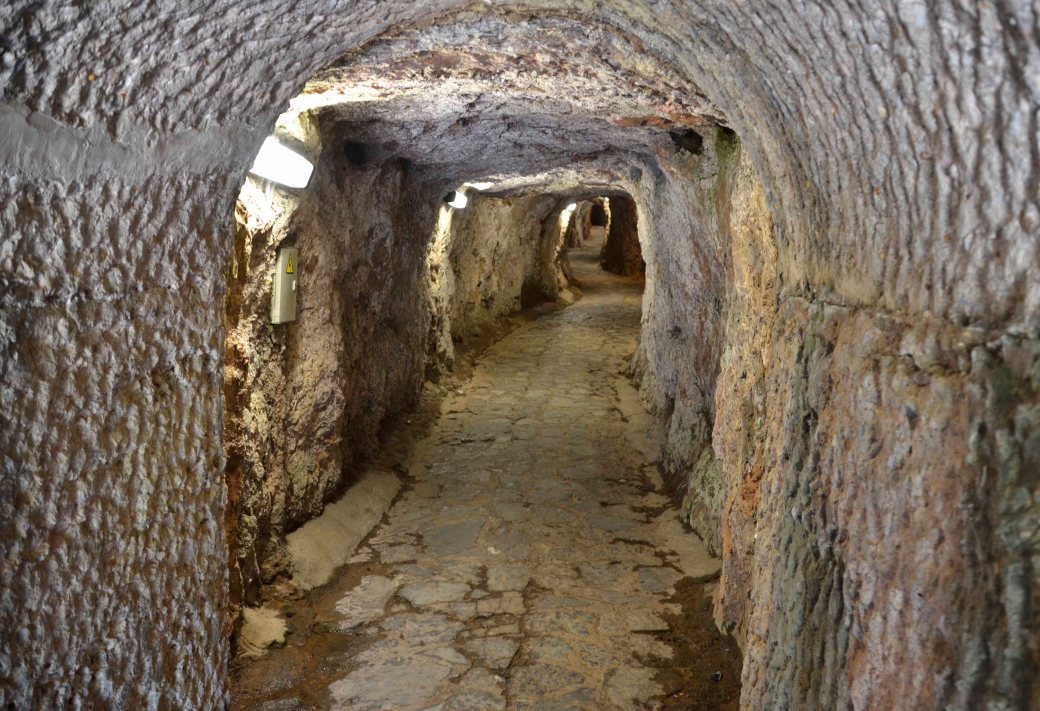
WPC: Narrow
As much as I like the open landscape, I also like things narrow – unless it turns up in nightmares where I am stuck in a narrow tunnel, unable to go either forwards or backwards…
For more things narrow, click here.
The tunnel leading to Cuevas de Valporquero, Spain. In reality – not a nightmare!
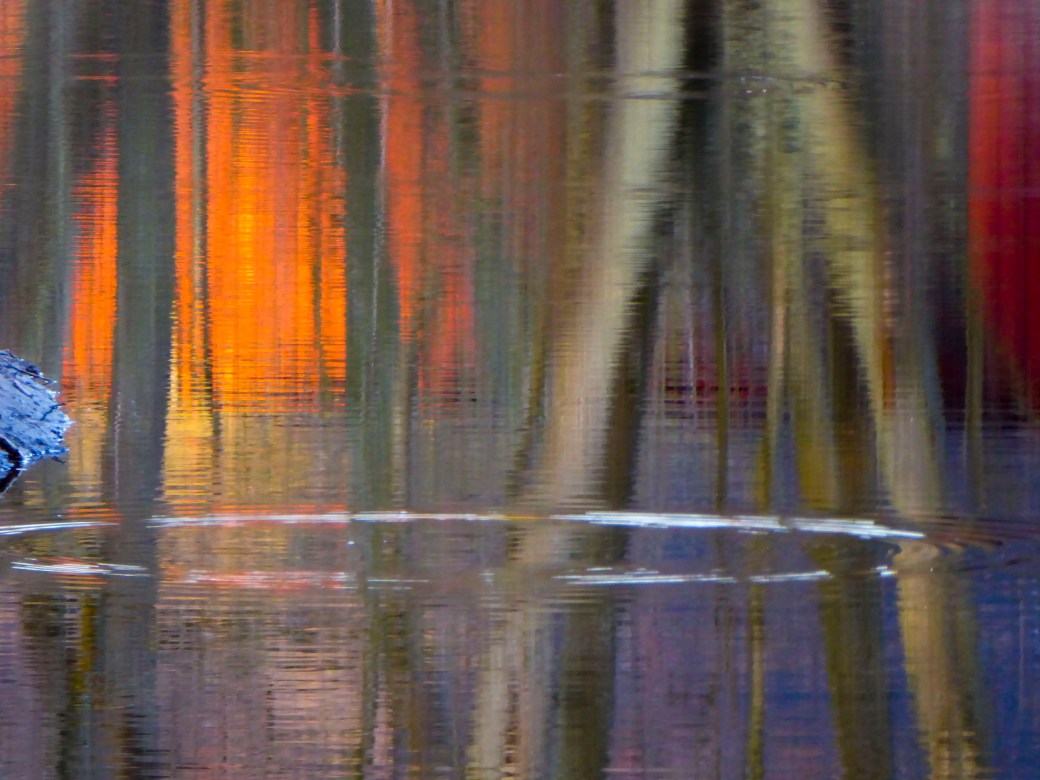
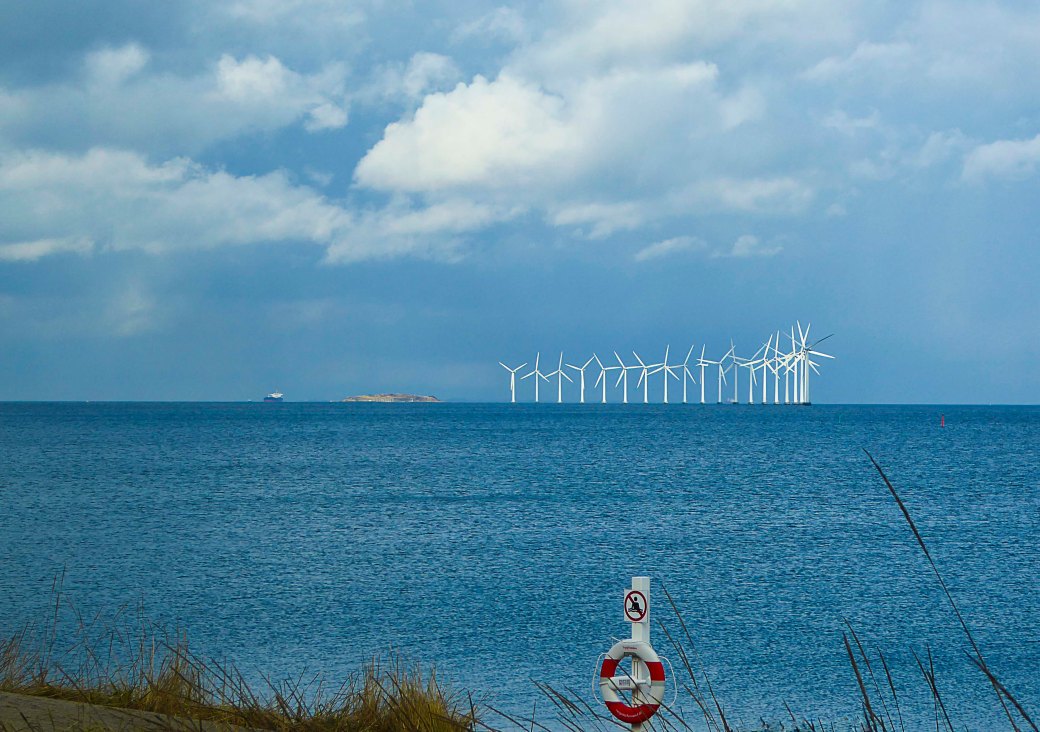
This Is Not a Painting
…but the evening sun lingering on a red house standing by the river pond, giving reflections in the water.
Or…?
Have a great new week!

Colours From – The Blue Planet
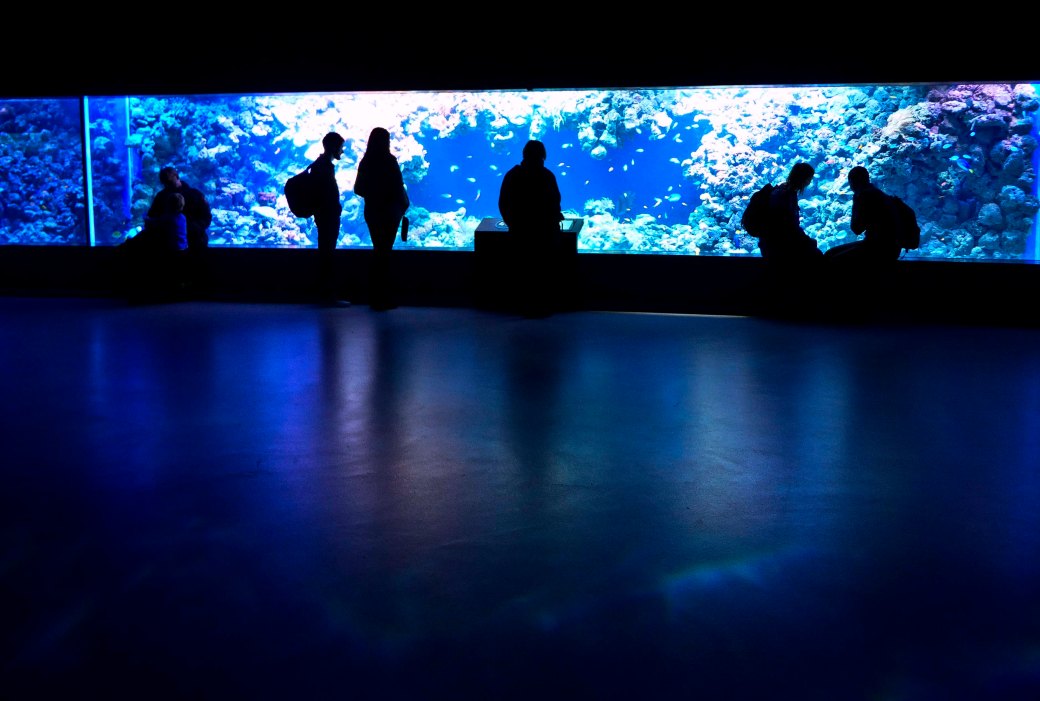
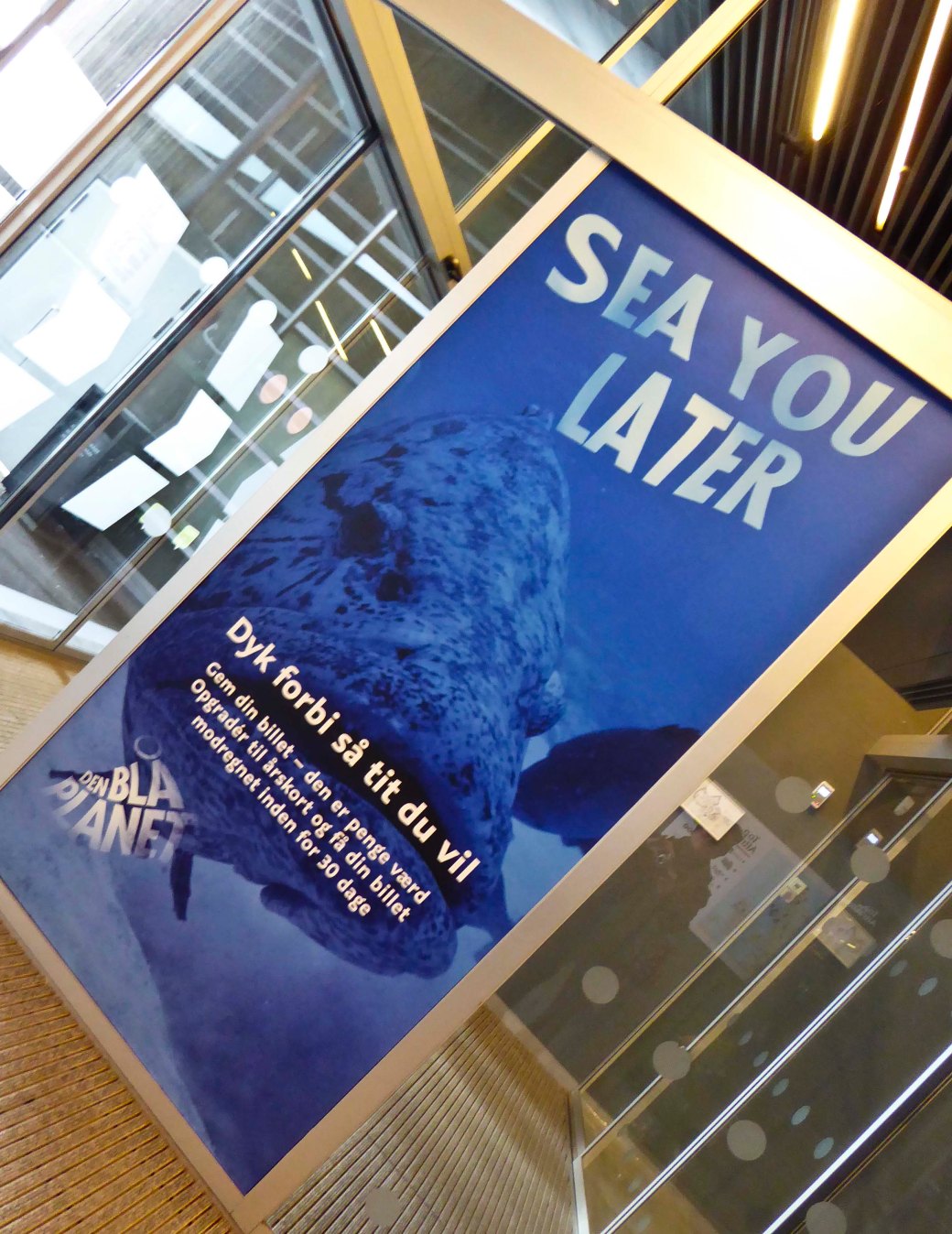
Last week I went to The Blue Planet in Denmark, with Viveka, my blogging friend at myguiltypleasures. We go to Copenhagen at least once a year, and this time we wanted to try the new Aquarium – opened 2013 and the biggest in Europe.
A rather cold day…with only the occational drop of sunshine.
Inside – all BLUE…
…and more BLUE
A meeting place…for nature lovers, lovers of this Big Blue World.
We also met other mesmerizing creatures…

…like little mermaids, and their friends
– the Seadragons…
A fascinating experience. To be continued…

Shibaozhai – Precious Stone Fortress
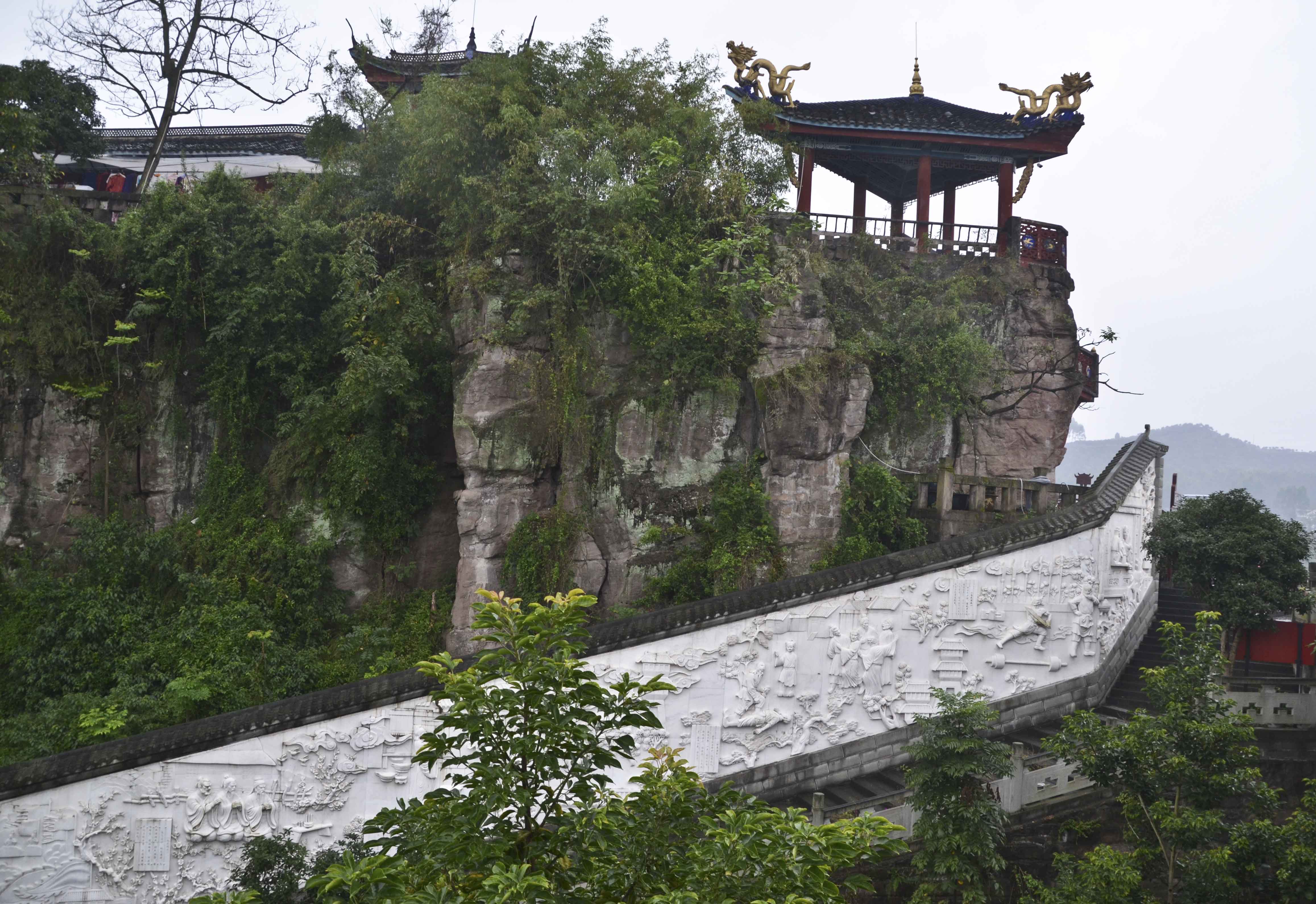
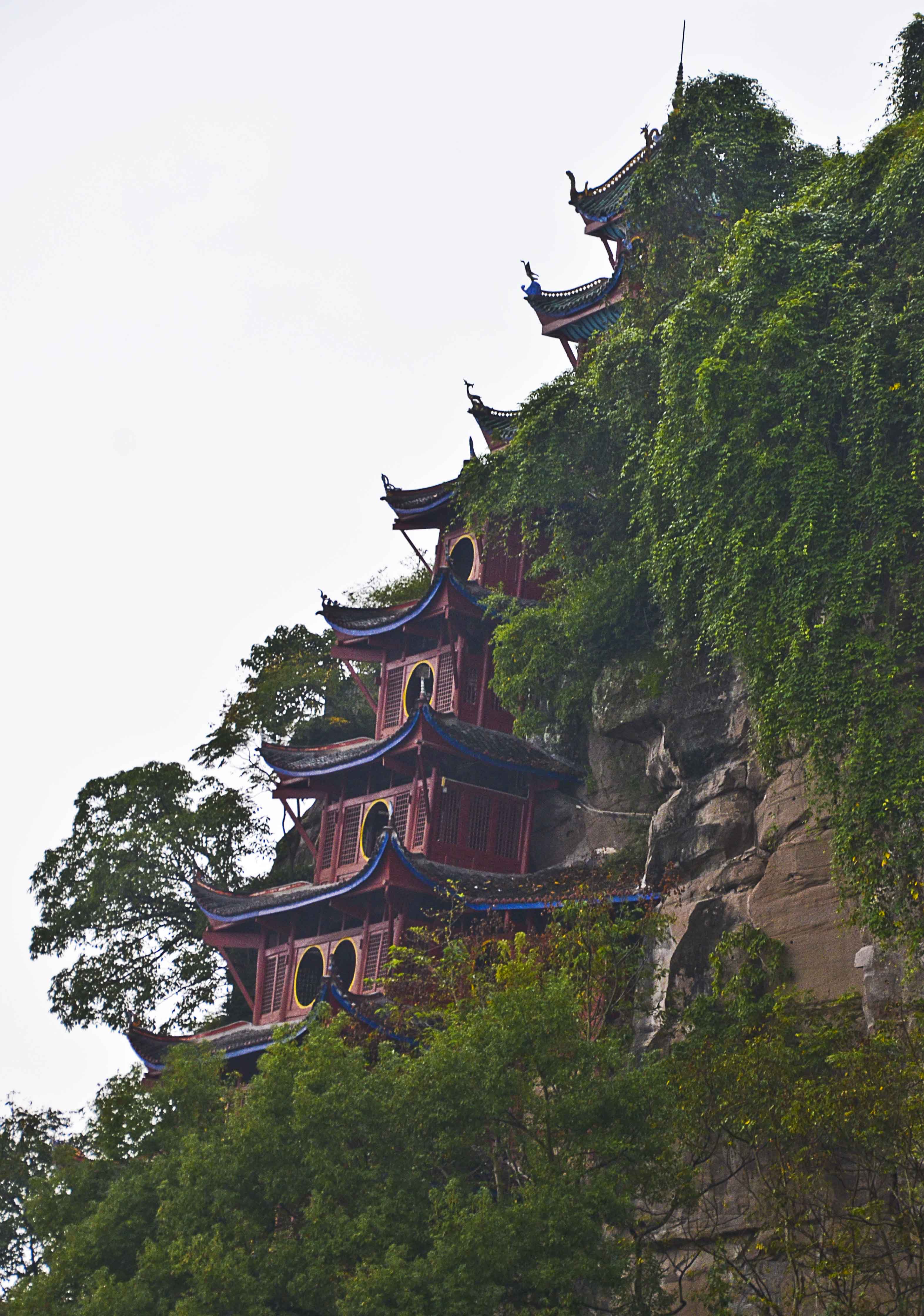
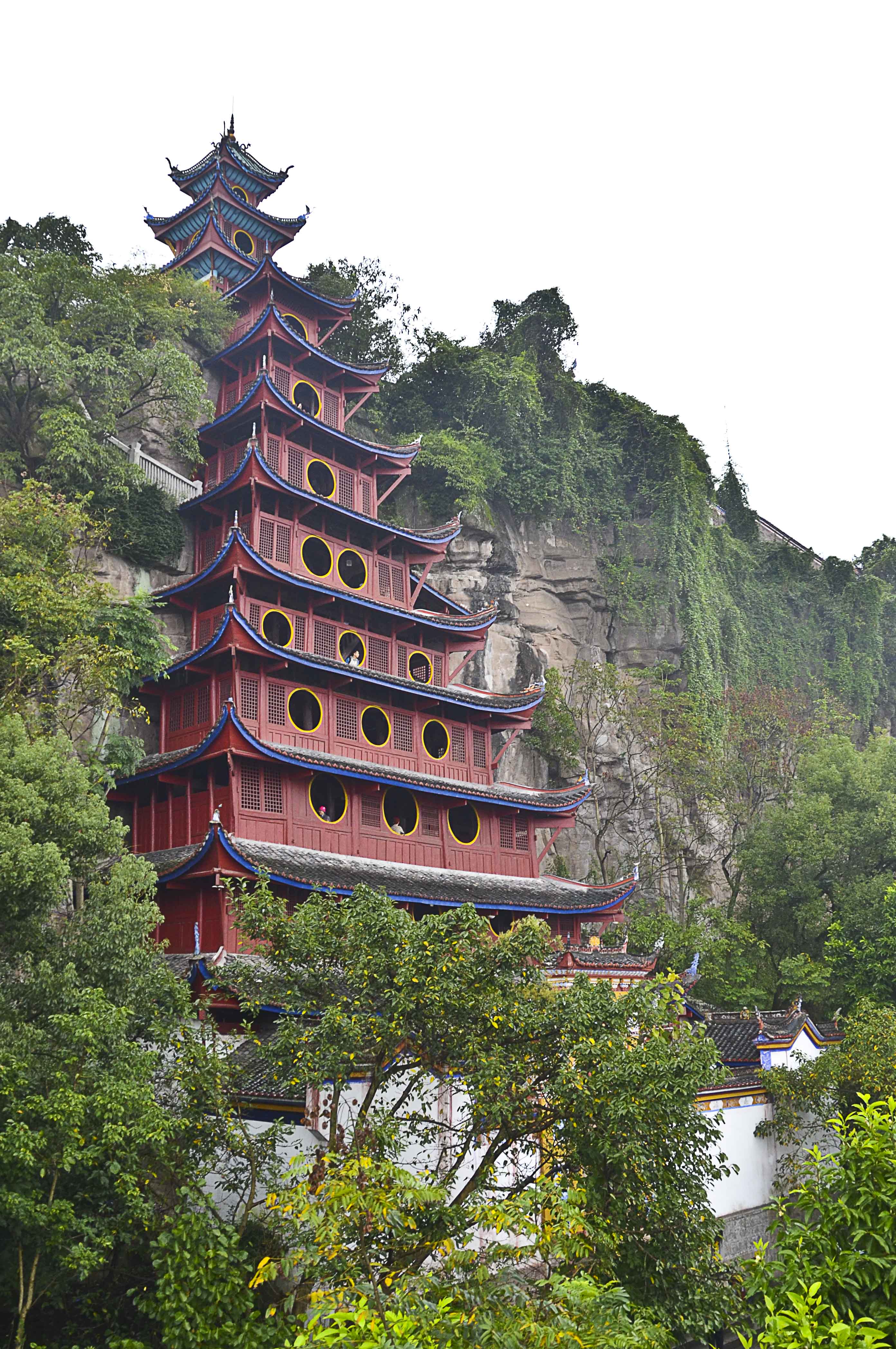
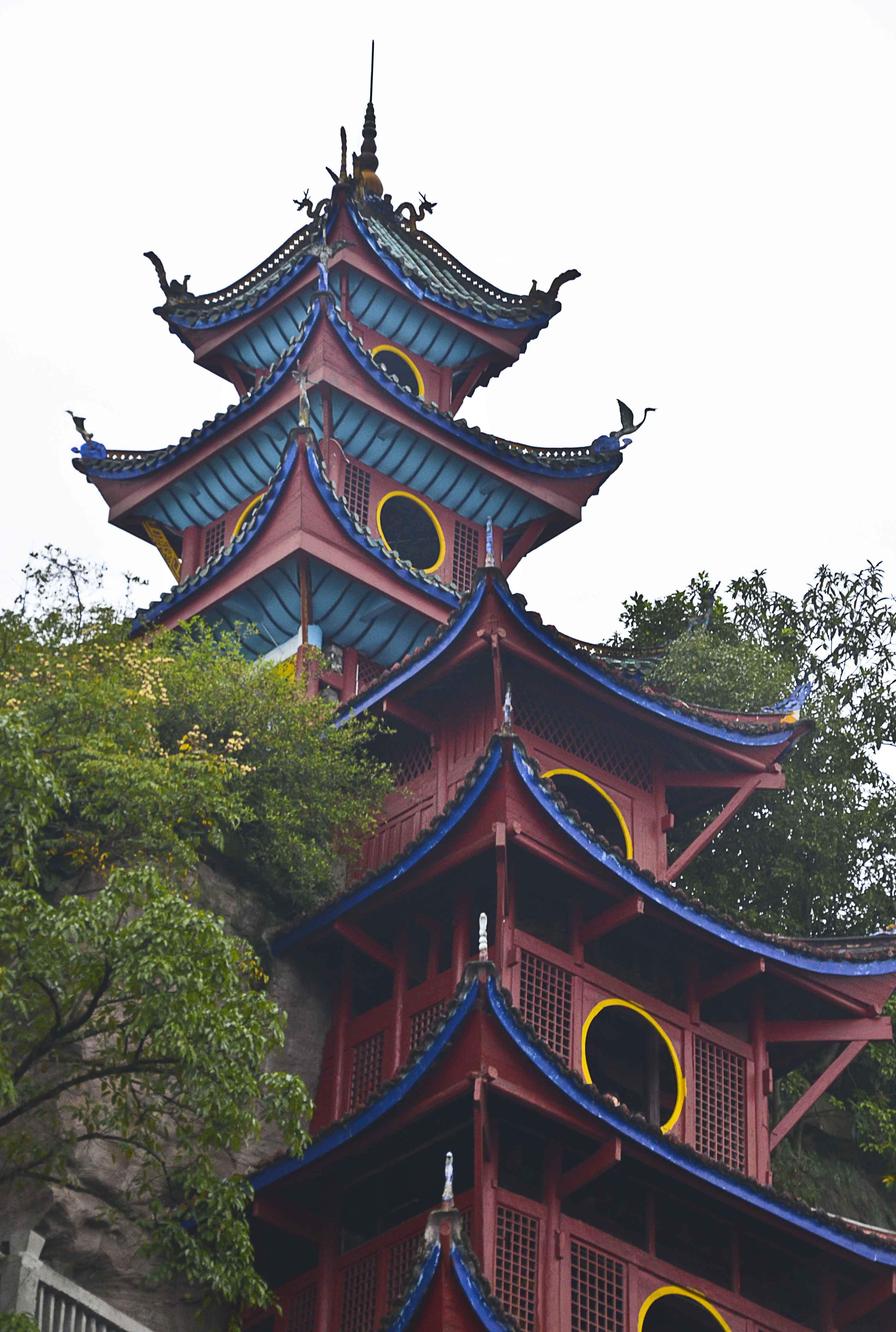
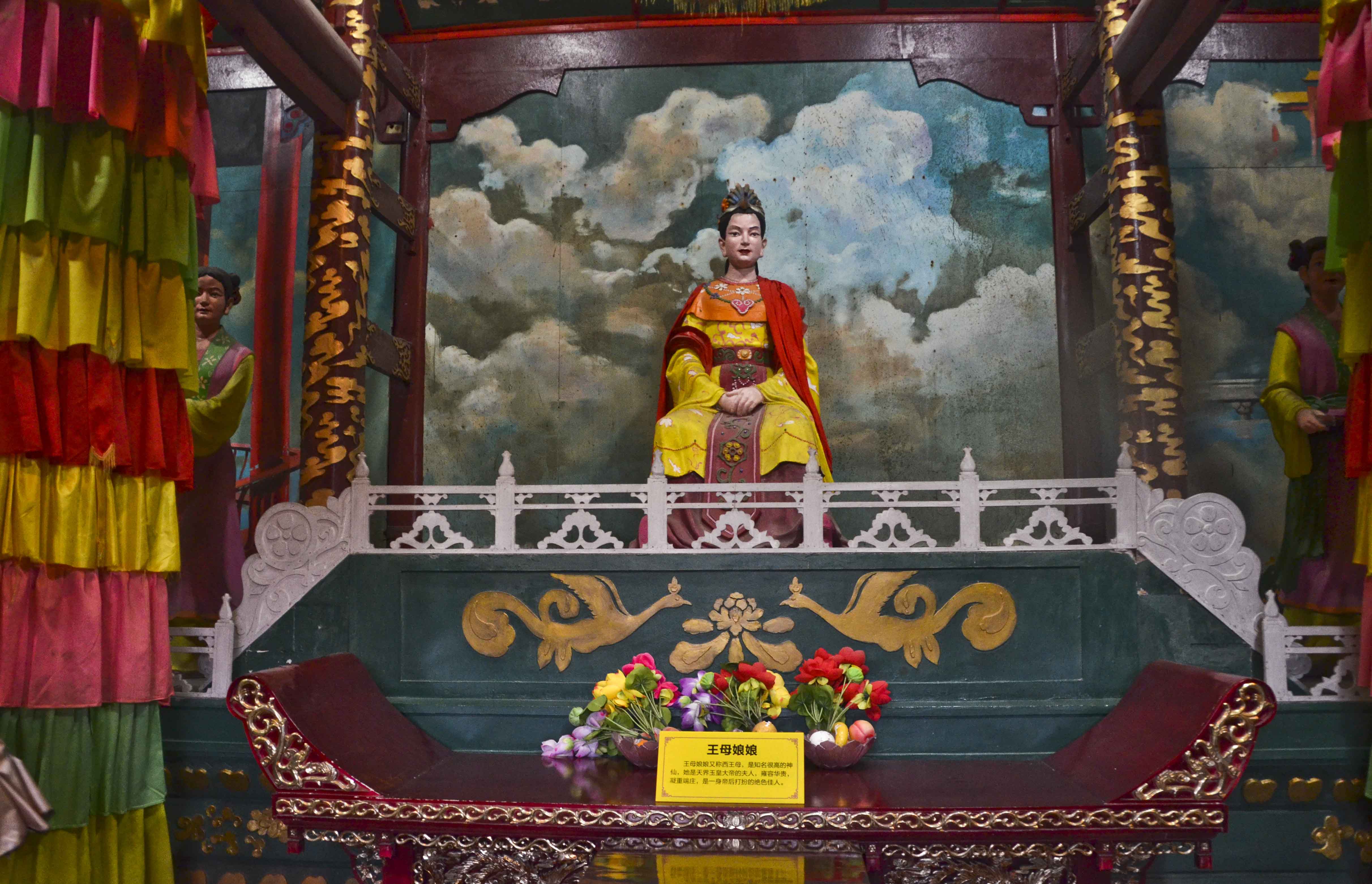
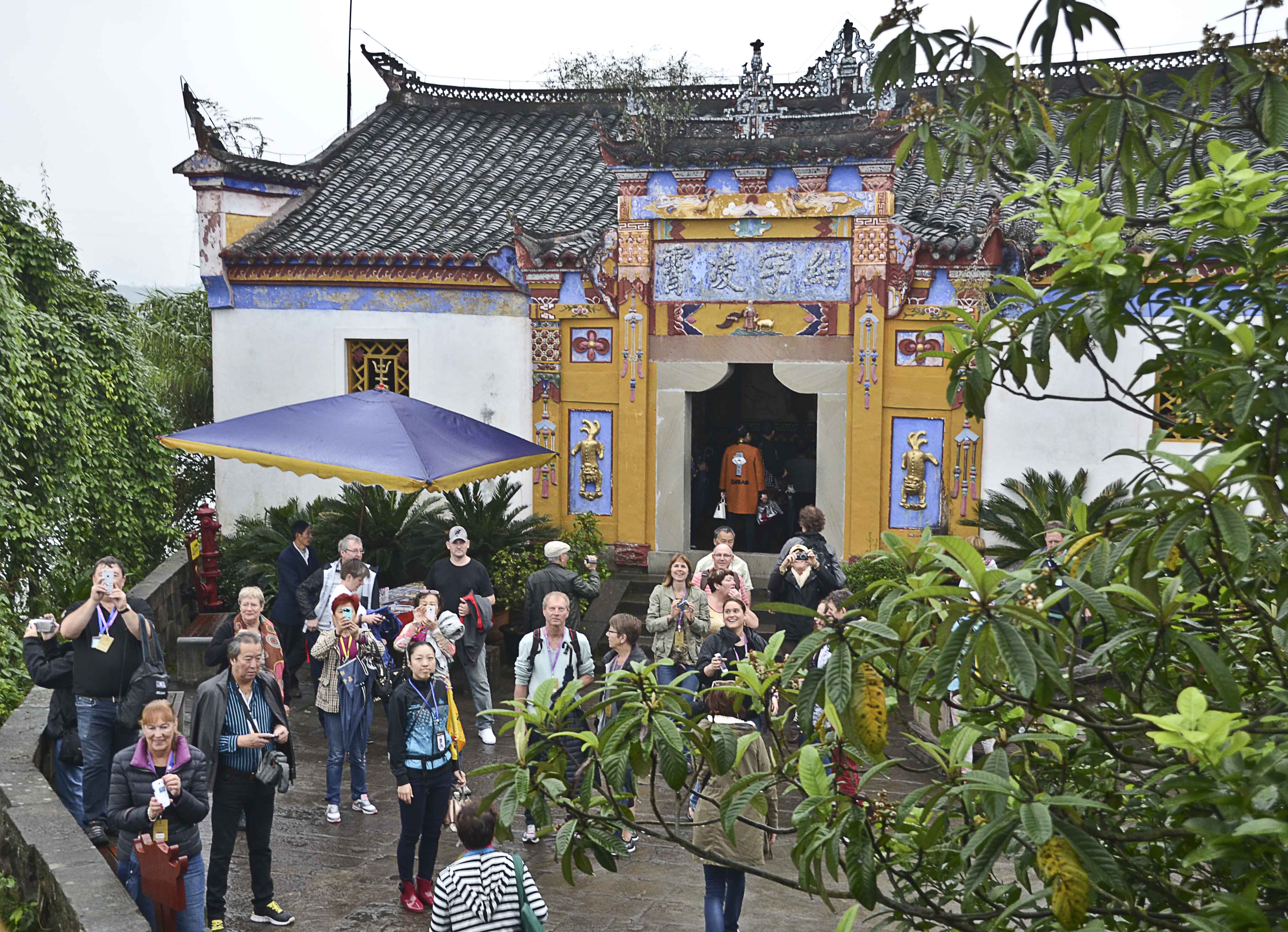
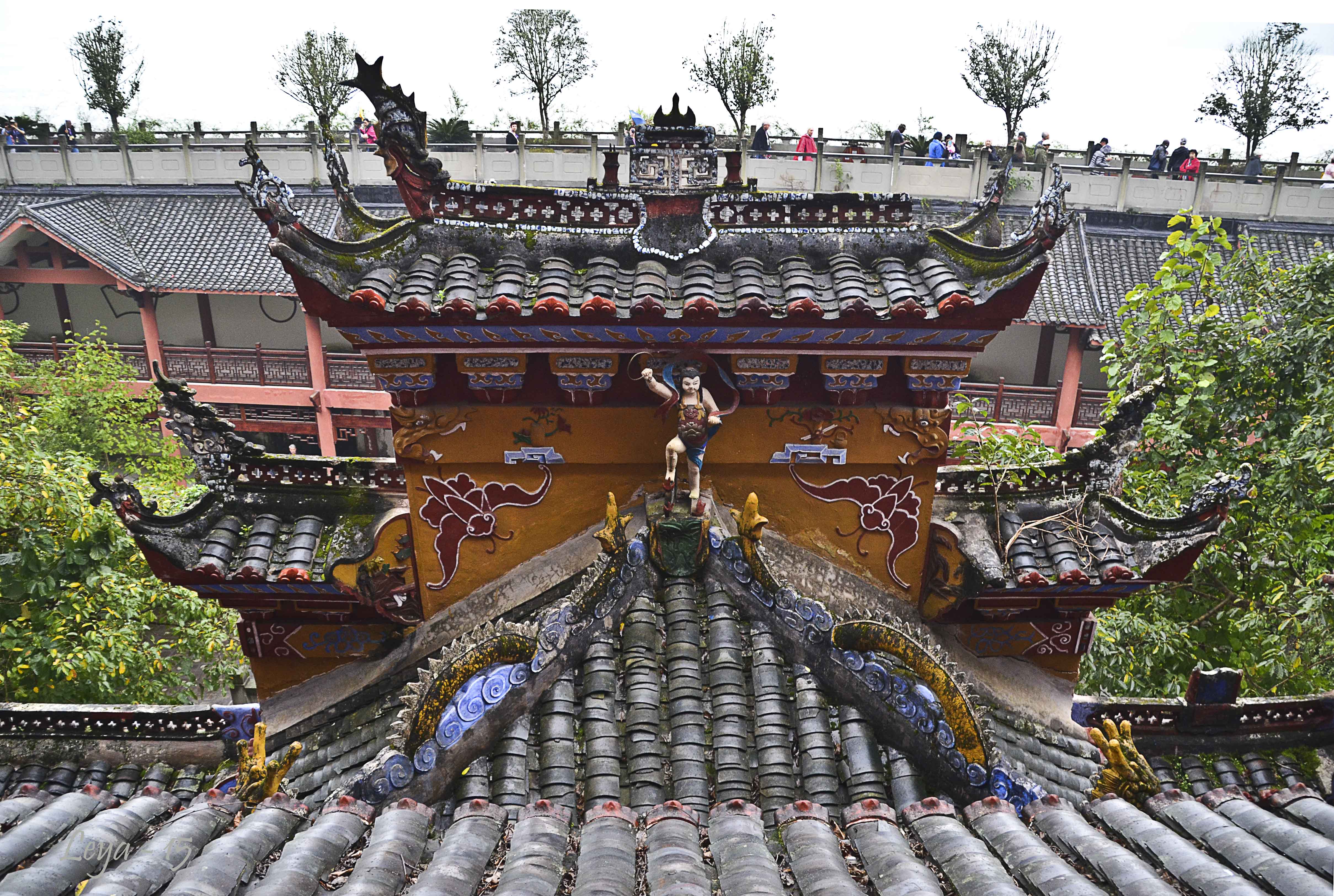
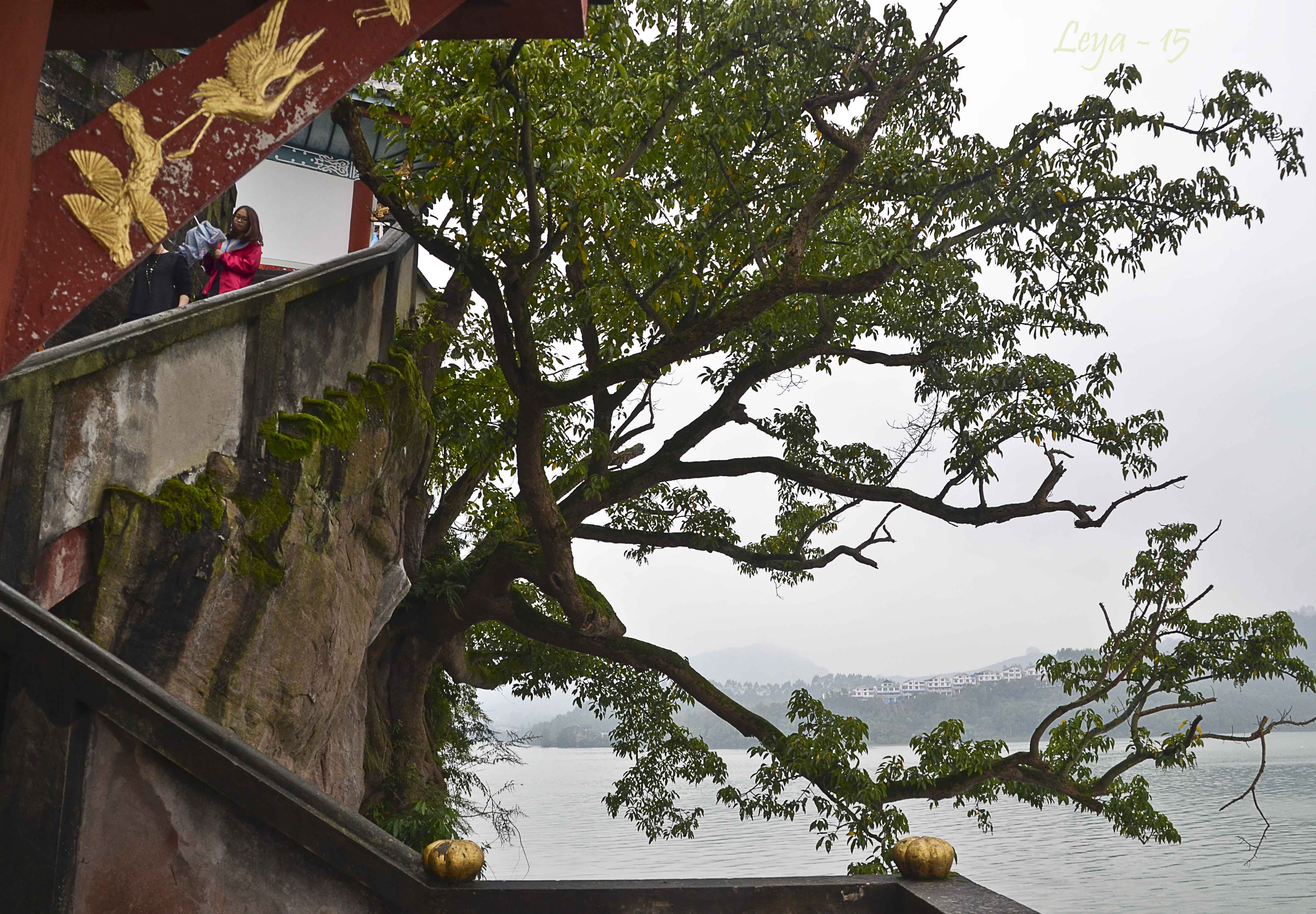
In the Territory of Zhongxian County of Chongqing there is a rock on the Yangtze river, with a vermilion 12-storey pavilion built against it.
No post was made on this, because I thought the weather was too bad and my shots could not give a fair picture of its beauty. Tonight I happened to find this pavilion again…and a post just had to be written. This is a beautiful piece of art – try to forget about the miserable weather conditions and just enjoy.

Built in the Ming Dynasty (1368 – 1644), Shibaozhai consists of a gate, a pavilion and a temple.
Leaves of Life
There is an agreement. Something is signed in Paris. Many people are relieved.
I want to believe in the possibilities laid down in this piece of paper. But, most of all I am genuinely happy that the world wants to try, wants to unite, wants to have this agreement. And at Christmas time. In these days of war and terror.
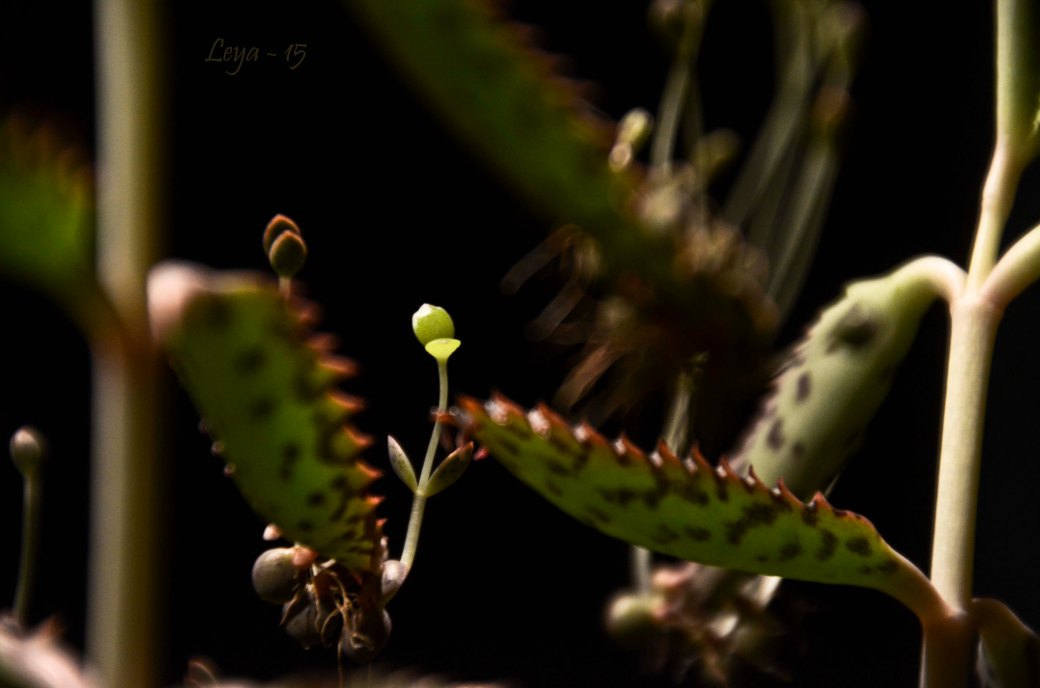
I keep many of my plants in the cellar during winter time. Last weekend, Saturday, I went down to find a pot for a newly bought plant, and took a brief look at my ”hibernating” friends. Suddenly my eye was caught by something unusual.
In the dark corner I saw the tiny flowers, sitting on the tip of every leaf, striving towards what little light there is down there.
I knew I had this Kalanchoe plant taken inside a little late this autumn- below ten degrees C is usually not good for any pot plant.
Never had I seen flowers on this one before, I felt touched and ran up the stairs again to look it up in my plant dictionary. And yes. It is like always in nature – when you are nearly dying, you see to it that your genes will live on. In order to flower, this plant must have a very cold period.
I brought the plant up in the kitchen to have a closer look at it. An ordinary Kalanchoe – in Sweden called ”Leaves of Life” because of its tiny babies on every leaf.
Nature’s wonder of course – the babies flowering!
And I could not help but seeing the parallell with us humans…the utmost darkness needed for us to wake up and do something. Flowering made possible from darkness and despair.
Let us believe the spark of hope ignited in Paris will help make the Earth a healthy and flourishing planet for generations to come.
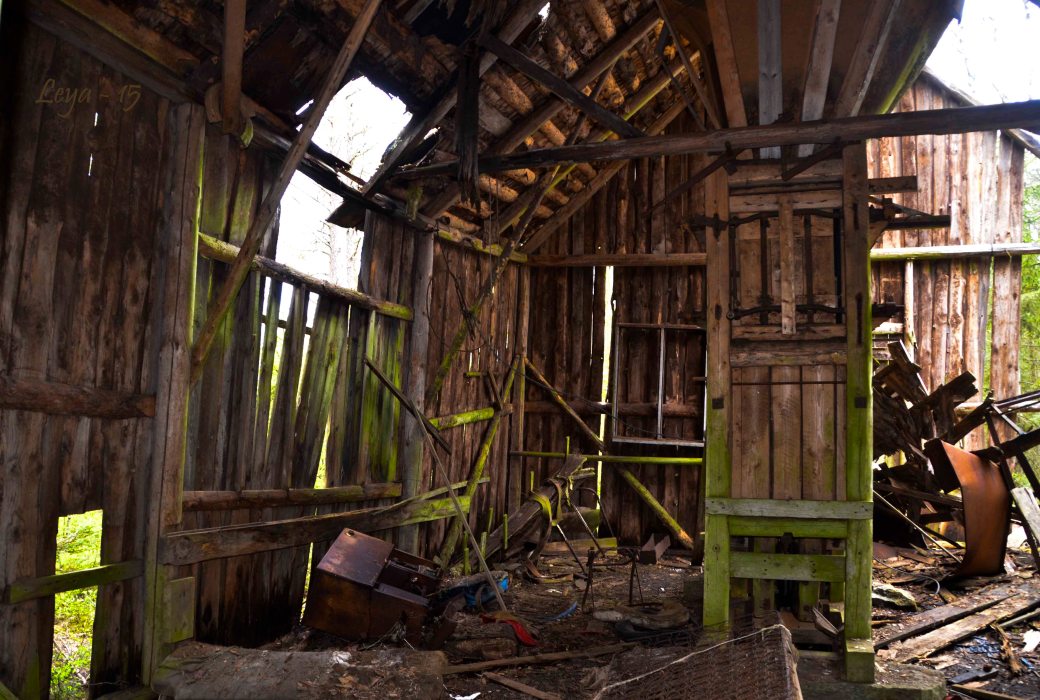
CFFC: Metal and Wood
SL-WEEK 23: Narrow
For Sylvain Landry this week – Narrow.
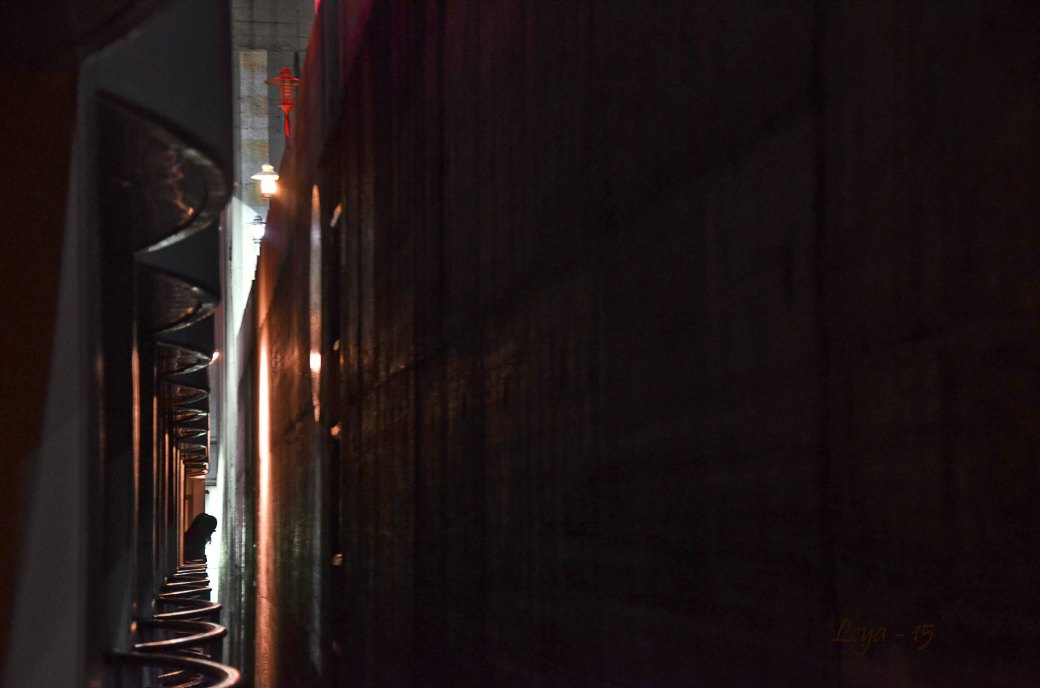
Some weeks ago, we went down the Yangtze River on a cruiser, and had to pass the Three Gorges Dam – the biggest dam project in the world. We went through the lock during the night, but I stayed up late to touch the wall and feel the claustrofobia…


Du måste vara inloggad för att kunna skicka en kommentar.