Patti is challenging us with a very important thing – to find beauty where we might not immediately think we could. Because, there is beauty everywhere if we just look for it! Please visit Patti’s inspiring post for more!
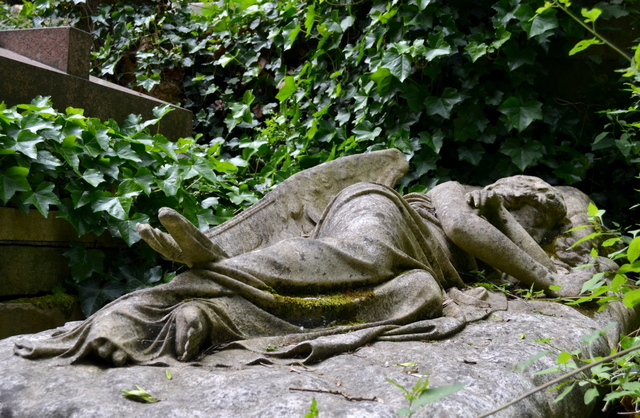
This is Highgate, London. Below the massive growth of ivy, this beautiful statue of a resting woman had just been rediscovered when we visited in 2014. We admired every detail – the artist made her look so real, just sleeping -about to wake up any minute.
In Tblisi, Georgia, 2019, most buildings and open places were dilapidated or worn down. Walking past this yard, I was really taken by the shadow and reflections, the tranquility, and the lovely cat.
More Tblisi. After a climb up one of the hills, three resting beauties awaited us in this yard. So calm and relaxed as only cats can be in the sun, they even let me take some photos.
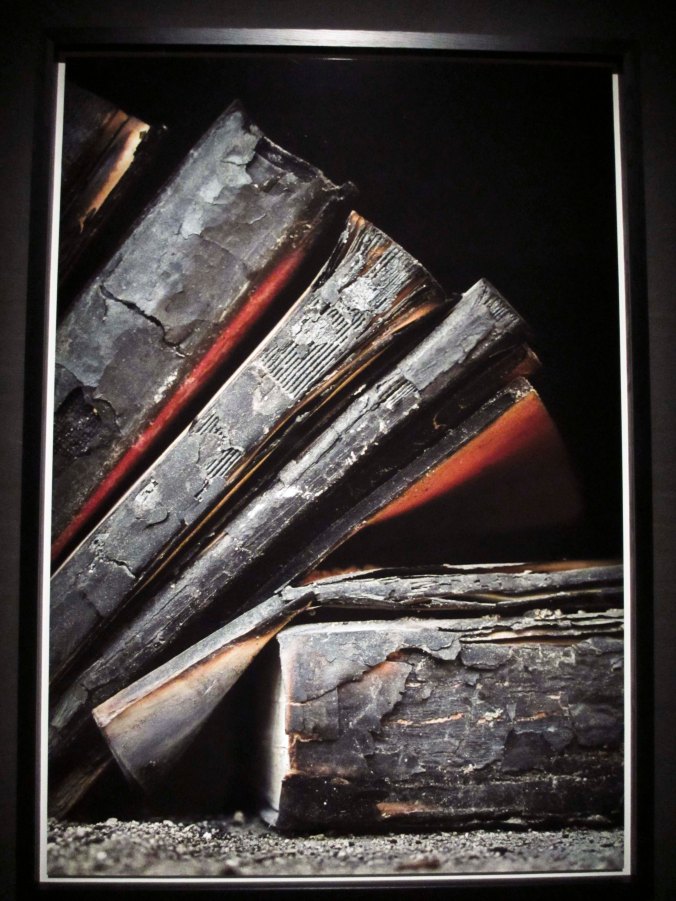
A burnt down house lent some of its books to a beautiful photo. (An exhibition by Helene Schmitz) I often find great beauty in old and worn things, but these books sent an ache in my heart. Books should never be thrown away or burnt. This artist really found a way to make the disaster in her own home into something beautiful.
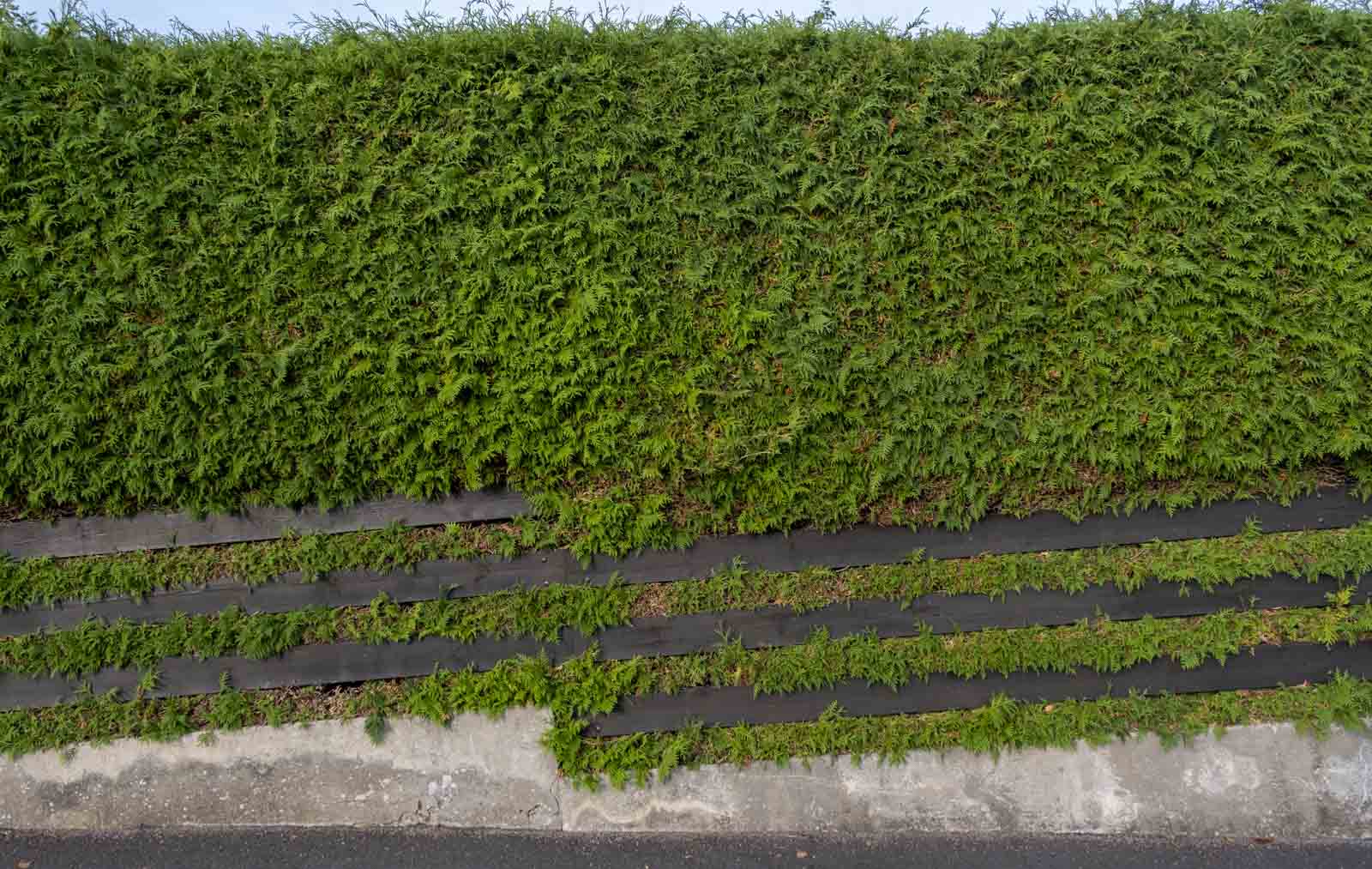
Finally, a stinging nettle in evening light – a dangerous beauty!
A special thanks to Tina, who invited us to explore our neighborhoods last week. Thanks for sharing your “world” with us. Next week it’s my turn, Leya, to lead. Until then, be safe, stay curious, and be kind!
I hope you will join this challenge – as we search for beauty in surprising and unexpected places. Beauty is seen in a wider context–beyond the typical. For an added challenge, Patti suggests us to come up with a surprise – something that you find beautiful but other people might not. Show us your beautiful and unexpected finds and tell us where you discovered them. Be sure to link to Patti’s original post and include the “lens-artists” tag so we can enjoy your images.
Earth is a small town with many neighborhoods in a very big universe.
– Ronald J. Garan, Jr.
Tina challenges us to walk the neighbourhood, and I decided to take Milo for this warm Autumn day walk. On opening the front door, I caught sight of one of our neighbouring cats waiting for a meal – in the shape of an innocent bird…
I turn right out on the street, and pass my favourite car (belonging to one of our neighbours…) I love the colour and the shape, but don’t even know what brand it is. We’ve had some heavy morning dew for a couple of days, and it stays with us for almost half of the day.
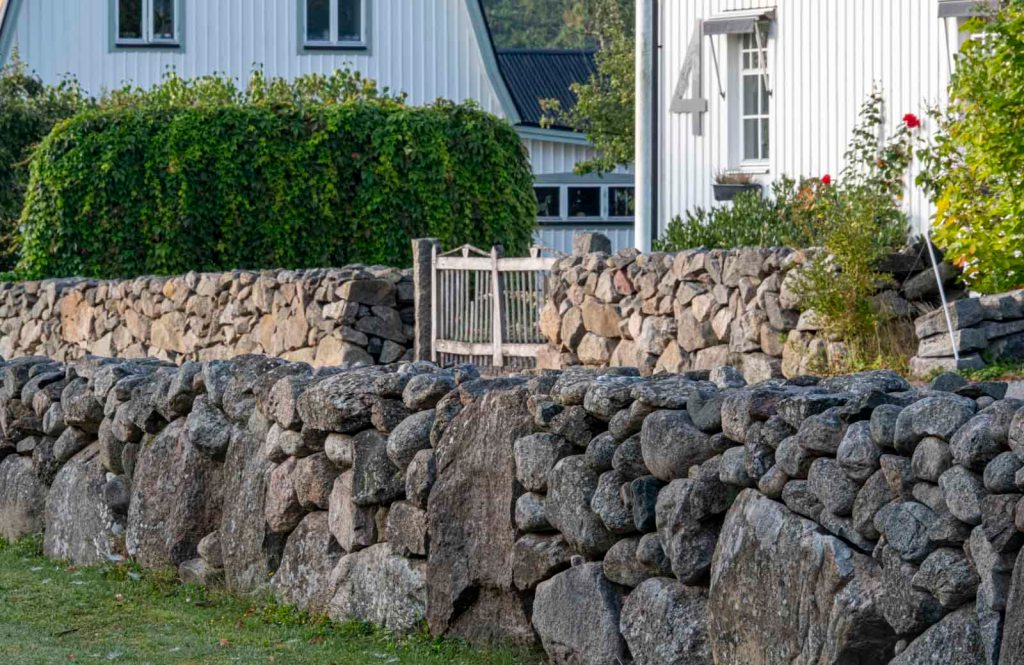
My ordinary morning walk passes by these lovely stone fences – there is a road in between those two. And on that road is always an old, yellow cat lying – sun or rain. He is totally deaf, but somehow everyone knows about him and he survives every car and every new year.
And I love that old wooden gate.
Now the sun has burnt the mist away, and further down the street I find a bucket of sand toys resting from yesterday’s fun.
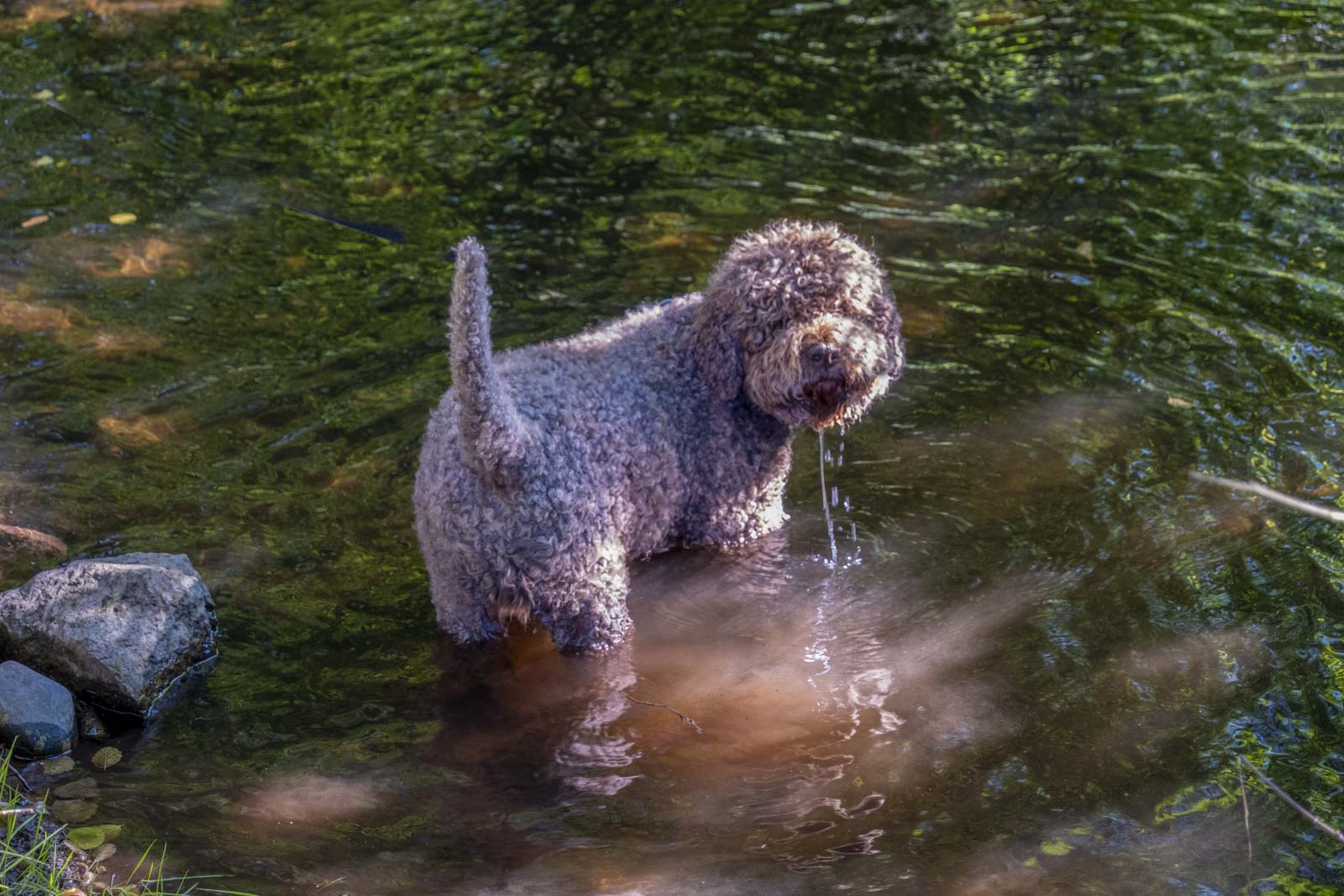
As we pass by some more houses and hedges along the road, we finally get to the horses’ play ground. Milo finds a friend and the heat takes its toll – my curly friend will not move another step until he’s got his bath and a cool drink!
Next day, we went to our summerhouse – and I hope Tina thinks it’s ok to take a walk there as well… after all, it is a lovely place by the sea!
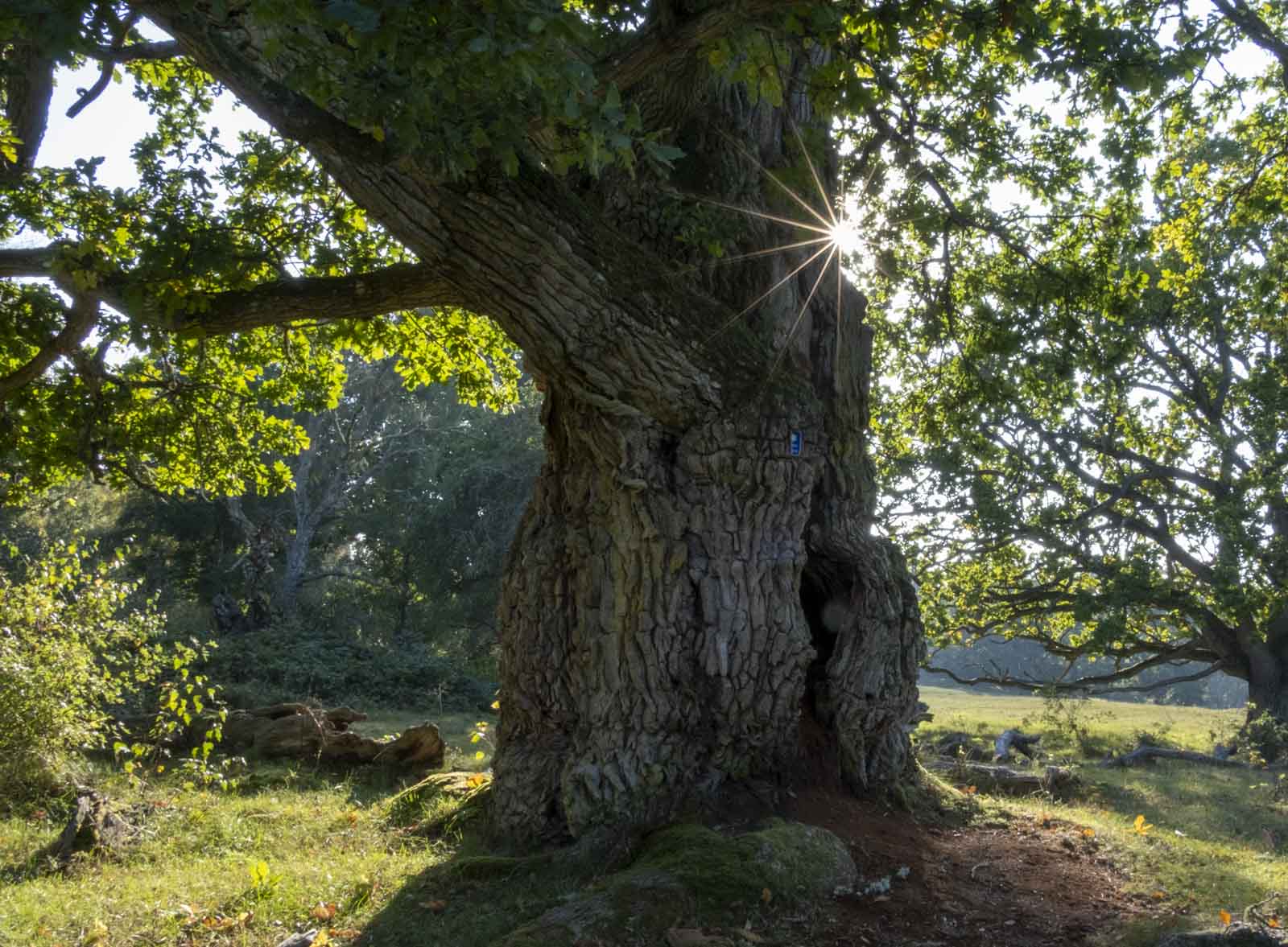
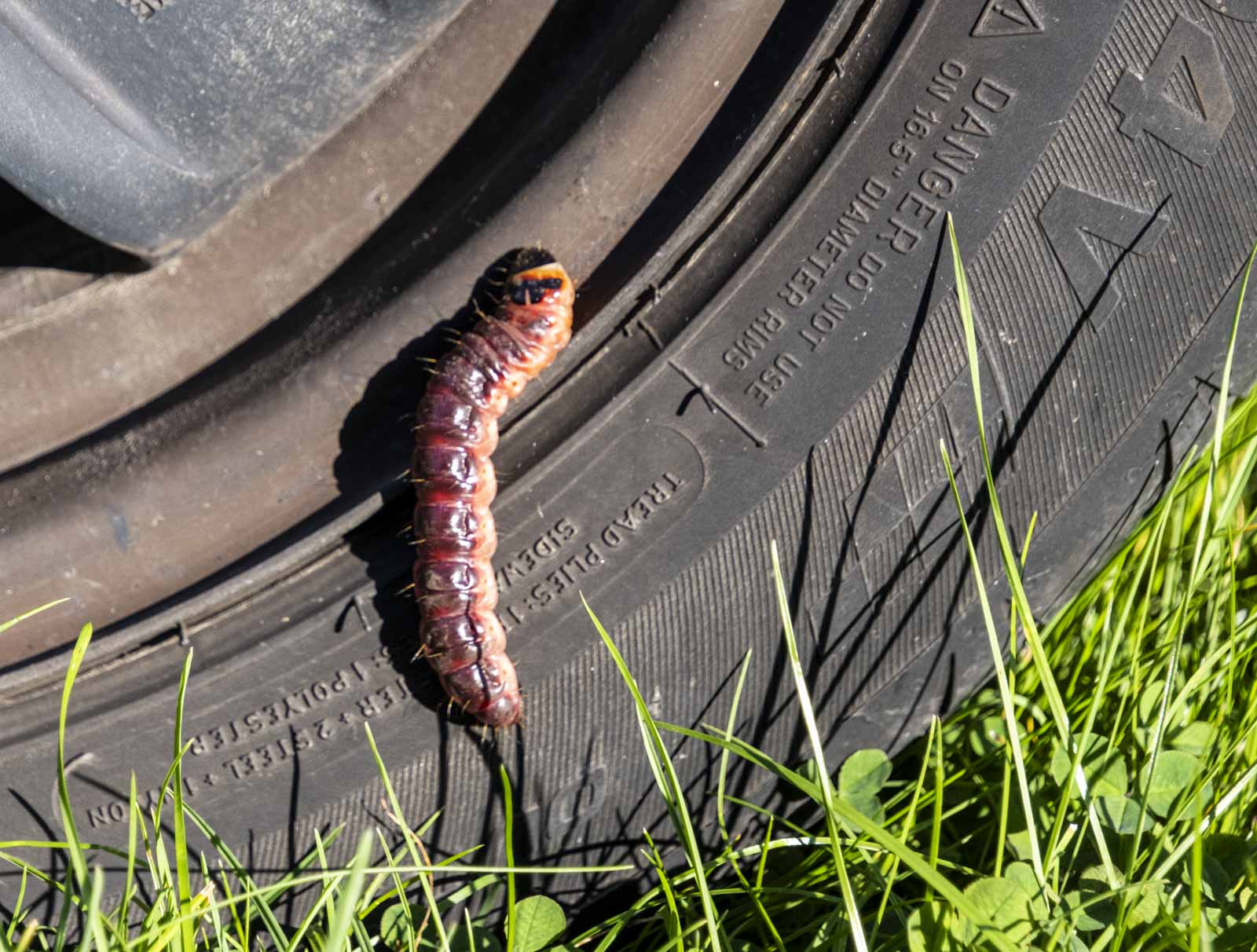
When we walk from the house and turn left, we must pass the apple trees to get to the road leading to our hike. I am always happy to find the old oak is still standing! I have to check on him a couple of times a year. When we pass one of the parked cars, I find this pretty young ”butterflytobe”, a Cossus cossus (Swedish name: större träfjäril). We walk by the lama meadows too, and I get a loving look (?) from a really handsome guy.
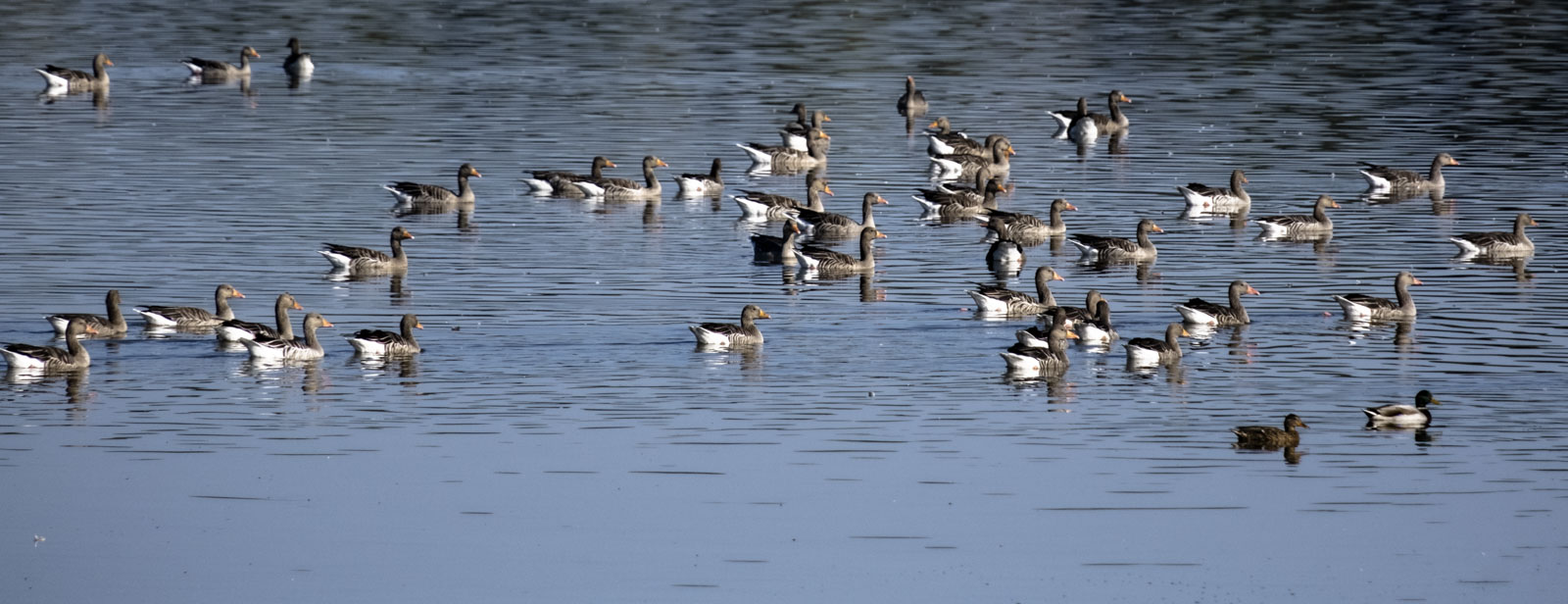
The beautiful cranes are leaving for warmer places. I hear and see them every day, but the geese are still here. Sailing gracefully on the quiet waters. Unfortunately we missed out on the ferry to one of the islands, and were told that last week was the last time to catch it. And there were no canoes for hire anymore – they still looked colourful and inviting though. Maybe next year?
I think we all get to understand each other a little better by sharing our neighbourhoods for this week’s challenge! Be sure to link to Tina’s original post and to use the Lens-Artists Tag to help us find you.
Finally, big thanks to Egidio and all of those who responded to his Fun challenge last week. There were fun responses throughout the whole week! Finally we hope you’ll join us next week when Patti once again leads us on her beautiful Pilotfish site. Until then, stay safe, be kind and enjoy every day.
Egidio has for this week chosen our destination: Fun! In fact I just returned from one of those – namely fantastic gardens. Please go to his beautiful site for more inspiration.
He asks ”What is your fun destination? What are some fun things you do? Some prefer seeing action and crowds, such as sporting events or concerts. Others prefer quiet moments with a book in hand.” I guess my answer could be: Travel and quiet moments alone. Those two can be opposites, but maybe not always…With a camera in hand, I can lose myself in photographing and shut out the world. I do need them both to feel good.
I love watching my dogs having fun – what could be better than that? And, when the children were small, we had entertainment all day from the whole family.
This is an old favourite photo of Mille and Totti, my first lagottos. They brought so much warmth, laughter, tears and joy. Talking about destination Fun! I still miss them, both had their own charming peculiarities, just like children have.
A great joy has always been hiking beautiful landscapes, especially in the delicateness of Spring and the colours of October. I am always excited to head out there for new adventures. Open landscapes and forests – they let my heart and soul breathe and my spirit soar.
Nothing beats the art of Mother Nature – but much fun is to be had at museums and exhibitions as well. I don’t have to go far away for interesting art…there is a great exhibition site just 10 kilometers away.
Being a teacher for many years, I have a natural interest in young people, their education and upbringing. I still have some students that stay in contact with me. In fact yesterday one of my students had his dissertation and is today a professor in mathematics. He contacted me, so I could follow it on zoom.
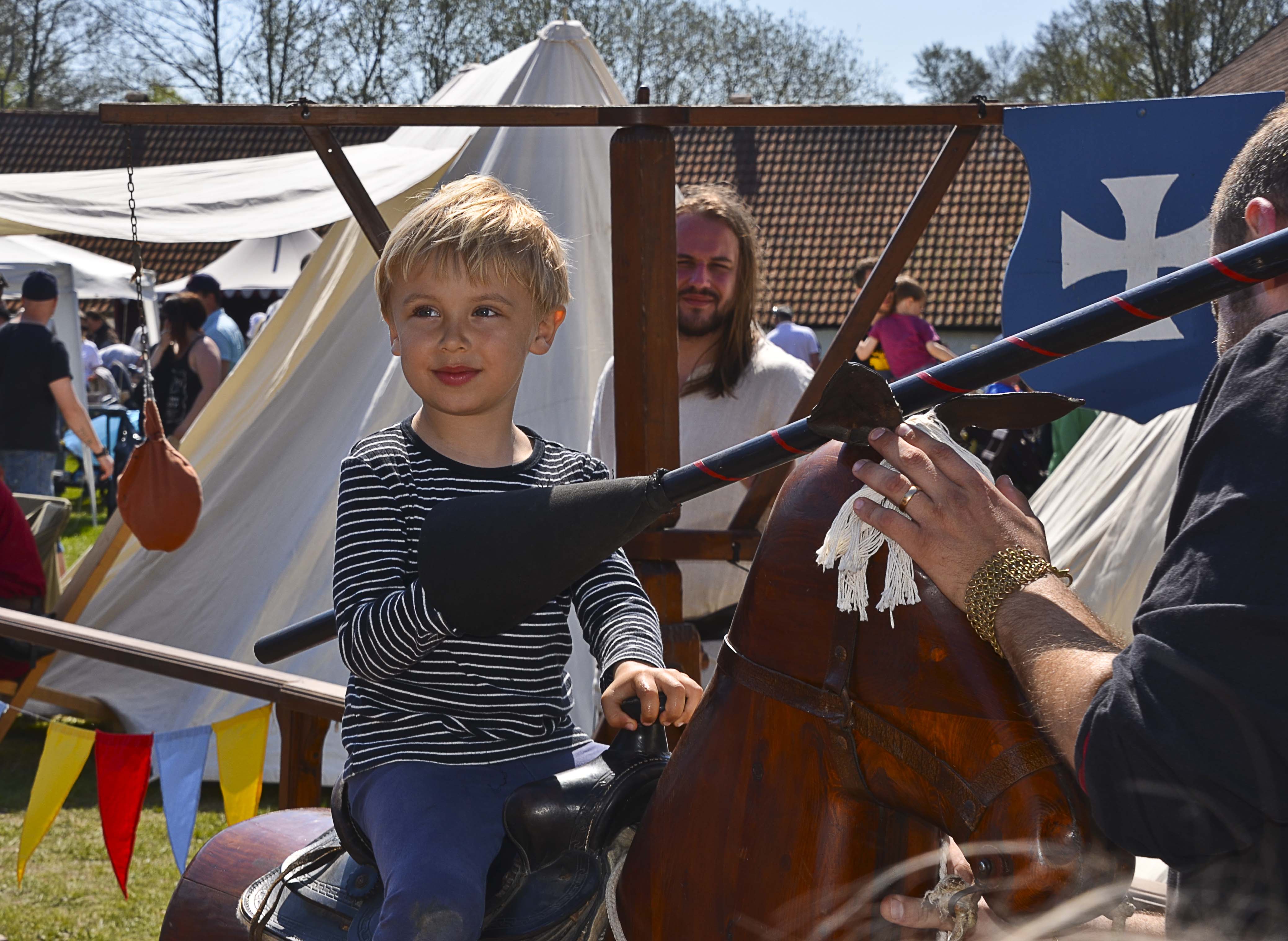
Many of our castles have jousting games with knights and horses. During my last years before retirement, I had a student who now is so skilled he won the Swedish championship several times in these games.
I often go to the nearest castle, Hovdala, that hosts these games – not just to see my old students but also to see the youngsters having fun. This sweet young man with shining eyes……might one day grow into a handsome and chevaleresque knight!
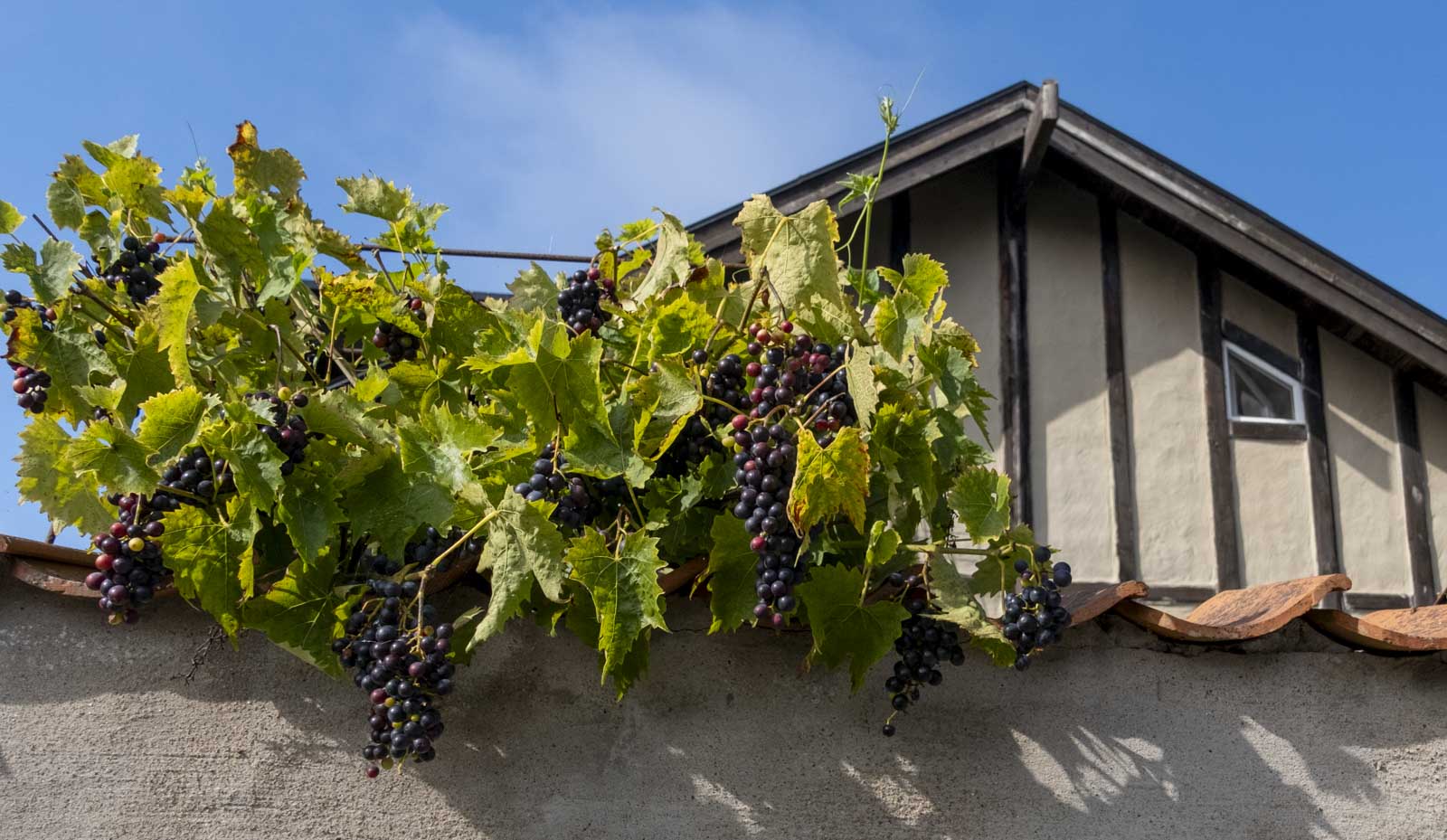
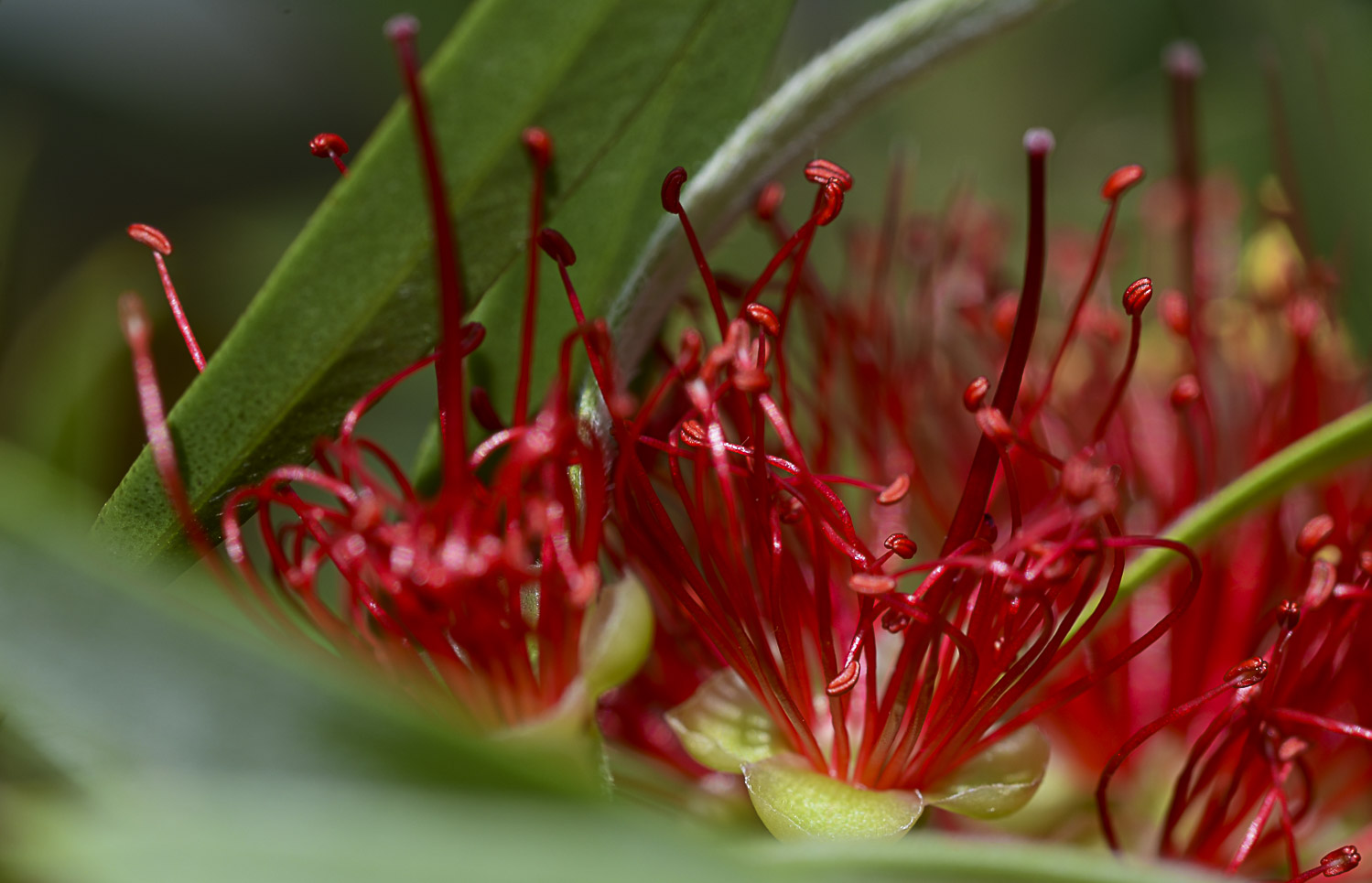
My most frequented destination is my garden – and it is always fun to see things grow, be it children or plants. Right now the grapes are ripening and soon the glass house will leave its last cucumbers and tomatoes, chili, paprika and physalis for letting my Mediterranean plants glow. I am immensely grateful for being able to enjoy the beauty and scent of acacia, jasmin, bottlebrush and camellias – despite our cold climate.
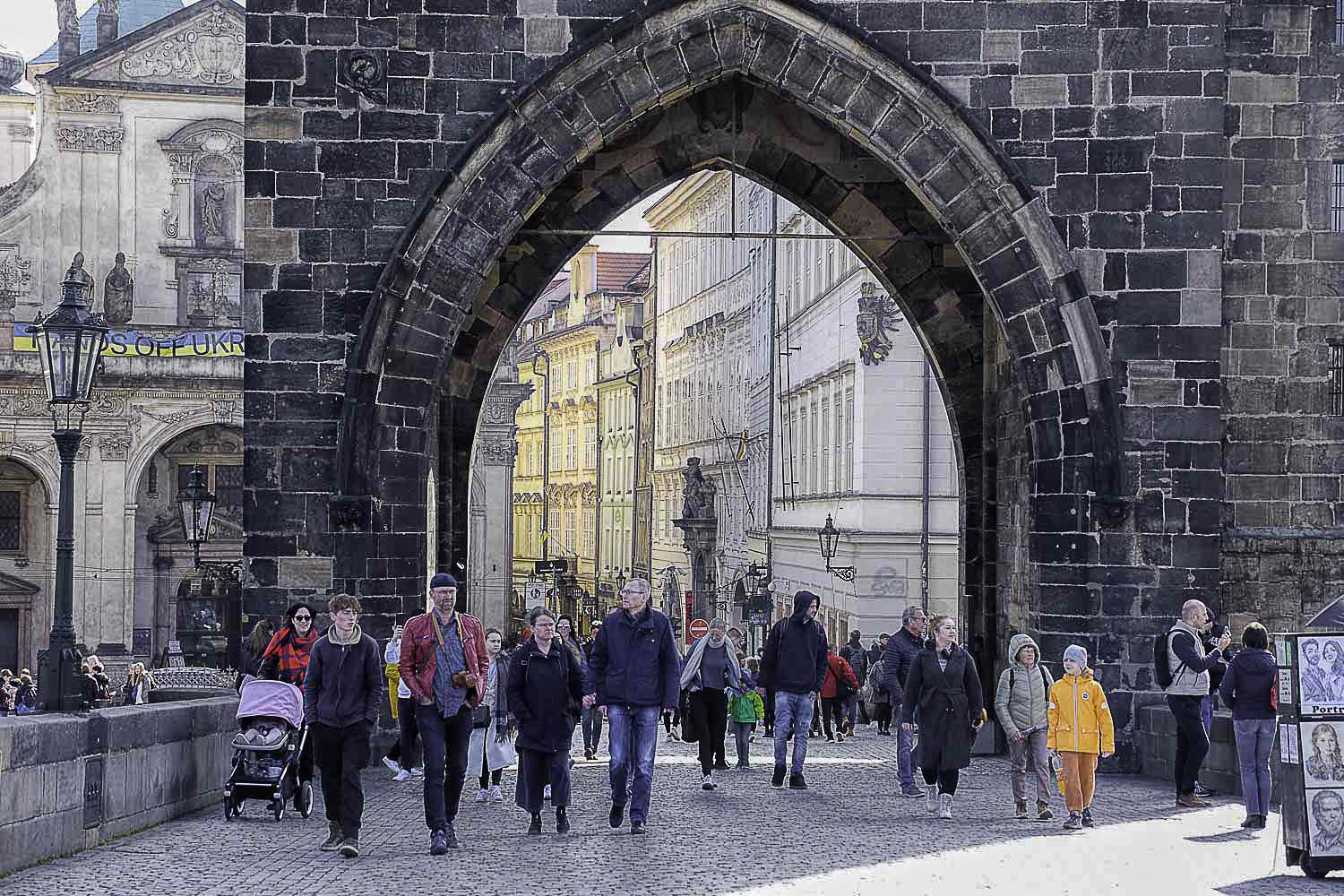
Travel, yes, that has been my way since I was 16. Destinations chosen because of architectural marvels in beautiful cities like Prague…
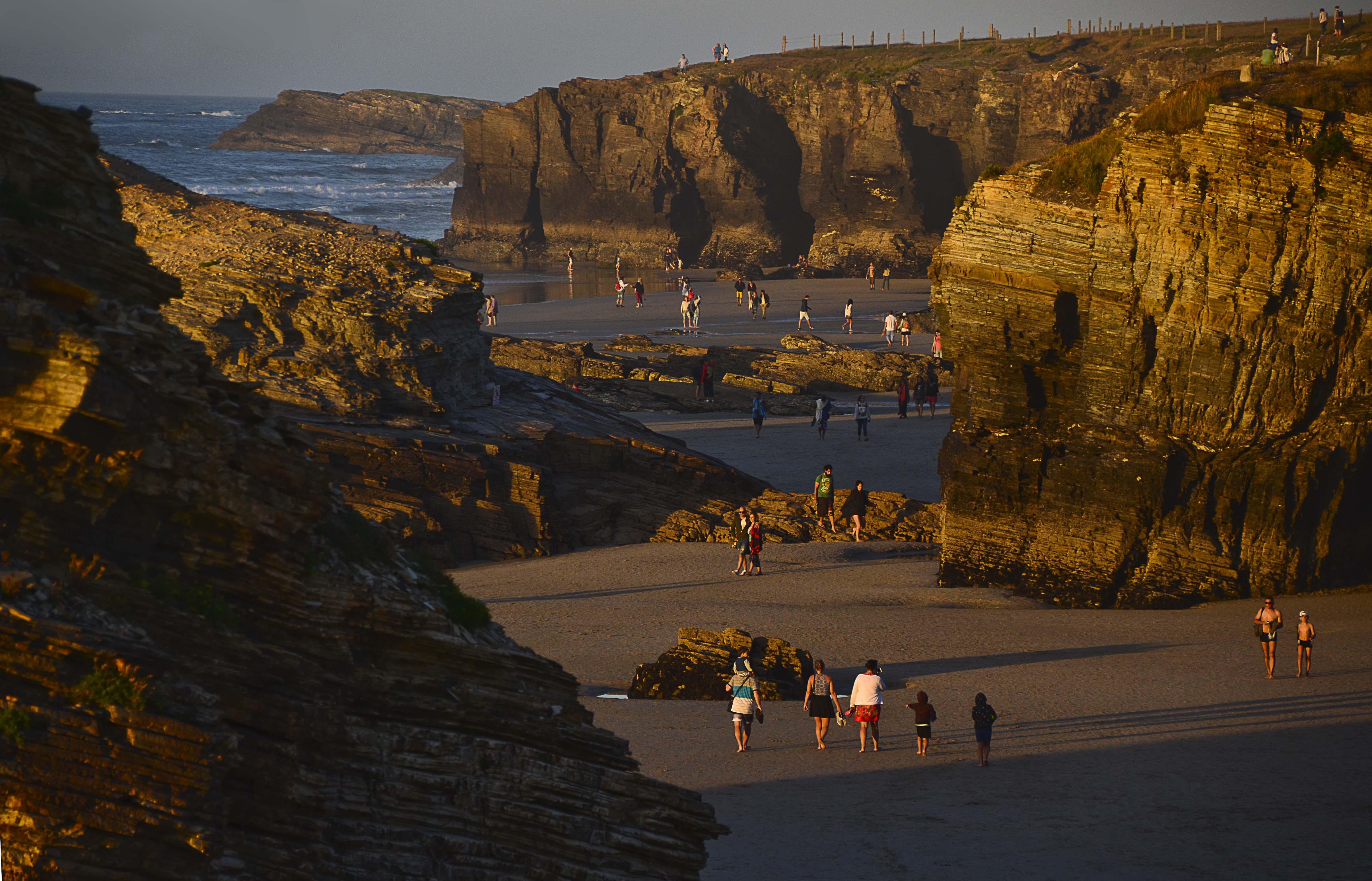
…for natural wonders as Catedrales in Spain
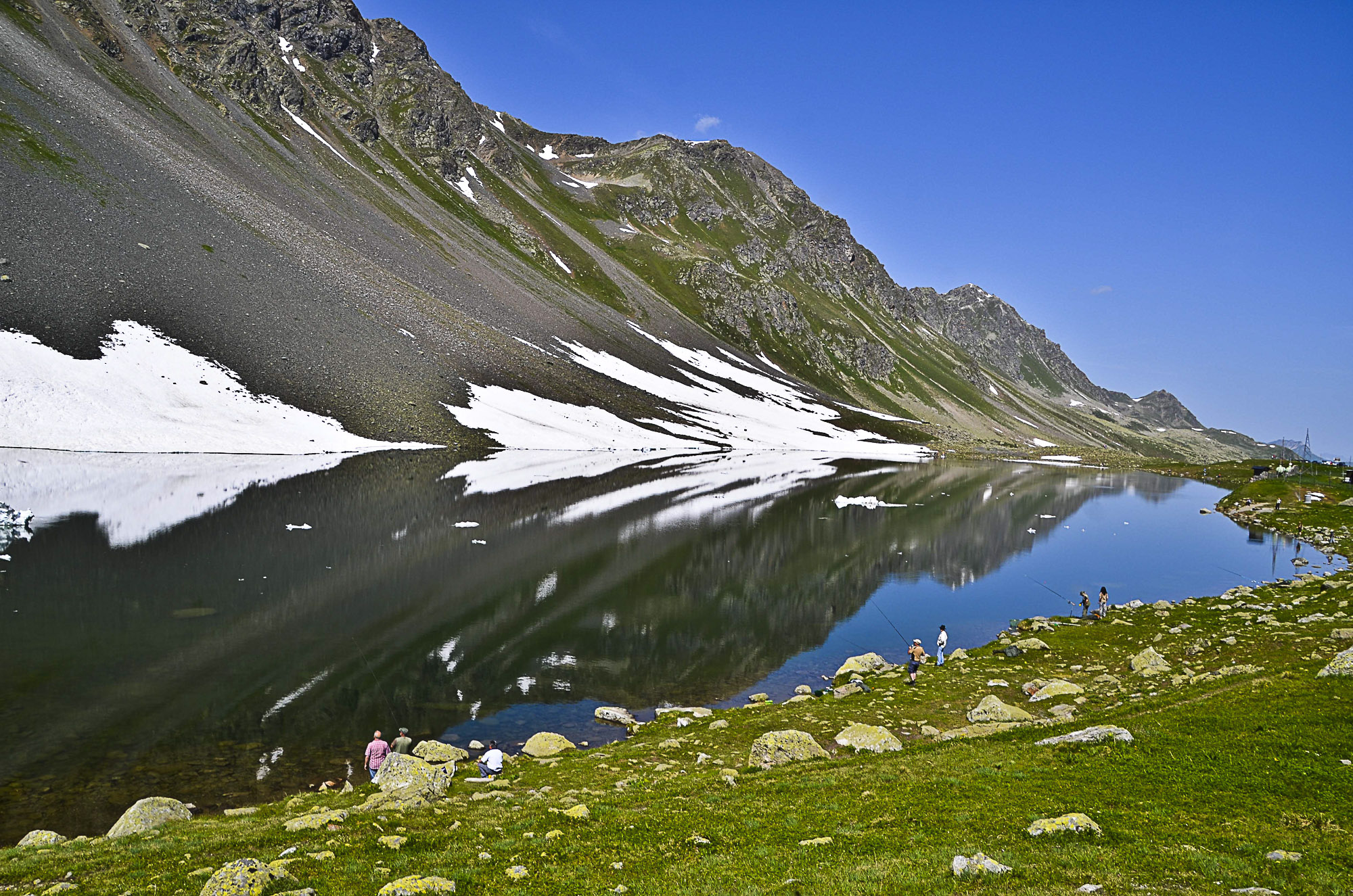
…for hiking among the glaciers in Greenland,
Iceland and Norway … and the majestic mountains of middle Europe.
But also for the opportunity to meet people of different origin and with different customs.
Back home again, there is another spot I always return to – for continuing the fun – my computer. All those photos have to be taken care of. Blogging, writing messages, making cards for birthdays, Christmas and other festivities.
To sum up my fun destinations, they are: hiking in gorgeous nature at home or abroad, visiting cities with great art and architecture, spending time with my family, working and enjoying my garden – and photographing it all. Finally – it is fun to upload and try to make the best out of my photos at the computer…
We look forward to seeing your responses and having us all share in the fun. Don’t forget to use the “lens-artists” hashtag when responding to Egidio, so we can easily find it in the Reader. Egidio is happy to say that pingbacks are finally working on his site too.
Last week, Ritva had us working on common objects. The response was terrific, and your posts were great. Creativity shines!
Tina will host a new challenge next Saturday at noon EDT in the USA. Stay tuned. Please see this page to learn more about the Lens-Artists Challenge and its history.
Ritva is our host this week, and common objects are in focus – making them shine. Please visit Ritvas amazing site with some brilliant inspiration!
I will start in Japan – with Shinkansen and
some ordinary umbrella stands. The Japanese can give anything mundane a fascinating glow, so, no credit to my photography…
Next gallery was made from my home, indoors photos. I have used close-ups, fisheye lens, high key pictures and B&W.
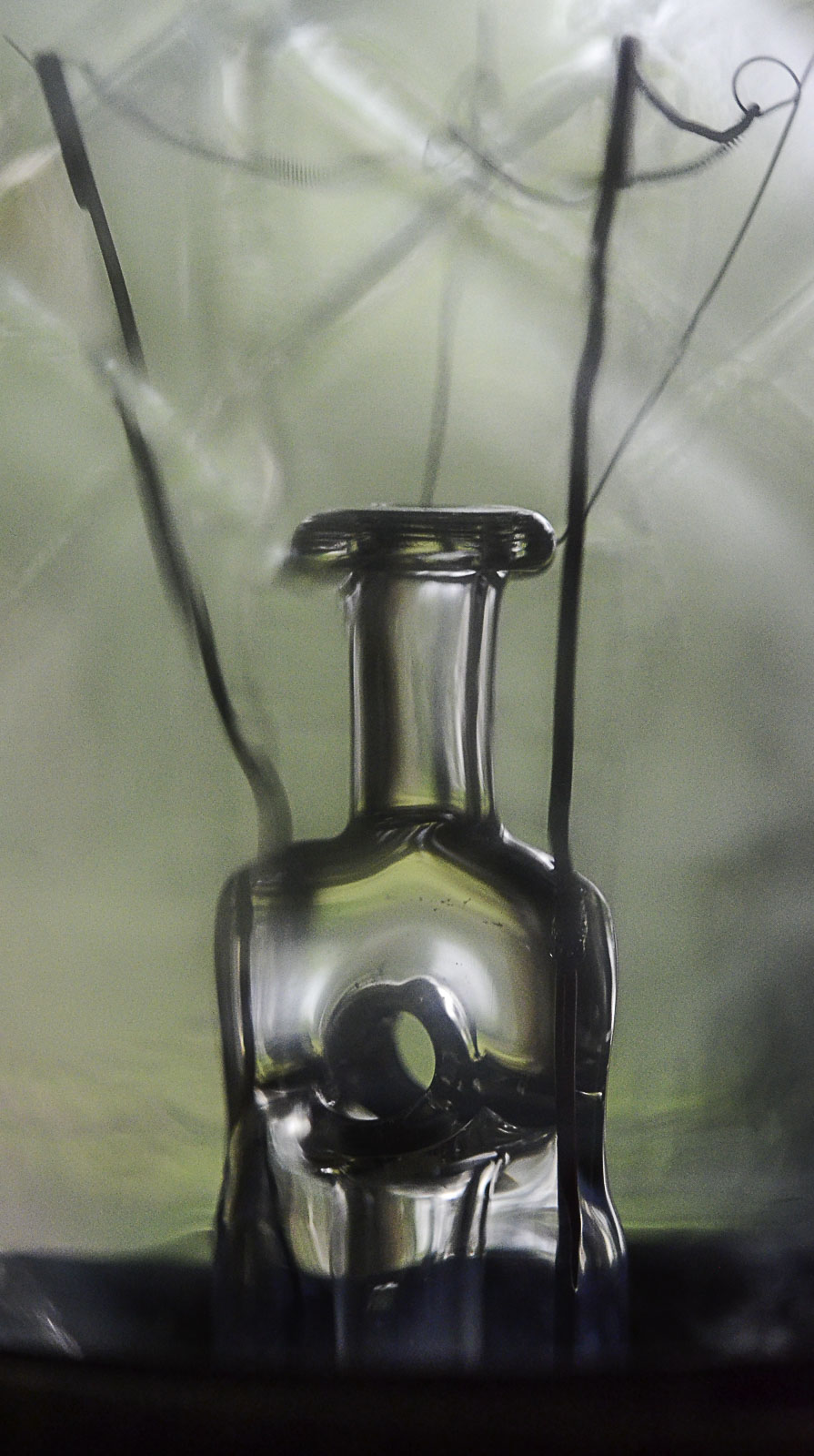
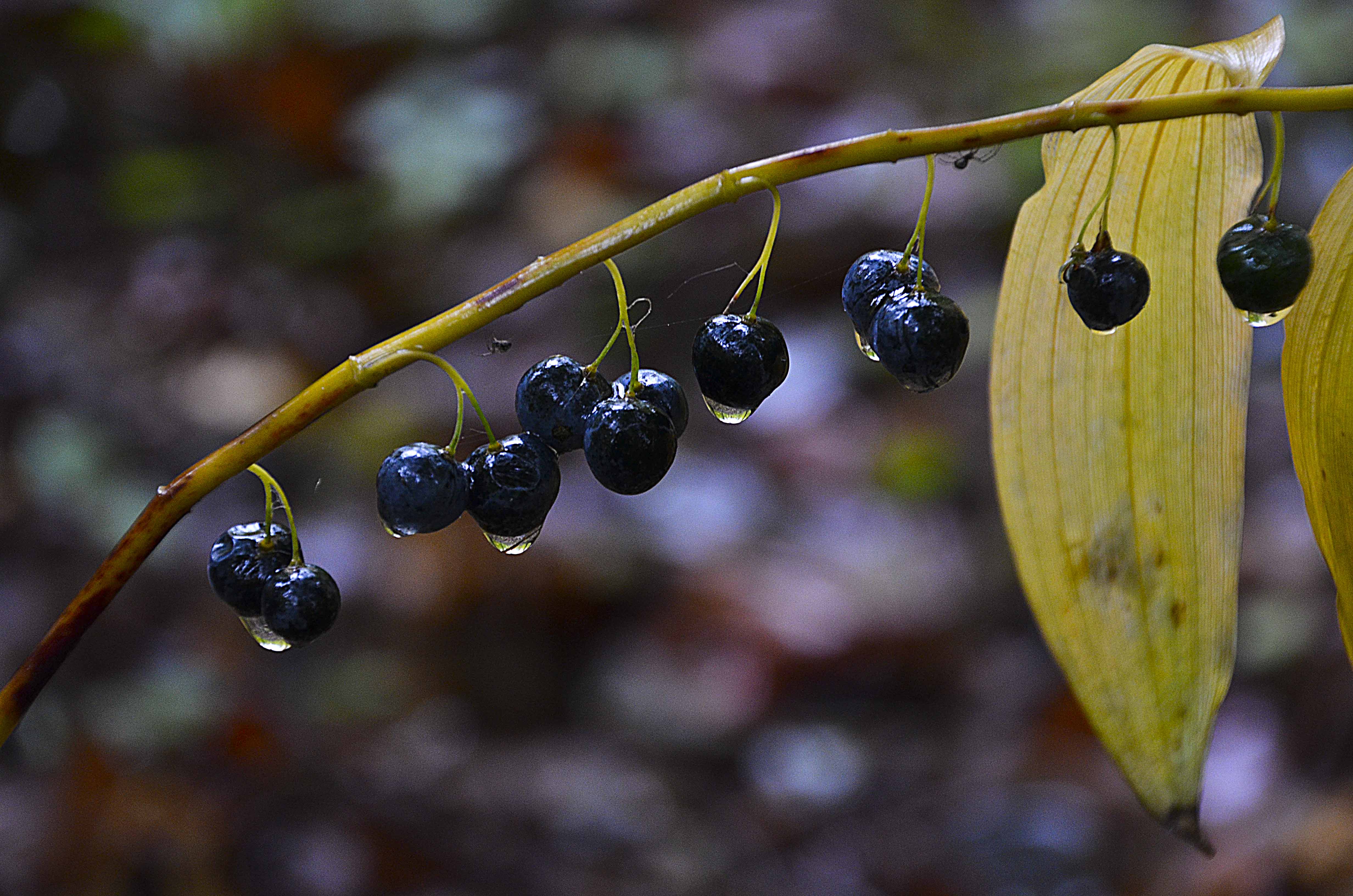
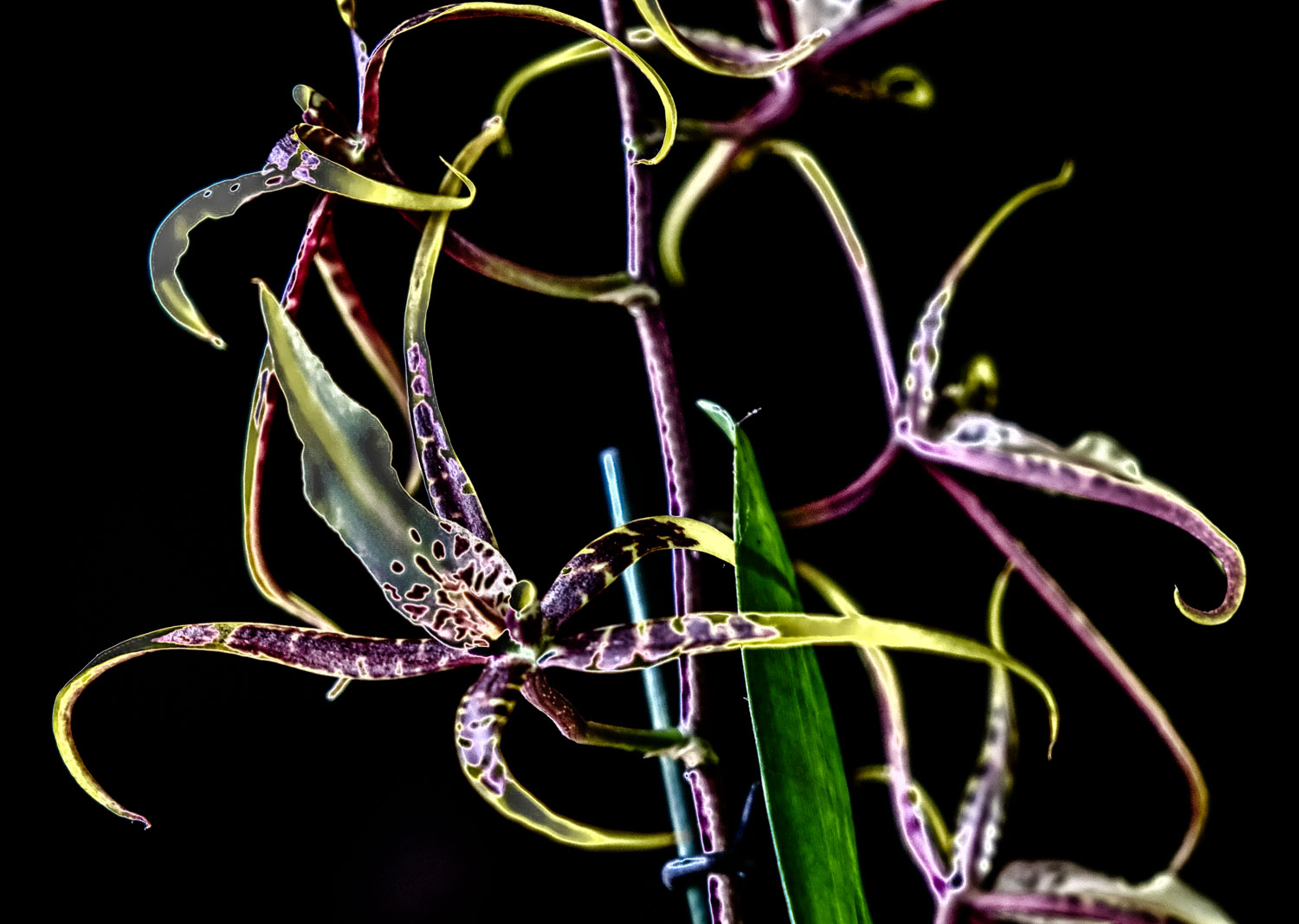
Let’s go out in the garden to enjoy the little things! Clothes pegs in the evening light as well as caught by the vine, the top of my empty watering can, a spider’s web against the greenery, a tomato plant, a tiny orchid in the dark…and a Solomon’s Seal.
Many thanks to Anne for her brilliant hosting of last week’s Shorelines challenge. The beautiful shorelines washed away all our troubles and wrinkled foreheads! I hope you will join us next week too, when Egídio will be our guide. Until then, take care and enjoy life!
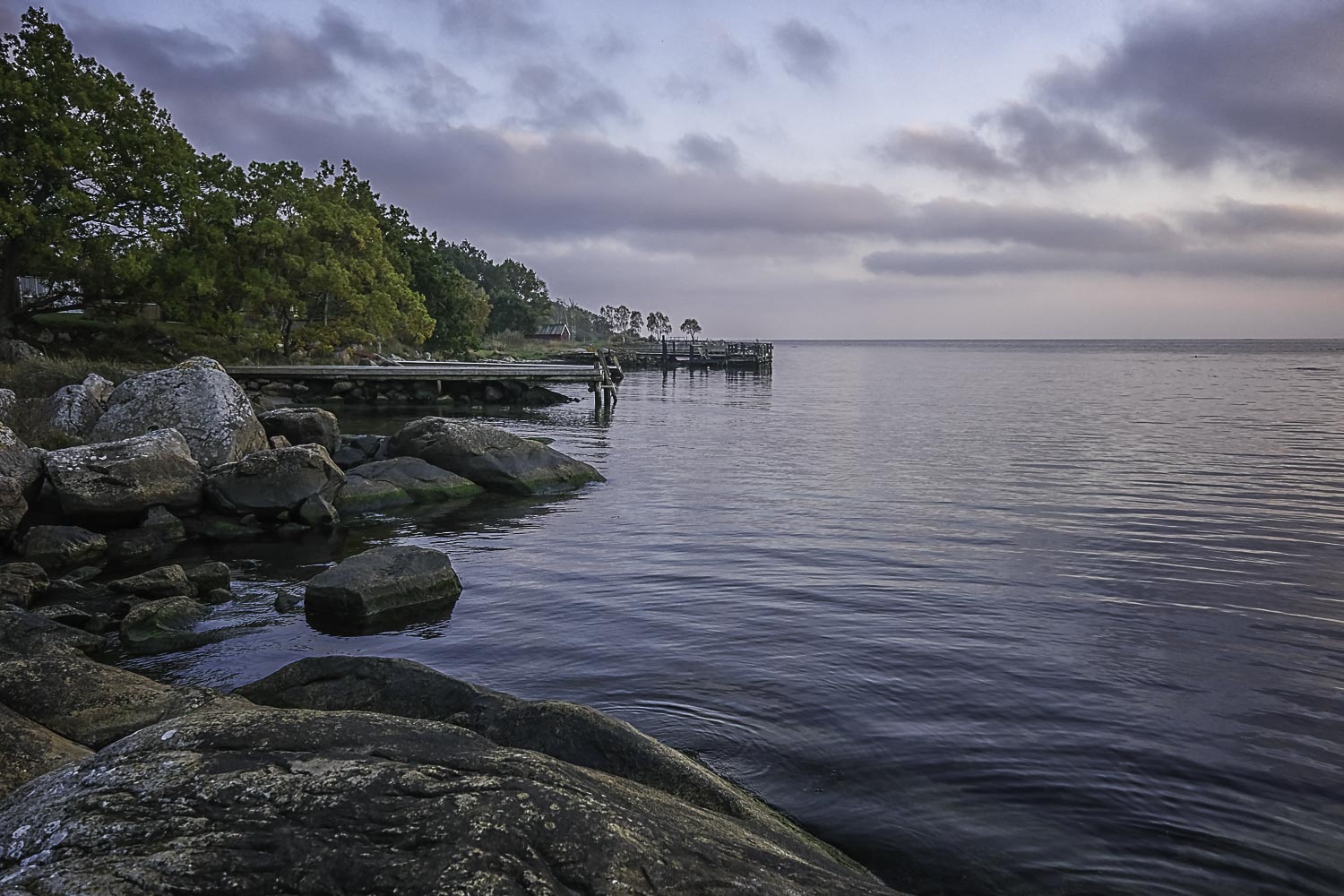
Anne is our host this week, and my choices for shorelines will all be the ones I have close to me, where I walk every year – or even every day.
Prize the natural spaces and shorelines most of all, because once they’re gone, with rare exceptions they’re gone forever.
– Richard Louv
Let’s start at our summerhouse – early mornings and evenings are always the most attractive times to go to the shore. For the light, for being alone, for…
My first choice is from an early morning paddle on the narrow canal up to the lake. Silent waters and the soft sound of munching horses. Peaceful and relaxing – I wish every morning could start like this.
By the sea, the light has many dimensions, so, only some minutes later…this view will not be the same. That, I find is the most fascinating thing with living by the sea.
The view from my window shows the little fishing harbour on the other side of the water. I never tire of looking at it – there is always a new colour, a new mood, a new feeling.
Standing at the very edge of the water, this is my view to the left: the Baltic Sea – Östersjön. Far over there, on the other side, lies Finland.
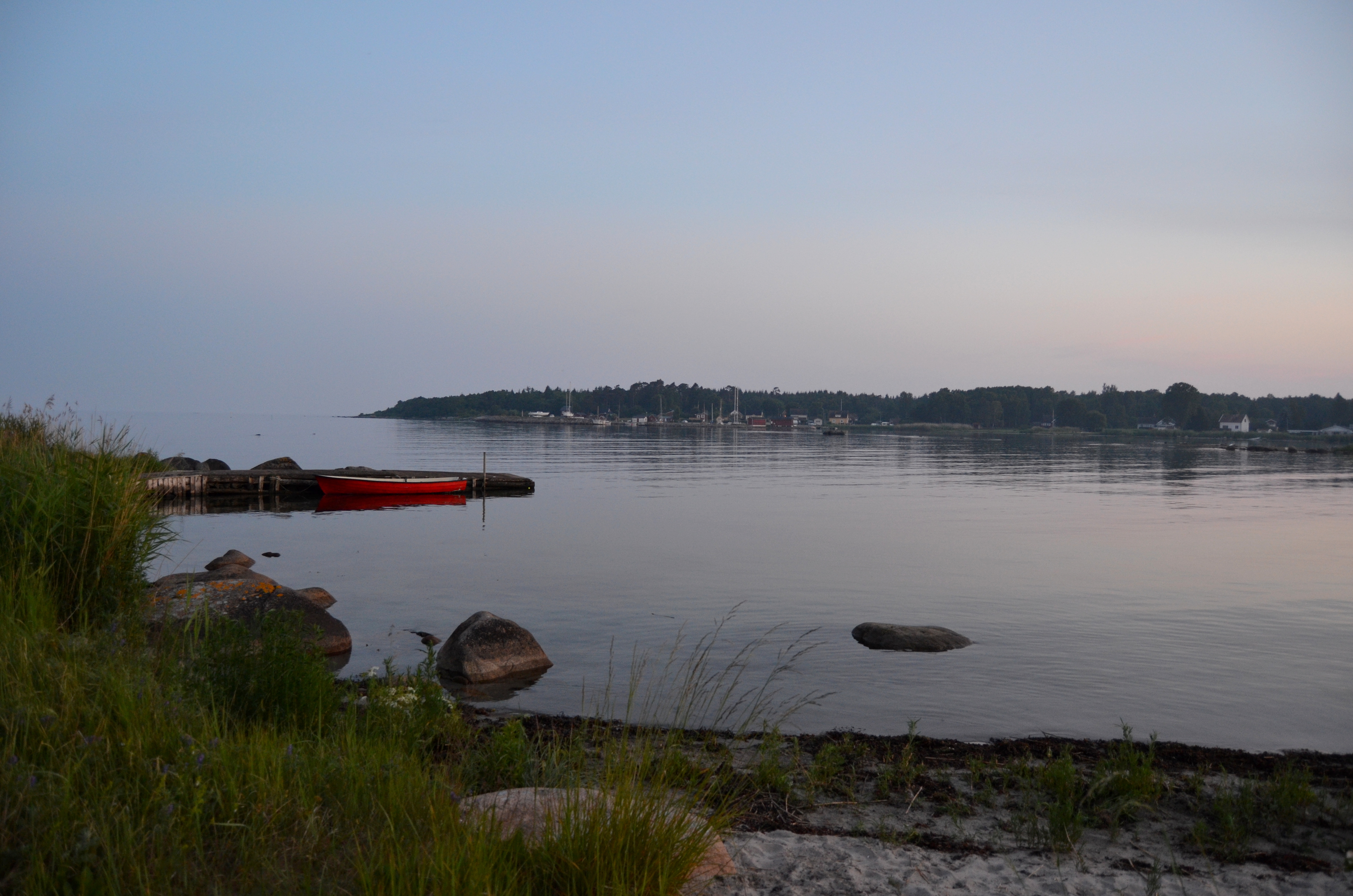
For many years, this little red boat was the sign that we had reached our part of the shore. I don’t know how many photos I have of this view, but they are many – I loved it. My children loved it too. But, as with everything in life, it must wither and die, and the red boat has been gone now for some years. But I have the photos – and our memories.
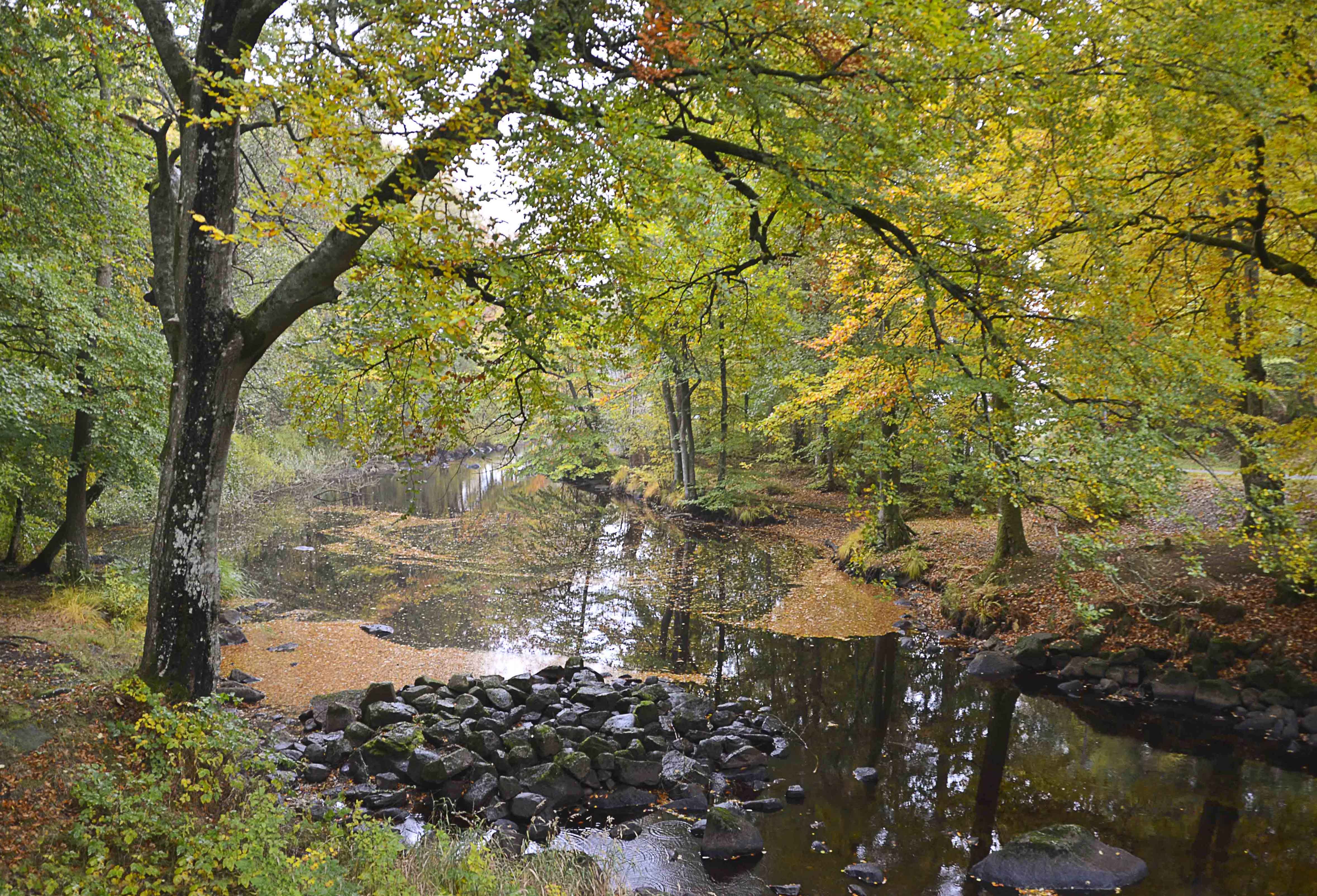
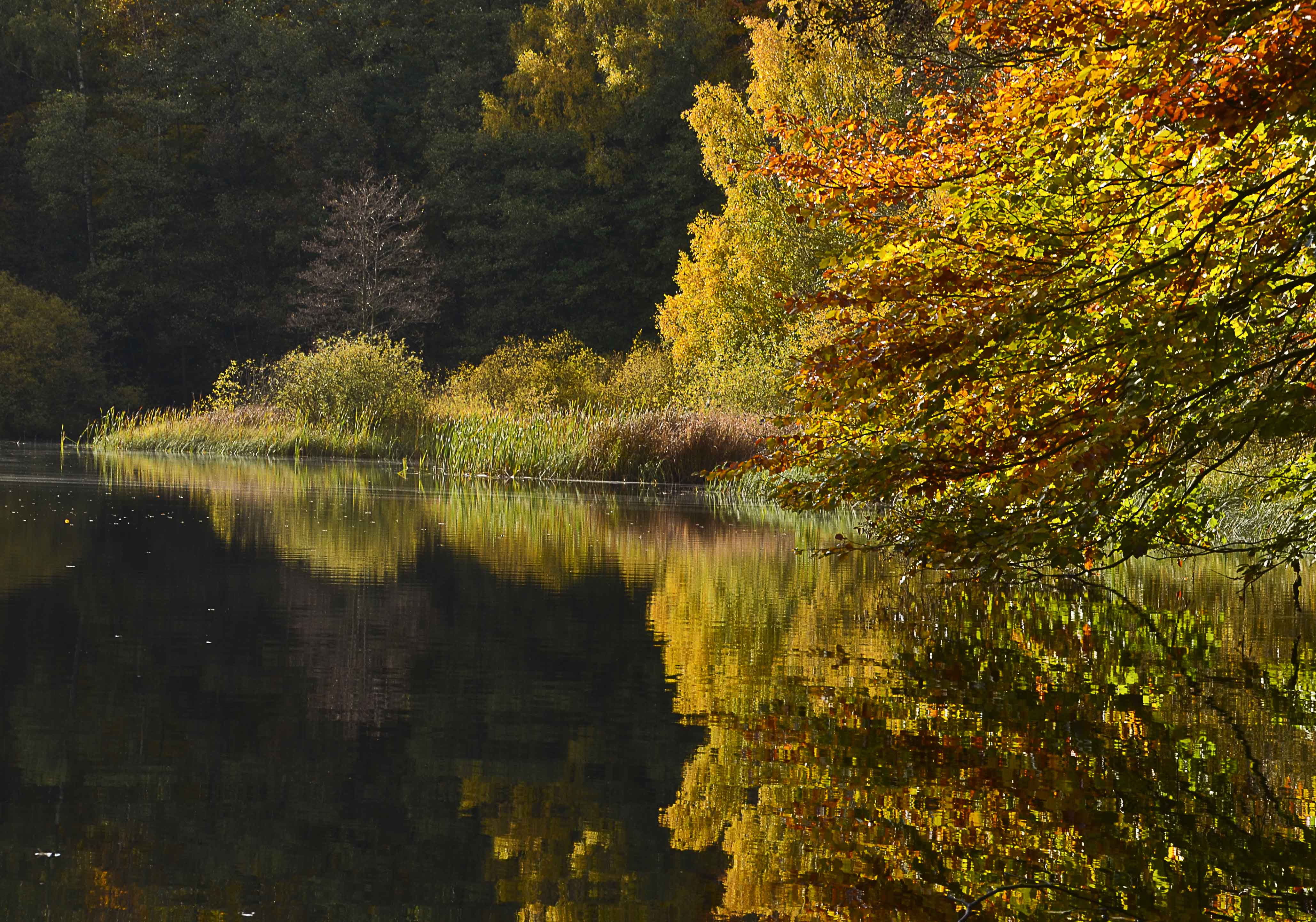
Now we will go closer to my home, and the shorelines here are no longer the sea, but small lakes, creeks, or ponds. The following two are in the same area – where I often walk. All seasons are beautiful here, but the golden autumnal scenery you see above, will soon no longer be there. Within a few months these waters will be drained – never to come back. A decision made by the authorities. We fought long and hard to keep it, but, unfortunately, in the end we lost.
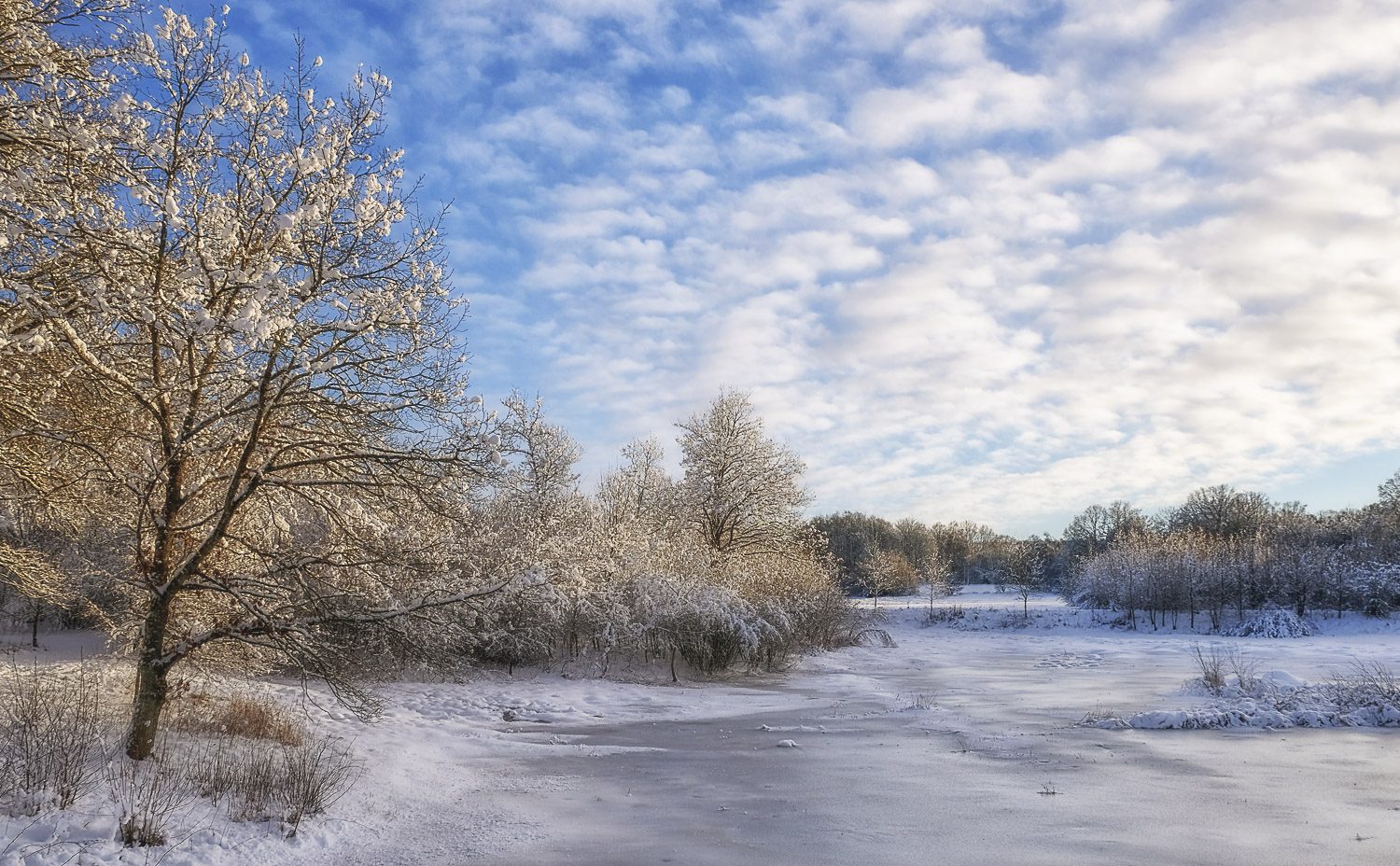
Winter in the same area, but this little pond will still be there in years to come.
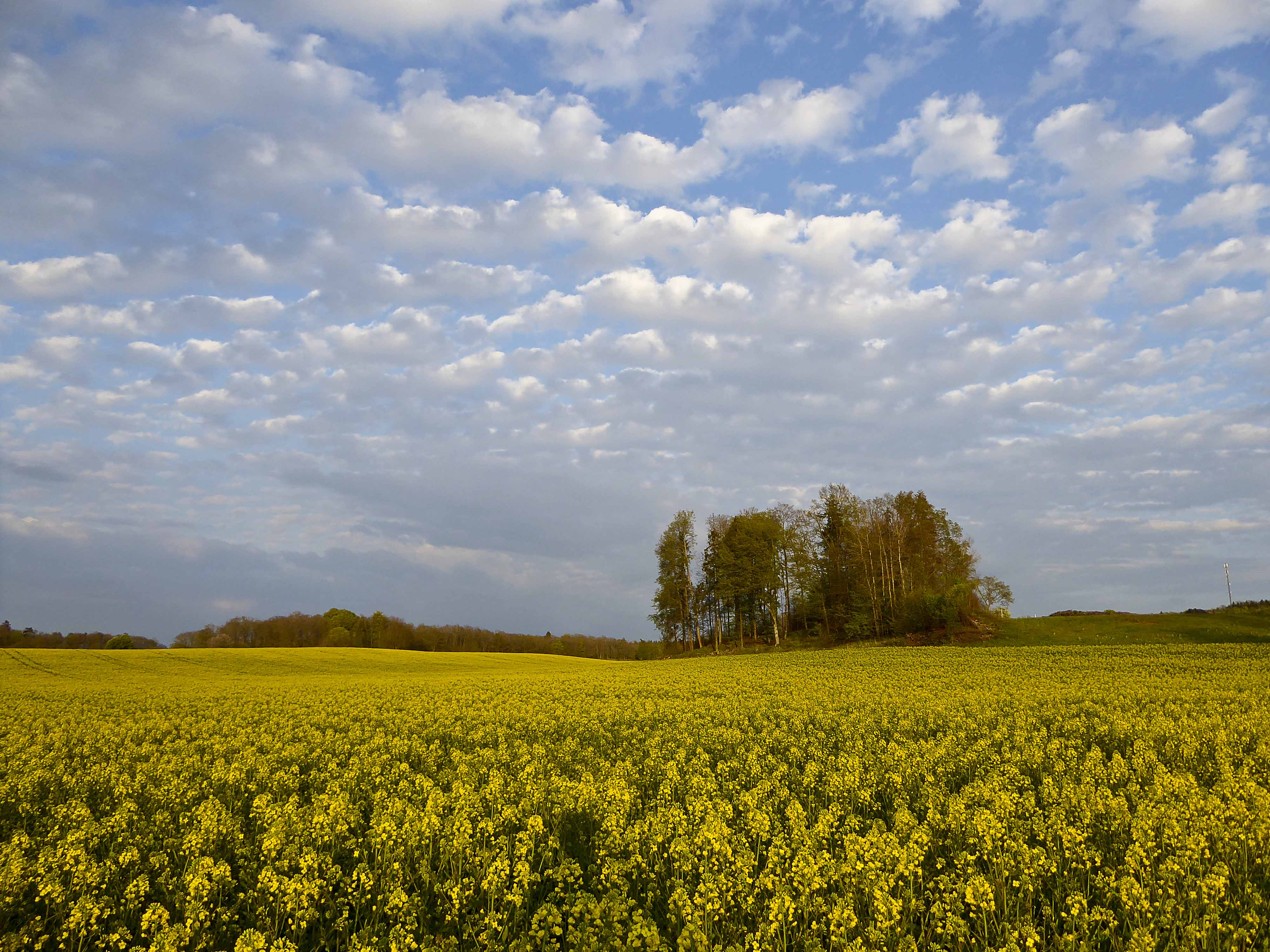
Swedish people, and I guess Nordic people in general, have a special love for early Spring with its light blue sky and clear air. The little yellow dots you see between the trees are the first daffodils of the year.
Here we are even closer to my home – this is a walk I often do with Milo. Along these marshland shores grows many orchids and other rare plants.
I will end with ”my” forest where I walk every day – and this was an autumn walk with the last leaves still on the trees. Strangely enough some where bright green, as if Spring had sent a soothing whisper of brighter times to come: ”Don’t worry, I’ll be back”.
Please go to Anne for more inspiration, and when you post for this challenge, please link to her original post and use the Lens-Artists tag.
I greatly enjoyed seeing everyone’s cool colors last week. Thank you, John, for a splendid challenge! Next week Ritva will be our host. Please look for her post next Saturday. Until then, enjoy your week, take lots of pictures and be kind to yourself and others.
John is our host this week, and he wants us to concentrate on Cool Colours. Please visit his inspirational site for more about the challenge!
Cool colors have shorter wavelengths than warm colors (red, orange, yellow) and Merriam-Webster’s online dictionary defines ”cool” in seven ways. For this challenge, John has concentrated on hues in the range violet through blue to green, and I decided to stay with those hues too.
Going through my archives, I found an all time favourite image that has it all – cool colours from violet through blue and green. It is photographed in Lofoten, Norway. A magical place on this planet that has it all, in every respect.
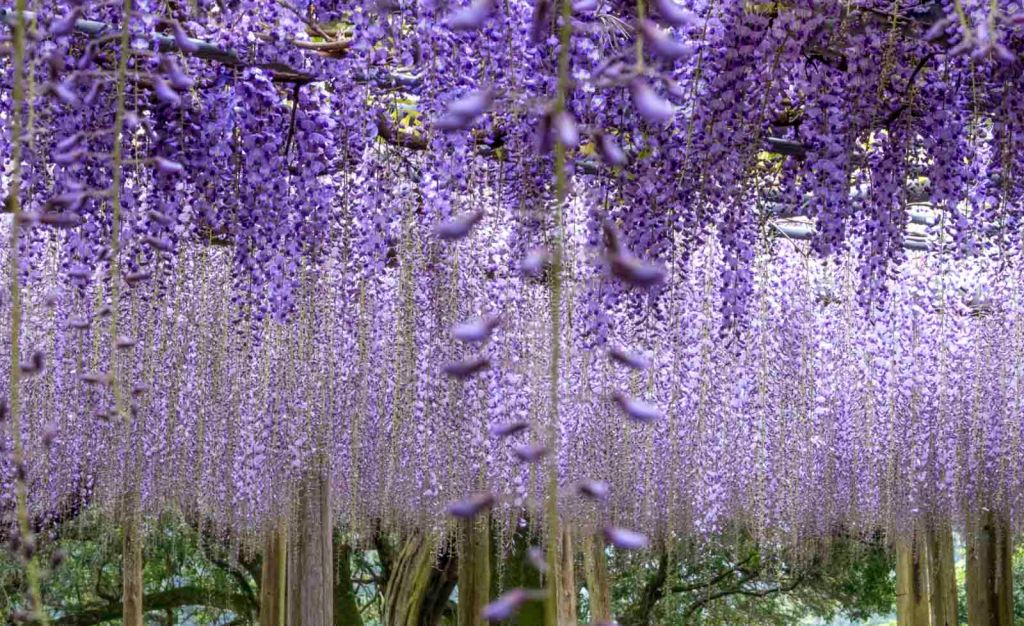
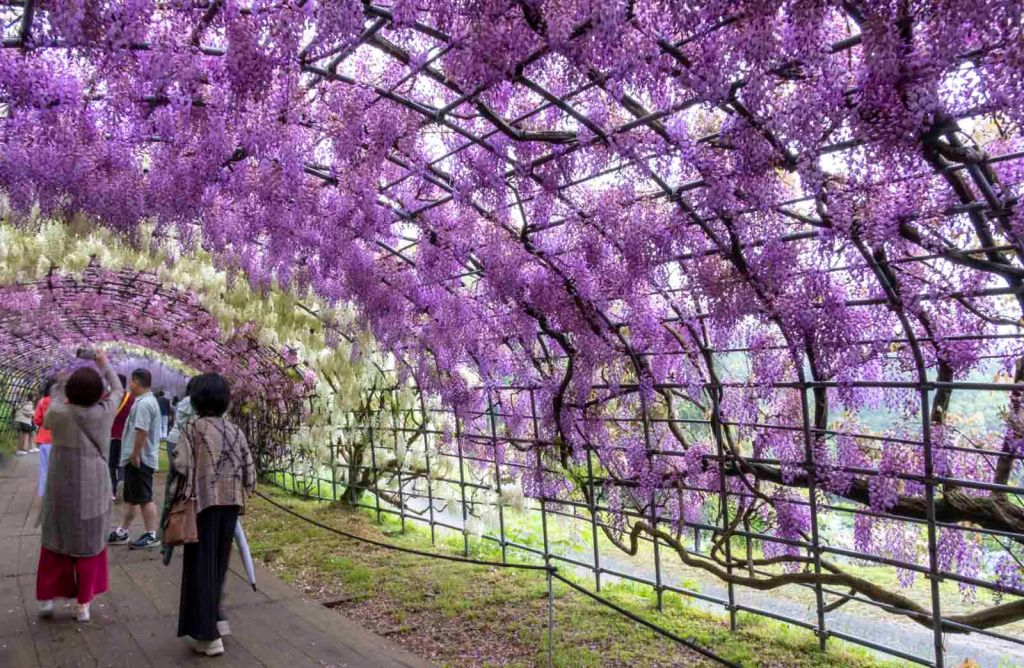
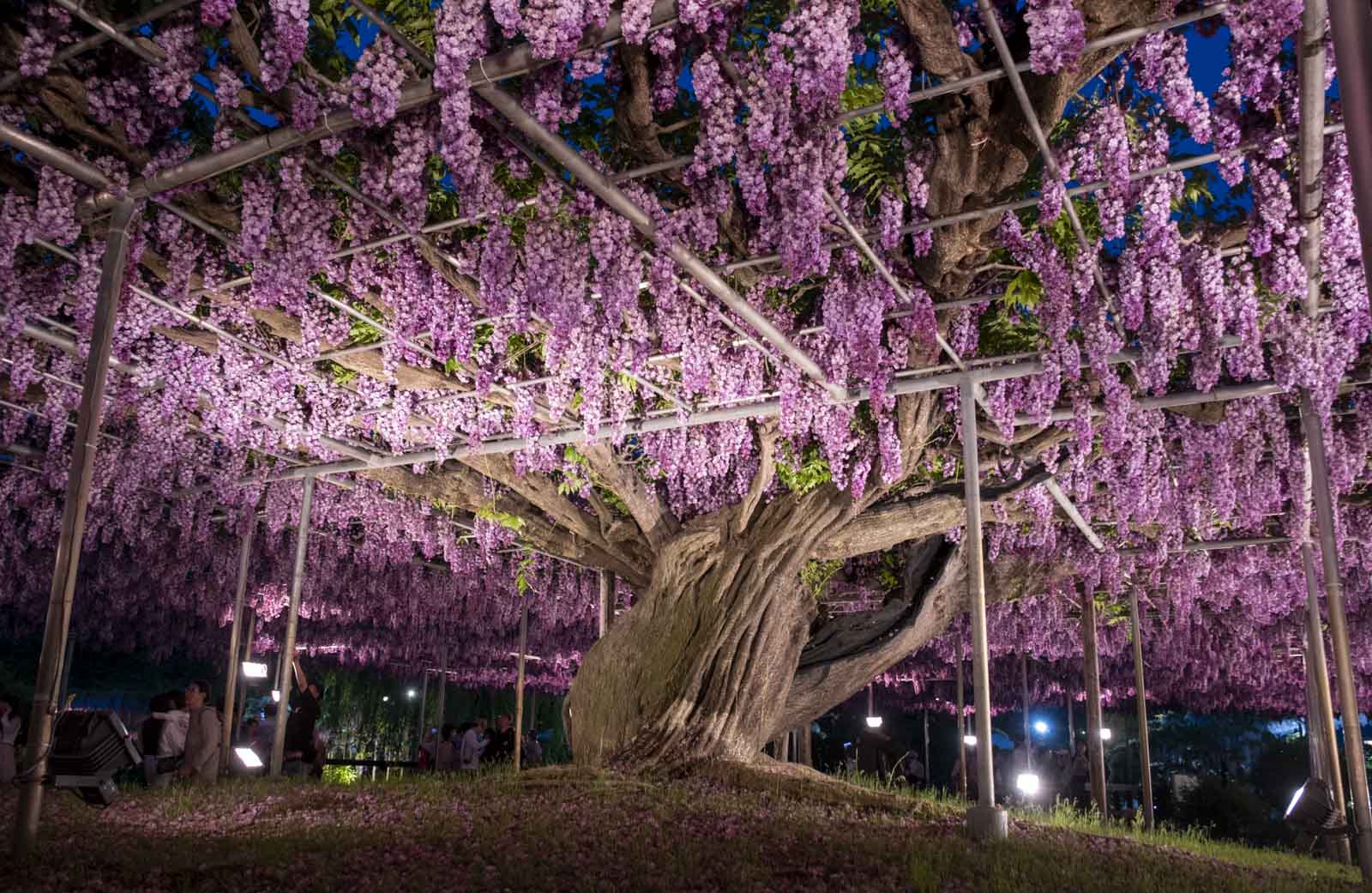
A violet evening in Nice is indeed a soft and velvety dream. A gallery from Japan and the Wistera bloom in April adds to the fact that violet is named after the flower with the same name.
Violet is considered a creative colour and associated with energies and mindfulness, it represents the future, imagination and dreams. It is also one of my favourite colours.
Blue usually stands for serenity, stability, inspiration and wisdom – a calming colour. Personally, I never wear blue – except for jeans. But I love it in nature – the sky and the sea. Especially in summer mornings and late evenings.
I often walk along the sea at our summer house – and this was a magical night in June some years ago. A warm breeze and slow waves aganst the shore.
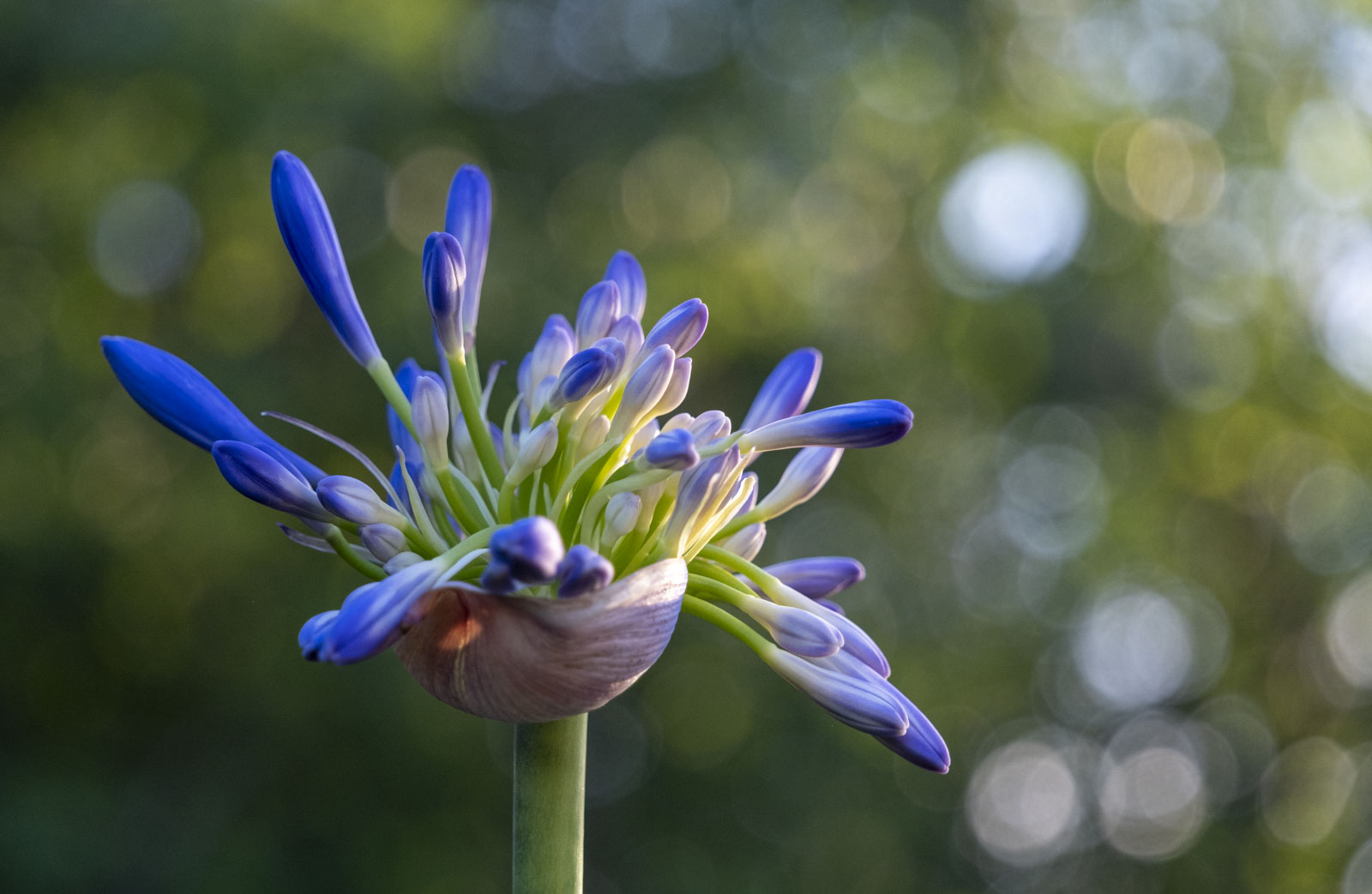
Of course we must have some flowers too – and this Agapanthus is from my own garden. Blue and green in the setting sun made the flower glow a bit warmer, leaning towards the last rays.
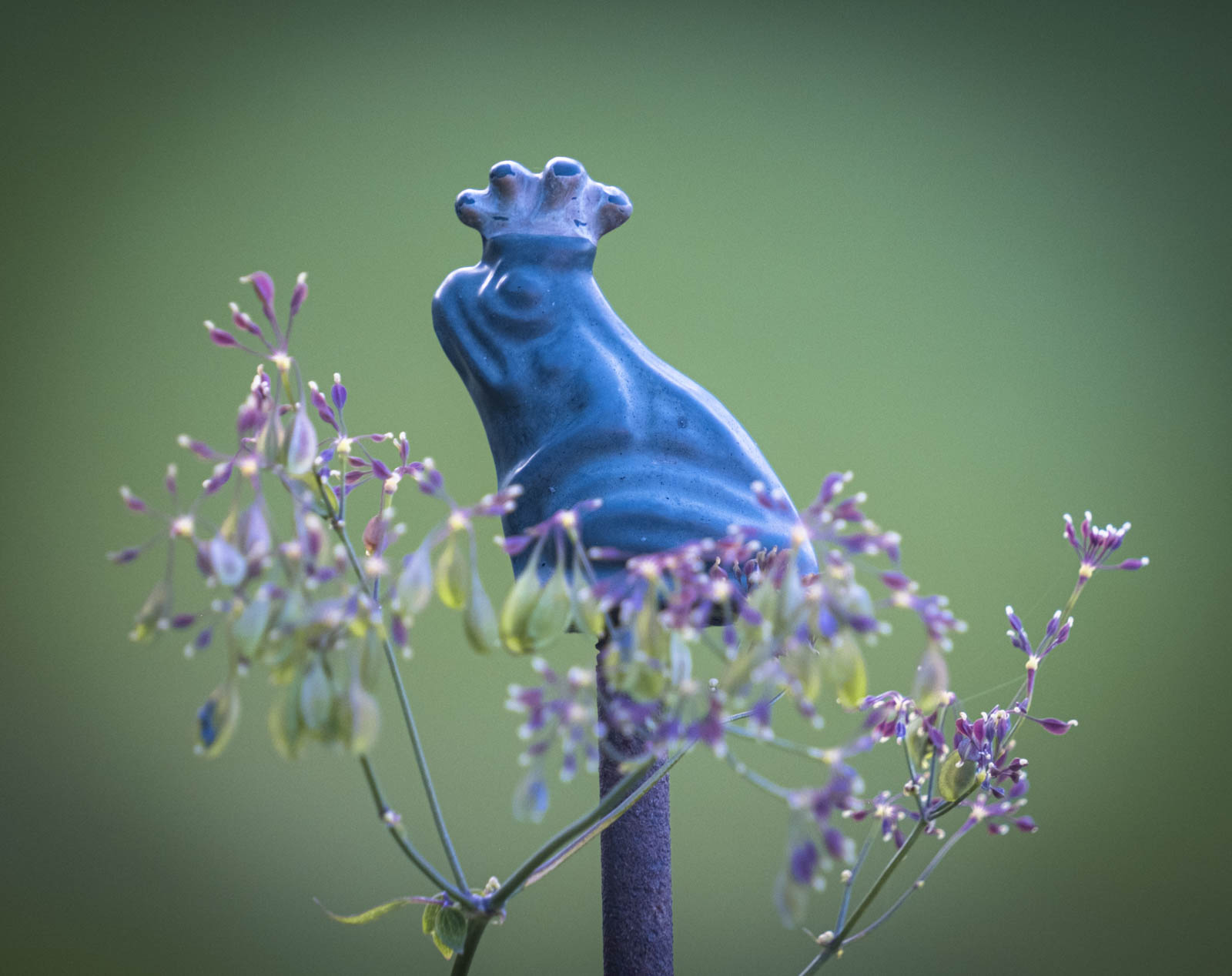
Finally, peeping over my neighbours fence, I see the blue King Frog sitting in his violet flower parasol, enveloped in a green cloak. Now we have all the cool colours in one single picture again.
Green was my last colour, and a favourite one as well. It represents growth, harmony, fertility and freshness. It is restful and relaxing to the eye – cool – due to its spectral wavelength. I sleep in a green bedroom because of this – and it works well.
A big thank you to Sofia, for hosting last week’s Sense of Scale – an interesting and eye opening challenge. So many great examples that never had crossed my mind! Next week, Anne will be our host. Be sure to follow her here so you don’t miss out on it.
Want to join in and don’t know how? Here are the details.
Sofia challenges us to show how we give people a sense of scale in our pictures. This is sometimes quite essential… Please visit Sofia’s site to get more inspiring examples!
My take on this challenge must mainly be using people for scale, but also different perspectives as from below or above, from afar or from a frog’s perspective. Finishing with a macro, of course.
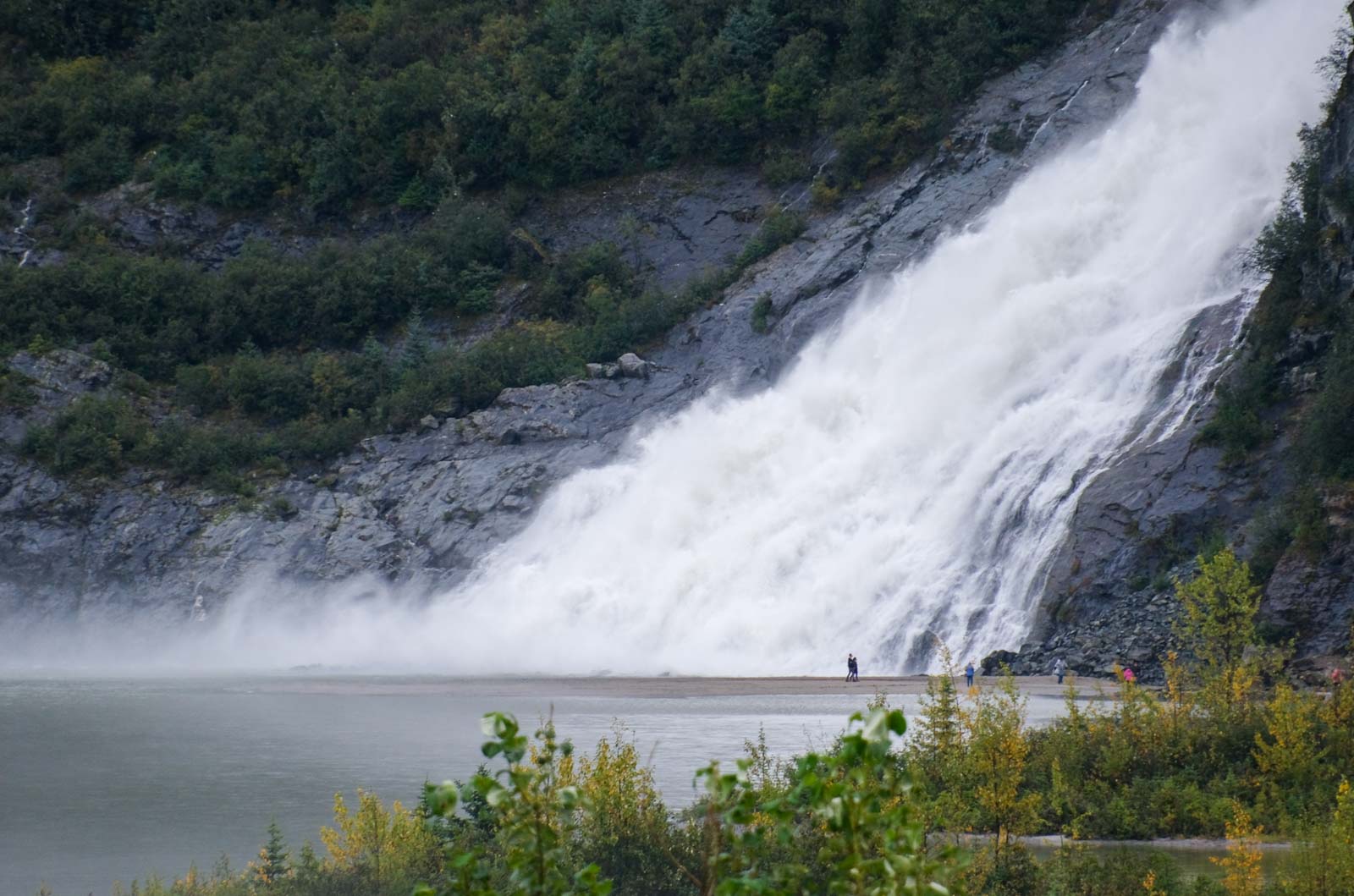
This was a waterfall in Alaska that I did not hike up to – but wow when I zoomed the lens! People walking there made it quite clear it was not as small as it seemed from where I was standing.
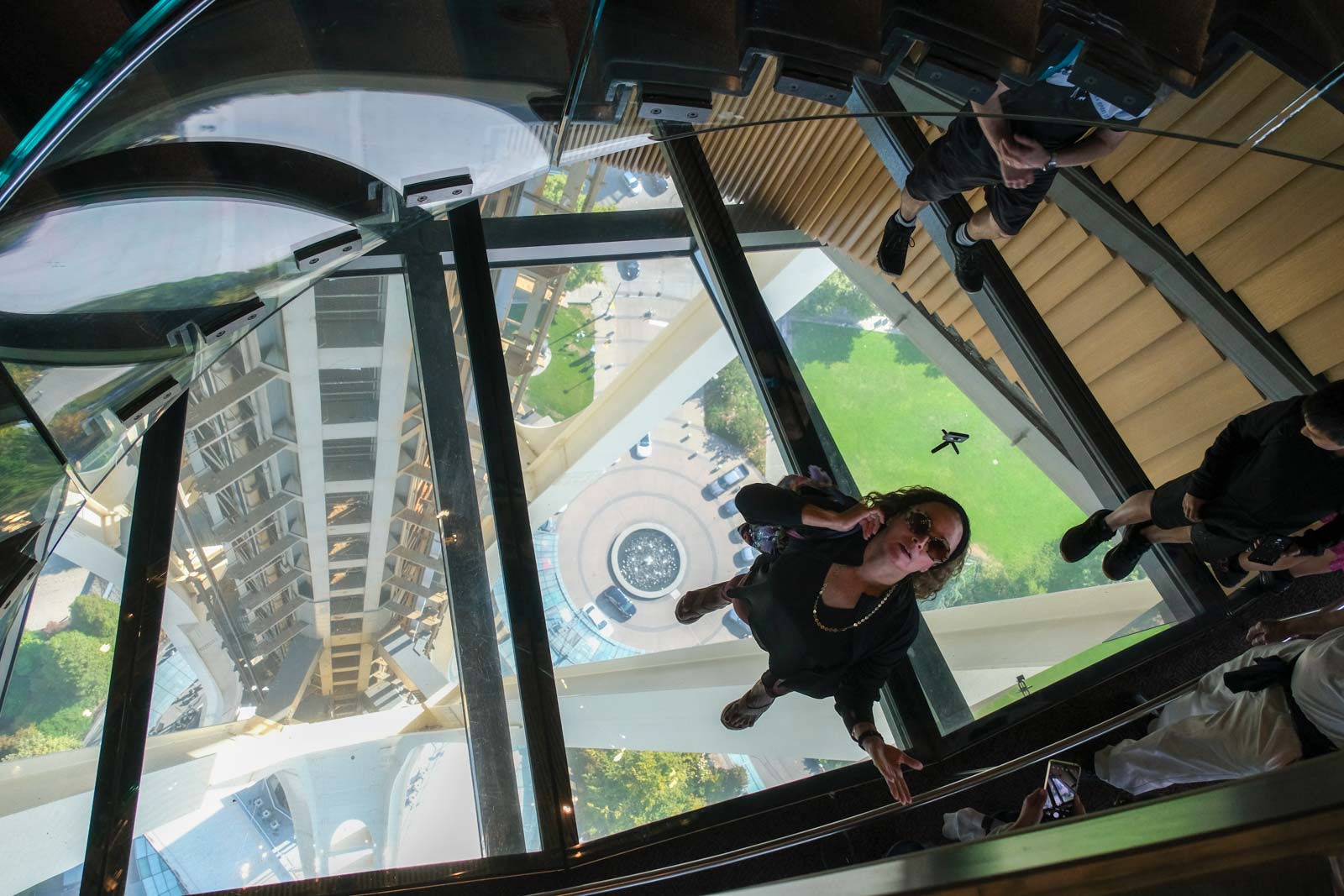
This picture is from a tour to the Space Needle in Seattle – where looking through the glass floor sets the scale properly…
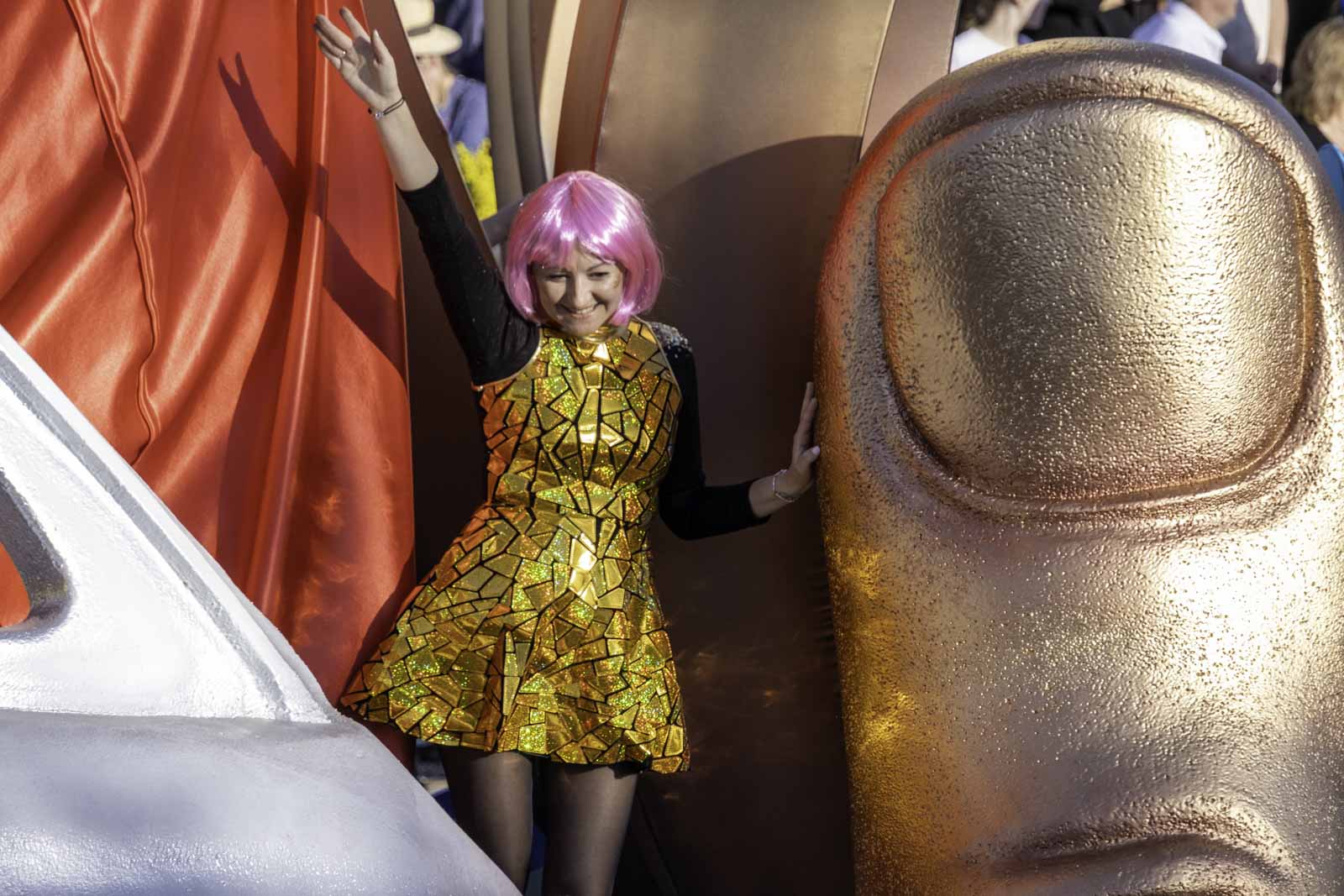
The Nice Carnival with its many show wagons is also a way to celebrate the sense of scale and give you interesting surprises.
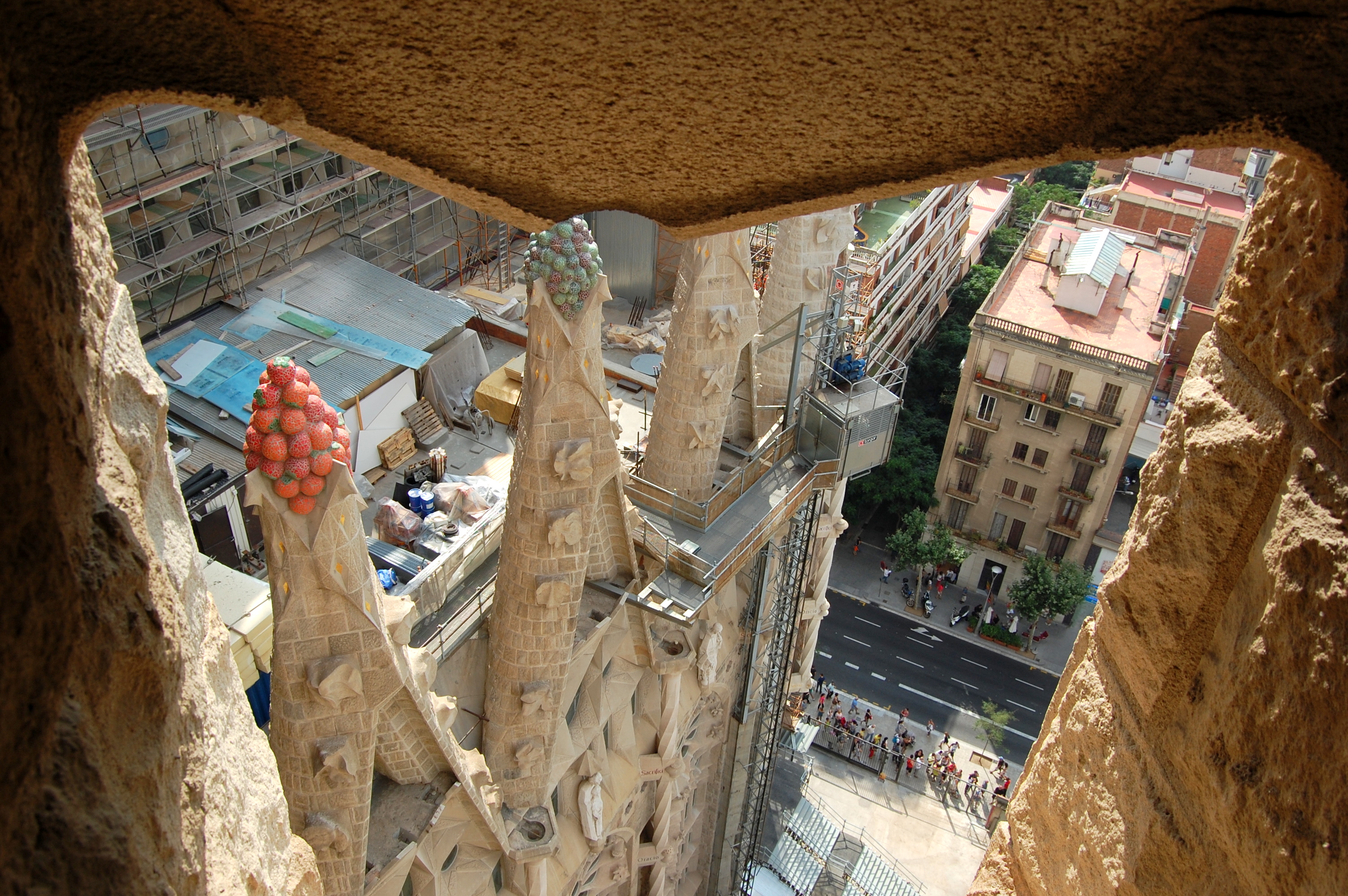
Some years ago we went to Barcelona under the construction of the great Sagrada Familia. The picture was taken from one of the towers. People and buildings giving you a hint of the size of this gigantic Cathedral.
Back home I was once fortunate enough to visit a statue of a harbour worker – when an elderly lady turned up and walked beside him. A sense of scale in more than one dimension.
This was the first time I visited Segovia, Spain, and I walked in awe up to the aqueduct running through the city, towering over the houses. I believe this is one of the more exciting and surprising moments during all my travels. The elderly gentlemen in front of me were very sweet, and I had no problems keeping the same pace as they did…
Next is an old favourite from the kite festival in Denmark. With kites you can easily use your camera from under their bellies… People and cars become tiny and the kites just as spectacular as they are. I think I’ll have to go there once more!
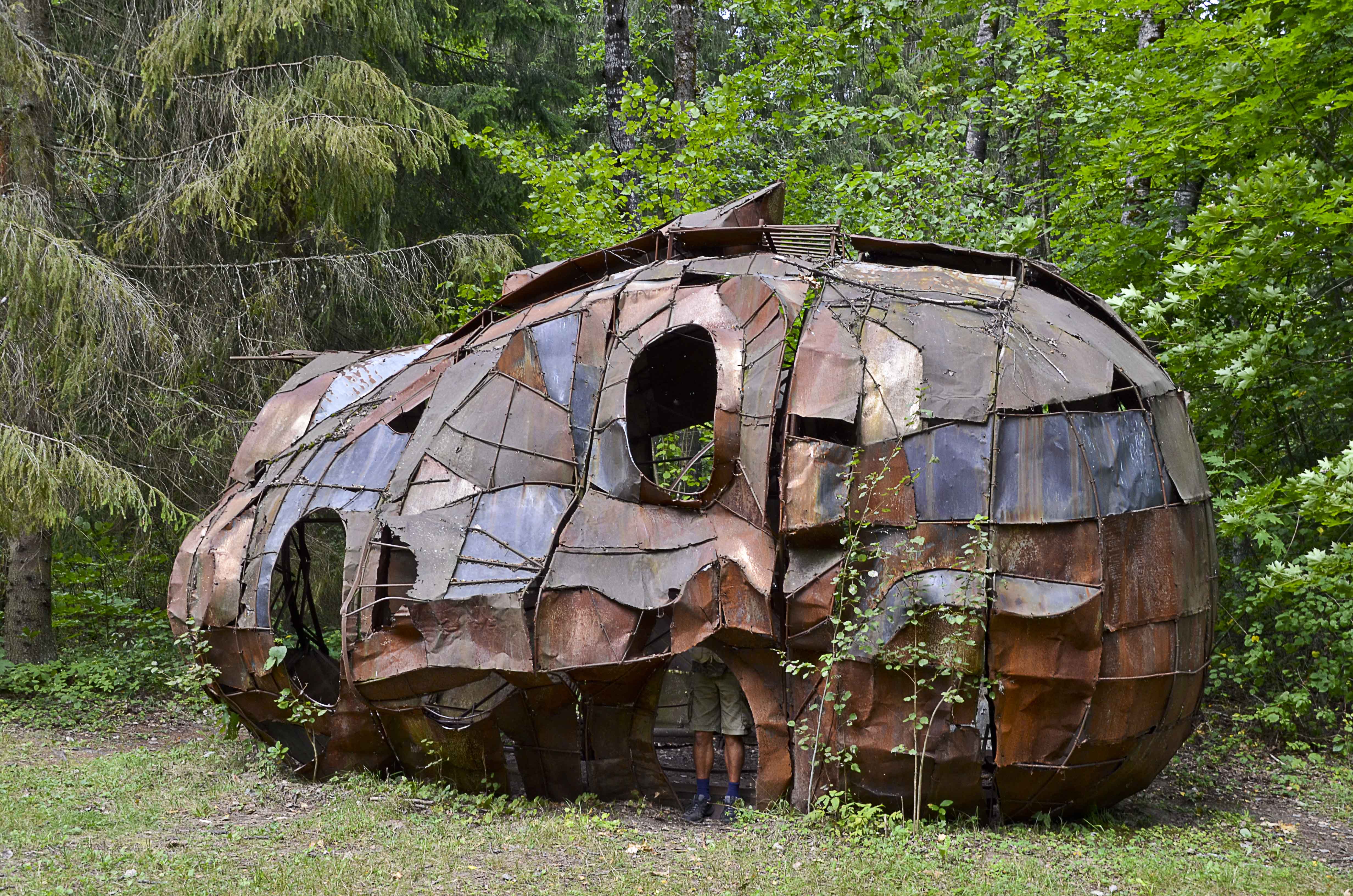
This one I have used before too – but I still love those legs sticking out of a rusty head in Riga.
Lying down on the stone floor in our apartment in Spain, I found the tiniest ants I had ever seen. A tea spoon became a valuable measurement of scale.
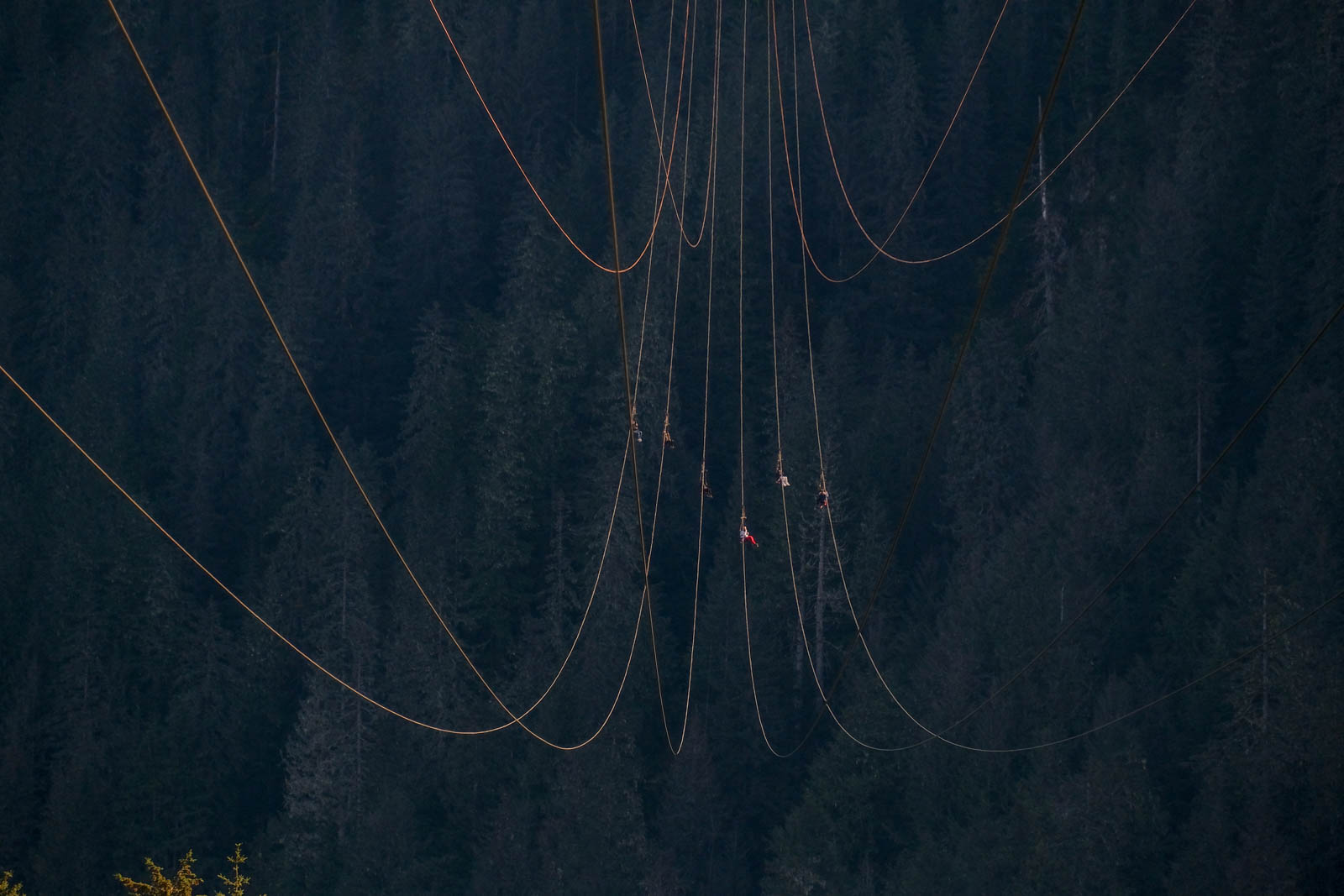
Then came the tiniest husband I had ever seen… In Alaska he jumped from a mountain – safely of course. If I remember it right, he is number two from the left. I let the tree tops stay in the corner of the picture to remember just how difficult this scale was to fathom.
Finally…
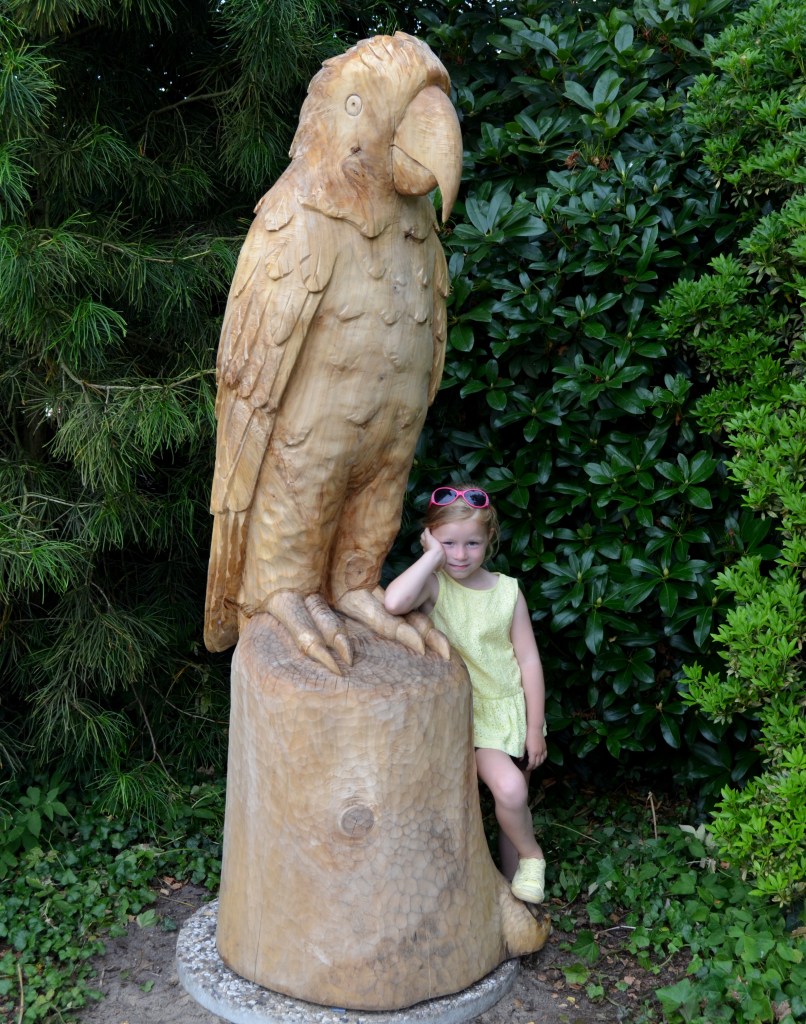
…in Weltfogelpark Walsrode in Germany, apart from the real birds, also the tree sculptures were greatly admired. In Bhutan the forest and trees set the scale for the golden Buddha statue. I had to finish with the tiniest of snails (5mm) in this withered flower.
A big thank you for all your garden displays last week, big and small, fancy and spectacular, creative and inspiring – and above all – Loved and Needed! It truly was a treat to read every comment and see every picture. I had a great week.
Don’t forget to tag Lens-Artists and link to Sofias original post. Next week is John’s turn to host so please visit his site for inspiration. Until then, stay well and enjoy every day.
“What’s in a name? That which we call a rose by any other name would smell just as sweet.”
– William Shakespeare
The quote is used to state that the names of things do not affect what they really are. There are so many ways to look at a garden, so, my idea is to see what You have found, what You see – at home or anywhere in the world. Everything from your window sill to a big park – to me they are all gardens. And what we have in them, is all up to us! I guess something that brings you harmony, makes you smile, makes your world a bit easier to live in. So – What’s in a Garden? Feel free to use any meaning of the word – or create your own!
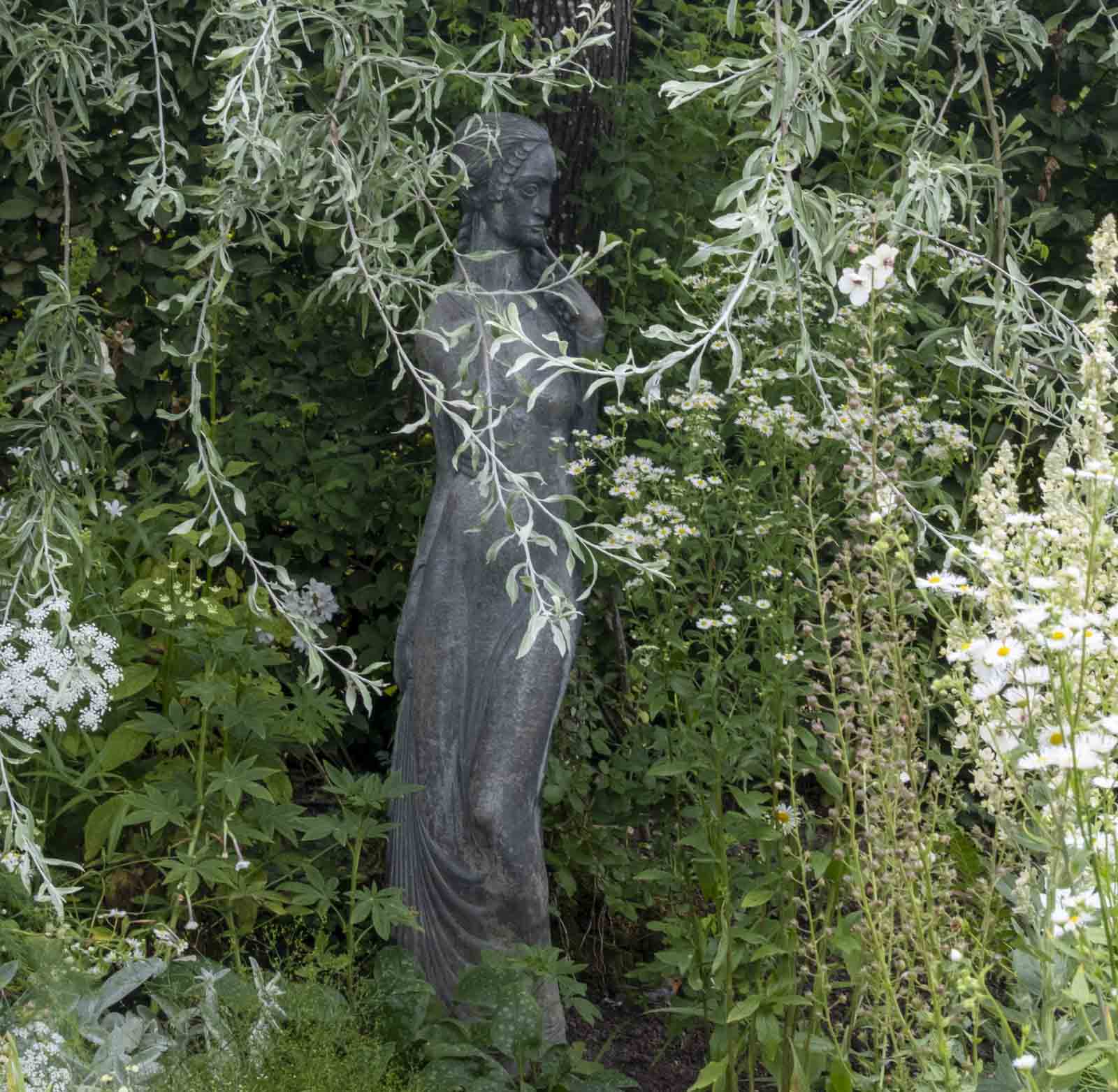
You who follow me surely know, and will not be surprised, that I am a romantic and thus English gardens have got all the ingredients I dream of. Everything from lush flowers, plants, trees and hedges, to walled gardens, ponds, statues, old stones and ruins.
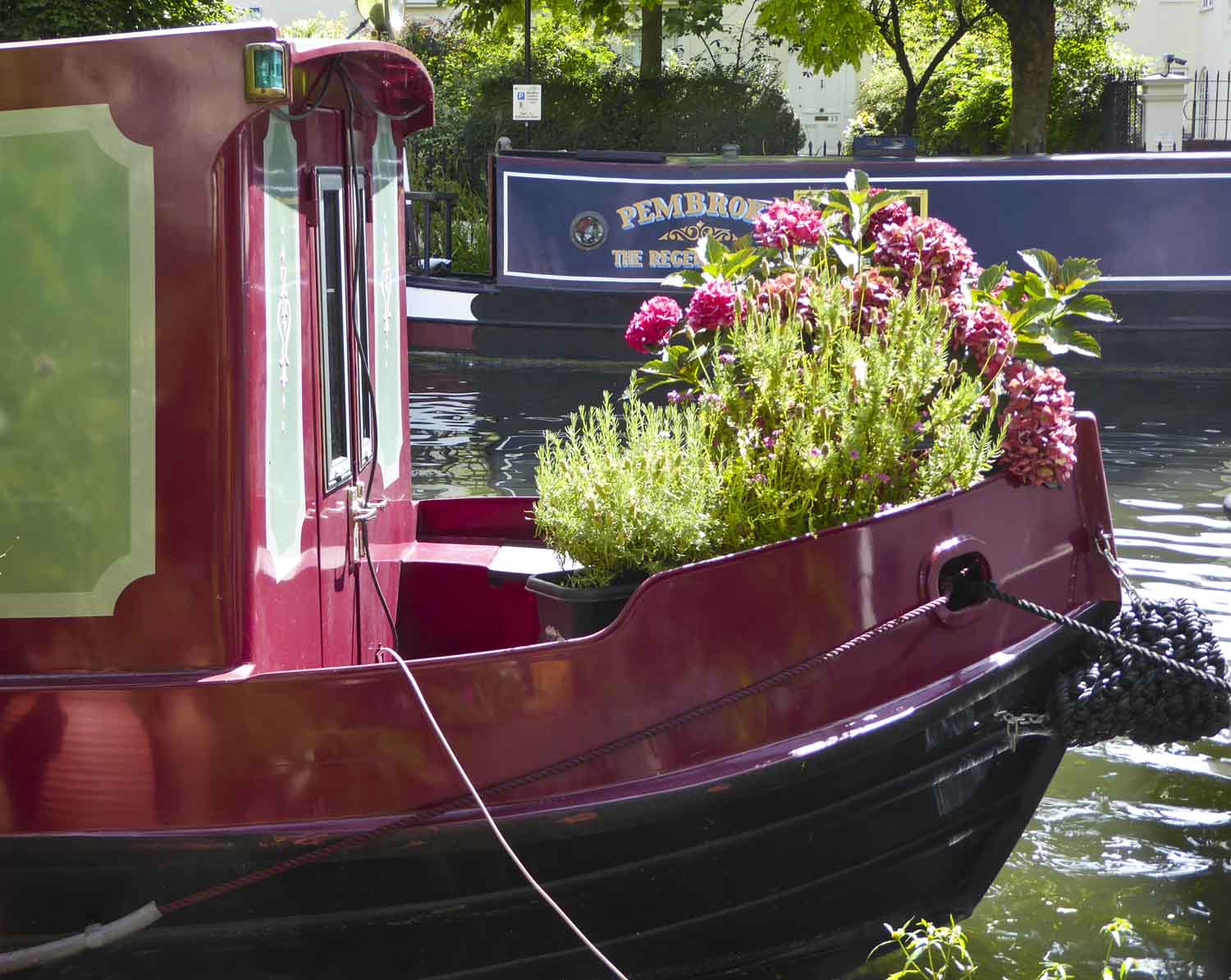
Much gardening to do in these, but tiny gardens like the next three ones are easily managed and still bringing much joy!
A canal boat and an atrium found in England, and a Hobbit house with a tiny garden found in New Zealand.
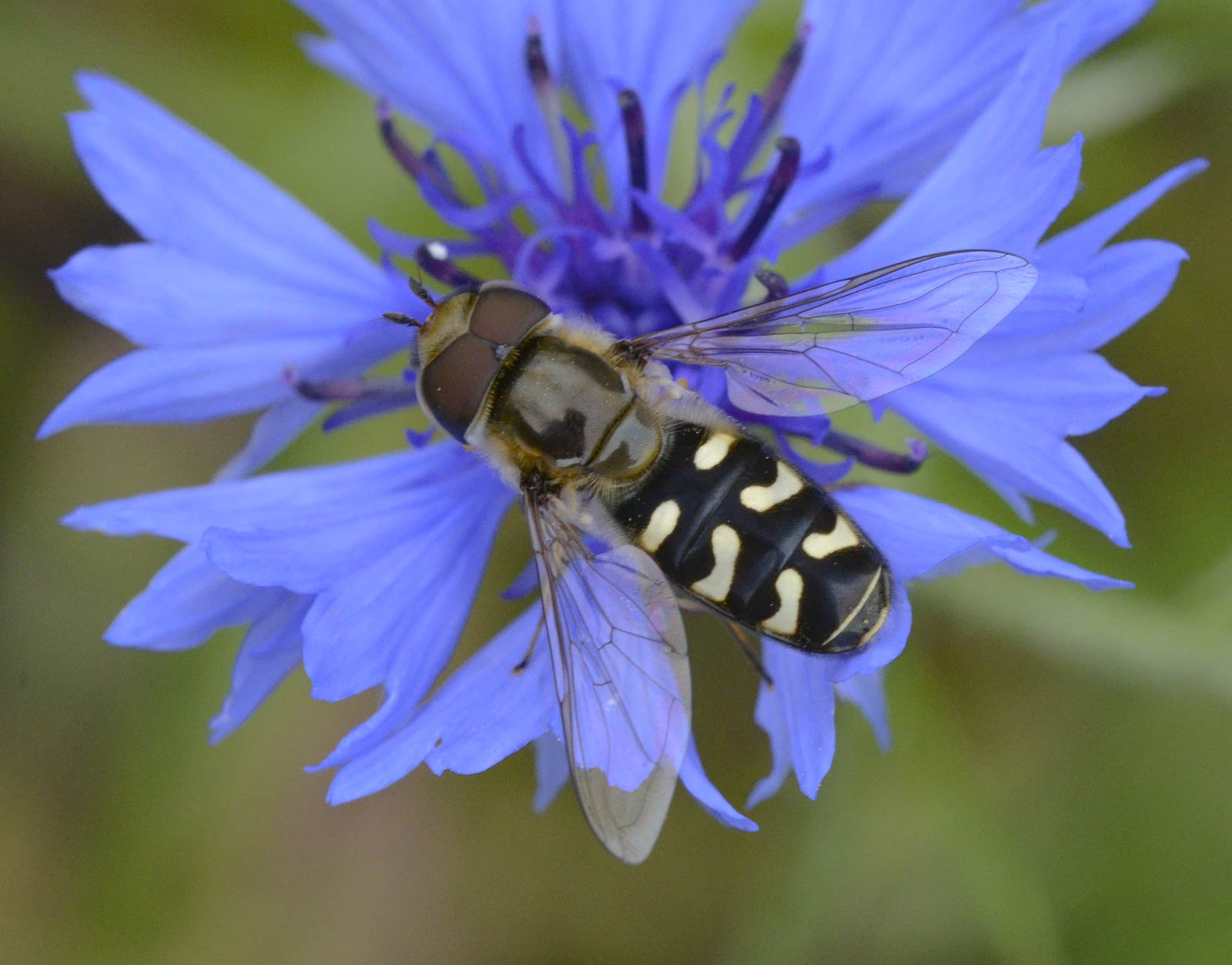
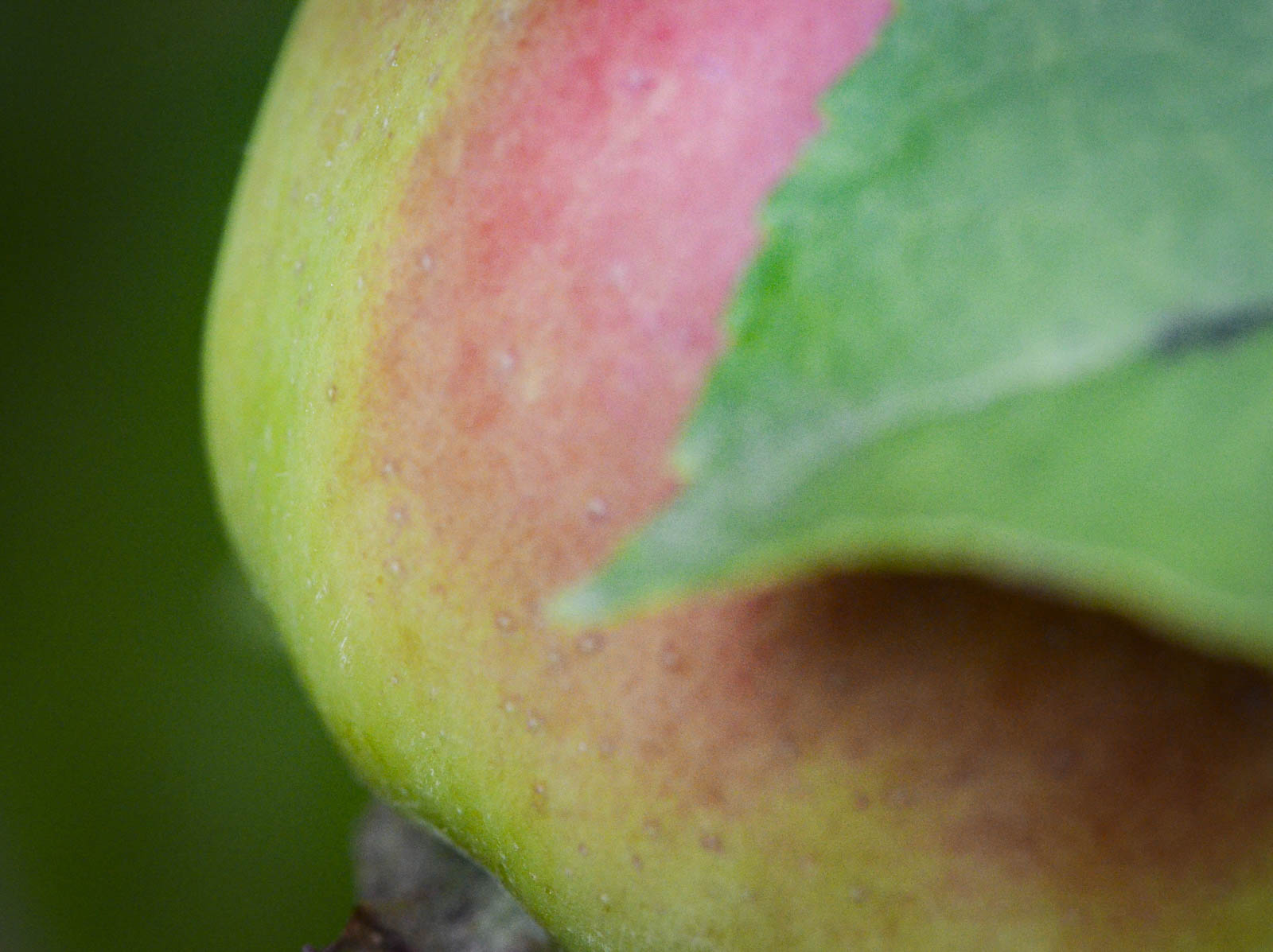
Fruit and insects are essential to a sustainable garden.
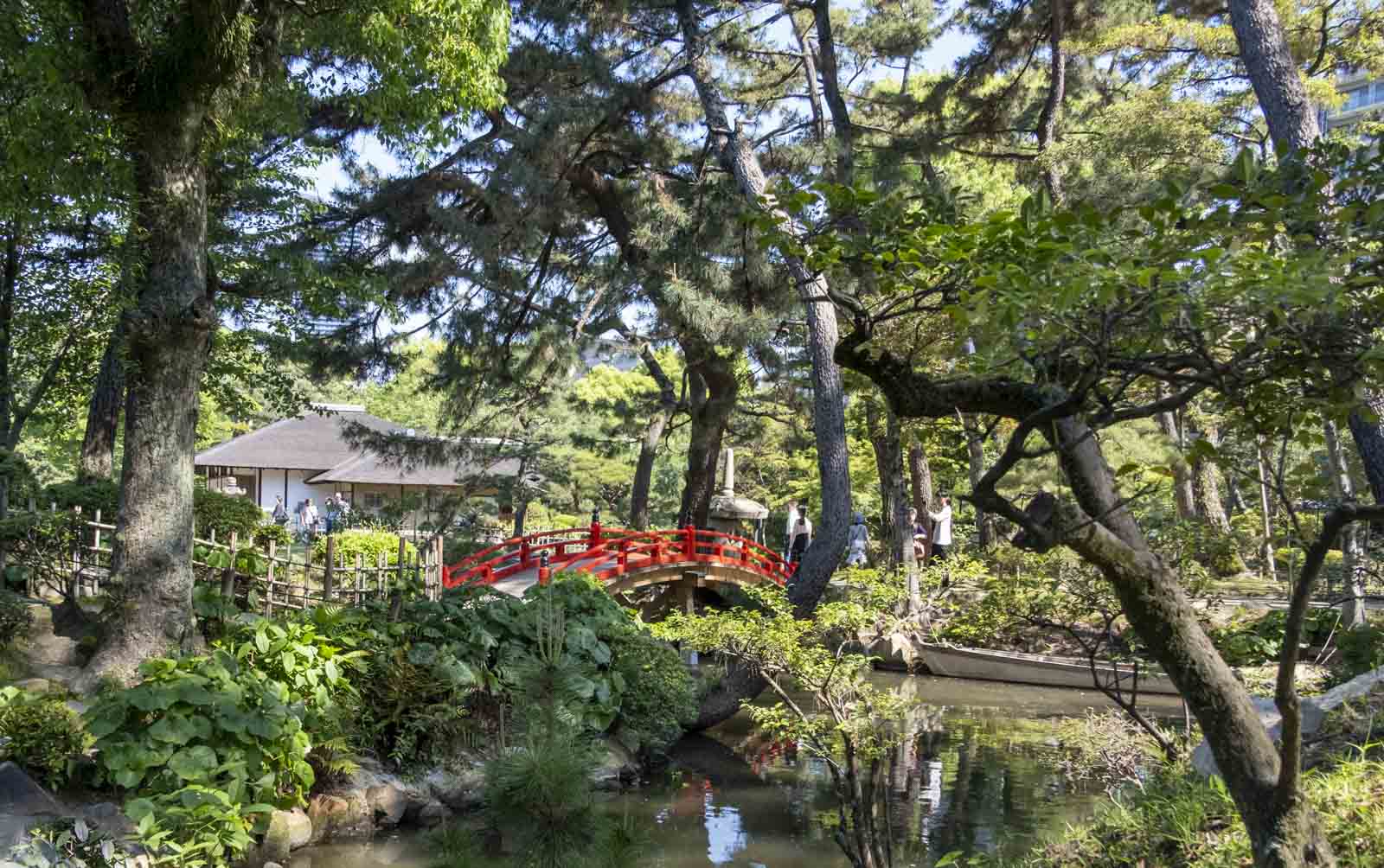
As I visited Japan earlier this year, I know they have many kinds of gardens. Some of them are minimalist dry gardens – Zen gardens (with open areas of gravel and stones) -, others are walking gardens, flower gardens, bamboo gardens, bonsai gardens…All of them meticulously well kept. Their aesthetics are comprised of a set of ancient ideals (wabi sabi is one of them) and considered as an integral part of daily life.
Three of the essential elements used to create a Japanese garden, (and many of our western gardens too) are stone, which form the structure of the landscape; water, representing life-giving force; and plants, which provide the color and changes throughout the seasons. You also often find bridges, water falls and stepping stones.
We are looking forward to seeing what You have found, and don’t forget to tag your post Lens-Artists when you link to my original post.
Thank you to Patti for her wisely Zigzaging us through last week, and next week again, Sofia will be our host. Please visit her inspirational site for more!
We are back again – and a big thank you to all our guest hosts! Patti is hosting this week, and the topic is Zigzag. Let’s start with my favourite – Danish architecture – and more.
If you go looking for it, natural zigzag can also be interesting…
Beautiful European adder met on the path some years ago while hiking. I have never seen it rise like this one did – and we backed off…
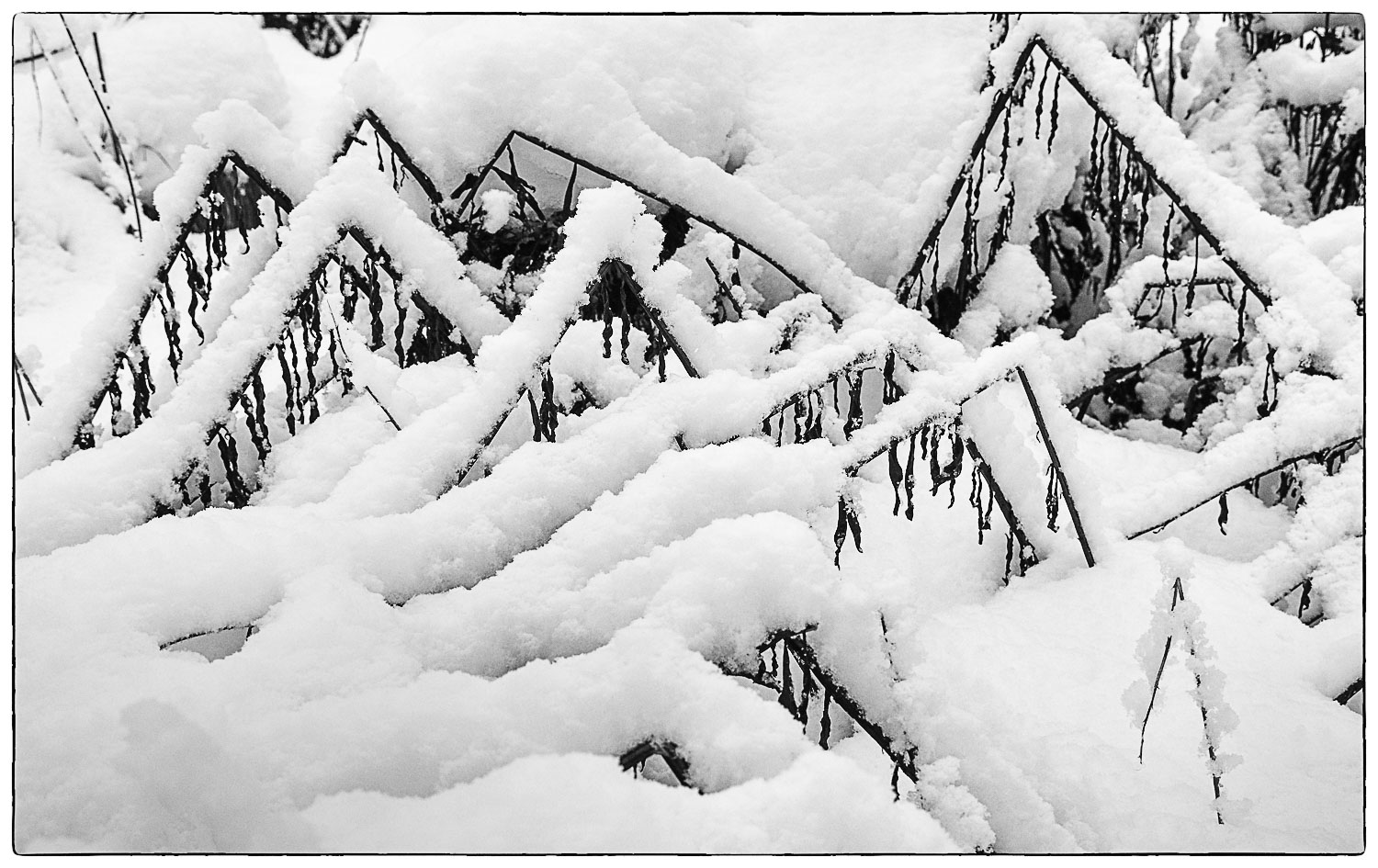
Winter snow bending the straws in elegant zigzag.
In a Narnia Park, we found the broken stone table from the story of Narnia and Aslan by C.S.Lewis.
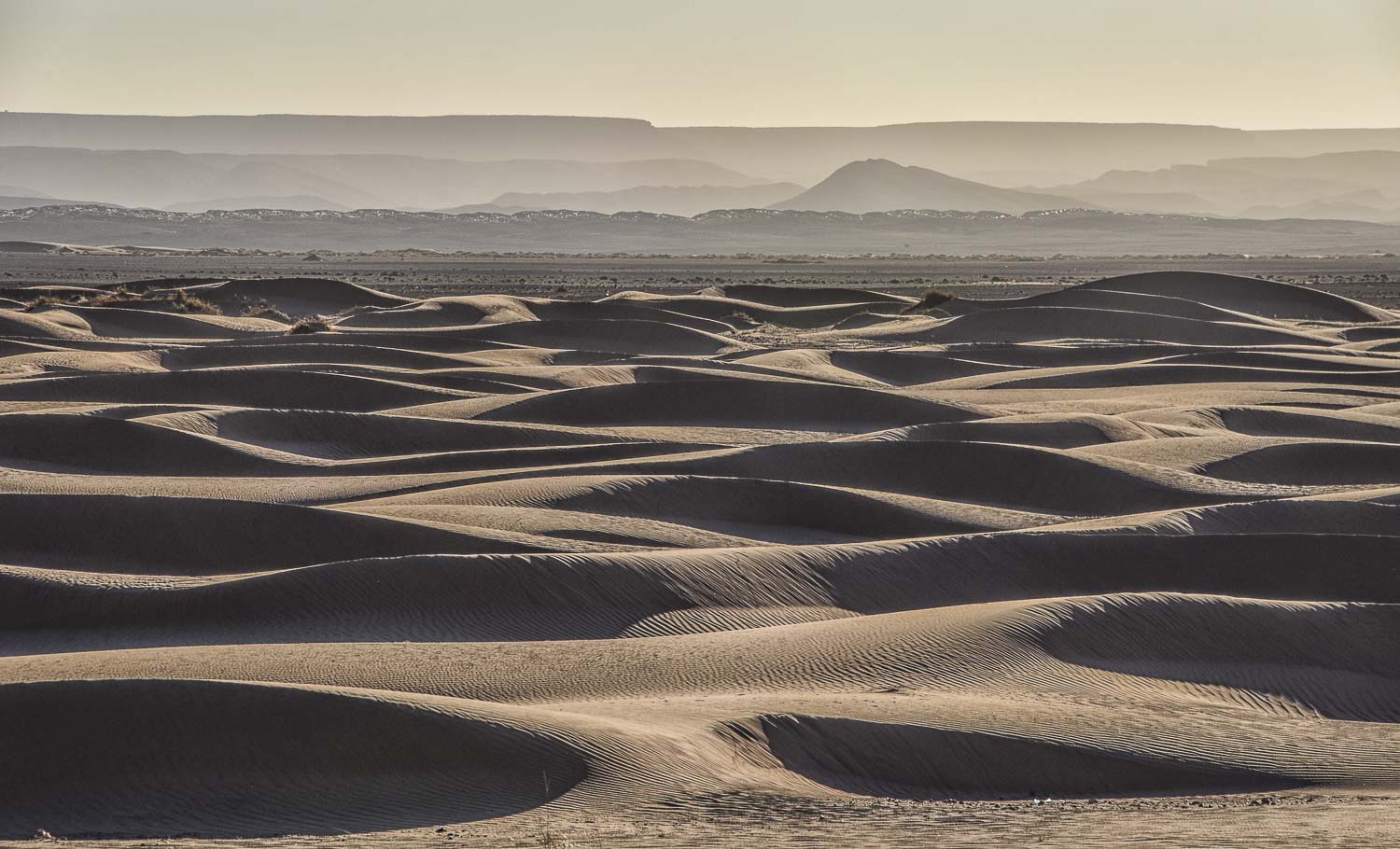
The sand dunes of the Sahara desert made me think of a soft zigzag pattern.
A walk in Porto is a great joy!
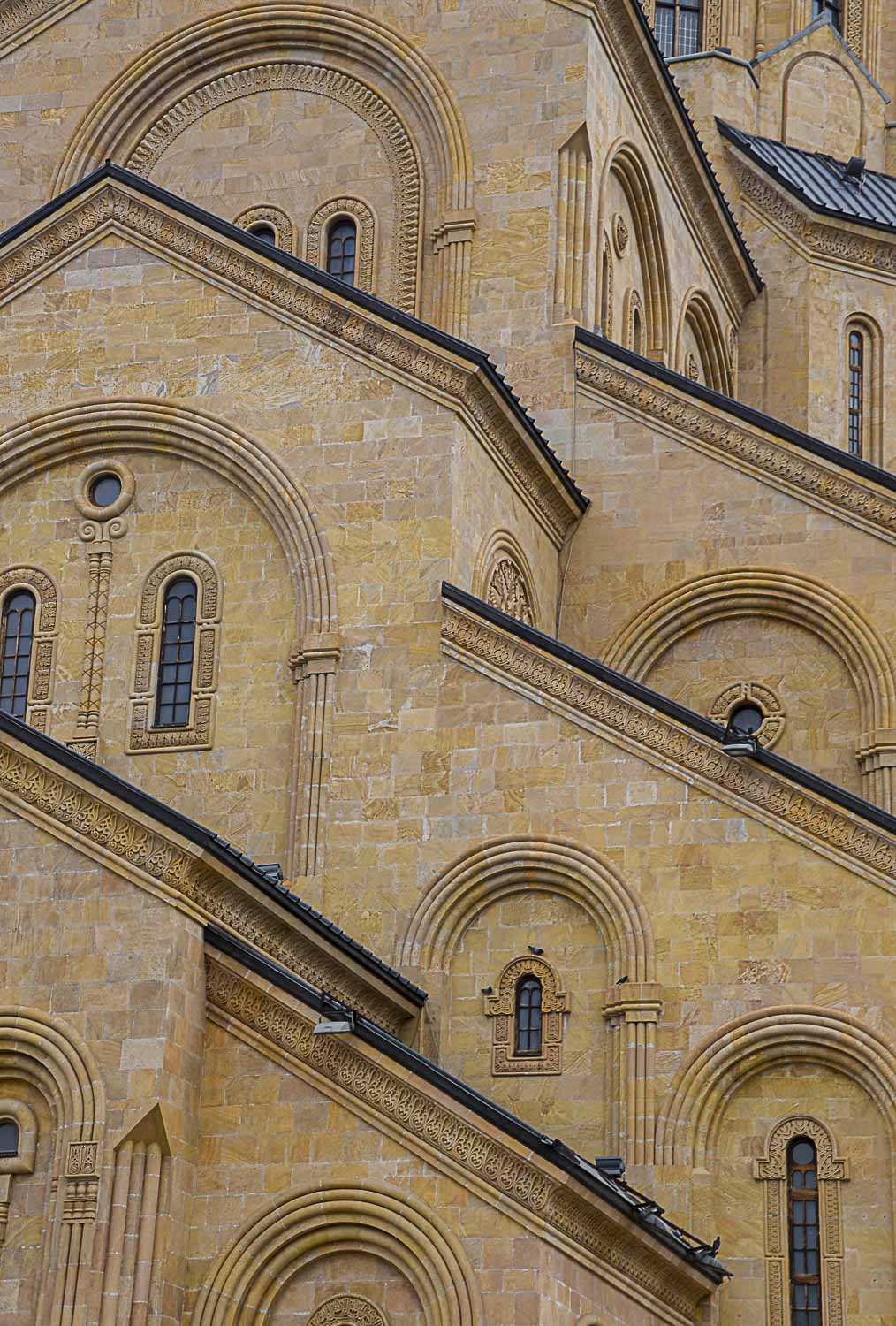
These are all from Tblisi, Georgia – a lot of zigzaging there. Buildings, construction sites and staircases. And fountains!
Have fun with the challenge and we are so looking forward to seeing your choices. Be sure your post includes the “Lens-Artists” tag and a link to Patti’s challenge post.
Next week, I, Ann-Christine, will take the lead for LAC #311, so be sure to visit next Saturday. Until then, stay safe, be curious, and be inspired!
PR of Flights of the Soul is our next lovely guest host, and she is inviting us to find Balconies – please visit her beautiful site for interesting facts and more inspiration!
PR talks about the many ways of using a balcony, and – some cities seem to have no balconies at all, while others have them in every building. In many countries I have seen a dog sitting or walking on the balcony of a house. Hopefully the door in is not closed!
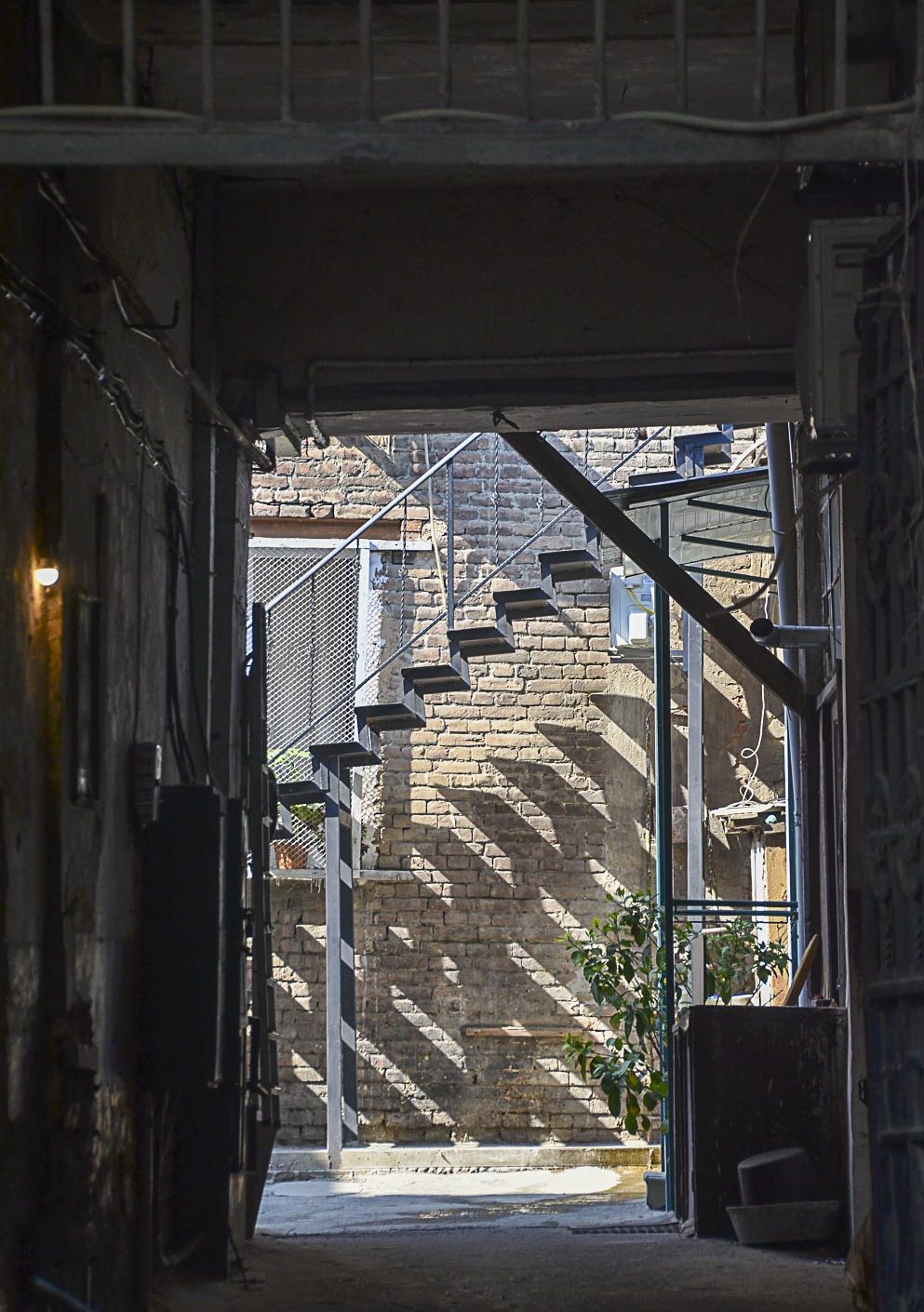
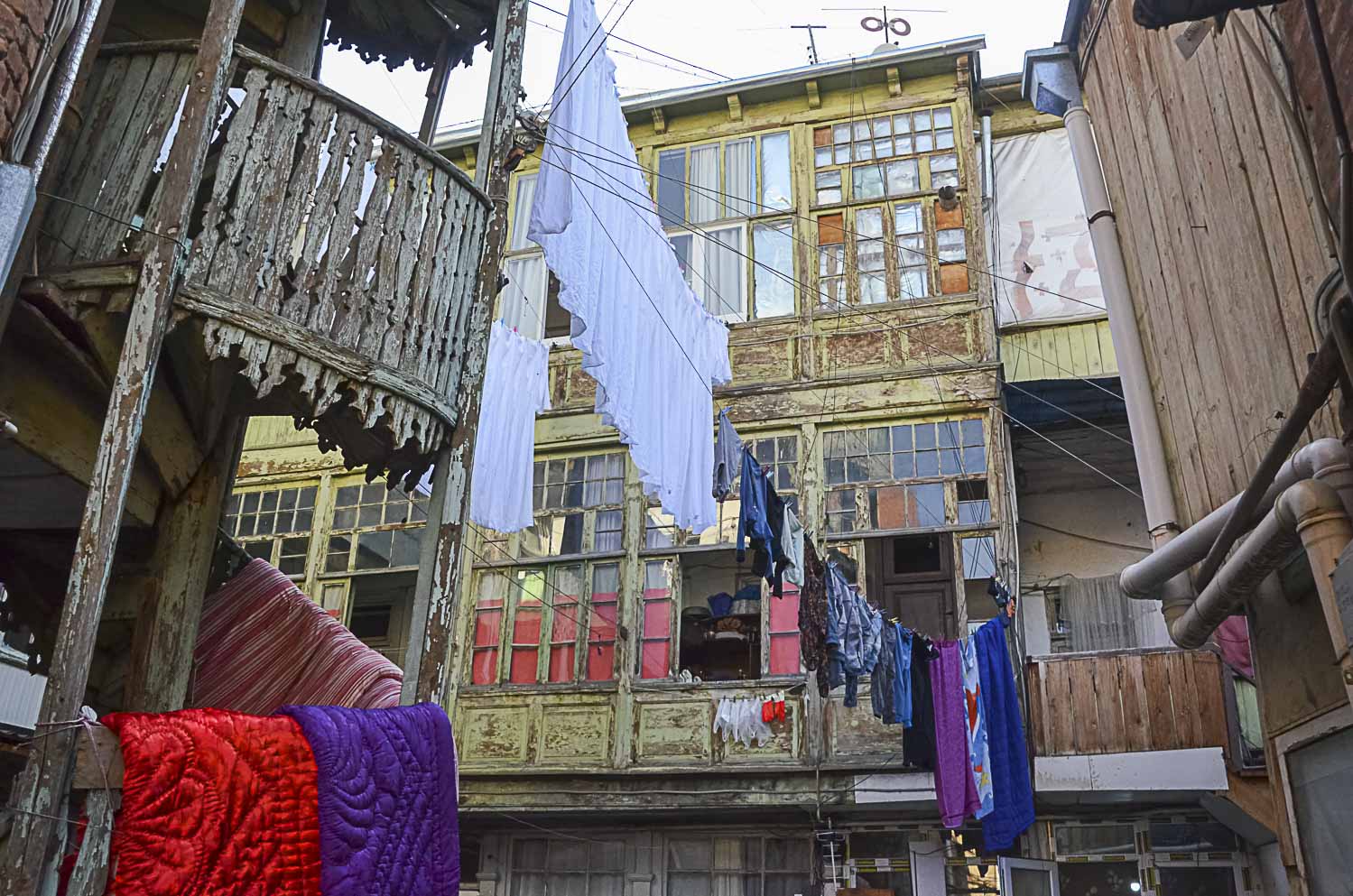
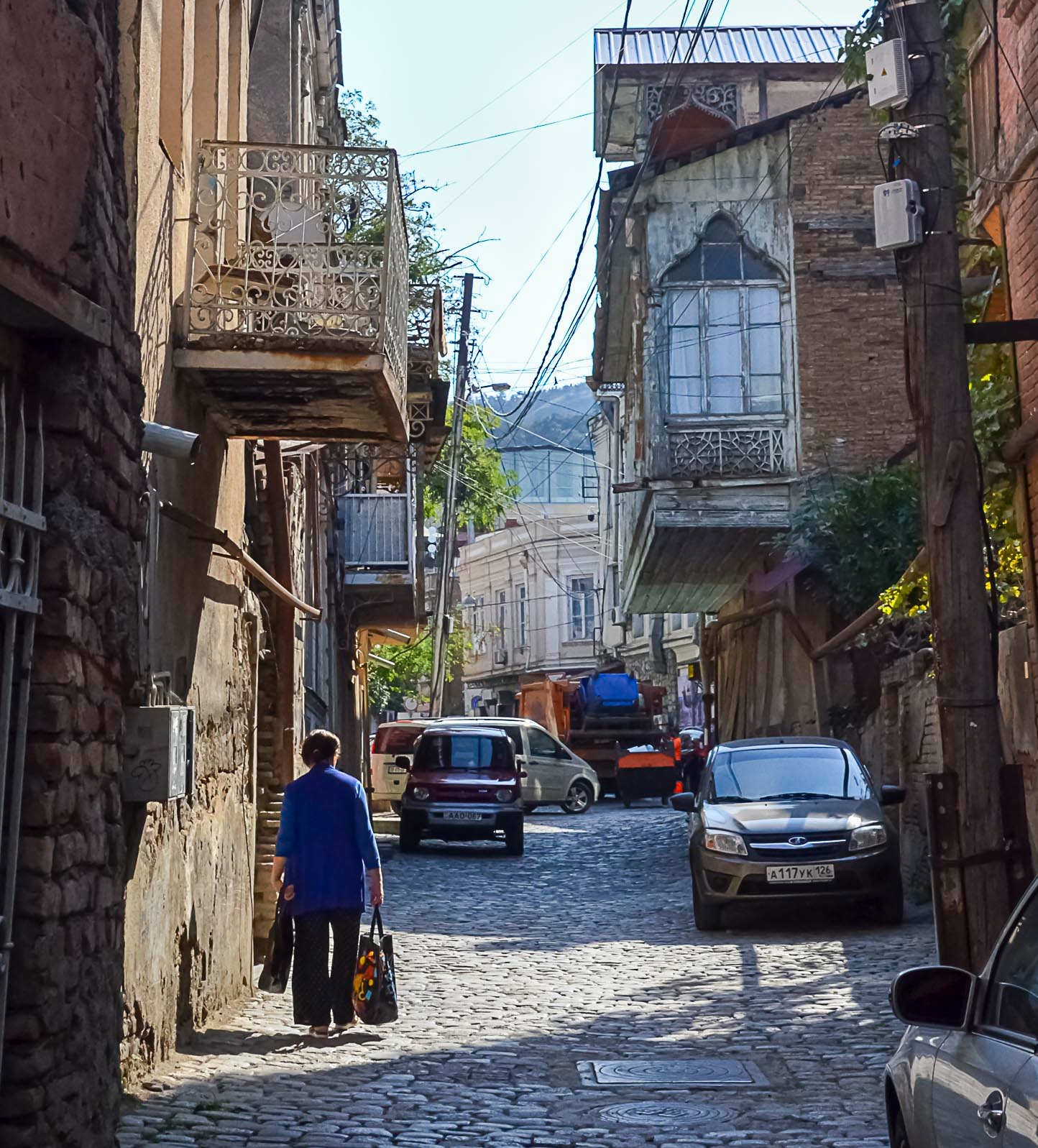
So, we are looking for balconies… A good advise is going to Georgia (not in the US…) and Old Town Tblisi. In the header though, is a Bhutanese balcony for monks only.
For well kept, beautiful architecture and balconies, an impressive place to visit is Prague. This balcony is surely not intended only for a quiet, nice cup of coffee.
The second gallery is from around Europe – we do have some interesting balconies too!
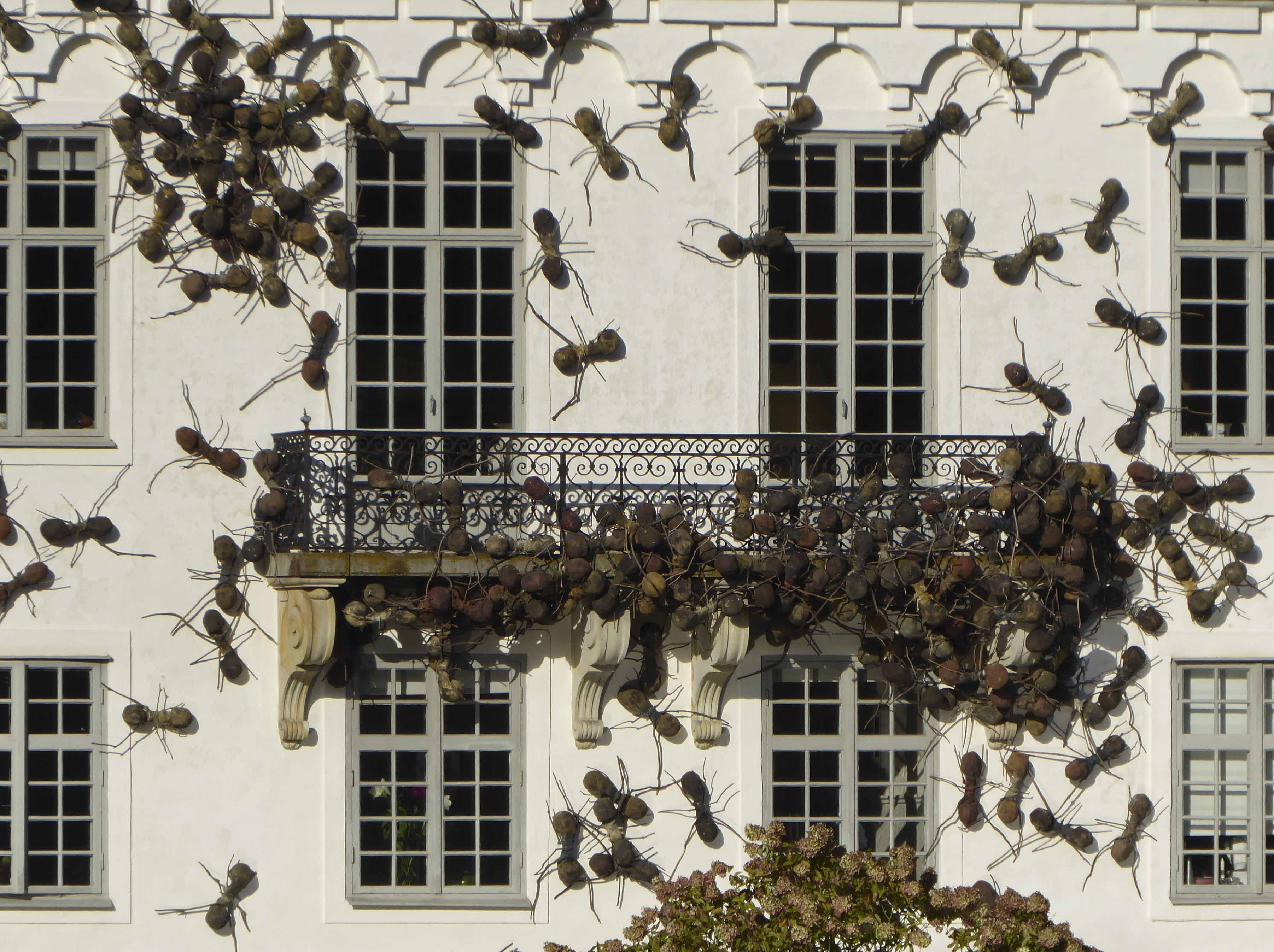
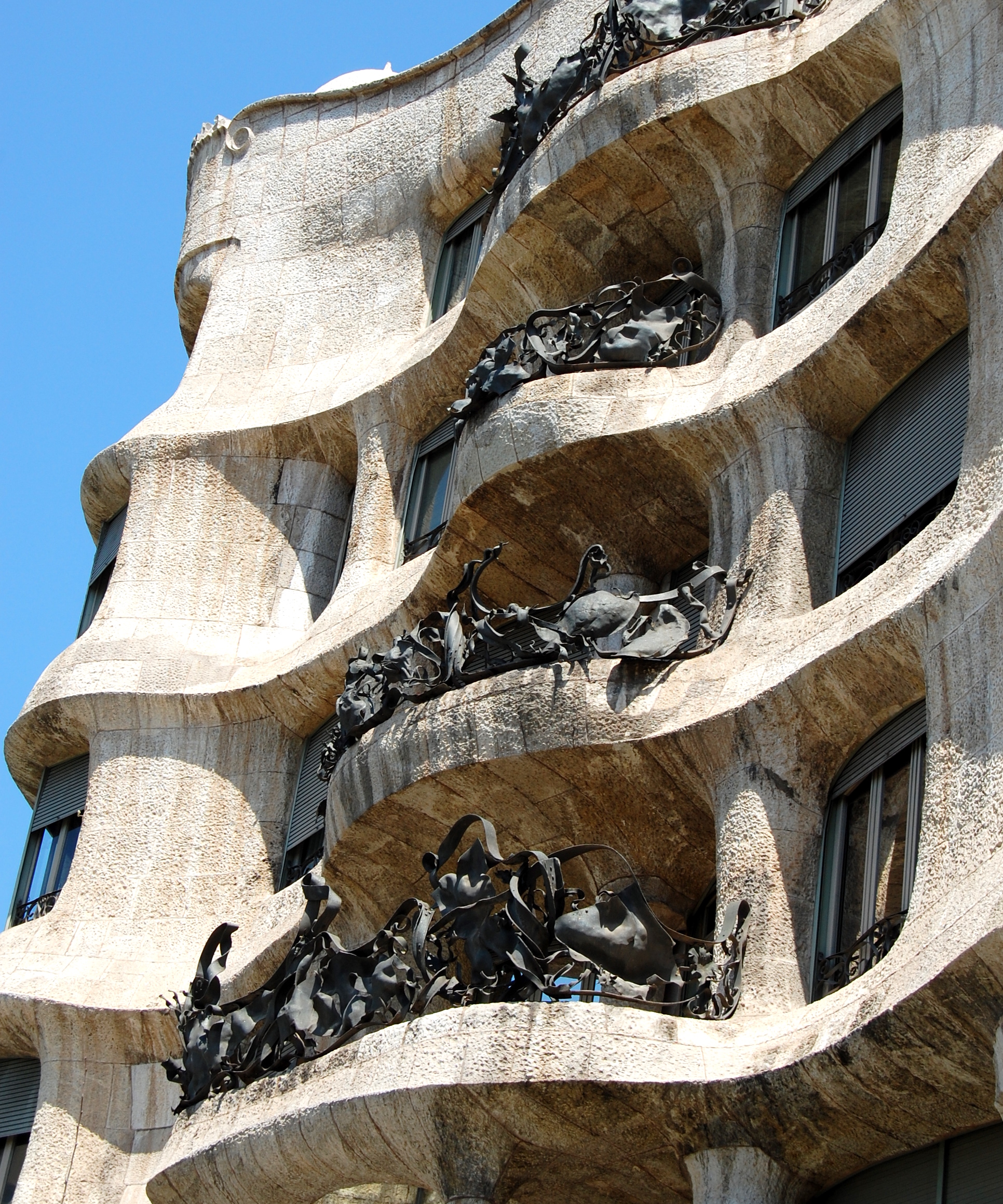
These are from Denmark, Madrid, Barcelona, Bulgaria and Sweden. The ants at Wanås Castle is a work by Colombian Rafael Gómezbarros. And, of course you will recognise Gaudi’s spectacular architecture. PR, the last one is for you – an inside view of the largest balcony of Casa Battló.
Do you have a balcony of your own or are you thinking of some that impressed you? Do remember to use the Lens-Artists tag, and connect to PR’s original post.
Last week, we saw great responses to the challenge Perfect Pairs – a joy! Next week the Lens-Artists team will be back, with Patti starting off the challenge on her Pilotfish blog. Until then- stay nice, enjoy your vacation if you have one, travels if you do and above all – Life. A big Thank You to PR and all guest hosts!

















































 Leya
Leya 
Du måste vara inloggad för att kunna skicka en kommentar.