Weekly Photo Challenge: Pattern

Weekly Photo Challenge: Pattern

Mönster finns runtom oss överallt i naturen, och hur vi än försöker så kan vi inte överträffa den varken i sinnrikhet eller i skönhet. Men människan kräver mönster, och gärna med en viss regelbundenhet.

I den lilla staden Segovia i Spanien, finns en ovanligt stor fantasirikedom i mönster på husväggar och dörrar. Katedralens torn och tinnar har också de helt oemotståndliga mönster.

Patterns are everywhere in nature, and we have mimicked them to a certain extent – but we can never do it more exquisitely than nature itself.

In the little town of Segovia, Spain, I was astonished by the many different patterns seen on the walls of houses and on the doors to some of them. And of course I must include the great Cathedral and its fantastic patterns and pinnacles.

Weekly Photo Challenge: From Above

Hur tar du dina foton? Vilken vinkel väljer du? Inte många tar nog rakt uppifrån. Men, ibland är det nödvändigt – och ibland är det bara för att det är roligt.

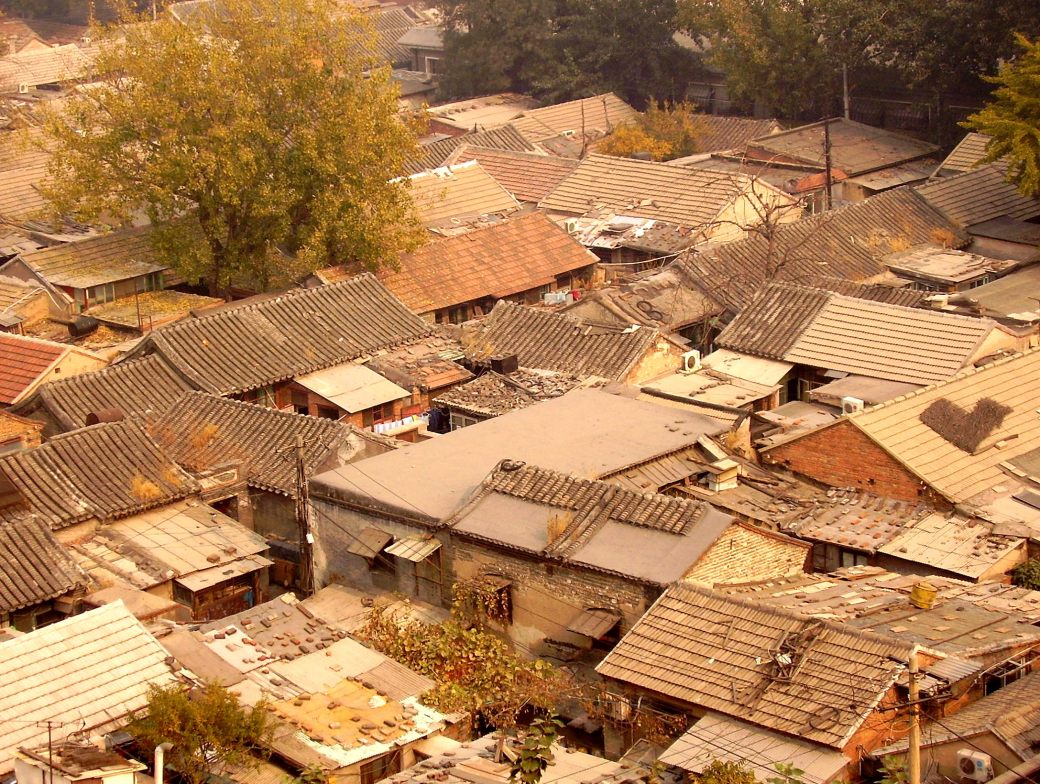
Mina gamla foton på hutongerna i Peking togs på vår första resa till Kina med barnen. Hutonger är smala gator eller gränder, främst förknippade med Peking och en del andra nordkinesiska städer. Ordet hutong kommer från mongoliska hottog som betyder ”vattenbrunn”. Det var fascinerande att gå genom dessa trånga gränder med sina familjehus. Vi såg många gamla där och även kvinnor med liljefötter.

Idag rivs hutongerna ner i rasande takt för att ge plats åt höghus av glas och betong. Inför OS 2008 hörde vi talas om massrivningar och gamla människor som tvingades flytta.  Staden har bland annat kritiserats hårt för detta av företrädare för UNESCO, FN’s organisation för utbildning, vetenskap och kultur.

How do you take your photos – from what angle? I think most of us do not take photos straight from above. But, sometimes it is necessary. And, sometimes it is for fun.

My photos of these old hutongs in Beijing – now torn down – are from our first trip to China with our children. In Beijing, hutongs are alleys formed by lines of siheyuan, traditional courtyard residences. Many neighbourhoods were formed by joining one siheyuan to another to form a hutong, and then joining one hutong to another. The word hutong is also used to refer to such neighbourhoods.

Since the mid-20th century, the number of Beijing hutongs has dropped dramatically as they are demolished to make way for new roads and buildings. For the Olympics we heard of mass demolishing of hutongs and the government forcing many old people to leave their homes. Beijing today is another city… with impressive skyscrapers of glass and concrete. Gone are these old family houses, seemingly dilapidated, but still working. Walking those narrow alleys (hutongs)was indeed fascinating, and we even met some old women with lily feet.

From Above they are a piece of old China, those hutong memories.

OLYMPUS DIGITAL CAMERARedan då låg smogen tung över staden. You can see the smog that’s constantly hovering over the city.

OLYMPUS DIGITAL CAMERA

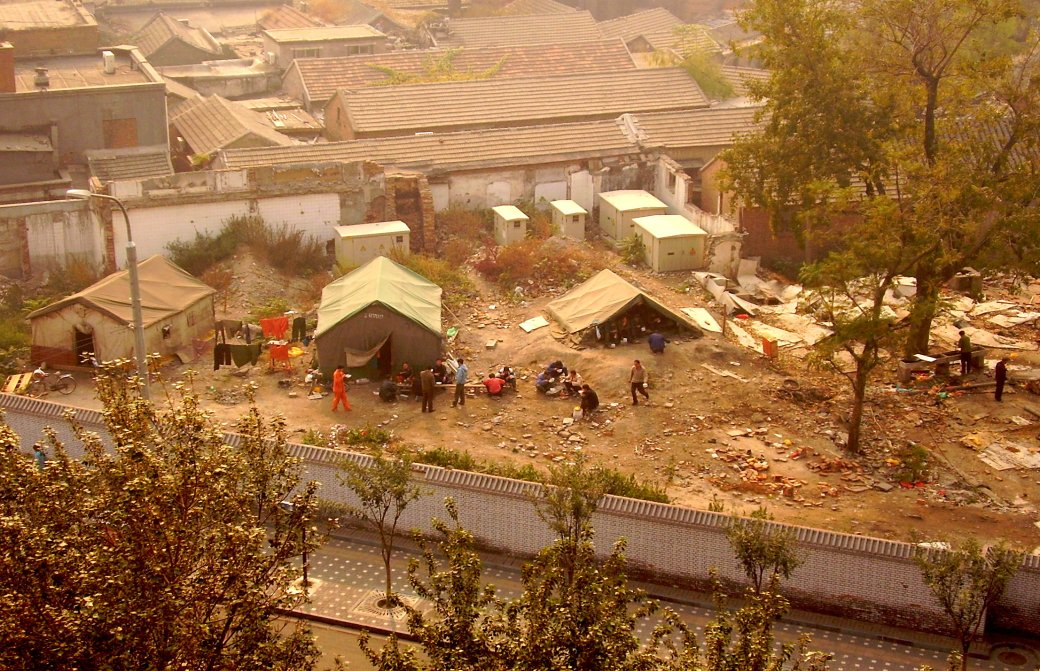
Några hutonger renoverades, eller kanske revs, så det fanns tält för vissa att bo i. Kanske var de arbetare.  Some hutongs were renovated or maybe torn down then too. People were living in tents in the area. It might have been workers.

OLYMPUS DIGITAL CAMERA

Wild Weekly Photo Challenge: Movement

Onlinemagasinet LetsbeWild utmanar oss den här gången att visa någonting i rörelse. Hos oss finns det ingen som är i mer rörelse än Mille och Totti. Ofta kör de vänliga boxningsmatcher i en rymlig ringhörna eller också försöker de stoppa varandra för mera bus. Famför allt busar Tottis bedårande lilla dotter, Belezza. Hon är så kvick att det är stört omöjligt att fånga henne på foto…

Titta på Tottis förvånade och uppgivna ansikte…

At LetsBewild we are this week urged to picture Movement. In our family it is the curly ones who make the most of movement… Meet Mille, Totti and Totti’s agile daughter Belezza! Look at their faces…

Weekly Photo Challenge: Culture

Kultur och tradition  kan kännas väl sammansvetsade  – så ett litet klargörande av begreppen kanske är på sin plats.

Kultur kommer från latinets cultura som betyder ungefär ‘bearbetning’, ‘odling’ och ‘bildning’  Begreppet avser idag i vid bemärkelse all mänsklig aktivitet, trots att kultur ändå har främst två betydelser: andlig (konstnärlig) odling eller socialt överförda levnadsmönster.

Kultur har kallats ”levnadssättet hos ett helt samhälle”. Som sådant inkluderar det beteendemönster, seder, klädsel, religion, ritualer, lekar, normer för lagar och moraliska system, liksom trossystem och konstarterna.

Tradition, däremot,  är ett latinskt ord i betydelsen ”överlämnande” och det som lämnas vidare är det kulturella och sociala arvet. Hit räknas förutom invanda seder och bruk, olika synsätt, språk och värderingar. Vi kan också konstatera att vi i modern tid har lagt till en del nya traditioner, en del av politisk betydelse och andra av kulturell betydelse. En del skapade av företagen för att tjäna mer pengar…

Därmed tänkte jag berätta lite om kultur och tradition för vårt midsommarfirande!

The Weekly Challenge from WordPress is Culture. The difference between culture and tradition doesn’t have to be very significant.

Culture (Latin: cultura, lit. ”cultivation”) is a modern concept based on a term first used in classical antiquity. In the mid-19th century, some scientists used the term ”culture” to refer to a universal human capacity, and in the 20th century, ”culture”began to encompass the total range of human phenomena that cannot be attributed to genetic inheritance. According to Wikipedia, Hoebel describes culture as an integrated system of learned behavior patterns which are characteristic of the members of a society and which are not a result of biological inheritance.

A tradition, on the other hand,  is a belief or behavior passed down within a group or society with symbolic meaning or special significance with origins in the past. Common examples include holidays or impractical but socially meaningful clothes (like lawyer wigs ), but the idea has also been applied to social norms such as greetings. Traditions can persist and evolve for thousands of years—the word ”tradition” itself derives from the Latin tradere or traderer literally meaning to transmit, to hand over, to give for safekeeping. While it is commonly assumed that traditions have ancient history, many traditions have been invented on purpose, whether that be political or cultural, over short periods of time.

What all this leads up to is a gallery of Swedish culture from our Midsummer festivities.

Wild Weekly Photo Challenge: Birds of a Feather

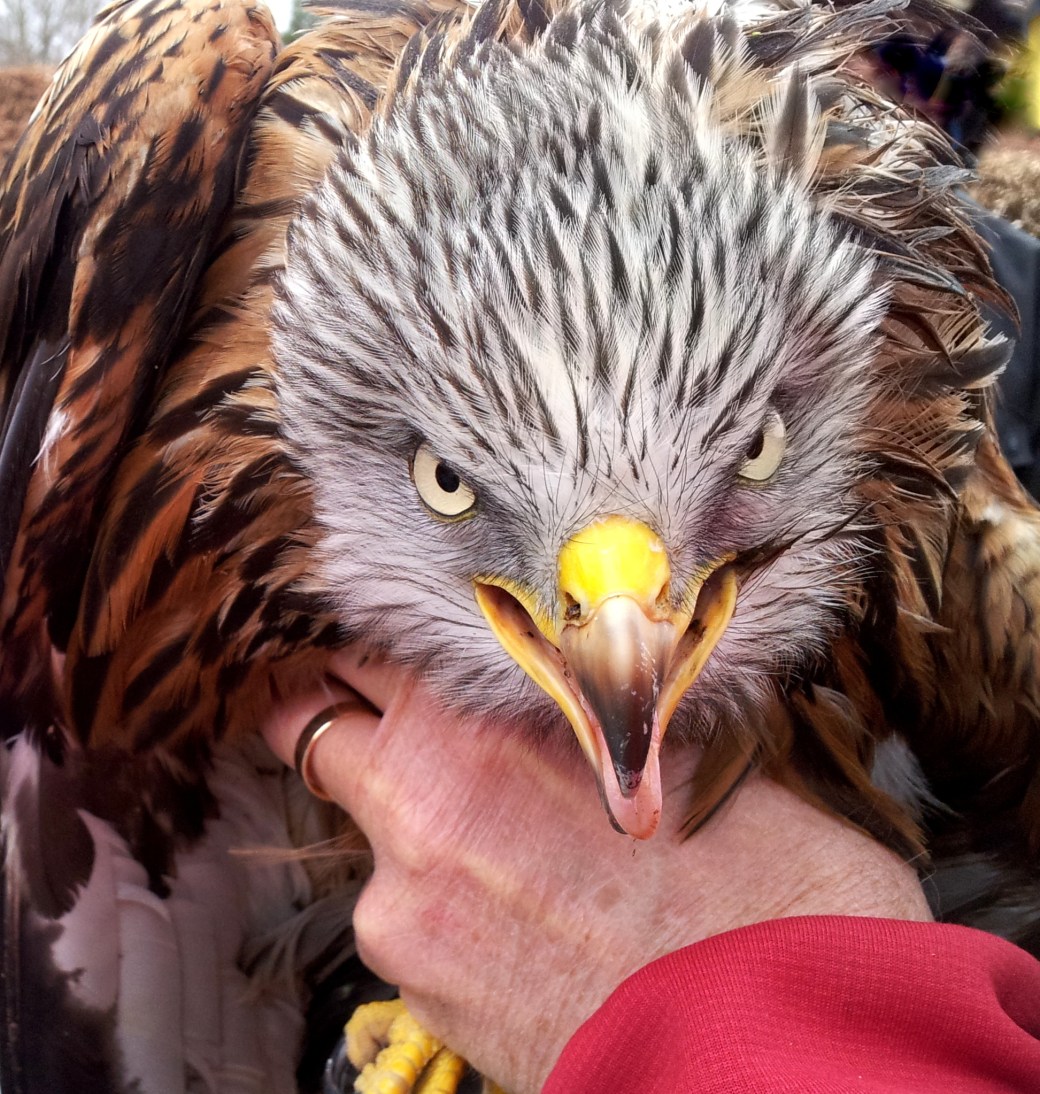
Veckans utmaning i onlinemagasinet LetsbeWild är fåglar. Då finns det bara en enda som jag tänker på – den magnifika gladan jag fann för någon vecka sedan. Tyvärr klarade han sig inte, trots viltvårdarens omsorger, men jag tänker på honom ännu. Han var så otroligt vacker.

When this week’s challenge from LetsbeWild was Birds of a Feather, there was no doubt about my choice of picture – the kite. About a week ago I found this beautiful bird of prey in the woods, severely injured – but alive. He had been lying on the ground under a mossy stump – for maybe 24 hours or more, according to the game keeper to whom I handed him over.

Unfortunately they could not save him. There was something wrong with his left wing – not broken, but not fit to fly with. The day after I left him he ate some chicken though and I still thought he might make it. But, sadly enough they had to let him go, to soar in another and hopefully better world. I know he will be just as magnificent as he is in this picture, sitting in the hands of the game keeper.

Gladan 027

Wild Weekly Photo Challenge: Mountains

Första gången i mitt liv som jag såg bergen, då var jag 18 år gammal och åkte med pojkvännen genom Europa. Grossglocknervägen sitter fortfarande etsad i minnet och tydligt på näthinnan. Hänförelsen andas inom mig än idag.

Jag är uppvuxen på landet, i platta Skåne, och även om jag åkt över just Grossglockner fler gånger sen 70-talet, så … denna första gång var en fantastisk upplevelse för mig. Ju äldre jag blir desto mer tunnsått är det faktiskt med hänförelse. Säkert känner många igen sig i detta…av naturliga skäl.

I årets nationella prov för gymnasister kan man läsa om 90-talisterna och deras drömmar om det ”lilla” livet , ”Svenssonlivet”. Dessa ungdomar släpades runt i Asien redan som dagisbarn – och kan den sortens vagabondliv på sina fem. Nej, det är det ombonade och mer stilla livet som, enligt forskarna, lockar den generationen. Även om jag kunde anat detta, så blir det något av en knockout när jag tänker på att mina egna barn är 90-talister och har åkt med oss ut i världen sedan de var under året. Och vi åkte mycket varje år – och allt längre bort.

Mina barn åker dock fortfarande – fast själva, och långt bort. Om de drömmer om det lilla livet? I slutänden, säkert. Eget hus och täppa, kanske familj – i alla fall hund!

Och bergen? Det blir en skön kavalkad från fantastiska Tibet i Himalaya.

Mountains – don’t we all love them? I was 18 the first time I saw the mountains. Raised in Skåne, Sweden, I had never seen anything like it – Grossglockner in Germany. My boyfriend and I went on our first trip together through Europe, by car. These mountains were stunning and we could throw snowballs and watch the sun go down behind those glittering giants. I still remember it – that totally enchanting feeling. Sadly enough those totally enchanting moments are not that frequent anymore as you grow older. I think many of us agree on that. From completely natural reasons.

Today’s national test for High School students talk about how young people, born in the 1990’s, as only kids were dragged through Asia by their parents. So, they are now dreaming of a future  comfortable family life – nothing else. They already know about that vagabonderie they had to go through as small children.

A minor shock hit me when I recognized that my own children, born in the 1990’s, also were dragged through the world with us from an early age. Now they travel the world on their own, but I guess they too dream of a quiet family life in the end. House and garden – and at least a dog!

And, the mountains. Well, some enchanting moments we had, the whole family, in the Himalayas and Tibet. Pictures cannot show the feelings we shared, but the beauty of the landscape was beyond magical and something I will never forget.

Weekly Photo Challenge: Up

Idag hade vi en sådan där ganska stilla, mild och solig vårdag – en sådan vi alla längtat efter så länge. WordPress utmaning den här gången är Up – upp. Som jag ser det finns det inget som symboliserar detta mer än allt som spritter och tränger sig upp ur jorden just nu. Allt från blåsippor som tittar ut därunder löven ifrån, till min stackars scilla som förfrusen och full av murbruk trotsar alla motgångar. Påskliljorna fick jag ner på knä och under cotoneasterbuskarna för att hitta. De hade inte orkat upp mer än några centimeter och värmde sig tryggt under grenar och gamla löv, med nästan bara huvudet ovan jord.

På cykelturen med Totti var hästarna ute och en liten ponny betade sig sakta fram i riktning mot oss. Väl framme vid stengärdet såg jag hur väldigt liten hästen var. Men naggande god. Jag böjde mig ner för att han och jag skulle kunna se varandra i ögonen utan att han skulle behöva titta upp på mig. Det kändes bättre så!

I guess we are all very happy – in this northern hemisphere – that the light now is returning and many things hidden in the ground are coming up. Today was one of those mild and less windy days of delight. Every living thing gets the feeling that WordPress challenges us with...up!

Weekly Photo Challenge: Change

Förändring är utmaningen att visa. Med en enda bild. Såhär såg mitt hus inte ut förra veckan, och nästa vecka kommer det inte att se ut såhär heller…
The WordPress’s topic of the week is Change, If I should share one picture of change right now, it is this one:

Fasaden huset 002

This is not the way my house looked last week and this is not the way it will look next week… Changes!

Wild Weekly Photo Challenge: Clouds


Nya Zeeland kallas ”Det långa vita molnets land”, och min serie bilder, tagna från en dag i bilen på Sydön, NZ,  förra året är väl nog med bevis för sannolikheten i detta påstående!

The new challenge from the online magazine LetsBeWild is named Clouds. 

I think clouds are a wonderful gift to mankind – they ignite your imagination and create a beautiful ceiling to help you collect your mind while watching them.

My collection today derives from one day in South Island, New Zealand, last year. NZ is called ”land of the long white cloud” – and I cannot enough praise the beauty of this country and its nature.

The magazine has also started a free photography course – find out more here! LetsBeWild Photography course