Enjoying each others’ company!

Enjoying each others’ company!
Dear Frank, of My most breathtaking vista, I have no photographs. Machu Pichu was a childhood dream, and I went to Peru in the 1980’s to see it. No camera. When we finally reached the top of the mountain, the Urubamba river down below and the surrounding rainforest oozing thin dew drops along the mountain side…I could hardly breathe. For me, Nothing beats that vista.
So, I will have to give you another one. The Great Wall, the first time I saw it and walked it. Early morning light. Not a sound. That special feeling maybe fades a bit every time you visit, but it is still an impressive sight the fifth time you visit.
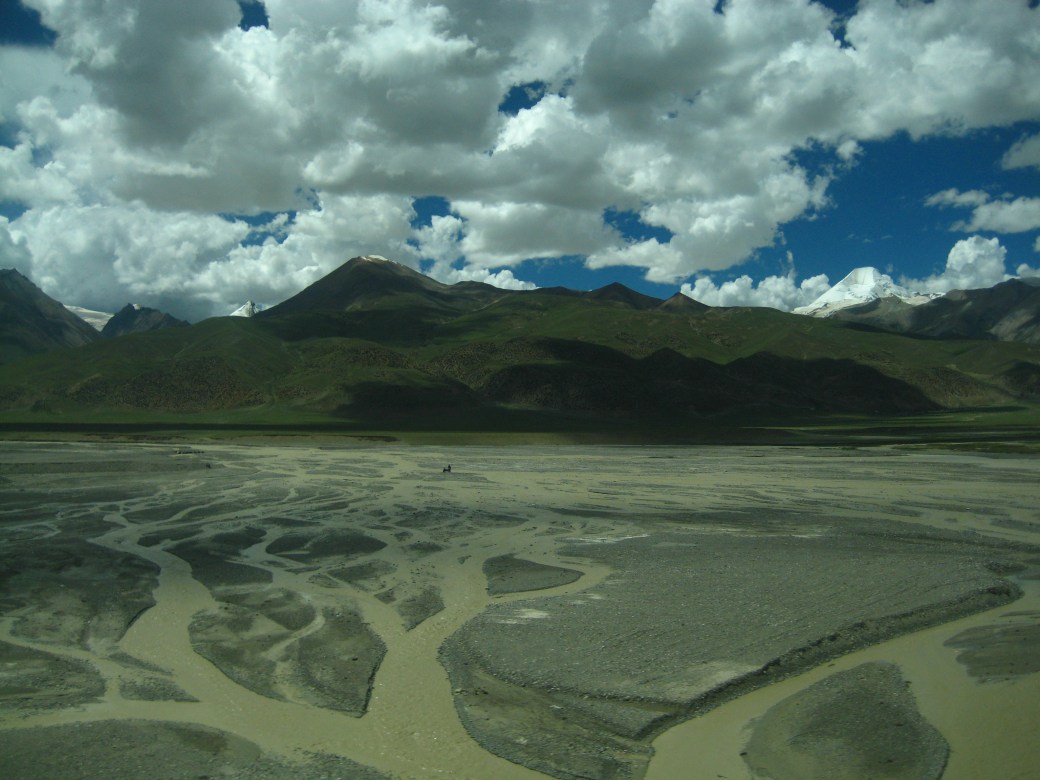
Many years later, we traveled on the highest elevated railway in the world – built on permafrost – from Beijing to Lhasa. The plateau on which Lhasa and Tibet is situated, offers stunning vistas every time you look out the window. They have to use extra oxygen in the train because of the height, but feeling ”high” on this journey had nothing to do with the extra oxygen…
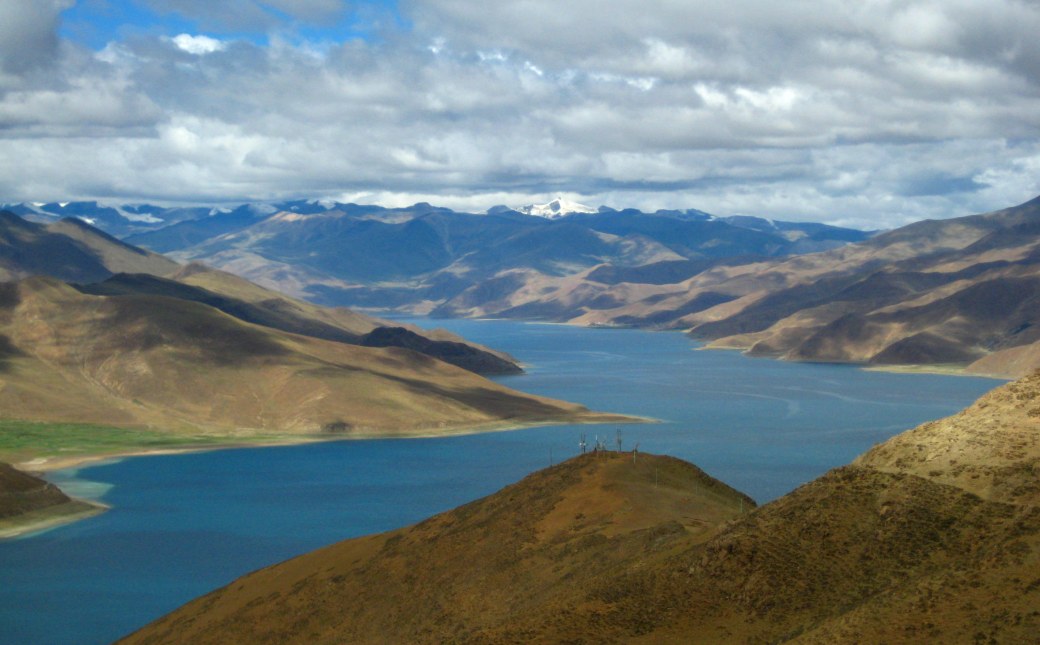
These photos are all taken with a simple point and shoot – but highly treasured by me.
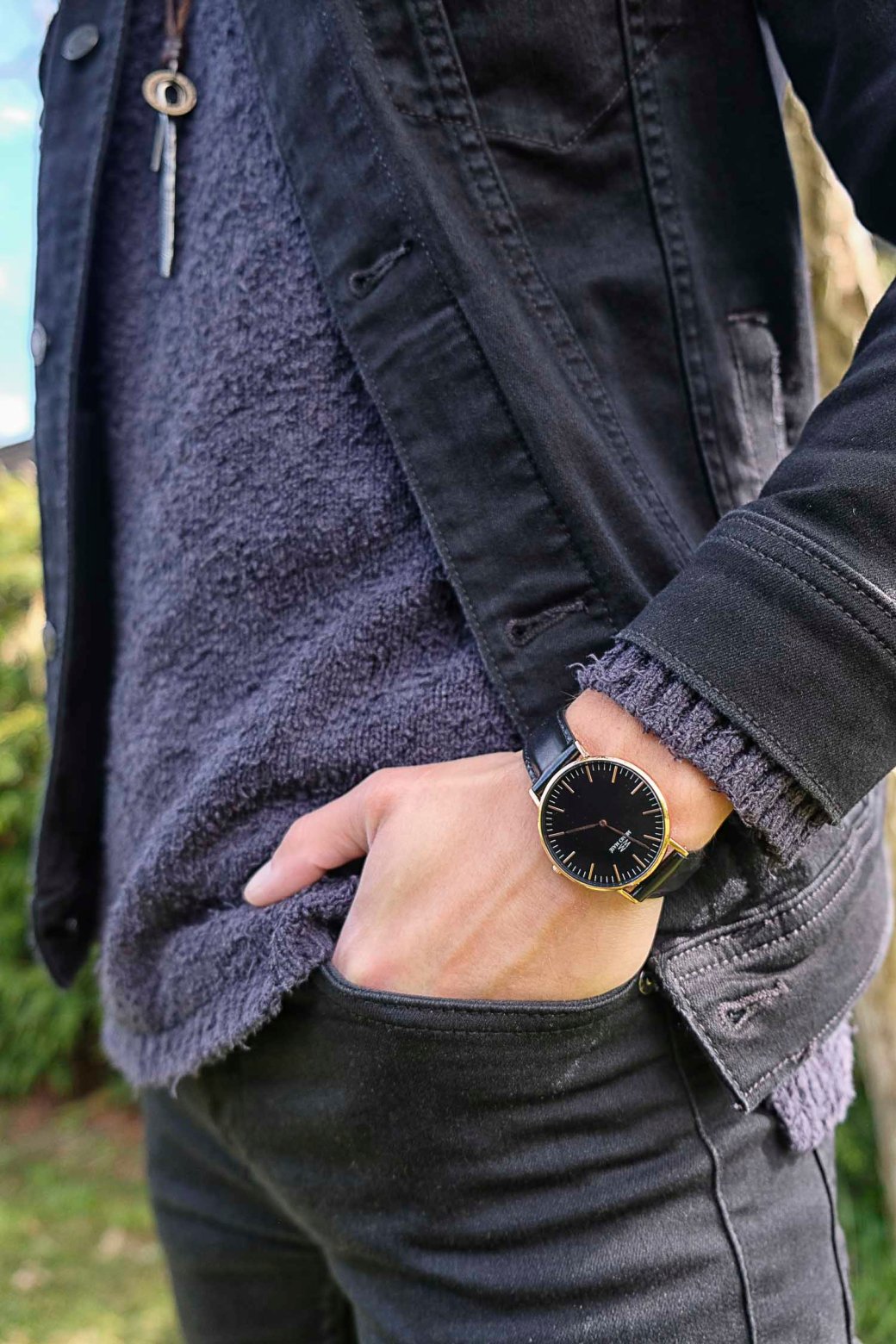
My son has got very slender hands – in Sweden we say ”pianofingrar, pianohänder” – piano fingers or piano hands. So, when I finally bought a new watch last week, my old one being more than 40 years old, I wanted to photograph his hands with the Momo Mase´ instead of mine. He said OK. For Cee.
Today is World Bee Day – build them a hotel, plant attractive trees, flowers or herbs, leave a wild space in your garden, work for farmers to leave the edges of their fields for wild flowers, and do not use pesticides!
Did you know that every third bite of your food you eat is only made possible because of pollinating bees?

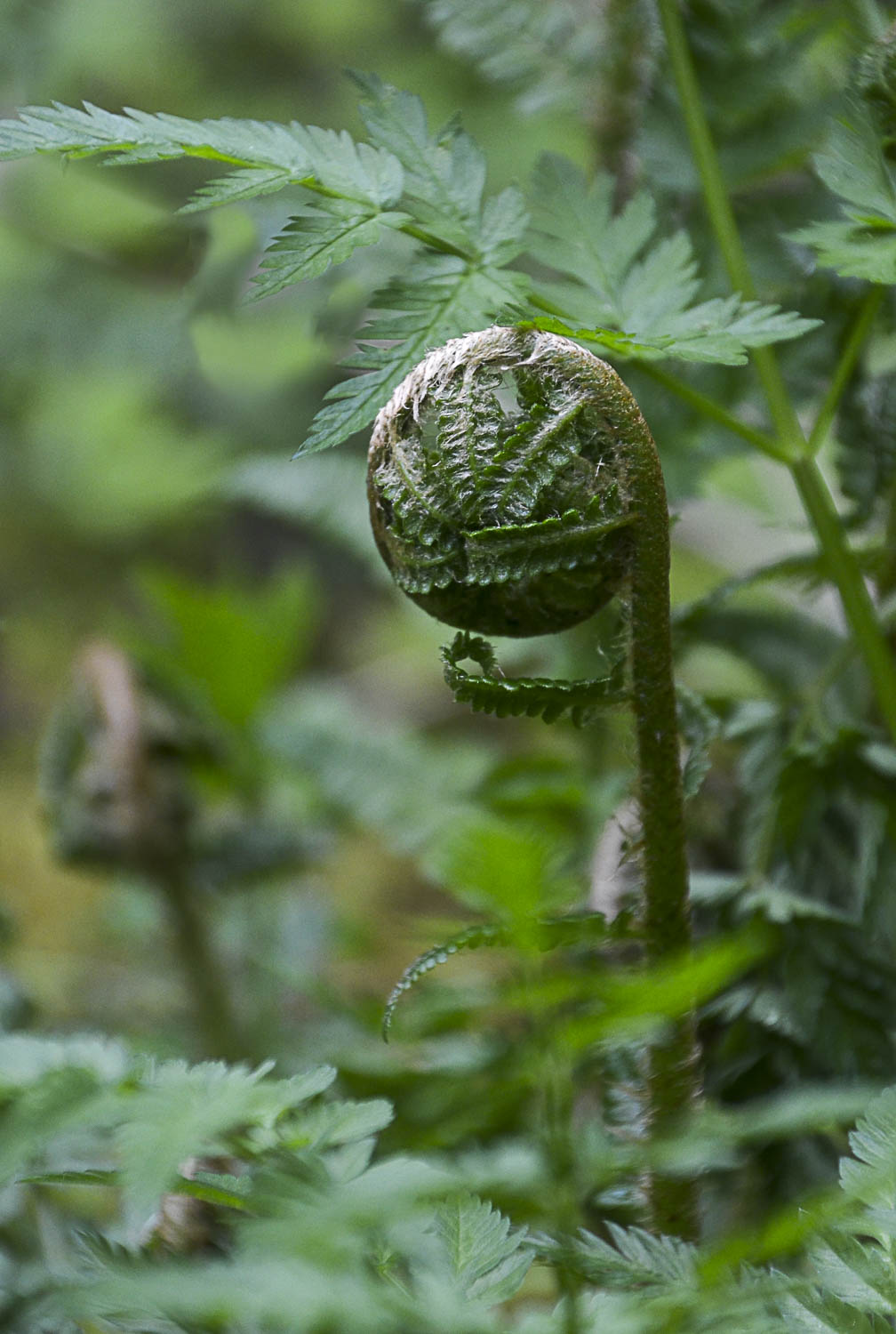
I wish I could send some scent as well…
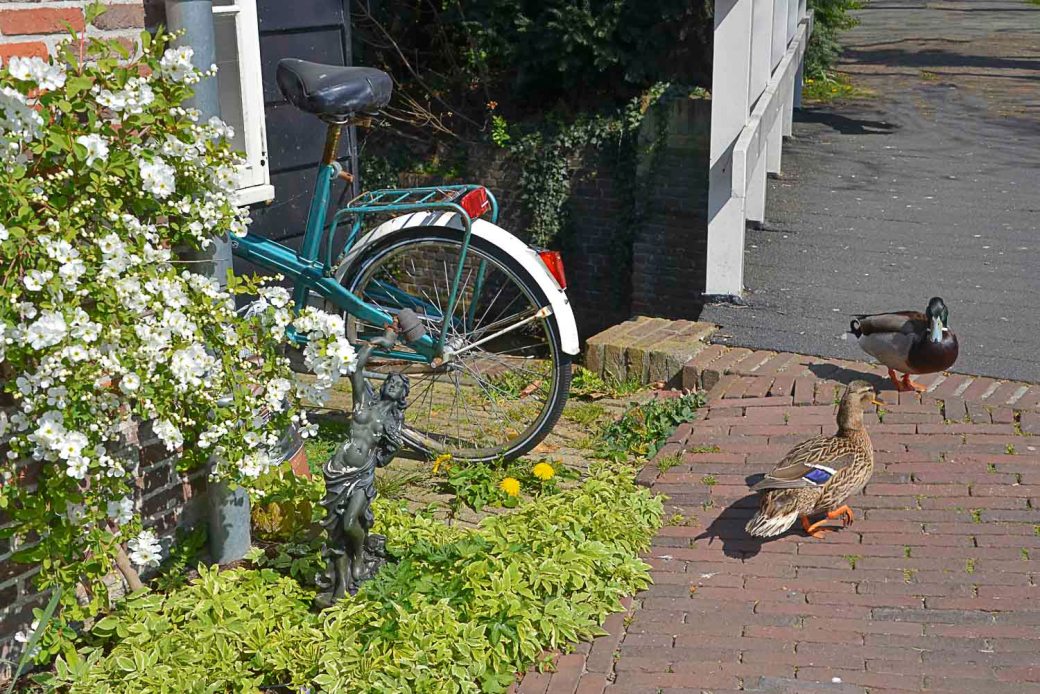
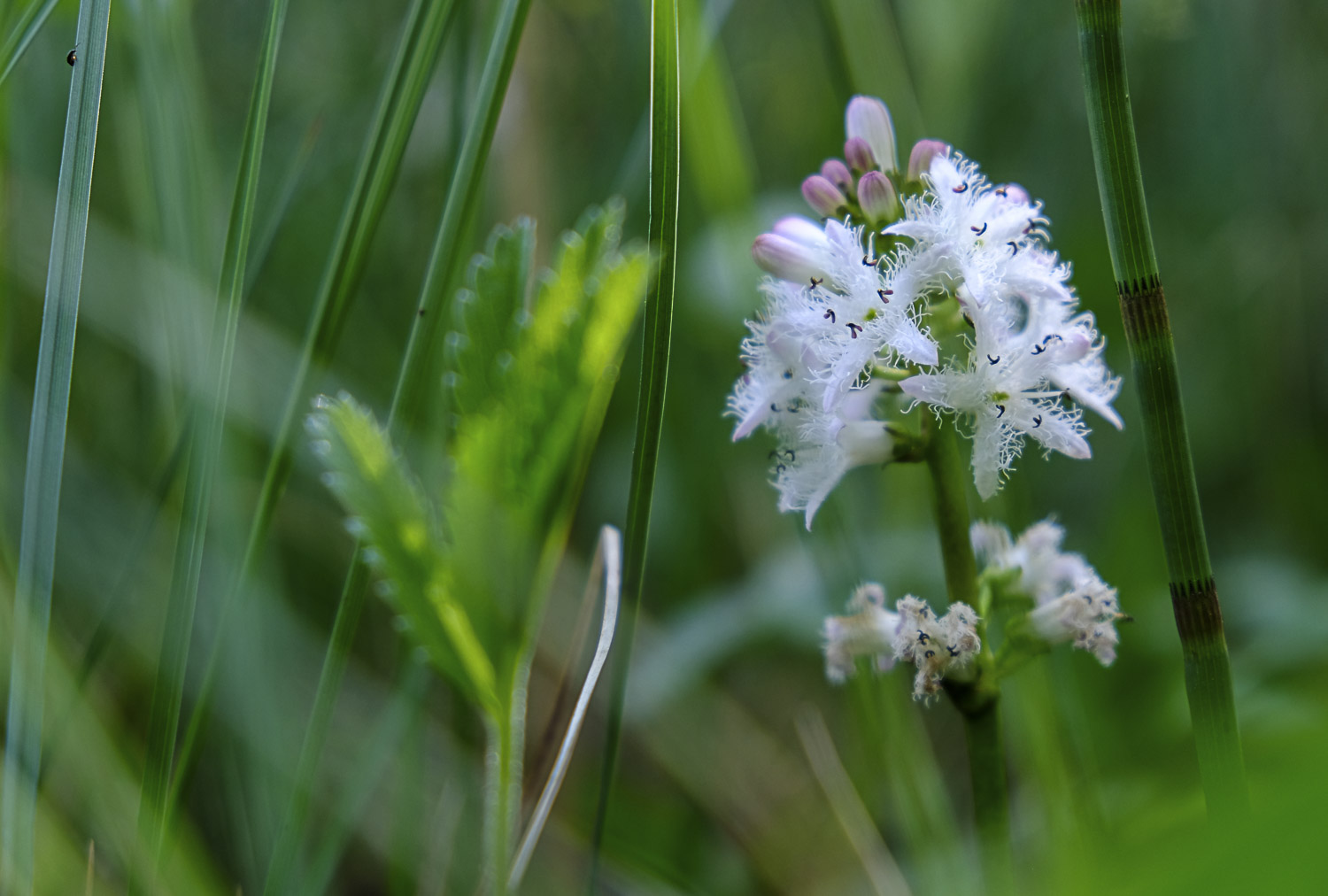
We have buried so much of the delicate magic of life – D.H. Lawrence
On my walks in the forest, I love everything fresh, fragile and delicate that spring brings to nature – the feeling of looking at the world for the first time. Rebirth. Renewal. The importance of a living planet Earth for our children and grandchildren to be a part of, echoes with every step.
This week, the challenge must be Delicate. To me, Spring itself reveals something of the very essence of the word – Delicate. I hope you will enjoy walking with me, meeting some spring flowers from my ramblings!
Naturally, Delicate is used in several meanings, not only concerning flowers…:
Pleasantly soft or light – like the scent of a rose…; having a thin, attractive shape – delicate hands for example…; fragile or easily damaged – like fine china…; pleasant but not easily noticed – like a delicate floral pattern on the walls…
And being ”a delicate matter” is of course another, more difficult, possibility…
So, what is Delicate to you? We are looking forward to seeing your interpretations – Let us bring back some of ”the delicate magic of life”!
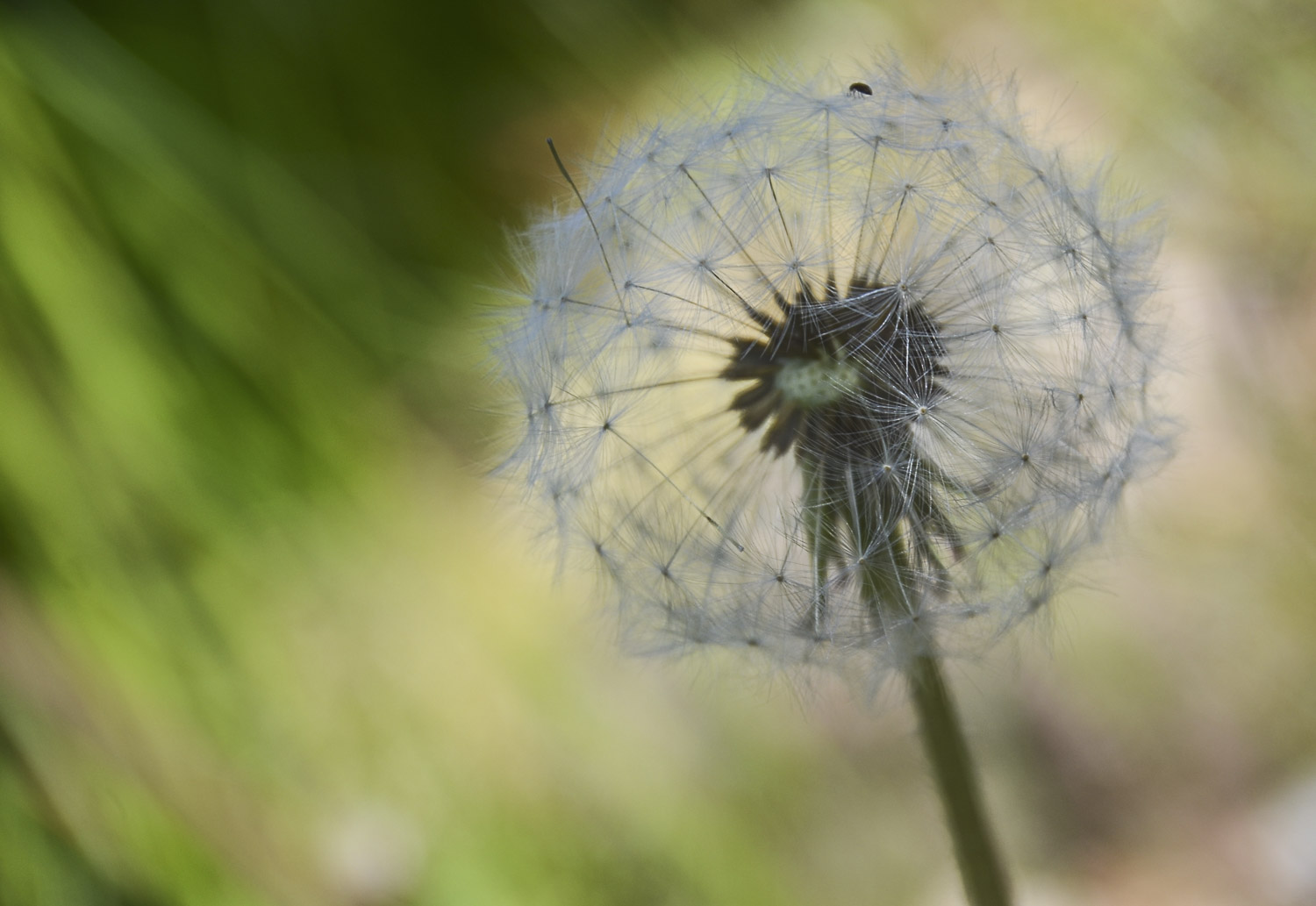
When you see how fragile and delicate life can be, all else fades into the background
– Jenna Morasca
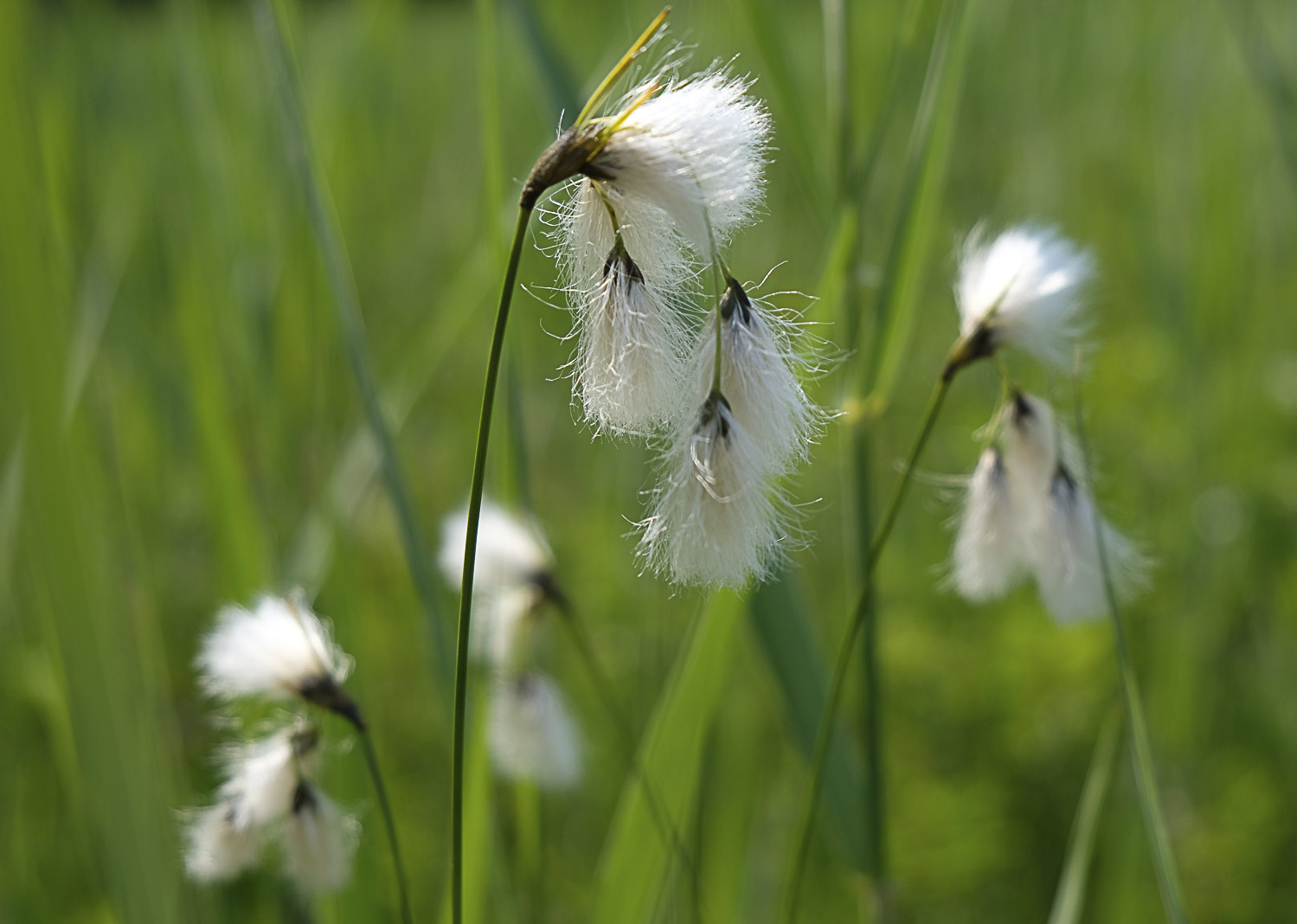
The delicacy of flowers takes different shapes – they might be tall and stately…
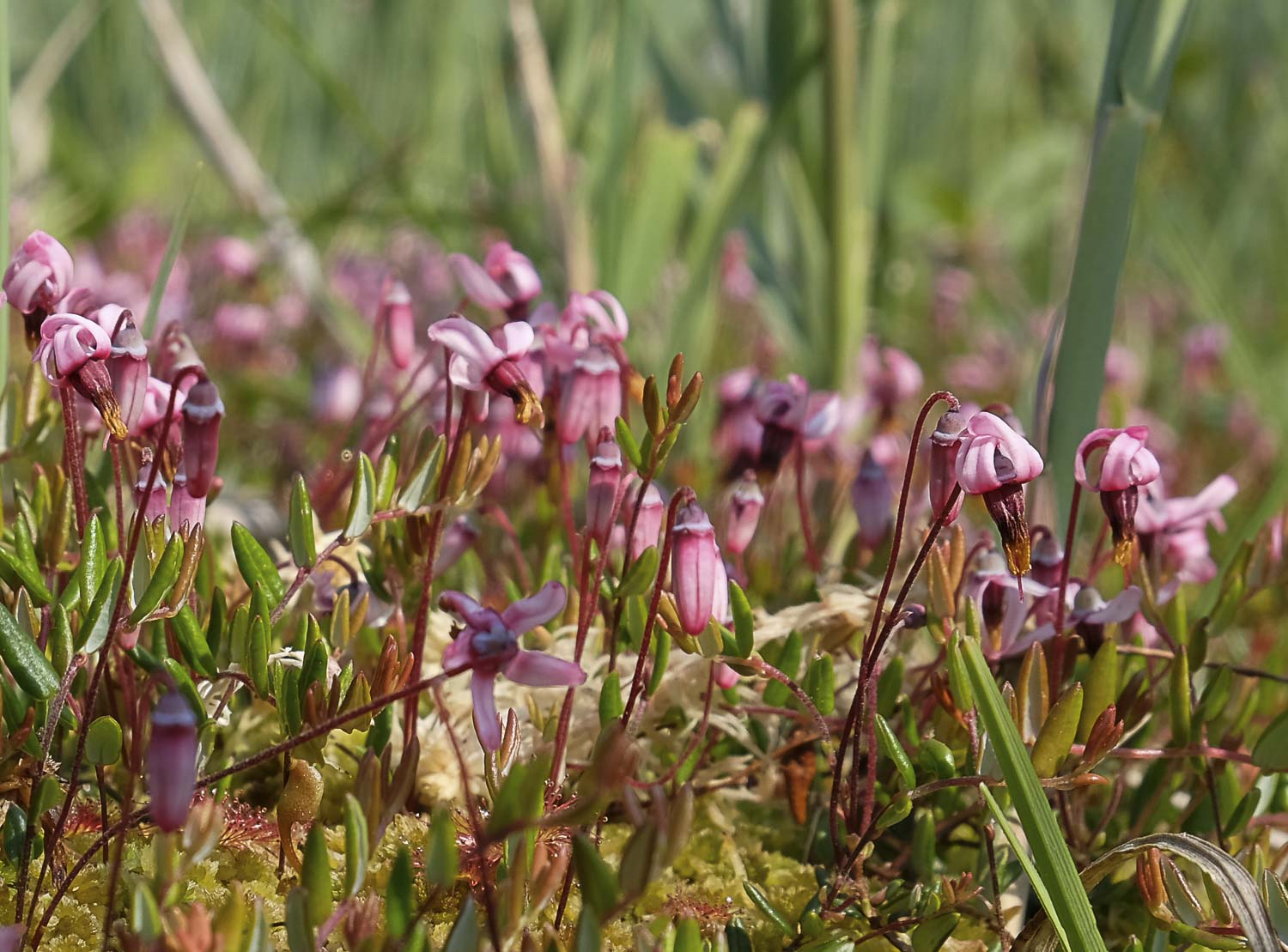
…or as tiny as these moss flowers, not higher than your thumb nail…


Some live in the shade on the forest floor, and some thrive in the bright sunshine…
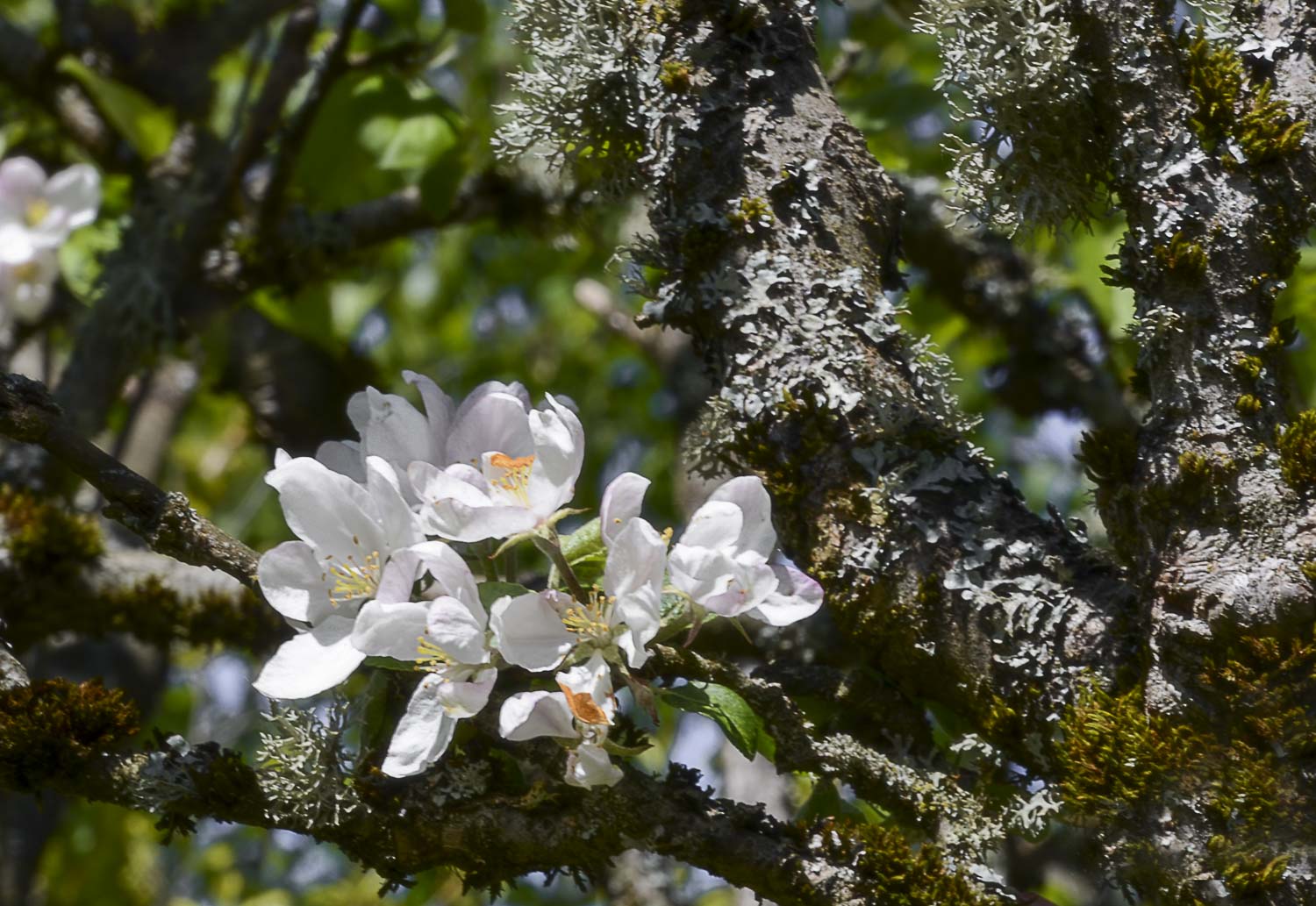
Sometimes delicacy stands out most beautifully when placed in rough company – oh, the joy of forest apple blossoms!
As humans we are indeed, in many ways, just like flowers. So, I would like to end with a reflection from Henry David Thoreau – together with a hope that we will be more delicate in how we treat Mother Earth as well:
The finest qualities of our nature, like the bloom on fruits, can be preserved only by the most delicate handling. Yet we do not treat ourselves nor one another thus tenderly.
Thank you again, Patti, for a marvelous Street Art Challenge!
Hosted by Snow and Amanda from Something to Ponder About, on alternating weeks! Why don’t you join in the fun!
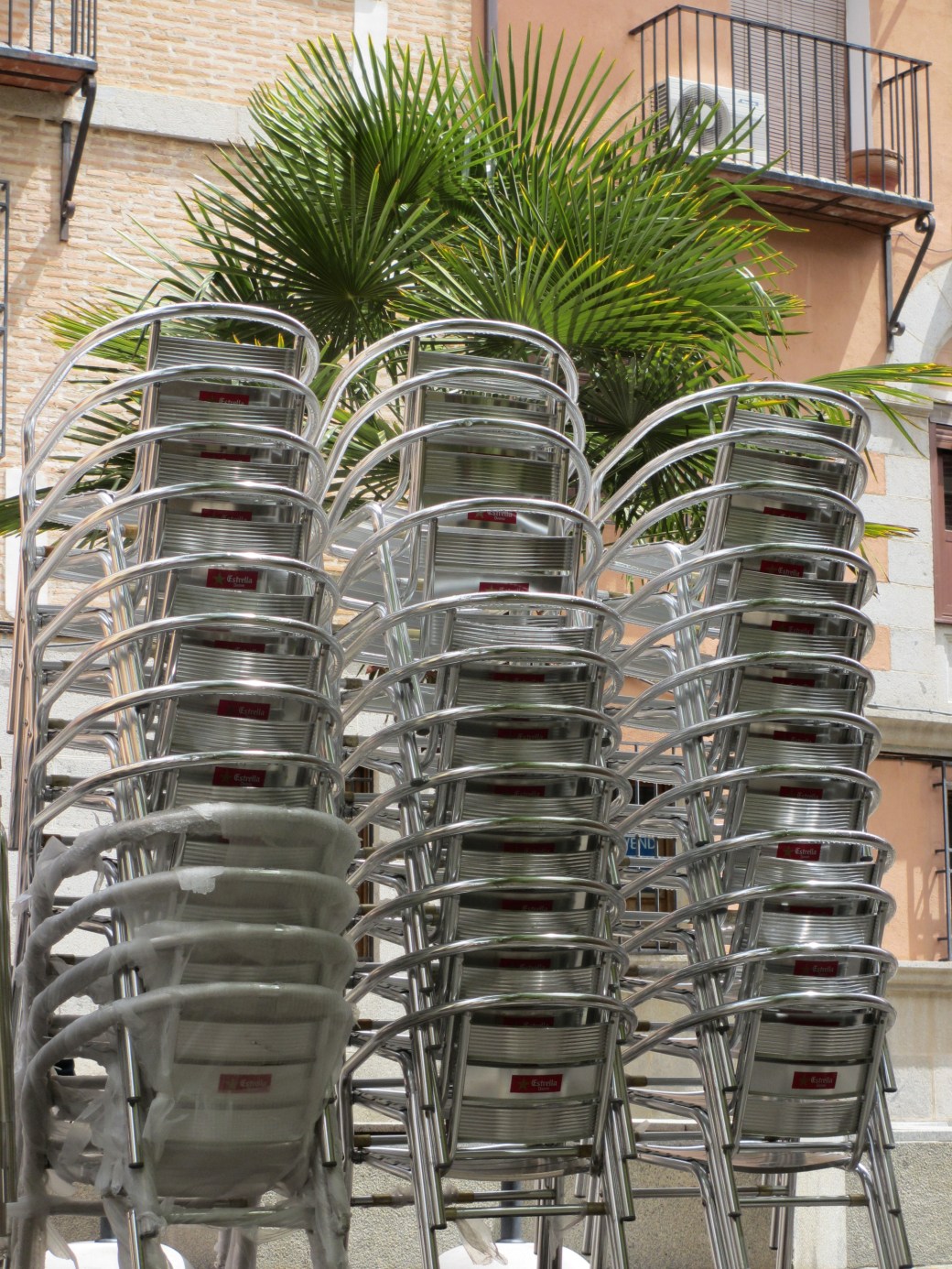
My forest in all its spring glory – I wish you could hear the birds sing and feel the joy of walking there. Bliss.

 Leya
Leya 
Du måste vara inloggad för att kunna skicka en kommentar.