Robert Boyle invented the first match in the 17th Century. In 1844 Johan and Carl Lundström started their famous factory in Jönköping, and at the World Fair in 1855 they won high praise and medals for this useful invention.
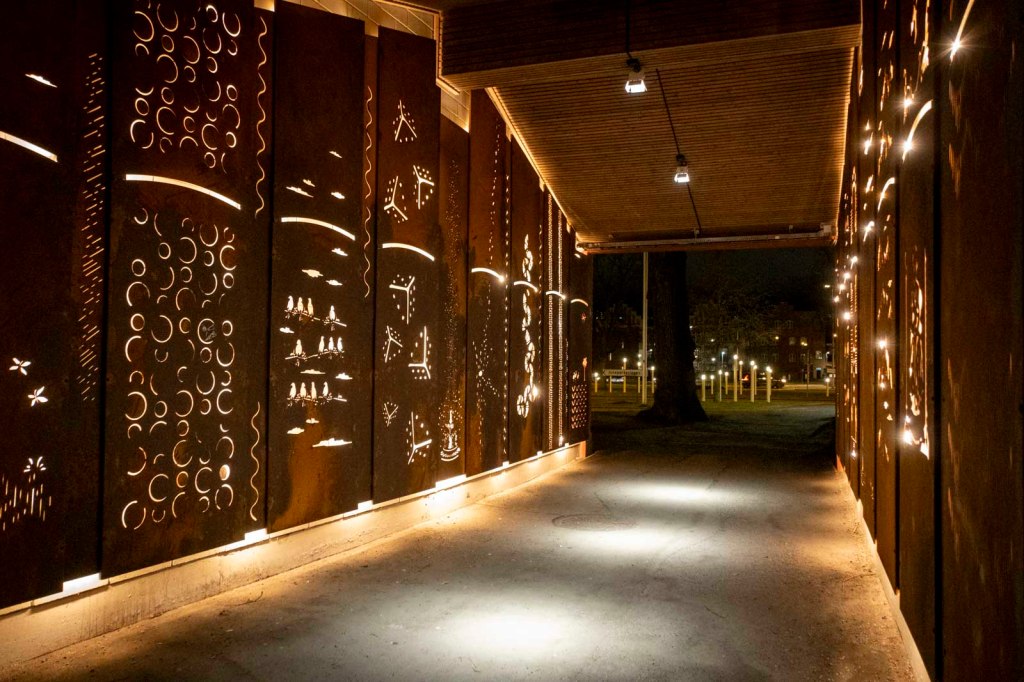
We took a couple of days in December to visit the old factory area, and this is the entrance where you can see some giant matches lit near the main road.
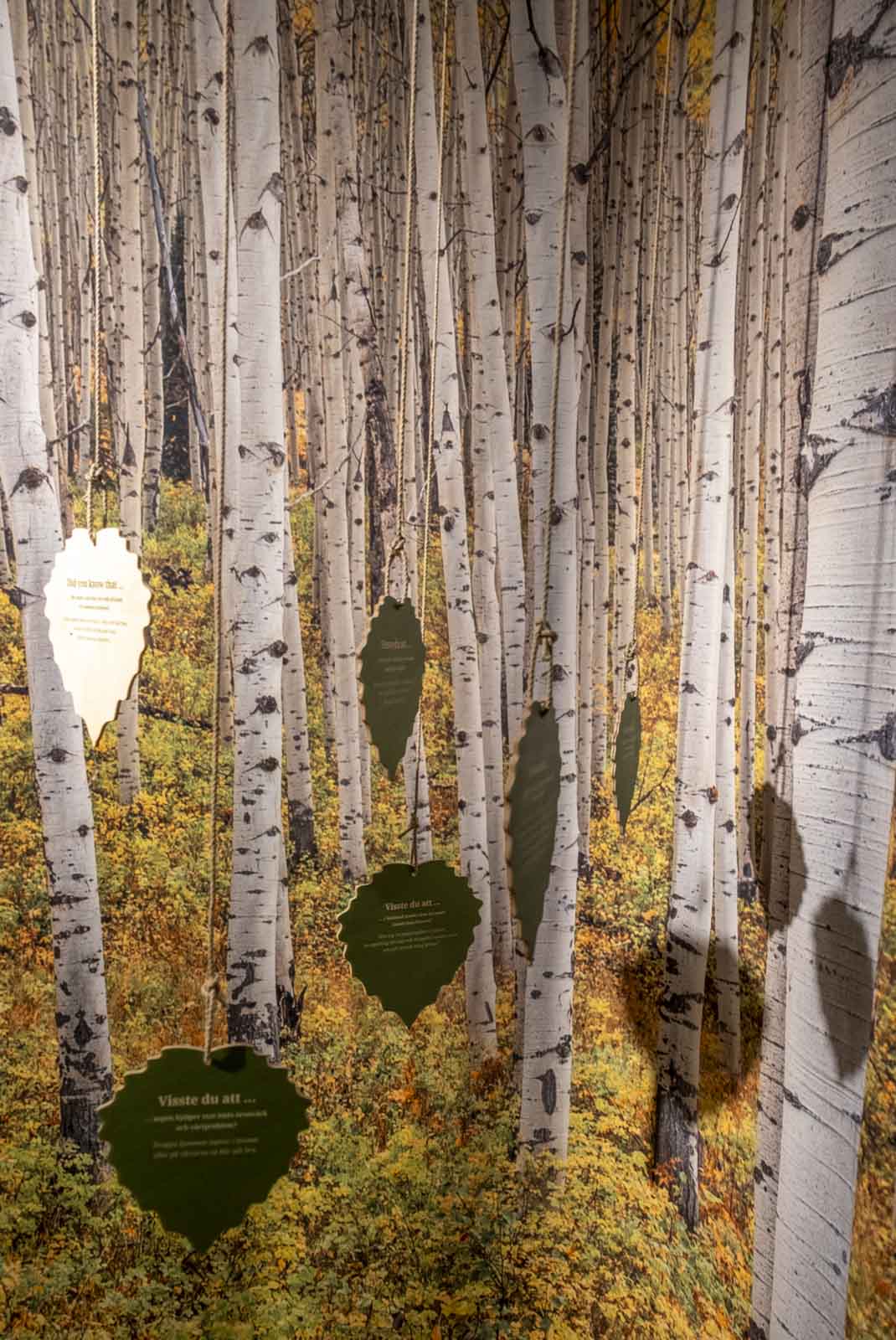
The matches are made from aspen trees, and from one tree only you can get about 370000 matches. Why aspen? Aspen is porous and yet sustainable, has no resin and burns with a clear, even flame.
We saw all the machines used and a gallery on how bad the phosphorous was to the workers the first few years before the safety match was created by Gustaf Erik Pasch in 1844. People were poisoned and some even died.
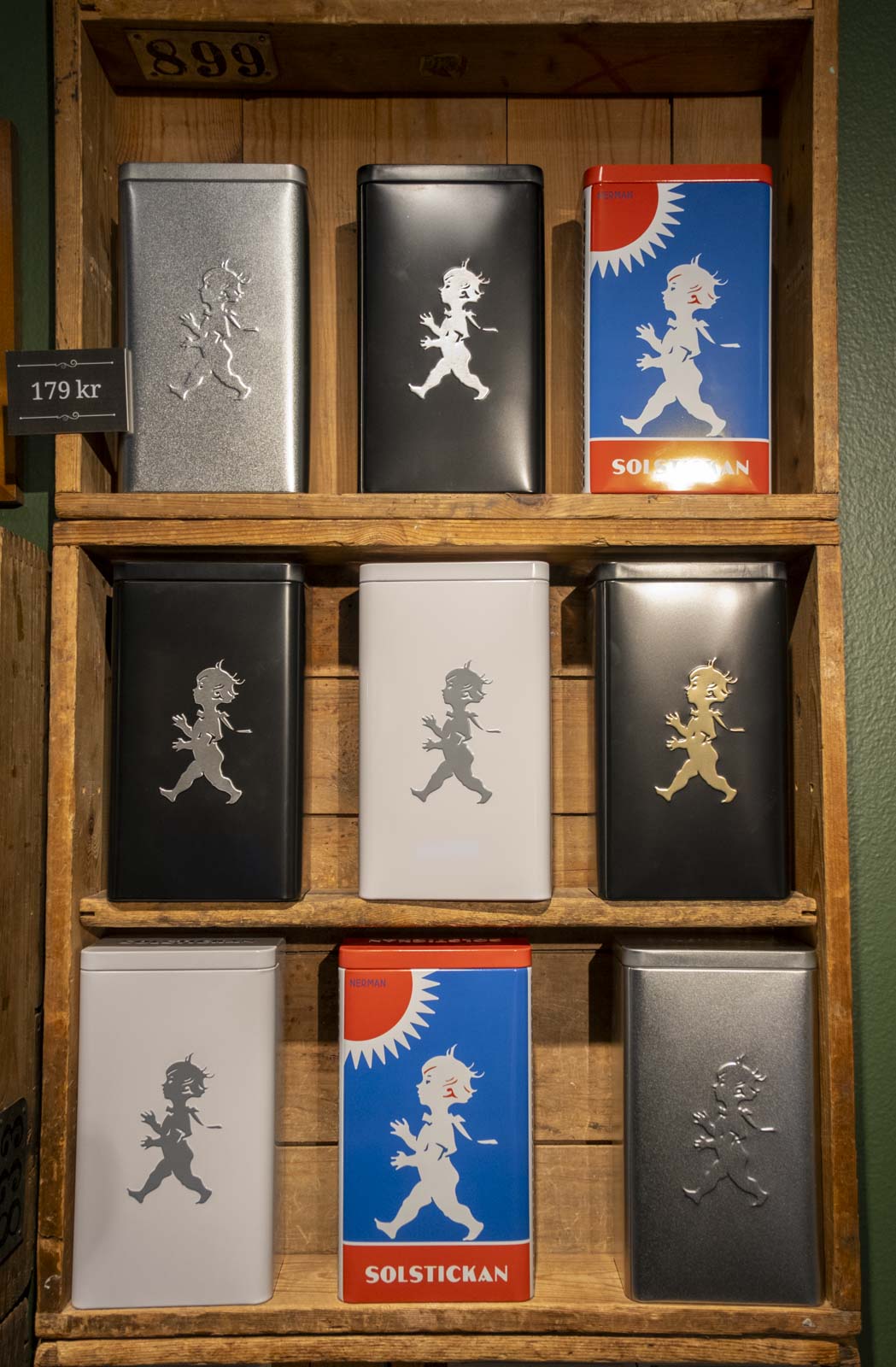
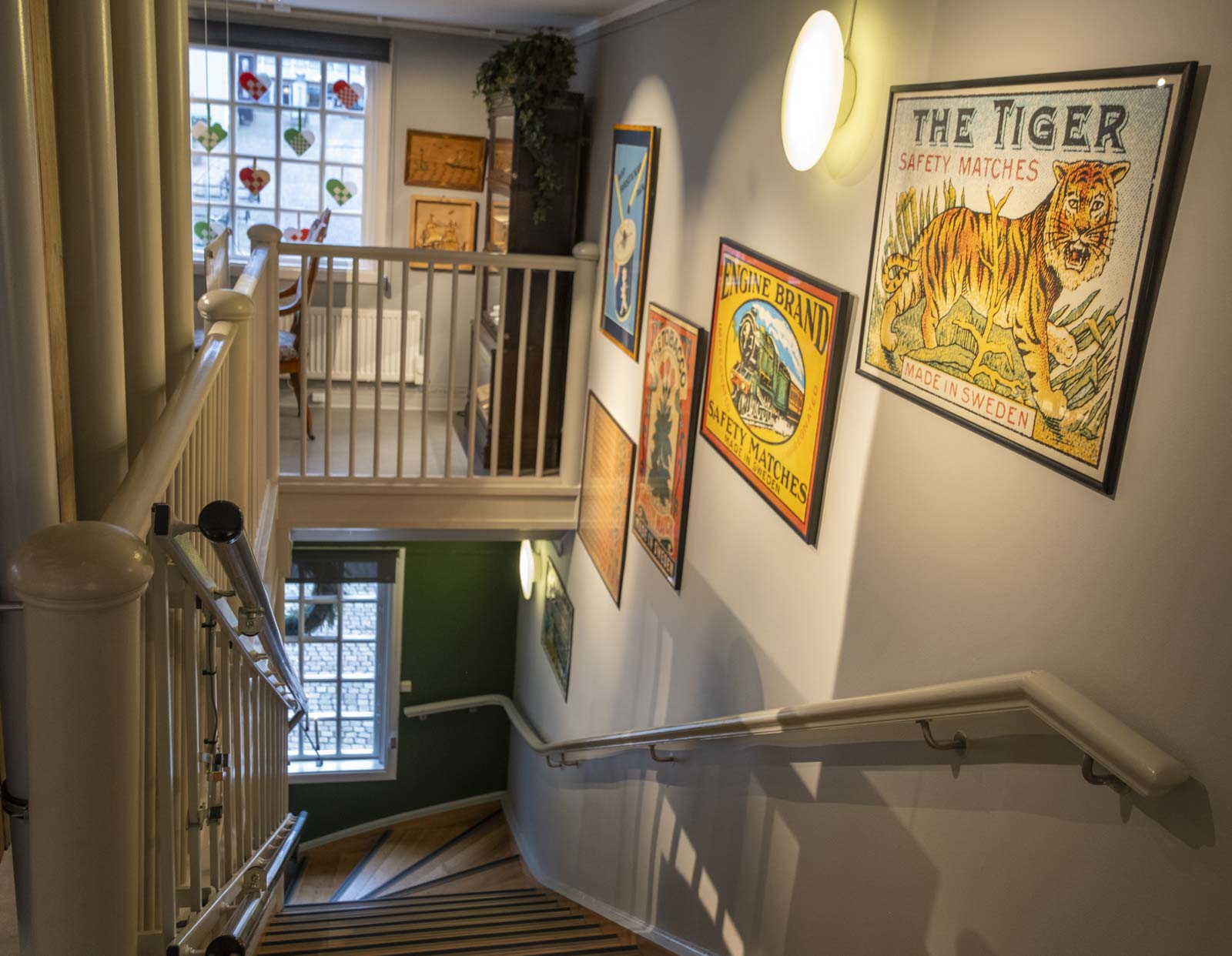
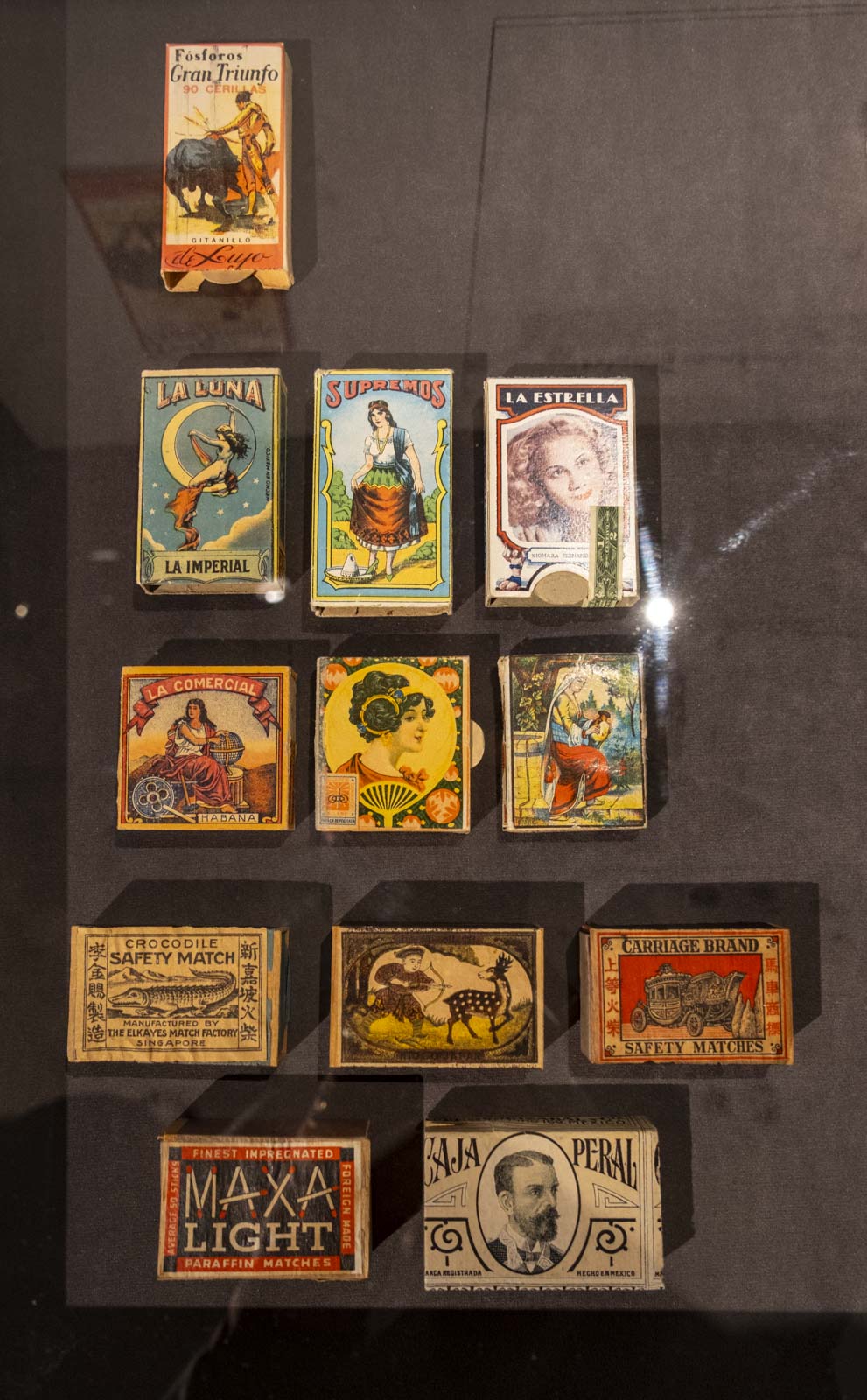
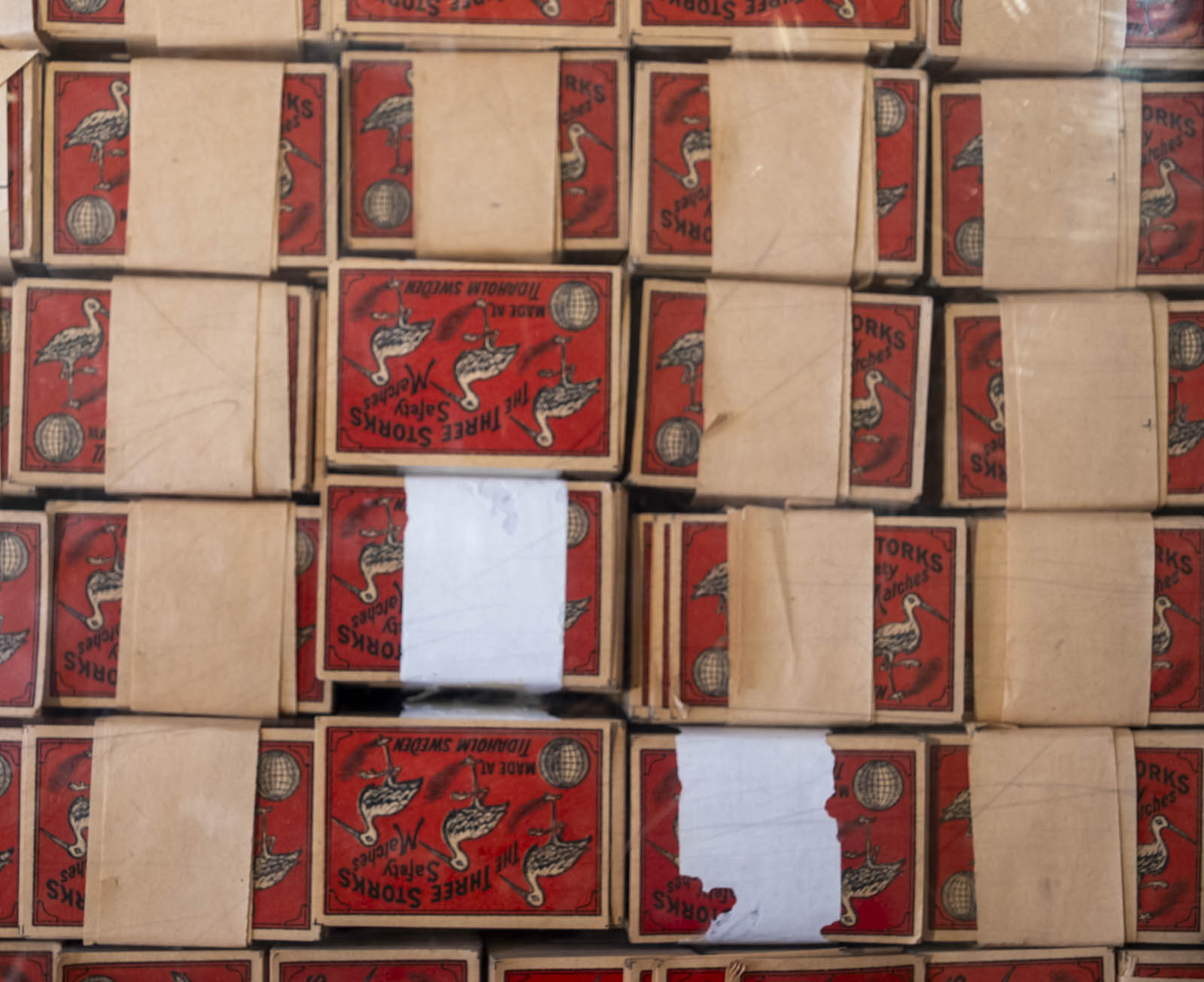
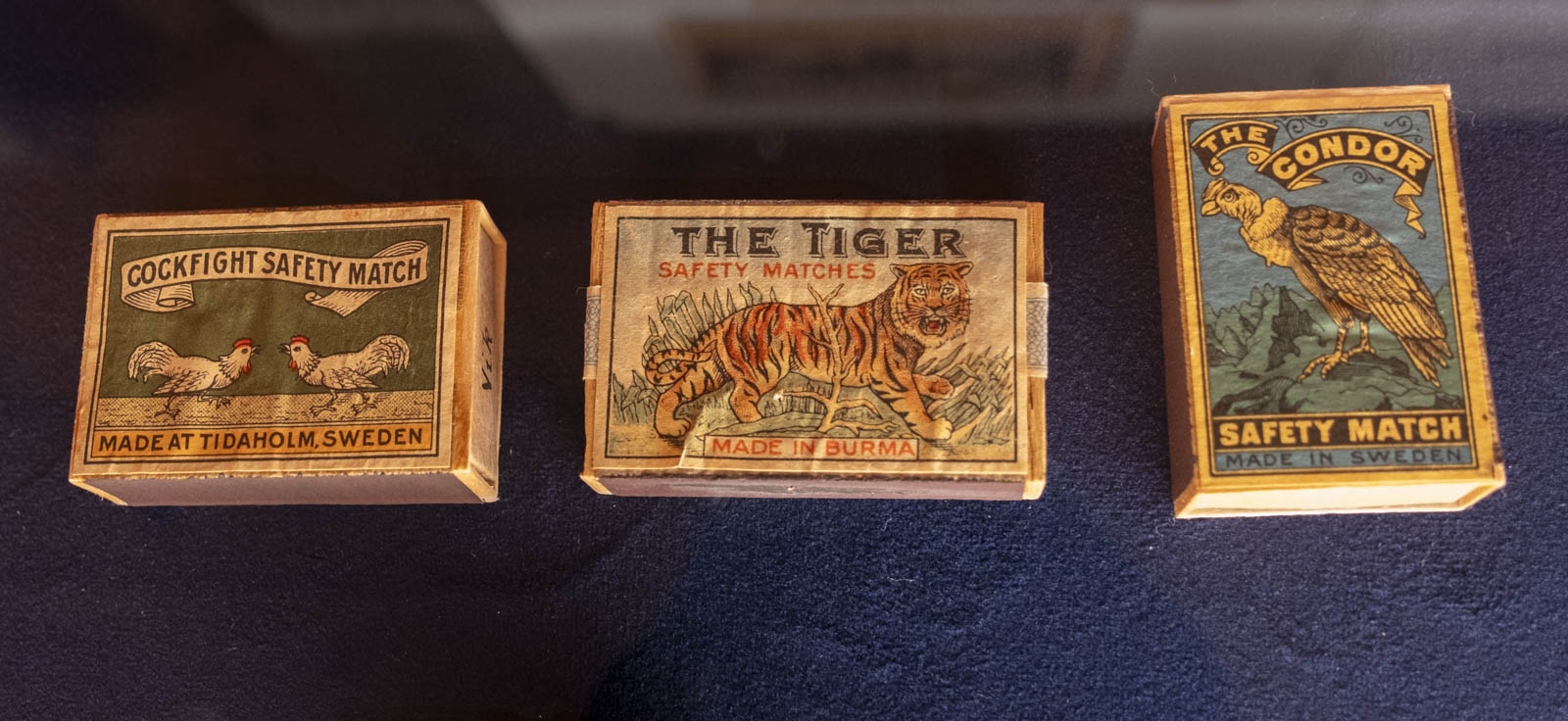
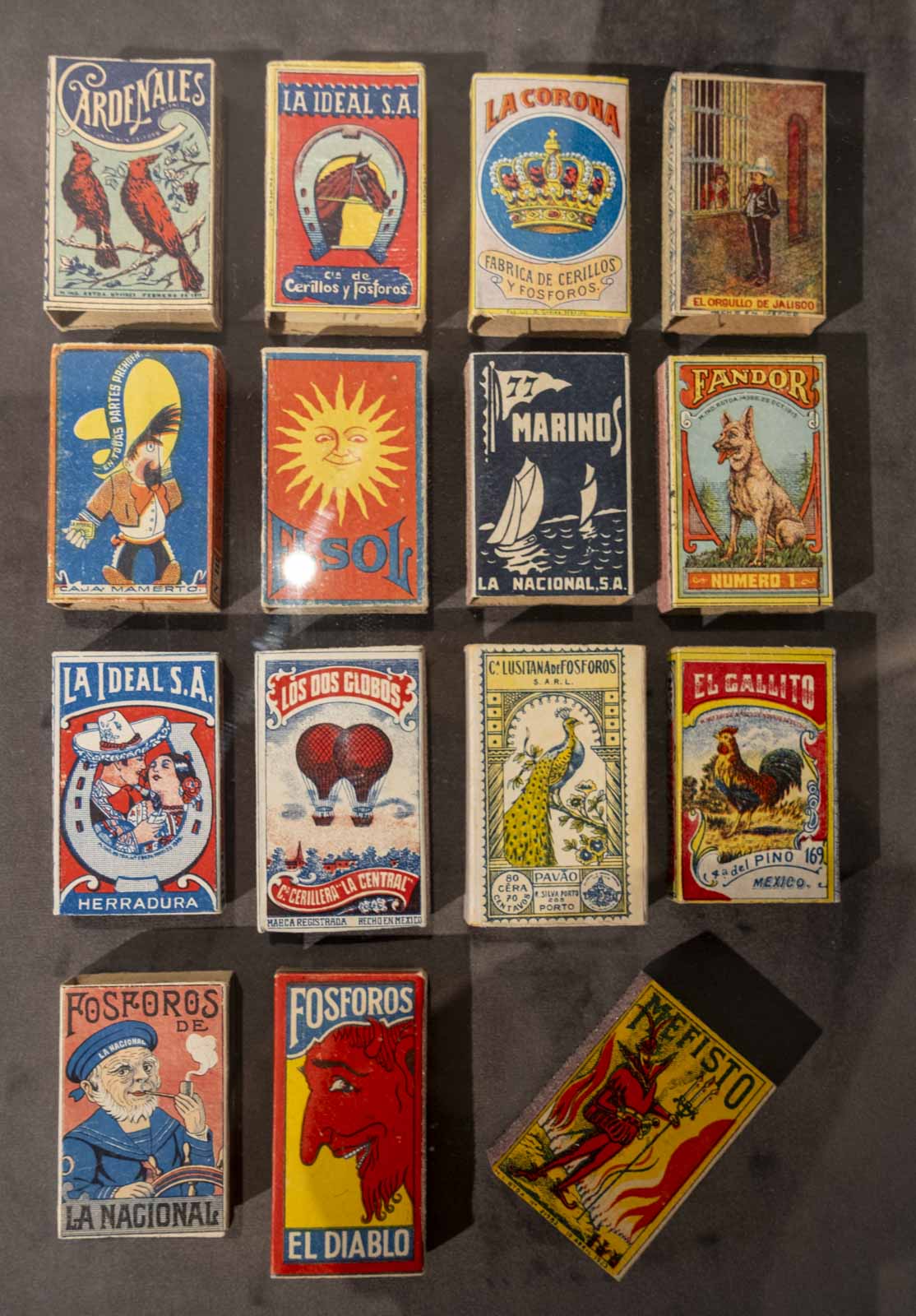
On display were also many of the beautiful covers made for the match boxes. I remember some of them from my childhood, but mostly of course the sun – match – boy. My favourite is the Tiger – hanging on the wall too. Unfortunately the designers´ and artists´ names (from many countries) were lost over time, and only one of them was truly recognised – Einar Nerman, who made the little boy in the first gallery far left. That boy was his own son, Tom, portrayed in 1936.
We had a great day of nostalgia and a lovely fish and chips dinner at a renowned restaurant.
This week Ritva invites us to a very interesting challenge – Shoot from Above. Not my ordinary way of shooting, but certainly outside the box!
My first thought for a fitting image was a photo taken in a restaurant in Amsterdam, where the restrooms were in the cellar. On my way down I could not avoid noticing the unusual tiling. Rather spectacular… to my eyes at least!
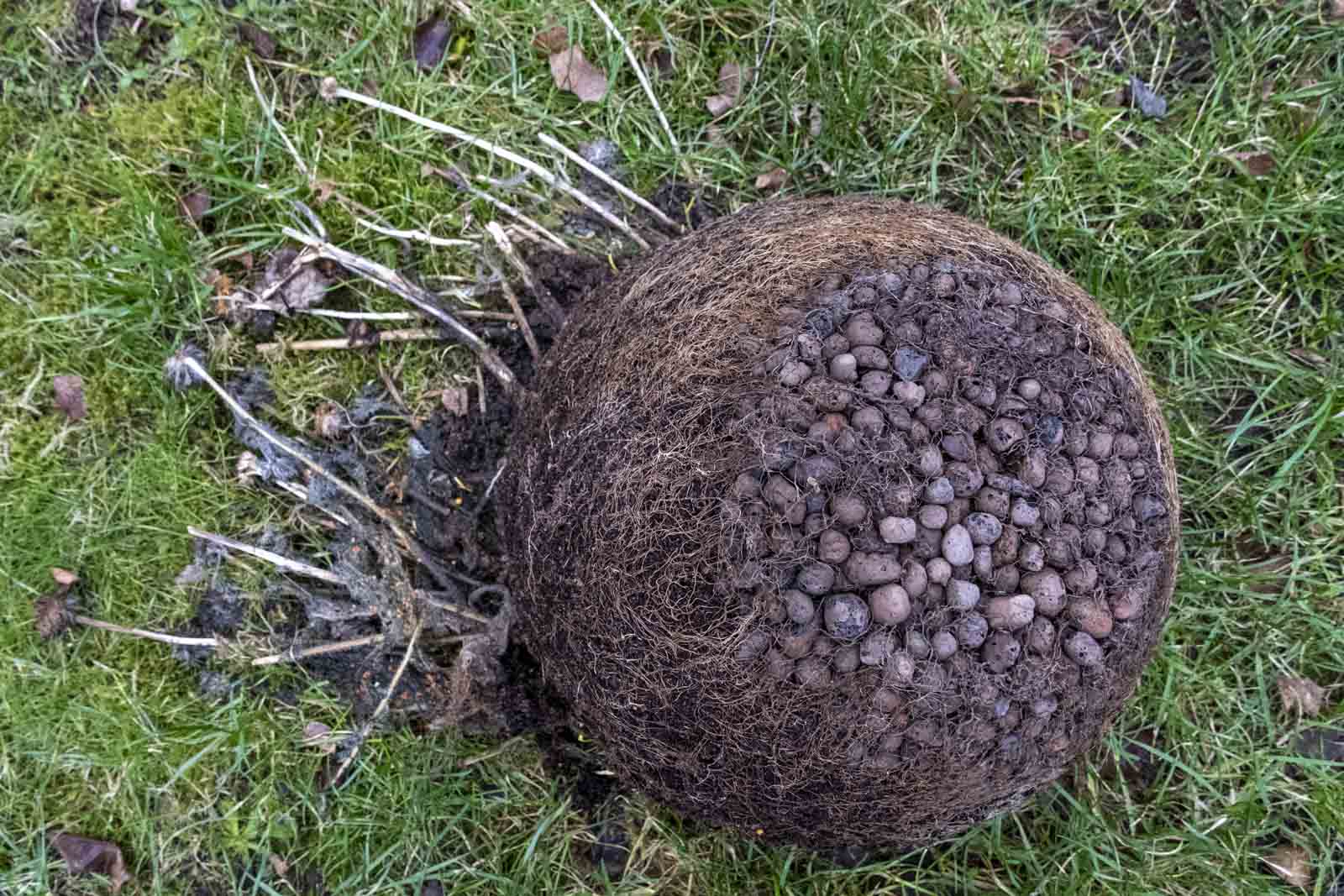
Then a gallery from my garden and glass house. The shells are from New Zealand, then you find what is left of my favourite flower pot, one of last summer’s flower bowls, and one rusty, decorative ball. Lastly a collection of my daughter’s tinfoil balls ( I get one now and then…) in a glass box.
I love these flowers – or their foliage. The swirling shapes look their best from above. And in the header/opener is a collection of Legotechnic figures put in a box by my granddaughter.
Resilience was last week’s theme and your posts to Anne’s wonderful challenge really showed its importance in our lives. A massive thank you to you all. This week, Ritva presents us with this incredibly interesting theme, and I enjoyed seeing things from above again, although that is not an ordinary winter game. Ritva’s post is beautiful, and it will inspire you to join in. Remember to link back to her original post and to tag Lens-Artists.
Next week it is Egídio’s turn to lead so please make sure to visit his colourful site Saturday 25th January to find out more. Until then, be good and take care.
Anne‘s theme this week is Resilience. And that is what we all have to show to survive. Resilience is the ability to maintain psychological well-being in the face of adversity. It’s the ability to “bounce back” from difficult experiences.
There is so much trouble in the world today, so we have no other choice. The most obvious example here in Europe is the Ukrainian people. When everything seems hopeless and impossible, they rise again and fight back. The fires now in the US, the war in Gaza – somehow most of us manage to go on – Life works that way. Be resilient – or break.
I guess you all know my love for Iceland, its landscapes and its strong inhabitants – people, animals, plants. Living in constant danger of disaster molds you to be resilient. And it is not only people and homes, but their whole livelihood – cattle, horses, sheep. They must be resilient in a volcanic area that often ”comes alive” We have visited Iceland several times, and sometimes soon after eruptions too.
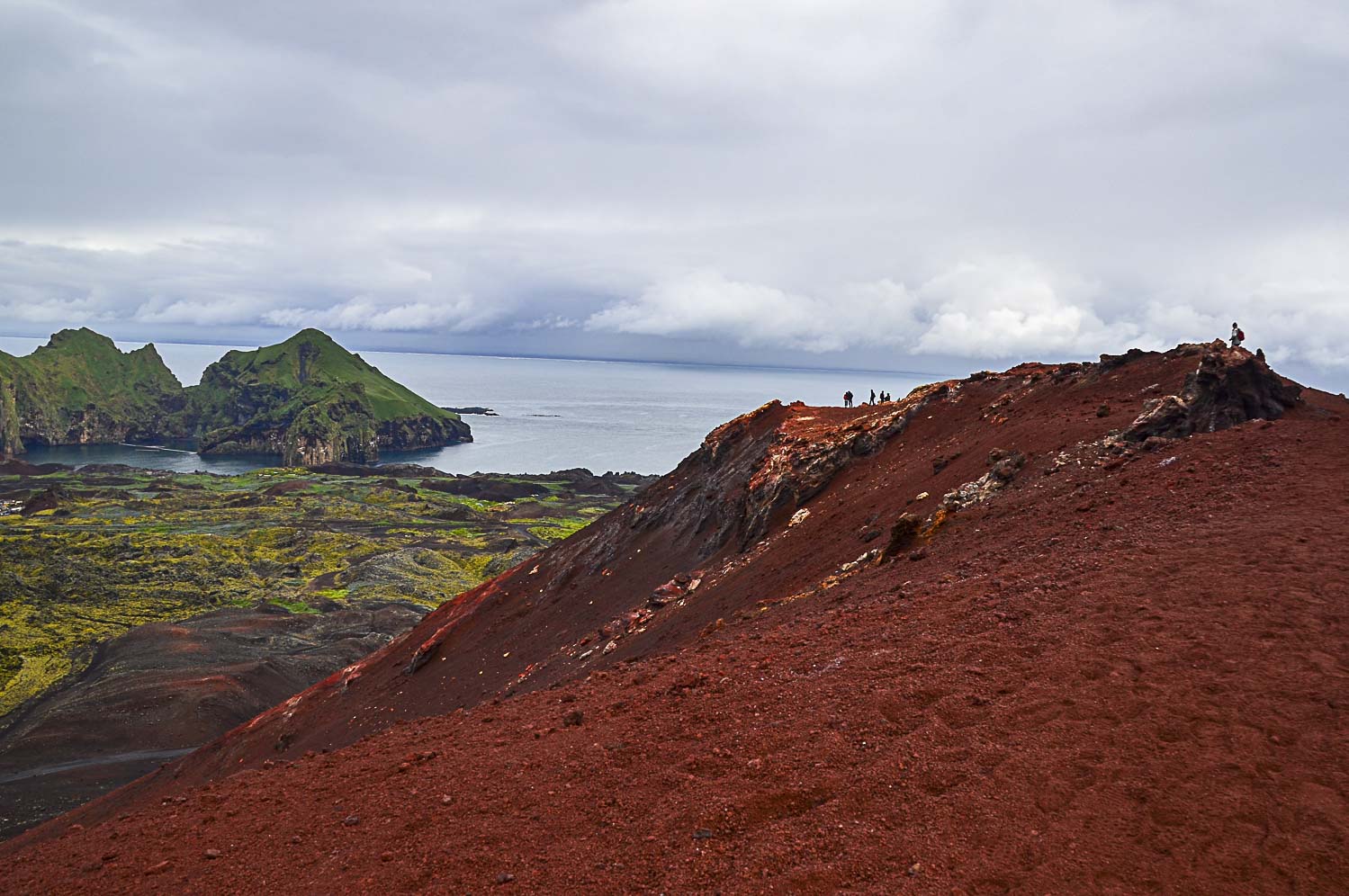
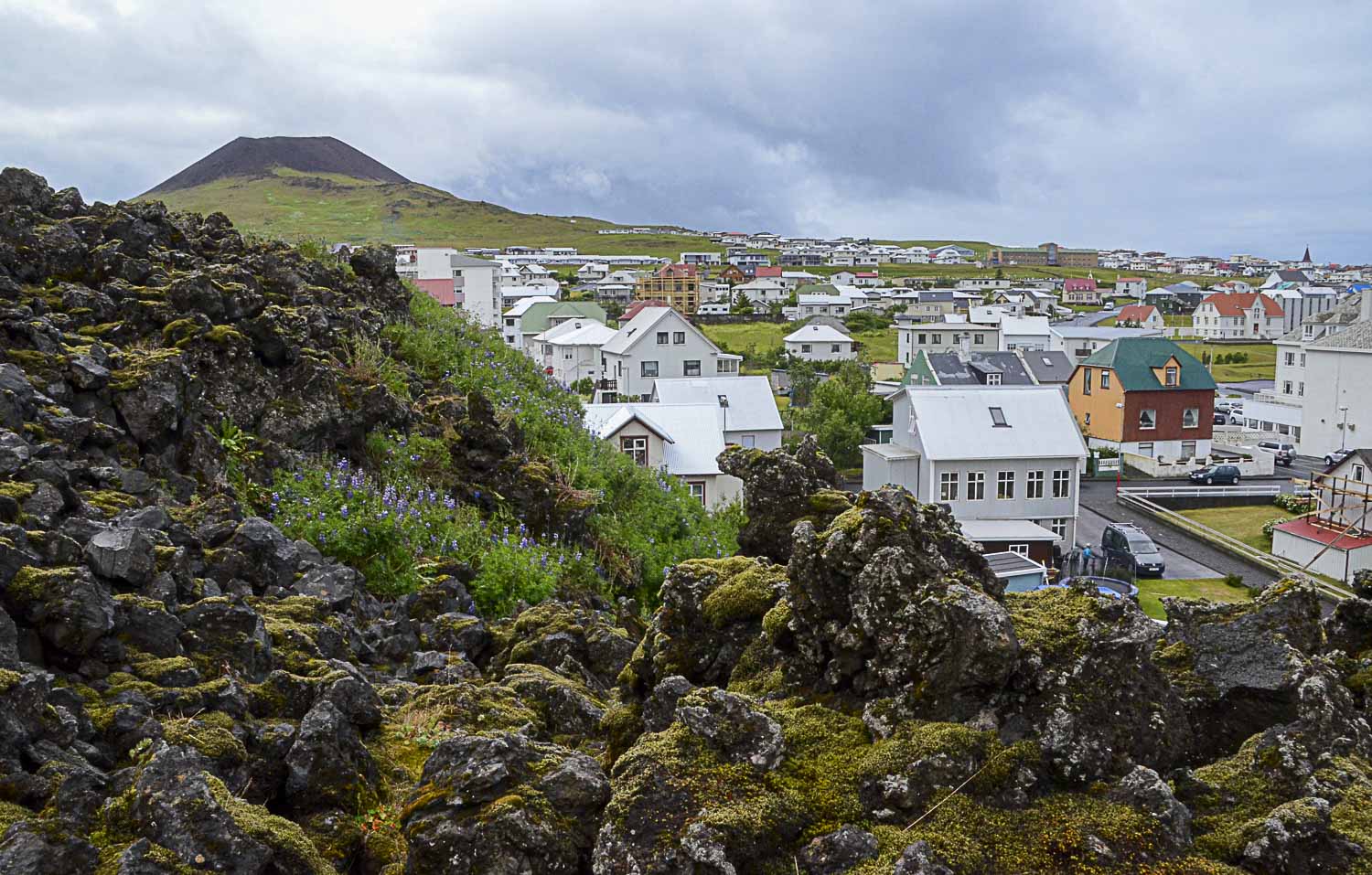
This is Eldfell volcano after the big eruption on Vestmannaeyar, 1973. We went there in 1979, when the surface had cooled down and it was allowed to walk everywhere. Then we returned in the summer of 2019, from when these photos are.
Some of the half buried houses were left as a reminder of the disaster. This is Heimaey, the main town on the islands.
Luckily their whole fishing fleet was in the harbour those days because of a storm – so within 6 hours 5300 people were safely evacuated. Only one life was lost – a man who walked into a house to get medicin, but was poisoned by the gas.
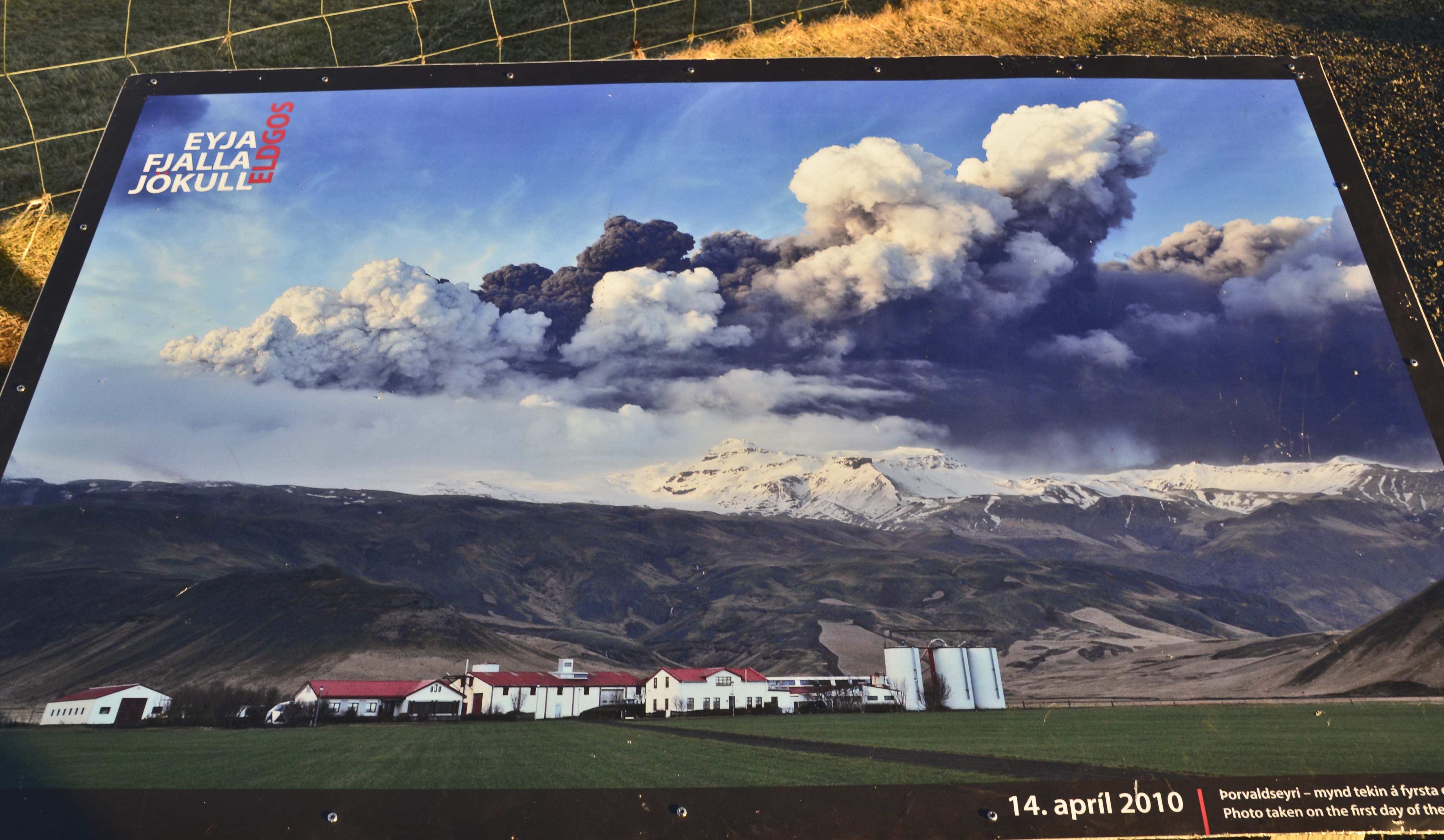
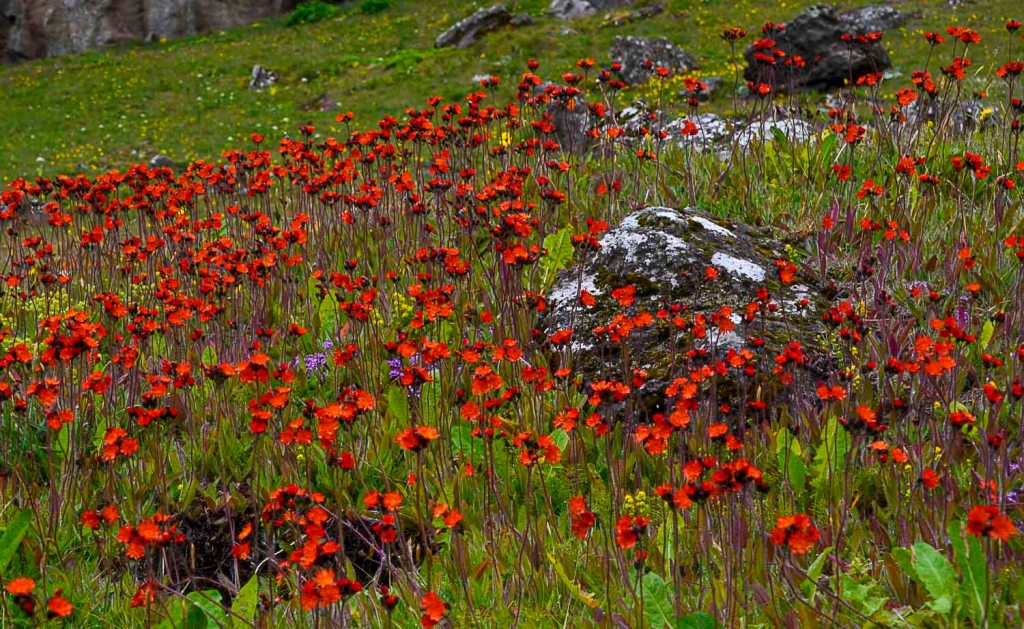
Krafla erupted in 1984, and Hekla’s last one was in 2000. Hekla is a well known volcano that always displays a trail of smoke – erution or not. The picture shows Eyafjallajökull during the first day of eruption in 2010. This eruption caused a stop in the air traffic in the whole of Europe. The planes could not safely fly because the ashes could destroy the engines. One of the gigantic lava fields in Iceland. You should not risk walking out there – holes deeper than 200 meters hide under the moss. Here resilience from nature is shown in flowers, grasses and mosses that came back rather fast.
The newest volcanic island, Surtsey, was created from an eruption in the ocean in 1963, south of Vestmannaeyar. Now it is a World Heritage site, but only scientists are allowed to visit. In 1965 the first living plants were discovered there and today birds are living on the island too.
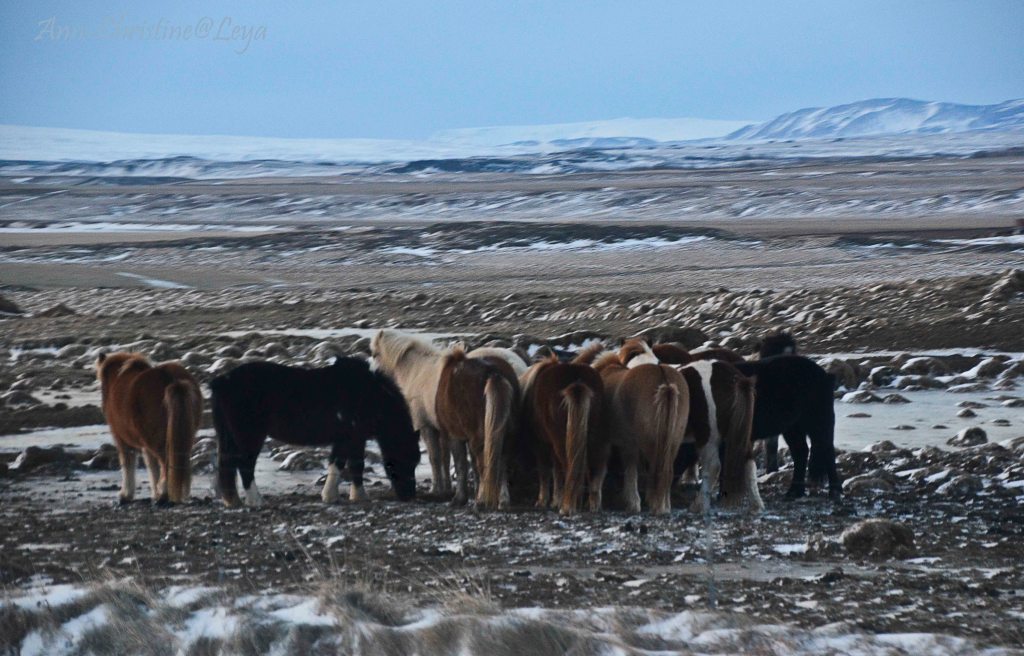
Horses, I have to mention the Icelandic horses, they are among the toughest and sturdiest – and most resilient breeds on Earth. They stand close together in the winds on the open plains, often with their backs to the wind, and don’t seem to suffer at all. For this Viking people, they are priceless treasures.
This week the hosted Lens-Artists Challenges are resumed, after the fantastic Favourite Images of 2024 last week. Anne is leading us with this timely theme and her post is truly inspirational. Please visit her beautiful site and when you join us, please tag Lens-Artists and link back to Anne’s original post.
Next week it’s Ritva’s turn to host so make sure to visit her magnificent site Saturday 18th January. Until then, take care and stay curious.
















 Leya
Leya 
Du måste vara inloggad för att kunna skicka en kommentar.