Thursday Thoughts – More Culture Fun

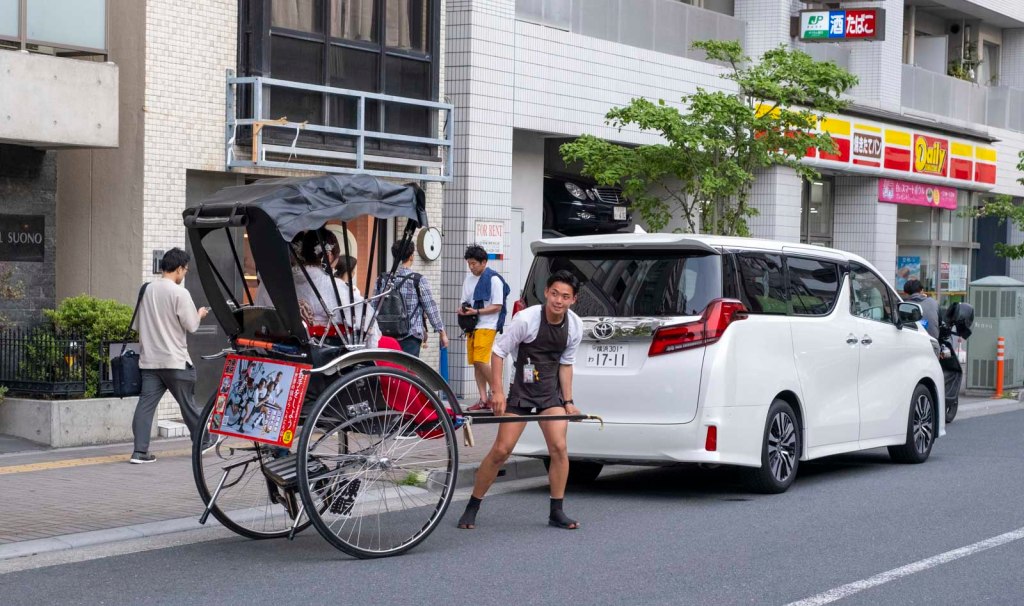
He will run safely with you through the streets – don’t worry! And here’s a gallery with old and new – A tram conductor in white gloves, real people, stiff dolls and and pop-ups.

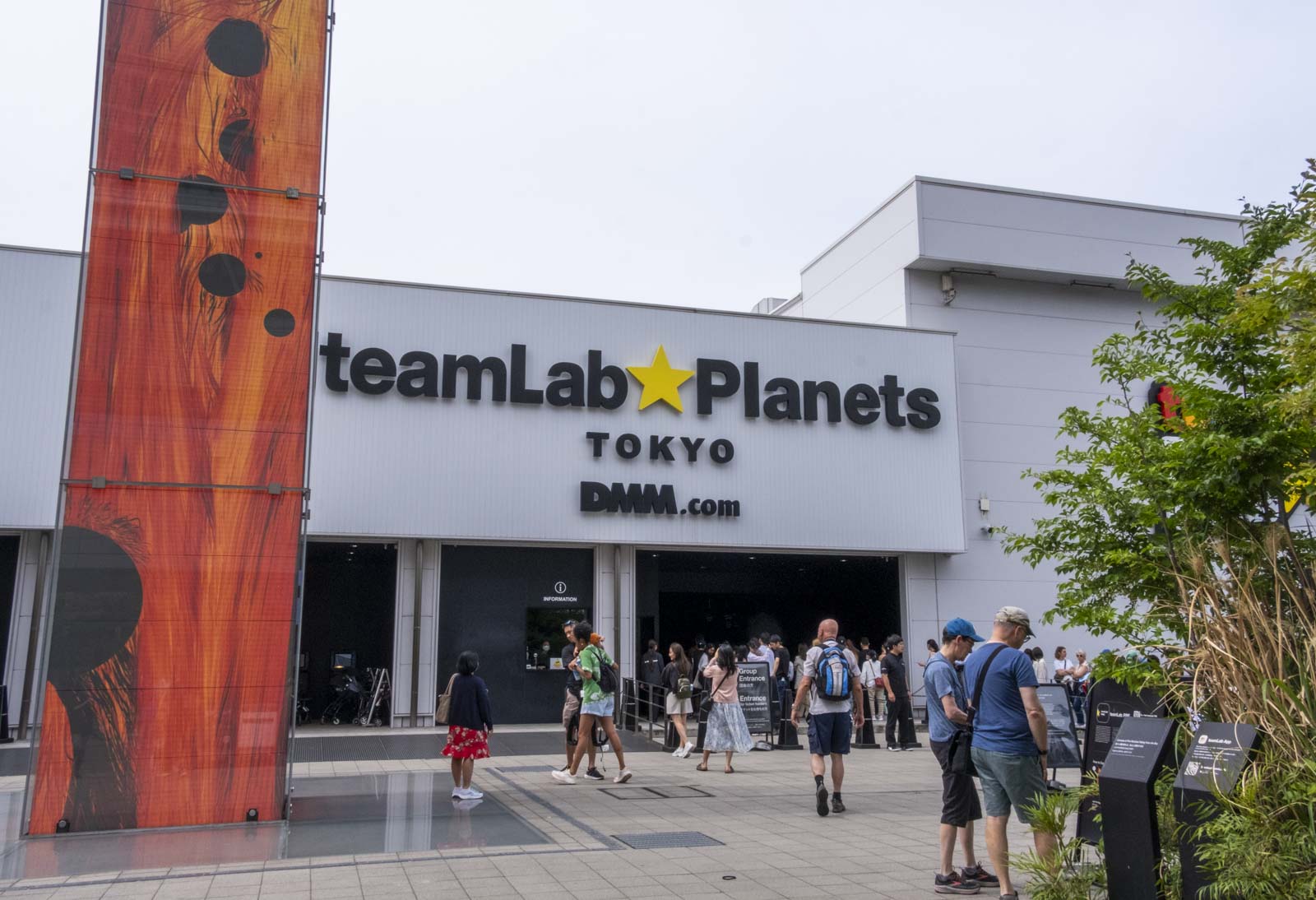
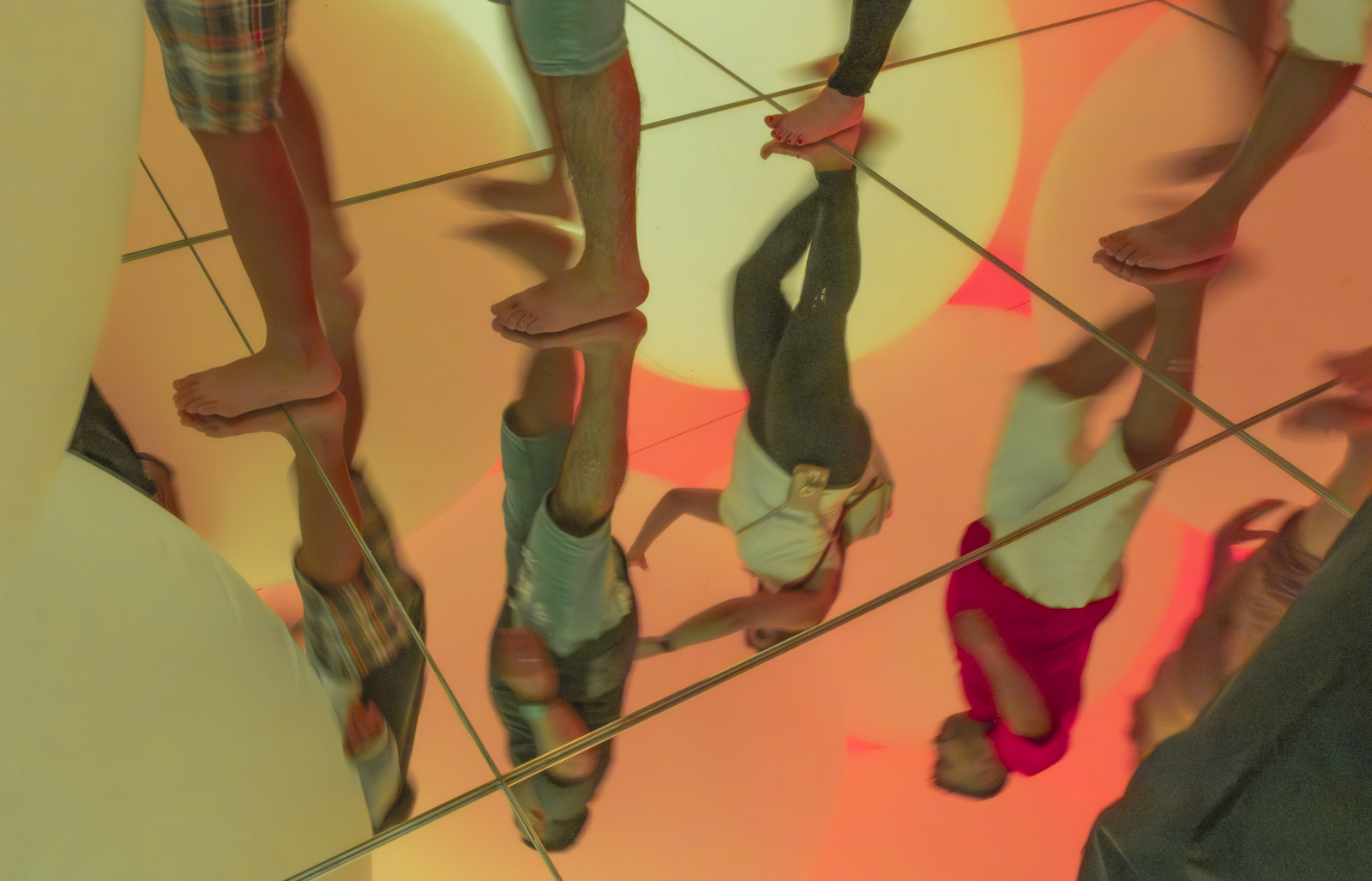
Then teamLab Planets Tokyo – a fantastic experience in led lights, water, mirrors, film and much more. You lose yourself all the time – using all your senses. Exciting, and especially appealing to young people. We spent some interesting hours there.

Thursday Thoughts – Culture Fun

The Japanese culture is very much beauty and refined custom – but also so much more. What do you think is hiding behind these glass doors?

Pachinko! Pachinko is a mechanical game originating in Japan. It is used as an archade game and for gambling. These parlors are widespread in Japan, and is comparable to slot machine palaces in the West. Althought it has now declined in popularity, in 1994 the sales and revenues from Pachinko parlors contributed 5.6% of Japan’s 500 trillion yen GDP and employed 330000 people. (Wikipedia)

Gambling for cash is illegal in Japan, but the popularity has enabled a legal loophole allowing it to exist.

Machines for children wanting toys and candy? We have some quite similar ones here in the West.

In Japan, Karaoke is extremely popular – and maybe posing with pretty girls! This guy posed with paper girls, happily smiling, while his little son ran away from the scene – I wonder why…

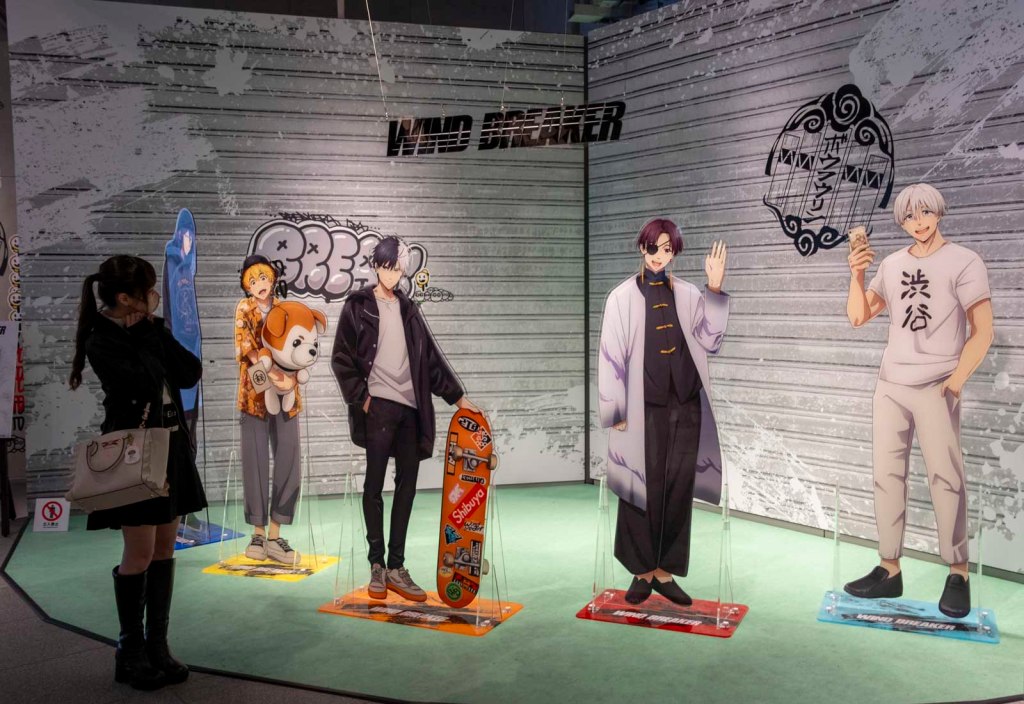
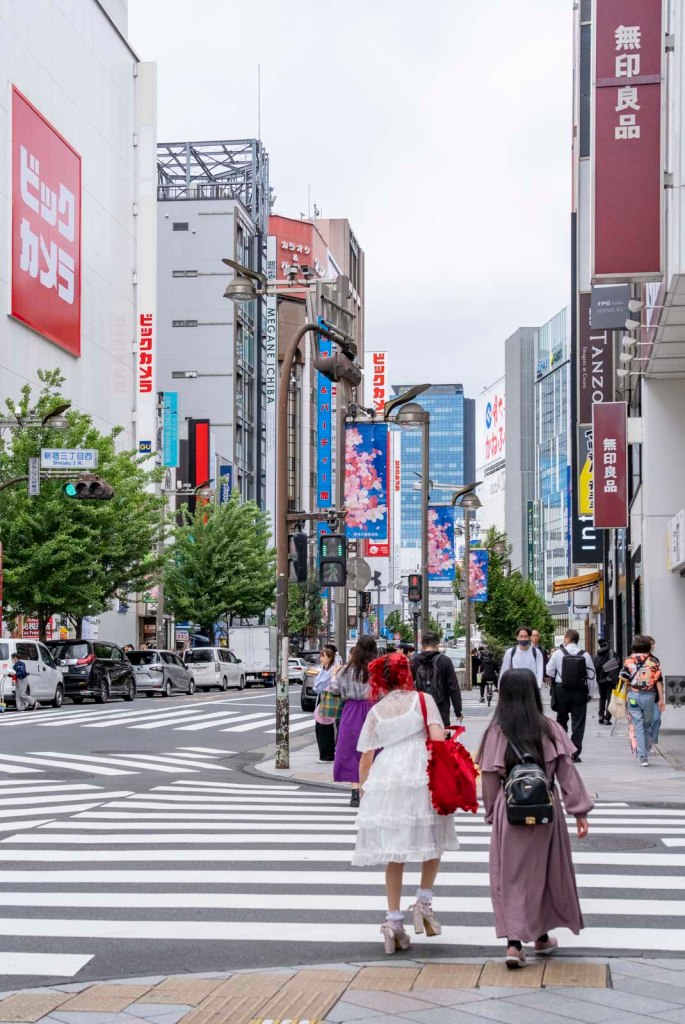
I must post a piece of the young Japanese literature and film culture too. Anime. Manga. And a couple of girls dressed in stylish street fashion. (There are MANY styles – from Dolly Key to Genderless)

There’s no end to the popularity of these stories and charachters in Japan – you see them everywhere. In Sweden they enjoy massive attention. I know. My daughter and her friends still watch some of those movies, and I have watched a couple of them, because I wanted to understand why youngsters love them. In fact I found them very intricate, well written, and morally and ethically wise. But on the other hand, I haven’t seen them all…

Hayao Miyazaki’s masterpiece Spirited Away teaches friendship, love and bravery in a universal way which made the movie famous world wide. I must say I liked it. It is worth seeing even if you are an adult or an elderly person.

Rinpung Dzong – Bhutan and Its People

The Paro Dzong is bigger than you first think. As I wrote before, it houses an administration as well as a monastic part.

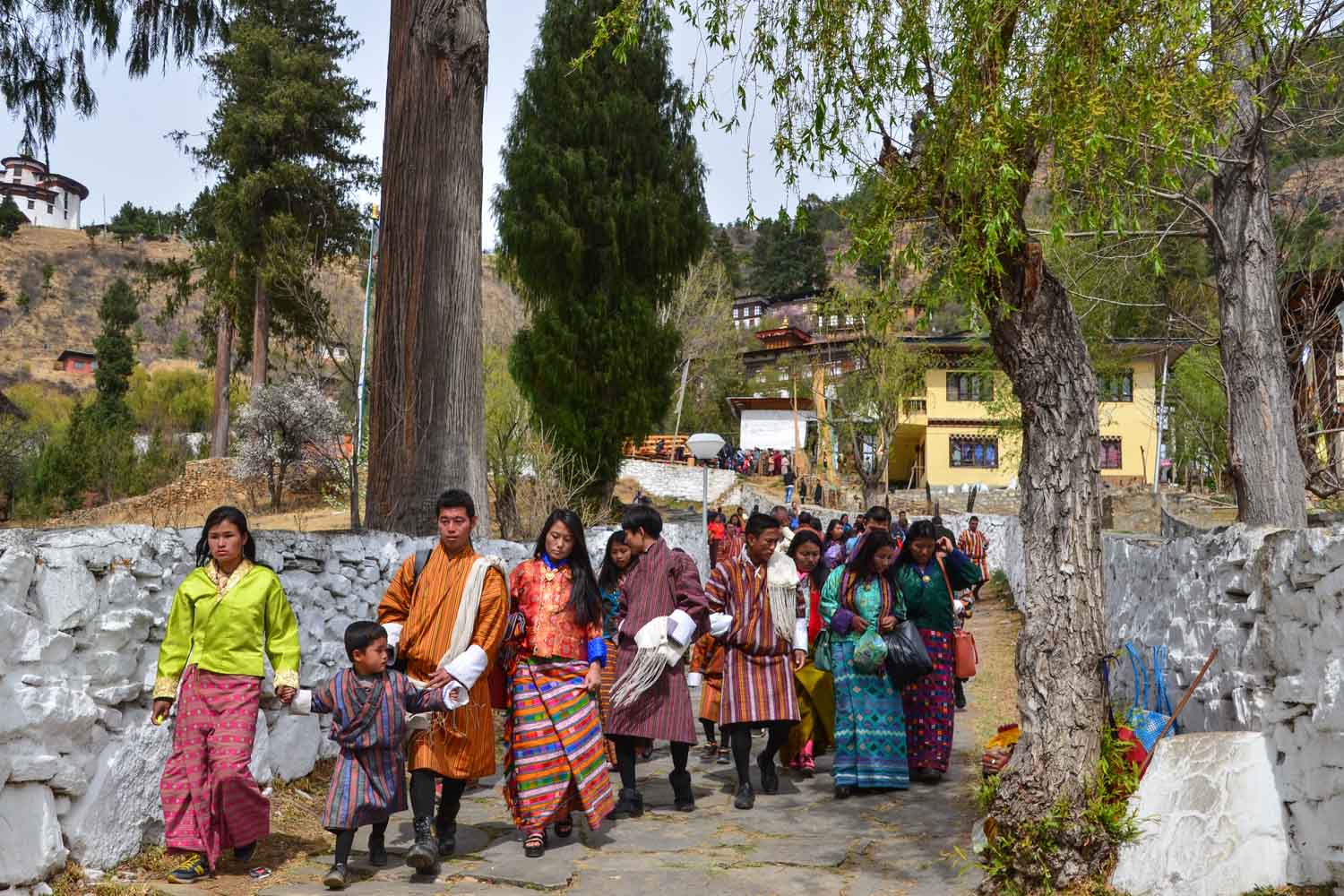
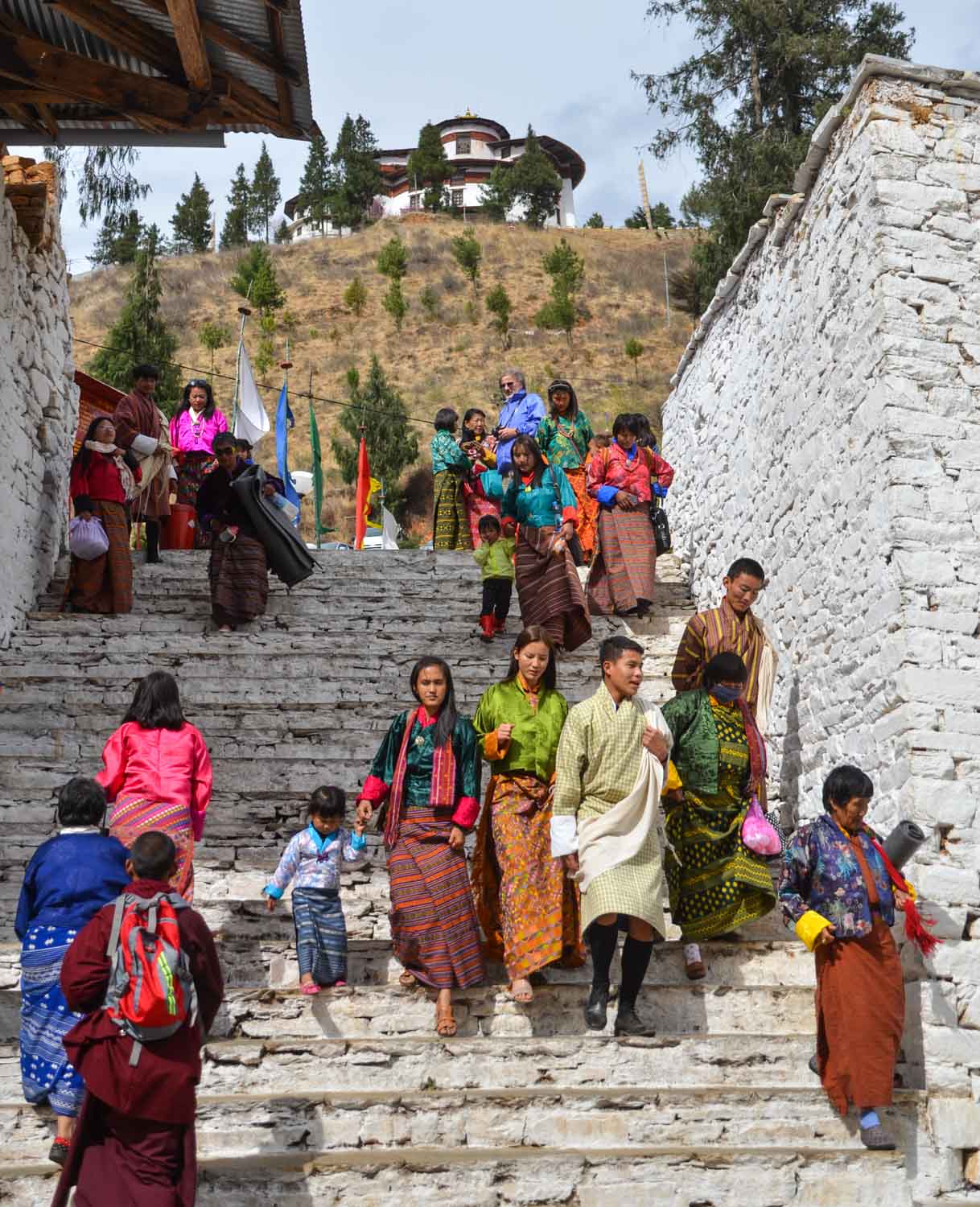
We walked back there in the afternoon during the Tsechu, to take a closer look.

1974 Bhutan opened up to the world, and some years ago they invited the great leaders of the outside world, to show their winning concept. Not all leaders came, of course, but those who listened must have been impressed. This tiny Himalayan nation, surrounded by much larger countries with massive populations and economies – seem to stand tall in their beliefs and try to follow the road chosen.

Bhutan combines Gross National Happiness (explained further down) with democracy and Buddhism. A concept they try to convey to the world as well. In fact, the Resolution of Happiness was adopted by the UN’s National Assembly in 2011, leading to World Happiness Day now being celebrated across the globe annually on March 20.

The Watch Tower used to house the National Museum, but the tower was damaged in an earthquake, so the museum was now set up in a building nearby.

Going down again we passed some sellers. Their hats and clothes tell about their origin – they are Layaps, living in the north western parts of Bhutan, at almost 4000 meters. Until the 1980s the Layaps lived in complete isolation from the rest of the country.

A rapidly growing economy has resulted in increased consumerism – leading to imports mostly from India. The government decided to place a ban on many imports, including cars, but it remains to be seen if globalization and everything in its wake can be sufficiently kept at bay. Let us hope so. The King and the Government seem very determined.

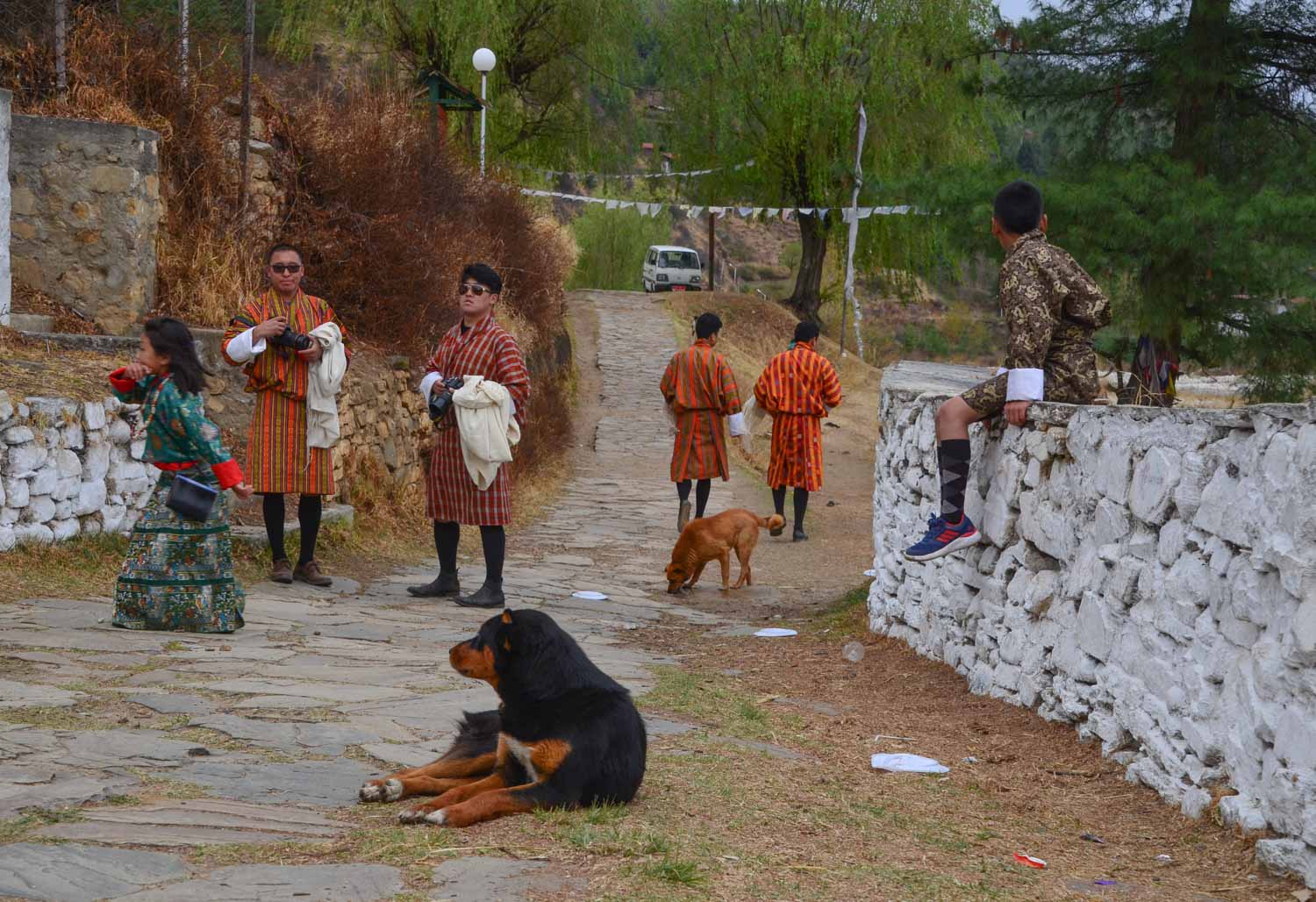
Modernity is coming though. Cell phones and heavy camera equipment already in Paro – and dogs on leash in Thimpu. But – Thimpu is the only capital in the world without traffic lights. There is still a policeman in a box, in the middle of the street, gracefully waving the traffic in the right direction.

Gross National Happiness (GNH) in short, is:

  • based on core Buddhist and human values
  • a measurable index and a counterpoint to the economists Gross National Product
  • a philosophy placing real value on cultural heritage, health, education, good governance, ecological diversity and individual well-being

According to our local guide, Rinzen, there is a validation before a decision is taken, and after the implementation of it. If people are not getting/did not get happier out of this – the concept will be dropped.

Bhutan is the world’s only carbon-negative country. Just Imagine. And, this is true.

Plovdiv – New Town – A Perfect Combo

The history of Plovdiv spans more than eight millennia. The numerous nations that lived here have left their traces on the twelve-metre-thick (39 feet) cultural layers of the city. The earliest signs of habitation on the territory of Plovdiv date as far back as the 6th millennium BC…

As we left the Old Town and entered the New…we realized that the whole city is a gem. Walking down the main street, a warm and sunny afternoon, the surprises unfolded – one after the other.

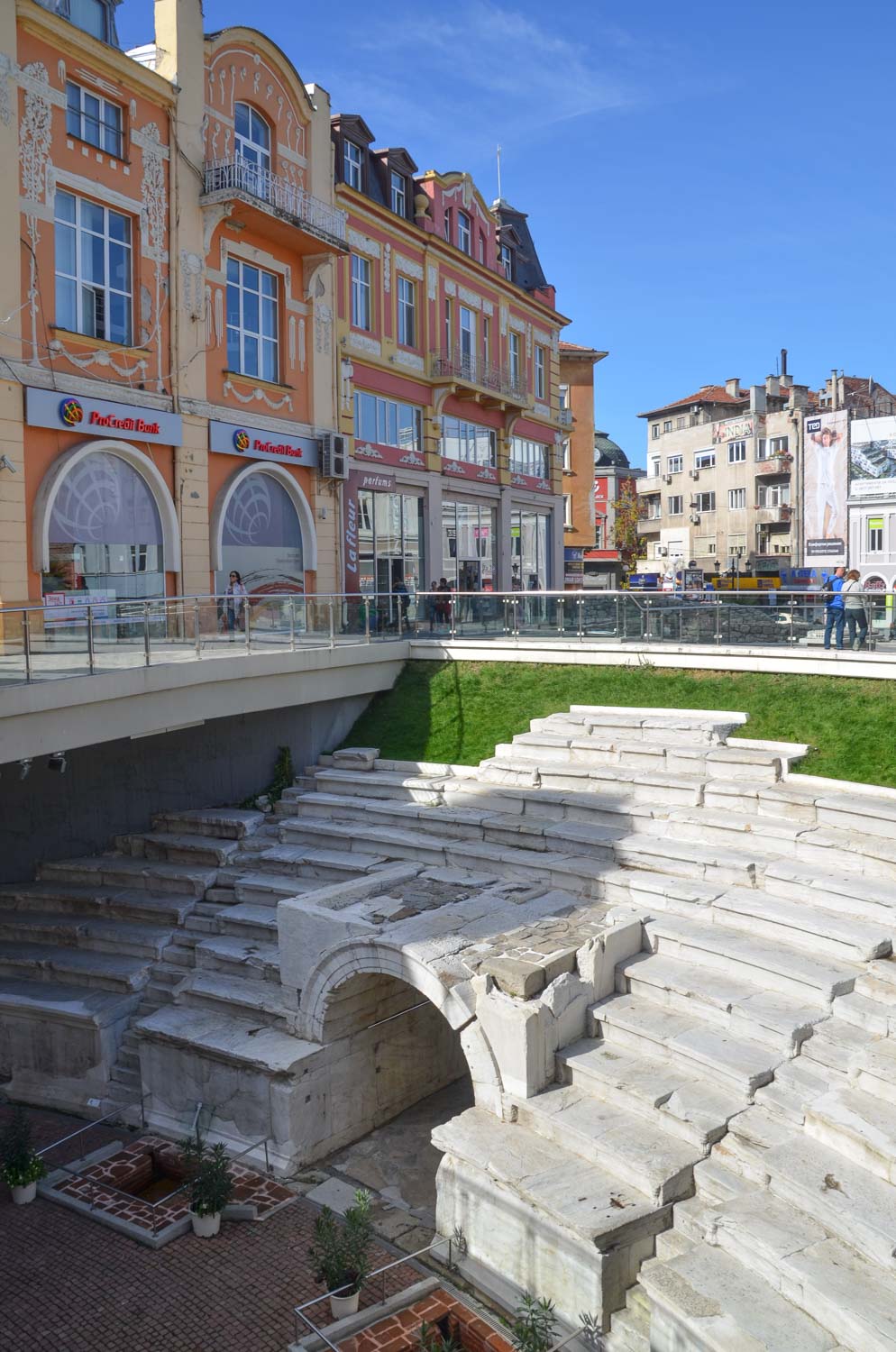
The Ancient Roman Stadium of Plovdiv was built in the 2nd century, during the reign of Emperor Hadrian, and lies beneath the main street from Dzhumaya Square to Kamenitsa Square. It was modeled after the stadium in Delphi. The Plovdiv stadium was approximately 240 metres (790 feet) long and 50 metres (160 feet) wide, and could seat up to 30 000 spectators. Below is the entrance to the stadium.

The athletic games at the stadium were organised by the General Assembly of the province of Thrace. In their honour the royal mint of Philippopolis coined money featuring the face of the ruling emperor as well as the types of athletic events held in the stadium.

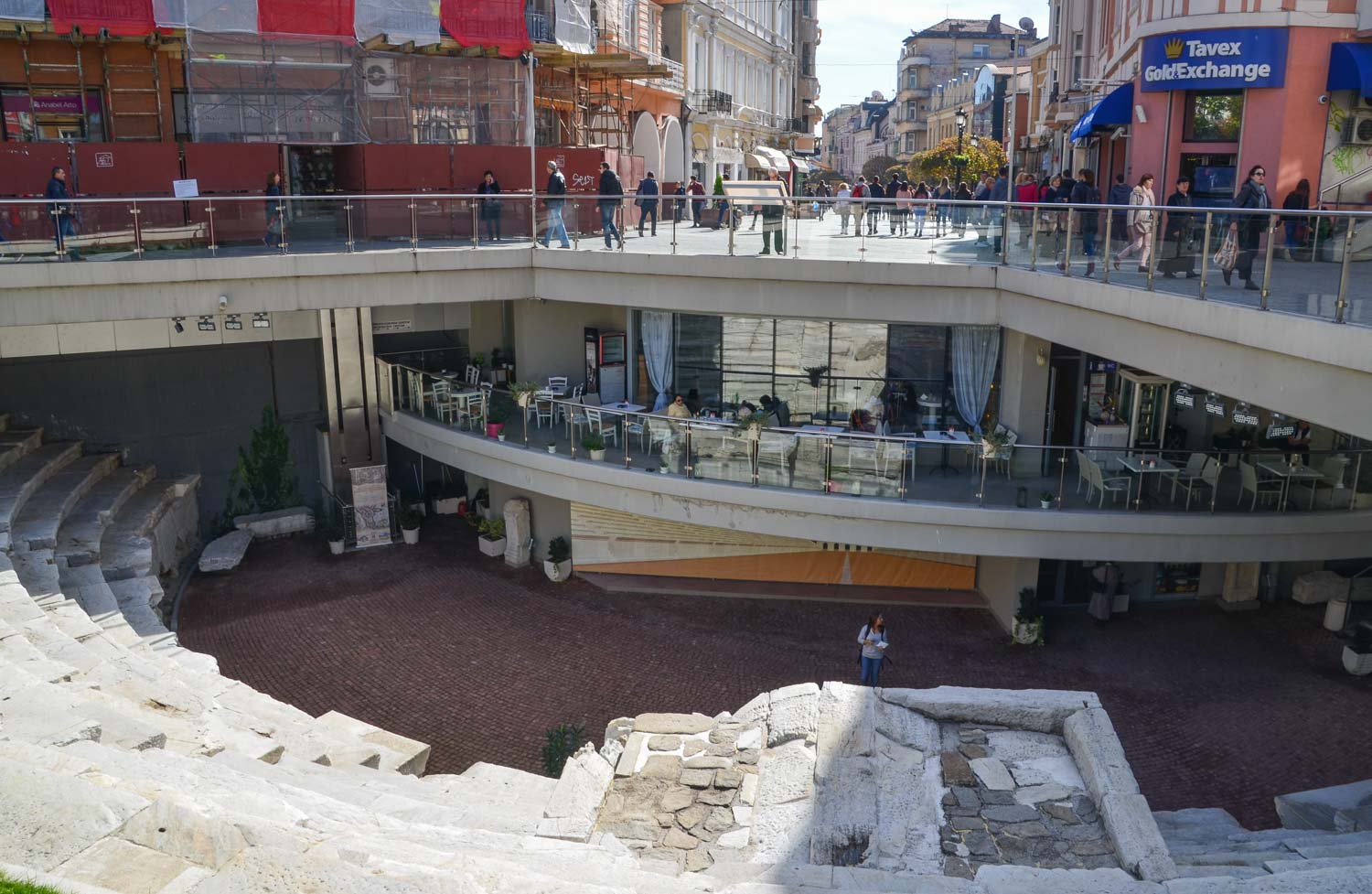
Only a small part of the northern section with 14 seat rows can be seen today; the larger part lies under the main street and a number of buildings.

But, you can step down through the layers and meet the combination old/new in a very fascinating setting, with café’s, shops and …steps and stairs from different times.

Atlas? Keeping us safe. Holding the World.

Detta bildspel kräver JavaScript.

I do not think I have ever visited a city that manages to combine the Old with the New as gracefully and innovatively as Plovdiv. I more than understand the choice of this city for European Capital of Culture in 2019. I might return then… there is much more to discover here! Maybe I will see you there – 2019?

Plovdiv – Old Town, 6th Millenium BC

Plovdiv is the second largest city in Bulgaria, with a population of about 342 000 inhabitants. Plovdiv has evidence of habitation since the 6th millennium BC, and is said to be one of the oldest cities in Europe.

The city of Plovdiv has a long history – and almost as many names as rulers – best known for Philippopolis, ”Philip’s Town”, as Philip II of Macedon conquered it in the 4th century BC and gave his name to it. The city was originally a Thracian settlement, later being invaded by Persians, Greeks, Celts, Romans, Goths, Huns, Bulgarians, Slav-Vikings, Crusaders and Turks.  On 4 January 1878, Plovdiv was liberated from Ottoman rule by the Russian army. It remained within the borders of Bulgaria until July of the same year, when it became the capital of the autonomous Ottoman region of Eastern Rumelia. In 1885, Plovdiv and Eastern Rumelia joined Bulgaria.

Having read this…and more – we just had to go there. What would a city like this look like? So many conquerors and rulers, so many different ideas, art and architecture.

So, contemplating this on the bus, the beauty of the landscape and the snow capped mountains kept our eyes open.
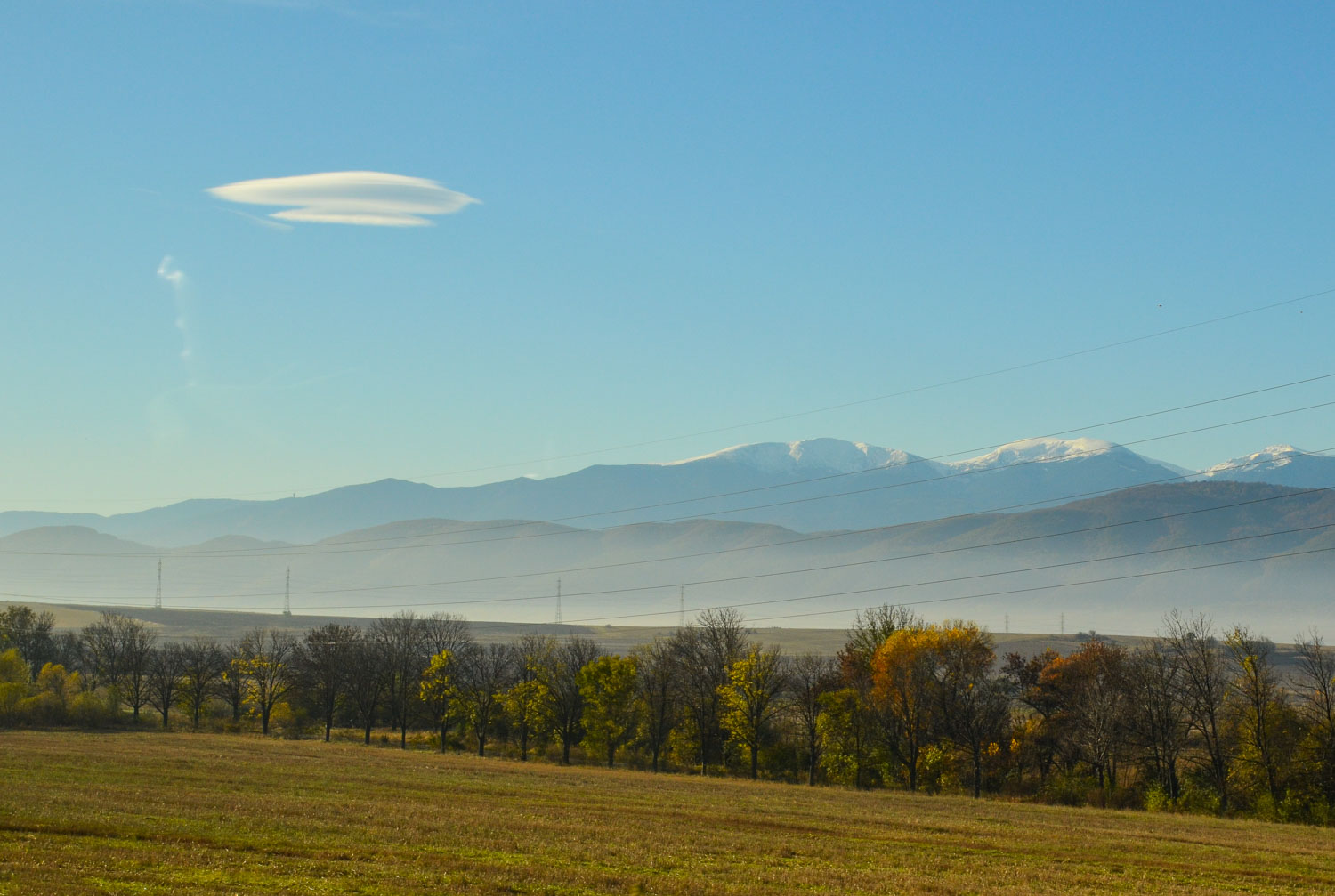
 

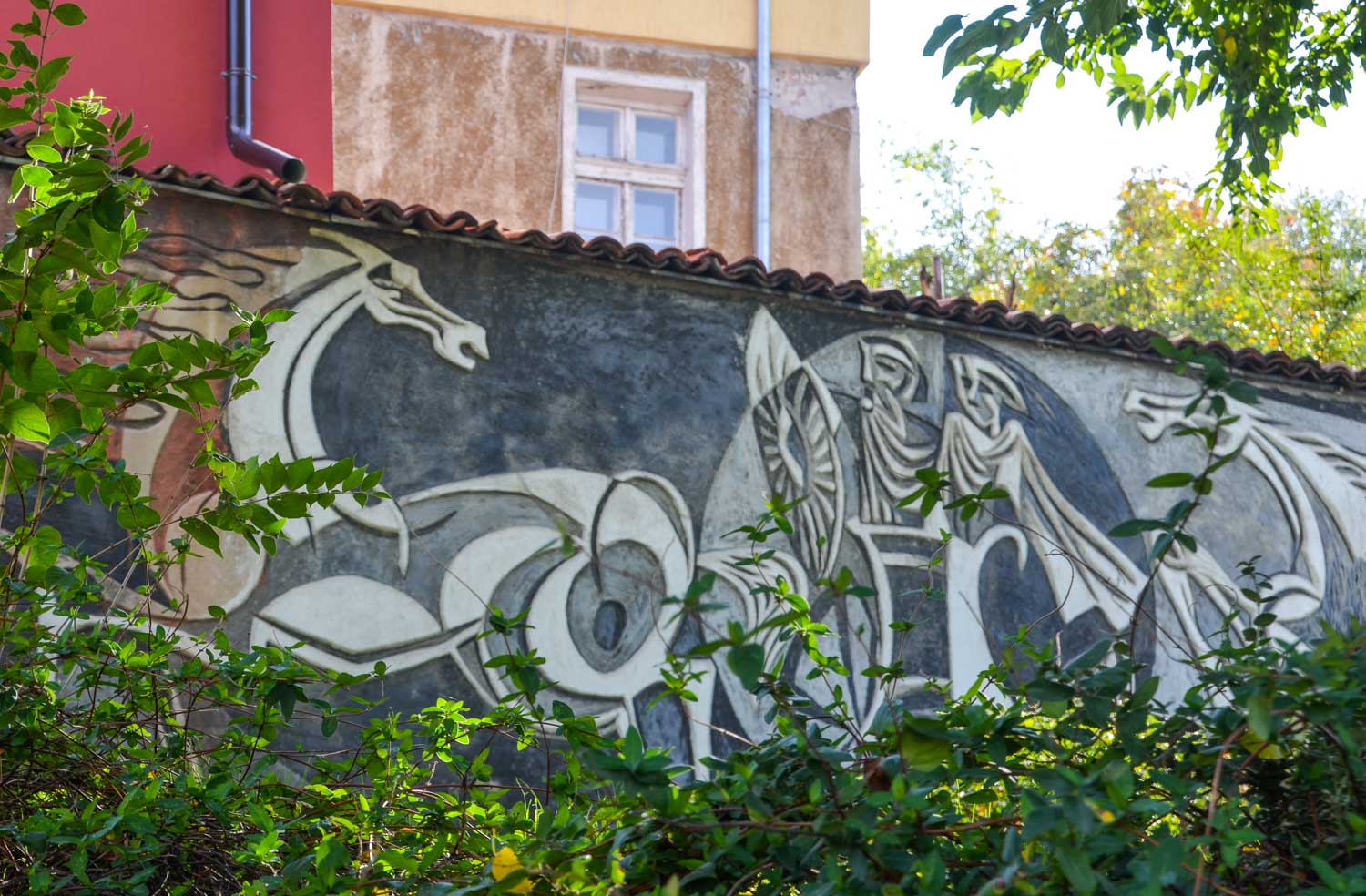
The old town in Plovdiv is located on three of Plovdiv’s (originally seven) hills: Nebet Tepe, Dzhambaz Tepe and Taksim Tepe. Today there are only six hills left, because the seventh one was taken down to become cobble stones for the streets.  The old town in Plovdiv is included in UNESCO World Heritage tentative list since 2004.

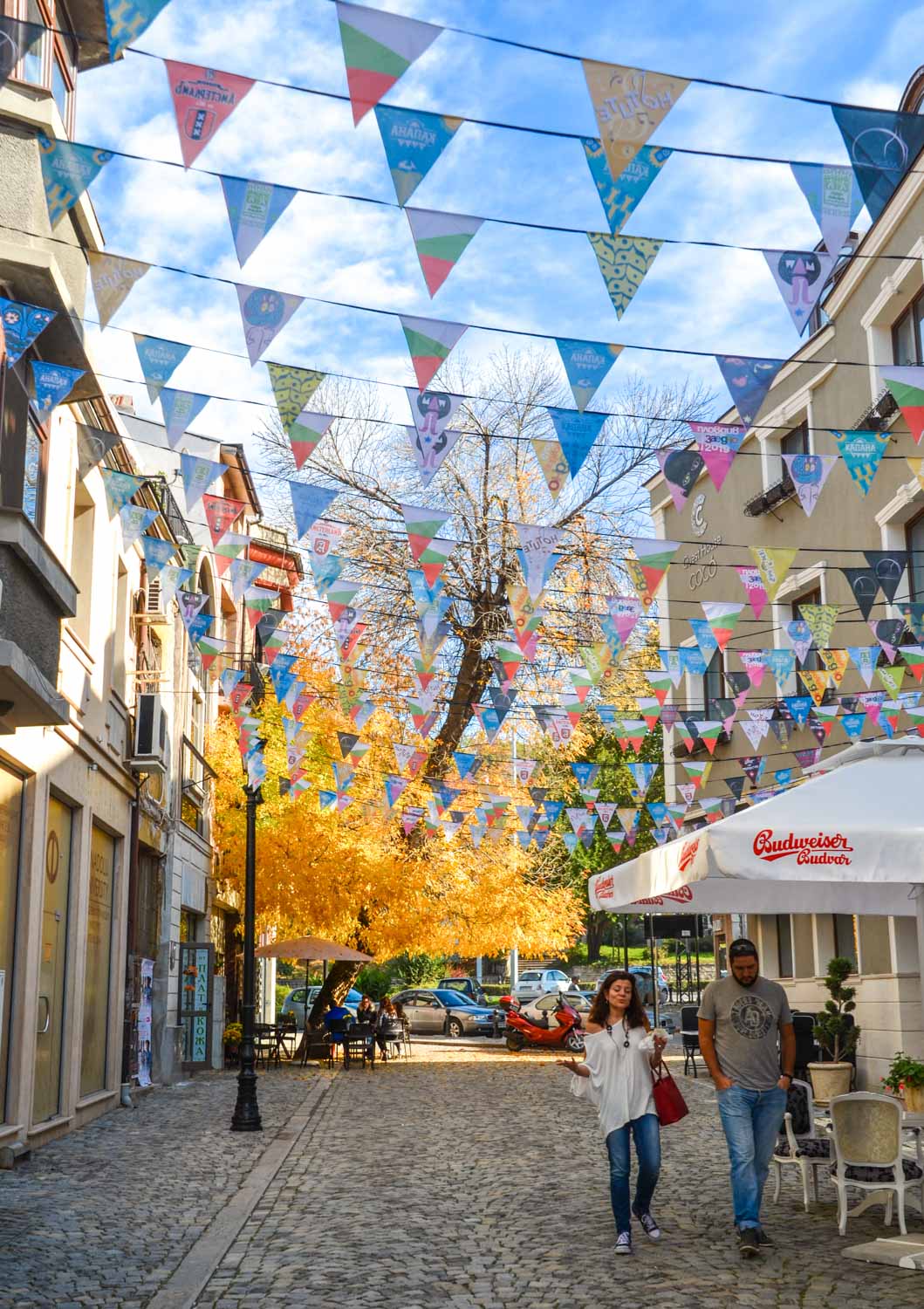
At first we could walk peacefully in the quiet streets…but then it seemed every school in the neighborhood flooded the alleyways.

Our main goal was the ancient theatre – with seats today for 3500 people. (Originally for 5000-7000 people).

The Roman theatre of Plovdiv is one of the world’s best-preserved ancient theatres. It was constructed during Roman Emperor Trajan (reigned 98–117 AD), and it is currently in use for operas, concerts, plays and more. The theatre was restored in the 1960’s, and is one of the most valuable monuments from the ancient city of Philippopolis.


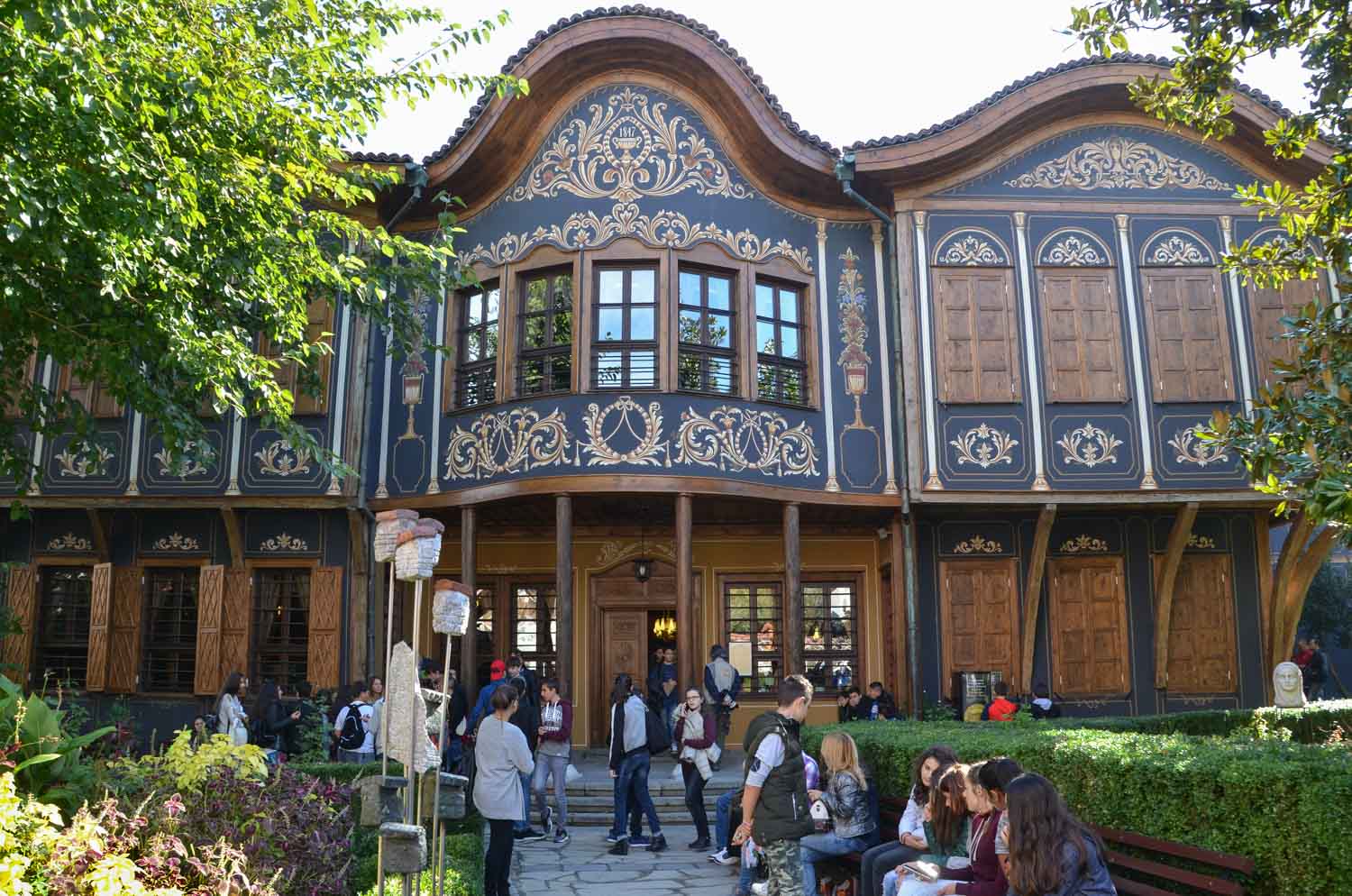
The house of Argir Hristov Kuyumdzhioglu, a merchant from Plovdiv, was built in 1847, and has been described as a prime example of Plovdiv’s mid-19th century Baroque architecture. The house has a symmetric facade; it is two stories tall on its west side and four stories tall on its east side. The Kuyumdzhioglu House spreads over 570 square metres and has 12 rooms and airy salons (where each room has a carved wood ceiling)- and 130 windows. Both the house’s interior and exterior boast sophisticated floral motives. The municipality bought the house in 1838, carried out renovations, and organized it as an ethnographic museum.
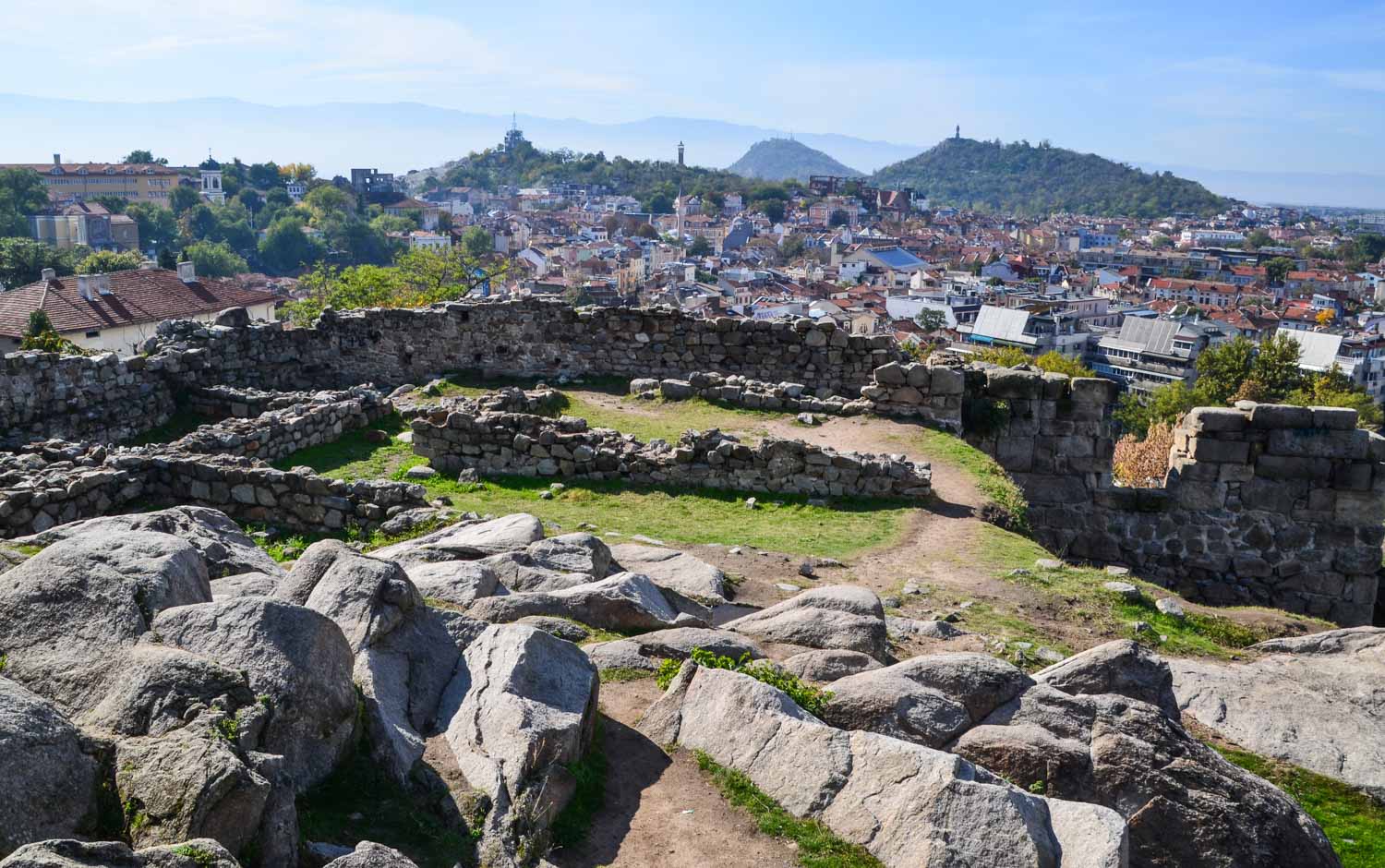
The lonely tree might not be very old, but it stands overlooking the remains of the olden days as well as the newer city. I wonder what he/she is thinking?

 

Umeå kulturhuvudstad 2014

UMEÅ2014 European Capital of Culture

http://umea2014.se/

invigningshelgen toppbild_750

Image for ”Burning Snow”

https://i0.wp.com/umea2014.se/wp-content/uploads/2013/11/2014webb_Tao_rock3.jpg