A frame is a frame…but, so much more!
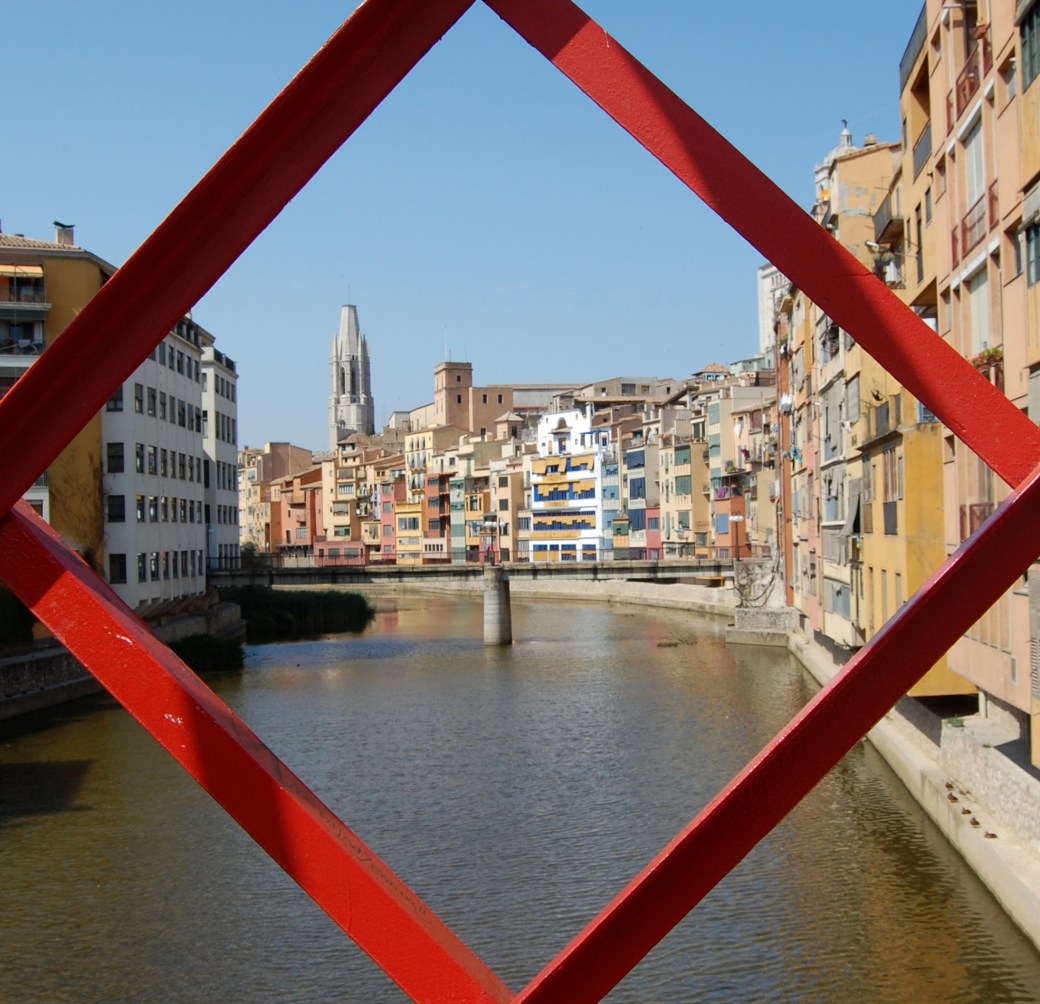
These two are from Spain – an empty frame and a frame in a frame.

A frame is a frame…but, so much more!
These two are from Spain – an empty frame and a frame in a frame.
For Cee’s challenge in black and white, she has chosen Trees. Trees are my favourites on this earth…and my pick is a piece of the forest I walk in every day. Autumn is the feeling.

Cee’s Fun Foto Challenge: Feathers
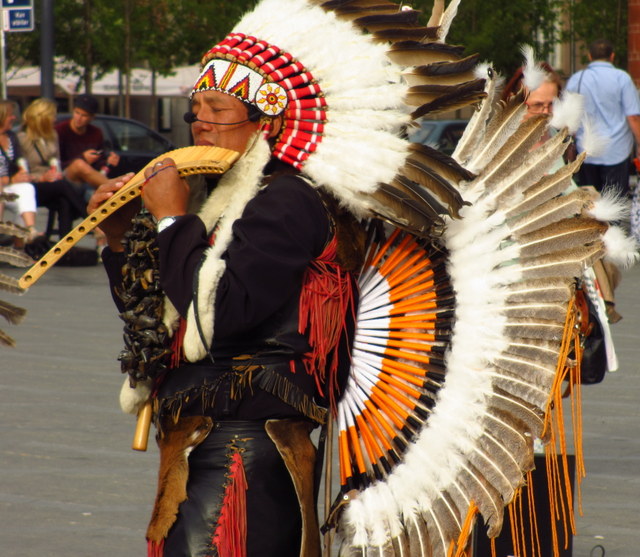
Feathers human style – Borrowed feathers. For fashion or for tradition and feast.
Yes, why yellow walls? Driving through the north of Spain, I recognized this almost saffron colour on a great many walls in the cities and villages.
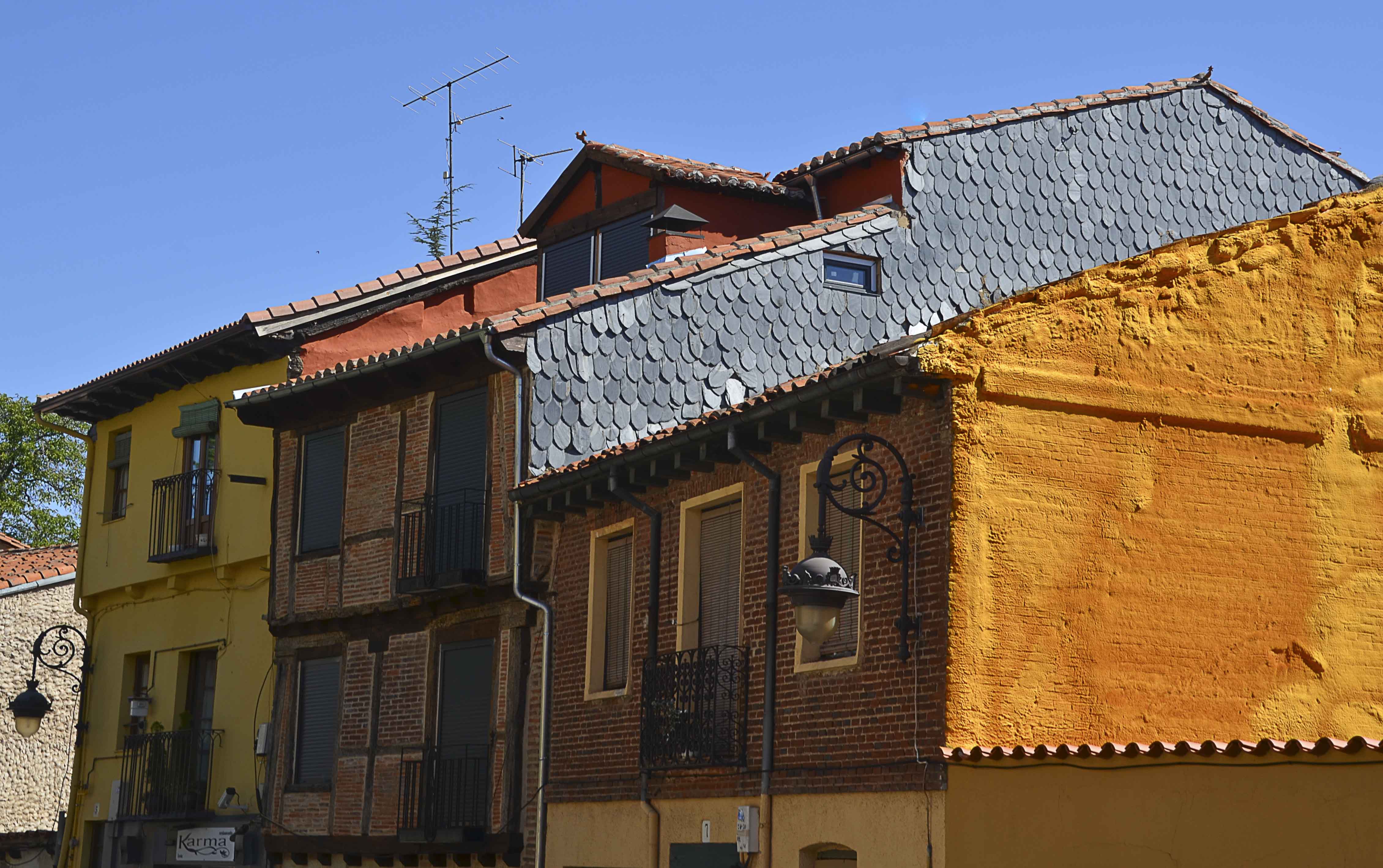
Personally, I love this colour. Its warmth and connection to Africa and to the desert.
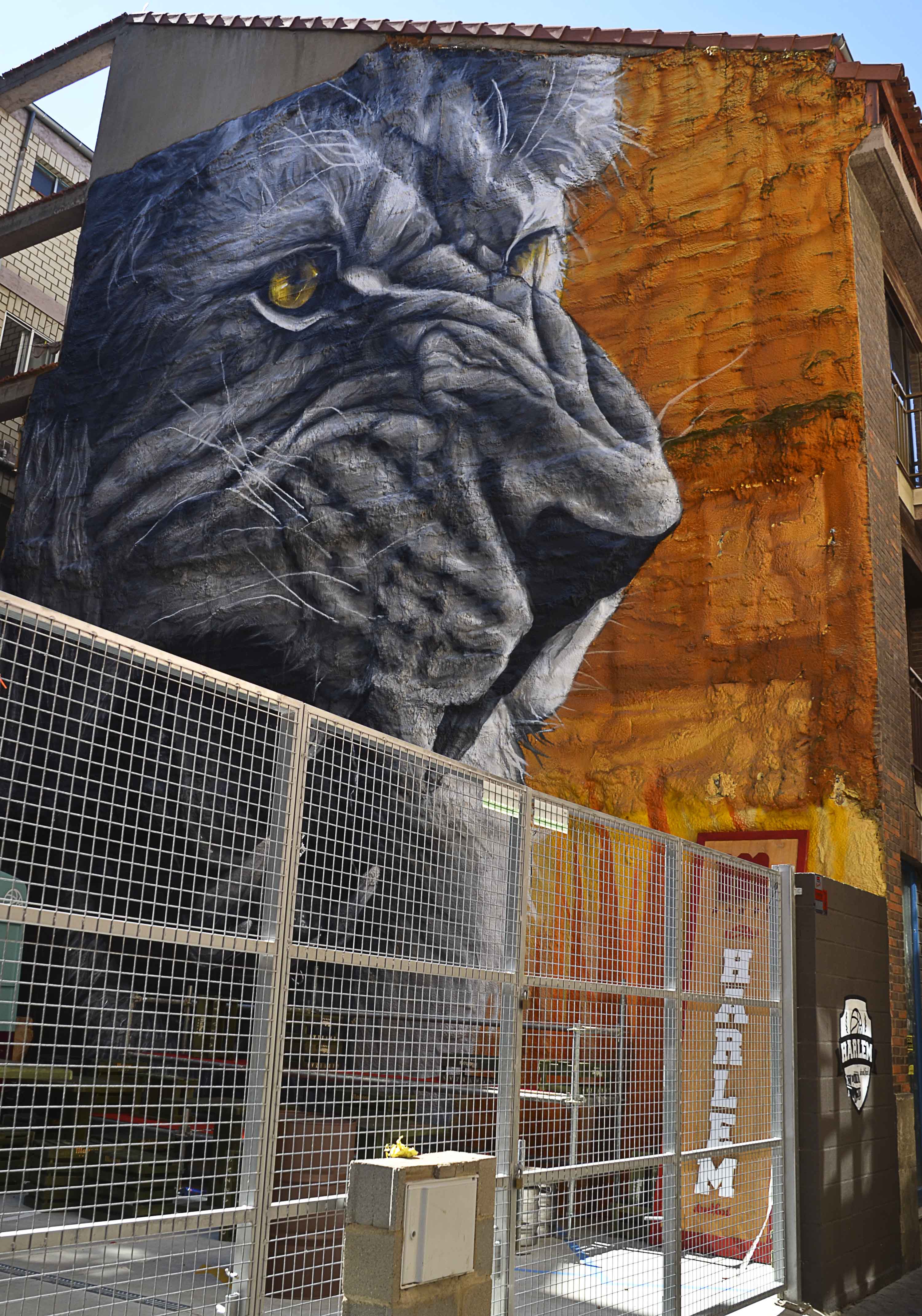 In Pamplona I found this enormous Lion on such a yellow wall – Impressive painting, and so in harmony with all that yellow. On a closer look, I found the painting even more impressive.
I still do not know why those walls are painted saffron yellow, but at least I have figured out what the colour is hiding…
 …the anatomy of what once was.
In the header, the replica in Gernika of Pablo Picasso’s Guernica – reminding us all of the 1937 bombings. His masterpiece is hanging in the Reina Sofia museum, Madrid.
The Assembly House (built 1826) and the Tree of Gernika are the living symbols of the Basque People’s history.
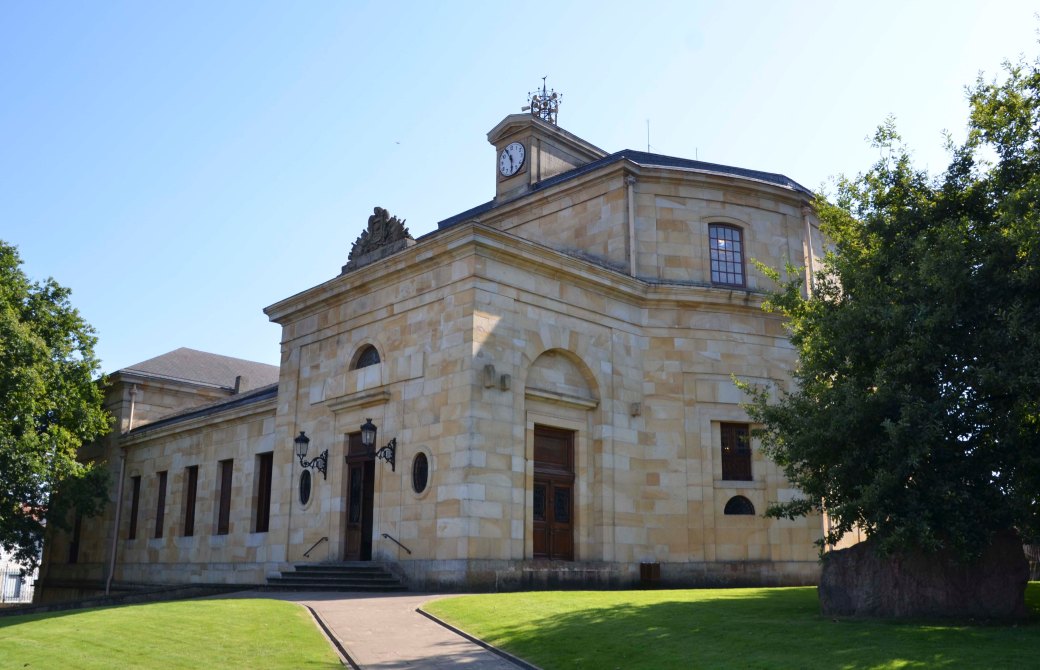
The two of them became a meeting point of all the territories of the Basque Country – bringing together cultural and ethnographic traditions.
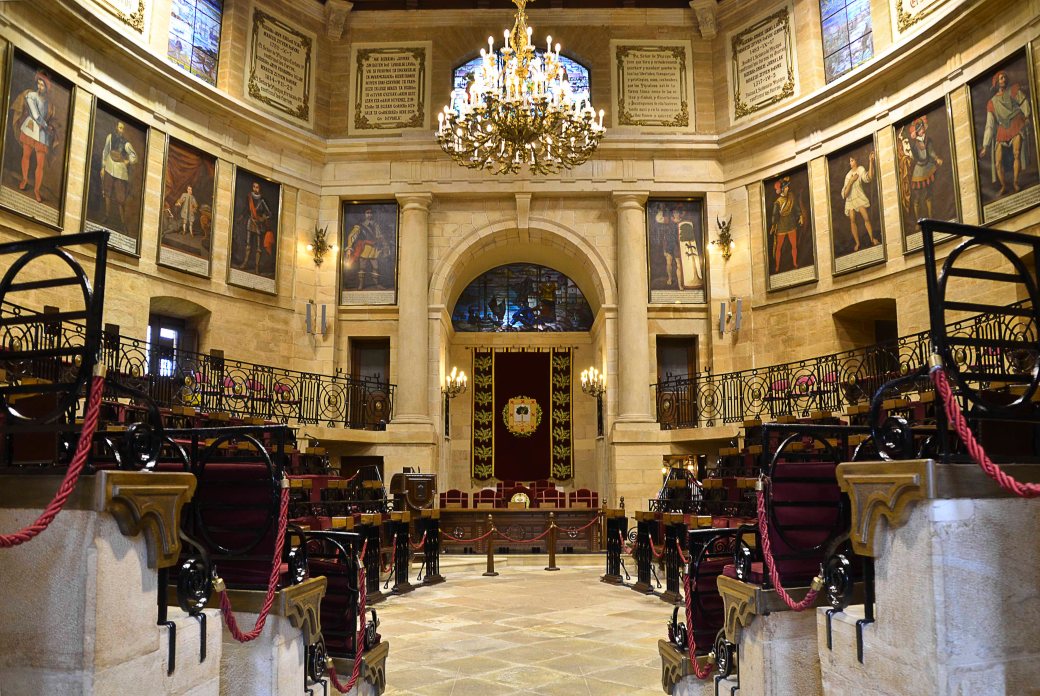 In this room are held all the plenary meetings of the General Assembly. It was conceived as a Church-Parliament that could bring together political and religious functions at the same time. The portrait gallery shows different dates when the Oaths were taken for The Old Law ( based on usage and custom) in a ceremony.
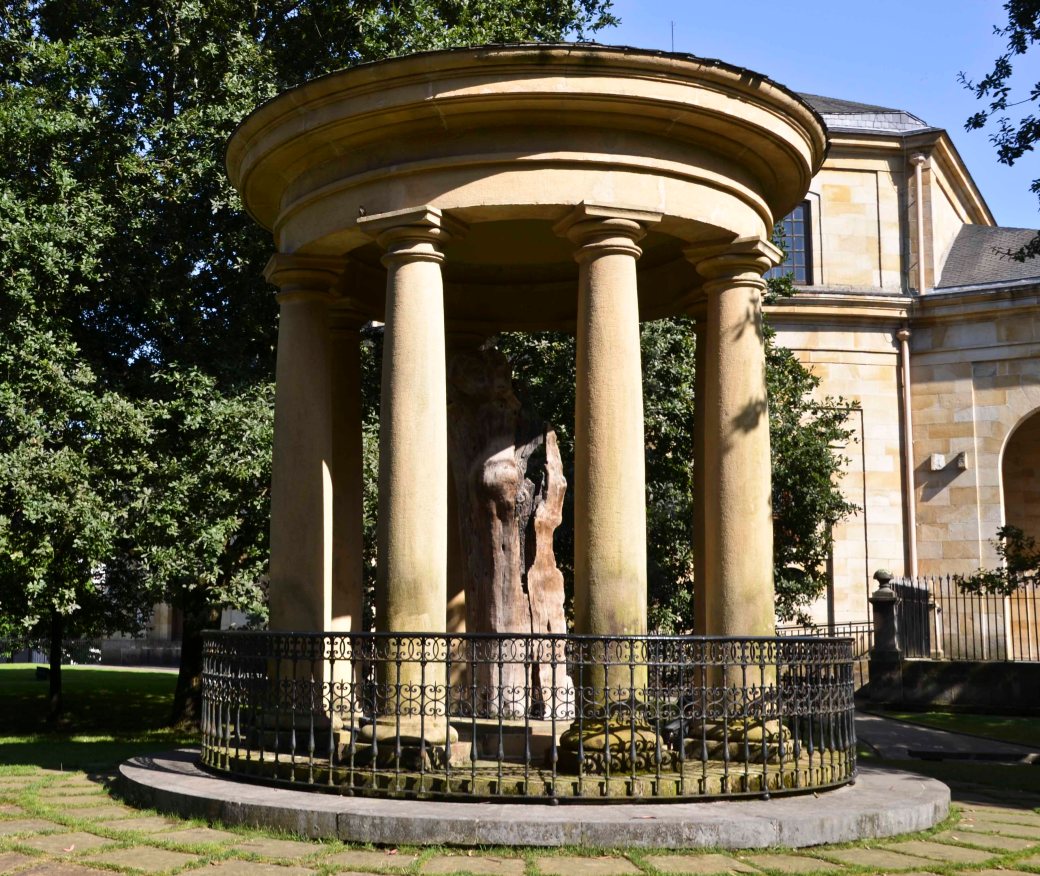 The Tree og Gernika is the best known symbol of the Basque People.
For centuries, under its shade the meetings of the General Assembly were held. This is the old trunk of the oldest remaining of the Assembly Oaks, planted around 1700. A new oak tree (a direct successor of the old one) is planted when the old venerable tree is gone.


Everywhere is the symbolic tree represented, in embroideries as well as wood carvings.
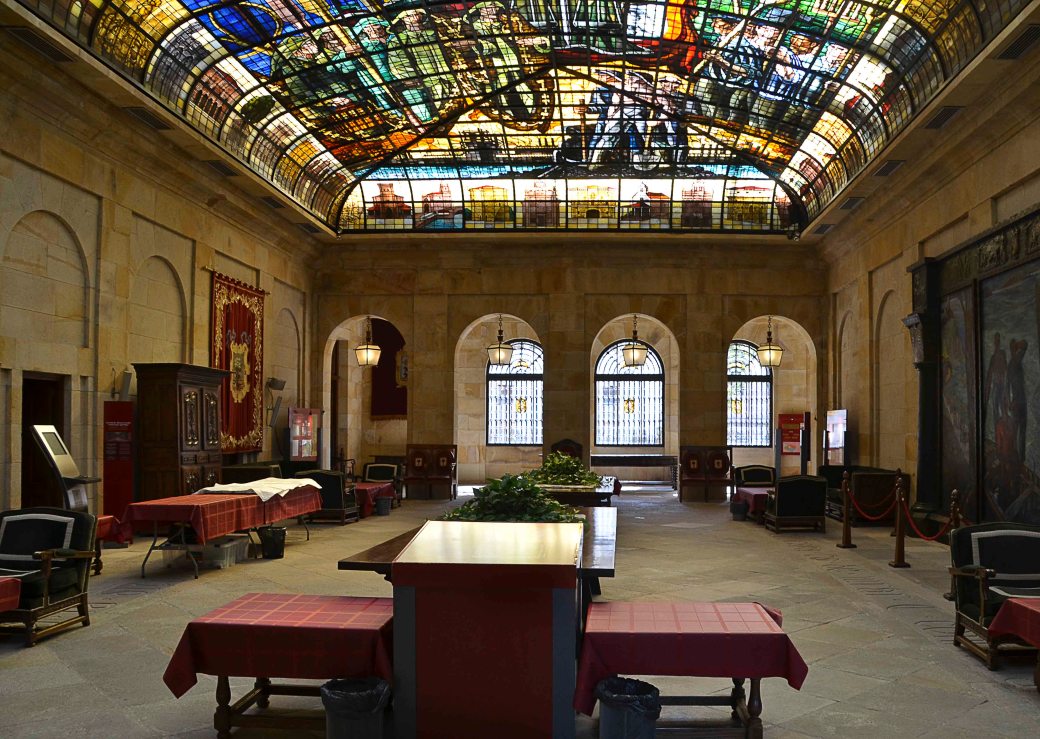
This is the Room of The Stained Glass Window. The space was originally designed as an open air patio, and is now currently employed for institutional uses.
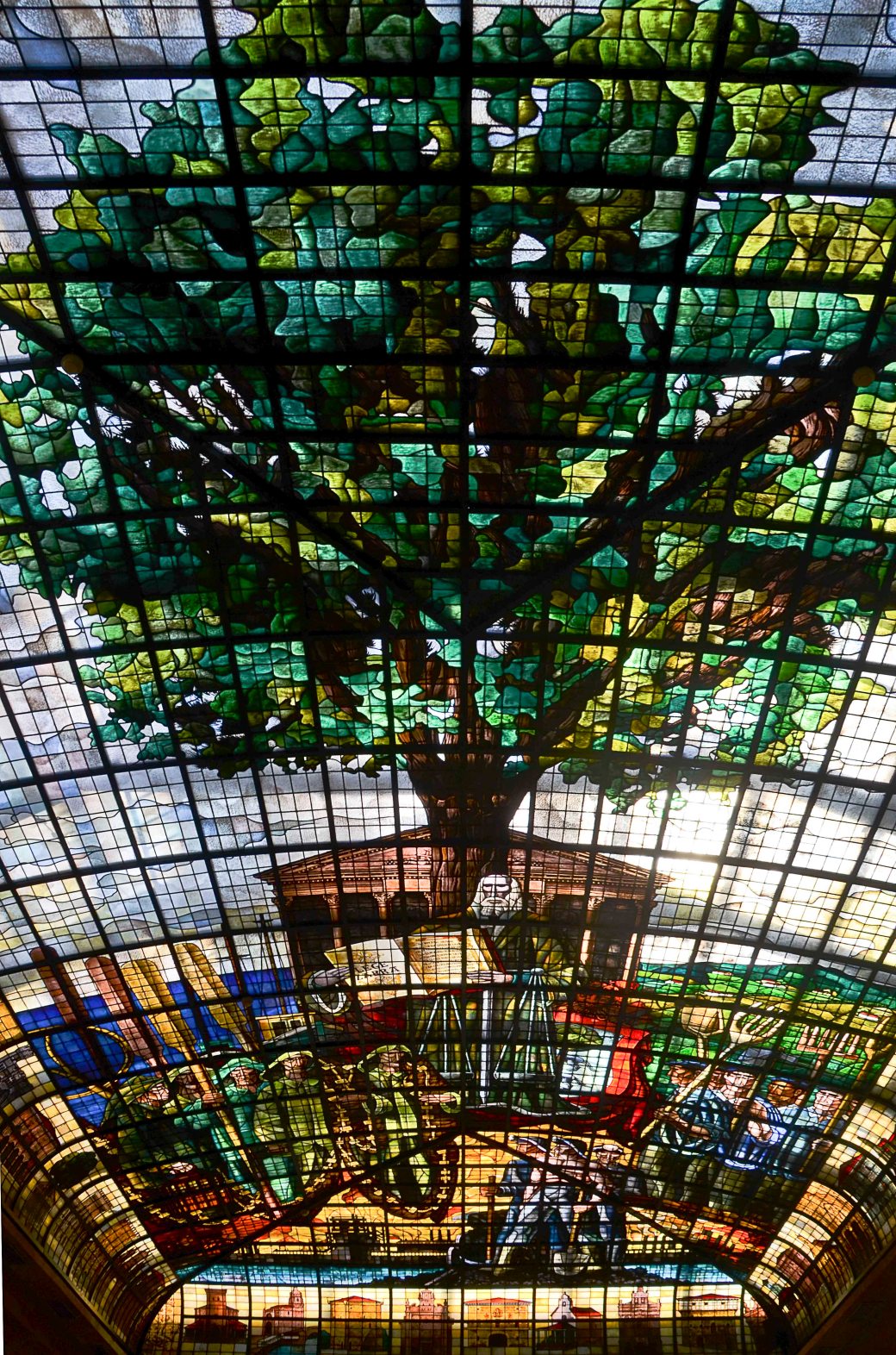
The gigantic stained glass window – or in fact ceiling – completed in 1985, has a special significance. It was crafted completely by hand by a company from Bilbao, Vidrieras de Arte S.A. It is a graphic representation of the Tree as a meeting point for the districts of Bizkaia.

”I am watching your every step…”

Towards Pas de Rolande, where Charlemagne’s army was ambushed after the sacking of Pamplona – celebrated in the medieval poem, Song of Roland.

Along the road we met a herd of, what we believe was, Iberian wild goats. The gamey smell filled the air, and soon we saw them climbing the stony slopes up on our right side as well.
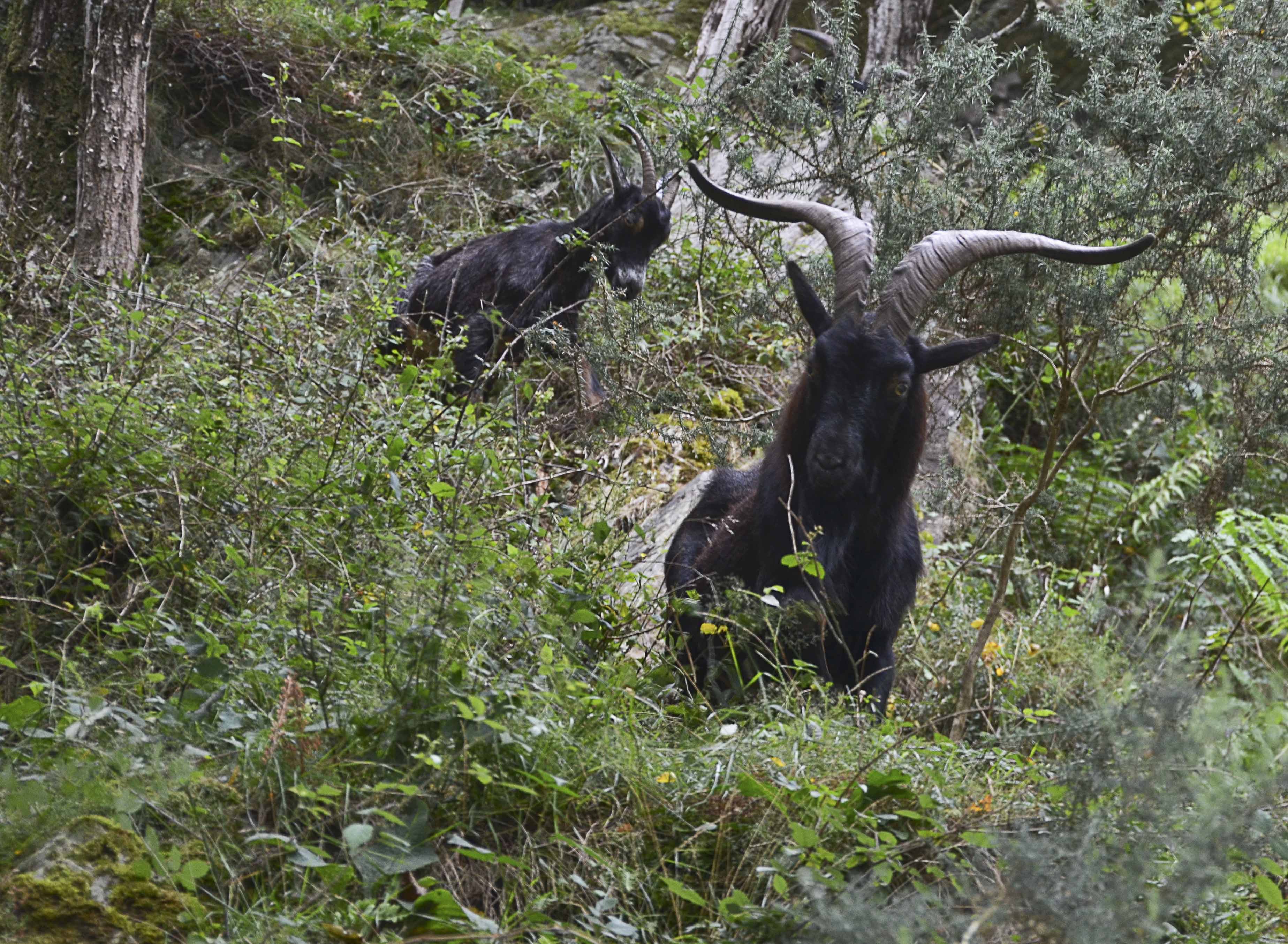
As they were rather close to the road, about 5-10 metres up, we could study them roaming the bushes, popping up a head every now and then.


We reached the rock formation in the gorge. According to legend, the gap once was created by Roland’s horse.

On my way back, alone, (my husband went back before me) the strong smell from the goats appeared again. And, I was lucky to witness this piece of wild life -love life!


”Well, I have seen it before…and in my younger days I would…
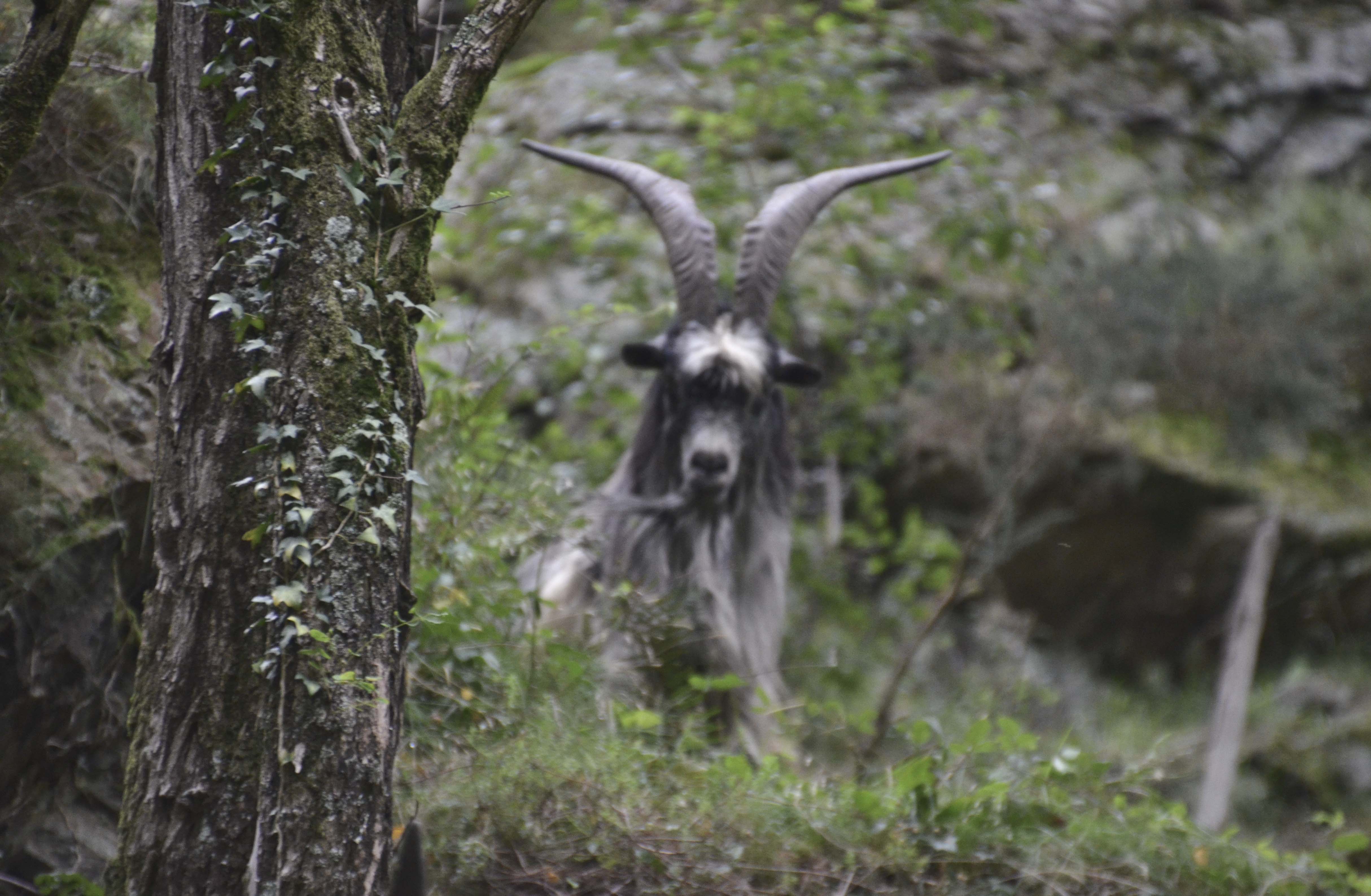
…win all of those fights…”
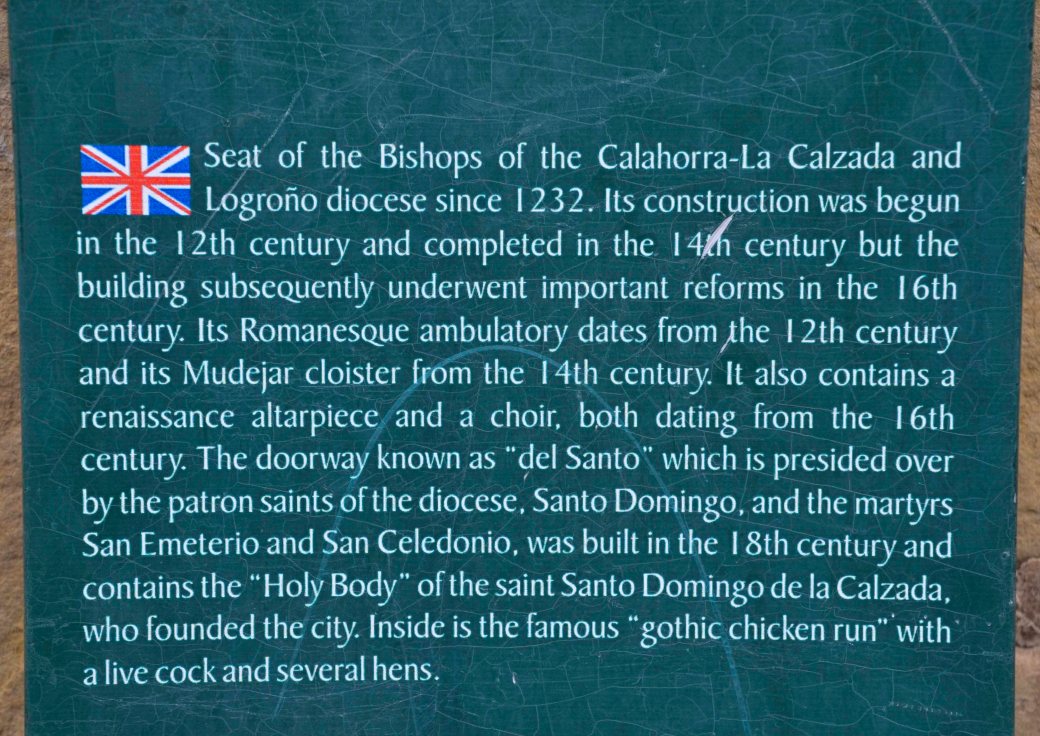 Legend has it that Santo Domingo, who lived around the year 1000, was honoured for his miracles … by keeping a live cock and hen in a golden cage in the church wall.
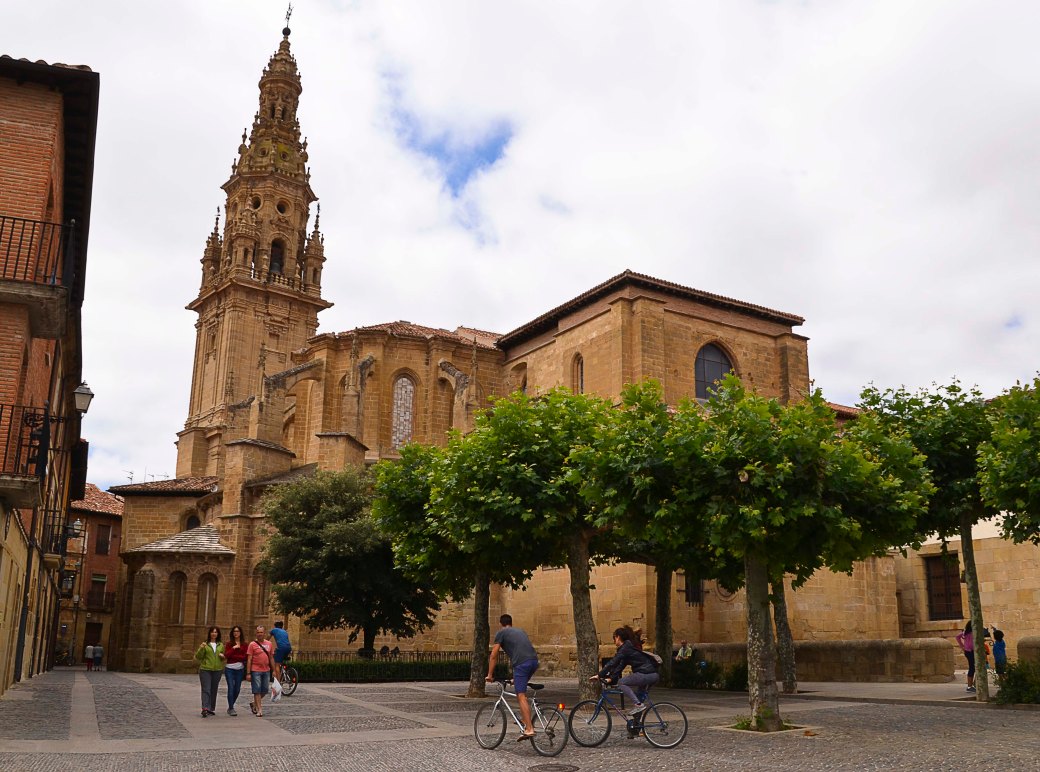 Santo Domingo de la Calzada
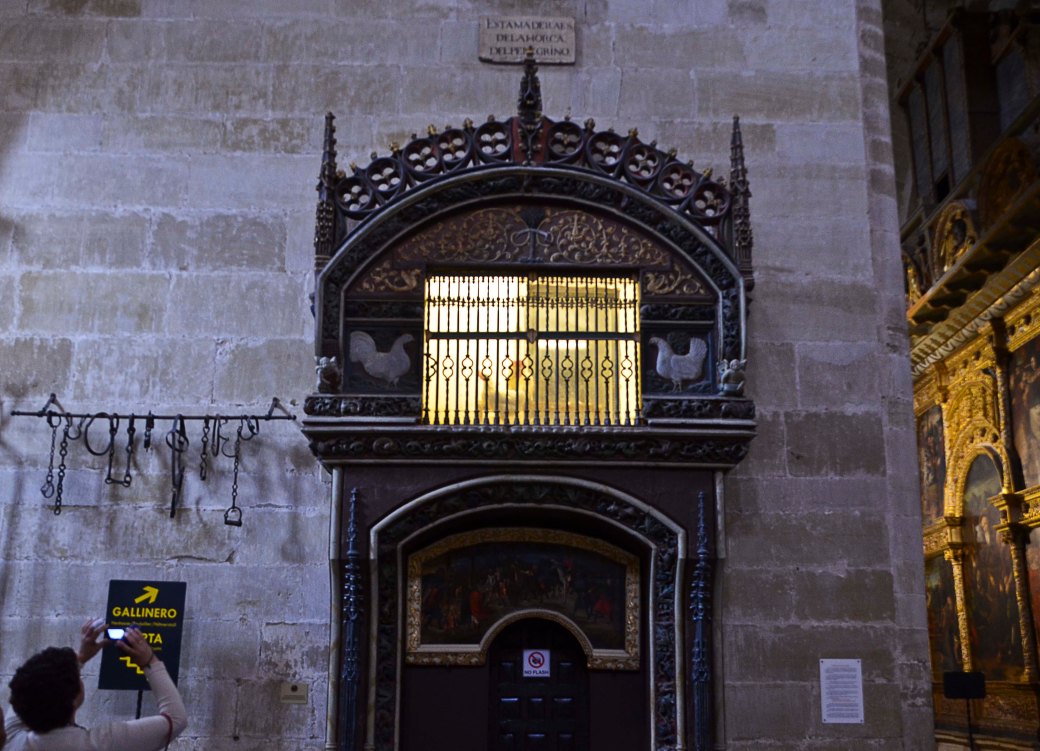
The story tells of a German pilgrim, who rejected a local girl’s love, but then she wrongly accused him of theft, and the pilgrim was hanged. Later his parents found him still alive in the gallows. The parents went to the local judge, who said: ”Nonsense, he is not more alive than the cooked rooster on my plate.” Then the rooster stood up and crowed.
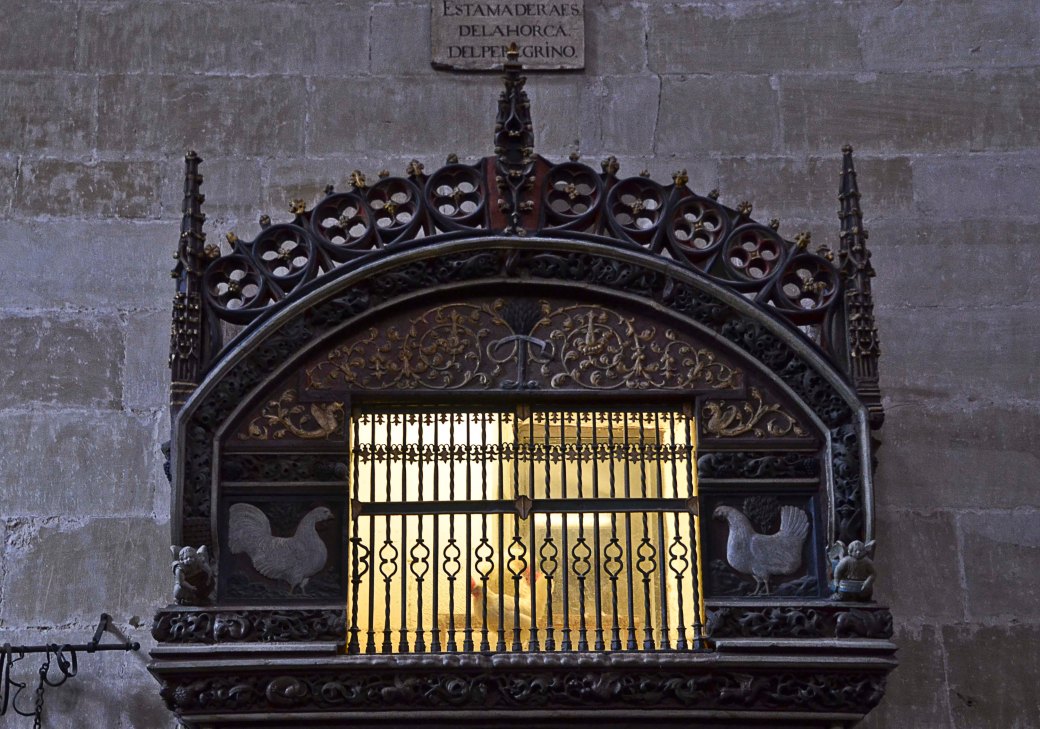
Believe it or not – but they are still there…
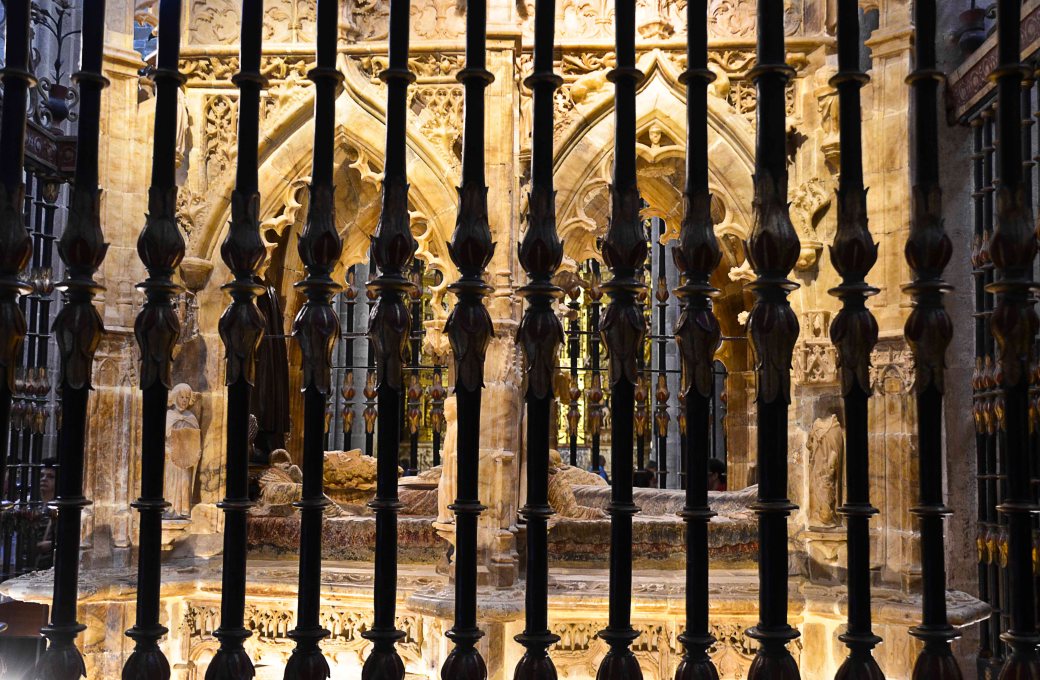
…and so is the saint – but in another cage.

A rather big city, renowned for its yearly dangerous race between men and bulls…
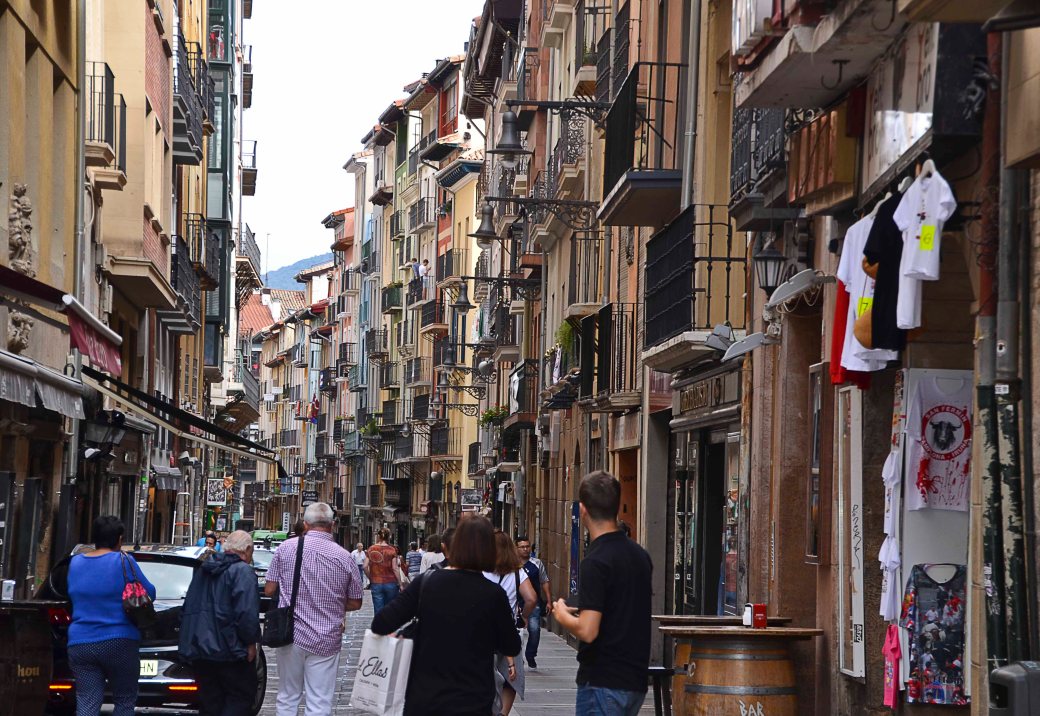 …running along this street…

…ending up in the arena on the other side of these red doors.
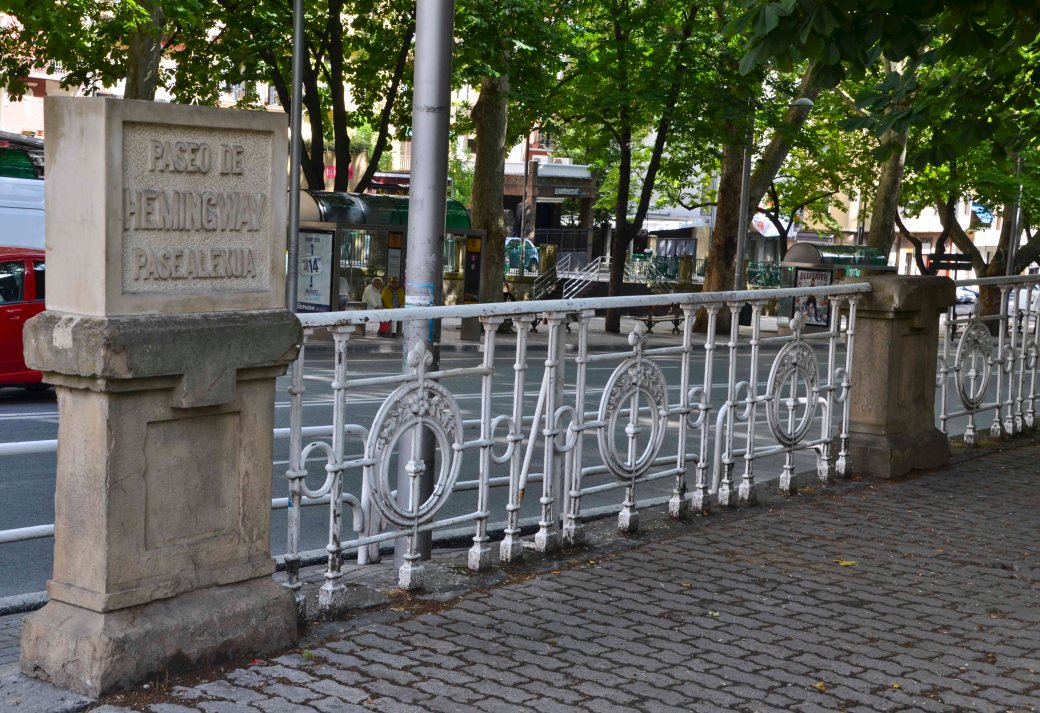
The man who made this race known to the whole world had a street named after him here – just beside the arena.

And he happens to be one of my favourite authors. Although I must say the monument does not do him justice…
Surely you, by now, know where we are in Spain? – Pamplona!

 Leya
Leya 
Du måste vara inloggad för att kunna skicka en kommentar.