An inordinate passion for pleasure is the secret of remaining young
Oscar Wilde.
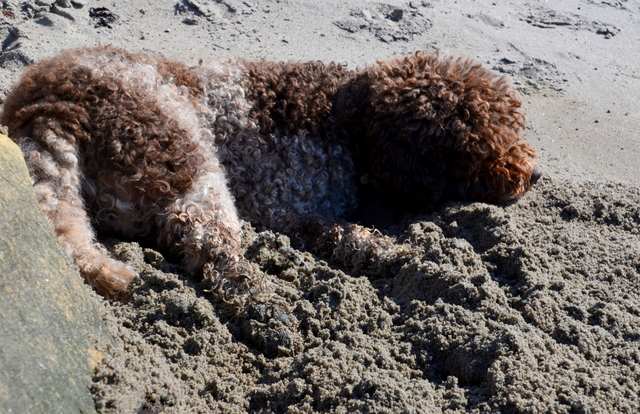

Visit Ese for more Pleasure!
An inordinate passion for pleasure is the secret of remaining young
Oscar Wilde.
Visit Ese for more Pleasure!
Ailsa’s Travel theme invites us to glow this week. These three beautiful bridges of Budapest surely knew they would be glowing here one day! I loved the green bridge – even at night.

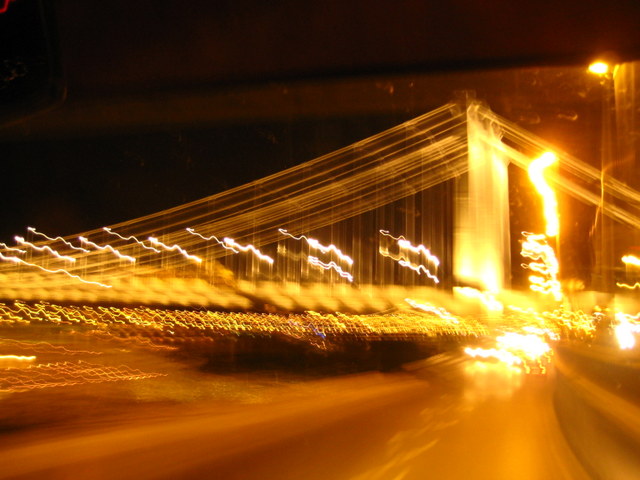
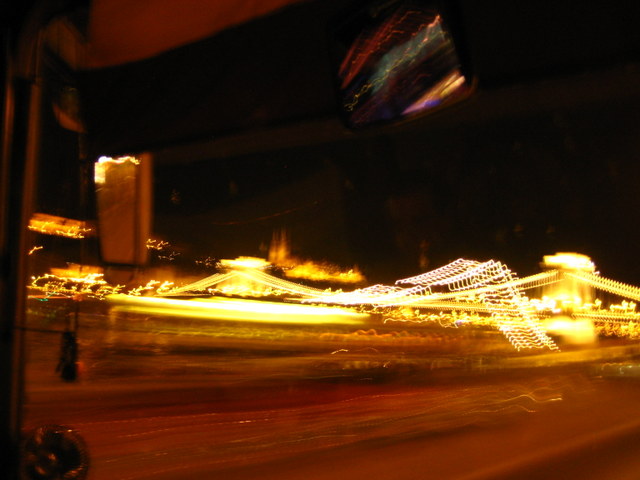
Funny how the results of playing with the camera, entertaining my students, might come of use one day. Here we are exploring Budapest by night.
Letters – letters and words, combined they make language. One of the things separating us from animals – the written language. What would happen if we didn’t have it? Letters and words give you power. Not only for Love. They are the strongest weapon. Burning books is still done…, leaking written facts…, starting and ending wars. Letters.
The most beautiful letters I know of are the Tibetan letters. The skill of making them is pure art. This is not a full alphabet, but called an alphasyllabary. It is a segmental writing system in which consonant–vowel sequences are written as a unit: each unit is based on a consonant letter, and vowel notation is secondary. Read more about the alphabet here.

These pilgrim stones are placed on the path leading up to the Pothala Palace in Lhasa, Tibet. Even if I don’t know the exact meaning of what’s written on them, I think I know something of their content.
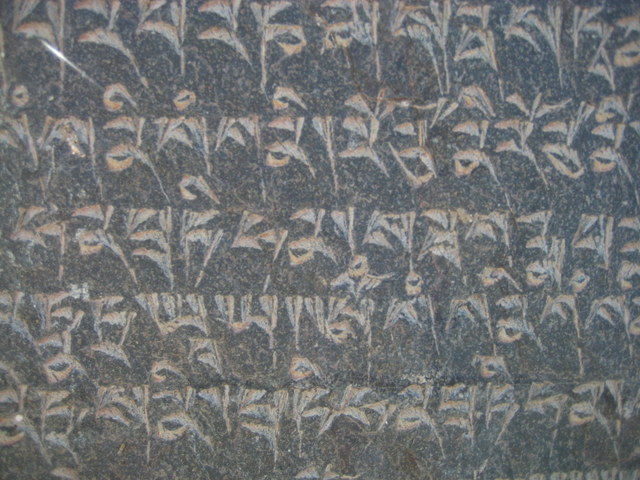
I know that somewhere on these stones is carved the primary mantra of Tibetan Buddhism. It is commonly carved onto rocks or written on paper that’s inserted into prayer wheels. When the wheels are spinned the prayers will find their right way without someone constantly reciting them. Oṃ Maṇi Padme Hūṃ (Tibetan: ༀམཎིཔདྨེཧཱུྃ )

We’re all here at the same time and we should celebrate that.
George Weinberg

For more celebrating – click here.
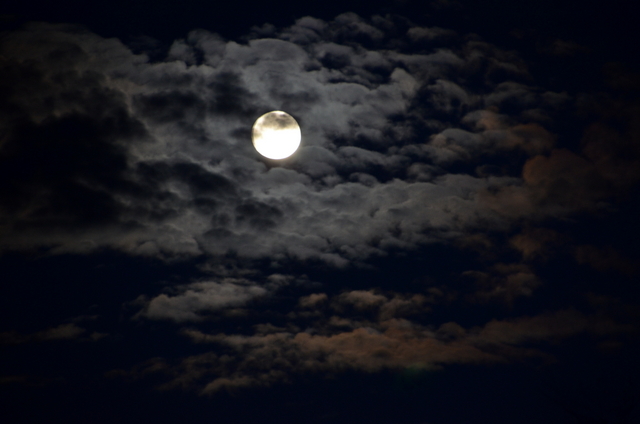
Ailsa’s Travel Theme this week is Round. Outside my window it was hanging there, from a branch in the sky – the full moon.
Easter is here – let’s have a colourful miniparade celebrating it! This morning in my garden and in my town – Happy Easter!


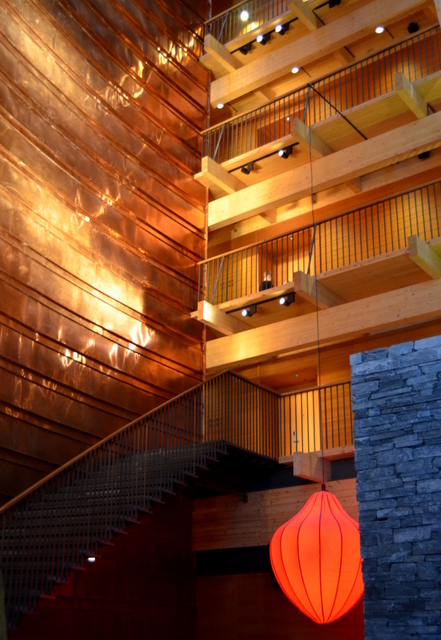 On visiting my blogger friend Maria of MariaYarri, in Jämtland this winter, she showed me a glimpse of the famous Copperhill in Åre.
Åre is a major ski resort in Jämtland, and this lodge is as shiny and extraordinary as it is expensive to stay in…
I was fortunate to live at Maria’s instead. And everything was excellent there – food, service, conversation, entertainment, company and guiding during the days. This beats Copperhill – not a chance I would have changed my lodgings!
For more things shiny – click here.

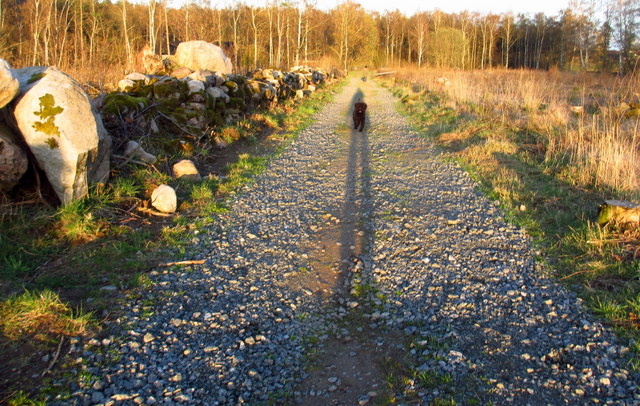
An early morning walk is a blessing for the whole day.
Henry David Thoreau

Read more at http://www.brainyquote.com/quotes/keywords/whole_2.html#e5t6lm5llsbShiIO.99
Read more at http://www.brainyquote.com/quotes/keywords/whole_2.html#e5t6lm5llsbShiIO.99
For more whole interpretations – visit Ese here. Or, why not participate yourself?


 Leya
Leya 
Du måste vara inloggad för att kunna skicka en kommentar.