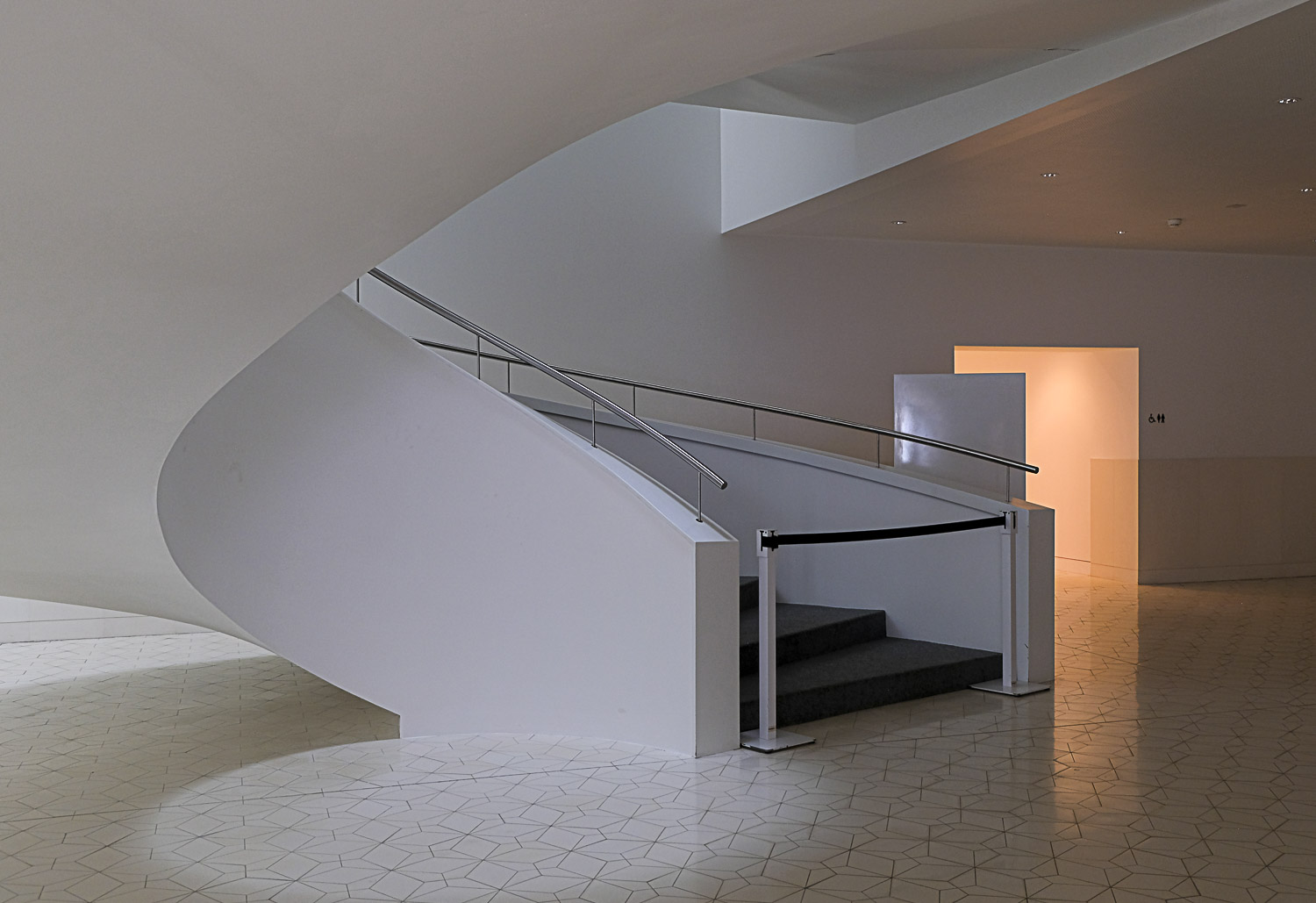
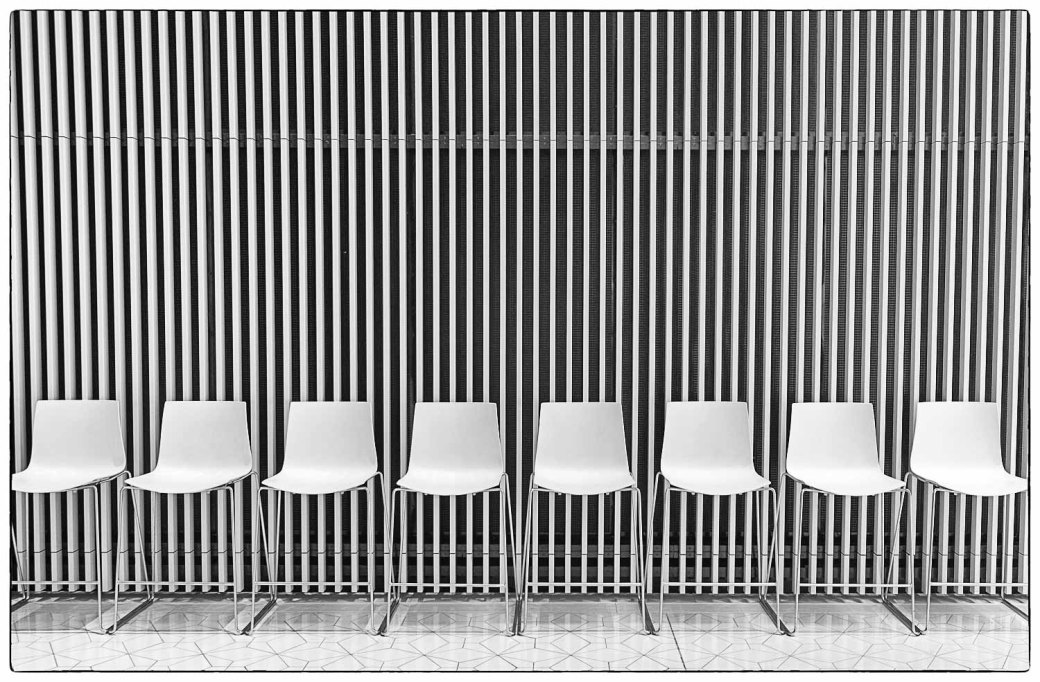
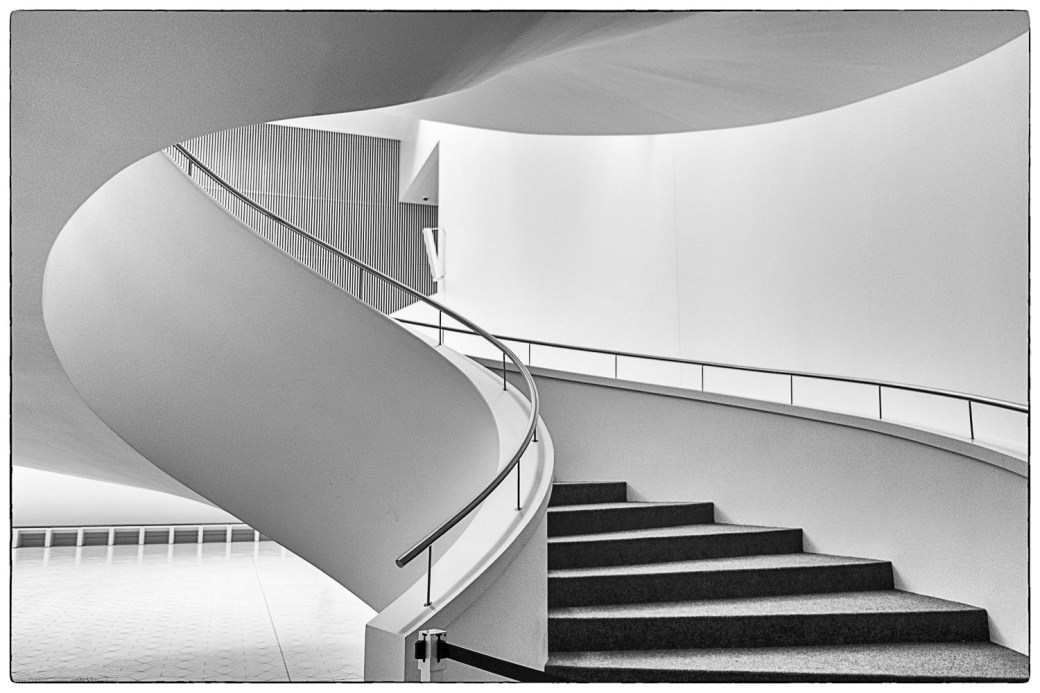
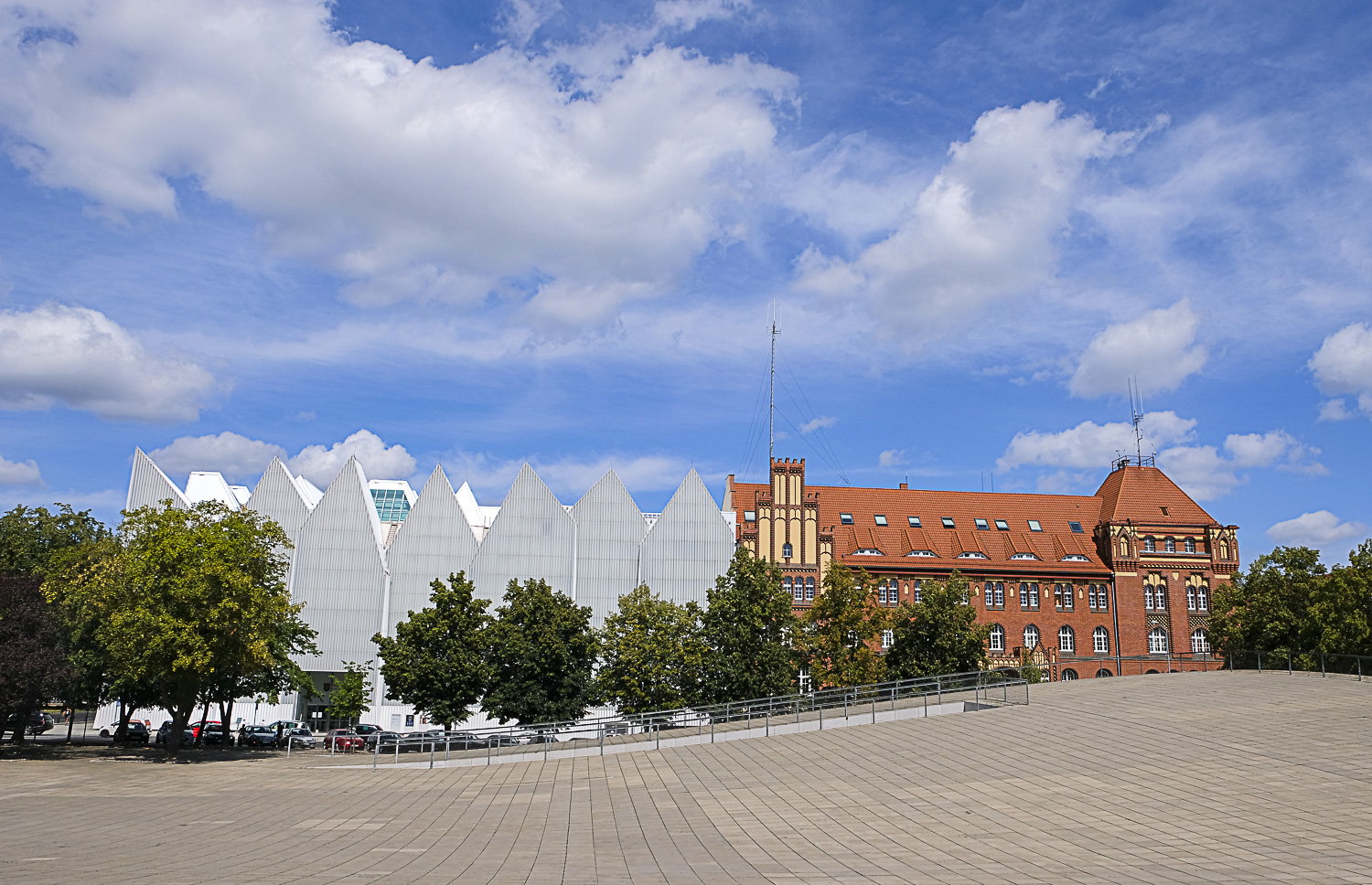
From colour down to black and white – this concert hall is a fabulous piece of architecture. Viveka and I had a good hour’s rest here with a nice cup of coffee.
Djupalónsandur beach lets you meet sea, rocks and the remains of the British trawler Epine – that went down off the coast in 1948.
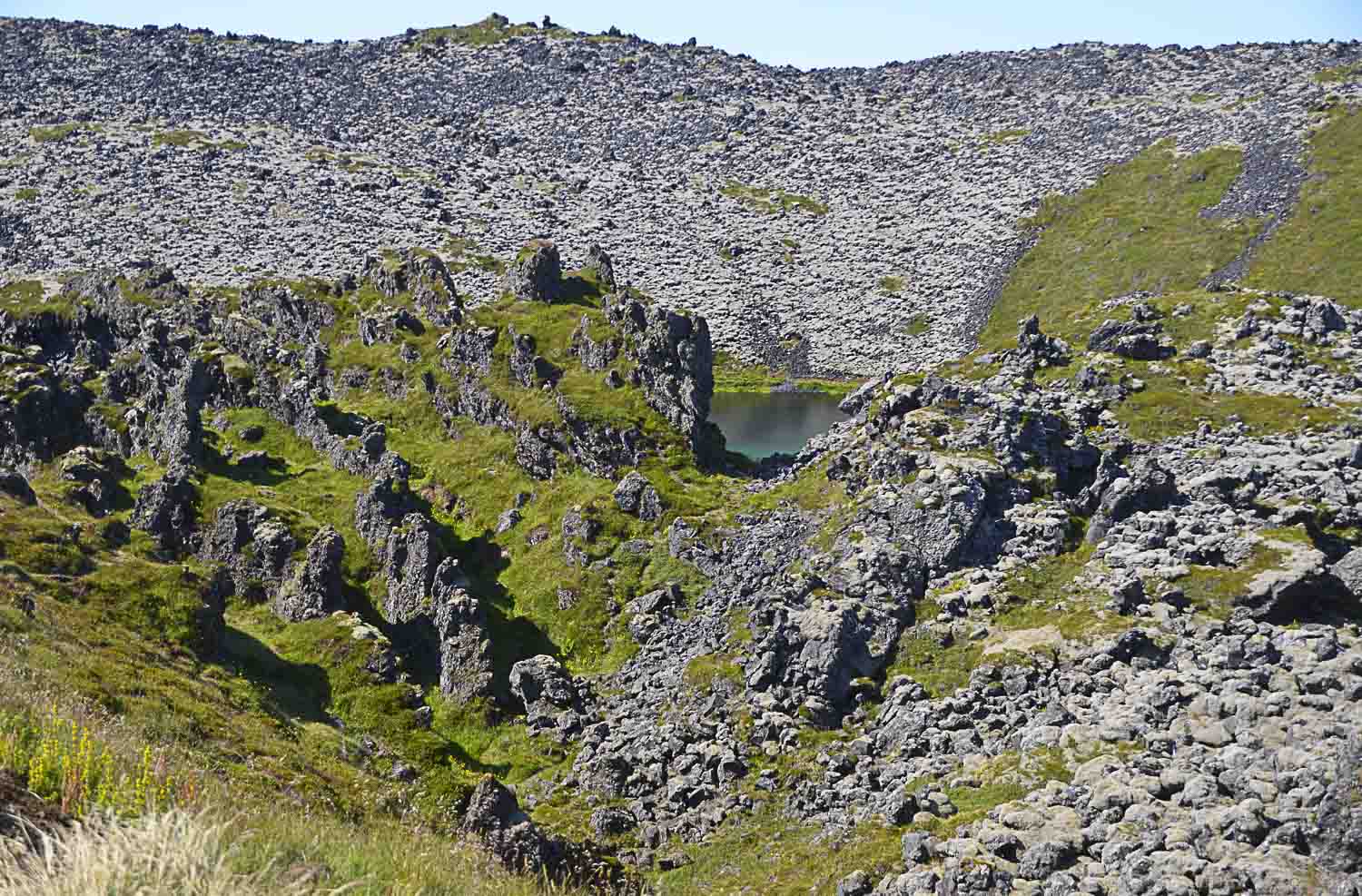
And of course there are enigmatic lava formations. You get a glimpse of snowcapped Snaefellsjökull volcano through the holes.
Once this bay was home to one of the most prolific fishing villages on the Snæfellsnes peninsula. Today this area is uninhabited.
Except for the old rusty debris from Epine, four lifting stones still lie on the sands of Djúpalónssandur, in olden days used by fishermen to test their strength. Today tourists and children roam the beach to look at the rusty pieces, and many of them test their abilities – and possibilities – of getting hired as seamen…
This was quite a special walk where many thoughts were coming and going… The harsh lives of seafarers and society changing fast. And, will there be any fish in the sea for our children?
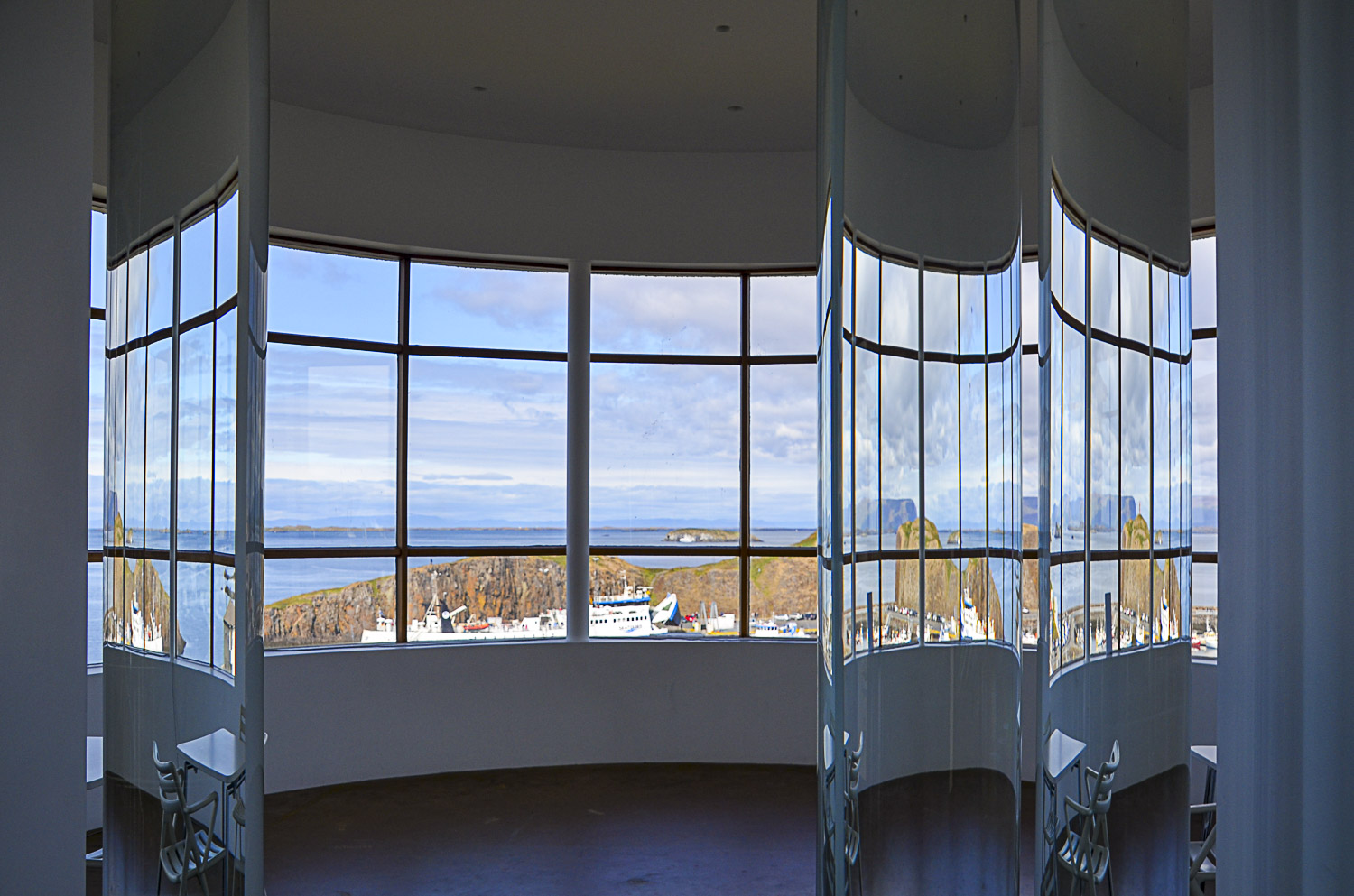
Vatasafn, Stykkishólmur, Snaefellsnes peninsula. This Library of Water, by Roni Horn, opened in 2007 – a constellation of 24 glass columns containing water from some of the major glaciers around Iceland.
In fact, the first attempts to methodically record meteorological conditions in Iceland started exactly here in the mid – 19th century.
The glass columns refract and reflect the light onto a rubber floor with words in Icelandic and English which relate to the weather. ”You are the weather”, Horn says .

The New York born artist has visited Iceland many times since the mid – 70s, and knows that weather is the prime force in Iceland. Weather often changes mood and personality – good or tough for the residents – but also an important thing to be well prepared for when you visit.
This installation is housed in a pavilion on top of a hill, with spellbinding views of the harbour as well as the surrounding landscape and seascape. I found the Library offers a serene and silent space for private reflection. I easily stayed for more than an hour, alone, but would have loved to come here often.
Weather is a metaphor for the atmosphere of the world; weather is a metaphor for the atmosphere of ones life; weather is a metaphor for the physical, metaphysical, political, social, and moral energy of a person and a place.
– Roni Horn
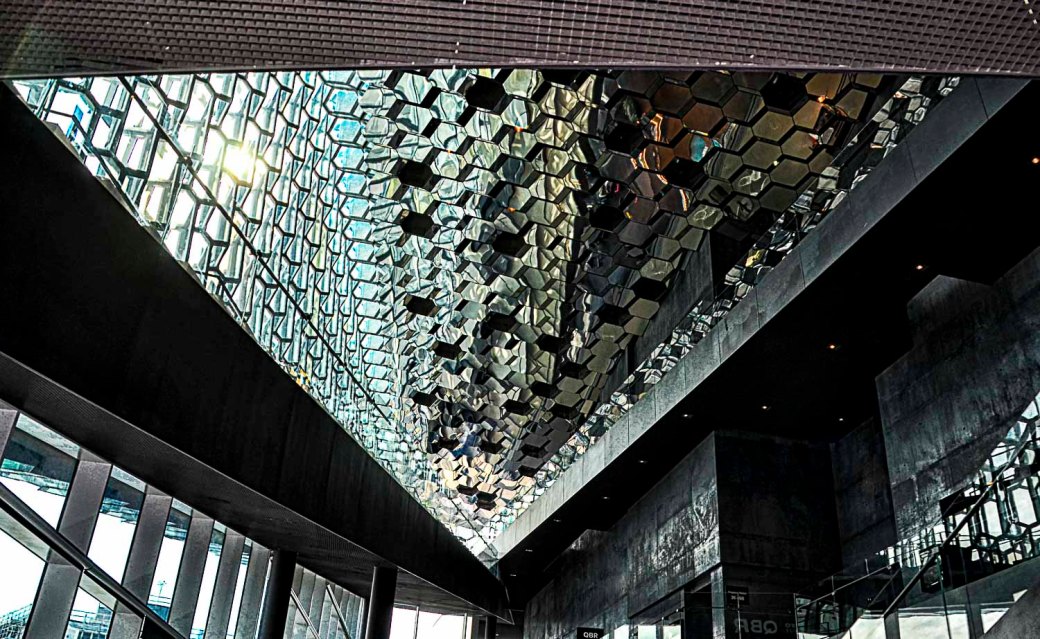
Harpa is the name of the concert hall and conference center in Reykjavik, Iceland.
The structure consists of a steel framework clad with geometric shaped glass panels of different colours. The distinctive colored glass facade was inspired by the basalt landscape of Iceland.
The opening concert was held on May 4, 2011. As this unfortunately was our last day in Iceland, we could not attend any concert this time.
Harpa was designed by the Danish firm Henning Larsen Architects in co-operation with Danish – Icelandic artist Olafur Eliasson.
The building is the first purpose-built concert hall in Reykjavík and it was developed in consultation with artistic advisor Vladimir Ashkenazy and international consultant Jasper Parrott of HarrisonParrot. It houses the Iceland Symphonic Orchestra and the offices of The Icelandic Opera.
Needless to say, I was deeply impressed and in awe. The Icelanders are so aesthetically perfect, and so skilled at every possible art form.
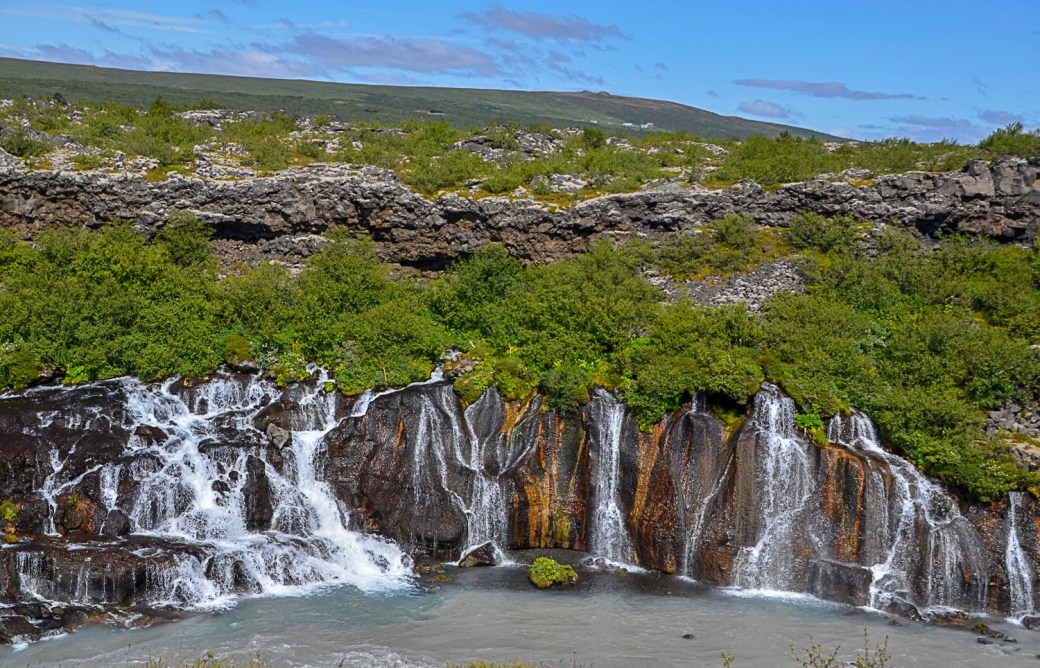
There are so many grand waterfalls in Iceland. Hraunfossar are not the highest falls, but maybe one of the most beautiful ones on the island. The waterfalls are located in the Hallmundarhraun lava field in Borgarfjörður bay, West-Iceland. The white uncountable falls originates from Langjökull glacier, the second largest glacier in Iceland, and run in a cascade series down a lava cliff of about 900 meters wide.
The water cascades down from under Hallmundarhraun lava field and runs into the famous Hvítá (White) river. Hraun means lava and fossar mean waterfalls, so the name basically means Lava Waterfalls.
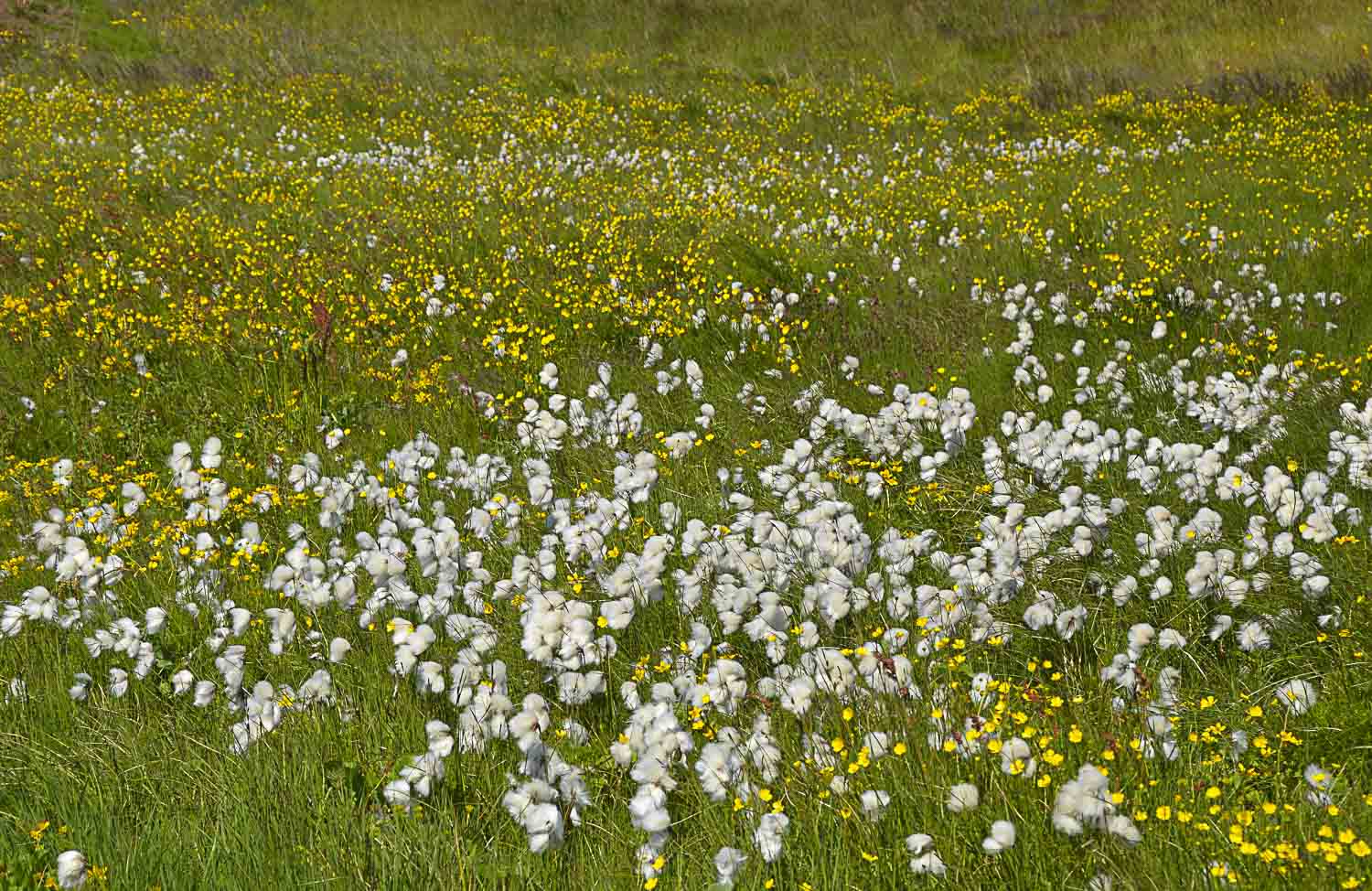
Don’t they remind a bit of each other? The White Cotton Grass is cascading too.
Vestmannaeyjar came to international attention in 1973 with the eruption of Eldfell volcano, which destroyed many buildings and forced a months-long evacuation of the entire population to mainland Iceland.
Approximately one fifth of the town was destroyed before the lava flow was halted by application of 6.8 billion litres of cold sea water.
About 1500 people decided not to come back to the islands.
In 1979 We visited Heimaey, in the archipelago south of Iceland mainland, which is the only inhabited island here, and home to Eldfell. You could still boil an egg in the lava ashes, and putting down a finger would make your skin peeling off.
Our plan was to revisit now, 40 years later, to see in what ways the island had changed.
The photos show the views from the ferry takeoff and in the header, you can spot the whole range of the archipelago islands in the distance.
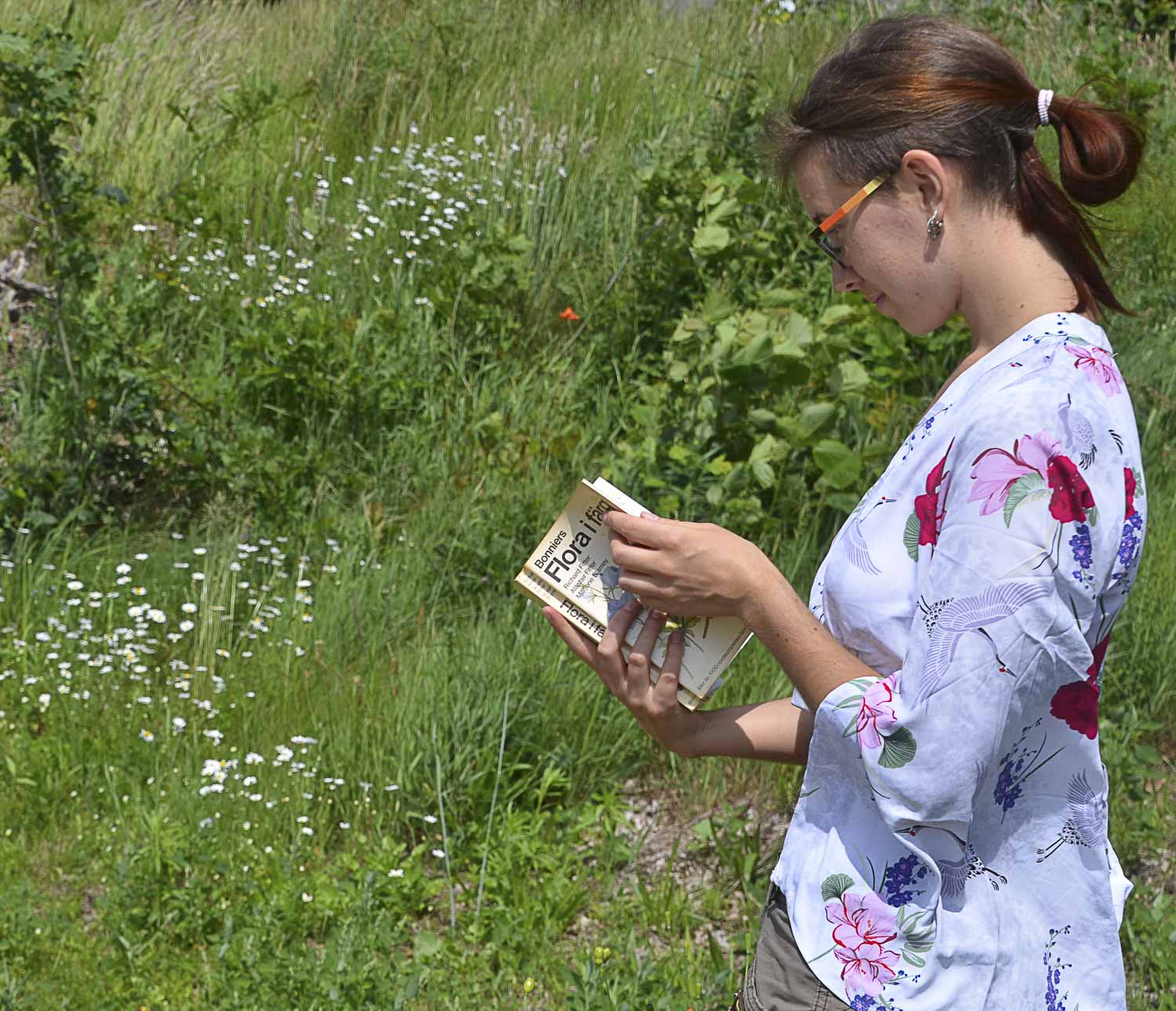
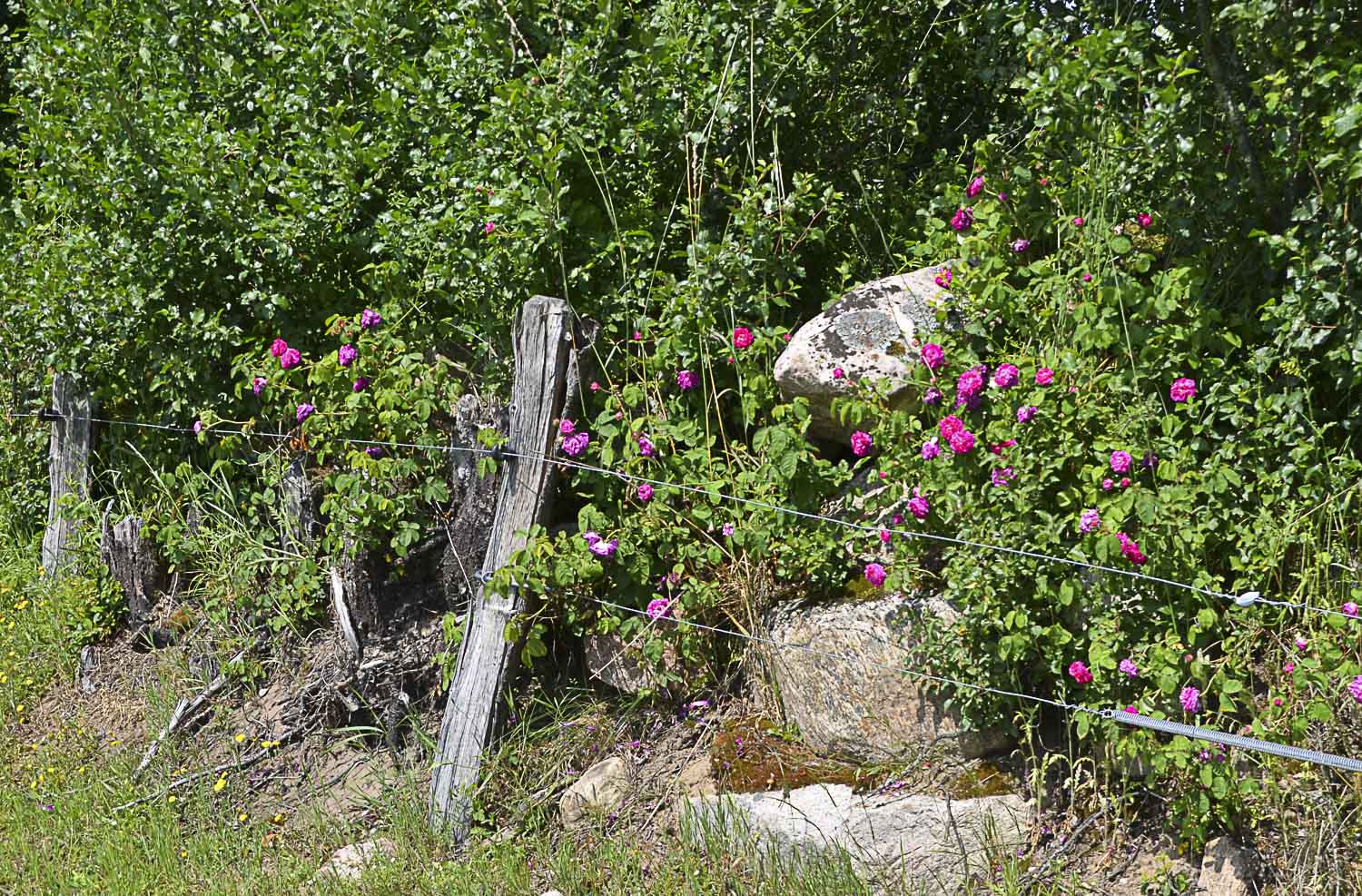
The weather is very warm and inviting for bicycle rides these last days of June. So my daughter and I decided to spend some time with the old Flora in hand. When the children were younger, we always did every summer, so today meant sweet memories.
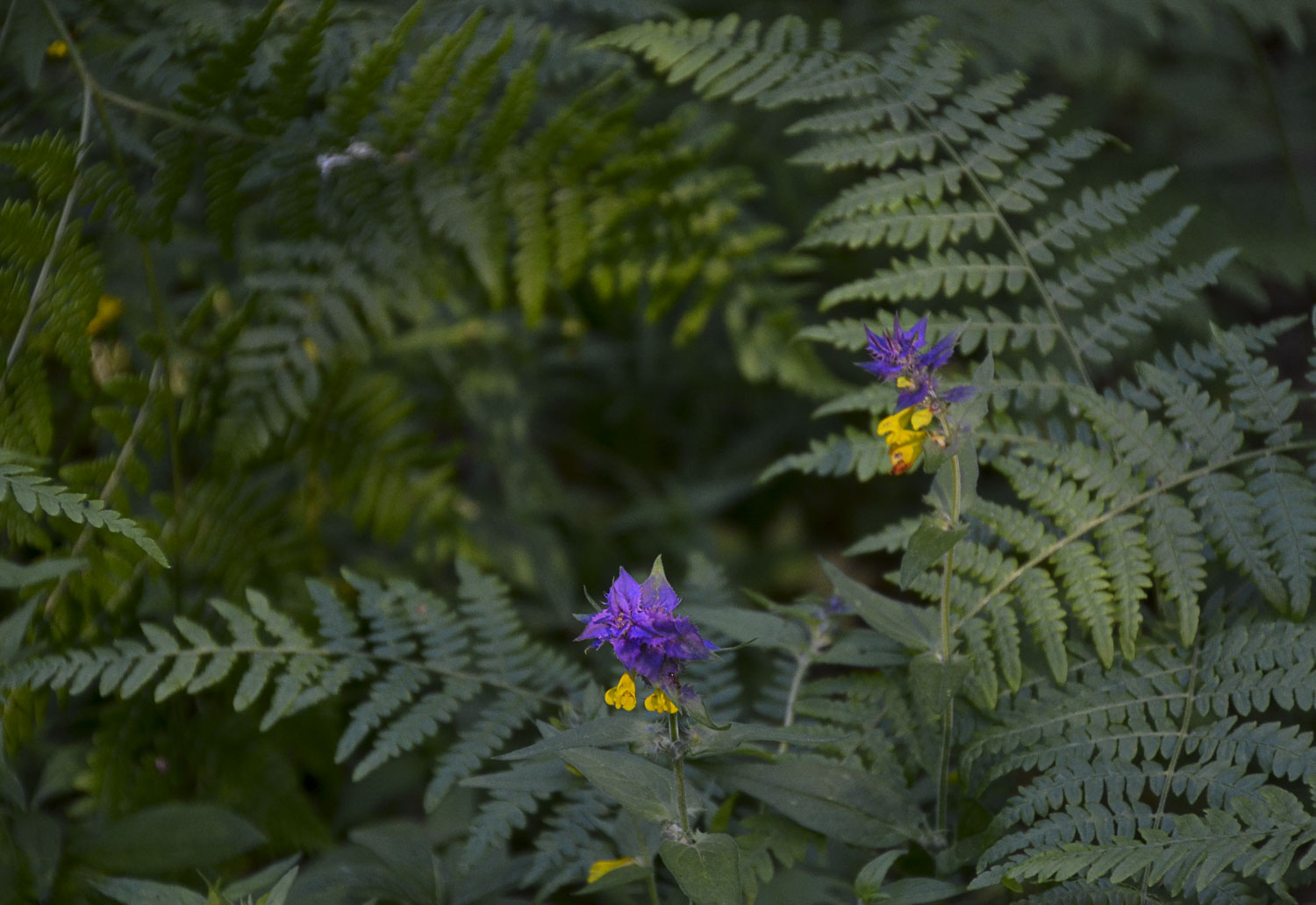
We brought water as well, and biked for some hours, just enjoying each others’ company in the lovely summer fields. And wow, how much one forgets about flower names…
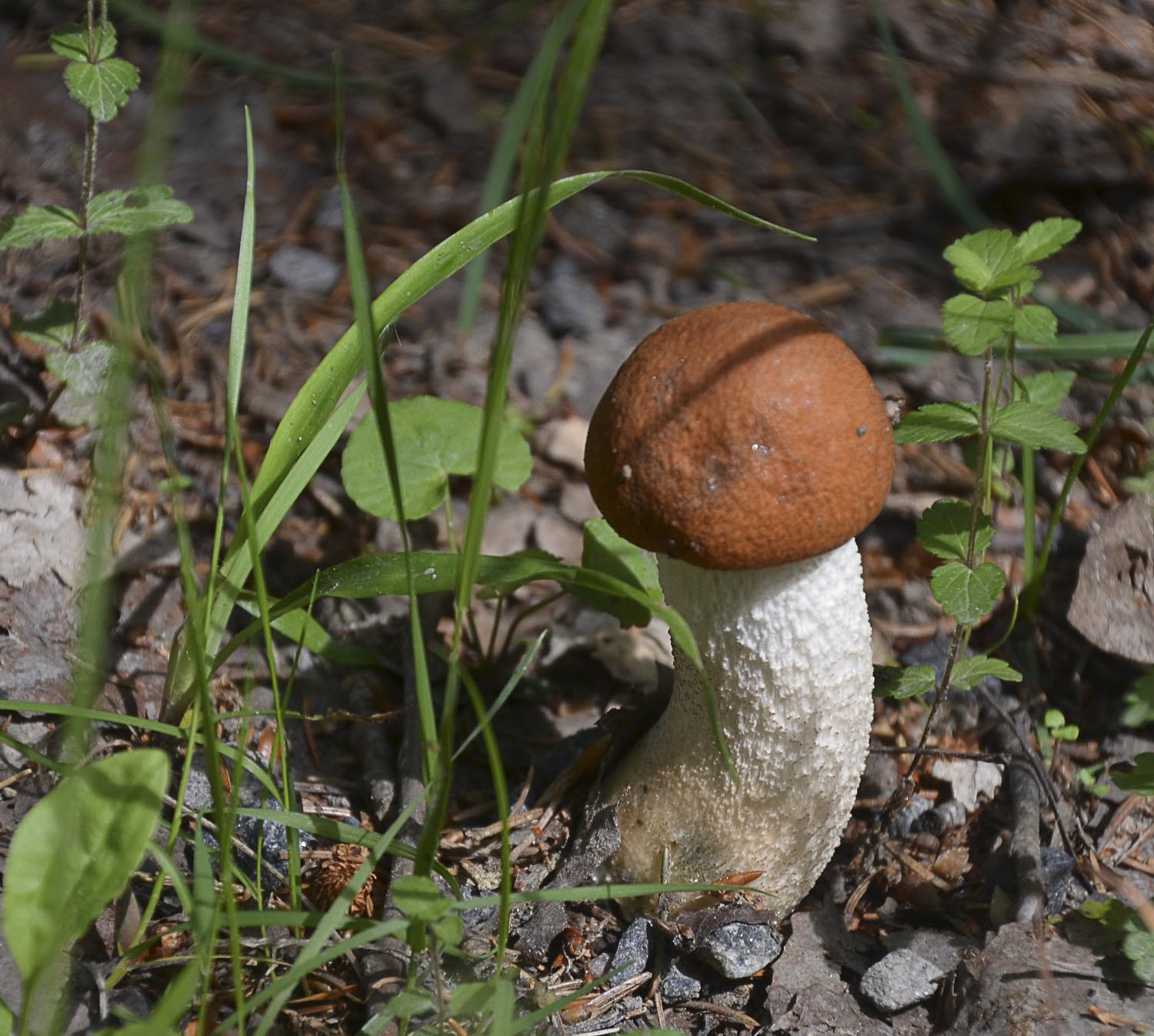
I used to be very good at their names… We also fell in love with this little, quite lovely, mushroom – looking like it was planted right there by someone, on the road.
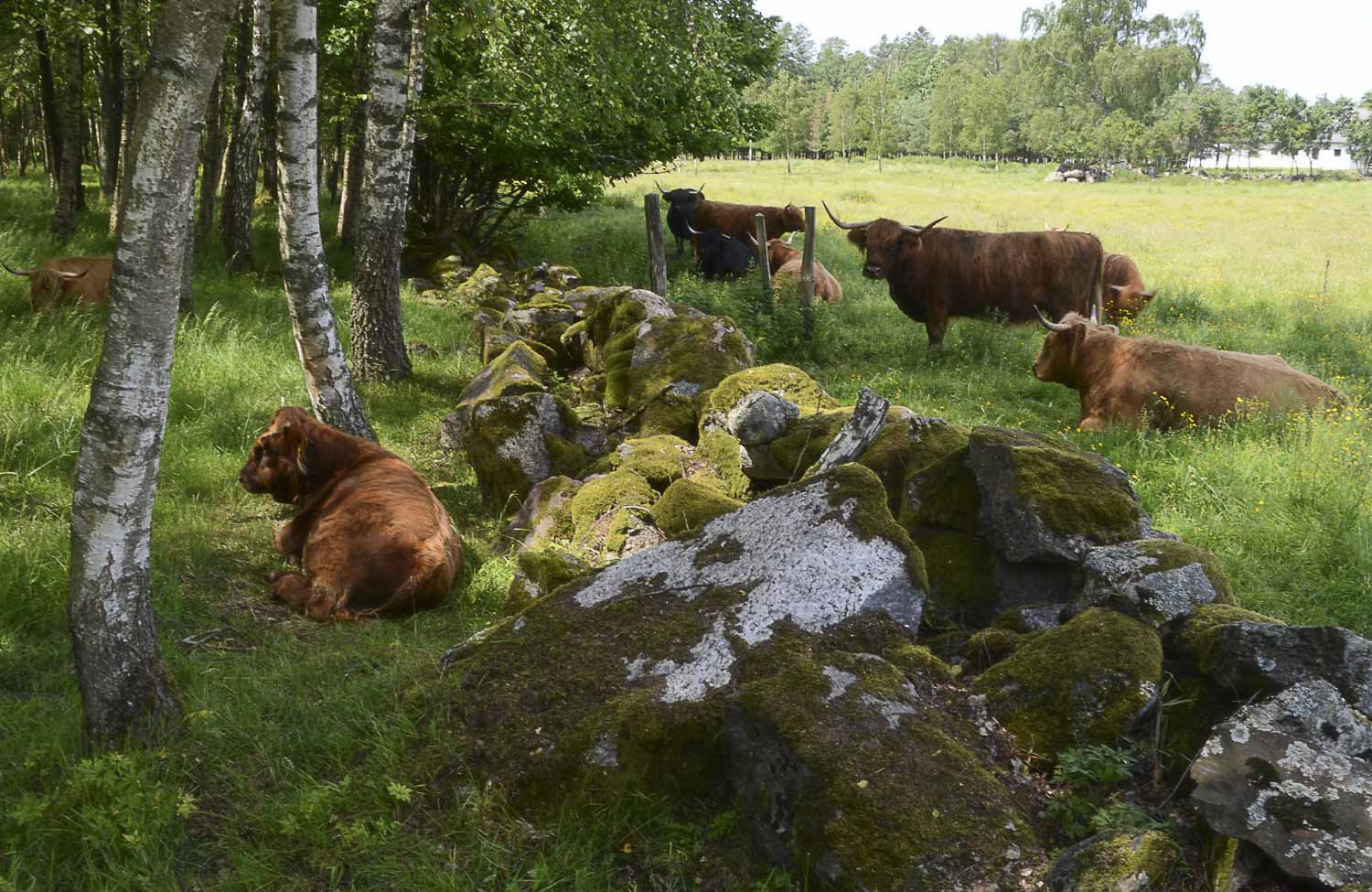
And, to our greatest joy, we met some Highland Cattle. My absolute favorites.
Somehow they always look so relaxed, and I love their colours. I am not really comfortable having to cross a meadow where they are grazing though – they are said to be rather grumpy.
A lovely day –
The most beautiful time in my country, Sweden, is now – around Midsummer. The flowers and colours are abundant and it is a busy time for everything growing and for the animals raising their young.
Tomorrow is Midsummer’s Eve – in olden days a magical night. But also the night after which the bright light will start fading and we are heading towards winter.
If you celebrate or not – I wish you all a wonderful weekend –
And may you have a good night…
…should you be in Sweden, you will stay up to watch the sunset – and the sunrise. There is no real darkness in between.
So far this Spring and start of Summer has given the ideal weather for the garden: Raining during the nights and sunshine during the days. Such wonderful difference from last year’s extreme heat. Come along for a short walk!
These are only some of my flowers – but I am so glad they survived last summer’s heat! I adore the little rain gauge my son bought for mother’s day.
My wild roses were planted maybe 20 years ago – I got them from a friend who in his turn had got them from a little old lady in a forest cottage.
I love those little ones – a sea of pink! If you study the bumble bees below, you will understand how small these roses are.
This year, the Painted Lady, being a long-distance migrant, caused the most spectacular butterfly migration observed in Sweden.
Each year, it spreads northwards from the desert fringes of North Africa, the Middle East, and central Asia, recolonizing mainland Europe and reaching Sweden and even Svalbard. In some years it is an abundant butterfly, but never as early as this year. I usually see them in my Buddleijas in late summer.
This year they migrated in millions, and Gotland, our biggest island, received more than 6000 of them in some hours. In my garden now, I have hundreds of them. Some battered and torn – but who wouldn’t be after such a flight!
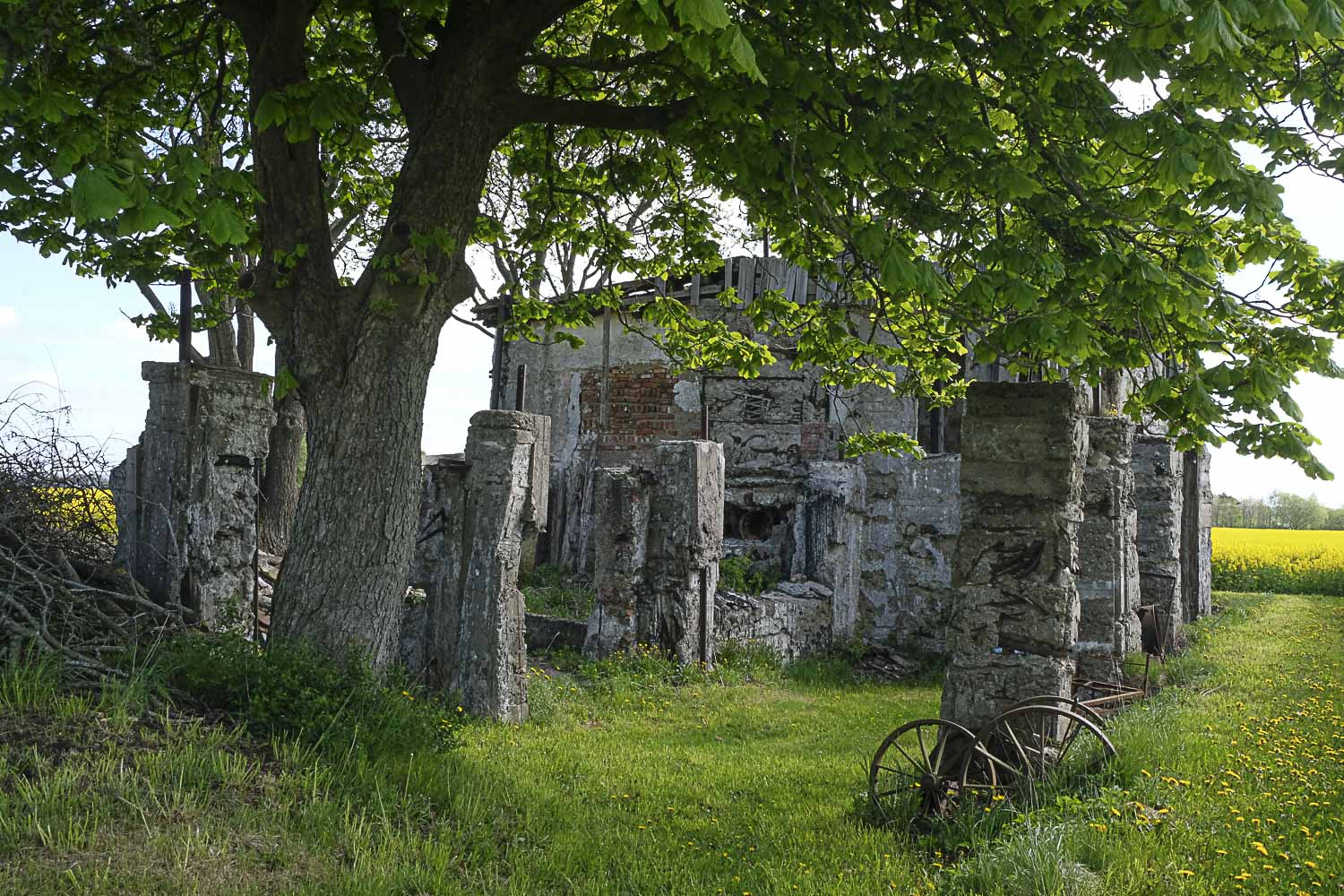
Söderto is a tiny place in the southern part of Skåne, Sweden, where Karl-Göran Persson built a fortress for himself, his family and friends – in case of an attack from Russia. Karl-Göran died in 1975, and he had spent his whole life building and reinforcing this fortress.
One day we decided to try and find it, all of us intrigued by the story. So this spring we went, the three of us. And it became a strange adventure, a day to remember. You can come along if you want to…
It is not a very big place, Söderto, and the remains of his own home nearby were gone.
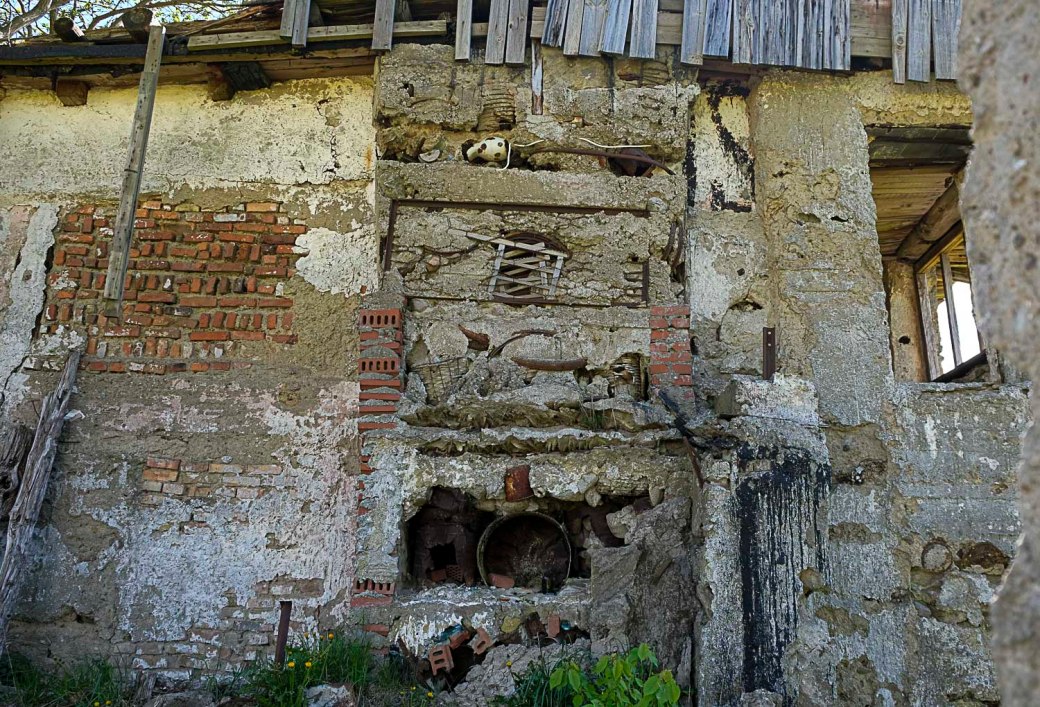
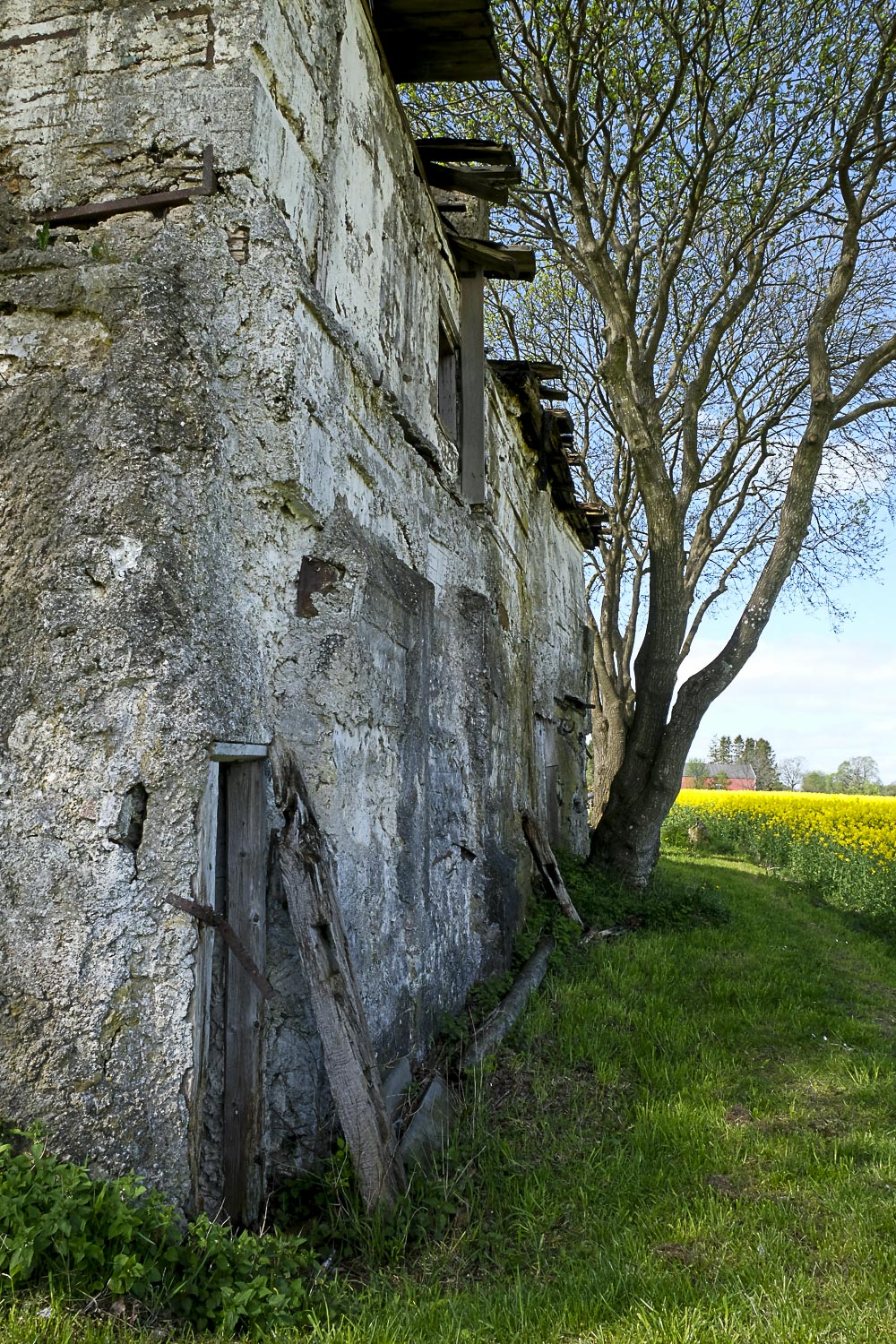
Karl-Göran was a simple man, a single farmer, and well known in the neighborhood for his warm heart, for his building and for his transporting all material on his bicycle.
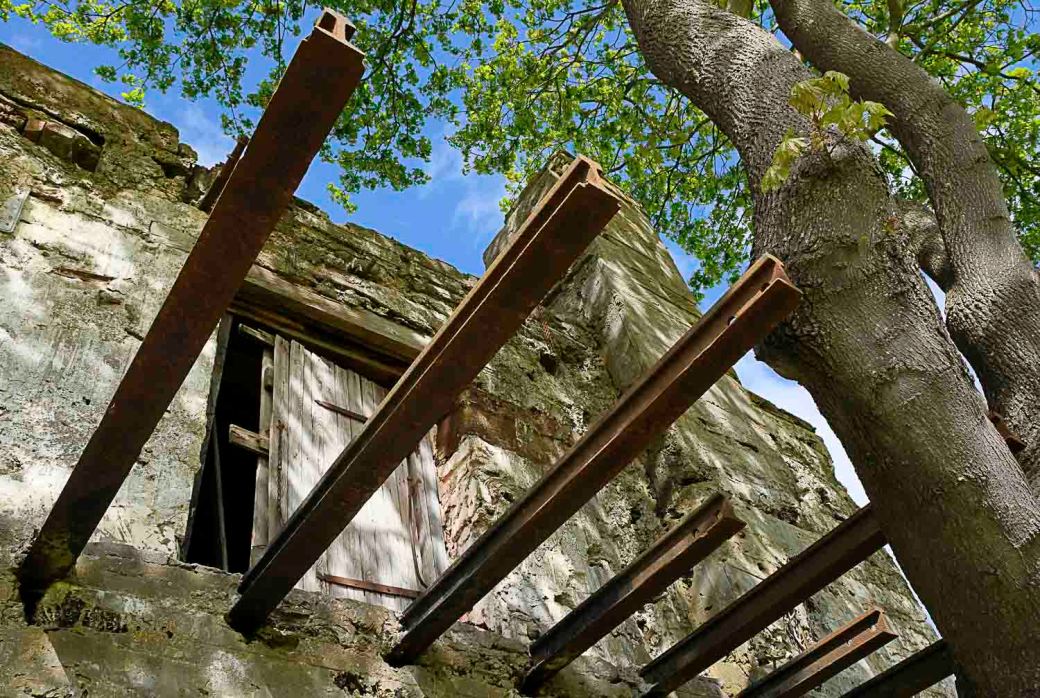
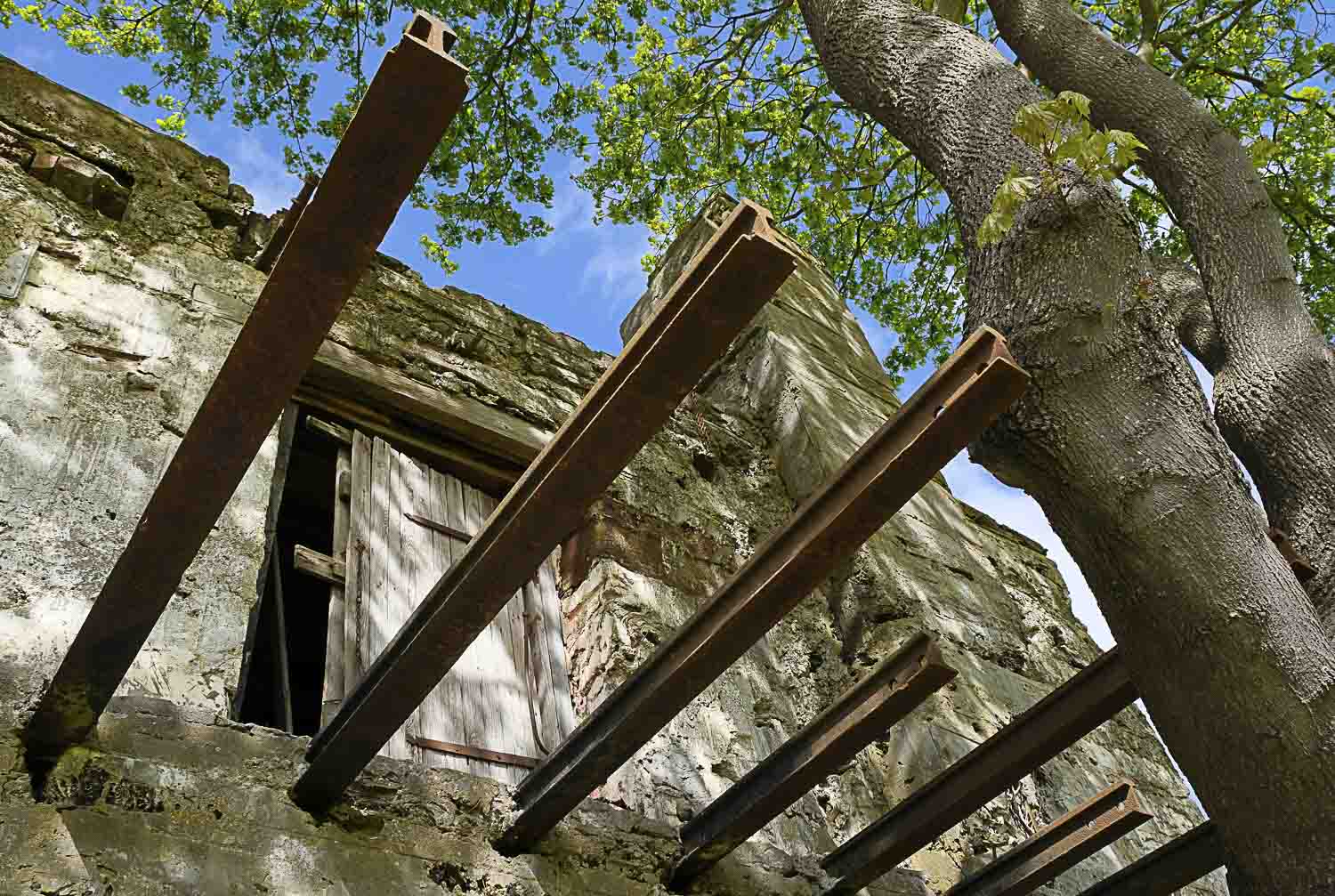
He even mastered setting rails and railroad ties into the fortress – all by himself. The thought was to build a balcony.
He used what he could find to reinforce his fortress, be it iron beds, chamber pots, baskets or bicycle parts. Look closely at the pictures, and maybe you will find them…
After so many years of withering down, it is not advised to go inside anymore. But…
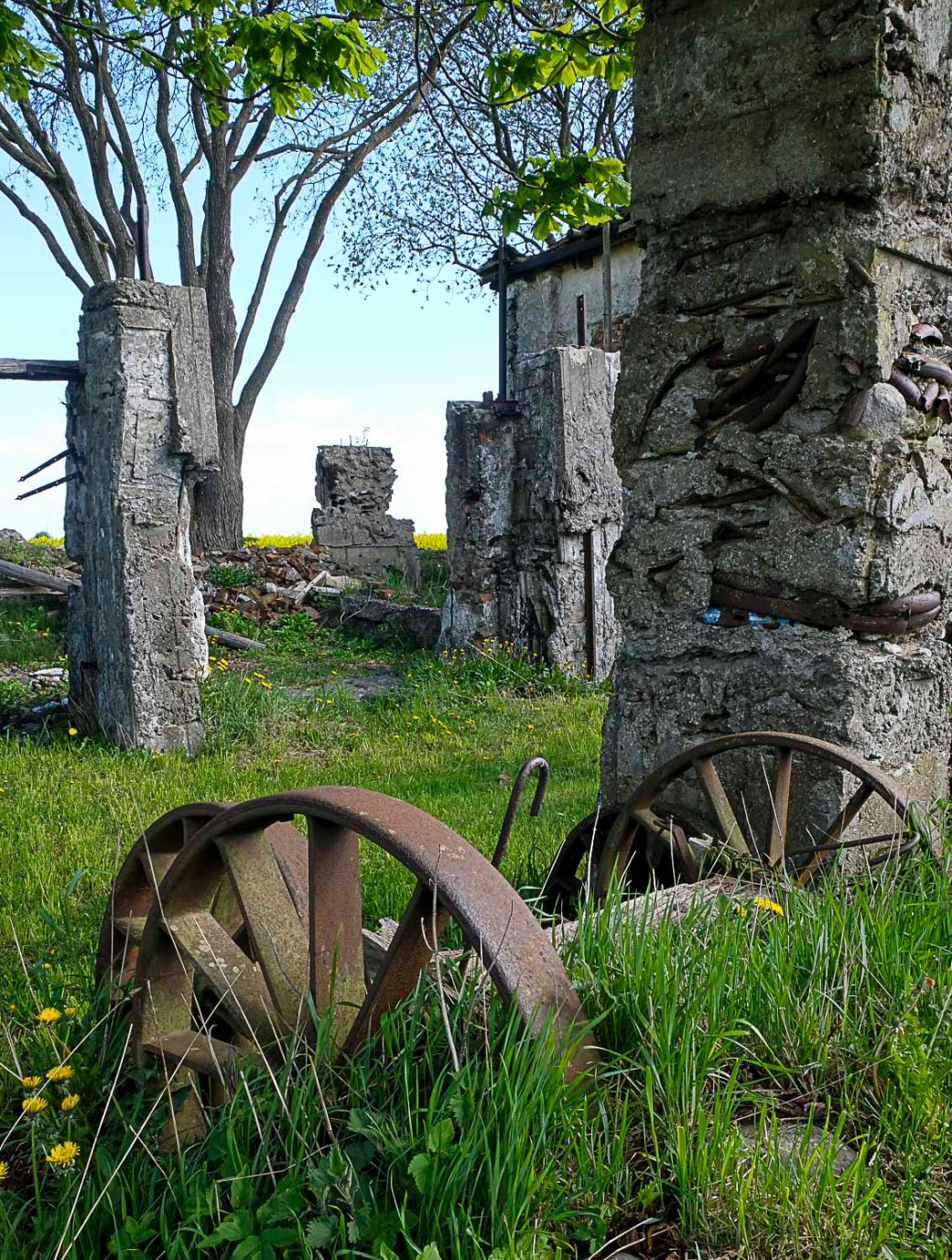
there is a friendly silence, a loving atmosphere when you walk here… you can feel his spirit still being there – in his life’s work.
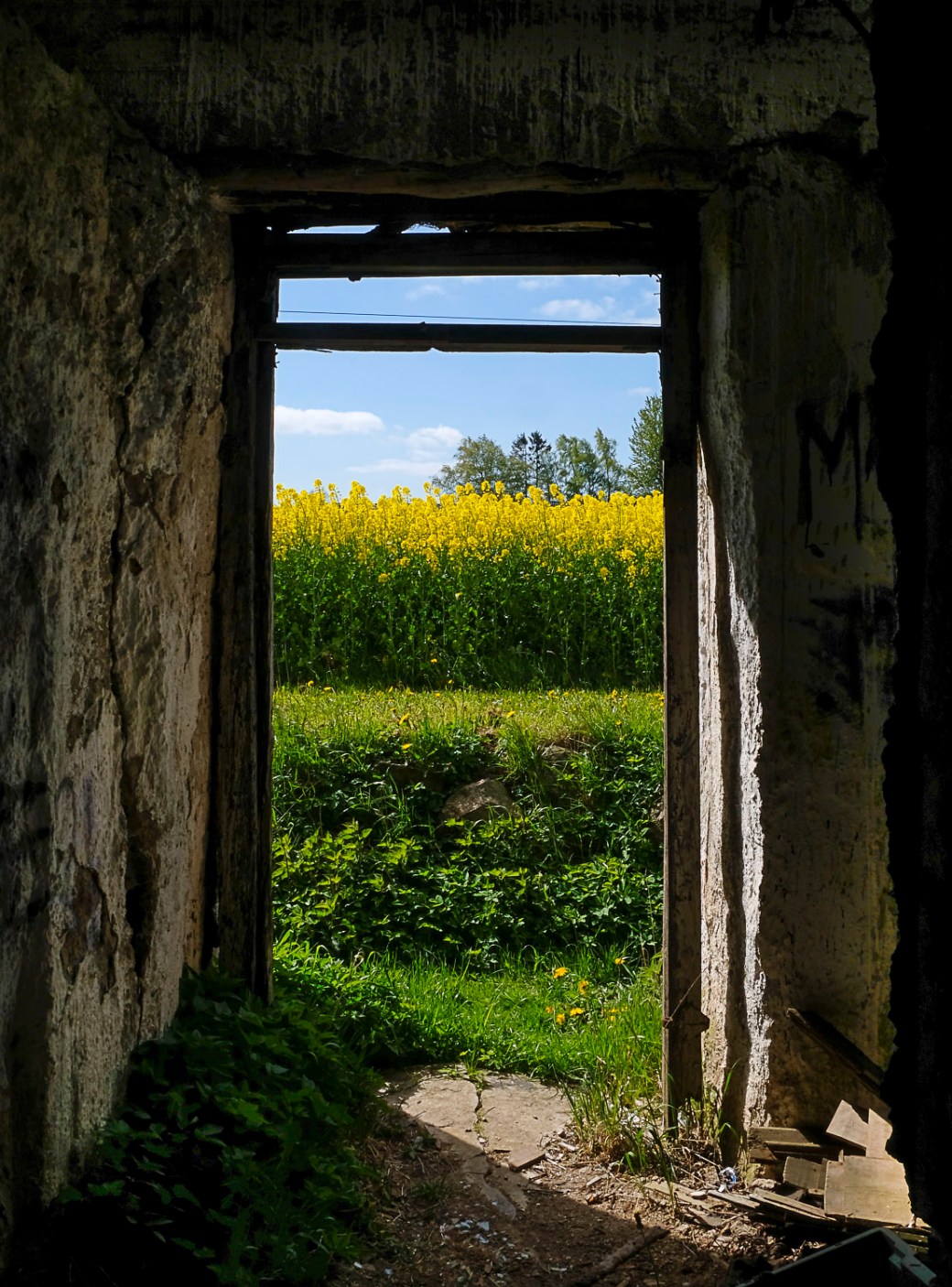
A soft whisper in the fields, and the beauty of the landscape touches your soul.
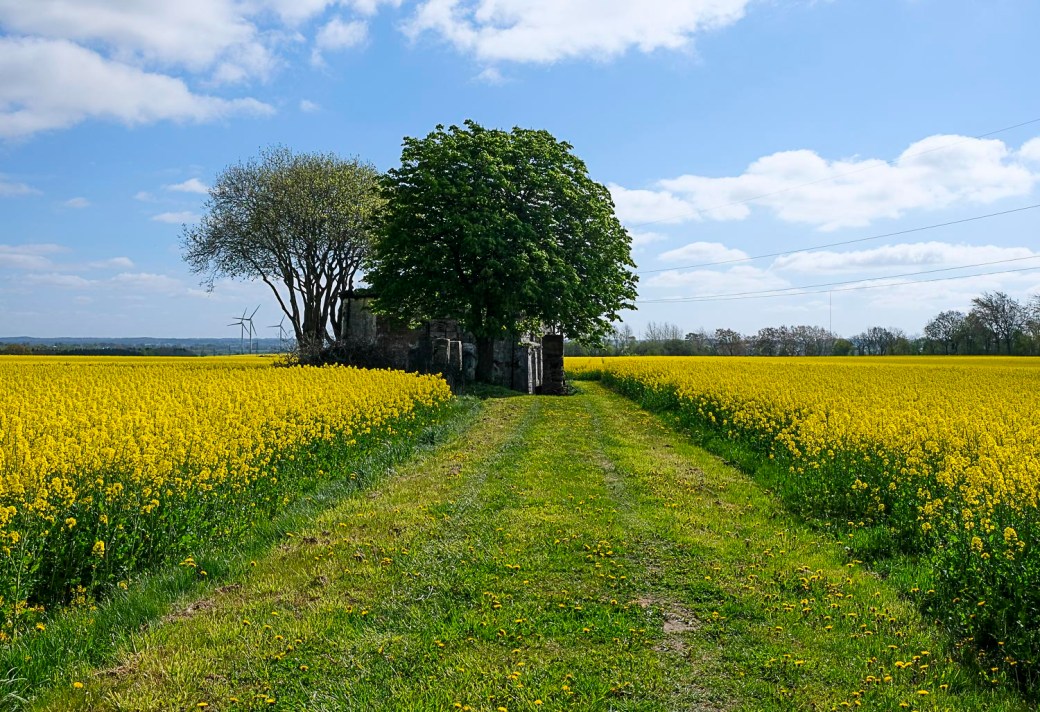
Thinking of him, Karl-Göran, I believe he would have loved it that we came all that way to visit. And how much we enjoyed it too.
Just see how beautifully the villagers keep his memory.
Du måste vara inloggad för att kunna skicka en kommentar.