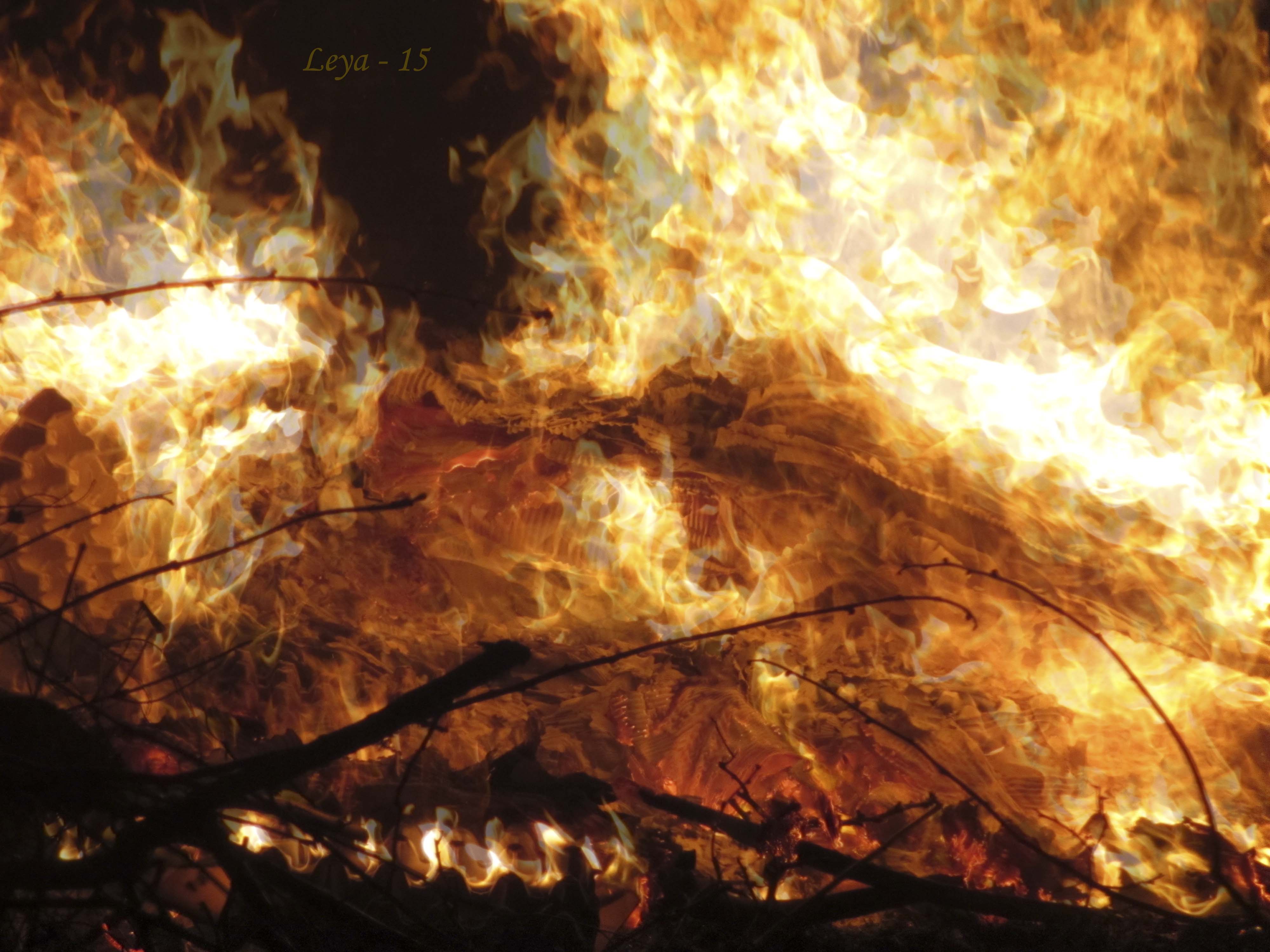
#115 Hetta – Heat (306/365)
The name Walpurgis is taken from the eighth-century English missionary Saint Walburga, ”Valborg”, as it is called in Swedish, and has very little to do with religion and everything to do with the arrival of spring. The forms of celebration vary in different parts of the country. Walpurgis celebrations are mostly a public event, and local groups often take responsibility for organising them to encourage community spirit in the village or neighbourhood. Young people and students in the university cities usually celebrate by gathering in thousands, eating and drinking together on the campus lawns.
Valborgsmässoafton. Sankta Walburga, var ursprungligen ett medeltida helgon, och vi firar denna afton före vårens intåg på lite olika sätt i olika delar av landet. Men de stora eldarna har vi gemensamt. På 1700-talet var det brukligt att släppa ut djuren ur lagårdarna denna dag, och bålen tände man för att hålla angripande rovdjur borta.
Svenska ungdomar, i alla fall i universitets- och högskolestäderna, brukar samlas i tusental för att äta och dricka i parker eller på gräsmattorna till campus.


In the Middle Ages, the administrative year ended on 30 April. Accordingly, this was a day of festivity among the merchants and craftsmen of the town, with trick-or-treat, dancing and singing in preparation for the forthcoming celebration of spring.
Huge bonfires are lit on the eve of the festival for 1 May, and they are part of a Swedish tradition dating back to the early 18th century. At Walpurgis (Valborg), farm animals were let out to graze and bonfires (majbrasor, kasar) lit to scare away predators.
 Leya
Leya 
Du måste vara inloggad för att kunna skicka en kommentar.