Weekly Photo Challenge: Community

When I read or hear the word ”community” I immediately think of bees and ants, whose communities are extraordinary interesting. On our week in Spain this autumn, we had an apartement with a terrass/balcony, on which also resided the tiniest ants. So small that they in fact were almost invisible. Until someone dropped a cheese crumb on his way out from the kitchen…

När jag hör eller läser ordet ”community” eller ”samhälle” tänker jag nog först på bin eller myror. De är intressanta varelser och jag och min familj tycker mycket om dem. Till vår stora glädje delade vi lägenhet och terrass med ett litet samhälle minimyror i Spanien. Jag tror knappast att vi hade upptäckt dem om inte någon tappat en ostsmula på väg ut från köket med frukosten…
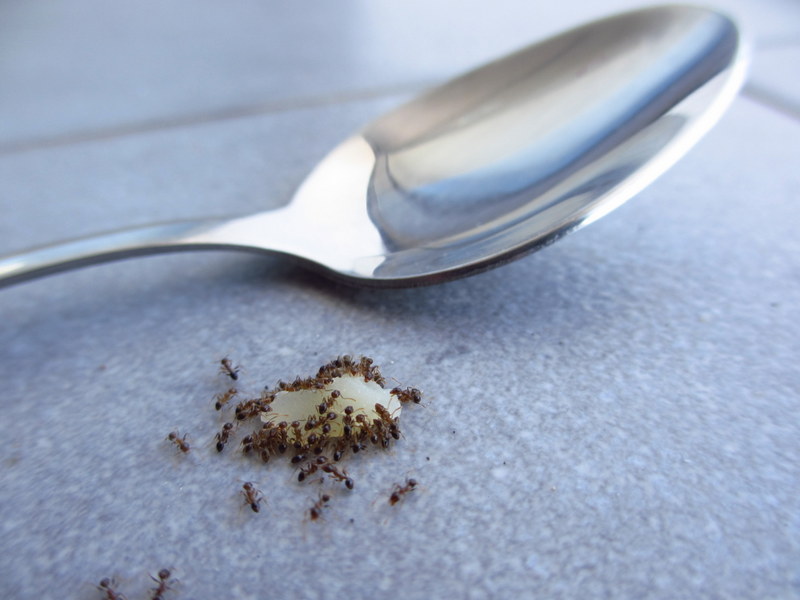
My spoon left my cup of coffee and ended up beside the ants to make you see their tininess…To see other communities, click here.

Faktiskt är vi så tokiga att vi brukar jämföra myror i olika länder vi besöker, hur stora/små de är och hur de lever. Det kan låta galet, men vi är sådana bara…

I like ants, and so do our whole family. In every country we visit we notice the size of the ants and compare them to ants in other countries. This might sound a bit weird, but that’s the way we are…

Why are they so interesting then? Well, if you peer into the deep recesses of an ant colony, you will discover an extremely well organized community with thousands of workers quietly going about their jobs. Some dig nests while others gather food or tend the young. Remarkably, every chore is done without supervision or direction, and some workers even switch jobs to meet the ever-changing needs of the colony.

How does an insect as tiny as this with a brain smaller than a poppy seed decide to carry out a particular task? The answer,  is that it has less to do with brainpower than with the ant’s extraordinary sense of smell. Scientists have found that, when a parade of patroller ants returns to the nest, their distinctive body odor cues other workers to go out and forage for food. I don’t think that this crumb of cheese had been left on the floor for more than a couple of minutes when I took this photo. And then we should remember that the distance between this crumb inside the apartment and the ant colony below the rail at the rear end of the terrace  must have been – say about 3-4 metres. So, ants use chemicals the way we use sight and sound.

Vad är det som är så intressant med dem då? Jo, hur kan en så liten varelse, med en närmast obefintlig hjärna leva i och sköta ett så välorganiserat samhälle? En del bygger i boet, andra samlar mat och ytterligare andra tar hand om de små nya myrorna. Och detta gör de helt av sig själva. De till och med byter jobb och täcker upp för varandra när så krävs. Forskare har kommit fram till att det är myrornas dofter som leder dem. De använder alltså kemi för att tala om vad som ska göras och var man finner mat. Fotot, med min tesked som storleksmätare, tog jag kanske två minuter efter att smulan tappats, och den låg inne i lägenheten. Myrorna bodde under terrassräcket kanske 3-4 meter bort – utomhus.

Från det vi förstod att vi delade lägenhet med dessa våra minsta, såg vi till att tappa några smulor då och då…och innan vi åkte tillbaka till Sverige fick de levererat en farvälsmulhög att kalasa på – alldeles vid deras egen ingång under terrassräcket.

From the moment we understood we shared apartement with these pleasant little creatures, we made sure to drop some little crumbs every now and then…and when we left for Sweden again, they got a farewell load of crumbs delivered right by their door.
Weekly Photo Challenge: Grand

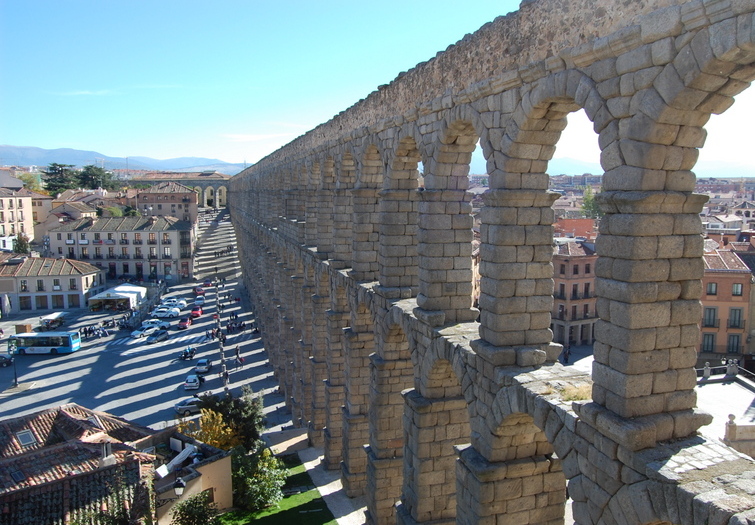
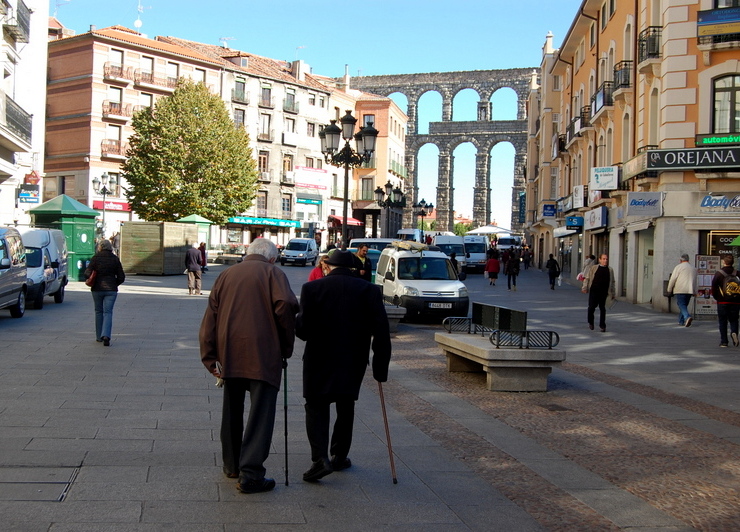
Grand – a concept with many enterpretations. A moment I will never forget, is when I was walking down this street and first layed eyes on the Aqueduct in Segovia, Spain. In front of me were these two grand old gentlemen too, and I could listen to them discussing everyday problems.

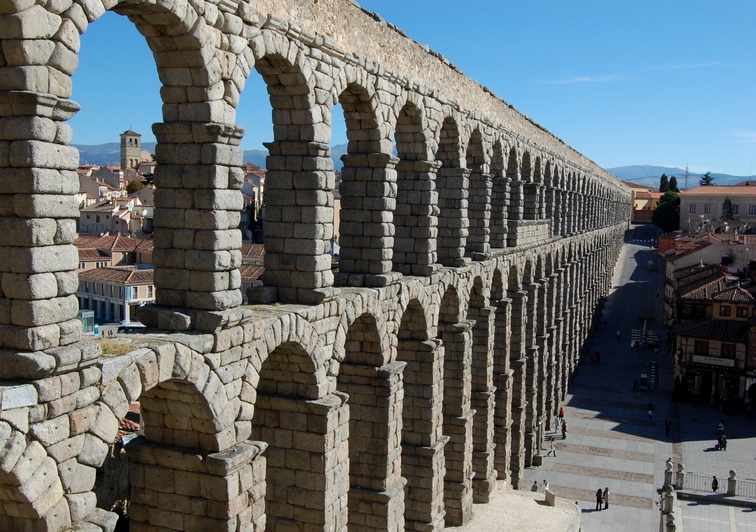
The Aqueduct’s date of construction cannot be definitively determined, but at the end of the 20th century, a German archaeologist managed to determine that actually it was the Emperor Domitian (AD 81-96) who ordered its construction.

The aqueduct transports water from Fuente Fría river, situated in the nearby mountains, some 17 km (11 mi) from the city in the region La Acebeda. It runs another 15 km (9.3 mi) before arriving in the city.

The water is first gathered in a tank known as El Caserón (or Big House), and is then led through a channel to a second tower known as the Casa de Aguas (or Waterhouse). There it is naturally decanted and sand settles out before the water continues its route. Next the water travels 728 m (796 yd) on a one-percent grade until it is high upon the Postigo, a rocky outcropping on which the old city center was built. Then, at Plaza de Díaz Sanz (Díaz Sanz Square), the structure makes an abrupt turn and heads toward Plaza Azoguejo (Azoguejo Square). It is there the monument begins to display its full splendour.

At its tallest, the aqueduct reaches a height of 28.5 m (93 ft 6 in), including nearly 6 m (19 ft 8 in) of foundation. There are both single and double arches supported by pillars. From the point the aqueduct enters the city until it reaches Plaza de Díaz Sanz, it includes 75 single arches and 44 double arches (or 88 arches when counted individually), followed by four single arches, totalling 167 arches in all. The construction of the aqueduct follows the principles laid out by Vitruvius as he describes in his De Architectura published in the mid-first century.

For me, this meeting with the ancient Aqueduct was a truly grand moment.

Travel theme: Symbol

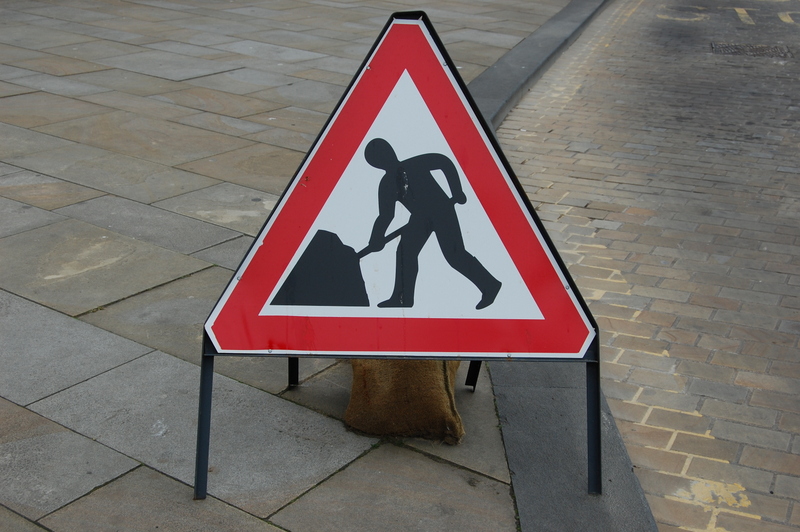
Ailsa at Where’s My Backpack? wants us to show some symbols... This one has a funny story – at least for me. The thing is, that when you often see a certain symbol for something you easily get ”stuck” with its meaning. Everybody knows what this sign means. In Scarborough I was told another one…a much more funny and inventive one. Maybe you all knew it before, but I certainly did not. This is, a man struggling with an umbrella.

Waiting for the Light

In the countries up north, as in Sweden where I live, this time of the year artificial light is very important to drive away the darkness. People say our mood up here is as gloomy and dark as this winter season… But on the 4th Sunday before Christmas Eve, we all put up stars and candlesticks in our windows. And they will be up at least until the middle of January. At our tables, one candle each Sunday is lit – in waiting for the birth of Christ.

I would like to share my windows with you – to light up this first Sunday of waiting.

Travel theme: Sky

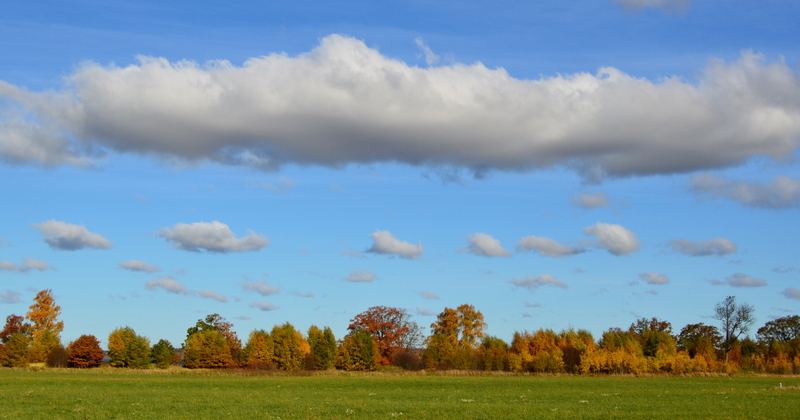
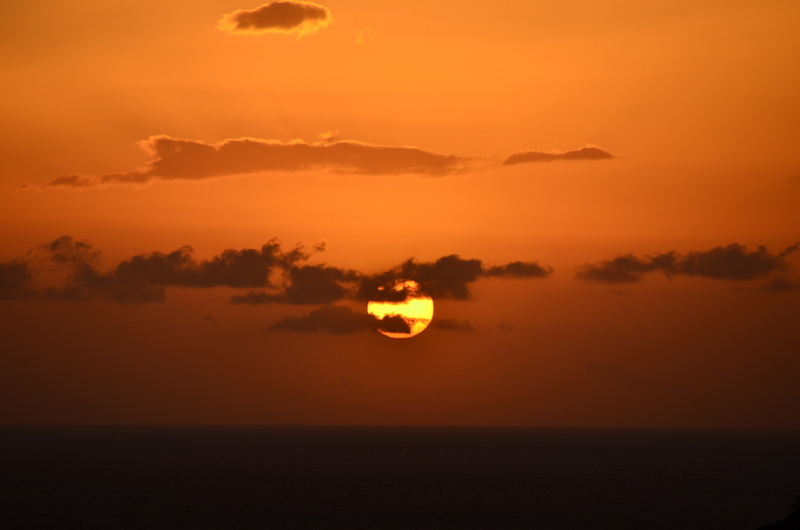
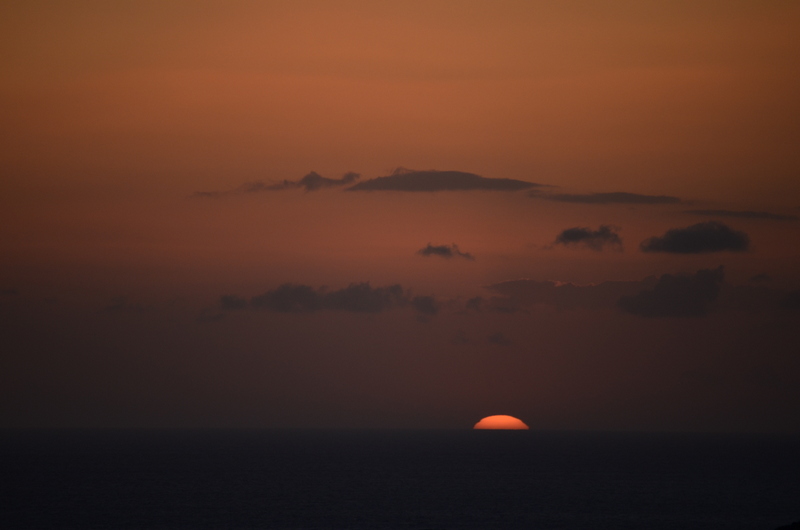
Ailsa has given us a new brilliant task – to show Sky. The sky is the limit and the inspiration. Constantly changing and enigmatic.

Cee’s Fun Foto Challenge: Numbers or letters

Cee’s task for us this week is all about numbers or letters. Well, the most fun ever I’ve had with numbers and letters was on New Zealand – and surely I made a post of it somewhere…but here are some of them again! Love, love love their humour down under! Letters instead of numbers…and the reverse…

My Guest – Splendid architecture in Valencia!

Finally I have got the possibility of hosting a guest here – my husband. An avid traveller and seldom home, this is what I have been waiting for him to let me do…Back from a short trip to Spain, he brought back home some great architecture  – in pictures and stories of course. I’m happy to show some of them here – hope you will enjoy them as much as I do!

The river Turia in Valencia used to flood often and sometimes at the cost of several lives. In 1957 the river was redirected to run south of the city. This created a more than 100 metres wide, dry river bed, which has been converted into parks, sports arenas and recreation areas, but also into CAC (City of Arts and Science), the futuristic science city.

IMG_3293

The City of Arts and Science is a complex of culture and science exposed in the futuristic architecture of several buildings. The architect is Santiago Calatrava, the man behind Turning Torso in Malmoe. These buildings are very spectacular – and beautiful – the effect highlighted by different water pools. Calatrava was much criticized for overriding the budget though. And this was no less tough when CAC was completed, 1998-2005, during the recession followed by a financial collapse.

The first building I visited, Palau de les Arts Reina Sofia, was the last one completed – 2005. Size: 163 m long, 87 m wide and 70 m high, but it’s the spectacular architecture that catches the eye. It’s built in white concrete, and clearly resembling a baleen whale. The ”baleen plates” is a restaurant and above it a window with flowing water. Inside are four concert halls where two of them take 1400 people each. They are used for operas, concerts and ballets. The two smaller ones hosts 400 people each. Unfortunately there were no guided tours in this magnificent building – it wasn’t even open, except for the restaurant.

Please click on any picture to show off the gallery.

The next work of art is called Hemisféric, finished in 1998. This piece looks almost like an eyeball resting in water. It’s about 100 m long and inside is an IMAX-cinema. On the curved screen (900 square metres…), you can project movies as well as the whole canopy of heaven. This screen is the biggest in Spain and both in definition and sound it is among the best ones known in the world. Unfortunately the Hemisféric wasn’t open either, other than for movies or guided tours. Had I known, I would have booked in advance.

I then continued my walk past the spectacular Science Museum. Here I walked along an even more spectacular construction by the name of Umbracle. This is a botanical garden characterized by its white vaults running along the whole structure of 1,5 hectare. The plants are all from the Mediterranean area and the view from here over the whole complex is fantastic. The surrounding areas are sometimes used for outdoor expositions.

Passing a wide street I reached the Agora, another breathtaking piece of architecture used for congresses, conventions, fashion shows and concerts – and also for sport events as tennis and frisbee.

The Oceanografic was the last architectural phenomenon for the day, hosting among other things an Aquarium.

The last gallery shows more overview pictures of this very rewarding day.

Ese’s weekly Shoot & Quote Challenge: Intangible

Ese gave us another beautiful task this week – Intangible. The best things in our lives are indeed intangible, love, for example. Or, a morning rainbow over my old appletree.

Regnbåge 002

The true harvest of my life is intangible – a little star dust caught, a portion of the rainbow I have clutched.

Henry David Thoreau

Weekly Photo Challenge: Layers

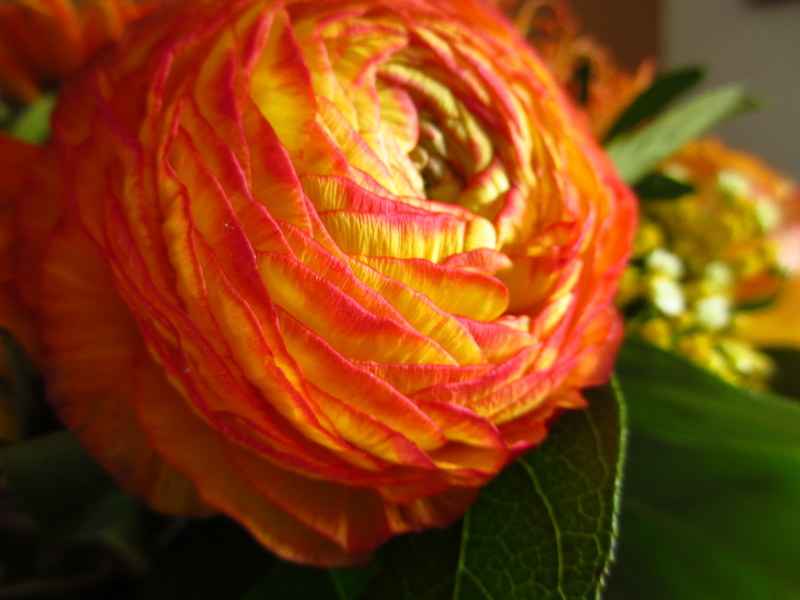
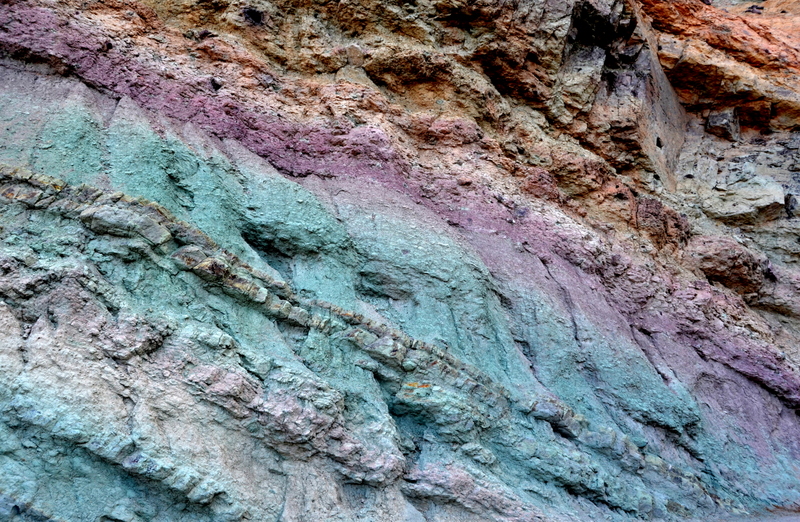
The word Layers is a very useful word, so many interpretations are possible here. I picked what first came to mind: Flowers and stone.

 096Ranunculus is a wonderful species,  to which also ordinary buttercups belong. But this one, above, is one of the most beautiful specimens I have put in a vase on my table. Its delicate layers in yellow and orange nuances speaks to my senses as few others do.

 2013 446In the mountains you sometimes come across beautiful coloured layers created thousands of years ago. And if you get the chance to get a close-up, they can seem almost like a rainbow.

 2013 455See more Layers of beauty here.