Thursday Thoughts – The Beach

Sometimes strange things happen…like a jigsawpuzzle everything just fits in, and you experience a picture you thought you would never see…
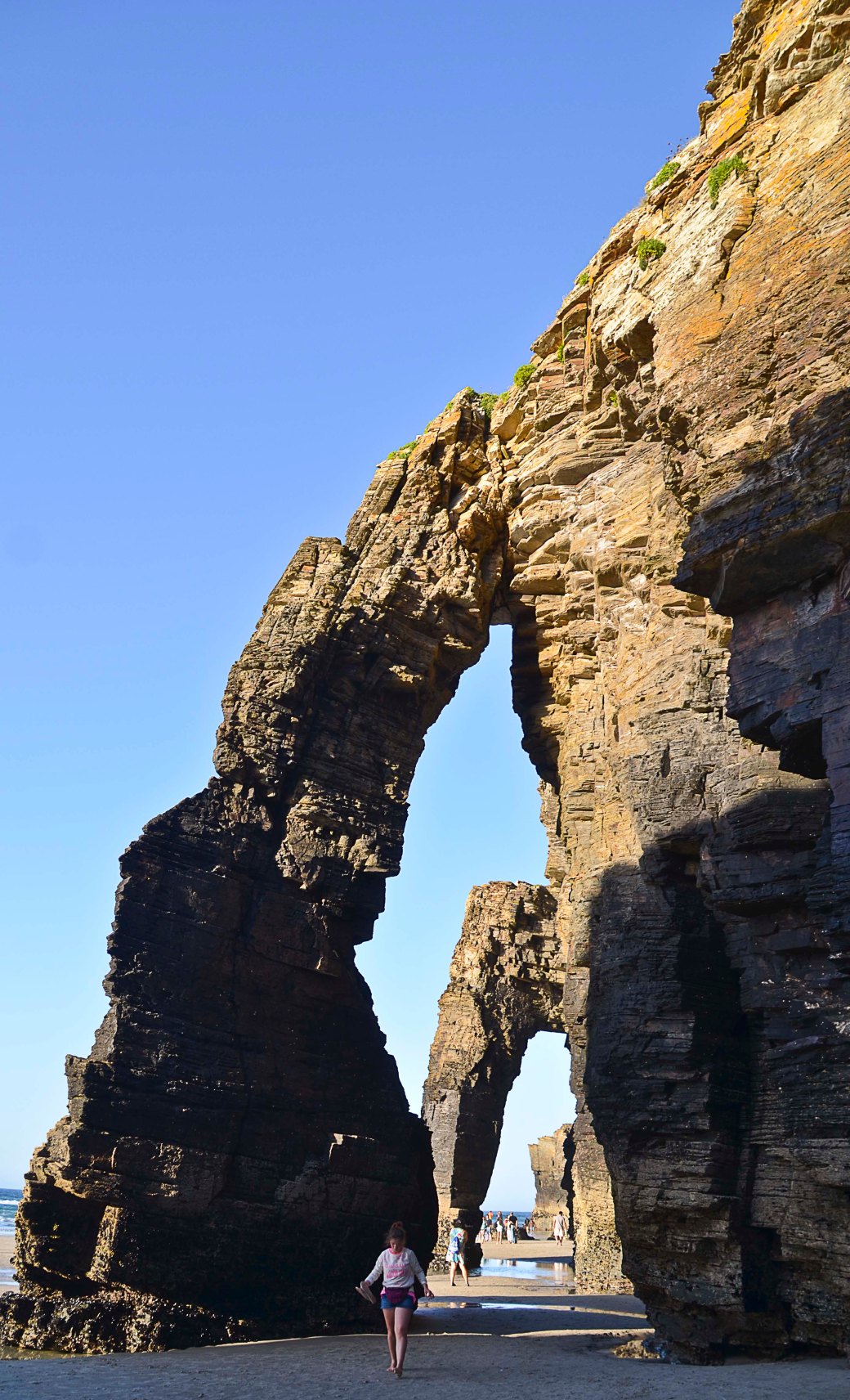
…or be able to walk into. This happened to us this July, on the north coast of Spain. We had booked a hotel for the night, and had checked our guide books as usual – nothing special here in Santiago de Reinante…
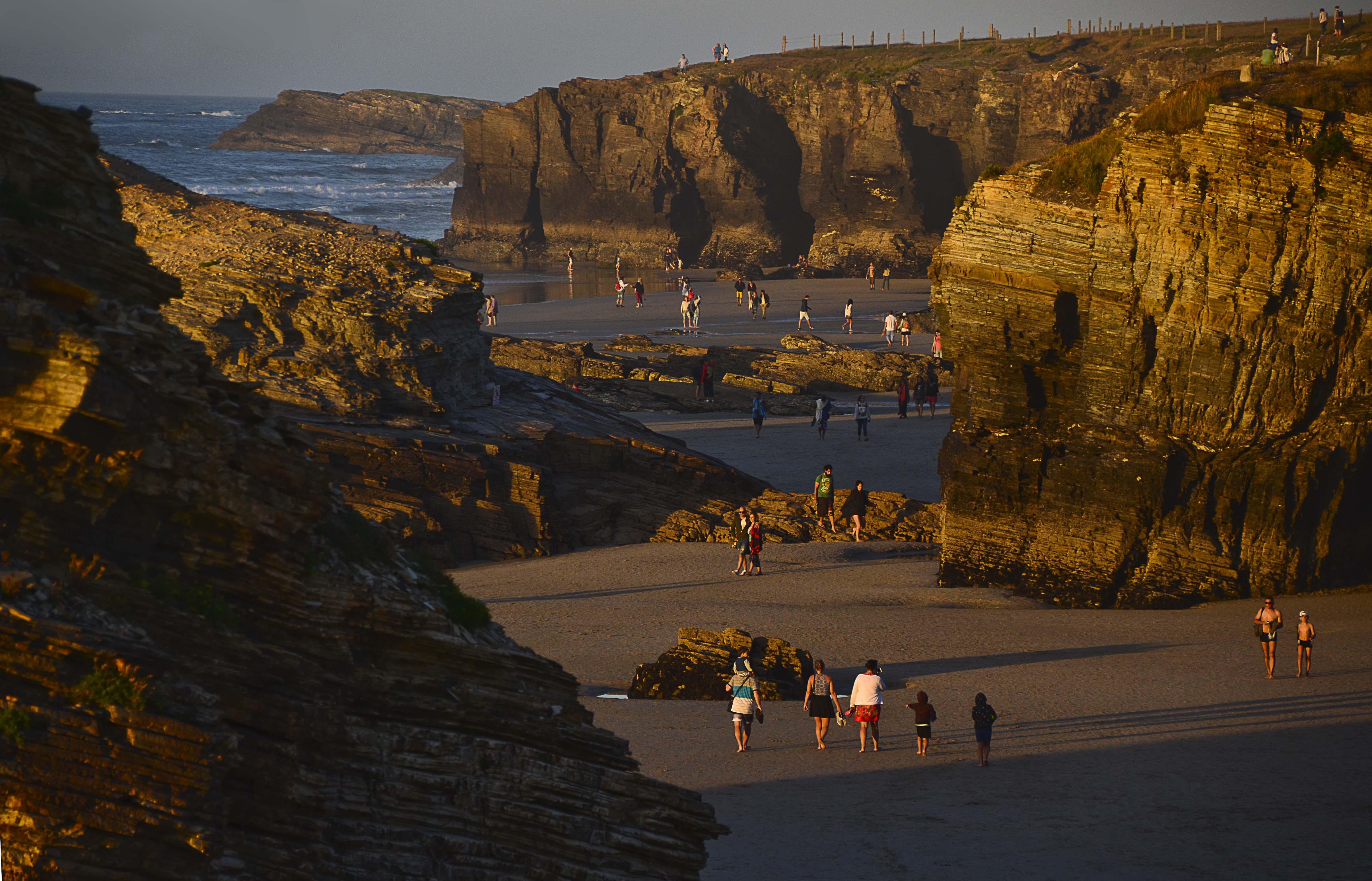
But, I got a hint from a leaflet I saw at the hotel…that maybe we should go down to the beach. A square of 2×2 cm pictured Catedrales, a very special beach it seemed…
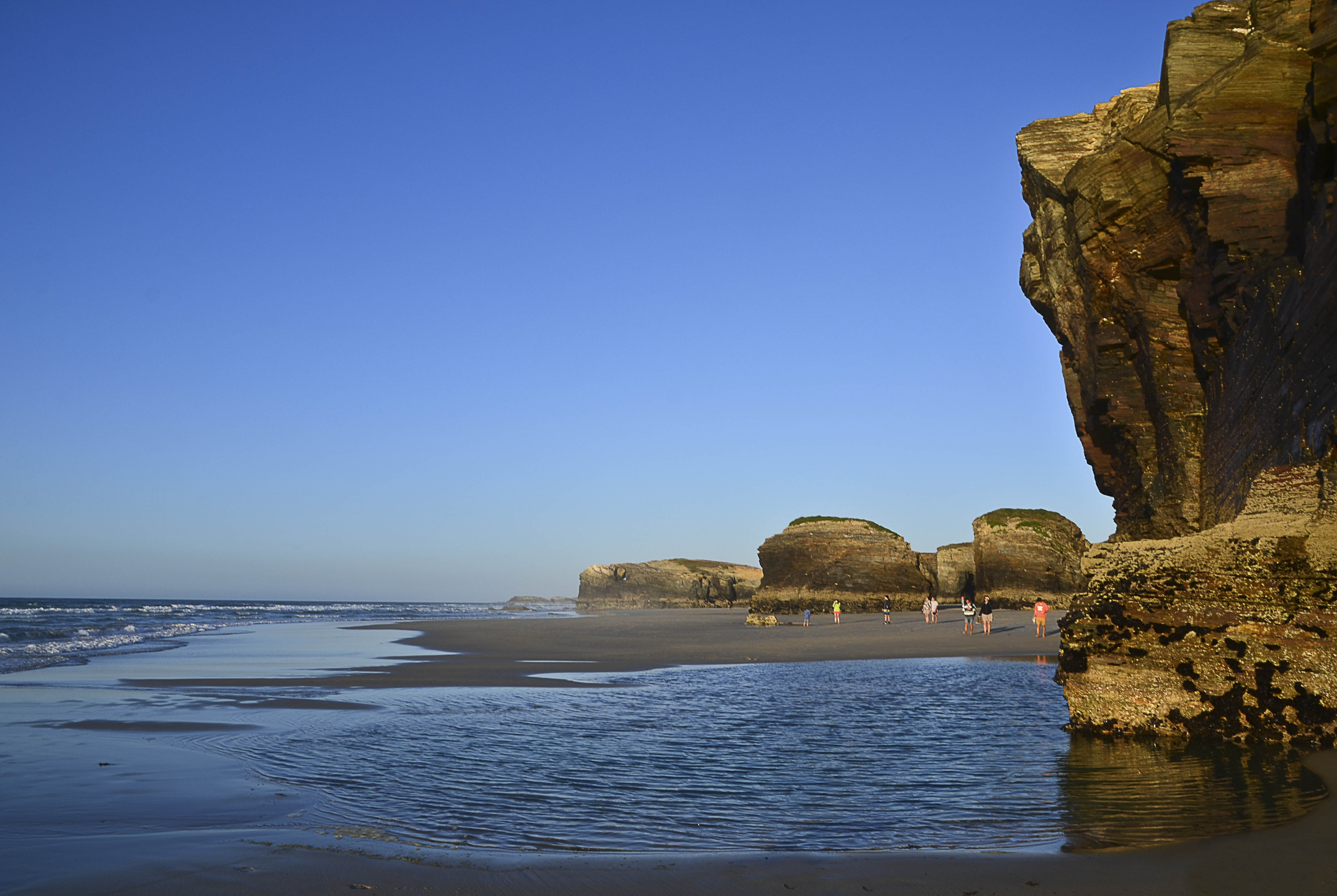
We soon realised that a permission was needed to walk the beach – it is a UNESCO World Heritage! Nothing, absolutely Nothing in our books had us prepared for these magnificent views.

My heart sank, maybe we would have to stay on the cliffs and not come down…But, there were very effective assistants on the steps down, and they helped us getting the permit via Internet – so,  we were two of the 4000 people allowed on this beach per day. My heart jumped and beat so hard I could feel it in my throat. This was so unreal…How could there be ebb as well? How could we be so lucky?

We walked for hours and hours…endless kilometres…trying to savour this moment as the precious gift it was. Unbelievable. This was not happening…
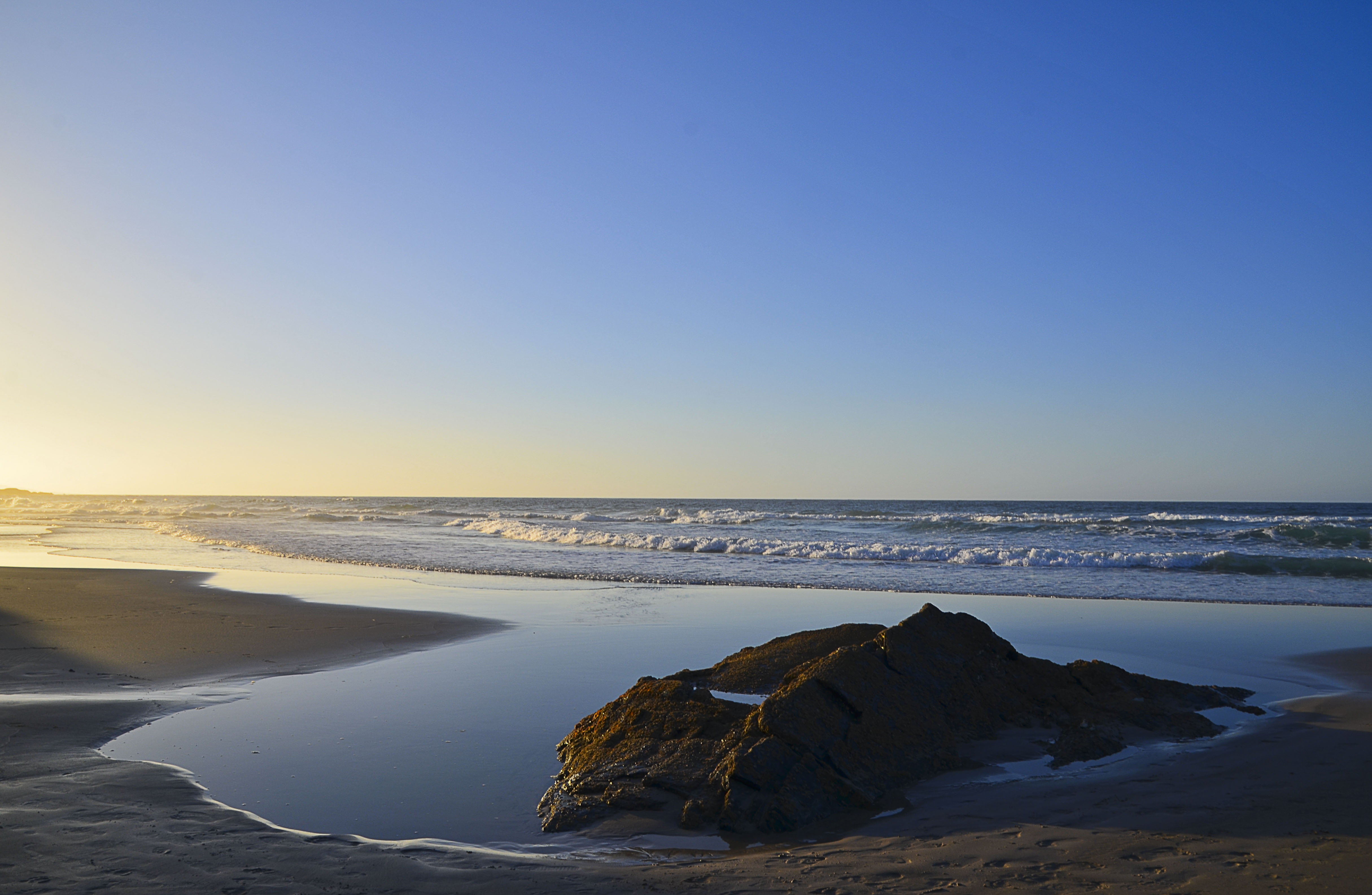
I never wanted the sun to go down, never wanted to leave this magnificent world…

Spanien 1 och 2 847_copy

But finally the sunset had to come, and the night closed in. I cannot say how grateful I am for this evening gift. Pictures cannot convey …my deepest feelings.
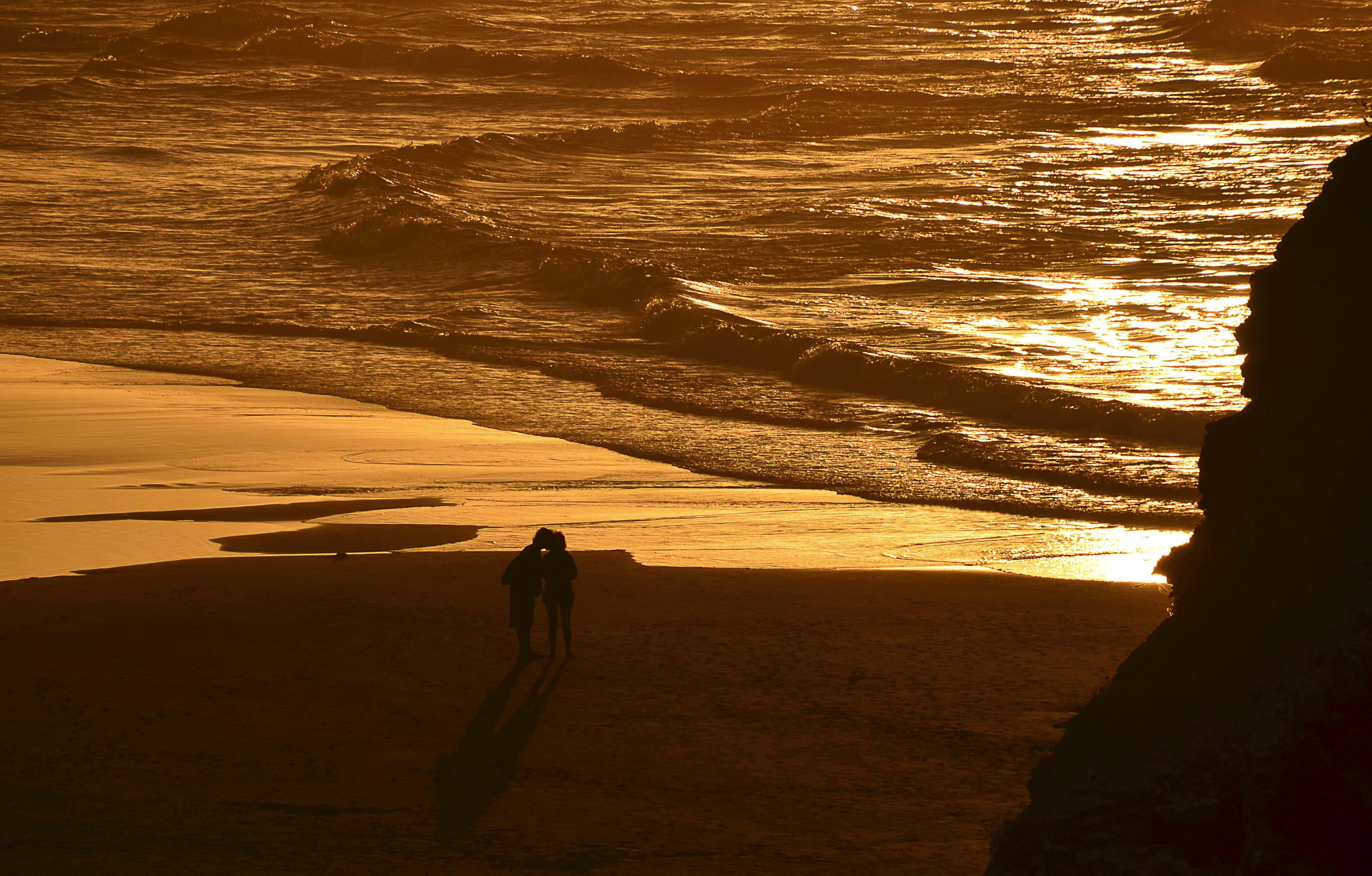
I wish you all such wonderful and unexpected gifts – and a good night!


More facts and photos on this beach at Albatz Travel Adventures.

CFFC: Hands

For Cee this week – hands. Very useful tools. Not only for showing love or affection.

They might pinch things from you when you least expect it…

And they can hold the most delicate things and creatures without hurting them…

And, they can also work fast and swiftly make the tastiest edible things…

Hands are needed.

They work well in many sayings and expressions as well: ”Give me a hand”, ”All hands on deck” etc. I believe ”hands” are useful in most languages. A Swedish example is ” Ge mig ett handtag” ( Give me some help here). How is it used in your language?

The Enchanted Monastery

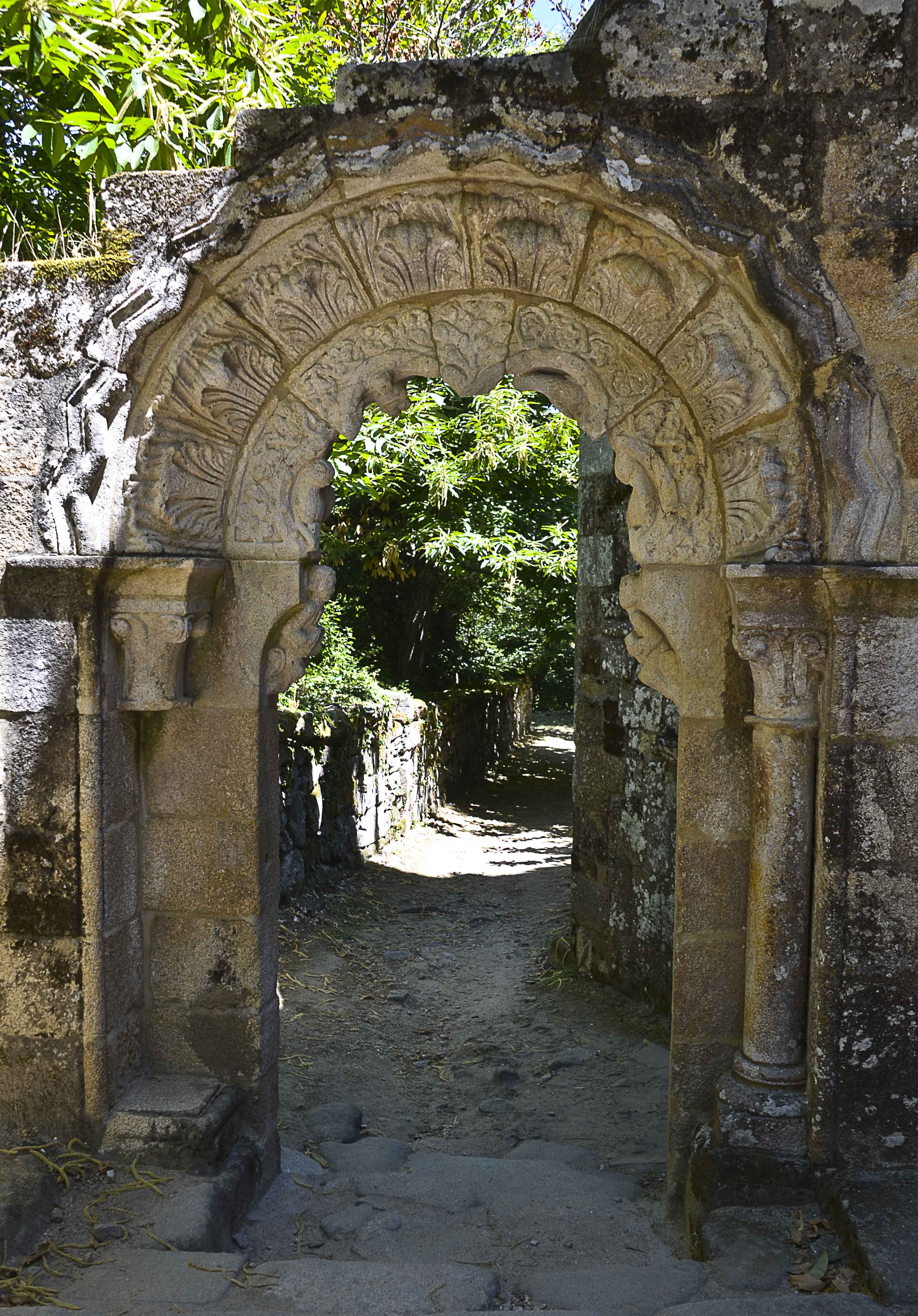
Monasterio de Santa Cristina (Ribas de Sil) in Galicia, Spain, originates from the 11th century, when monks came here to live in seclusion to meditate.

We had great difficulties in finding the hidden monastery, and had to follow winding roads for miles. Then a multitude of stone steps down…but, we were richly rewarded.

There is not much written about the monastery, or its church, but the very location and surroundings are enigmatic. I hope you noticed the stone faces watching us from above in the header…

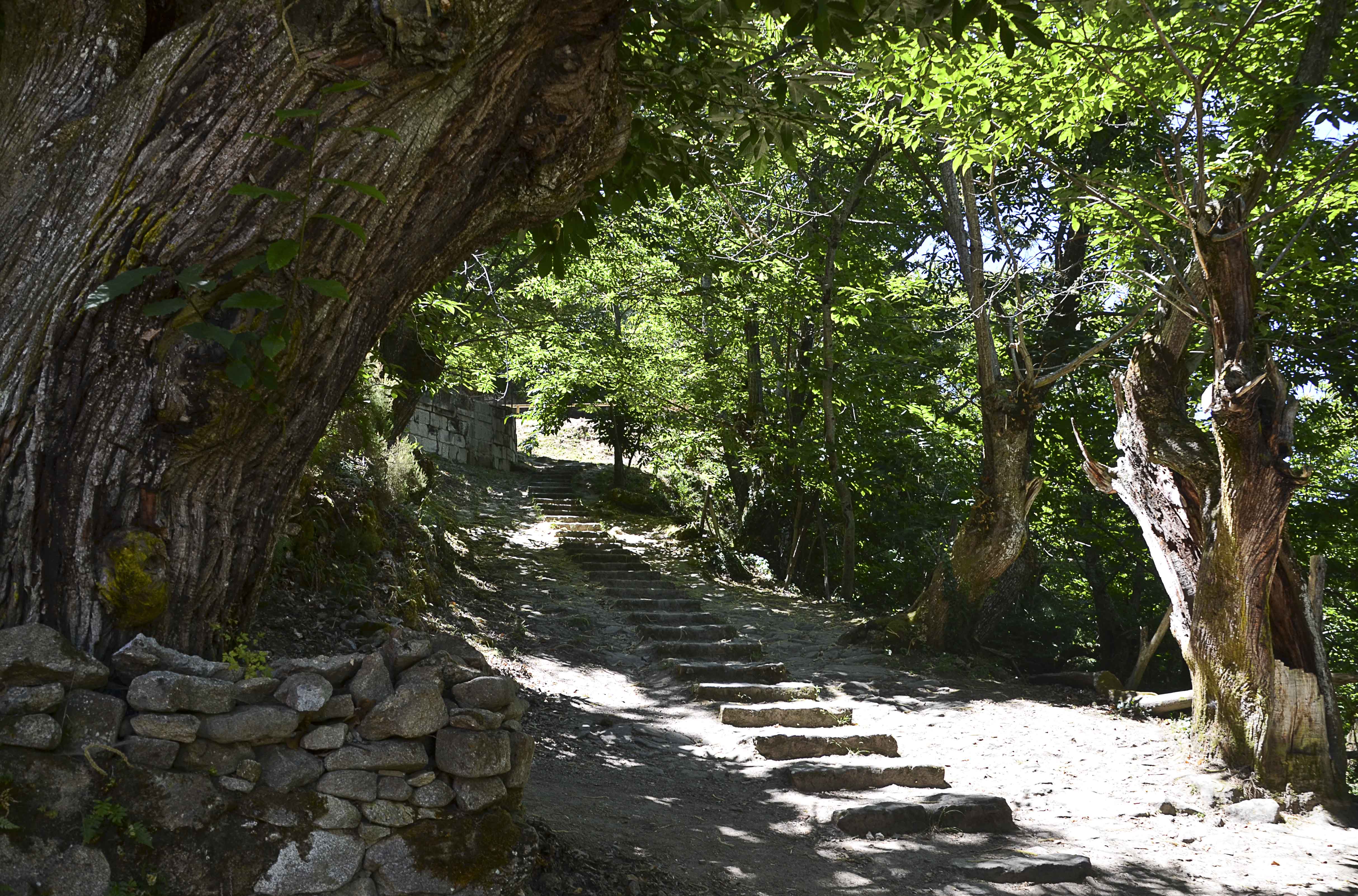
Hidden in the forest, it was impossible to get an overview of the buildings. We walked up the layered paths, and the unreal feeling only escalated. Not many monks have ever lived here – but how did they survive? It seemed impossible that they would have grown anything in this stone paradise. No matter how green it was…

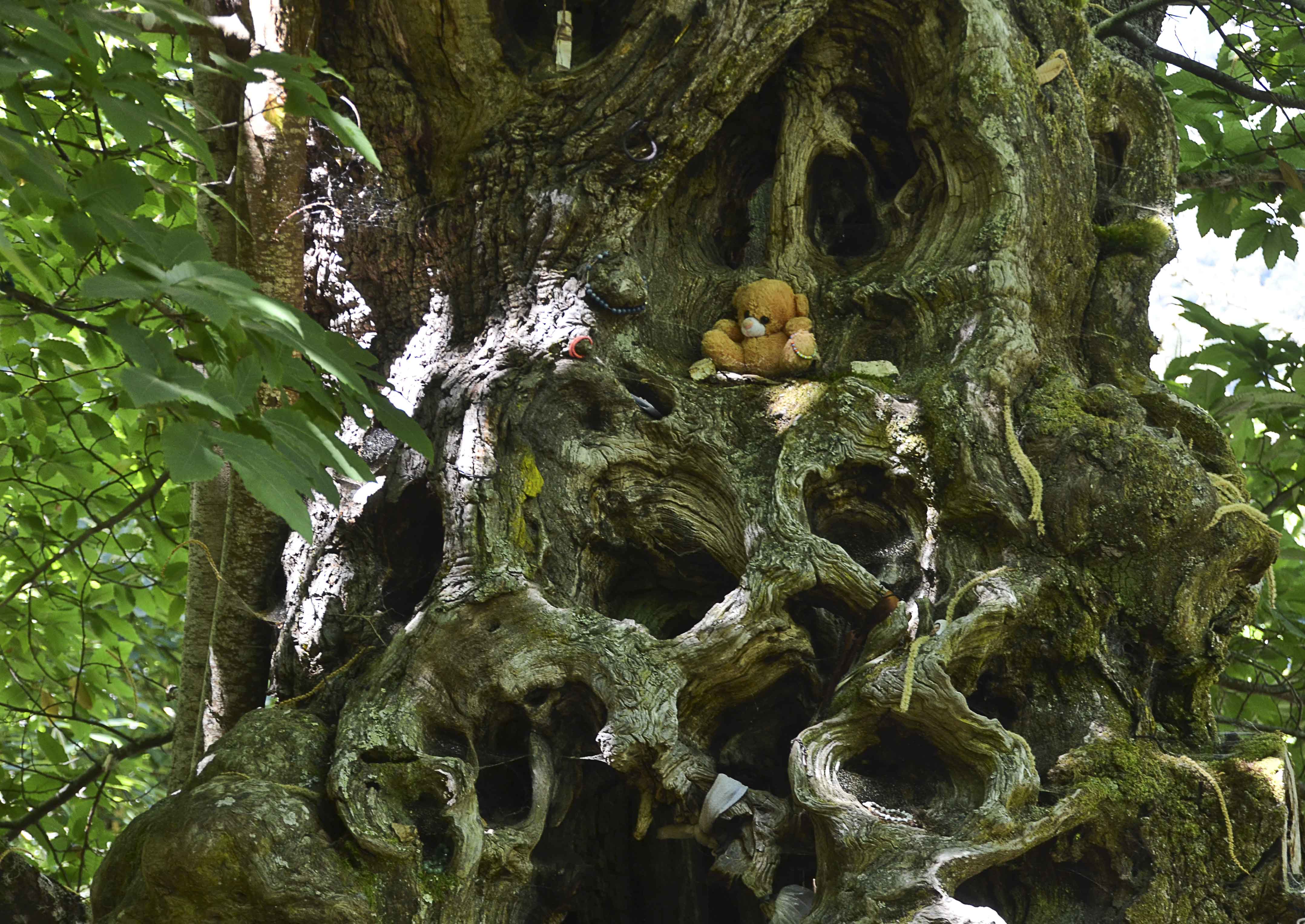
The old trees all seemed to be aware of us being there…and as I turned around on the path, one of them made my eyes wander up the trunk for his message…resting some four, five meters up…

Cee’s B&W Photo Challenge: Any Seating Including Tables and Chairs

Cee’s Black & White Photo Challenge: Any Seating including Tables and Chairs

This is Any seating…

from the Car Graveyard in Ryd, Småland, Sweden.

CFFC: Legs and Feet

Legs and feet for Cee…could not help posting this one from Le Louvre, Paris. We had great fun, and my daughter had me posing, joking about her brother’s big feet…

For more feet, click here.

Paris 2008 052

022414-feature-banner


Thursday Thoughts – The White Stork is Back!

On my trip to the northern parts of Spain, I made some lovely aquaintances…and not only with people. I was happily shocked by the numerous storks here – at least one nest in every village!

The white stork (Ciconia ciconia) is a large bird that measure on average 100–115 cm (39–45 in) from beak tip to end of tail, with a 155–215 cm (61–85 in) wingspan. The white stork is a long-distance migrant, wintering in Africa or on the Indian subcontinent. He is also a symbol of my part of Sweden.

He eats a wide range of animal prey, including insects, fish, amphibians, reptiles, small mammals and small birds. He takes most of his food from the ground, among low vegetation, and from shallow water. He is a monogamous breeder, but does not pair for life.

Both members of the pair build a large stick nest, which may be used for several years. Both parents take turns incubating the eggs and both feed the young.

The white stork benefited from human activities during the Middle Ages, but changes in farming methods and industrialisation saw it decline and disappear from parts of Europe in the 19th and early 20th centuries. Conservation and reintroduction programs across Europe have resulted in the white stork resuming breeding in the Netherlands, Belgium, Switzerland and Sweden.

In 1954 the last pair of storks disappeared from Skåne, where I live, as the wetlands were dried out. Many people wanted the beautiful bird back, and in 1989, some wetlands were restored and the Swedish ”Stork project” started. Goal: 150 pairs living free and nesting here. Important to us ”Skåningar”, as the stork is a symbol for this southern part of Sweden.

This summer 112 new storks were released from the project. As they move south, as many as 80-90 percent die flying into power lines breaking legs or wings.

The adult white stork’s main sound is noisy bill-clattering, which has been likened to distant machine gun fire. The bird makes these sounds by rapidly opening and closing its beak so that a knocking sound is made each time its beak closes. I assure you – the sound is not to be missed…when the two of them starts, it gets louder and louder.

This conspicuous species has given rise to many legends, of which the best-known is the story of babies being brought by storks. Have you ever heard of this as a child, in your country?

(Facts taken from Wikipedia and the Swedish Stork project.)

WPC: Narrow

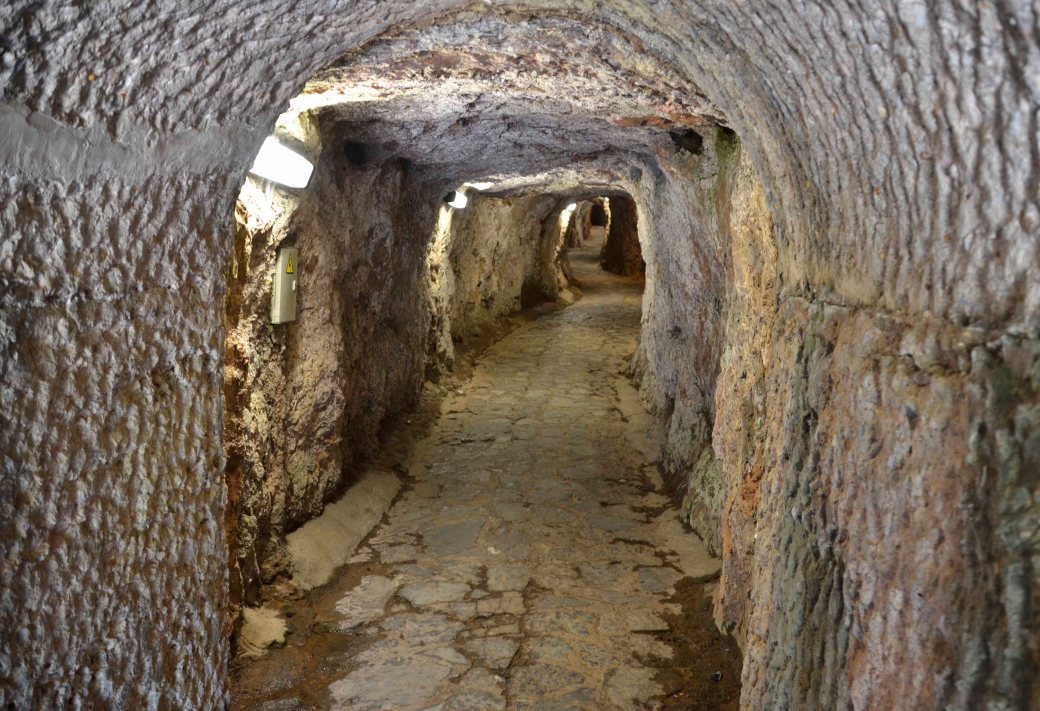
As much as I like the open landscape, I also like things narrow – unless it turns up in nightmares where I am stuck in a narrow tunnel, unable to go either forwards or backwards…

For more things narrow, click here.


The tunnel leading to  Cuevas de Valporquero, Spain. In reality – not a nightmare!

WPC: Look up

Look up! This is a very varied challenge with many possibilities. My take is all about nature – even if you might not think so…

In the header, a lamp from Gaudí’s Casa Batllo´in Barcelona. He always used Nature herself as an inspiration. Maybe a drop of water in a pool?


A Swedish autumn birch in its splendour – who would not look up?

Great tree ferns, New Zeeland, North Island.

Great tree ferns, New Zeeland, North Island.

New Zealand’s Great fern trees draws your eye…upwards.

Madrid

Madrid

In Madrid my head went dizzy when watching this tree in a spectacular swing…

Madrid

Madrid

And these well dressed trees… I just hade to peep inside for this spectacular view!

For more reasons to look up, click here.


My Illusory, Illusive Week…

Strange things this week…It all started out so well…but these are my memories …

…in my ordinary Blekinge again. Don’t we all have crazy dreams sometimes…?

Blekinge och Helsingborg 009_copy

CFFC: Bridges

Cee’s Fun Foto Challenge: Bridges

I have one special favourite of all bridges…the old Roman bridge in Switzerland, Verzasca valley. Read my post about this valley here.

Another favourite bridge, actually an aqueduct, is Pont du Gard in France. But you can no longer walk Pont du Gard. I did in 1976, on top, about 50 cm width and I had my Swedish clogs on. I guess I should be grateful to have survived that walk…

Click the link for more beautiful bridges!

The Verzasca Valley