Everyone who once has owned the friendship of a dog, will love the story of Hachikō – Japan’s most famous dog.
Hachikō was an Akita-inu, born in 1923. He followed his master to the Shibuya station in Tokyo every day and met him there every night when he returned.
But one day, professor Ueno suddenly died and never came back. Hachikō waited for almost ten years for his master, sitting at the same place outside the station. Many people cared for him and helped him, so…
…his story got wings and travelled around the world, even to Sweden. As a child I read about him and was very moved by his faithfulness. At home we always had both cats and dogs, so my heart was aching for his fate.
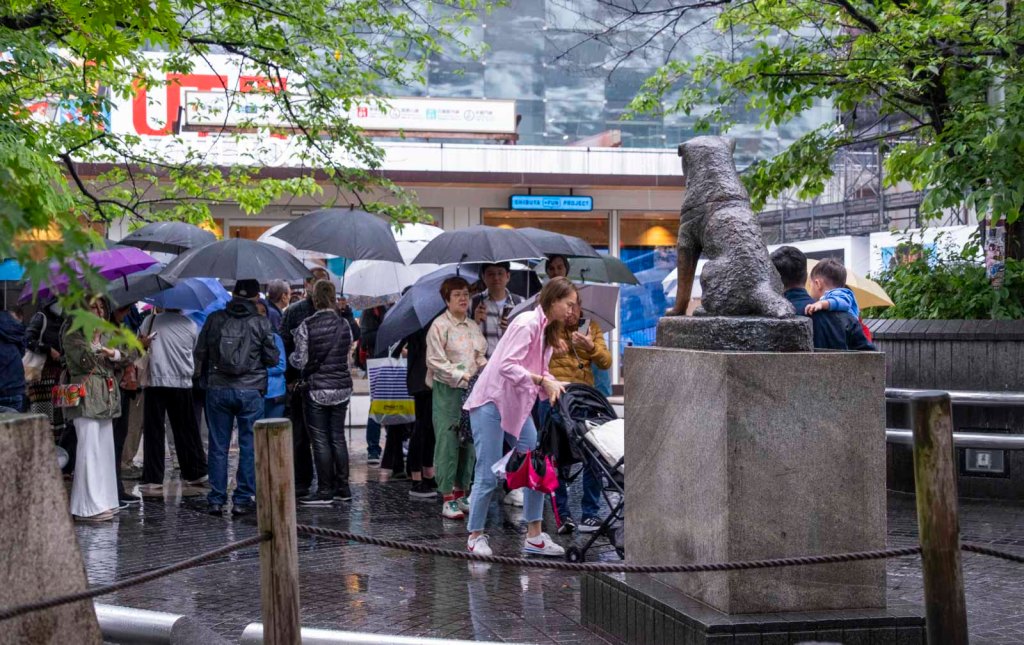
In 1934, his statue was unveiled, and Hachikō himself was present too. Today there is always a long queue to his statue – young and old – everyone wants a photo with him by their side. Even if it is heavily raining…The station gate and exit wear his name and on the wall there are several Akita-inu dogs portrayed.
The question for today is to what extent AI makes the work something other than photography and at what point should it be identified as such.John is our eminent host. I encourage you to take a look at his site and give the question of AI some thought. He takes a thorough look at it. We are there, and if we listen to the experts – we cannot go back from it. We don’t have to use it though… but do you think it is ”photography”?
Personally I edit my pictures with a light touch – when I edit. I have changed skies, but that is when I work with scanned pictures I cannot make better. And, I write it when I have. Before this post, I had never written a prompt for a totally new picture – To me, this is a different kind of art, fun to try, but I don’t think I will ever do anything but playing with it. So, here we go! I will try the WP AI, as I was so inspired by Donna, and because with WP, we can all try it, even if PS or Lightroom is not an option on our computer. Use the right bar!
My first try was, like Donna’s, to use my blogname. I wrote ”A Lagotto Romagnolo and Cattleyas”. I was not at all happy with that one, and changed it to ” A brown lagotto running in a field of cattleya orchids” That picture is in the opener. The orchids are not cattleyas, but AI could produce a reasonable picture of a Lagotto Romagnolo. Milo is nodding too.
For the second picture I wrote ”A Geisha in a Japanese temple”. For both pictures I tried 7-8 different suggestions.
For the third one, I wrote ”Tokyo Sky Tree”. This option I liked the best, but none of them met my expectations. It was an interesting lesson though.
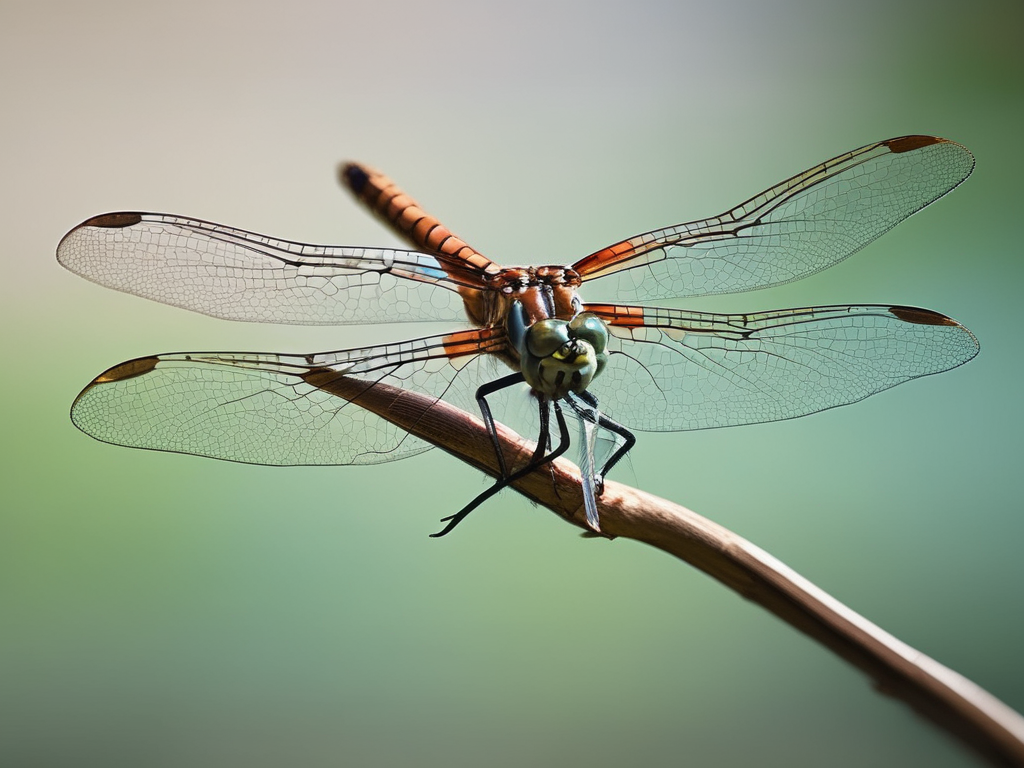
My last try was a macro, and I found this one acceptable. WP’s AI is not good at making the picture feel real, but I saw Sofia’s Firefly play – and they were really really good! My biggest fear is not being able to tell what is real or AI. In fact, today I am more careful with pressing ”like” or adding a heart on instagram – there are too many AI generated pictures. In that perspective, WP is better – those are undoubtably AI… I strongly believe that if the major part of the picture is changed with AI, the photographer should say that in the text, and if the whole picture is AI generated, it is a must. Then it is no longer a photo.
For John’s question about the peninsula picture – the second one shows very strange waves, so, that might be the AI?
Thank you, Sofia, for last weeks floral enchantments, and the chance for me to feature the Japanese Wisteria garden!
Donna will host the challenge next week, go to her inspitational site and see what she is up to! If you’d like to participate in the challenge responses each week but aren’t sure how to get started, check here.
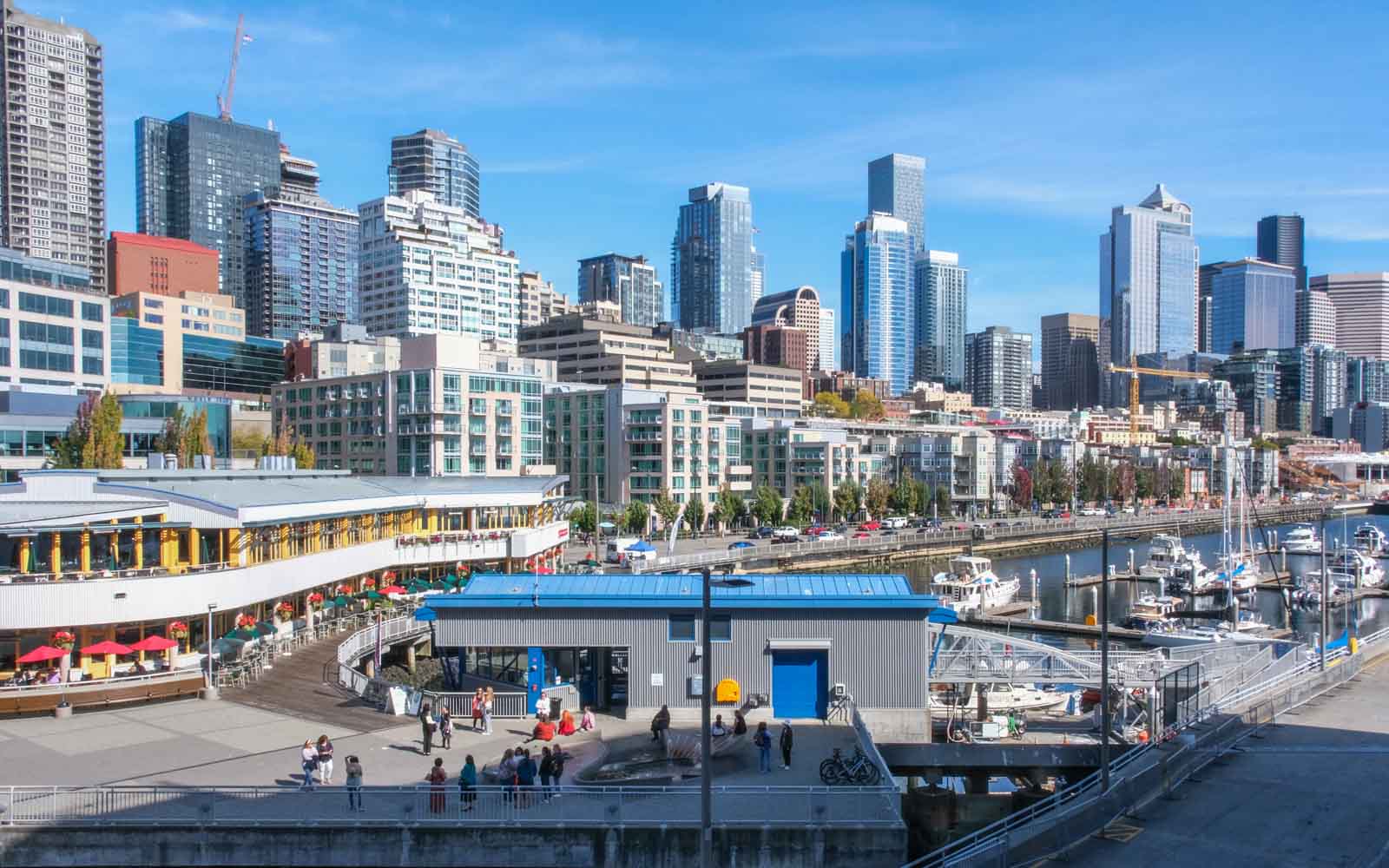
We left a sunny Seattle and sailed north to Ketchikan. A town with only 8000 inhabitants, but
– The Salmon Capital of the World.
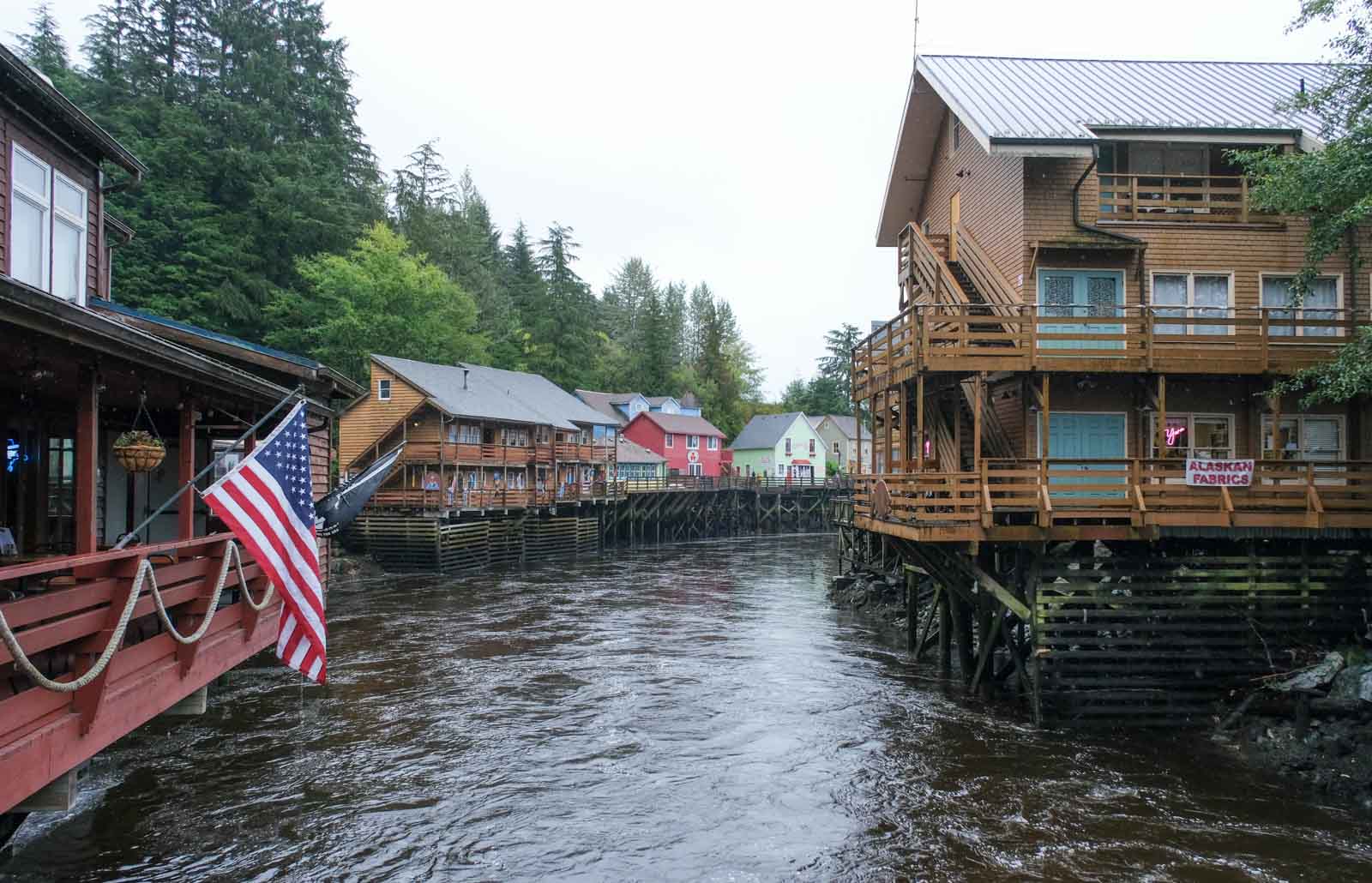
And indeed we saw salmon…lots of salmon. The river was teeming with life, but fishing bears were not in sight, in fact that tour was cancelled due to heavy fog.
Instead we watched seals catching salmon when we walked along the charming Creek Streat.
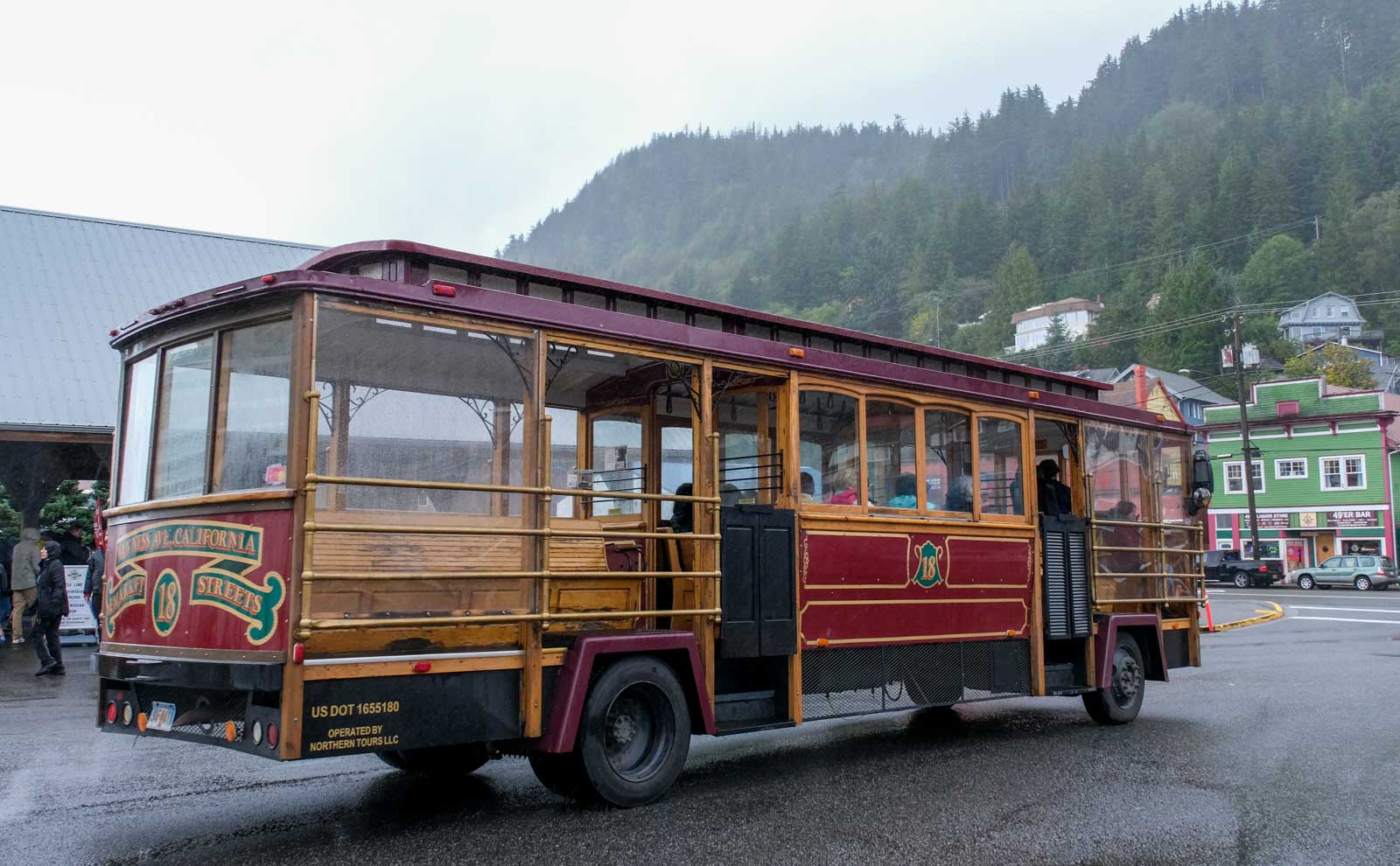
The lovely old bus was a must photo.
And, of course we left the harbour in sunshine – we hadn’t seen a single ray earlier that day.
Patti says this week we’re exploring “the edges.” What have we captured “On the Edge” of buildings, cliffs, beaches, shelves, or any kind of edge we can think of. An interesting challenge open for many interpretations.
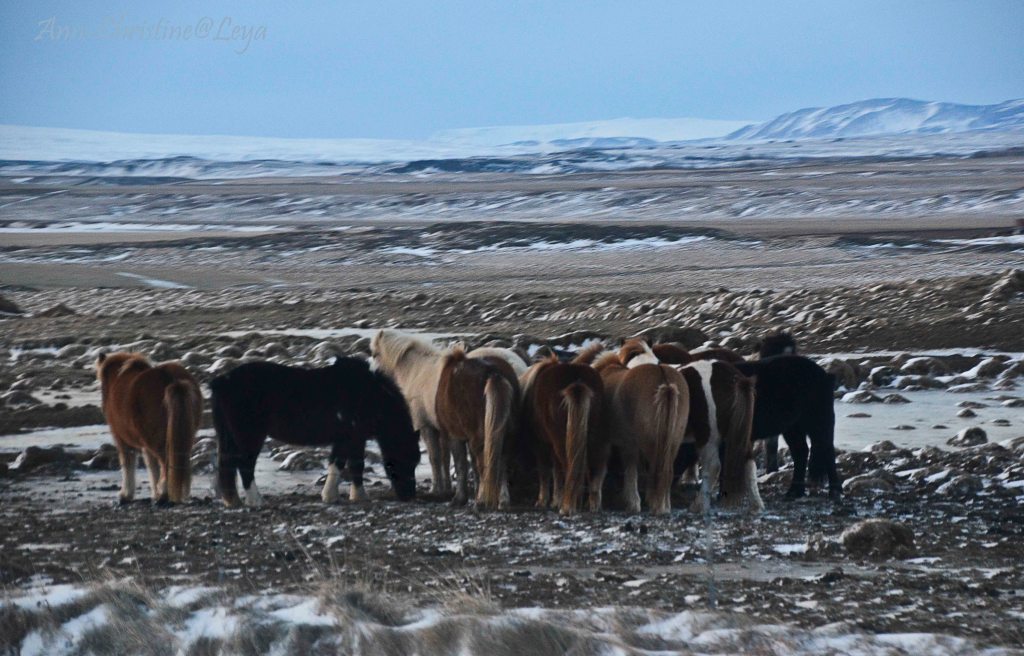
In the header, I have put Icelandic rocks and a weasel(?) on one of the edges.
I want to stand as close to the edge as I can without going over. Out on the edge you see all the kinds of things you can’t see from the center.
– Kurt Vonnegut
Switzerland and my garden – varied things and creatures on the edge.
We live at the edge of the miraculous.
– Henry Miller
Alaskan rainforest and a small tent covering a First Nation family. On the edge of society.
Life and death are balanced on the edge of a razor.
– Homer
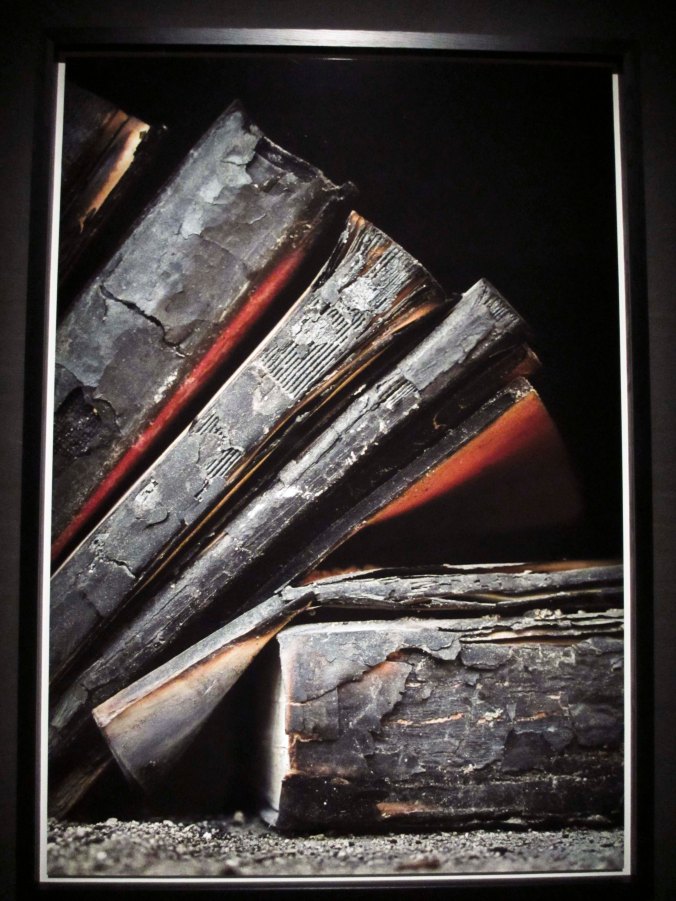
My hands and camera on the edge of a precipice – of books!
‘Tis the sharpness of our mind that gives the edge to our pains and pleasures.
– Michel de Montaigne
Climbing on the edge of a cactus, but also on the edge of extinction. Galapagos Islands.
A sharp tongue is the only edge tool that grows keener with constant use.
– Washington Irving
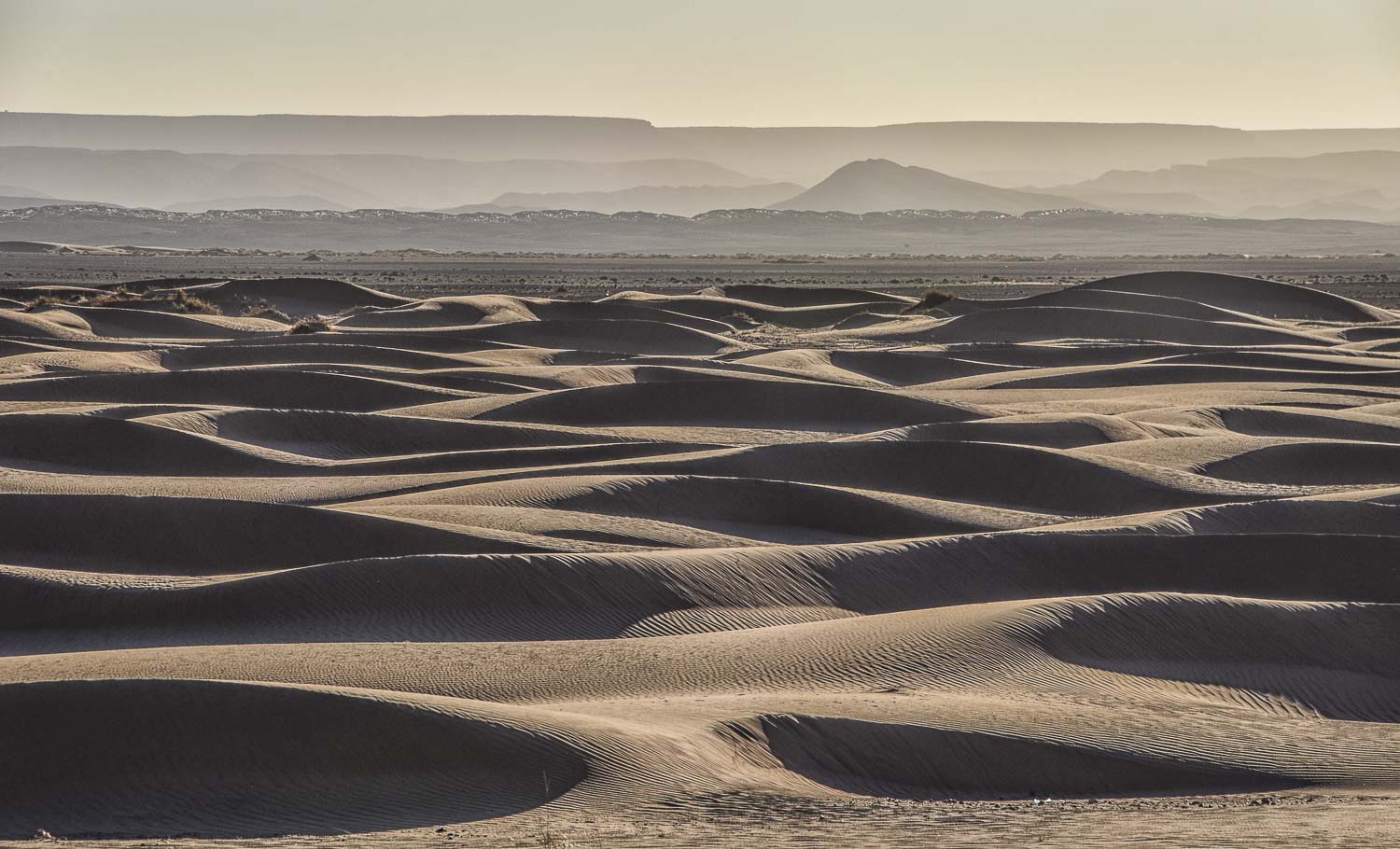
Morocco, walking the edges of Sahara dunes.
Sooner or later we will come to the edge of all that we can control and find life, waiting there for us.
– Rachel Naomi Remen
Thank you Tina for a marvelous challenge last week, and thank you Patti for this week’s intriguing theme. Please visit her site for magical inpiration and put the Lens-Artist’s tag on before linking it to Patti’s post.
Next Saturday I, Leya/Ann-Christine, will be your host, and the theme is On Display.
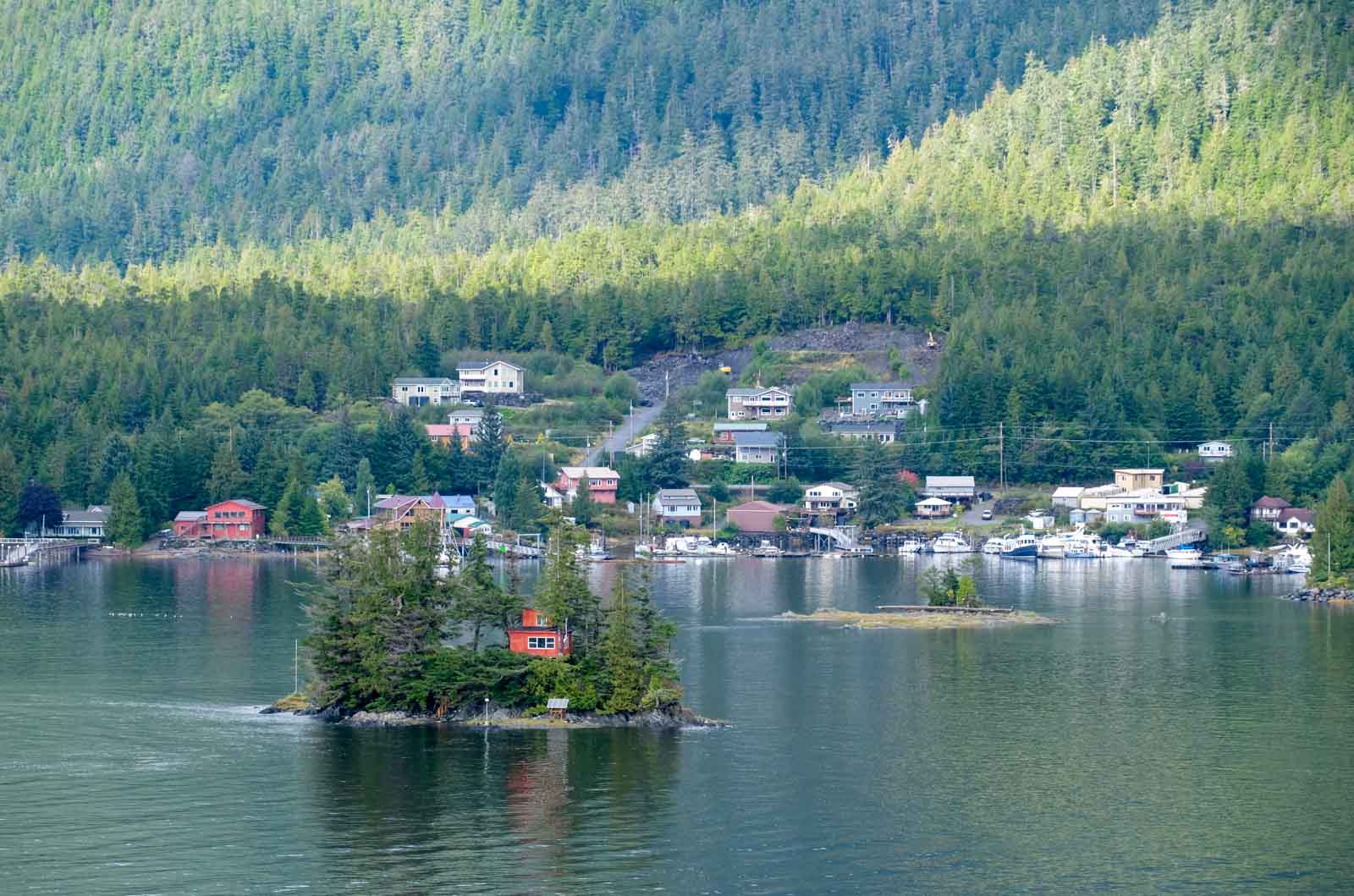
I am back, happy, terribly jetlagged and tired, but sending views from Alaskan waters, the Inner Passage.
We had very varied skies and waters, and beautiful views whenever and wherever we went. Much rain, but with the right gear – no problem. And as we come from Sweden, we were prepared.
Silent and deep blue early mornings – clouds hovering over the white mountain tops. I cannot say how much I loved those mornings.
I had expected more birds, but my last sail was in warmer waters in the Galapagos Islands. Here the colours shifted several times a day – every shade of blue and green.
Seals and sealions were frequent, sometimes waving at us, making me smile every time.
Snowcapped mountains are always favourites, even in rain.
We decided not to take any whale tour, much because we have seen them several times in Iceland, so close and even touching the boats. In the Alaskan seas we saw these impressive creatures every day anyway – orcas and humpbacks. Not that close to the ship though, but they were two or three together every time.
Sunsets and sunrises – we were lucky enough to get one of each – that we could see.
It was an adventure with new sights every day and then some great land excursions too. I brought my father’s jacket and left it there with a note inside. He always wanted to go to Alaska and Canada – his best friend from his youth emigrated to Canada, and they kept calling each other till the end. But my father never got to Canada – or Alaska – though. So, I left a piece of ”him”, together with his story. It felt good. I hope he knew.
Du måste vara inloggad för att kunna skicka en kommentar.