Burgos – the Cathedral of Cathedrals

Burgos (founded in the year 884) in Castilla  y Léon is strategically set on the main road Madrid – France and also on the road to Santiago. The city has always had a prominent position in Spain.
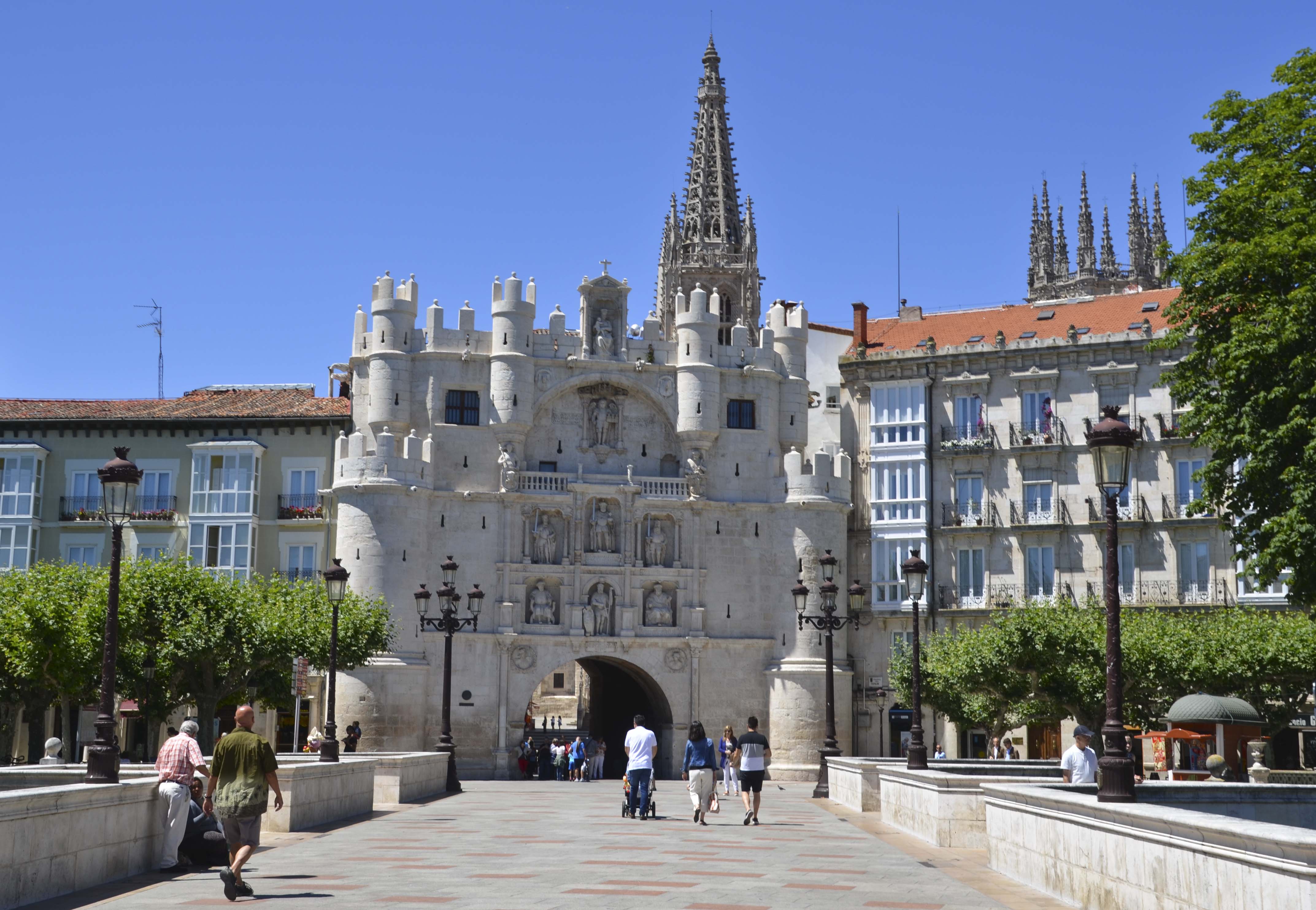
We entered the old city through Arco de Santa Maria.
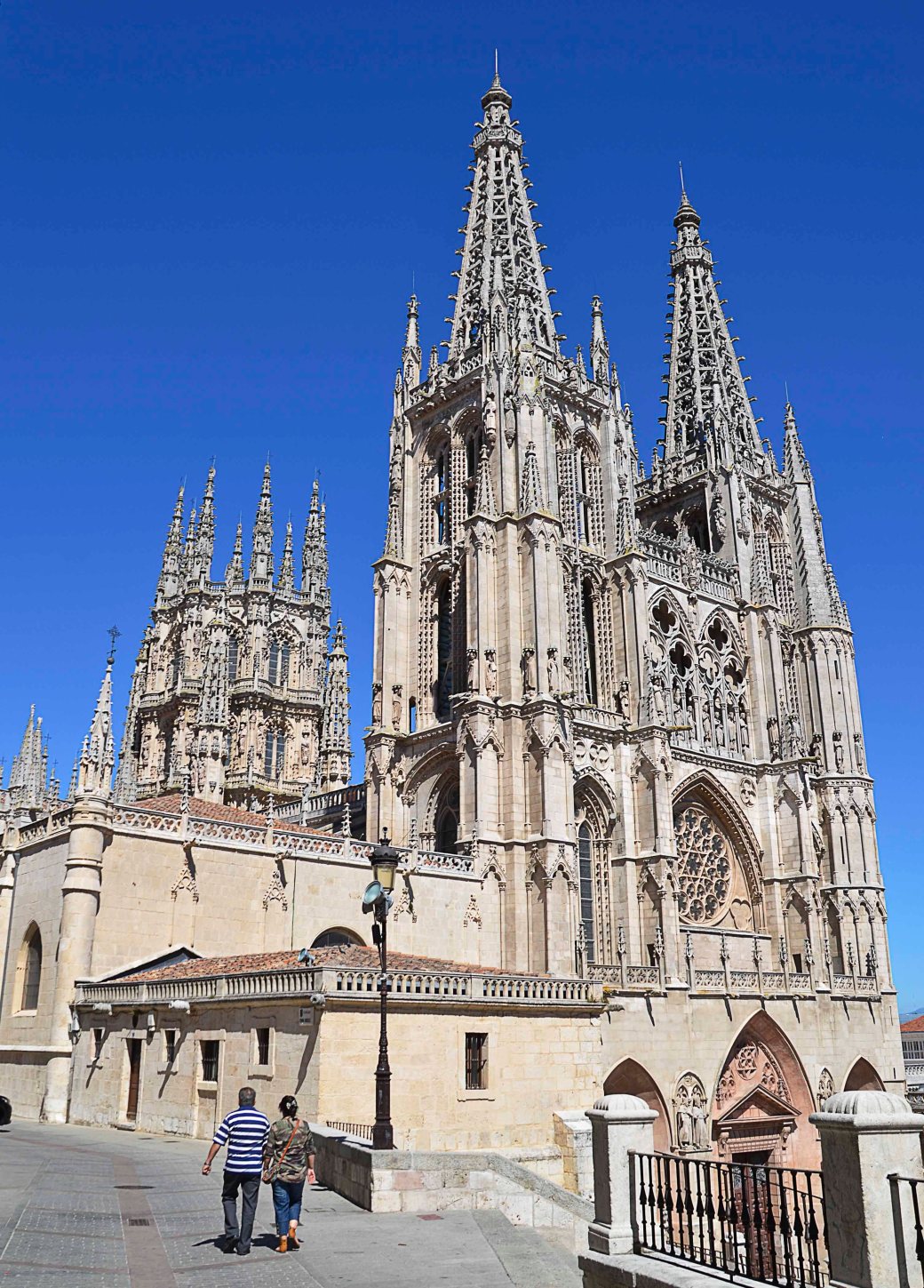
The Cathedral of Saint Mary of Burgos is dedicated to the Virgin Mary. Its construction began in 1221, and the style of the cathedral is the Gothic, although it has, in its interior, several decorative Renaissance and Baroque elements. The construction and renovations were made with limestone.

The design of the main facade is related to the purest French Gothic style of the great cathedrals of Paris and Reims, while the interior elevation as a reference to Bourges Cathedral.

The characteristic pinnacles with crab ornaments can be seen in the header.

El Cid (Rodrigo Díaz de Vivar, born 1043) was a charismatic, brave and courageous warrior who conquered the Mores and took Valencia for the Christians (and ruled the city until his death). He earned his name, El Cid, from Arabian Sidi (Lord) because of his great courage, but was made immortal by the poem El Cantar de Mío Cid (1180). His (and his wife´s) grave is just beneath the magnificent star dome. A dream place to be buried…
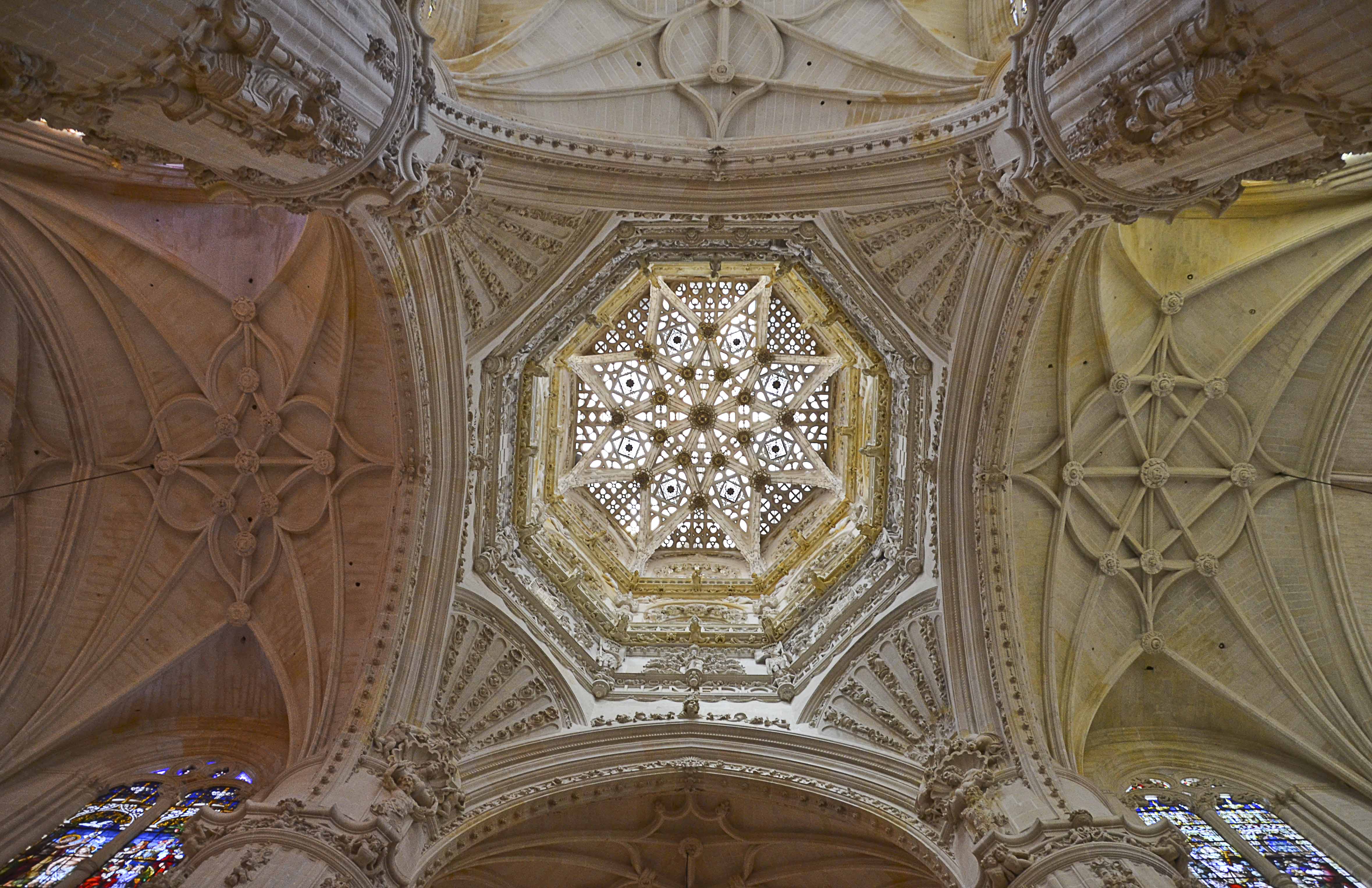
In the cathedral are preserved works of extraordinary artists, and the numerous architectural, sculptural and pictorial treasures inside include:

15th century art work – now being restored

The Cathedral could have been built yesterday…or restored the day before…that magnificent is its beauty. Every detail exquisite – I have never seen anything like it. And, I have seen many Cathedrals and churches… We enjoyed these treasures for more than two hours, and we could have stayed longer…
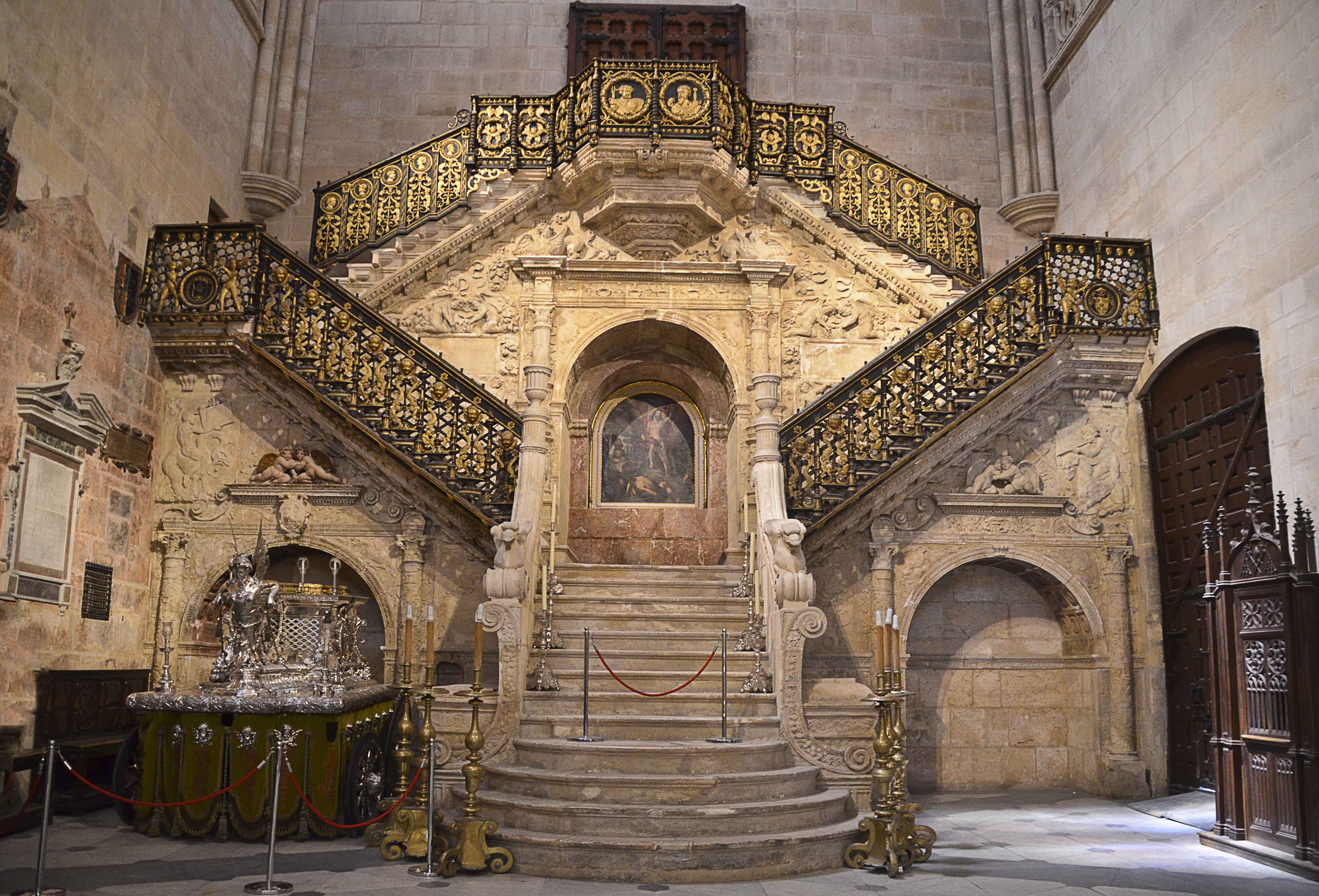
The Renaissance Golden staircase by Diego de Siloé, covers a whole wall – and in my opinion, this is the most outstanding gem in the cathedral. In fact, it became so famous, that it served as a model for many other famous staircases. Among others, the one of the Paris Opera.

The cathedral was declared a World Heritage Site by UNESCO on October 31, 1984. It is the only Spanish cathedral that has this distinction independently, without being joined to the historic center of a city or in union with other buildings.
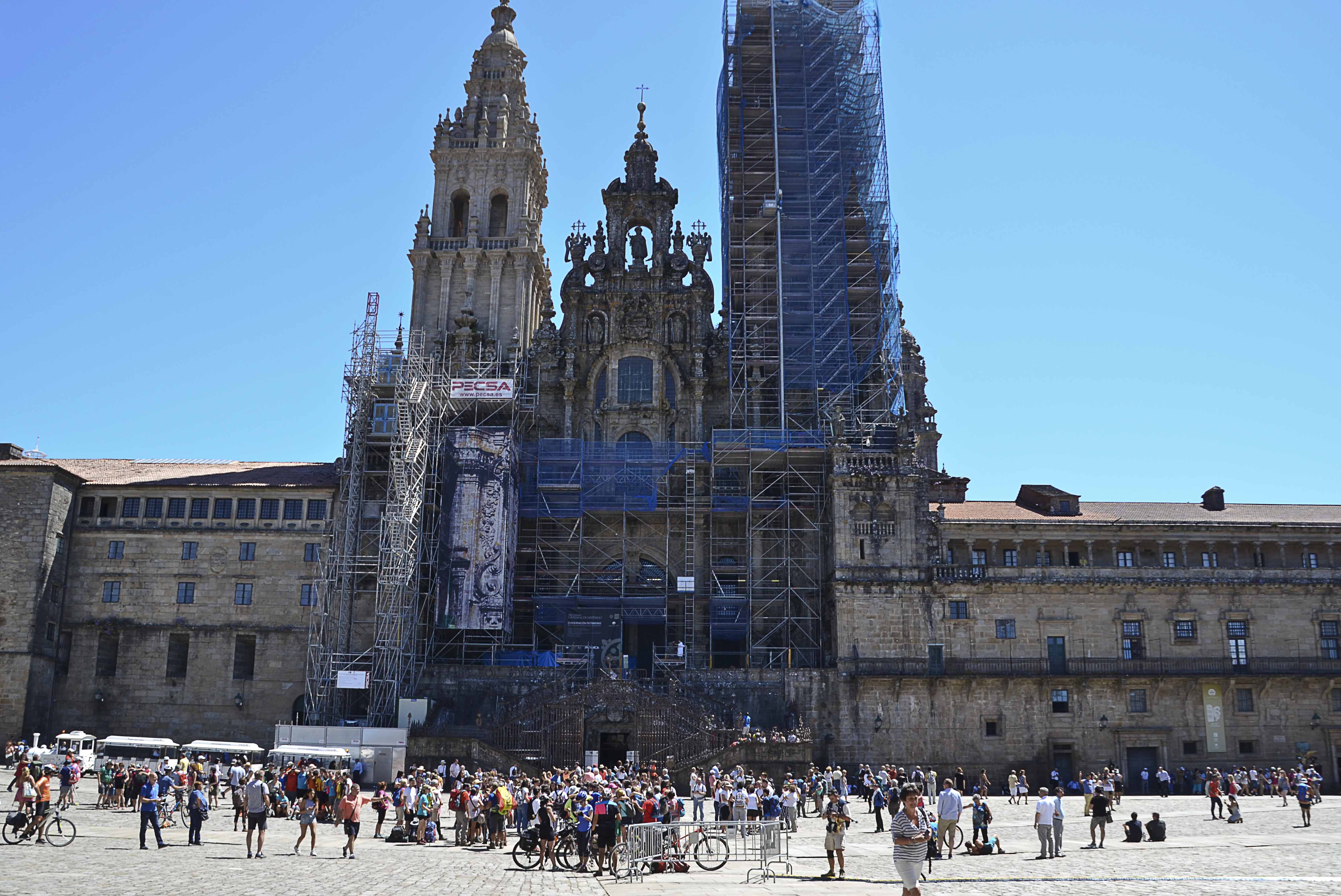
Santiago de Compostela – The Goal for Every Pilgrim

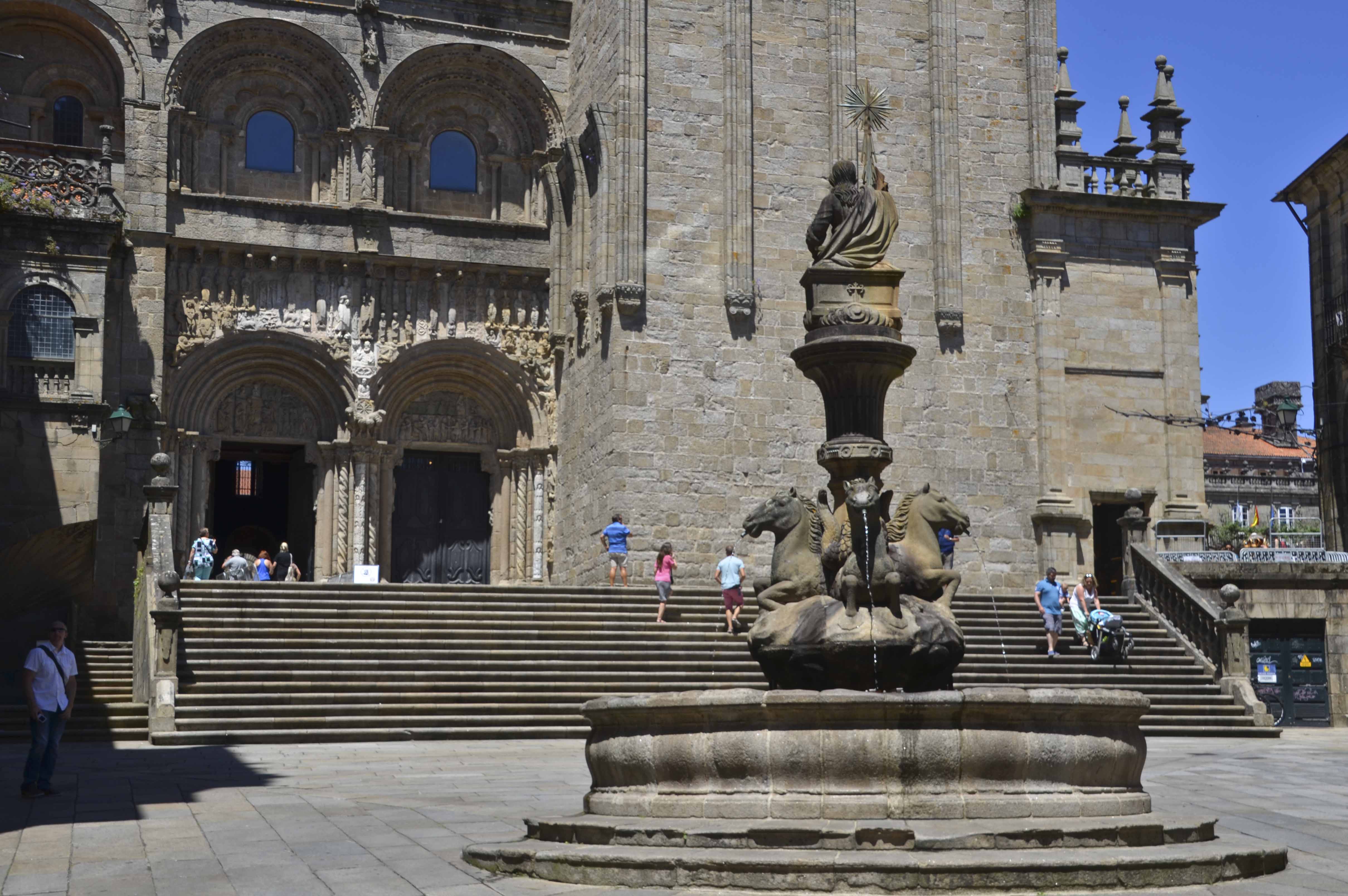
What gave me most joy about Santiago de Compostela, was to see all the pilgrims arriving at  Praza do Obradoiro in front of the impressive baroque facade of the Cathedral.

spanien-1-och-2-595_copy

So much joy!

Then every pilgrim must attend the Pilgrim’s Mass. So, let us join the them and enter into the magnificent Cathedral,  built for S:t Jakob in 1000-1200 .

The ritual with the Botafumeiro has an interesting history…

So, this is the end of the pilgrim adventure for now – But maybe some day…

Buen Camino!

”Buen Camino”, is the word following the pilgrims along their walk. I guess there is no real good word for this in either English or Swedish. Can you find one?

The pilgrims pass many glorious cathedrals on the Camino, and Leon and Astorga are only two of them.

They also pass Rio Arga over Puente la Reina, built for the pilgrims in the 11th century.

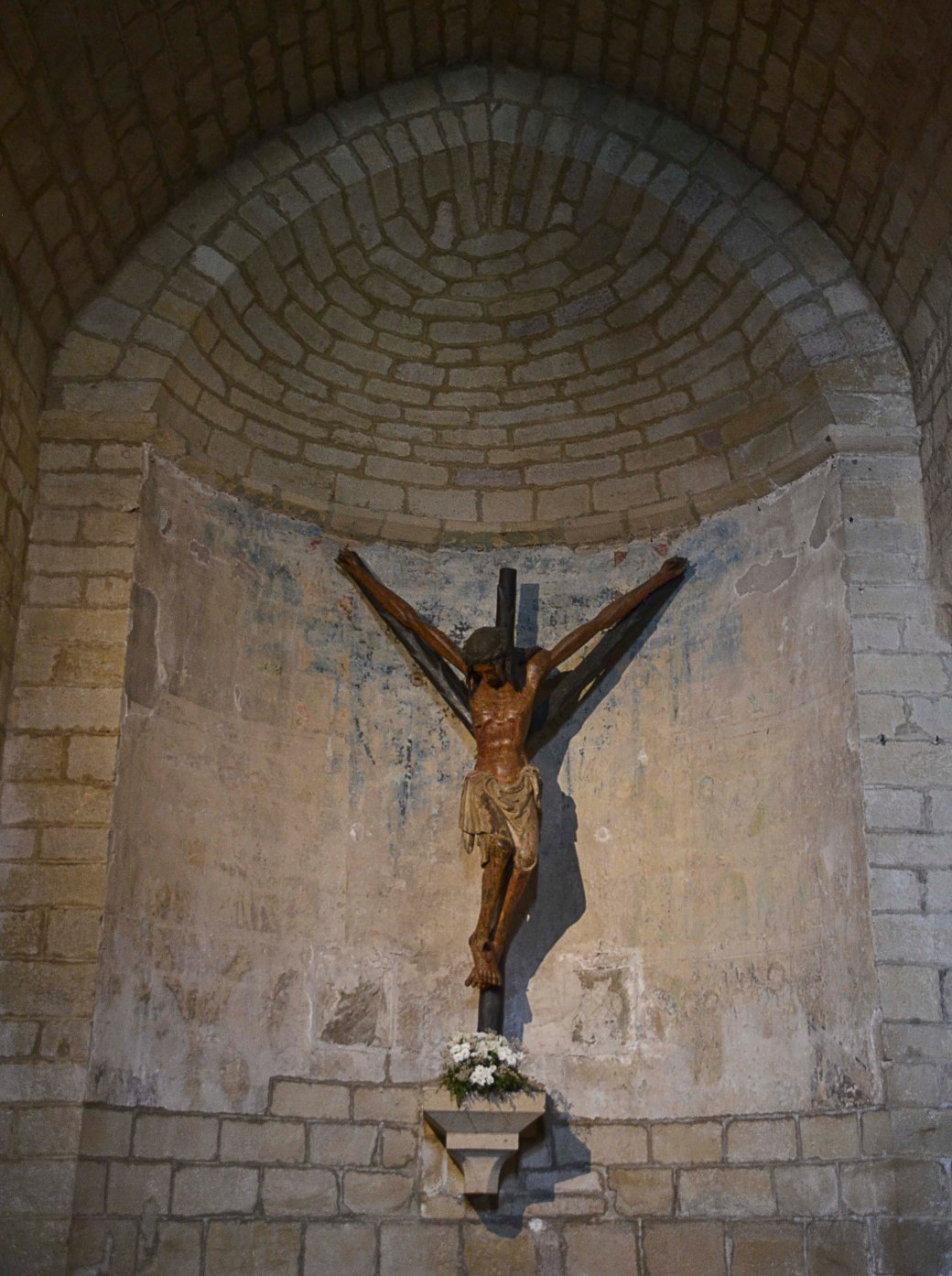
In this little town I found my favourite pilgrim church,  Iglesia del Crucifijo. This is almost a tiny chapel, very serene, rather dark and undecorated. But, here they have an unusual wooden crucifix in the shape of a Y, with a sad looking Christ with raised arms. The cross is said to be a gift from a German pilgrim in the 14th century.

Every pilgimage has its own story. I guess many Camino walkers are religious, but the majority of pilgrims I talked to were not – they walked for other reasons. One middle aged man had lost his wife, and he needed to collect his memories and get a closure. Another man, a young man, followed his girlfriend here. She had always dreamt of walking the Camino. Now they were both smitten.

The Camino is well signposted, just follow the shell, and the pilgrims themselves. Not all of the pilgrims want to tell their story, but some do. A young American IT-engineer told me he wanted to be ”grounded”, wanted to connect body and soul and Mother Earth. Our western society do not allow us to do so, unless we go looking for it ourselves.

The stories. Yes. A friend of mine has got a niece walking the Camino this summer. Her story tells of 19 years’ struggle to raise her autistic boy. This spring he finally graduated high school. Walking the Camino is for her a relief and a way of trying to find her old self again – after a great mission accomplished.

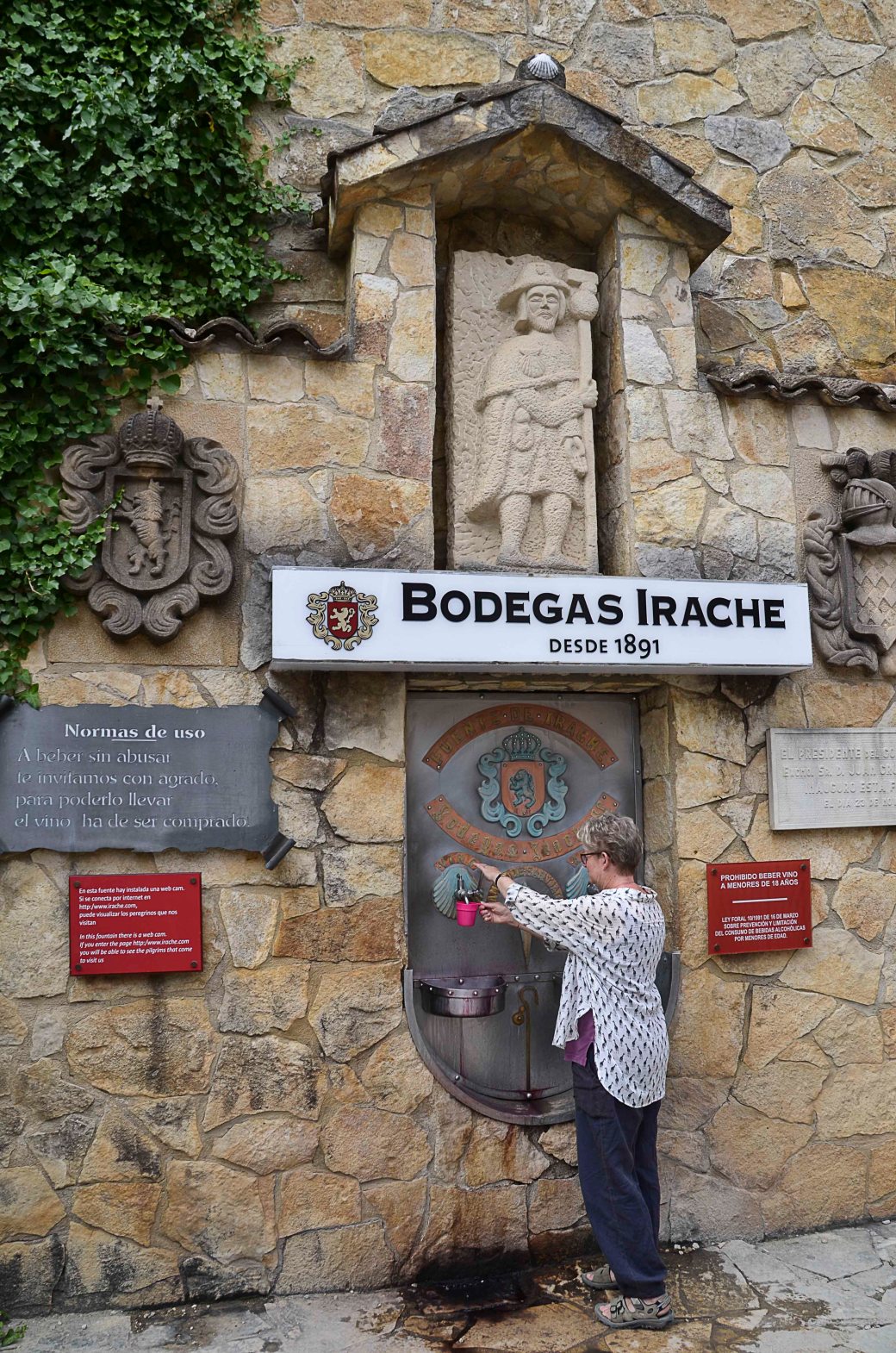
At Monasterio de Nuestra Señora bodega, there is a tap in the wall where pilgrims can have a glass of wine for free…This hot summer day I assure you it tasted just fine. And there are two taps – in the right one you get water. That tasted even better.

And when evening comes, hopefully there is a place for you to sleep and prepare for another strenous Camino day. Whatever your reasons to walk are – I am sure you are doing the right thing.

Buen Camino – see you in Santiago!

Vilnius – Lace Curtains and Glass Giants

Why do many of us love things with history, crafted things with ”life” inside – more than the newest of new? We know that we cannot stop development and the growing cities, but my heart aches when everything old is falling apart and being replaced with – what? Soulless machine made things, gigantic glass houses …and more.

As I was walking north, out of the restored Old Town Vilnius, the typical wooden houses appeared again – and I had been waiting for them. In Uzupis we saw some, but now their full glory hit me. Planted in lush gardens, they were also home to several cats and dogs.

The houses may be dilapidated, but the owners’ love of fruit and berries, flowers and details like colours and lace curtains…

…bring gracefulness and beauty to any worn down house. This is what life was in the old days. Now they are all living in the shadows of glass giants and heavy traffic. And, soon they will all be gone, the houses and their inhabitants, and all that is left will be some photos and maybe glimpses in old people’s memories.

WPC: Mirror

Mirror, mirror on the wall…Which is the best representation of them all?

This is a challenge where I think most people have many options in their archives – interesting…which ones do we choose?

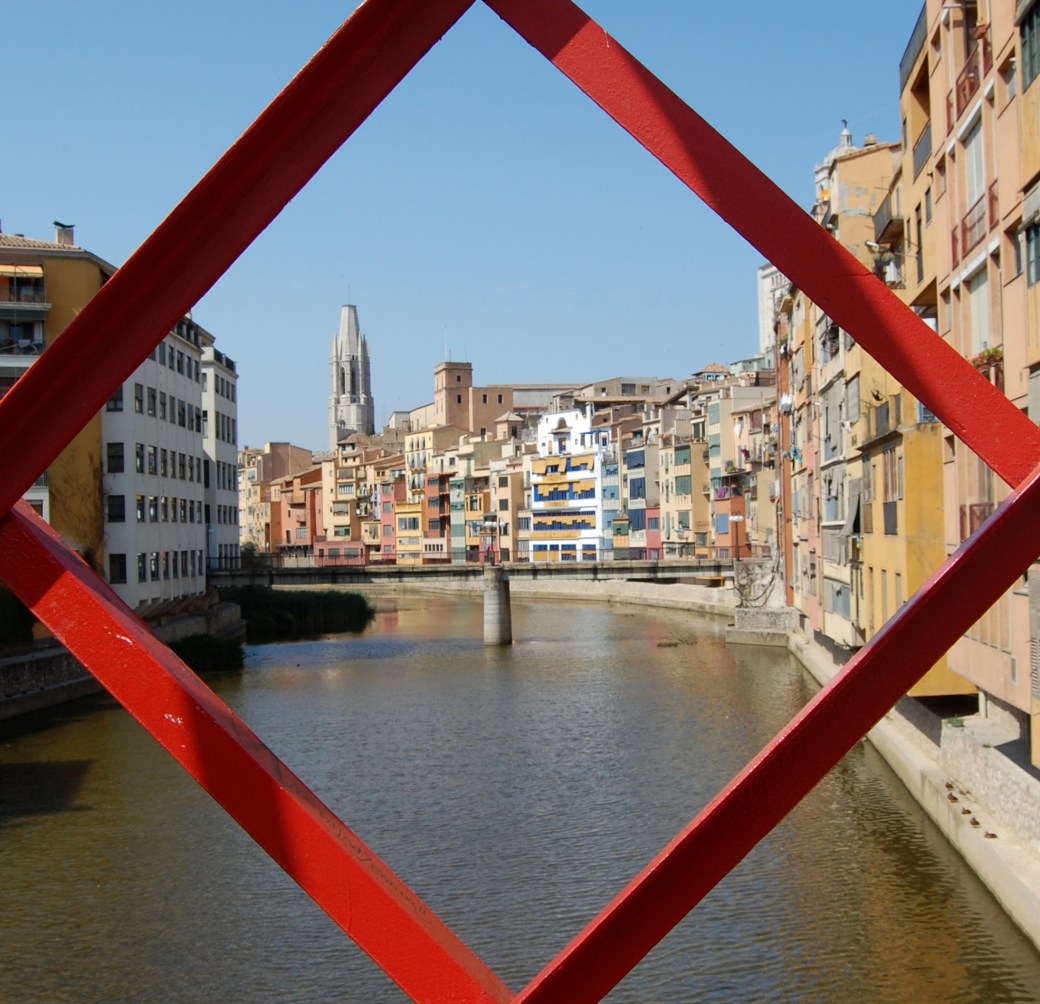
In the header is a Bilbao photo from opposite the Guggenheim museum. There is this house mirroring a bridge with a red car passing. The other three photos I guess you have seen before – if you are following my blog.

For more of mirrors, click here.

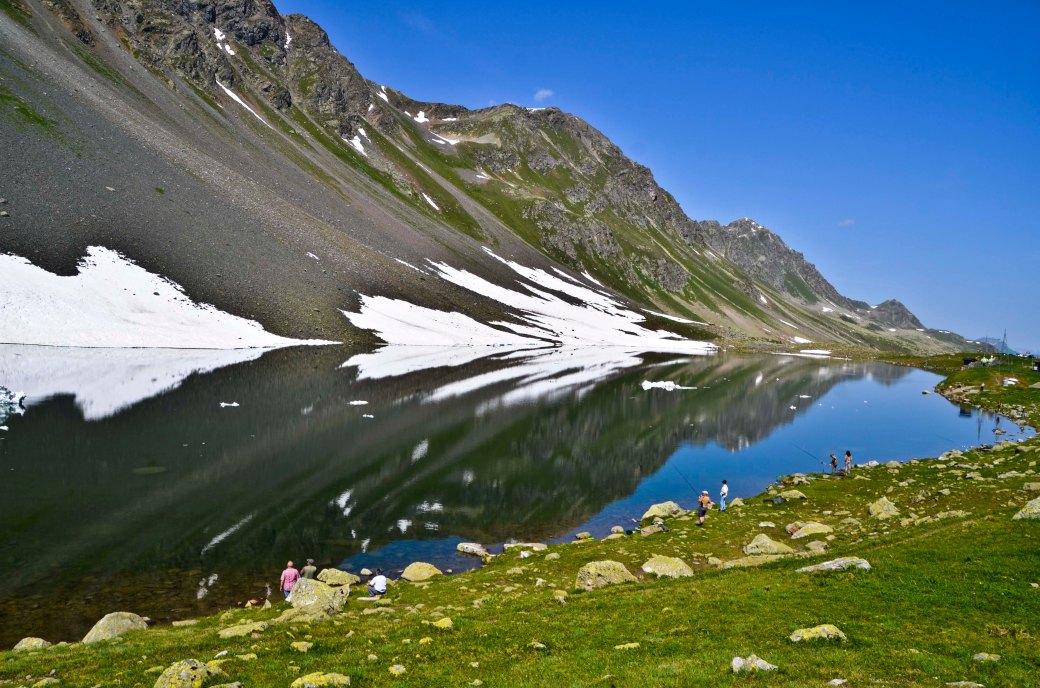
Switzerland, the Fluela Pass in the early morning.

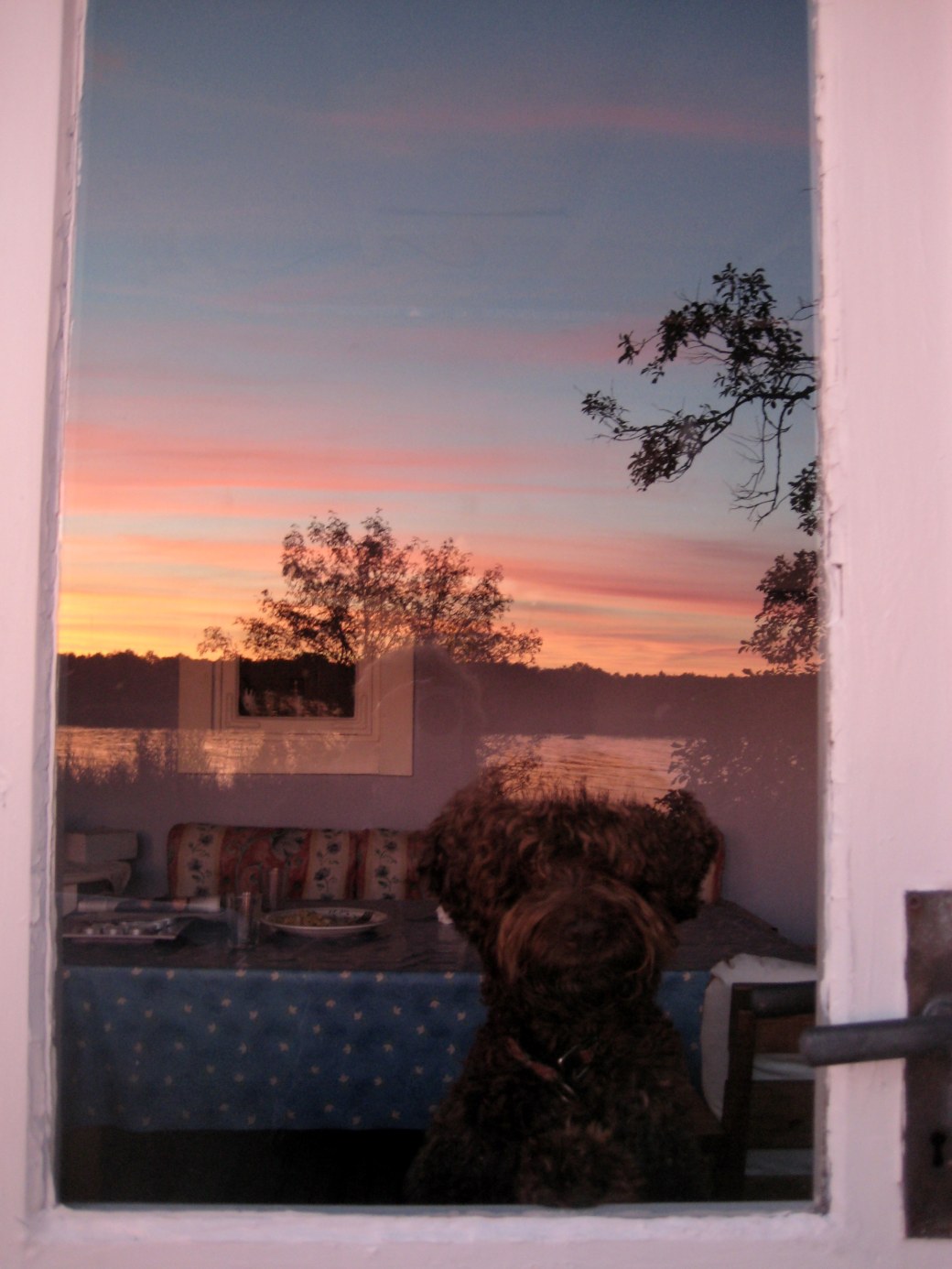
My beloved Mille…looking out for me, walking in the late evening.

Hamnen, Auckland. Vid fiskmarknaden.

 Auckland harbour by the fish market.

Travel theme: History

Travel theme: History

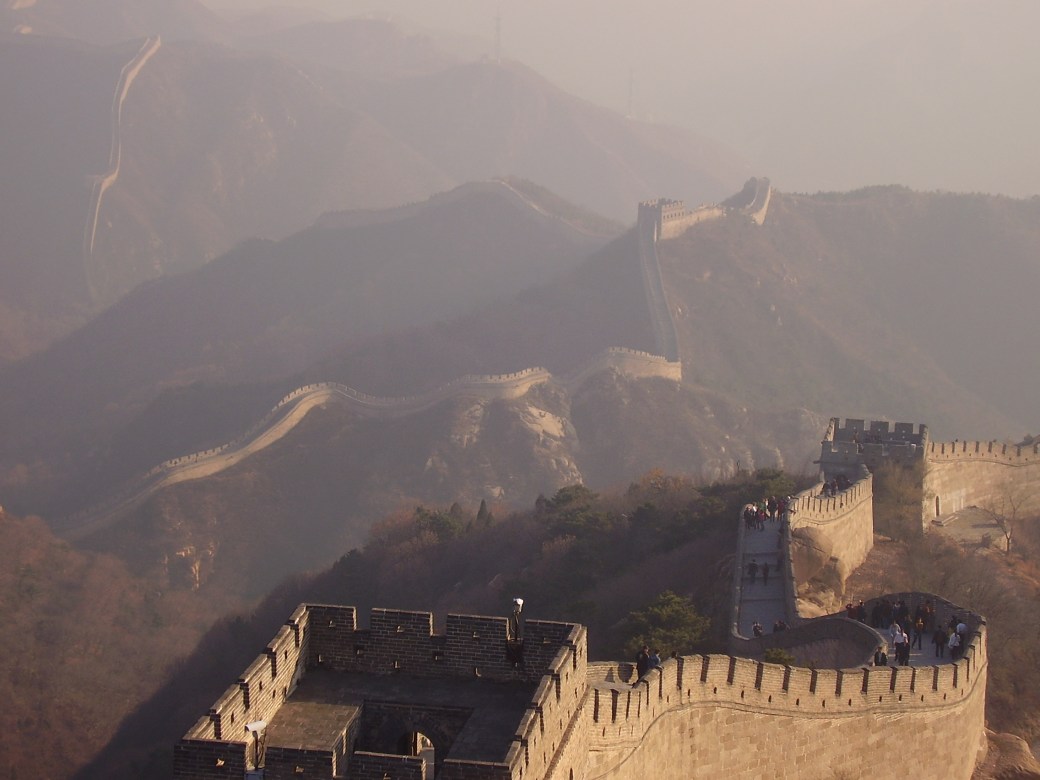
To me, maybe China and the Great Wall stands out when I think of History. Not only is it very old, but there is so much history behind the building of the wall, so many lost lives and such a fascinating idea from the start.

So, I keep returning to it…

Gernika -The Assembly and The Tree

In the header, the replica in Gernika of Pablo Picasso’s Guernica –  reminding us all of the 1937 bombings. His masterpiece is hanging in the Reina Sofia museum, Madrid.

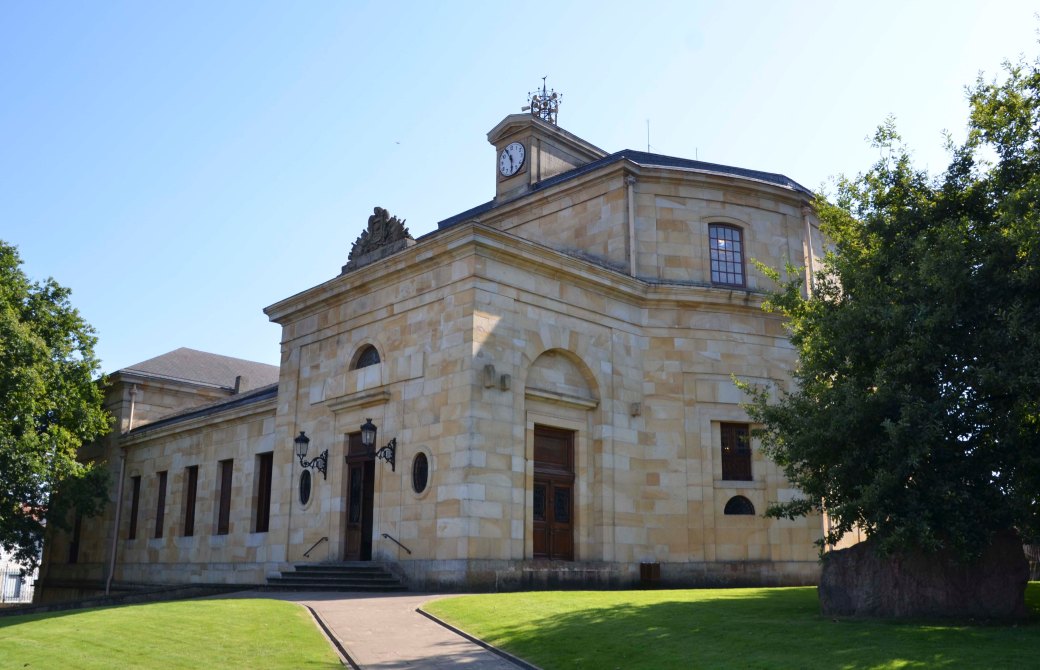
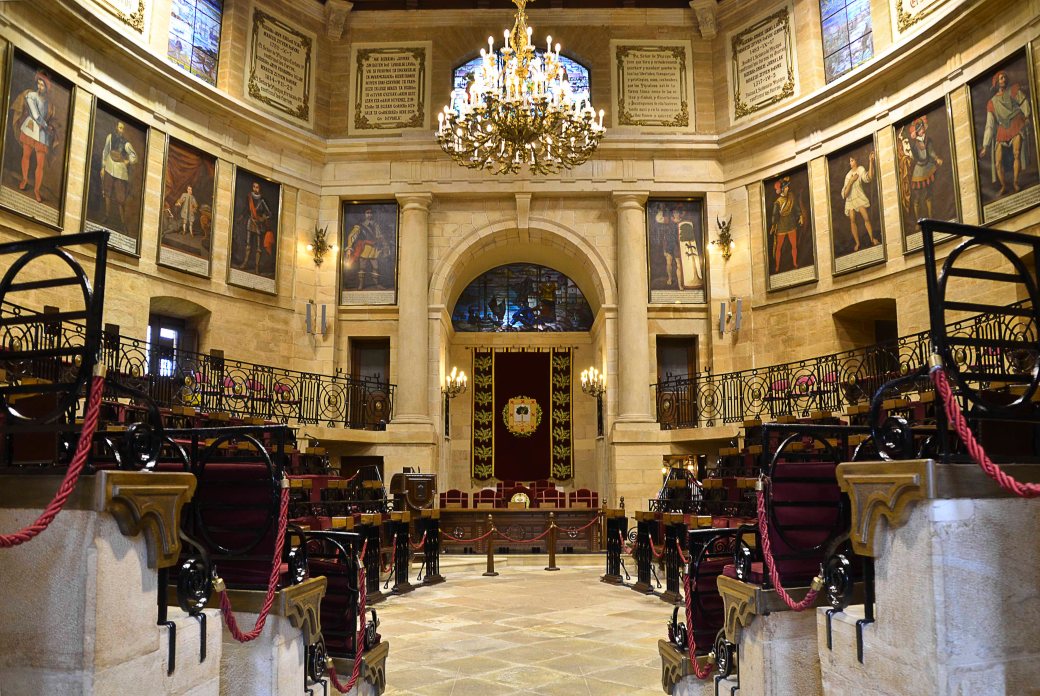
The Assembly House (built 1826) and the Tree of Gernika are the living symbols of the Basque People’s history.

The two of them became a meeting point of all the territories of the Basque Country – bringing together cultural and ethnographic traditions.

In this room are held all the plenary meetings of the General Assembly. It was conceived as a Church-Parliament that could bring together political and religious functions at the same time. The portrait gallery shows different dates when the Oaths were taken for The Old Law ( based on usage and custom) in a ceremony.

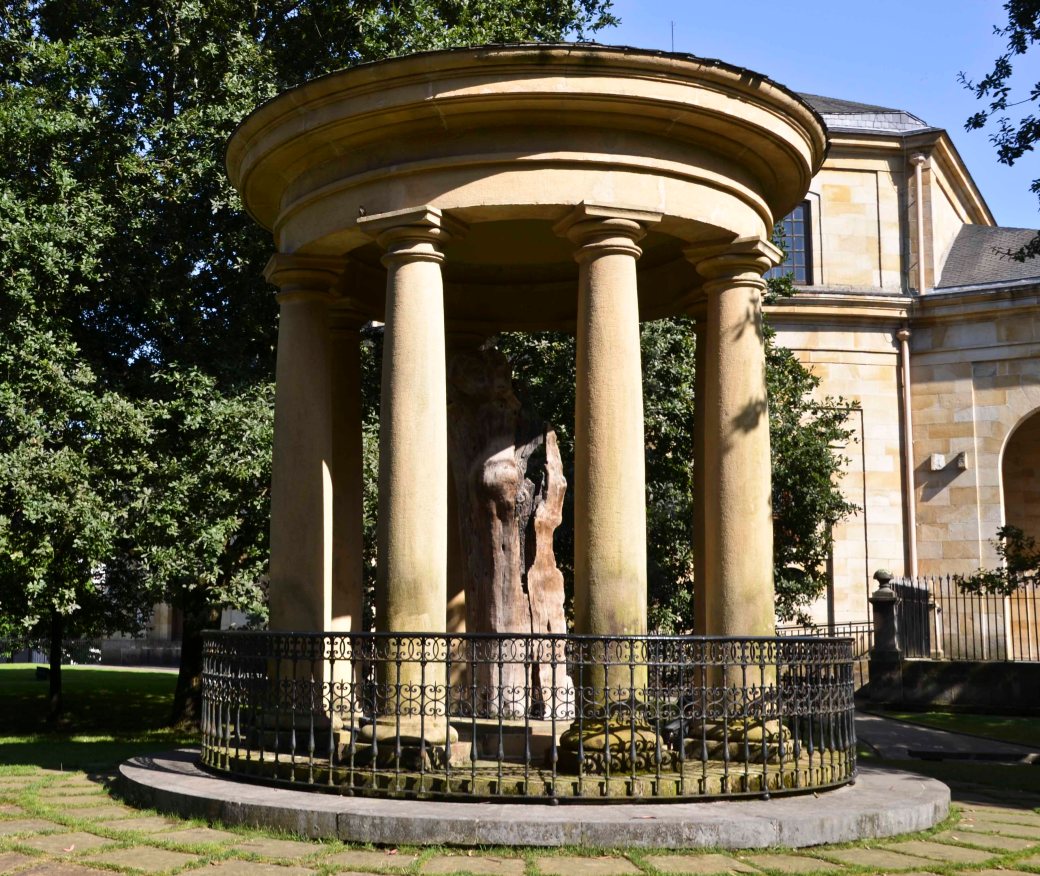
The Tree og Gernika is the best known symbol of the Basque People.

For centuries, under its shade the meetings of the General Assembly were held. This is the old trunk of the oldest remaining of the Assembly Oaks, planted around 1700. A new oak tree (a direct successor of the old one) is planted when the old venerable tree is gone.

Everywhere is the symbolic tree represented, in embroideries as well as wood carvings.

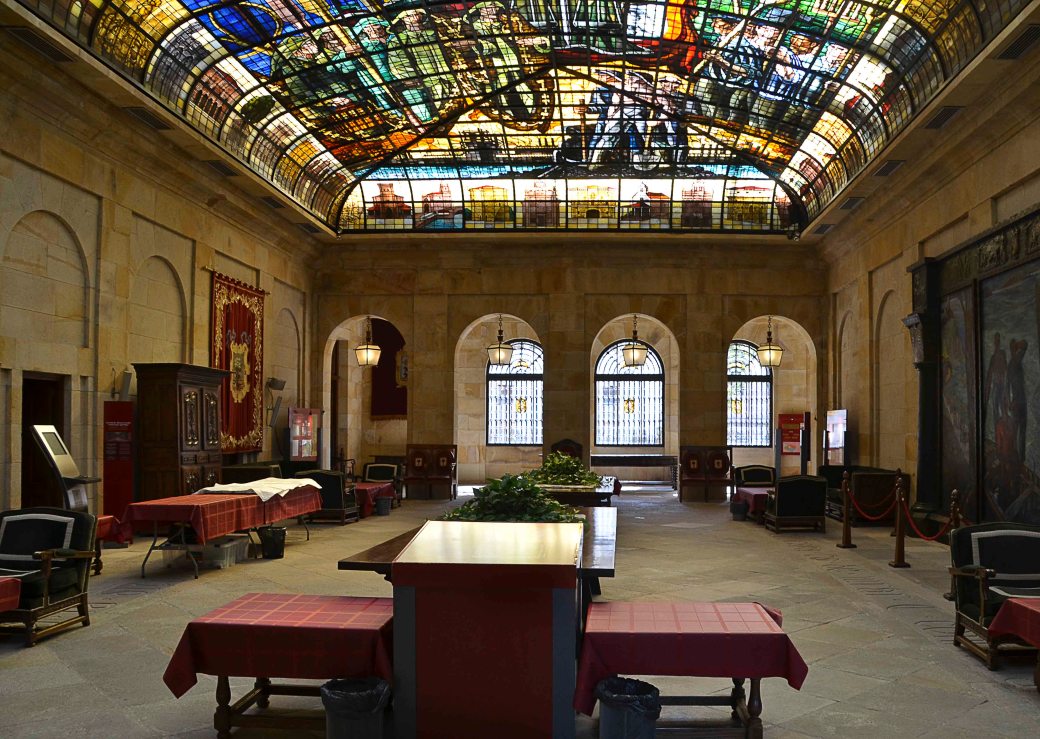
This is the Room of The Stained Glass Window. The space was originally designed as an open air patio, and is now currently employed for institutional uses.

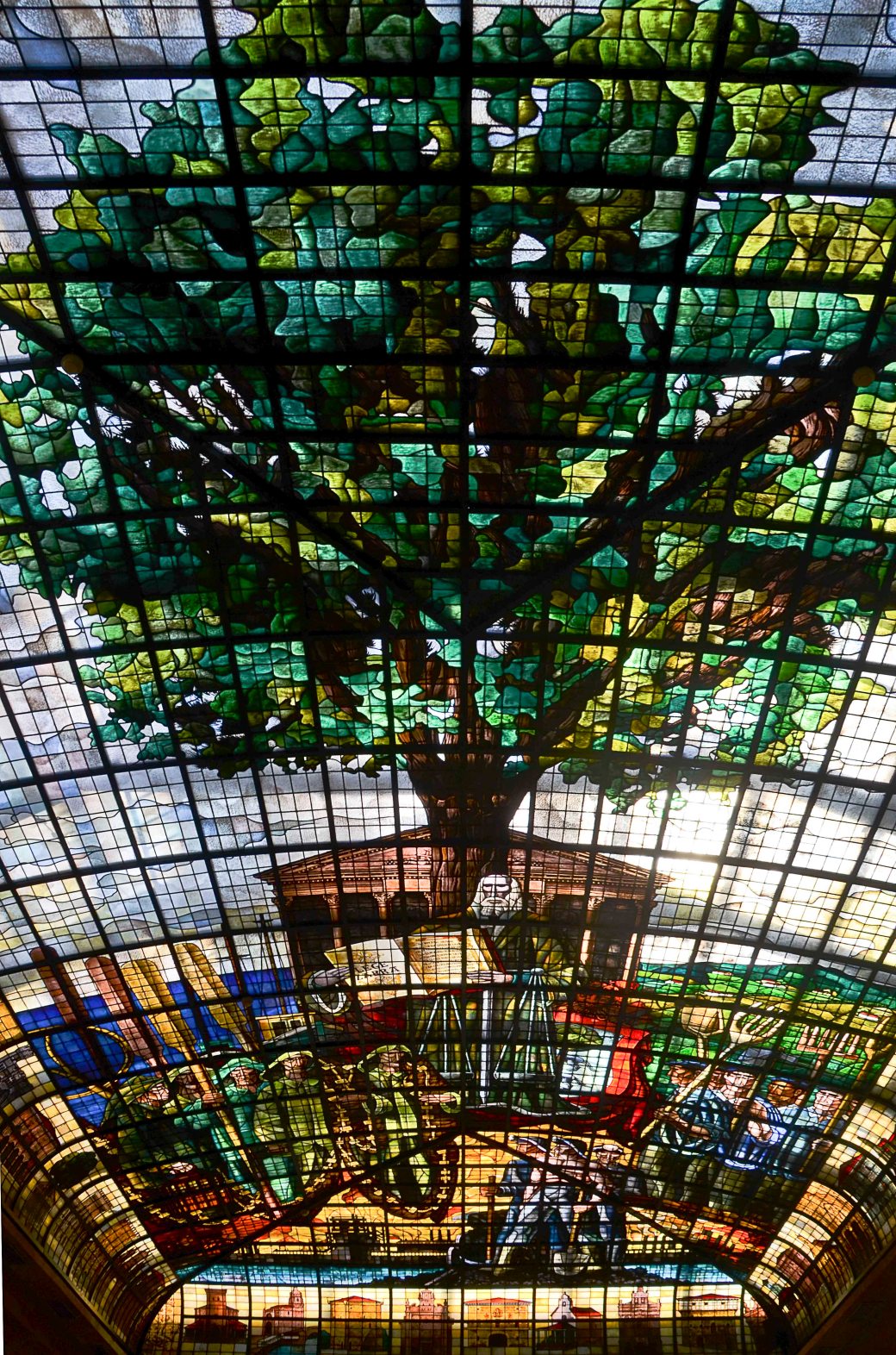
The gigantic stained glass window – or in fact ceiling –  completed in 1985, has a special significance. It was crafted completely by hand by a company from Bilbao, Vidrieras de Arte S.A. It is a graphic representation of the Tree as a meeting point for the districts of Bizkaia.

Cee’s B&W Photo Challenge: Bathrooms and Outhouses

Cee’s Black & White Photo Challenge: Bathrooms and Outhouses

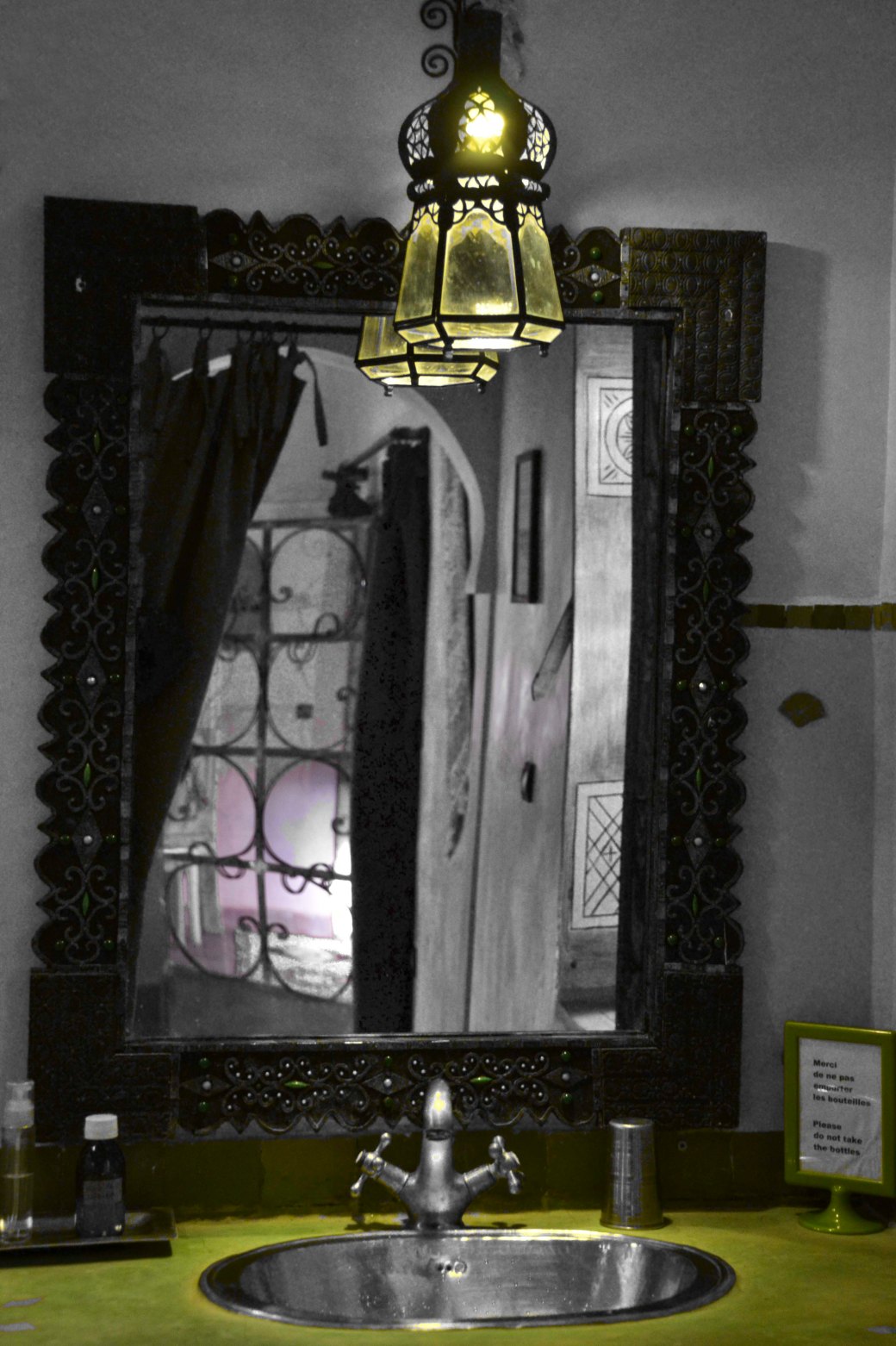
Three Moroccan bathrooms for Cee this week. In the header – Sahara.

Marrakesh

Sawadi