The Kea, a smart and rare bird from New Zealand, known among other things for its demolishing of cars…
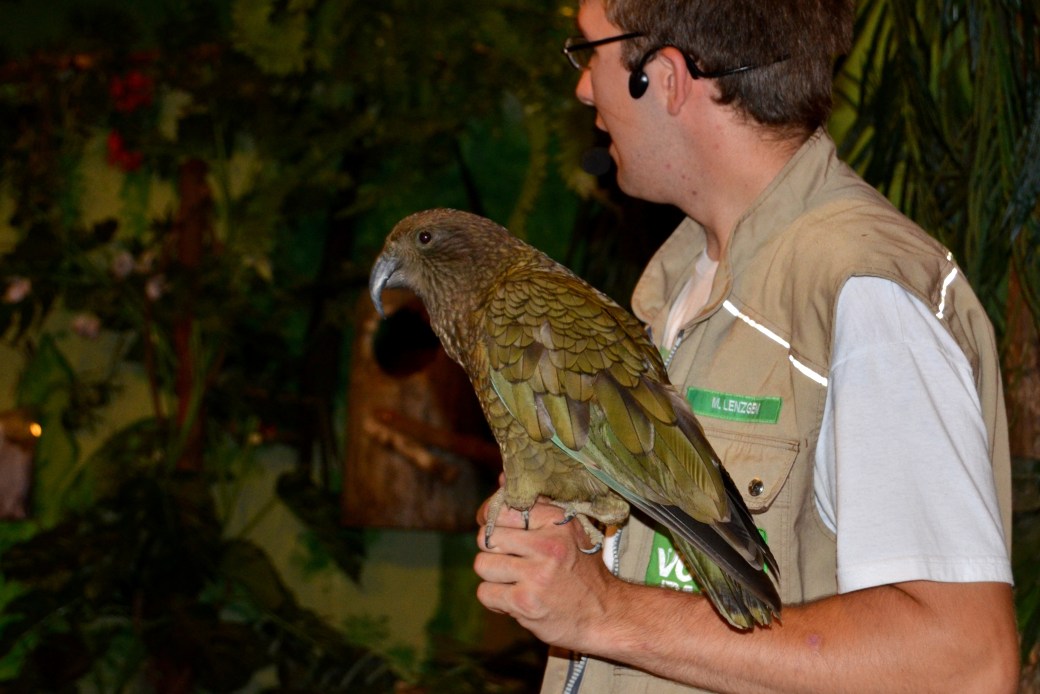
The Kea, a smart and rare bird from New Zealand, known among other things for its demolishing of cars…

For Cee this week – hands. Very useful tools. Not only for showing love or affection.
They might pinch things from you when you least expect it…
And they can hold the most delicate things and creatures without hurting them…

And, they can also work fast and swiftly make the tastiest edible things…
Hands are needed.
They work well in many sayings and expressions as well: ”Give me a hand”, ”All hands on deck” etc. I believe ”hands” are useful in most languages. A Swedish example is ” Ge mig ett handtag” ( Give me some help here). How is it used in your language?
On my trip to the northern parts of Spain, I made some lovely aquaintances…and not only with people. I was happily shocked by the numerous storks here – at least one nest in every village!

The white stork (Ciconia ciconia) is a large bird that measure on average 100–115 cm (39–45 in) from beak tip to end of tail, with a 155–215 cm (61–85 in) wingspan. The white stork is a long-distance migrant, wintering in Africa or on the Indian subcontinent. He is also a symbol of my part of Sweden.

He eats a wide range of animal prey, including insects, fish, amphibians, reptiles, small mammals and small birds. He takes most of his food from the ground, among low vegetation, and from shallow water. He is a monogamous breeder, but does not pair for life.

Both members of the pair build a large stick nest, which may be used for several years. Both parents take turns incubating the eggs and both feed the young.

The white stork benefited from human activities during the Middle Ages, but changes in farming methods and industrialisation saw it decline and disappear from parts of Europe in the 19th and early 20th centuries. Conservation and reintroduction programs across Europe have resulted in the white stork resuming breeding in the Netherlands, Belgium, Switzerland and Sweden.


In 1954 the last pair of storks disappeared from Skåne, where I live, as the wetlands were dried out. Many people wanted the beautiful bird back, and in 1989, some wetlands were restored and the Swedish ”Stork project” started. Goal: 150 pairs living free and nesting here. Important to us ”Skåningar”, as the stork is a symbol for this southern part of Sweden.
This summer 112 new storks were released from the project. As they move south, as many as 80-90 percent die flying into power lines breaking legs or wings.

The adult white stork’s main sound is noisy bill-clattering, which has been likened to distant machine gun fire. The bird makes these sounds by rapidly opening and closing its beak so that a knocking sound is made each time its beak closes. I assure you – the sound is not to be missed…when the two of them starts, it gets louder and louder.
This conspicuous species has given rise to many legends, of which the best-known is the story of babies being brought by storks. Have you ever heard of this as a child, in your country?
(Facts taken from Wikipedia and the Swedish Stork project.)


Alone, straight to your goal
or
in the company of others –
horizontal and relaxed?


Why not join in at Ailsa’s this week – we all want to be inspired! Click here to see more!
Returning from China some weeks ago, my inspiration is still centred there. Especially from Water Village (https://treetreats.wordpress.com/2015/11/21/water-village-yangtze-river-china/).

Most of all…Nature. And man made things inspired from nature.

Like Chinese silk embroidery.




Du måste vara inloggad för att kunna skicka en kommentar.