Cee’s B&W Photo Challenge: Abandoned or Alone

Cee’s Black & White Photo Challenge: Abandoned or Alone

Hiking the mountains of Gran Canaria, I saw this dog standing in an old shed. He sounded abandoned, but I guess he was only left alone there while his master was working elsewhere.

The sound of a raven echoes – and there he was, high up on a rock, with a splendid view of his domains. I tried to zoom him in, but he was perched very high up.


Hiking the Roque Nublo Area

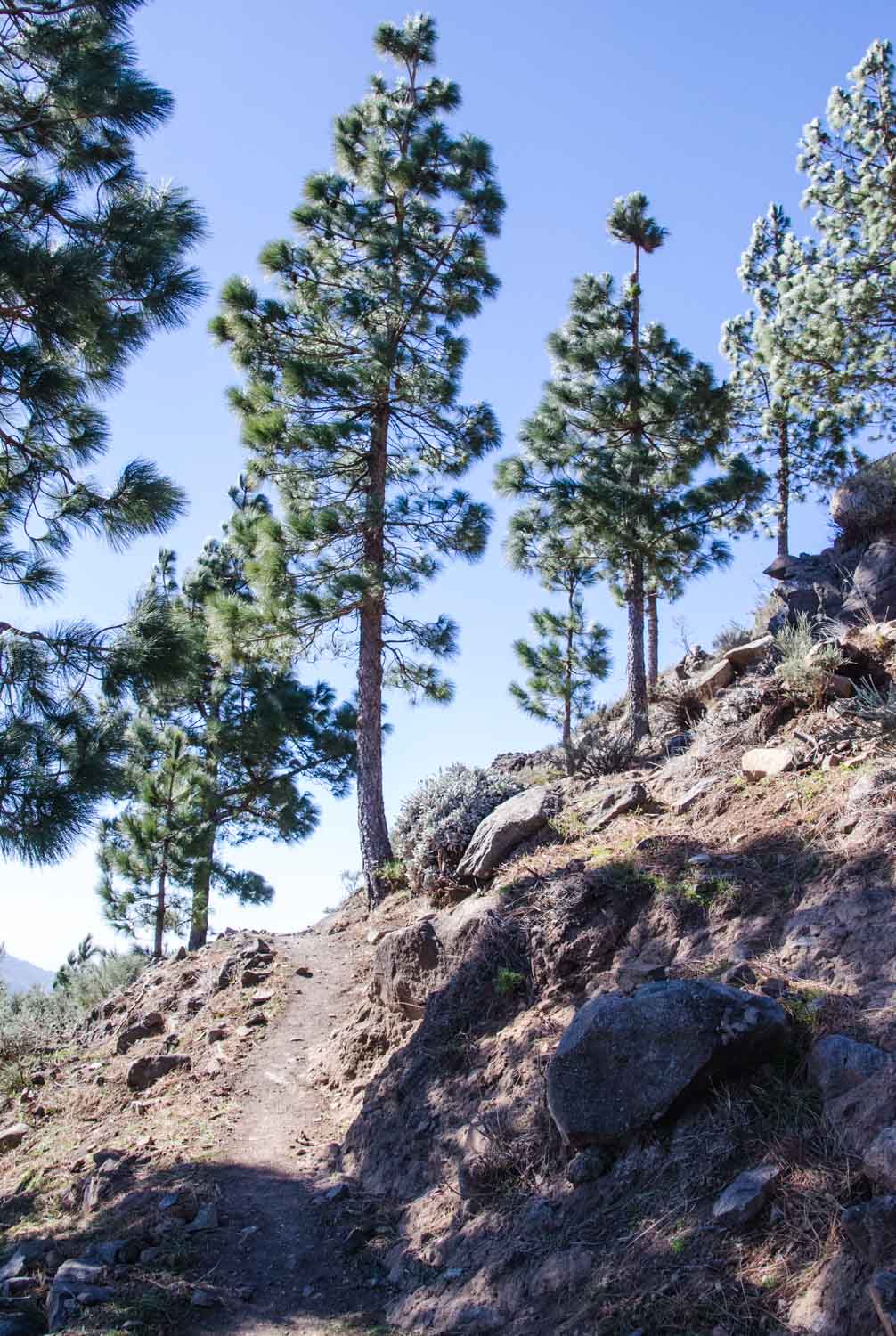
We went for the light – and a week of hiking joy. The Canary Islands still have a lot to offer even if you are not a beach person.

I have been to this volcano island once before, and fell in love with the Roque Nublo area in the middle of Gran Canaria. The highest peak is almost 2000 metres, and sometimes there is even snow here.

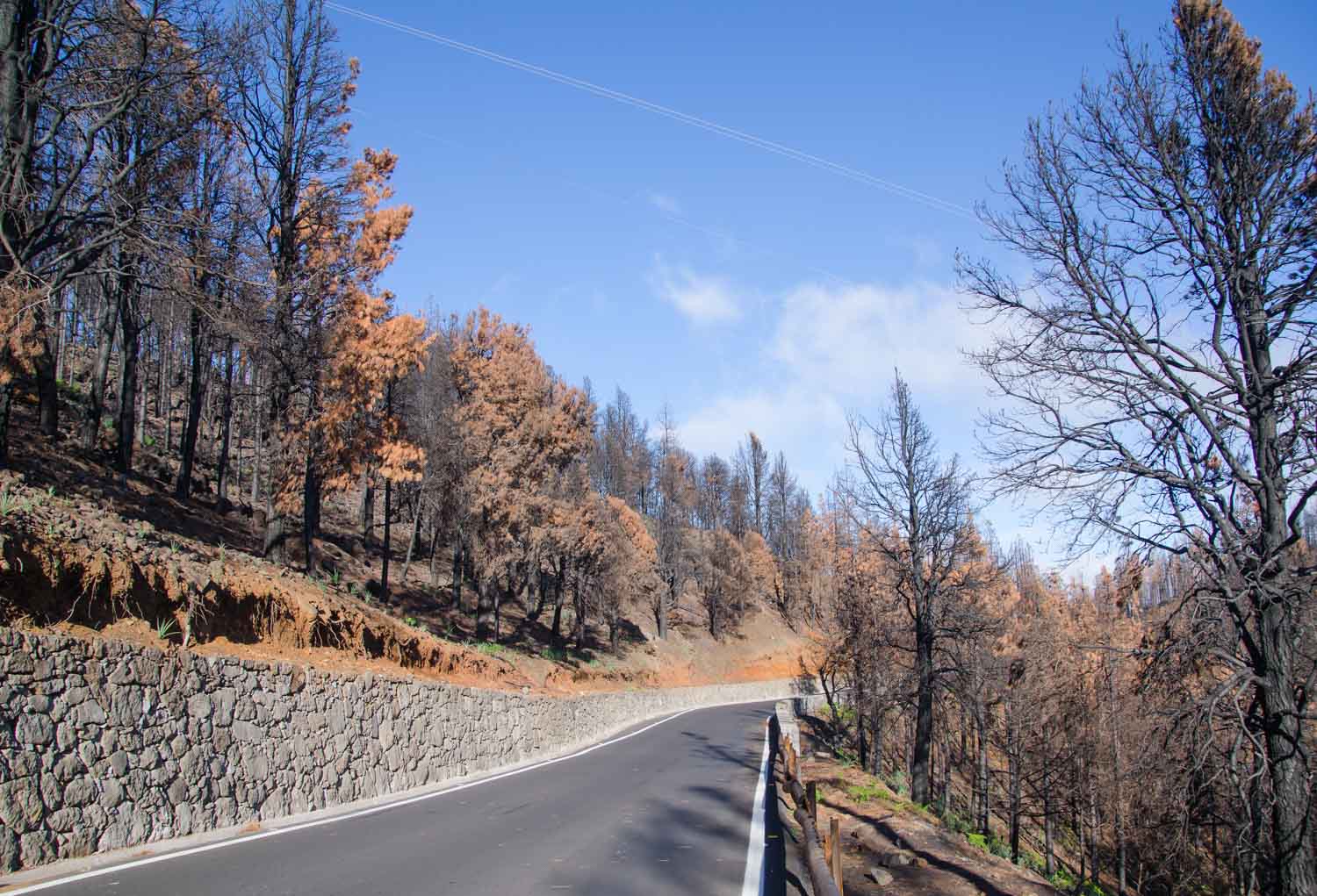
Driving through scorched areas on our way up, we wondered how much of the island had been taken by the big fires. Spain’s mainland was also much burnt this year. Much of this particular area was destroyed in September this autumn.

Those who never have experienced a Swedish November, cannot imagine the joy of this light and this blue sky!

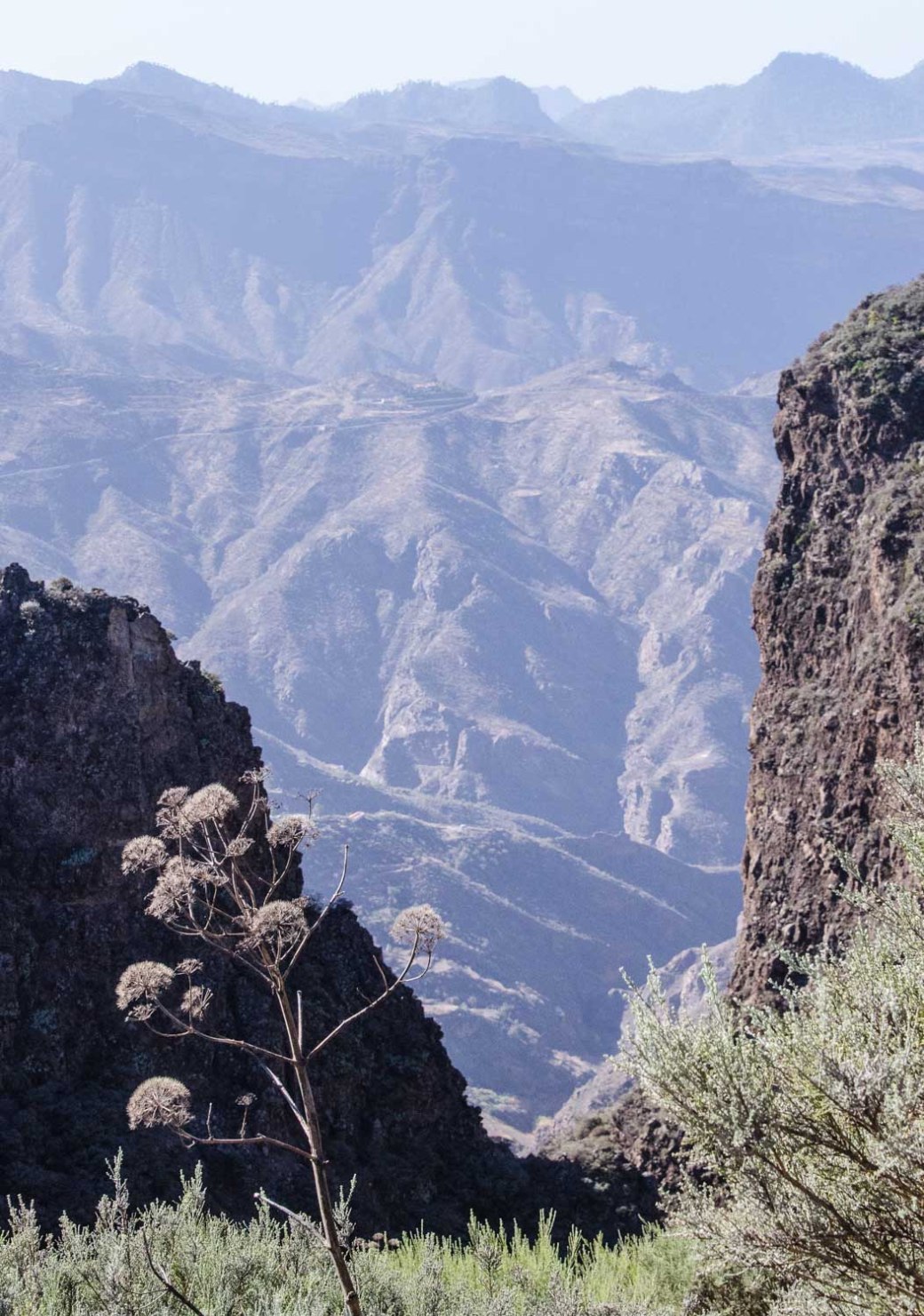
I love the look of those distant mountains…

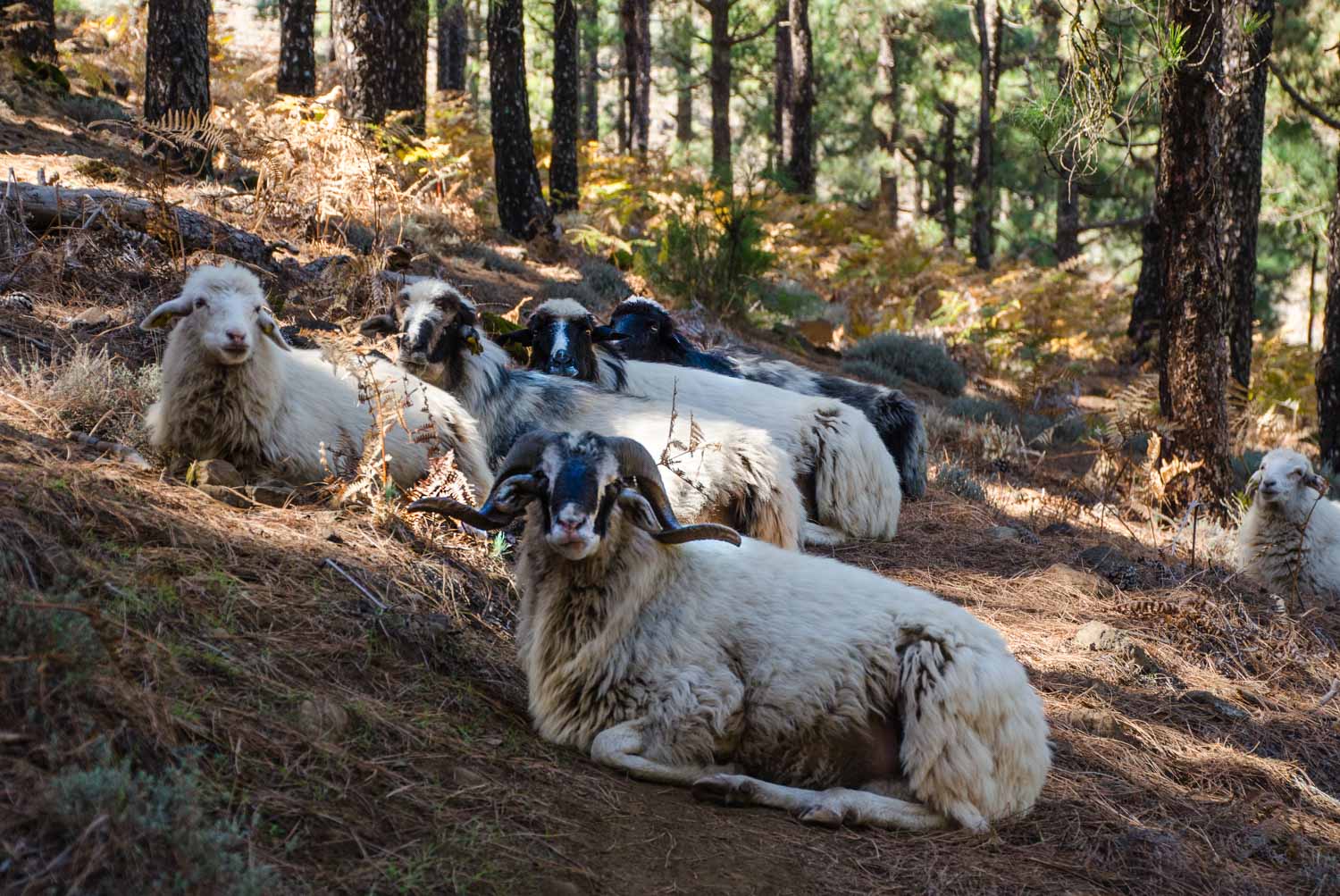
… and in the forest – some quiet companions don’t mind you coming close.

Because, we are all hiking here together, aren’t we?

Travel theme: Warm

Travel theme: Warm

Spot on, Ailsa. Warm is the theme for this week. Up north we are very tired of all the grey: rain, drizzle, slush – and darkness. Now it is dark around 3.30 pm. I hope your theme will get much light and warmth from us all!

Mmmm…

My Favorites – B&W for Cee

Asking for a favorite this week makes it difficult for me…so I hope it is OK if I choose two! One more abstract (a shopping center ceiling somewhere in the world) and the other of a quiet moment with an old couple reading newspapers. I bet a daily custom for them.

WPC: Experimental

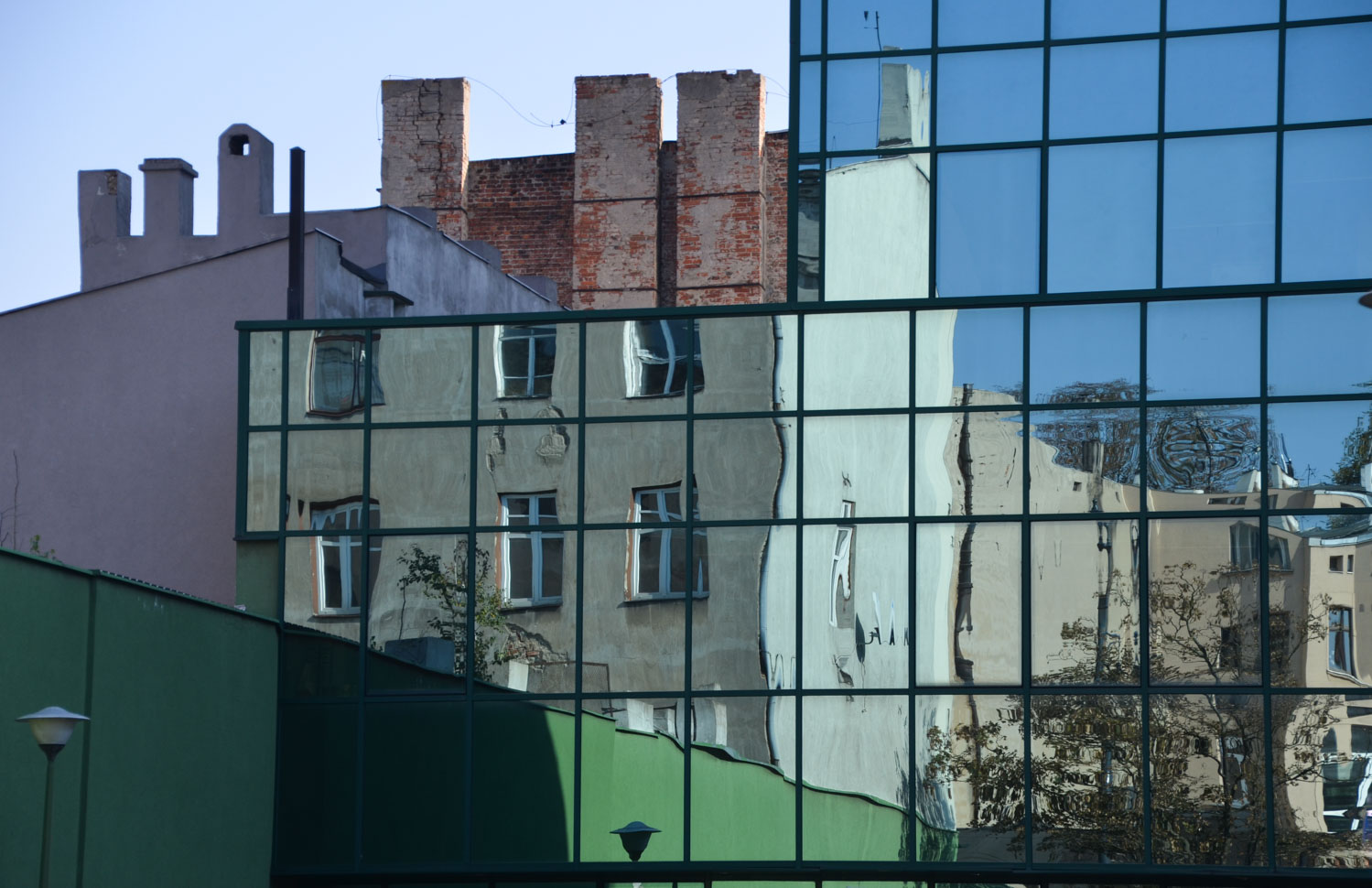
Experimental…at least maybe a little. I love mirrored motifs, and often cannot resist taking a photo. Here, in Lodz, I was just going to press the button…when I realized the photo might be a bit more intriguing if I chose to enclose the ”real” buildings to the left of the house as well. What is really ”real” in the picture and what is ”unreal”?

Was the result of the experiment a more fun/interesting picture or not? Well, as I did not shoot an alternative picture, we do not know, but we can still have an opinion!

Thursday Thoughts – You Cannot See Everything On the Outside…

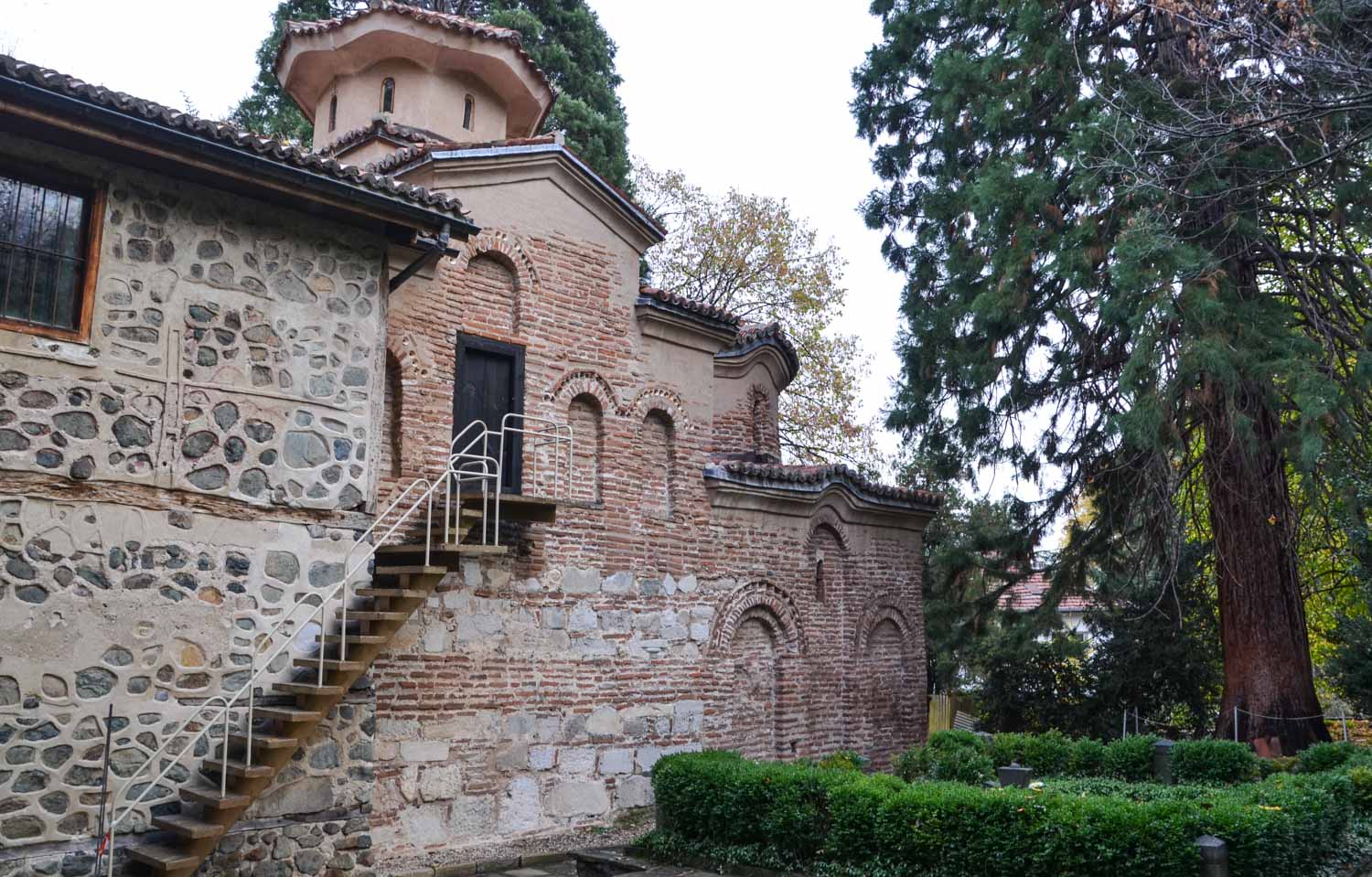
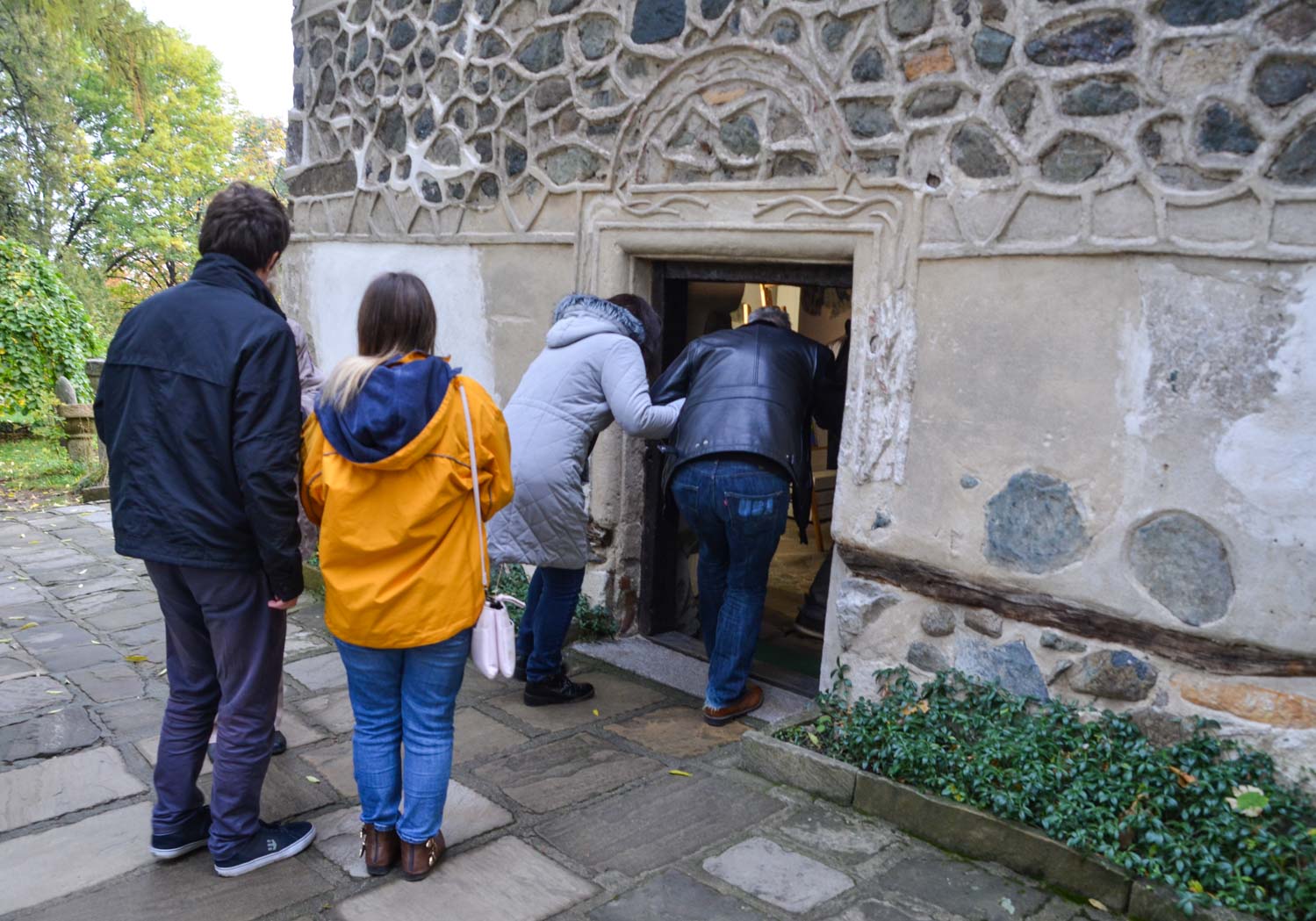
We visited the Boyana Church, an important, medieval Bulgarian Orthodox church situated on the outskirts of Sofia. In 1979, the building was added to the UNESCO World Heritage List. Step inside, and you will understand just Why. Due to its tiny size, only 8 people, 8 minutes allowed.

The church stands in a quiet piece of forest in the Vitosha mountains, together with three beautiful Sequoia trees. The east wing of the church was originally constructed in the late 10th or early 11th century, then the central wing was added in the 13th century, and the whole building was finished with a further expansion to the west in the middle of the 19th century. There is a total of 89 scenes with 240 human images depicted on the walls of the church. And every face, every expression is exquisitely made. No photographing of course… but, please watch the short youtube included!

The low door is full of  bullet holes, as during one of the many wars,  intruders believed a treasure was kept inside the church – only to find that the treasure consisted of – old frescoes.

Thursday Thoughts – Rila Monastery – More Than a Peek

Rilski Manastir – or Rila Monastery – I let you have a peek some days ago…now, let us go inside – hopefully you will love it as much as I did!
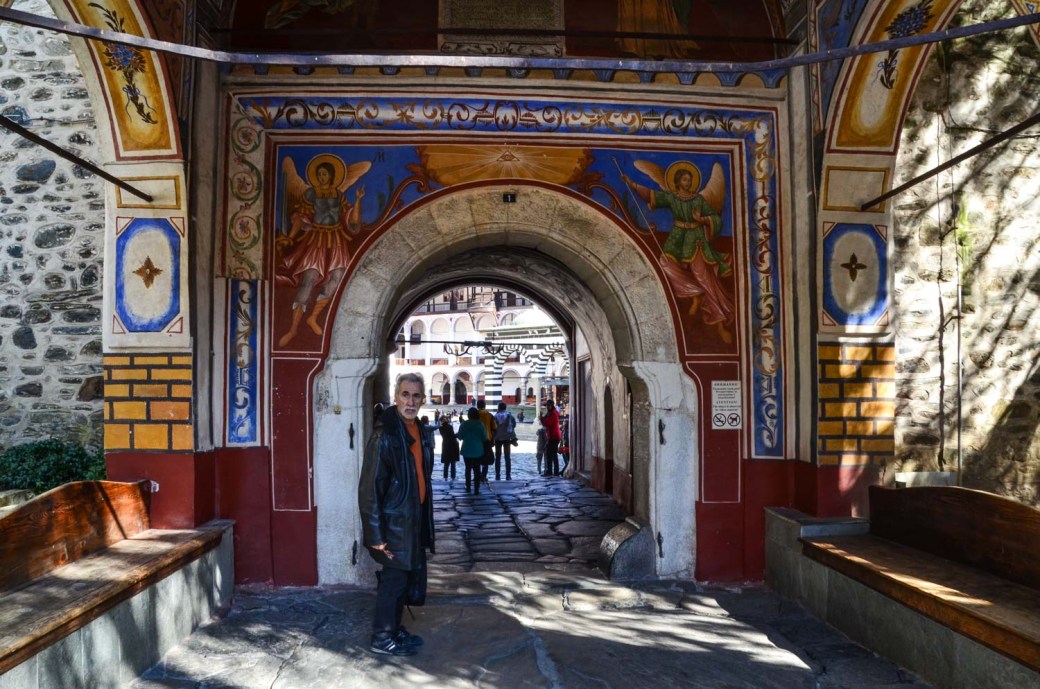
An old friend of mine left us a hint about it… and so we went for a day to the Rila mountains and the monastery. This turned out to be the most fantastic experience we had during our four days in Bulgaria.

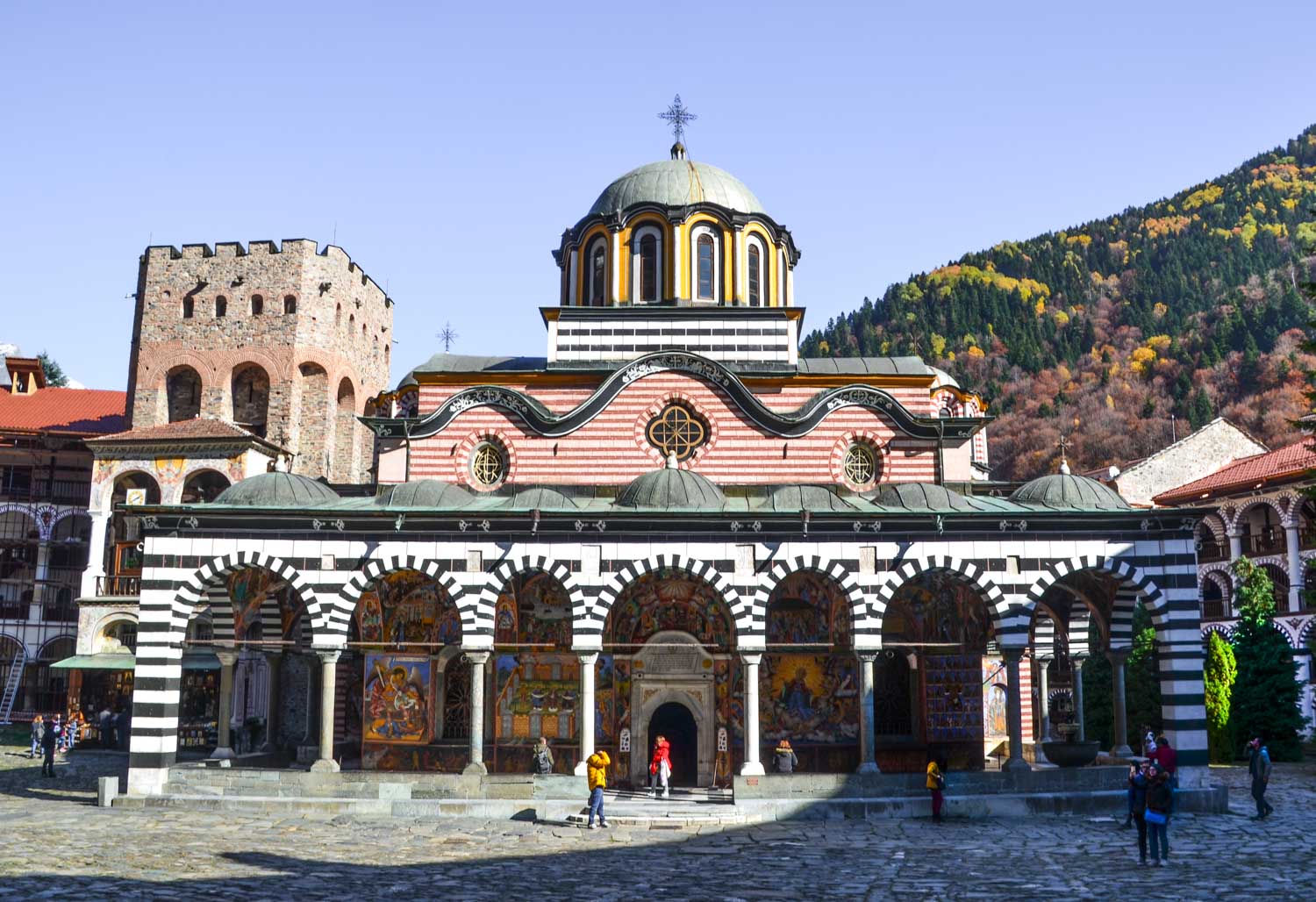
The Rila Monastery is the largest and most famous Eastern Orthodox monastery in Bulgaria. 1,147 m (3,763 ft) above sea level, hidden inside Rila Monastery Nature Park. The monastery is named after its founder, the hermit Ivan Rilski, or Ivan of Rila, (876 – 946 AD), but today houses 8 monks only.

According to Wikipedia, and our guide, the Rila Monastery is regarded as one of Bulgaria’s most important cultural, historical and architectural monuments and is a key tourist attraction for both Bulgaria and Southern Europe.
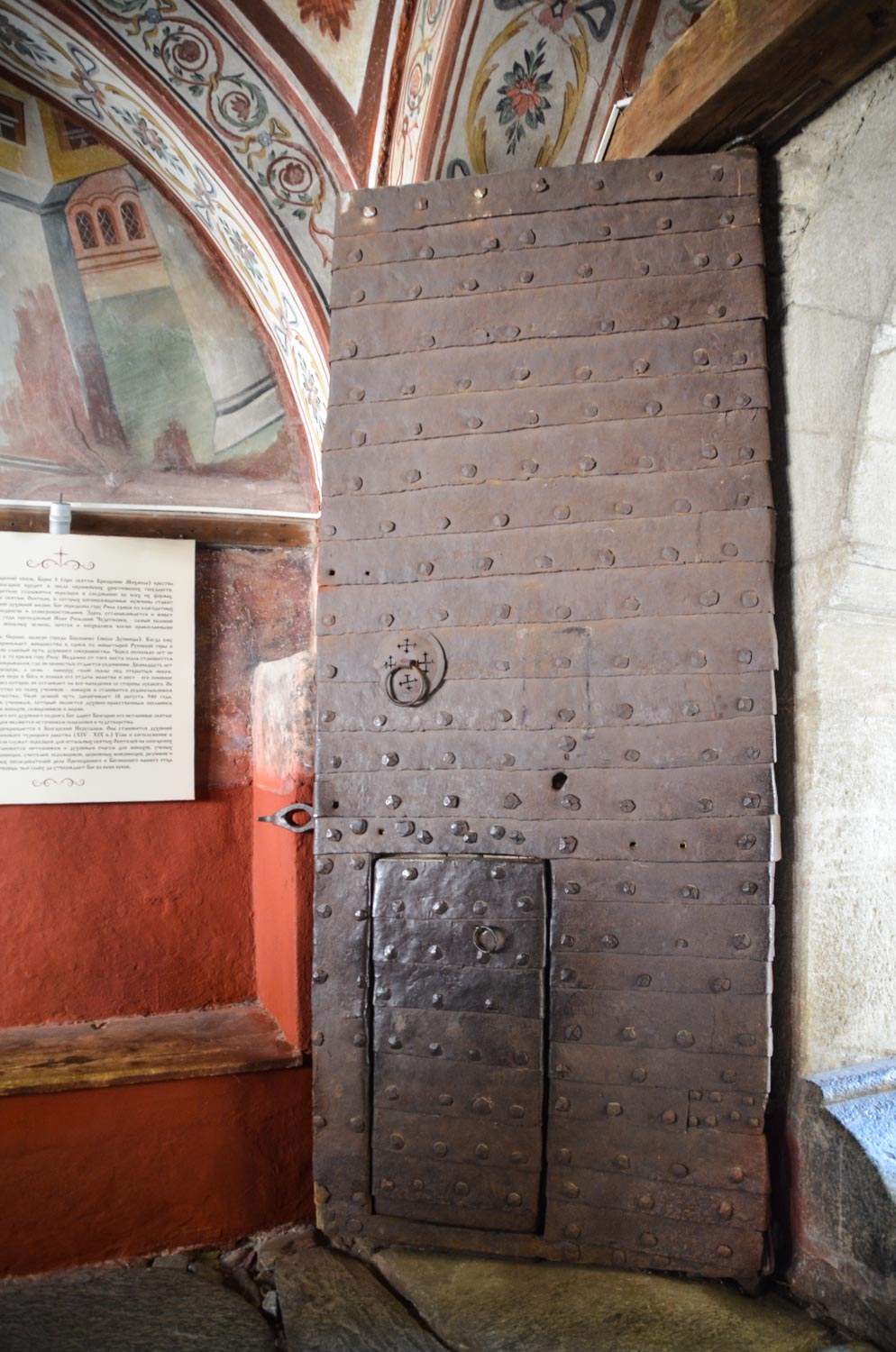
The old doors of the monastery were huge, to protect them from intruders. No weapons or armor were tolerated inside, so visitors had to enter through a tiny door, unarmed.

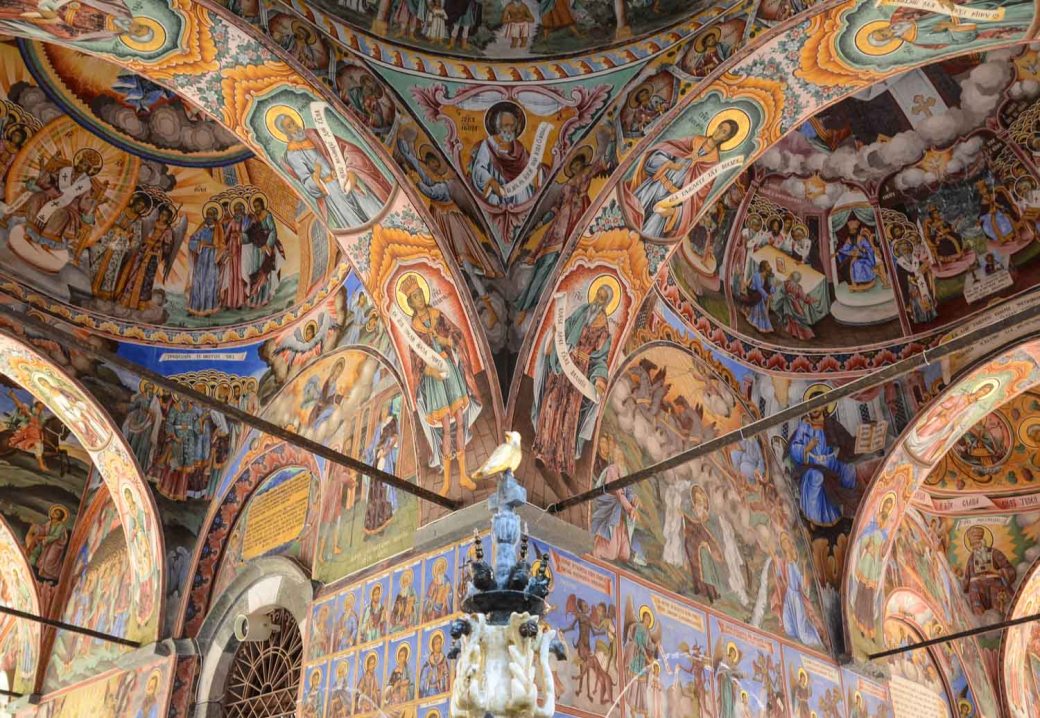
This is what you will find when you enter through the door. Burnt down and ravaged through the centuries, the buildings have been rebuilt several times to its former glory.

The main church of the monastery was erected in the middle of the 19th century. Its architect is Pavel Ioanov. The church has five domes, three altars and two side chapels, while one of the most precious items inside is the gold-plated iconostasis, famous for its wood-carving. No photos allowed, of course… The beautiful frescoes, finished in 1846, are the work of many, for me unknown, masters from Bansko, Samokov and Razlog, including the famous brothers Zahari Zograf and Dimitar Zograf. The church is also home to many valuable icons, dating from the 14th to the 19th century. Porticos in the courtyard have Mamluk influence with the striped painting and the domes, which became more popular in the Ottoman Empire after the conquest of Egypt.

The Rila Monastery was re erected at its present place by Hrelyu, a feudal lord, during the first half of the 14th century. The oldest buildings in the complex date from this period -— the Tower of Hrelja (1334–1335) and a small church just next to it. The bishop’s throne and the rich-engraved gates of the monastery also belong to the time. However, the arrival of the Ottomans in the end of the 14th century was followed by numerous raids and a destruction of the monastery in the middle of the 15th century.

The museum of the Rila Monastery is particularly famous for housing Rafail’s Cross, a wooden cross made from a single piece of wood (81×43 cm). Magnificent – but No photos allowed of course. The cross was whittled down by a monk named Rafail using fine burins and magnifying lenses to recreate 104 religious scenes and 650 miniature figures. He worked for 12 years to finish the cross, and it was completed in 1802, when the monk lost his sight. Stock photos.

The monastery complex, regarded as one of the foremost masterpieces of Bulgarian National Revival architecture, was declared a national historical monument in 1976 and became a UNESCO World Heritage Site in 1983.

On 25 May 2002, Pope John Paul II visited Rila Monastery during his pilgrimage to Bulgaria.

Seldom have I taken so many photos of one single building complex, but I also waited a long time…to finally catch one of the 8 monks on a photo!

My favorite fountain – and I would return to it at the end of the day…

Not to be forgotten is that this monastery is ”alive” and working. You can rent a room for the night  – simple or luxury – and we saw the laundry coming out and the gardener pruning his pot plants.

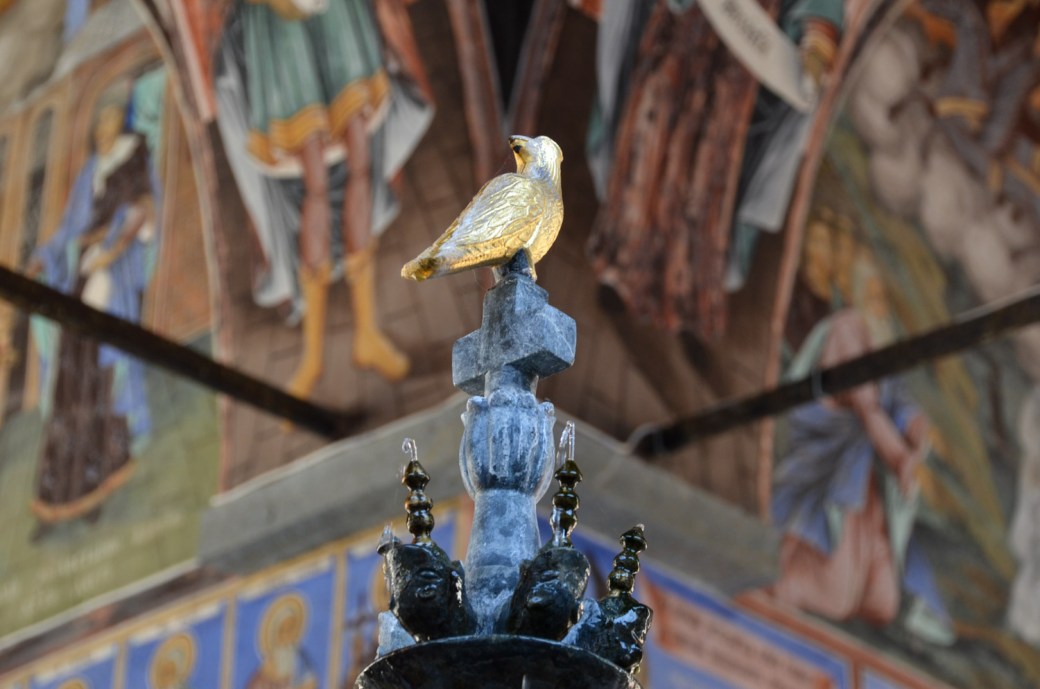
I had seen a golden bird sitting somewhere, in a broschure? – I was sure… The whole day I was on the lookout for this bird, but could not find it. Just before the car was taking us back to Sofia, I saw him. He was just a little one, perched on top of the fountain.
Saying my goodbyes…I almost think I heard him answer –
 

Plovdiv – New Town – A Perfect Combo
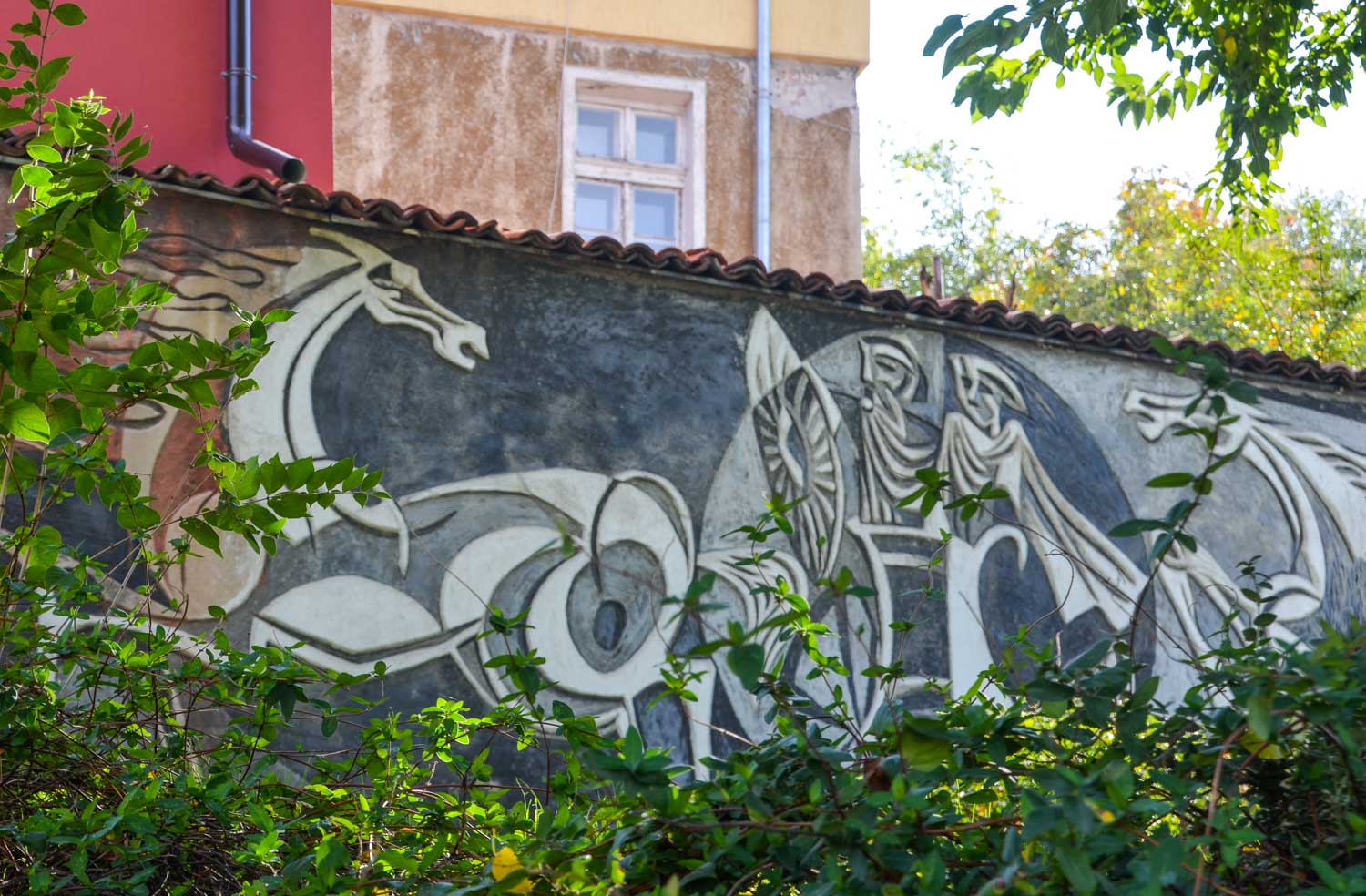
The history of Plovdiv spans more than eight millennia. The numerous nations that lived here have left their traces on the twelve-metre-thick (39 feet) cultural layers of the city. The earliest signs of habitation on the territory of Plovdiv date as far back as the 6th millennium BC…

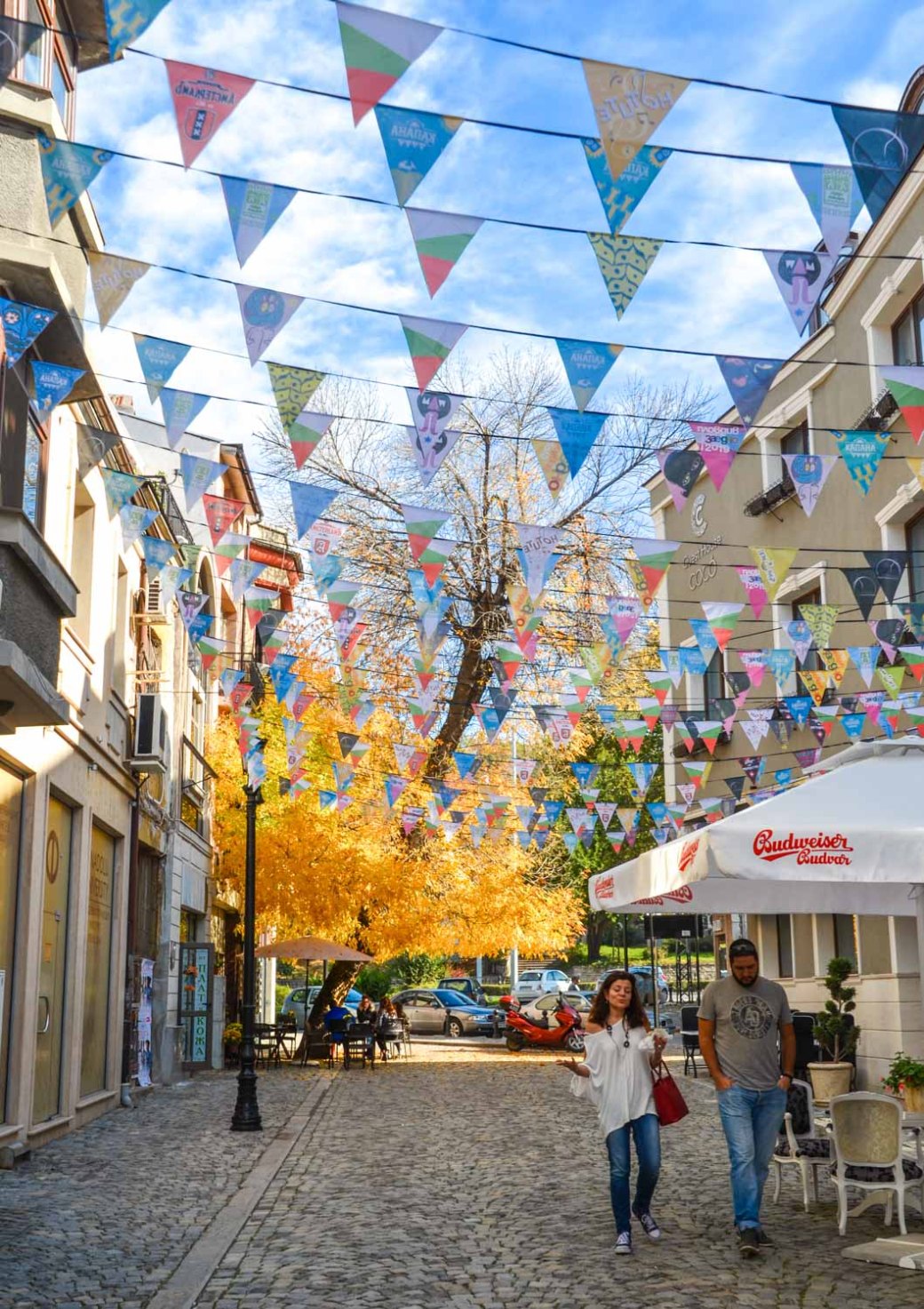
As we left the Old Town and entered the New…we realized that the whole city is a gem. Walking down the main street, a warm and sunny afternoon, the surprises unfolded – one after the other.

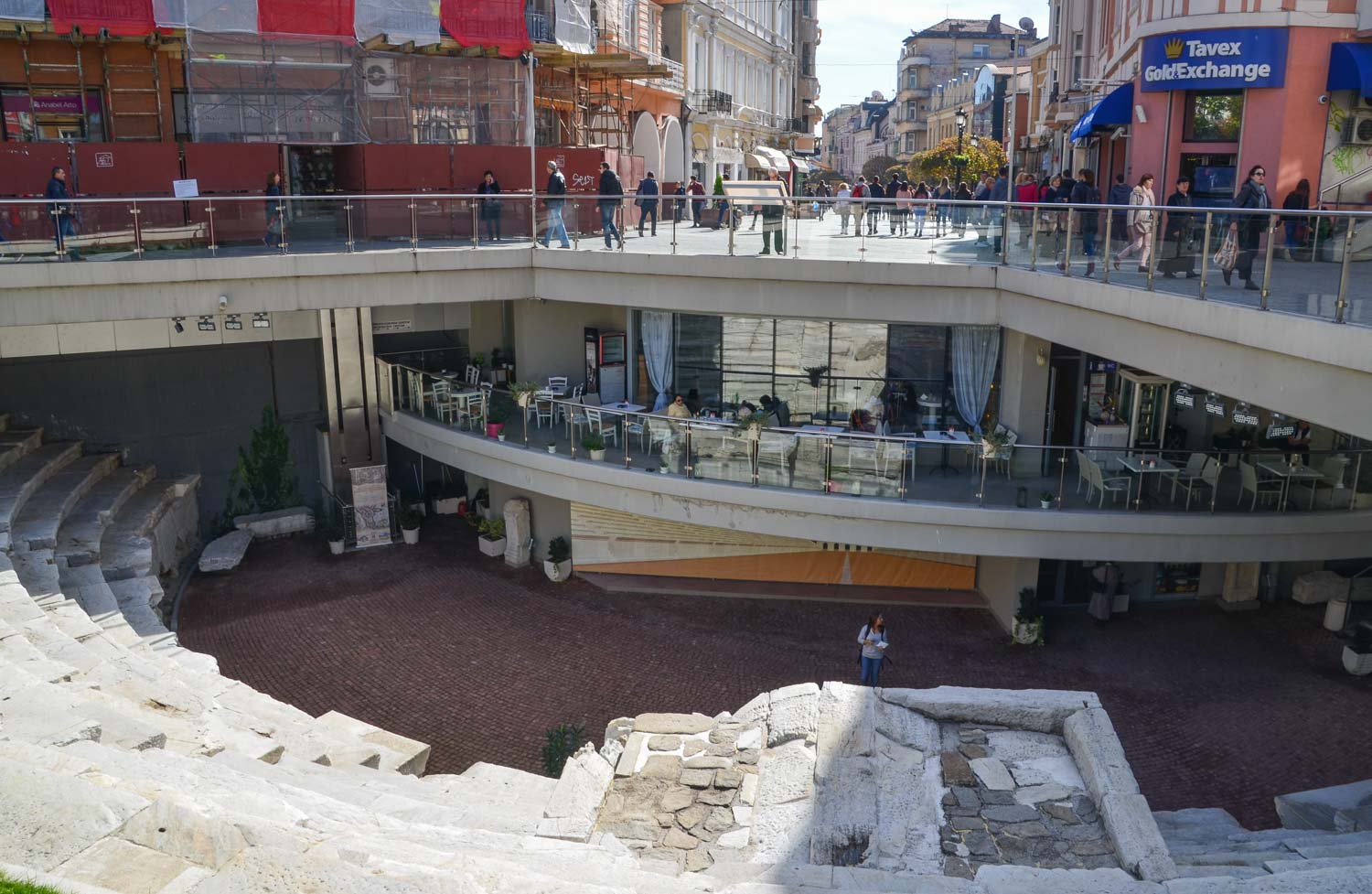
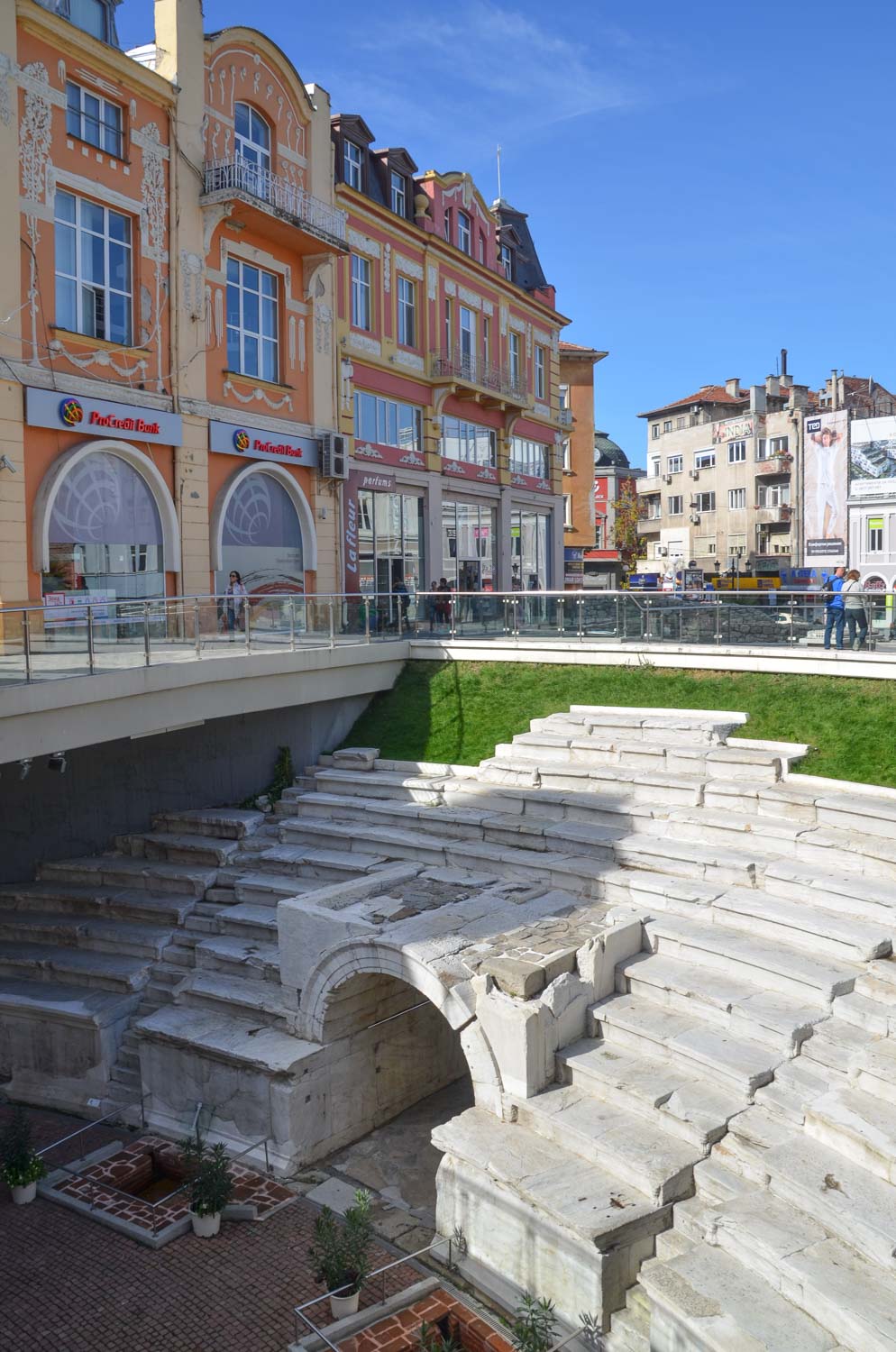
The Ancient Roman Stadium of Plovdiv was built in the 2nd century, during the reign of Emperor Hadrian, and lies beneath the main street from Dzhumaya Square to Kamenitsa Square. It was modeled after the stadium in Delphi. The Plovdiv stadium was approximately 240 metres (790 feet) long and 50 metres (160 feet) wide, and could seat up to 30 000 spectators. Below is the entrance to the stadium.

The athletic games at the stadium were organised by the General Assembly of the province of Thrace. In their honour the royal mint of Philippopolis coined money featuring the face of the ruling emperor as well as the types of athletic events held in the stadium.

Only a small part of the northern section with 14 seat rows can be seen today; the larger part lies under the main street and a number of buildings.

But, you can step down through the layers and meet the combination old/new in a very fascinating setting, with café’s, shops and …steps and stairs from different times.

Atlas? Keeping us safe. Holding the World.

Detta bildspel kräver JavaScript.

I do not think I have ever visited a city that manages to combine the Old with the New as gracefully and innovatively as Plovdiv. I more than understand the choice of this city for European Capital of Culture in 2019. I might return then… there is much more to discover here! Maybe I will see you there – 2019?

Plovdiv – Old Town, 6th Millenium BC

Plovdiv is the second largest city in Bulgaria, with a population of about 342 000 inhabitants. Plovdiv has evidence of habitation since the 6th millennium BC, and is said to be one of the oldest cities in Europe.

The city of Plovdiv has a long history – and almost as many names as rulers – best known for Philippopolis, ”Philip’s Town”, as Philip II of Macedon conquered it in the 4th century BC and gave his name to it. The city was originally a Thracian settlement, later being invaded by Persians, Greeks, Celts, Romans, Goths, Huns, Bulgarians, Slav-Vikings, Crusaders and Turks.  On 4 January 1878, Plovdiv was liberated from Ottoman rule by the Russian army. It remained within the borders of Bulgaria until July of the same year, when it became the capital of the autonomous Ottoman region of Eastern Rumelia. In 1885, Plovdiv and Eastern Rumelia joined Bulgaria.

Having read this…and more – we just had to go there. What would a city like this look like? So many conquerors and rulers, so many different ideas, art and architecture.

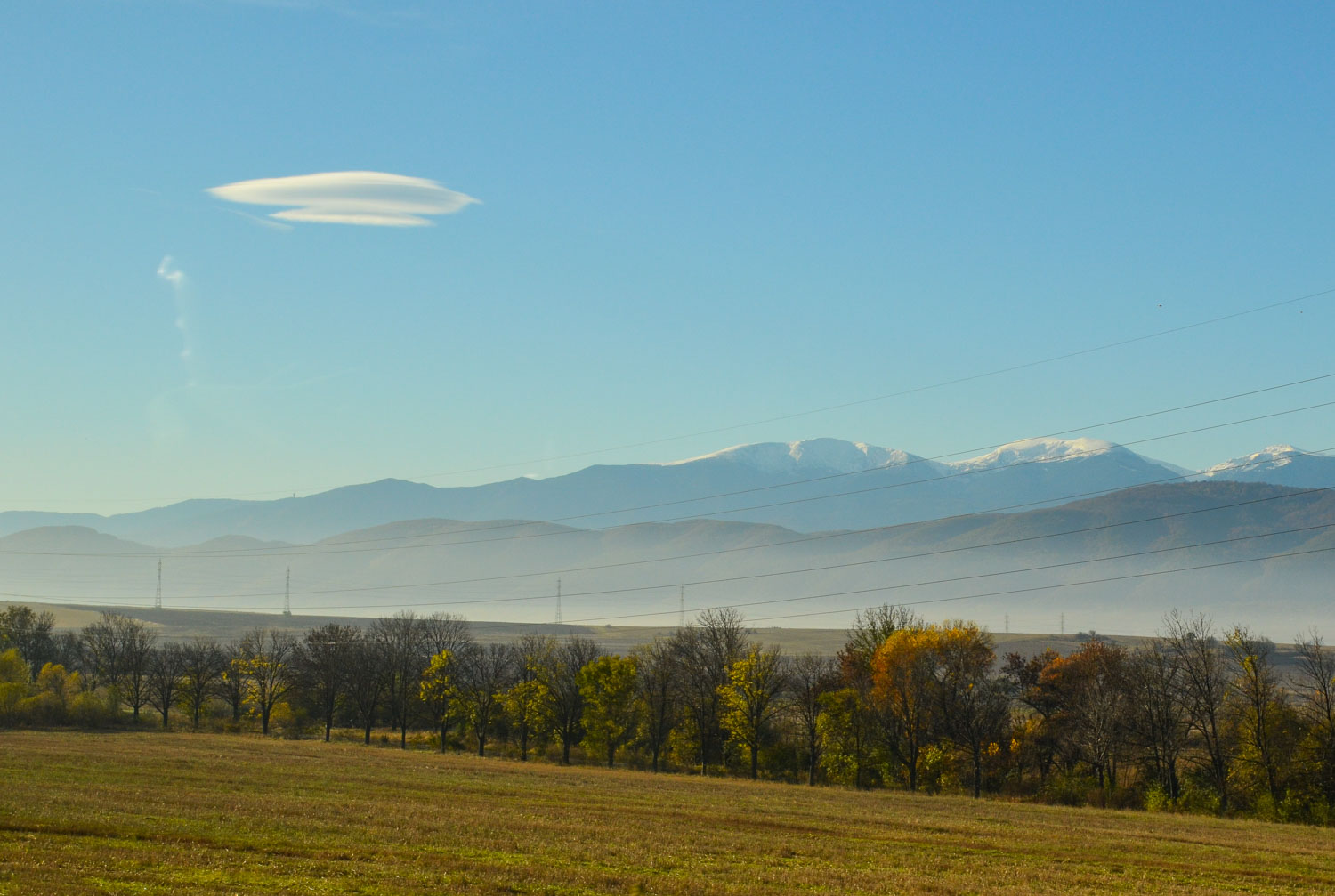
So, contemplating this on the bus, the beauty of the landscape and the snow capped mountains kept our eyes open.


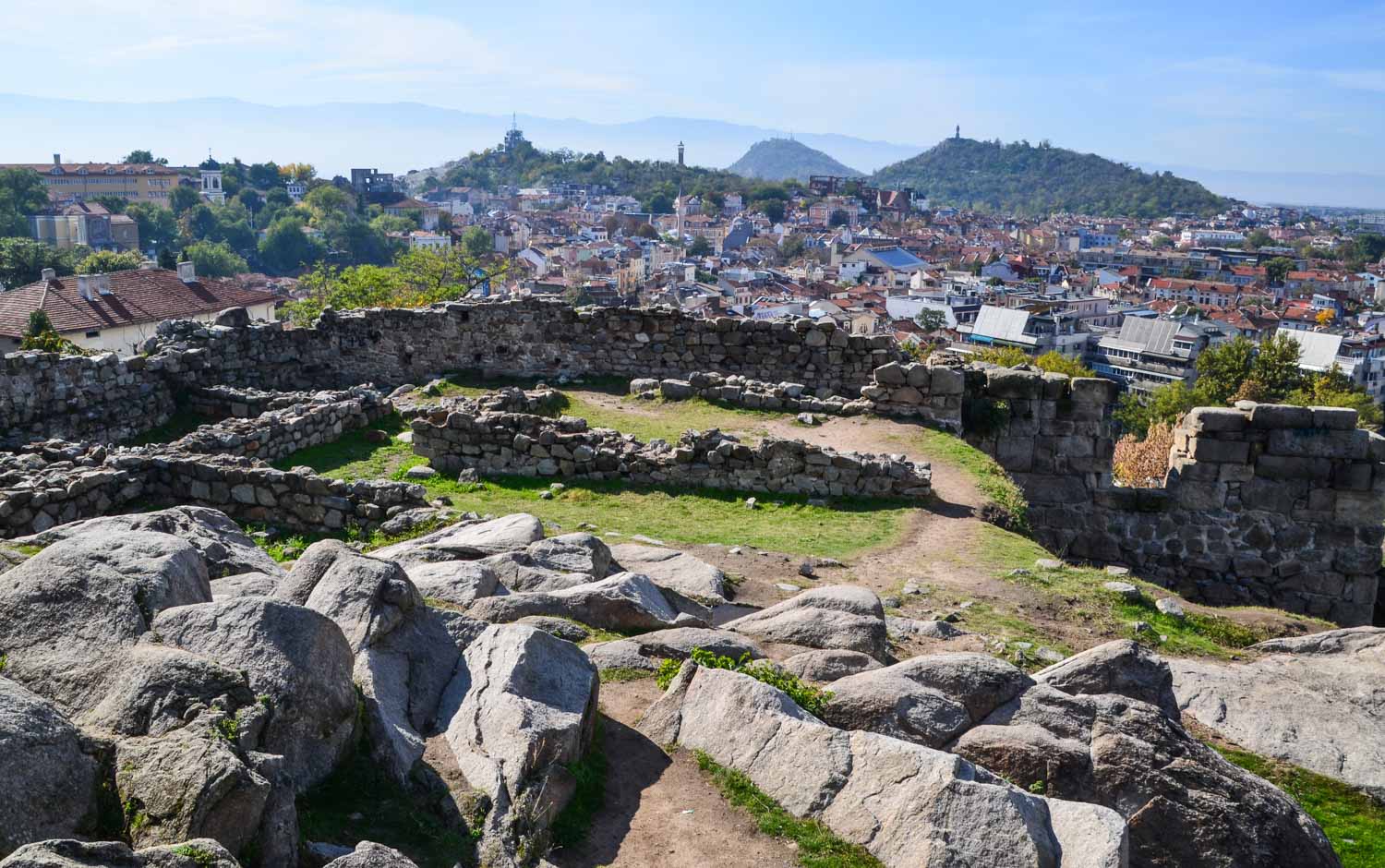
The old town in Plovdiv is located on three of Plovdiv’s (originally seven) hills: Nebet Tepe, Dzhambaz Tepe and Taksim Tepe. Today there are only six hills left, because the seventh one was taken down to become cobble stones for the streets.  The old town in Plovdiv is included in UNESCO World Heritage tentative list since 2004.

At first we could walk peacefully in the quiet streets…but then it seemed every school in the neighborhood flooded the alleyways.

Our main goal was the ancient theatre – with seats today for 3500 people. (Originally for 5000-7000 people).

The Roman theatre of Plovdiv is one of the world’s best-preserved ancient theatres. It was constructed during Roman Emperor Trajan (reigned 98–117 AD), and it is currently in use for operas, concerts, plays and more. The theatre was restored in the 1960’s, and is one of the most valuable monuments from the ancient city of Philippopolis.


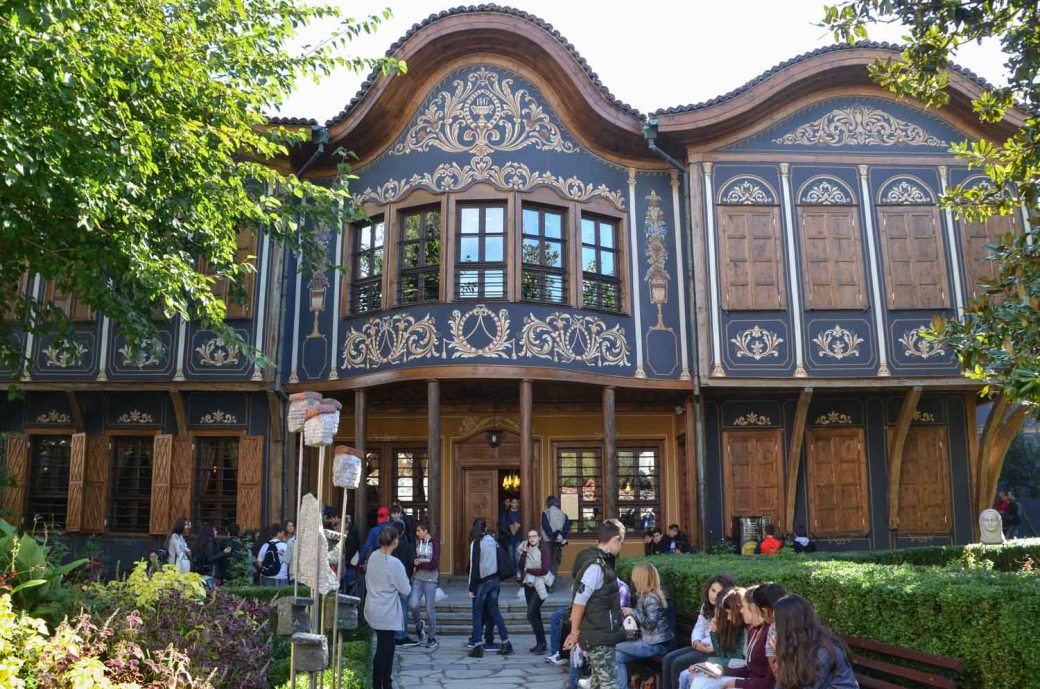
The house of Argir Hristov Kuyumdzhioglu, a merchant from Plovdiv, was built in 1847, and has been described as a prime example of Plovdiv’s mid-19th century Baroque architecture. The house has a symmetric facade; it is two stories tall on its west side and four stories tall on its east side. The Kuyumdzhioglu House spreads over 570 square metres and has 12 rooms and airy salons (where each room has a carved wood ceiling)- and 130 windows. Both the house’s interior and exterior boast sophisticated floral motives. The municipality bought the house in 1838, carried out renovations, and organized it as an ethnographic museum.

The lonely tree might not be very old, but it stands overlooking the remains of the olden days as well as the newer city. I wonder what he/she is thinking?