Svolvær is the main town in Lofoten, and Northern Atlantic Cod fisheries, particularly during winter months, have remained one of the most important economical foundations for the town. Just west of Svolvær is Vågar – mentioned in the book Heimskringla, and might have been established as early as the year 800 AD.

We arrived rather late, and thunder was in the air the whole evening. This also made for an interesting walk in beautiful light and no winds.

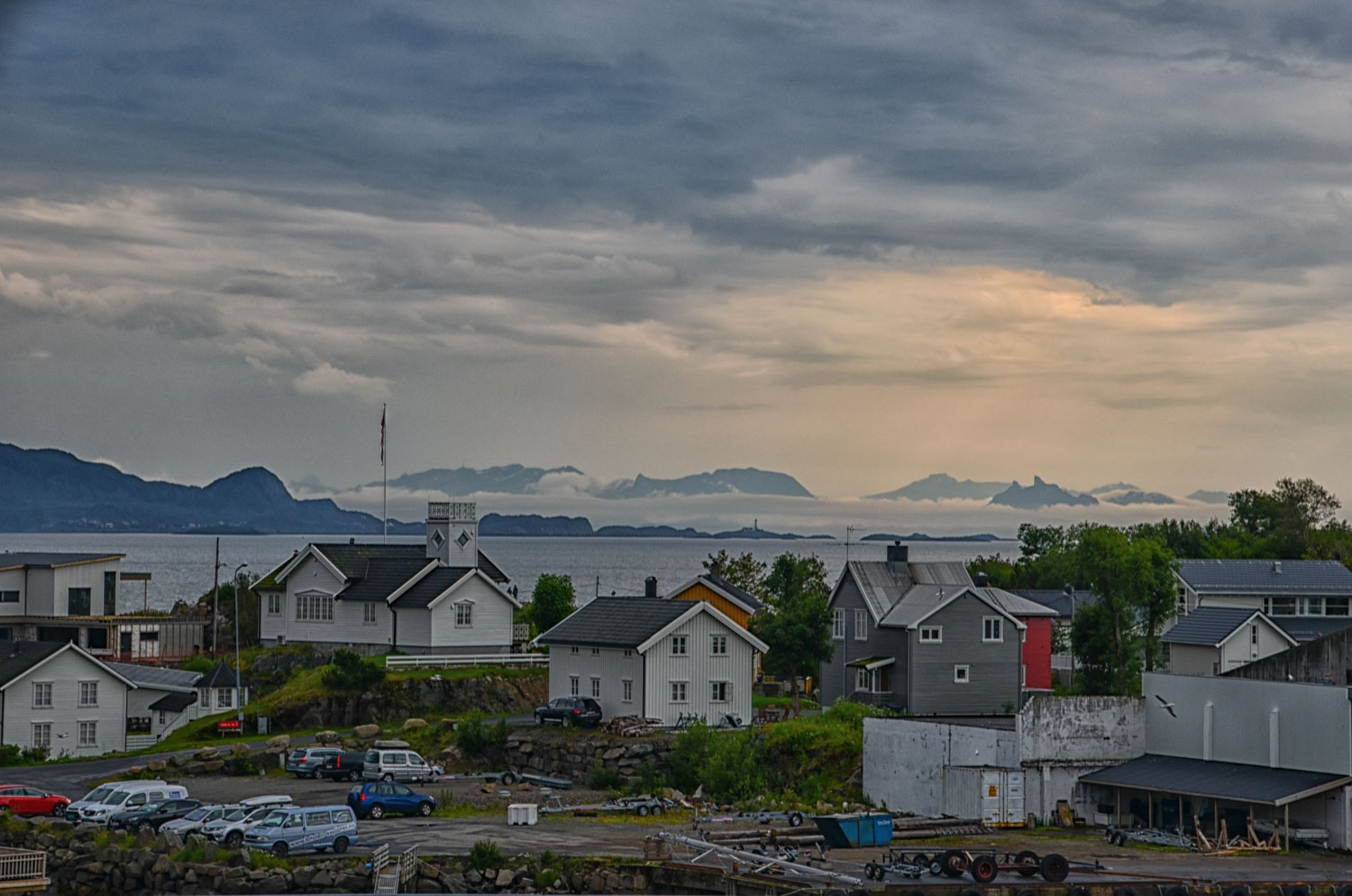
The little town has about 5000 inhabitants, and many people were strolling the streets in the soft evening. The special light made all colours stand out – no need for enhancing anything. Natural beauty only.


The old – and new – little houses are called rorbuer. Rorbu is a traditional type of seasonal house used by fishermen. The buildings are built on land, but with the one end on poles in the water, allowing easy access to vessels. Today they are mostly used for tourist renting.


After sorting by quality, most of the stockfish is exported to Italy, Croatia and Nigeria. In Norway and Iceland, the stockfish is mostly used as a snack and for lutefisk production. In Italy, the fish (called stoccafisso) is soaked and used in various courses, and is viewed as a delicacy. The man working where we parked the car, told us that in Nigeria it has become the national dish!
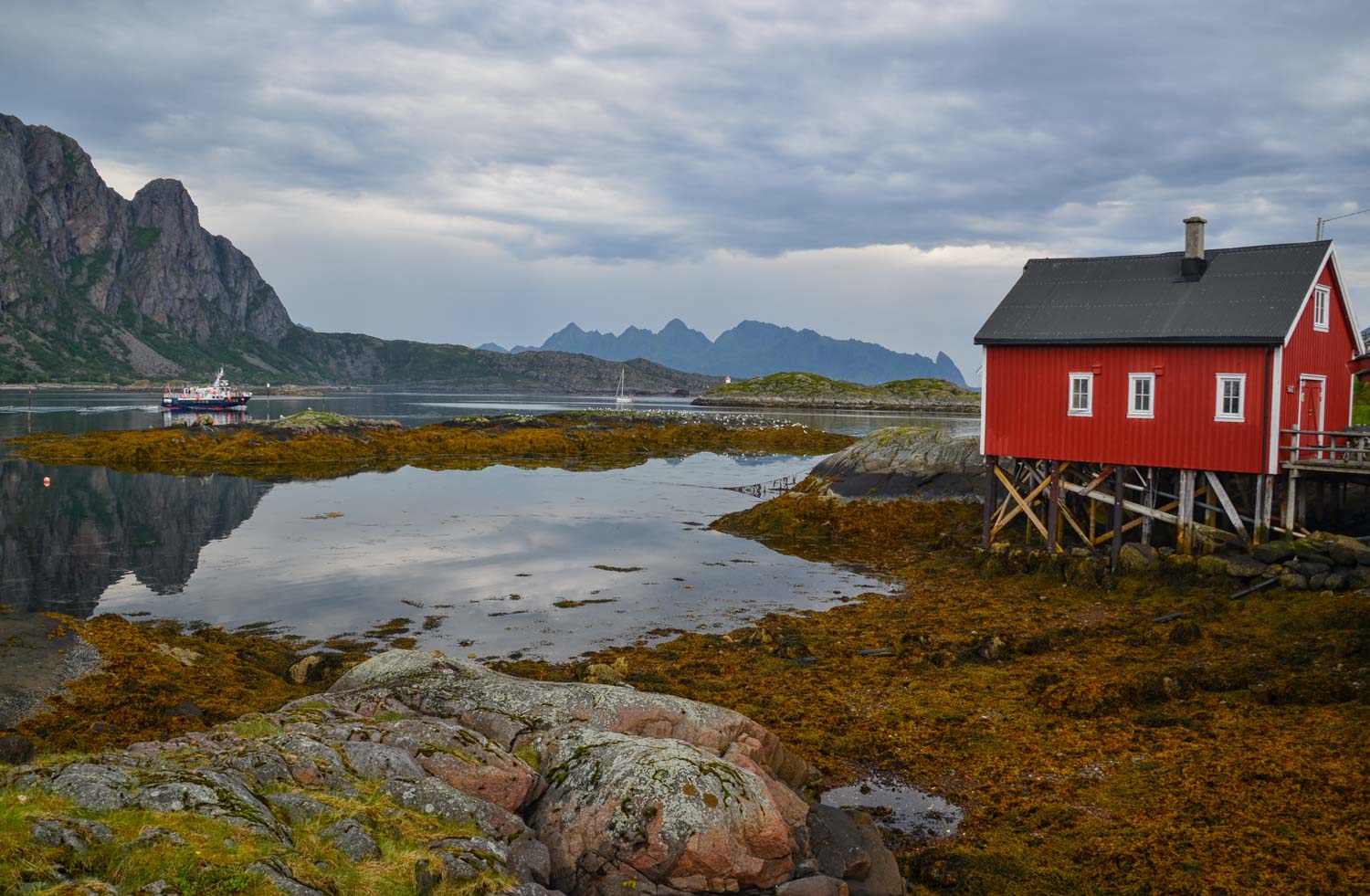
When the clouds occasionally lifted, or there opened a rift in the skies, we could capture some very picturesque views.
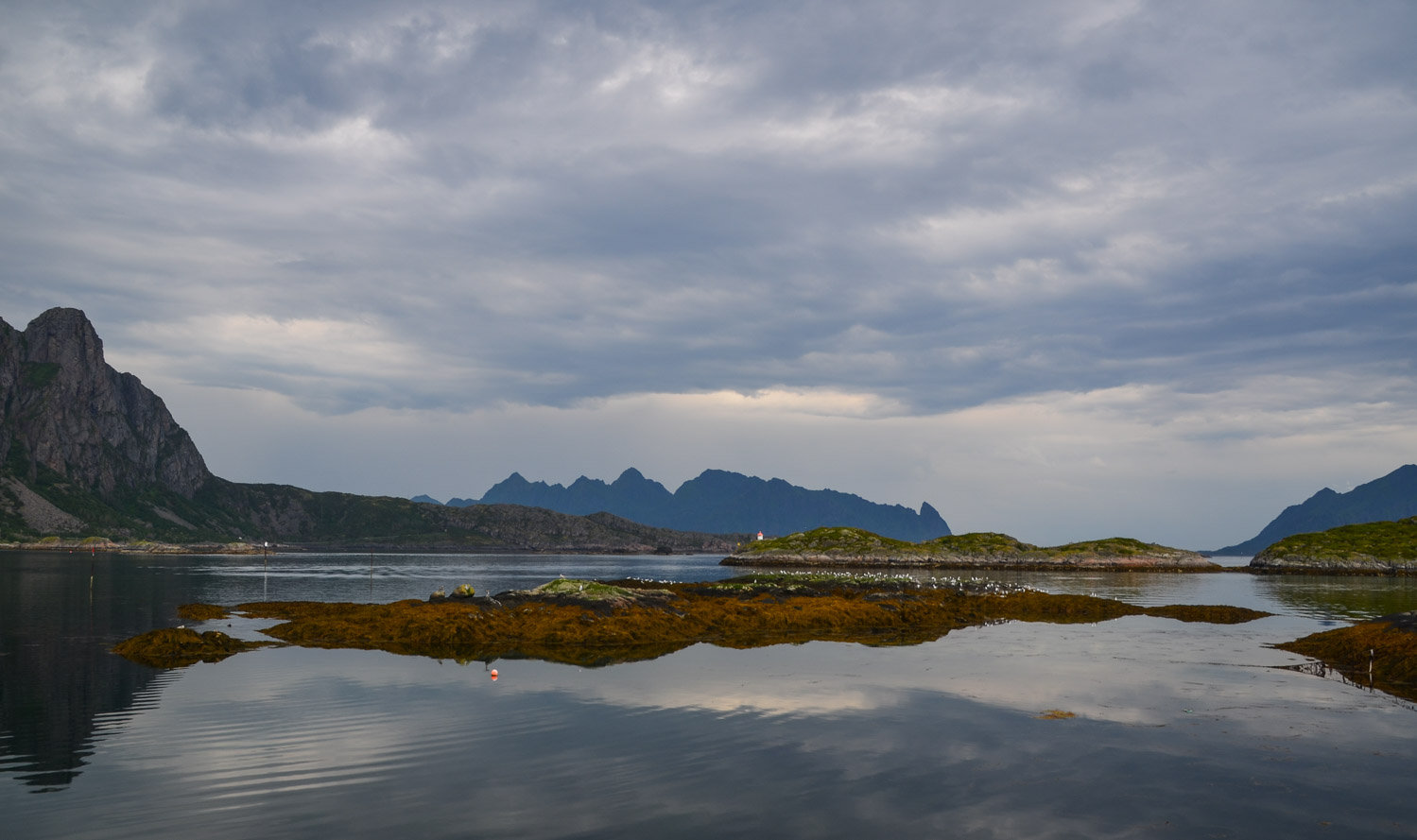
Unfortunately, after this lovely walk, we had to say goodbye to Svolvær – still bathing in that special light that attracts many artists and galleries – and us – to Lofoten.








 Leya
Leya 
Du måste vara inloggad för att kunna skicka en kommentar.