2015 is Soon Coming To an End…

First of all, my deepest gratitude to all of you, followers, readers and commenters during 2015, and many of you for some years back too! I have got to know some of you rather well, and I have even met three of you  ”in the real world”. I love that feeling…So, if you are coming to the southern part of Sweden, I hope you will mail me or give me a call. As you know – I have taken a year off. You are so very welcome for a chat, a cup of tea or coffee. Maybe an outing together! If I am home of course, and not on a trip somewhere in the world…

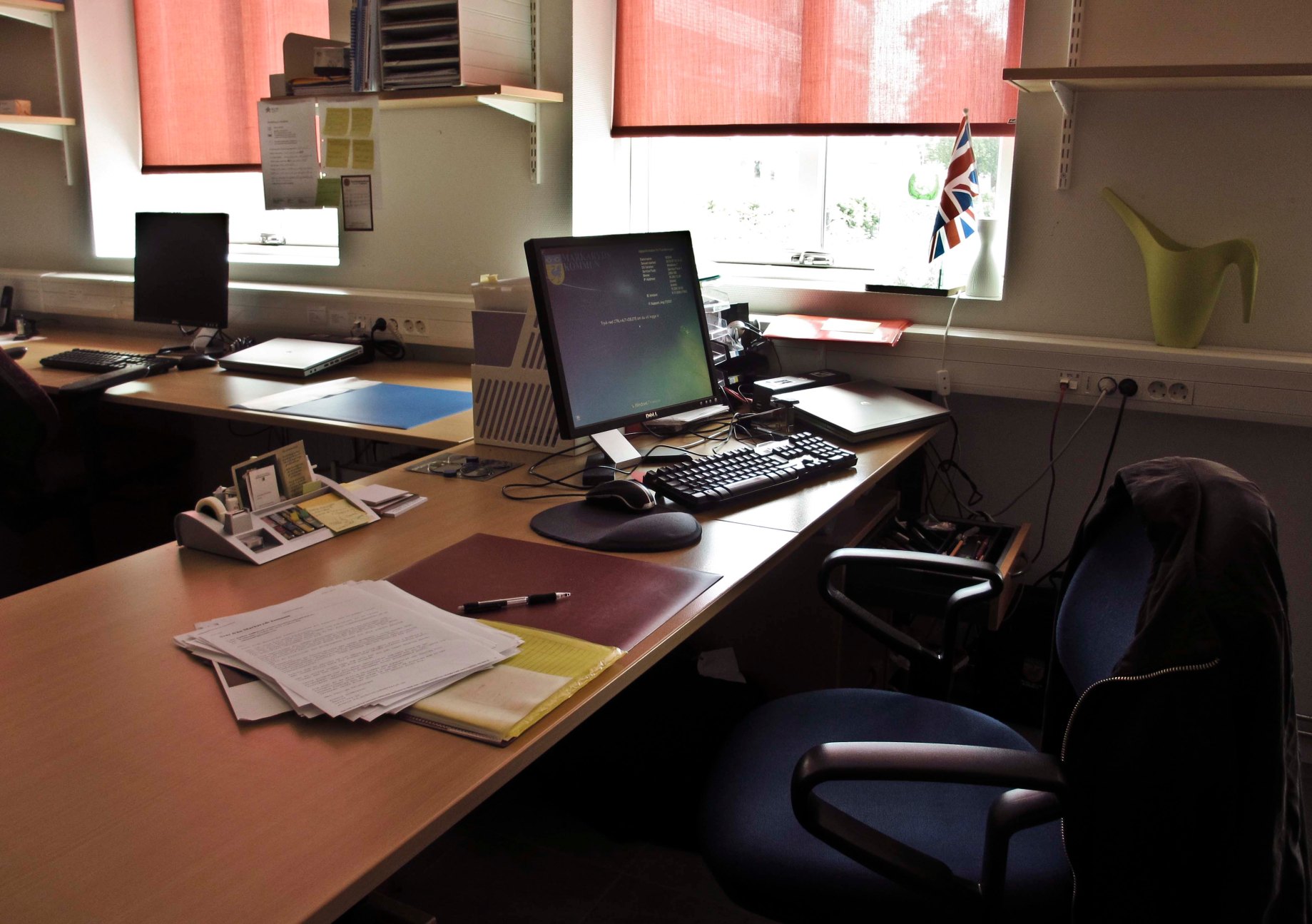
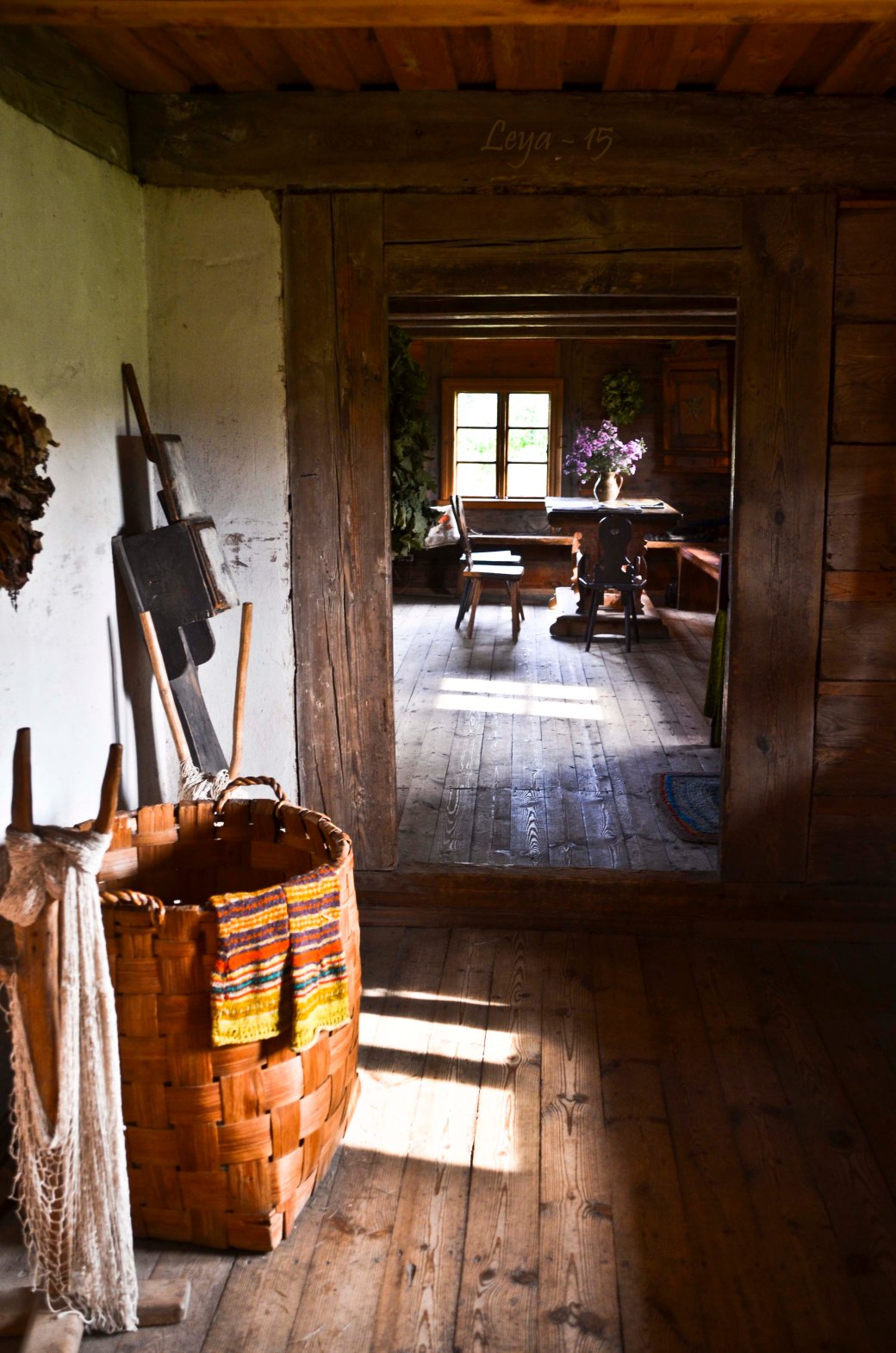
What did you like most on Leya during this year? I took a closer look at the statistics to find out the top 10 posts. Would they be my top 10 as well? I’m giving you one picture from each of these ten posts, and the link to the full post. Only five at a time, so you will not get too tired…

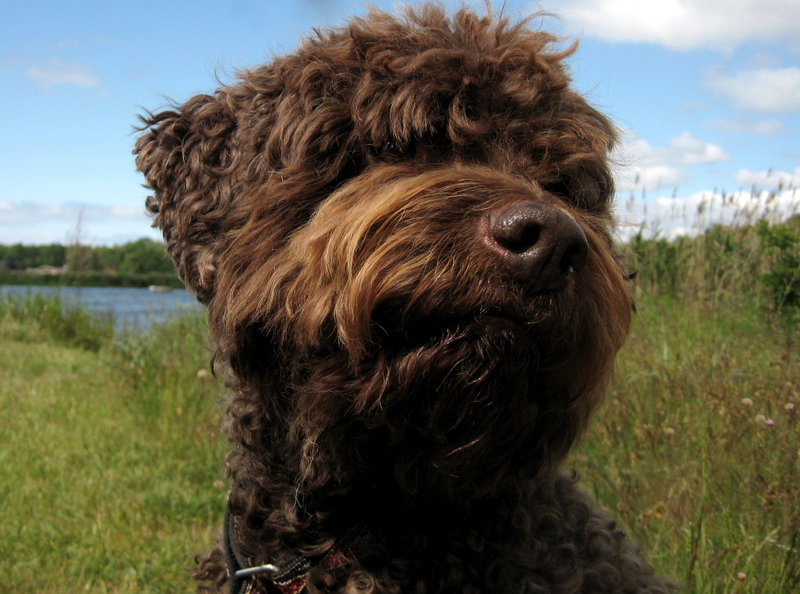
Analysis? Out of these first five posts, four are WordPress Challenges, which of course tells us what we already know – the importance of challenges and the importance of our host! But, the fourth most liked post made my heart jump with an extra beat. About Mille. In this post I have put some of my favourite photos of my ”Iron Man” and I have tried to describe his wonderful character.

I will post the top 6-10 before New Year’s Eve. It would be very interesting to know which is Your special favourite – and why? Let me know in the comment box! Maybe it’s not even one of these posts? And, what would you like to see more of in 2016?


WPC: Change

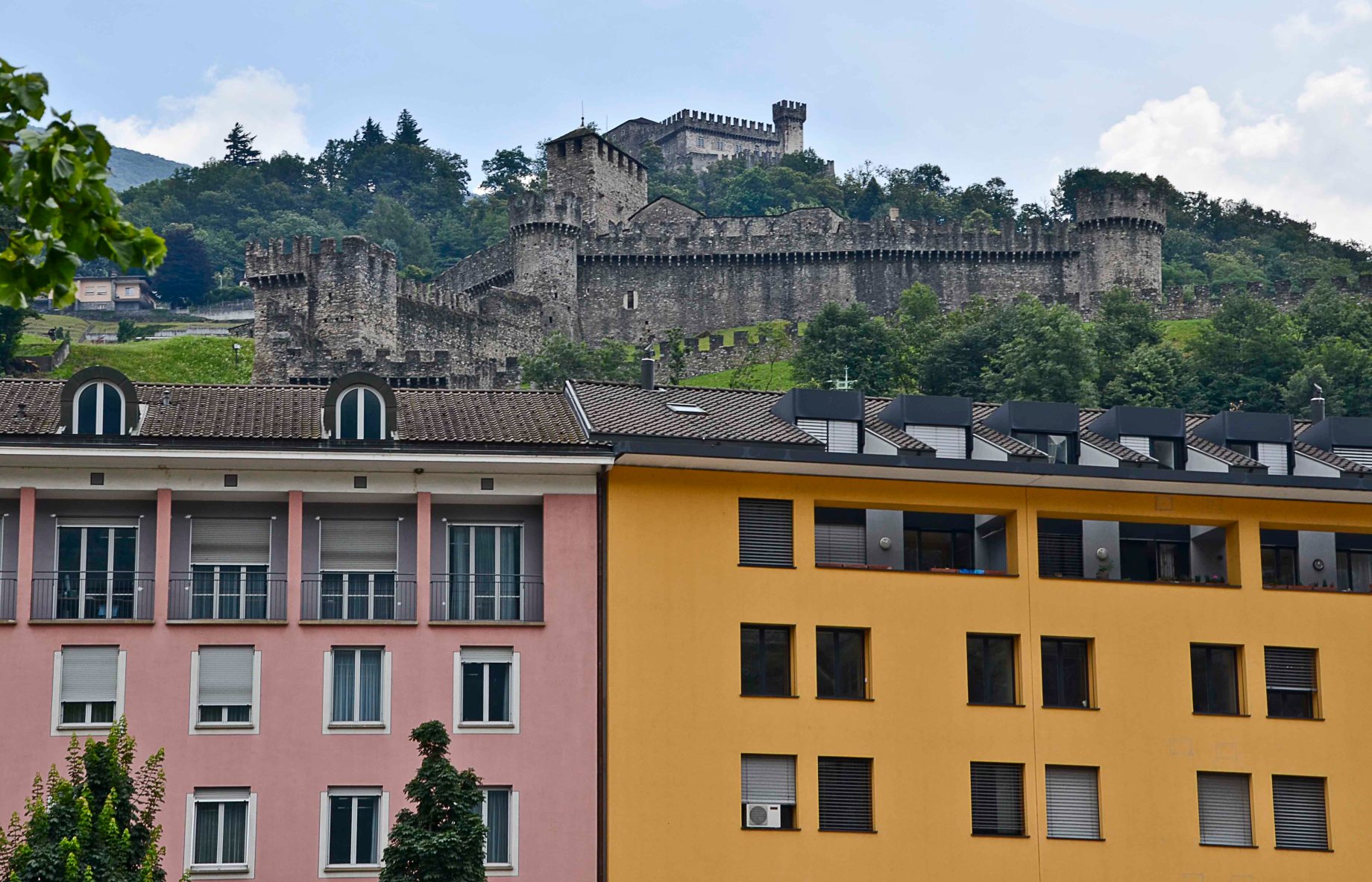
From Bellinzona in Switzerland. This post was featured in ”Photos We Loved” by WPC

WPC: Happy Place

My most happy places – many positive comments on the golden forest

 v.44 2011 088

WPC: Victory

This post is about my decision to take a year off.

About Mille

How happy you made me by liking and commenting on my lovely Mille! He will never die!

 2010 061

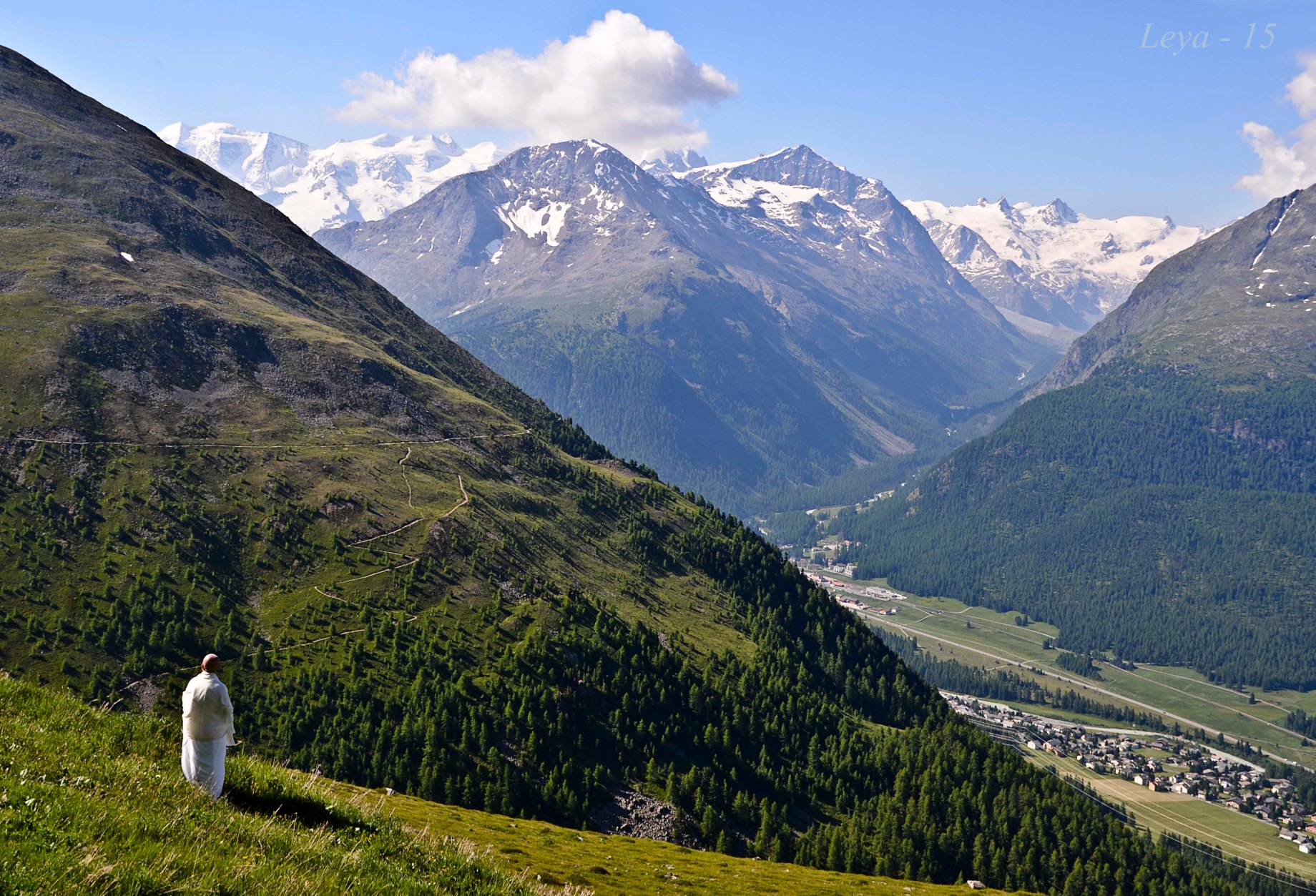
WPC: Inspiration

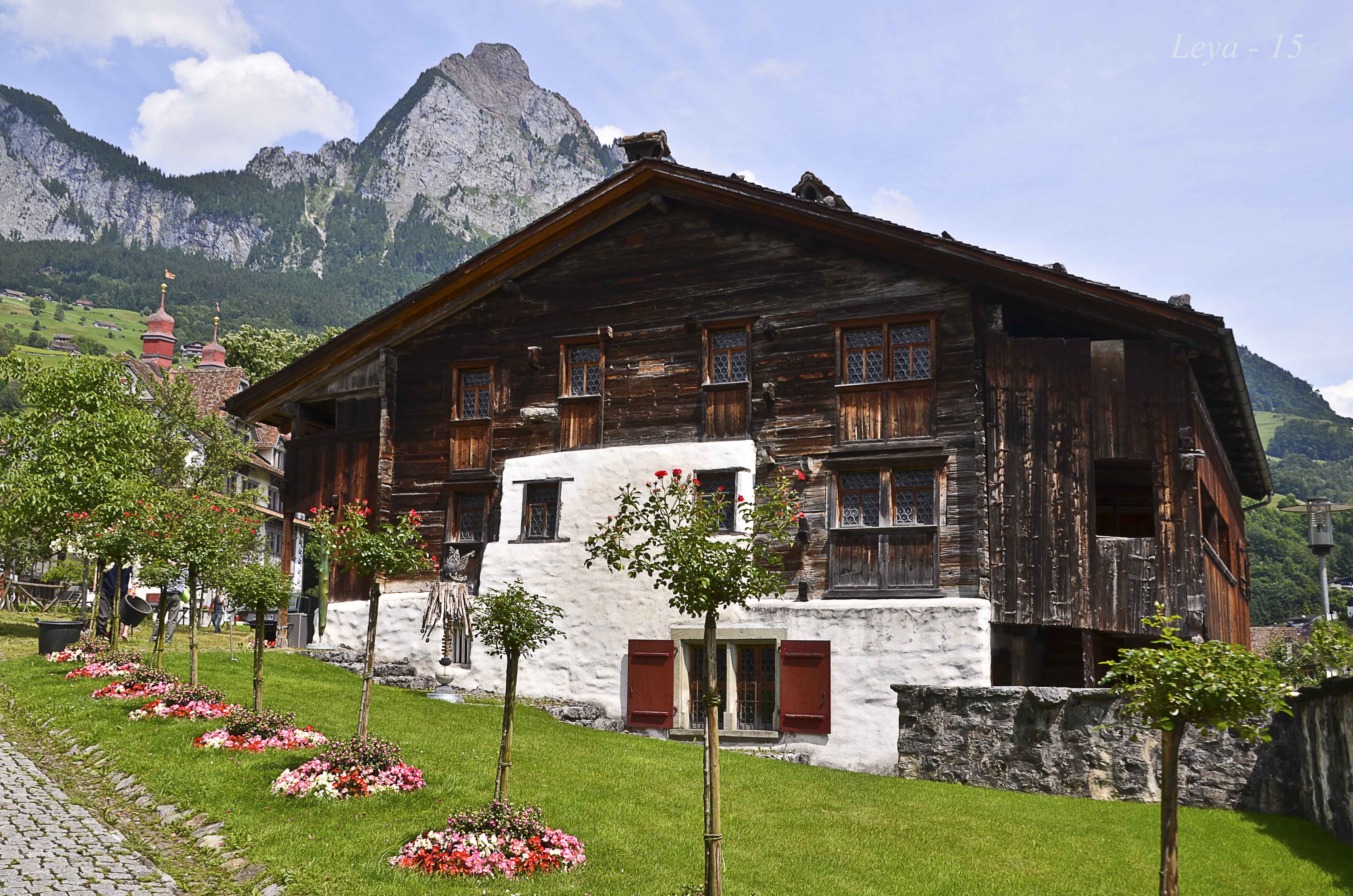
The Swiss Alps – a place for meditation.

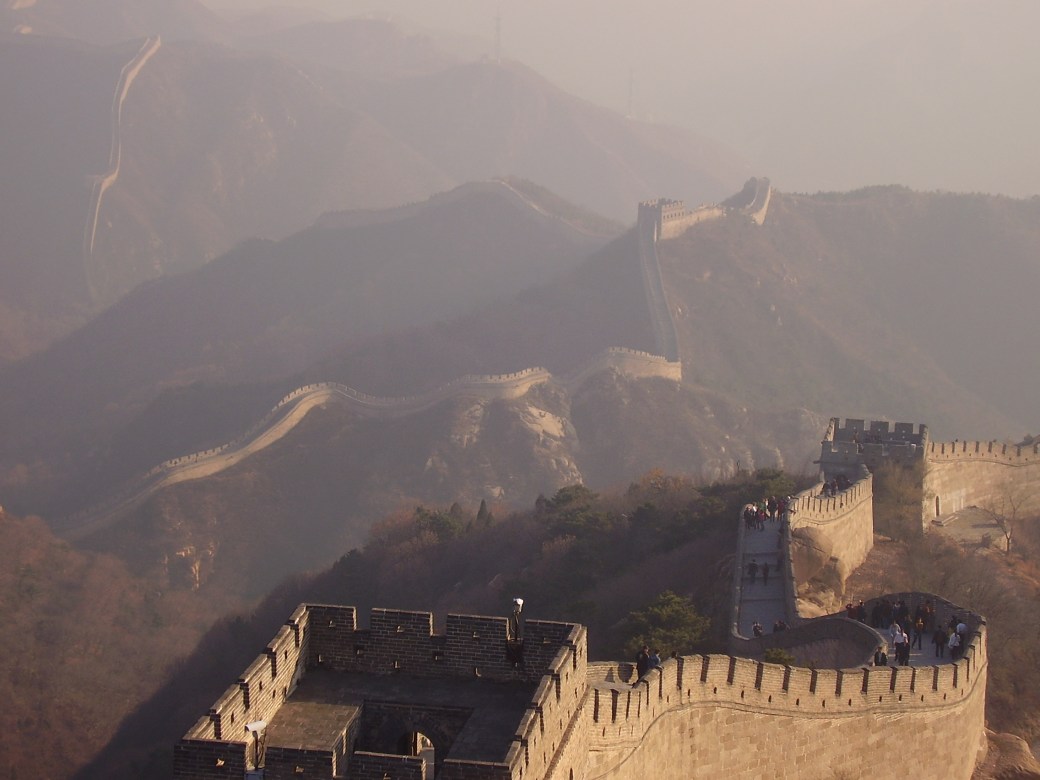
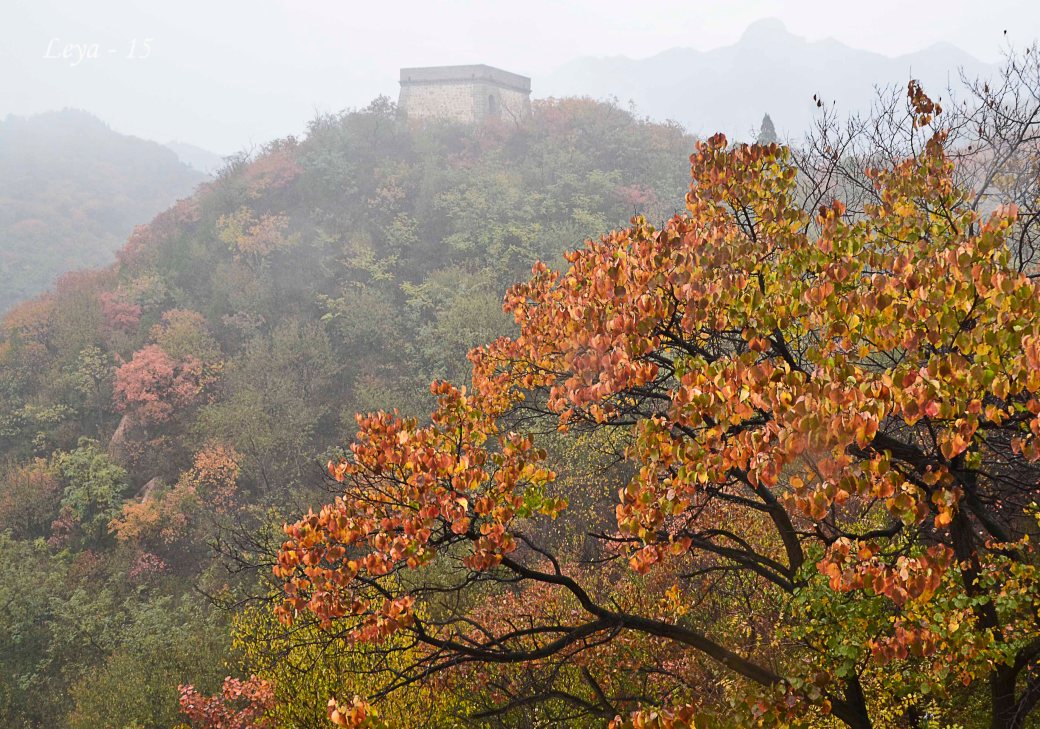
The Colours of China

I am very grateful that this was my fourth time in Beijing – the weather made the Great Wall almost invisible. The autumn colours – that’s what I had been waiting for, and they were there…somewhere in the fog and drizzle.

My last visit was an early morning some years ago, and the Great Wall emerged in all its splendour in the morning haze.

…this time

the most colourful things were all the umbrellas. It takes some imagination to see the colourful surroundings here, but on our way down, the fog decided to reveal some of its secrets.

A small glimpse of jewellery …

…before settling again.

This drizzle followed us and haunted us for many days – but I found other things than landscapes to shoot…and the one day on the Yangtse River with the most spectacular views…the sun came through. And not a wind.

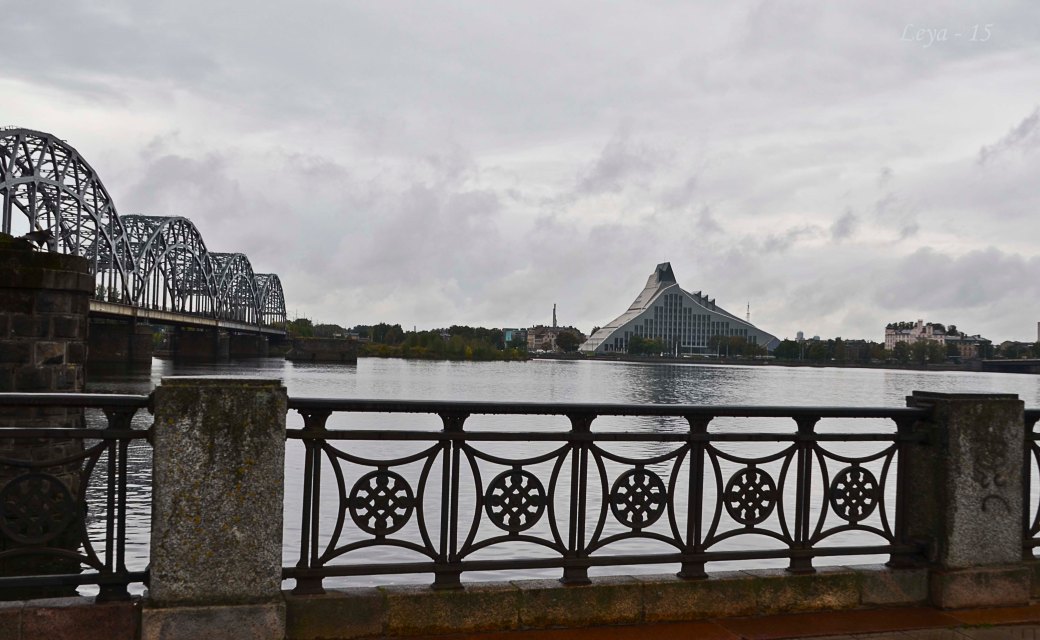
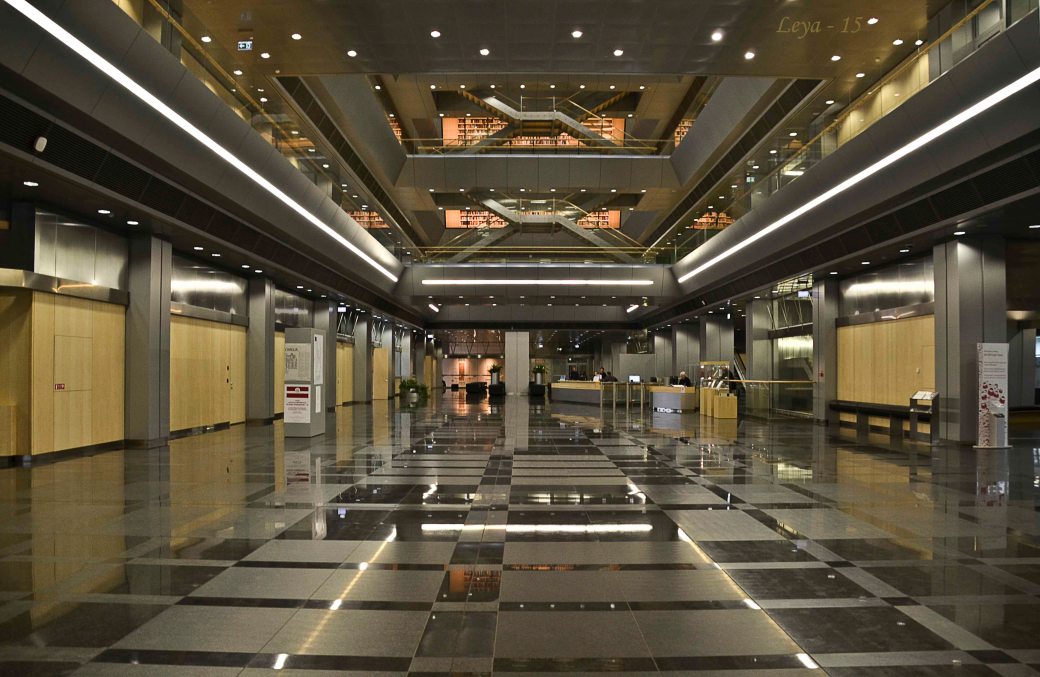
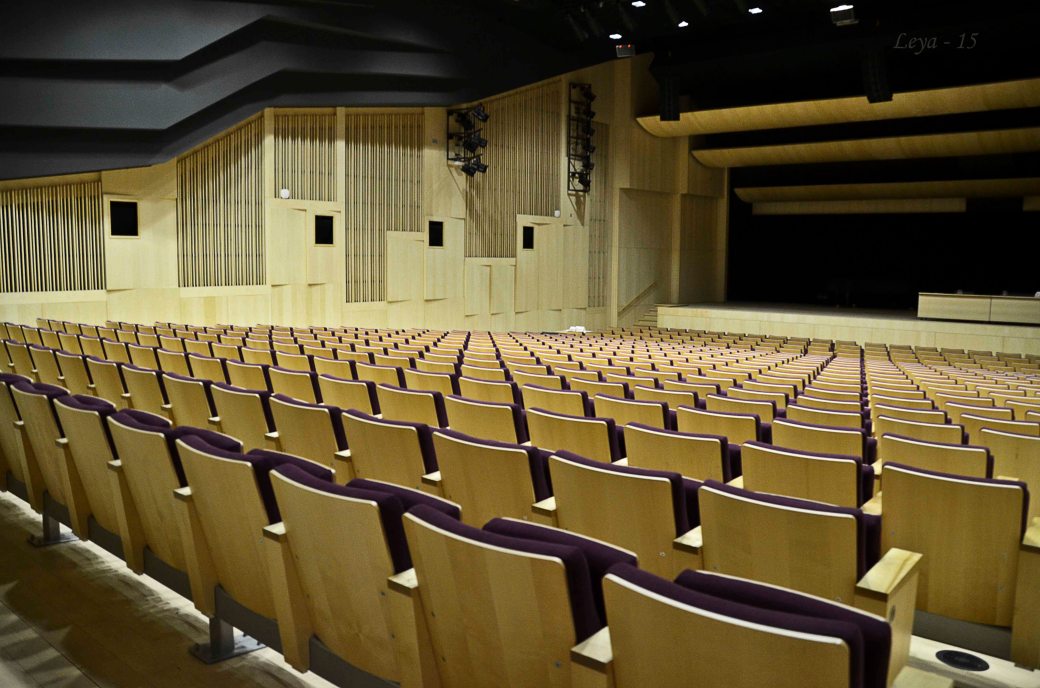
4 Million Books, but…Where are they?

Riga is the capital of Latvia, and situated on the river Daugava. Inhabitants about 707 000, a third of the country’s total. Riga is also the biggest city in the Baltic area. Together with Umeå in Sweden it was the 2014 European Capital of Culture. More: USA Today’s readers voted Riga as Europe’s most attractive city and CNN Travel and Lonely Planet also give their praise to the city.

We visited for three days and fell in love with the mix of green areas, old and new, worn, dilapidated, beautiful houses, Russian style ”boxes”, the massive Jugend areas and the restored gems. And the people. The span is refreshing and we enjoyed every minute.


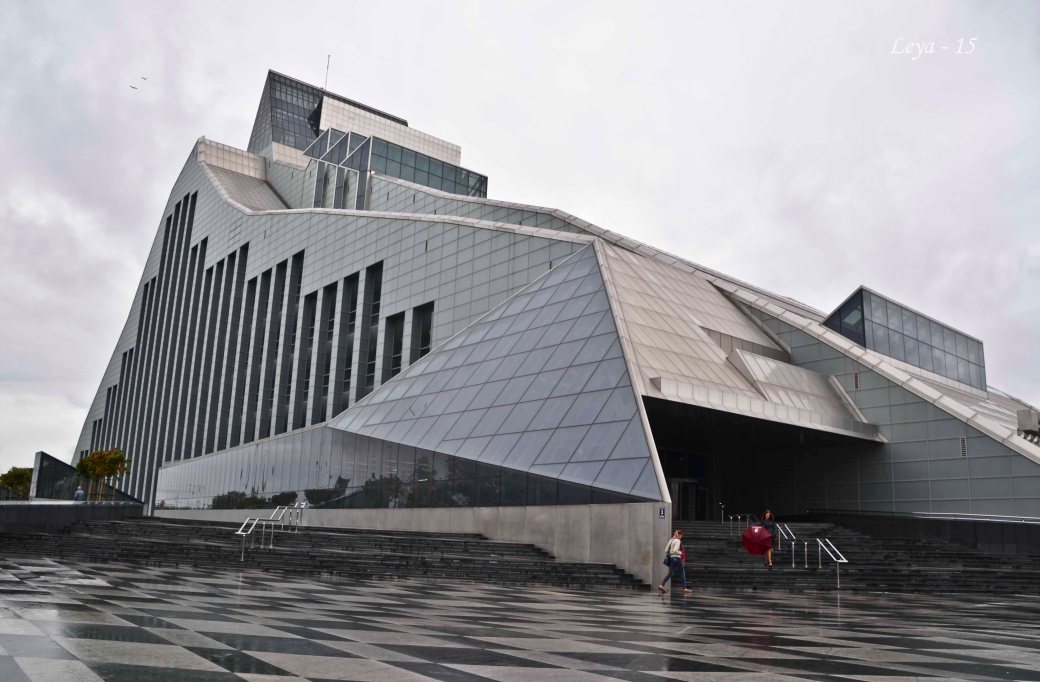
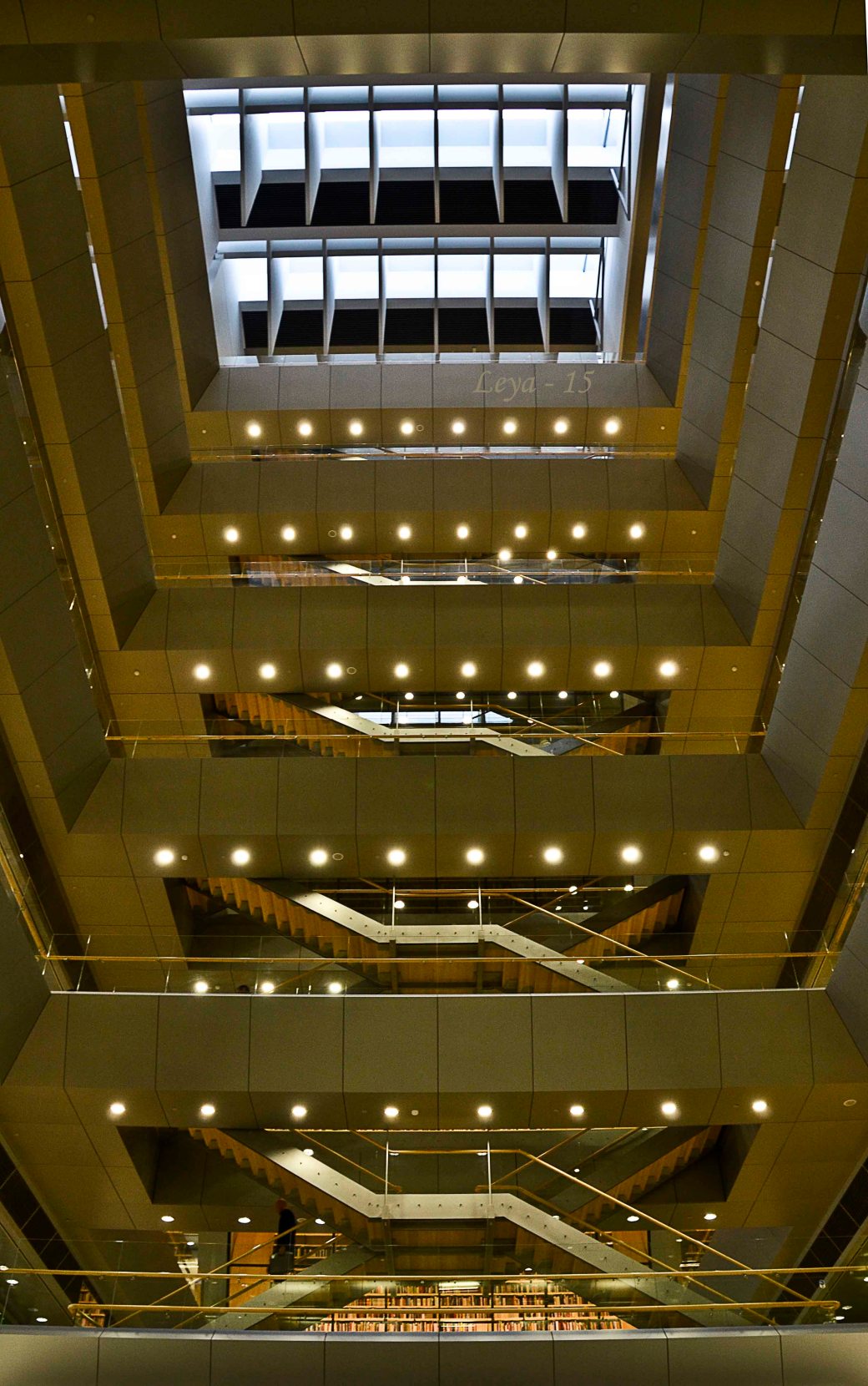
One of the newest buildings here – which you cannot miss when you arrive – is the National Library. Gaismas pils, or The Castle of Light, at Mūkusalas iela on the river Daugava opposite Riga’s Old Town. Latvian architect Gunnar Birkerts, was inspired by Latvian folklore in his construction.

The building  is 40 000 m2, built in 13 stories, where the two on top is only meant for cultural arrangements and for rent (having a party? I didn’t ask the cost…) There are approxiamately 1000 study seats in several rooms, and storing room for six million books.

The Library opened August 29,  2014.

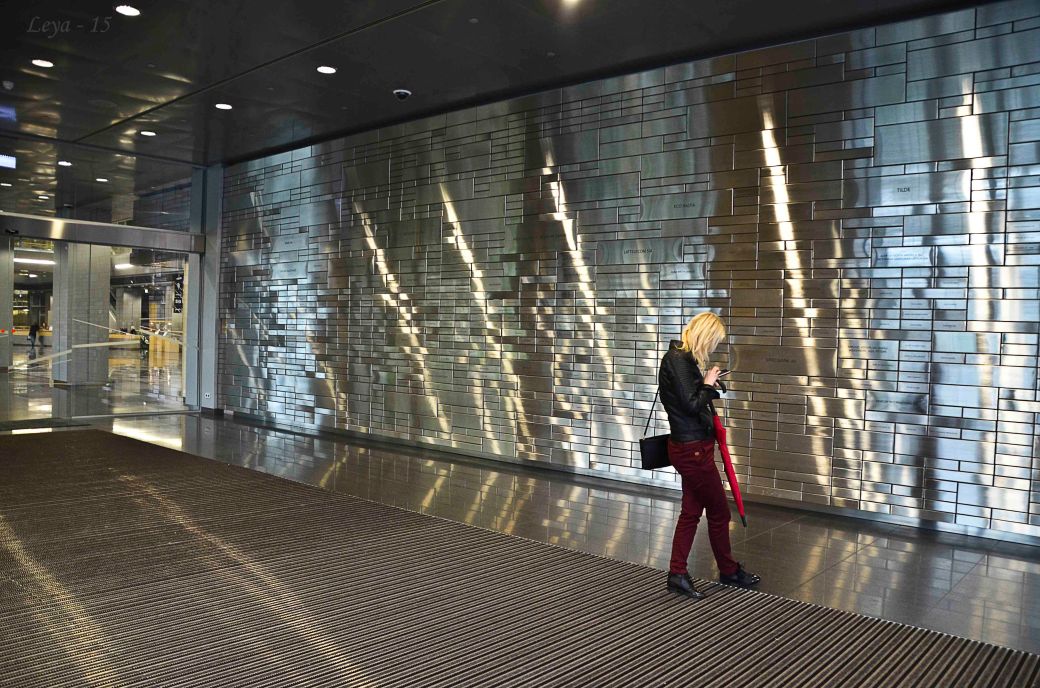
Already in the entrance, I loved it…but with a strange feeling in my stomach…

We had to put all our things in lockers and you were not allowed to bring any drink or food – not even water. You had to get a visitors’ badge too and display it clearly. Then you had to pass the gates and a sighing lady…who looked like ”it would be really nice here… if it weren’t for the visitors.”

Large empty spaces and mirrors called for a selfie first…

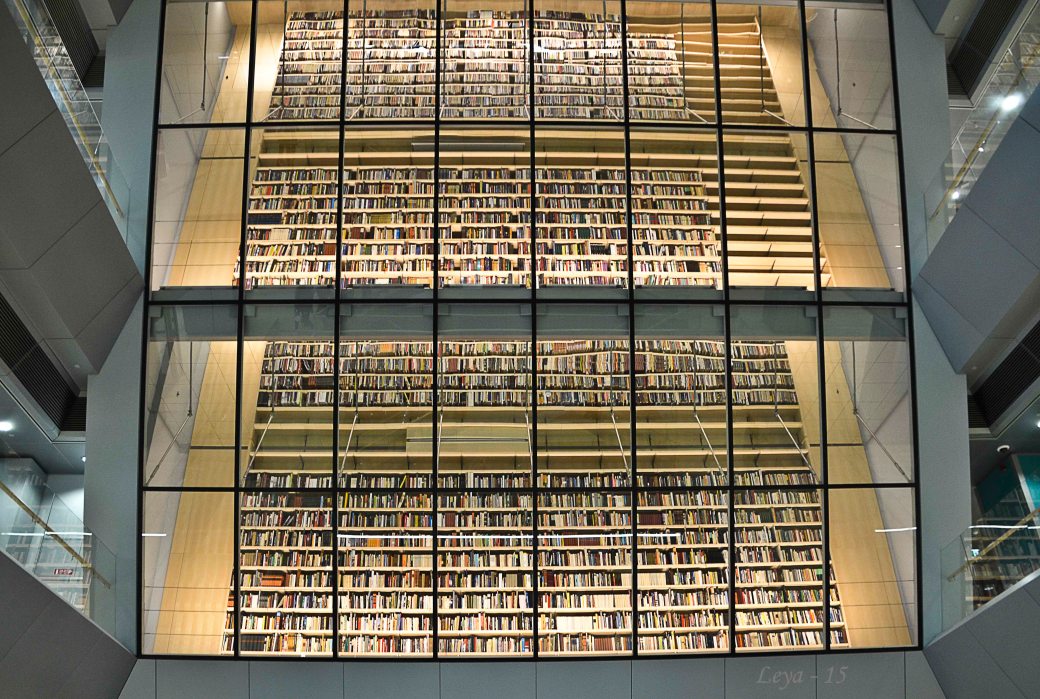
As we went searching for the books, suddenly there was a marvellous display right ahead – up in the air.

Beautifully displayed – we headed for them immediately. But, being there, we realized that they were locked in behind glass – only eye candy…

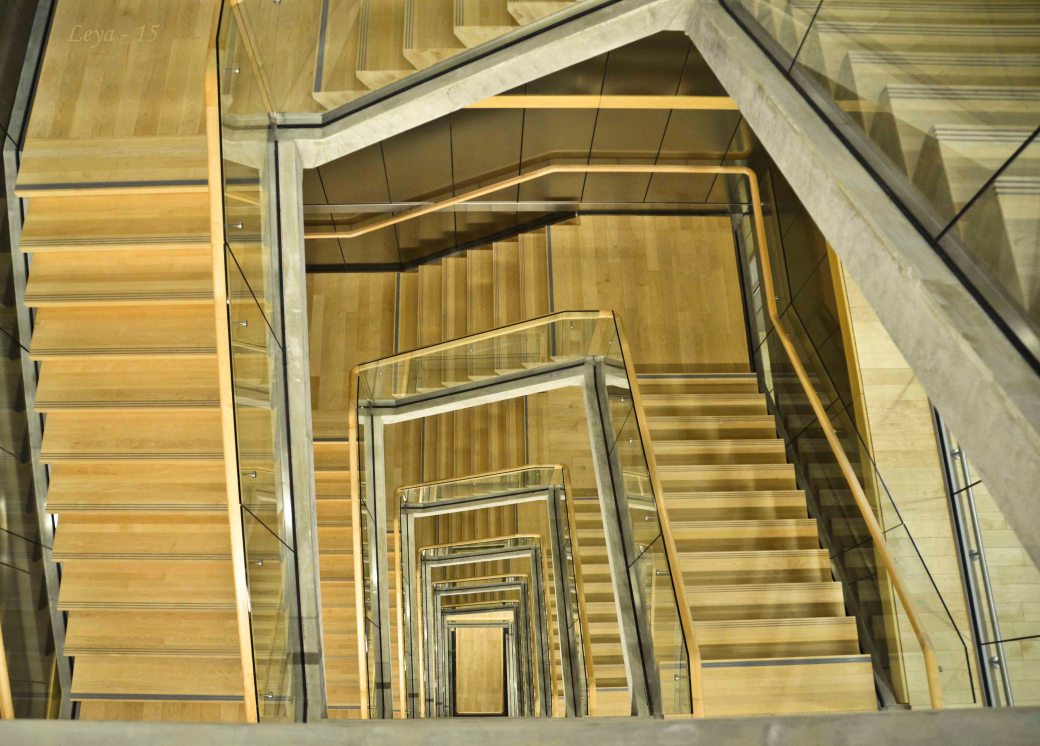
We entered stairs and elevators, slowly becoming more and more desperate…where were the books? And the people? Students? Children?

We tried every door on every floor, but no. They were all locked. We saw the children’s books department – but only through a tiny window…the door was locked.

Finally we managed to find one door open. Some students were sitting there, studying. You could hear a needle drop…And, there was something strange about the room. Not the artsy furniture….not the silence…but – look up in the right corner of the photo: There Were Some BOOKS. In a LIBRARY ?- WOW.

In fact, these were the only books we saw and were able to touch in this building…But the view of Old Town was not so bad.

Riga med omnejd 2015 318_copy

Giving up on the books and about to leave we saw another open door and peeped in. No people of course, but a beautiful aula.

We decided for a last try to reach the uppermost rooms on level 11 and 12. Found an elevator, and a cleaning lady on her way up. No admittance except for guided tours…She agreed on her being our guide and up we went.

This was only for special guests – and no panorama view was possible to photograph because all windows were filled with giant black dots.

As we went down again in the elevator, passing corridors after corridors after corridors…

…we talked about how much this reminded of North Korea and the library in Pyongyang. My husband’s pictures in my head, and he could confirm the feeling…

Leaving through the entrance, we agreed on this: What you can do here is enjoy the architecture and the fine materials used – and fiddle with your phone – there is no joy in books or reading visible here…

…as there is in this old ”biblioteka” where there is soul and warmth! A true home for books, readers and the joy of stories.

What do you think? Do you go to the library still? Should it be ”alive” or only for display?

A piece of Swiss history – and Swedish as well

Vi beslöt att köra vägen närmast Vierwaldstättersea. Sjön är den fjärde största i Schweiz, och heter Lucerne Lake på engelska. På svenska blir det ”De fyra skogsklädda kantonernas sjö”. Den ”spretar” ut som fjordar i Norge, och är mycket vacker. Precis som i Norge går vägen i serpentiner, fast nere vid sjön.

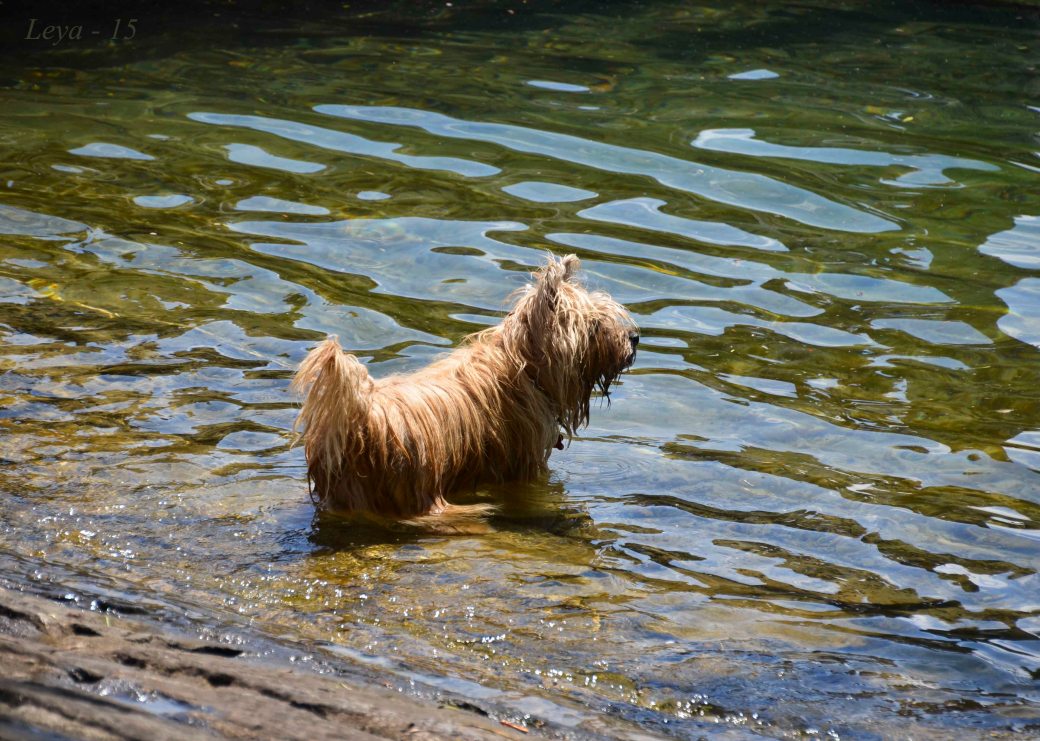
I Vitznau stannade vi en stund i värmen och hade gärna, som gossen nedan, tagit ett dopp i sjön.

We decided to drive the road closest to Lucerne Lake. The first stop was Vitznau – where we witnessed this little gentleman doing the only right thing in this heat…
I Gersau lyckades vi komma just när en utställning var klar att invigas. Den lilla orten med ca 2000 invånare är känd för sitt milda klimat med växter som hör Medelhavet till.

In Gersau, with about 2000 inhabitants, we arrived just in time to see a new exhibition about to open. Also to admire the lush area famous for its mild climate.

Gult, gult…hade man satsat på överallt. Alla bänkar var gulmålade och så skarpt att man knappt vågade sätta sig på dem.

Yellow, yellow…everywhere yellow. All benches were shining so bright that I hardly dared sitting there.

I trädgårdarna prunkade växterna i värsta Törnrosastil.

Should we enter… and find the Sleeping Beauty?

Konstutställningen skulle invigas samma dag. Vi passade på att beundra.

Some picks of the art on exhibition.

Vi beslöt att fortsätta till Schwyz. Vi hade nu 30 grader varmt, och lyckades till vår stora belåtenhet med konststycket att få en parkering i skuggan.

Rådhuset från 1645 är både annorlunda och enastående vackert med målningar som föreställer slaget vid Morgarten. Jag hade turen att få med traktorn på bilden – en typisk bild av Schweiz där gårdarna ligger ”mitt i byn” och lantbruket är en naturlig del även i tätorten.

We decided to go to Schwyz – a town very important in this country’s history.

The Town Hall from 1645 is beautifully painted with scenes from the battle of Morgarten, 1315, when the decendants of Habsburg were defeated.

I was lucky to catch the tractor on the photo as well – a typical Swiss scene. Here farmers work ”in the middle of the town” and farming is a natural part of everyday life.

Schwyz har en unik plats i Schweiz historia. Staden gav landet både namn och flagga. 1291 svor Schwyz en trohetsed med kantonerna Uri och Unterwalden. Därmed lades grunden till dagens Schweiz. 1315 besegrade de Habsburgarna i slaget vid Morgarten.

Schwyz has a unique place in the history of Switzerland – in giving the country its name as well as its flag.
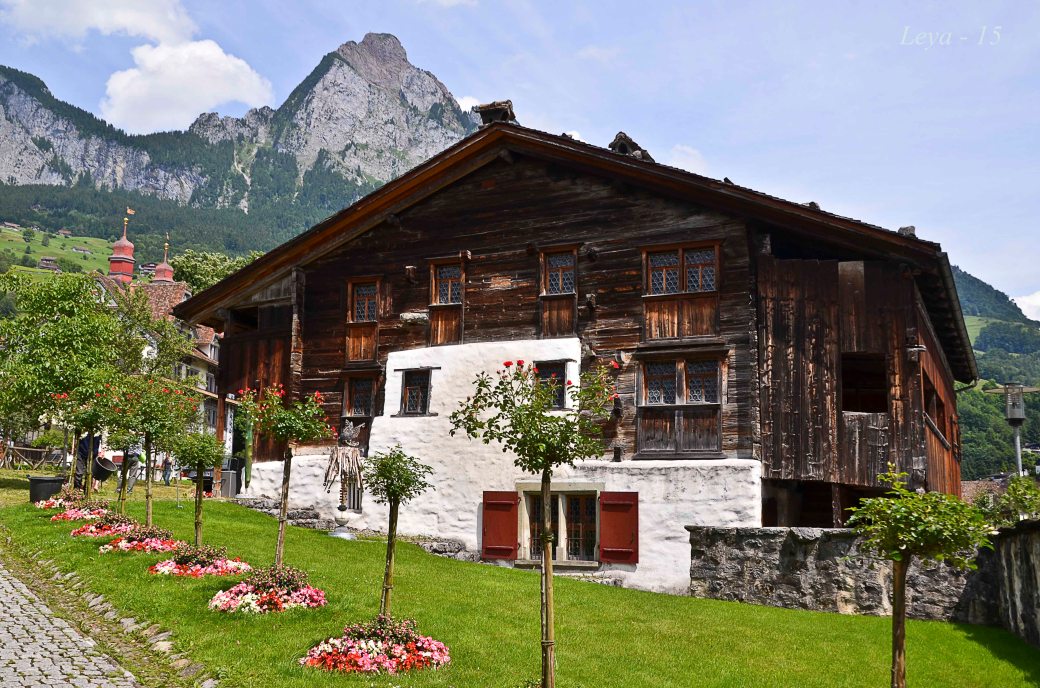
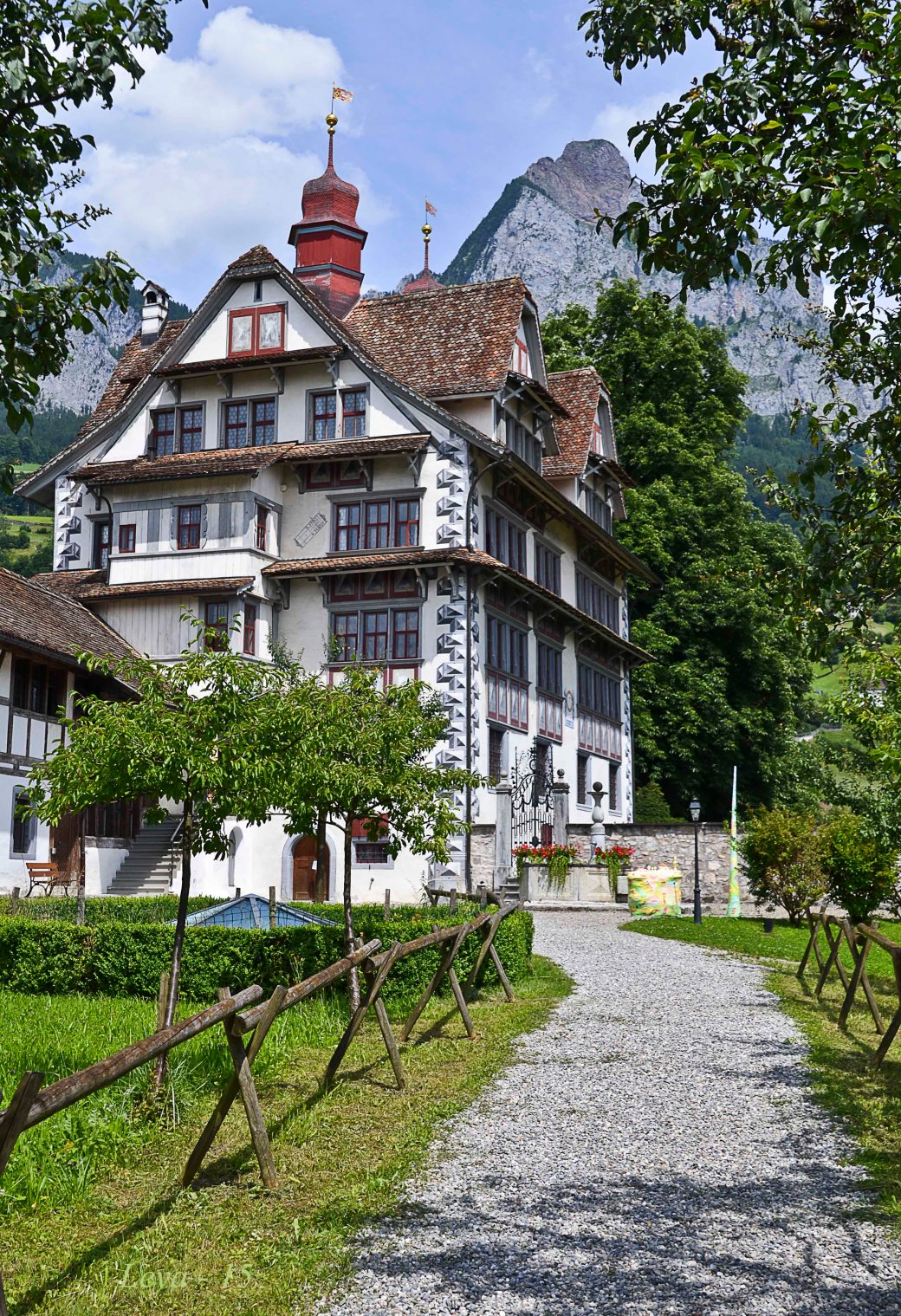
Haus Betlehem och den gamla herrgården Ital-Reding-Haus, bildar tillsammans ett modernt museum, men vi nöjde oss med att njuta av de vackra byggnadernas exteriörer.

Haus Betlehem and the old mansion Ital-Reding-Haus, together constitute a modern museum. We admired the gardens and the buildings only and didn’t go inside.
Vallen slogs naturligtvis – en schweizare vilar aldrig – och man arbetar gärna barfota med träräfsor för att samla ihop det sista av gräset.

Swiss people are never idle – taking care of the cut grass is done without machines – of course. And barefoot too.

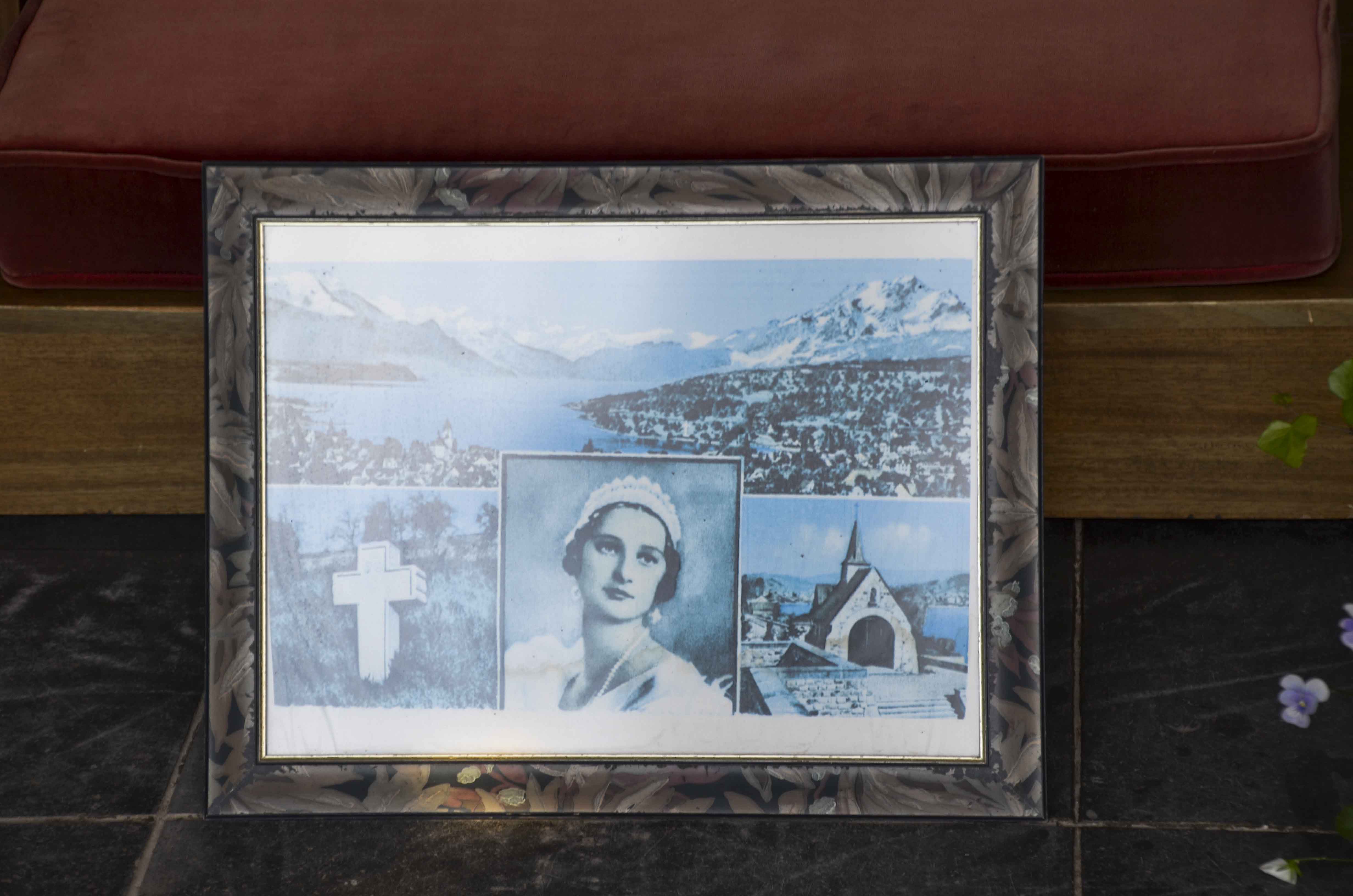
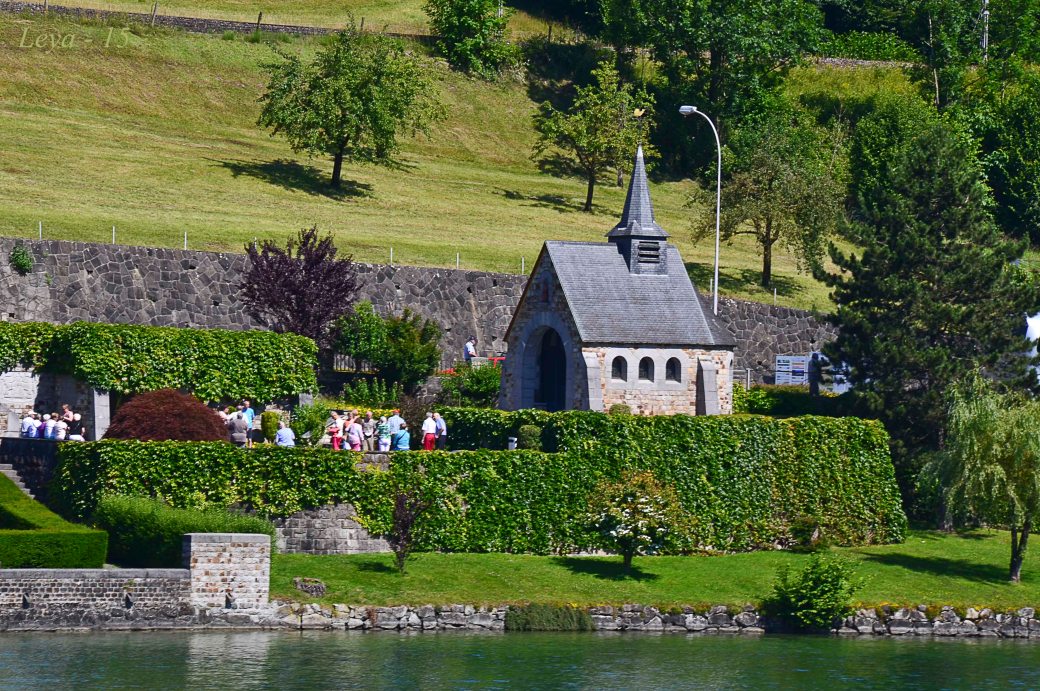
På hemvägen gjorde vi ett stopp i Küssnacht vid Astrids kapell, som ligger precis invid sjön.

On our way back to our chalet, we had to see the commemorative chapel built to Queen Astrid of Sweden.
Historien berättar att Astrid var yngsta dotter till svenske prins Carl och Ingeborg, och sondotter till Oscar II. Hon föddes 1905. I mars 1926 besökte den belgiska drottningen Elisabeth sin väninna Ingeborg i Stockholm tillsammans med sin son Leopold, kronprins av Belgien. Syftet var uppenbart. De unga fick flera tillfällen att träffas – och blev förälskade.

De förlovades den 21 september samma år. Astrid var en skönhet och Leopold var också stilig. Den 4 november vigdes de borgerligt på Stockholms slott – och sex dagar senare vigdes de kyrkligt i Belgien av den belgiske ärkebiskopen. Astrid var då 21 år och belgisk kronprinsessa.

Tillsammans med Leopold åkte hon runt för att lära känna sitt nya hemland. Det innefattade också besök i de belgiska kolonierna. På kvinnliga kungligheters vis idkade hon också välgörenhet. Astrid och Leopold fick tre barn. 1930 föddes Baudouin, som senare skulle bli kung i Belgien. Men redan 1934 blev Leopold kung och Astrid drottning sedan kung Albert hastigt avlidit i en bergsklättring.

Efter att ha bevistat bröllopet mellan prinsessan Ingrid och kronprins Fredrik av Danmark i Stockholm och sedan invigt världsutställningen i Bryssel, gav sig paret ner till Schweiz för att vandra i Alperna. Den 29 augusti satt Leopold och Astrid i en bil på väg mor Küssnacht. De hade chaufför, men Leopold körde bilen just då, en Packard Cabriolet, och Astrid läste kartan. När Leopold kastade ett öga på kartan var olyckan framme. Han körde av vägen och rakt emot ett päronträd. Astrid kastades ur bilen och omkom direkt. Man kan se rester av päronträdet än idag. Ett kors till minne av Astrid har rests bredvid och ett nytt päronträd har planterats.

Övrig kuriosa: Den svenska prinsesstårtan är döpt efter Astrid och hennes systrar när de var små.

According to Wikipedia, this is the short history of what happend then:

In August 1935, the King and Queen went incognito to Switzerland on holiday. On 29 August 1935, the King and Queen decided to go for a last hike in the mountains before returning home. Their chauffeur was sitting in the back of the Packard One-Twenty convertible, the King was driving and the Queen looking at a map. As the Queen pointed out something to her husband the car went off the road, down a steep slope, slammed into a pear tree. Queen Astrid was thrown out upon impact and died from her injuries at the scene of the accident at Küssnacht am Rigi.

The queen was deeply mourned by her husband, King Leopold, by the Belgians, and by the Swedes. Belgium issued a postage stamp showing her portrait in black, known as the Astrid Mourning issue. A commemorative chapel was built in Switzerland at the site of the crash and has become a destination for Swedish and Belgian tourists. The car was sunk at a deep part of the Vierwaldstättersee at the request of the king.

As of May 2015 two of her grandchildren were reigning simultaneously; King Philippe of the Belgians and Grand Duke Henri of Luxembourg. She was also a maternal aunt of Harald V of Norway.

The popular Swedish layer cake Princess Cake was named after Astrid and her two sisters when they were children.

Astrids kapell är uppfört till hennes minne på platsen där olyckan inträffade. Det är dock inte hennes grav.
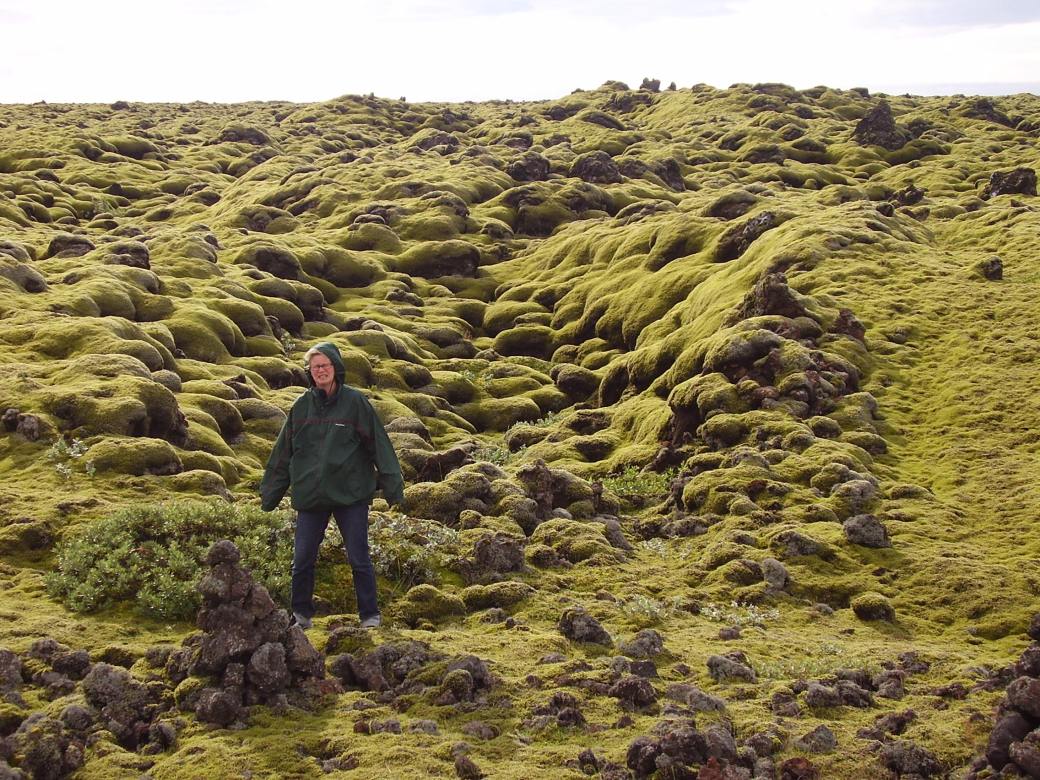
WPC: Forces of Nature

One of the strange and interesting forces of nature is the force of eruptions, volcanoes. This lava stream was flowing down the Icelandic landscape in the 17th century, and is now a beautiful but dangerous moss covered area. You cannot see what’s hiding under the moss – there could be huge holes several hundred metres down – now neatly covered death traps.

OLYMPUS DIGITAL CAMERA

# 180 Långväga – From far Away (154/365)

Över Ottenby flyger många tusen fåglar på sin väg norrut till häckningsplatserna – långväga gäster.

The skies over Ottenby are used by several thousands of birds every year on their way to their breeding places up north.

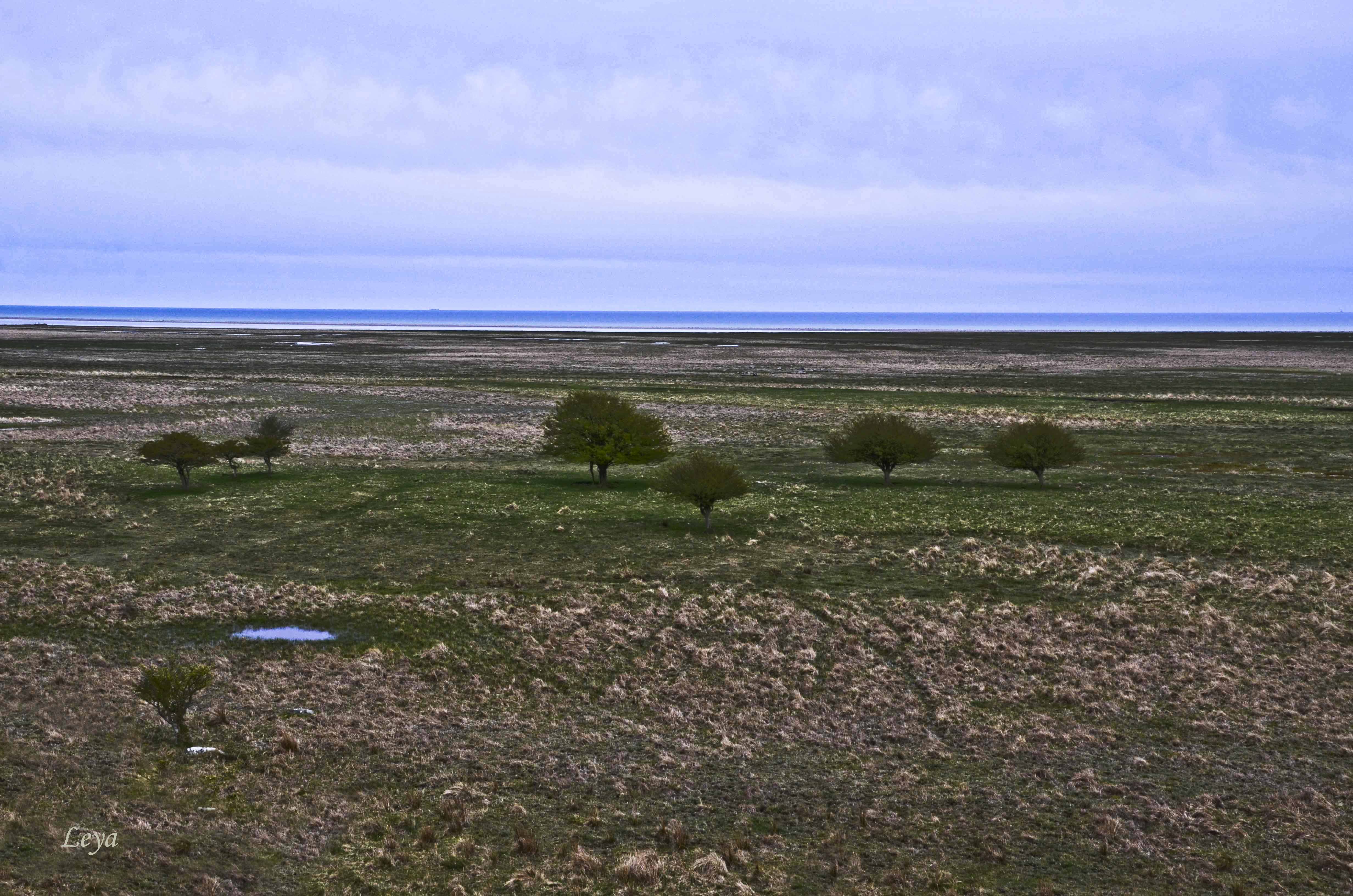
# 119 Horisonten – The Horizon (150/365)

Alvaret, Öland. Här syns horisonten överallt ifrån.

Alvaret, Öland – a World Heritage. The horizon is visible from anywhere.

Warsaw – A Miracle of Old and New – Stroll II

Den första kvinnan att få Nobelpriset var Maria Skodlowska – Marie Curie. Hon föddes här i Warszawa och vi gick förbi hennes födelsehus.

Marie Curie fick priset tillsammans med sin man och Henri Becquerel för sin forskning på radioaktivitet. Senare vann Marie priset också i kemi sedan hon upptäckt två nya grundämnen – radium och polonium (namn efter hemlandet Polen). Hon fick även ett grundämne döpt efter sig själv, curium.

Curie dog av aplastisk anemi efter att ha utsatts för radioaktivitet under många år. Hennes anteckningar måste förvaras i blyboxar, på grund av radioaktiv smitta.

Marie Curie är Polens mest framstående vetenskapskvinna och ligger begravd i Pantheon i Paris.

From Warsaw came the first woman ever to win the Nobel Prize – Maria Sklodlowska or Marie Curie. She recieved it together with her husband, Pierre Curie, and Henri Becquerel for their research on radioactivity. Later she also won the Nobel Prize for chemistry. She discovered radium and polonium (named after her home country, Poland).

Marie Curie even gave her own name to an element – curium. She died from aplastic anaemia after being exposed to radiation for many years. They say that even today you should not touch her notes, and they are now stored in leaden boxes.

Poland´s greatest scientist is buried in the Pantheon in Paris. This picture shows the house where she was born.

Praga heter den del av Warszawa som hyste arbetarkvarteren. Vi letade upp den gamla vodkafabriken, Koneser, som en gång var Polens mest moderna och producerade 1/4 miljon flaskor per dag och hade 400 arbetare.

Praga is the part of Warsaw where the working class used to live. Here we visited the old Vodka factory – Koneser. Not in use anymore, but the buildings are still standing as a monument of days gone by. New Gothic style and still beautiful in their own way.

Fabriken är nu nerlagd, men är under restaurering och ska användas till konst, kultur och underhållning.

Once this was the most modern factory in Poland, and produced 1/4 miljon bottles a day and had 400 workers.

Today the buildings are being restored and used for art, culture and entertainment.

Praga Koneser Center is its new name.

The entrance in Zabrowska Street.

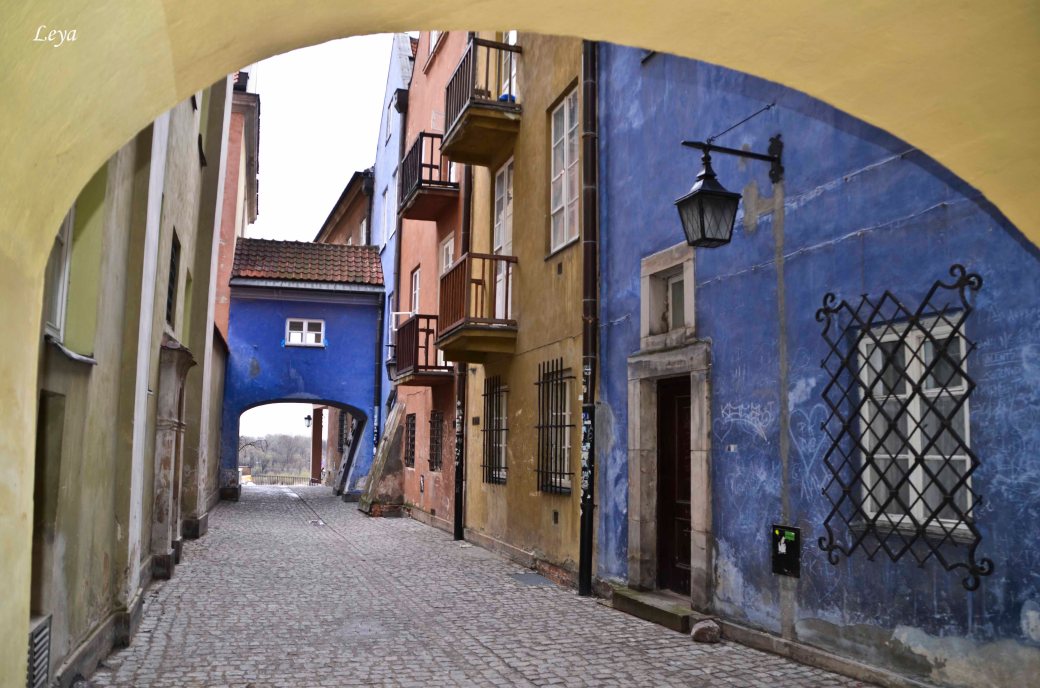
Tillbaka i Gamla Staden igen, gick vi genom vackert målade gränder ner till Gnojna Góra, som kan översättas ungefär ”Dynghögen”. Här kastades allt avfall, och man trodde även sig kunna bota syfilis genom att gräva ner den smittade upp till hakan i dynga. Historien förtäljer inte hur väl detta slog ut…

Back in the Old City again, we went down to Gnojna Góra, which should be translated as ”Dung Heap”. Through very picturesque and colourful arcs and rows of houses, we reached the place where people were supposed to get healed from syfilis. The method meant being buried up to their necks in the dung…No records of the effects though…

Från tidningsförsäljare ute på gatan till glitter och glamour inomhus.

From outdoor newspaper salesmen to indoor glory.

Detta bildspel kräver JavaScript.

Eftersom Finlands president var på besök denna dag hade vi bråttom för att se Den Okände soldatens Grav.

As the president of Finland was visiting this day, we had to hurry to see the Unknown Soldier´s grave.
Frederic Chopin föddes strax utanför Warszawa, men flyttade utomlands som 19-åring och kom aldrig tillbaka. För att betyga fosterlandet sin kärlek lät han begrava sitt hjärta i Warszawa.

Frederic Chopin was born just outside the city of Warsaw, but left as a 19-year old and was never to return to his home country.

Detta bildspel kräver JavaScript.

Tillbaka på hotellet innebar en resa från det gamla till det nya igen. Det här är utsikten från vår balkong.

Back to our hotel again meant back from the old to the new. This is our view from the balcony.